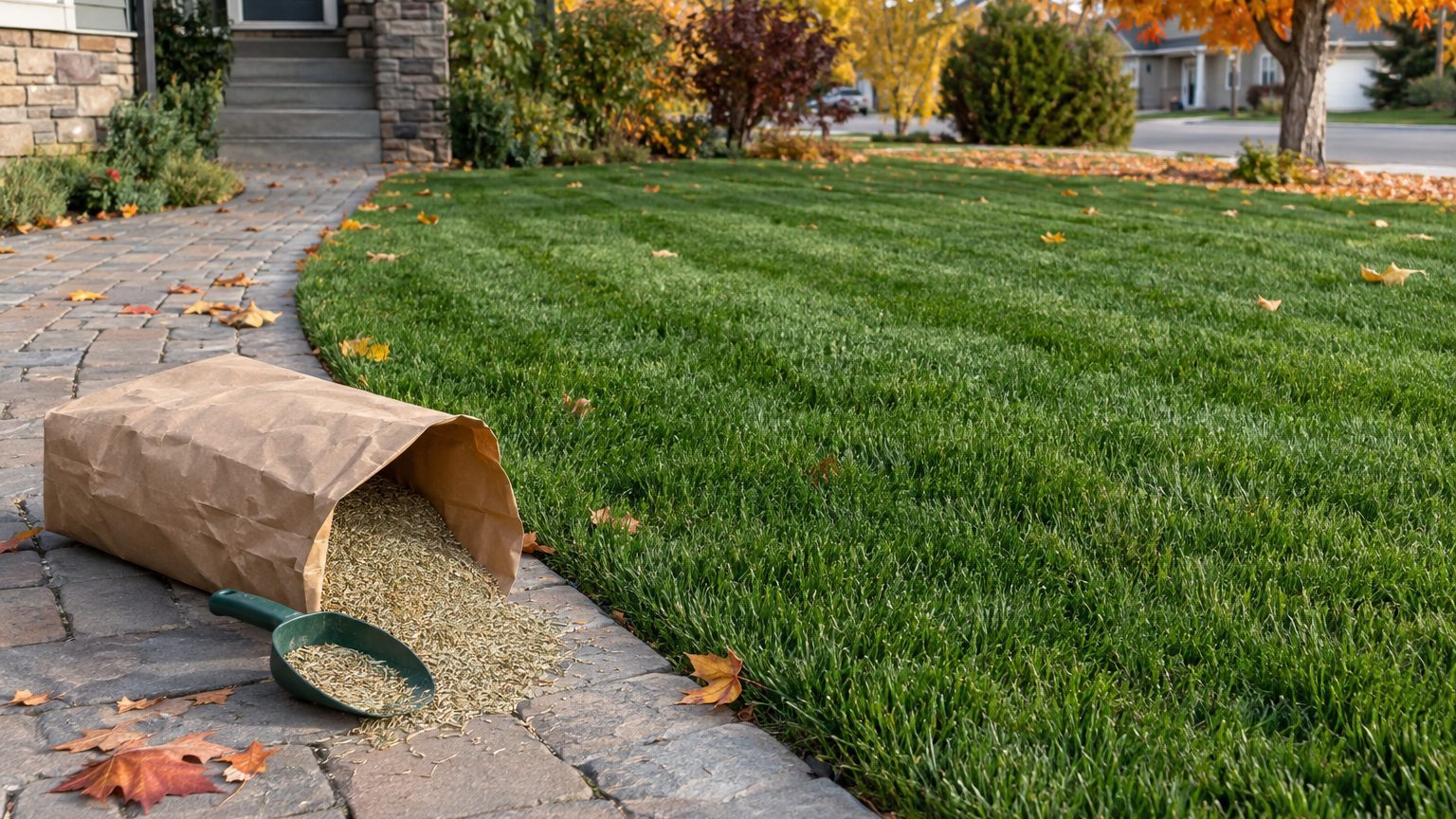
Cool-season lawns survive Alberta winters, and the grasses that matter are Kentucky bluegrass, fine fescues and perennial ryegrass. Spring snowmelt, cold nights and a short growing season reward seed that wakes up in cool soil and tolerates a hard freeze. Warm-season grasses have no place on a prairie lawn.
Which Grass Grows Best in Alberta?
Cool-season grasses win here, because Alberta winters are long and the lawn spends months dormant under snow. In Canadian hardiness zone 4a (not a USDA zone), which is the zone of Calgary, a grass has to shrug off deep cold and then grow fast once the soil warms. These grasses do that reliably.
Kentucky Bluegrass
This is the backbone of the Alberta lawn. It survives severe winters, spreads by underground runners and repairs its own thin spots. It is slow to germinate, so give it patience and keep the seedbed damp.
Fine Fescues
Creeping red, chewings and hard fescue all belong here. They handle shade and poor, dry soil better than bluegrass does, and they need less mowing and less feeding. Many homeowners blend them with bluegrass for a lawn that copes with both sun and tree shade.
Perennial Ryegrass

Ryegrass sprouts quickly, which makes it handy for filling in a bare patch fast. The catch is that it is short-lived in the coldest winters, so it tends to thin out over the years. Treat it as a helper in a mix rather than the main grass.
Alberta — the year and the numbers
- State
- Alberta
- Hardiness zones
- 4a
- Last spring frost
- May 21
- First fall frost
- September 16
- Annual rain
- 17 in
- Lawn type
- cool-season
- Source
- Environment and Climate Change Canada — Canadian Climate Normals 1981-2010, station CALGARY INT'L A · Calgary
How to Choose Grass Seed for a Alberta Yard
Start with the light, because sun and shade strongly influence which grasses fit the yard. Then think about how much foot traffic the lawn takes, whether you can water through dry spells, and how often you are willing to mow.
Seed depth matters more than most people expect. Cover seed with no more than 6 mm (0.25 inch) of soil, or it will struggle to reach daylight.
| Your yard | Grass to favor | Why |
|---|---|---|
| Full sun, regular watering | Kentucky bluegrass | Dense, hardy and self-repairing |
| Shade under trees | Fine fescues | Tolerate low light and root competition |
| Busy play area | Bluegrass with ryegrass | Ryegrass fills in fast while bluegrass settles |
| Dry spot, little watering | Fine fescues | Cope with thin, dry soil |
| Low mowing effort | Fine fescues | Grow slowly and stay fine-textured |
Most yards are a patchwork of these situations, so a mix of bluegrass and fine fescues, with a little ryegrass if you need quick cover, usually suits the whole property better than a single species.
Which Grasses Grow Where in Alberta
Alberta is not one climate, and the right blend shifts a little from the foothills to the northern parkland.
- Calgary and the foothills: Chinook winds and swings between warm and freezing weather can strip snow cover, so cold-hardy bluegrass and fescue blends suit those conditions.
- Edmonton and central Alberta: Winters run colder and the growing season starts a little later, which favors bluegrass with fine fescues and keeps ryegrass to a small share.
- Peace River country and the north: Frost arrives earlier in fall and leaves later in spring, so lean on cold-hardy bluegrass and fescue types and expect later green-up.
- Lethbridge and the south: Warmer, drier summers make fine fescues and irrigated bluegrass the practical pairing.
Calgary’s frost dates are midpoints rather than guarantees, and northern districts run weeks behind.
Grass Seed Mistakes to Avoid in Alberta
Choosing a Warm-Season Grass
Warm-season seed or sod is unlikely to survive an Alberta winter. Stick to bluegrass, fine fescues and ryegrass, and check the label for those names before you buy.
Seeding at the Wrong Time
Seed in August or September; May can work if you miss that window. Seed needs warm soil to sprout and time to root before the freeze. Dormant seeding in November is another route, since seed laid on cold soil waits and sprouts in spring, with October as a fallback.
Burying or Skimping on Seed
Thin sowing leaves gaps that weeds happily fill, while heavy sowing crowds seedlings so they die. Follow the rate on the bag, rake the seed in lightly and keep the top of the soil moist until the grass is up.
Where to Get Lawn Advice in Alberta
Canada has no county extension offices, so local help comes from the province and from people who garden nearby.
- Alberta’s provincial ministry, Agriculture and Irrigation, publishes guidance on soils and crops, worth a look before you plan a big reseed.
- Local master gardener groups answer questions about your town’s soil and weather, and spring is a good time to ask.
- A garden centre in your area can show which seed blends are made for prairie conditions, so bring a photo of your yard.
Common Questions
Can You Overseed an Alberta Lawn in Spring?
Yes, May works for overseeding thin areas. Fall gives seedlings cooler weather and more reliable moisture, so spring seeding calls for steadier watering through summer.
Is Ryegrass Enough on Its Own?
Not in this climate. It sprouts fast but is short-lived in the coldest winters, so it does better mixed with bluegrass or fine fescues.
Does Shade Change Which Seed You Should Buy?
It does. Fine fescues cope with low light far better than bluegrass, so a shady lawn should be sown with a fescue-heavy blend.