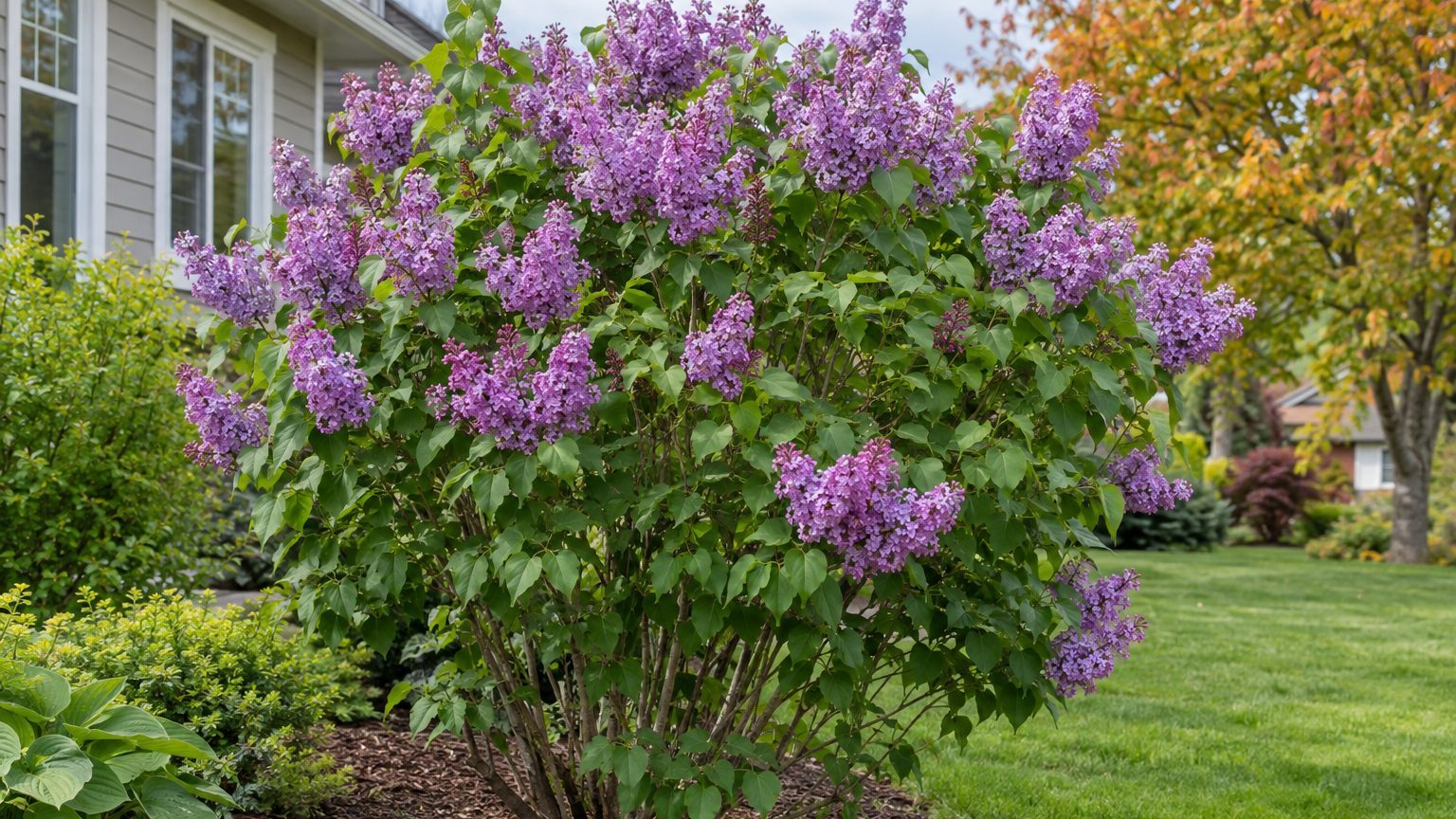
A lilac in full flower fills a British Columbia yard with scent, and the work that decides next year’s blooms comes soon after the last cluster browns. Lilacs in British Columbia follow a simple rhythm of spring flowers, a quick trim, summer bud-setting and a winter rest. Knowing where each step falls keeps the shrub flowering.
When Do Lilacs Bloom in British Columbia?

Lilacs in British Columbia bloom mostly in May, with April possible in a warm spring and June in a cool one. The year runs like this.
- In April, a warm spell on the coast can bring the first clusters open.
- In May, the main bloom arrives, and this is the month to cut stems for a vase and enjoy the fragrance.
- In June, once the flowers fade, the shrub is ready for its yearly trim.
- Through summer, the buds for next spring form quietly on the new growth, which is why the shears stay put after the June trim.
- From late fall through winter, the shrub rests, and the cold of those months helps the buds mature for the following May.
At Vancouver, the last spring frost falls on average March 18, a midpoint, so frost can still return later in one year out of two. The first fall frost arrives on average November 10, also a midpoint. The city sits in Canadian hardiness zone 9a, a separate system from USDA zones.
British Columbia — the year and the numbers
- State
- British Columbia
- Hardiness zones
- 9a
- Last spring frost
- March 18
- First fall frost
- November 10
- Annual rain
- 47 in
- Lawn zone
- transition-season
- Source
- Environment and Climate Change Canada — Canadian Climate Normals 1981-2010, station VANCOUVER INT'L A · Vancouver
Which Lilacs Grow Best in British Columbia?
Lilacs grow well in British Columbia wherever winters give them a real cold rest. That rest matures the flower buds. Common lilac is Syringa vulgaris.
Trouble starts with heat and humidity. Hot, muggy summers wear lilacs down, and a spot that never gets a proper winter chill tends to give thinner flowering.
| Lilac type | How it does in British Columbia | Why |
|---|---|---|
| Common lilac (Syringa vulgaris) | Does well where winters are properly cold | The cold rest matures its flower buds |
| Lilacs in a mild coastal garden | Bloom can run lighter in a very mild winter | Less winter chill reaches the buds |
| Lilacs in a hot, humid spot | Tend to struggle | Lilacs favor cold winters over muggy summers |
A sunny, open site with air moving through the branches suits lilacs better than a damp, closed-in corner. Garden centres in your area can tell you which named selections have performed locally, which matters more than any single variety name.
When to Plant, Prune and Feed Lilacs in British Columbia
British Columbia has no local extension page on lilac timing, so these dates follow the nearest comparable climate. Ask a local garden centre, garden society or provincial gardening group when to plant, and confirm the pruning schedule before you set a firm date.
The main rule is that a lilac blooms on last year’s wood and sets next year’s buds soon after it flowers.
| Task | Best timing in British Columbia | Why then |
|---|---|---|
| Watch the bloom | May, with April or June in an early or late spring | Spring warmth sets the pace each year |
| Prune | June, or May if the flowers fade early | Cuts made right after bloom keep next year’s buds |
| Feed | Soon after the flowers fade | Fresh growth is starting, and next year’s buds form on it |
| Hold the shears | July through winter | Pruning then removes the buds for the following spring |
A July trim costs you next year’s flowers, so a missed June window is better skipped than rushed. The page on when to prune lilacs in British Columbia goes deeper on cuts, from light shaping to renewal.
How Lilac Bloom Time Changes Across British Columbia
British Columbia holds many climates, and lilacs open on different schedules from the coast to the interior.
- Vancouver and the Lower Mainland: Mild, damp springs bring lilacs into flower on the early side of the May window. April bloom can happen here after a warm stretch.
- Victoria and southern Vancouver Island: The mild maritime climate pushes bloom early. Winter chill is lighter, so flower counts can be thinner.
- The Okanagan: Sunny, dry summers and colder winters suit lilacs well, and bloom usually lands squarely in May. Gardens on higher benches above the valley floor open later than those beside the lake.
- Prince George and the northern interior: Spring arrives later and frost lingers, so bloom slides toward June. Frost dates here run well behind the Vancouver figures.
Treat your own yard’s slope, shelter and elevation as the final adjustment. A south-facing wall opens flowers sooner than a shaded north side.
Where to Get Lilac Advice in British Columbia
Local help comes from garden centres, garden societies and provincial services. For a diagnosis, a soil question or a timing check, start with these.
- The provincial agriculture ministry offers growing guidance, and it is the right stop for questions about soil or pests.
- A local garden centre can look at a leaf or stem you bring in and suggest named selections that perform locally.
- A garden society in your town can share local experience with lilacs in your district.
Common Questions
Is It Normal for a Lilac to Bloom in April or June?
Yes. May is the usual month, but a warm spring can bring flowers in April and a cool one can push them into June. Check your shrub against the weather of that spring before you worry.
Why Is Your Lilac Leafy but Not Flowering?
Look for heavy green growth with few buds, and note how much direct sun the spot gets. Too much shade often points to the problem. A trim made in summer, fall or winter also removes buds, so think back to when the shears last came out.
What Should You Do If You Pruned Your Lilac in July?
Expect fewer flowers the next spring, because a July cut removes the buds already set. Leave the shrub alone through winter, and make your next trim right after the flowers fade in May or June.