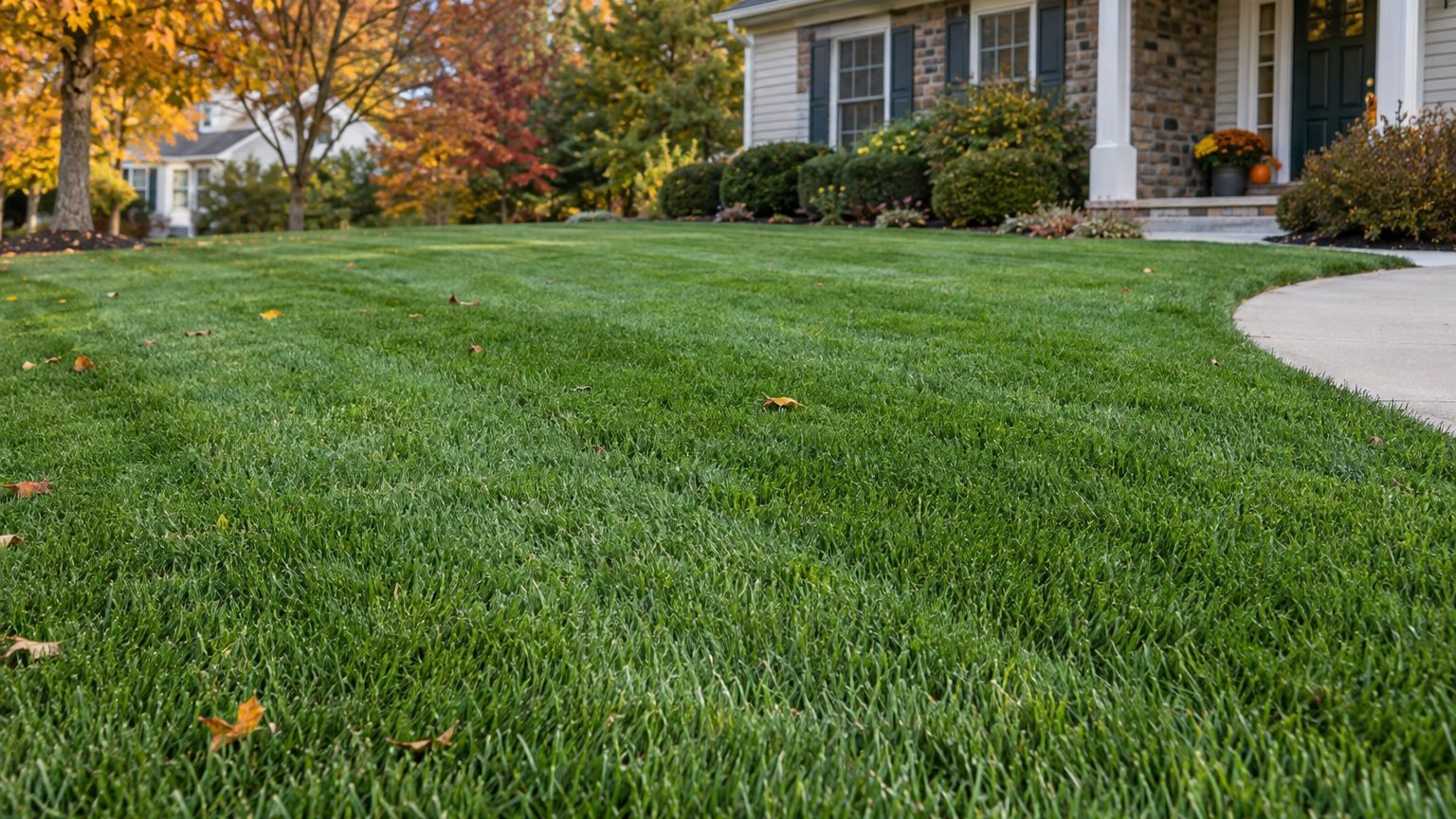
A Pennsylvania lawn greens up in spring, slows in the heat of midsummer, and perks up again as the nights cool in early fall. That rhythm shapes every task, and the grasses that hold up here are the cool-season types.
Frost Dates and Growing Season in Pennsylvania
In Philadelphia, the mildest corner of the state, the last spring frost falls between March 29 and April 6, and the first fall frost arrives between November 5 and November 16. Those dates mark frost risk for young seedlings. Grass itself grows with soil warmth, so the lawn year runs like this.
- In early spring, the soil is still waking up, and a late frost can nip tender new seedlings, so wait on seeding unless you are using the April fallback. April is also when crabgrass preventer goes down.
- In May, mowing picks up with steady growth, and the first main feeding of the year fits here.
- Through June, July and August, growth slows in the heat, and watering becomes the main job for keeping the lawn green.
- In late summer, August and September, the soil is still warm and the nights start to cool, which is when seed, sod, aeration and dethatching work best.
- In October and November, mowing continues while the grass is growing, and a November feeding is a fallback if September slipped by.
Because these are Philadelphia dates, they describe the southeast rather than the whole state. Seed sown in late summer needs time to root before the first fall frost, which is why that window closes sooner than many people expect.
Pennsylvania — the year and the numbers
- State
- Pennsylvania
- USDA zones
- 5a-7b
- Last spring frost
- March 29 to April 6
- First fall frost
- November 5 to November 16
- Annual rain
- 44 in
- Lawn type
- cool-season
- Source
- NOAA NCEI U.S. Climate Normals 1991-2020, 32F freeze probabilities · Philadelphia
Cool-Season or Warm-Season Grass in Pennsylvania?
Cool-season grass is the answer here. Winters are cold enough to stress warm-season types, and cool-season grasses grow strongly in spring and fall, then rest through summer heat and dry spells.
Four cool-season grass groups suit home lawns in the state, and each handles the seasons a little differently.
| Grass | How it does in Pennsylvania | Why |
|---|---|---|
| Kentucky bluegrass | Dense, good-looking turf in sun | Cool-season grass that thrives in cold winters and spreads to fill gaps |
| Tall fescue | Handles summer heat and dry spells well | Cool-season grass with a deep root system |
| Perennial ryegrass | Sprouts quickly, often mixed with other grasses | Cool-season grass that establishes fast in spring or late summer |
| Fine fescues (creeping red, chewings, hard) | Fits shadier, lower-maintenance spots | Cool-season grasses suited to cooler, lighter conditions |
Blending these grasses can help a lawn cope with changing light across the yard. Warm-season grasses are not the usual choice at this latitude.
When to Seed, Fertilize and Aerate a Lawn in Pennsylvania
Late summer carries most of the big jobs, since warm soil and cooler air let new grass root with little competition from weeds. Spring works as a backup for several tasks.
One legal rule applies to feeding. In Pennsylvania, Act 83 of 2022 bars lawn fertilizer from December 15 to March 1, and on ground that is frozen 2 inches deep or covered in snow.
| Task | Best months in Pennsylvania | Why then |
|---|---|---|
| Seeding | August, September (April, May also work) | Warm soil and cool air help seed root before winter |
| Laying sod | August, September (April, May, October also work) | Roots knit into warm soil without summer stress |
| Core aeration | August, September (April, May also work) | Grass is growing and fills the holes quickly |
| Fertilizing | May, September (April, November also work) | Feeds the grass when it is actively growing |
| Crabgrass preventer | April (March, May also work) | Goes down before crabgrass seed sprouts |
| Dethatching | August, September (April, May also work) | Recovery is fast, but only needed when thatch is thicker than about an inch |
Mowing runs from April through November, and watering matters most in June, July and August. If you miss September for seeding, October is still open for laying sod, and spring can catch up on seed.
Lawn Problems to Watch for in Pennsylvania
Brown Patches in Midsummer

Cool-season grass slows down when summer heat and dry weather arrive. Lawns turn tan or straw colored, often first along driveways and on south-facing slopes. Water deeply through June, July and August, and let the grass go dormant rather than overfeeding it in the heat.
Thin Grass Under Trees
Shade and root competition leave grass sparse and weak beneath mature trees, and moss may creep in where the soil stays damp. Fine fescues cope better with shade than bluegrass does. Seeding in August or September gives them the best start, and a lighter touch with the mower helps too.
Bare Spots After Winter
Cold winters and snow cover can leave bare or matted areas, especially where salt or plow piles sat. Rake the spots in spring, then seed in April or May, or wait for late summer when conditions are easier. Keep feeding within the state rules above.
How Lawn Care Dates Change Across Pennsylvania
Elevation and latitude shift the season across the state, so your own dates can fall earlier or later than the Philadelphia ones.
- Philadelphia and the southeast: Spring comes earliest here, and fall frost arrives latest, which gives seeding the longest runway.
- The Alleghenies: Higher ground stays cold longer in spring and cools sooner in fall, so spring tasks start later and late-summer seeding should start early.
- The northern tier: Spring runs two to four weeks later than in Philadelphia, so wait for the soil to warm before seeding or applying preventer.
If you live between these places, watch your own yard. Use the calendar as a starting point and adjust spring tasks for how quickly your soil warms.
Where to Get Lawn Advice in Pennsylvania
Penn State Extension publishes lawn guidance written for the state’s soils and weather, and county offices can help with local questions.
- The extension service has articles on seeding, thatch and fertilizer rules, useful before you buy supplies.
- Your county extension office can point you to a soil test before a spring or late-summer feeding.
- Bring a sample of a troubled patch to the county office when the problem first shows.
Common Questions
Can You Seed a Lawn in Pennsylvania in Spring?
Yes, April and May both work, though summer heat can stress young grass before it roots deeply. Keep the seedbed moist, and expect to water more often as temperatures rise.
Do You Need to Rake Leaves Off a Pennsylvania Lawn in Fall?
A thick layer of whole leaves can smother grass that is still growing in October and November. Mow them into small pieces or rake them off so light and air reach the blades.
Is Thatch a Problem on Pennsylvania Lawns?
Only when it builds up thicker than about an inch. Below that, a thin layer is harmless, so check by cutting a small plug before you rent a dethatcher.