Skip to content
  1. Jan
  2. Feb
  3. Mar
  4. Apr
  5. May
  6. Jun
  7. Jul
  8. Aug
  9. Sep
  10. Oct
  11. Nov
  12. Dec
State
North Carolina
USDA zones
5b-8b
Last spring frost
March 23 to April 5
First fall frost
October 30 to November 8
Annual rain
44 in
Lawn zone
transition-season
Source
NOAA NCEI U.S. Climate Normals 1991-2020, 32F freeze probabilities · Charlotte

The year in North Carolina, from the calendar

  1. JanPlant fruit trees
  2. FebSpring bulbs bloom · Plant roses · Prune roses · Plant fruit trees · Prune fruit trees
  3. MarSpring bulbs bloom · Feed hydrangeas · Plant hydrangeas · Feed roses · Plant roses
  4. AprSpring bulbs bloom · Plant hydrangeas · Lilacs bloom · Peonies bloom · Feed roses
  5. MayFeed hydrangeas · Lilacs bloom · Prune lilacs · Peonies bloom · Feed roses
  6. JunPrune bigleaf hydrangeas · Prune lilacs · Feed roses · Dethatch (warm-season lawns) · Fertilize the lawn (warm-season lawns)
  7. JulFeed hydrangeas · Prune bigleaf hydrangeas · Feed roses · Fertilize the lawn (warm-season lawns) · Mow
  8. AugPlant hydrangeas · Seed the lawn · Feed roses · Aerate · Dethatch
  9. SepPlant hydrangeas · Plant peonies · Dethatch · Fertilize the lawn · Mow
  10. OctPlant peonies · Plant trees · Fertilize the lawn · Mow · Mow (warm-season lawns)
  11. NovPlant spring bulbs · Cut back peonies · Plant trees · Mow
  12. Dec—

From the state frost facts and extension calendars: NC State Extension (Beaufort County) · NC State Extension (Pamlico County) ; NC State Extension (Beaufort County) · Clemson HGIC factsheet — Hydrangea · University of Tennessee Extension — PB1903 Lawn Maintenance Calendar (2025).

When to Plant Roses in North Carolina: Dates and Varieties

When to Plant Roses in North Carolina: Dates and Varieties

Bare-root roses go into North Carolina soil while they are still asleep, and by the time the first leaves open the roots are already settling in. Bare-root roses are usually planted from late winter into early spring, and they can also go in during late fall.

When to Plant Roses in North Carolina

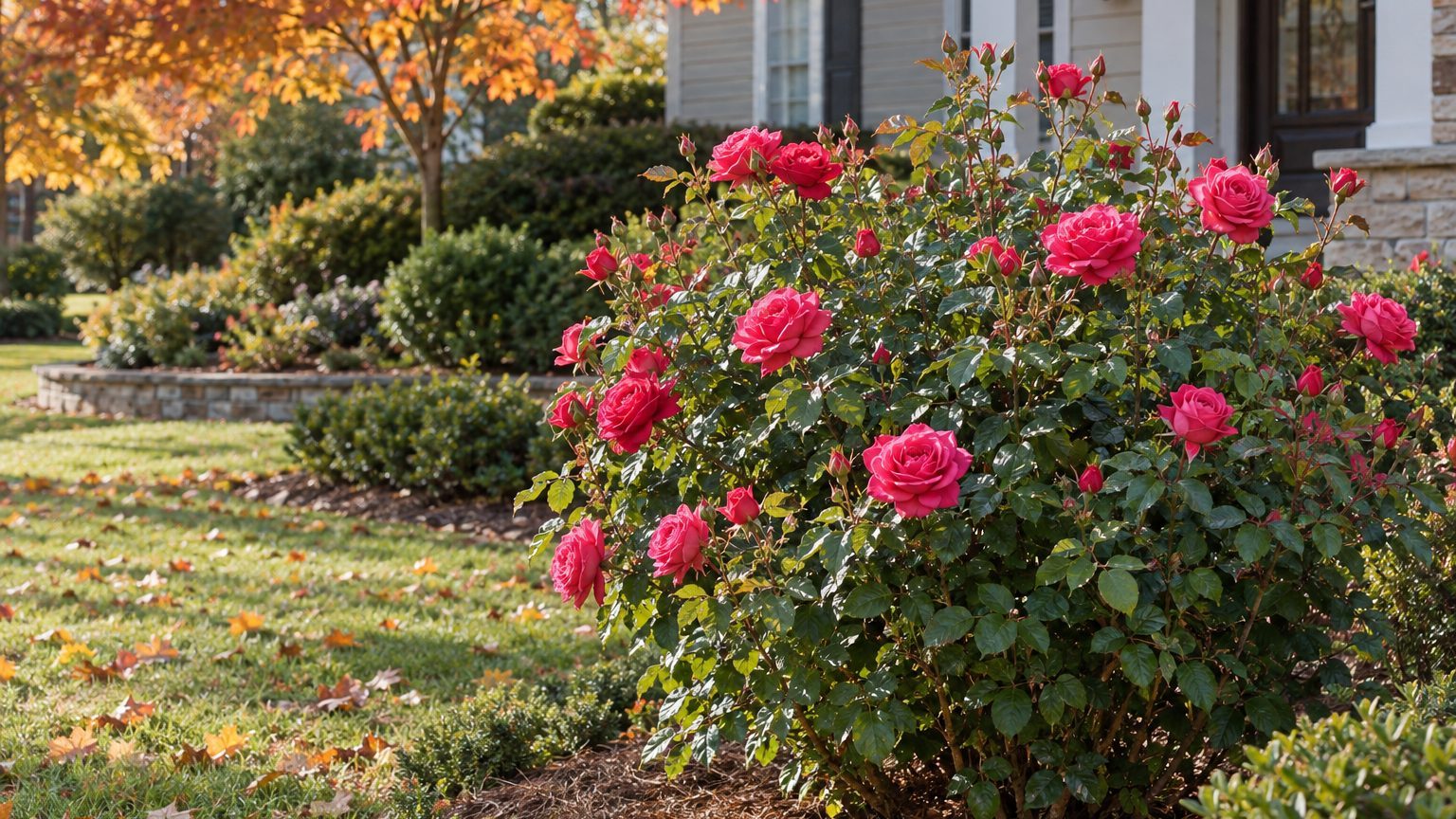
A rose bush in bloom in a home garden

Bare-root roses go in first, usually from February through March; January, April, November and December can also work when the weather or nursery schedule gets in the way. Potted roses can go in later, because they arrive with leaves and a root ball already growing.

  • In winter, from February into March, bare-root roses are planted while still dormant, which lets the roots establish before the canes push new growth.
  • In early spring, repeat-blooming roses such as hybrid teas, floribundas and modern shrub roses get their hard pruning, when dormancy is breaking in February and March.
  • Once the leaves open in March, feeding begins, and it continues after each flush of bloom through the warm months.
  • From April on, potted roses can go into beds, since the ground is warm and a leafed-out plant is easier to judge than a bundle of bare canes.
  • In late summer, the last feeding of the year goes on in September at the latest, so the plant is not pushed into soft growth ahead of frost.
  • In November and December, bare-root roses can be planted again, and the canes rest through winter.

At the Charlotte reference point, in the Piedmont, the last spring frost falls between March 23 and April 5, so a rose that has just leafed out can still be nipped. The first fall frost arrives between October 30 and November 8. The state spans USDA hardiness zones 5b to 8b, so mountain and coastal yards differ from these dates.

Which Roses Grow Best in North Carolina?

Roses with good disease resistance and modest pruning needs do the most for you here, especially in a humid state where black spot is a constant worry. Hardy garden roses need less prep in North Carolina.

Rose type How it does in North Carolina Why
Hybrid teas Rewarding but demanding They need a rigorous spray program to keep black spot at bay, and a hard prune in February and March
Modern shrub roses A dependable choice for a low-fuss bed Many resist black spot, and they can be shaped as needed instead of cut back hard every year
Floribundas Repeat bloom through the season They flower on new wood, so they take the same late winter prune as hybrid teas
Hardy garden roses Easier to settle in They need less prep

Old garden roses, ramblers and many climbers sit outside the table because they bloom once a year on last year’s wood. Prune them right after they flower, never in early spring, or the coming season’s buds go in the trash.

When to Prune, Feed and Protect Roses in North Carolina

Pruning, feeding and planting set the rhythm of the year, and each follows what the plant is doing. Pruning follows dormancy breaking, feeding follows the leaves, and planting follows the rest period. In North Carolina, a heavy prune is often timed around Valentine’s Day.

Task When to do it in North Carolina Why then
Pruning repeat-blooming roses February and March, from mid-February to early March Dormancy is breaking and new growth has not started, so cuts do not waste energy
Planting bare-root roses February and March; it can also be done in January, April, November and December The plant is dormant and roots can settle before heat arrives
Feeding roses March through August; feeding can continue into September Feeding starts with the first leaves and repeats after each bloom flush, stopping about six weeks before the earliest frost

Rose bushes here typically break dormancy in late February or early March, depending on winter temperatures, so watch the buds and the weather instead of the date alone. Once-blooming roses follow a different rule, covered above. The page on when to prune roses goes into cuts and technique in more depth.

How Rose Care Dates Change Across North Carolina

Elevation and distance from the coast move the whole rose year, so the dates above fit the Piedmont best and shift as you travel west or east.

  • Blue Ridge Mountains: Spring arrives several weeks later than in Charlotte, so planting, pruning and the first feeding all slide later, and the hardiness zone runs colder.
  • Coastal plain: Spring frost ends earlier than in the Piedmont, so work can begin sooner and the season for tender new growth opens ahead of the mountains.
  • Charlotte and the Piedmont: This sits between the mountain and coastal extremes.

If you live between these places, start with the Piedmont dates and adjust by what the buds are doing in your own yard.

Where to Get Rose Advice in North Carolina

North Carolina Cooperative Extension, run through NC State Extension, answers rose questions for each county. Your county office can speak to local soil and local weather, which matters in a state this varied.

  • The county extension office can diagnose leaf spots or cane problems if you bring a sample, and it is worth a visit before spraying anything.
  • A soil test through the county office shows what the bed needs before you plant, so go in winter before bare-root planting.

Common Questions

Can You Plant a Potted Rose in Summer in North Carolina?

A potted rose can go in later than a bare-root one, since it arrives with leaves and roots already growing. Summer heat is hard on any new planting, so water it regularly until it settles.

Do Roses Need Winter Protection in North Carolina?

Winters are mild enough that roses are often semi-evergreen in the state’s milder areas, so heavy mounding is not a routine job. Mountain gardens in colder zones are the place to watch more closely.

Should You Prune Climbing Roses in February?

Only the repeat-blooming ones. Many climbers bloom once on last year’s wood, so they are pruned right after flowering. Cutting them in early spring removes the buds that would have bloomed.
Best Spring Bulbs for North Carolina

Best Spring Bulbs for North Carolina

Daffodils pushing up through winter-bare beds are the surest sign of spring in a North Carolina yard, and they come back year after year with almost no help. Tulips are a different story here, and hyacinths and alliums sit somewhere in between.

Best Spring Bulbs to Grow in North Carolina

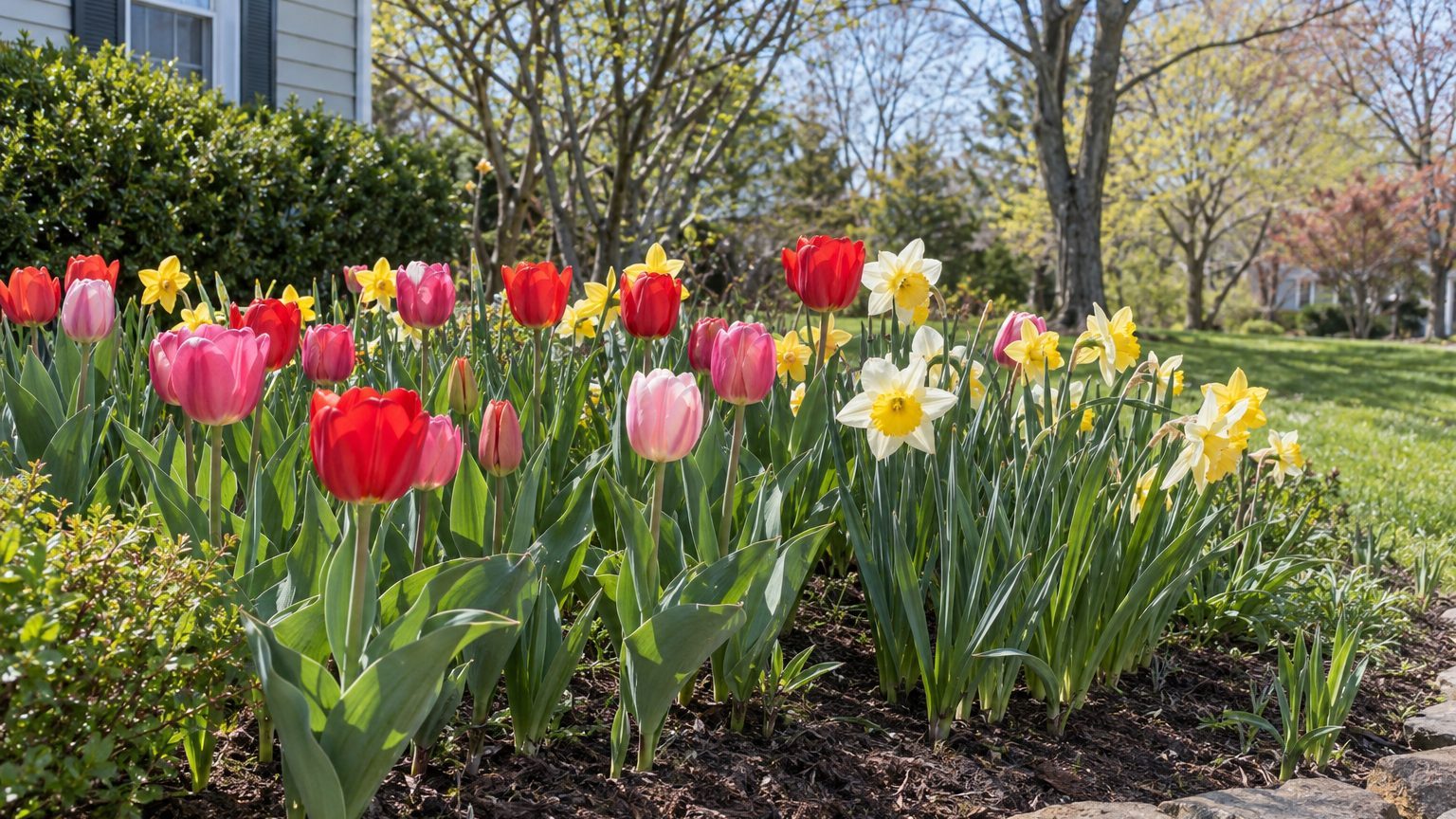
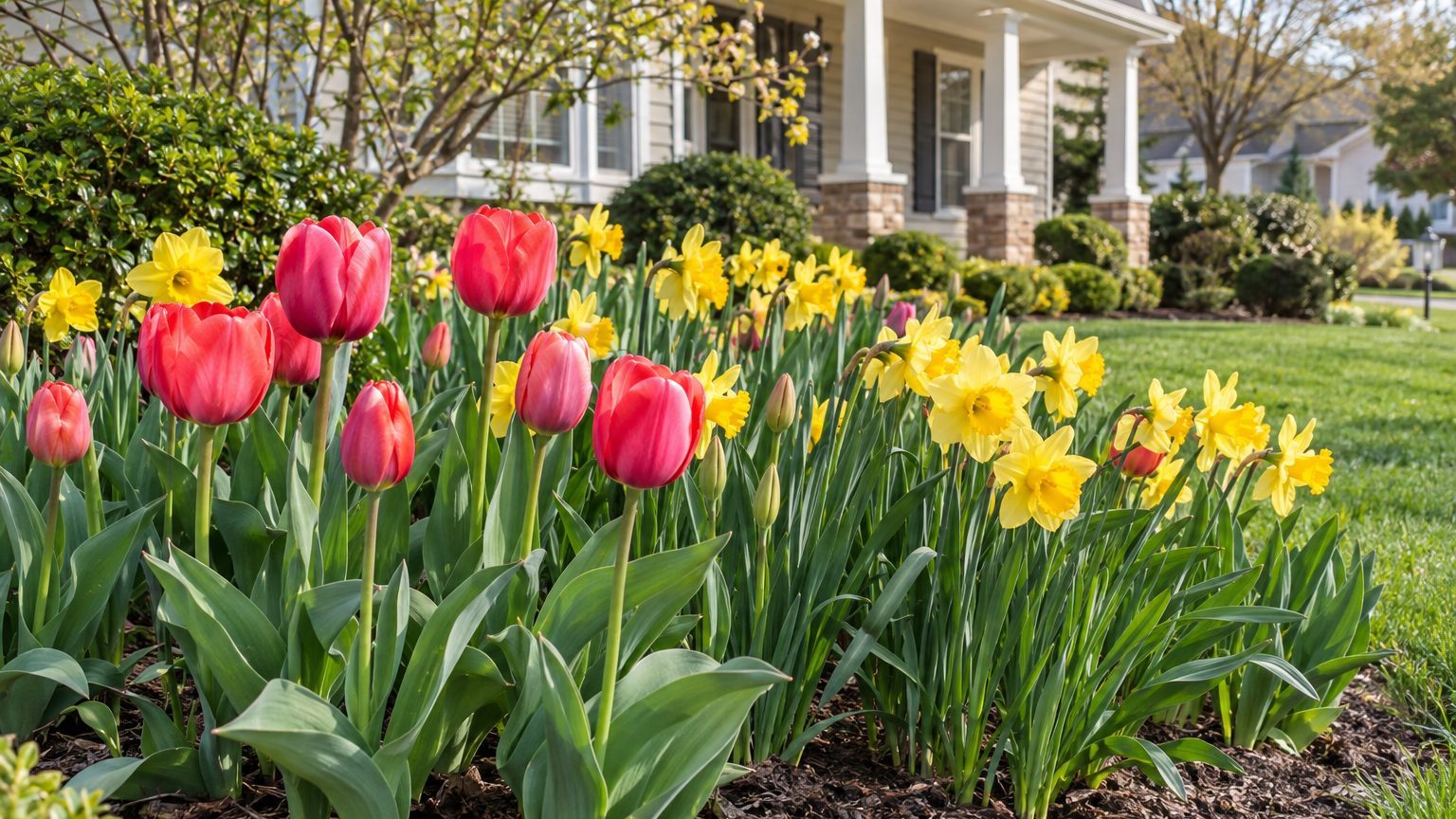
Healthy spring bulbs in bloom

Daffodils

Daffodils (Narcissus) are the most dependable and least fussy choice for North Carolina. They multiply over the years, need no chilling or pre-treatment, and deer and rodents leave them alone.

Plant them in November, once the soil has cooled below about 60°F. Leave the leaves in place after bloom until they turn brown, and remove only the faded flowers.

St. Keverne Daffodil

For a classic, large yellow daffodil that returns and multiplies for years, St. Keverne is a reliable all-around performer for southern landscapes. It suits North Carolina beds where you want a bold patch of yellow without replanting.

Tulips

Tulips are tricky here. Our climate and soil tend to stay too warm for them to come up year after year, and they need a longer chilling period than local soil often provides.

In eastern North Carolina, treat them as annuals and replant each year. Voles, squirrels, rabbits and deer also eat them, so protect the planting or accept some losses.

Pre-Chilled Tulip Bulbs

If you want tulips, buy pre-chilled bulbs or chill them yourself in the refrigerator, away from fruit, for 8 to 10 weeks. Then plant them in December. Most spring bulbs want about 12 to 16 weeks of cold, and a mild North Carolina winter often falls short of that, so the fridge fills the gap.

Alliums

According to Iowa State University Extension, alliums, the ornamental onions, need the cold of winter to bloom. Plant them in November with your other bulbs and let them close out the spring show.

Hyacinths

Hyacinths share the tulip’s need for cold, so in a mild North Carolina winter they are chilled in the refrigerator before planting. Do that, then plant in the cool soil of late fall and they have what they need to flower.

How to Choose Spring Bulbs for Your North Carolina Garden

Your choice comes down to how much work you want to do and how mild your winters run. Daffodils ask the least of you, while tulips and hyacinths ask for a little planning ahead.

Planting timing is the same for all of them: November is the target, with October and December as fallbacks. In North Carolina the soil usually cools below 60°F from mid-October through early December.

Your situation What suits it in North Carolina Why
Warm winters that fall short on cold Daffodils or alliums Neither needs chilling or pre-treatment to bloom
Hot, warm-soil summers Daffodils Tulips struggle to return when soil stays too warm
Little time for upkeep Daffodils They multiply over time and need little care
Deer, voles or squirrels visit Daffodils Rodents and deer leave them alone, while tulips and crocus get eaten
Need for cold Pre-chilled tulips or hyacinths Chilling in the refrigerator replaces the cold the winter does not supply

If you want tulip color in a bed, plan on replanting each year and treat them as seasonal flowers, the way you would pansies.

Which Spring Bulbs Suit Different Parts of North Carolina

North Carolina stretches from the mountains to the sea, and the choice of bulb shifts a little along the way.

  • Eastern North Carolina: Soil here stays too warm for tulips to return, so they are best treated as annuals. Daffodils are the dependable perennial choice.
  • Charlotte and the Piedmont: Winters are milder than in the hills, so pre-chilled tulips and hyacinths help. Daffodils and alliums need no extra step.
  • The Blue Ridge mountains: Spring arrives several weeks later than in the Piedmont, and winter cold is deeper, so bulbs bloom later and get more of the chill they want.

Wherever you garden, daffodils remain the safest bet from the coast to the mountains.

Spring Bulb Buying Mistakes to Avoid in North Carolina

Planting Tulips and Expecting Returns

Tulips are often short-lived in the garden, and in our warm soil they rarely come back well. Buying a large lot and planting it as if it were permanent leads to thin, disappointing blooms the second year. Plant fewer, or buy pre-chilled bulbs and replant each year.

Skipping the Chill

Tulips and hyacinths need 12 to 16 weeks of cold to flower, and many North Carolina winters do not deliver it. Bulbs planted straight from the bag may come up weak or not at all. Chill them in the refrigerator, away from fruit, before planting.

Holding Bulbs Over the Winter

A bulb left in the bag does better planted late than stored. Put it in as soon as the ground can be dug, even if November has passed. Planting too early is the opposite risk, since bulbs set in warm soil may sprout in the fall before winter arrives.

Where to Get Spring Bulb Advice in North Carolina

NC State Extension publishes bulb guidance written for this state, and each county has its own office that knows local soil and winter patterns.

  • The extension website carries planting and chilling advice, worth a look before you order bulbs in late summer.
  • Your county extension office can tell you how cold your yard gets, so call before you plant in fall.

Common Questions

Can You Plant Daffodils in December in North Carolina?

Yes. November is the target, but October and December also work. Bulbs still in the bag should go in as long as the ground can be dug.

Do Crocus Grow Well in North Carolina?

Crocus can be grown, though voles, squirrels, rabbits and deer eat them. Plant them where those animals are not a problem, or choose daffodils.

When Do Tulips and Daffodils Bloom in North Carolina?

Early, mid and late-season varieties flower in succession from February through April, so mixing them stretches the show.

When Do Tulips and Daffodils Bloom in North Carolina?

When Do Tulips and Daffodils Bloom in North Carolina?

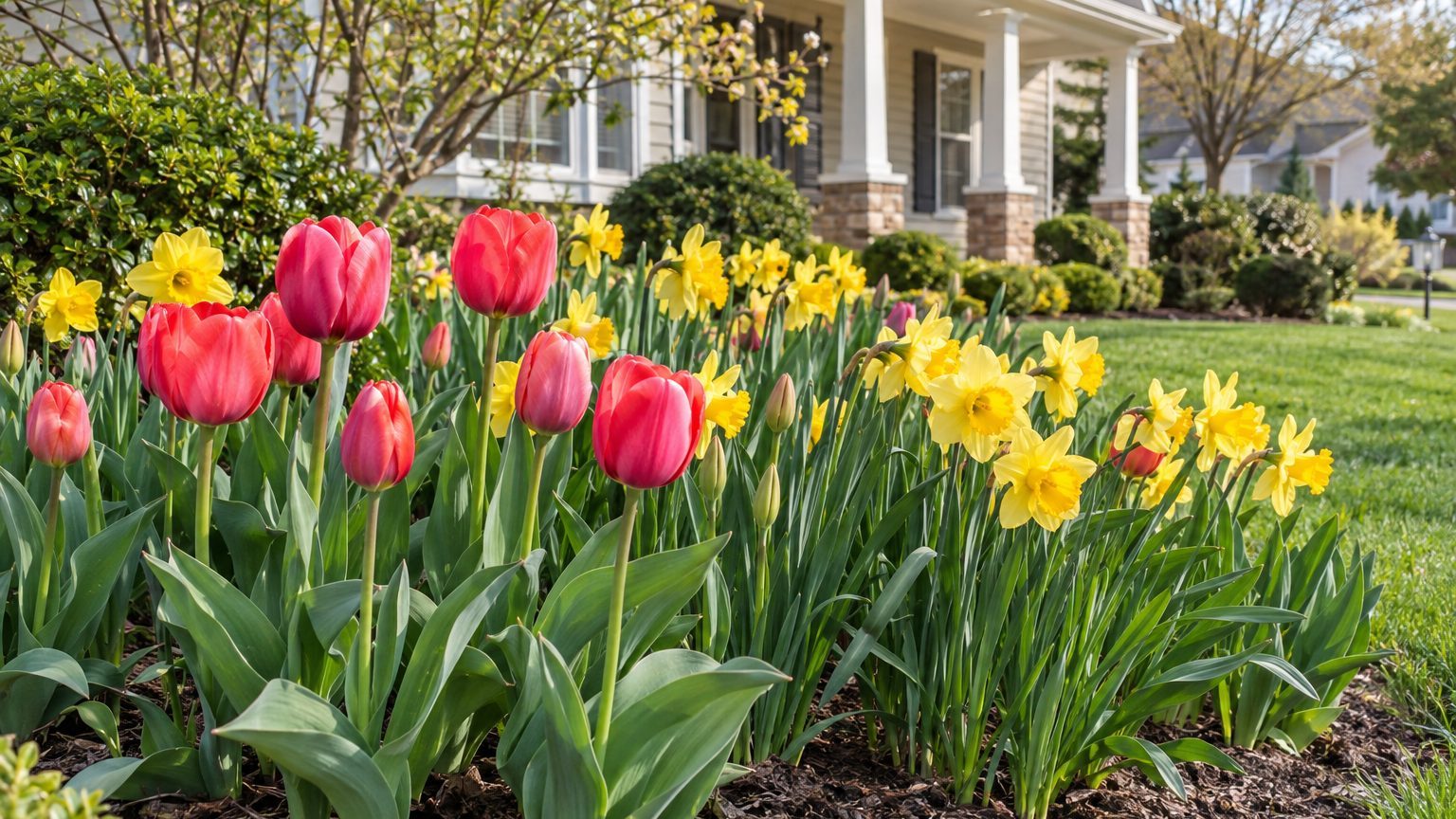
Green daffodil spears pushing through cold ground and tulip buds swelling in the bed are familiar sights in North Carolina yards as winter loosens. Bloom time here depends on the variety, the warmth of the spring, and where in the state your yard sits.

When Do Tulips and Daffodils Bloom in North Carolina?

When Do Tulips and Daffodils Bloom in North Carolina?

Tulips and daffodils bloom in North Carolina from February through April. Early, mid and late-season varieties open in succession, so a bed planted with a mix can carry color through all three months instead of peaking for one weekend.

Bulb When it blooms in North Carolina What sets the timing
Daffodils February through April Early, mid or late-season variety; no chilling needed
Tulips February through April Variety season and enough cold; pre-chilled bulbs go in the ground in December
Alliums Near the end of the spring bulb season Needs cold of winter to bloom

Crocus and hyacinths follow the warming of spring rather than a set month. Where winters run too mild, hyacinths get the same refrigerator chilling as tulips. Most spring bulbs want 12 to 16 weeks of cold before they flower.

How to Tell Your Bulbs Are About to Bloom

Bulbs announce themselves in stages, and each stage tells you something you can act on.

  • Green tips breaking the soil mean the bulb has rooted and woken up, so pull back any heavy mulch that might smother the shoots.
  • Leaves that open into a clump show the plant is working, and a flower bud tucked in the center means bloom is on the way.
  • Daffodil buds that stand up and swell, still wrapped in their papery sheath, are close to opening and can be watched for a color break.
  • Tulip buds that turn from green to the shade of the petals while still closed are nearly ready, so this is the time to decide which stems to cut for a vase.
  • A thick flower stalk rising from the leaves of an allium signals that the round heads are not far behind.
  • Tips that are chewed off or missing altogether point to voles, squirrels, rabbits or deer, which go after tulips and crocus but leave daffodils alone.

Spring warmth moves all of this along, so a warm spell speeds the sequence and a cool one slows it.

What to Do After Tulips and Daffodils Bloom in North Carolina

Snap off the faded flowers and leave everything else. The leaves keep feeding the bulb after the petals drop, and that stored energy decides next year’s bloom. Let them stay on the plant until they turn yellow and then brown. Never cut them while green, and never braid or tie them into neat bundles.

Tulips are often short-lived in the garden, and in North Carolina they can be the shortest-lived of all. In Eastern North Carolina, the soil stays too warm for tulips to come back reliably, so they are treated as annuals and replanted each year.

Daffodils are the dependable perennial bulb. They multiply over time and need no chilling or pre-treatment. ‘St. Keverne’ is a large yellow daffodil that returns and multiplies in southern landscapes. If you want bulbs to count on, daffodils are the ones to plant more of.

How Bloom Time Shifts Across North Carolina

The February through April window stretches or shrinks depending on elevation and distance from the coast.

  • Blue Ridge mountains: Spring arrives weeks later here than in the rest of the state, so bulbs bloom later and the season tilts toward the April end.
  • Piedmont around Charlotte: The middle of the state sits between the mountains and the coast, so bloom follows the window as a whole.
  • Eastern North Carolina and the coastal plain: Spring warms earlier here, which pulls bloom toward the front of the window and makes the soil too warm for tulips to return.

A south-facing wall in any of these areas will bring bulbs on a little ahead of a shaded bed.

Where to Get Bulb Advice in North Carolina

Local conditions vary enough across the state that nearby help pays off, especially if you are choosing varieties or troubleshooting a bed that did not bloom.

  • NC State Extension publishes bulb guidance for the state, and it is worth reading before you buy in fall.
  • Your county extension center can answer questions about your own soil and local pests, and it is a good first call if bulbs disappear or fail to flower.

Common Questions

When Should You Plant Spring Bulbs in North Carolina?

November is the target month, though October and December also work. Wait until the soil has cooled below about 60°F, which usually happens from mid-October through early December. That gives roots time to form before the ground freezes, without tempting the bulbs to sprout in fall.

Can You Still Plant Bulbs That Sat in the Bag Past December?

Yes. A bulb still in the bag does better in the ground than stored through winter, so plant as long as the soil can be dug. Late-planted bulbs may bloom a little behind the rest, but they will usually still flower.

Do Deer Eat Daffodils in North Carolina?

Daffodils are left alone by deer and rodents. Voles, squirrels, rabbits and deer do eat tulips and crocus, so a bed that suffers losses is often best planted with daffodils.

When to Plant Tulips and Daffodils in North Carolina

When to Plant Tulips and Daffodils in North Carolina

Daffodil leaves poking through cold ground in late winter are a familiar sight across North Carolina, and tulips follow soon after. Both are planted in autumn, and the timing depends on soil temperature more than on the calendar.

When to Plant Tulips and Daffodils in North Carolina

When to Plant Tulips and Daffodils in North Carolina

November is the month to plant, and it can also be done in October or December. Let the soil, not the date, make the final call, since it needs to cool below 60°F before bulbs go in. Here is how a bulb’s year runs in the state.

  • In early fall, buy daffodils, alliums, crocus and hyacinths while the selection is full, and keep them somewhere cool and dry until the soil is ready. Tulips need one more step, because winters here often fall short of the cold they need.
  • Through autumn, tulips and hyacinths go into the refrigerator, away from ripening fruit, unless you bought them pre-chilled. Daffodils and alliums skip this step entirely.
  • In October, planting can begin in the cooler parts of the state, as long as the soil has dropped below 60°F. Planting too early invites sprouting before winter, which wastes the bulb’s energy.
  • In November, when the soil has cooled, is the main planting window. Roots have time to settle in before the coldest weather, and the tops stay dormant.
  • In December, chilled tulips go into the ground, and any bulbs left over from earlier plantings can still be planted. A light layer of mulch after planting keeps soil moisture steady through winter.
  • From February onward, the first shoots push up and the flowering season begins, running through April as early, mid and late varieties take their turns.

In Charlotte, in the Piedmont, the first fall frost typically arrives between October 30 and November 8, which is a useful marker for when the ground is cooling down. North Carolina spans USDA hardiness zones 5b to 8b, so mountain and coastal yards can differ from that Piedmont picture.

Which Spring Bulbs Do Best in North Carolina?

Daffodils are the dependable choice, since they come back and multiply without any special treatment. Tulips are harder, because the climate and soil here tend to stay too warm for them to return year after year. Alliums, crocus and hyacinths fall in between.

In eastern North Carolina especially, tulips are best treated as annuals that get replanted each year.

Bulb type How it does in North Carolina Why
Daffodils Reliable, returns and multiplies No chilling needed, and deer and rodents leave them alone
Tulips Tricky, often short-lived They need a longer chill than local soil usually gives
Alliums Good choice for the state They need the cold of winter to bloom
Crocus Pretty but often eaten Voles, squirrels, rabbits and deer go after them

Hyacinths behave like tulips here, so chilling them in the refrigerator before planting makes sense wherever winters are mild. Where wildlife is a problem, daffodils and alliums are the safer bets, while tulips and crocus tend to disappear into someone’s dinner.

When to Plant, Chill and Care for Spring Bulbs in North Carolina

Three jobs shape a bulb’s year here: planting, chilling for tulips and hyacinths, and leaving the leaves alone after flowering. Each has its own cue, and following the cue matters more than hitting an exact day.

Task Best timing in North Carolina Why then
Plant bulbs November, or October and December The soil has cooled below 60°F, so roots form without top growth starting too soon
Chill tulips and hyacinths In the refrigerator, 8 to 10 weeks, before planting in December Most spring bulbs need 12 to 16 weeks of cold, and mild winters here do not always supply it
Leave the foliage After bloom, until the leaves turn brown The leaves feed the bulb for next year’s flowers

Remove only the faded flowers after bloom, and leave the leaves in place. Cutting or tying green foliage starves the bulb. According to Iowa State University Extension, alliums need the cold of winter to bloom.

How Bulb Planting Time Changes Across North Carolina

North Carolina stretches from mountains to coast, and soil cools on a different schedule in each part. The November window holds across the state, but the edges shift.

  • Blue Ridge Mountains: Ground cools sooner at elevation and spring comes several weeks later than in the Piedmont. Planting in October makes sense here, so roots get established before the soil freezes hard.
  • Piedmont: Charlotte and the surrounding region sit in the middle of the state, and November suits them well. Tulips can work here with chilled bulbs, though they remain short-lived.
  • Eastern North Carolina and the coast: Soil stays warm longer, so planting leans toward late November and December. Tulips are best treated as annuals, with daffodils and alliums carrying the perennial display.

If you are unsure where your yard falls, wait for the soil to cool and plant when it feels cool in the hand and the thermometer agrees.

Where to Get Bulb Advice in North Carolina

Local questions about bulbs, soil and pests are best answered by people who know your county. The state’s extension service connects you to them.

  • NC State Extension publishes planting guidance written for North Carolina yards, and its pages are worth a look before you buy bulbs.
  • Your county extension center can answer questions about soil, diagnose a failed planting, and arrange a soil test, so call before the planting season starts.
  • Once the soil has cooled, get the bulbs in the ground as soon as you can.

Common Questions

Can You Still Plant Bulbs in January in North Carolina?

Yes, as long as the ground can be dug. A bulb still in the bag does better planted late than stored through winter, because it will dry out and lose strength. Late planting may mean smaller or later blooms, but most bulbs recover.

Which Daffodil Returns Year After Year in North Carolina?

‘St. Keverne’ is a classic large yellow daffodil that comes back and multiplies for years in southern landscapes. Daffodils in general settle in well here, so a planting tends to get thicker over time instead of fading.

Can You Mix Early, Mid and Late Bulbs for a Longer Show?

Yes. Choosing early, mid and late-season varieties lets flowers follow one another from February through April. Mixing tulips and daffodils of different types in the same bed stretches the season further.

Best Grass Seed for North Carolina

Best Grass Seed for North Carolina

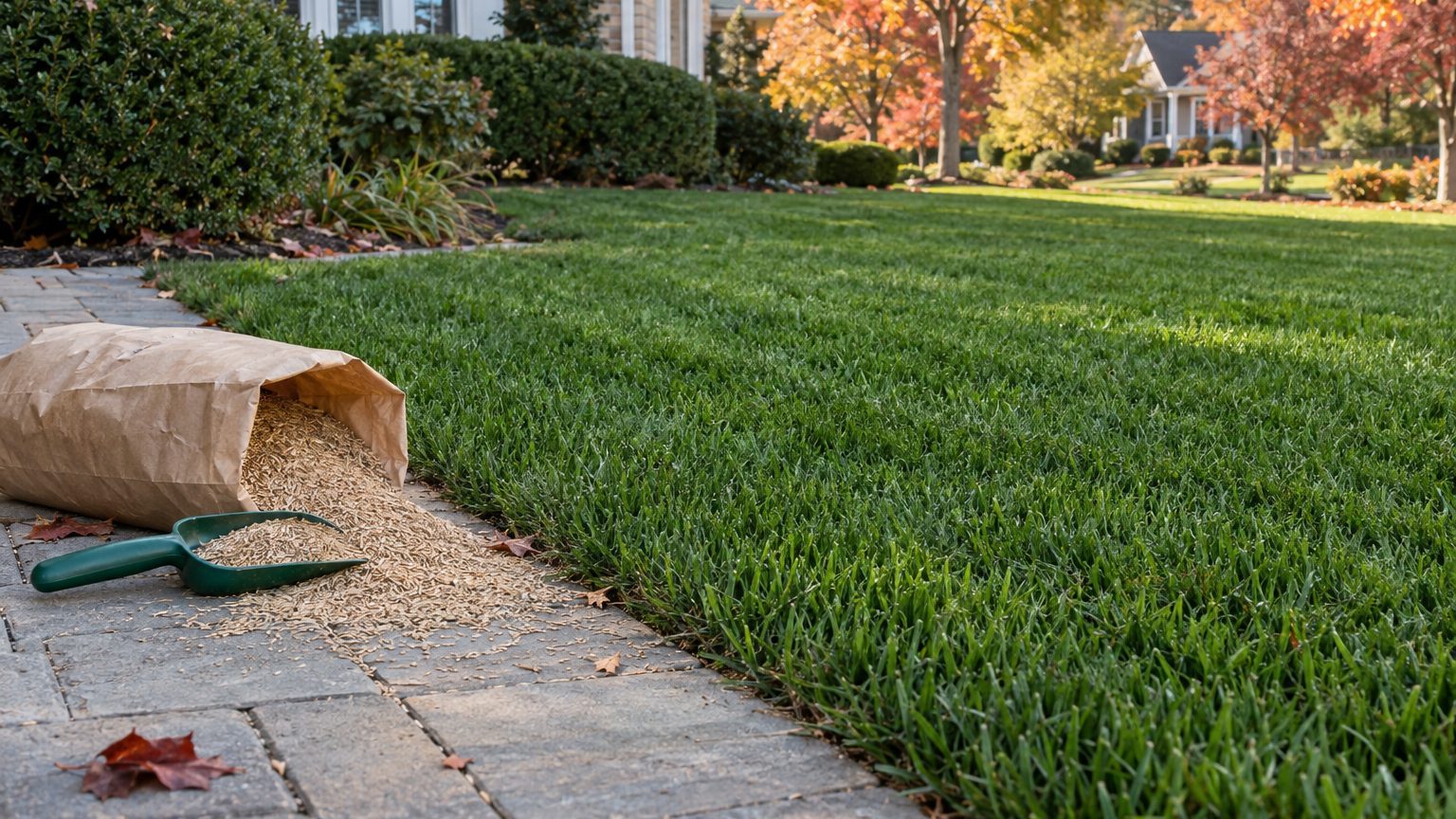
July exposes the tradeoff between cool-season and warm-season lawns in North Carolina: fescue may fade in the heat while bermudagrass is in active growth. Both can be the right call, depending on where the yard sits and how much sun it gets. Tall fescue is a widely available cool-season option for North Carolina lawns.

Which Grass Grows Best in North Carolina?

North Carolina sits in the transition zone, so both cool-season and warm-season grasses grow here, and each has a weak season. Cool-season grasses stay green through winter but strain in summer, while warm-season grasses thrive in heat and go tan after frost. The grasses below suit different parts of the state and different yard conditions.

Tall Fescue

Tall fescue is a cool-season option for North Carolina lawns. It handles summer heat better than other cool-season grasses, tolerates some shade, and stays green through winter.

Seed it in August, with September as the fallback, so the young plants root before cold arrives. It still needs regular water from June through August.

Bermudagrass

Bermudagrass is a true sun lover that shrugs off Piedmont and coastal heat. It can go in as seed or sod, and it spreads aggressively to fill gaps.

Plant it in May, with June as a fallback. It turns tan in winter and fades quickly in shade, so keep it for open, sunny yards.

Zoysiagrass

Zoysiagrass makes a dense, carpet-like lawn that handles heat well and crowds out many weeds. It is mostly sold as sod or plugs rather than seed, which raises the upfront cost.

Lay it in May, with June and July still workable. It greens up slowly in spring and browns in winter.

Kentucky Bluegrass

Kentucky bluegrass belongs on cooler, higher ground, which in North Carolina means the mountains. Farther east, summer heat leaves it thin and prone to browning without heavy care.

If you garden in the Blue Ridge, it can work. In the Piedmont or on the coast, choose tall fescue or a warm-season grass instead.

How to Choose Grass Seed for a North Carolina Yard

Start with the sunlight your yard actually gets, then think about foot traffic, watering, and how often you want to mow. Those answers narrow the field quickly.

Shade is an important dividing line. Warm-season grasses want open sun, while tall fescue copes with filtered light under trees.

Your yard Grass Why
Full sun, heavy use Bermudagrass Tough in heat and spreads to repair wear
Partial shade Tall fescue Tolerates filtered light better than warm-season grasses
Green in winter Tall fescue Cool-season grass that holds color through the cold months
Low water, hot sun Bermudagrass Warm-season grass built for summer heat
Dense, neat turf Zoysiagrass Thick growth, usually installed as sod or plugs
Mountain yard Kentucky bluegrass Suited to cooler, higher ground

Mowing habits matter too. Warm-season lawns grow actively in summer and are mowed from April through October, while tall fescue is mowed from March through November.

Which Grasses Grow Where in North Carolina

The state stretches from the Atlantic to the Appalachians, and the grass that suits each end is different.

  • Blue Ridge Mountains: Cooler, higher ground suits Kentucky bluegrass and tall fescue. Spring comes several weeks later here than in Charlotte, so hold off on early seeding.
  • Piedmont (Charlotte, Raleigh, Greensboro): This is the transition zone at its fullest. Tall fescue tolerates filtered light, while bermudagrass and zoysiagrass suit full sun, so the choice follows your light.
  • Coastal Plain: Warmer winters and earlier springs favor bermudagrass and zoysiagrass, and tall fescue works harder to survive summer.

Whichever region you live in, sunlight and soil in your own yard still decide the final pick.

Grass Seed Mistakes to Avoid in North Carolina

Planting Fescue in Full Sun

Tall fescue struggles on a hot, sunny, unwatered slope. If the yard bakes all summer, bermudagrass is the safer match. Save fescue for shade or for yards where you will water regularly in June, July, and August.

Seeding at the Wrong Time

Cool-season seed sown in spring faces summer heat before roots are ready. Seed tall fescue in August, or in September if you miss that window. Warm-season seed goes down in May, because it needs warm soil to sprout.

Burying the Seed Too Deep

Grass seed is small, and a thick layer of soil smothers it. Rake lightly, keep the covering to 0.25 inch at most, and press the seed into the ground. For a thin fescue lawn, aerate in August and overseed right after.

Where to Get Lawn Advice in North Carolina

Local advice beats general advice here, because soil and microclimate shift from one county to the next. Local help is worth seeking.

  • North Carolina Cooperative Extension publishes turfgrass guidance for the state, and it is worth a visit before you buy seed.
  • Your county extension office can advise on soil testing and local conditions, so call before fertilizing in March, September, or October.

Common Questions

Can You Plant Grass Seed in North Carolina in Spring?

Warm-season grasses like bermudagrass can go in during May, with June as a fallback. Tall fescue is better seeded in late summer because spring seedlings often struggle once hot weather arrives.

Is Zoysiagrass Sold as Seed?

It is mostly sold as sod or plugs. Bermudagrass is the warm-season grass more often planted from seed or sod.

When Should You Fertilize a North Carolina Lawn?

Tall fescue does best with feeding in March, September, and October. Bermudagrass and zoysiagrass want it in May, June, and July. Skip fescue feeding in summer.

Lawn Problems and Solutions in North Carolina

Lawn Problems and Solutions in North Carolina

Thin spots, tan circles and a carpet of crabgrass show up in North Carolina lawns in a fairly predictable order through the year. Heat, humidity and a long growing season feed weeds and fungus, while your grass type helps shape the problems you are likely to see. Knowing the sequence lets you act before the damage spreads.

Lawn Pests and Diseases in North Carolina

Crabgrass in Spring

Crabgrass in Spring — Lawn Problems and Solutions in North Carolina

Crabgrass is a coarse, light green weed that sprawls outward and fills thin patches of turf. It sprouts as the soil warms, so a preventer needs to be down before the seeds germinate.

Apply a preventer in March. If March slips by, it also works in April, and February or May can still help in a pinch. Once crabgrass is up, keeping the lawn dense helps reduce future outbreaks.

Brown Patch in Summer

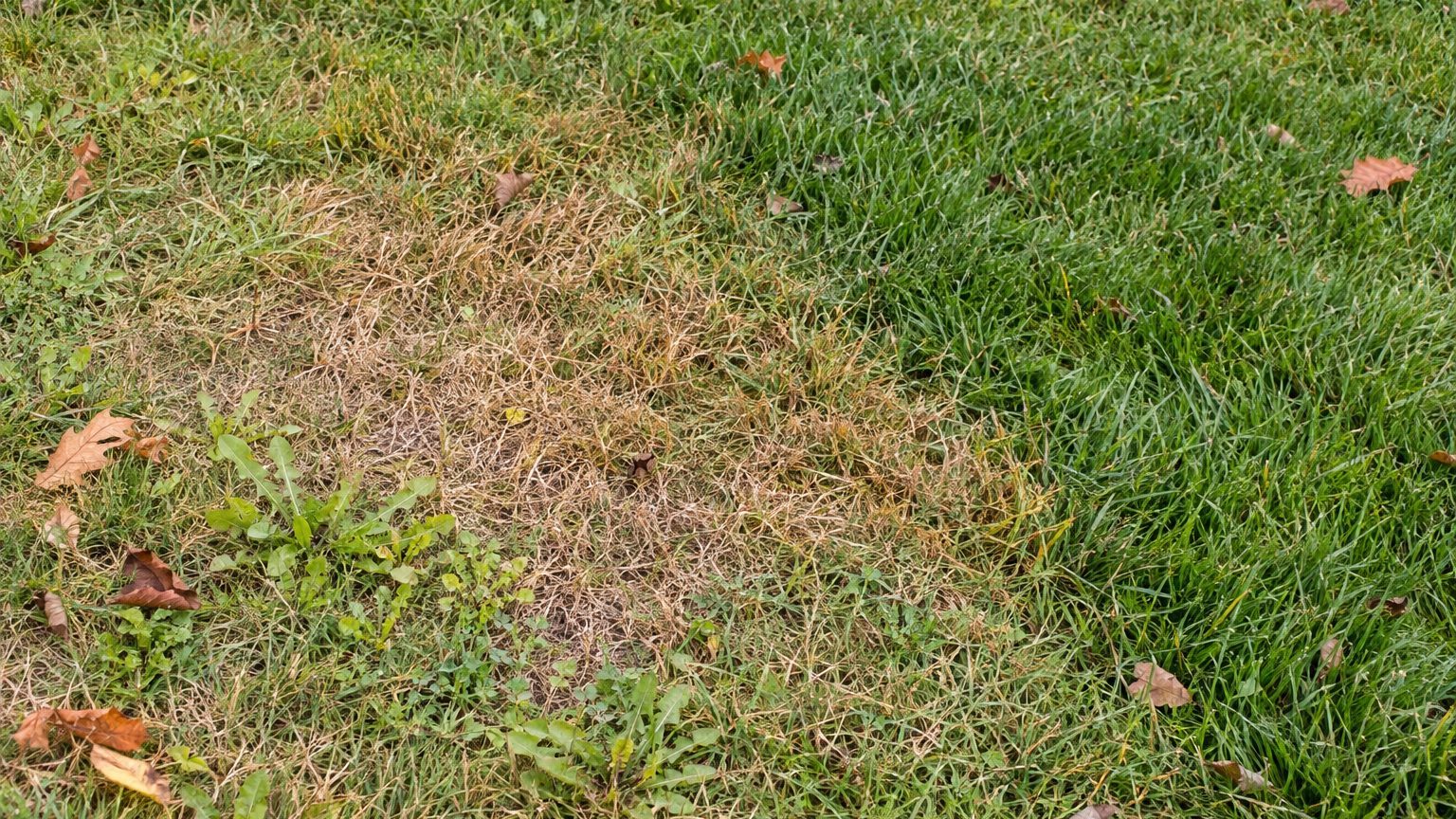
Brown patch is a fungus that strikes tall fescue in hot, sticky weather. Look for roughly circular tan or brown areas, sometimes with a darker ring at the edge, that appear after warm nights and humid days.

Water in the morning so blades dry quickly, and skip heavy nitrogen in summer. Fescue usually recovers from the roots once the weather cools, so patience matters more than panic.

White Grubs in Late Summer

Grubs are fat, C-shaped, creamy larvae that chew grass roots. Turf above them turns dull, then brown, and you can often roll it back like a loose carpet because nothing anchors it.

Peel back a section of damaged sod and look at the roots. If you find grubs among damaged roots, confirm the diagnosis before treating. Digging by birds, skunks or armadillos can also be a clue.

Large Patch in Fall

Large patch is a fungus of warm-season grasses such as zoysia, bermuda and centipede. Patches can spread widely, often with an orange or yellow-brown edge, and they appear when fall turns cool and damp.

Poor drainage and too much late-season fertilizer feed it. Improve water flow, avoid extra feeding as the grass slows down, and keep clippings and leaves from piling up in the damp spots.

How to Tell Which Lawn Problem You Have

A symptom rarely settles the question. Pair what you see with when it appeared and whether the spot gets sun or shade, then run a simple test: tug the grass and look at the roots.

Shape also helps. Circles can suggest fungus, patches that lift easily can suggest root-feeding insects, and clumps of coarse blades can suggest weeds.

What you see When and where Likely cause
Coarse, sprawling light green clumps Warm months, thin or bare sunny spots Crabgrass
Tan circles, grass still rooted Hot, humid stretches, tall fescue Brown patch
Turf peels up like a rug Late summer, often in irrigated sun White grubs
Wide patches with an orange edge Cool, wet fall, zoysia or bermuda Large patch

A spongy feel underfoot points to thatch instead. Up to 1/2 inch of thatch is healthy, and anything thicker calls for dethatching or core aeration. Dry, bluish-gray grass that stays footprinted after you walk across it usually means thirst, not disease.

Where Lawn Problems Are Worst in North Carolina

Conditions change a lot between the mountains and the beach, and so do the problems and the grass that makes sense.

  • Blue Ridge and the Asheville area: Spring comes later and summers stay milder, which suits tall fescue and eases fungus pressure. Shade and slopes bring their own thin turf and moss.
  • Piedmont, including Charlotte, Greensboro and Raleigh: Hot, humid summers push tall fescue into brown patch, while clay soil holds water and compacts. Fescue can struggle in this region.
  • Coastal Plain and the coast, from Wilmington to the Outer Banks: Warm-season grasses dominate, spring starts earlier, and sandy soil dries fast. Large patch, grubs and weeds all get a longer run.

The pattern still depends on the grass, site and weather in your yard.

Lawn Care Mistakes That Invite Problems in North Carolina

Mowing Too Short

Scalped grass has little leaf to feed its roots, and bare soil gives crabgrass and other weeds an open door. Tall fescue is especially stressed in summer heat when cut low.

Raise the mower deck, mow with a sharp blade, and avoid removing too much leaf at once. Mowing runs from March through November for fescue, and April through October for bermuda and zoysia.

Watering Lightly and Often

Short, frequent sprinkles keep the surface wet, which fungus loves, and they keep roots shallow. Grass then wilts quickly in a dry spell.

Water deeply and early in the morning instead, mainly in June, July and August when demand peaks. Let the top of the soil dry between sessions, and skip watering after a good rain.

Feeding at the Wrong Time

Nitrogen in a heat wave feeds brown patch on tall fescue and pushes weak growth. Late feeding on warm-season turf encourages large patch.

Feed tall fescue in March, September and October, never in summer. Bermuda and zoysia eat best in May, June and July, when they are growing hard and can use it.

Where to Get Lawn Advice in North Carolina

Local advice matters because soil and weather differ from county to county. NC State Extension publishes research-based lawn guidance, and your county center can answer questions about your own yard.

  • Browse the extension site for lawn care guides on your grass type, and check them before you buy any treatment.
  • Call or visit your county extension center when patches spread, and bring a small sample of affected turf with the roots attached.
  • Ask about a soil test before you feed or lime, so the next step is based on what your ground needs.

Common Questions

When Should You Aerate and Overseed a Lawn in North Carolina?

For tall fescue, aerate and overseed in August. If you miss that window, September still works. Seed needs soil contact, so the holes from core aeration give it a place to root before cold weather.

Can You Seed Bermuda or Zoysia in the Fall?

Warm-season grasses seed best in May, and June still works. Sod is another route, laid in May, with June and July as later options. Fall is too late for them to establish well.

When Should You Dethatch a Warm-Season Lawn in North Carolina?

Dethatch bermuda and zoysia in May or June, when they are growing strongly and recover fast. April also works. Tall fescue is dethatched later, in August or September, as the weather cools.

North Carolina Lawn Care Schedule, Month by Month

North Carolina Lawn Care Schedule, Month by Month

Tall fescue greens up in the cool of fall and spring, while bermuda and zoysia wait for warm weather and turn tan in winter. A North Carolina lawn follows one of those two rhythms, and nearly every chore depends on which grass you own.

What to Do Each Month in a North Carolina Lawn

Tall fescue does its heavy work in late summer and fall, and warm-season grasses (bermuda, zoysia) do theirs from late spring into midsummer. Each month below says which grass the job is for.

Month In the lawn
January Rest. Warm-season grass is dormant, while tall fescue grows slowly; keep foot traffic light on frosted turf and leave the mower in the shed.
February Still quiet. If a mild spell tempts you, crabgrass preventer already works now, though March is the better time to apply it.
March Apply crabgrass preventer before the weed seed sprouts. Feed tall fescue in early spring and start mowing as growth picks up.
April Mow regularly now that warm-season lawns are waking up. Preventer still works, and tall fescue can still take a light feeding if March slipped by. Dethatching bermuda or zoysia also works late in the month.
May Warm-season lawns are ready for seed, sod, dethatching and their first feeding. Preventer can still go down.
June Water deeply as heat builds and keep feeding bermuda and zoysia. Seed and sod for warm-season grass still take if May got away from you.
July Feed warm-season lawns and water through the heat. Leave tall fescue unfed, because summer fertilizer pushes weak growth on a stressed lawn. Sod still roots for bermuda and zoysia.
August Core aerate and seed tall fescue, and dethatch cool-season turf. Keep watering through the heat, since new seed cannot dry out.
September Feed tall fescue and keep mowing. If August passed, tall fescue can still be aerated, seeded and dethatched now.
October Feed tall fescue again so roots store energy before winter. Warm-season lawns get their last mowing as growth fades.
November Keep mowing tall fescue until growth stops. Warm-season grass is already dormant, so watch for leaf buildup smothering the turf.
December Rest. Warm-season grass is dormant and tall fescue has slowed, so the lawn needs nothing but a light rake of fallen leaves.

Treat these months as a pattern rather than fixed dates. A cold spring or a hot September can shift a task, but the order of jobs stays the same.

When Does the Lawn Season Start and End in North Carolina?

Growth follows soil warmth and grass type, not the calendar. Cool-season seed such as tall fescue germinates in soil at 50 to 65 °F, while warm-season seed wants 65 to 70 °F. That is why fescue is seeded in late summer and fall, and why bermuda seed waits for late spring.

Frost dates only tell you how risky it is for tender new grass. In Charlotte, the last spring freeze usually falls between March 23 and April 5, so a seedling started too early can be nipped. Spring frost is the main hazard for warm-season seed sown ahead of its window.

In Charlotte, the first fall freeze arrives between October 30 and November 8. Fescue seeded in late summer has time to root before then. Warm-season lawns slow and fade well before that freeze, because cooling soil, not frost, sends them toward dormancy.

How the Lawn Calendar Shifts Across North Carolina

Charlotte sits in the Piedmont, and the calendar above is built around it. Elsewhere in the state, expect the work to slide earlier or later in the direction below.

  • Blue Ridge mountains and Asheville: Spring arrives several weeks later and fall comes sooner. Tall fescue is the usual lawn here, so late-summer seeding should lean toward the early end of its window so seedlings root before cold.
  • Piedmont, including Charlotte, Greensboro and Raleigh: This is the middle of the state, where tall fescue and warm-season lawns both grow and where the monthly pattern fits as written.
  • Coastal plain, from Wilmington to the Outer Banks: Spring comes earlier and winters are milder. Warm-season lawns green up sooner and stay active later, so spring jobs such as preventer can move up and warm-season work can begin earlier.

Between those zones, shift the work by what your own lawn is doing. A lawn that is still tan and sleepy is not ready for seed, whatever the date says.

Lawn Care Timing Mistakes to Avoid in North Carolina

Crabgrass Preventer Applied Too Late

Crabgrass Preventer Applied Too Late — North Carolina Lawn Care Schedule, Month by Month

Preventer stops seeds from sprouting but does nothing to plants already up. Once crabgrass has germinated, the product has lost most of its value and you are left pulling weeds all summer. Put it down in March, with April and May as fallback months, before the weed starts.

Warm-Season Seed Sown Too Early

Bermuda and zoysia seeded in a cool, wet spring sit dormant, rot or get hit by a late freeze. You pay for seed that never establishes. Wait until May for seed and sod, and use June if the weather has stayed cold.

Dethatching at the Wrong Season

Dethatching tears up the turf and leaves it open to stress. Doing it to bermuda or zoysia in fall pulls them apart just as they head into dormancy. Warm-season lawns recover in May and June, while tall fescue handles the work in August and September.

Where to Get Lawn Advice in North Carolina

Soil, shade and grass variety differ from one yard to the next, and local help can fit the schedule to your lot. Useful lawn advice is close by.

  • NC State Extension publishes turfgrass guidance for the state, and it is the place to look when you need grass-type advice before you buy seed or fertilizer.
  • Your county extension office can help arrange a soil test and identify problems, so contact it in late summer, before the seeding window.

Common Questions

How Can You Tell If Your Lawn Is Warm-Season or Cool-Season Grass?

Start with the lawn’s seasonal color pattern. Warm-season grass such as bermuda or zoysia stays green through summer heat and turns tan in winter, while tall fescue stays green most of the year and struggles in hot, dry stretches. Blade width and a quick check at a garden center can confirm it.

Why Does Tall Fescue Struggle in a North Carolina Summer?

It is a cool-season grass growing near the warm edge of its range. Heat and humidity thin it and invite disease, so it earns its keep in fall and spring. That is why aeration, seeding and feeding are planned around cooler months and why summer feeding is skipped.

Does a Dormant Lawn Need Water in Winter?

Dormant warm-season grass needs very little, and tall fescue slows down in the cold. Save regular watering for the hot months, and give new seed steady moisture only while it is establishing.

North Carolina Lawn Care: What to Do and When

North Carolina Lawn Care: What to Do and When

Walk a North Carolina yard in late summer and you will often see contrasting lawns: tall fescue that has gone tired and thin beside bermudagrass at full green. That contrast explains much of the state’s lawn-care calendar. Which grass you grow decides when you seed, feed and aerate.

Frost Dates and Growing Season in North Carolina

At the Piedmont reference location, the last spring freeze usually lands between March 23 and April 5. The first fall freeze usually lands between October 30 and November 8. The state spans USDA hardiness zones 5b to 8b, so mountain and coastal yards differ from that. Grass grows with soil warmth, so here is how the year runs.

  • In early spring, crabgrass preventer goes down in March, and tall fescue is fed in the same month. A late freeze can still nip seedlings, so new seed waits.
  • Once the soil warms in May and June, bermudagrass and zoysiagrass wake up fully. This is the time to seed bermudagrass, lay sod and fertilize those lawns.
  • Through summer, from June to August, watering becomes especially important. Warm-season grass shrugs off heat while fescue struggles and needs the water.
  • In late summer, August is the main window to aerate and seed tall fescue, with September as a fallback. The seed has time to root before the first fall freeze arrives.
  • In fall, feed fescue in September and October. Mowing continues into November as long as the grass keeps growing.

Frost marks the risk to young grass, not the day growth starts or stops, so watch the soil and the weather as well as the date.

Cool-Season or Warm-Season Grass in North Carolina?

Both can work, because North Carolina sits in the transition zone. Winters are too cold for some warm-season grasses to stay green, and summers are hot enough to stress cool-season ones. Tall fescue is the common choice for shady, cooler yards. Bermudagrass and zoysiagrass suit full sun and heat.

Grass How it does in North Carolina Why
Tall fescue Often stays green outside summer, but needs care in hot weather Cool-season grass that grows in early spring and fall, and should not be fed in summer
Kentucky bluegrass Suited to cooler, higher ground Prefers the milder summers of the mountains
Bermudagrass Thrives in hot, sunny lawns Warm-season grass started from seed or sod
Zoysiagrass Dense turf in warm yards Warm-season grass, mostly started from sod or plugs

Warm-season lawns turn tan after the first fall freeze and green up again in spring. That is normal dormancy, not damage.

When to Seed, Fertilize and Aerate a Lawn in North Carolina

Cool-season and warm-season lawns follow opposite calendars. Fescue works in late summer and fall, while bermudagrass and zoysiagrass work in late spring and summer. Match each task to your grass.

Task Best months in North Carolina Why then
Seed tall fescue August (September also works) Warm soil and cooler nights help seed root before winter
Core aeration, fescue August (September also works) Opens the soil just before overseeding
Fertilize tall fescue March, September, October (April also works) Feeds when the grass grows, never in summer
Seed bermudagrass or zoysiagrass May (June also works) Warm soil for fast establishment
Lay sod, warm-season May (June and July also work) Roots take hold in heat
Fertilize warm-season lawns May, June, July Matches peak growth
Crabgrass preventer March (February, April and May also work) Goes down before crabgrass seed sprouts
Dethatch August and September for fescue, May and June for bermuda and zoysia Grass recovers quickly in active growth

If you miss the preventer window in March, it can still go down as late as May. Fescue that misses August can still be seeded in September.

Lawn Problems to Watch for in North Carolina

Thinning Fescue After Summer

Tall fescue struggles through humid heat, and bare, thin patches often show up by late summer. That is why August aeration and overseeding matter here. Water deeply through June, July and August, and skip summer fertilizer.

Crabgrass in Thin Turf

Crabgrass in Thin Turf — North Carolina Lawn Care: What to Do and When

Crabgrass moves into thin spots where the soil warms early. Apply preventer in March, before it sprouts. Dense turf also helps, so overseeding in late summer pays off the following year.

Brown Warm-Season Lawns in Winter

A bermuda or zoysia lawn that turns tan after the first fall freeze is dormant, not dead. Hold off on feeding until May. Spring fertilizer applied too early mostly feeds weeds.

How Lawn Care Dates Change Across North Carolina

The dates above fit the Piedmont, and the rest of the state shifts around them.

  • Blue Ridge Mountains: Spring comes several weeks later, so seeding and feeding start later. Kentucky bluegrass does better here than in the warmer parts of the state.
  • Coastal plain: Spring arrives earlier, and warm-season grasses green up sooner. Frost risk ends sooner too.
  • Charlotte and the Piedmont: The dates in this guide apply here, with fescue and warm-season grasses both in use.

If you live between these areas, adjust gradually and let the weather and soil temperature guide you.

Where to Get Lawn Advice in North Carolina

North Carolina State Extension publishes lawn guidance for the state, and your county office can help with local questions.

  • Visit your county extension office for a soil test before you fertilize or lime.
  • Bring a sample of a damaged patch to the office for diagnosis when the problem is unclear.
  • Check your soil and grass type now, so the next seeding or feeding window finds you ready.

Common Questions

Can You Grow Tall Fescue and Bermudagrass Together?

You can, but they compete, and the mix tends to look patchy. Fescue stays green in winter while bermuda goes tan, so the seasonal contrast can make a mixed lawn look uneven.

Is It Too Late to Seed Fescue If You Miss August?

No. September still works, though the seed has less time to root before the first fall freeze, so keep the soil evenly moist after seeding.

Do You Need to Mow in Winter?

Mowing continues into November for fescue and through October for bermuda and zoysia. After that, growth slows and mowing is rarely needed until spring.

Hydrangeas That Grow Well in North Carolina

Hydrangeas That Grow Well in North Carolina

Six hydrangea species handle North Carolina’s swing from Blue Ridge winters to coastal summers, and the panicle types top the list for reliability. Charlotte, sitting in the Piedmont, is the reference point most growers use, with USDA hardiness zones running from 5b in the mountains to 8b along the coast. Pick by bloom wood and sun tolerance, not by catalog color alone.

Hydrangeas that grow well in North Carolina: The Short Answer

The USDA Plant Hardiness Zone Map 2023 puts the state’s range at 5b to 8b, stretching from the Blue Ridge peaks to the barrier islands, and Charlotte’s Piedmont sits comfortably in the middle of that band.

That spread is why one hydrangea species can thrive in Asheville and struggle in Wilmington, or the reverse. The six below are ranked from the toughest bet in a Piedmont yard to the one that asks the most patience.

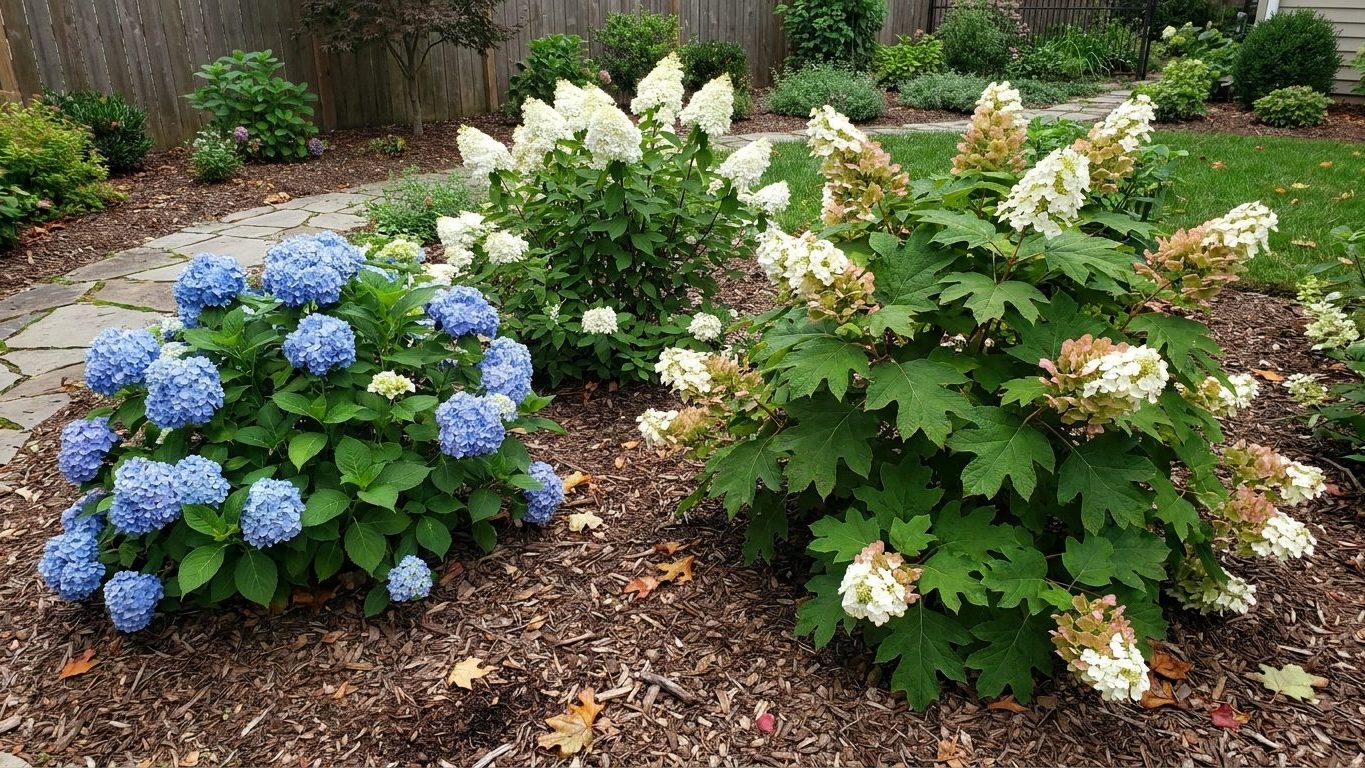
Panicle hydrangea

Panicle hydrangea — Hydrangeas That Grow Well in North Carolina

Hydrangea paniculata blooms on new wood, which means the state’s frost window can’t wipe out next year’s flowers. It shrugs off full sun and the humid heat that settles in by July, making it the safest bet from the coast to the foothills.

Smooth hydrangea

Smooth hydrangea — Hydrangeas That Grow Well in North Carolina

Hydrangea arborescens, the native behind ‘Annabelle’, dies back hard in winter and rebuilds from the root every spring. That habit makes it nearly frost-proof across the whole 5b to 8b range, though flopping stems after a heavy rain are the tradeoff.

Oakleaf hydrangea

Oakleaf hydrangea — Hydrangeas That Grow Well in North Carolina

Hydrangea quercifolia is native to the Southeast and handles Piedmont clay and dry shade better than any hydrangea on this list. Fall color and peeling bark carry the plant once the summer blooms fade, and it rarely needs winter protection here.

Mountain hydrangea

Mountain hydrangea — Hydrangeas That Grow Well in North Carolina

Hydrangea macrophylla subsp. serrata sets flower buds that tolerate more cold than standard bigleaf types, which matters most above 3,000 feet in the Blue Ridge. It stays a better bet than bigleaf anywhere the last frost tends to run late.

Bigleaf hydrangea

Bigleaf hydrangea — Hydrangeas That Grow Well in North Carolina

Hydrangea macrophylla is the shrub most people picture, but it blooms on old wood, so a late freeze in the mountains or a hard winter can erase a season of flowers even while the plant itself survives fine.

Climbing hydrangea

Climbing hydrangea — Hydrangeas That Grow Well in North Carolina

Hydrangea anomala subsp. petiolaris can take two or three years just to put out its first bloom, and it needs a sturdy structure to climb. Patience is the real requirement, which puts it last on this list for most yards.

How to Work Out the Dates for Your Own Yard

NOAA NCEI U.S. Climate Normals 1991-2020 puts Charlotte’s last spring frost between March 23 and April 5, and working backward and forward from that range decides almost every date on a hydrangea calendar.

  1. Mark the frost window: treat March 23 to April 5 as a line for tender new growth, not a single circled date.
  2. Plant only in the open months: March, April, August, and September avoid both that spring frost risk and the worst of summer heat stress.
  3. Prune bigleaf after bloom, never before: June and July fall safely after flowering finishes and before next year’s buds start to set.
  4. Fertilize on the three-month rhythm: March, May, and July keep feeding tied to active growth instead of dormancy.
  5. Count forward to the first fall frost: October 30 to November 8 marks when new plantings need to already be rooted in, not freshly dug.

A panicle hydrangea planted in April has months to root before that fall window arrives, which is why it passes both a Piedmont winter and a coastal summer without much fuss.

A bigleaf planted the same week can still freeze its flower buds the following spring, since the wood carrying next year’s blooms is already a year old by the time frost risk returns.

North Carolina North to South: How the Dates Shift

Elevation and distance from the ocean move these dates more than latitude does inside North Carolina, and the mountains, the middle, and the coast each play by slightly different rules.

  • Blue Ridge Mountains (Asheville, Boone, Blowing Rock): last frost lands weeks later than the Piedmont figure above, and first frost arrives earlier, shortening the season for old-wood bloomers like bigleaf.
  • Piedmont (Charlotte, Raleigh, Greensboro): the frost windows apply most directly here, where most of the state’s gardeners work.
  • Coastal Plain (Wilmington, Fayetteville, the Outer Banks): milder air off the ocean pushes the last frost earlier and the first frost later, stretching the season and easing pressure on bigleaf’s old wood.

None of that changes the state’s overall 5b to 8b hardiness range, only where a given yard falls inside it, so county-level detail matters more than a statewide average.

Mistakes North Carolina Punishes

Pruning bigleaf on the wrong month

Cutting back Hydrangea macrophylla in fall or winter removes the old wood already holding next year’s flower buds, since bigleaf blooms on growth from the prior season. Prune only in June or July, right after the blooms fade, before reaching for shears any other month.

Planting in the August heat without shade

A new hydrangea set out in full Piedmont sun during a dry summer stretch loses moisture faster than its roots can replace it, and scorched leaf edges show up within days. Plant in the cooler edges of the March, April, August, or September window, and water deeply the first two weeks.

Skipping mulch before the spring frost window

Bare soil around the root zone swings temperature faster than mulched soil, putting tender new shoots at risk during the March 23 to April 5 stretch. A three-inch layer of mulch buffers that swing and protects the buds that decide whether a bigleaf blooms at all that year.

North Carolina Extension Offices and County Contacts

The USDA Plant Hardiness Zone Map 2023 range of 5b to 8b is only a starting point for the whole state, and North Carolina Cooperative Extension narrows it down to actual soil and elevation at the county level.

  • Your county extension office: soil test results and pest pressure specific to your address, through North Carolina Cooperative Extension.
  • The state calendar page: the month-by-month frost dates and pruning window for wherever you live in the state.
  • What goes wrong here: the pests and problems North Carolina hydrangeas actually run into, season by season.

Start with the county office if a shrub that bloomed fine last year comes back bare this spring.

Common questions

Which hydrangea blooms most reliably in North Carolina?

Panicle hydrangea blooms on new wood, so it flowers every year regardless of how hard the winter or how late the frost runs, which is why it tops the safest list for the whole state.

Can bigleaf hydrangea survive North Carolina winters?

The shrub itself survives fine across most of the state’s 5b to 8b range, but its flower buds are what’s vulnerable, and a late freeze in the mountains or a hard cold snap in the Piedmont can erase a season of blooms without killing the plant.

Do North Carolina hydrangeas need winter protection?

Native species like oakleaf and smooth hydrangea rarely need it, but a layer of mulch over the root zone helps any bigleaf or mountain hydrangea get through the frost window with its buds intact.

Hydrangea Pests and Diseases in North Carolina

Hydrangea Pests and Diseases in North Carolina

Charlotte’s mix of USDA zone 7b winters and humid Piedmont summers means the real threats to hydrangeas here are fungal more than freezing. Leaf spot, powdery mildew, and root rot in slow-draining clay cause more damage most years than any insect or hard frost, with aphids, mites, scale, and deer rounding out the list.

Hydrangea pests and diseases North Carolina: The Short Answer

Aphids on new growth

Soft green clusters crowd stem tips as growth resumes after the last frost, which NOAA NCEI U.S. Climate Normals 1991-2020 place between March 23 and April 5 for Charlotte. They leave curled leaves and sticky honeydew. A hard spray from the hose most mornings knocks them off before ladybugs finish the job.

Botrytis blight on flower buds

Cool, wet stretches before bloom turn unopened buds brown and mushy, especially on bigleaf types kept shaded and damp. The tissue grays over on humid mornings. Cut spent blooms and open the canopy for airflow, since a wet Piedmont spring gives this fungus every advantage it needs.

Cercospora leaf spot

Small purple-brown spots ring lower leaves by midsummer and spread upward, eventually causing early leaf drop on stressed shrubs. Splashing water from overhead irrigation carries the spores. Water at the base instead, clear fallen leaves weekly, and expect this to return most humid Piedmont summers.

Powdery mildew

A white, flour-like film coats leaf tops during the muggy stretch that follows the July fertilizing round. It rarely kills the plant but stunts new growth. Space shrubs for airflow and treat early, before it reaches the buds forming next year’s blooms.

Spider mites

Spider mites — Hydrangea Pests and Diseases in North Carolina

Fine stippling and a dusty bronze cast show up on leaves during the driest, hottest weeks of late summer, often with faint webbing underneath. Hot, dry air favors them over rain. A strong hose rinse every few days breaks the webs and buys the shrub time until cooler nights return.

Scale insects

Scale insects — Hydrangea Pests and Diseases in North Carolina

Small brown bumps cling to stems near the base by late summer, leaving sticky residue and yellowing nearby leaves. They go unnoticed until a branch dies back. Scrape off light infestations by hand and prune out crusted stems during the June or July pruning window.

Deer browsing

Stripped leaves and snapped stems appear overnight, most often through fall and into winter when other browse is scarce. Bigleaf varieties get hit hardest since deer favor tender new wood. Fencing or repellent applied before October 30 to November 8, the first fall frost window, protects the shrub through the season.

How to Work Out the Dates for Your Own Yard

Working out your own scouting calendar starts with the same frost window used for planting, then adjusts for what each problem actually needs to get going.

  1. Mark your last frost window: NOAA NCEI U.S. Climate Normals 1991-2020 puts Charlotte’s last spring frost between March 23 and April 5, and the flush of growth right after that is when aphids and botrytis first show up.
  2. Check leaves weekly through June and July: this is also the state’s bigleaf pruning window, so pest and disease scouting rides along with the same trip to the shrub.
  3. Watch humidity, not the calendar, for mildew: powdery mildew tracks muggy stretches more than a fixed date, so a run of sticky mornings after the July fertilizing matters more than the month itself.
  4. Test soil drainage before blaming an insect: yellowing that looks like pest damage in slow-draining clay is often root rot instead, and a shovel test after rain tells the difference faster than any spray.
  5. Set a fall deadline around first frost: the same data places that between October 30 and November 8 for Charlotte, and fencing or repellent needs to be up before then, not after.

None of this replaces a look at the actual leaf or stem in front of you, but starting from the frost window keeps the guesswork to a single week instead of a whole season.

North Carolina North to South: How the Dates Shift

Charlotte’s Piedmont numbers are the starting point, but North Carolina runs from sea level to over a mile high, and that spread changes when problems show up as much as which ones matter most.

  • The Blue Ridge and western mountains (Asheville, Boone, the High Country): frost lingers several weeks longer into spring, which pushes aphid and botrytis season later and shortens the humid stretch that favors powdery mildew.
  • The coastal plain (Wilmington, New Bern, the Outer Banks): frost arrives later in fall and leaves earlier in spring, so the growing season runs longer and leaf spot has more weeks to spread each year.
  • The Piedmont around Charlotte and the Triangle (Charlotte, Raleigh, Greensboro) sits between the two extremes above.

Whichever part of the state applies, the state guide adjusts these reference dates for elevation and distance from the coast before the same problems land on your calendar.

Mistakes North Carolina Punishes

Watering the leaves at night

Overhead watering in the evening leaves foliage wet through the humid Piedmont night, exactly what leaf spot and powdery mildew need to spread. Switch to a soaker hose in the morning instead, and check the state calendar page for when else the shrub needs water this season.

Pruning bigleaf hydrangeas in fall

Cutting bigleaf types outside the state’s June or July window removes next year’s flower buds along with the wood, since they bloom on the previous season’s growth. Prune only in that window, right after bloom fades, and confirm the timing on the calendar page before reaching for shears.

Planting in heavy clay without amending it

Clay that holds water around the roots invites root rot faster than any insect on this list, especially through wet stretches between the March and April planting windows. Work compost into the bed first, then check which varieties tolerate wet feet on the state’s which-ones-thrive guide.

North Carolina Extension Offices and County Contacts

Charlotte’s numbers are a starting point, and NC State Extension confirms what’s actually showing up on a given shrub before anyone reaches for a sprayer.

  • Your state page: the frost dates and zone range for wherever you live in North Carolina.
  • Which ones hold up here: the varieties worth planting given this state’s winters and summers.
  • NC State Extension: county offices that confirm a diagnosis in person before you spray or prune.

Common Questions

What is the most common hydrangea disease in North Carolina?

Fungal leaf spot and powdery mildew show up most years in the Piedmont’s humid summers, more often than any single insect. Both spread through wet foliage, so morning watering at the base does more to prevent them than any single spray.

Do deer eat hydrangeas in North Carolina?

Yes, and bigleaf varieties draw the most damage since deer favor their tender new wood. Browsing peaks in fall and winter, right around the state’s October 30 to November 8 first frost window, when other food thins out.

When should I spray for powdery mildew on hydrangeas in NC?

Watch for the muggy stretch that follows the July fertilizing round rather than a fixed date. Treat at the first sign of the white film on leaf tops, since it spreads fast once humidity settles in for the season.

The almanac, state by state. Every date on this site comes from a state’s own frost facts and its extension service’s calendar — and says where it comes from.