Skip to content

Massachusetts

  1. Jan
  2. Feb
  3. Mar
  4. Apr
  5. May
  6. Jun
  7. Jul
  8. Aug
  9. Sep
  10. Oct
  11. Nov
  12. Dec
State
Massachusetts
USDA zones
5a-7b
Last spring frost
April 1 to April 8
First fall frost
November 3 to November 14
Annual rain
44 in
Lawn zone
cool-season
Source
NOAA NCEI 1991-2020 Climate Normals, 32F freeze probabilities · Boston

The year in Massachusetts, from the calendar

  1. Jan—
  2. Feb—
  3. MarFeed hydrangeas · Renew an overgrown lilac · Plant roses · Prune roses · Uncover roses in spring
  4. AprSpring bulbs bloom · Plant hydrangeas · Lilacs bloom · Renew an overgrown lilac · Feed roses
  5. MaySpring bulbs bloom · Feed hydrangeas · Plant hydrangeas · Lilacs bloom · Prune lilacs
  6. JunPrune bigleaf hydrangeas · Prune lilacs · Peonies bloom · Feed roses · Mow
  7. JulFeed hydrangeas · Prune bigleaf hydrangeas · Feed roses · Mow · Water
  8. AugSeed the lawn · Plant peonies · Mow · Water
  9. SepPlant hydrangeas · Seed the lawn · Plant peonies · Aerate · Dethatch
  10. OctPlant spring bulbs · Plant hydrangeas · Mow · Plant trees
  11. NovCut back peonies · Protect roses for winter · Mow · Plant trees
  12. DecCut back peonies

From the state frost facts and extension calendars: University of New Hampshire Extension ; University of New Hampshire Extension · Cornell Cooperative Extension (Monroe County) · Clemson HGIC factsheet — Hydrangea · UMass Extension — BMPs for Lawn and Landscape Turf, Appendix B (calendar).

Best Time to Plant Trees in Massachusetts

Best Time to Plant Trees in Massachusetts

A young tree set into cool, thawed ground in spring spends its first months growing roots instead of fighting the heat. In Massachusetts, that window opens in April and runs through May, with a shorter chance in early fall. Your spot, from the coast to the Berkshires, shifts the details, and so does the kind of tree.

When Is the Best Time to Plant Trees in Massachusetts?

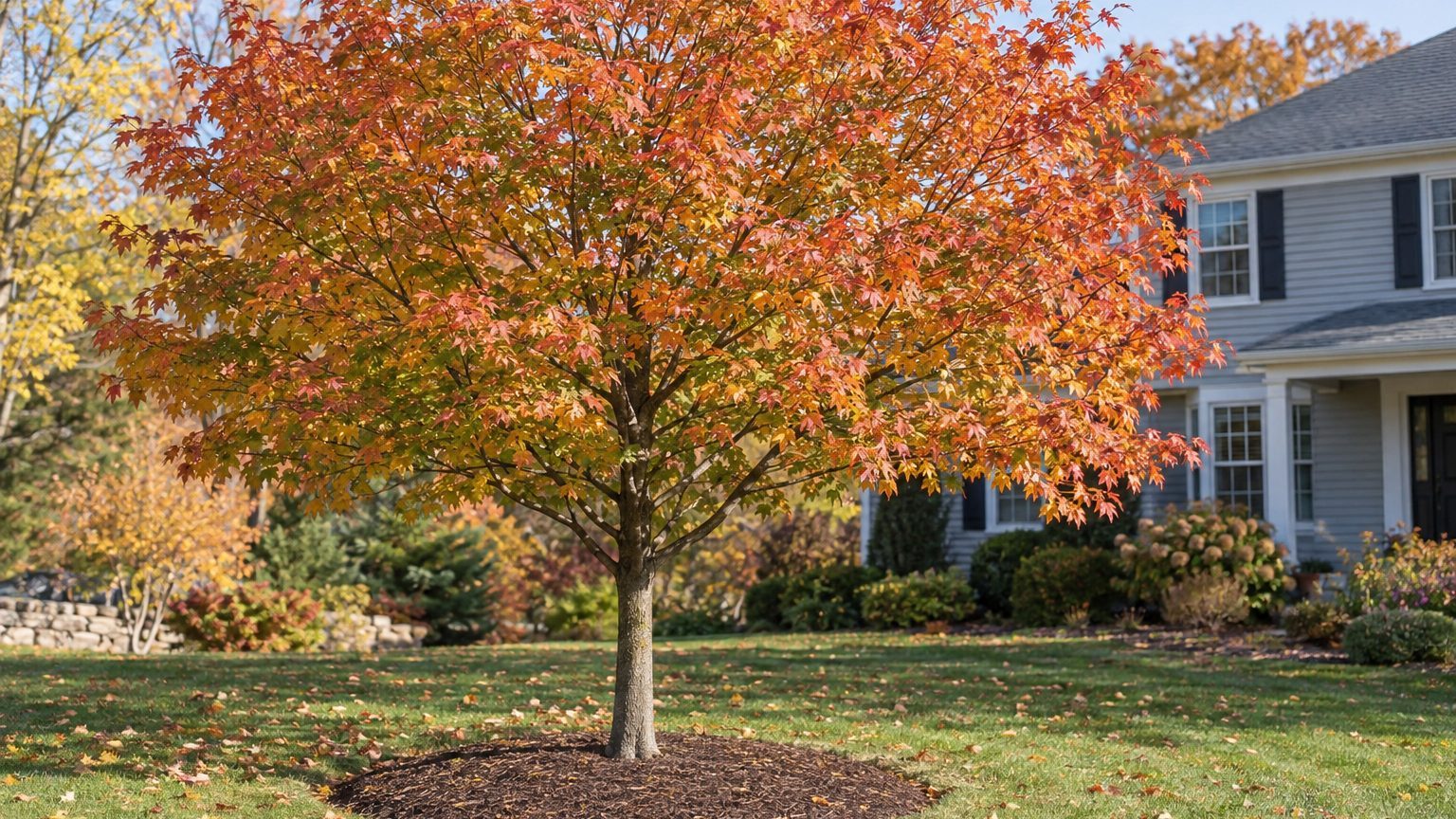
A young shade tree newly planted in a home yard

Shade and ornamental trees do best planted in April or May, with fall as a fallback, and the year breaks down like this.

  • In April, plant container and balled-and-burlapped trees as soon as the frost has left the ground, since cool soil lets roots settle before leaves demand water.
  • In May, planting carries on easily, and container and balled-and-burlapped trees can go in into late May or early June.
  • In September and October, fall planting also works, as long as the tree is in the ground before the end of October.
  • Through the weeks after a fall planting, water the tree regularly until the ground freezes, because roots keep working in cold soil that has not yet frozen.
  • Bare-root trees go in while still dormant, before the buds open.

In Boston, the last spring frost falls around April 1 to April 8. Inland suburbs and the Berkshires frost later in spring and earlier in fall than the coast. The first fall frost in Boston arrives around November 3 to November 14. Hardiness zones in the state run from 5a to 7b on the USDA system, so a planting that suits the coast may need adjusting in the hills.

When to Plant Fruit Trees in Massachusetts

Plant fruit trees in April or May, as soon as the frost has left the ground. Bare-root trees go in during April or early May, while they are still dormant and the buds have not opened.

Fall is off the table for fruit. Winters here are too cold for a newly planted fruit tree, which has not yet built the roots to cope.

Kind of fruit tree When to plant in Massachusetts Why then
Bare-root April to early May The tree is dormant and the buds have not opened, so the roots can settle first
Container April to May The frost is out of the ground and the tree settles best in the dormant season

Bare-root stock is usually less expensive than potted trees, and it establishes and grows well when planted on time. The trade-off is a short window, so have the hole ready the moment the ground can be worked.

Best Trees to Plant in Massachusetts

Native shade trees such as paper birch, aspen and red maple adapt to a range of soils, while others want more care in siting. Match each tree to the sun, drainage and space your yard offers.

Aspen behaves like paper birch, since both are shade-intolerant and survive best in full sunlight. Magnolia, tuliptree, oak and ginkgo are better suited to spring planting than fall.

Tree How it does in Massachusetts Why
Paper birch Does well in a variety of soils Needs full sunlight to survive best
Red maple Adapts to a variety of soils Better planted in spring than in fall
Eastern redbud Grows well in average, medium-moisture, well-drained soil Thrives in full sun to part shade
Sugar maple Handles a good yard but is fussy about its surroundings Dislikes salt, compaction and heat
Oak Suited to spring planting Spring planting suits it better than fall

Keep a sugar maple away from salted roadsides and packed, trampled ground, and give a paper birch an open, sunny spot.

When to Plant, Water and Prune Trees in Massachusetts

A tree’s year here follows its dormancy. Planting and pruning both happen when the tree rests, and watering matters most while new roots are still reaching out.

Task Best timing in Massachusetts Why then
Plant shade and ornamental trees April to May, or September to October Spring planting happens once the frost is out of the ground, and fall planting needs to finish before the end of October
Plant fruit trees April to May Winters are too cold for a newly planted fruit tree in fall
Water a young tree Regularly after planting, and in fall until the ground freezes New roots need moisture to settle before the cold
Prune fruit trees March to April, in late winter into early spring The tree is dormant, which protects winter hardiness and tree health

Prune apples first and peaches last, closest to bloom, because peach flower buds are easily hurt by cold. Avoid pruning fruit trees in fall or early winter, since new growth may not harden before the cold arrives. The page on when to prune fruit trees in Massachusetts goes into the cuts themselves.

Where to Get Tree Advice in Massachusetts

For a question about a particular tree or a soil that seems off, two local sources can help. Both know the conditions in your part of the state, from coastal sand to hill-country clay.

  • UMass Extension offers guidance on choosing, planting and caring for trees, and it is a good first stop in winter when you are planning.
  • The extension office serving your county can advise on which tree suits your site and on soil testing, ideally before spring planting begins.

Common Questions

Can You Plant a Tree in July in Massachusetts?

You can, but summer is the hardest time to plant a tree, because heat and dry soil stress the new roots. A container tree can go in most of the year if you keep it watered, yet it settles best when planted in the dormant season.

Can You Grow a Redbud in Massachusetts?

Yes, in a protected spot. Redbud is on the edge of hardiness in colder places, so plant it out of drying winds and where ice is less likely to break its brittle limbs.

Which Trees Are Better Planted in Spring than Fall?

Dogwood, sweet gum, hawthorn, poplars, cherries, plums and birch all do better in spring. If you want one of them, wait for April or May rather than gambling on fall.
Best Peonies for Massachusetts

Best Peonies for Massachusetts

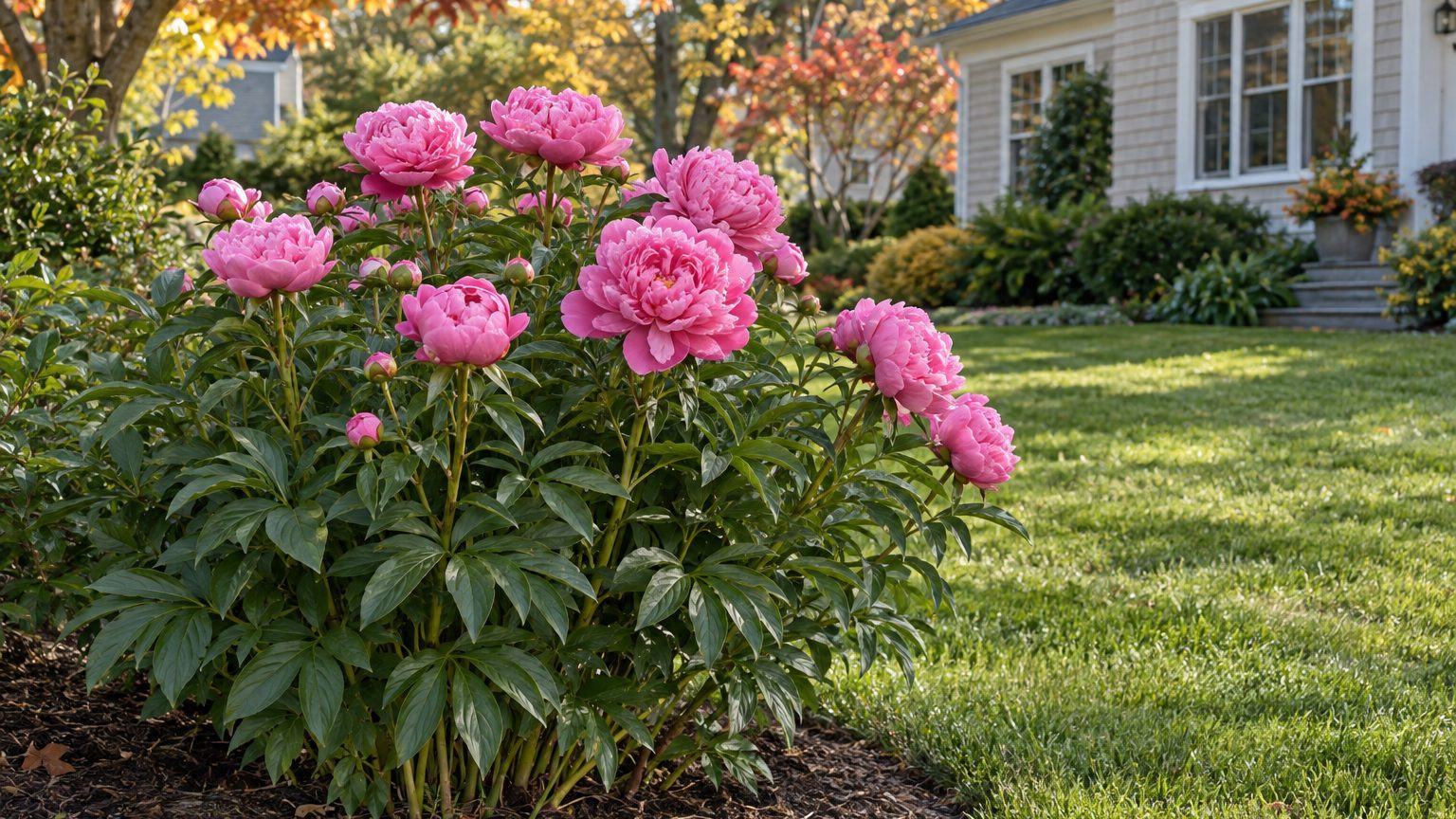
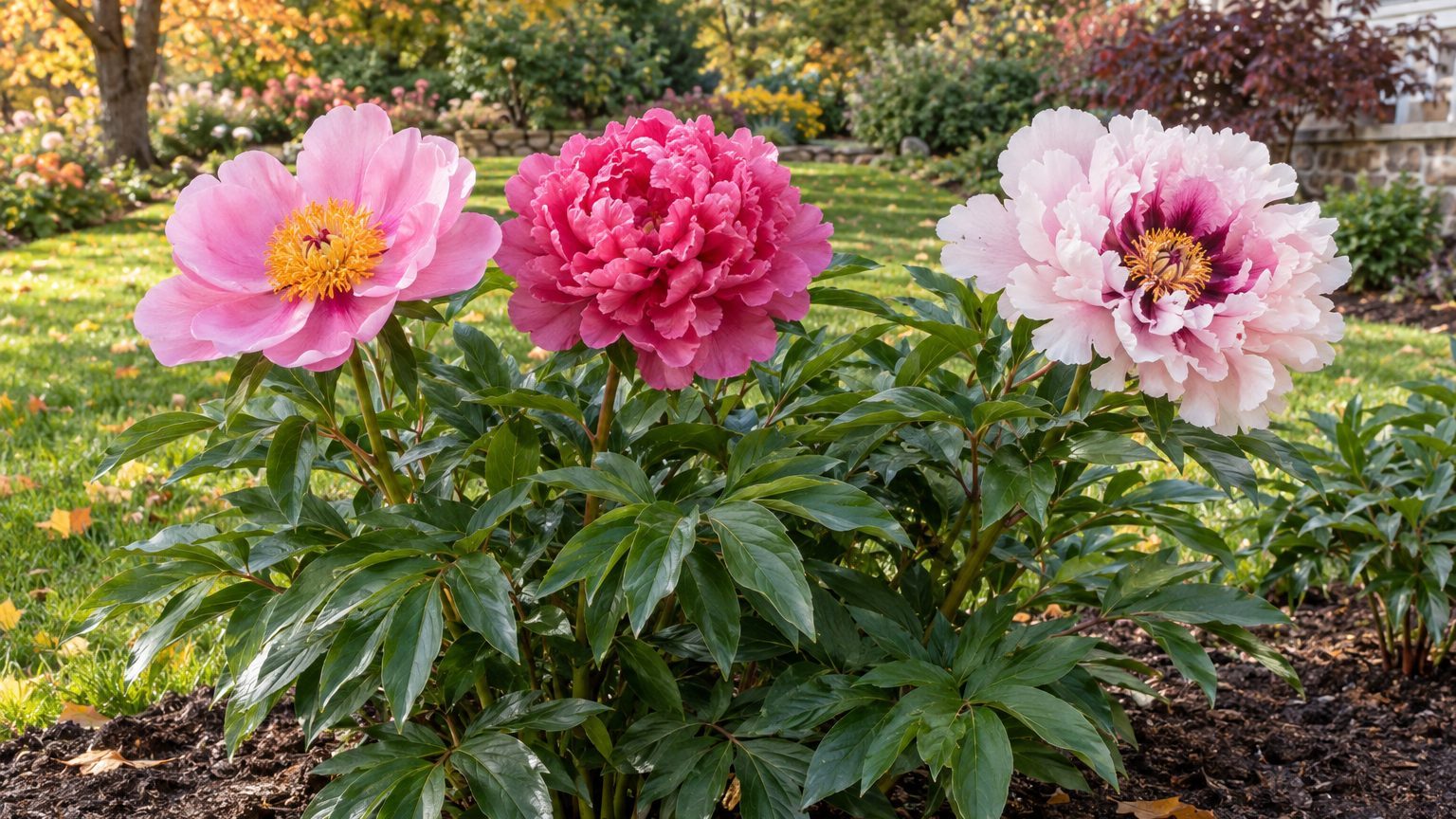
Peony stems pushing out of cold spring ground, then fat buds opening in late spring, are a Massachusetts yard ritual that repeats year after year. Massachusetts winters provide the cold rest peonies need to flower. The choice comes down to which type fits your space, your patience and your winter.

Best Peonies to Grow in Massachusetts

Best Peonies for Massachusetts

Garden peonies, tree peonies and intersectional (Itoh) hybrids suit Massachusetts because they receive the winter cold they need to flower. The USDA hardiness zone range here runs from 5a to 7b and describes average annual extreme winter lows. The woodland peony is also grown in home landscapes.

Garden Peony

Garden Peony — Best Peonies for Massachusetts

The garden, or herbaceous, peony (Paeonia hybrids) is the classic border plant. It dies back every year, so cut the foliage to the ground after it has died back, in November or December. Early spring, in March or April, works as well.

Plant it in late August through September, keeping the eyes near the soil surface. Set too deep, it may bloom poorly or not come up at all.

Tree Peony

Tree Peony — Best Peonies for Massachusetts

The woody tree peony (including Paeonia suffruticosa) keeps its stems through winter, so it is never cut back to the ground. It flowers in late spring, ahead of the garden types.

Give it the same early fall planting window as the others, and expect it to settle in before it blooms well.

Intersectional Peony

The intersectional peony, also called Itoh, is a hybrid of the garden and tree peonies. It tends to close out the peony season, flowering after the herbaceous types have finished.

That June bloom makes it a good partner for an early garden peony.

Woodland Peony

The woodland peony (Paeonia japonica) is a white-flowered type that opens first, ahead of the tree peonies. It suits a gardener who wants the season to start early.

Like every peony, a newly planted or transplanted one may not bloom the first spring, so patience matters here.

How to Choose a Peony for a Massachusetts Garden

Match the plant to your yard and your habits. Bloom across the state falls in May and June, and the type you pick decides where in that stretch your flowers land.

Planting is best in August and September, and it can also be done in October. Spring planting is possible but may delay flowers a year.

Your situation What suits it in Massachusetts Why
Very cold winter Garden peony It dies back each year and returns from buried eyes, and it gets the chill it needs.
Later flowers Intersectional peony It is a hybrid of the garden and tree types and flowers after the herbaceous peonies.
Woody stems through winter Tree peony It keeps its woody stems and is never cut back.
Wanting a long show Woodland, tree, garden and Itoh together Their bloom times follow one another through late spring into June.
Need for winter cold Any listed peony type Peonies need a cold winter rest, and Massachusetts winters generally provide it.

For a small space, start with a tree peony or a garden peony.

Which Peonies Suit Different Parts of Massachusetts

Winter cold and spring timing vary from coast to hills, even though the peony types above can grow across the state.

  • The Berkshires: Winters here are colder and frost lingers later in spring, so garden peonies get their chill easily. Expect buds to open a little later than in the east.
  • Inland suburbs: Frost comes earlier in fall and leaves later in spring than at the coast. Garden and tree peonies can grow here.
  • Boston and the coast: The waterfront is milder than inland areas, with the last spring frost around April 1 to April 8. Peonies still get their cold rest along the coast.

Wherever you garden, the planting months stay the same: late summer into early fall.

Peony Buying Mistakes to Avoid in Massachusetts

Planting Too Deep

A potted peony set too deep may bloom poorly or not come up at all. That can mean waiting for flowers. Keep the eyes near the soil surface when you plant.

Expecting Flowers Right Away

A newly planted or transplanted peony may not bloom the first spring. A peony planted in spring may not flower right away. Plant in late August or September so the roots settle first.

Cutting the Wrong Peony Back

A herbaceous peony is cut back after frost, but a tree peony keeps its woody stems and should never be cut to the ground. Check which type you bought before you pick up the shears. If you grow garden and tree peonies, prune only the garden peony in November or December.

Where to Get Peony Advice in Massachusetts

Local help can settle questions about your soil and your site. Local sources can help.

  • UMass Extension offers plant guides and diagnostic help, which is useful before you choose a type in late summer.
  • Your county extension office can answer site questions, so call it ahead of planting time in August or September.

Common Questions

Can You Divide a Peony in Spring in Massachusetts?

Dividing is best in August and September, and October also works. Spring is possible but may delay flowers a year.

When Do Peonies Bloom in Massachusetts?

Peonies bloom in May and June, with the exact timing depending on the type.

Do Peonies Need to Be Cut Back Every Year?

Only herbaceous peonies do. Cut them back in November or December, or in March or April, and leave tree peonies alone.

When Do Peonies Bloom in Massachusetts?

When Do Peonies Bloom in Massachusetts?

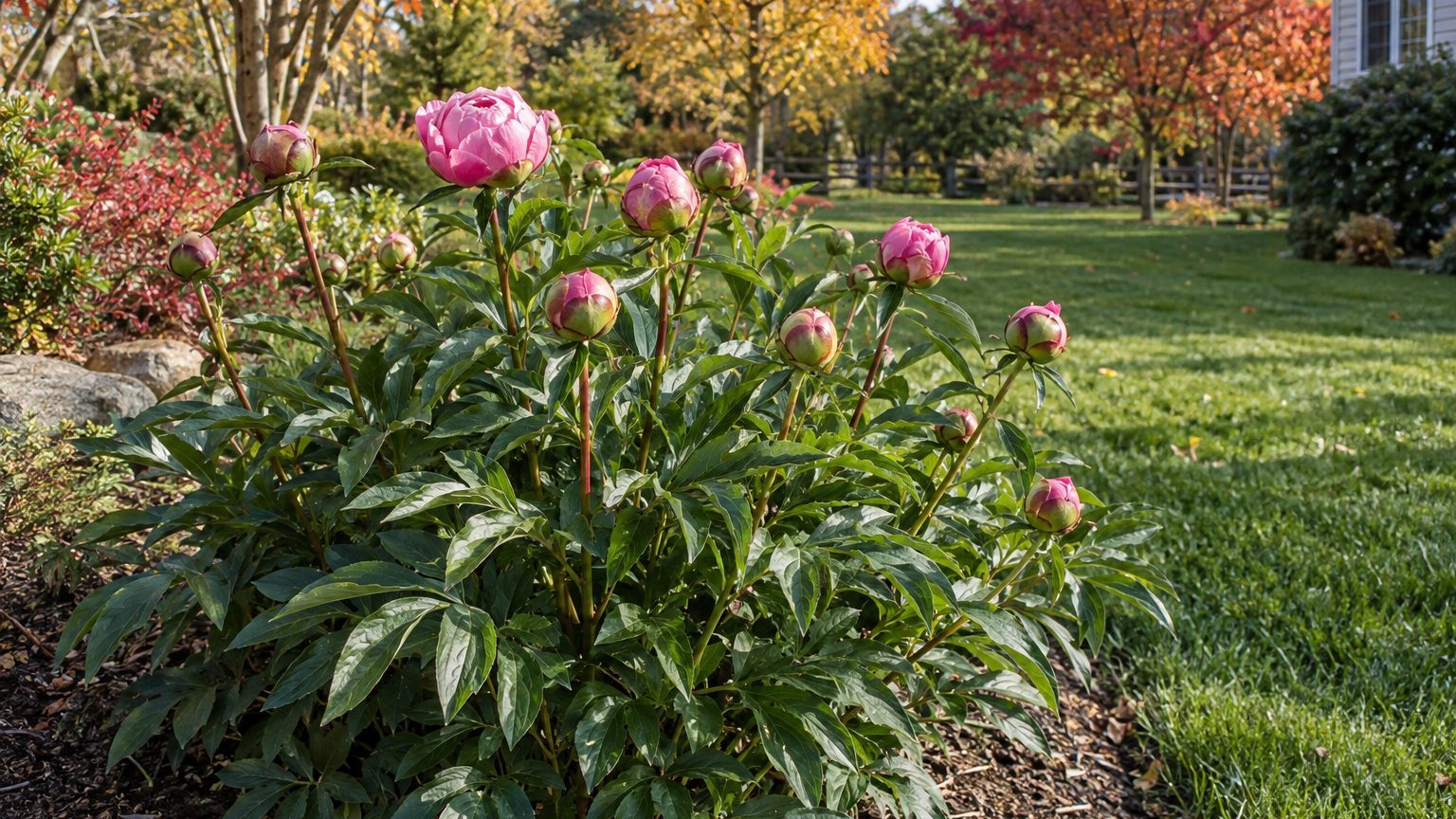
Peony buds swelling to marble size signal that the spring display is close in Massachusetts. They open in late spring and carry into early summer. What that means for each type of peony, and what to do before and after the flowers, depends on a few signs in the garden.

When Do Peonies Bloom in Massachusetts?

When Do Peonies Bloom in Massachusetts?

Peonies bloom in Massachusetts in May and June. Late spring starts the show and June finishes it, and the exact week depends on the type you grow and how warm your corner of the state runs.

Type of peony When it blooms in Massachusetts What to know
Woodland peony Late spring, ahead of the others White flowers, and the first to open
Tree peony Late spring, after the woodland type Woody stems that stay through winter and are never cut back
Herbaceous (garden) peony Late spring into June Dies back each year and is cut back after frost
Itoh (intersectional) peony June, after the herbaceous types A hybrid of garden and tree peonies

Growing woodland, tree, herbaceous and Itoh peonies can extend the display from late spring into June. Peonies need a cold winter rest to flower, and Massachusetts winters generally provide it. Boston’s last spring frost falls April 1 to April 8, but that waterfront spot is mild, so inland suburbs and the Berkshires get frost later in spring.

How to Tell When Your Peonies Are About to Bloom

Calendar months give you the window, but the plant itself tells you when the flowers are near.

  • Red, pointed shoots pushing out of the soil in spring mean the plant has broken dormancy, so this is the time to put in a support ring before the stems get tall.
  • Stems that thicken and leaves that unfold from the red shoots mean the flower buds are forming at the tips.
  • Small, hard buds that swell to marble size mean flowers are on the way, and a cold snap at this stage can slow them.
  • A bud that feels soft when you gently press it, like a marshmallow, is close to opening, and you can cut it for a vase at this point.
  • Color showing at the seam of the bud means the flower will open soon, so check your supports and plan for rain, which weighs the heavy double blooms down.
  • A young plant with leaves but no buds is normal, because a newly planted or transplanted peony may not bloom the first spring.

An established plant that stays leafy and never buds may be planted too deep, so keep the eyes near the soil surface.

When to Cut Back Peonies in Massachusetts

Cut herbaceous peony foliage back in November or December, once a hard frost has blackened the leaves and the plant has died back. Early spring, in March or April, works as well if you would rather leave the stems standing through winter.

Cut the stems to the ground, just above the soil and the new eyes. Bag the cuttings or put them in the trash rather than the compost pile, since old peony foliage can carry disease spores that survive into next season.

Tree peonies are different. Their woody stems stay alive through winter and hold next year’s buds, so leave them standing and remove only dead or broken wood.

How Peony Bloom Time Shifts Across Massachusetts

Within the state, flowers open earlier where spring warms sooner and later where it lingers cold.

  • Berkshires: Cool hills and later spring frosts hold the buds back, so peonies here can open later than in eastern Massachusetts and extend into June.
  • Boston and the coast: The ocean keeps spring milder, so peonies get going sooner here than they do inland.
  • Inland suburbs and Worcester County: Frost lingers longer than at the shore, so bloom runs a little behind the coast but ahead of the hills.

A south-facing wall or a sheltered bed can pull your own peonies a bit ahead of a neighbor’s in the open.

Where to Get Peony Advice in Massachusetts

For questions about a peony that will not bloom or a bed that needs dividing, local help is close. UMass Extension offers research-based guidance for Massachusetts gardens, and your county can point you to local growers and clinics.

  • The extension website carries plant care guidance for the state, so check it before planting or dividing in late summer.
  • Your county extension office can help when a plant fails to flower.

Common Questions

When Should You Divide Peonies in Massachusetts?

August and September suit planting and dividing. The roots then have time to settle, which helps the plant establish before flowering.

Can You Move a Peony in Spring?

Yes, you can plant as soon as the soil is workable, but a peony moved in spring may skip flowering for a while afterward. Fall is kinder to the plant.

Can You Plant a Peony in October?

October is a fallback if late summer slipped past. Give the roots time to settle.

When to Plant Peonies in Massachusetts: Dates and Care

When to Plant Peonies in Massachusetts: Dates and Care

Peony foliage turns bronze in the Massachusetts fall, and that is also when the shovel belongs in the ground. Planting and dividing fit into late summer and early fall, while the soil is still warm and roots can settle before winter.

When to Plant Peonies in Massachusetts

When to Plant Peonies in Massachusetts: Dates and Care

Plant or divide peonies in August and September, with October as a fallback if the season gets away from you. The rest of the peony year follows from that planting window, and the frost dates below are for the Boston area rather than the whole state.

  • In late winter and early spring, the old stems left standing can come down in March or April if you skipped fall cleanup, before the new red shoots grow tall.
  • In May and June, the flowers open, with the exact timing depending on the type you grow.
  • From August through September, the main planting and dividing window opens, which gives the roots time to establish while the ground is still warm.
  • In October, planting is still possible, though the roots have less time to settle before the soil cools.
  • In November and December, after the foliage has died back, herbaceous peonies are cut to the ground for winter.

Spring frost risk around Boston ends between April 1 and April 8, and fall frost arrives between November 3 and November 14. Inland suburbs and the Berkshires frost later in spring and earlier in fall, so those dates shift for you if you garden away from the coast. A peony planted or moved this year may skip flowering the first spring, which is normal.

Which Peonies Grow Best in Massachusetts?

Peonies are a natural fit here. They need winter cold to flower, and Massachusetts winters generally provide it. Cold winter weather gives the plants the rest they need before spring growth.

The peony types commonly grown in home landscapes bloom in sequence rather than all at once.

Peony type How it does in Massachusetts Why
Herbaceous (garden) peony Reliable and long lived Needs winter cold and dies back each year
Tree peony Grows well with some shelter Keeps woody stems, so it is never cut back
Itoh (intersectional) peony Good choice for later bloom Hybrid of garden and tree peonies, with later flowers
Woodland peony Suits shaded corners White flowers open first in the sequence

The bloom order runs from woodland peonies to tree peonies, then herbaceous types, then Itoh hybrids, so mixing types stretches color across late spring and into June. Whichever type you choose, keep the buds, called eyes, near the soil surface. A peony set too deep may bloom poorly or not come up at all.

When to Plant, Cut Back and Feed Peonies in Massachusetts

Planting, cutting back and feeding each have a moment that suits the plant. For feeding advice, ask the extension service about your soil and plant.

Task Best timing in Massachusetts Why then
Planting or dividing August through September, or October Roots settle while the soil is still warm
Spring planting As soon as the soil is workable Possible, but flowers may be delayed a year
Cutting back herbaceous peonies November through December, or March through April Foliage has died back, so removal is clean
Feeding Ask the extension service for local guidance Local advice can account for your soil and plant

Tree peonies stay off the cutting list entirely, because their woody stems carry next year’s buds. Herbaceous types are cut to the ground after frost has finished the foliage, and the clippings are best bagged rather than composted.

How Peony Planting Dates Change Across Massachusetts

The planting window shifts a little depending on where your yard sits, since the state stretches from a mild coast to cold hill country.

  • Boston and the South Shore: The coast is milder than inland areas, so fall planting can run toward the later end of the window and cleanup happens later too.
  • Worcester County and the inland suburbs: Frost arrives sooner in fall, so aim for the early part of the planting window to give roots time to settle.
  • The Berkshires: Winters are colder here than near the coast, and fall frost comes early, so plant at the start of the window.

Where to Get Peony Advice in Massachusetts

UMass Amherst Extension serves home gardeners across the state, and a local office can answer questions that depend on your soil and microclimate.

  • The extension service can advise you before you plant a peony bed in August.
  • Your county or regional extension contact can help diagnose poor flowering or leaf problems, ideally while the plant still has foliage in summer.

Common Questions

Can You Plant a Peony in Spring in Massachusetts?

Yes, as soon as the soil can be worked. Expect the plant to put its energy into roots first, so flowers may be delayed a year compared with a fall planting.

Why Did My Peony Not Bloom in Massachusetts?

Look at how deep the eyes sit and how much sun the spot gets, together. Eyes buried well below the surface, along with shade for much of the day, point toward poor flowering.

Do Tree Peonies Get Cut Back in Fall?

No. A tree peony keeps its woody stems through winter, and only dead or damaged wood is removed. Herbaceous peonies are the ones cut to the ground after the foliage dies back.

Best Lilacs for Massachusetts

Best Lilacs for Massachusetts

Lilac blossoms open across Massachusetts yards in May, and their scent drifts over fences. Choosing the right lilac for your yard comes down to how much winter chill it needs and how it handles summer humidity.

Best Lilacs to Grow in Massachusetts

Best Lilacs for Massachusetts

Massachusetts sits in the cold-winter range lilacs like, and the USDA system places the state between zones 5a and 7b. The chill of winter is what matures their flower buds, so many lilacs suit Massachusetts winters. The one limit is hot, humid summer weather, which favors disease-resistant types.

Common Lilac

Common Lilac — Best Lilacs for Massachusetts

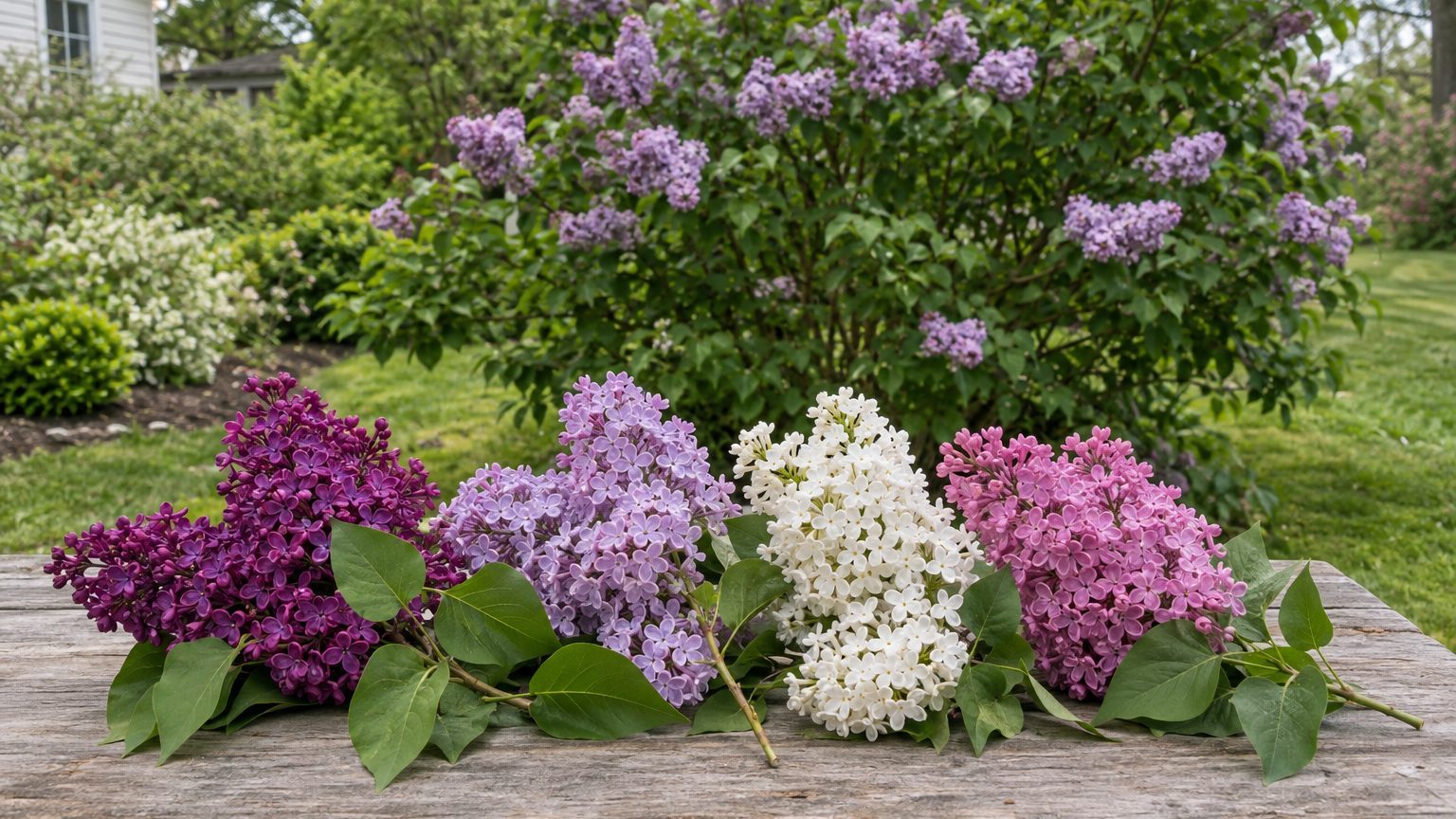
Syringa vulgaris is the lilac most people picture, with fragrant masses of purple, lavender and white blooms in May. It is the classic choice for a sunny spot with good air circulation, and winter cold suits it.

The trade-off is disease. Common lilac is susceptible to powdery mildew, bacterial blight, scale and borers, so give it room for airflow and watch the leaves in humid summers.

Bloomerang Series

Bloomerang Series — Best Lilacs for Massachusetts

Dwarf hybrids like the Bloomerang series are more disease-resistant than typical common lilac. The series resists powdery mildew and reblooms, which helps in a humid New England summer.

These plants also mature shorter in height, so they fit where a full-size lilac would crowd a walk or window.

Hyacinthiflora Hybrids

Hyacinthifloras are vigorous hybrids that look like French hybrids but bloom earlier. They are very hardy, but because they flower early, they belong where late frosts are less frequent.

That makes them a better fit for milder, sheltered spots than for frosty hollows.

Other Lilac Species

Many lilac species originated in Europe and Asia, and some are less susceptible to disease than the common lilac. Colors run beyond purple to red, blue, pink, white, mauve and yellow.

If mildew has troubled lilacs in your neighborhood, look for resistant cultivars or these less susceptible species and hybrids.

How to Choose a Lilac for a Massachusetts Garden

Start with what your yard throws at a lilac: winter cold, humid summer air, limited space or limited time. Lilacs need a cold winter rest to set their buds, so they suit Massachusetts well, but disease and size shape which one you buy.

Match the plant to the problem you are most likely to have.

Your situation What suits it in Massachusetts Why
Very cold winter Common lilac Lilacs are well suited to cold climates, and winter chill matures their buds
Hot, humid summer Bloomerang series It resists powdery mildew, while common lilac is prone to it
Little time for upkeep Bloomerang series or resistant cultivars They are more disease-resistant than typical common lilac
Small space Dwarf hybrids They mature shorter in height
Frosty spring pocket Common lilac over early Hyacinthifloras Early bloomers are best where May frosts are less frequent

Lilacs also want a sunny site. A plant tucked into shade will sulk however well the variety suits the state.

Which Lilacs Suit Different Parts of Massachusetts

Massachusetts runs from a mild coast to cold hills, and that shifts which lilacs carry the least risk.

  • Boston and the coast: Milder conditions here make early bloomers such as Hyacinthifloras a safer bet, since frost eases off sooner than inland.
  • Worcester County and inland suburbs: Spring frost lingers longer than at the waterfront, so late-opening common lilacs hold their flowers better than early hybrids.
  • The Berkshires: Cold winters are what lilacs want, but later spring frost can nip early blooms, so lean on common lilac rather than early hybrids.

Wherever you live, humid summer air is the common challenge, so airflow and resistant selections matter everywhere.

Lilac Buying Mistakes to Avoid in Massachusetts

Picking an Early Bloomer for a Frosty Spot

Early Hyacinthifloras open their flowers sooner, so a late frost can take the whole show. Plant them only where late frosts are less frequent, and choose common lilac for colder pockets.

Ignoring Disease in a Humid Summer

Common lilac is susceptible to powdery mildew, bacterial blight, scale and borers. A plant that looks fine in the pot can struggle by midsummer. Look for a resistant cultivar, or a dwarf hybrid like the Bloomerang series, and leave space for air to move.

Buying Without Knowing Adult Size

A small pot hides how big the shrub will grow. Check the mature height before you plant, and choose a dwarf hybrid for tight spots. An overgrown lilac can be cut hard in March or April, but it will not flower for a few years afterward.

Where to Get Lilac Advice in Massachusetts

For advice that fits your own soil and climate, University of Massachusetts Amherst’s UMass Extension is the state’s land-grant service, and county offices can answer local questions.

  • This service publishes lilac and shrub guidance, so check its advice in spring before you buy.
  • Your county extension office can help identify mildew or borer damage.

Before you buy a plant, check its mature size and disease resistance, then pick the planting spot.

Common Questions

When Do Lilacs Bloom in Massachusetts?

Lilacs bloom in April and May, and later species can carry on into June.

When Should You Prune Lilacs in Massachusetts?

Prune right after the flowers fade, in May and June. Lilacs set next year’s buds on last year’s wood, so cutting later removes the next spring’s flowers.

Can You Cut Back an Overgrown Lilac?

Yes, in March or April while the plant is dormant. Expect no flowers for a few years afterward.

When to Prune Lilacs in Massachusetts

When to Prune Lilacs in Massachusetts

A lilac that blooms heavily in May is already building next year’s flowers by the time the last cluster browns. Pruning in Massachusetts belongs in that short stretch right after the blooms fade, before those new buds are cut away.

When to Prune Lilacs in Massachusetts

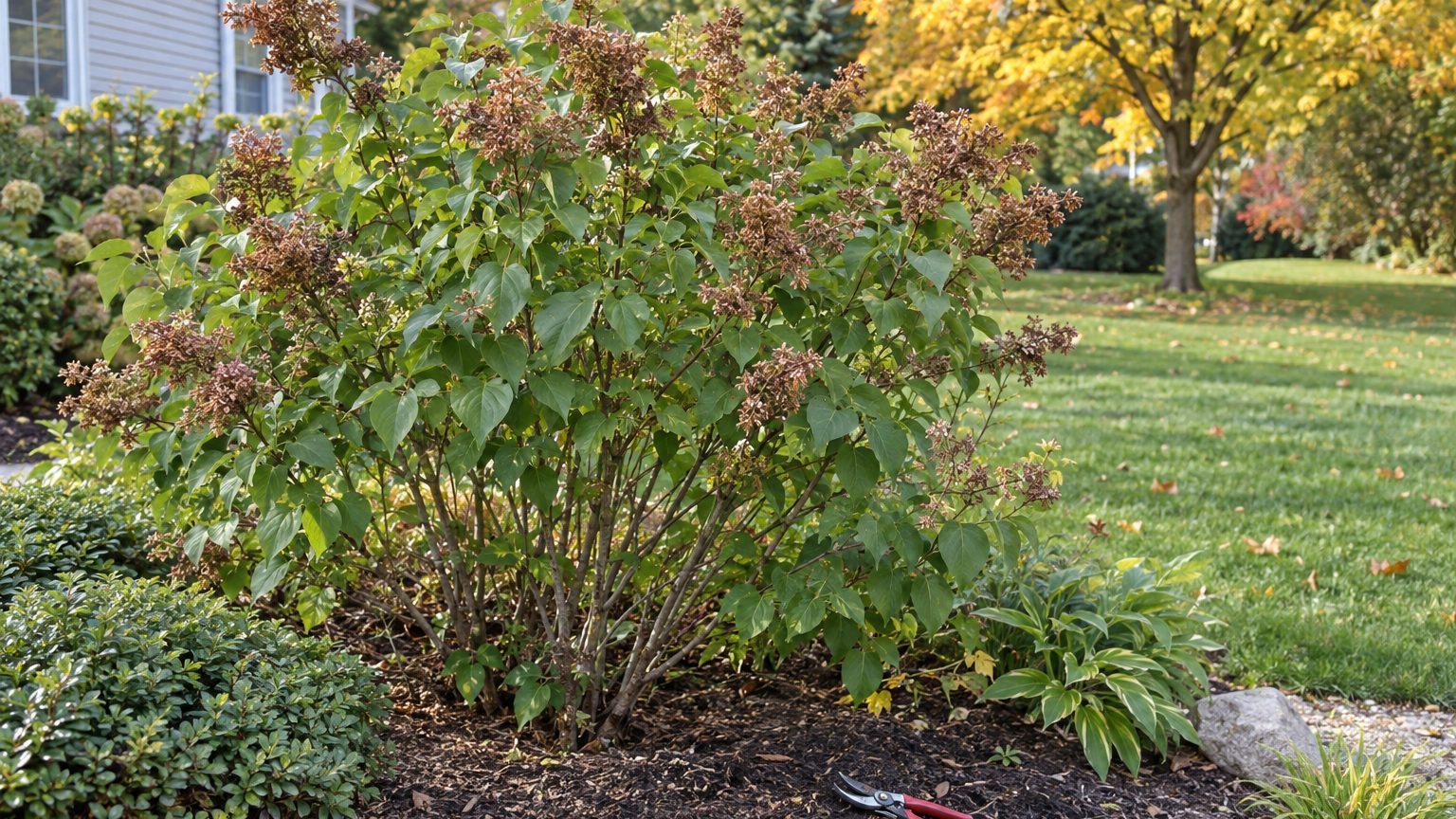
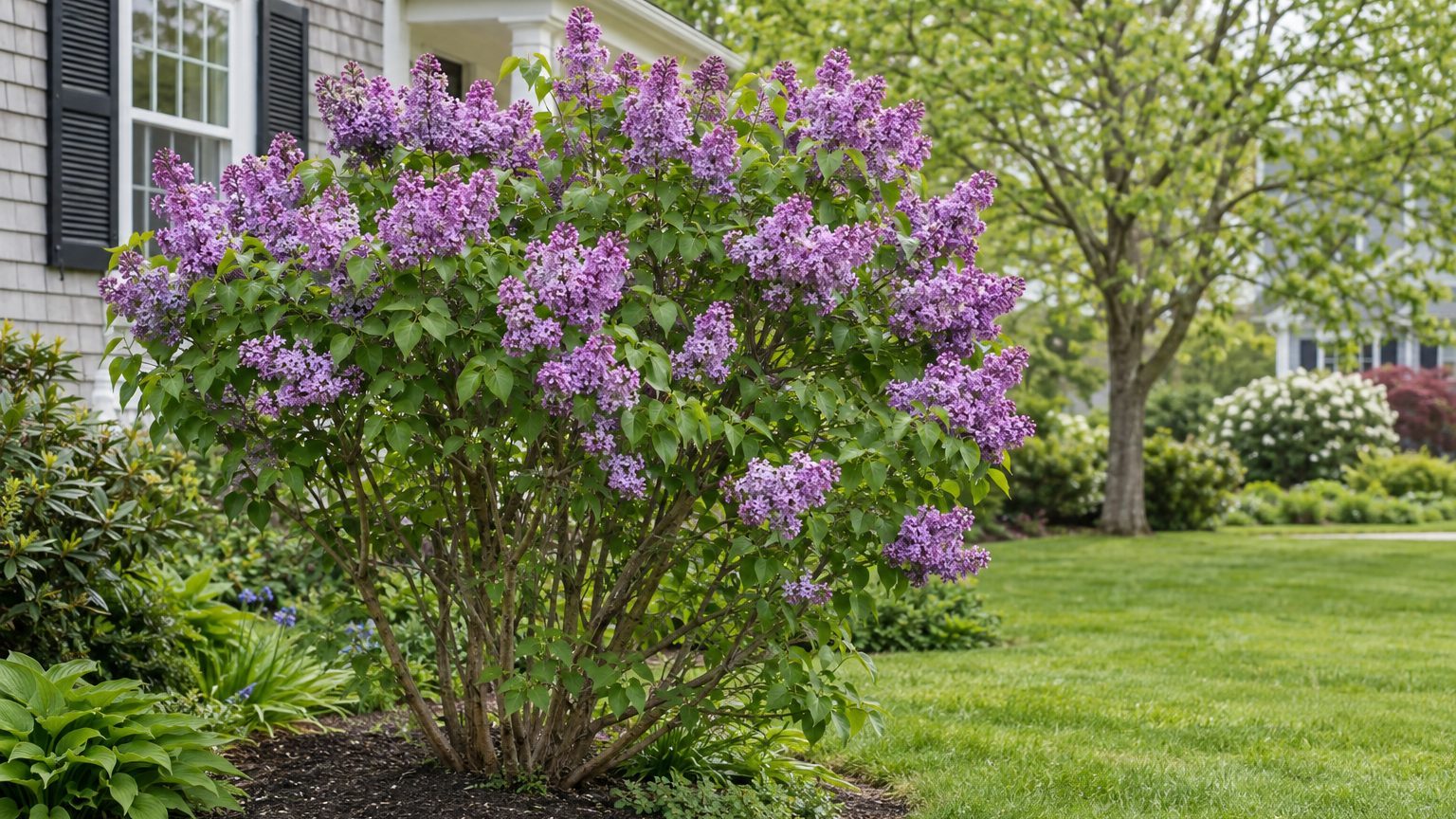
Lilac stems after flowering

Prune lilacs in Massachusetts right after the flowers fade, which usually means May and into June. Lilacs flower on last year’s wood and set next spring’s buds in summer, soon after blooming, so a cut made later in the year takes off flowers that already exist.

Type of pruning When in Massachusetts Why
Routine upkeep: dead wood, spent flowers, a little shaping May to June, right after the flowers fade The next buds have not set yet, so no flowers are lost
Hard renovation cut of an overgrown lilac March to April, in late winter The shrub is dormant, but the cut costs the next flowers

Lilacs here bloom from April into May, with later species carrying into June, so the pruning window opens a little later than the flowers do. After a hard renovation cut, expect no flowers for a few years while the shrub rebuilds.

How to Tell When Your Lilacs Are Ready to Prune

Your lilac gives the signal itself, and it matters more than the date on the calendar.

  • The flower clusters turn brown and dry out, which means the bloom is finished and the pruning window has opened.
  • Dropping petals and bare-looking stems show that flowering is ending and the pruning window is opening.
  • Wait for the flowers to fade rather than using new shoots as the pruning signal.
  • Leaves are fully open and dark green, so you can see which branches are dead or crossing and cut with confidence.
  • Waiting until the shrub looks tidy again in summer is too late, because the buds for next spring are already in place by then.

If you are unsure, wait until the flowers have faded, then keep the work light.

Should You Prune Lilacs in Fall or Winter in Massachusetts?

No. Cutting in late summer, fall or winter removes the flower buds that were set after this year’s bloom, so the shrub leafs out the next spring with few or no flowers. Massachusetts winters are a help to the lilac, since the cold rest is what matures those buds, but only if they are still on the branches.

The exception is the renovation of an overgrown lilac. That hard cut is done in late winter, in March or April, while the plant is dormant. It trades the next flowers for a fresh start, and the shrub will not flower for a few years afterward.

For a lilac that is merely a bit large, skip the winter saw and wait for the end of the bloom. Removing older stems then lets you reduce size without giving up the next flowers.

How Lilac Pruning Time Shifts Across Massachusetts

The calendar months hold statewide, but the flowers themselves arrive earlier or later depending on where you garden, and your pruning follows the bloom.

  • Boston and the coast: Spring comes earlier along the water, so the flowers fade sooner and pruning can start toward the early part of the May to June window.
  • Worcester County and inland suburbs: Frost lingers longer into spring than at the shoreline, so blooms and pruning run a little later than on the coast.
  • The Berkshires: Higher ground is colder, with bloom arriving later, so pruning slides toward June. Massachusetts spans USDA hardiness zones 5a to 7b, but those zones describe winter cold rather than a pruning date.

Whatever your town, watch the flowers and prune when they are done.

Where to Get Lilac Advice in Massachusetts

For questions about a particular shrub, local help is easy to reach. UMass Amherst’s extension program serves home gardeners across the state.

  • The extension service has plant care guidance and can help identify a shrub that will not bloom, so check in before the bloom season if you are unsure.

Common Questions

Why Is My Lilac Not Blooming?

Check together whether the lilac gets full sun and whether it was pruned after summer began. Lilacs thrive in sunny sites with good air circulation, and a cut made late in the year removes buds. Heavy shade or late pruning are common causes.

Do Lilacs Struggle in Massachusetts Summers?

Generally no, since they do best in cold-winter climates and the winter chill matures their buds. They struggle in hot, humid summers, so a spot with good airflow helps in muggy stretches.

Can You Cut an Overgrown Lilac to the Ground?

Yes, in late winter, in March or April. Expect a wait of a few years before flowers return.

When Do Lilacs Bloom in Massachusetts? Dates and Care

When Do Lilacs Bloom in Massachusetts? Dates and Care

A lilac in full bloom announces itself from the sidewalk, a heavy sweetness that drifts across the yard on a warm spring afternoon. In Massachusetts, that scent belongs to spring, with the show building through April and May.

When Do Lilacs Bloom in Massachusetts?

A lilac bush in bloom in a home garden

Lilacs in Massachusetts bloom in April and May, and later species can carry flowers into June. The rest of the year follows from that bloom, because every job depends on where the flowers are in their cycle.

  • In April and May, the flowers open, and this is the stretch when the shrub earns its place in the front yard.
  • Right after the flowers fade, often in May and into June, you prune. The shrub starts setting next spring’s buds soon afterward, so a cut made now keeps them.
  • Through summer, the lilac builds those flower buds on this year’s new growth, which is why late cuts cost you blooms.
  • In fall, the shrub goes quiet and needs no pruning, since cutting now removes buds already formed.
  • In winter, the cold rest helps mature the buds. In March and April, an overgrown lilac can take a hard cut-back, at the price of the next flowers.

At the Boston reference city, the last spring frost falls between April 1 and April 8, and the first fall frost between November 3 and November 14. Inland suburbs and the Berkshires frost later in spring and earlier in fall than Boston does. The state spans USDA hardiness zones 5a to 7b.

Which Lilacs Grow Best in Massachusetts?

Lilacs suit Massachusetts well. They are cold-climate shrubs, and the chill of winter is essential to their bud development and maturation, so the state’s winters work in their favor.

Heat and humidity are what trouble them. A hot, humid summer is hard on lilacs, which is a reason to give them a sunny spot with good air circulation.

Lilac type How it does in Massachusetts Why
Common lilac in a sunny, open spot Does well through the cold-winter parts of the state Winter chill matures its flower buds
Lilac in a crowded, shaded corner Flowers poorly and stays vulnerable in humid summers It needs sun and good air circulation
Later-blooming species Extend the show into June They open after the earlier types finish

Zones 5a to 7b cover a wide spread, so the colder western and inland yards give lilacs the firmer winter rest. Closer to the warm end of the range, planting where air moves freely matters more.

When to Plant, Prune and Feed Lilacs in Massachusetts

Pruning timing deserves the most care, because a lilac blooms on last year’s wood. Cutting in late summer, fall or winter removes next spring’s flowers.

Overgrown shrubs are the exception, since a hard cut-back can renew them. Expect no flowers for a few years afterward.

Task Best timing in Massachusetts Why then
Enjoy the bloom April and May, with later species into June Different types open at different times
Regular pruning May and June, right after the flowers fade Next year’s buds begin forming soon after bloom
Hard renovation cut March and April, while the shrub is dormant It renews an overgrown plant but costs the next flowers

Planting and feeding are not tied to a month here. Plant when the soil is workable and the shrub can settle before hard cold, and feed lightly after flowering rather than pushing growth late in the season. Pruning is covered in more depth on the page about when to prune lilacs in Massachusetts.

How Lilac Bloom Time Changes Across Massachusetts

Bloom follows the local spring, so it opens sooner where spring arrives sooner and later where it lingers.

  • Boston and the coast: Spring warms early here, and the waterfront city is warmer than inland and northern parts of the state, so lilacs tend to open sooner.
  • Inland suburbs: Frost comes later in spring and earlier in fall than in Boston, so bloom usually follows a little later.
  • The Berkshires: Higher ground stays cooler, which pushes the bloom later still and often into the later part of the season.

A lilac in a sheltered, sunny corner will often open ahead of one in an exposed, cold-air pocket just down the road.

Where to Get Lilac Advice in Massachusetts

When a shrub refuses to flower or looks unwell, local help can sort out the cause. UMass Extension offers plant and soil guidance for Massachusetts yards.

  • The extension service answers questions about pests, disease and flowering problems, so bring a clear description or photos.
  • Your county office can guide a soil test, which is worth doing before you feed a lilac that is not blooming.
  • Ask for help while the symptoms are visible, and bring clear photos.

Common Questions

Why Is My Lilac Not Blooming?

Heavy shade or crowding points to a light problem, while a shrub that was cut in late summer, fall or winter has lost its buds to the pruning. Check the sun and the cutting history before changing anything else.

Can You Move a Lilac in Massachusetts?

Yes, though expect some setback. Move it while it is dormant, set it in a sunny spot with good air circulation, and water it regularly as the roots settle.

Do Lilacs Need Fertilizer?

Usually little. A soil test shows whether anything is missing, and a light feeding after flowering is gentler than heavy feeding, which can push leaves at the expense of blooms.

Best Roses for Massachusetts

Best Roses for Massachusetts

A rose can leaf out happily in spring and still lose its canes to a hard Massachusetts winter, so the type you pick matters more than the spot you pick it for. Hardy shrub roses, rugosas and old garden roses carry through with little help, while hybrid teas need protection in cold winters. Choosing by winter toughness first makes the rest of the garden easier.

Best Roses to Grow in Massachusetts

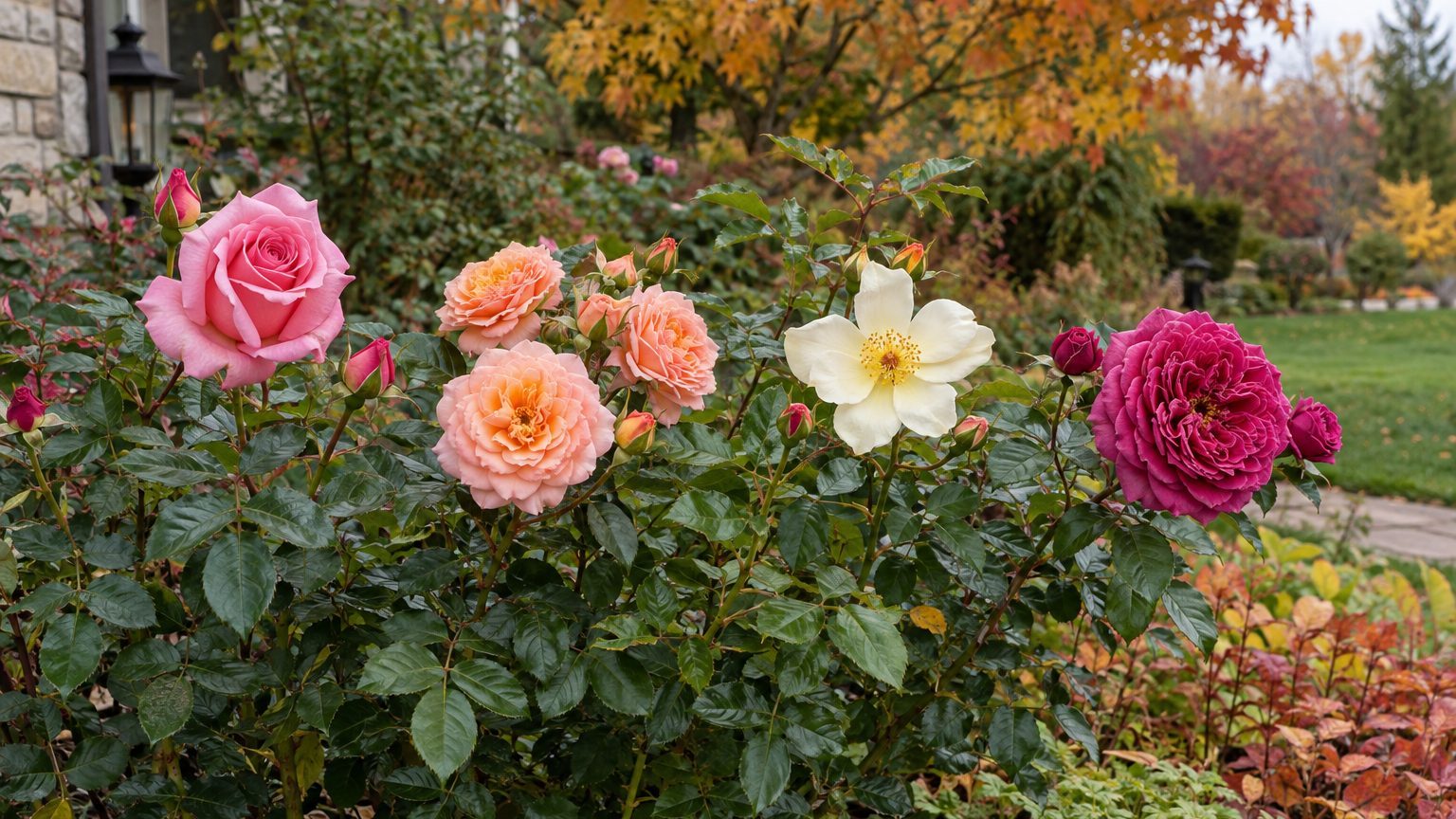
Healthy roses in bloom

Hardy shrub roses, rugosas and old garden roses do well here because winter, more than summer heat or humidity, decides which roses last, and USDA hardiness zones run from 5a to 7b across the state. Tender types can still succeed, but they need a plan for the cold months.

Hardy Shrub Roses

Most shrub, landscape and species roses are reliably winter hardy and need no extensive preparation for winter. Knock Out and the Explorer series perform well without extra protection, which makes them a sensible start for a front yard or a foundation bed.

Rugosa Roses

Rosa rugosa is known for broad hardiness, which suits the colder inland yards well. Give it sun and elbow room, and the winter wrap can stay in the shed.

Old Garden Roses

Many old garden roses are extremely tolerant of cold temperatures. Many of them flower once a year on last year’s wood, so prune them right after they bloom, never in early spring.

Hybrid Teas and Floribundas

Hybrid teas, floribundas and grandifloras are not reliably winter hardy and must be protected. Mound the base and cover the canes in November, once several killing freezes have sent the plants dormant. December works too if the weather holds.

These repeat bloomers flower on new wood, so they are pruned in March or April, as the buds begin to swell. Cut less in fall and more heavily in spring.

Climbing Roses

Some climbing roses are not reliably winter hardy, so check the hardiness of a variety before you buy. A hardy climber trained on a trellis or arbor gives height without taking up bed space, while a tender one needs the same winter protection as a hybrid tea.

How to Choose a Rose for a Massachusetts Garden

Start with how much winter work you are willing to do. The type of rose and its place in the garden decide how much protection it needs, so a sheltered corner can change the answer.

After that, think about what you want the rose to do: fill a border, cut for a vase, or climb a post.

Your situation What suits it in Massachusetts Why
Very cold winter or exposed yard Shrub roses, rugosas, old garden roses These are reliably hardy and need little winter preparation
Little time for care Knock Out or an Explorer series rose They perform well without extra winter protection
Small space A hardy miniature, or a climber on a trellis Some miniatures are reliably hardy, and a climber grows up instead of out
Cut flowers for the house Hybrid teas Long stems and a single sweet-scented bloom, but they need winter protection

Humid summers and dry spells differ from one yard to the next, so lean on what helps any rose: direct sun and loose, well-drained soil rich in organic matter.

Which Roses Suit Different Parts of Massachusetts

Winter severity shifts from the harbor to the hills, and that changes how adventurous you can be with tender roses.

  • Boston and the harbor shore: Waterfront air is the mildest in the state, so hybrid teas and floribundas are easier to carry through here, as long as you still protect them in November.
  • Inland suburbs: Frost comes sooner in fall and lingers longer in spring than on the waterfront, so lean toward shrub roses and rugosas and expect to cover tender roses earlier.
  • The Berkshires: Colder winters make hardy shrub roses, rugosas and old garden roses safer choices, with tender types kept to a protected corner.

Wherever you live, pick the rose for your own yard’s winter, not the nearest city’s.

Rose Buying Mistakes to Avoid in Massachusetts

Buying Tender Roses Without a Winter Plan

A hybrid tea planted in spring and left bare in winter is a rose you buy again. Most types of garden roses need some protection here, and the amount depends on the type and where it sits in the garden.

If you want the look but not the work, choose a hardy shrub rose. If you buy a tender one, put on its protection in November after several killing freezes.

Planting in the Wrong Spot

Roses sulk in shade and in heavy, soggy soil. They want direct sun and good drainage, with loose soil rich in organic matter. Check the spot at midday before you dig, and loosen the bed with compost if the soil is dense.

Pruning Once-Bloomers in Early Spring

A spring cut on a once-blooming rose removes the wood that carries that year’s flowers. Check the tag or ask the seller whether a variety repeats. Repeat bloomers get the March or April cut, while once-bloomers wait until the last flowers fade.

Where to Get Rose Advice in Massachusetts

UMass Extension publishes garden guidance for the state and can tell you which roses hold up in your own neighborhood. Your county’s extension office is the nearest contact for local questions.

  • The state extension site carries fact sheets on rose selection and care, handy before you shop in late winter.
  • The county office can answer questions about a struggling plant, best brought in with a cane or leaf sample once growth starts in spring.
  • Before you buy, check which hardiness zone your yard falls in and take that note to the nursery.

Common Questions

When Should You Plant Bare-Root Roses in Massachusetts?

Plant them in March or April, before growth starts. Roses in containers can go in later, and May, June and July all work for them.

When Should You Feed Roses in Massachusetts?

Feed from April through July: after pruning, at first bloom and again in mid-July. Skip feeding after mid-August so new growth is not soft going into winter.

When Should You Take Winter Protection Off Roses?

Take it off in March or April, once the ground has thawed. Remove the mound gradually, then prune out weak, dead or crossing canes.

When to Prune Roses in Massachusetts

When to Prune Roses in Massachusetts

When forsythia turns yellow along a Massachusetts street in spring, the rose canes behind the winter mound are waking up too. That is the cue for most pruning. Which roses get cut then, and which ones must wait until after they flower, depends on how each type blooms.

When to Prune Roses in Massachusetts

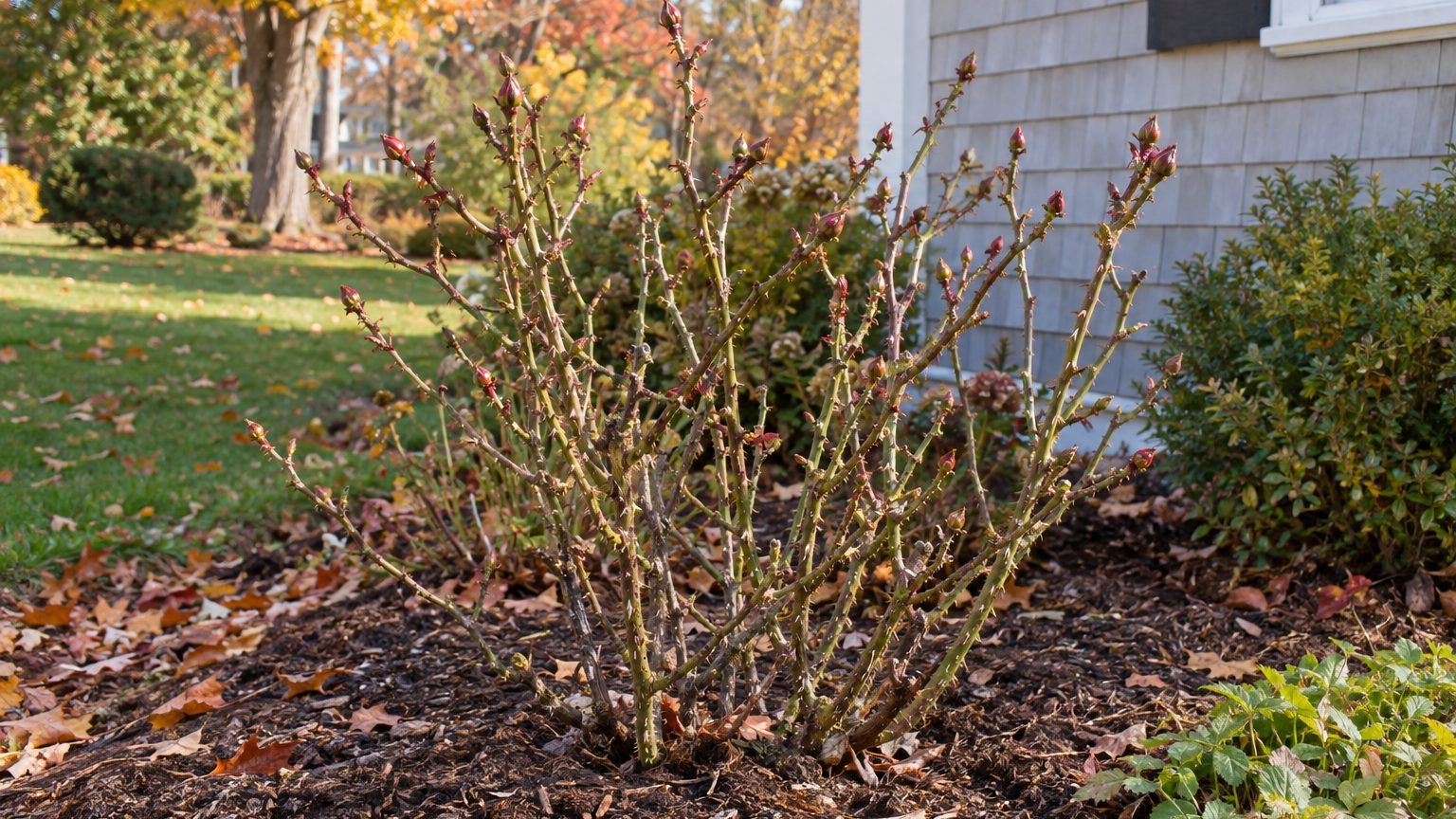
Rose canes at pruning time

Prune repeat-blooming roses in March and April. Pruning can also be done in February, in an early spring when the forsythia is in bloom and the winter protection is already off. Roses that flower only once a year follow a different rule.

Type of rose When to prune in Massachusetts Why
Hybrid teas, floribundas, modern shrub roses (repeat-blooming) March to April, or February in an early spring They flower on the season’s new growth, so cutting before growth starts costs no bloom.
Old garden roses, ramblers, once-blooming climbers Right after the flowers fade, never in spring They flower once a year on last year’s wood, and a spring cut removes that year’s blooms.

Climbers that repeat-bloom flower on new growth, so they can be pruned in spring along with the other repeat bloomers. Once-blooming climbers wait until after flowering. In spring, cut out dead, weak and crossing canes first, then shape what remains.

How to Tell When Your Roses Are Ready to Prune

A spring that runs early or late shifts the work, so the plant itself is the better guide than the date on the wall.

  • Swelling buds along the canes mean the rose has broken dormancy, and you can see which canes survived and which are dead.
  • Forsythia in bloom is the neighborhood signal that pruning season has opened for repeat-blooming roses.
  • A hard freeze that has passed means new shoots are less likely to be burned back after you cut.
  • Soil that has thawed is the cue to take off the winter mound, which in Massachusetts usually falls between mid-March and mid-April.
  • Bare canes with the protection already removed mean the rose is ready, since the cuts can be made where the wood is plainly alive or dead.

If the buds are still tight and the mound is still on, the roses are not ready, whatever the calendar says.

Should You Prune Roses in Fall or Winter in Massachusetts?

Mostly no. In fall, avoid routine pruning; shorten very long stems only if winter wind could whip them and loosen the plant at the roots. Leave everything else until the buds swell in spring.

A hard prune before winter can invite dieback and stimulate tender growth that cold may damage. Once-blooming roses would also lose next year’s flowers, since the wood you cut is the wood that carries them.

Winter protection belongs in November, after several killing freezes, and can go on into December. Hybrid teas, floribundas and grandifloras need that cover in cold winters, usually a mound of soil or mulch over the base of the canes. Take it off in March and April, once the ground thaws.

How Rose Pruning Dates Shift Across Massachusetts

Massachusetts spans hardiness zones 5a to 7b in the USDA system, so the same month does not mean the same stage of growth everywhere.

  • Boston and the harbor shoreline: The water keeps spring milder, so buds swell sooner and pruning can start at the early end of the March to April window.
  • Inland suburbs: Frost lingers longer in spring than on the waterfront, so lean toward April and wait for buds to swell before cutting.
  • The Berkshires: Winters are colder and spring arrives later, so the mound comes off later and April is the likelier month for pruning.

In every case, the swelling buds and blooming forsythia decide the day.

Where to Get Rose Advice in Massachusetts

Local questions about winter dieback or variety hardiness are best answered by UMass Amherst Extension, which serves the whole state, and by a county-level extension or Master Gardener contact near you.

  • The state extension site has plant care fact sheets for roses, useful in late winter before you make the first cut.
  • A county-level contact can look at a damaged cane or a photo of your rose, so reach out in early spring when you see dieback.

Common Questions

When Can You Plant Bare-Root Roses in Massachusetts?

Plant bare-root roses in March or April, before growth starts. May, June and July also work. Container roses can go in from April through midsummer.

When Should You Fertilize Roses After Pruning?

Feed in April, May, June and July: right after pruning, at first bloom, and in mid-July. Stop by mid-August, so late growth has time to harden before winter.

Do Knock Out Roses Need Winter Protection in Massachusetts?

Hardy shrub roses such as Knock Out and the Explorer series perform well without extra protection. They still get their spring pruning in March and April.

When to Plant Roses in Massachusetts: Dates and Varieties

When to Plant Roses in Massachusetts: Dates and Varieties

Bare-root roses go into Massachusetts soil while they are still asleep, with the bare canes showing no leaves, and that moment arrives in early spring. Container roses give you a longer stretch, from April into midsummer. Planting date, variety and winter protection all follow from a climate that runs from coastal Boston to the Berkshires.

When to Plant Roses in Massachusetts

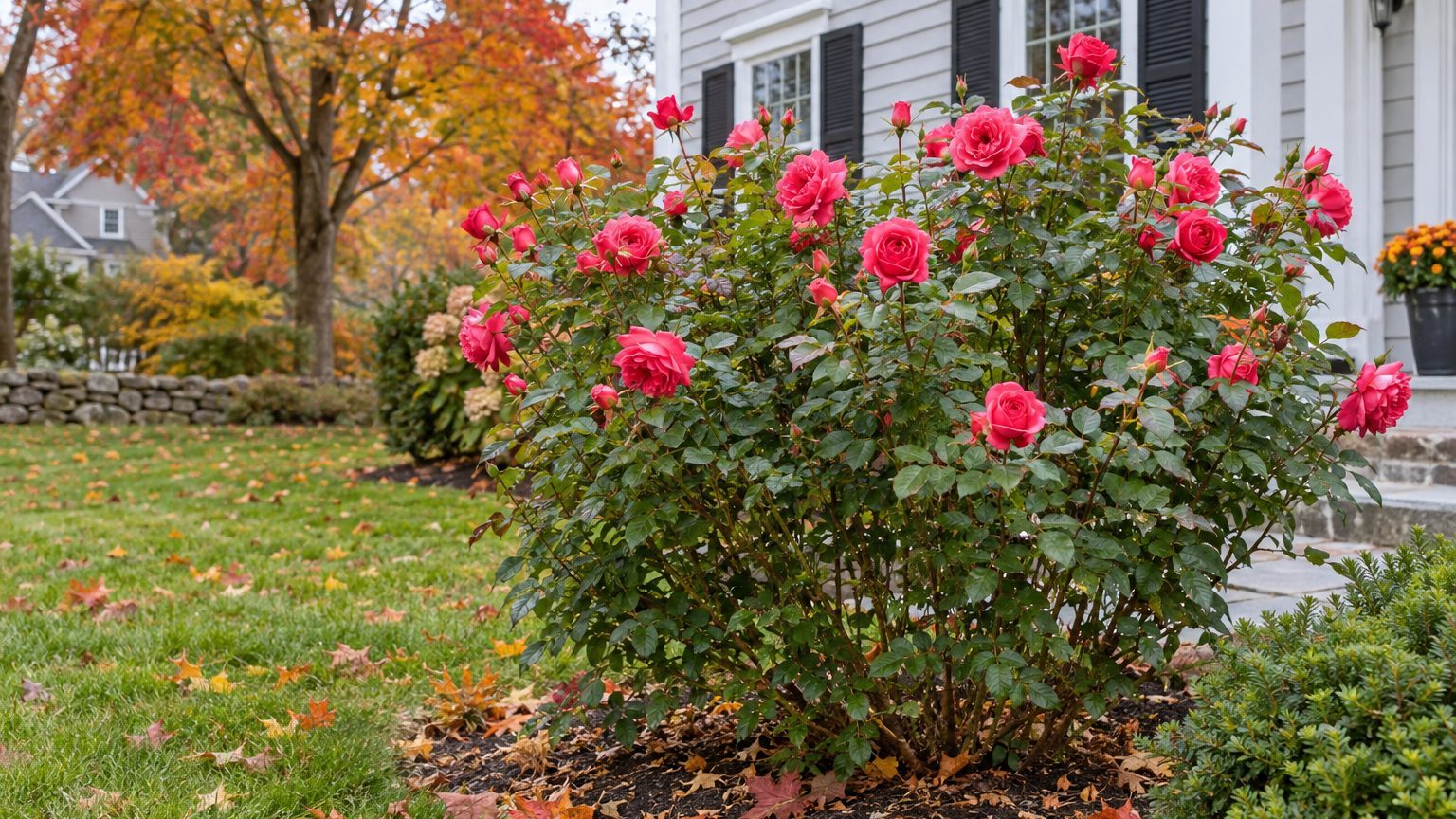
A rose bush in bloom in a home garden

Bare-root roses go in first, before growth starts, and container roses follow once the soil is workable. The year then runs like this.

  • In March and April, plant bare-root roses while they are dormant, and prune repeat-blooming roses as the forsythia opens.
  • Also in March and April, take winter protection off once the ground thaws, with mid-March to mid-April as the usual stretch.
  • From April through midsummer, set container roses in the ground. Bare-root roses can still go in during May, June or July if spring got away from you, though they start behind.
  • From April through July, feed after pruning, again at first bloom, and once more in mid-July. Stop by mid-August, so late growth has time to harden before winter.
  • In November, once several killing freezes have passed, mound and cover the canes of tender roses. December works if November slips by.

For Boston, the last spring frost falls between April 1 and April 8, and the first fall frost between November 3 and November 14. Inland suburbs and the Berkshires frost later in spring and earlier in fall, so a young rose there needs more watching. USDA hardiness zones across the state run from 5a to 7b, which is why the same rose may need cover in one town and none in another.

Which Roses Grow Best in Massachusetts?

Hardy shrub, landscape, species and old garden roses handle Massachusetts winters with little preparation. Hybrid teas, floribundas and grandifloras are less reliable through cold and need protection, which is extra work but manageable.

Extension guidance makes the same split, and it applies here as well. Cold is a real limit here, so choosing roses by hardiness can save you a good deal of trouble.

Rose type How it does in Massachusetts Why
Hardy shrub roses (Knock Out, Explorer series) Perform well without extra protection Bred for cold hardiness
Old garden roses Reliable through winter Many tolerate cold extremely well
Hybrid teas Need winter protection Can suffer considerable cold damage
Floribundas and grandifloras Need winter protection Not reliably winter hardy in cold winters
Climbing roses Many need protection Not all are reliably hardy, so check the variety

Once-blooming roses, including old garden roses, ramblers and many climbers, flower on last year’s wood. Prune them right after they bloom, never in early spring, or you cut off the year’s flowers.

When to Prune, Feed and Protect Roses in Massachusetts

The year’s main jobs cluster in early spring and late fall. Winter protection depends on weather more than the calendar, since it waits for several killing freezes.

Pruning here covers repeat-blooming roses. Once-blooming types wait until after their flowers fade, and the dedicated pruning page goes deeper on cuts.

Task Best months in Massachusetts Why then
Pruning repeat-blooming roses March, April (February can work) Forsythia in bloom, protection already off
Feeding April through July After pruning, at first bloom, mid-July, none after mid-August
Winter protection on November (December if needed) After several killing freezes, once roses are dormant
Winter protection off March, April Once the ground thaws

Covering too early traps warmth and keeps roses from going fully dormant. Waiting for the freezes is the safer habit.

How Rose Care Dates Change Across Massachusetts

Where you garden shifts the season, so treat the months above as a guide and let the plant and the soil set the day.

  • Boston and the coast: Spring arrives soonest here and frost comes last in fall, so planting and uncovering can sit at the early end of the month ranges.
  • Inland suburbs: Frost comes later in spring and earlier in fall than at the harbor, so lean toward the later end of spring tasks and cover canes a little sooner.
  • The Berkshires: Winters are colder and the season is shorter, so plant later in spring, uncover later and favor the hardy shrub roses.

Watching the forsythia and the thaw works anywhere in the state.

Where to Get Rose Advice in Massachusetts

Questions about a struggling rose or the soil it sits in are best taken to UMass Amherst Extension, which serves the whole state through its programs and local contacts.

  • The extension site offers plant guidance and soil testing information, useful before spring planting.
  • Your county extension contact can help with a diagnosis if you bring a cutting or clear photos of the leaves and canes.

Common Questions

Can You Plant a Rose in July?

Yes, with a container rose, which can go in from April through midsummer. Water it regularly while it settles, since summer heat stresses a young root system.

Do Knock Out Roses Need Winter Protection in Massachusetts?

Hardy shrub roses such as Knock Out perform well without extra protection. Hybrid teas, floribundas and grandifloras need winter protection in cold winters.

When Should You Stop Feeding Roses?

Stop by mid-August. Later feeding pushes soft new growth that can be damaged by cold before it hardens.

The almanac, state by state. Every date on this site comes from a state’s own frost facts and its extension service’s calendar — and says where it comes from.