Skip to content

Louisiana

  1. Jan
  2. Feb
  3. Mar
  4. Apr
  5. May
  6. Jun
  7. Jul
  8. Aug
  9. Sep
  10. Oct
  11. Nov
  12. Dec
State
Louisiana
USDA zones
8a-10a
Last spring frost
January 18 to February 8
First fall frost
December 17 to January 8
Annual rain
63 in
Lawn zone
warm-season
Source
NOAA NCEI 1991-2020 Climate Normals, 32F freeze probabilities · New Orleans

The year in Louisiana, from the calendar

  1. JanPlant hydrangeas · Plant fruit trees
  2. FebPlant hydrangeas · Plant roses · Prune roses · Plant fruit trees · Prune fruit trees
  3. MarFeed hydrangeas · Feed roses · Plant roses · Prune roses · Mow
  4. AprFeed roses · Mow
  5. MayFeed hydrangeas · Seed the lawn · Feed roses · Aerate · Dethatch
  6. JunPrune bigleaf hydrangeas · Feed roses · Dethatch · Fertilize the lawn · Mow
  7. JulFeed hydrangeas · Prune bigleaf hydrangeas · Feed roses · Fertilize the lawn · Mow
  8. AugFeed roses · Fertilize the lawn · Mow · Water
  9. SepFeed roses · Mow · Water
  10. OctPlant hydrangeas · Plant trees · Mow
  11. NovPlant spring bulbs · Plant hydrangeas · Plant trees · Mow
  12. DecPlant spring bulbs · Plant trees · Plant fruit trees

From the state frost facts and extension calendars: University of Georgia Cooperative Extension ; University of Georgia CAES · Clemson HGIC factsheet — Hydrangea · Clemson Cooperative Extension, HGIC — Bermudagrass / Zoysiagrass / Centipedegrass / St. Augustinegrass maintenance calendars · University of Georgia CAES.

Best Time to Plant Trees in Louisiana

Best Time to Plant Trees in Louisiana

Watch a Louisiana yard in late summer and you see the problem: lawns browning, soil baked hard, new trees wilting by noon. Cool weather is the planting season here, and the cold itself barely matters.

When Is the Best Time to Plant Trees in Louisiana?

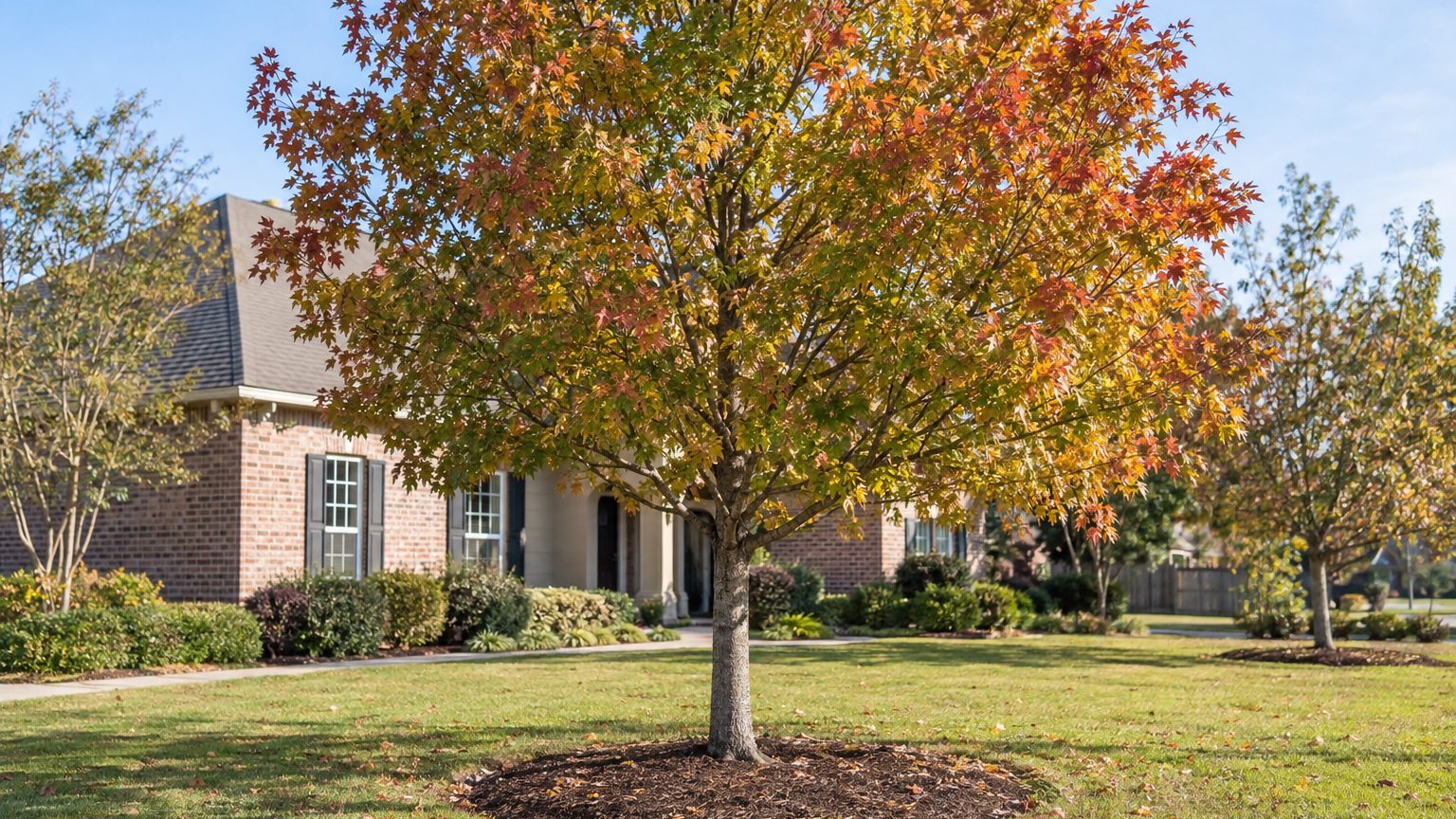
A young shade tree newly planted in a home yard

Shade and ornamental trees go in the ground from October through December, with January and February still workable, so the roots settle in before summer heat arrives.

  • In October and November, container and balled-and-burlapped trees can be planted while the soil still holds summer warmth, which keeps the roots growing.
  • In December, trees planted now settle in with little water and little stress, and the winter months give them time to anchor.
  • In January and February, planting still works for a tree that is dormant, though the window is closing as spring growth approaches.
  • From spring into summer, a container tree can go in only if you water it faithfully, since heat and dry soil stress new roots.
  • In midsummer, planting is hardest of all, so wait for fall unless a tree cannot stay in its pot.

Frost matters less here than in most states. At the reference station in Louisiana, the last spring freeze falls between January 18 and February 8, and the first fall freeze arrives between December 17 and January 8. Hardiness zones run from 8a to 10a in the USDA system, and north Louisiana freezes more reliably than the coast. Summer heat is the limit, so plant for the cool months.

When to Plant Fruit Trees in Louisiana

Fruit trees go in from December through February, with March as a fallback, while the trees are fully dormant. Bare-root trees must be planted while dormant, before the buds open, so do not wait for spring.

Container fruit trees follow the same winter window, though they tolerate a wider range of dates if you keep them watered.

Kind of fruit tree When to plant in Louisiana Why then
Bare-root December to February, or March The tree is dormant and the buds have not opened
Container December to February, or March Roots settle in the dormant season before summer heat

Container-grown trees can be planted most of the year with regular watering, but they settle best in the dormant season. Peaches in particular do well when planted fully dormant, and the same habit suits other fruit trees in the Deep South, where hot, humid summers punish a late planting.

Best Trees to Plant in Louisiana

Trees that handle heat, humid summers and mixed soils do well here. Several shade and ornamental trees adapt to the Deep South, including native choices that tolerate a wide range of sites.

Tree How it does in Louisiana Why
Eastern redbud Handles most any site Native, likes moist soil, and bears pink to purple flowers in early spring
Red maple Adapts to varied conditions Tolerates a range of sun and soil, with fall color from yellow to red
Pin oak Copes with city yards Tolerant of urban environments

Eastern redbud stays small and multi-stemmed, which suits a front yard with limited room. Red maple and pin oak need more space overhead. Match the tree to the room, the sun and your zone before you buy.

When to Plant, Water and Prune Trees in Louisiana

Planting, watering and pruning each have a season. Plant in the cool months, water through the first hot spell after planting, and prune fruit trees once, in late winter.

Task Best timing in Louisiana Why then
Plant shade and ornamental trees October to December, or January and February Roots settle before summer heat
Plant fruit trees December to February, or March The tree is dormant
Water a young tree Regularly after planting, and through dry or hot spells Heat and dry soil stress new roots
Prune fruit trees February, or January and March The tree is dormant and the buds have not swelled

Skip pruning in fall or early winter, because new growth may not harden before the cold. Peaches are pruned last, closest to bloom, since their flower buds are easily hurt by cold, while apples are pruned first.

Where to Get Tree Advice in Louisiana

For a tree choice or a soil test, the state extension service and your parish office can answer questions specific to your yard.

  • The LSU AgCenter offers guidance on tree selection and planting, and it is worth a visit before you buy.
  • Your parish extension office can help with a soil analysis, which is best done before the fall planting season.

Common Questions

Can You Plant a Tree in Summer in Louisiana?

A container tree can go in with steady watering, but heat and dry soil make it the hardest time to plant. Waiting for the cool months gives the roots an easier start.

Do You Need to Wait for the Last Frost to Plant in Louisiana?

No. Frost is light here, and summer heat matters more for tree planting than cold does. Planting follows the dormant season, so winter is a fine time to set a tree in the ground.

Should You Plant Bare-Root Trees Before or After the Buds Open?

Before. A bare-root tree needs to go in while dormant, so get it planted in late winter before any buds open.
Best Peonies for Louisiana

Best Peonies for Louisiana

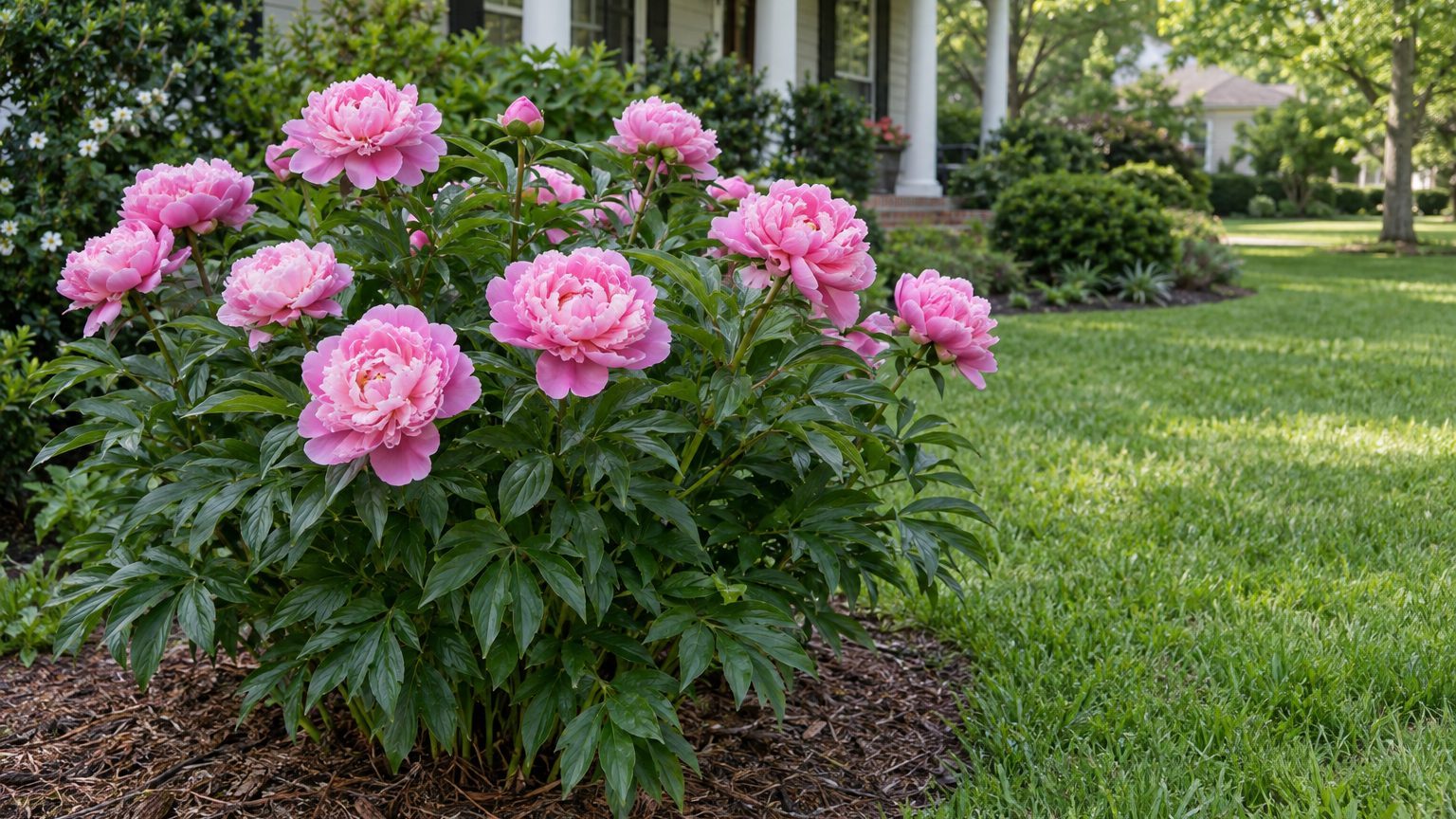
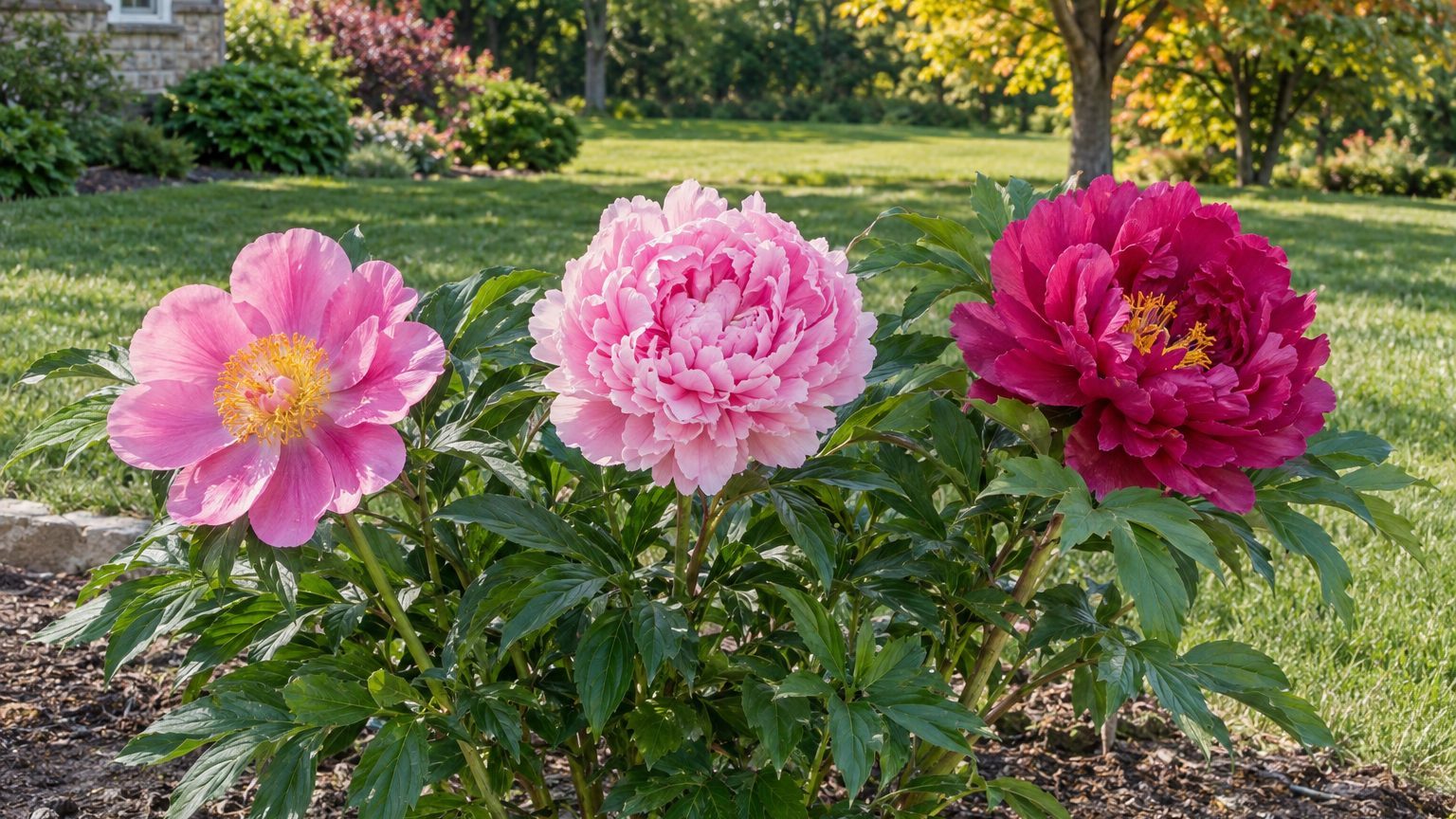
A peony in a Louisiana bed often puts up healthy green leaves in spring and then skips the flowers. The plant is not failing you. Peonies need a real winter cold rest, which much of Louisiana cannot provide, so choosing the right type matters here.

Best Peonies to Grow in Louisiana

Best Peonies for Louisiana

Early-blooming, single-flowered and Japanese-type herbaceous peonies hold up best here, because Louisiana winters are too mild to give most peonies the cold rest they need to flower. Expect fewer blooms than a northern garden would give. The types below improve your odds, and none of them removes the limit.

Early-Blooming Peonies

Early-Blooming Peonies — Best Peonies for Louisiana

Early bloomers open before the hot weather sets in, which is the main reason they suit the Deep South. They are also less prone to botrytis blight, a gray mold that spreads easily in warm, damp springs like Louisiana’s.

When you shop, look for the word early on the tag. It does more for you here than flower color or fragrance.

Single-Flowered Peonies

Single-Flowered Peonies — Best Peonies for Louisiana

Single blooms have open petals around a center of stamens. They usually perform much better in the South than heavy doubles do.

Japanese-Type Peonies

Japanese types have open petals around a tuft of narrow, petal-like stamens. They are known for reliable flowering in Southern gardens and rank among the best performers where winters are mild.

If you want something a little fuller than a plain single, this form is worth trying.

Kansas Peony

You may still want a double, and ‘Kansas’ is the one to try. It has large, early double flowers of watermelon red that hold their color through bloom time, and it is among the doubles most worth trying in the South.

Plant it in full sun with good drainage, and remember that a division may take time to bloom.

Tree Peonies

Tree peonies are not recommended for the lower South, and Louisiana sits squarely in that range. The woody stems and early buds ask for more cold than the state usually delivers.

Leave them to northern gardeners and put your money into a herbaceous peony from the types above.

How to Choose a Peony for a Louisiana Garden

Start with the winter rather than the flower. Peonies need a cold winter rest to bloom, and a Louisiana winter often falls short of that.

Louisiana falls in hardiness zones 8a to 10a, but that rating only tracks the coldest night of the year. It says nothing about how many chilly days a peony gets.

Your situation What suits it in Louisiana Why
Hot, humid summers Early-blooming varieties They flower before the heat arrives and resist botrytis blight better
Mild winters with few freezes Single or Japanese types They flower more reliably in the South than doubles do
Wanting a double flower ‘Kansas’ It is an early double that does well in the South.
Little time to spend on plants A herbaceous peony in full sun and well-drained soil Peonies need little attention once settled
Wanting a tree peony Choose a herbaceous type instead Tree peonies are not recommended in the lower South

A very cold winter is not a worry here, but a lack of cold is. Any peony will do better in the coolest, best-drained spot you have than in a warm, wet corner.

Which Peonies Suit Different Parts of Louisiana

Peony prospects change across the state with the reliability of winter cold.

  • North Louisiana: Freezes arrive far more reliably here, so peonies get more of the chilling they need. Early-blooming singles and Japanese types have their best chance in this part of the state.
  • New Orleans and the Gulf Coast: Winters barely freeze, and some years pass with no freeze at all. Peonies may leaf out and never bloom, so treat them as an experiment and keep expectations modest.

The farther north you garden, the better a peony tends to do.

Peony Buying Mistakes to Avoid in Louisiana

Choosing a Tree Peony

Tree peonies look glamorous on a tag, but they are not recommended for the lower South. This woody plant struggles with too little cold, and it never gets cut back to the ground.

Spend that money on an early single or Japanese herbaceous peony instead.

Picking a Late-Blooming Double

Late doubles may not open before hot weather arrives, while early-blooming cultivars have a better chance to flower before the heat.

Check the bloom season on the label and stay with the early ones. ‘Kansas’ is the double most worth a try.

Expecting Flowers from a Small Division

A newly planted peony may not bloom its first spring, and a division can wait several years. Buyers often dig the plant up too soon, assuming it failed.

Set the eyes, the pink buds on the root, near the soil surface. Planted too deep, a peony may bloom poorly or never come up. Then leave it alone.

Where to Get Peony Advice in Louisiana

Local growers know which peonies have lived through your neighborhood’s winters, and that is information a plant tag cannot give. Start with the state extension service and your parish office.

  • The LSU AgCenter offers plant guidance for the state, and it helps to read it before you buy.
  • Your parish extension office can tell you what has grown locally, so ask there before planting a peony.

Common Questions

Do Peonies Need Dividing in Louisiana?

Rarely. A peony almost never needs division unless you want to pass a piece to another gardener, and its brittle roots make the job harder than it is for most perennials.

Do Peonies Need Full Sun in Louisiana?

Yes. They want full sun and good drainage, and they ask for little else. Soggy soil in a humid climate invites rot, so a raised or sloping bed is a safer spot.

Should You Cut Back a Peony in Louisiana?

A herbaceous peony dies back each year and gets cut back after frost. A tree peony keeps its woody stems and is never cut to the ground.

When Do Peonies Bloom in Louisiana?

When Do Peonies Bloom in Louisiana?

Peony buds are the sign of a good spring in many yards, but Louisiana winters make them a gamble. Herbaceous peonies need a real cold rest before they flower, and the Gulf South rarely delivers one. That is why bloom timing here depends on the winter you had and on how soon the heat arrives.

When Do Peonies Bloom in Louisiana?

When Do Peonies Bloom in Louisiana?

Louisiana has no dependable peony bloom calendar, so no month fits every yard. Peonies need a cold winter rest to flower, and they may flower poorly in mild-winter climates like most of this state. When they do bloom, it is in spring, ahead of the heat.

Cold is the limit here, and frost is not. USDA hardiness zones in Louisiana run from 8a to 10a, and in some winters a freeze is missing. Peonies that never get chilled enough set few buds.

Type of peony When it blooms in Louisiana What to know
Early-blooming herbaceous cultivars Spring, before hot weather sets in They have time to open before the heat and are less prone to botrytis blight
Later-blooming herbaceous cultivars Spring, but often poorly or not at all Buds run into heat and humidity, and the winter chill may fall short

Tree peonies and Itoh hybrids need winter chill too, so results are uncertain in Louisiana. If you want to try one, treat it as an experiment and start with an early-blooming herbaceous cultivar.

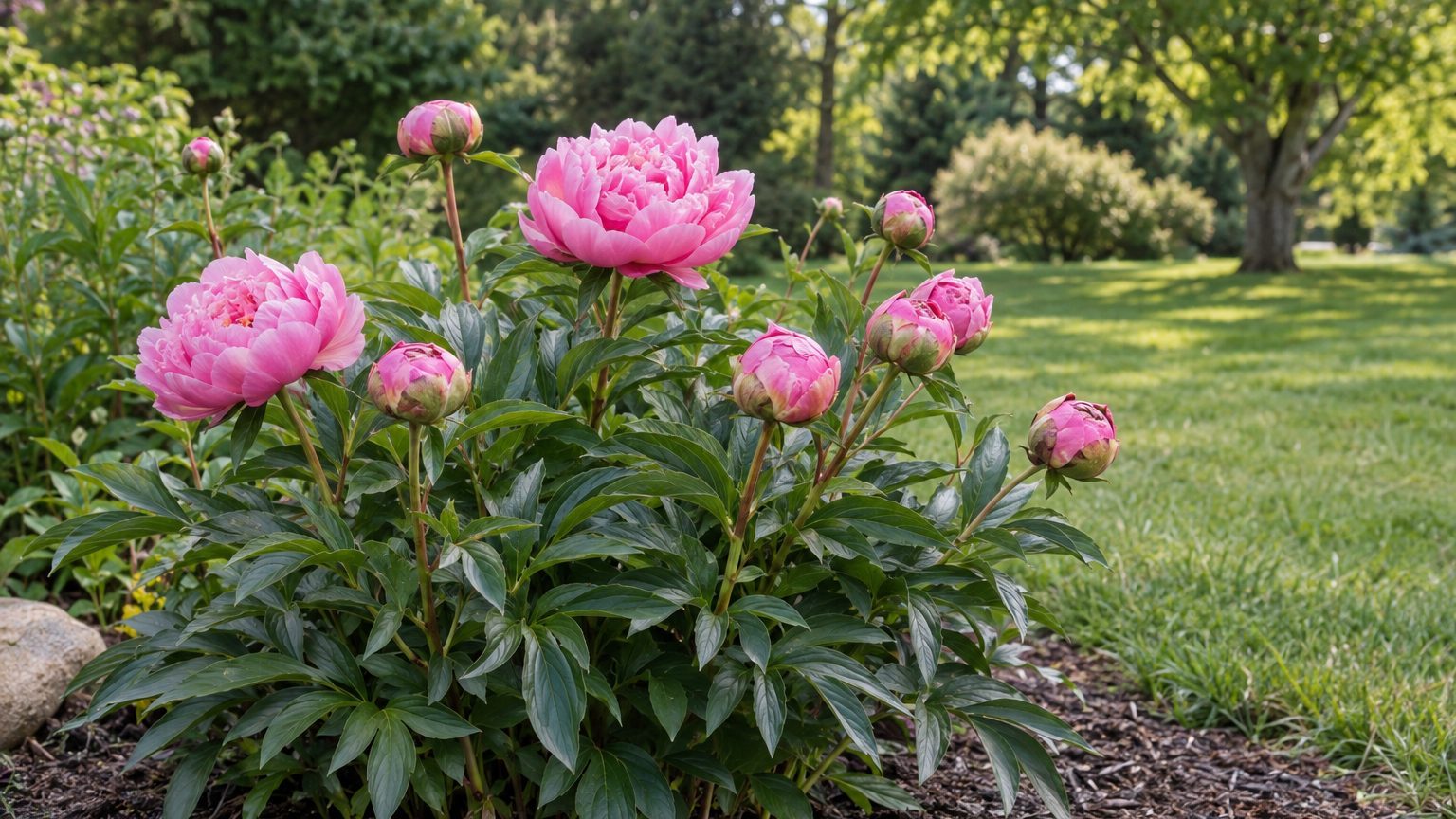
How to Tell When Your Peonies Are About to Bloom

Because the calendar is loose here, the plant itself is your best clock. Watch for these changes as winter turns to spring.

  • Red, pointed shoots pushing out of the soil tell you the plant has broken dormancy, so keep mulch pulled back from the crown.
  • Shoots that thicken and unfold into dark green leaves mean the plant is putting energy into the stems that will carry buds.
  • Small round buds the size of peas show at the stem tips, which tells you the plant did get enough chill to flower this year.
  • Buds that swell to the size of a marble and turn firm and glossy are heading toward bloom, and a stem may need a stake or ring before the weight arrives.
  • Buds that feel soft when you press them gently, with a hint of color showing at the seams, are close to opening.
  • Stems with leaves but no buds at all usually mean the winter was too mild, the plant is too young, or the crown was set too deep.

Cut early if heavy rain is forecast, because soft buds that open in a downpour can collapse and invite botrytis.

When to Cut Back Peonies in Louisiana

Cut herbaceous peonies back after frost has killed the foliage. In north Louisiana that usually happens on its own. Along the coast, where a freeze may never come, wait until the leaves have yellowed and browned by themselves.

Cut the stems down close to the soil surface, then bag the foliage and put it in the trash. Peony leaves that sit on the ground are a common place for botrytis blight to carry over into the next season, so they do not belong in the compost pile.

Tree peonies are different. They keep their woody stems all winter and are never cut to the ground. Remove only dead or broken wood, and do it after the plant leafs out so you can see what survived.

How Peony Bloom Time Shifts Across Louisiana

The state is long enough that winter cold changes a lot from top to bottom, and that matters more to peonies than any date does.

  • North Louisiana: Winters here freeze far more reliably than in the south, so peonies get more of the chill they need. Bloom is likelier.
  • Gulf Coast: Mild winters often leave peonies short on chill, and the heat arrives early. Early-blooming cultivars are the realistic choice, and flowering may be thin or skipped.

The farther north you garden, the better your odds. Planting on the cooler side of the house, away from reflected heat, can help a little.

Where to Get Peony Advice in Louisiana

Local conditions vary, so ask people who watch Louisiana plants through the seasons. The LSU AgCenter is the state’s extension service, and your parish office is the nearest branch of it.

  • The state extension service site has home garden information on perennials, and a good time to read it is before you buy roots, so you pick cultivars suited to the Gulf South.
  • Your parish extension office can tell you what has flowered in neighbors’ yards, so call it when you are deciding where to plant.

Common Questions

Why Won’t a Peony Bloom in Louisiana?

Look for foliage that grows well but has no buds, and check how the crown sits in the soil. If the eyes are buried deep, the plant may bloom poorly or not come up at all. If the crown sits near the surface and the leaves are healthy, the winter was most likely too mild.

Will a Newly Planted Peony Bloom the First Spring?

A newly planted or transplanted peony may not bloom the first spring. The roots need time to settle, so expect leaves first and flowers later, especially in a mild winter.

How Deep Should You Plant a Peony in Louisiana?

Keep the eyes, the small pink or red buds on the root, near the soil surface. A shallow crown gets the little winter chill Louisiana offers, and a deeply buried one often will not flower.

When to Plant Peonies in Louisiana: Dates and Care

When to Plant Peonies in Louisiana: Dates and Care

Peony roots go into the ground in autumn, and the plants wake with the first warm spells of late winter. Louisiana is where that rhythm gets tested, because the winters are mild and the summers are long and hot.

When to Plant Peonies in Louisiana

When to Plant Peonies in Louisiana: Dates and Care

Plant peony roots in autumn, once the summer heat has broken and the soil has cooled. Louisiana sits in USDA hardiness zones 8a to 10a, and the weather differs from the northern parishes to the coast. The year of a peony here runs like this.

  • In autumn, set bare-root divisions or container plants in the ground while the soil is cooling, which gives the roots time to settle before winter.
  • In early winter, the plant sleeps, and the first fall frost usually arrives between December 17 and January 8.
  • Through the coldest weeks, the roots take the winter rest that triggers flowers, and roughly one year in seven has no freeze at all.
  • In late winter, red shoots push up as the last spring frost passes, usually between January 18 and February 8, and the shoots can be nipped by a late cold snap.
  • In spring, buds open on plants that had enough cold, and early bloomers finish before the heat settles in.
  • Through summer, the foliage carries on in the heat and feeds the roots, then fades as autumn returns.

North Louisiana freezes far more reliably, so its calendar looks more like a classic peony region.

Which Peonies Grow Best in Louisiana?

Peonies can live here, but they are a stretch. A peony needs a cold winter rest to flower, and most of Louisiana does not deliver much of one, so plants may flower poorly or skip a year.

Summer heat adds a second strain. Choosing plants that bloom before hot weather arrives improves the chance of flowers.

Peony type How it does in Louisiana Why
Herbaceous peonies in general Often struggle, especially near the coast Mild winters may not give the chilling they need to bloom
Early-blooming herbaceous cultivars The most reasonable choice for a try They bloom before hot weather sets in and are less prone to botrytis blight

Tree peonies and Itoh peonies share the same need for winter chill, so expect modest results from them too, especially in the south of the state. North Louisiana, with its more dependable freezes, gives every type a better chance than the Gulf Coast does.

When to Plant, Cut Back and Feed Peonies in Louisiana

Planting and cutback follow the plant and the weather; before feeding, ask your parish extension office whether a soil test shows a need. The signs below are the guide.

Task Best timing in Louisiana Why then
Planting a root or young plant In autumn, after summer heat eases and the soil has cooled The roots settle in cool soil before the winter rest
Setting the depth At planting, with the eyes near the soil surface A peony planted too deep may bloom poorly or not come up
Cutting back a herbaceous peony After frost has blackened the foliage The plant has died back and the stems are finished
Cutting back a tree peony Never It keeps its woody stems

On the coast, where a hard freeze may never come, cut back once the leaves have yellowed and collapsed. Watch the plant rather than the calendar.

How Peony Planting Dates Change Across Louisiana

The mild coast and the cooler north make for different peony seasons, so the same plant behaves differently depending on where it stands.

  • North Louisiana: Around Shreveport and Monroe, winters freeze more reliably, so peonies get more of the cold rest they want. Autumn cooling arrives sooner, and planting can begin earlier in the season.
  • The Gulf Coast: Around New Orleans, freezes are light and sometimes skipped altogether, so flowering is the weak point. Planting waits for the soil to cool, which comes later in autumn, and early bloomers are the better bet.

The farther north the yard sits, the better the odds of flowers.

Where to Get Peony Advice in Louisiana

The LSU AgCenter is the state’s extension service, and its parish offices know local soils and winters. A parish agent can say what is worth trying in your corner of the state.

  • Your parish extension office can run a soil test, which is worth doing before you dig a bed in autumn.
  • Agents can look at a struggling plant and help sort out poor chilling from disease, so bring a sample when a peony fails to flower.

Common Questions

Why Is a New Peony Not Blooming in Louisiana?

A newly planted or transplanted peony may not bloom the first spring, even in a good climate. If it still has not flowered after it has settled, the likely causes are a mild winter without enough cold and a planting set too deep, so check where the eyes sit in the soil.

Can You Plant a Peony in Spring in Louisiana?

A spring planting has little time to settle before the heat arrives, so autumn is the usual season for putting roots in the ground. A potted plant from a nursery is the easier route if you buy in spring, but plan to give it shade and attention through summer.

Can You Grow Tree Peonies in Louisiana?

Tree peonies can be tried, but they need the same winter rest, so results are uncertain, especially in south Louisiana. Ask your parish extension office what has worked locally before you spend on one.

Best Lilacs for Louisiana

Best Lilacs for Louisiana

Where winters stay mild in Louisiana, lilacs bloom poorly or not at all because their buds need a cold rest. Southern-labeled lilacs and heat-tolerant selections improve your odds, so choosing carefully matters in Louisiana.

Best Lilacs to Grow in Louisiana

Best Lilacs for Louisiana

Southern lilacs, the Descanso hybrids and the heat-tolerant cultivar Superba are the ones to look for, since the classic common lilac is too much for Louisiana’s warmth. Flower buds mature only after a cold winter rest, and this station freezes in just 86.8 percent of years. The farther south you garden, the more you are working against the plant’s nature, so expect modest flowering even from the right choices.

Southern Lilacs

Southern Lilacs — Best Lilacs for Louisiana

Plants labeled Southern lilacs or lilacs for the South are early-blooming selections that usually grow and flower in warm regions. They are less fragrant than the old-fashioned lilacs you may remember from colder places.

Look for that wording on the plant tag. It is the clearest sign that a plant was chosen for mild winters rather than for show in a cold climate.

Descanso Hybrids

Descanso Hybrids — Best Lilacs for Louisiana

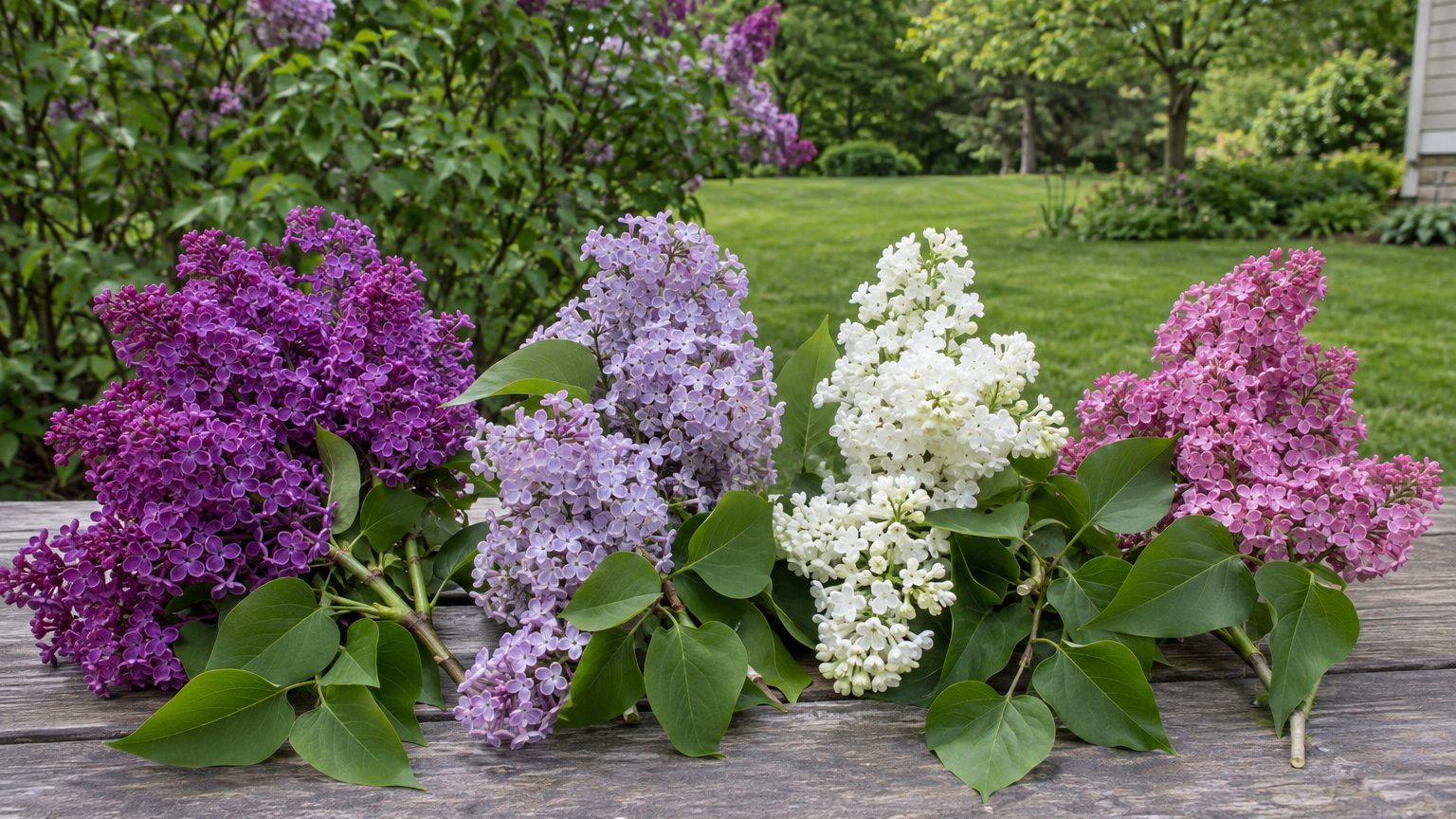
These hybrids were developed for gentle winters and are worth trying in the warm South. Named examples include the white Angel White, the blue Blue Boy and the pink California Rose.

They are worth trying in the southern half of Louisiana. Try a specimen before committing a whole border.

Superba

Superba is a lilac cultivar described as heat tolerant and mildew resistant, with dark pink, single flowers. Those traits address a common Louisiana problem: powdery mildew during hot, humid summers.

It still needs some winter chill to flower well, so give it a cool, airy spot.

Meyer Lilac

Syringa meyeri, the Meyer lilac, is slow growing, with dense foliage and a broadly rounded shape. That tidy habit makes it easier to place in a front yard than the sprawling common lilac.

It is slow growing, with dense foliage and a broadly rounded shape, so treat it as an experiment, especially near the Gulf.

How to Choose a Lilac for a Louisiana Garden

Start with your summers, because heat and humidity decide more than winter does here. A plant that tolerates heat and humidity is less likely to struggle through summer.

Then think about how much chill your yard gets and how much room you can spare.

Your situation What suits it in Louisiana Why
Hot, humid summer Superba Heat tolerant and mildew resistant
Very mild winter Southern lilacs or Descanso hybrids Bred to bloom with little chilling
Little time for care Superba Mildew resistance means fewer leaf problems to manage
Small space Meyer lilac Slow growing, dense and broadly rounded
A spot that gets real cold Low-chill cultivars Even these bloom best after an extended, cold winter rest

A standard common lilac is a poor fit for a small yard because it becomes a large shrub.

Which Lilacs Suit Different Parts of Louisiana

Winter cold is the dividing line in Louisiana, and it shifts as you go from the northern parishes to the coast.

  • North Louisiana: Freezes arrive far more reliably, so buds get a better rest and low-chill lilacs have a better chance. Superba and the Descanso hybrids are worth trying.
  • New Orleans and the Gulf Coast: Winters barely freeze, and some years skip a freeze altogether. Stick to Southern lilacs and expect sparse flowers from anything else.

The less winter chill you get, the more a lilac will behave like a foliage shrub.

Lilac Buying Mistakes to Avoid in Louisiana

Buying a Common Lilac

Common lilacs are famous for bloom size and fragrance, which is why they tempt shoppers. In Louisiana they struggle through heat and humidity, and powdery mildew follows, so you pay for a plant that looks tired by midsummer.

Choose a Southern or heat-tolerant selection instead and skip the catalog photos of northern hedges.

Ignoring Chill Needs

Some varieties demand more winter cold than the state delivers, and the result is a healthy green shrub with few or no flowers. Even cultivars sold as low chill do best with an extended, cold rest.

Read the tag for words like Southern, early blooming or low chill, and choose a cool spot.

Forgetting Adult Size

A small pot hides a big shrub. A common lilac can grow large enough to swallow a walkway or crowd a window.

Check the mature size before you buy, and give a slow-growing type like the Meyer lilac the smaller spots.

Where to Get Lilac Advice in Louisiana

Local growers know which lilacs have actually bloomed in your area, and the LSU AgCenter is the state’s extension service. It can point you toward plants that suit your corner of Louisiana.

  • Its website carries plant guides you can read before you shop for a shrub.
  • Your parish extension office can answer questions about the local winter and which selections have worked nearby.
  • Bring a photo of your planting spot, and ask before you buy a pot.

Common Questions

Do Lilacs Smell as Sweet in Louisiana?

Southern lilacs usually grow and bloom but are less fragrant than the old-fashioned kind. If scent matters most, set expectations low and place the plant near a path or a window where a little perfume goes a long way.

What Problems Do Lilacs Have in Humid Louisiana Summers?

Powdery mildew can appear as a white coating on the leaves during long stretches of heat and humidity. A mildew-resistant cultivar such as Superba is the practical fix.

When Should You Prune Lilacs in Louisiana?

Prune right after the flowers fade. A lilac blooms on last year’s wood and sets next year’s buds in summer, so pruning in late summer, fall or winter cuts off the coming spring’s flowers.

When to Prune Lilacs in Louisiana

When to Prune Lilacs in Louisiana

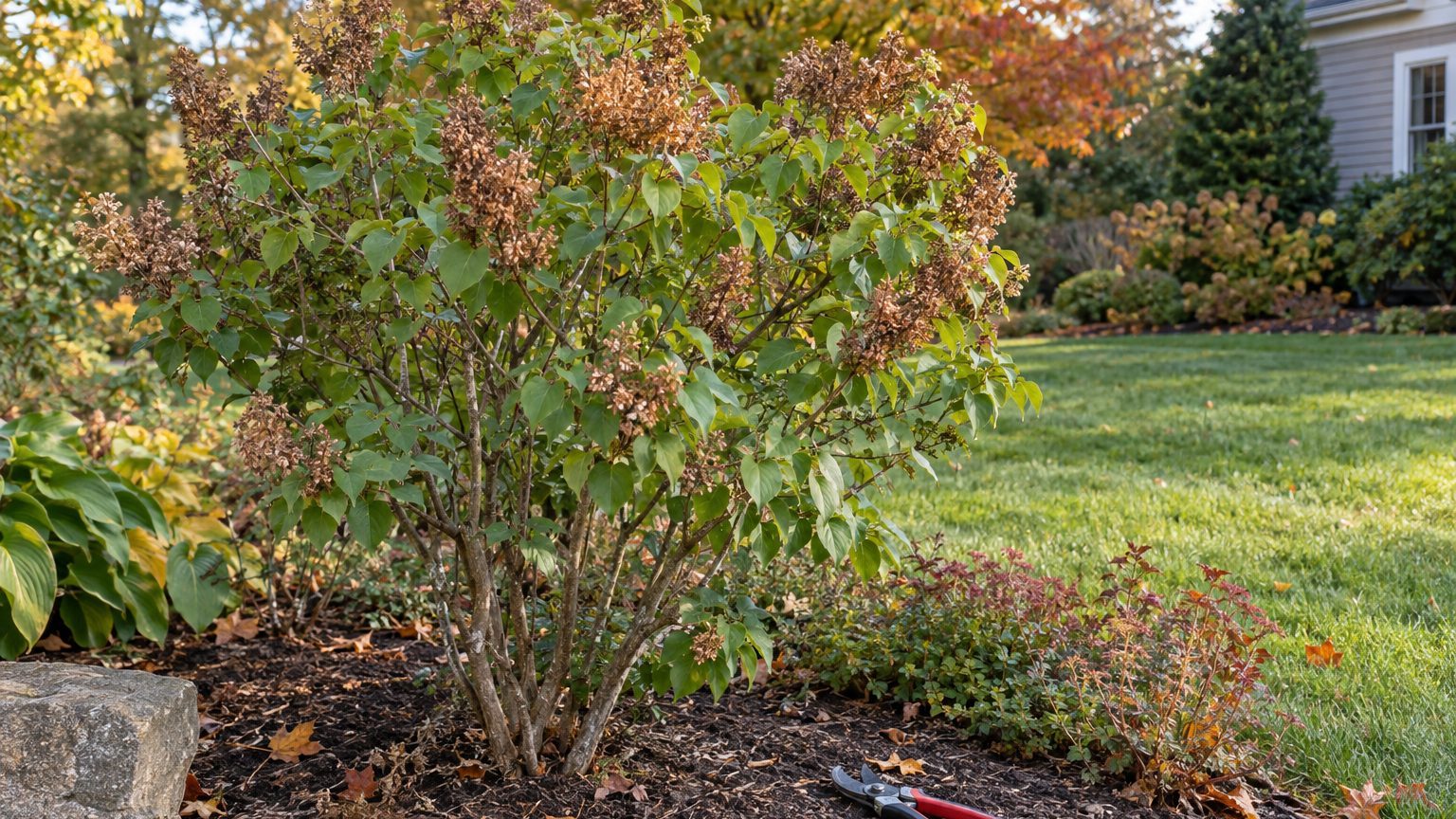
A lilac that has finished flowering looks like it needs a tidy-up, with brown clusters hanging on and the show clearly over. In Louisiana, that moment is the right window for routine pruning. The state is mild for a shrub that wants real winter cold, so timing and expectations both matter.

When to Prune Lilacs in Louisiana

Lilac stems after flowering

Prune lilacs in Louisiana right after the last flowers fade, whenever your local spring brings that. A lilac sets next spring’s flower buds in summer, soon after it blooms, so later cuts into healthy wood remove flowers you were counting on.

Type of pruning When in Louisiana Why
Routine upkeep: spent flowers, crossing or dead stems, light shaping Right after the flowers fade Next year’s buds have not formed yet, so nothing is lost
Cuts into healthy wood in late summer, fall or winter Avoid The buds are already set on this year’s wood, and cutting removes next spring’s flowers

Thinning an old, crowded lilac follows the same rule. Do it soon after flowering, and expect any cut made later to cost you blooms. The climate matters too. A lilac needs a cold winter rest to mature its flower buds; in New Orleans, a freeze occurs in only 86.8 percent of years. In a mild winter a lilac here may flower poorly no matter how well you prune.

How to Tell When Your Lilacs Are Ready to Prune

Because the bloom follows the local spring, watch the shrub rather than the calendar.

  • Flower clusters turning brown and papery tell you the show is over and the pruning window has opened.
  • Petals dropping and the cluster stalks looking tired mean you can cut just below the spent head without touching next year’s wood.
  • Small new shoots pushing out below the old flower heads are the growth that will carry next spring’s buds, so leave them alone.
  • Green leaves filling out around the shrub show it has moved on from flowering and into building buds for the next year.
  • Dead, broken or rubbing stems are easier to spot once the flowers are gone.

If the flowers have already faded and the new growth is well along, do the work soon rather than waiting.

Should You Prune Lilacs in Fall or Winter in Louisiana?

No. Cutting in fall or winter removes the buds that are waiting to open the next spring, and a lilac in a mild climate has little spare flowering to lose.

A late-winter reshaping cut is a common idea for other shrubs, but for a lilac it simply takes the flower buds off with the branches. Nothing in the guidance for lilacs points to a late-winter cut that spares the bloom.

If a stem is dead or broken in winter, removing it is fine. Leave healthy wood until the flowers have faded.

How Lilac Pruning Time Shifts Across Louisiana

The rule stays the same everywhere, right after the flowers fade, but the climate your lilac lives in changes how well it flowers.

  • North Louisiana: Winters freeze more reliably here, so a lilac gets more of the cold rest it needs.
  • Near New Orleans, winters may bring no freeze at all, so lilacs can flower poorly. Prune as soon as whatever flowers appear have faded.

Wherever you live in the state, follow your own shrub’s flowers rather than a neighbor’s.

Where to Get Lilac Advice in Louisiana

Lilacs are a stretch for Louisiana gardens, so local advice pays off, especially before you buy a plant. The LSU AgCenter is the state’s extension service, and its parish offices know what survives in your soil and climate.

  • Its website carries plant guidance written for Louisiana conditions, handy to read before you plant or prune.
  • Your parish extension office can answer questions whenever a shrub struggles to flower or its leaves look unhealthy.

Common Questions

Which Lilacs Grow Best in Louisiana?

Look for early-blooming types sold as Southern lilacs or lilacs for the South, and consider the Descanso hybrids, which were bred for warm climates. Extension advice says those hybrids are worth trying in a warm climate like Louisiana’s, including the white ‘Angel White’, the blue ‘Blue Boy’ and a pink one. Even low-chill lilacs do best with a cold winter rest.

Why Do Lilacs Struggle in Louisiana’s Summers?

Common lilacs struggle in periods of high heat and humidity, which invite powdery mildew. Cultivars sold as heat tolerant can still struggle in high heat and humidity.

What Does the USDA Hardiness Zone Tell You About Lilacs in Louisiana?

Louisiana spans zones 8a to 10a, a rating that reflects only the average yearly lowest temperature. It does not measure how much winter cold a lilac gets to mature its buds, so a zone that looks acceptable on paper can still produce few flowers.

When Do Lilacs Bloom in Louisiana? Dates and Care

When Do Lilacs Bloom in Louisiana? Dates and Care

A lilac in a Louisiana yard often leafs out early and then sits there, healthy-looking and flowerless. Common lilacs are built for hard northern winters, and the Gulf South gives them neither the cold nor the cool summers they expect.

When Do Lilacs Bloom in Louisiana?

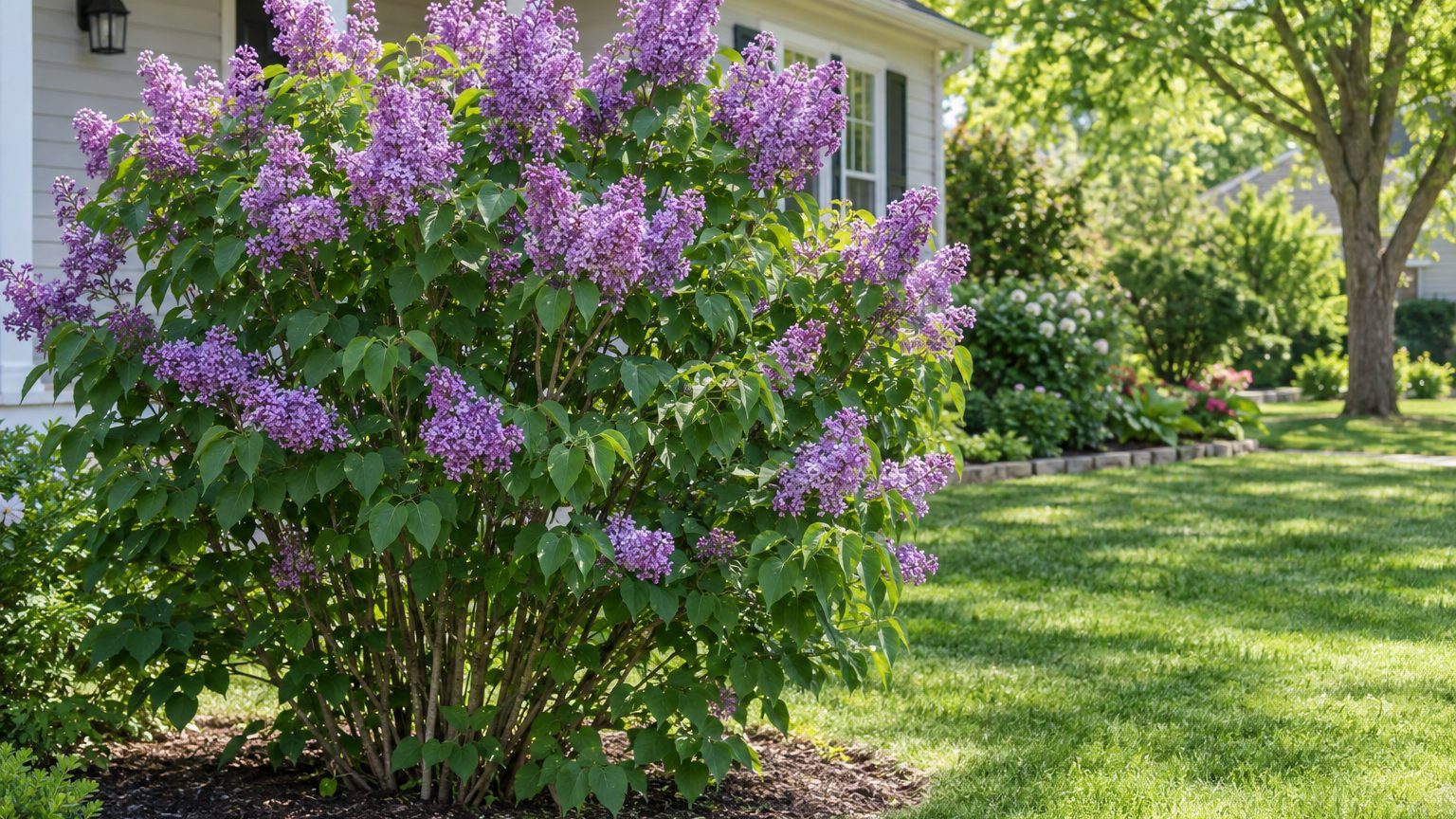
A lilac bush in bloom in a home garden

No month can be pinned down for lilac bloom in Louisiana, because the flowers follow the local spring, and in much of the state that spring is too mild to give the plant what it needs. Where a lilac does flower, the year runs like this.

  • In spring, a lilac that has had enough winter chill opens its flowers as the local weather warms, and a plant that missed its chill may bloom thinly or skip the show.
  • Right after the last flowers fade, prune, because the shrub starts setting next year’s flower buds soon afterward.
  • Through summer, the new flower buds form on the fresh growth, and long hot, humid stretches here invite powdery mildew on the leaves.
  • In fall, leave the shrub alone, since pruning now cuts off the buds that would open the following spring.
  • In winter, the plant needs a cold rest to mature those buds, and Louisiana gives it a short one.

In New Orleans, the last spring freeze usually falls between January 18 and February 8, and the first fall freeze between December 17 and January 8. Winters are mild enough that some years pass with no freeze at all, which is exactly why bloom is unreliable. USDA hardiness zones across Louisiana run from 8a to 10a, and that system only measures the coldest night, not the chilling hours a lilac wants.

Which Lilacs Grow Best in Louisiana?

Common lilacs struggle here. They need a pronounced cold winter rest, and Louisiana summers bring the heat and humidity that encourage powdery mildew. Cultivars advertised as heat tolerant can still struggle in high heat and humidity, which also encourage powdery mildew.

The better bets are lilacs bred for mild winters. Look for early-blooming types sold as Southern lilacs, and consider Descanso hybrids as a trial.

Lilac type How it does in Louisiana Why
Common lilac (Syringa vulgaris) Struggles, often flowers poorly Needs a long cold rest and cool summers
Heat-tolerance claimed cultivars Often still disappoint High heat and humidity bring mildew
Southern lilacs (early-blooming) Usually grow and bloom Need less winter chill, though less fragrant
Descanso hybrids Worth a trial Bred for mild winters
Low-chill cultivars Better odds of flowers Still prefer a cold winter rest

Among the Descanso hybrids, the white ‘Angel White’, the blue ‘Blue Boy’ and the pink ‘California Rose‘ are the named ones to look for. Expect lighter fragrance from Southern types than from the old-fashioned lilacs of northern gardens.

When to Plant, Prune and Feed Lilacs in Louisiana

In Louisiana, the plant’s own signals set the timing. Pruning has a firm rule because the shrub blooms on last year’s wood and sets its next buds in summer.

Task Best timing in Louisiana Why then
Prune Right after the last flowers fade Buds for next spring form soon after bloom
Skip pruning Late summer, fall and winter Cuts off next spring’s flowers
Plant Before the summer heat arrives Roots settle before summer heat arrives
Feed After flowering, lightly Supports the growth that carries next year’s buds

Plant where the shrub gets sun and air moving through the branches, which helps leaves dry and eases mildew pressure in humid weather. Detailed pruning steps live on the Louisiana page about when to prune lilacs.

How Lilac Bloom Time Changes Across Louisiana

Louisiana is mostly low and warm, so the differences between regions come down to winter chill and summer heat rather than elevation.

  • North Louisiana: Freezes arrive far more reliably here, so a lilac gets a better winter rest and a stronger chance of flowering.
  • Baton Rouge and the Florida Parishes: Winters are milder, so chill is thinner and bloom is less dependable, with Southern types a safer choice.
  • New Orleans: Some winters bring no freeze at all, so a lilac may flower poorly.

Wherever you garden, the pattern is the same: more winter cold means a better chance of flowers.

Where to Get Lilac Advice in Louisiana

For a plant that sulks, the state’s land-grant extension service is the place to start. LSU AgCenter runs offices in each parish that can look at a struggling shrub and test your soil.

  • The parish extension office can diagnose mildew or poor flowering when you bring a leaf or branch sample.
  • A soil test through the office shows pH and nutrients before you plant a new shrub.
  • Ask about lilac types suited to your parish before you buy, then prune right after the next flowers fade.

Common Questions

Can You Grow Lilacs in New Orleans?

It is a long shot. In New Orleans, some winters bring no freeze, so a lilac may not get the cold rest its buds need. Southern or low-chill types are worth trying, though even they may bloom lightly.

Why Is a Lilac Leafy but Not Flowering in Louisiana?

Check these together. If the shrub is healthy and leafy but the winter was mild, it probably lacked chill. If it was pruned in summer, fall or winter, the buds were likely cut off.

Does Powdery Mildew Kill a Lilac?

Mildew shows as a white, dusty coating on leaves, usually in humid, still air. It looks bad but rarely kills a shrub. Open the canopy and plant in sun with good airflow to reduce it.

Best Roses for Louisiana

Best Roses for Louisiana

A rose bed in south Louisiana can bloom through a winter that barely freezes, then fight black spot on its leaves once summer humidity settles in. Roses that shrug off leaf disease handle that swing well; shrub roses, Drift roses, rugosas, and a disease-resistant hybrid tea are practical choices.

Best Roses to Grow in Louisiana

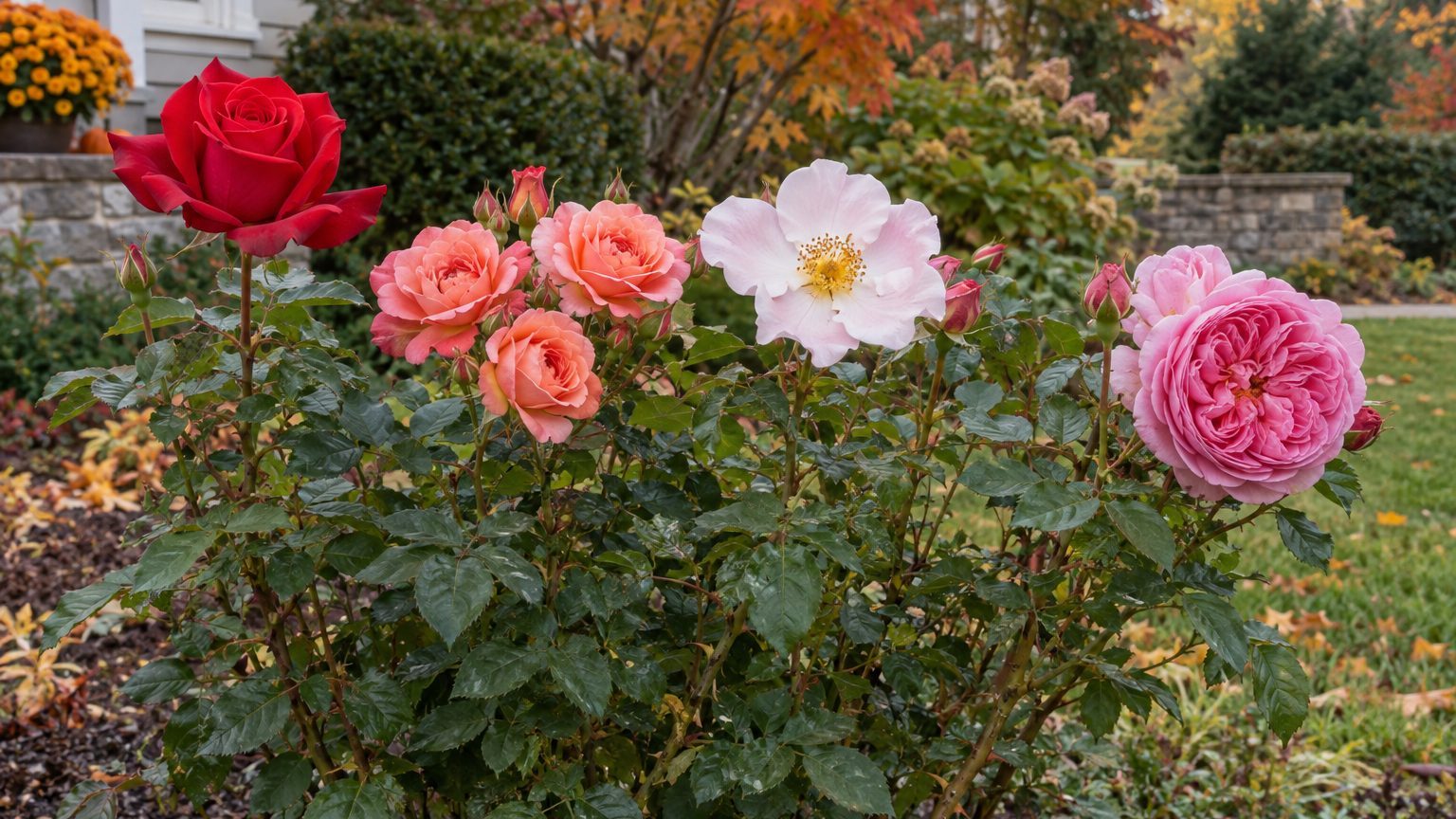
Healthy roses in bloom

Roses that resist leaf disease do best here, because winters are mild across the state’s USDA zones 8a to 10a, and the real test is summer heat and humidity. Shrub types, Drift roses, rugosas, and resistant hybrid teas, floribundas, and grandifloras fit that test.

Shrub Roses

Shrub roses bloom beautifully with few chemical controls needed, which matters when humid summers keep fungal disease pressing on the leaves. For a front bed you do not want to spray, they are a practical place to start. Plant them where air moves freely around the canes.

Drift Roses

Drift roses come in Red, Pink, Apricot, Coral, Peach, White and Popcorn, a white-and-yellow blend. Gardeners who like Knock Out roses tend to like them too. Drift and Knock Out roses are vulnerable to rose rosette disease, which has no cure in domestic cultivars, so pull and discard an infected plant.

Black Spot Resistant Hybrid Teas and Floribundas

If you want the classic bloom form, choose resistant varieties. Pride N Joy is a hybrid tea with resistance to black spot, Sexy Rexy is a floribunda, and Prima Donna is a grandiflora with the same trait. Hybrid teas in general still need an effective spray program in place before the growing season begins.

Rugosa Roses

Rugosas are resistant to black spot, powdery mildew, and Cercospora leaf spot, diseases that wear down roses in damp weather. Blanc Double de Coubert, Fru Dagmar Hastrup, Rugosa Alba and Topaz Jewel are named in regional extension advice. Alba Semi-Plena, an alba rose, carries the same triple resistance.

Old Garden Roses

Old garden roses do not need the hard pruning that many modern roses get. Cutting them back hard can ruin their graceful shape and severely reduce flowering. They suit a relaxed corner where you can let them arch and fill out on their own.

How to Choose a Rose for a Louisiana Garden

Winter is only part of the choice in Louisiana. Humidity, spraying time and the look you want do. Match the rose to the problem you are most likely to face, and the rest of the season gets easier.

Feeding follows the same logic for every type. Roses are fed monthly from March through September, ideally after a soil test tells you what the bed already holds.

Your situation What suits it in Louisiana Why
Humid summers and black spot Rugosa roses, or the alba rose Alba Semi-Plena Resistant to black spot, powdery mildew and Cercospora leaf spot
Little time for spraying Shrub roses and Drift roses Bloom well with few chemical controls needed
You want hybrid teas Pride N Joy, with a spray program started early Resistant to black spot, yet hybrid teas as a group are more susceptible
Mild winter, bare-root roses Plant bare-root roses in February or March Roots settle in during the cooler months, and potted roses can go in later

Bare-root planting can also be done in January or April, and in November or December if you prefer to plant in late fall.

Which Roses Suit Different Parts of Louisiana

Winter separates the warmer south from the colder north, nudging pruning dates and how much you lean on tender types.

  • South Louisiana and the Gulf Coast: Winters barely freeze here, so growth can start early and roses stay active longer. Buds swell about mid-February, and the heat and humidity make disease-resistant shrub, Drift and rugosa roses the safer picks.
  • North Louisiana: Freezes arrive far more reliably, so roses rest harder through winter. Buds swell later, about mid-March, and pruning should wait for them. Disease resistance still matters here, and hybrid teas still need a spray program.

Watch the buds rather than the calendar when you decide which end of the state your yard behaves like.

Rose Buying Mistakes to Avoid in Louisiana

Hybrid Teas Without a Spray Plan

Hybrid teas need a rigorous spray program to keep black spot at bay, started before the growing season begins. Skip it and the leaves yellow and drop through summer. If you will not spray, buy a shrub rose, a rugosa or one of the resistant named varieties instead.

Assuming Drift and Knock Out Are Immune

Drift and Knock Out roses are tough, but rose rosette disease can still infect them, and domestic cultivars have no cure. A plant with distorted, overly thorny growth is lost, and leaving it in place risks the neighboring roses. Buy healthy plants and remove any that show these signs.

Pruning Everything in Spring

Repeat-blooming roses such as hybrid teas, floribundas and modern shrub roses are pruned in February or March, as the buds swell. Once-blooming roses, including old garden roses, ramblers and many climbers, flower on last year’s wood. Prune those right after they bloom, never in early spring, or you cut off the year’s flowers.

Where to Get Rose Advice in Louisiana

The LSU AgCenter is the state’s extension service, and its parish offices answer questions about your own soil and your own street.

  • Its rose and landscape guidance covers Louisiana conditions and is handy before you order plants.
  • Your parish extension office can test soil, which is worth doing before the first spring feeding in March.
  • Call or visit in late winter, ahead of the February and March planting and pruning window.

Common Questions

Can You Plant Roses in Louisiana in November?

Yes, bare-root roses can go in during November or December. February and March remain the preferred months, and potted roses can be planted later than bare-root ones.

How Often Should You Feed Roses in Louisiana?

Feed monthly from March through September. A soil test beforehand shows how much fertilizer the bed actually needs.

Can You Mix Drift Roses with Other Roses?

Yes. Drift roses combine well in a formal bed with Knock Out roses and floribundas such as the yellow Julia Child and the white Iceberg.

When to Prune Roses in Louisiana

When to Prune Roses in Louisiana

A cane that has sat dormant through a mild Gulf South winter starts showing red, swollen buds long before most gardeners expect it. In Louisiana, that moment sets the pruning day for roses that bloom again and again through the season.

When to Prune Roses in Louisiana

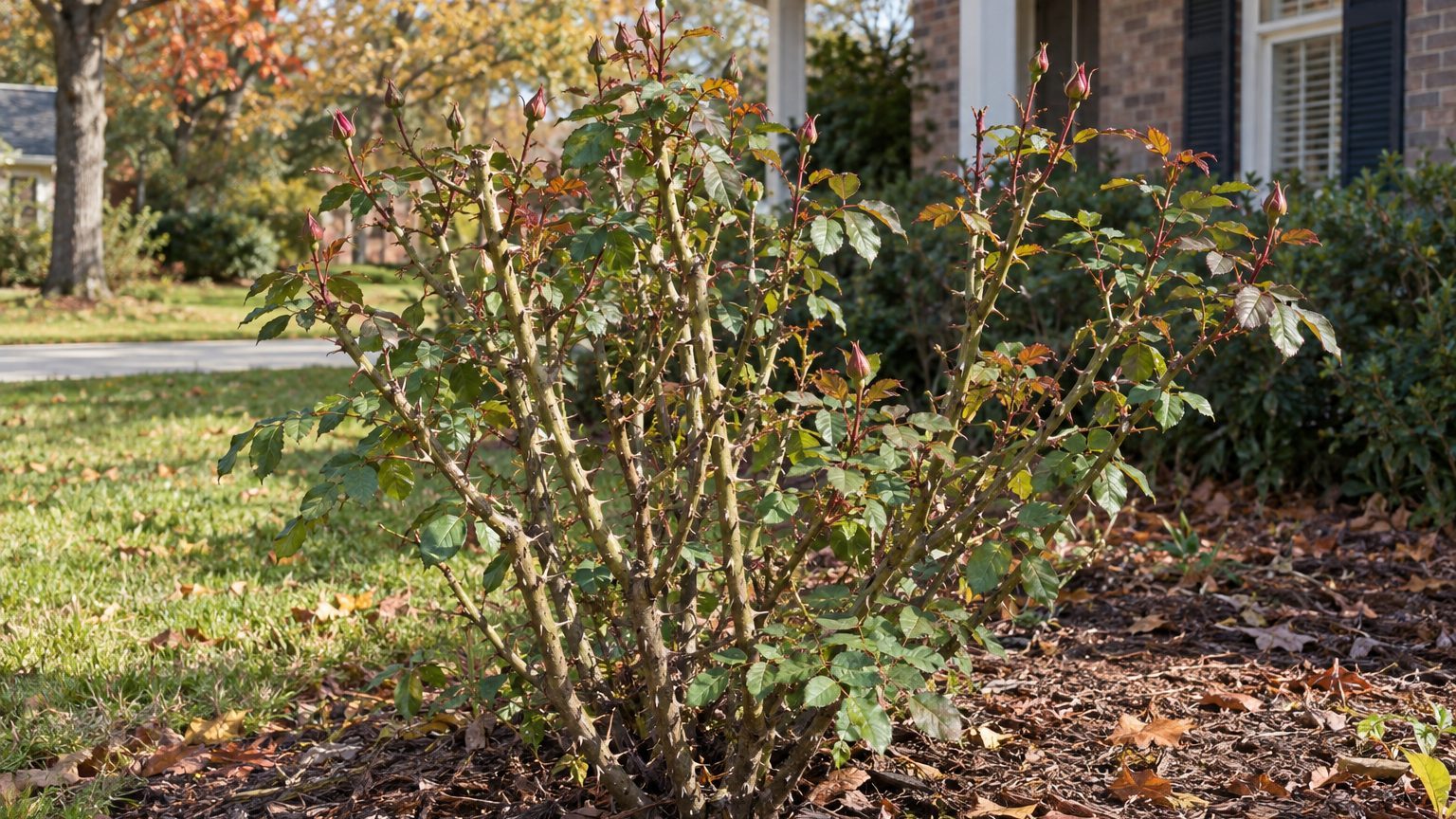
Rose canes at pruning time

Prune repeat-blooming roses in February or March, as the buds swell. Buds wake up around mid-February in the southern part of the state and closer to mid-March in the north, so the same month does not fit every yard.

Once-blooming roses flower on last year’s wood, so prune them right after they bloom, never in early spring.

Type of rose When to prune in Louisiana Why
Hybrid teas, floribundas, modern shrub roses February to March, when buds swell They bloom on new wood, so a heavy spring cut sends out fresh flowering canes
Old garden roses and once-blooming climbers Right after the spring flush fades Flower buds form on last year’s wood, so a spring cut removes the year’s bloom
Repeat-blooming climbers February to March, with the bush roses Lateral shoots carry the flowers and respond to spring pruning as the buds break

Old garden roses do not need the hard pruning that many modern roses get. A hard cut can ruin their graceful shape and sharply reduce flowering. Shape them lightly once the bloom is done, and leave the rest alone.

How to Tell When Your Roses Are Ready to Prune

Buds tell the story better than a wall calendar, and a few other signs in the yard back them up.

  • Buds begin to swell and turn reddish along the canes, which means the plant has broken dormancy and the pruners can come out.
  • Tiny new leaves appear at the nodes, a sign that growth is already moving and any cut will be answered quickly.
  • A hard freeze has clearly passed for your area, since south Louisiana can go a whole winter without one and north Louisiana freezes more reliably.
  • Any winter mulch mounded around the base has been pulled back, so you can see exactly where the live, green wood starts.
  • Canes show green under the bark when scratched lightly with a thumbnail, while brown, dry canes mark the wood to remove.

If the buds are still tight in late February, wait a little longer, since the swelling matters more than the date.

Should You Prune Roses in Fall or Winter in Louisiana?

No. Fall and winter are outside Louisiana’s pruning calendar.

A severe cut before the buds swell invites tender new growth that a late cold snap can damage, and the plant gets pushed to grow when it should be resting. Louisiana winters are mild, which makes the temptation to prune early stronger, so hold off on the real cut until February or March.

Winter pruning also harms once-blooming roses because they flower on last year’s wood. Louisiana’s calendar has no fall or winter month for the heavy pruning of any rose type.

How Rose Pruning Dates Shift Across Louisiana

The state stretches a long way from the Gulf to its northern boundary, and buds respond to that distance.

  • New Orleans and the Gulf Coast: Winters are mild enough that buds swell early, so pruning lands around mid-February, at the start of the window.
  • Baton Rouge and the Florida Parishes: Roses wake up a little later than on the coast, which puts the cut in late February and into early March.
  • Shreveport and north Louisiana: Freezes arrive more reliably, so buds hold tight longer and pruning moves toward mid-March.

Wherever you garden, let the buds make the final call, and treat the month as a guide.

Where to Get Rose Advice in Louisiana

Local help matters because roses in Louisiana fight heat and disease more than cold. The state’s land-grant extension service and your parish office can speak to your exact soil and neighborhood.

  • The LSU AgCenter publishes rose care guides and variety suggestions, and it is worth a look before you buy new plants in late winter.
  • Your parish extension office can answer questions about a specific problem, such as spotted leaves or dying canes, so bring a cutting in spring.

Common Questions

Can You Plant a Rose in Louisiana in Winter?

Yes. Bare-root roses go in best in February or March, and they can also be planted in January, April, November or December. Potted roses can go in later.

How Often Should You Feed Roses in Louisiana?

Feed monthly from March through September.

Which Roses Handle Louisiana Conditions Well?

Shrub roses bloom well with few chemical controls needed. Hybrid teas are more susceptible to disease and need a spray program in place before the growing season begins.

When to Plant Roses in Louisiana: Dates and Varieties

When to Plant Roses in Louisiana: Dates and Varieties

Roses in south Louisiana can go into the ground while colder parts of the country are still under snow, and the canes often keep their leaves well into winter. Planting bare-root roses in late winter and keeping them fed through the long warm season sets them up for spring flowers. Dates matter here, but summer heat sets the pace more than frost does.

When to Plant Roses in Louisiana

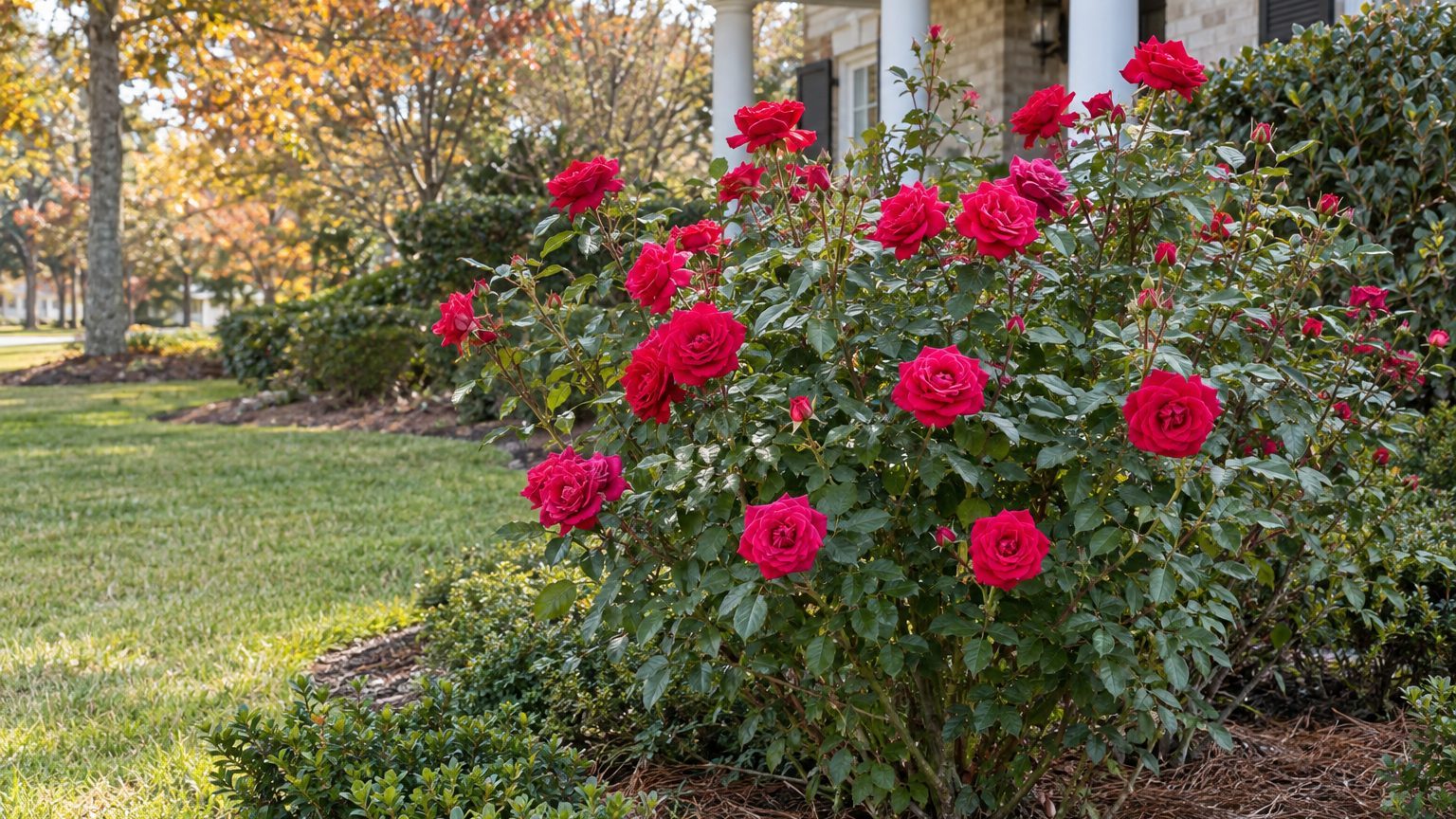
A rose bush in bloom in a home garden

Bare-root roses go in while they are dormant, mostly in February and March, and potted roses are more forgiving about timing.

  • In late fall, in November or December, bare-root roses can go in if you cannot wait for late winter, since the plants are dormant and the soil is still workable.
  • In January, bare-root planting is still an option in mild spells, though February is the better start.
  • In February and March, plant bare-root roses and prune the repeat-blooming roses already in the yard, because this is the recommended planting and pruning window.
  • In April, a late bare-root rose can still be planted, and potted roses go in later than bare-root ones, once the soil has warmed.
  • From March through September, feeding continues on a monthly rhythm, which covers the whole stretch of active growth.

In New Orleans, the last spring freeze arrives between January 18 and February 8, so a February planting can still meet a cold night. In New Orleans, the first fall freeze falls between December 17 and January 8, and roughly one year in seven has no freeze at all. Hardiness zones run from 8a to 10a in the USDA system, and north Louisiana freezes more reliably than the south.

Which Roses Grow Best in Louisiana?

Disease-resistant roses are easier to manage because Louisiana’s long, warm growing season gives black spot plenty of time to spread. Shrub roses can need fewer chemical controls, while old garden roses keep their shape without heavy pruning. Hybrid teas can still thrive here, but they come with a spraying routine.

In south Louisiana, winter cold is usually less pressing than summer heat, while north Louisiana freezes more reliably. Summer heat and the upkeep a variety demands decide which rose earns its space.

Rose type How it does in Louisiana Why
Shrub roses Bloom well with few chemical controls Shrub types need little spraying
Hybrid teas Grow well with a spray program in place Hybrid teas need a rigorous spray program to keep black spot at bay.
Old garden roses Keep their graceful shape without heavy cutting Hard pruning can reduce their flowering

Climbers, ramblers and other once-blooming roses also have a place in a Louisiana yard. They flower on last year’s wood, so they follow a different pruning schedule from the repeat bloomers.

When to Prune, Feed and Protect Roses in Louisiana

Planting while the plants sleep, pruning as the buds swell, and feeding through the warm months set the rhythm of the rose year here. Winter protection matters less in the mild south, while north Louisiana freezes more reliably.

Task When to do it in Louisiana Why then
Prune repeat-blooming roses (hybrid teas, floribundas, modern shrub roses) February, March Cut as the buds swell, around mid-February in the south and later toward the north
Plant bare-root roses February, March (also January, April, November, December) Dormant plants settle in before heat arrives, and potted roses can go in later
Feed roses March through September Monthly feeding supports steady growth and repeat bloom

Once-blooming roses, such as old garden roses, ramblers and many climbers, flower once a year on last year’s wood. Prune them right after they bloom, never in early spring, or you cut away that year’s flowers.

How Rose Care Dates Change Across Louisiana

Roses follow the buds more than the calendar, and the buds wake at different times across the state.

  • South Louisiana and the Gulf Coast: Winters are mild enough that pruning can start earlier, and planting stays comfortable through the cool months. Summer heat becomes the stress to plan around.
  • North Louisiana: Freezes arrive more reliably, so buds swell later and pruning shifts toward the end of the recommended window. Young plants stay more exposed to a cold snap in late winter.

When in doubt, watch the buds on your own canes and cut once they swell.

Where to Get Rose Advice in Louisiana

The LSU AgCenter is the state’s extension service, and its parish offices answer rose questions for yards in your area. Contact them when leaves spot, canes die back, or you want a soil test.

  • The parish extension office can identify a leaf problem from a sample and tell you whether it is a disease or a cultural issue.
  • A soil test through that office shows what your bed needs before the first feeding of the season.
  • Late winter is a sensible time to call, before planting and pruning begin.

Common Questions

How Far Apart Should You Plant Roses?

Space roses far enough apart for air to move freely around the leaves. Good airflow helps the leaves dry and makes the bed less inviting to disease.

Can You Plant a Potted Rose in Summer?

A potted rose can go in later than a bare-root one, but summer heat makes late planting harder in Louisiana than in cooler states. A plant set out in hot weather needs regular watering, so a cooler stretch of the year is easier on it.

What Fertilizer Should You Use on Roses?

A soil test can guide your fertilizer choice.

The almanac, state by state. Every date on this site comes from a state’s own frost facts and its extension service’s calendar — and says where it comes from.