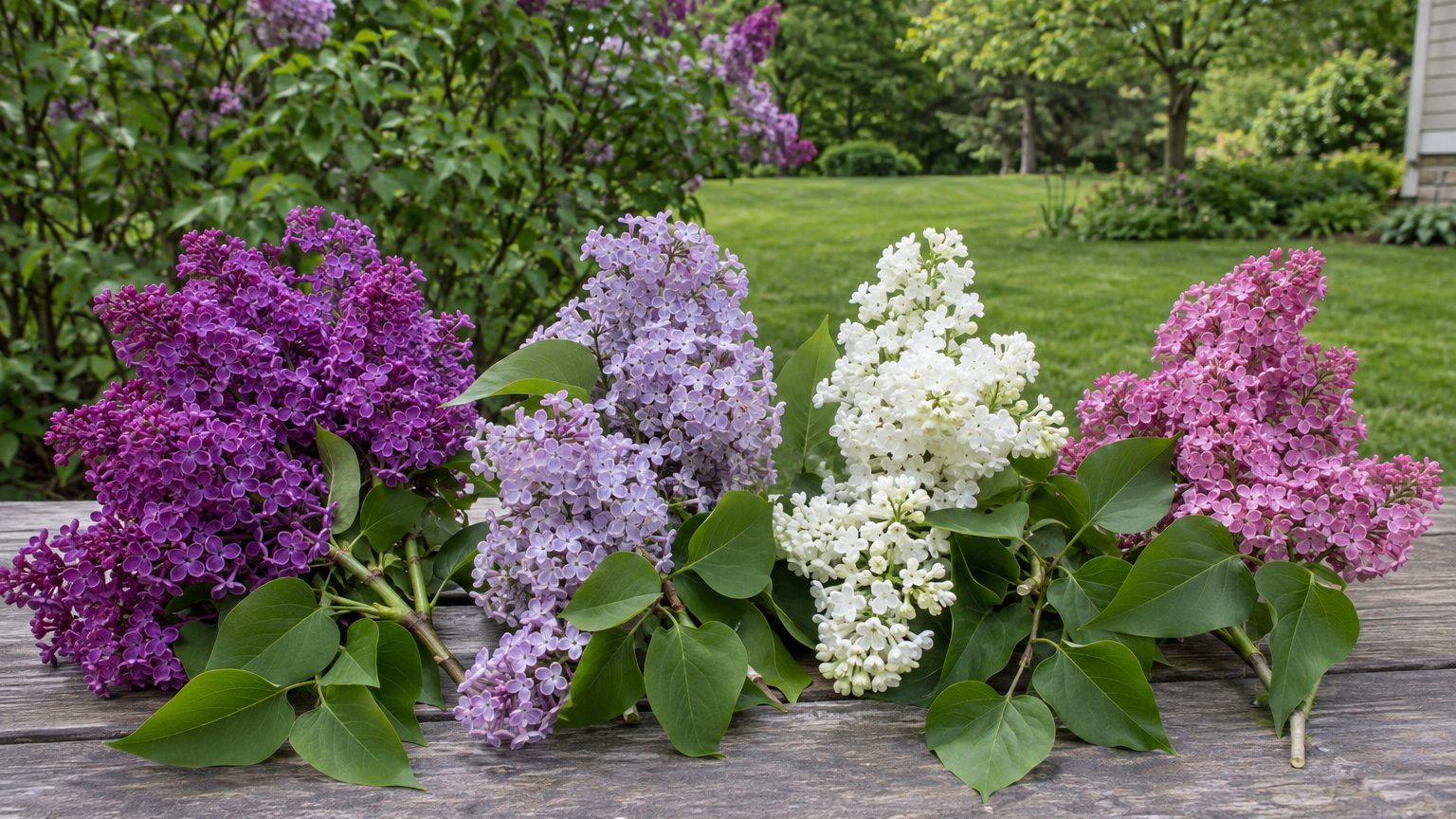
Where winters stay mild in Louisiana, lilacs bloom poorly or not at all because their buds need a cold rest. Southern-labeled lilacs and heat-tolerant selections improve your odds, so choosing carefully matters in Louisiana.
Best Lilacs to Grow in Louisiana

Southern lilacs, the Descanso hybrids and the heat-tolerant cultivar Superba are the ones to look for, since the classic common lilac is too much for Louisiana’s warmth. Flower buds mature only after a cold winter rest, and this station freezes in just 86.8 percent of years. The farther south you garden, the more you are working against the plant’s nature, so expect modest flowering even from the right choices.
Southern Lilacs

Plants labeled Southern lilacs or lilacs for the South are early-blooming selections that usually grow and flower in warm regions. They are less fragrant than the old-fashioned lilacs you may remember from colder places.
Look for that wording on the plant tag. It is the clearest sign that a plant was chosen for mild winters rather than for show in a cold climate.
Descanso Hybrids

These hybrids were developed for gentle winters and are worth trying in the warm South. Named examples include the white Angel White, the blue Blue Boy and the pink California Rose.
They are worth trying in the southern half of Louisiana. Try a specimen before committing a whole border.
Superba
Superba is a lilac cultivar described as heat tolerant and mildew resistant, with dark pink, single flowers. Those traits address a common Louisiana problem: powdery mildew during hot, humid summers.
It still needs some winter chill to flower well, so give it a cool, airy spot.
Meyer Lilac
Syringa meyeri, the Meyer lilac, is slow growing, with dense foliage and a broadly rounded shape. That tidy habit makes it easier to place in a front yard than the sprawling common lilac.
It is slow growing, with dense foliage and a broadly rounded shape, so treat it as an experiment, especially near the Gulf.
Louisiana — the year and the numbers
- State
- Louisiana
- USDA zones
- 8a-10a
- Last spring frost
- January 18 to February 8
- First fall frost
- December 17 to January 8
- Annual rain
- 63 in
- Lawn zone
- warm-season
- Source
- NOAA NCEI 1991-2020 Climate Normals, 32F freeze probabilities · New Orleans
How to Choose a Lilac for a Louisiana Garden
Start with your summers, because heat and humidity decide more than winter does here. A plant that tolerates heat and humidity is less likely to struggle through summer.
Then think about how much chill your yard gets and how much room you can spare.
| Your situation | What suits it in Louisiana | Why |
|---|---|---|
| Hot, humid summer | Superba | Heat tolerant and mildew resistant |
| Very mild winter | Southern lilacs or Descanso hybrids | Bred to bloom with little chilling |
| Little time for care | Superba | Mildew resistance means fewer leaf problems to manage |
| Small space | Meyer lilac | Slow growing, dense and broadly rounded |
| A spot that gets real cold | Low-chill cultivars | Even these bloom best after an extended, cold winter rest |
A standard common lilac is a poor fit for a small yard because it becomes a large shrub.
Which Lilacs Suit Different Parts of Louisiana
Winter cold is the dividing line in Louisiana, and it shifts as you go from the northern parishes to the coast.
- North Louisiana: Freezes arrive far more reliably, so buds get a better rest and low-chill lilacs have a better chance. Superba and the Descanso hybrids are worth trying.
- New Orleans and the Gulf Coast: Winters barely freeze, and some years skip a freeze altogether. Stick to Southern lilacs and expect sparse flowers from anything else.
The less winter chill you get, the more a lilac will behave like a foliage shrub.
Lilac Buying Mistakes to Avoid in Louisiana
Buying a Common Lilac
Common lilacs are famous for bloom size and fragrance, which is why they tempt shoppers. In Louisiana they struggle through heat and humidity, and powdery mildew follows, so you pay for a plant that looks tired by midsummer.
Choose a Southern or heat-tolerant selection instead and skip the catalog photos of northern hedges.
Ignoring Chill Needs
Some varieties demand more winter cold than the state delivers, and the result is a healthy green shrub with few or no flowers. Even cultivars sold as low chill do best with an extended, cold rest.
Read the tag for words like Southern, early blooming or low chill, and choose a cool spot.
Forgetting Adult Size
A small pot hides a big shrub. A common lilac can grow large enough to swallow a walkway or crowd a window.
Check the mature size before you buy, and give a slow-growing type like the Meyer lilac the smaller spots.
Where to Get Lilac Advice in Louisiana
Local growers know which lilacs have actually bloomed in your area, and the LSU AgCenter is the state’s extension service. It can point you toward plants that suit your corner of Louisiana.
- Its website carries plant guides you can read before you shop for a shrub.
- Your parish extension office can answer questions about the local winter and which selections have worked nearby.
- Bring a photo of your planting spot, and ask before you buy a pot.
Common Questions
Do Lilacs Smell as Sweet in Louisiana?
Southern lilacs usually grow and bloom but are less fragrant than the old-fashioned kind. If scent matters most, set expectations low and place the plant near a path or a window where a little perfume goes a long way.
What Problems Do Lilacs Have in Humid Louisiana Summers?
Powdery mildew can appear as a white coating on the leaves during long stretches of heat and humidity. A mildew-resistant cultivar such as Superba is the practical fix.
When Should You Prune Lilacs in Louisiana?
Prune right after the flowers fade. A lilac blooms on last year’s wood and sets next year’s buds in summer, so pruning in late summer, fall or winter cuts off the coming spring’s flowers.