Skip to content

Oregon

  1. Jan
  2. Feb
  3. Mar
  4. Apr
  5. May
  6. Jun
  7. Jul
  8. Aug
  9. Sep
  10. Oct
  11. Nov
  12. Dec
State
Oregon
USDA zones
4a-9b
Last spring frost
March 6 to March 21
First fall frost
November 11 to November 27
Annual rain
37 in
Lawn zone
transition-season
Source
NOAA NCEI U.S. Climate Normals 1991-2020, 32F freeze probabilities · Portland

The year in Oregon, from the calendar

  1. Jan—
  2. FebPlant roses · Prune roses · Plant fruit trees · Prune fruit trees
  3. MarSpring bulbs bloom · Feed hydrangeas · Plant hydrangeas · Feed roses · Plant roses
  4. AprSpring bulbs bloom · Plant hydrangeas · Feed roses · Crabgrass preventer · Mow
  5. MaySpring bulbs bloom · Feed hydrangeas · Lilacs bloom · Peonies bloom · Feed roses
  6. JunPrune bigleaf hydrangeas · Prune lilacs · Peonies bloom · Feed roses · Mow
  7. JulFeed hydrangeas · Prune bigleaf hydrangeas · Feed roses · Mow · Water
  8. AugSeed the lawn · Dethatch · Mow · Water
  9. SepPlant hydrangeas · Seed the lawn · Plant peonies · Aerate · Dethatch
  10. OctPlant spring bulbs · Plant hydrangeas · Plant peonies · Plant trees · Mow
  11. NovPlant spring bulbs · Protect roses for winter · Plant trees · Fertilize the lawn · Mow
  12. DecProtect roses for winter

From the state frost facts and extension calendars: Washington State University Extension · Oregon State University Extension ; Washington State University Extension · Clemson HGIC factsheet — Hydrangea · Purdue Extension — AY-13 Lawn Improvement Programs.

Best Time to Plant Trees in Oregon

Best Time to Plant Trees in Oregon

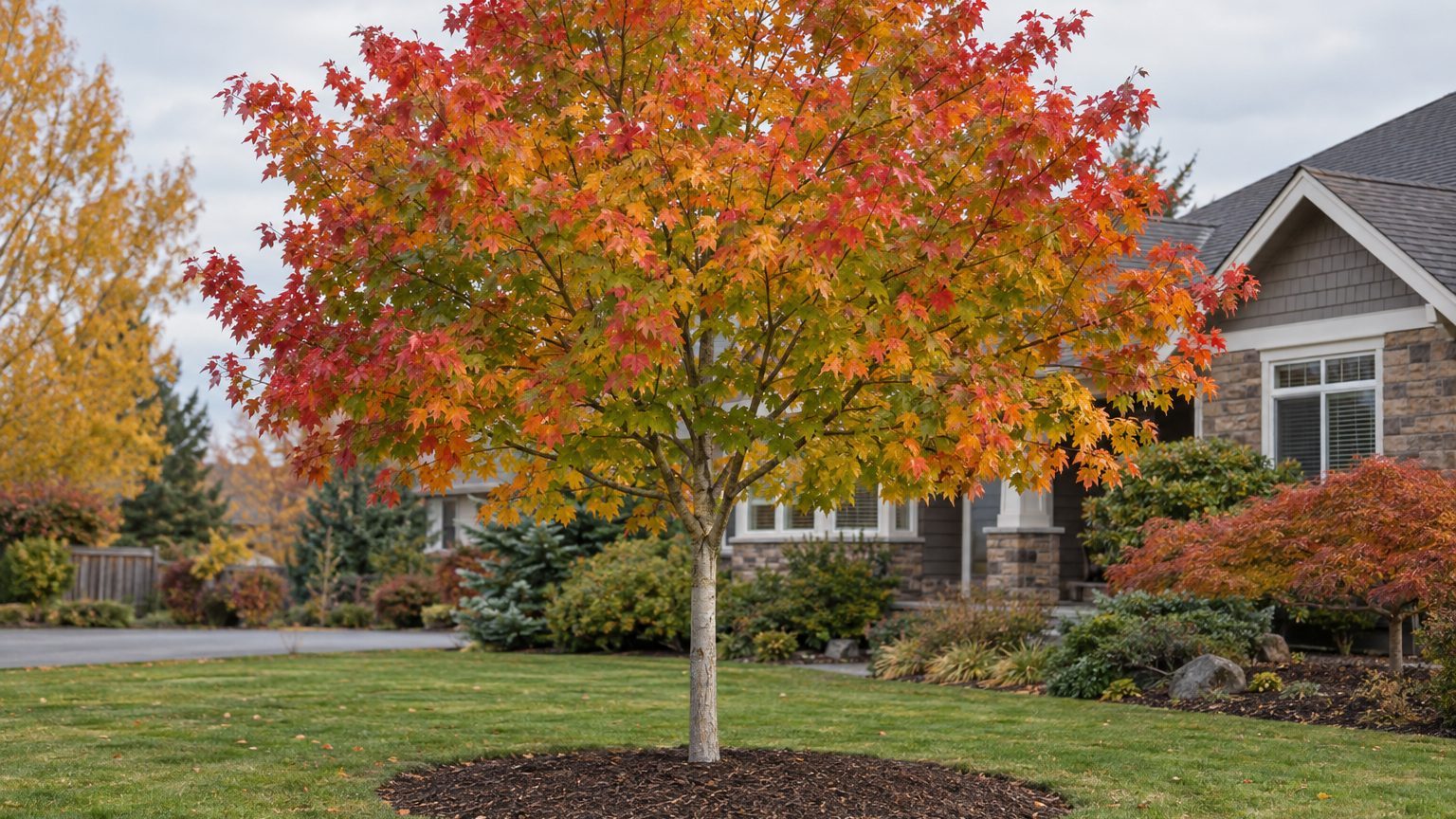
Planting a tree in a cool, damp Oregon fall, with rain doing the watering for you, is one of the easier jobs in the yard. The other good stretch comes in late winter, while the buds are still shut.

When Is the Best Time to Plant Trees in Oregon?

A young shade tree newly planted in a home yard

Shade and ornamental trees go in best in October and November, with late winter through early spring as the other window. The year breaks down like this:

  • In October and November, plant container and balled-and-burlapped trees while the soil is still warm enough for roots to grow and the winter rain keeps them watered.
  • Through the winter, the roots keep settling in as long as the tree stays dormant, so a fall planting arrives in spring with a head start.
  • In February, the soil starts to thaw and dry out enough to work, and a tree can go in as soon as it crumbles instead of smearing.
  • In March and April, planting still works well, and the earlier in this stretch, the more time the roots have before summer.
  • Through summer, planting is the hardest, since heat and dry soil stress the new roots.

Container trees can go in during most of the year if you water them, but they settle best in the dormant season. At the Portland reference station, the last spring frost falls between March 6 and March 21 and the first fall frost between November 11 and November 27. Central and eastern Oregon are high desert with a far shorter season, so those dates do not carry over there. Hardiness zones in the state run from 4a to 9b on the USDA system, so check your own zone before choosing a tree.

When to Plant Fruit Trees in Oregon

Fruit trees go in best in February and March, and bare-root trees belong to that window. Plant them while dormant, before the buds open. Potted fruit trees can also go in during October, once the weather has cooled and the leaves are dropping or gone.

Kind of fruit tree When to plant in Oregon Why then
Bare-root February to March The tree is dormant and the buds have not opened
Container October, or February to March Cool fall weather and a dormant tree settle best

A potted tree planted in October gets the cool, wet months to root before it has to support leaves. Waiting for the leaves to drop or thin out is a good sign that the tree has slowed down and is ready to move.

Best Trees to Plant in Oregon

Oregon extension advice on conifers compares trees by how well they handle shade, drought and frost, the factors that decide how a tree does here. Match the tree to the spot: how dry the soil gets, how much sun it receives, and how cold your zone runs.

Tree How it does in Oregon Why
Douglas-fir Handles more shade than the pines Less drought tolerant than ponderosa pine
Grand fir Does well in shadier spots More shade tolerant than Douglas-fir or the pines, but less drought tolerant
Sugar pine Suits shadier sites than other pines More shade tolerant and less drought tolerant than lodgepole and ponderosa pines
Lodgepole pine Copes with frosty sites Most tolerant of frost among the common tree species
Western larch Needs more moisture and light Less drought tolerant than the pines and Douglas-fir, and less shade tolerant than the firs

Ponderosa pine is the one to look at for dry ground, since it takes drought better than Douglas-fir. For ornamental choices beyond these, the right tree depends on your space, sun and zone, and your county extension office can narrow the list.

When to Plant, Water and Prune Trees in Oregon

Planting, watering and pruning each follow the tree’s dormancy. A tree is easiest on in the rest period, and the work around it should follow that rhythm.

Task Best timing in Oregon Why then
Plant shade and ornamental trees October to November, or February to April Roots grow in soil that is workable, before summer heat
Plant fruit trees February to March (bare-root), October (potted) The tree is dormant and the buds are closed
Water a young tree Whenever the soil is not frozen and rain falls short New roots need steady moisture to settle in
Prune fruit trees February to March Winter freeze danger has passed and growth has not begun

Prune fruit trees while dormant, and skip fall or early winter, because new growth may not harden before the cold. Apples are pruned first and peaches last, closest to bloom, since peach flower buds are easily hurt by cold. Sweet cherries can be pruned in August, when there is less risk of bacterial infection. Details are on the page When to Prune Fruit Trees in Oregon.

Where to Get Tree Advice in Oregon

For a question about which tree suits your yard or what your soil needs, Oregon State University Extension and your county extension office are the places to ask.

  • The extension website has planting and pruning guides for home orchards and landscape trees, useful before you buy.
  • Your county office can advise on tree choice for your site and explain how to send in a soil sample, a good step before planting day.

Common Questions

Can You Plant a Tree in Summer in Oregon?

You can, but heat and dry soil work against new roots. A container tree needs steady watering to get through, so fall or late winter gives much better odds.

Should You Plant Fruit Trees in Fall or Spring in Oregon?

Either works. Bare-root trees wait for February or March, while potted trees can go in during October once the weather cools.

Does the Type of Planting Stock Change When You Plant?

Yes. Bare-root trees must go in while dormant, before the buds open. Container trees are more flexible, though they still settle best in the dormant season.
Best Peonies for Oregon

Best Peonies for Oregon

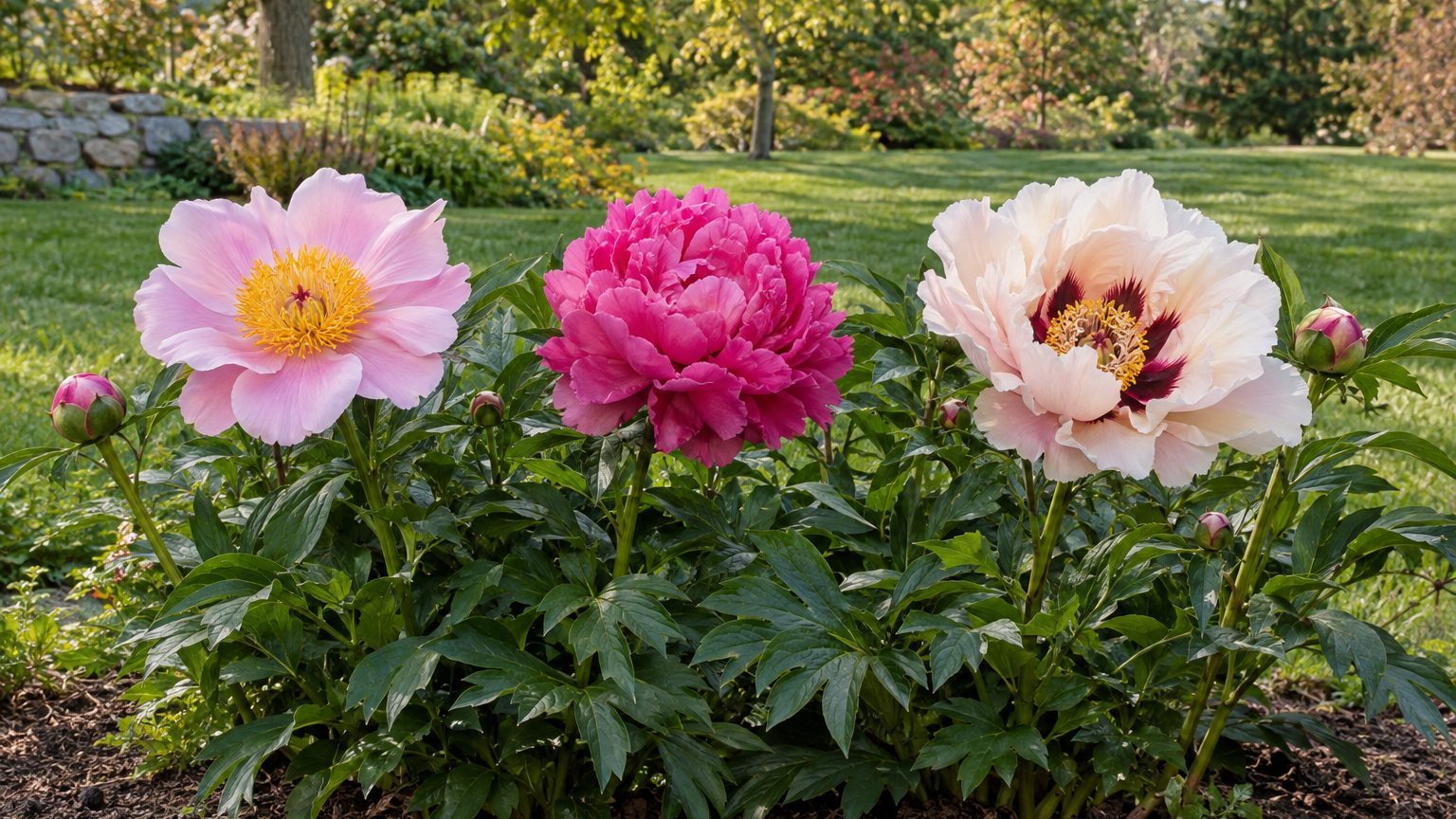
Peonies reward you in late spring with big, ruffled flowers, then spend the rest of the year as tidy green mounds. Peonies can grow well in Oregon, though the choice of type matters because winter conditions vary across the state. Winter cold is what sets the buds, and the state runs from mild valleys to frosty high desert.

Best Peonies to Grow in Oregon

Best Peonies for Oregon

Herbaceous, tree and Itoh peonies all earn a place in Oregon gardens, and winter chill strongly affects how well they flower. Peonies need a cold rest to bloom, so they do best where winters are cold and may flower poorly in mild-winter spots. East of the Cascades, where winters run colder, they are more likely to flower well. The state’s hardiness range, 4a to 9b on the USDA system, shows how much conditions vary from one yard to the next.

Herbaceous Peonies

Herbaceous Peonies — Best Peonies for Oregon

These die to the ground each winter and return from the roots in spring. They come in flower forms that include single, semi-double, bomb and Japanese.

Cut them back after frost has blackened the foliage. Paeonia lactiflora and its hybrids reward careful siting, so choose the spot with care.

Tree Peonies

Tree Peonies — Best Peonies for Oregon

A tree peony keeps its woody stems through winter, so it is never cut back to the ground. The flowers are very large and full, and they come in shades herbaceous types do not offer.

Sturdy stems mean you do not have to stake them, which saves a chore in the wet weeks of late spring.

Itoh Peonies

Itoh, or intersectional, peonies are a cross between herbaceous and tree types. They die back like an herbaceous peony, yet they carry the big, full flowers and strong stems of a tree peony.

They suit gardeners who want showy blooms without staking or a woody framework to manage.

Lutea Hybrid Tree Peonies

Satin Rouge and Silver Sails are Lutea hybrid tree peonies included in Oregon propagation trials. Rooting ease can vary among tree peony varieties.

Treat them like any tree peony: no cutting to the ground, and patience while a young plant settles in.

Japanese Tree Peonies

Shintenchi and Yachyo tsubaki are Japanese tree peony varieties. Like the Lutea hybrids, they keep their woody stems all year.

Look for them from nurseries that grow tree peonies, since not every variety roots or propagates with equal ease.

How to Choose a Peony for an Oregon Garden

Start with where your yard sits. Winter cold affects whether a peony flowers freely, so a colder garden offers more workable choices and a milder one calls for more care in picking.

After that, the question is how much work you want to do in May.

Your situation What suits it in Oregon Why
Cold winters, east of the Cascades Herbaceous peonies They need significant winter chill for the best bloom
No time for staking Itoh or tree peonies Their sturdy stems hold up the large flowers unsupported
Want a plant for the long haul Paeonia lactiflora and its hybrids They are long-lived
Want unusual colors and full flowers Itoh or tree peonies They come in shades herbaceous types lack
Prefer a plant that dies back neatly Herbaceous or Itoh peonies Both disappear to the ground in winter and are cut back after frost

In a mild-winter yard on the west side, try a peony before committing a whole bed, and ask your county office which peonies have flowered well nearby.

Which Peonies Suit Different Parts of Oregon

Oregon splits into very different growing zones, and the Cascades are the dividing line for peony choice.

  • Willamette Valley and Portland: Winters are milder here, so a peony may flower less than its cold-country cousins. Spring frost risk fades between March 6 and March 21 around Portland, but frost dates do not set the planting calendar. Plant from September to October, then see how herbaceous peonies perform before adding more.
  • East of the Cascades, including Bend and the high desert: Colder winters give peonies the chill they want, and herbaceous types flower well. The growing season is far shorter than in Portland, so do not borrow western timing for your bed.

Elevation within either region pushes the same way, with higher and colder ground favoring the chill-hungry types.

Peony Buying Mistakes to Avoid in Oregon

Choosing for Looks in a Mild Spot

A peony chosen only for flower shape can disappoint where winters are mild, because peonies need a cold rest to flower. The cost is a handsome green plant that gives few or no blooms.

Check your yard’s winter cold before buying, and in a mild garden ask neighbors or the county office which plants have flowered for them.

Planting Too Deep

A peony set too deep may bloom poorly or not come up at all. Keep the eyes, the pink buds on the root, near the soil surface.

Plant or divide in September to October, so the roots settle before the ground freezes. A new or transplanted peony may not bloom the first spring, so do not dig it up in frustration.

Cutting Back a Tree Peony

Gardeners used to herbaceous peonies often reach for the shears on a tree peony in fall. The woody stems carry next year’s buds, so cutting them to the ground costs you the bloom.

Cut herbaceous and Itoh peonies back after frost, and leave tree peonies standing.

Where to Get Peony Advice in Oregon

Local advice matters with peonies because winter cold can change the result. Start with the people who have watched peonies grow in your own county.

  • Oregon State University Extension offers plant guides and gardening resources, and its pages are worth a look before you choose a variety.
  • Your county extension office can tell you which peonies flower well in your part of Oregon, and the Master Gardener volunteers there are a good first call before fall planting.

Common Questions

When Do Peonies Bloom in Oregon?

Bloom runs from mid-May to late June, depending on the variety. Each flower lasts only a short time, so choose early- and late-blooming varieties if you want the season stretched.

Will a New Peony Flower the First Spring?

Often not. A newly planted or transplanted peony may skip its first spring while the roots settle. Leave it in place and give the roots time to settle.

What Blooms Well Alongside Peonies?

Peonies fit into a sequence of color through the year. Spring bulbs, irises, daylilies and true lilies can carry color through the seasons around peony bloom.

When Do Peonies Bloom in Oregon?

When Do Peonies Bloom in Oregon?

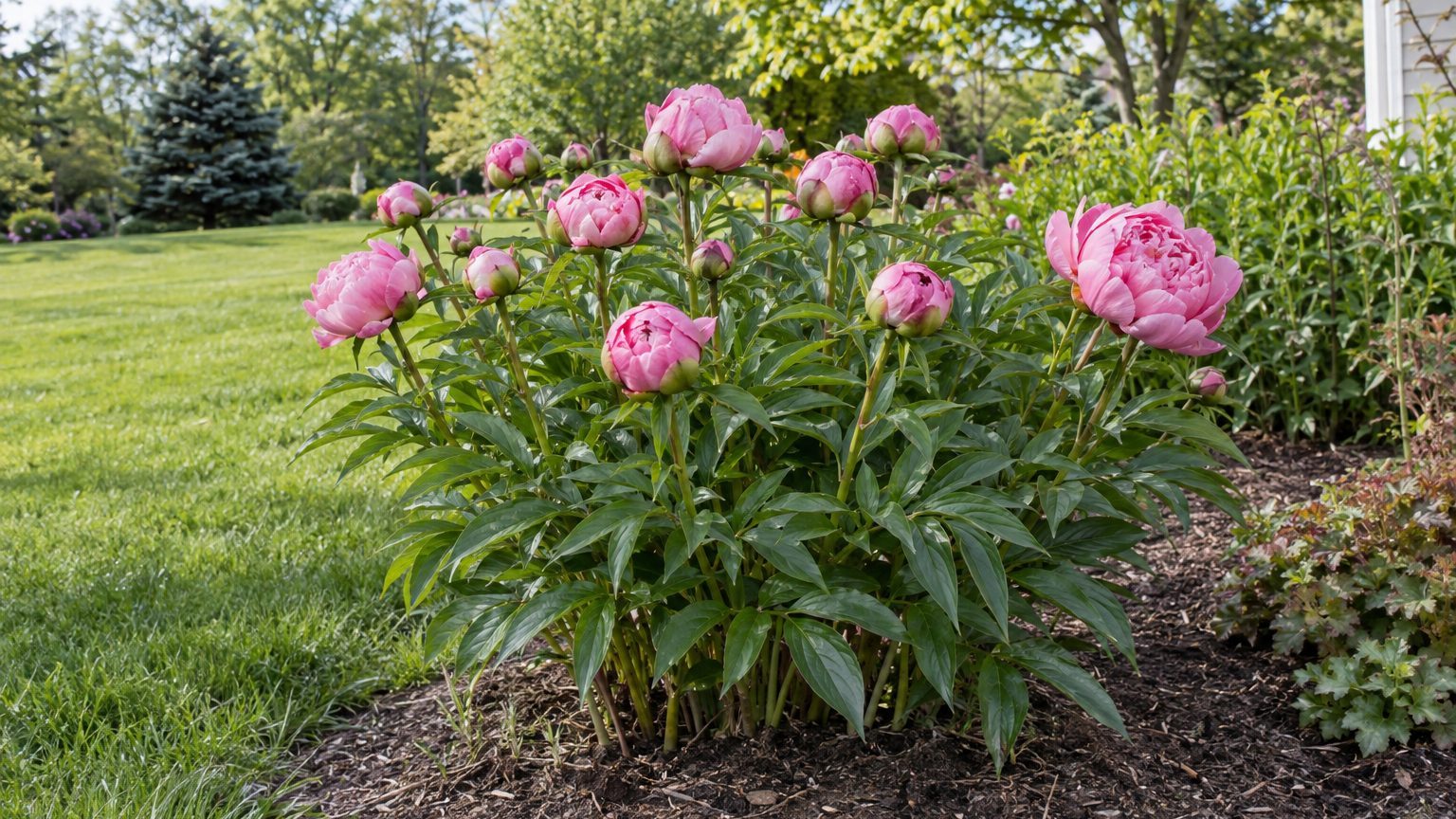
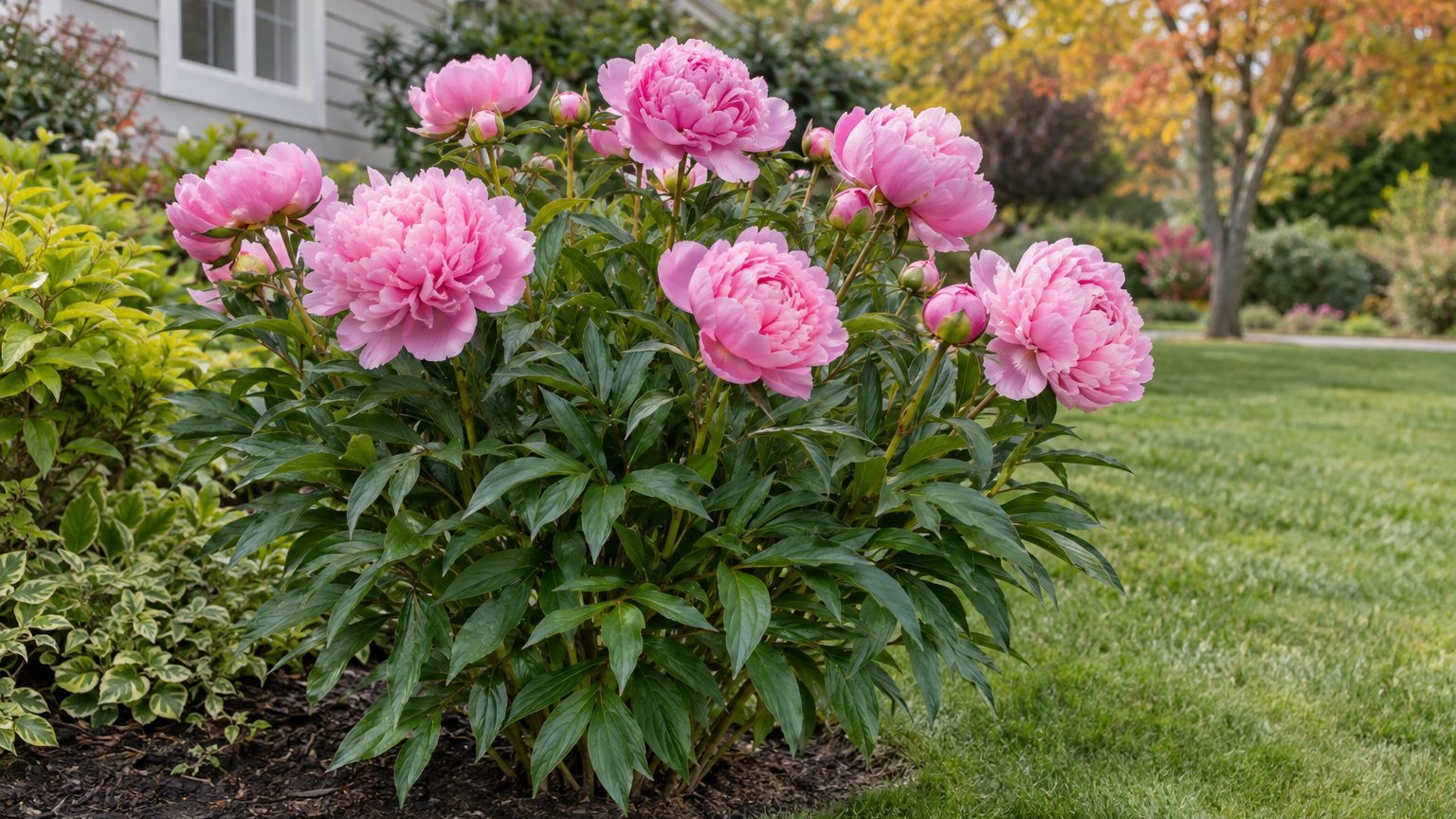
Pink and white blooms open on the same stems that emerged as red spikes earlier in spring, and in Oregon that show belongs to late spring and early summer. Peonies here flower from mid-May to late June, and the exact week depends on the type you grow and where your yard sits.

When Do Peonies Bloom in Oregon?

When Do Peonies Bloom in Oregon?

Peonies bloom in Oregon in May and June, running from mid-May to late June. West of the Cascades, in the Portland area, the last spring freeze falls between March 6 and March 21, so the new shoots have a long, mostly safe run before buds open.

Type of peony When it blooms in Oregon What to know
Herbaceous peony Mid-May to late June Dies back each year and is cut back after frost
Tree peony May to June Keeps its woody stems and is never cut back

Early, mid-season and late herbaceous varieties spread the show across that mid-May to late June window, so mixing them stretches the season. Treat Itoh peonies as blooming on a schedule similar to the herbaceous group. A newly planted or transplanted peony may not bloom the first spring, so foliage without flowers that spring is normal.

Peonies need a cold winter rest to flower, so they do best where winters are cold and may flower poorly in mild-winter climates. Oregon’s hardiness zones run from 4a to 9b on the USDA system, which means the milder western valleys and the cold interior ask different things of the plant.

How to Tell When Your Peonies Are About to Bloom

The plant itself gives plenty of warning, and watching it beats watching the calendar.

  • Red, pointed shoots push up through the soil in early spring, which tells you the roots have woken and the season has started.
  • The shoots unfurl into dark green leaves, so the plant is building the foliage that will feed the buds.
  • Small round buds appear at the stem tips, and this is the moment to stake or cage the clump before the weight arrives.
  • Buds swell and turn from hard green marbles to larger, rounder balls, a sign that color is not far off.
  • Buds soften when you give them a gentle squeeze, much like a marshmallow, which says the flower is close to opening and may be ready to cut for a vase.
  • Ants crawling over the buds are normal, since they come for the sugary coating, and they do not harm the bloom.

If a clump shows plenty of leaves but no buds, check planting depth first, because a peony set too deep may bloom poorly or not come up at all. Keep the eyes near the soil surface.

When to Cut Back Peonies in Oregon

The sign to watch for is a hard frost that blackens the foliage. Once the leaves have collapsed and turned brown, cut a herbaceous peony’s stems down close to the ground, leaving only a short stub above the soil.

Remove cut foliage from the bed, and keep diseased material out of the home compost pile. Peony foliage can carry disease spores over winter, and clearing it keeps them from reinfecting the new shoots next spring.

Tree peonies follow a different rule. They keep their woody stems through winter and are never cut to the ground. Remove only dead or broken wood, and leave the framework that carries next year’s flower buds.

How Peony Bloom Time Shifts Across Oregon

Oregon holds several climates, and each nudges the bloom earlier or later within the mid-May to late June window.

  • Willamette Valley and Portland: Mild winters and an early spring start the shoots sooner, so bloom tends to arrive on the earlier side of the window. Flowering can be less reliable here because the winter chill is weaker than in the interior.
  • Oregon Coast: On the Oregon Coast, mild winters can make bloom less dependable because peonies need winter chill. Wet weather also makes the heavy flowers droop, so staking helps.
  • Central and Eastern Oregon: This is high desert with a far shorter growing season and colder winters. Shoots emerge later, bloom comes later than in the valley, and the strong winter chill suits peonies well.

Higher elevations, such as the slopes of the Cascades, run later still, so gardeners there should expect the final weeks of the window.

Where to Get Peony Advice in Oregon

Local help matters because bloom time and winter chill vary so much from one Oregon yard to the next. Your county office can speak to your own soil and microclimate.

  • Oregon State University Extension offers gardening guides and a way to ask questions, useful in spring when buds form.
  • Your county extension office can help with local varieties and planting questions, and September to October is a good time to ask before you plant or divide.

Common Questions

When Should You Plant or Divide Peonies in Oregon?

September to October suits both jobs. Planting then lets the roots settle before the ground freezes, and keeping the eyes near the soil surface protects next spring’s bloom.

Why Are My Peonies Not Blooming in Oregon?

Look at how long ago the clump was planted or moved, and at how deep the eyes sit. A young or recently moved plant may skip its first spring, while one planted too deep may bloom poorly.

Do Peonies Do Well in Oregon’s Mild Winters?

They can, but peonies need a cold winter rest to flower. Yards with colder winters, including those east of the Cascades, give them the chill they want, while milder spots may see fewer blooms.

When to Plant Peonies in Oregon: Dates and Care

When to Plant Peonies in Oregon: Dates and Care

When the first fat peony buds split open in late spring, the plant is paying back work done months earlier, in the cool of fall. For peonies in Oregon, that work is planting: the roots go in during autumn, settle in before the ground freezes, and then spend the winter getting the cold rest the flowers depend on.

When to Plant Peonies in Oregon

When to Plant Peonies in Oregon: Dates and Care

Plant or divide peonies in September to October, then let the plant follow its own calendar through the year. Frost dates here are for Portland, west of the Cascades, and the high desert to the east has a much shorter season.

  • In late winter and early spring, the last freeze around Portland falls between March 6 and March 21, so new growth on an established clump can still meet a cold night.
  • From mid-May to late June, the flowers open, with different varieties spreading the show across those weeks.
  • Through summer, the leaves keep working to feed the roots, so leave them alone while they are green.
  • In September to October, planting and dividing happen, which gives roots time to settle before the soil freezes.
  • After a hard frost has blackened the foliage of a herbaceous peony, the stems come down, and a first freeze around Portland arrives between November 11 and November 27.

Across the state, USDA hardiness zones run from 4a to 9b, so a garden in the Cascade foothills and one in the high desert will not keep the same calendar.

Which Peonies Grow Best in Oregon?

Peonies can work in Oregon, but they are not equally happy everywhere. They need a cold winter rest to flower, which means they do best where winters are cold and can flower poorly where winters are mild.

Cold winters in the colder parts of the state favor the plant. In milder spots, choose a sunny, well-drained place and expect less reliable flowering.

Peony type How it does in Oregon Why
Herbaceous Dependable where winters are cold, less so in mild spots Needs winter chill to set flowers, dies back to the ground each year
Tree (woody) Grows where winters are cold enough for a rest Keeps its woody stems year after year, so it is never cut back

If you are weighing one for a mild-winter yard, a county Extension office can tell you what has done well locally.

When to Plant, Cut Back and Feed Peonies in Oregon

Peony chores are few, and most of them follow the plant rather than the calendar. Planting has firm months, and setting the eyes near the soil surface helps prevent poor bloom.

Set the eyes, the pink buds on the root, near the soil surface. A peony planted too deep may bloom poorly or not come up at all.

Task Best timing in Oregon Why then
Plant or divide September to October Roots settle before the ground freezes
Cut back a herbaceous peony After a hard frost has blackened the foliage The plant has finished storing energy and the leaves are spent
Cut back a tree peony Never, beyond removing dead wood The woody stems carry next year’s buds
Feed only if needed Based on local soil needs Needs vary by site

A newly planted or transplanted peony may not bloom the first spring, so a bare year after planting is normal and no reason to dig it up.

How Peony Planting Dates Change Across Oregon

Oregon holds several climates, and each one nudges the peony year earlier or later within the same fall planting window.

  • Portland and the Willamette Valley: Winters are mild and the ground stays workable late, so planting anywhere in September to October fits. Flowering depends on getting enough winter chill, so the cooler corners of a yard do a little better.
  • The Oregon coast: Winters are milder still and spring comes early, which makes bloom less dependable. Plant in the same fall window and pick a sunny, well-drained spot.
  • Bend and central Oregon: The high desert has colder winters and a shorter season, which suits the plant’s need for a cold rest. Plant from September to October so roots settle before the ground freezes.
  • Eastern Oregon: Cold winters favor peonies here, but the shorter season means Portland frost dates do not apply.

Flowers also open later in colder, higher gardens than in the valley.

Where to Get Peony Advice in Oregon

Local conditions vary a lot from valley to desert, so a local source settles most questions faster than a general rule. Oregon State University Extension runs programs through county offices around the state.

  • County Extension offices can help diagnose a peony that will not flower.
  • Ask your county office whether a soil test would help before you dig.
  • Ask your county Extension office where to get local variety advice.

Common Questions

Where in the Yard Should You Plant a Peony?

Pick a sunny spot with drainage that does not hold water, since soggy roots rot over winter. Leave room around the clump so air moves through the leaves, and keep it away from crowding shrubs.

Are Ants on Peony Buds a Problem?

Ants visit the sweet coating on the buds, and they do not harm the plant. There is no need to spray, and the flowers open fine without help from you.

Should You Cut Off Peony Flowers After They Fade?

Snip off spent blooms to keep the plant tidy, but leave the leaves in place. The foliage keeps feeding the roots until it dies back, which sets up next year’s flowers.

Best Lilacs for Oregon

Best Lilacs for Oregon

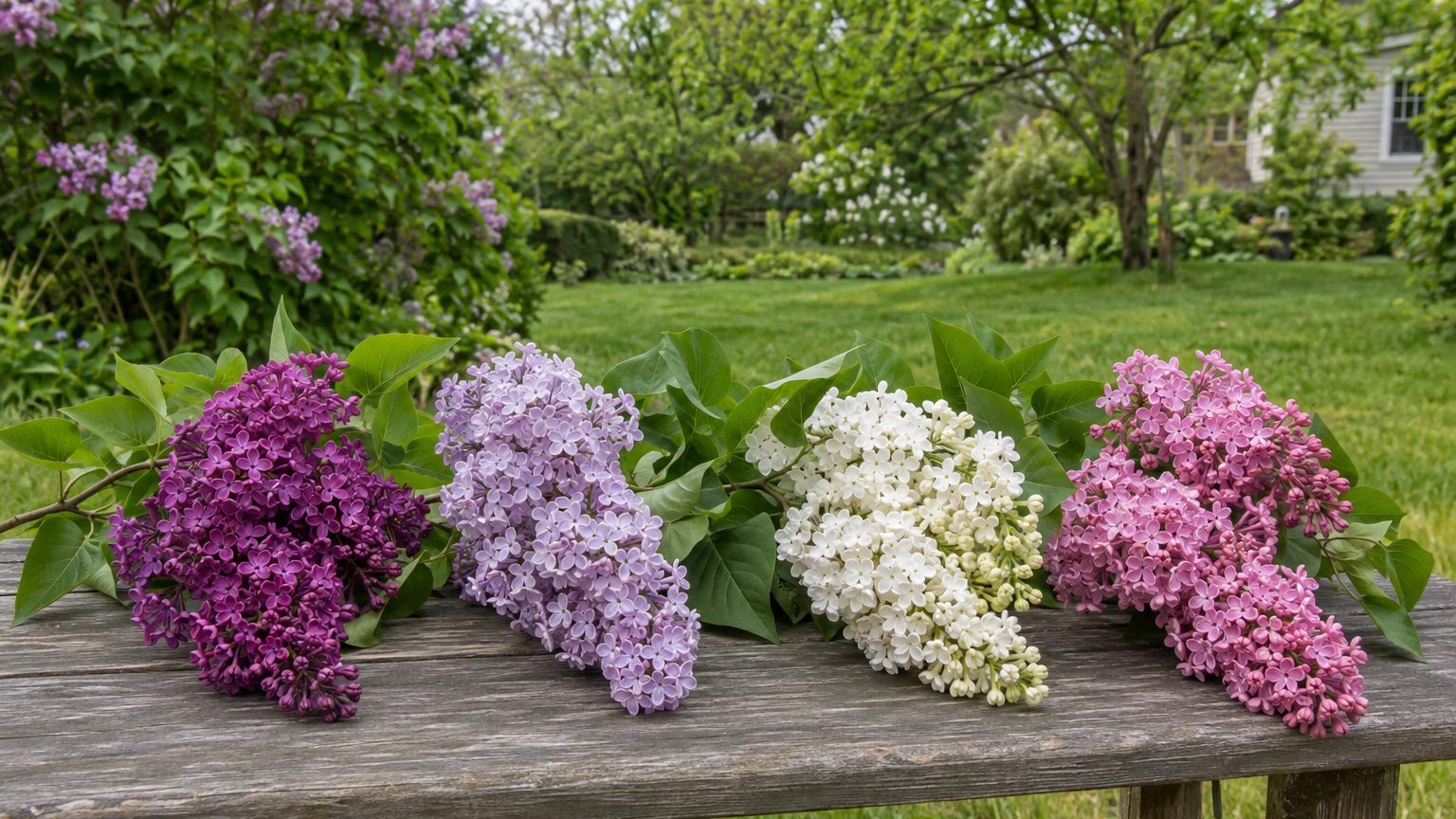
A lilac in full bloom smells like May in Oregon, and the plant behind that scent is not always a true lilac. Small and blight-resistant Syringa lilacs do well here, as do the evergreen California lilacs (Ceanothus) that grow west of the Cascades. Knowing which is which saves you from buying the wrong shrub.

Best Lilacs to Grow in Oregon

Best Lilacs for Oregon

Dwarf and disease-resistant true lilacs hold up well in Oregon, and evergreen California lilacs fill in where you want blue flowers on a bigger shrub. The common lilac still has a place in the yard, but its blight problem makes the other choices easier to live with. Each one is below.

Palabin Dwarf Lilac

Palabin Dwarf Lilac — Best Lilacs for Oregon

Syringa meyeri ‘Palabin’ was chosen for its small size and for flowering freely while still young. It grows slowly and takes pruning well, so you can keep it as low as three feet.

Prune it in June, right after the flowers fade, or in May if the bloom finishes early. Lilacs bloom on last year’s wood, and next year’s buds form soon after flowering in summer, so pruning in late summer, fall or winter removes the following spring’s flowers.

Common Lilac

Common Lilac — Best Lilacs for Oregon

Syringa vulgaris is the lilac most people picture and the one most often planted. In Oregon, most of its cultivars are susceptible to lilac blight, a disease that spoils spring blooms.

Plant one if you love the classic fragrance, but expect to watch the leaves and flowers more closely than you would with the resistant species.

Blight-Resistant Lilac Species

Several species have shown real resistance to blight: Syringa josikaea, S. komarowii, S. microphylla, S. pekinensis and S. reflexa. They make the safer pick if you have lost common lilac blooms to spotted, blackened shoots.

Ask a nursery for these by their botanical names, since the plain label “lilac” usually means the common one.

Blueblossom

Ceanothus thyrsiflorus, also called California lilac or mountain lilac, is an evergreen shrub or small tree that runs from 6 to 20 feet. It carries clusters of pale blue to deep lilac-blue flowers in summer and is the hardiest of the wild lilacs.

Fast growth is a plus. Wet spots are not, because it can develop disease where water collects, so give it a well-drained place.

Victoria Ceanothus

‘Victoria’ is a commonly grown Ceanothus in Oregon. It forms a large, rounded evergreen shrub that can easily reach 10 feet tall and wide, so it suits a corner with room to spread.

Blue flowers appear in abundance from mid-May to early June, which overlaps nicely with the true lilacs.

How to Choose a Lilac for an Oregon Garden

Oregon spans USDA hardiness zones 4a to 9b, a range wide enough for gardeners in different parts of the state to need very different plants. Think first about winter cold, summer humidity and the space you actually have.

True lilacs need a cold winter rest to mature their flower buds, which is why they do best where winters are cold.

Your situation What suits it in Oregon Why
Very cold winter True Syringa lilacs They need a cold winter rest to set their flower buds
Hot, humid summer or concern about lilac blight Blight-resistant species such as Syringa pekinensis Lilacs struggle in hot, humid summers, and most common lilac cultivars are susceptible to blight
Little time for pruning Palabin dwarf lilac It grows slowly and flowers freely at an early age
Small space Palabin dwarf lilac It can be kept as low as three feet
Room for a big evergreen Victoria Ceanothus It easily reaches 10 feet tall and wide, with blue flowers from mid-May to early June

Blueblossom suits a roomy bed west of the Cascades where the soil drains well. Keep it out of wet spots, where disease is more likely.

Which Lilacs Suit Different Parts of Oregon

The Cascades split the state into very different growing conditions, and that changes which lilac you should plant.

  • Portland and the Willamette Valley: Winters are milder here, and the last spring frost falls from March 6 to March 21. True lilacs and evergreen California lilacs are workable here, so choose by mature size and disease resistance.
  • Central and eastern Oregon: This is high desert with a far shorter growing season and colder winters. True Syringa lilacs fit this cold, since they need a real winter rest.

Frost dates from Portland do not carry over to the high desert, so check local conditions before you plant.

Lilac Buying Mistakes to Avoid in Oregon

Choosing Only the Common Lilac

Because the common lilac is so familiar, it often goes into the cart without a second thought. In Oregon, most of its cultivars are susceptible to blight, which can leave you with spoiled blooms and a shrub that needs constant attention.

Look instead at the resistant species, or at Palabin if you want something small.

Planting a Lilac That Needs More Cold than You Get

A true lilac sets its flower buds after a cold winter rest, and hot, humid summers wear it down. In the mildest, wettest corners of the state, you may get a healthy shrub with thin flowering.

If your yard runs mild, consider an evergreen Ceanothus for blue color instead of pushing a true lilac to bloom.

Buying a Pot Without Knowing Adult Size

A small pot hides a lot. A Palabin stays near three feet, while Victoria can reach 10 feet in both directions and blueblossom can climb toward 20 feet.

Check the mature size on the tag and measure the space before you buy, because moving a large shrub later is hard work.

Where to Get Lilac Advice in Oregon

Oregon State University Extension publishes guidance on lilac care, blight and California lilacs for gardens west of the Cascades. Your county Extension office can add advice for your own soil and elevation.

  • The Extension website has articles on pruning and blight, which are worth reading before you buy a shrub in late winter or early spring.
  • Your county office can help identify a spotted or poorly blooming lilac when you bring a sample in during the bloom season, from April to June.

Common Questions

When Do Lilacs Bloom in Oregon?

May is the usual bloom time. Lilacs can also flower in April or June, depending on the variety and how the spring has run.

Is a California Lilac a True Lilac?

No. Ceanothus carries the name because of its lilac-blue flowers, but it is an evergreen shrub with blossoms in summer. True lilacs belong to the genus Syringa and drop their leaves in winter.

Can You Grow a Lilac in a Container in Oregon?

Palabin is a good candidate. It has been grown as a flowering container plant in trials in the north Willamette Valley, and its small size and slow growth suit a pot.

When to Prune Lilacs in Oregon

When to Prune Lilacs in Oregon

A lilac that flowered in May is already working on next year’s show by the time the last blooms turn brown. That is why pruning has a short window.

When to Prune Lilacs in Oregon

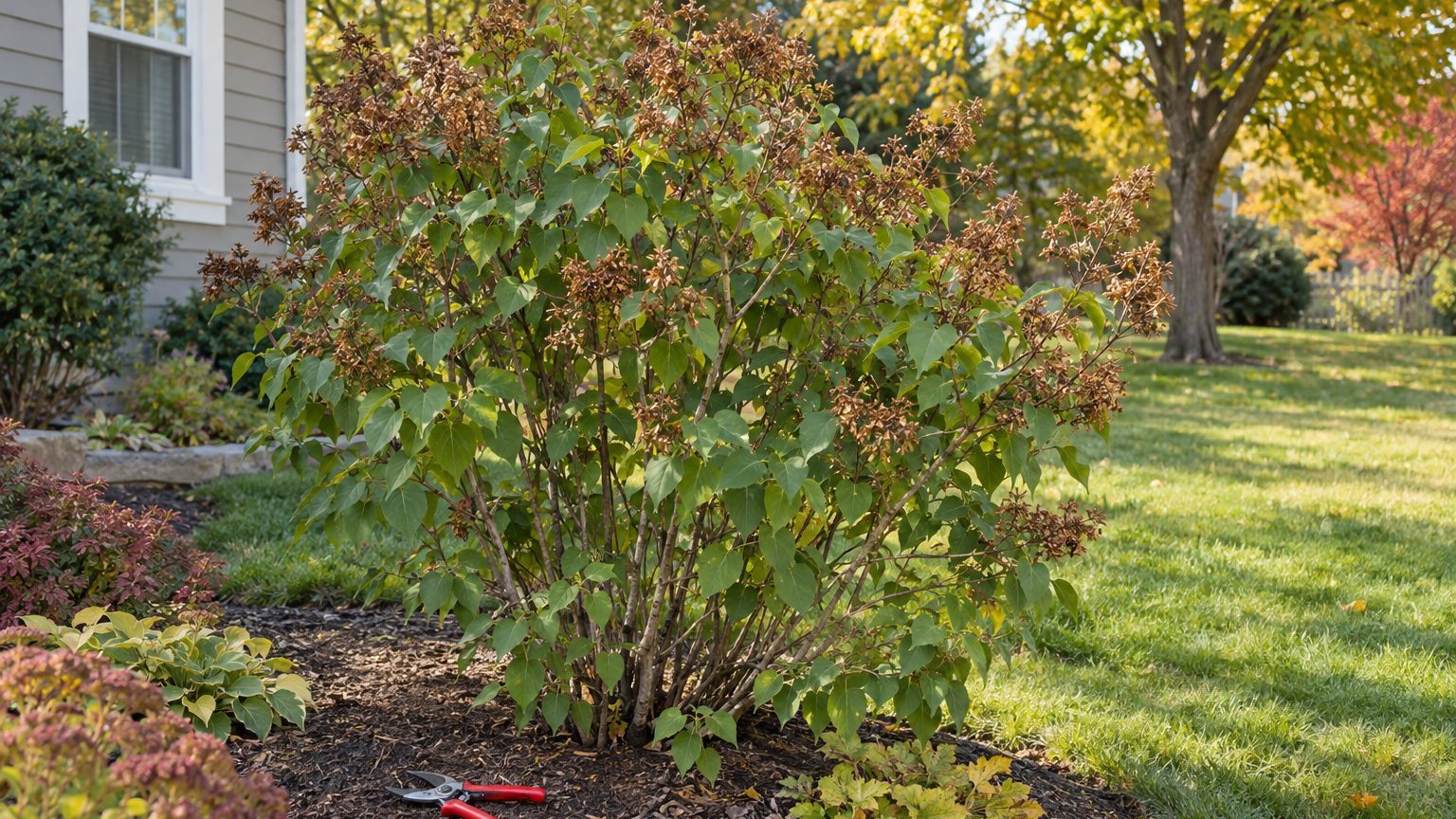
Lilac stems after flowering

Prune lilacs in June, soon after the flowers fade. Lilacs usually bloom in May in Oregon, and pruning can begin as soon as those flowers fade. Cutting later in summer, fall or winter removes the buds the shrub is setting for next spring.

Type of pruning When in Oregon Why
Yearly upkeep and shaping June, right after the flowers fade (May also works) Next year’s flower buds form in summer, so cuts made soon after bloom keep them
Thinning an old, crowded shrub Right after bloom, in June A winter cut removes the buds and costs the following spring’s flowers

A lilac blooms on last year’s wood, which is why a winter or July cut leaves bare branches the next May.

How to Tell When Your Lilacs Are Ready to Prune

The shrub gives clear signals, and they matter more than the date on the calendar, since a cool spring can push bloom later.

  • Flower clusters that turn brown and droop mean the show is over and the shears can come out.
  • Petals dropping onto the ground below tell you the shrub has finished flowering for the year.
  • Small green seed pods forming where the blooms were show the plant is shifting its energy, so cut off the spent clusters before the shrub spends effort on seed.
  • New shoots pushing from the base or along the stems mean the growing season is under way and the buds for next year are about to set.
  • Leaves fully open make it easier to see which branches crowd the center, but wait until the flowers fade before shaping.

If the flowers have been gone for a good while and summer is well along, skip the heavy cuts and wait for next year.

Should You Prune Lilacs in Fall or Winter in Oregon?

No. Cutting in fall or winter takes off the buds that will open next spring, and a lilac pruned then often sits there green and flowerless.

A hard shape-up in late winter feels natural, since the bare branches make the structure easy to see and the garden is quiet. But even that cut costs flowers for the coming spring. An overgrown shrub still loses its next spring’s flowers if it is cut in winter.

Dead, broken or crossing branches are a different matter. Ask your county extension office whether those cuts can depart from the usual post-bloom timing.

How Lilac Pruning Time Shifts Across Oregon

The June window fits the Willamette Valley and Portland area, west of the Cascades, where the spring frost window runs March 6 to March 21. The rest of the state differs, so follow the flowers rather than the date.

  • Willamette Valley and Portland: Bloom comes in May, so prune in June once the flowers fade.
  • Oregon coast: Cool, damp air tends to hold things back, so wait for the blooms to finish before you cut, even if that runs later than inland.
  • Central and eastern Oregon: This high desert has a far shorter growing season and colder winters, so bloom comes later and pruning follows it. Watch the shrub, not the calendar.
  • Cascade foothills and higher ground: Elevation delays bloom, so the cut slides later as well, always right after the last flowers fade.

Lilacs need a cold winter rest to mature their flower buds, which is one reason they do so well in colder parts of the state and struggle in hot, humid summers. Oregon’s USDA hardiness zones run from 4a to 9b.

Where to Get Lilac Advice in Oregon

For questions about a stubborn shrub, help is available close to home through your county office.

  • Oregon State University Extension publishes lilac care guidance written for Oregon yards, worth reading in spring before bloom.
  • Your county extension office can look at photos or samples of a shrub that never flowers, so call or visit once the blooms have faded and you are ready to cut.

Common Questions

Can You Prune a Lilac That Has Never Bloomed?

Shade, a cut at the wrong time or too much nitrogen fertilizer often keep a lilac from flowering. Check how much sun it gets and when it was last cut before changing anything else.

How Much Can You Cut Off an Overgrown Lilac?

For an overgrown lilac, ask your county extension office for a renovation plan suited to the shrub. That lets new shoots fill in while the shrub keeps some flowers each spring.

Should You Remove the Spent Flower Clusters?

Yes, snip them just below the cluster right after they brown. The shrub then puts its energy into growth and next year’s buds rather than seed.

When Do Lilacs Bloom in Oregon? Dates and Care

When Do Lilacs Bloom in Oregon? Dates and Care

A lilac in full bloom announces itself from the sidewalk, long before you see the flowers, and the same shrub sets the calendar for the work that follows. Lilacs in Oregon flower in late spring, and the weeks right after the petals drop decide whether the shrub blooms again the next year.

When Do Lilacs Bloom in Oregon?

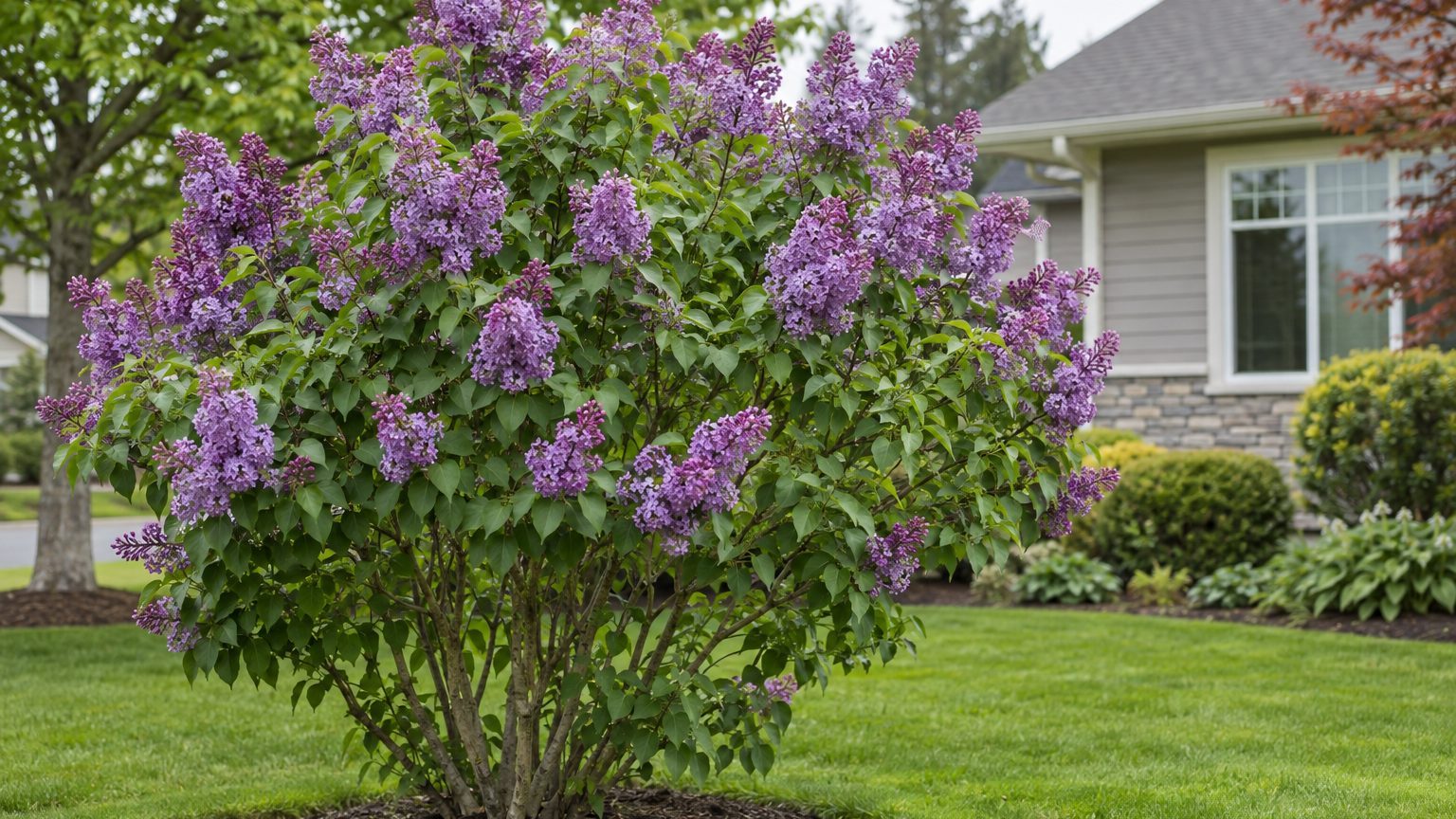
A lilac bush in bloom in a home garden

Lilacs in Oregon bloom mostly in May, with some yards opening in April and cooler ones holding their flowers into June. The year of a lilac runs like this.

  • In early spring, new leaves push out while frost can still return, and the last freeze on the Portland side of the Cascades usually falls between March 6 and March 21.
  • In May, the flower clusters open and the scent carries across the yard, which is the stretch most gardeners wait for.
  • In June, soon after the blooms fade, comes the pruning visit, and it can also be done in May if the flowers finish early.
  • Through summer, the shrub quietly forms the buds that will open next spring, so it needs little from you except water in dry spells.
  • In fall, the leaves drop as the first freeze arrives, and in Portland that usually happens between November 11 and November 27.
  • In winter, the bare branches rest in the cold, and the plant asks for nothing.

Those frost dates describe Portland, which sits west of the Cascades. Central and eastern Oregon are high desert with a much shorter season, and the USDA hardiness zone system runs from 4a to 9b across the state, so a yard east of the mountains follows a different rhythm.

Which Lilacs Grow Best in Oregon?

Lilacs do grow in Oregon, and they suit the cold-winter parts of the state well. A lilac needs a cold winter rest to mature its flower buds, so cold winters help it bloom.

The weak point is summer. Hot, humid weather stresses the shrub, which is why a spot with air movement and cooler nights treats it better than a stuffy corner.

Lilac type How it does in Oregon Why
Lilac in a cold-winter yard, such as the high desert Blooms reliably A hard winter rest matures the flower buds
Lilac in a mild-winter yard on the west side Blooms, with less cold rest behind the buds Milder winters give the plant less chill
Lilac in a hot, humid summer spot Struggles Lilacs do poorly in sticky summer heat

Specific cultivars are worth a conversation with a local nursery or your county extension office, since a named variety matters less than matching the shrub to your winter and summer conditions.

When to Plant, Prune and Feed Lilacs in Oregon

Lilacs bloom on last year’s wood and set next spring’s flower buds in summer, soon after they flower. That single habit dictates the timing of almost everything you do to the shrub.

Pruning in late summer, fall or winter cuts off the next spring’s flowers, so the cutting window is narrow and comes right after the blooms.

Task Best timing in Oregon Why then
Prune and shape June, or May if the flowers fade early New buds have not formed yet
Fertilize Soon after the flowers fade The shrub is putting out fresh growth
Leave the pruners in the shed July through winter Next year’s buds are already on the stems

Oregon extension advice is to prune, fertilize and shape lilacs almost every year, soon after they finish blooming in late spring. Planting follows ordinary shrub sense: set a lilac in the ground when the soil is workable, in full sun, with enough time for the roots to settle before the ground freezes. The page on when to prune lilacs in Oregon goes deeper on the cuts themselves.

How Lilac Bloom Time Changes Across Oregon

Oregon holds mild valleys, a cool coast and a cold high desert, and lilacs open on different schedules in each.

  • Willamette Valley: mild winters and early spring warmth start growth sooner here, so flowering tends to come earlier than in the rest of the state.
  • Oregon Coast: cool ocean air slows spring warming, so buds open later than in warm inland valleys.
  • Central Oregon around Bend: cold nights and frost that lingers into spring push bloom later, though the cold winters suit the shrub.
  • Blue Mountains and eastern Oregon: higher elevation and a short season delay flowering compared with the valleys on the west side of the Cascades.

Within a single town, a south-facing wall or a spot on a low slope can pull bloom ahead of a shaded corner.

Where to Get Lilac Advice in Oregon

Local help turns a guess into a diagnosis. Oregon State University Extension publishes lilac care advice, and the county office can answer questions about a particular shrub.

  • The extension website has pruning and care guidance, which is worth reading before the flowers fade.
  • Your county extension office can look at a sample leaf or stem if a shrub looks sick, and it is the place to ask about a soil test before you feed.
  • When the flowers begin to brown, pick up the pruners and cut back the stems that have finished blooming.

Common Questions

Why Does a Lilac Grow Plenty of Leaves but Few Flowers?

Consider these factors together. A shrub that gets shade for much of the day and also puts out soft, lush growth after heavy feeding is trading flowers for foliage. Moving the feeding back and giving the plant more sun usually restores the blooms.

Why Do Lilac Leaves Turn Gray or Powdery in Summer?

A white, dusty coating on the leaf surface, especially on shrubs crowded together or in still air, points to powdery mildew. It looks worse than it is and rarely harms the plant. Thinning crowded stems for better air flow helps.

Should You Remove Faded Lilac Flowers?

Snipping off the spent clusters keeps the shrub tidy and sends energy to new growth. Make the cut just below the faded cluster, soon after the petals drop, so you do not take off the buds forming behind it.

Best Roses for Oregon

Best Roses for Oregon

In late winter, the buds on bare rose canes begin to swell, and that is when Oregon gardeners settle what goes into the beds. The roses that hold up here are the hardy kinds: shrub roses, rugosas, species roses and old garden roses. Disease-resistant varieties are a sensible choice west of the Cascades as well.

Best Roses to Grow in Oregon

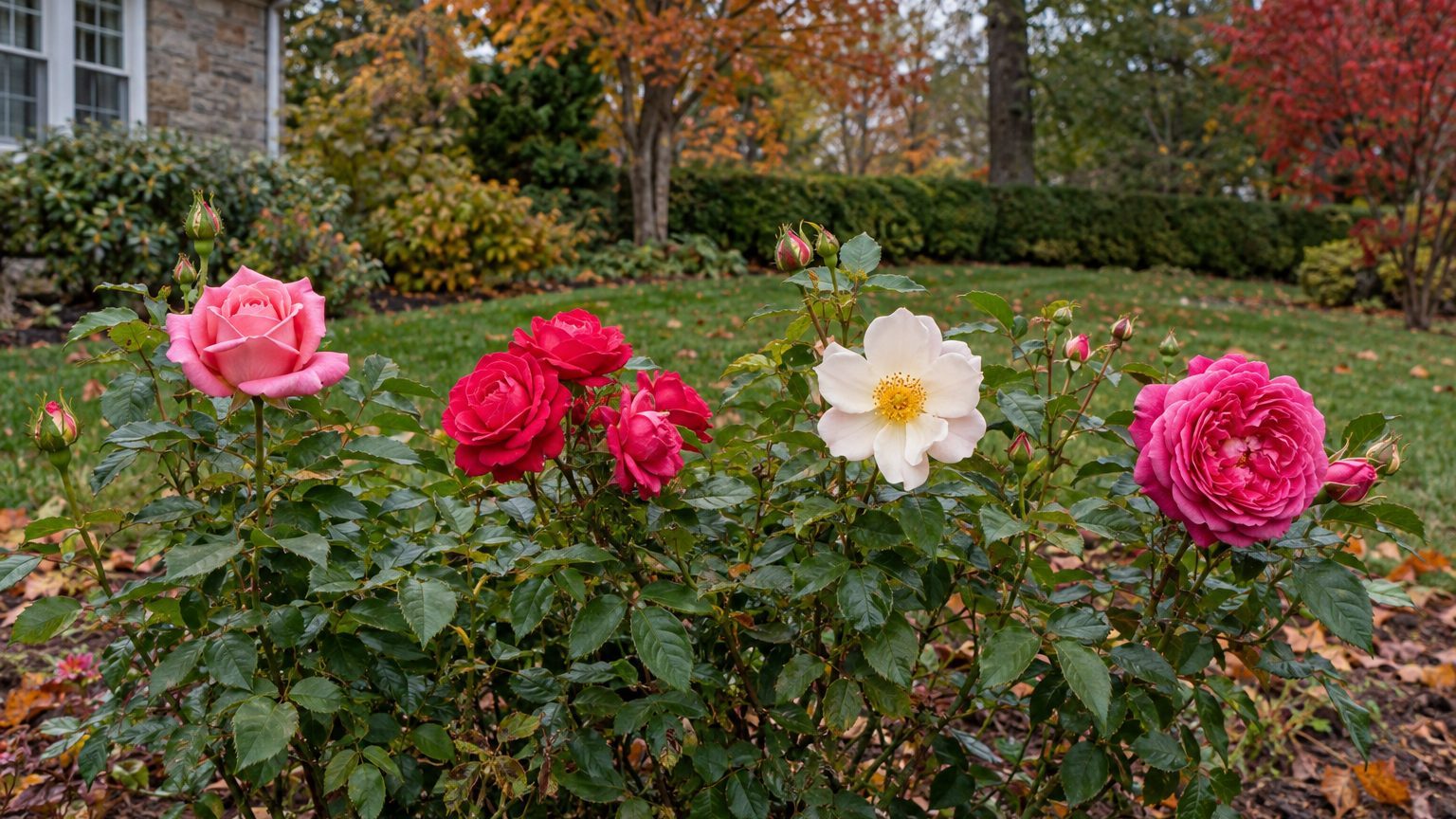
Healthy roses in bloom

Hardy shrub roses, species roses and many old garden roses do best in Oregon. They take cold winters in stride, and the more disease-resistant types are useful where black spot is a concern. The state spans USDA hardiness zones 4a to 9b, so the first step is to pick a rose suited to your own zone.

Shrub Roses

Often called hardy shrub roses, these can look like wild roses, with roselike blooms and scent. They do not demand as much care as other roses, which suits a busy yard. Check that the variety is rated for your zone and carries good disease resistance.

Rugosa Roses

Rugosas belong to the same tough shrub group and tolerate cold well. Their plain, wild-rose look fits informal borders and hedges. They are also among the roses that root more easily from cuttings, if you want to share a plant with a neighbor.

Species Roses

Species roses are generally the most disease-resistant roses, which matters where summer humidity invites black spot. They live unharmed through very cold winters. Give them room, since they grow like the wild roses they are.

Old Garden Roses

Many old garden roses are hardy and come through severe winters without damage. Once-blooming types flower on last year’s wood, so prune them right after they bloom, never in early spring. Cutting them in spring removes the buds that would have carried the year’s flowers.

Climbing Roses

A climbing rose builds a framework of stiff, mature wood that is typically permanent, with medium to large flowers carried along it. Many climbers bloom once a year, so they follow the same rule as old garden roses. Plant against a sturdy support and protect the framework through cold spells.

Miniature Roses

Miniatures are more susceptible to black spot than other types, though a few varieties resist it reliably. Choose by resistance, not by flower color alone. Space them about 2 to 2.5 feet apart, depending on variety, so air moves between the plants.

How to Choose a Rose for an Oregon Garden

Start with the worst thing your yard does to a rose, whether that is a hard freeze, a wet summer or a dry bank. Then pick the type that handles it. Hardiness zone and disease resistance should both be on the plant tag before you buy.

Your situation What suits it in Oregon Why
Very cold winters Species, shrub and old garden roses They are hardy and live through severe winters unharmed
Sites prone to black spot Species roses and disease-resistant varieties Species roses are generally the most resistant to leaf disease
Heat and drought A locally recommended, heat- and drought-tolerant rose Match the plant to the site’s sun, drainage and summer watering.
Little time Shrub or rugosa roses They do not require as much care as other roses
Small space Miniature roses They fit at 2 to 2.5 feet apart, but pick a black spot resistant variety

Repeat-blooming roses such as hybrid teas, floribundas and modern shrub roses are pruned in February or March, and April works too. West of the Cascades, mid-February to early March is the usual window, and in central Oregon pruning waits until late April. Cutting before a hard freeze can cause die-back that means pruning again.

Which Roses Suit Different Parts of Oregon

Oregon splits into very different rose country, and the main divide runs along the Cascades.

  • Willamette Valley: Winters are gentler, and resistance to black spot is worth checking. Repeat-blooming roses are pruned from mid-February to early March, when the weather favors regrowth.
  • Western Oregon gardens: Choose roses suited to the site’s winter cold and any history of black spot.
  • Central Oregon: This is high desert with a much shorter season, so hardy shrub, rugosa and species roses make the safest picks. Pruning waits until late April, since early growth risks a frost nip.

Eastern Oregon is also high desert, so choose as you would in central Oregon.

Rose Buying Mistakes to Avoid in Oregon

Tender Types in Cold Areas

Buying a fragile rose for a cold part of the state means replacing it after a hard winter. Match the plant to your USDA zone, and lean toward species, shrub or old garden roses where winters bite. Tender shrubs that you keep anyway need protection.

Disease-Prone Varieties

A variety prone to black spot can struggle west of the Cascades, and miniatures are especially susceptible. The cost is yellowing leaves and constant spraying. Look for varieties labeled disease-resistant, and ask for a resistance list before you buy.

Grafted Roses Without Protection

A grafted or tender rose planted in a cold area and left bare can be hurt by freezing weather. In cold areas only, mound loose mulch such as shredded leaves, compost, pine needles or sawdust over the base of the plant. Do it in November or December, after the plant is dormant and before a hard freeze.

Where to Get Rose Advice in Oregon

Oregon State University Extension publishes guides on roses and pruning for western and central Oregon. Your county extension office can match advice to your elevation and soil.

  • The extension website has pruning and planting guides, best read in winter before the buds swell.
  • Your county extension office answers local questions, including which varieties suit your site.
  • Master gardener volunteers can help diagnose problems when a plant looks off in summer.

Common Questions

When Should You Feed Roses in Oregon?

Feed from bud break, with the first application in March, and continue every four to six weeks through July. August is also fine, but stop in late summer as the roses go dormant.

When Can You Plant Roses in Oregon?

Bare-root roses go in during February or March, while the plants are dormant. Potted roses can be planted later, from spring until early summer, before the heat of midsummer arrives.

How Far Apart Should You Plant Roses?

Grandiflora, floribunda and hybrid teas need about 2.5 to 3 feet between plants. Closer spacing traps moisture and invites leaf disease.

When to Prune Roses in Oregon

When to Prune Roses in Oregon

Cut back a rose in the cool, damp weeks of late winter and the canes answer by pushing out fresh red shoots soon after. In Oregon, that pruning season belongs to February and March for most garden roses, with a few exceptions that depend on how each variety blooms.

When to Prune Roses in Oregon

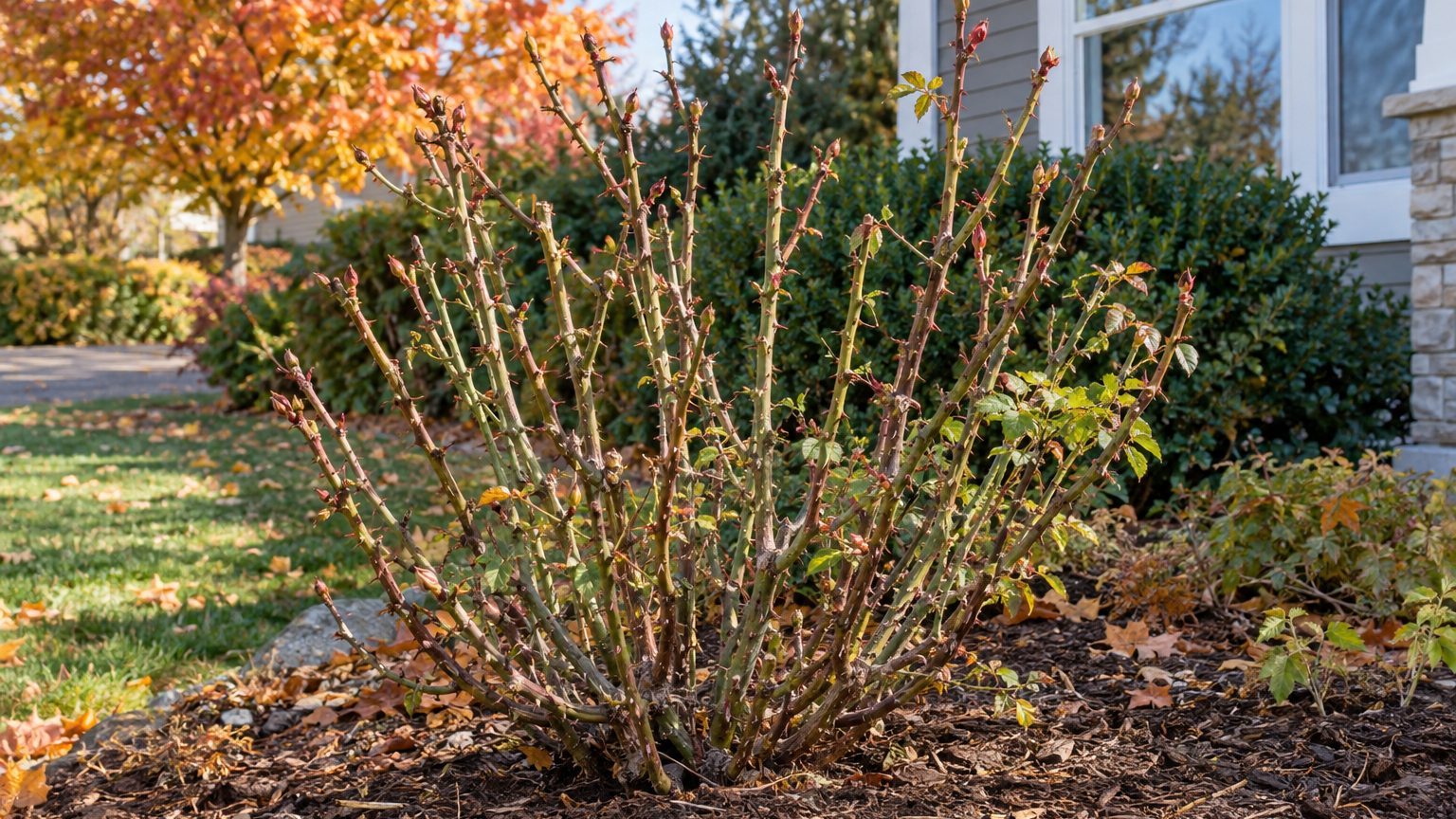
Rose canes at pruning time

Repeat-blooming roses are pruned in February or March, and April works as a later fallback. Portland and the rest of the Willamette Valley sit at the early end of that range, where pruning from mid-February to early March suits the plants as they wake.

Type of rose When to prune in Oregon Why
Hybrid teas, floribundas, modern shrub roses February to March, or April when forsythia is in bloom They flower on new wood, so a spring cut sets up the season’s growth
Once-blooming roses (old garden roses, ramblers, many climbers) Right after they bloom, never in early spring They flower once a year on last year’s wood, so a spring cut removes the buds

Pruning too early carries a cost. Cuts made before the last hard frost or a cold snap can bring dieback, which may require pruning again. The later you prune, the later your first bloom flush arrives.

How to Tell When Your Roses Are Ready to Prune

Buds and neighboring shrubs give better timing than a date on the wall, especially in a state where a coastal garden and a high-desert garden wake up weeks apart.

  • Swelling buds along the canes tell you the plant is starting to move, and that is the moment to cut just above an outward-facing bud.
  • Forsythia in full yellow bloom is a handy marker, and in central Oregon it tends to arrive in late April.
  • A hard frost that has come and gone, with no cold snap in the forecast, means new growth will not be nipped right after you cut.
  • Mulch mounded over the base for winter can come off as the weather warms, which also lets you see the canes clearly before you prune.
  • Canes that are still green inside and plump at the buds are alive, while brown, shriveled wood is dead and can be cut back to clean tissue.

If the buds have not moved and cold weather is still in the forecast, waiting a little longer costs the rose nothing.

Should You Prune Roses in Fall or Winter in Oregon?

Fall and winter are for light work only. Long canes that could whip in the wind can be shortened a bit, which keeps them from rocking the roots loose, and that is all. Hold off on any severe cutting until growth resumes in late winter.

The reason is simple: pruning stimulates new growth, and tender shoots pushed out in a mild spell are easy prey for the next cold night. Leave the shaping and the thinning for the February to March window described above.

Where winters are cold, November and December are the months to mound loose mulch such as shredded leaves, compost, pine needles, or sawdust over the base of tender roses. Wait until the plant is dormant and before a hard frost is expected. That is the advice for protecting tender shrubs, and the same logic suits Oregon gardens that get real cold.

How Rose Pruning Dates Shift Across Oregon

Oregon spans USDA hardiness zones 4a to 9b, so the calendar bends with where you live. Within the state, the shift runs in a clear direction.

  • Willamette Valley: Pruning comes early here, from mid-February to early March, once the weather favors growth. Portland is the reference point for the February to March months.
  • Central Oregon: This is high desert with a far shorter growing season, so pruning waits until late April, when forsythia blooms and the weather warms. Cutting sooner invites frost damage to new shoots.
  • Higher ground and colder pockets: Expect the later end of the range, since the same rule applies of waiting for swelling buds and a finished hard frost.

Late winter frost dates in Portland fall between March 6 and March 21, which is a reminder that a cold night can still arrive after the first buds swell, so watch the forecast before you cut.

Where to Get Rose Advice in Oregon

Oregon State University Extension publishes pruning and planting guidance written for the state’s growing conditions, including a publication on roses in central Oregon. Your county office can help with local questions.

  • The extension website carries pruning and bare-root planting guides, and late winter is the time to read them before you pick up the shears.
  • Your county extension office can speak to local conditions, so contact it before pruning if you are unsure how your site compares.

Common Questions

Can You Plant a Rose in Oregon in Summer?

Yes, with a potted rose. Bare-root roses go in during February or March, but potted plants can be planted later, into early summer, before the high heat of midsummer arrives.

When Should You Start Feeding Roses in Oregon?

Make the first feeding at bud break in spring; later feedings can continue through July, with August as a later option. Repeat regularly through the growing season, then stop in late summer as the roses begin to go dormant.

Which Roses Need the Least Care in Oregon?

Shrub and rugosa roses are often called hardy shrub roses and need less care than other types. Choose a variety suited to your USDA hardiness zone, and look for disease-resistant ones.

When to Plant Roses in Oregon: Dates and Varieties

When to Plant Roses in Oregon: Dates and Varieties

A bare-root rose goes into Oregon soil while it is still asleep, with bare canes and a clump of roots that wake up in the cool, damp ground. Potted roses give you more room to work with.

When to Plant Roses in Oregon

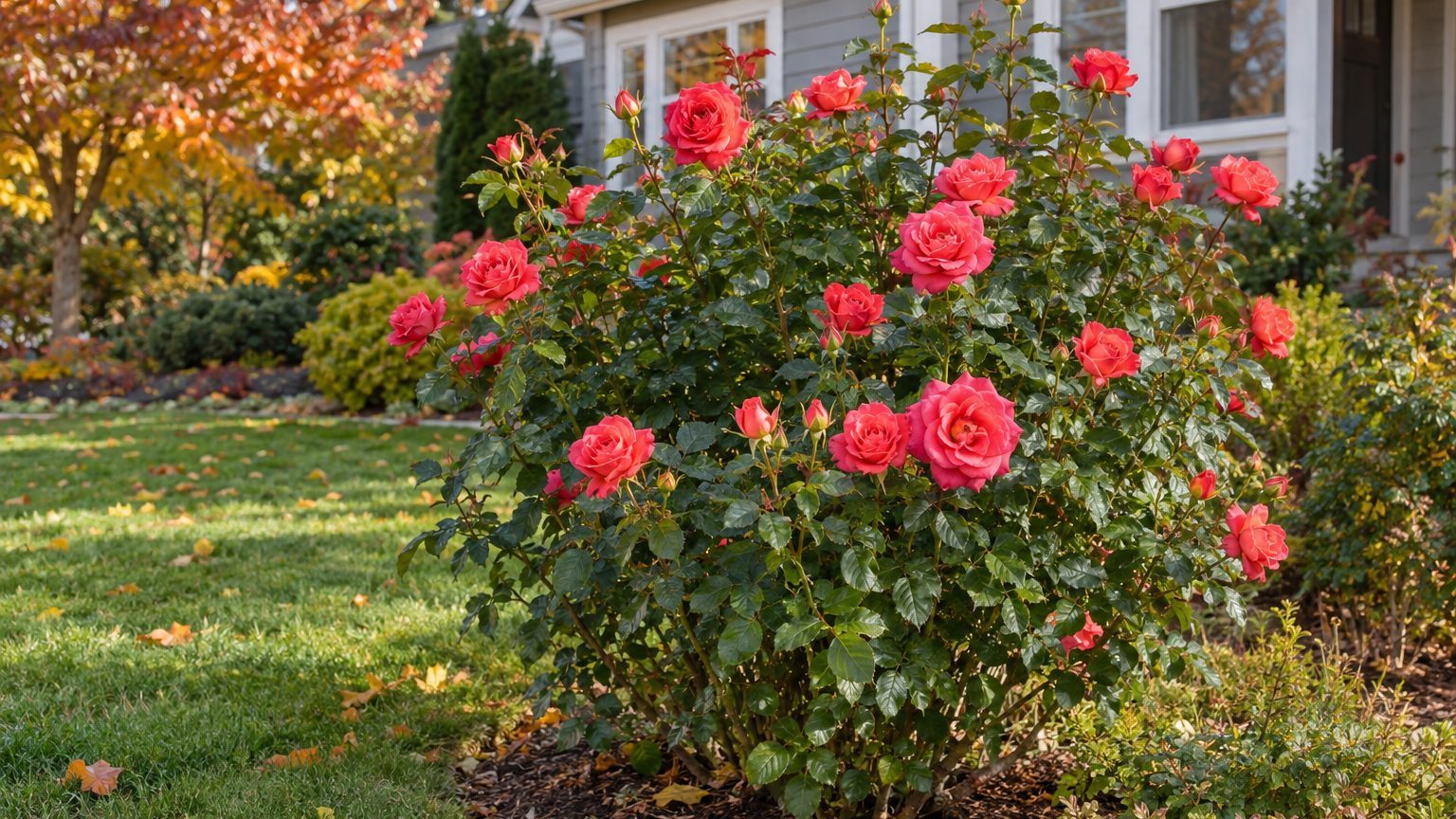
A rose bush in bloom in a home garden

Bare-root roses go in first, in February and March, and potted roses follow until early summer. These dates fit Portland, west of the Cascades, where the last spring frost falls between March 6 and March 21. Central and eastern Oregon are high desert with a much shorter season, so they run later.

  • In winter, a bare-root rose arrives dormant and leafless, and it should wait in a cool spot with its roots kept damp until the ground can be worked.
  • In February and March, plant bare-root roses while they are still dormant, so the roots can settle in before spring growth begins. April, May and June still work, though the plant has less time to establish before warm weather.
  • Through spring and into early summer, plant potted roses, which tolerate a later start because their roots are already growing. Early summer is better than midsummer, since young roots struggle once the heat arrives.
  • In summer, a rose planted that season needs regular watering while it builds roots. Fresh growth is tender, so a young plant is the one that suffers if a late frost arrives.
  • In Portland, the first fall freeze falls between November 11 and November 27, but winter protection should wait until the rose is dormant.

The hardiness zone for Oregon runs from 4a to 9b in the USDA system, a wide spread that depends on the average annual extreme minimum temperature. Check your own zone before you choose a variety.

Which Roses Grow Best in Oregon?

Tough, disease-resistant roses suit Oregon conditions, and checking the local hardiness zone helps narrow the choice. Shrub and rugosa roses ask for less care than other types, and they look like wild roses.

Hardy shrub roses, species roses and many old garden roses live through cold winters unharmed, which matters in the colder parts of the state.

Rose type How it does in Oregon Why
Shrub roses Hardy, with roselike blooms and scent They need less care than other roses
Rugosa roses Hardy, and look like wild roses They are counted among the hardy shrub roses
Species roses Live through cold winters unharmed They are hardy
Old garden roses Many are hardy through cold winters They flower once a year, on last year’s wood

Hybrid teas and floribundas are repeat-blooming and do well with regular pruning and feeding, though they need more attention than shrub types. Whatever you choose, look for disease-resistant varieties.

When to Prune, Feed and Protect Roses in Oregon

Pruning comes first in the year, then feeding, and winter protection closes it out. These months apply to repeat-blooming roses such as hybrid teas, floribundas and modern shrub roses.

Once-blooming roses flower once a year on last year’s wood, so prune them right after they bloom, never in early spring.

Task Best months in Oregon Why then
Pruning repeat-blooming roses February, March (April can also work) Cutting before the last hard frost can cause die-back that means pruning again. Pruning later delays the first flush of bloom.
Feeding March through July (August can also work) The first feeding comes at bud break, then regularly through the growing season.
Winter protection November, December Mound loose mulch over the base once the plant is dormant, in cold areas only.

Stop feeding in late summer as roses begin to go dormant, since fresh growth late in the season has no time to harden. Shredded leaves, compost, pine needles or sawdust all work as mulch. West of the Cascades, pruning falls from mid-February to early March, and in central Oregon it waits until late April.

How Rose Care Dates Change Across Oregon

The Cascades divide Oregon into sharply different growing seasons, and the dates above shift with where you garden.

  • Willamette Valley: Pruning runs from mid-February to early March, when the weather is mild enough for plants to start growing, and bare-root planting fits March.
  • Central Oregon: This is high desert with a far shorter season, so pruning waits until late April and spring work comes later than in the valley.
  • Eastern Oregon: The high desert climate also shortens the season here, so frost-sensitive new growth needs more caution and winter protection matters more.

When the forsythia blooms in your neighborhood, that is a good sign it is time to prune.

Where to Get Rose Advice in Oregon

Local help can confirm dates for your own yard, since conditions vary so much between the valley and the high desert.

  • Oregon State University Extension publishes guides on planting bare-root roses and on roses in central Oregon, worth reading before you buy plants.
  • Your county extension office can help diagnose a problem or arrange a soil test, ideally before planting.

Common Questions

Can You Plant a Rose in Summer in Oregon?

Potted roses can go in until early summer, before the heat of midsummer arrives. Bare-root roses are best planted while dormant in February or March, though April, May and June can still work.

Should You Mound Mulch Over Roses Every Winter in Oregon?

Mounding is for cold areas only, and it goes on in November or December once the plant is dormant. Milder spots in the valley may not need it.

When Should You Stop Feeding Roses in Oregon?

Feeding runs through the growing season and ends in late summer, as roses begin to go dormant. Late feeding pushes soft growth that winter can damage.

The almanac, state by state. Every date on this site comes from a state’s own frost facts and its extension service’s calendar — and says where it comes from.