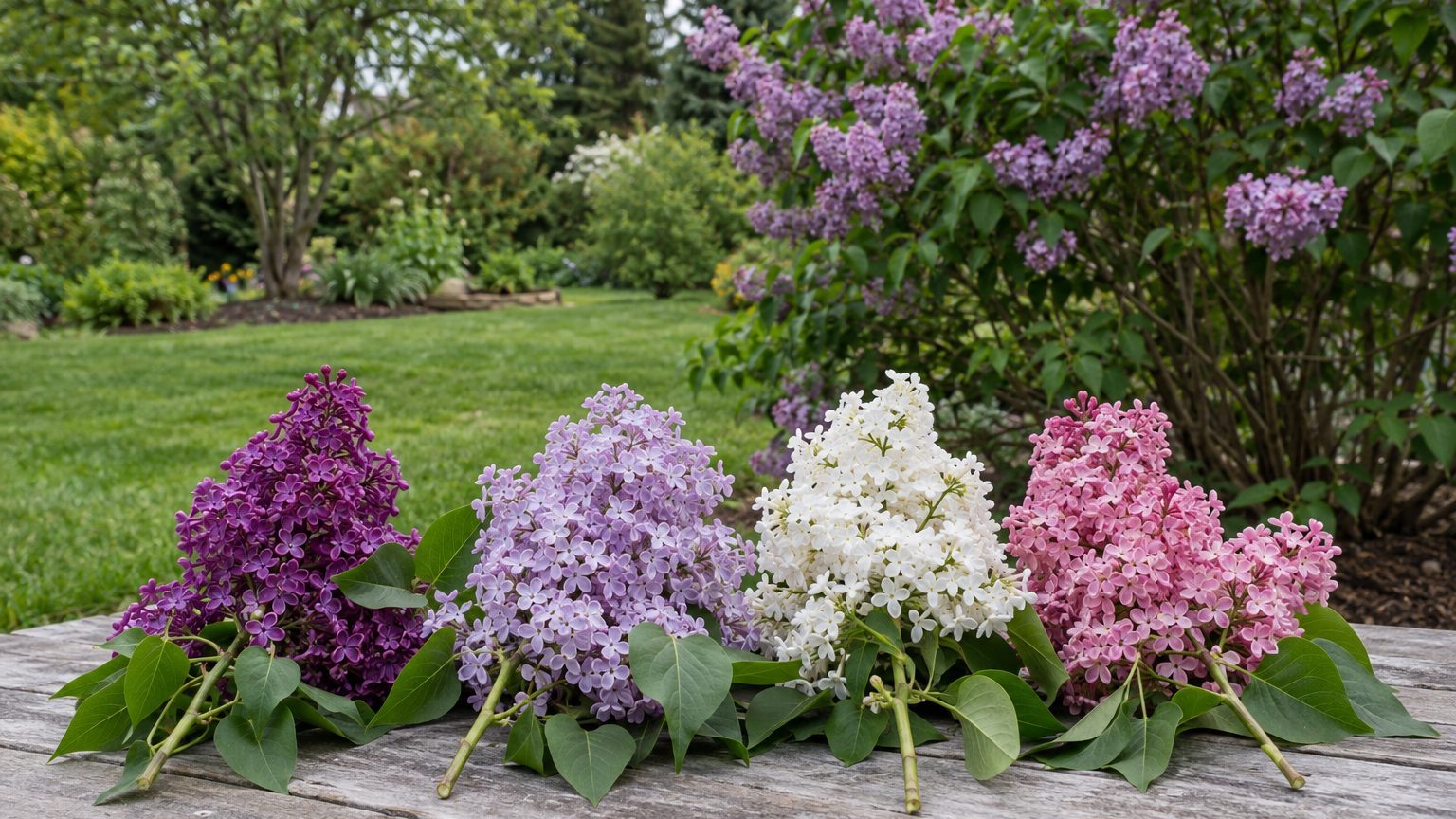
Lilacs sit in the yard all winter looking like bare sticks, then fill a Yukon June with fragrance. The cold is what they want, since they need a hard winter rest to set their buds. The real choice for a Yukon garden is which lilacs stay hardy enough and bloom at a good time.
Best Lilacs to Grow in Yukon

Yukon’s cold winters suit lilacs, but every cultivar needs a hardiness check; late-blooming, winter-hardy choices are a sound fit. Whitehorse sits in Canadian hardiness zone 1b, a separate system that does not convert to a USDA zone. Plant labels with a zone number deserve a second look for that reason.
Common Lilac

French lilacs are the selections of common lilac, Syringa vulgaris, and they are the best known of the group. Hundreds of cultivars exist, in many colors and floret shapes, so you can choose by fragrance and flower color.
Cold winters ripen their flower buds, which is why they suit a territory like this one. Check each cultivar’s hardiness before buying.
Sensation

Sensation has purple flowers edged with white, and it is a striking one. Like most common lilac cultivars, it is rated winter hardy to Zone 3 and is not the pick for colder areas.
In Yukon, that rating is a warning. Ask a local garden centre whether Sensation has a reliable local track record before buying it.
Late-Blooming Lilacs
A lilac valued for winter hardiness and a late bloom is a sound fit here. Late cultivars flower after the common lilac, usually in the second or third week of June in far northern gardens.
That timing helps a Yukon garden stretch the lilac season. A later bloom can help the flowers avoid an earlier cold snap.
Dwarf Korean Lilac
Syringa meyeri, the dwarf Korean lilac, is also called the little-leaf lilac. It usually grows about 1.5 m (5 ft.) tall and just as wide, which keeps it manageable near a walkway.
It is a profuse bloomer with small, elegant violet flowers. Breeders use it often because it is reasonably small and compact, and some plants reach 2.4 m (8 ft.), so leave room.
Yukon — the year and the numbers
- State
- Yukon
- Hardiness zones
- 1b
- Last spring frost
- June 5
- First fall frost
- August 25
- Annual rain
- 10 in
- Lawn zone
- cool-season
- Source
- Environment and Climate Change Canada — Canadian Climate Normals 1981-2010, station WHITEHORSE A · Whitehorse
How to Choose a Lilac for a Yukon Garden
Start with how cold your spot gets, then think about space and when you want flowers. Lilacs do best in cold-winter climates, so Yukon’s winter is working for you.
Be clear about the number on a plant tag. A USDA Zone 3 rating from a nursery is not the same thing as the Canadian zone 1b given for Whitehorse, and the two cannot be swapped.
| Your situation | What suits it in Yukon | Why |
|---|---|---|
| Very cold winter spot | A late-blooming, winter-hardy lilac | Its USDA Zone 3 label does not establish hardiness in the Canadian system |
| Small space | Dwarf Korean lilac | Its compact size is useful, but its hardiness still needs local confirmation |
| Want flowers after the common lilac | Late cultivars | They bloom in the second or third week of June |
| Need a cold winter rest for buds | French lilacs, common lilac selections | Cold winters mature the flower buds |
Short summers make bloom timing and local hardiness worth checking before you choose a cultivar.
Which Lilacs Suit Different Parts of Yukon
Yukon is large, and gardens differ from one district to the next. The main shift is toward hardier choices as you move into colder ground.
- Whitehorse: The last spring frost falls on average around June 5, and in one year out of two it comes later. Treat that as the middle of a window, and plant lilacs that can take a late cold snap.
- Dawson City and other northern or upland districts: Spring runs weeks behind Whitehorse here. Lean toward winter-hardy late bloomers and ask a local garden centre which cultivars have a proven local record.
In a sheltered Whitehorse yard you have more room to try cultivars. Farther north, hardiness decides first.
Lilac Buying Mistakes to Avoid in Yukon
Choosing a Fragile Cultivar
Sensation is the classic trap. It looks wonderful on the tag, but its Zone 3 rating cannot be compared directly with Whitehorse’s Canadian zone, so it does not prove local hardiness.
Pick a winter-hardy, late-blooming lilac for cold spots, and buy Sensation only if a local garden centre can confirm a reliable local track record.
Trusting the Wrong Zone Number
A nursery tag may carry a USDA zone, while Whitehorse is rated in the Canadian system as zone 1b. The two systems cannot be converted, because the Canadian one weighs seven climate variables.
Ask the seller which system the number belongs to, and favor plants known to do well in cold northern gardens.
Ignoring Adult Size
A lilac in a small pot looks harmless. Even the compact dwarf Korean lilac usually reaches 5 ft. tall and wide and sometimes 8 ft., so a plant set close to a window or a path soon crowds it.
Read the mature size before planting. An overgrown shrub can be cut back hard in late winter, but it will not flower for a few years afterward.
Where to Get Lilac Advice in Yukon
Yukon has no local guidance written on lilac timing, so the months here follow the nearest comparable climate, and local confirmation is worth having.
- Agriculture and Agri-Food Canada, linked here as Agriculture and Agri-Food Canada, offers general plant and growing information from the federal level.
- A local garden centre can tell you which lilacs have lived through recent Yukon winters, so ask before you buy.
- A garden society or territorial gardening group can confirm local bloom and pruning timing, so reach out before you plant.
Common Questions
When Do Lilacs Bloom in Yukon?
Most flower in June. Some gardens see the first blooms in May, and late cultivars come after the common lilac.
When Should You Prune Lilacs in Yukon?
Prune in June or July, right after the flowers fade. Lilacs bloom on last year’s wood and set next year’s buds in summer, so pruning in late summer, fall or winter cuts off the next spring’s flowers.
Is the Last Spring Frost Date Safe for Planting Lilacs?
No. The June 5 average at Whitehorse is only the midpoint of a window. In one year out of two, frost arrives later, and northern or upland districts run weeks behind.