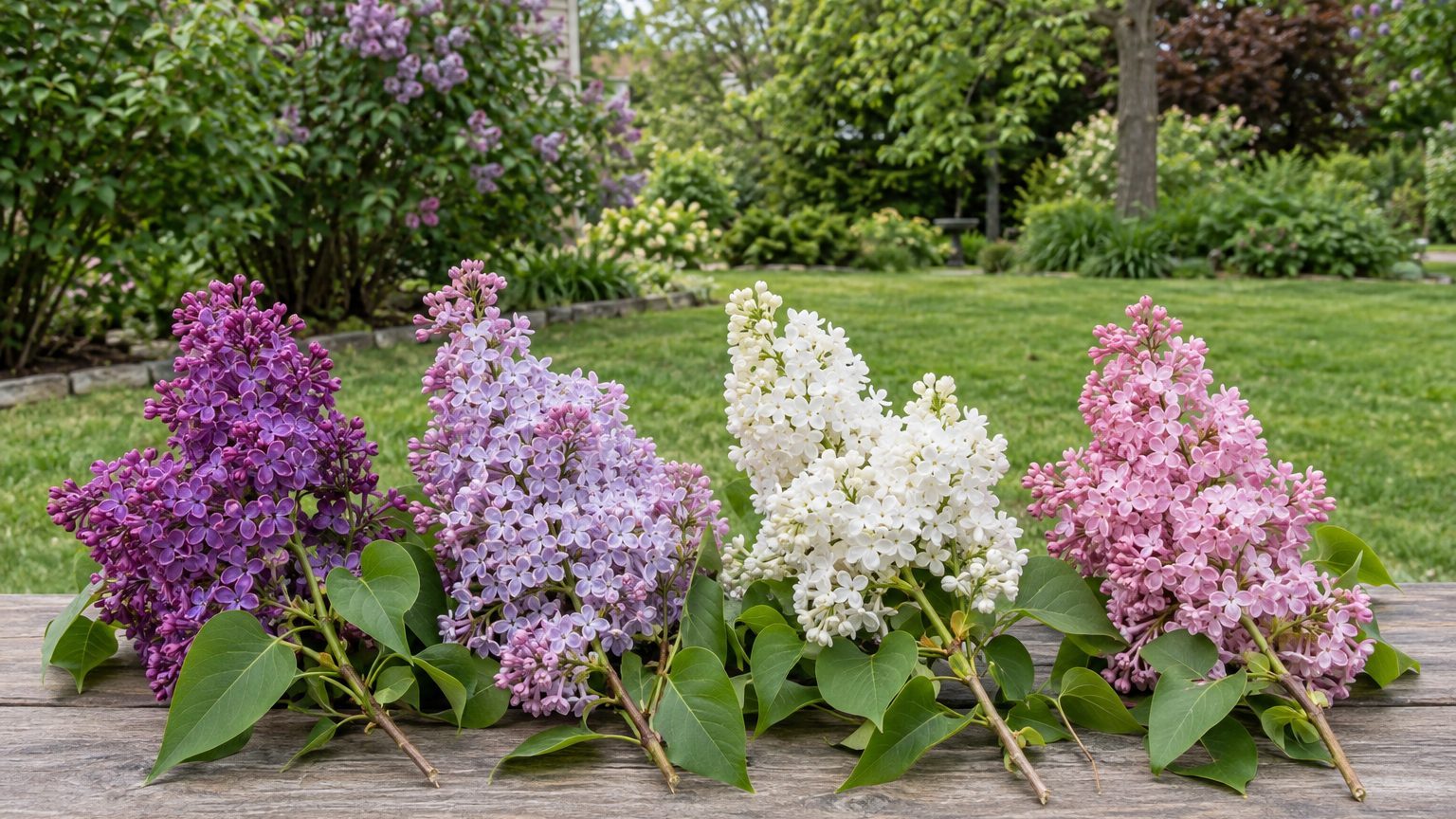
Lilac bloom follows the local spring in New Mexico, but where winters stay mild, the shrubs may flower poorly or not at all because their buds need a cold rest. Cold, high-elevation gardens suit classic lilacs, while hot lowland yards do better with heat-adapted types. Picking the right type before you plant makes the rest of the job easier.
Best Lilacs to Grow in New Mexico

Lilacs that handle real winter cold and tolerate summer heat do well here, and the hot, low parts of the state are too warm for the old-fashioned common lilac. For those yards, the better choices are Southern lilacs, Descanso hybrids and heat-tolerant selections like Superba. Higher, cooler gardens can grow a wider range.
Common Lilac

This is the classic fragrant lilac, and it asks for a cold winter rest to mature its flower buds. It suits colder climates and languishes in areas with intense summer heat. Plant it in the cold parts of New Mexico, not the hot lowlands.
Southern Lilacs

Plants sold as Southern lilacs, or lilacs for the South, bloom early and usually grow and flower in warm climates. They are not as fragrant as the lilacs you may remember. Choose them for mild or hot yards where common lilac sulks.
Descanso Hybrids
Some of the Descanso hybrids are worth trying in a warm climate. They include the white Angel White, the blue Blue Boy and the pink California Rose. Even low-chill lilacs flower best after a cold winter, so expect better bloom in cooler spots.
Meyer Lilac
The Meyer lilac is a slow-growing, broadly rounded shrub with dense foliage. It stays compact, which makes it a good fit for small yards and foundation beds. Give it room to spread rather than squeezing it against a walkway.
Superba Lilac
The cultivar Superba is heat tolerant and mildew resistant, with dark pink, single flowers. That combination matters in warm, humid stretches of summer, when powdery mildew can ruin common lilacs. It is a sensible pick when summer heat, not winter cold, is your main worry.
Hyacinthiflora Hybrids
These vigorous hybrids look like French lilacs but bloom earlier. That head start is a risk where late frosts hit, and Albuquerque’s last spring frost falls between March 31 and April 12. Suburban and higher gardens see it later, so check your county before choosing. Assessippi, Maiden’s Blush and Pocahantas are cultivars to look for.
New Mexico — the year and the numbers
- State
- New Mexico
- USDA zones
- 4b-9a
- Last spring frost
- March 31 to April 12
- First fall frost
- October 29 to November 9
- Annual rain
- 9 in
- Lawn zone
- transition-season
- Source
- NOAA NCEI U.S. Climate Normals 1991-2020, 32F freeze probabilities · Albuquerque
How to Choose a Lilac for a New Mexico Garden
New Mexico spans hardiness zones 4b to 9a in the USDA system, so a lilac that thrives in one yard can fail in another. Match the plant to your winter and summer first, then to your space.
| Your situation | What suits it in New Mexico | Why |
|---|---|---|
| Very cold winter | Common lilac, own-root plants | Lilacs on their own roots are far more hardy than grafted lilacs |
| Hot, humid summer | Superba or Descanso hybrids | Heat tolerance and mildew resistance, or breeding for warm climates |
| Small space | Meyer lilac | Stays compact |
| Mild winter | Southern lilacs | They usually grow and bloom with little chilling, though with less fragrance |
| Frosts after bud swell | Common or Meyer lilac instead of early bloomers | Hyacinthiflora hybrids bloom earlier and suit places with fewer late frosts |
| Need for cold | Common lilac in cold gardens | Even low-chill lilacs perform best after an extended, cold winter rest |
If you want a long show of flowers, mix species. Mixing lilac species can extend the bloom season.
Which Lilacs Suit Different Parts of New Mexico
Elevation does most of the sorting here, because cold winters and cooler summers favor classic lilacs, while heat favors the tolerant types.
- Northern mountains around Santa Fe and Taos: Colder winters give common lilacs the rest they need, so this is a good setting for the fragrant classics. Early bloomers need more caution where late frosts linger.
- Albuquerque and the Rio Grande Valley: Summers are hotter, so heat-tolerant selections like Superba and compact Meyer lilacs make the safer bets, with common lilac possible in cooler pockets.
- Las Cruces and the southern desert: Heat is a real challenge for lilacs here, so Southern lilacs and Descanso hybrids are the plants to try, and bloom will be lighter than in colder places.
Check your own elevation and your county’s frost timing before you commit to any type.
Lilac Buying Mistakes to Avoid in New Mexico
Grafted Plants in Cold Spots
A grafted lilac is less hardy than one on its own roots, and in a cold garden that difference can mean dieback after a hard winter. Ask whether the plant is grown on its own roots before you buy.
Chill-Hungry Varieties in Mild Spots
Buying a common lilac for a hot, low-elevation yard usually ends in a leafy shrub with few flowers, plus powdery mildew in humid heat. Choose Southern lilacs, Descanso hybrids or Superba instead, and accept that blooms may be lighter than in a colder garden.
Unknown Adult Size
A small pot hides a big plant. The Early lilac grows tall and flowers in shades of purple, while the Meyer lilac stays compact. Read the tag for mature height before picking a spot, and plant by the size the shrub will become.
Where to Get Lilac Advice in New Mexico
Local growing conditions vary so much across the state that nearby advice beats general rules. The state’s land-grant extension service and your county office can tell you which lilacs do well in your elevation.
- The New Mexico State University extension network offers plant guides and gardening resources, so look there before you shop for a variety.
- Your county extension office can tell you about local frost timing and soil, so call before you plant.
Common Questions
Are Southern Lilacs as Fragrant as Common Lilacs?
Not quite. Southern lilacs usually grow and bloom in warm climates, but they are not as fragrant as the common lilacs most people remember.
Can You Stretch the Lilac Bloom Season?
Yes. Lilac species flower at different times, so mixing them can extend the bloom season.
When Should You Prune Lilacs in New Mexico?
Prune right after the last flowers fade. A lilac blooms on last year’s wood and sets next year’s flower buds in summer, so pruning in late summer, fall or winter cuts off the next spring’s flowers.