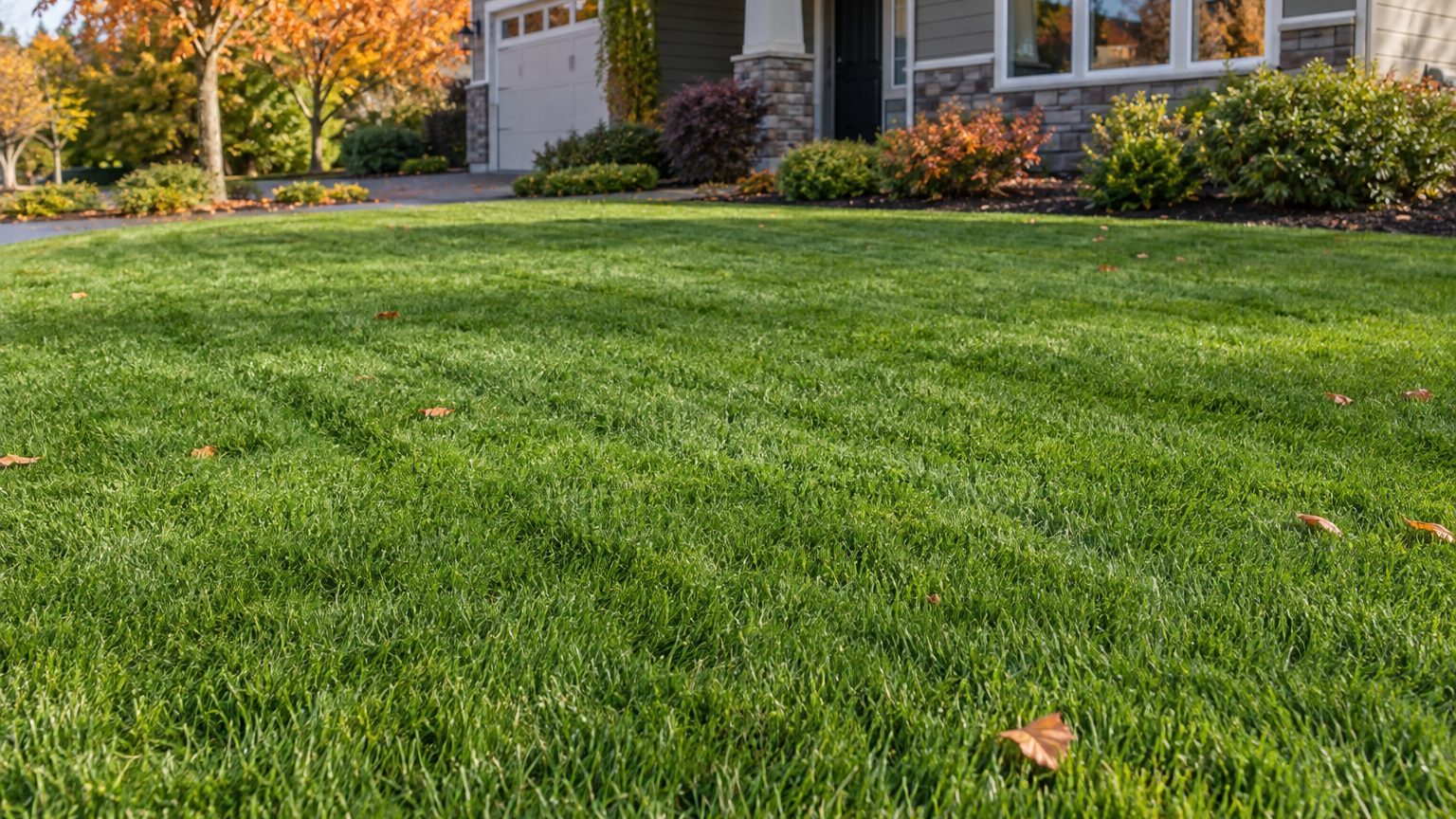
A Willamette Valley lawn can stay green, soft underfoot and often wet through the mild season. Oregon grass rarely goes fully dormant on the west side, which shapes everything about the yard here: the work happens in mild, damp seasons, and summer is when the lawn needs help.
Frost Dates and Growing Season in Oregon
In Portland, a reference point west of the Cascades, the last spring freeze usually falls between March 6 and March 21, and the first fall freeze between November 11 and November 27. Those dates mark frost risk, not the day grass starts or stops. Growth follows soil warmth, and Oregon spans USDA zones 4a to 9b, so other parts of the state differ a lot.
- In late winter in Portland, the last freezes are still possible into March 21, so hold off on seeding bare patches until the cold nights pass and tender seedlings will not be nipped.
- In April and May, the soil warms and growth picks up. Crabgrass preventer goes down in April (May still works), and core aeration also works in either month if you missed fall.
- From June through August, the lawn slows with the heat and dry weather. This is the stretch when watering matters most, and dethatching fits in August.
- In September, the soil is still warm and the nights cool down. Seeding, aerating, dethatching and fertilizing all land here, with roots getting a long runway before the first fall freeze.
- In October and November, mowing continues as long as the grass grows. A November feeding fits before the first freeze arrives, between November 11 and November 27 in Portland.
Because mowing is on the calendar from April through November, the west side lawn asks for attention well beyond summer.
Oregon — the year and the numbers
- State
- Oregon
- USDA zones
- 4a-9b
- Last spring frost
- March 6 to March 21
- First fall frost
- November 11 to November 27
- Annual rain
- 37 in
- Lawn type
- cool-season
- Source
- NOAA NCEI U.S. Climate Normals 1991-2020, 32F freeze probabilities · Portland
Cool-Season or Warm-Season Grass in Oregon?
Cool-season grass is the answer. Oregon winters are too cold and wet for warm-season turf to hold its color, while cool-season species stay green through mild months and recover when fall rain returns.
The real stress is summer dryness. Species differ in how well they ride it out, which is why watering from June through August carries so much weight.
| Grass | How it does in Oregon | Why |
|---|---|---|
| Kentucky bluegrass | Dense, good-looking turf | Spreads to fill gaps, but wants regular summer water |
| Perennial ryegrass | Quick to sprout | Fills in fast after fall seeding |
| Tall fescue | Holds up through dry spells | Deep roots reach moisture lower in the soil |
| Creeping red fescue | Fine-textured, low-fuss | Copes with less feeding and lighter soils |
Chewings and hard fescue, the other fine fescues, behave much like creeping red fescue and often show up in blends. Many seed mixes combine several of these so one grass covers for another.
When to Seed, Fertilize and Aerate a Lawn in Oregon
Early fall is a busy stretch for lawn work, because warm soil and returning rain help seed and roots settle in. Spring offers another workable window for most jobs.
| Task | Best months in Oregon | Why then |
|---|---|---|
| Seeding | August, September | Warm soil sprouts seed fast, and roots form before cold |
| Core aeration | September | Grass recovers and fills the holes while still growing |
| Fertilizing | September, November | Feeds roots as top growth slows |
| Dethatching | August, September | Seed and recovery follow right behind |
| Crabgrass preventer | April | Goes down before the weed seeds sprout |
| Watering | June, July, August | Summer dryness puts the lawn under stress |
If you miss the fall window, seeding and aeration also work in April and May, and fertilizing works in May. Crabgrass preventer still works in May if April slips by, and dethatching also works in April.
Lawn Problems to Watch for in Oregon
Brown Patches in Summer

Straw-colored areas that appear in July and August, especially on slopes and along sunny edges, usually signal dry soil rather than disease. Water deeply during June, July and August so moisture reaches the roots, and let tall fescue lawns lean on their deep roots.
Moss in Shady Spots
Green carpet creeping across thin turf in the shade, with soggy ground underneath, tells you the grass is losing to the wet climate. Moss thrives where light is poor and soil stays damp for long stretches. Improve drainage with core aeration in September, and reseed with a shade-tolerant fine fescue blend.
Thinning Turf After Winter
Grass that looks sparse and uneven by spring, with bare spots and compacted soil, often needs a refresh. Aerate and overseed in the windows above, then feed in fall so the lawn goes into the wet months with strong roots.
How Lawn Care Dates Change Across Oregon
Oregon is really several climates, and the Cascades divide them. The dates above fit the west side, and they shift as you move.
- Willamette Valley: Mild winters give the Willamette Valley a long growing season, and fall seeding gets ample time to root before cold.
- Oregon Coast: Cool, damp air keeps the season gentle but slows summer warming, so moss and constant moisture are more common than drought stress.
- Bend and Central Oregon: High desert elevation brings a much shorter season and colder nights, so spring work starts later and fall work wraps up sooner.
- Eastern Oregon: Cold winters and dry summers push the calendar later in spring and earlier in fall, and irrigation matters more.
Treat the Portland dates as a starting point, then nudge them later in spring and earlier in fall the higher and farther east you go.
Where to Get Lawn Advice in Oregon
Local conditions vary enough that a nearby expert saves guesswork. Oregon State University Extension publishes lawn guidance written for the state’s climates, and every county has an office behind it.
- Check the extension website for seeding, moss and watering guidance before you buy seed or products.
- Contact your county extension office for a soil test or to help identify a lawn problem, ideally before the September seeding window.
Common Questions
Can You Seed a Lawn in Oregon in Spring?
Yes. April and May both work for seeding, though fall gives seedlings a gentler run before summer heat.
Do Oregon Lawns Need Watering in Summer?
Usually yes. June through August is when watering matters, since rain is scarce and cool-season grass slows or browns without it.
Is a Green Lawn in Winter Normal in Western Oregon?
It is. Cool-season grass stays green through mild west side winters, which is why mowing runs from April through November.