Skip to content

Sharifa Asma Rose: Size, Zones, Pruning and Care

Sharifa Asma Rose: Size, Zones, Pruning and Care

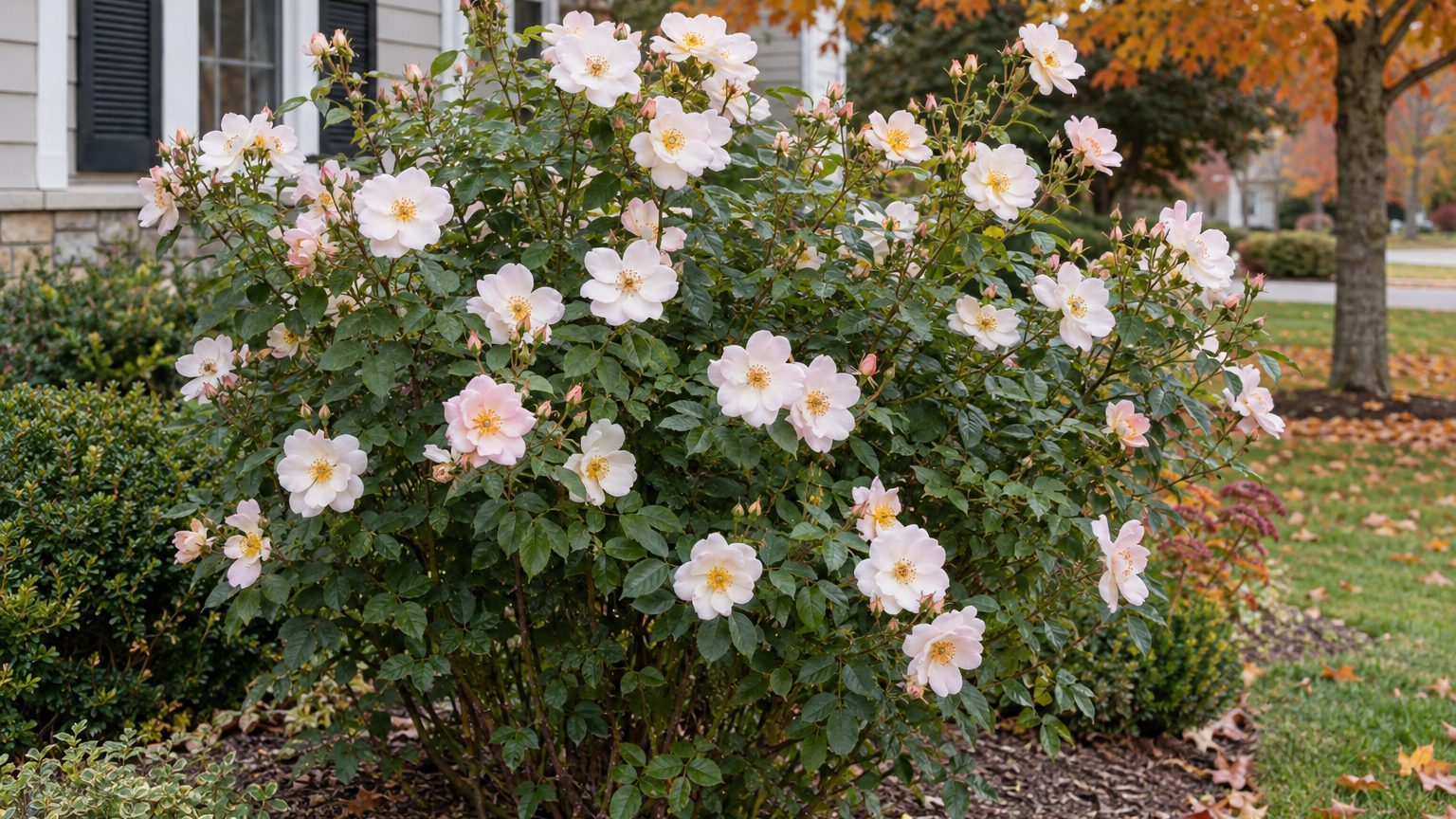
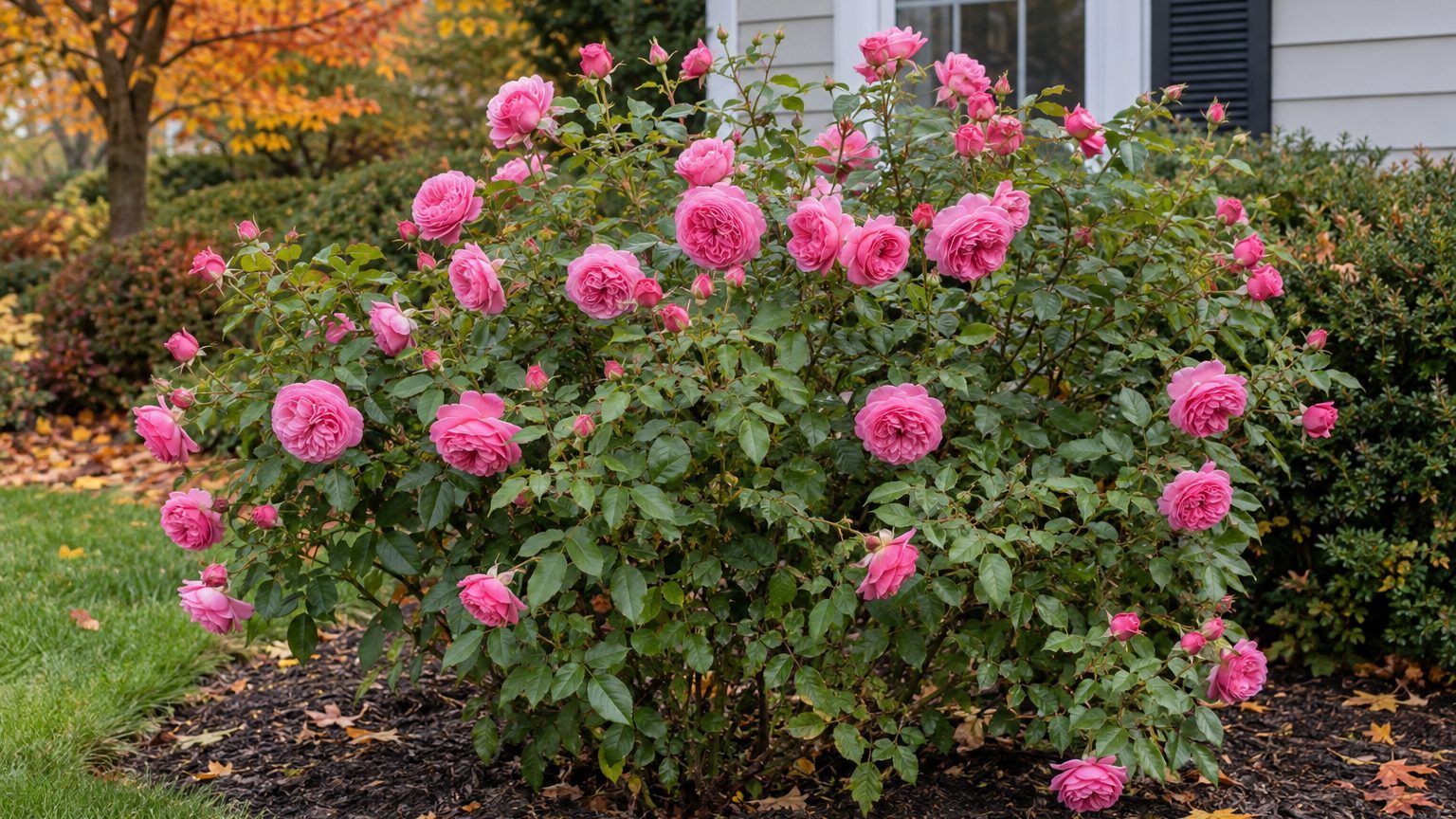
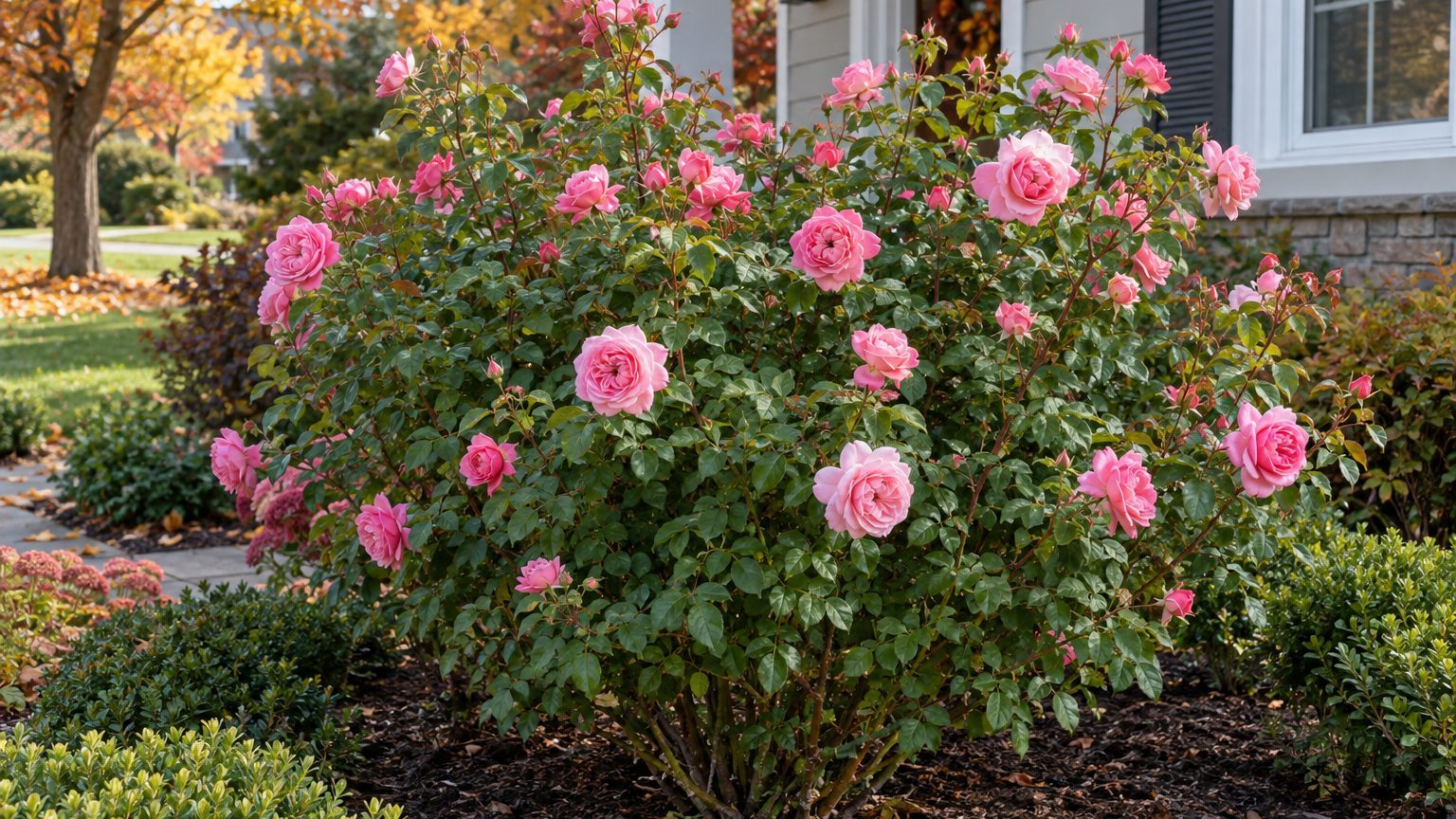
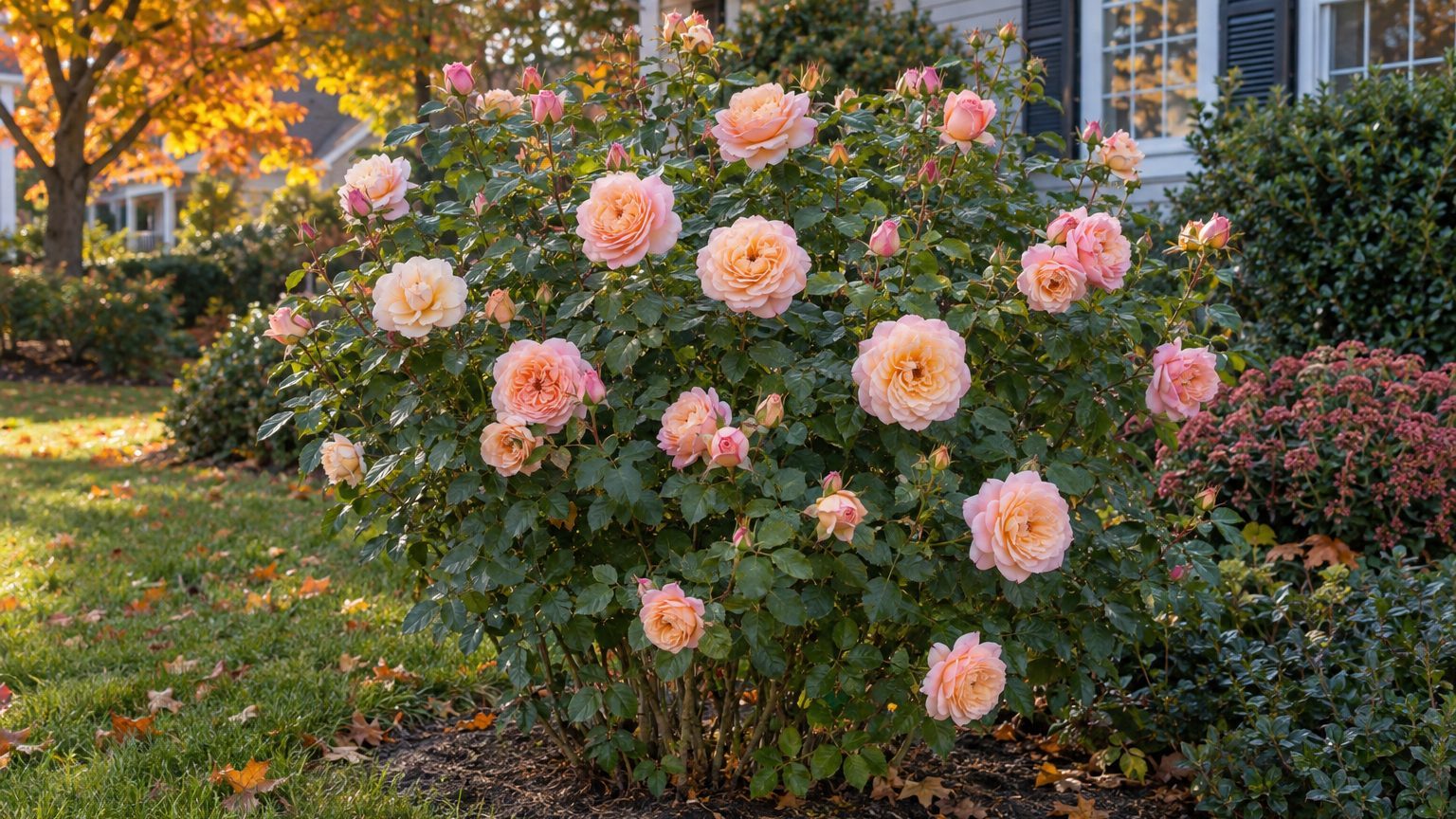
Pale pink buds open into cupped blooms with cream edges, and by the time the petals drop they have faded to white. A few habits decide how well it does in your yard.

What Is the Sharifa Asma Rose?

Sharifa Asma is a hybrid English shrub in the rose family, bred by David C. H. Austin of the United Kingdom in 1989. It grows as a bushy, medium-sized shrub rather than a climber or a tight little bedding rose.

Plan for a plant that reaches 4-6 feet tall and 2-4 feet wide. The flowers measure 3-4 inches across, start light pink with cream edges and fade to white.

The scent is medium to strong, with old rose, myrrh and a fruity note running through it.

Where Does the Sharifa Asma Rose Grow Best?

This rose is listed for USDA Plant Hardiness Zones 5a, 5b, 6a, 6b, 7a, 7b, 8a, 8b, 9a and 9b.

  • Upper Midwest: southern Wisconsin and lower Michigan sit near the cold edge of the range, so a sheltered spot helps. Check the plant tag for the mature size and hardiness zones.
  • Mid-Atlantic and Ohio Valley: Check your local hardiness zone against the cultivar’s listed zones before planting.
  • Check with your local county or provincial extension office for regional suitability.

The state selector rendered just below this section leads to the page for your state.

How to Care for the Sharifa Asma Rose Through the Year

Waking Up

Waking Up — Sharifa Asma Rose: Size, Zones, Pruning and Care

As the weather warms, buds swell along the canes and new shoots push out. Choose a spot that gets plenty of sun, and keep the soil evenly moist as the first leaves open, since the plant is building the new wood that will carry flowers.

Pruning

Pruning — Sharifa Asma Rose: Size, Zones, Pruning and Care

Prune in late winter. Remove dead or diseased canes first, then shorten the rest to keep the shrub within its 4-6 feet of height. Keep the cuts focused on dead or diseased canes and on controlling the shrub’s size.

Bloom

Flowers arrive in flushes from late spring to frost. They appear singly or in small clusters. Trim spent flowers as they fade to encourage the next flush.

Summer

Heat is when the repeat bloom needs the most support. Water deeply at the base rather than overhead, and a layer of mulch keeps the roots cool and the soil from drying out between waterings.

Fall

Blooming continues until frost, so there is no need to stop deadheading early. After the last flush, clear fallen leaves from around the base and leave the heavy cutting for late winter.

Winter

An in-ground rose may still need winter protection where local conditions call for it. A rose grown in a container is different and needs winter protection, such as moving the pot against a sheltered wall or wrapping it.

Sharifa Asma Rose Diseases and Weak Points

Winter protection and size control are the practical issues to plan for. A container offers the roots less insulation than open ground, and a bushy shrub left unpruned grows beyond its place.

The right response depends on the issue.

Threat How Sharifa Asma handles it
Winter cold in a container Needs winter protection
Dead or diseased canes Removed in late winter pruning
Growing too large Size controlled by late winter pruning

Cut back until the center looks healthy.

Is the Sharifa Asma Rose Right for Your Yard?

It suits a yard with a sunny bed that has room for a shrub 4-6 feet tall, and a gardener willing to prune regularly and deadhead during the season. It is a poor fit for a narrow strip or a deep-shade corner.

  • Plant it near a path, patio or window, where the medium to strong fragrance reaches you from late spring to frost.
  • If your winters fall colder than zone 5a, a container-grown plant still needs winter protection.
  • Choose your state in the selector to open its page, then mark the late winter pruning months on your calendar.

Common Questions

Can Sharifa Asma Grow in Light Shade?

Yes. It grows in full sun to light shade.

Are the Flowers Single or in Clusters?

Both happen on the same shrub. Blooms appear singly or in small clusters, so you can cut a stem with one flower or a few.

How Full Are the Sharifa Asma Flowers?

They are fully double and cupped, with 40-90 petals each. That fullness gives the bloom its rounded shape as it opens from pink to white.

Sally Holmes Rose: Size, Zones, Pruning and Care

Sally Holmes Rose: Size, Zones, Pruning and Care

Come early summer, a Sally Holmes rose covers itself in broad clusters of peachy buds that open cream and fade to white. This vigorous rose can fill an open bed or climb a support with broad clusters of changing color.

What Is the Sally Holmes Rose?

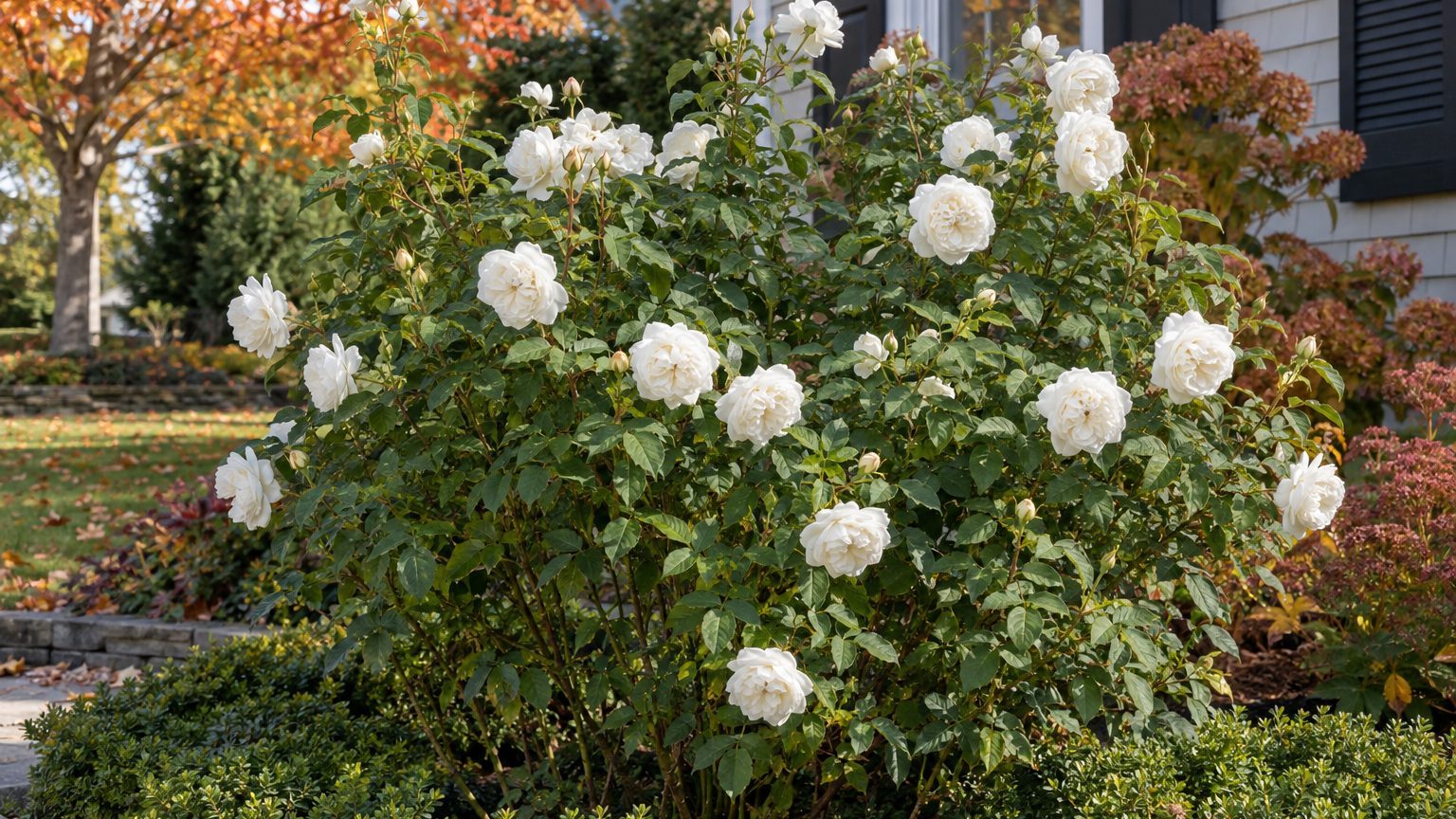
Sally Holmes is a hybrid musk rose that behaves as a large shrub or a small climber. Its flowers are single, with 4-8 petals, and they open in big clusters. The buds start soft peachy pink, open a creamy cantaloupe shade, and age to white, with gold stamens at the center.

In Pacific Northwest gardens it reaches 8-10ft. high. The spread there is 6-7ft., which tells you to leave real room around it. Elsewhere, mature height is given as 6-12 feet, so check the plant tag for the size in your region.

That size gives it several jobs in a yard:

  • A climber on a fence or wall
  • A pillar rose beside a path or entry
  • A tall shrub that runs between other perennials

Where Does the Sally Holmes Rose Grow Best?

Sally Holmes is rated for USDA zones 5 – 9. It is vigorous, repeat-flowering, and resistant to disease.

  • Puget Sound and the Willamette Valley: It stays vigorous and keeps repeating in a region where damaging rose diseases are common.
  • Upper Midwest and Great Lakes: check with your local county or provincial extension office for zone guidance.
  • Gulf Coast: check with your local county or provincial extension office for zone guidance.

Check with your local county or provincial extension office to see if your area falls within the range. The state selector just below this section takes you to the page for your own state.

How to Care for the Sally Holmes Rose Through the Year

Spring

Spring — Sally Holmes Rose: Size, Zones, Pruning and Care

Watch the canes as the weather warms. Once buds swell and leaves begin to show, you can see which canes came through winter alive and which dried out.

Pruning

Sally Holmes flowers prolifically and repeat-blooms.

Bloom

The first flush arrives in early to mid summer, with the clusters opening peach and cream. Flowers on one stem fade at different times, so a cluster often holds several colors at once.

Summer

Between flushes, the job is steady water at the base and a thick mulch layer. Skip overhead watering where you can, since wet leaves invite trouble even on a resistant rose. Keep an eye on long new canes and tie them in before wind whips them.

Autumn

A second round of flowers comes in early autumn, and the bloom season runs from June to October in many gardens. Keep deadheading through that flush. Stop feeding once the weather cools, so the canes harden and are not pushed into soft new growth.

Winter

Sally Holmes Rose Diseases and Weak Points

Disease is where this rose earns its reputation. In the Pacific Northwest, it does not succumb to the damaging diseases that plague roses in the region.

Sally Holmes handles a number of common rose problems well.

Threat How Sally Holmes handles it
Black spot Resistant
Mildew Resistant
Damaging rose diseases of the Pacific Northwest Does not succumb to them

The weak points are mostly about space and fragrance. It needs room to reach its full size, and a plant that large needs a sturdy support if you train it upward. The scent is only slight, so look elsewhere if you want a rose you can smell from across the yard.

Is the Sally Holmes Rose Right for Your Yard?

It suits a yard with a wall, fence or open bed to fill, and a gardener who wants a repeat-blooming, disease-resistant rose. It is a poor fit for a small patio pot, or a spot where you want strong fragrance.

  • Pick a spot with room for a plant that grows tall, then leave space around it so air can move.
  • Look at your state page for the pruning and planting months that fit your climate.
  • Set up a trellis, fence wires or a pillar if you want to grow it as a climber.

Common Questions

Does the Sally Holmes Rose Have a Scent?

Only a slight one. It will not perfume a whole patio, but it is gentle enough to sit beside without being overwhelmed.

What Do the Flowers Look Like Up Close?

Each bloom is single with 4-8 petals, buff to creamy white, with gold stamens in the middle. They open in large clusters, so the effect is of a mass of flowers rather than individual roses.

Does Sally Holmes Need Staking to Climb?

Yes. It can be grown as a climber if properly staked, so give the canes a fence, trellis or pillar to lean on and tie them in as they lengthen.

Pierre de Ronsard Rose: Size, Zones, Pruning and Care

Pierre de Ronsard Rose: Size, Zones, Pruning and Care

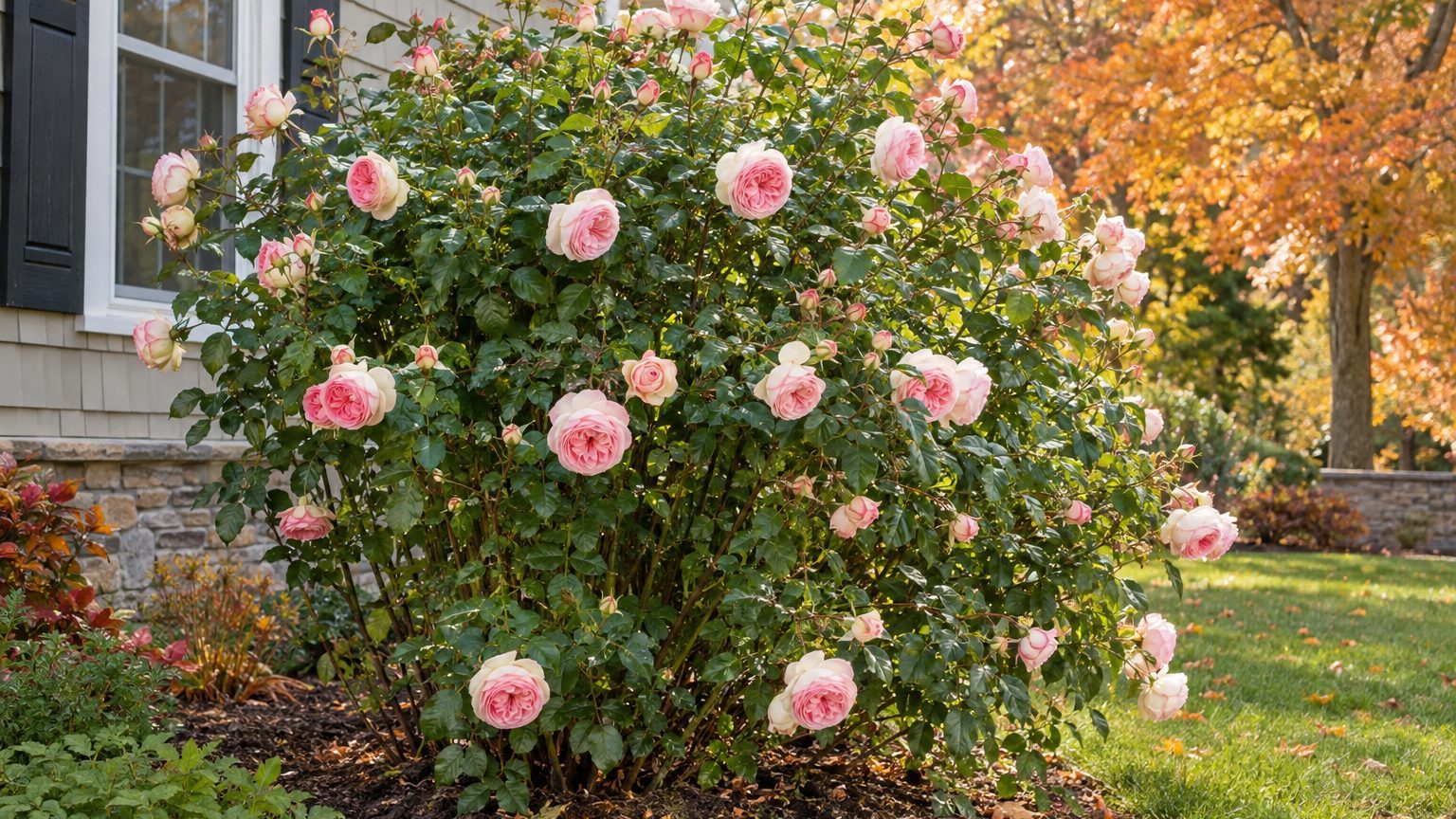
A heavy flush of cupped, pink-blushed blooms in spring gives this climbing rose a strong presence on an arch or pillar. Pierre de Ronsard repeats its bloom through fall, bringing color and fragrance to a vertical space.

What Is the Pierre de Ronsard Rose?

Pierre de Ronsard is a shrub or climber in the rose family, bred by Marie-Louise Meillan and introduced in France in 1985. It is sold under other names too, including Eden rose and Eden Climber. Grown on a trellis, it behaves as a climber.

The double flowers are pink blended with white, 3-4 inches across, and packed with 40-70 petals. They are fragrant and cut well, so a few stems indoors cost the plant little.

Height runs from 4 feet as a bushy shrub to 20 feet on a support, with a width of 5-6 feet. Check the plant tag, and plan the wall or arch before you plan the hole.

Where Does the Pierre de Ronsard Rose Grow Best?

This rose is rated for USDA plant hardiness zones 5a, 5b, 6a, 6b, 7a, 7b, 8a, 8b, 9a, and 9b. Local conditions inside that range still change how it behaves, so think about winter cold and summer humidity in your part of the state.

  • Upper Midwest and New England: zone 5a sits at the cold edge of its range.
  • Mid-Atlantic and the Southeast: Check your local USDA plant hardiness zone before planting. Humid summers make airflow around the canes worth planning for.
  • Gulf Coast and the Southwest: zone 9b is the warm limit.
  • Pacific Northwest and California:

The state selector just below this section leads to the page for your state, where the months for planting and pruning are set for where you live.

How to Care for the Pierre de Ronsard Rose Through the Year

Waking Up

Pruning

This rose blooms continuously through the season.

Bloom

The first flush is the heaviest, in spring, and then the plant keeps blooming continuously through fall.

Summer

Water deeply at the base and keep leaves dry. Remove spent blooms regularly to keep new buds coming.

Fall

Blooms continue into fall, so there is no rush to cut anything back. Stop feeding as the season winds down so the canes can harden before cold arrives. Rake up fallen leaves from around the base.

Winter

Pierre de Ronsard Rose Diseases and Weak Points

Roses as a group are prone to fungal leaf diseases when foliage stays wet.

Give the plant sun, space and air movement, and water at the soil level.

Threat How Pierre de Ronsard handles it
Winter cold Rated for USDA plant hardiness zones 5a, 5b, 6a, 6b, 7a, 7b, 8a, 8b, 9a, and 9b
Heavy wind on long canes Tall growth to 20 feet needs a firm support

Watch the leaves through the season, remove affected foliage soon, and clean up fallen leaves in fall so problems do not carry over.

Is the Pierre de Ronsard Rose Right for Your Yard?

It suits a yard with a wall, fence, pergola or arch that gets sun, and a gardener who enjoys tying canes in spring. It is a poor match for a tiny bed or a spot with no support.

  • Choose it if you want fragrant, cut-worthy flowers from spring through fall on a vertical space.
  • Skip it if you want a low, tidy shrub, since a plant that can reach 20 feet will outgrow a small border.
  • Open the page for your state before you plant, and set the planting and pruning months for your area.

Common Questions

Can You Grow Pierre De Ronsard in a Large Pot?

Does Pierre De Ronsard Have a Scent?

Yes, the flowers are fragrant. They are also good for cutting, which makes it a good rose to plant near a path or a door.

How Wide Does Pierre De Ronsard Spread?

Width runs 5-6 feet, so leave that much room along a wall or fence. Plant it a little away from the wall so air can move behind the canes.

Old Blush Rose: Size, Zones, Pruning and Care

Old Blush Rose: Size, Zones, Pruning and Care

From early summer on, Old Blush opens clusters of soft pink flowers on upright canes that barely have a thorn. It is a China rose, and it has been grown in gardens for centuries because it keeps flowering when other roses stop.

What Is the Old Blush Rose?

Old Blush is an antique China rose, grown in China for centuries before it reached Europe in 1752. Breeders later used it so heavily that it is often called the mother of all repeat-blooming roses.

As a shrub it grows upright to somewhat arching, usually 4 to 6 feet tall. Its width runs 4 to 5 feet, so it fills a corner without sprawling across a bed.

The flowers are semi-double, 2 to 3 inches across, and open silvery pink. They deepen with age and gather in clusters of 5. The canes are nearly prickle-free, which makes pruning and cutting easy on the hands.

Where Does the Old Blush Rose Grow Best?

Old Blush is hardy in USDA plant hardiness zones 6a, 6b, 7a, 7b, 8a, 8b, 9a, 9b, 10a, and 10b. How it behaves depends on how mild winter gets.

  • Gulf Coast: In Texas, Louisiana and coastal Florida, winters are mild enough that the rose can bloom into winter.
  • Ohio River Valley and southern Illinois: Check your local USDA plant hardiness zone before planting.
  • Upper Midwest and Northern Plains: Check your local USDA plant hardiness zone before planting.

The state selector just below this section takes you to the page for your own state, with its local months.

How to Care for the Old Blush Rose Through the Year

Waking Up in Spring

Waking Up in Spring — Old Blush Rose: Size, Zones, Pruning and Care

As the buds swell and leaves unfold, the rose starts building the new wood that will carry its flowers. Look over the canes now. Any that stay brown and brittle while the others leaf out are dead wood and can be cut back to green tissue.

Pruning

Late winter is the time to prune, before growth starts. Remove dead or diseased canes first, then shorten the remaining canes by 1/3 to hold the size in check and encourage a bushier plant.

Old Blush repeat-blooms throughout the season.

Blooming

Blooming — Old Blush Rose: Size, Zones, Pruning and Care

Flowers come freely from summer to frost, so the show is long rather than one big flush. Cut spent clusters back to a healthy leaf to keep the plant tidy, and leave plenty of foliage behind to feed the next round of buds.

Summer

Summer is mostly watering and watching. Soak the soil at the base regularly rather than sprinkling the leaves, since wet foliage invites the fungal spots this rose occasionally gets. A layer of mulch keeps the roots cooler and the soil evenly moist.

Fall

Flowers keep coming until frost, so there is no need to rush cleanup. Once leaves drop, rake them up from around the base. Fallen foliage can carry fungal spores into next season, and a clean bed starts the year better. Hold off pruning until late winter.

Winter

Where winters are mild, the rose may flower through the cold months. If tips die back, trim them in late winter along with the rest of the pruning.

Old Blush Rose Diseases and Weak Points

Old Blush is listed as a disease-resistant rose, and it is known as tough and easy to grow. Its toughness and disease resistance can make it approachable for beginners.

It is not immune, though. Fungal problems can show up occasionally, most often when leaves stay wet or air barely moves through the plant.

Threat How Old Blush handles it
Fungal diseases Can appear occasionally, mostly in damp, crowded conditions
General disease pressure Listed as disease resistant
Cold winters Listed for USDA plant hardiness zones 6a, 6b, 7a, 7b, 8a, 8b, 9a, 9b, 10a, and 10b

Water at the soil line and remove diseased canes during the late-winter pruning.

Is the Old Blush Rose Right for Your Yard?

Old Blush suits a yard with room for a medium shrub and a gardener who wants steady color without fuss. It fits a mixed border, a foundation planting or a corner beside a path. It is a poor match for very cold sites or for a bed that needs a tight, compact plant.

  • Check the plant tag for the mature size before picking the spot, since its upright-to-arching habit needs elbow room.
  • Open your state’s page on this site to find the late-winter pruning months where you live, and mark them on the calendar.

Common Questions

Does the Old Blush Rose Have a Scent?

Yes, a mild one. The fragrance is often described as apple, soft enough to notice when you lean in rather than from across the yard.

Why Does the Flower Color Change?

The flowers start silvery pink and darken as they age. Stronger sunlight also deepens the color, so a plant in full sun often looks richer than one in partial shade.

Is Old Blush a Good Rose for Beginners?

It is a tough, easy shrub with almost no thorns and a long bloom season, so mistakes tend to be forgiving. Plant it in sun, water at the base and prune in late winter.

Mary Rose Rose: Size, Zones, Pruning and Care

Mary Rose Rose: Size, Zones, Pruning and Care

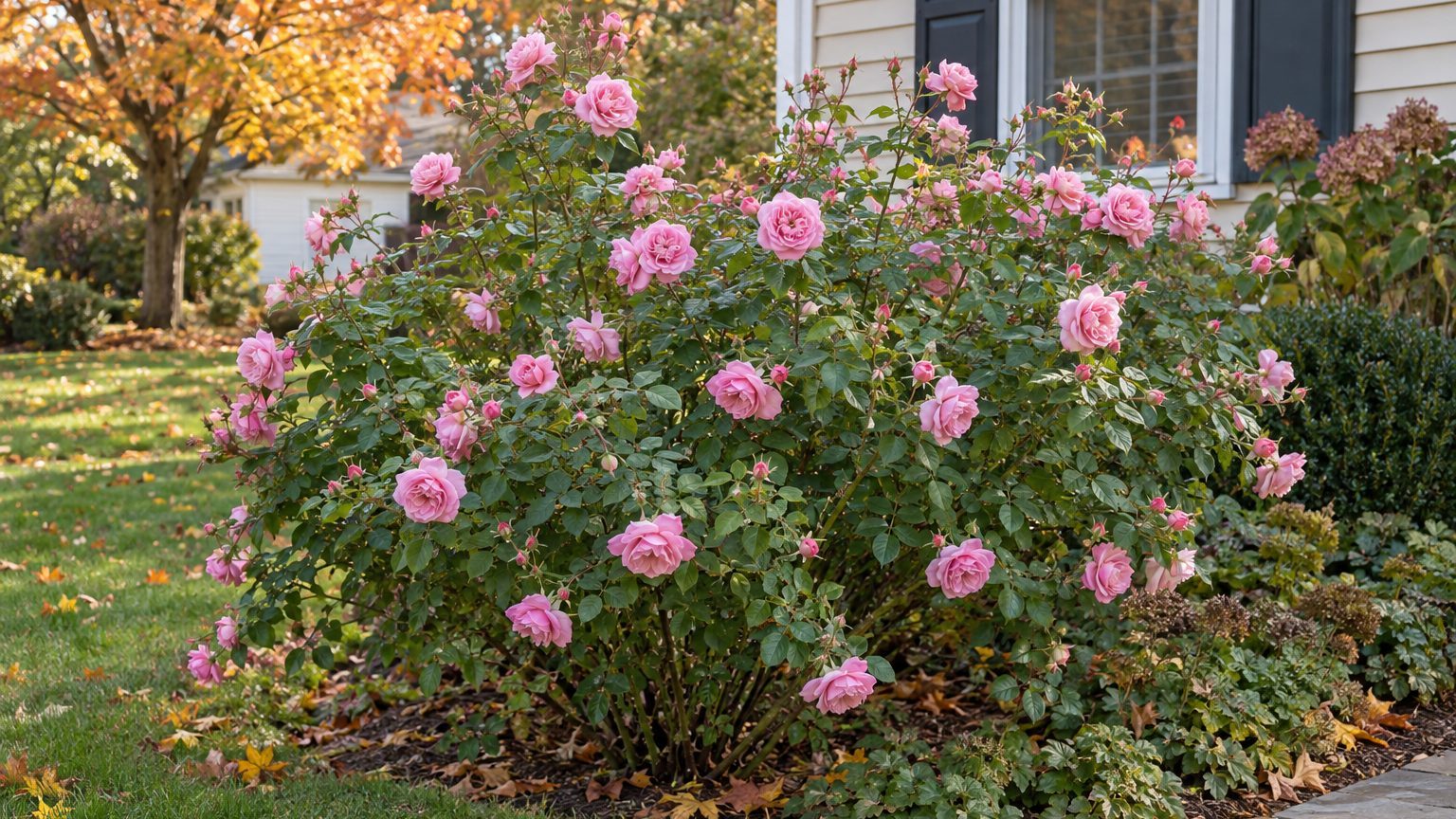
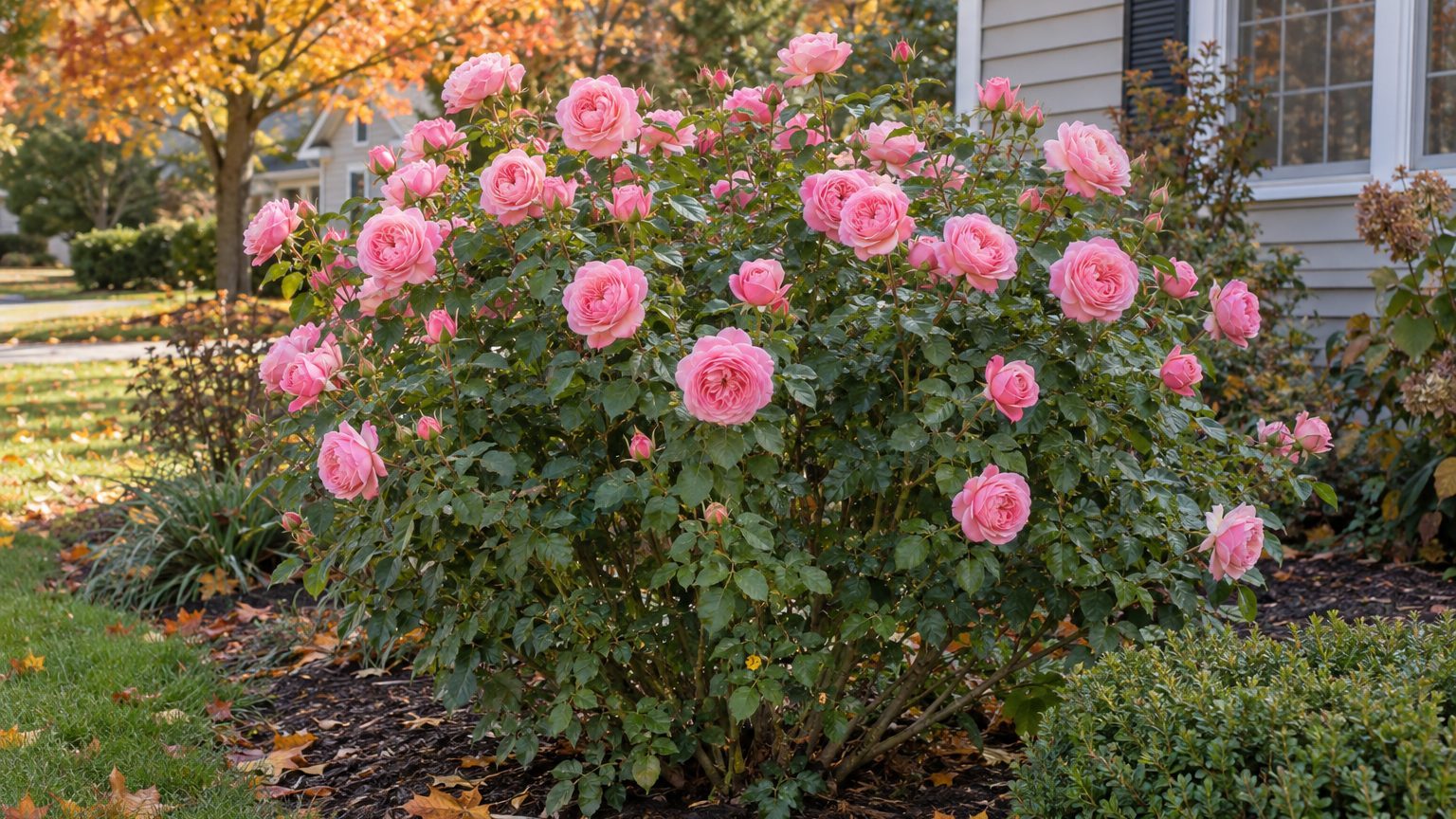
A Mary Rose rose in a sunny bed puts out soft pink, cupped flowers in flushes and keeps a rounded, bushy shape between them. The plant fits a front border or a spot by the walk.

What Is the Mary Rose Rose?

Mary Rose is a shrub rose, compact, dense and bushy, and it can also be trained as a vine. It is semi-evergreen, so in mild winters it may hold some foliage instead of dropping it all.

The flowers are soft pink, 4-5 inches across, with 40 or more petals. They open as cupped blooms with petals folding in toward the center, and they gather in large clusters with a sweet scent.

Size depends on how you grow it. As a shrub it reaches 3-6 feet tall and 3-4 feet wide.

Where Does the Mary Rose Rose Grow Best?

Sun and soil decide more than the map. Mary Rose wants full sun and evenly moist, well-drained, amended soil, and the hardiness zone printed on the plant tag tells you whether your winters suit it. The state selector just below this section leads to the page for your state, with local months and timing.

  • Gulf Coast: Choose evenly moist, well-drained, amended soil and keep the crown from sitting in water.
  • Upper Midwest: Winters are the question here, so compare the zone on the tag with your own and pick a spot with full sun and shelter from wind.
  • Pacific Northwest: Choose a spot with full sun and evenly moist, well-drained, amended soil.
  • Desert Southwest: Evenly moist soil is the challenge, and mulch over amended ground helps hold that moisture.

Wherever you garden, a bed with morning-to-afternoon sun and loose, enriched soil gives this rose its best footing.

How to Care for the Mary Rose Rose Through the Year

Spring Waking

Spring Waking — Mary Rose Rose: Size, Zones, Pruning and Care

New growth starts as the weather warms, and this is when feeding begins. Fertilize in spring, then spread mulch over the amended soil to hold moisture around the roots as the shrub leafs out.

Pruning

Before pruning Mary Rose, check the timing for your area.

Bloom

The first flush brings the large double clusters, and the plant repeats in flushes through the season. Remove spent clusters after the petals fade if you prefer a tidier look.

Summer

Fertilizing continues in summer, which supports later flushes. Keep the soil evenly moist, because a dry spell followed by a soaking is hard on a rose that likes steady water. Refresh the mulch if it has thinned.

Autumn

Ease off pruning as the season cools and let the last flush finish. Clear fallen leaves from around the base, since debris left under a dense, bushy shrub holds moisture against the stems.

Winter

In milder climates the semi-evergreen leaves may stay on the plant, so there is nothing to clean up until growth starts again. Mulch will help retain moisture.

Mary Rose Rose Diseases and Weak Points

Mary Rose is a dense, bushy plant, and that habit shapes its weak points. Crowded stems hold humidity after rain, so thinning the center and giving each plant room helps air move through.

The soil is the other weak point. A rose that wants evenly moist but well-drained ground suffers in both soggy clay and fast-drying sand, so amend the bed before planting and mulch to even out the swings.

For disease resistance in your area, read the plant tag and ask your local garden center or county extension office what shows up on roses nearby.

Is the Mary Rose Rose Right for Your Yard?

It suits a yard with a sunny bed, room for a plant up to 6 feet tall, and time for regular watering, feeding and deadheading. It is a poor fit for deep shade or ground that stays wet.

  • Local pruning and planting months vary by region, so check the timing for your area before the buds start to swell.
  • The plant tag at the garden center gives the hardiness zone, so check it before buying.
  • Pick the state in the selector above and open your state’s page to see when to prune and feed in your area.

Common Questions

Can You Grow Mary Rose as a Climber?

Yes, it can be grown as a vine as well as a shrub.

Does Mary Rose Have a Scent?

Yes, the large double pink blooms give off a sweet scent. Plant it near a path, a bench or a window you open in warm weather so you notice it.

Will Mary Rose Keep Its Leaves in Winter?

It is semi-evergreen, so it may keep some foliage where winters are mild and lose more where they are cold.

Madame Isaac Pereire Rose: Size, Zones, Pruning and Care

Madame Isaac Pereire Rose: Size, Zones, Pruning and Care

Madame Isaac Pereire is a pink Bourbon rose with floppy blooms and a strong fragrance. It is a vigorous rose that can be grown as a shrub or tied up as a climber.

What Is the Madame Isaac Pereire Rose?

Madame Isaac Pereire is a Bourbon rose, a vigorous climbing type that can also be kept as a shrub. Left on its own it reaches 6-8 feet tall and 4-6 feet wide, and it can be trained as a pillar or against a support.

The flowers are carmine-pink, fully double, 5-6 inches across, with 41-55 petals. The heads are loose and can flop, which is part of their charm in the garden.

Fragrance sets it apart. Gardeners describe a strong raspberry scent, and the plant blooms in flushes through the season, with repeat bloom into fall. It tolerates light shade.

Where Does the Madame Isaac Pereire Rose Grow Best?

This rose is rated for USDA zones 5a through 10b, which covers most of the country apart from the coldest northern tier and the hottest desert pockets.

  • Upper Midwest and Northeast: Zone 5 is the cold edge of its range, so places such as Illinois, Michigan and upstate New York suit it, with a sheltered spot helping through winter.
  • Mid-Atlantic and the South: Check the state selector below for local conditions and timing.
  • Gulf Coast and the Southwest: Zones 9 and 10 in Florida, Louisiana and southern California are still within its rating, so give it light shade where the afternoon sun is hard.

The state selector just beneath this section leads to the page for your state, where the local timing is laid out.

How to Care for the Madame Isaac Pereire Rose Through the Year

Waking Up

Waking Up — Madame Isaac Pereire Rose: Size, Zones, Pruning and Care

As buds swell in spring, the rose pushes out its strong, upright canes. Watch for winter damage on the tips, since that guides how much you remove when you prune.

Pruning

Pruning — Madame Isaac Pereire Rose: Size, Zones, Pruning and Care

Prune in late winter or early spring to take out winter damage and control size. This timing removes winter damage and helps control its size. Cut back dead or weak wood, then shorten the rest to keep it within its 6-8 feet.

Bloom

The first flush brings the large double flowers and a strong raspberry scent. Heads can droop under their own weight, so tie canes to a support if you want blooms held up where you can smell them.

Summer

Flowers return in flushes through the season, so water at the base and keep the foliage dry. Light shade is tolerated, which helps where summer sun is harsh. Good air around the canes matters here because mildew is the weak point of this rose.

Autumn

Repeat bloom continues into fall. Clear fallen leaves from around the base, since mildew can carry over on debris. Hold off on any heavy cutting, because the pruning belongs to late winter.

Winter

Check the canes for winter damage in late winter or early spring. Leave the canes standing, then check them for damage when late winter arrives and the pruning begins.

Madame Isaac Pereire Rose Diseases and Weak Points

This rose is described as disease-resistant, yet it tends to develop mildew. Mildew is worth planning around when you plant it.

Placement does most of the work. Open spacing and a support that lets air move through the canes keep leaves drier and cut the odds of mildew.

Threat How Madame Isaac Pereire handles it
General disease Described as disease-resistant
Mildew Tends to develop it
Winter damage Prune in late winter or early spring to remove it
Shade Tolerates light shade

Floppy flower heads are a habit rather than a disease. They make the blooms hard to arrange in a vase, but the fragrance still fills a room.

Is the Madame Isaac Pereire Rose Right for Your Yard?

It suits a yard with room for a plant 6-8 feet tall, a fence, wall or pillar to lean on, and a gardener who wants scent more than tidy flower heads. Plan to prune in late winter or early spring.

  • Choose it for a trellis, arbor or post where the fragrance can reach a path or seating area.
  • Skip it if you want a compact bush or want to avoid a rose that tends to develop mildew.
  • Open your state page from the selector above to check the local pruning months before you cut.

Common Questions

Can Madame Isaac Pereire Be Grown as a Climber?

Yes. It is a vigorous climbing rose that can be trained as a pillar or on a support, or kept as a shrub.

Does Madame Isaac Pereire Bloom More than Once?

It blooms in flushes throughout the season, with repeat bloom through fall.

Does Madame Isaac Pereire Need Full Sun?

It tolerates light shade, so a spot that loses some sun in the day still works.

Madame Hardy Rose: Size, Zones, Pruning and Care

Madame Hardy Rose: Size, Zones, Pruning and Care

Madame Hardy has pure white, semi-double, very fragrant flowers. This non-repeating old Damask rose is a vigorous, upright, bushy shrub, and the way you prune, place and support it decides how well it performs.

What Is the Madame Hardy Rose?

Madame Hardy is a hybrid old Damask rose, bred by Julien-Alexandre Hardy in 1831 and named after his wife Félicité. It grows as a vigorous, upright bushy shrub, 4-7 feet tall with a 3-5 foot spread, so it needs real room.

The blooms are pure white, semi-double and very fragrant, and the flower form is considered perfect. It does not repeat bloom, but it flowers for several weeks. The stems carry many prickles, which matters when you plant it near a path.

With support, a plant can reach 10 feet, which suits a fence, a trellis or a sturdy pillar.

Where Does the Madame Hardy Rose Grow Best?

  • Upper Midwest: Minnesota, Wisconsin and northern Michigan sit in the colder zones of its range, so plant it where winter wind is broken and the canes are not left exposed.
  • Mid-Atlantic and Ohio Valley: Pennsylvania, Virginia and Kentucky fall in the middle of its zones, which is where the shrub fits most comfortably.
  • Gulf Coast and Deep South: Alabama, Georgia and the Carolinas reach into zones 8 and 9, where the plant still grows but sits near the warm end of what it tolerates.
  • Pacific Northwest: Check the state selector below for local conditions and timing.

The state selector just below this section takes you to the page for your own state, where the local months for pruning and planting are laid out.

How to Care for the Madame Hardy Rose Through the Year

Spring Wake-Up

Spring Wake-Up — Madame Hardy Rose: Size, Zones, Pruning and Care

As the buds swell, check the canes for dead tips, but hold back on cutting. Madame Hardy blooms on old wood, so the canes that came through winter carry this year’s flowers.

Choose a spot with fertile, well-drained soil and full sun. Poorer soil and partial shade are tolerated, though a richer, sunnier place gives a better plant.

Pruning

Prune right after flowering, never before. The flower buds for the coming summer form on old wood, so a spring haircut removes the blooms.

For the first 2 years, prune lightly. After that, cut the shrub back by 1/3rd once the petals have fallen, which keeps the arching shape tidy without sacrificing next year’s flowers.

Bloom Season

Bloom Season — Madame Hardy Rose: Size, Zones, Pruning and Care

The flowers last for several weeks, then the show is over for the year. Because the plant does not repeat bloom, deadheading will not bring a second flush, so leave the spent flowers if you like or tidy them as you prune.

Summer

After bloom, the shrub spends the season building the canes that carry next year’s flowers. Water regularly in dry spells so the new growth stays strong.

If you are training it on a support, summer is the time to tie in long canes before they flop or catch on passersby.

Autumn

Let the shrub slow down naturally. Skip heavy cutting now, since the wood you remove is the wood that will flower.

Clear fallen leaves from around the base so the crown stays clean going into winter.

Winter

In the colder zones of its range, a layer of mulch over the base protects the crown, and tying long canes to their support keeps winter wind from whipping them. Leave pruning for after next summer’s flowers.

Madame Hardy Rose Diseases and Weak Points

Madame Hardy is very resistant to black spot and mildew.

Its weak points are mostly about how it grows rather than what it catches. The size and the thorny stems are the practical issues to plan around.

Threat How Madame Hardy handles it
Black spot Very resistant
Mildew Very resistant

Beyond those two, the shrub’s real drawbacks are its many prickles and its large, sprawling habit. Give it space and wear sturdy gloves when pruning or tying in canes. A single flowering season is also a trade-off you accept for the fragrance and the flower form.

Is the Madame Hardy Rose Right for Your Yard?

This rose suits a yard with room for a shrub up to 7 feet tall and a sunny spot with decent soil. It is a poor match for a small bed, a narrow walkway or anyone who wants flowers from summer into fall.

  • Choose it if you want a fragrant white shrub that flowers once and is very resistant to black spot and mildew.
  • Skip it if you want repeat bloom or a compact plant near a doorway where thorns will catch sleeves.
  • Your state page gives the local months for planting and pruning, so open it before you buy.

Common Questions

Can Madame Hardy Rose Grow on a Trellis?

Yes. With support it can climb to 10 feet, so a sturdy trellis, fence or pillar works. Tie the canes in as they grow, because the plant will not cling on its own.

Why Did My Madame Hardy Rose Not Bloom?

Check when you pruned and how much sun the plant gets. Cutting in spring removes the old wood that carries the flowers, while full sun gives this rose the best results.

Does Madame Hardy Rose Need Full Sun?

Full sun and fertile, well-drained soil give the best results. It tolerates poorer soil and partial shade, but expect a plant that grows less strongly in those conditions.

Joseph’s Coat Rose: Size, Zones, Pruning and Care

Joseph’s Coat Rose: Size, Zones, Pruning and Care

A climbing rose that opens in red, pink, yellow and orange on the same cane will stop you at the fence in spring. Joseph’s Coat is that rose, a vigorous climber that wants a trellis, a wall or a post and full sun.

What Is the Joseph’s Coat Rose?

Joseph’s Coat is a vigorous hybrid climbing rose in the rose family, bred by David L. Armstrong and introduced in 1964. It climbs rather than mounds, so it needs something to lean on and tie to.

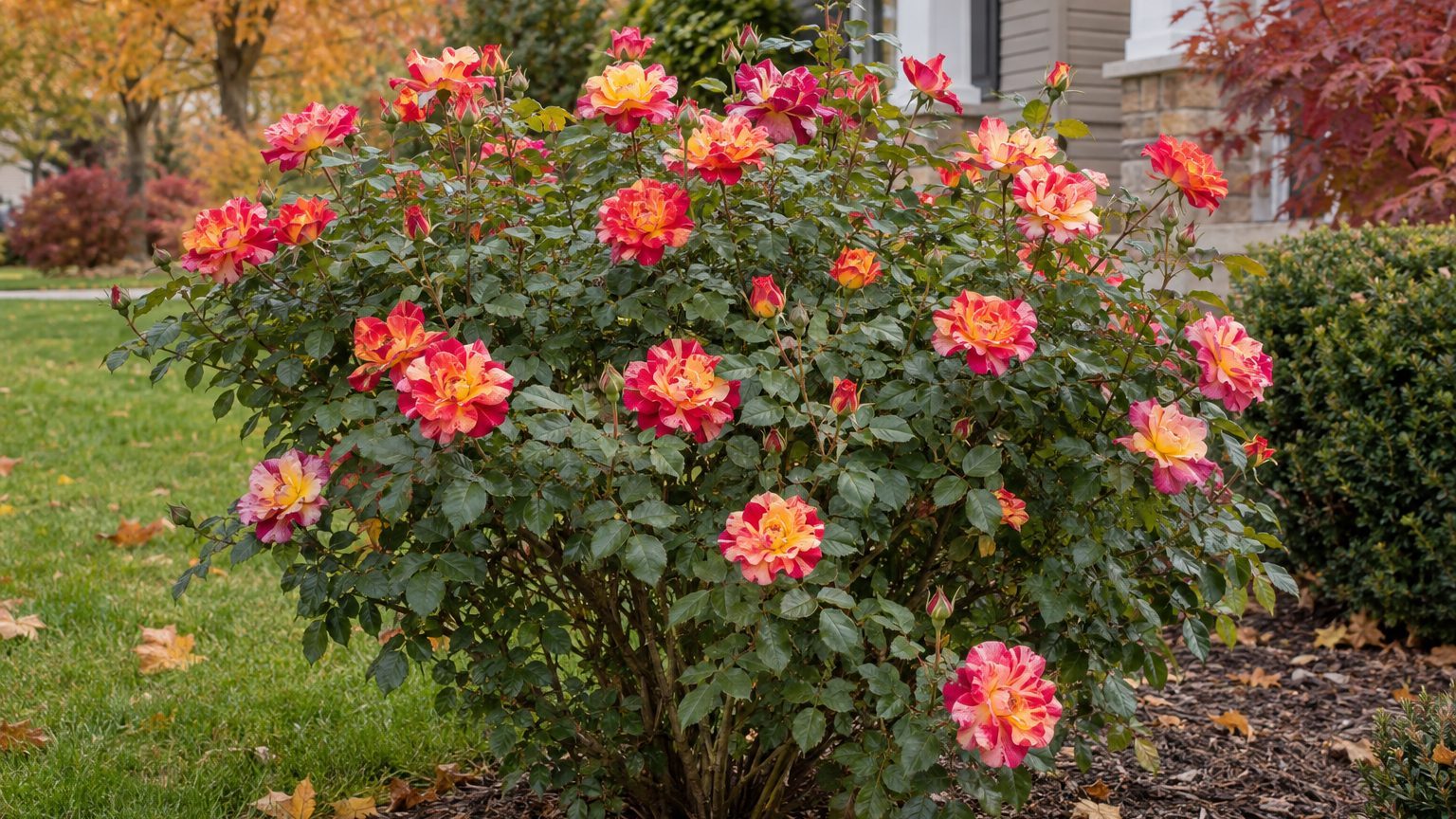
Its blooms are semi-double, about 4 inches across, and shift through red, pink, yellow and orange, with a slight fragrance. They open from cardinal red buds and come in large clusters, so one cane can carry several shades at once.

Plan the space before planting. The plant reaches 8-12 feet tall and only 3-4 feet wide, which suits a narrow wall or a single post better than a wide arbor.

Where Does the Joseph’s Coat Rose Grow Best?

Joseph’s Coat is listed for USDA zones 5a, 5b, 6a, 6b, 7a, 7b, 8a, 8b, 9a, 9b, 10a. The zone tells you whether the canes survive winter, and your local humidity shapes how healthy the leaves stay.

  • Upper Midwest and Northeast: In Minnesota, Wisconsin and Maine, compare your local USDA zone with the cultivar’s listed range before planting. Plant it against a sunny wall where the canes get some shelter.
  • Mid-Atlantic and Southeast: In North Carolina, Virginia and Georgia, compare your local USDA zone with the cultivar’s listed range. Warm, damp summers here favor the fungal problems this rose is prone to, so airflow matters.
  • Gulf Coast and Florida: Along the Gulf Coast the rose reaches the upper end of its zone range. Humid air keeps leaf diseases active, so give it open, sunny exposure.
  • Pacific Coast and Southwest: In Oregon, California and Arizona, compare your local USDA zone with the cultivar’s listed range.

The state selector just below this section takes you to the page for your own state.

How to Care for the Joseph’s Coat Rose Through the Year

Waking Up

Waking Up — Joseph's Coat Rose: Size, Zones, Pruning and Care

Joseph’s Coat prefers moist, well-drained loamy soil and tolerates poorer soil in full sun. When growth restarts, enrich the planting bed if the soil is thin and check that water drains away rather than pooling at the roots.

Pruning

Go light. During the first 2-3 seasons, remove only dead or damaged canes and let the plant build its framework. Tie the long canes along the support.

Bloom

Flowers begin in spring and rebloom in flushes throughout the season. Deadheading helps speed up that return, so snip spent clusters back to a healthy leaf instead of letting hips form.

Summer

Summer is when leaf diseases show up, because this rose is susceptible to blackspot, mildew and rust. Water at the base in the morning, keep the foliage dry, and thin crowded growth so air moves through the canes.

Autumn

Clean up fallen leaves around the base, since they can carry disease spores into the next season. Remove any dead or damaged canes you spot while tidying, and keep tying new growth to the support.

Winter

In the colder part of its listed range, check local winter-protection guidance. Leave the framework tied securely to its support so winter wind does not whip it, and wait for spring growth to show you what is dead.

Joseph’s Coat Rose Diseases and Weak Points

Disease is the main drawback of this rose. Blackspot, mildew and rust can all trouble it, especially where leaves stay wet and air barely moves.

Prevention is mostly about placement and habit. Full sun dries the foliage quickly, and a trellis set a little off the wall keeps air moving behind the canes.

Threat How Joseph’s Coat handles it
Blackspot Susceptible
Mildew Susceptible
Rust Susceptible

Pull off and bin affected leaves rather than composting them.

Is the Joseph’s Coat Rose Right for Your Yard?

It suits a gardener with a sunny wall, fence or post and a narrow strip of ground. It is a poor fit for a shady spot or for anyone who wants a rose with no disease routine.

  • Choose it if you want a tall, slim climber with several colors in one bloom and are willing to deadhead and watch the leaves through the growing season.
  • Skip it if your site stays damp and shaded, or if you want a low shrub that needs no support.
  • Open your state page, using the selector above, to see when to prune and plant in your own climate before you buy.

Common Questions

Can Joseph’s Coat Rose Grow in Poor Soil?

Yes, it tolerates poorer soils as long as it gets full sun. It does best in moist, well-drained loam, so improve the bed if you can.

Does Joseph’s Coat Rose Have a Scent?

The blooms carry a slight fragrance.

How Wide Does a Joseph’s Coat Rose Get?

Plan for 3-4 feet of width, with height reaching 8-12 feet. The slim spread makes it workable beside a doorway or along a short fence run.

Golden Showers Rose: Size, Zones, Pruning and Care

Golden Showers Rose: Size, Zones, Pruning and Care

Golden Showers is the yellow climber that opens on a fence, arbor or porch post in spring and keeps sending up fresh clusters through summer. It suits a wide stretch of the country, from cold-winter yards to warm Gulf ones.

What Is the Golden Showers Rose?

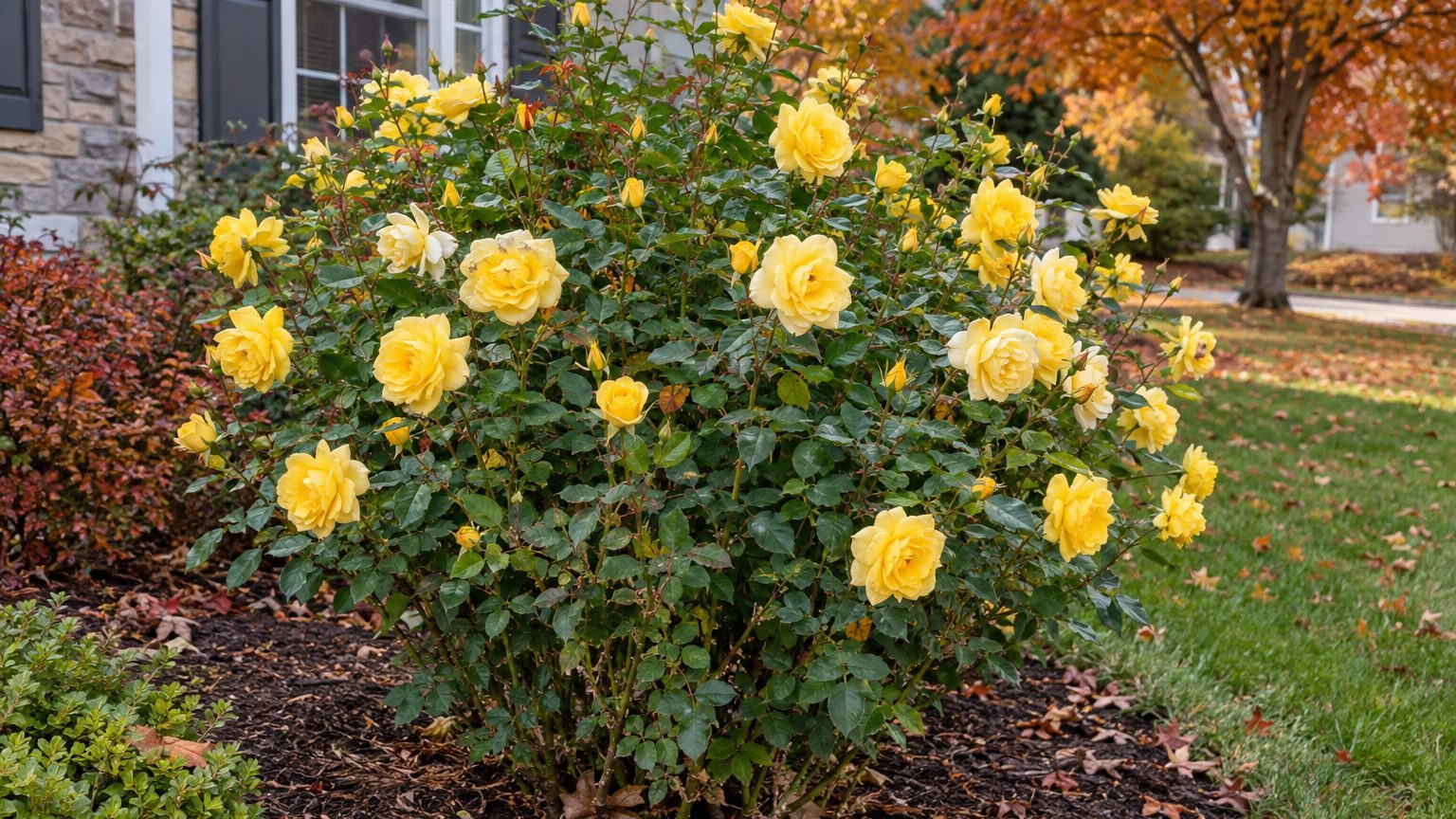
Golden Showers is a vigorous climbing rose that blooms continuously through the growing season. Its large yellow semi-double flowers open in clusters, and each bloom measures 5-6 inches across.

It climbs as a scrambler, which means it has no tendrils or twining stems to hold on. You tie the canes to a support as they grow. Mature plants reach 6 ft. 0 in. – 10 ft. 0 in. tall and 3 ft. 0 in. – 6 ft. 0 in. wide, a narrow footprint for a rose that size.

The color softens as each flower ages, fading from deep yellow to light yellow or cream. Orange rose hips follow the blooms, so the plant keeps some color after the flowers pass.

Where Does the Golden Showers Rose Grow Best?

Golden Showers is hardy in USDA zones 5a, 5b, 6a, 6b, 7a, 7b, 8a, 8b, 9a, 9b. The local picture shifts with winter lows and summer heat.

  • Upper Midwest: Check your local USDA zone against the cultivar’s listed range, then choose a support that allows winter protection if needed.
  • Gulf Coast: A spot with full to part sun suits it, and moist, rich soil keeps it going through summer.
  • Southwest deserts and South Florida: Areas that run warmer than zone 9b fall outside the listed range, so the rose may struggle there.

The state selector just below this section takes you to the page for your own state, where the months for your yard are laid out.

How to Care for the Golden Showers Rose Through the Year

Waking

Waking — Golden Showers Rose: Size, Zones, Pruning and Care

As the buds swell in early spring, check which canes came through winter green and which turned brown or brittle. Tie loose canes back to the support before new growth makes them harder to move. Moist, rich soil suits this rose, but it adapts to poorer and clay soils, so a layer of compost is a bonus rather than a requirement.

Pruning

Golden Showers can be pruned and grown as a shrub.

Bloom

Flowers come in spring, summer and fall, so there is no single flush to wait for. The blooms are followed by orange rose hips.

Summer

Full to part sun keeps the plant blooming, and an afternoon with some shade helps in hot regions. Water deeply and regularly at the base rather than on the leaves. Keep tying new canes as they stretch, since a scrambler leans on its support rather than clinging.

Autumn

Fall blooms are part of this rose’s calendar, so skip heavy pruning while flowers are still opening. Clean up fallen leaves around the base. In colder zones, stop feeding as the season winds down so growth can harden before freezing weather.

Winter

In the colder end of its range, use the winter protection guidance for your location. Where winters are mild, leave the canes tied to their support and wait for the buds to swell.

Golden Showers Rose Diseases and Weak Points

Disease resistance varies with climate and airflow, so check the plant tag and give canes room to dry after rain. The more reliable weak points come from the plant’s habits and its placement.

Because it scrambles rather than clings, a wall or fence needs wires or a trellis from the first season.

Threat How Golden Showers handles it
Heavy clay or poor soil Adapts, though it does best in moist, rich soil
Too much shade Does best in full to part sun
Fading color Flowers age from yellow to light yellow or cream
Crowding a small space Reaches 6 ft. 0 in. – 10 ft. 0 in., so it needs a tall support

You can prune it and grow it as a shrub if a tall support is not an option.

Is the Golden Showers Rose Right for Your Yard?

This rose suits a sunny wall, fence or arbor where its height has room, and a gardener willing to tie and prune the canes. It is a poor fit for deep shade or a tight bed.

  • Pick it for a fence or post that gets full to part sun, where the show of fragrant yellow clusters lasts from spring into fall.
  • Skip it where the support is short or the spot is shaded, or choose the shrub form by pruning it back.
  • Open your state page to find the pruning and protection months for your own yard.

Common Questions

Does the Golden Showers Rose Have Thorns?

It is thornless to nearly thornless, which can make tying and pruning easier on the hands.

Is the Golden Showers Rose Fragrant?

Yes, the flowers are both fragrant and showy, so plant it near a path, porch or seat where you will notice the scent.

Can You Grow Golden Showers as a Shrub?

Yes. It can be pruned and grown as a shrub, which keeps it shorter than the climbing form and suits a yard with no wall or fence to spare.

Frau Dagmar Hastrup Rose: Size, Zones, Pruning and Care

Frau Dagmar Hastrup Rose: Size, Zones, Pruning and Care

The pink blooms of Frau Dagmar Hastrup open on a dense, rounded shrub in the first flush of the season, and the big red hips that follow stay on the branches into fall. Frau Dagmar Hastrup is a rose worth knowing: how large it grows, where it thrives, how to prune it and what it will give your yard year after year.

What Is the Frau Dagmar Hastrup Rose?

Frau Dagmar Hastrup is a hybrid rugosa shrub rose, sometimes listed as Frau Dagmar Hartopp. It forms a dense, compact plant to 4′ tall. Its height ranges from 2 ft. 0 in. to 5 ft. 0 in. Its width ranges from 2 ft. 0 in. to 4 ft. 0 in.

The flowers are single and shell pink, with 4-7 petals and a strong fragrance. Each bloom measures 2-3 inches across, and the plant repeats its bloom through the growing season and into fall.

What sets it apart from many roses is the show after the petals drop. Large red hips appear early and persist, and the leaves turn a showy bronze in the fall.

Where Does the Frau Dagmar Hastrup Rose Grow Best?

This rose is rated for USDA zones 3a, 3b, 4a, 4b, 5a, 5b, 6a, 6b, 7a, 7b, 8a, 8b, 9a, 9b. It is very hardy and blooms best in full sun with moist, well-drained loam or sandy loam.

  • Upper Midwest and Northeast: In colder parts of Minnesota, Wisconsin, Maine and Vermont, check your local USDA zone against the cultivar’s listed range. Full sun and loam keep the blooms coming.
  • Mid-Atlantic and Midwest: In Illinois, Pennsylvania and Virginia, it sits well inside its range. Its resistance to black spot and mildew suits the humid summers there.
  • Southeast and Gulf Coast: In North Carolina, South Carolina and Georgia, the cultivar can suit warm gardens that fall within its listed hardiness zones. Well-drained soil matters most there, and it tolerates salt, so coastal yards suit it.
  • West: In Oregon, Washington and Colorado, it handles a wide range of conditions. Once established, it also tolerates drought.

The state selector just below this section leads to the page for your state, where you will find the months that apply to your yard.

How to Care for the Frau Dagmar Hastrup Rose Through the Year

Spring Wake-Up

New growth starts from the base and the older canes. Give the shrub full sun and moist, well-drained loam or sandy loam, and mulch lightly if the soil dries fast.

Late Winter Pruning

Prune by the renewal method in the late winter, as needed. Cut one-third of the oldest canes to the soil line, which opens up the shrub and makes room for new canes that carry the flowers.

Bloom Season

The large pink flowers arrive and keep returning through the growing season. Their scent is strong, so plant it near a path or a seat where you will notice it.

Summer

Once established, the shrub is drought tolerant, so water young plants regularly and let older ones go longer between drinks. Do not deadhead, because the hips form from the spent flowers and they are half the show.

Fall

Leaves turn bronze and the red hips ripen against them. Leave the hips alone and let them carry the color.

Winter

Check the winter protection advice for your own state before cold weather arrives. It is deer and salt tolerant.

Frau Dagmar Hastrup Rose Diseases and Weak Points

Disease is where this rose earns its place. It is resistant to black spot, powdery mildew and Cercospora leaf spot, and very resistant to rust.

It is also salt and deer tolerant, and drought tolerant once established.

Threat How Frau Dagmar Hastrup handles it
Black spot Resistant
Powdery mildew Resistant
Cercospora leaf spot Resistant
Rust Very resistant
Salt Tolerant
Deer Tolerant
Drought Tolerant once established

The real weak point is placement. Shade and heavy, wet soil cut down the bloom, so give it sun and drainage first.

Is the Frau Dagmar Hastrup Rose Right for Your Yard?

It suits a sunny spot where a shrub of up to 5 feet tall can spread to as much as 4 feet wide. It asks for little care, but it wants room, and it is a poor fit for deep shade or soggy ground.

  • Choose it for a hedge, a border or a coastal yard, where the scent, the hips and the bronze fall leaves give a long season of interest.
  • Skip it if you want fully double blooms or plan to deadhead for neatness, since the single flowers and the hips are the point.
  • Open the page for your state through the selector to see the pruning and planting months that fit your yard.

Common Questions

Does Frau Dagmar Hastrup Have a Scent?

Yes. The single pink flowers carry a strong fragrance, which makes it a good choice near a patio or walkway.

Should You Deadhead This Rose?

No. The large pink blooms are followed by large red hips, so leave the spent flowers in place.

Does It Need a Lot of Space?

It grows 2 ft. 0 in. to 5 ft. 0 in. tall and 2 ft. 0 in. to 4 ft. 0 in. wide, so allow room for the full spread at planting time.

The almanac, state by state. Every date on this site comes from a state’s own frost facts and its extension service’s calendar — and says where it comes from.