Skip to content

Fourth of July Rose: Size, Zones, Pruning and Care

Fourth of July Rose: Size, Zones, Pruning and Care

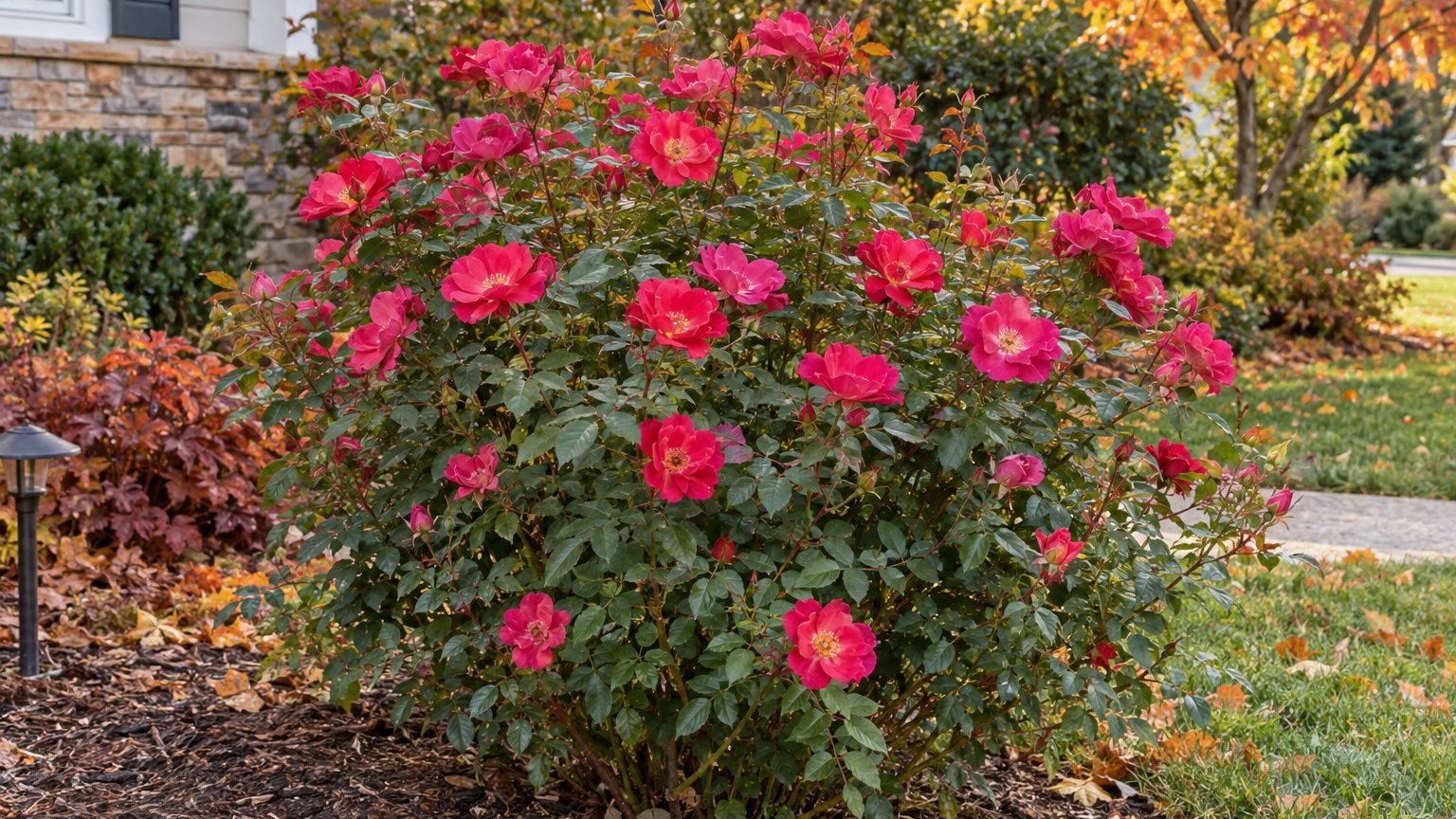
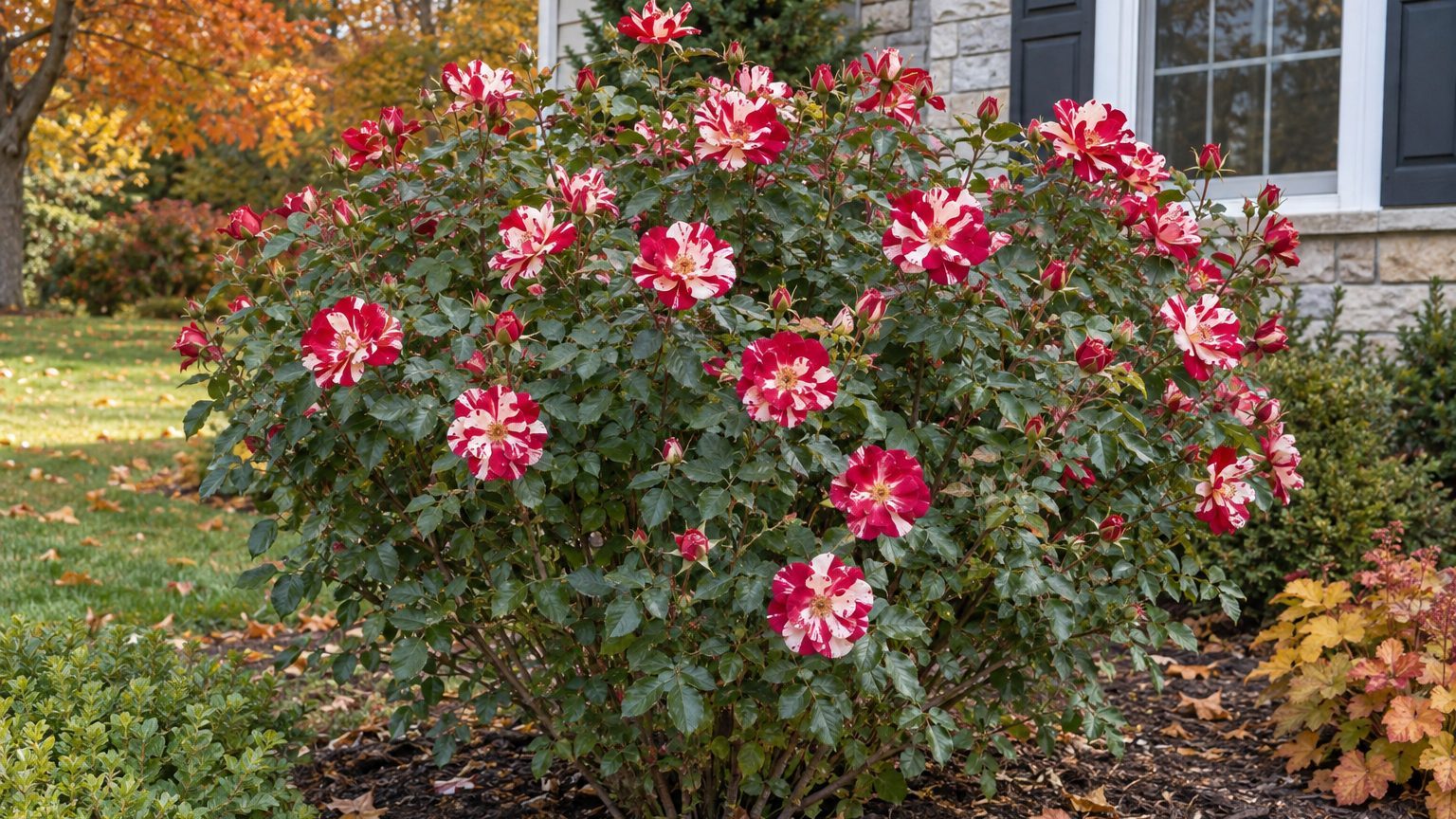
Red-and-white striped blooms make Fourth of July easy to recognize on a fence or arbor. It blooms repeatedly throughout the season.

What Is the Fourth of July Rose?

Fourth of July is a hybrid large-flowered climbing rose, sometimes sold as a climbing floribunda. It sends up long canes that need a fence, trellis or arbor to hold them. Width stays modest at 2-6 feet, so it suits a post or a narrow wall.

The semi-double flowers are velvety red with white stripes and yellow stamens, which is what sets it apart from solid-color climbers. They open in large clusters and repeat through the season.

In northern climates the plant can also be grown as a shrub rather than trained upward, which is useful where a tall climber would struggle through winter.

Where Does the Fourth of July Rose Grow Best?

The rose is listed for USDA zones 6a, 6b, 7a, 7b, 8a, 8b, 9a and 9b. That covers a large part of the country, though the edges behave differently.

  • Upper Midwest (Minnesota, Wisconsin): Compare your USDA zone with the cultivar’s listed range before planting. Where it does survive, treat it as a shrub rather than a tall climber.
  • Mid-Atlantic and Southeast (Virginia, North Carolina, Georgia): Compare your USDA zone with the cultivar’s listed range before planting. Canes reach full height and bloom through summer into fall.
  • Gulf Coast (Louisiana, Texas, Florida Panhandle): Compare your USDA zone with the cultivar’s listed range before planting. It has high tolerance to black spot and mildew.
  • Pacific Northwest (Oregon, Washington): Provide a fence, trellis or arbor for the long canes.

The state selector just below this section leads to the page for your state, with local months and timing.

How to Care for the Fourth of July Rose Through the Year

Waking Up

Waking Up — Fourth of July Rose: Size, Zones, Pruning and Care

New growth starts when the weather warms and the buds on the canes begin to swell. Check the canes for winter damage as growth resumes.

Pruning

This rose blooms repeatedly throughout the season. Train the long canes on a fence, trellis or arbor.

Bloom

Flowers arrive in large sprays, with the season running from June to October. Remove spent clusters to keep new buds coming.

Summer

Water deeply at the base of the plant and keep the leaves dry, because wet foliage invites fungus even on a tolerant variety. Mulch the root zone to hold moisture. Check that ties are not cutting into canes as they thicken.

Fall

Let the final flowers finish naturally, then rake fallen leaves from the base so they do not carry problems into spring.

Winter

In northern climates, Fourth of July can be grown as a shrub.

Fourth of July Rose Diseases and Weak Points

Fourth of July is rated as disease resistant. It has high tolerance to black spot and mildew.

Resistance lowers the risk but does not erase it, so good airflow and watering at the soil still count.

Threat How Fourth of July handles it
Black spot High tolerance
Powdery mildew High tolerance
Diseases in general Rated as resistant

At the cold edge of its listed range, check the plant for winter damage.

Is the Fourth of July Rose Right for Your Yard?

It suits a gardener with a sunny fence, arbor or post who wants height without a wide spread. It asks for a little tying and pruning, not constant work. It fits poorly in a cramped bed or a very cold yard.

  • Choose it for a wall, fence or pillar that has room for 10-14 feet of upward growth.
  • Skip it for a small border where a tall climber would crowd other plants.
  • Open the state page for your state before planting, to see the months that fit your local climate.

Common Questions

Is the Fourth of July Rose Fragrant?

Yes, the flowers carry a sweet apple scent. Plant it near a seat, a gate or a window you leave open, where the fragrance can drift to you.

Where Does the Fourth of July Rose Come From?

Tom Carruth of the United States bred it, and Weeks Wholesale Rose Grower released it in 1999. It is sold under the code name WEKroalt.

Can You Grow the Fourth of July Rose as a Shrub?

Yes, in northern climates it can be grown that way. Grow it as a shrub rather than training the canes upward.

Dublin Bay Rose: Size, Zones, Pruning and Care

Dublin Bay Rose: Size, Zones, Pruning and Care

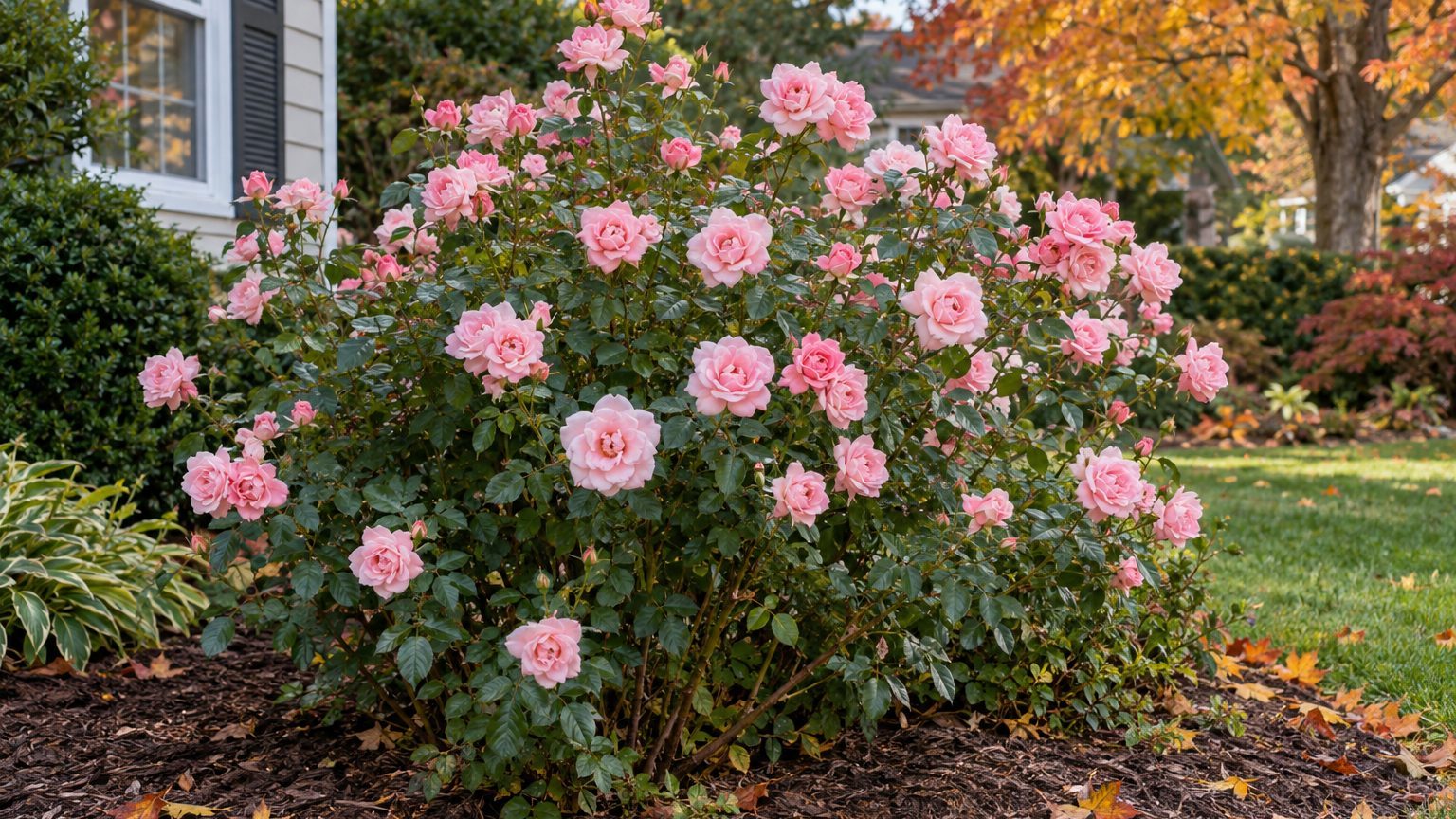
Dublin Bay carries clusters of bright red flowers on long climbing canes. It is a hybrid climbing floribunda that grows tall and narrow, so it suits a post, an arbor or a wall better than an open bed.

What Is the Dublin Bay Rose?

Dublin Bay is a hybrid climbing floribunda in the rose family. It sends up long canes that need a support, and it reaches 8 ft. 0 in. to 12 ft. 0 in. tall, so plan a trellis or wall with real height.

The width stays modest at 4 ft. 0 in. to 5 ft. 0 in., which lets it fit beside a doorway or along a narrow fence line.

The flowers are bright red with darker borders, semidouble, 4-5 inches across, with 17-25 petals and a mild fruity fragrance. They open in small clusters and repeat bloom through the season.

Where Does the Dublin Bay Rose Grow Best?

Dublin Bay is hardy in USDA zones 6a, 6b, 7a, 7b, 8a, 8b, 9a and 9b. Some regional differences still matter.

  • Mid-Atlantic and Upper South (Virginia, North Carolina, Maryland): Compare your USDA zone with the cultivar’s listed range before planting.
  • Gulf Coast and Deep South (Louisiana, Georgia, Florida Panhandle): Compare your USDA zone with the cultivar’s listed range before planting.
  • Upper Midwest and northern New England (Minnesota, Wisconsin, Vermont): Conditions colder than the cultivar’s listed range make Dublin Bay a poor fit outdoors.
  • Pacific Northwest and California coast (Oregon, Washington, coastal California): Compare your USDA zone with the cultivar’s listed range before planting.

The state selector just below this section takes you to the page for your state, where you can see how those zones play out where you live.

How to Care for the Dublin Bay Rose Through the Year

Spring Wake-Up

Spring Wake-Up — Dublin Bay Rose: Size, Zones, Pruning and Care

As buds swell on the canes, check which ones came through winter alive. Dead or blackened wood is easy to spot against green, healthy canes. Tie in any loose canes to the support before new growth makes them harder to handle.

Pruning

Prune in late winter to early spring to remove winter damage and control size. Because this rose repeat blooms, cutting then does not cost you flowers. Diseased or damaged canes can come out at any time of year.

Bloom

Flowers come in small clusters and keep coming through the season. Remove spent clusters to keep the plant tidy. Watch the support too, since heavy clusters on tall canes can pull them away from their ties.

Summer

Water deeply at the base instead of wetting the foliage, and keep mulch over the roots. Keep tying new canes securely along the support.

Autumn

Leave the heavy pruning for later. Clear fallen leaves from around the base, since old foliage can carry disease into the next year.

Winter

Check ties after storms and cut back only what is plainly broken. The main pruning waits for late winter.

Dublin Bay Rose Diseases and Weak Points

Dublin Bay is a climbing rose with a defined USDA hardiness range. It is not suited to conditions colder than its listed hardiness range.

Its other weak point is its height. Long canes need firm support and regular tying to stay in place.

Threat How Dublin Bay handles it What to do
Winter cold Hardy in USDA zones 6a, 6b, 7a, 7b, 8a, 8b, 9a and 9b Prune out winter damage in late winter to early spring
Damaged or diseased canes Can be cut out at any time Remove the affected cane as soon as you see it

Leaf diseases, such as black spot, can affect many roses. Check the plant tag or ask your local garden center how this variety does in your area.

Is the Dublin Bay Rose Right for Your Yard?

Dublin Bay suits a yard with a vertical surface and a mild-winter zone. It is a good match if you want red, repeat-blooming flowers on a narrow footprint and can tie canes to a support.

  • You will find a tall, slim climber that needs a support suited to its mature height.
  • Check that your USDA zone is within the cultivar’s listed hardiness range before planting.
  • Your state page gives the months for pruning and care where you live, so open it before growth begins.

Common Questions

How Tall Does a Dublin Bay Rose Get?

It grows 8 ft. 0 in. to 12 ft. 0 in. tall and 4 ft. 0 in. to 5 ft. 0 in. wide, so give it a support that matches that height.

Does Dublin Bay Rose Bloom More than Once?

Yes. The flowers open in small clusters and repeat bloom throughout the season.

Does Dublin Bay Rose Have a Scent?

It has a mild fruity fragrance. The scent is light, so plant it near a seat or doorway if you want to notice it.

Dainty Bess Rose: Size, Zones, Pruning and Care

Dainty Bess Rose: Size, Zones, Pruning and Care

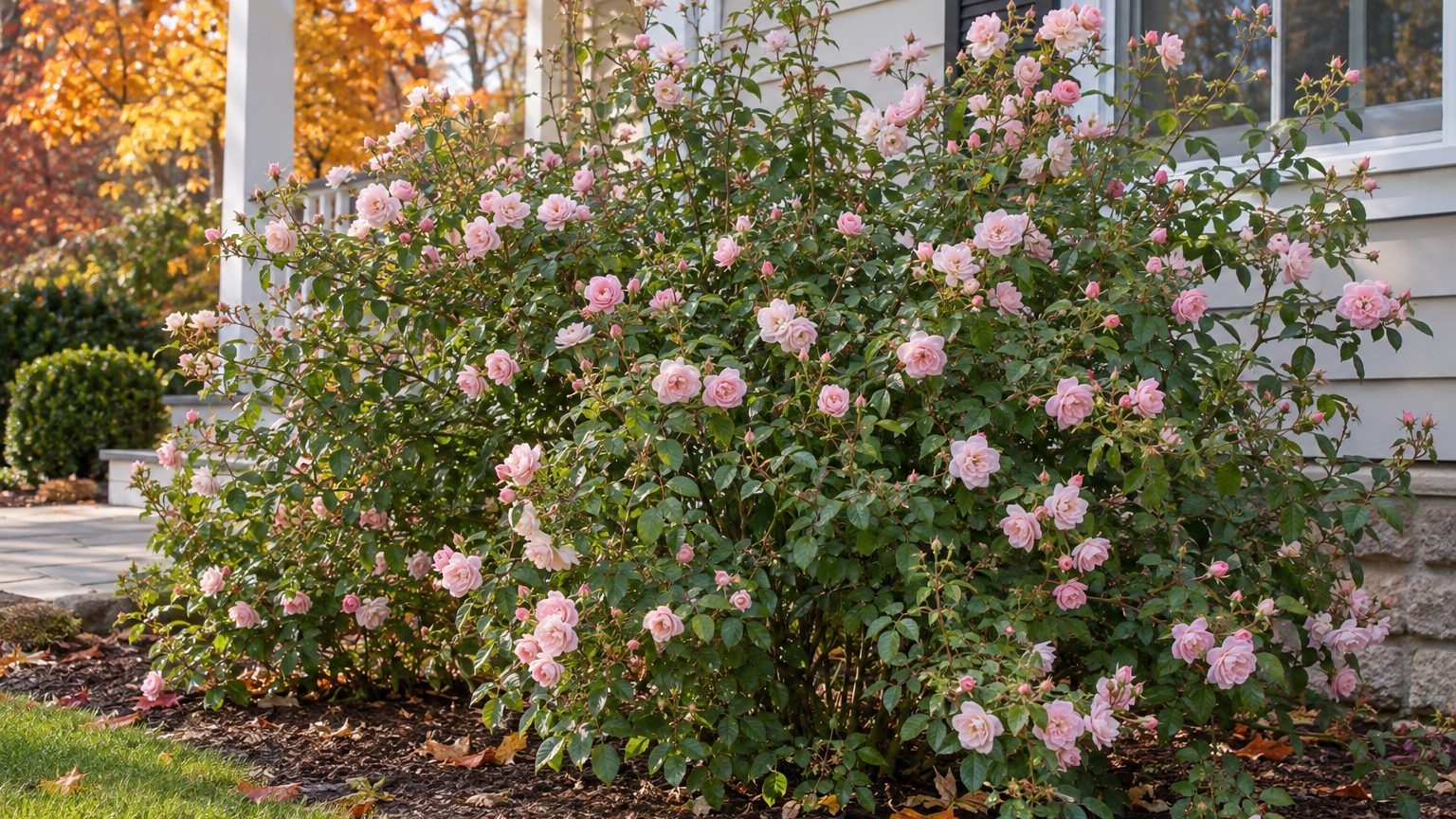
A rose with flat, ruffled pink blooms and dark maroon stamens catches the eye from across a front yard, and that is usually how gardeners meet Dainty Bess. Dainty Bess is a compact, upright shrub with repeat blooms through fall.

What Is the Dainty Bess Rose?

Dainty Bess is a hybrid tea shrub in the rose family. Its flowers are single, with five flat petals and ruffled edges, and they open in clusters.

The color runs from light pink to salmon-pink, set off by maroon stamens and a mild spicy fragrance. Each bloom spreads 3-4 inches across.

The plant itself is upright and vigorous. It reaches 3-4 feet tall and stays narrow, at 2-3 feet wide, so it fits a border without crowding its neighbors.

Where Does the Dainty Bess Rose Grow Best?

Dainty Bess is rated for USDA zones 5a, 5b, 6a, 6b, 7a, 7b, 8a, 8b and 9a.

  • Upper Midwest: At the cold edge of its listed range, compare your USDA zone with the cultivar’s rating before planting. Plant in a sheltered spot there and expect to protect it from late frosts.
  • Piedmont and Mid-Atlantic: Give the shrub full sun and amended, well-drained garden soil. Protect new growth from late frost.
  • Gulf Coast: Compare your USDA zone with the cultivar’s listed range before planting.
  • Pacific Northwest and Northern California: Give the shrub full sun and amended, well-drained garden soil.

The state selector shown just below this section leads to the page for your own state, with the months that apply where you garden.

How to Care for the Dainty Bess Rose Through the Year

Waking Up

Waking Up — Dainty Bess Rose: Size, Zones, Pruning and Care

New growth needs protection from late frost. When a cold night is forecast after the buds swell, drape a frost cloth or an old sheet over the shrub in the evening and remove it the next morning.

Pruning

Prune in late winter. Cut out dead and diseased canes back to healthy green wood, and clear the cuttings from the bed so any disease on them does not stay near the plant.

Bloom

Bloom — Dainty Bess Rose: Size, Zones, Pruning and Care

Dainty Bess is a good repeat bloomer, nearly continuously in bloom through fall. Remove dead and diseased canes in late winter. It simply sets the stage for the next flush.

Summer

Give the shrub full sun, since shade weakens bloom and keeps leaves damp for longer. Water at the base of the plant, not over the leaves, because black spot, rust and powdery mildew all take hold on wet foliage.

Fall

The flowers keep coming well into fall, so there is no need to rush a cleanup. Rake fallen leaves from under the shrub once they drop, because spotted leaves left in the bed can carry disease into the next season.

Winter

Leave the canes standing through the cold, since the pruning is saved for late winter. Keep frost protection handy when new growth starts.

Dainty Bess Rose Diseases and Weak Points

Watch for black spot, rust and powdery mildew on this rose. Check the plant regularly for signs of black spot, rust and powdery mildew.

Cold is the other weak point, particularly a freeze that follows early warmth.

Threat How Dainty Bess handles it
Black spot Watch for it on the leaves
Rust Watch for it on the leaves
Powdery mildew Watch for it on the leaves and new growth
Late frost Needs protection once growth starts

Good air movement and morning sun help leaves dry quickly. Give the shrub room from its neighbors, and remove any leaf that looks spotted or dusty before it spreads.

Is the Dainty Bess Rose Right for Your Yard?

Dainty Bess suits a sunny bed where a compact shrub is welcome. It asks for steady attention to leaf health and an eye on late frosts, so it fits a gardener who walks the yard often.

  • It works well in a sunny border or foundation bed, where its size leaves room for companions.
  • It is a poor match for shade or for a spot where you cannot cover the plant on a frosty night.
  • Open your state page from the selector to see the months for pruning and frost protection where you live.

Common Questions

Where Did the Dainty Bess Rose Come From?

It was bred in the United Kingdom by Wm. E.B. Archer & Daughter in 1925 and released in 1927.

What Soil Does Dainty Bess Rose Like?

Amended, well-drained garden soil in full sun. Choose amended, well-drained garden soil.

Is Dainty Bess a Climbing Rose?

No. It is an upright shrub that stays within a few feet of the ground, so it needs no trellis or support.

Cecile Brunner Rose: Size, Zones, Pruning and Care

Cecile Brunner Rose: Size, Zones, Pruning and Care

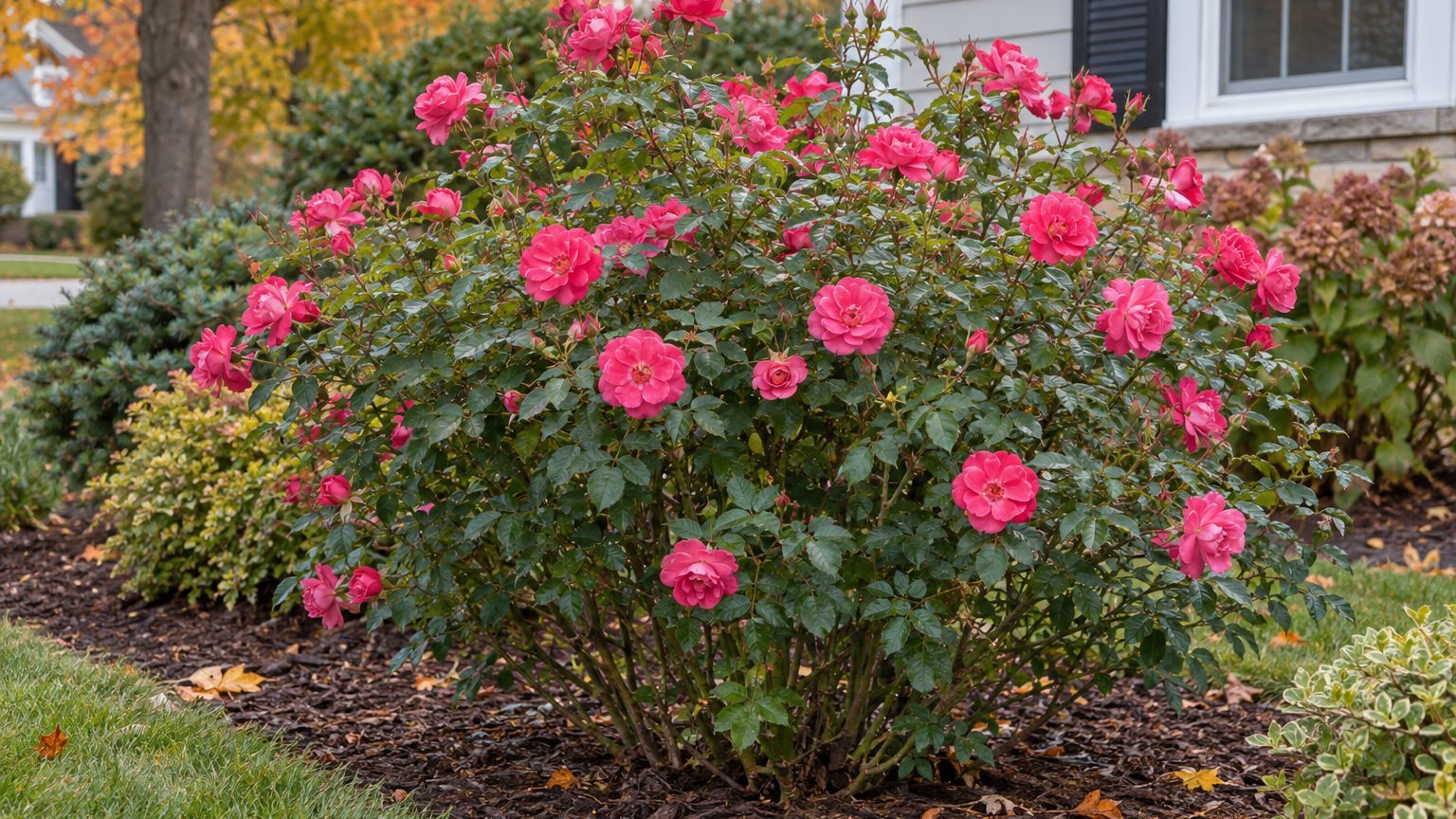
Clusters of small, soft pink buds open along the stems in spring with a sweet fragrance. That is the Cecile Brunner rose, a small, easygoing plant that asks little of you.

What Is the Cecile Brunner Rose?

Cecile Brunner is a polyantha rose whose flowers open in clusters. Also sold as Mme. Cècile Brünner and the Sweetheart Rose, the bush form grows as a small shrub up to 4 feet.

The blossoms are a soft silvery pink and look like a hybrid tea in miniature, with high-centered, pointed buds that open to double blooms. A sweet fragrance comes with them.

A climbing sport of the plant, found in 1894, is a different animal: it reaches 20-30 feet tall and 10-20 feet wide. Check the plant tag to see which form you are buying.

Where Does the Cecile Brunner Rose Grow Best?

Cecile Brunner is hardy in zones 5-9, which covers a wide band of the country. Within that band, the differences come down to how cold the winter gets and how much heat and humidity the summer brings.

  • Upper Midwest and Northeast (Minnesota, Wisconsin, New York, Massachusetts): the colder parts sit at the edge of zone 5, so a sheltered spot near a wall helps the canes come through winter.
  • Mid-Atlantic and Southeast (North Carolina, Virginia, Georgia): winters are milder and the climbing form does well here, growing large on a fence or trellis.
  • Texas and the Gulf Coast (Texas, Louisiana, Alabama): the plant sits in the warmer part of its range, with blooms continuing until frost.
  • Interior West and Mountain States (Colorado, Utah, Idaho): lower elevations fit the range, while high, cold valleys can fall below zone 5.

The state selector just below this section leads to the page for your state, with the months that apply where you live.

How to Care for the Cecile Brunner Rose Through the Year

Waking Up

Waking Up — Cecile Brunner Rose: Size, Zones, Pruning and Care

As the buds begin to swell in spring, the plant sets out new growth and the first flush of flowers follows. Grow it in full sun to partial shade, in amended, well-drained garden soil.

Pruning

The bush form needs little pruning. For the climbing form, prune in late winter to remove dead or diseased canes and to keep the size in check. Cut out damaged wood first, then thin what crowds the center.

Blooming

Blooming — Cecile Brunner Rose: Size, Zones, Pruning and Care

Bloom is heavy in spring, and the plant then keeps producing flowers in successive flushes through summer and fall. The climbing form flowers from late spring to early summer, then in scattered flushes through fall.

Summer

Summer flowering comes in waves rather than one show, so the plant looks best with steady moisture at the roots. Water at the base and keep the leaves dry. Regular watering carries the next flush along.

Fall

Blooms continue until frost, so let the last flush finish. Leave the shrub alone once flowering slows. Hard pruning now would push tender growth just as cold approaches.

Winter

Wait until late winter to tidy the canes.

Cecile Brunner Rose Diseases and Weak Points

The climbing form has good disease resistance.

The climbing form needs room for its mature size.

Threat How Cecile Brunner handles it
Disease in general Good disease resistance
Cold winters Hardy in zones 5-9
Overgrowth of the climbing form Prune in late winter to control size

Watch the leaves for insect damage and act if you see it.

Is the Cecile Brunner Rose Right for Your Yard?

It suits a yard with sun and well-drained soil, and a gardener who wants flowers from spring until frost without much fuss. The bush stays small, so it fits a border or a corner.

  • Choose the bush form for a compact planting, and plan on little pruning once it is established.
  • Choose the climbing form only if you have a tall fence, arbor or wall, and prune it in late winter.
  • Skip it if your winters fall below zone 5, or if you want a flower larger than the 1-2 inch blooms of the climber.

Common Questions

Is Cecile Brunner a Climbing Rose?

Both forms exist. The bush type is a small shrub, and the climbing sport grows far taller. The plant tag tells you which one you have.

Does Cecile Brunner Bloom More than Once?

Yes. It blooms in spring and then repeats through summer and fall until frost.

Does Cecile Brunner Need Full Sun?

Full sun to partial shade works, as long as the soil is amended and drains well.

Carefree Wonder Rose: Size, Zones, Pruning and Care

Carefree Wonder Rose: Size, Zones, Pruning and Care

Deep pink flowers open in successive flushes from spring until frost, while pruning waits until late winter. That is the Carefree Wonder rose, a rebloomer that suits a front border or a hedge line.

What Is the Carefree Wonder Rose?

Carefree Wonder is a hybrid shrub rose bred in France and released in 1990. It forms a bushy shrub that grows 3-5 feet tall and 2-3 feet wide in full sun and well-drained, moist, amended soil.

The flowers are medium pink with a creamy white to pink reverse, cupped in form, 4-5 inches across with 26-40 petals. They carry a mild fragrance and open in small clusters.

Blooms come in flushes through the season, and large orange hips follow from nearly every flower that is left to set fruit.

Where Does the Carefree Wonder Rose Grow Best?

This rose is hardy in zones 4-9, which covers most of the country, with a few real differences in how it behaves from one region to the next.

  • Upper Midwest and northern New England: Zone 4 gardens in Minnesota, Wisconsin and Vermont sit at the cold edge of its range, so late spring frost can nip the new growth after it leaves the buds. Cover or shelter young shoots if a cold snap arrives after leaf-out.
  • Powdery mildew, rust and black spot are the diseases to watch for.
  • Give the shrub full sun and moist, well-drained soil.

The state selector just below this section leads to the page for your own state, where the timing for your area is laid out.

How to Care for the Carefree Wonder Rose Through the Year

Waking Up

Waking Up — Carefree Wonder Rose: Size, Zones, Pruning and Care

New growth is the tender part of this rose. In regions where spring frost can return after the buds open, protect the fresh shoots, because the soft tips are the first thing a late freeze burns.

Pruning

Prune in late winter. Remove old, dead or diseased canes, then prune the shrub to 1/3 its size. Late-winter pruning removes old, dead or diseased canes.

Bloom

Flowers arrive in flushes from spring until frost. Snip off spent flowers to encourage the next round. Prune spent flowers to encourage reblooming.

Summer

Full sun and moist, well-drained soil keep the plant steady through the heat. Water at the base so the leaves stay dry, since powdery mildew, rust and black spot are the problems to watch for in muggy weather.

Fall

Blooming continues until frost, so the last flush can be enjoyed well into the season. If you stop deadheading near the end, the orange hips form and add color to the shrub after the petals drop.

Winter

Leave the canes standing until the late-winter pruning. Old wood and hips give the shrub some structure in the cold months, and the cleanup of dead or diseased canes is easier when you can see what has survived.

Carefree Wonder Rose Diseases and Weak Points

Carefree Wonder is a shrub rose whose leaves should be watched for powdery mildew, rust and black spot.

The leaf diseases to watch for are powdery mildew, rust and black spot.

Threat How Carefree Wonder handles it
Powdery mildew Watch for it, especially in humid weather
Rust Watch for it on the leaves
Black spot Watch for it through the growing season

Late spring frost is the other weak point, because it can damage new growth. Removing diseased canes in late winter clears out a good share of what would carry trouble into the next year.

Is the Carefree Wonder Rose Right for Your Yard?

It fits a sunny spot with room for a plant up to 5 feet tall, and it suits gardeners who want a repeat bloomer without much fuss. It is less suited to deep shade or soggy ground.

  • Plant it in full sun with well-drained soil, then prune in late winter and deadhead through the bloom season.
  • Skip it if you want a tiny plant or a climber, since this shrub stays bushy at 2-3 feet wide.
  • Open your state page from the selector above to see the months that fit your own yard.

Common Questions

Does Carefree Wonder Rose Have a Scent?

Yes, the fragrance is mild. The pink flowers are more noticeable for their color and cupped form than for their perfume.

Will Carefree Wonder Rose Rebloom?

It repeats throughout the season, in flushes from spring until frost. Pruning off spent flowers encourages the next round.

Why Are There Orange Fruits on My Carefree Wonder Rose?

Those are hips, which form on nearly every flower left on the plant. They are normal, and removing spent flowers earlier in the season reduces them.

Carefree Delight Rose: Size, Zones, Pruning and Care

Carefree Delight Rose: Size, Zones, Pruning and Care

A low, spreading pink rose keeps pushing out new clusters through the season. Carefree Delight is a compact landscape rose that suits borders, slopes and the front edge of a bed.

What Is the Carefree Delight Rose?

Carefree Delight is a hybrid small shrub rose in the rose family, bred in France by Jacques Mouchotte and released in 1991. It belongs to the group of low-growing landscape roses used on sloping banks, along walkways and spilling over walls.

The shrub is dense and spreading, growing 2-3 feet tall and 3-5 feet wide, so it covers ground more than it climbs. Plan for that width when you set it near a path.

The flowers are light pink with a white eye and yellow stamens, 2-3 inches wide, with a mild fragrance and about 10 petals. They open in clusters on short stems in flushes through the season, and red fruits follow in fall.

Where Does the Carefree Delight Rose Grow Best?

This rose is rated for USDA zones 5a, 5b, 6a, 6b, 7a, 7b, 8a, 8b, 9a, 9b, 10a and 10b, though the way it behaves differs from one region to the next. Within that hardiness range, this rose needs full sun and well-drained soil.

  • Upper Midwest, such as Minnesota, Wisconsin and Illinois: the colder end of the range, zone 5, is where winter cold decides how much old wood you find in spring. Plant it in a sunny spot with soil that does not hold water.
  • Mid-Atlantic and Ohio Valley, such as Kentucky, Virginia and North Carolina: zones 6 and 7 suit it well, and the shrub fills out to its full spread in a sunny bed with good drainage.
  • Gulf Coast and Deep South, such as Louisiana, Georgia and Florida: zones 9 and 10 sit at the warm edge of its range, so drainage and a sunny, open site keep it growing steadily.
  • Pacific Coast, such as California, Oregon and Washington: it works as a low cover for banks and borders, and drainage is again the thing to get right.

The state selector just below this section leads to the page for your state, where you will find the local timing for each job.

How to Care for the Carefree Delight Rose Through the Year

Spring Wake-Up

Spring Wake-Up — Carefree Delight Rose: Size, Zones, Pruning and Care

As buds swell and new growth starts, check the shrub for canes that did not make it through winter. This rose wants full sun and well-drained soil, so spring is also the time to fix a spot that stays soggy after rain.

Pruning

Prune by renewal in spring. Remove about one-third of the oldest canes down to the soil line as needed, which keeps the shrub open and encourages new canes to form. Leave the younger canes alone, since they carry the next flush.

Bloom

Bloom — Carefree Delight Rose: Size, Zones, Pruning and Care

The flowers come in flushes through the season, in large clusters on short stems. Because this rose is recurrent, new growth keeps producing buds, so cutting away old canes in spring pays off in flowers later.

Summer

In summer the shrub is in its main display, with rich pink blooms and a creamy reverse. A spreading habit means the plant needs room, so trim back anything that creeps over a walkway rather than waiting for it to take over.

Fall

Red fruits appear in fall, and they are part of the plant’s late-season look. Leave them in place if you like the color. Bloom winds down as the days shorten.

Winter

Rated hardy to zone 5a, this is a low, spreading shrub. In colder parts of the range, check in spring for dead canes and use the renewal cut to clear them out.

Carefree Delight Rose Diseases and Weak Points

Carefree Delight has good disease resistance, a useful trait in a sunny, open bed. That does not make it immune, so a sunny, open site still helps.

The main weak points here are about site and shape rather than a named pest. The plant spreads wide, so it needs space, and it wants well-drained soil.

Threat How Carefree Delight handles it
Diseases in general Good disease resistance
Crowding and old canes Renewal pruning in spring keeps the shrub open
Wet soil Needs well-drained soil in full sun

Choose a spot with room for its 3-5 feet of spread and well-drained soil.

Is the Carefree Delight Rose Right for Your Yard?

It suits a sunny bed, a slope or a border edge where you want pink flowers without much fuss. It is a poor fit for deep shade or a spot that stays wet.

  • Choose it for a sunny slope or walkway edge, planted where a 3-5 foot spread will not crowd a path.
  • Skip it for shady corners and heavy, soggy soil, where it will struggle.
  • Pick your state in the selector above, then open its page for local timing before you prune or plant.

Common Questions

Does Carefree Delight Rose Bloom More than Once?

Yes. It is a recurrent bloomer that flowers in flushes through the season, and red fruits show up in fall.

How Big Does a Carefree Delight Rose Get?

It reaches 2-3 feet tall and 3-5 feet wide, so it grows as a low, wide mound.

What Kind of Soil and Light Does Carefree Delight Rose Need?

Full sun and well-drained soil. A site that drains slowly after rain is the one to avoid.

Rose Leaves Turning Yellow With Green Veins: Causes and How to Fix It

Rose Leaves Turning Yellow With Green Veins: Causes and How to Fix It

New rose leaves can emerge pale yellow while the veins stay green. It looks like a disease, but it usually points to the soil and to nutrients the roots cannot take up. Reading the pattern correctly tells you whether to change the watering, the soil chemistry or both.

Rose Leaves Turning Yellow With Green Veins: What You See

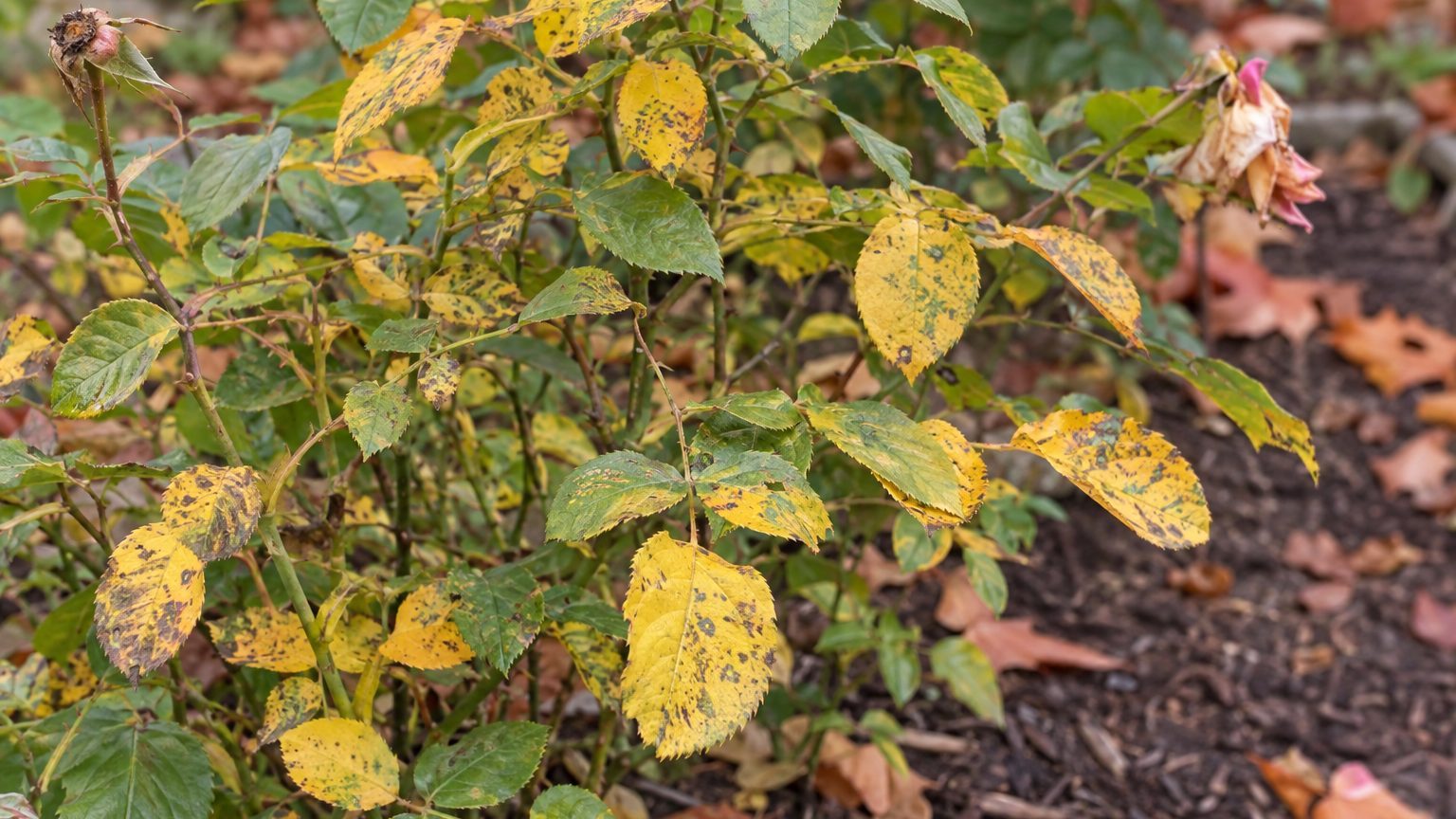
Rose Leaves Turning Yellow With Green Veins on a rose

The pattern is easy to spot once you know where to look, and these are the signs to check on the bush.

  • The tissue between the veins fades to yellow while the veins themselves stay green, giving each leaf a netted look.
  • The youngest leaves at the tips of the canes show it first, and they are affected more than the older leaves lower down.
  • In severe cases, the new leaves come out small and completely white.
  • Leaf tips and margins may turn brown and dry as the problem drags on.
  • Leaves can drop early, leaving thin, bare-looking canes.

Because the pattern appears on new growth, you will notice it whenever the bush is pushing fresh shoots, and each flush of new leaves can repeat it.

Rose Leaves Turning Yellow With Green Veins or Something Else?

A few other problems turn rose leaves yellow, and they call for different fixes. The difference usually shows in what the veins do and in what the soil feels like when you push a trowel in.

Looks like How to tell them apart
Waterlogged roots Soil stays soggy and drains poorly, and the yellowing is more general instead of leaving the veins sharply green.
Other nutrient shortages The veins themselves turn yellow, and leaf edges brown and drop early, instead of staying green on new leaves.

Wet soil and the green-vein pattern can occur together, because soil that is too wet can also leave iron and zinc out of reach. If the bush sits where water lingers, treat the drainage as part of the problem and not as a separate one.

What Causes Rose Leaves Turning Yellow With Green Veins, and Where It Is Worst

The usual cause is a shortage of iron or zinc in the new leaves. Iron may be present in alkaline soil but remain unavailable to the plant. The symptoms are usually tied to soil pH that is too high.

Iron is often tightly bound to soil particles in alkaline, calcareous soils, which describes many soils there. The rose cannot reach it even when plenty is in the ground. Roses are among the plants most often brought in for diagnosis of this problem.

Several conditions raise the odds of trouble:

  • Alkaline soil, where iron and zinc turn into forms roots cannot use.
  • Soil that stays too wet, which starves roots of oxygen.
  • Heavy, poorly drained soil, which can make the symptoms worse.

How to Treat Rose Leaves Turning Yellow With Green Veins

Start with simple checks, and confirm the cause before taking corrective action.

  1. Compare new leaves with old ones, so you know the yellowing with green veins sits on the youngest growth and not on the whole plant.
  2. Push a trowel into the soil near the bush and feel it, so you can tell whether poor drainage or too much water is starving the roots of oxygen.
  3. Take a soil sample to your county extension office for a pH test, so you know whether high pH is locking up iron and zinc.
  4. Apply iron or zinc in a chelated form to the soil or the leaves, so the plant gets nutrients in a form it can use. A chelated iron product is expected to correct the problem.
  5. Ease off the watering where the soil stays soggy, so the roots can take up nutrients again.

Your state extension service can tell you which products are approved where you live, and the label sets the amount. Treat new growth as the measure of success, since leaves that have already yellowed rarely change.

How to Prevent Rose Leaves Turning Yellow With Green Veins Coming Back

The pattern returns where the soil stays alkaline or wet, so prevention follows the year around the bush.

  • In early spring, before growth starts, test the soil pH so you know whether iron and zinc will be available once the leaves open.
  • As the first new leaves unfold, check the tips of the canes, because early signs show on the youngest growth.
  • Through the growing season, water so the soil is moist but never soggy, since roots need oxygen to take up nutrients.
  • Before planting or moving roses in heavy ground, improve the drainage because poor drainage can worsen the symptoms.

Soil that stays wet and alkaline can bring the problem back no matter what you spray, which is why drainage and pH come before any quick fix.

Where This Comes From

Check with your state extension service before treating.

Common Questions

Why Spray Leaves Instead of Treating the Soil?

In alkaline soil, iron and zinc form insoluble precipitates, so material put on the ground may never reach the roots. That is why these metals can be applied straight to the foliage, and chelated forms can also be used in the soil.

Does Sandy Soil Cause Yellow Leaves with Green Veins?

It can. In California, sandy loam can be low in micronutrients, so roses growing in it may run short of iron and zinc.

How Can You Confirm the Cause Before Treating?

A soil pH test can show whether high pH is involved. Pair the result with what you see on the plant, meaning green veins on new leaves and soil that either drains well or stays wet.

Rose Winter Damage: Causes and How to Fix It

Rose Winter Damage: Causes and How to Fix It

A rose that looked fine at the first leaf-out can start to wilt as the weather warms, with canes that turn brown from the tips down. That pattern usually points to cold injury from the winter before.

Rose Winter Damage: What You See

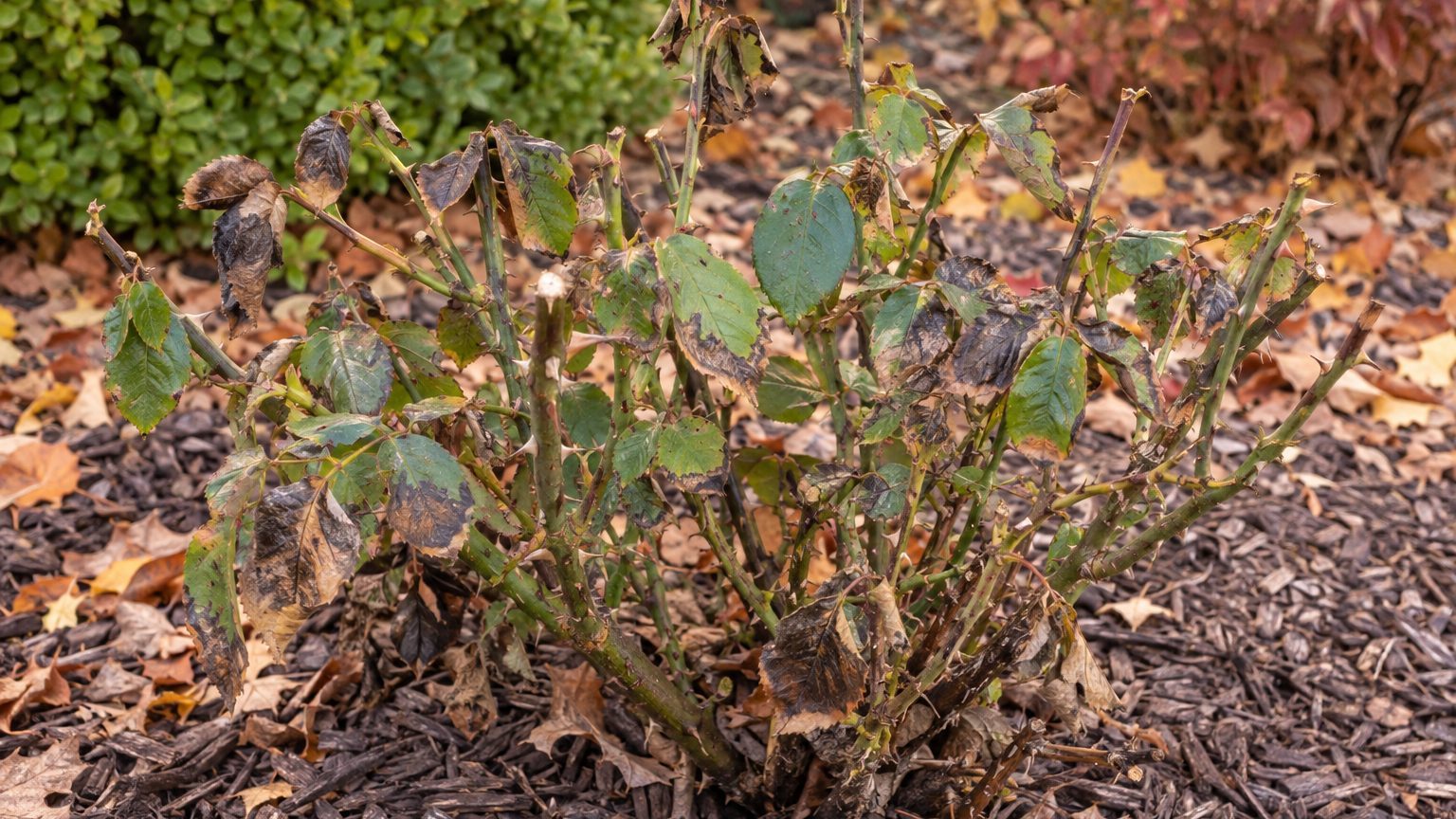
Rose Winter Damage on a rose

In Minnesota, winter injury can become visible in spring after the plant seems to wake up normally.

  • In Minnesota, new growth emerges in spring, then wilts and dies as the weather turns warm.
  • Dark streaks show in the wood when you scrape away a little bark on an affected cane.
  • Flowers, twigs and stems die or are dying, often on the parts of the plant that stood highest above the mulch.
  • Canes that were alive in fall stay bare, with new growth that emerges then wilts and dies as weather turns warm.
  • Stem cankers can appear later on injured canes, because disease organisms move into the damaged tissue.

The damage often looks patchy, with one cane fully dead and its neighbor leafing out normally.

Rose Winter Damage or Something Else?

In Minnesota, several rose problems can leave wilted, brown or bare canes in spring or summer. Winter injury is the one tied to the cold season just past, and it shows up as the plant restarts growth.

Checking where the damage sits and what the bark looks like usually settles it.

Looks like How to tell them apart
In Minnesota, rodent damage causes buds to fail to leaf out or leaf out very poorly in spring Bark is stripped around the base of the cane with signs of chewing, and the plant may feel wobbly and loosely anchored if the roots were gnawed
Verticillium wilt: wilting tips and browning canes Leaves yellow and drop starting at the lowest leaves and moving upward, and purplish black streaks appear on stems before dieback
Rose stem girdler: clumps of leaves wilt and turn brown In Minnesota, it happens in summer rather than at spring restart, and the stem swells where the damage sits

Rust is another leaf problem that gets mistaken for winter trouble. It shows orange raised bumps on the underside of leaves, with twisted leaves and powdery orange spores, which is a different picture from a dead cane.

What Causes Rose Winter Damage, and Where It Is Worst

The cause is cold, but the swing between freezing and thawing. Cold damage occurs as plant tissues alternate between freezing and thawing. That is why the goal there is to keep the crown and the lower canes uniformly cold through the deepest winter.

Sudden swings can be very hard on plants. In Nebraska, temperatures can change by 20-30° F in 24 hours, which is very hard on plants. Unseasonably warm spells in January and February, followed by repeated freezing and thawing of the soil, can do a lot of damage there too.

The plant’s own condition and the pruning it received matter as well. In New Hampshire, heavy fall pruning of bush roses can mean losing the entire plant in a severe winter. Roses that go into fall weak, or that are still pushing soft growth, have a harder time getting through.

How to Treat Rose Winter Damage

Treatment is mostly patient pruning and cleanup, done in this order once the plant shows you what survived.

  1. Wait for new growth to show on the canes, so that you can see which parts are alive and which are not.
  2. Scrape a little bark from a doubtful cane, because dark streaks in the wood confirm cold injury and green tissue shows the cane is still alive.
  3. Cut out dead or diseased tissue with the cut made at an angle in healthy tissue just above a node, so that the new shoot grows from sound wood.
  4. Avoid wounding the remaining canes while you work, since stem canker diseases move into injured tissue.
  5. Gather the prunings and any fallen leaves and dispose of them, so that disease does not carry over on the debris.
  6. Keep the plant vigorous through the season with good regular care, so that it has the strength to push replacement canes.

If canes keep dying after you have cut back to healthy wood, or you notice signs of wilt or rodent injury, your state’s extension service can tell you what is approved and advised where you live.

How to Prevent Rose Winter Damage Coming Back

Prevention follows the year, from feeding through the first hard frosts.

  • From April through August, feed monthly, as advised in Pennsylvania, and then stop so that late soft growth does not fail to harden off before winter.
  • In Nebraska, keep plants healthy and vigorous in fall to improve winter hardiness.
  • In New Hampshire, wait until hard frosts have killed any remaining leaves before applying winter protection.
  • When you mound mulch for winter in New Hampshire, leaving 18”- 24″ of healthy canes under it gives you new growth and healthy canes in spring.
  • In New Hampshire, cut extremely long stems back before winter winds arrive so that they do not whip about and loosen the soil mound around the crown.
  • Once the leaves have fallen, clean up and dispose of leaves and any diseased or damaged stems to lower the risk of disease carrying over.

In cold mountain areas of California, a thick layer of leaf mulch may protect roses during the winter.

Where This Comes From

Check with your own state’s extension service for the dates and methods that suit your climate.

Common Questions

Do All Roses Need Winter Protection?

Winter protection is often necessary for most types of garden roses. How much you need depends on the type of rose and where it sits in the garden.

Should You Prune Roses Hard in Fall?

Hard fall pruning is a risk for bush roses in New Hampshire. For tea roses, a good rule there is to cut less in the fall and more heavily in the spring.

Can Fall Fertilizer Help Roses Get Through Winter?

In Pennsylvania, a high potassium fertilizer applied in the fall may increase winter hardiness once the plant is dormant. Check with your local extension service for what is approved in your state.

Rose Leaves Turning Brown: Causes and How to Fix It

Rose Leaves Turning Brown: Causes and How to Fix It

Brown patches on rose leaves can come from environmental stress, black spot, heavy pest damage or powdery mildew; the location and shape of the damage help separate them. Reading where the brown starts and what the leaf does next tells you which one you are dealing with.

Rose Leaves Turning Brown: What You See

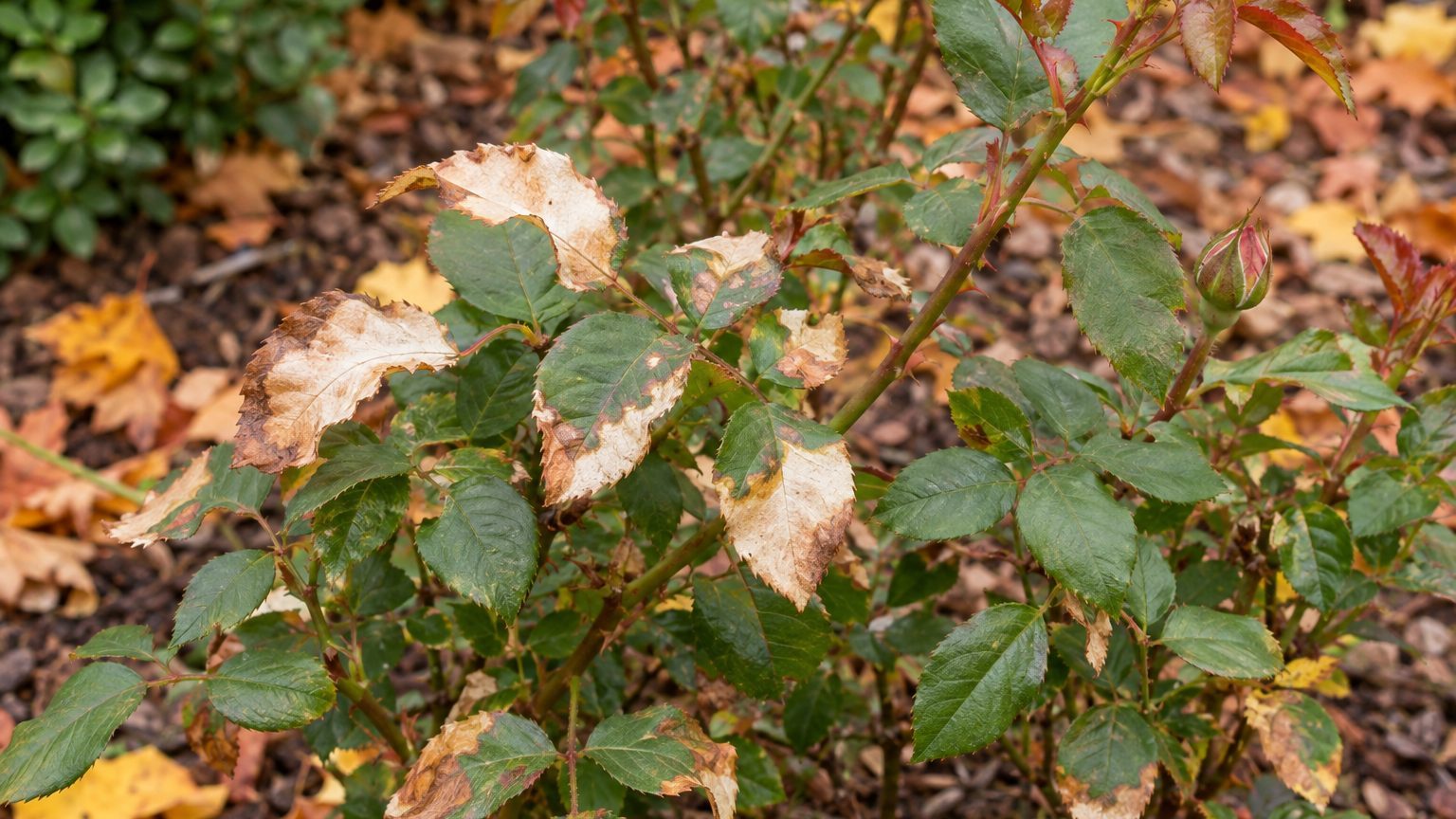
Rose Leaves Turning Brown on a rose

The signs that separate one cause from another are shape, color around the spot and what the leaf does afterward.

  • Round to irregular spots, light brown to black, form on the leaf surface and the border may look fringed or feathered.
  • A yellow halo often surrounds the spot, and the leaf soon turns yellow and drops from the plant.
  • Browning that looks like a burn, or angular blotches ranging from yellow through purple to brown, points toward leaf scorch.
  • Heavy infestations of tiny pests can turn leaves brown and make them curl.
  • Spots can also appear on leaf stalks, twigs and canes, not only on the blade.
  • Young leaves curl upward and look deformed, with a white powdery coating or reddish, burgundy tones.

In South Carolina, severely infected plants may have lost all of their leaves by mid-summer, so a few spots in spring deserve attention early.

Rose Leaves Turning Brown or Something Else?

Several rose problems start with a brown or dark mark, and some of them are not browning at all. Checking the edge of the spot and the surrounding color settles most doubts.

Gray mold on buds is a good example, since the damage sits on the bud rather than the leaf.

Looks like How to tell them apart
Black spot Dark spots with fringed, feathery edges, often with yellowing of the leaflet and leaf drop
Powdery mildew White powdery coating on leaves and stems, with young leaves curling upward and looking deformed
Gray mold on buds Buds turn brown and decay before opening, with gray fuzz inside or over the outside of the bud

Leaf scorch and mite damage sit apart from these, since scorch looks like a burn on the leaf rather than a spot with a defined border.

What Causes Rose Leaves Turning Brown, and Where It Is Worst

Often the cause is environmental, a mix of water, sunlight and nutrient problems. Roses want regular watering but resent soggy soil, and in containers they dry out faster yet still need good drainage. They also need regular fertilization, so a hungry or waterlogged plant can scorch.

Light matters too. Roses do well with 6-8 hours of sun, ideally with morning sun that dries dew from the leaves and helps prevent powdery mildew. A rose in deep shade may stay damp longer, which can favor disease.

Fungal disease is the other big group. Black spot is common and persistent on roses, and it spreads where leaves stay wet. In Maryland, affected leaves may yellow and fall as black spot progresses.

How to Treat Rose Leaves Turning Brown

Start by checking the symptoms closely, and confirm the cause before reaching for anything to spray.

  1. Inspect the spots closely, so that you can tell fringed black spot margins from scorch or mite damage.
  2. Remove infected leaves as soon as they appear in spring, so that the disease has less to spread from.
  3. Rake up every fallen leaf around the plant, especially in fall, because fallen leaves carry the problem into the next season.
  4. Adjust watering so the soil stays moist but never soggy, and check that containers drain freely.
  5. Feed the rose regularly, since a starved plant scorches more easily.
  6. Ask your state’s extension service which treatments are approved locally if the spotting keeps spreading.

Browning from heavy mite infestations or root trouble, including dark brown roots and a stunted root system, needs a closer look at the plant than leaf cleanup alone.

How to Prevent Rose Leaves Turning Brown Coming Back

Prevention follows the rose’s year, with most of the work done when the plant is waking up and again when it drops its leaves.

  • In early spring, remove infected leaves as soon as they appear; this may reduce black spot.
  • Once growth starts, give roses the 6-8 hours of sun they need, with morning light to dry the dew.
  • Through the growing season, water the soil rather than the leaves and keep the ground damp without letting it turn soggy.
  • Across the season, feed regularly so the plant holds up against scorch.
  • In fall, clear every fallen leaf from around the plant, since that litter is where trouble waits over winter.

Container roses need more frequent watering than ground roses, so check them more often when the weather warms.

Where This Comes From

Your state’s cooperative extension service can confirm local timing and tell you which treatments are approved where you live.

Common Questions

Why Do Rose Leaves Turn Yellow Before They Turn Brown?

With black spot, infected leaves can turn yellow and drop even when only a few lesions are present.

Can a Rose Recover After Losing Its Leaves?

Leaf loss can be sudden and severe, and it can occur before lesions are even detected. Left alone, severe disease may end in plant death, so act early.

Does Powdery Mildew Make Leaves Brown?

It mostly shows as blistering, twisting, white coating and red-to-burgundy foliage, and in severe cases young shoots may be killed back.

Brown Edges on Rose Leaves: Causes and How to Fix It

Brown Edges on Rose Leaves: Causes and How to Fix It

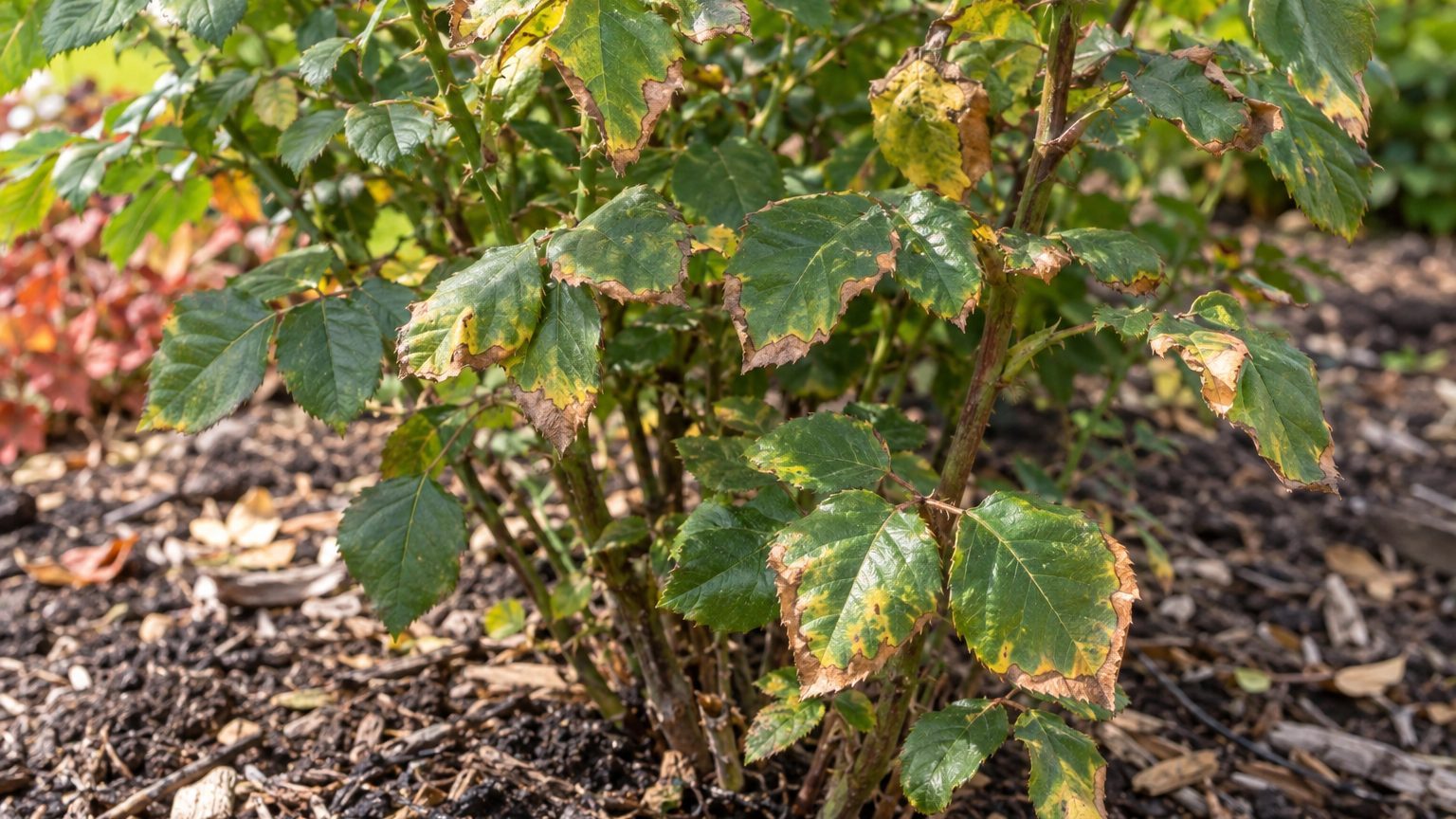
Walk past a rose in summer and the leaf rims may look crisp and tan, as if singed by a match. On roses, brown edges most often trace back to salts that have built up in the soil and moved into the leaf tissue, usually from fertilizer or from watering that never flushes the root zone.

Brown Edges on Rose Leaves: What You See

Brown Edges on Rose Leaves on a rose

The clearest sign is a brown, dry rim that runs along the leaf edge.

  • The edges of the leaves turn brown and dry, and the browning follows the outline rather than forming spots in the middle.
  • Roses growing close to roads or sidewalks tend to show it, as do roses that have been fed heavily.
  • Growth is slow and the plant looks stunted compared with a healthy neighbor.
  • Dig carefully and the roots may be dead and brown from the tip back.

Spots, blotches and fuzzy margins point to something else, covered next.

Brown Edges on Rose Leaves or Something Else?

Several rose problems leave brown on the leaf, but they put it in different places. A browned rim is one pattern, and spots with a distinct outline are another.

Checking the shape of the damage and where it sits on the leaf settles most cases.

Looks like How to tell them apart
Black spot Brown to black round spots with feathery edges, often ringed in yellow, and infected leaves often drop even with only a few lesions.
Downy mildew Angular purple, red or brown spots sit between the veins, then leaves yellow and drop, and pale felty patches may show on the undersides.
Leaf scorch from soggy roots Browning appears after poor drainage or too much water, so the soil stays wet and the roots lack oxygen.

Spots with brown to gray centers that may drop out are reported in Tennessee, and they belong with the spot diseases rather than with salt damage.

What Causes Brown Edges on Rose Leaves, and Where It Is Worst

Salt is the usual culprit. It builds up in the soil and then in the plant tissue, and it comes from too much fertilizer or from watering that is too shallow to push salts down and away from the roots. Deicing salt can do the same job near a driveway or street.

Poor drainage adds another route. When the soil stays soggy, roots lose oxygen and the leaves scorch at the margins, so a wet spot in the bed can produce the same look as a salty one.

Roses beside salted roads or sidewalks, and heavily fertilized roses, commonly show this problem. Check those beds first.

How to Treat Brown Edges on Rose Leaves

Work from the soil up, since the leaves reflect what the roots are living in.

  1. Look at the site, so that you know whether deicing salt runoff, a heavy feeding or soggy ground is the likely source.
  2. Stop fertilizing the bush, because more fertilizer adds to the salts already in the soil.
  3. Water slowly and deeply, so that the salts are leached past the root zone instead of sitting around the roots.
  4. Improve drainage where water pools, since roots short of oxygen scorch the leaves in the same way.
  5. Check a few roots, so that you can tell whether they are dead and brown from the tip back or still healthy.
  6. Leave the browned leaves alone unless they bother you.

If spots rather than clean brown rims are the problem, remove and destroy fallen leaves and water so the foliage stays dry. If a leaf-spot disease is confirmed, a fungicide can protect new foliage.

How to Prevent Brown Edges on Rose Leaves Coming Back

Prevention comes down to how and when you feed and water through the season.

  • Read the fertilizer label before feeding and measure carefully, since over-applying is a direct route to salt buildup.
  • Water slowly and deeply from time to time so salts move below the root zone.
  • Through the growing season, keep sprinklers off the foliage and water at the base, which also protects against the leaf spot diseases.
  • Follow the fertilizer label throughout the season and do not over-apply.
  • Keep deicing salt from being shoveled or plowed onto the bed.

Roses planted well away from salted pavement start with an advantage.

Where This Comes From

This damage starts when salts build up in the soil and then in plant tissue.

Common Questions

Can You Cut Off Rose Leaves with Brown Edges?

You can, and it tidies the look, but it does not fix the cause. Deal with the soil salts or drainage first, since new leaves will brown the same way if the roots stay stressed.

Does Brown Leaf Edging Mean the Rose Is Dying?

Not by itself. Plants with this problem are often stunted and slow, but the thing to check is the roots. Roots that are dead and brown from the tip back confirm root damage; if the roots are still healthy, focus on reducing salt buildup in the soil.

Can Too Much Water Make Rose Leaf Edges Brown?

Yes. Poor drainage or too much water starves roots of oxygen, and the leaves scorch as a result. Soil that stays soggy points to this cause, while dry, salty soil near pavement points to salt.

The almanac, state by state. Every date on this site comes from a state’s own frost facts and its extension service’s calendar — and says where it comes from.