Skip to content

When to Prune Roses in Virginia

When to Prune Roses in Virginia

Rose canes look bare and stiff through a Virginia winter, then the buds along them start to swell and turn the color of new growth. That swelling is the signal to pick up the pruners. For repeat-blooming garden roses in Virginia, the work belongs to early spring, while once-blooming kinds should be cut at a different time altogether.

When to Prune Roses in Virginia

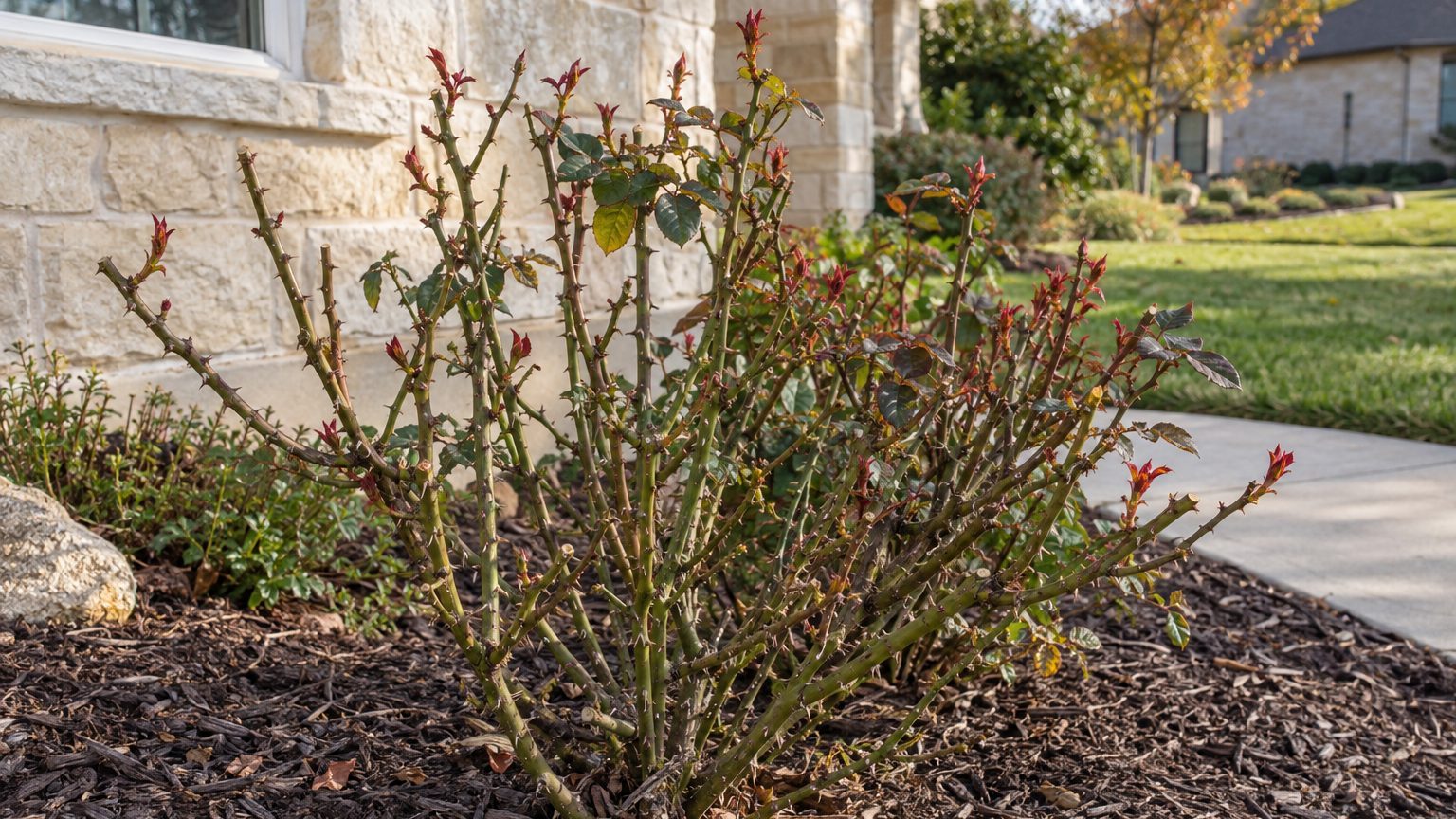
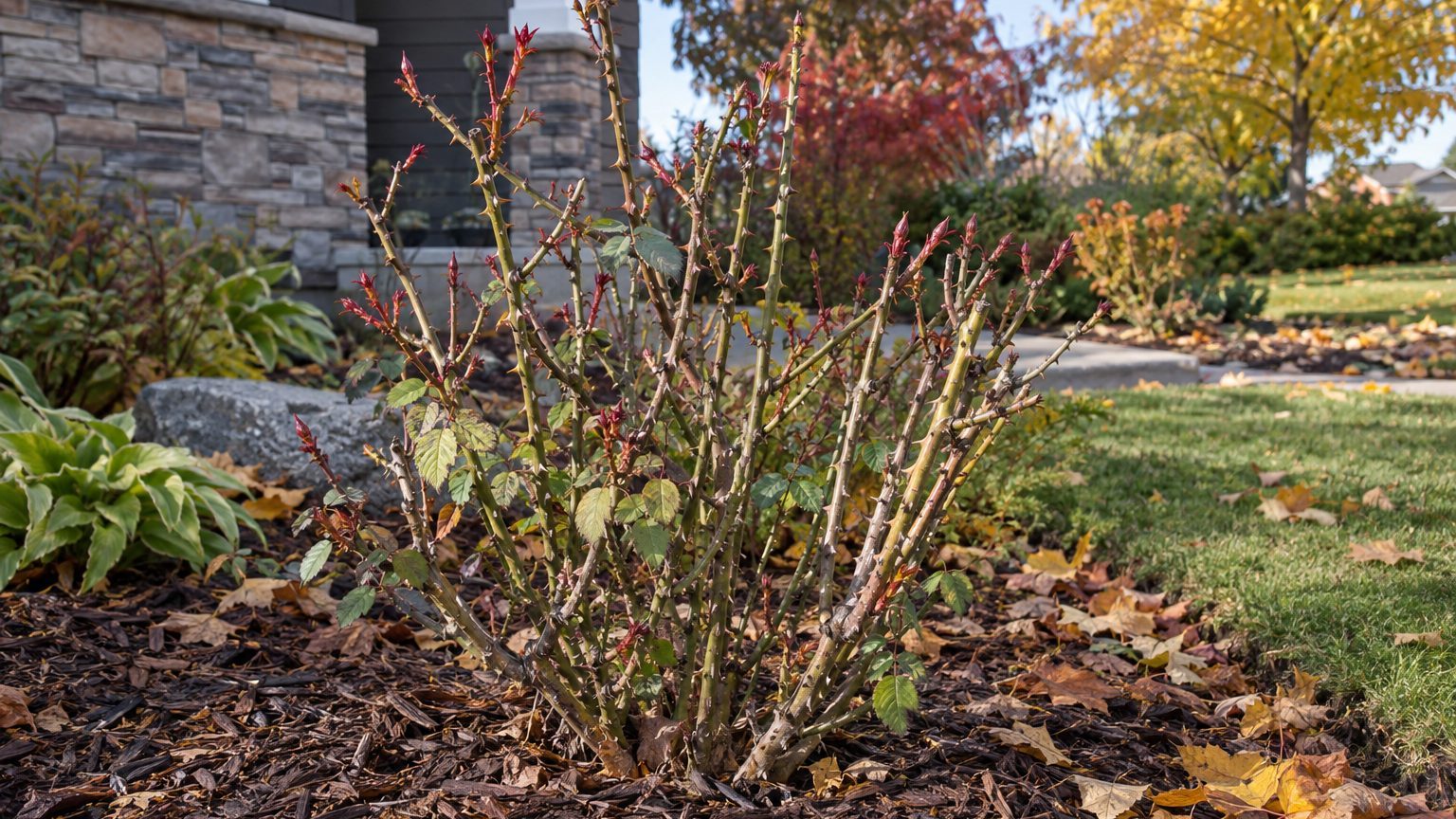
Rose canes at pruning time

Repeat-blooming roses are pruned in March in Virginia. It can also be done in February or April, depending on how the spring is running and which part of the state you garden in.

Roses that flower only once a year follow another rule: they are pruned right after they bloom, never in early spring.

Type of rose When to prune in Virginia Why
Repeat-blooming roses (hybrid teas, floribundas, modern shrub roses) March, or February and April when the season calls for it These roses take a heavy annual pruning just as the buds break dormancy, and they flower on new growth.
Once-blooming roses (old garden roses, ramblers, many climbers) Right after they finish blooming They flower once a year on last year’s wood, so a spring cut removes the blooms.

Repeat-blooming climbers sit in between. They bloom on current-season growth, so they are pruned in spring once any winter protection has been taken off. Old garden roses rarely need hard cutting, since heavy pruning spoils their graceful shape and cuts their flowering.

How to Tell When Your Roses Are Ready to Prune

A month on the calendar gets you close, but the plant itself tells you when to cut, and a mild or cold spring can move the day.

  • Buds along the canes begin to swell, which means the rose is leaving dormancy and the cuts will heal quickly.
  • Forsythias come into bloom, a signal many growers use to start the pruning season.
  • The hard freezes are behind you, so new growth stimulated by pruning is less likely to be burned by a late cold snap.
  • Any mound of soil, mulch or other winter protection has been pulled away from the base, leaving the canes in view to judge dead wood from live.
  • Canes that are still brown and shriveled at the tips, with green and plump wood lower down, show you how far back to cut.

Along the coast, the last spring freeze in Virginia Beach usually falls between March 20 and April 3, so buds that wake early there can still meet a cold night.

Should You Prune Roses in Fall or Winter in Virginia?

Fall and winter are not pruning seasons for roses in Virginia. The main cutting belongs to the spring months, from February into April, once the buds are about to move.

Tidying is different. If long canes whip around in autumn or winter wind, shorten them a little so they do not rock the roots loose or snap. Leave it at that.

Severe cuts wait until the plant is ready to regrow. A hard prune in cold months pushes the rose toward soft new growth too soon, and the cuts sit open to whatever winter brings.

How Rose Pruning Dates Shift Across Virginia

Virginia spans USDA hardiness zones 5a to 8b, so the same month does not mean the same thing in every yard, and the buds are a better guide than the calendar.

  • Virginia Beach and the coast: Spring arrives earlier here than in the northern parts of the state, so February pruning is realistic for repeat bloomers once the buds start to swell. Watch for a late cold snap afterward.
  • The Blue Ridge: Spring comes later in the mountains, so the pruning window slides toward April, and the forsythia bloom is a dependable cue.
  • Southwest Virginia: The season runs later here too, so wait for swelling buds before pruning to avoid cold-burned tips.

Between the coast and the mountains, swelling buds help you judge when to prune within the spring window.

Where to Get Rose Advice in Virginia

Virginia Cooperative Extension publishes gardening guidance written for the state’s soils and weather, and your county office can speak to the conditions in your own neighborhood.

  • The extension website has rose care pages worth reading in winter, before the buds start to swell.
  • Your county extension office can answer questions about a particular rose or a stubborn cane, so call when the first buds begin to plump.

Common Questions

When Should You Plant Bare-Root Roses in Virginia?

March and April are the usual months for bare-root roses in Virginia. February works as well when the ground can be dug.

When Should You Feed Roses in Virginia?

Feeding runs from April through August, and it can start in March if the first leaves are already out. Stopping by late summer keeps the plant from pushing tender growth that may not harden before winter.

Can You Plant Potted Roses Later than Bare-Root Roses?

Yes. Potted roses can go in later than the March and April window for bare-root roses, because they arrive with their roots already in soil.
When to Prune Roses in Vermont

When to Prune Roses in Vermont

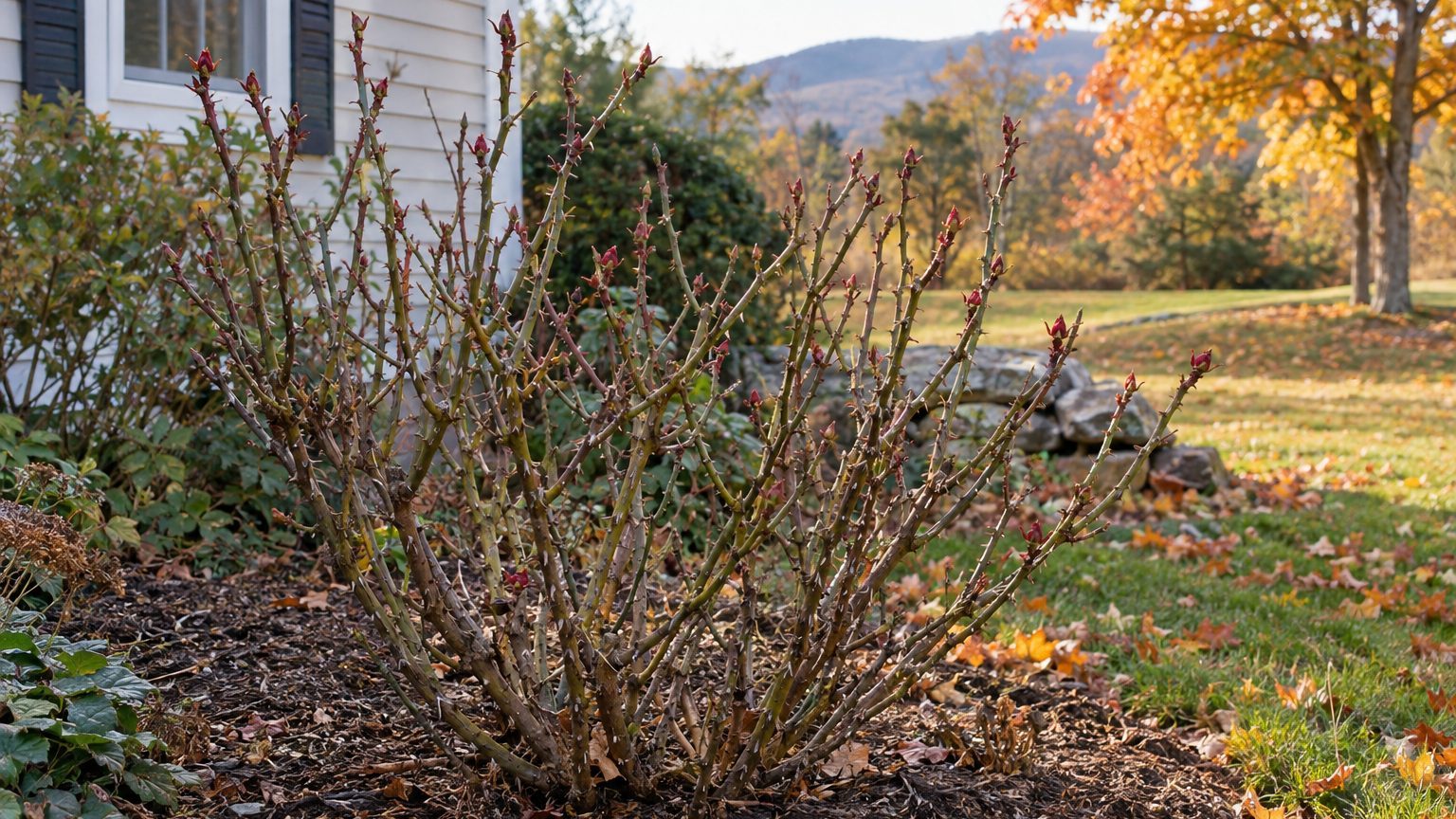
Snip a rose cane too early and the cut end can freeze back; wait too long and the plant has already spent energy on growth you remove. In Vermont, the sweet spot for repeat-blooming roses falls in spring, once the shoots begin to move and the worst of winter has passed.

When to Prune Roses in Vermont

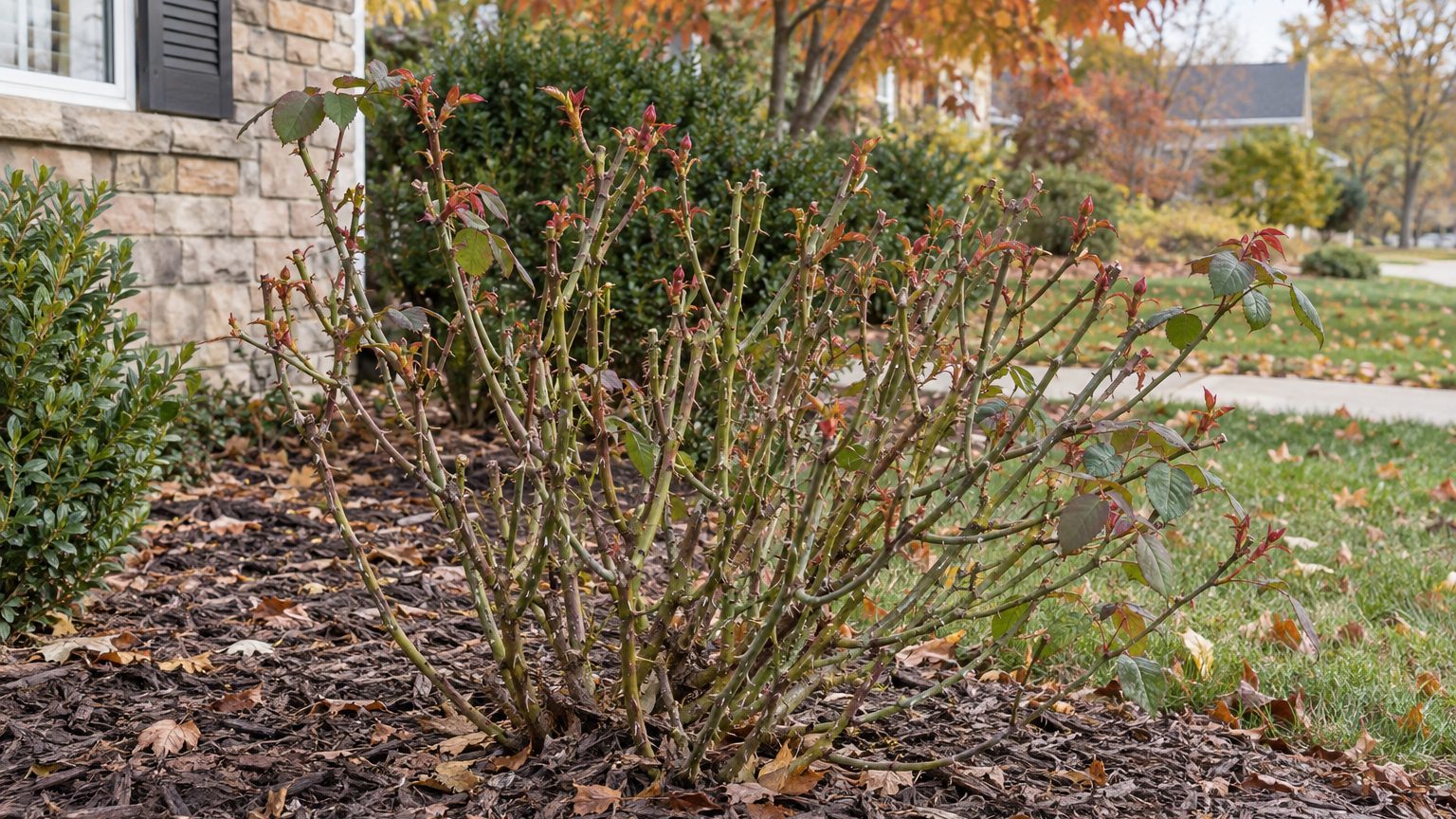
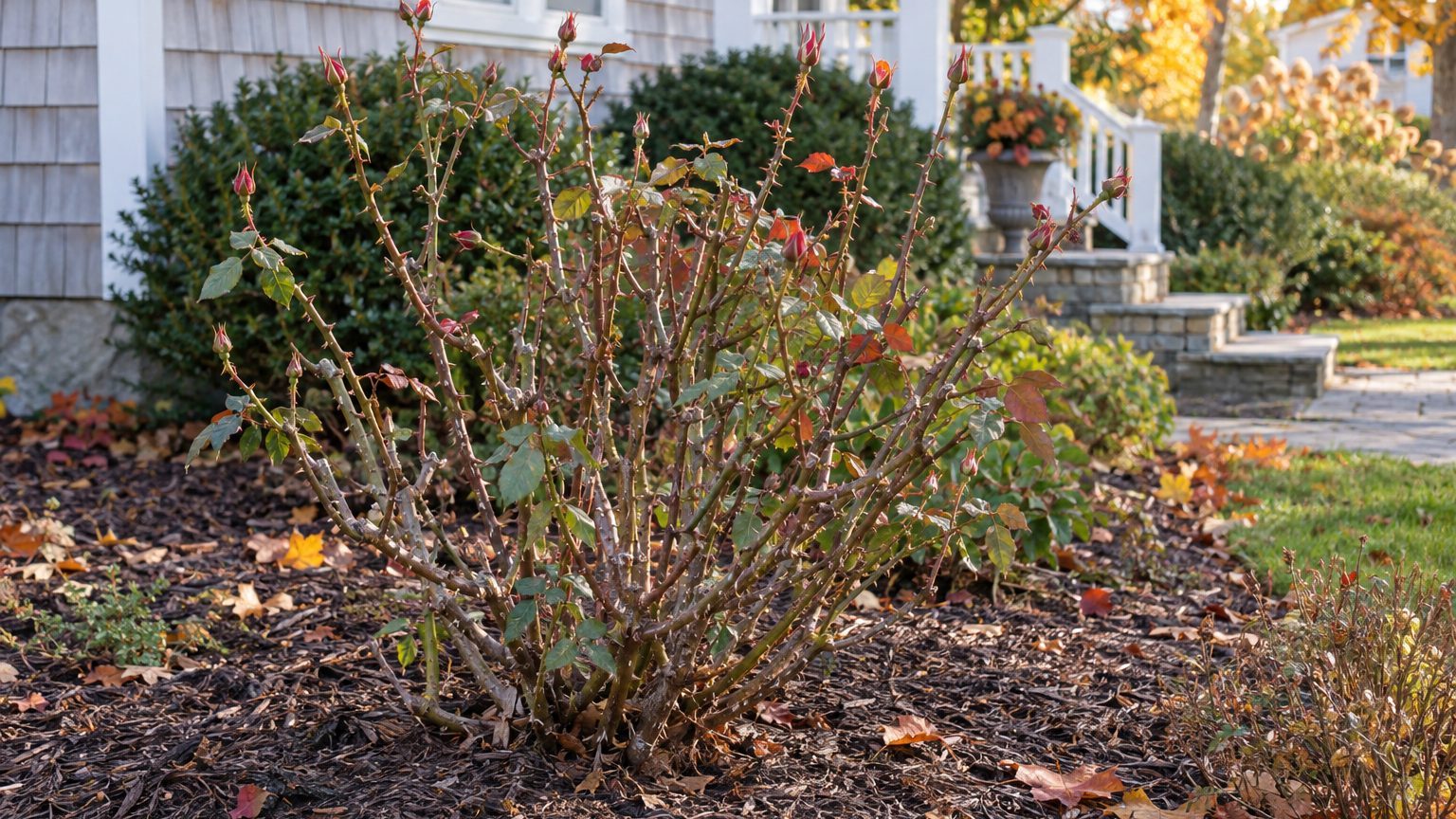
Rose canes at pruning time

Prune repeat-blooming roses in Vermont in April and May. It can also be done in March, but only if the plants show active growth, because late winter while the canes are still dormant is the outer limit.

Waiting for shoots to reach several inches long keeps you from cutting too soon, and the same pause shows you which canes made it through winter alive.

Rose type When to prune in Vermont Why
Hybrid teas, floribundas, modern shrub roses April to May, or March once growth starts They bloom on new wood, so a spring cut shapes the canes that will carry this summer’s flowers
Old garden roses and once-blooming climbers Right after they bloom, never in spring They flower on last year’s wood, and a spring cut removes the buds
Repeat-blooming climbers April to May, with the other repeat bloomers They flower on new wood, so a spring cleanup of dead canes does no harm

Once-blooming roses flower a single time each year on wood grown the season before, so the only safe moment to shape them is just after the flush fades. Cut them in spring and you trade that year’s bloom for tidiness. Rambler-type climbers follow the same rule as the other once-bloomers.

How to Tell When Your Roses Are Ready to Prune

Vermont springs rarely follow a tidy schedule, so the plant itself is a better guide than any single weekend on the calendar.

  • Buds along the canes swell and turn from tight and dark to plump and reddish, which tells you the plant has woken up and you can see where live wood begins.
  • New shoots reach several inches long, which is the point where cutting is safe and dead canes are easy to tell from living ones.
  • Forsythia is in bloom nearby, a sign that the worst of the hard freezes has usually passed in your neighborhood.
  • Winter mulch has come off the base of the plant, which in Vermont happens in early May before new growth begins (it can also come off in April) and tells you the crown is ready for inspection.
  • Canes show green under the bark when you scratch a small patch with a fingernail, so you know that wood is alive and worth keeping.

Once the mound comes off, inspect the crown so you can see where healthy wood begins.

Should You Prune Roses in Fall or Winter in Vermont?

Mostly no. In fall, trim only the very long stems that would whip in the wind and loosen the plant’s roots, then leave the rest alone. A severe cut now would push new growth that cannot harden off before the cold.

Winter protection goes on in late November, after hard frosts have killed the leaves. That is the moment to mound the base, not to carry out a heavy prune. Hybrid teas, floribundas and grandifloras need that cover in cold winters, while hardy shrub roses such as the Explorer series do well without it.

The real pruning waits for spring, when the buds tell you what survived. Canes that look fine in winter can be dead by spring, and cutting them early only removes your clues.

How Rose Pruning Dates Shift Across Vermont

The spring window moves with elevation and distance from the lake, so use the months above as a range and let the buds settle the exact day. Burlington, on Lake Champlain, is the reference for the spring frost window of April 30 to May 10.

  • Champlain Valley: the lake keeps this area milder than the northern parts of the state, so roses wake earlier here and pruning tends to land toward the front of the April to May range.
  • Green Mountains: higher ground has a substantially shorter season, so buds swell later and pruning slides toward May.
  • Northeast Kingdom: winters are harsher and spring arrives later than in the Champlain Valley, so wait longer for shoots to show and expect more cane dieback to trim away.

Hardiness runs from zone 3b to 5b across the state under the USDA system, which is why the Explorer series, mostly happy in zone 4, and the Meidiland series, hardy to at least zone 5, suit different parts of Vermont.

Where to Get Rose Advice in Vermont

Local conditions vary enough from town to town that a nearby expert saves guesswork. The state’s land-grant service, University of Vermont Extension, publishes rose guidance written for Vermont gardens.

  • The extension site carries winter protection and variety advice for Vermont, so check it in late fall before you mound the crowns.
  • Your county extension office can look at a cane you are unsure about, so bring a cutting in spring when the buds begin to swell.

Common Questions

Can You Prune Roses in Summer in Vermont?

Yes, for once-blooming roses, which are shaped right after their flowers fade. Repeat bloomers need only light deadheading in summer, since their main pruning belongs to spring.

Which Roses Survive Vermont Winters Best?

Polyanthas, floribundas, hybrid perpetuals, shrub roses and many old-fashioned roses prove more winter hardy than hybrid teas and grandifloras. The Canadian Explorer roses, named for people such as Champlain, Cabot and Kelsey, mostly live in zone 4.

When Should You Feed Roses After Pruning in Vermont?

Feeding runs from April through July and can continue in August. Growers should stop feeding late in the season so new growth can harden off before winter, and that reasoning holds for Vermont’s cold winters.

When to Prune Roses in Utah

When to Prune Roses in Utah

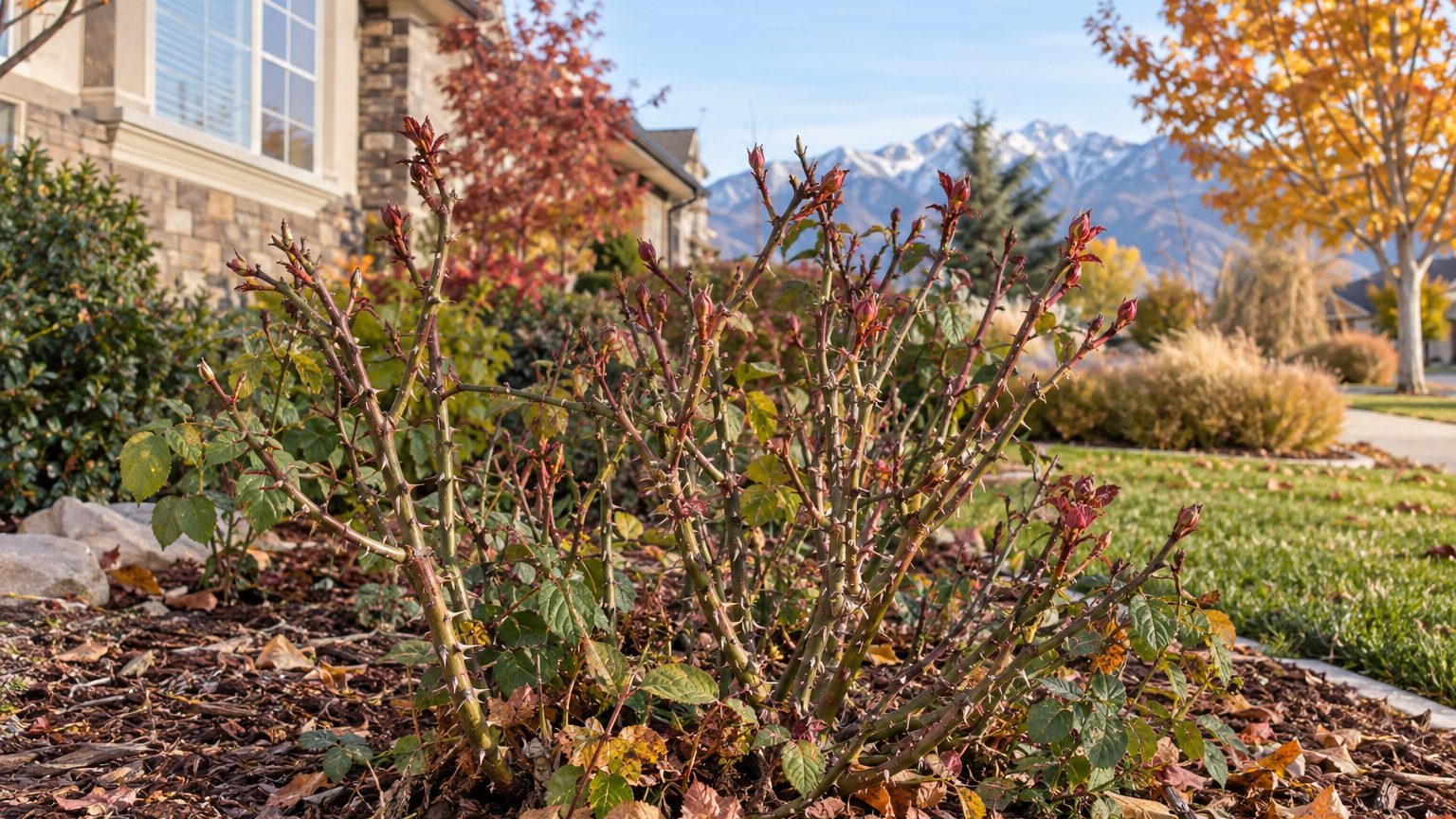
Roses in a Utah yard start to swell their buds as the days warm in spring, and that is the moment the pruning shears come out. For repeat-blooming roses in Utah, the work belongs to April, with May as a fallback.

When to Prune Roses in Utah

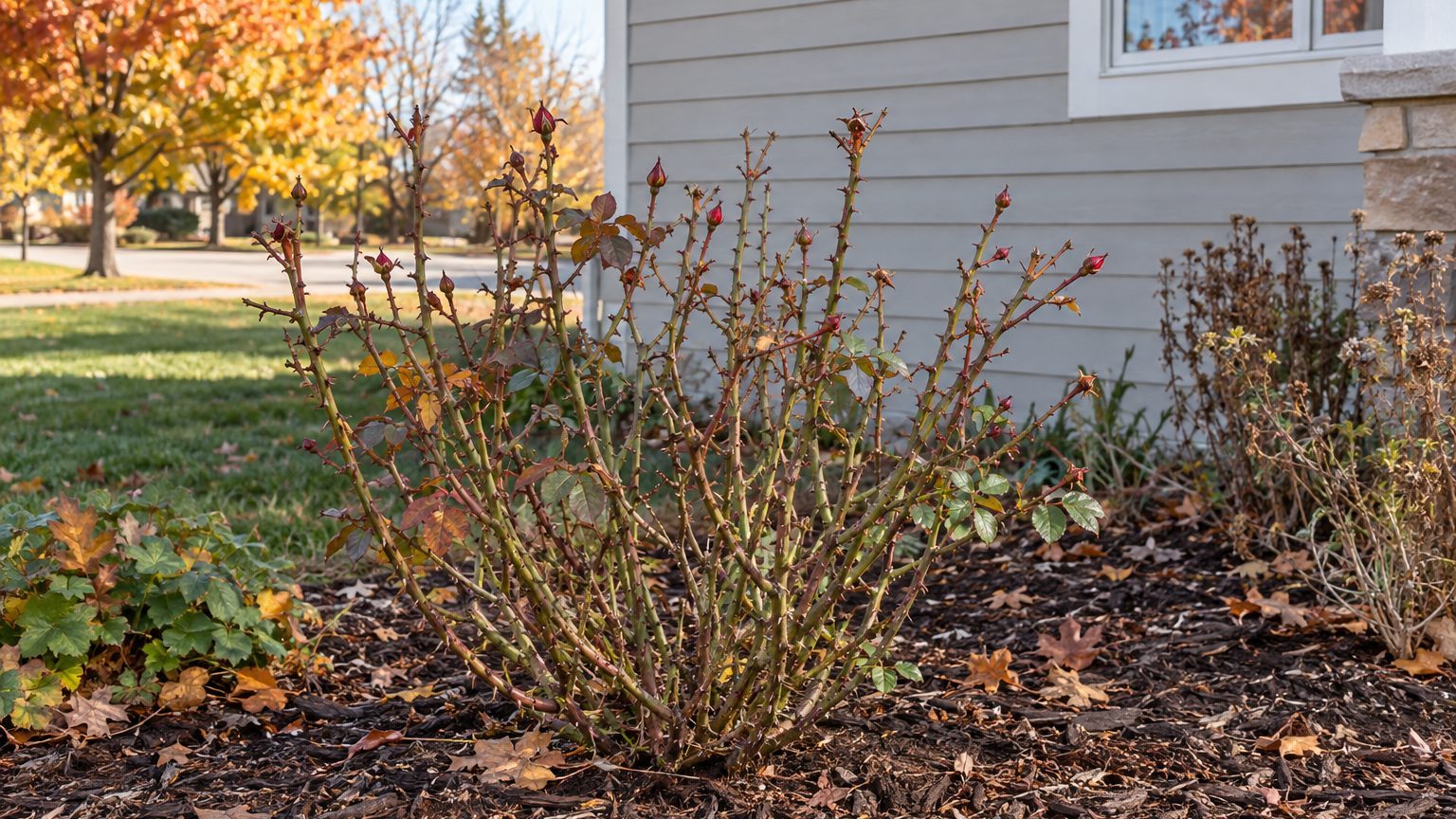
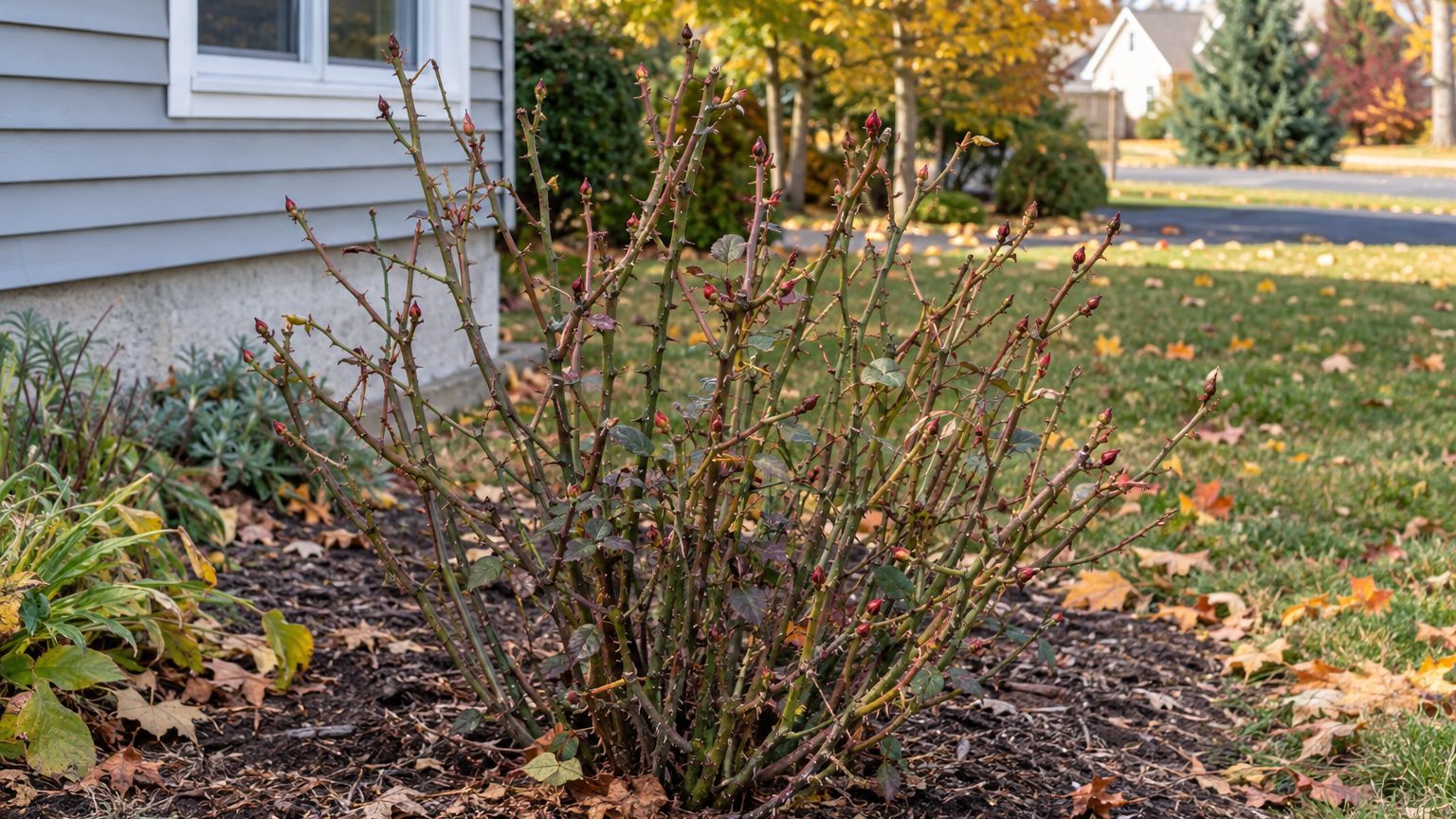
Rose canes at pruning time

Repeat-blooming roses are pruned in April across Utah, and May works when spring runs late. These roses flower on new wood, so a spring cut shapes the season’s growth rather than removing it.

Cutting too early invites trouble, because new shoots pushed out in a warm spell can meet a freeze. Salt Lake City sees its last spring freezes between April 12 and April 29, which is why the shears wait for spring to settle.

Rose type When to prune in Utah Why
Hybrid teas April, or May if spring is slow They bloom on new wood, and a spring cut avoids late frost damage to fresh shoots
Floribundas April, or May if spring is slow New growth carries the flowers, so pruning before it starts sets up the season
Modern shrub roses April, or May if spring is slow They repeat-bloom on new wood and respond to a spring tidy-up
Once-blooming roses (old garden roses, ramblers, many climbers) Right after they bloom, never in spring They flower once a year on last year’s wood, so a spring cut removes the flowers

Climbers that repeat-bloom follow the April timing, with May when spring runs late. The USDA hardiness zone system, which rates winter minimums, runs from 4a to 9a across Utah. That spread is the reason the buds, rather than a fixed date, make the final call in your yard.

How to Tell When Your Roses Are Ready to Prune

Roses give signals well before any calendar page does, and they matter more in a state where one yard can differ a lot from another.

  • Buds that swell and show a little color on the canes tell you the plant has woken up and the cut can be made just above them.
  • Forsythia in full bloom is a familiar neighborhood signal that the worst of winter has loosened its grip.
  • A hard freeze that has clearly passed means new growth will no longer be caught, so the shears can come out.
  • Winter mounds of soil or mulch come off gradually in April, with May as the fallback, once the danger of hard frost has passed.
  • Canes that are brown and shriveled while others stay green show how far back to cut, because you prune down to healthy tissue.

When these signs line up, go ahead, and if the buds are still tight, wait a little longer.

Should You Prune Roses in Fall or Winter in Utah?

Fall and winter are for protecting roses, not for cutting them. Overly long stems can be trimmed after growth stops so snow and wind do not whip them around or snap them. Take off the tips and nothing more.

Severe pruning waits until spring growth resumes. A hard cut in fall or winter can leave fresh wounds exposed to cold, and it removes canes that would have helped carry the plant through the season.

Winter protection is needed in cold winters for hybrid teas, floribundas and grandifloras. Hardy shrub roses such as Knock Out or the Explorer series perform well without extra protection. Mounding soil over the crown does the protecting, and no pruning is needed before it.

How Rose Pruning Dates Shift Across Utah

The April window is the same on paper everywhere, but Utah’s elevation changes how it plays out. Salt Lake sits in a mild valley, and most of the state is higher and colder, while the south is warmer.

  • Salt Lake Valley: April fits well here, and buds usually respond on time. May remains a fallback when spring turns cold.
  • Cache Valley and mountain towns such as Park City: spring arrives later, so wait for swelling buds and lean toward May. Cutting too early here gives frost more chances to hurt new shoots.
  • St. George and the rest of southern Utah: warmer weather brings the buds out sooner than in the north, so pruning can start at the early end of April or even a little before the buds fully swell.

Wherever your yard sits, let the buds make the final call.

Where to Get Rose Advice in Utah

Utah State University Extension is the state’s land-grant extension service. Its name is the place to start for rose questions, and your county office can speak to your own elevation and soil.

  • Its gardening guidance is written for the state, and it is worth a look in March, before pruning season begins.
  • Your county extension office can answer questions about your own yard and local timing, and a call in early spring helps when the buds are close to swelling.

Common Questions

When Should You Plant Bare-Root Roses in Utah?

April and May suit bare-root roses, planted in early spring as soon as the ground can be worked. Potted roses can go in later.

When Should You Feed Roses in Utah?

May, June and July are the main feeding months, with April and August as fallbacks. Feeding regularly through the growing season keeps blooms coming, and it stops after mid-August so late tender growth does not get caught by early cold.

When Should You Mound Soil Over Roses in Utah?

November is the usual month, around Thanksgiving, though October and December also work.

When to Prune Roses in Texas

When to Prune Roses in Texas

Pruning shears come out in Texas while much of the country is still under snow, and that early start is the point. Repeat-blooming roses here are cut back in the cool, mild stretch of late winter, just before the canes wake up. The right month depends on the kind of rose and on where in the state you garden.

When to Prune Roses in Texas

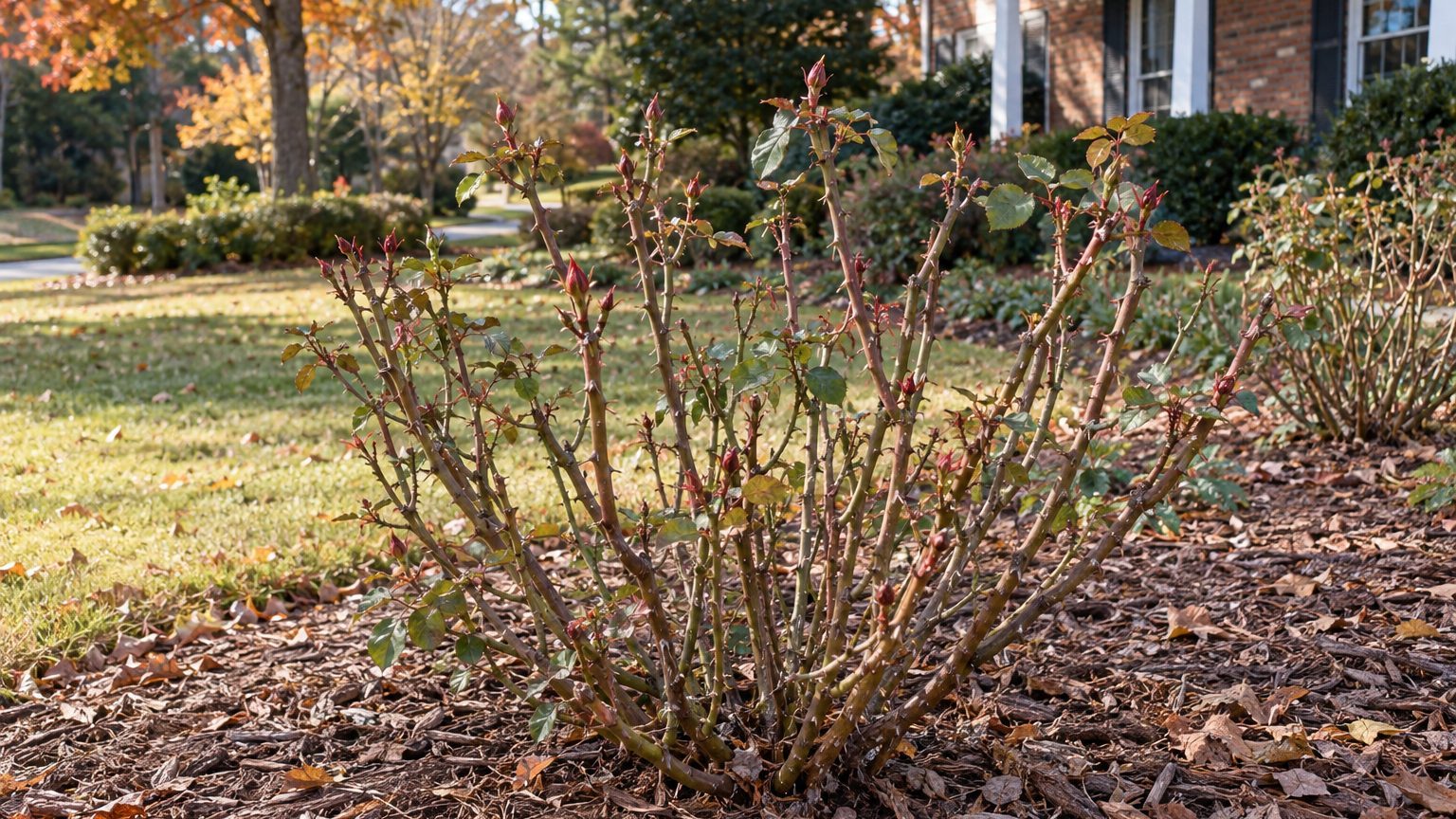
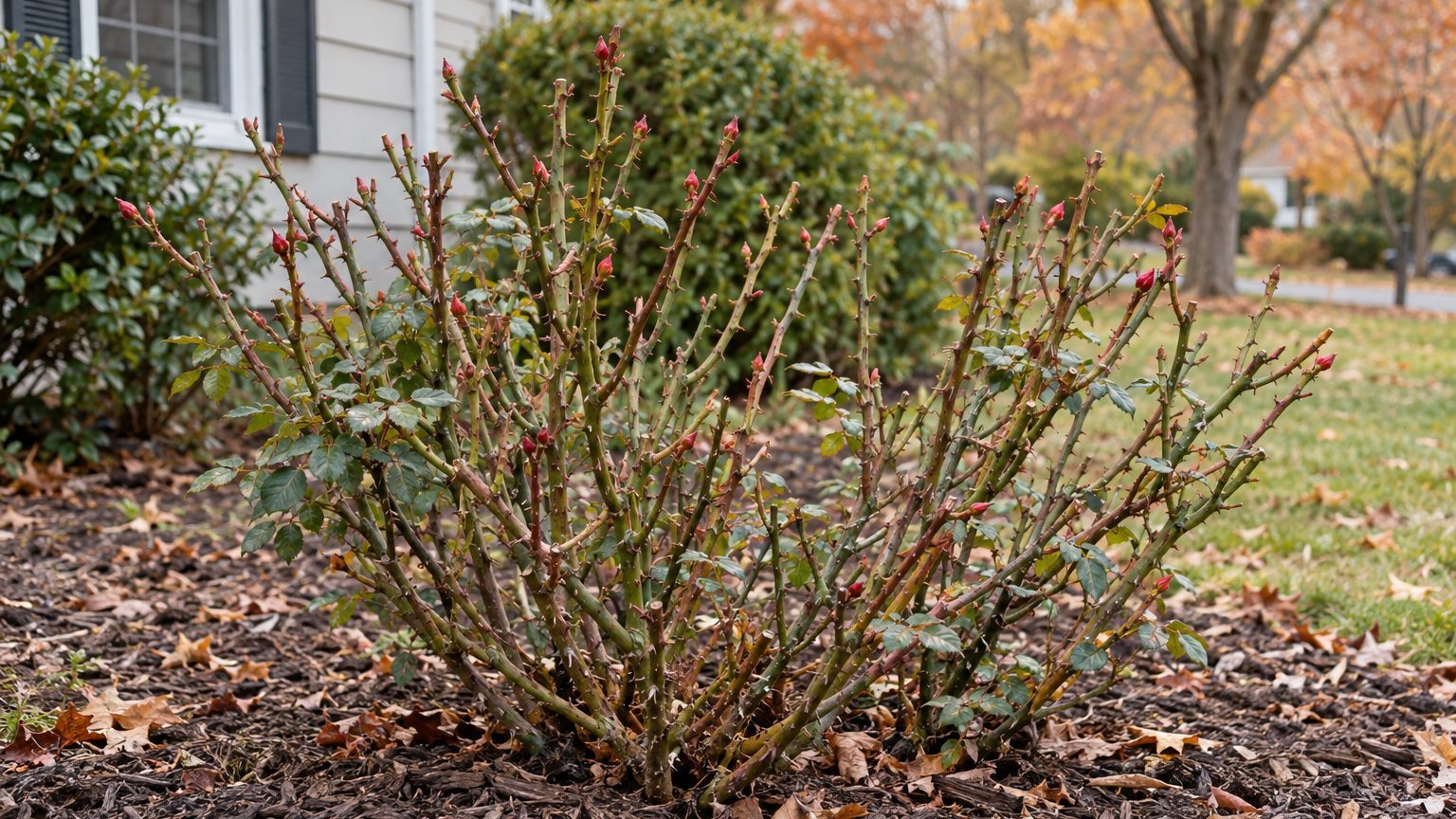
Rose canes at pruning time

February is the month for pruning repeat-blooming roses in Texas. It can also be done in January or March, depending on where you live, and in Austin the target is mid-February. The aim is to cut after winter dormancy but before new growth gets going.

Type of rose When to prune in Texas Why
Repeat-blooming roses (hybrid teas, floribundas, modern shrub roses) February, or January and March depending on location. Mid-February in Austin. Cutting before growth starts but after dormancy sets up the new canes that carry the next flowers.
Once-blooming roses (old garden roses, ramblers, many climbers) Right after they finish flowering, never in spring. They flower once a year on last year’s wood, so a spring cut removes the buds.

Climbers need a quick check of habit first. A climber that blooms again through the season follows the February timing of the repeat-bloomers, while a climber that flowers once a year is pruned with the old garden roses, right after its show ends.

How to Tell When Your Roses Are Ready to Prune

Buds and weather give better cues than the calendar page, and in a state this large they matter more than a single date.

  • Swelling buds along the canes mean growth is about to start, so the shears should already be in hand.
  • Bare canes with no leaves yet mean the rose is still resting, which is the stage you want for cutting.
  • A run of hard freezes behind you is a good sign, because pruning stimulates growth and a late freeze can nip tender new shoots.
  • A mild, dry day is ideal, since you will be working slowly and the cut ends dry quickly.
  • Sprouting buds already open on a bare-root rose mean the ideal planting window has closed.

Dress for thorns before the first cut, with a long-sleeve shirt, heavy gloves, glasses, a hat and closed shoes.

Should You Prune Roses in Fall or Winter in Texas?

Fall is not a pruning season for repeat-blooming roses here. Their calendar runs from January through March, and nothing in it points to autumn. A heavy cut at that point would only push tender growth ahead of colder weather, so fall is better spent on planting and general tidying than on shaping.

Winter is another matter, since January falls inside the window in milder parts of the state. If the weather has been warm and the buds are already stirring, you can start then. In colder spots, wait for February or even March, and leave severe cutting until the rose is close to waking up.

Planting follows its own calendar. Bare-root roses go in from January to February, on or before February 14, before the buds break. Potted roses are more flexible and can go in from early fall through early spring.

How Rose Pruning Dates Shift Across Texas

Texas stretches across several climates, and the window of January to March slides depending on how soon winter loosens its grip.

  • Gulf Coast and Houston: Winters are mild here, so roses wake early and the front end of the window, January into February, makes sense.
  • Austin and the Hill Country: Mid-February is the usual target in Austin, and the same timing works as a starting point for nearby gardens.
  • North Texas: Winters run colder than along the coast, so plan toward the later part of February and into March, and let the buds confirm it.
  • The Panhandle: Freezes arrive earlier and linger later than in the rest of the state, which pushes pruning toward the end of the window.

Within any one of these areas, a sheltered city yard warms sooner than open country, so watch your own roses as well as the date.

Where to Get Rose Advice in Texas

Local help is worth using in a state with this much variety. Texas A&M AgriLife Extension publishes rose guidance, and your county office can speak to your own soil and conditions.

  • The extension site carries pruning articles and the Earth-Kind rose program, so look there when you are choosing varieties for planting.
  • Your county extension office can answer questions about local timing, so call it in January, before the pruning window opens.

Common Questions

What Should You Wear to Prune Roses?

Wear a long-sleeve shirt, a hat, glasses, heavy gloves and closed shoes. Rose thorns catch bare skin easily, and canes spring back when cut.

When Should You Plant Bare-Root Roses in Texas?

Plant them before the buds break, usually on or before February 14. In an especially mild winter, that can mean early January.

Which Roses Do Well in Texas?

In the Austin area, Earth-Kind and Antique roses have been tried and tested in local soil and climate. Earth-Kind roses are also a good place to start elsewhere in Texas.

When to Prune Roses in Tennessee

When to Prune Roses in Tennessee

Cut a rose cane in spring and you can tell right away whether the rose is awake: green, plump buds along the stem mean it is time. Tennessee gardeners get that moment in late winter or early spring, and the exact day depends on the rose and on where in the state the garden sits.

When to Prune Roses in Tennessee

Rose canes at pruning time

Prune repeat-blooming roses in March, which is the main window across Tennessee. February and April also work when the weather runs early or late, so the buds matter more than the page of the calendar.

Once-blooming roses follow a different rule. They flower on last year’s wood, so a spring cut removes the buds that would have made this year’s show.

Type of rose When to prune in Tennessee Why
Hybrid teas, floribundas and modern shrub roses March, or February to April if the season runs early or late They bloom on new growth, so a hard annual cut in spring just as the buds wake up leads to strong new canes
Old garden roses and once-blooming climbers Right after the bloom finishes, never in spring They flower on last year’s wood, and old roses lose their shape and flowers under hard pruning
Repeat-blooming climbers Spring, in the same months as other repeat bloomers They flower on current-season growth, so cut them once winter protection is gone

Ramblers behave like other once-bloomers, so wait until their flush fades before pruning. Hardy cultivars bred for colder zones need little extra winter protection in a Tennessee garden, while hybrid teas can take more damage from a cold snap and need extra attention before the first cut.

How to Tell When Your Roses Are Ready to Prune

Roses wake up on their own schedule, and a few signs in the garden tell you more than a date. Look for these before you pick up the pruners:

  • Buds along the canes start to swell and show a little color, which means the plant has broken dormancy and you can see exactly where to cut.
  • Forsythia comes into bloom nearby, a familiar signal among rose growers that the pruning season has opened.
  • The hardest freezes have passed, so new growth that follows your cuts will not be burned right away.
  • Any winter mound or protective cover has been pulled away from the base, since repeat bloomers are pruned after that protection comes off.
  • Canes show green under the bark when you scratch a small spot, and that tells you which wood is alive and which has died back.

If the buds have not moved, wait a little longer. A rose pruned too early only has to be pruned again after a late cold spell.

Should You Prune Roses in Fall or Winter in Tennessee?

Routine pruning belongs in the recommended swelling-bud window. For repeat-blooming roses, leave the canes alone outside that window.

A severe cut before the plant has settled for winter can push tender growth that the cold then damages, and it takes away wood you may need to judge winter injury later.

Once-blooming roses are the exception to the spring rule, but not to this one.

How Rose Pruning Dates Shift Across Tennessee

The March window fits the middle of the state best, and the dates slide a little as the land rises or the climate changes. Cooler places run later into spring, and the warmer ones start sooner.

  • Nashville and Middle Tennessee: March is the working month, and forsythia in bloom is a dependable cue.
  • East Tennessee: Spring arrives later here than in Nashville, so expect to wait toward the later part of the window, even into April.
  • Cumberland Plateau: Higher and cooler, the plateau also runs later, and gardeners should let the swelling buds set the day rather than the first warm spell.

Across the state the USDA hardiness zone runs from 5b to 8a, so cold damage on canes varies from one garden to the next.

Where to Get Rose Advice in Tennessee

Local help is useful for variety questions and for judging winter damage. University of Tennessee Extension runs the state program, and each county has an office.

  • The extension website carries rose care guidance written for Tennessee gardens, handy to read in late winter before the buds move.
  • Your county extension office can look at a damaged cane or a photo, so call in early spring when you are unsure what is dead and what is alive.

Common Questions

Can You Prune Roses in Winter in Tennessee?

Only when the recommended window begins in February. Otherwise, wait for swelling buds in spring before trimming or shaping the rose.

What Happens If You Prune a Once-Blooming Rose in Spring?

You cut off the wood that carries this year’s flowers, so the rose may bloom very little or not at all.

Do Old Garden Roses Need Hard Pruning?

No. Extension guidance notes that hard pruning can ruin their graceful shape and sharply reduce flowering, and a light touch after bloom suits them well in Tennessee.

When to Prune Roses in South Dakota

When to Prune Roses in South Dakota

Once the winter mound comes off and the worst of the cold has passed, rose canes start to show which ones made it through a South Dakota winter. That is the moment pruning begins, and for repeat-blooming roses it falls in April and May.

When to Prune Roses in South Dakota

Rose canes at pruning time

Prune repeat-blooming roses (hybrid teas, floribundas, modern shrub roses) in April and May, after the winter mound is off and the chance of a hard freeze has passed. In South Dakota that wait matters, because a cane cut too early can be hit by a late freeze.

Once-blooming roses work on a different clock, since they flower on last year’s wood. Cutting them in spring removes the buds that would have become this summer’s flowers.

Type of rose When to prune in South Dakota Why
Hybrid teas, floribundas, modern shrub roses April and May Spring pruning waits until the mound is off and a hard freeze is no longer likely
Old garden roses, once-blooming climbers Right after they bloom, never in spring They flower once a year on last year’s wood

Treat repeat-blooming climbers like other repeat bloomers and wait for spring buds to show which canes are alive. For any reference date, a city airport tends to warm up sooner than a suburban or rural yard, so your own county may run later. At Sioux Falls, the last spring frost falls between April 29 and May 9. Suburban and rural gardens often run later, so check your own county.

Hardiness matters for what you are pruning, too. South Dakota spans USDA hardiness zones 3b to 5b, so winter dieback is common on tender roses. In spring, finish by removing dead wood (dark and discolored) along with injured or small, weak stems.

How to Tell When Your Roses Are Ready to Prune

Months give you the window, but the plant itself tells you when to pick up the pruners within it.

  • The winter mound or bagged leaves are off, which in South Dakota usually happens in April, so the canes are exposed and you can see what survived.
  • Buds on the canes are swelling, which tells you where living wood begins and where to make your cuts just above a healthy bud.
  • The chance of a hard freeze has passed, so new growth stimulated by pruning will not be caught and killed.
  • Canes look dark, shriveled or discolored, and these are dead and should come out entirely, cutting back until the center of the stem looks pale and healthy.
  • Forsythias in your neighborhood are in bloom, a common cue for rose pruning, though in a cold spring the buds on the rose itself are the better guide.

If the weather turns cold again after the mound is off, hold off on cutting until it settles.

Should You Prune Roses in Fall or Winter in South Dakota?

No hard pruning in fall or winter. The only fall cut is shortening long canes so wind does not whip them around. In South Dakota gardens that face open wind, it helps to shorten the stems before mounding.

Winter protection goes on in November, after several hard freezes, once the rose is fully dormant. Covering too early can trap warmth and moisture around canes that have not yet hardened off.

Severe pruning waits until growth resumes in spring, when the live wood is easy to tell from the dead. Cutting in fall removes wood you may need if the cold kills the tips. Hybrid teas, floribundas and grandifloras need this protection in cold winters, while hardy shrub roses such as Knock Out or the Explorer series do well without it.

How Rose Pruning Dates Shift Across South Dakota

Within the April and May window, local conditions and the buds on your own roses should set the final date.

  • Sioux Falls and the southeast: Spring warms up sooner here than in the rest of the state, so the mound can come off and pruning can begin toward the early end of the window.
  • Rapid City and the Black Hills: Higher ground stays cold longer, so pruning slides toward May, and the last freeze can arrive later than in town.
  • Aberdeen and the northeast: Colder winters and a later spring push pruning toward the later part of the window, with more dieback to cut away.

Wherever you live, wait for swelling buds and past-freeze weather before cutting.

Where to Get Rose Advice in South Dakota

For local rose questions, South Dakota State University Extension publishes rose resources written for the state’s climate, and county offices can answer questions about your own soil and conditions.

  • The state extension site has rose resources for South Dakota, which are worth a look before choosing varieties in early spring.
  • Your county extension office can tell you how spring is running locally, which helps in April when you are deciding when to take the mound off.
  • Bring a cane with dark or discolored wood to the county office in spring if you are unsure how far back to cut.

Common Questions

When Should You Take Winter Protection Off Roses in South Dakota?

April is the usual month, and May works if spring runs cold. Take the mound off in stages, starting in mid-April, so canes are not shocked by sudden exposure.

Can You Plant Roses in South Dakota in Spring?

Yes. Bare-root roses go in during April and May, early in the season, ideally by early May. Potted roses can wait until severe frost is past, which is late May or early June, and bare-root roses can still be planted in June if needed.

When Should You Feed Roses in South Dakota?

Feed from April through July, starting in late April and again when plants reach peak bloom. Stop after July so new growth can mature before winter.

When to Prune Roses in South Carolina

When to Prune Roses in South Carolina

When the first leaf buds on a rose cane start to plump up and redden, winter has loosened its grip and the pruners come out. In South Carolina that moment arrives in late winter, well before the azaleas put on their show.

When to Prune Roses in South Carolina

Rose canes at pruning time

Prune repeat-blooming roses in February and March, as the buds swell. Hybrid teas, floribundas and modern shrub roses flower on new wood, so a hard cut at this point sets up the season’s growth.

Once-blooming roses follow a different rule. They flower on last year’s wood, so they are pruned right after they bloom, never in early spring.

Type of rose When to prune in South Carolina Why
Hybrid teas, floribundas, modern shrub roses February to March, when the buds swell They bloom on new wood and need a heavy annual cut just as they leave dormancy
Old garden roses and once-blooming climbers Right after the flowers fade Spring buds are already set on last year’s canes, so an early cut removes the bloom

Old garden roses also dislike hard pruning at any time, since it can ruin their graceful shape and cut flowering sharply. For repeat-blooming climbers, wait for the buds to swell, then thin and shorten the side shoots.

How to Tell When Your Roses Are Ready to Prune

Dates give a window, but the plant gives the signal. In South Carolina, the coast reaches the pruning window before the mountains, so a quick look at the canes beats a calendar square.

  • Buds that swell and turn reddish on the canes tell you the rose is leaving dormancy, which is the moment to cut.
  • Tiny leaf shoots starting to open mean you are already at the edge of the window, so prune soon.
  • A stretch of mild days with no hard freeze in the forecast means new growth you expose will not be cut back by cold.
  • Winter mulch or soil mounded around the base of grafted plants should come off before you prune, so you can see where healthy green wood begins.
  • Canes that are brown and shriveled at the tips show how far back to cut, down to wood that is green or white inside.

If the buds have not moved yet, wait. A rose pruned too early can push growth that a late cold snap then burns.

Should You Prune Roses in Fall or Winter in South Carolina?

Fall and early winter are for light work only. If long canes whip around in the wind, shorten them a little so they do not rock the roots loose. Leave the rest of the cutting for the buds to guide in late winter.

A severe cut in fall pushes tender growth that the cold can damage, and it removes wood the plant would otherwise carry through winter. The standard heavy pruning belongs to February and March, once the buds start to swell.

Once-blooming roses are the exception to any winter cut. Their flowers are waiting on the canes already, so pruning them in fall or winter trims away next season’s blooms. Clean out dead or broken wood on them if you must, and save shaping for after the flowers fade.

How Rose Pruning Dates Shift Across South Carolina

The calendar of February and March holds across the state, but the point inside that window moves with elevation and distance from the water.

  • Charleston and the coast: Buds wake earlier here, so pruning falls toward mid-February. The peninsula is milder than the inland areas.
  • Midlands around Columbia: Pruning lands in the middle of the window, as the buds begin to swell, usually late February into March.
  • Upstate, around Greenville and Spartanburg: Cold weather lingers longer, so wait until later in the window and let the buds decide.
  • The mountains: Growth begins later than in the warmer parts of the state, so wait until the buds swell before pruning.

Zones in the state run from 7a to 9a under the USDA hardiness system, which is another reminder that one date cannot fit every yard.

Where to Get Rose Advice in South Carolina

For questions about varieties, black spot or a rose that will not bloom, Clemson Extension is the state’s source, and the Clemson Extension network reaches every county.

  • Its fact sheets on pruning, growing and diseases are worth reading before the buds swell in late winter.
  • Your county extension office can answer local questions and take a photo or sample of a troubled cane, so call or visit when growth first looks wrong in spring.

Common Questions

Can You Plant Roses in South Carolina in Winter?

Yes. Bare-root roses go in best in February and March, and they can also be planted in January, April, November or December. Potted roses can be planted later.

When Should You Feed Roses in South Carolina?

Feed regularly from March through September. Common advice is to feed roses with a rose fertilizer every month, which is a useful guide here too.

Which Roses Need the Least Spraying in South Carolina?

Shrub roses bloom well with few chemical controls. More susceptible types such as hybrid teas need an effective spray program in place before the growing season begins.

When to Prune Roses in Saskatchewan

When to Prune Roses in Saskatchewan

When the snow pulls back from the rose bed in spring, you find canes that look fine and canes that are plainly dead. Pruning roses in Saskatchewan is mostly a matter of waiting for that moment, then cutting in the right season for the kind of rose you grow. Timing differs for repeat bloomers and once-bloomers.

When to Prune Roses in Saskatchewan

Rose canes at pruning time

Prune repeat-blooming roses in April or May, after the winter mound comes off and the chance of a hard freeze has passed. Saskatchewan has no local rose-timing guidance of its own, so these months follow the nearest comparable climate on the northern plains.

Once-blooming roses follow a different rule. They flower on last year’s wood, so a spring haircut removes the very canes that would have carried the blooms. Wait until the flowers fade, then prune.

Type of rose When to prune in Saskatchewan Why
Hybrid teas, floribundas, modern shrub roses (repeat-blooming) April to May They bloom on new wood, so spring pruning clears winter damage and still leaves a full season of growth.
Old garden roses, ramblers, many climbers (once-blooming) Right after they bloom, never in spring They flower once a year on last year’s wood, so early cuts remove the flowers.

Confirm local timing with a nearby garden centre, a rose society or one of the provincial gardening groups, because a spring that comes late in one district can arrive early in another. Whatever the date, the buds make the final call, and the next section explains what to look for.

How to Tell When Your Roses Are Ready to Prune

Looking closely at the canes can save a lot of regret.

  • Buds that swell and turn green along the canes say the rose is awake, and you can see which wood is alive and which is not.
  • A winter mound that has come off in stages, starting around mid-April, means the canes have been exposed to spring air and you can judge the damage.
  • Wood that is dark and discolored is dead, so cut it back to healthy tissue where the inside of the cane turns pale.
  • Small, weak stems that barely survived the winter rarely repay the effort, so remove them to let the strong canes take the light.
  • A hard freeze that has passed matters because pruning stimulates growth, and tender new shoots do badly in a deep cold snap. At Saskatoon the last spring frost falls on average around May 18, which means that in one year out of two a frost still arrives later, so treat that date as the middle of a window and not as a safe signal.

When the buds are plump and the mound is gone, make your cuts without hurrying.

Should You Prune Roses in Fall or Winter in Saskatchewan?

Leave serious pruning for spring. Hard cuts before the plant has gone dormant invite new growth that the first deep freezes will kill.

Winter protection belongs in November, after several hard freezes, once the rose is fully dormant. Covering too early traps warmth and keeps the plant from settling down. Hybrid teas, floribundas and grandifloras need that mound because they were bred for warmer climates, and Saskatchewan’s winters are harder than they can handle on their own.

Hardy shrub roses are a different story. Knock Out and the Explorer series perform well without extra covering, while the Canadian Artist Series was bred to be winter hardy and disease-resistant. Repeat-blooming varieties still get their pruning in spring.

How Rose Pruning Dates Shift Across Saskatchewan

Saskatchewan is large, and spring does not reach every district at the same time. The April to May window fits the central part of the province best, and it slides later as you move away from it.

  • Saskatoon area: Spring arrives here close to the usual schedule, and the hardiness zone is 3a on the Canadian system, which is not the same scale as the USDA zones. Plan on pruning in April or May, once the mound is off.
  • Prince Albert and La Ronge: Northern districts run weeks behind Saskatoon, so the mound comes off later and pruning follows the buds later in May.
  • Cypress Hills: Upland country also lags behind the central part of the province. Wait for buds to swell instead of pruning to the date you used in a lower-lying yard.

If you live between these places, trust the buds over any date, and your own yard will teach you its pattern over time.

Where to Get Rose Advice in Saskatchewan

Canada has no county extension offices, so help comes from the province and from local growers. Saskatchewan Agriculture is the provincial ministry to start with, and it points toward other gardening resources.

  • A local garden centre can tell you which rose varieties came through last winter in your area, and spring is the time to ask, before you cut.
  • A rose society or master gardener group can confirm timing for your district, and you can ask at an early-spring meeting.
  • Provincial gardening groups can answer questions about hardy shrub roses before you buy and plant them.

Common Questions

When Should You Plant Bare-Root Roses in Saskatchewan?

Bare-root roses go in during April or May, and early in that window is better, ideally by early May. They can also be planted in June if needed. Potted roses wait until severe frost is past, which means late May or early June.

When Should You Feed Roses in Saskatchewan?

Feed in late April and again when the plants reach peak bloom, with the season running from April through July. Stop after July so the canes have time to slow down and mature before winter.

What Should You Cut Off Roses After Winter?

Remove all dead wood, meaning anything dark and discolored, along with injured canes and small, weak stems. Healthy green canes stay, and you can shape the plant lightly once the buds show where the growth will come from.

When to Prune Roses in Rhode Island

When to Prune Roses in Rhode Island

Once the mound of mulch comes off the rose bed and the first buds start to plump, the secateurs come out. In Rhode Island, that moment falls in early spring for most roses, but a few types should wait until after their flowers fade.

When to Prune Roses in Rhode Island

Rose canes at pruning time

Prune repeat-blooming roses in March and April in Rhode Island. February also works in a mild spell, when the forsythia is blooming and the winter protection is already off. Pruning then lets the bush spend its first flush of growth on canes that will carry flowers.

Type of rose When to prune in Rhode Island Why
Hybrid teas, floribundas, modern shrub roses March to April, or February if the weather allows They flower on the current season’s growth, so spring cuts shape the canes that will bloom.
Once-blooming roses (old garden roses, ramblers, many climbers) Right after they bloom, never in spring They flower once a year on last year’s wood, and a spring cut removes the buds.
Repeat-blooming climbers Spring, after winter protection comes off They bloom on new growth like other repeat bloomers, so spring pruning suits them.

Most climbing roses are not reliably hardy where winters run cold, so check which kind you have before cutting. If the tag is long gone, wait for the first flowers. A rose that blooms once and stops is a once-bloomer, and you prune it right after flowering.

How to Tell When Your Roses Are Ready to Prune

Calendar months give a range, and the plant itself narrows it down. These signs tell you the bush is awake and the worst of winter is behind it.

  • Swelling buds along the canes mean growth is starting, and you can see which canes survived and which are dead.
  • Forsythia in bloom is a reliable neighborhood signal that early spring pruning can begin.
  • Soil that has thawed and can be worked tells you the ground is ready to release the winter mound safely.
  • A stretch of mild weather with no hard freeze in the forecast means new shoots will not be caught right after the cut.
  • Winter protection already pulled away from the base lets you see the whole cane, which makes it easier to cut back to healthy wood.

Pruning before a hard freeze can damage new growth, so when in doubt, wait for the buds to swell. Taking the mound off comes first, usually between March and April, once the ground thaws.

Should You Prune Roses in Fall or Winter in Rhode Island?

Fall is not the time for real pruning. In fall, shorten only very long canes so winter wind does not whip the bush around and loosen its roots. Leave everything else as it is.

Severe cuts before the plant has gone dormant can push new growth that will not harden off before the cold arrives. The bush also needs its canes through winter, because they carry the plant through freezes and show you in spring what survived.

Winter protection goes on in November, or December if the weather holds, after several killing freezes have put the plant to sleep. Hybrid teas, grandifloras, and floribundas need that cover in cold winters. Hardy shrub roses such as Knock Out or the Explorer series do well without extra protection. Save the real pruning for spring, once the cover is off and the buds show you where to cut.

How Rose Pruning Dates Shift Across Rhode Island

Rhode Island runs from colder inland hills to a milder shoreline, and your rose calendar leans the same way. Spring frost in Providence typically ends between April 7 and April 17, while suburban, rural and higher gardens often see it later. Check your own county before setting a date.

  • Coastal Rhode Island and Newport: Let swelling buds and local conditions decide where pruning falls within the March to April window.
  • Providence and the Bay area: The city sits close to the reference conditions, so March to April fits well, with February possible in a mild spell.
  • Northwest Rhode Island (Burrillville, Foster, Scituate): Higher, colder ground holds winter longer, so wait until April and let the buds tell you.

USDA hardiness zones in the state run from 6a to 7b, but buds still tell you when each garden is ready.

Where to Get Rose Advice in Rhode Island

Local help can settle questions about a specific variety, a winter-damaged cane, or a bed that wakes up later than your neighbor’s. The resources below can help.

  • University of Rhode Island Cooperative Extension offers garden guidance and can answer rose questions, so reach out in late winter, before the pruning window opens.
  • Your county extension office can tell you how your area differs from the coast, so ask there when buds are swelling and you are unsure whether to cut.

Common Questions

Can You Prune Roses in February in Rhode Island?

Yes, for repeat-blooming roses, during a mild stretch when the forsythia is blooming and the winter protection is off. March and April remain the usual months.

Can You Plant Bare-Root Roses in Rhode Island?

March and April suit bare-root roses, before growth starts, and May through July works as a fallback. Container roses can go in from April through midsummer.

When Should You Feed Roses in Rhode Island?

Feed from April through July, starting right after pruning, again at first bloom, and once more in mid-July. Stop by mid-August so late growth does not get caught by winter.

When to Prune Roses in Quebec

When to Prune Roses in Quebec

Rose canes look bare and brown for a long stretch of a Quebec spring, then the buds fatten and the job is suddenly on. Repeat-blooming roses are pruned as the garden wakes up, while once-blooming roses wait until after they flower. Which group your rose belongs to decides the month.

When to Prune Roses in Quebec

Rose canes at pruning time

Prune repeat-blooming roses in April and May, once the buds are moving. Quebec has no local rose-timing page of its own, so these months follow the nearest comparable climate. Confirm local timing with a garden centre, a rose society or a provincial gardening group.

Type of rose When to prune in Quebec Why
Repeat-blooming roses (hybrid teas, floribundas, modern shrub roses) April and May, or March if you wait for active growth They flower on new wood, so spring pruning sets up the season’s stems
Once-blooming roses (old garden roses, ramblers, many climbers) Right after they bloom, never in early spring They flower once a year on last year’s wood, and a spring cut removes the buds

March pruning is a fallback for a mild spell, and late winter while the canes are still dormant is its outer limit. Quebec’s reference city of Montreal sits in Canadian hardiness zone 5b, a Canadian rating that does not convert to a USDA zone. Roses in colder districts need a gentler hand and a later start.

How to Tell When Your Roses Are Ready to Prune

Roses answer to the weather in your own yard, so the plant itself is a better guide than the date on the calendar.

  • Buds that swell and turn from tight brown knobs to plump, reddish ones tell you the cane is alive and the plant is waking up.
  • New shoots show where healthy wood begins, so you can cut to a bud above live tissue and remove what stayed dead.
  • A winter mound that has already come off, usually in May or sometimes in April, means the canes are uncovered and you can see what needs cutting.
  • A hard freeze behind you matters because a cut stimulates growth, and tender new shoots do badly in a sharp frost.
  • The average last spring frost in Montreal falls on May 6, which means that in one year out of two a frost still arrives later than that.

Prune too soon and a late frost can undo the work, so when the buds are still tight, waiting a little longer costs the rose nothing.

Should You Prune Roses in Fall or Winter in Quebec?

No, not in any real sense. Fall and winter are for protection, not pruning. At most, shorten very long stems that would whip in the wind and loosen the roots, and leave the shaping and the severe cuts for spring, after growth resumes.

Winter protection goes on in November, late in the month, after hard frosts have killed the leaves. Mounding too early traps warmth and can start fungus on canes still carrying live foliage. Hybrid teas, floribundas and grandifloras need that cover in a cold winter, while hardy shrub roses such as Knock Out and the Explorer series do well without extra protection.

Take the cover off in early May, or in April if conditions allow, before new growth begins. Pull the mound back gradually, then prune once the canes are exposed and the buds show where the live wood ends.

How Rose Pruning Dates Shift Across Quebec

Quebec is a large province, and rose gardens farther north or higher up generally start later than gardens around Montreal.

  • Montreal and the Montérégie: the calendar is a guide, while the buds show when each rose is ready. Buds swell here sooner than in the districts to the north.
  • The Laurentians: higher ground holds cold air and snow longer, so the buds swell later and pruning belongs toward the end of the window, with March out of the question.
  • Saguenay-Lac-Saint-Jean and the Gaspé: northern districts run behind Montreal, so wait for the buds and the shoots rather than the month, and keep winter cover on until May.

Wherever you garden, the buds decide the start. A rose that has not swollen is not ready, whatever the month says.

Where to Get Rose Advice in Quebec

Canada has no county extension offices, so rose advice comes from the province and from local growers who know your climate.

Common Questions

When Should You Plant Bare-Root Roses in Quebec?

April and May suit bare-root roses, and potted roses can go in later. Setting bare-root plants early gives the roots time to establish before summer heat.

When Should You Feed Roses After Pruning?

Start in April and feed monthly through July, with August as a last possible round. Feeding later pushes soft growth that may not harden off before winter.

Which Roses Handle Quebec Winters Best?

Polyanthas, floribundas, hybrid perpetuals, shrub roses and many old-fashioned roses are hardier than hybrid teas and grandifloras. The Explorer series, named for Canadian explorers such as Champlain, Cabot and Kelsey, includes shrub and climbing roses bred for cold. Choose types that match your coldest winters.

The almanac, state by state. Every date on this site comes from a state’s own frost facts and its extension service’s calendar — and says where it comes from.