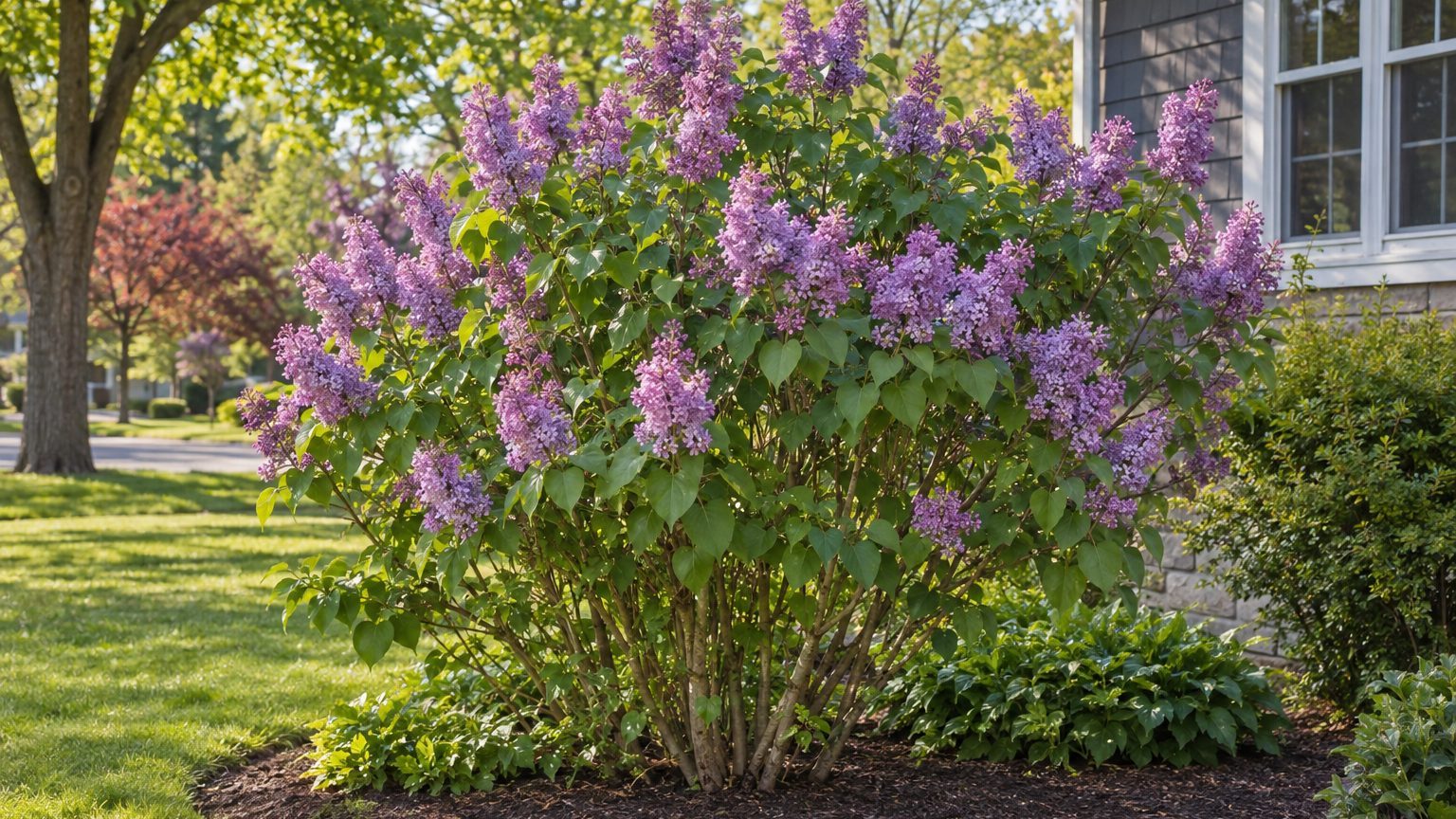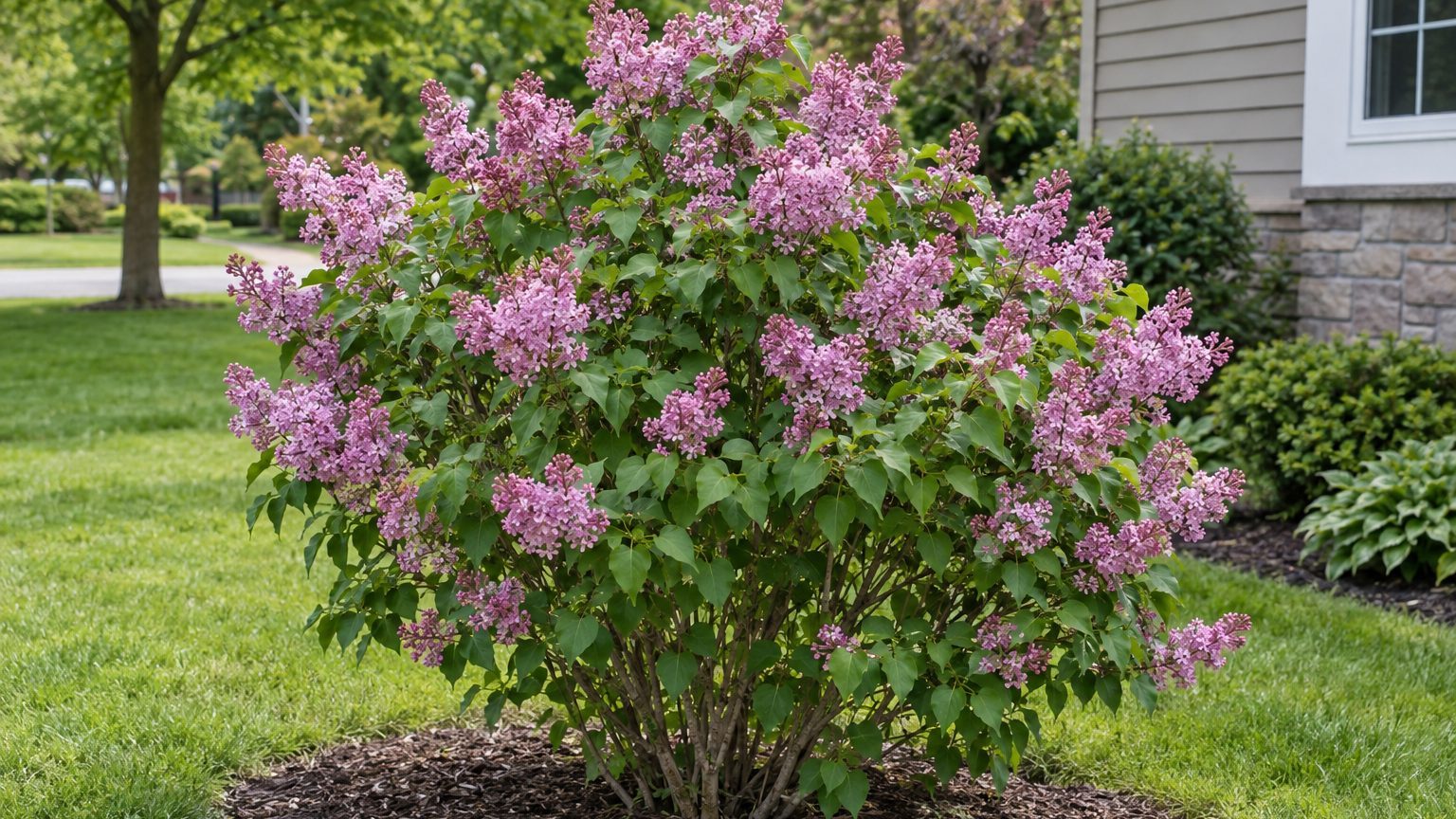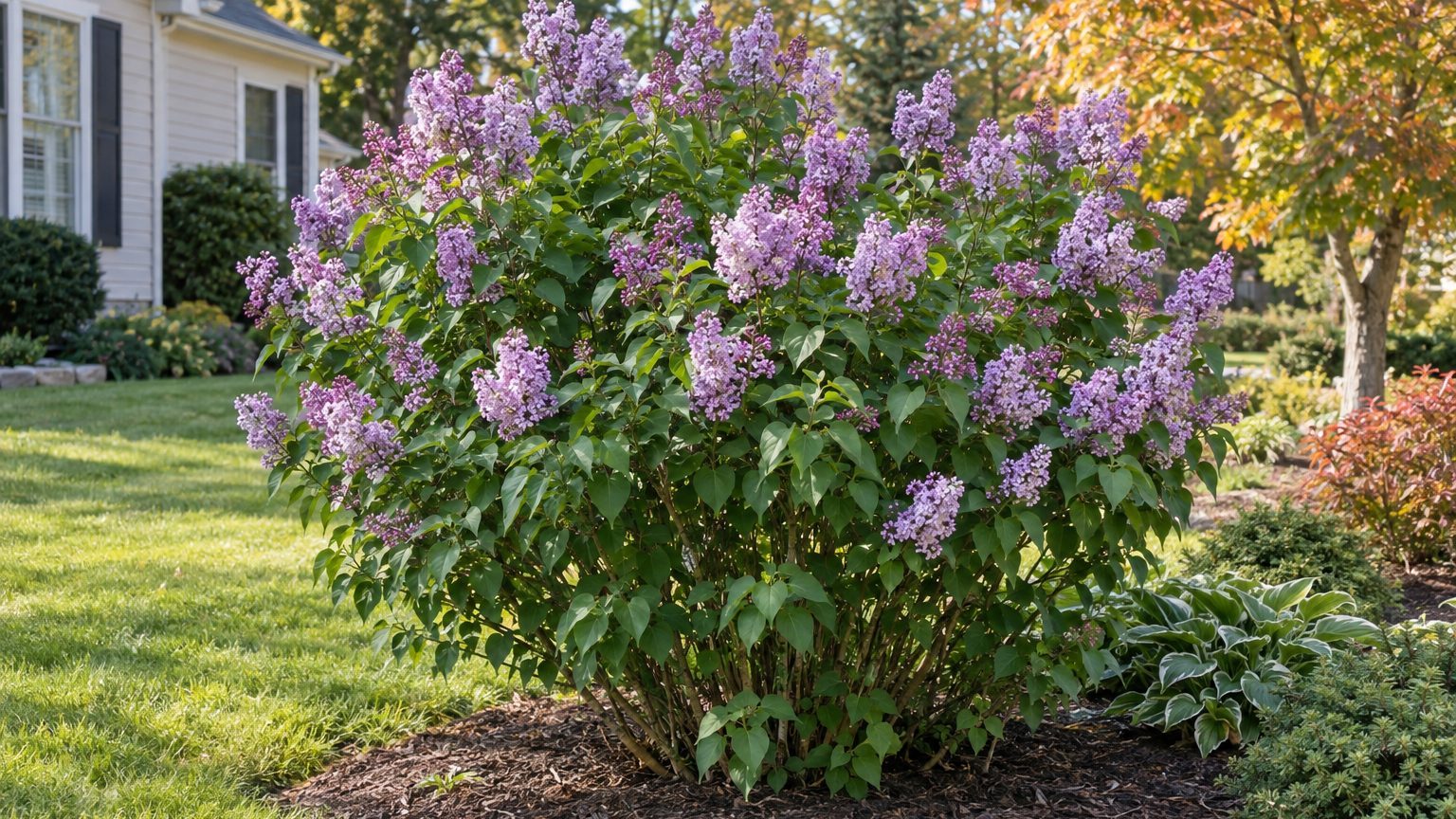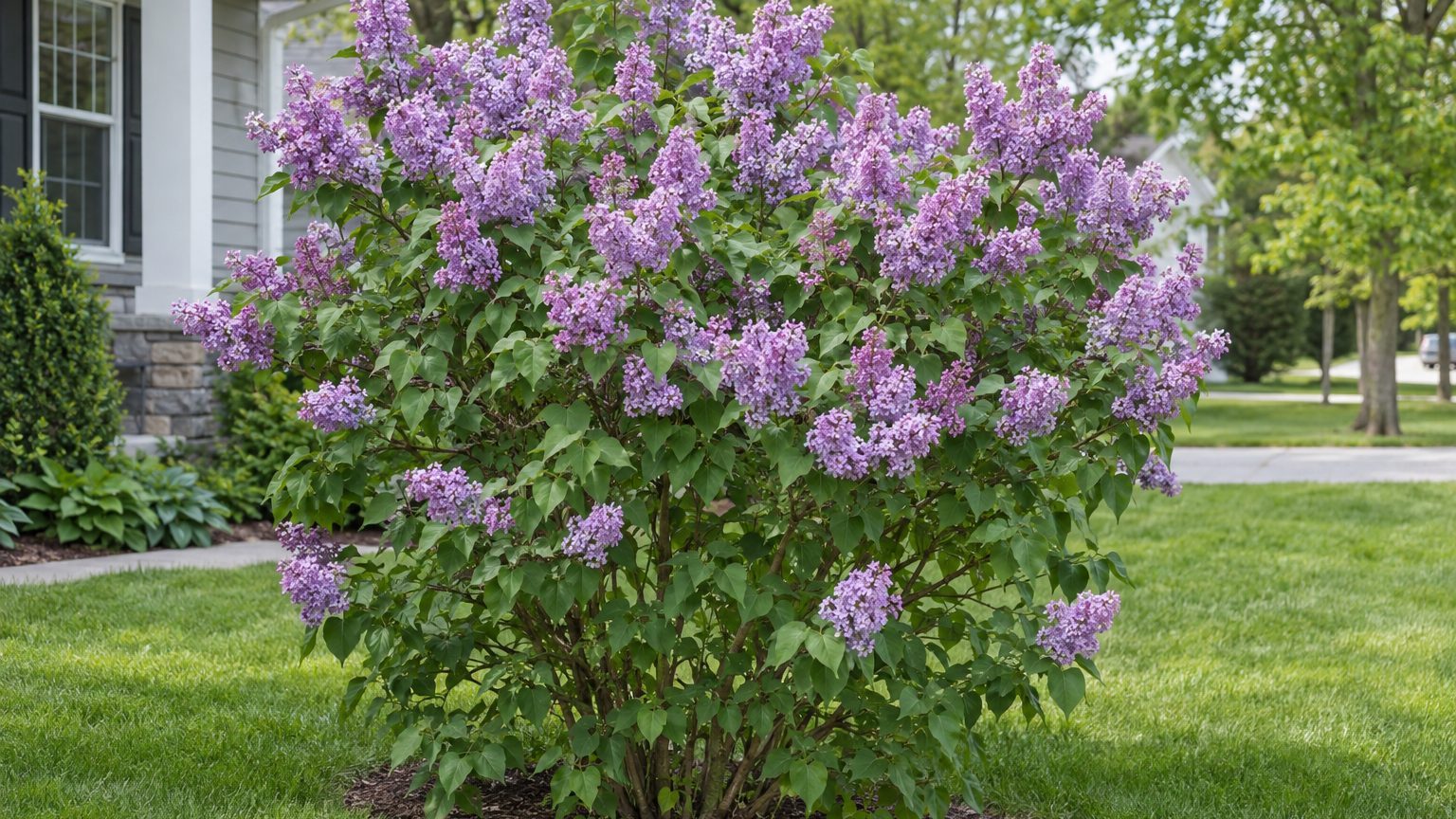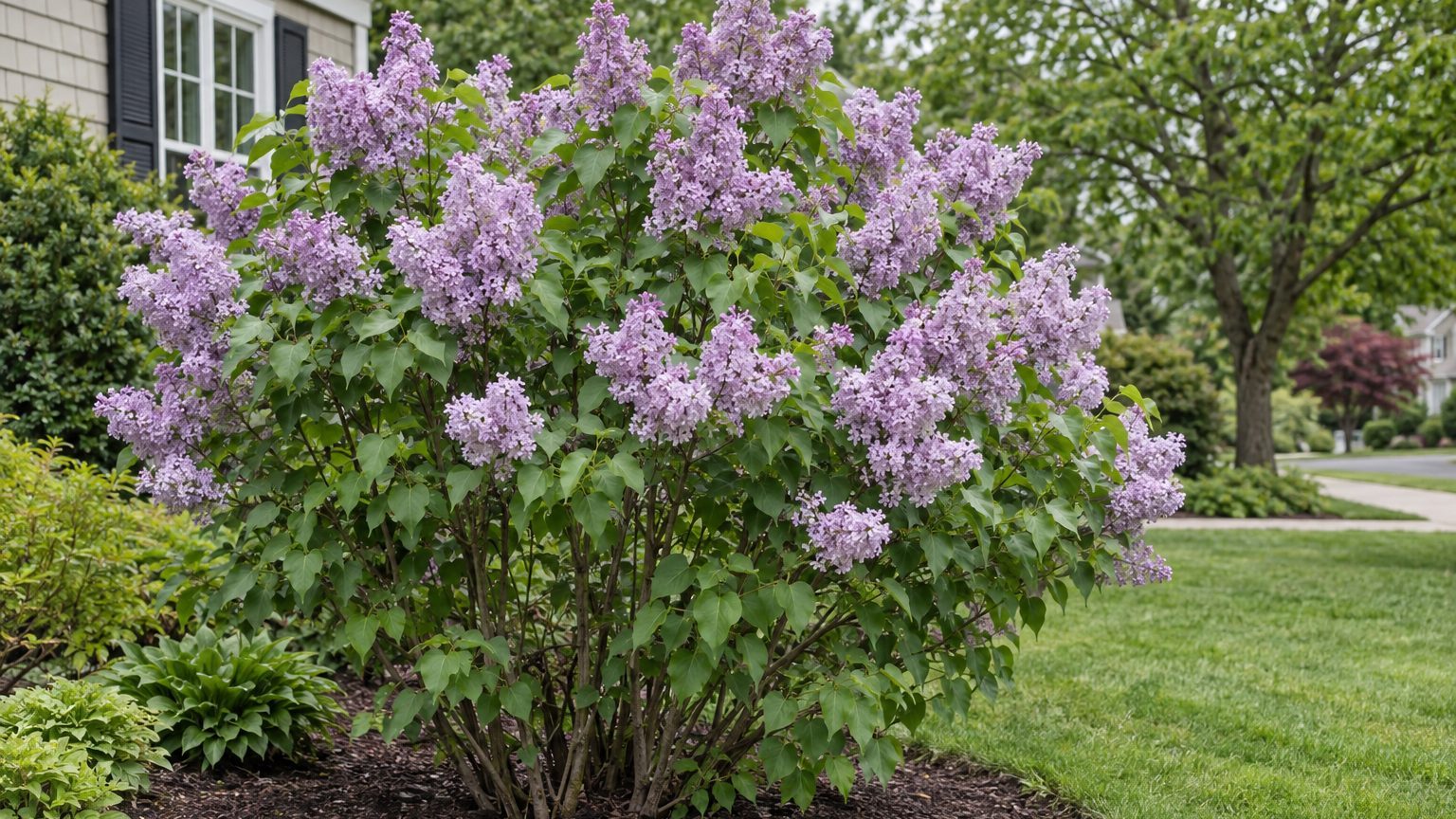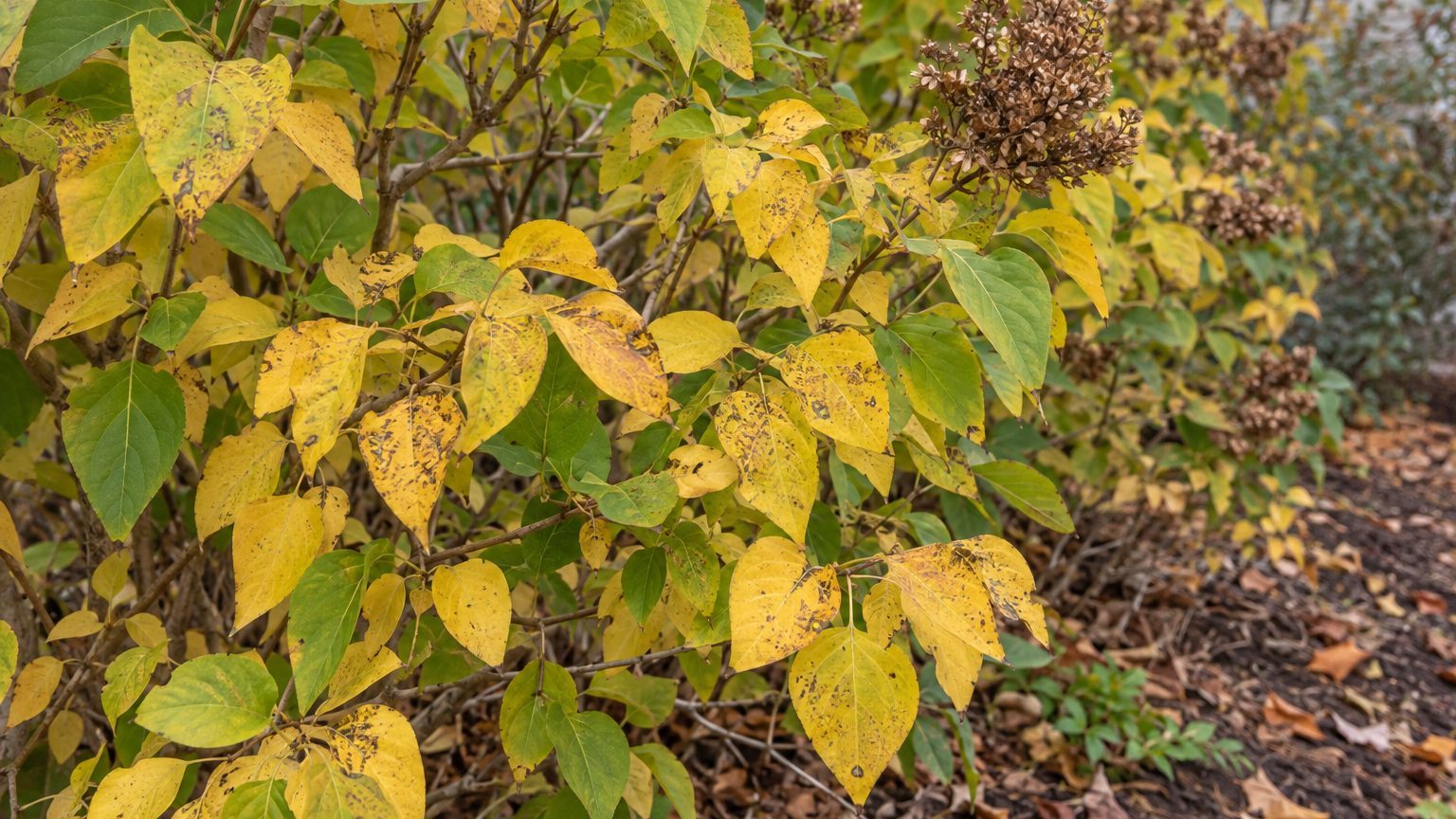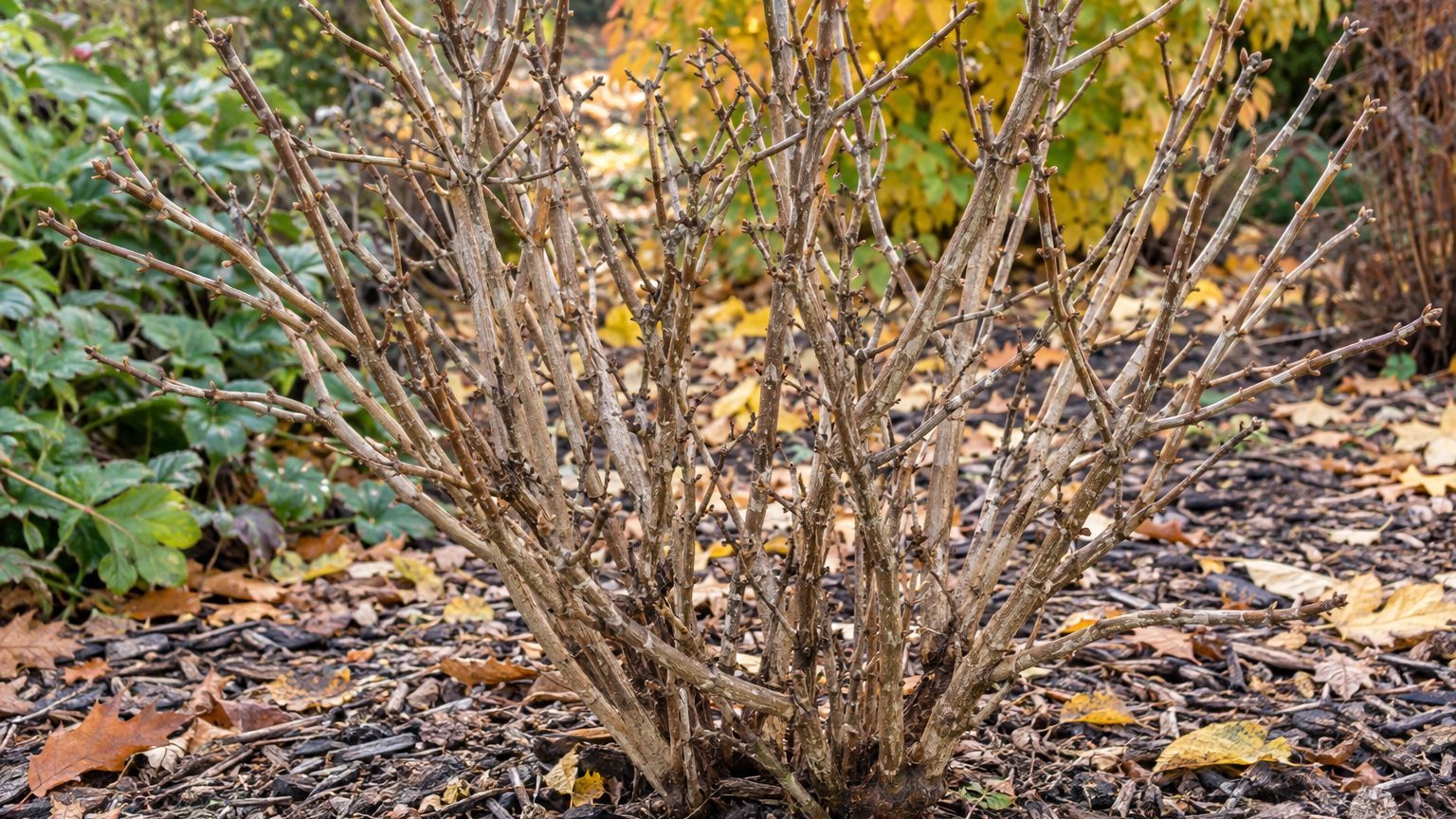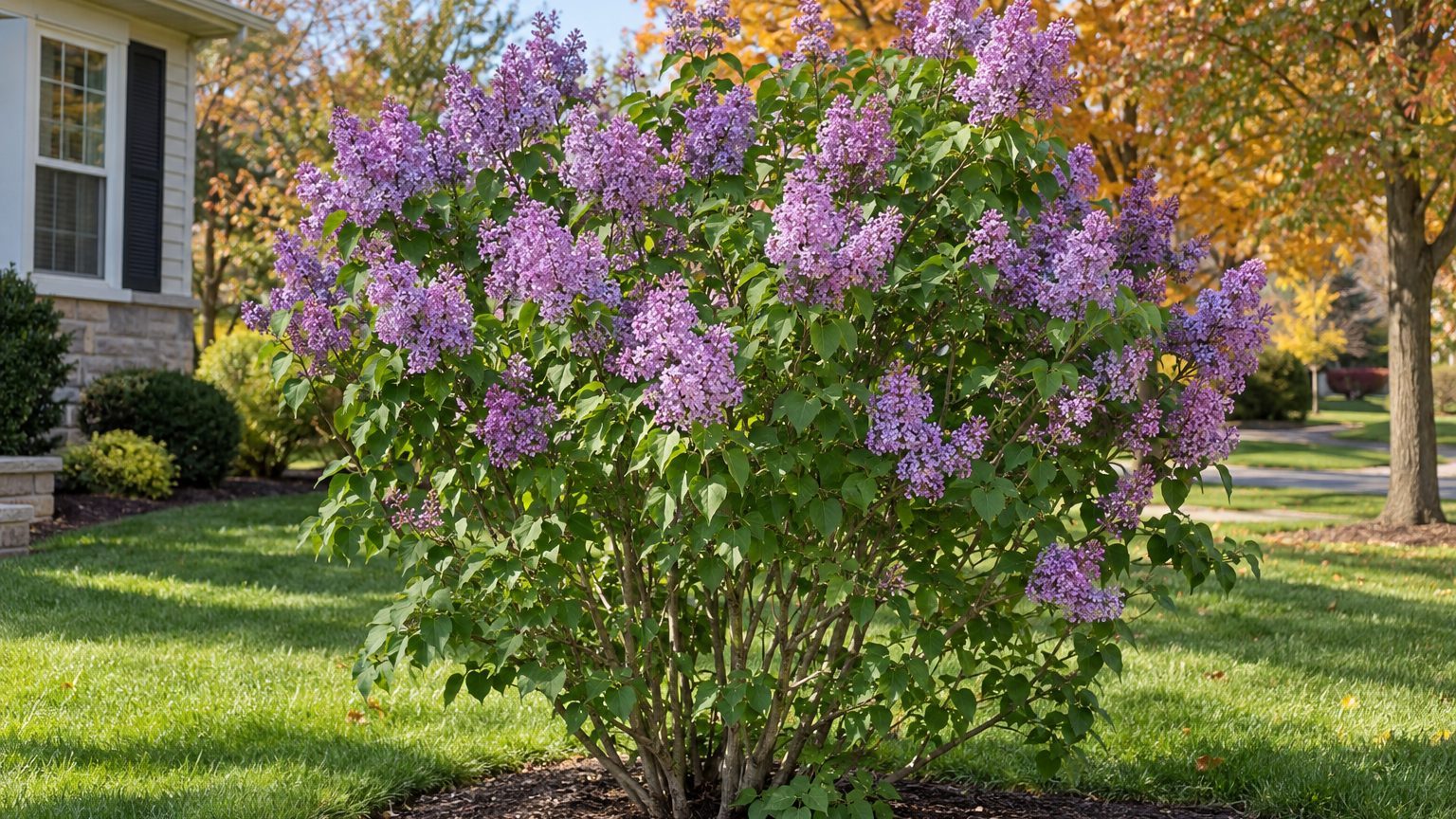
A Chinese lilac brings interest in bloom and after its leaves fall. From late May into June, yellowish-white flower clusters open with or just after common lilac, and the cinnamon-colored bark shows after the leaves fall.
What Is the Chinese Lilac?
Chinese lilac, also called Peking lilac or Chinese tree lilac, is a deciduous shrub or small tree in the olive family. It grows upright and arching, with a loose, open habit and finer leaves and stems than its Japanese tree lilac cousin.
It reaches 15 to 20 feet tall, while the Montana description gives a height of 10 to 12 feet. Expect a width of 10 to 15 feet.
The flowers are yellowish-white and carry a scent closer to privet than to common lilac. The smooth amber bark can peel in thin flakes or sheets, which gives the plant interest after the leaves drop.
Where Does the Chinese Lilac Grow Best?
Chinese lilac is rated for USDA zones 3a, 3b, 4a, 4b, 5a, 5b, 6a, 6b, 7a, and 7b. It tolerates heat better than Japanese tree lilac but is less cold-hardy, so the regions differ in what to watch for.
- Northern Rockies and Plains: In Montana, Wyoming and the Dakotas, it can take some winter injury in very severe winters or in the colder parts of the state.
- In cold-winter regions, it gets the cold-weather dormancy period it needs to flower.
- In hot-summer regions, it tolerates the heat. Like all lilacs, it needs a cold-weather dormancy period to flower.
- Where winters are too mild, it may not get the cold-weather dormancy period it needs to flower.
The state selector just below this section takes you to the page for your own state.
How to Care for the Chinese Lilac Through the Year
Bloom

Flowers open from late May into June, with or just after common lilac. The clusters are 3 to 6 inches long and more delicate and abundant than common lilac blooms. Enjoy them where you can smell them, near a patio or walkway.
Pruning
The shrub is naturally multi-stemmed, but you can train a single trunk by removing the drooping lower branches.
Summer
Because the plant produces few suckers, there is little to cut back around the base.
Fall
As the leaves drop, the bark becomes the main attraction.
Winter
Cold is part of the plan, because like all lilacs this one needs a cold dormancy to flower.
Chinese Lilac Diseases and Weak Points
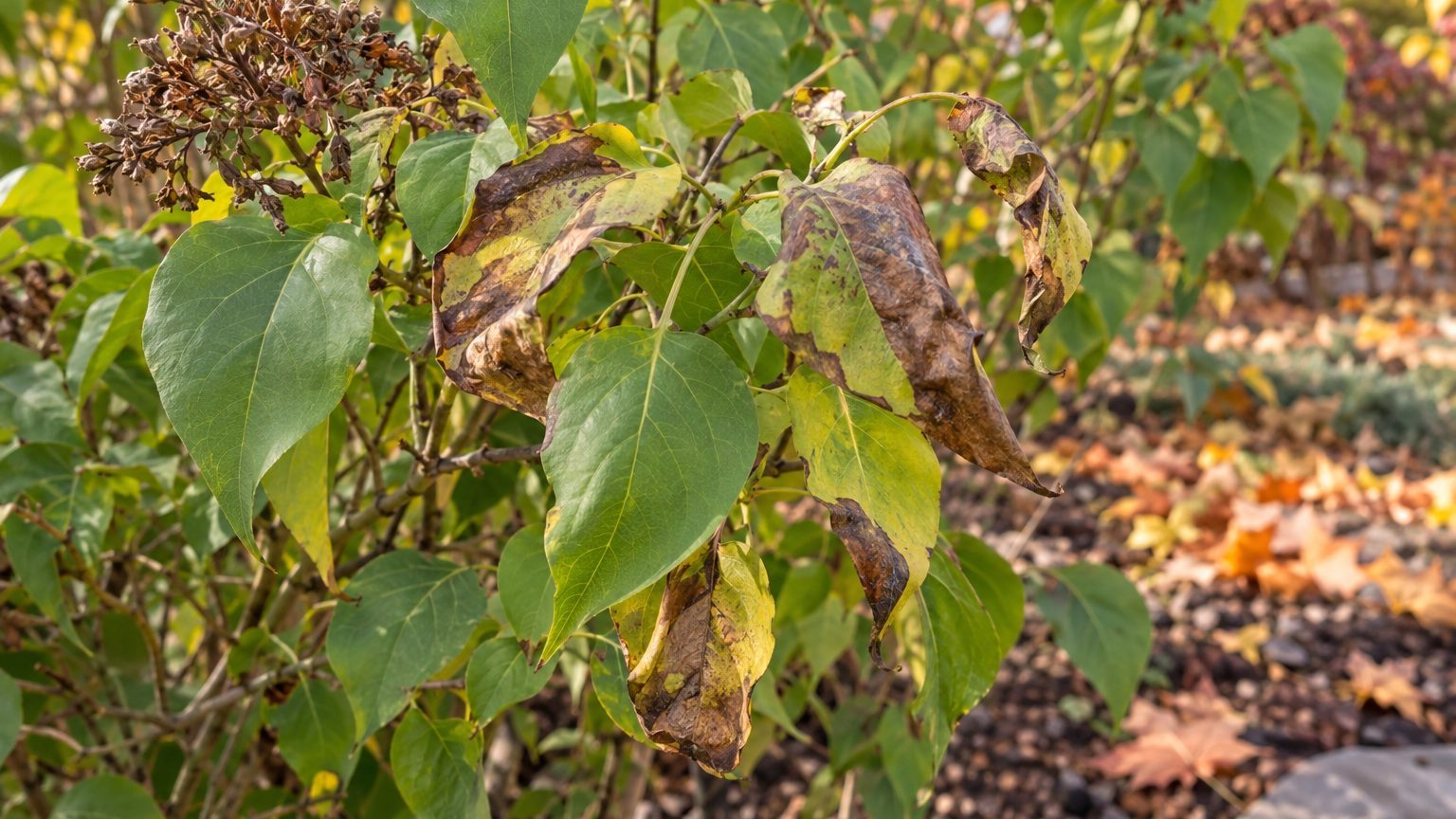
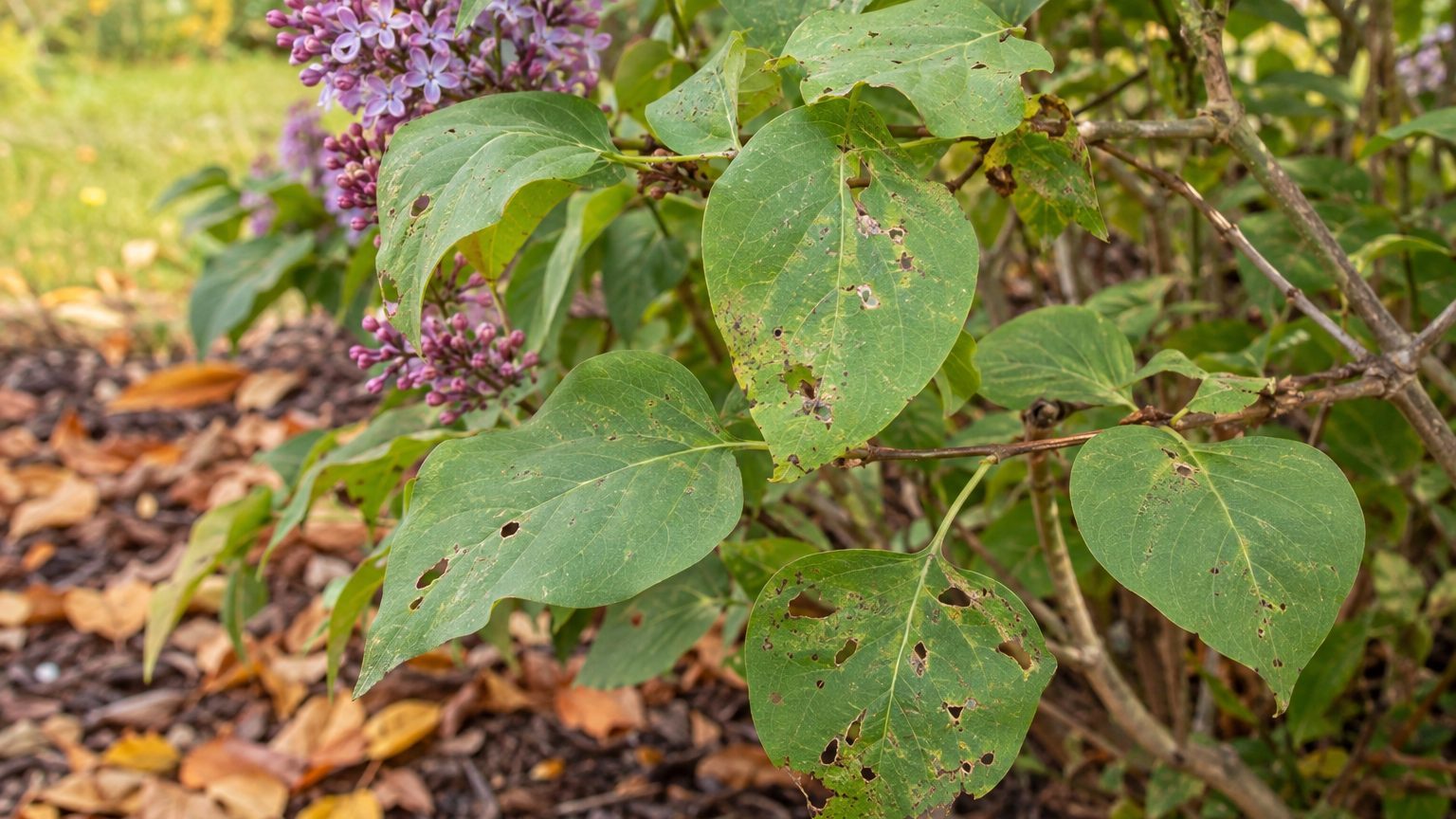
This lilac has minimal susceptibility to blights, leaf spot, wilt and ring spot virus. A spot in full sun supports both flowering and disease resistance, and loose, well-drained, neutral soil keeps the roots healthy.
Very severe winters can cause some injury in colder areas of Montana. It is more heat-tolerant and less cold-hardy than Japanese tree lilac.
| Threat | How Chinese lilac handles it |
|---|---|
| Blights | Minimal susceptibility |
| Leaf spot | Minimal susceptibility |
| Wilt | Minimal susceptibility |
| Ring spot virus | Minimal susceptibility |
| Severe winters | Some winter injury can occur during very severe winters or in colder areas of Montana |
| Summer heat | More tolerant than Japanese tree lilac |
Loose, well-drained, neutral soil and full sun support flowering and disease resistance.
Is the Chinese Lilac Right for Your Yard?
It suits a yard with full sun, room for a wide crown and a winter that gets properly cold. It needs full sun, loose, well-drained, neutral soil and room for a wide crown.
- Choose it for a lawn corner or a boundary where a loose, open shape can spread and where few suckers will not creep into beds.
- Skip it in mild-winter climates, since it will not bloom well without a cold season.
- Plant it once you have checked your zone against the state page.
Common Questions
Does Chinese Lilac Spread by Suckers?
Not much. It produces few suckers, so it stays in bounds more easily than common lilac and needs less edging around the base.
What Soil and Light Does Chinese Lilac Want?
Plant it in loose, well-drained, neutral soil with full sun. That combination supports flowering and disease resistance.
Are There Chinese Lilac Varieties with Different Flower Colors?
Yes. Alba bears white to very light pink flowers, and Saugeana has lilac-red blooms. Check the plant tag for mature size before choosing.