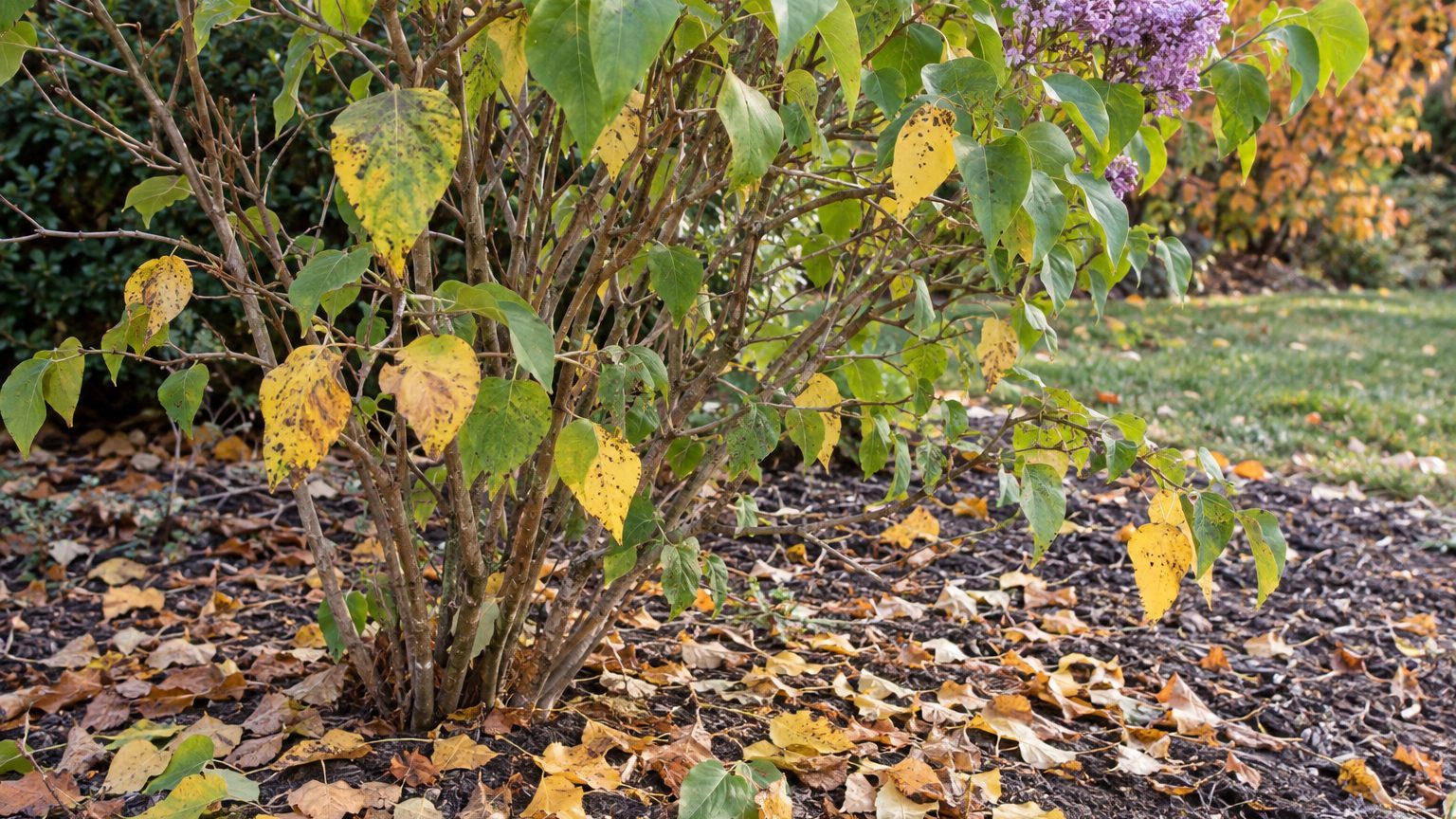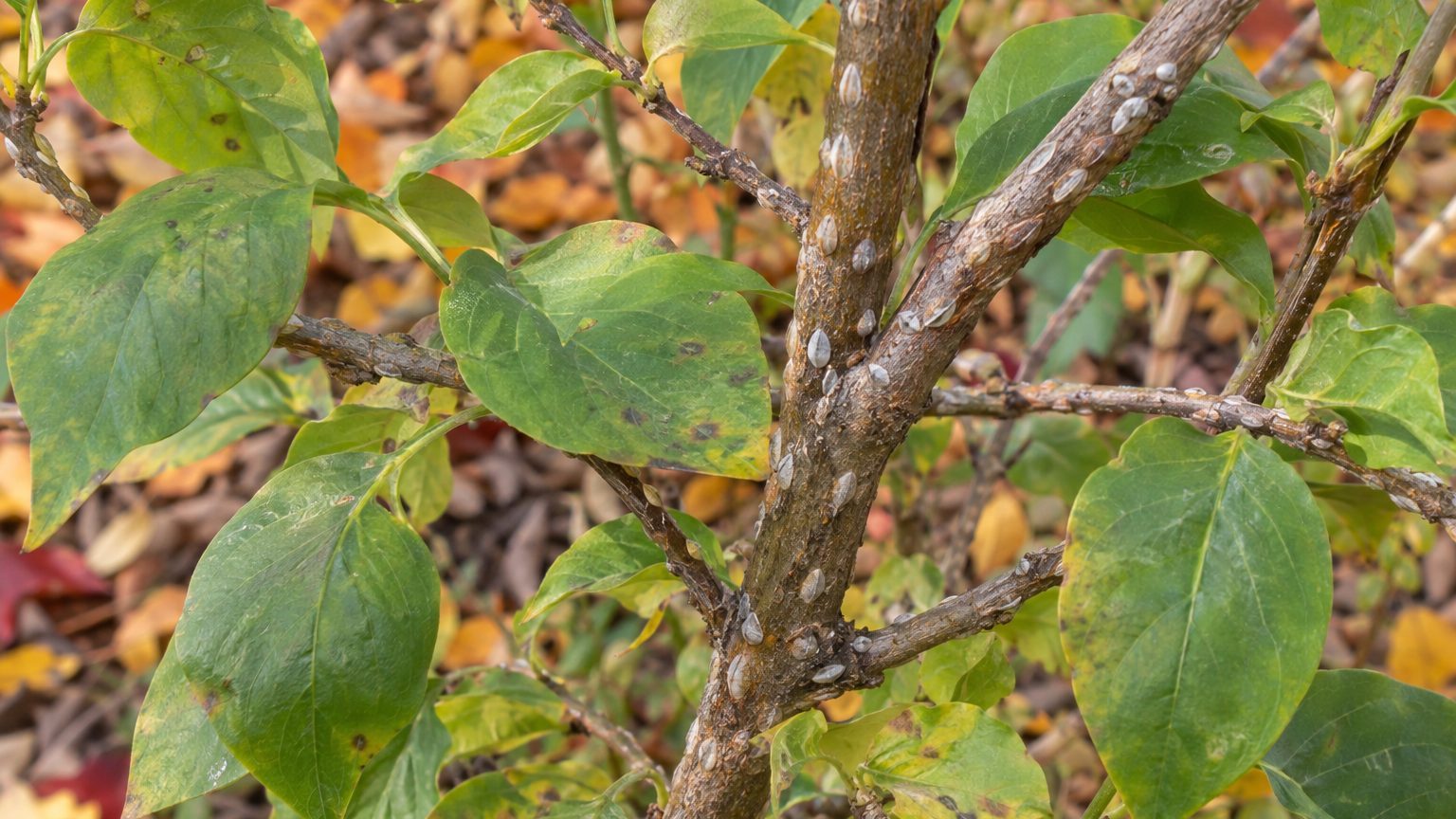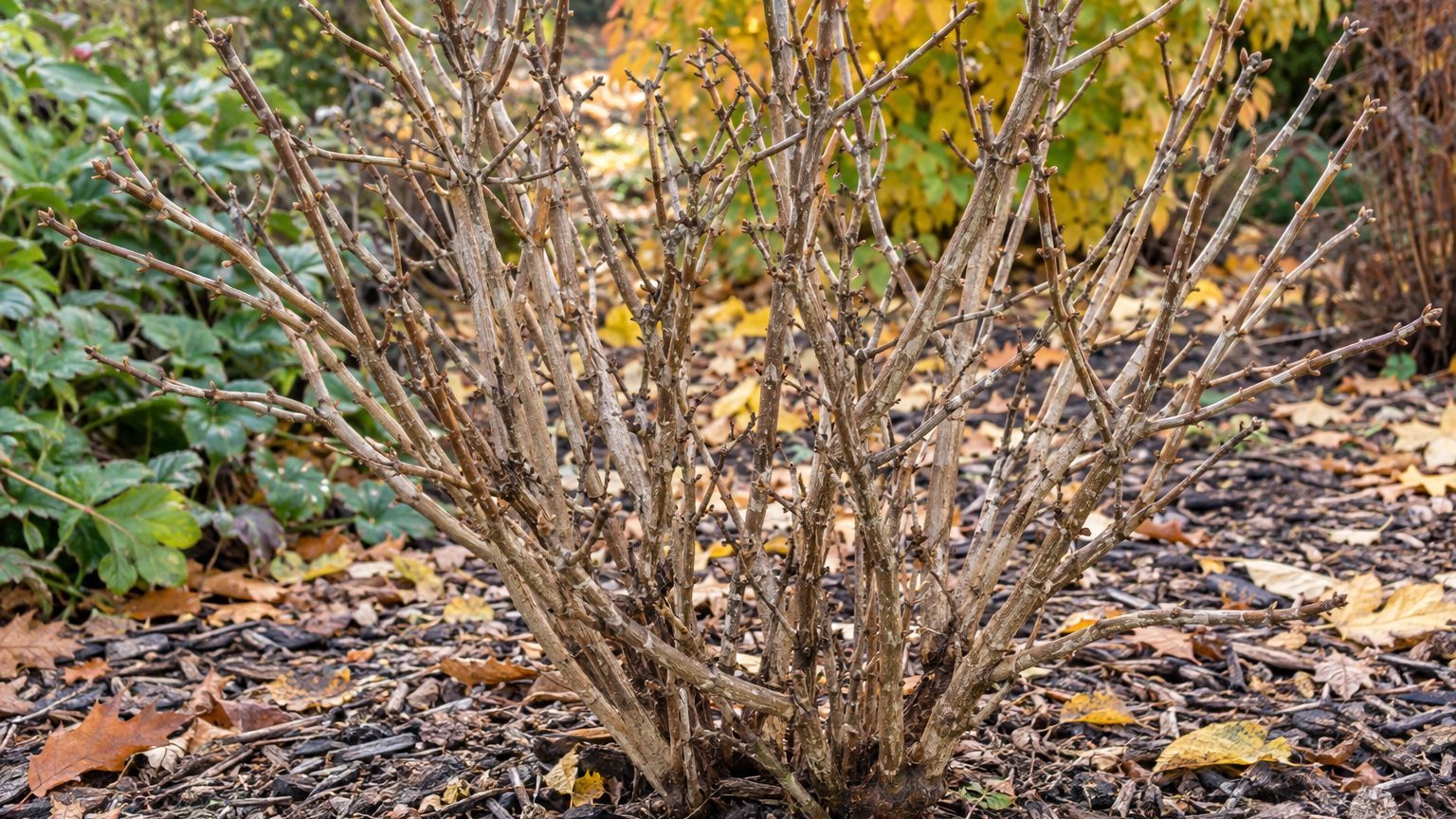
In spring, a lilac that should be swelling with green tips sometimes sits there with buds that stay shut, turn dark, or open to limp, browning growth. The cause is usually a disease that thrives in cool, wet weather, though soil, light and borers can look much the same. Sorting out which one you have decides what to cut and what to leave alone.
Lilac Not Leafing Out: What You See

Start by checking the buds and flowers before looking at the leaves.
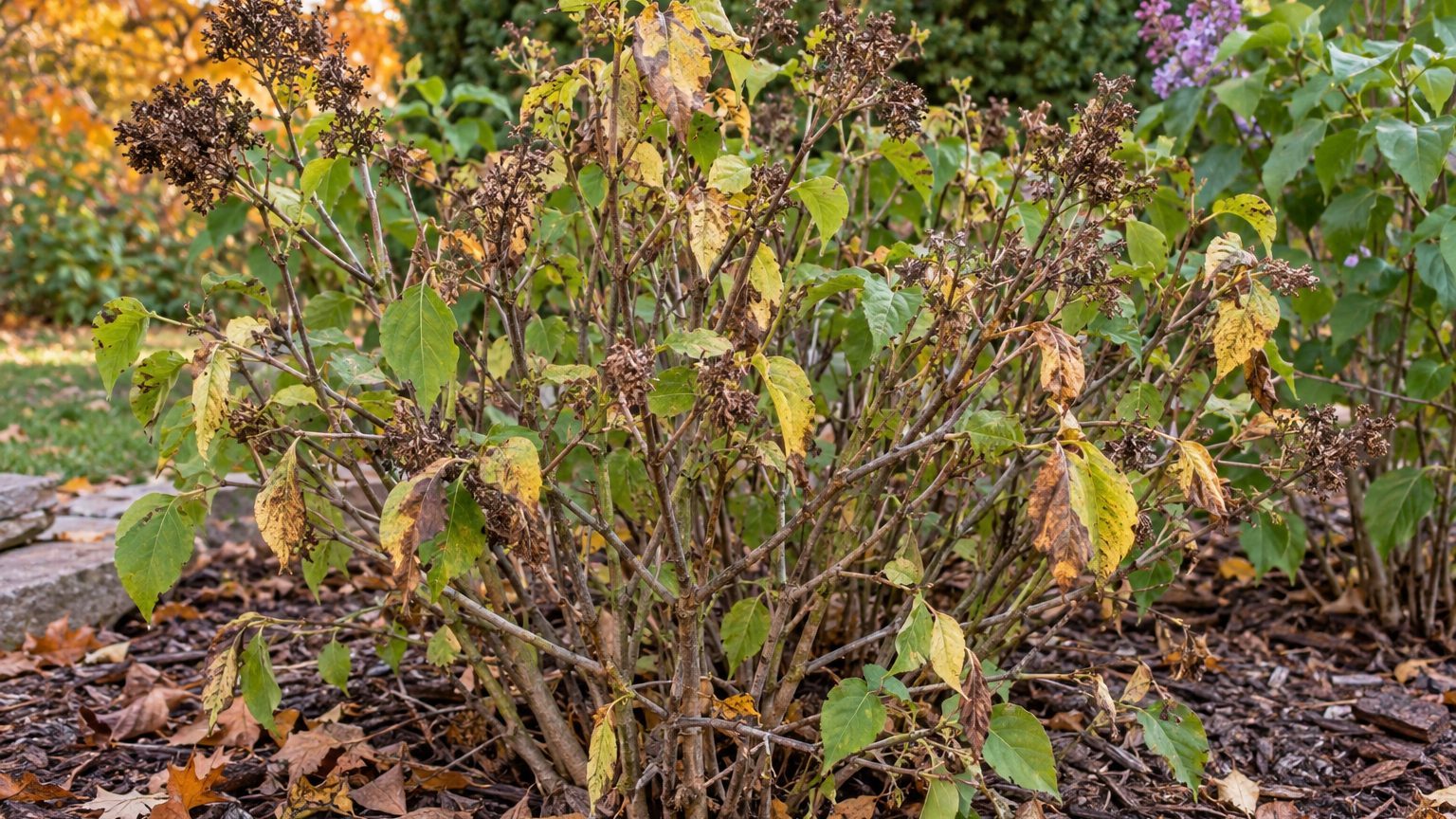
- Unopened flower buds turn blackened instead of swelling and opening.
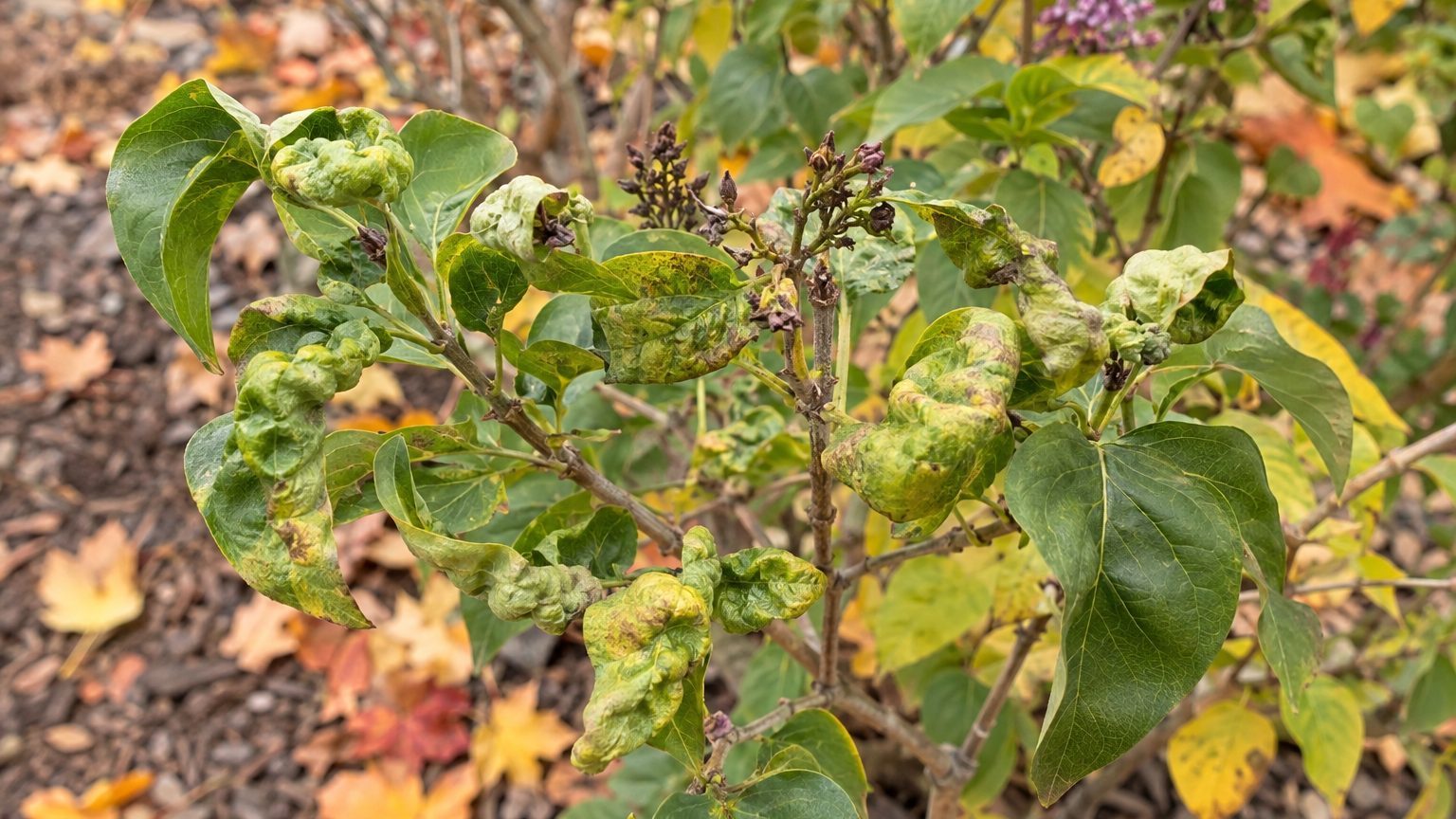
- Flowers that do open wilt and turn brown.
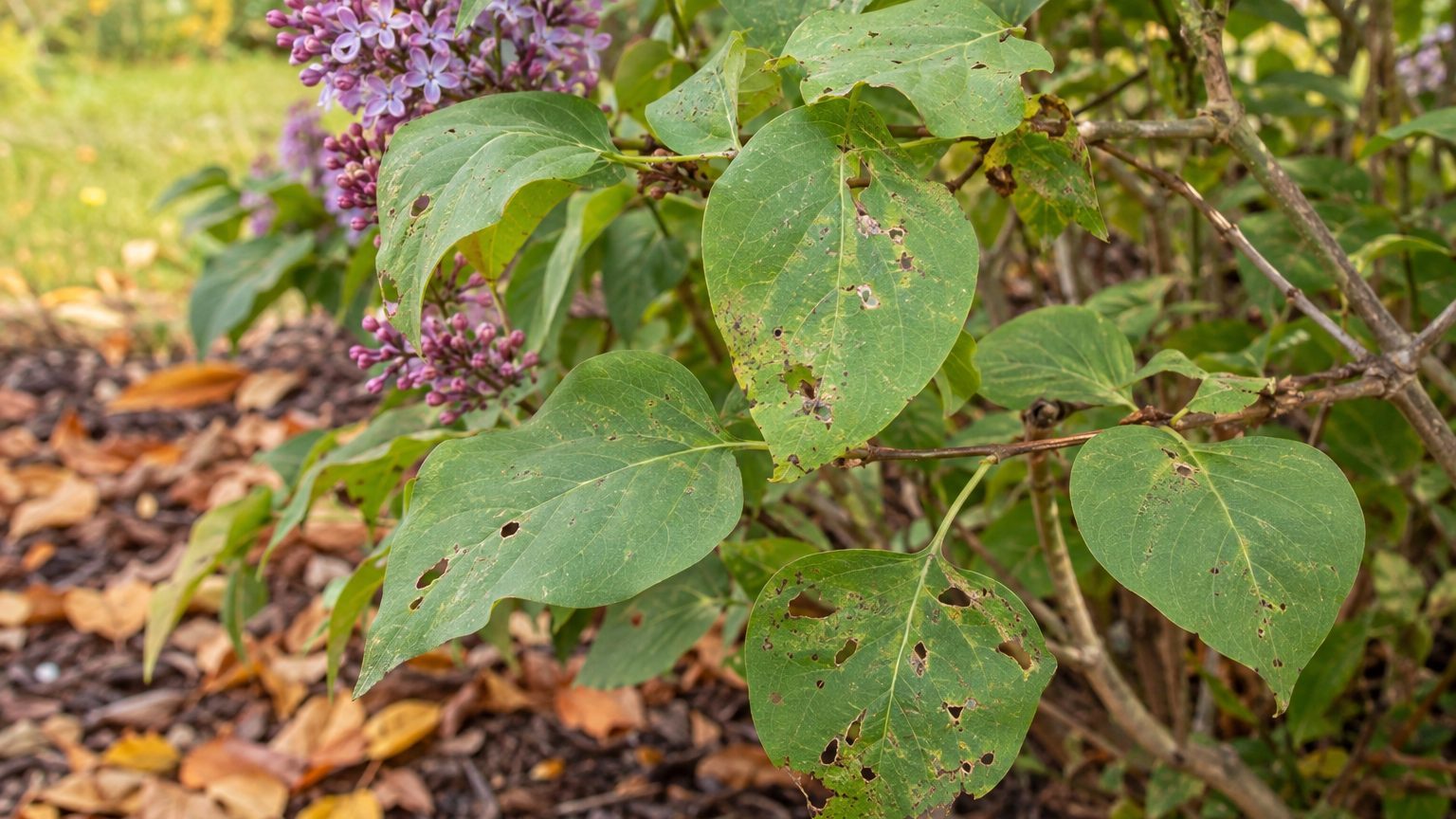
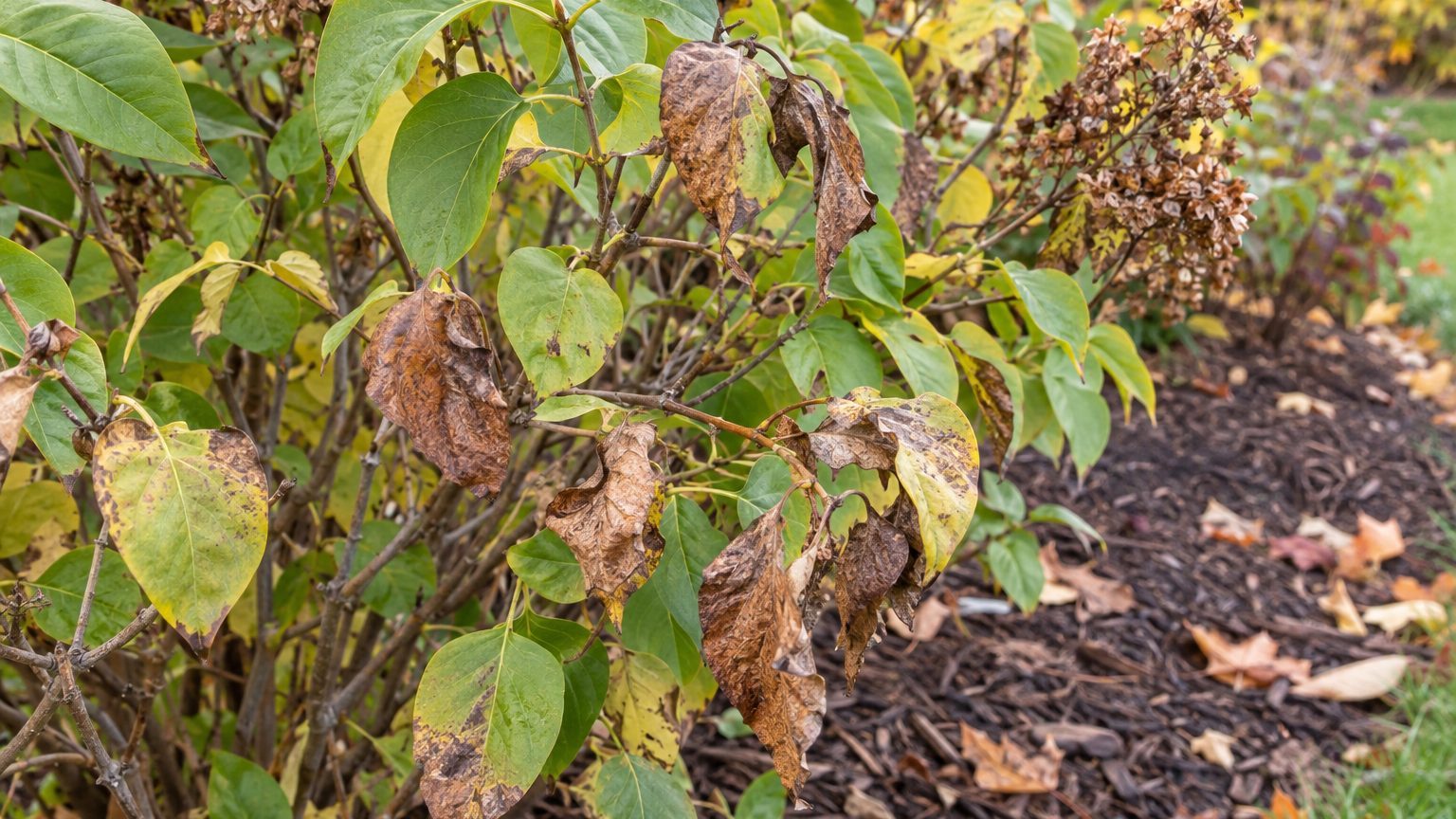
- Leaves that do appear show spots, which points to a leaf spot disease rather than a bud problem.
- Whole stems look wilted even when the soil is not dry.
- Holes sit low on a stem, with sawdust on the ground or on groundcover beneath.
Where the damage starts, on buds, on leaves or at the base of the stem, narrows the cause quickly.
Lilac Not Leafing Out or Something Else?
Several lilac troubles produce a tired, stalled look, and they call for different fixes. Cutting out branches will not help a root that is sitting in wet soil, and a soil change will not stop a borer.
| Looks like | How to tell them apart |
|---|---|
| Powdery mildew | In Illinois, powdery mildew can leave a white film on lilac leaves in summer; regular rain may wash the film away. |
| Stem borer | Holes in the stem near the base, plus sawdust on the ground beneath. |
| Root rot | Wilting top growth, and soil that stays soggy or packs down hard when wet. |
Verticillium wilt can also give lilacs a wilted look, but a lab test is needed to distinguish bacterial from fungal leaf blight.
What Causes Lilac Not Leafing Out, and Where It Is Worst
A possible cause is lilac bacterial blight, a disease caused by the bacterium Pseudomonas syringae pv. syringae. It gets going when a cool, wet spring follows a late frost or winter injury, because the damaged tissue gives the bacteria an easy way in.
In Oregon, cool, wet springs favor the disease, especially when rain follows a late frost or winter injury. Wherever your spring runs cool and rainy after a frost, the same pattern applies.
A fungal leaf spot is the other common suspect. In the Kalamazoo and Grand Rapids area of Michigan, high heat and humidity in July and August created ideal conditions for it. Soil can add to the trouble, since lilacs want moist but well-drained ground, and soggy or compacted soil can lead to root rot that drags down everything above it.
How to Treat Lilac Not Leafing Out
Treatment is mostly cleanup and careful cutting, and the order matters because diseased tissue left behind keeps feeding the problem.
- Prune out infected parts as soon as you notice them and burn or bag them, so the disease is not left lying in the yard.
- Rake up infected leaves and debris from under the shrub, so spores and bacteria do not wait there for the next wet spell.
- Trim out dead branches as part of the cleanup.
- Check the soil for dryness or compaction, since lilacs need moisture but not standing water.
- Look at the base of the stem for holes and sawdust, so you can catch a borer before it weakens the stem.
The same cleanup applies whether the problem turns out to be bacterial or fungal. If the cause stays unclear, your state’s extension service can tell you how to submit a sample and what, if anything, is approved for use in your state.
How to Prevent Lilac Not Leafing Out Coming Back
Prevention follows the lilac’s own calendar, since the flower buds for next year form on old wood during the growing season.
- In early spring, before the buds begin to break, consider preventive treatment.
- In Illinois, prune after flowering, taking out about 1/3 of the oldest growth and cutting the oldest stems down to just above the ground line if possible.
- In Washington, avoid pruning in July, because the cut would remove flower buds for the next season.
- In Illinois, avoid pruning in fall or winter, because those cuts remove flower buds.
- When planting or replanting, pull soil back if the shrub sits too deep, so the tops of the roots are slightly exposed.
In Washington, hardier lilacs are a longer-term option when winter kills the flower buds.
Where This Comes From
The details here draw on university extension guidance written for Oregon, Washington, Illinois, Michigan and other states. Timing and weather advice holds where it was written, so check with your own state’s extension service before acting on a spray or a pruning date.
Common Questions
Why Is My Lilac Not Blooming?
Lilacs fail to flower from too little sun, planting that is too deep, too much nitrogen, poor pruning or winterkill of the flower buds. Match what you see to the cause before changing anything.
Can Removing a Nearby Tree Make a Lilac Wilt?
Yes. Lilacs dislike extreme heat, so a sudden change in light, such as a nearby tree coming down, can cause wilting.
How Can You Tell Bacterial Blight from Fungal Leaf Spot?
You cannot be sure by eye. The only way to verify is a lab test of a sample, and the cleanup is the same either way.