Skip to content

When Do Lilacs Bloom in North Carolina? Dates and Care

When Do Lilacs Bloom in North Carolina? Dates and Care

Lilac blooms signal that spring has settled into a North Carolina yard, with fragrant purple, lavender or white clusters opening on bare-looking branches. Where you live in the state decides how well they do. Bloom time, the yearly rhythm of the shrub and the type you choose all matter.

When Do Lilacs Bloom in North Carolina?

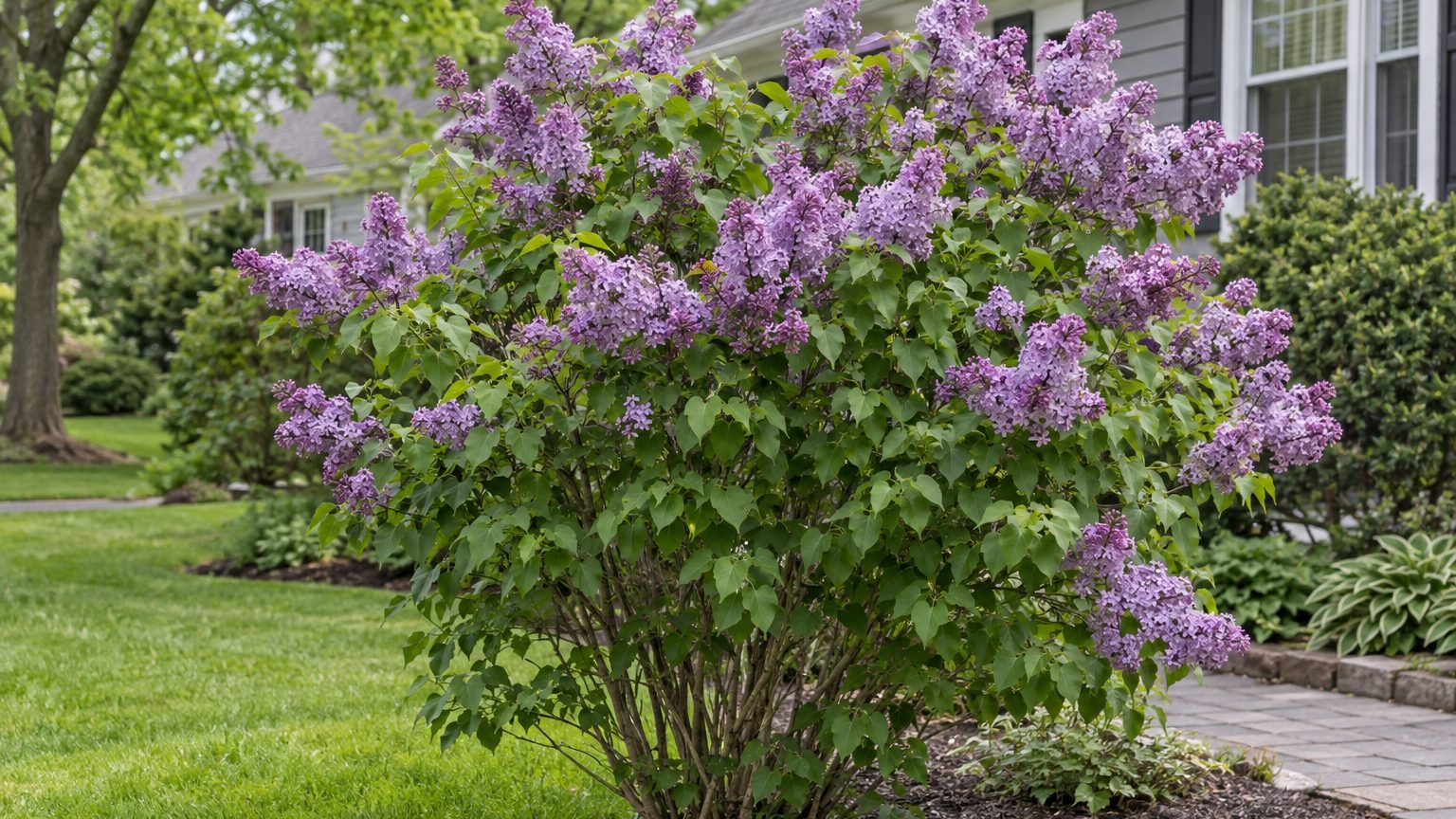
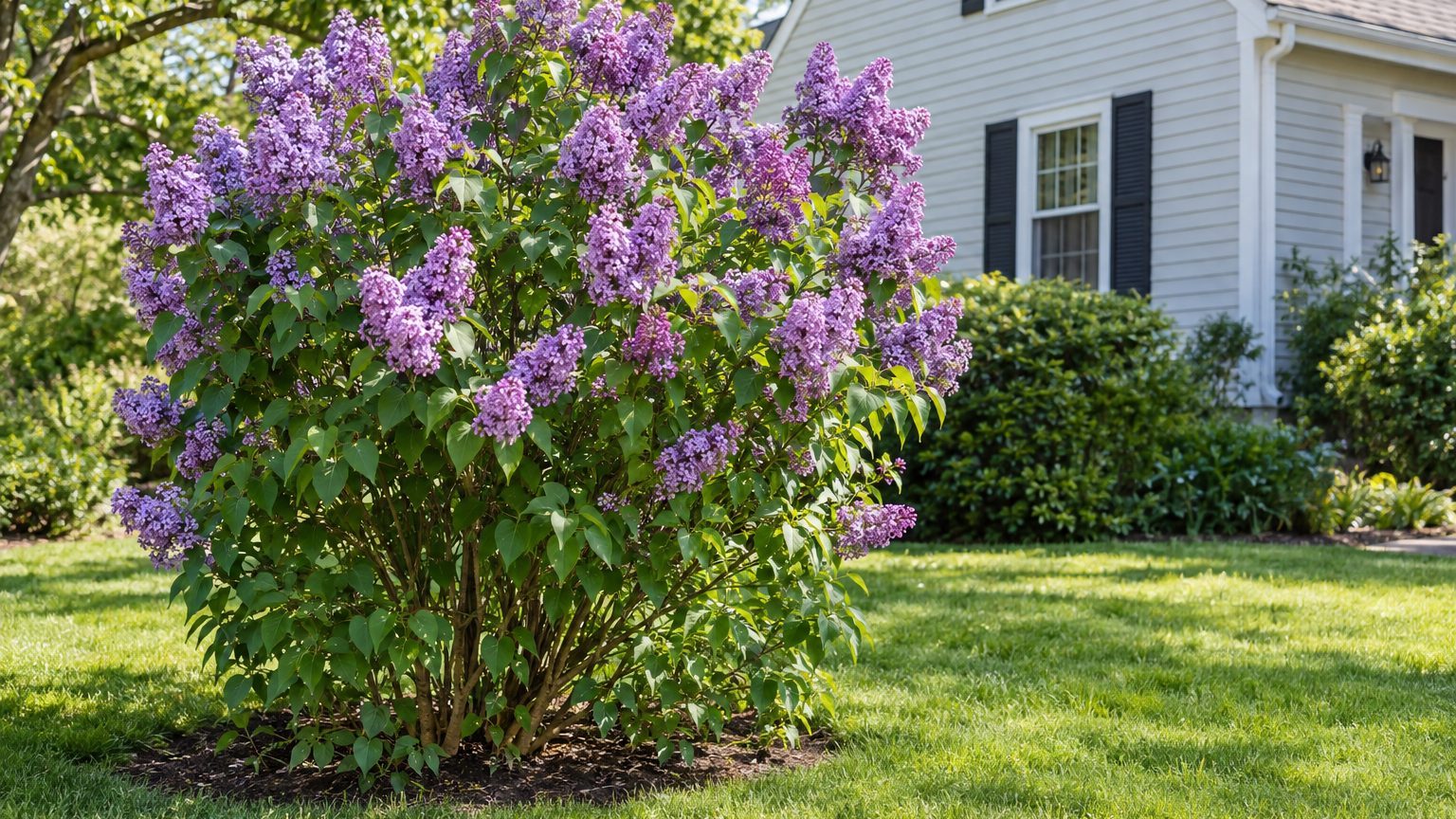
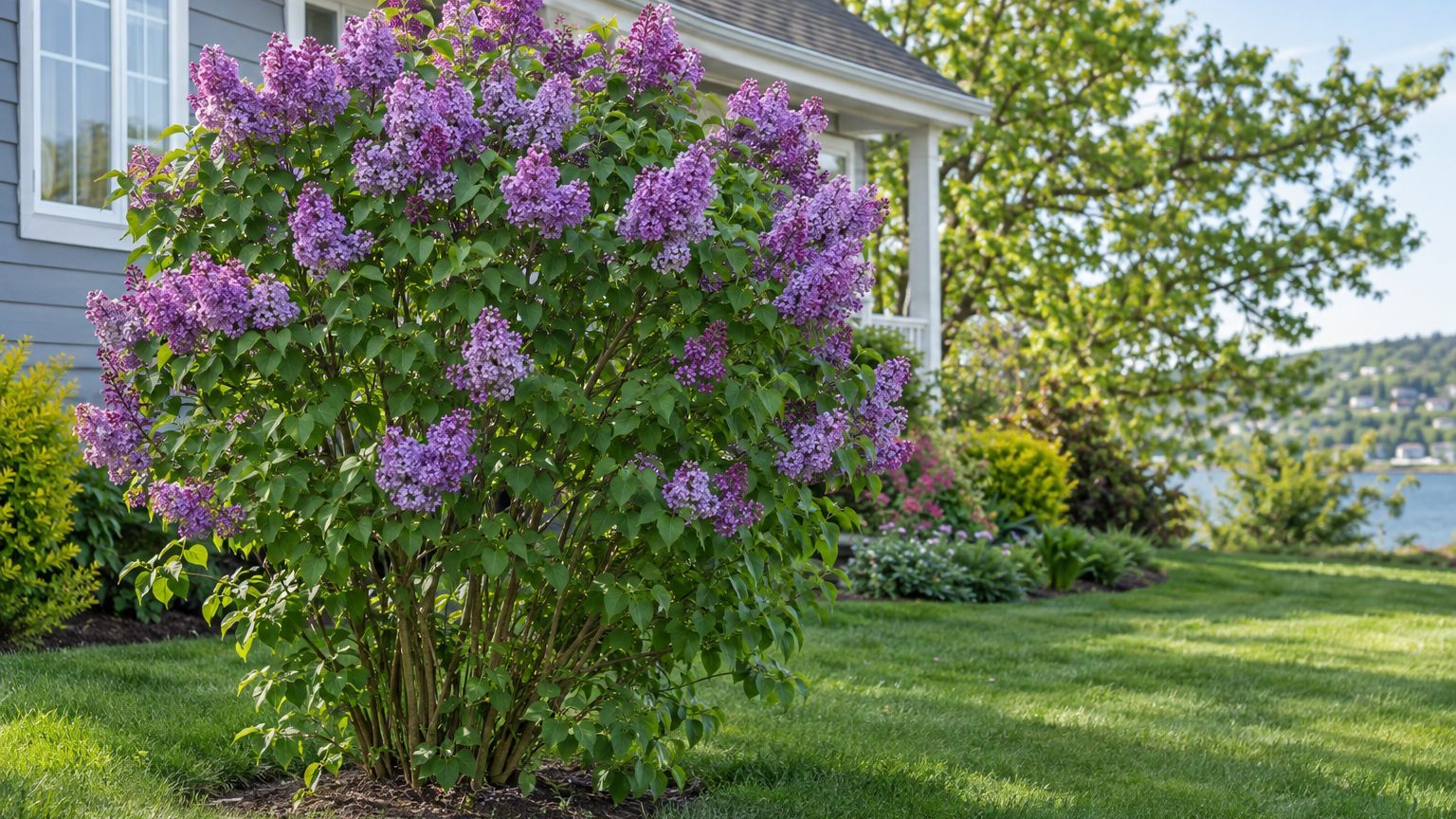
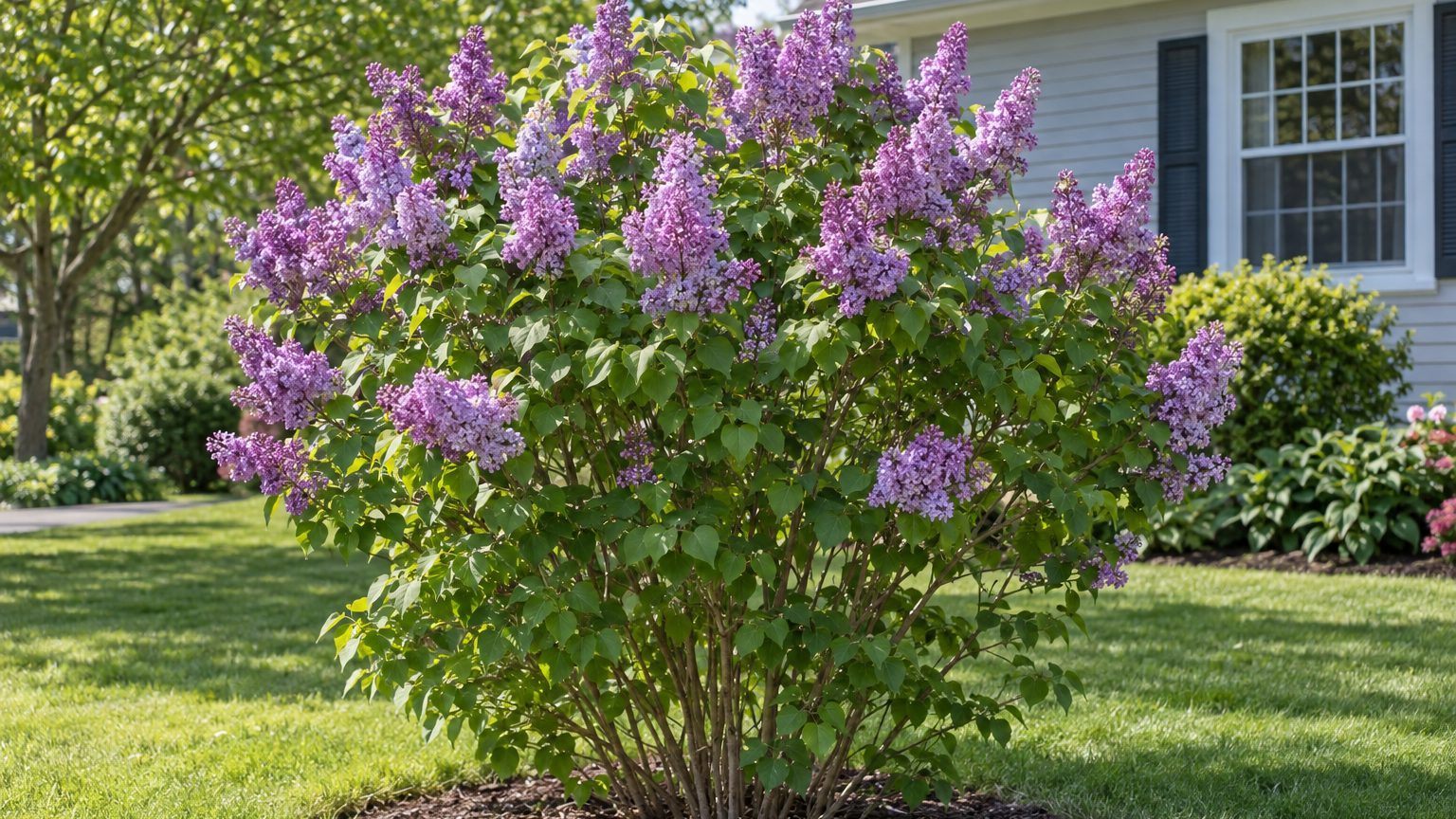
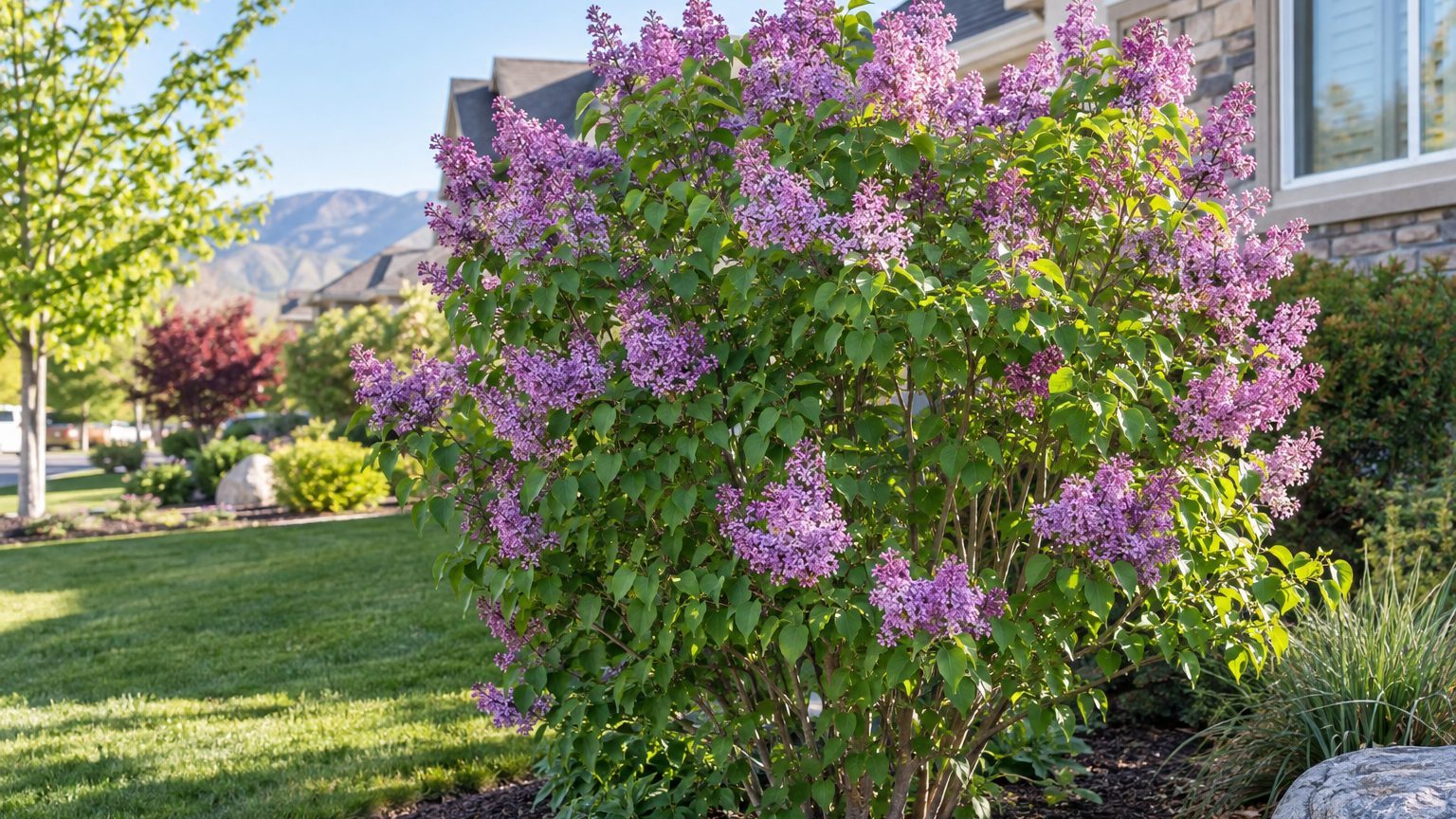
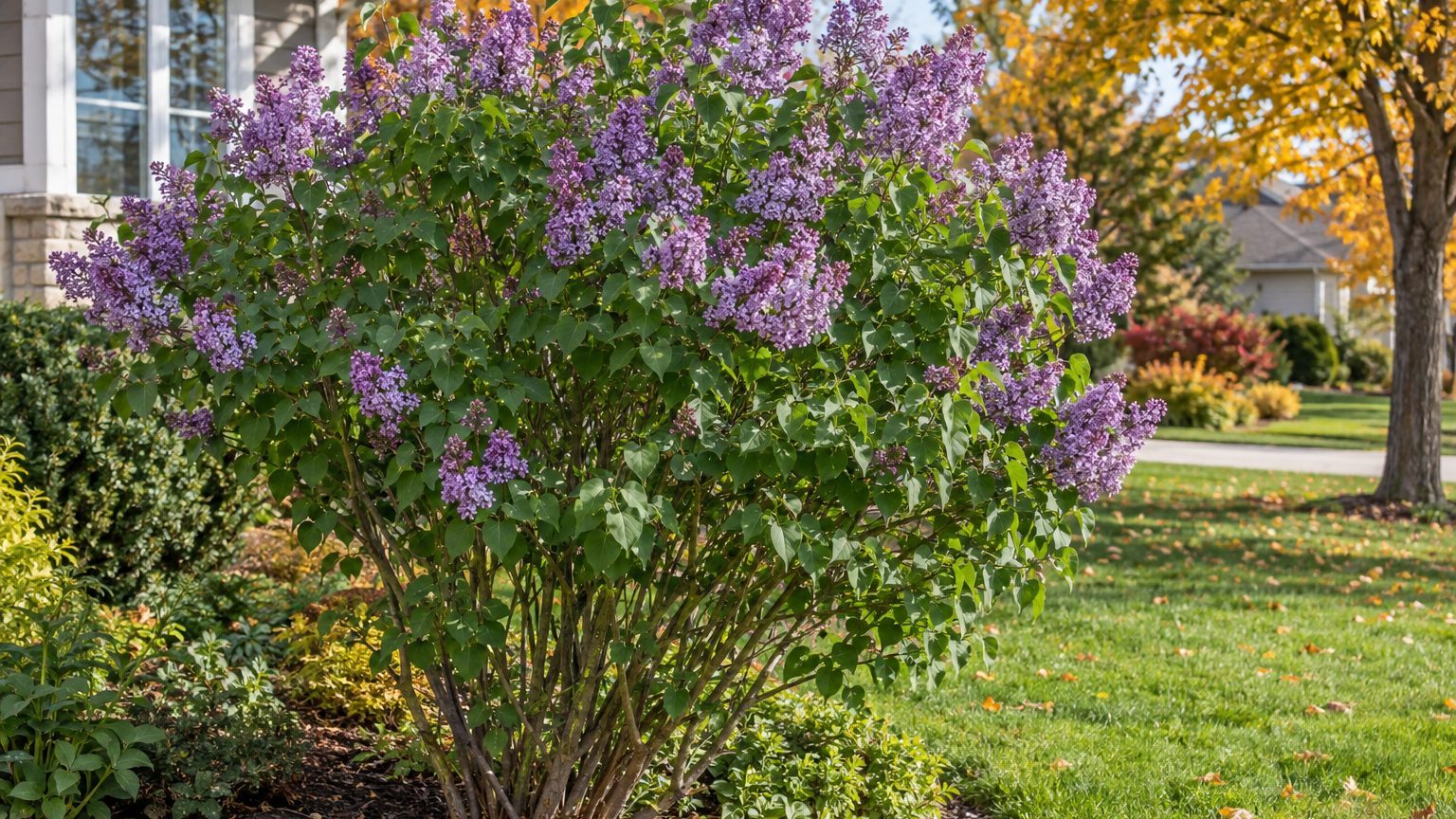
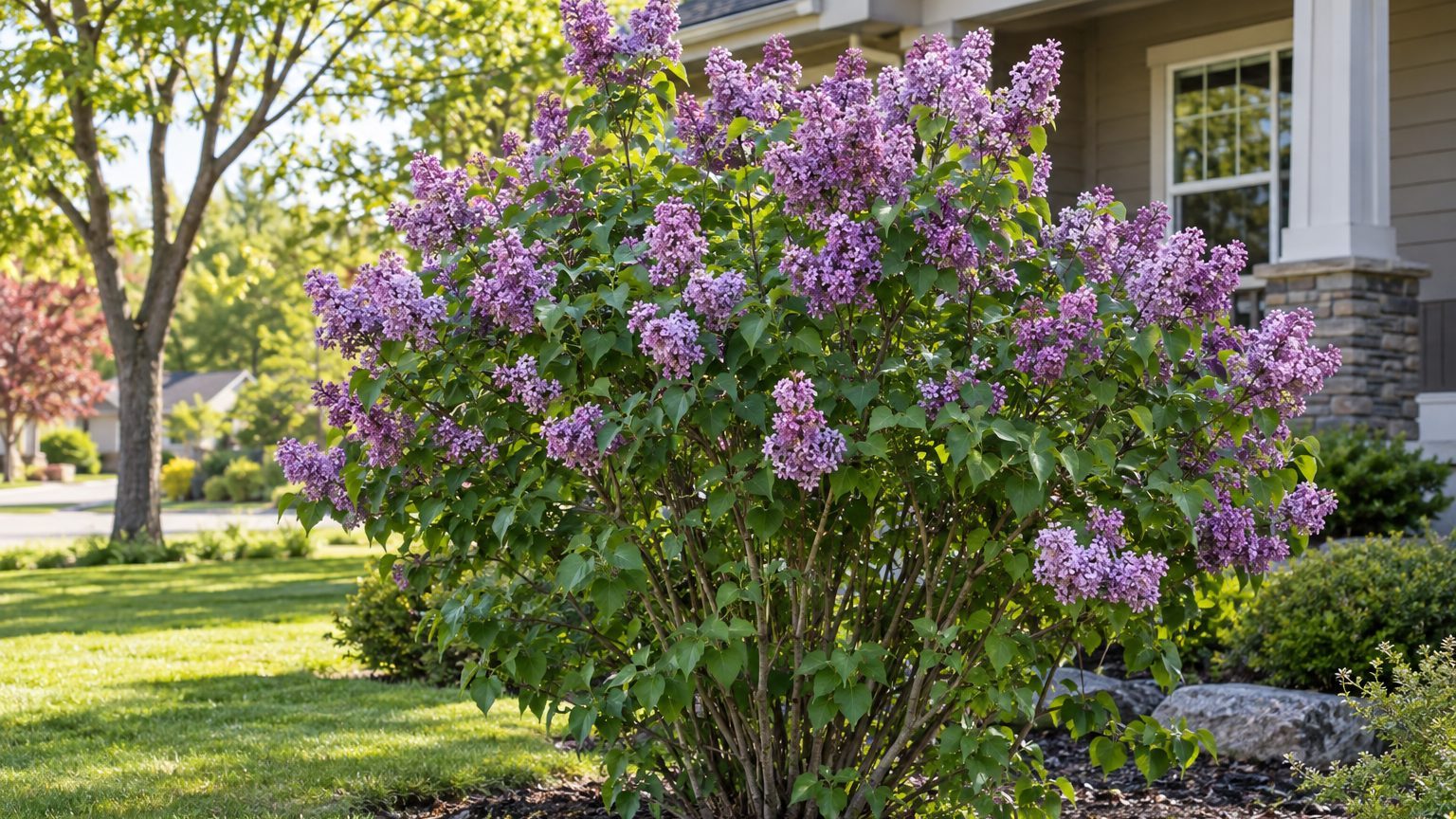
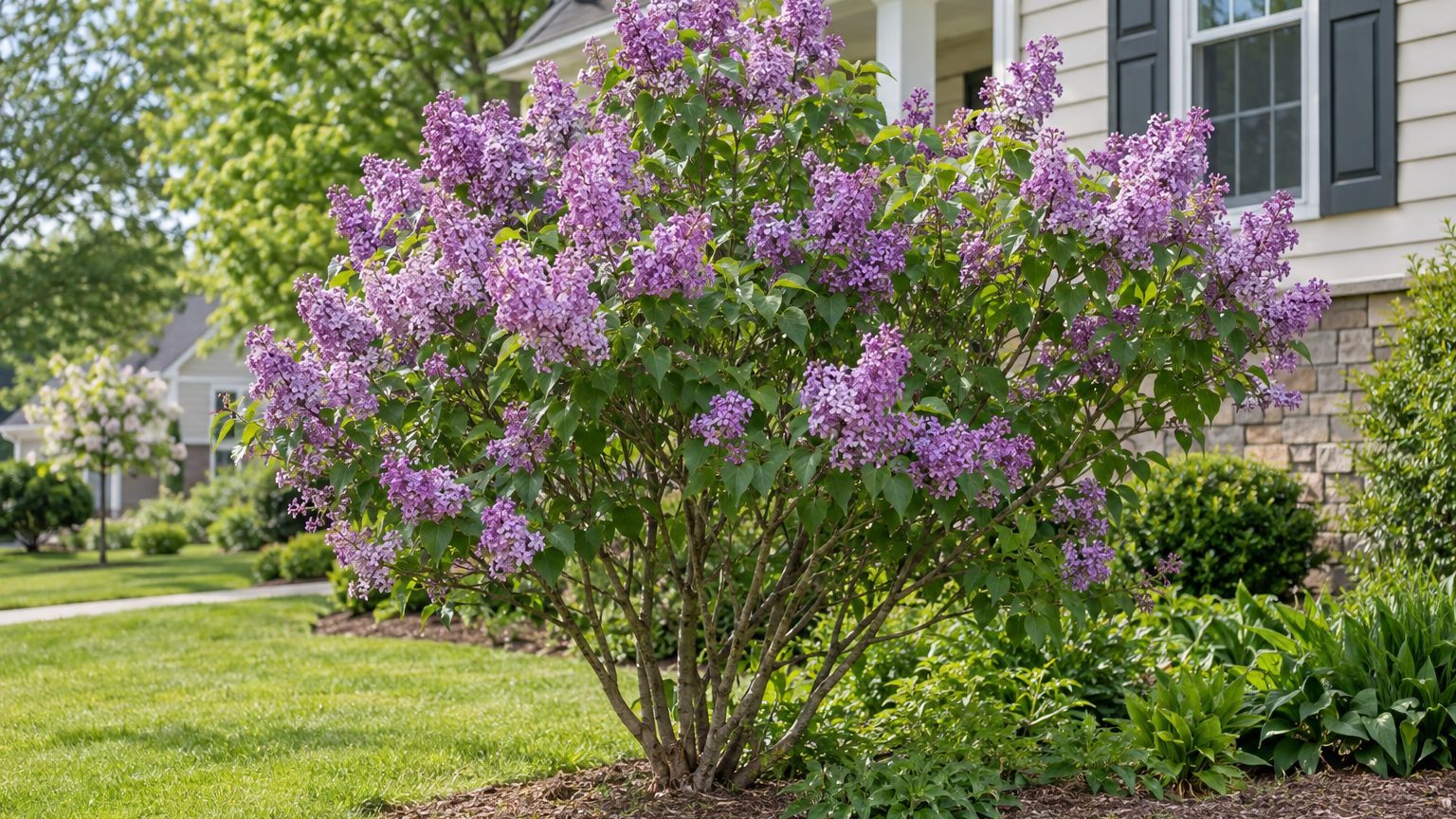
A lilac bush in bloom in a home garden

Lilacs bloom in April and May in North Carolina, and the rest of their year follows from that flowering.

  • In April and May, the flower clusters open and scent the garden.
  • Right after the flowers fade, usually in May and June, is the time to prune, and it can still be done in July if needed, but never after July 10.
  • Through summer, the shrub sets next spring’s flower buds on the new growth, so late pruning removes next year’s blooms.
  • In fall, the leaves drop and the buds are already formed, so the plant needs only to be left alone.
  • Through winter, the shrub rests, and the cold it gets in these months is what matures the buds for spring.

Frost risk helps you read the seasons. In Charlotte, in the Piedmont, the last spring freeze usually comes between March 23 and April 5, and the first fall freeze between October 30 and November 8. North Carolina spans USDA hardiness zones 5b to 8b, so mountain and coastal yards differ a good deal from Charlotte.

Which Lilacs Grow Best in North Carolina?

Lilacs can grow in North Carolina, but they are working against the climate. They do best where winters are cold, because the buds need a long chill to mature, and they struggle in hot, humid summers.

That means the cooler mountain yards give the most dependable results, while the warmer parts of the state ask more of the plant. Choosing a type that needs less chill is the practical way to improve your odds.

Lilac type How it does in North Carolina Why
Common lilac (Syringa vulgaris) Blooms best in cold-winter parts of the state Needs a long winter chill to mature its buds
Low-chill cultivars A better bet in milder yards Bred to need less cold, though they still prefer a cold rest
Bloomerang group Grown here, blooms well only with real cold Like nearly all lilacs, requires a period of cold weather

Heat-tolerance claims on plant tags deserve some caution. Common lilacs often suffer through long stretches of high heat and humidity, and that weather invites powdery mildew on the leaves.

When to Plant, Prune and Feed Lilacs in North Carolina

Pruning has a firm deadline. The buds for next spring form in summer, so the shrub needs your attention right after the flowers fade and not later.

Planting and feeding follow the plant’s own signs. The pruning page for North Carolina goes into cuts and renewal in more detail.

Task Best timing in North Carolina Why then
Enjoy the bloom April and May This is when the flowers open
Prune May and June, right after the flowers fade Next year’s buds form soon after bloom
Last chance to prune July, but not after July 10 Later cuts remove the coming spring’s flowers
Prune only as needed Never in late summer, fall or winter The flower buds are already on the branches

Planting and feeding are not tied to a month here, so go by the plant. Set a new lilac in the ground when the soil is workable and the weather is mild, and feed lightly after the flowers fade.

How Lilac Bloom Time Changes Across North Carolina

North Carolina stretches from mountains to coast, and the gap shows in the lilac bed as much as in anything else.

  • Blue Ridge Mountains: spring arrives several weeks later here, so lilacs open later than in the Piedmont. The colder winters also give the buds the long chill they want.
  • Charlotte and the Piedmont: bloom follows the April and May window, with enough winter cold for decent flowering in many years.
  • Coastal plain: spring comes earlier, so flowers can open sooner, but the mild winters and warm, humid summers make lilacs harder to keep happy.

If you garden in the mountains, expect the best flowering. In the east, expect to give the shrub more care for less show.

Where to Get Lilac Advice in North Carolina

When a lilac refuses to bloom or its leaves turn powdery, local advice saves guesswork. NC State Extension serves every county through a local office.

  • Your county extension office can look at a leaf or branch sample and help identify what is wrong with the shrub.
  • The same office can guide you on a soil test.
  • Visit when the shrub is in leaf or in flower and you can show the problem clearly.

Common Questions

Why Is My Lilac Not Blooming?

In North Carolina, the usual reasons are too little winter chill and pruning at the wrong time. Check whether the shrub was cut in late summer, fall or winter. Weak flowering with healthy leaves in a mild-winter yard points to a chill problem.

Do Lilacs Smell as Strong in Warm Climates?

The fragrance is there whenever the flowers open. Shrubs that had a cold winter usually provide more fragrance.

What Is the Best Spot for a Lilac in a North Carolina Yard?

Choose a place with good airflow and plenty of sun. Because common lilacs struggle with heat and humidity, a spot where the leaves dry quickly helps limit powdery mildew.
When Do Lilacs Bloom in New York? Dates and Care

When Do Lilacs Bloom in New York? Dates and Care

Lilac clusters opening along a fence line and the scent drifting across the walkway mark the turn into late spring in a New York yard. The show runs from April into May, with later species stretching it into June. Knowing how the shrub spends the rest of the year tells you when to prune, when to leave it alone and what to expect from the next flowers.

When Do Lilacs Bloom in New York?

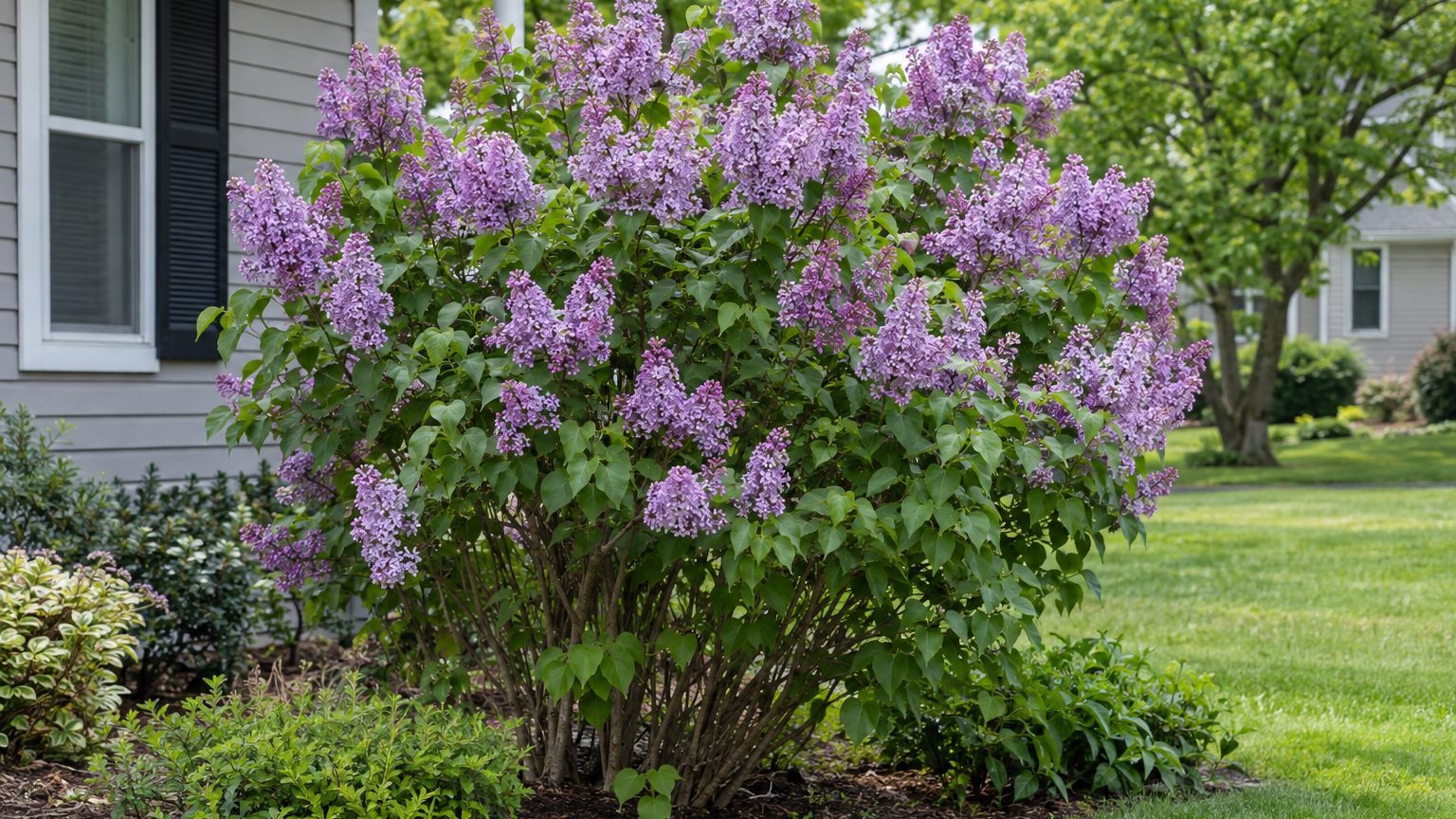
A lilac bush in bloom in a home garden

Lilacs in New York bloom in April and May, and later species carry the flowers into June. Around that bloom, the shrub follows a steady yearly rhythm that explains most of the care it needs.

  • In early spring, the buds that formed last summer swell and break open, and the first leaves unfurl as the ground thaws.
  • In April and May, the flower clusters open and the fragrance peaks, with later species still blooming into June.
  • Right after the flowers fade, in May or June, the shrub is ready for any pruning it needs, because it starts setting next year’s buds almost at once.
  • Through summer, the plant quietly builds the flower buds for the following spring, so the wood you see now holds next year’s show.
  • In winter, the shrub rests in the cold, and that chill is what matures the buds so they open fully when spring returns.

In New York City, the last spring freeze falls between March 23 and April 3. The first fall freeze arrives between November 14 and November 27, which gives the shrub a long stretch to ripen its wood. Upstate and in the Adirondacks, frost comes sooner in fall and lingers later in spring. The USDA hardiness zones across the state run from 3b to 7b, so local conditions matter.

Which Lilacs Grow Best in New York?

Lilacs are a natural fit here. They are cold-climate shrubs, and the winter chill is what matures their flower buds. New York’s cold winters suit them well, while hot, humid summers are where they struggle.

Sun and moving air matter as much as the cold. A lilac in an open, sunny spot with good air circulation flowers more freely than one crowded against a wall.

Lilac type How it does in New York Why
Common lilacs in upstate and colder areas Thrive and flower reliably Long winter cold matures the buds
Later-blooming species Do well and extend the season into June They open after the main flush has finished
Lilacs in hot, humid, crowded spots Struggle, with weaker flowering Heavy summer humidity and poor airflow stress the plant

Lilacs are members of the olive family, and the same cold hardiness that suits them to the Adirondacks makes them dependable across most of the state. In the warmest, most built-up corners near the city, site choice decides the outcome: open sun and airflow keep them healthy.

When to Plant, Prune and Feed Lilacs in New York

A lilac blooms on last year’s wood and sets its next flower buds in summer, soon after it flowers. That habit shapes the timing of every cut you make.

Task When to do it in New York Why then
Routine pruning May or June, right after the flowers fade The cuts come before the new buds form, so no flowers are lost
Hard cut-back of an overgrown shrub March or April, while the plant is dormant in late winter The shrub is at rest and regrows from the base, but loses the next flowers

Pruning in late summer, fall or winter removes next spring’s flowers, so routine trimming waits for the fading blooms. An overgrown lilac can be cut back hard in late winter, but it will not flower for a few years afterward. The full pruning routine is covered on the page for when to prune lilacs in New York.

Planting and feeding follow the soil rather than a date. Set a new shrub in the ground once the soil is workable and no longer frozen, in a sunny spot. Test the soil before feeding, since lilacs flower better when they are not pushed into leafy growth.

How Lilac Bloom Time Changes Across New York

Bloom shifts across New York with elevation, the lakes and the coast, so neighboring regions flower at different times.

  • New York City and Long Island: Warmer air and the nearby water bring flowers on earlier than elsewhere in the state, so lilacs open at the front of the season here.
  • Hudson Valley: Spring arrives a little later than on the coast, so bloom sits in the middle of the season for most gardens.
  • Buffalo and the Lake Erie shore: The cold lake holds spring back, so buds often open later than inland neighbors at the same latitude.
  • Adirondacks: Cold winters and higher ground push bloom later, often well into the later part of the season, and later species can still be flowering when the rest of the state is finished.

Treat any date you hear as a guide rather than a promise, and judge by the buds on your own shrub and what is blooming around you.

Where to Get Lilac Advice in New York

When a lilac sulks, local help is easy to find and often free. A diagnosis or soil test usually starts with the state extension network, which answers questions about shrubs, soil and pests in each county.

  • Cornell Cooperative Extension offers plant guides and gardening answers, and is a good first stop when a shrub looks off in spring or summer.
  • The county extension office can take a soil sample or look at a damaged branch, so call ahead and bring a clipping for an accurate diagnosis.
  • Before the next spring growth starts, collect a soil sample from around your lilac and send it for testing so you feed only what the soil lacks.

Common Questions

Why Is My Lilac Not Blooming?

Consider these factors together. If the shrub is putting out plenty of healthy green leaves but no flower buds, and it sits in shade for much of the day, the lack of sun is the likely cause. A lilac that gets full sun, but was trimmed in late summer, fall or winter, may simply have lost its buds.

Why Do Lilac Leaves Turn White in Summer?

A whitish powder on the leaves that appears in humid weather, especially on a crowded shrub with little air moving through it, points to powdery mildew. It looks worse than it is, and it mostly spoils appearance rather than harming the plant. Opening up the surrounding space so air can move improves it over time.

Will a Lilac Bloom Again After the Spring Flush?

Common lilacs flower in spring. Gardeners who want blooms to continue can plant later-blooming species, which carry flowers into June after the main flush has finished.

When Do Lilacs Bloom in New Mexico? Dates and Care

When Do Lilacs Bloom in New Mexico? Dates and Care

A lilac in full bloom, with its heavy, scented clusters, is a sight in a New Mexico yard in any year the winter was cold enough. The bloom follows the local spring, and how well it performs depends on how much winter chill your spot gets. Elevation matters here, so the answer changes from town to town.

When Do Lilacs Bloom in New Mexico?

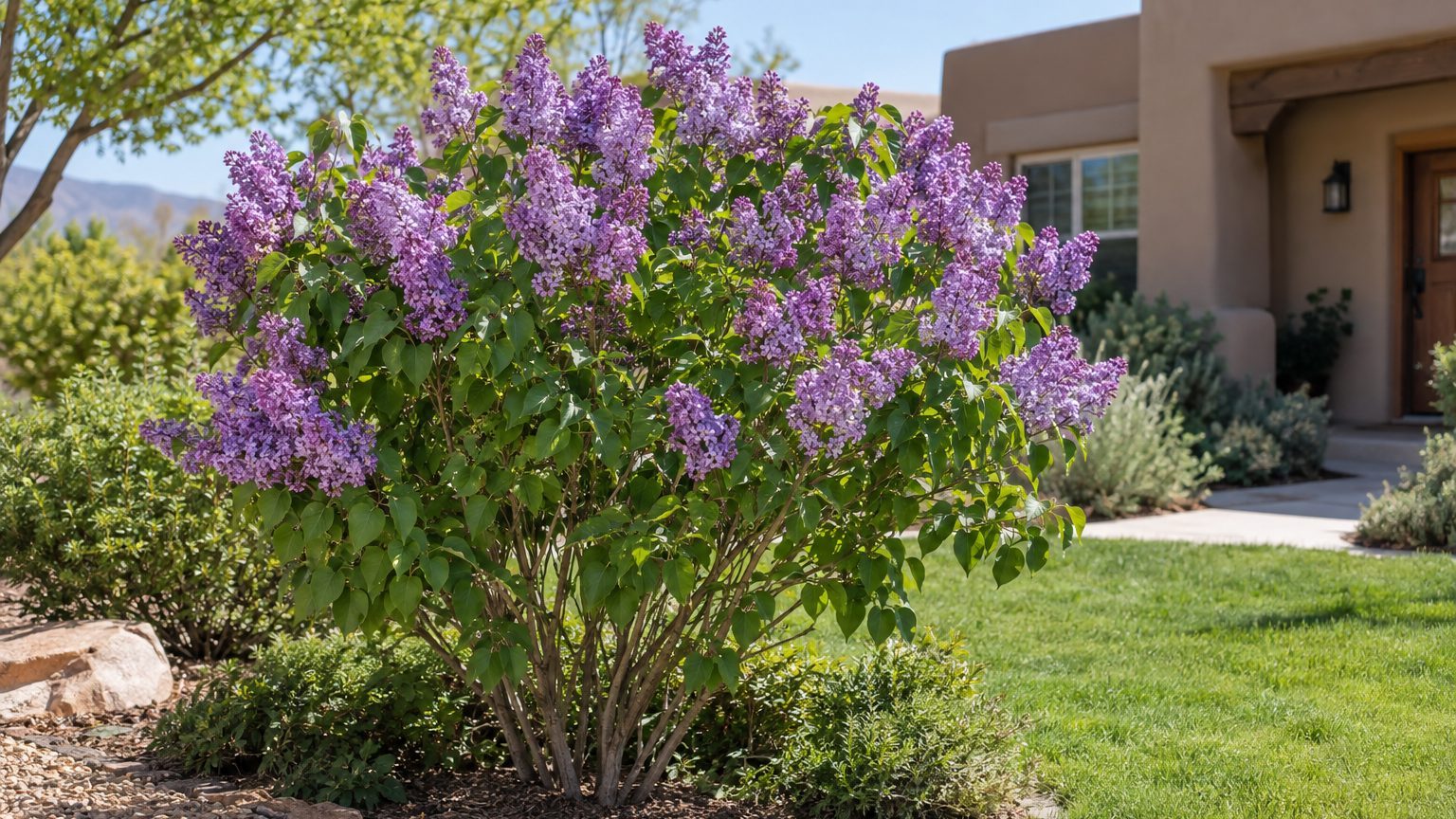
A lilac bush in bloom in a home garden

Lilacs in New Mexico flower in spring, as the weather turns mild and the buds that waited out the winter finally open. The rest of the lilac’s year hangs on that moment.

  • In spring, the flower clusters open on last year’s wood, and the bloom runs with the local weather rather than a fixed date.
  • Soon after the last flowers fade, the shrub is ready for light pruning, before it starts setting buds for the following year.
  • Through summer, the shrub sets its flower buds for next spring, so this is a time to leave the branches alone.
  • In fall, the first freeze in Albuquerque arrives between October 29 and November 9, and growth slows as the leaves drop.
  • In winter, the shrub needs a real cold rest to mature those buds, and a mild winter can mean fewer flowers in spring.

At the same reference location, the last spring freeze falls between March 31 and April 12. Gardens outside town usually see the last frost later and the first frost earlier than those dates, and more so at elevation, so check your own county. The USDA hardiness zones here run from 4b to 9a, which is why a lilac in the mountains and one in the southern desert live very different lives.

Which Lilacs Grow Best in New Mexico?

Lilacs can grow in New Mexico, but they favor the colder parts of the state. A lilac needs a cold winter rest to mature its flower buds, and it struggles in hot summers.

In the warmer parts of the state, low-chill and southern-adapted types give you a better chance of flowers.

Lilac type How it does in New Mexico Why
Common lilac (Syringa vulgaris) Suited to colder-winter areas, harder in hot ones Needs a pronounced winter chill. Heat and humidity invite powdery mildew.
Low-chill cultivars Worth trying where winters are milder They bloom with less chilling, though they still do best with a long, cold rest.
Descanso hybrids Worth a try in warmer yards Bred for mild-winter gardens, including the white ‘Angel White’ and blue ‘Blue Boy’.
Southern lilacs Usually grow and bloom in warmer areas Early-blooming types sold under labels like “lilacs for the South,” though less fragrant.

Heat-tolerance claims on plant tags do not always hold up, so a lilac sold as heat tolerant may still thrive only where winters are properly cold. Match the label to your elevation and your winter before you buy.

When to Plant, Prune and Feed Lilacs in New Mexico

Lilacs do not follow a rigid calendar. Their key job, pruning, follows a sign on the shrub rather than a month on the wall.

Task Best timing in New Mexico Why then
Prune Right after the flowers fade The shrub blooms on last year’s wood and sets next year’s flower buds in summer, soon after it flowers.
Skip pruning Late summer, fall and winter Cuts made then remove the buds that would open the next spring.

For planting advice, ask your county extension office about your site. A fuller walk through pruning cuts is on the page called When to Prune Lilacs in New Mexico.

How Lilac Bloom Time Changes Across New Mexico

Winter cold is what a lilac wants, so the colder the place, the better the shrub tends to do.

  • Santa Fe and the northern mountains: Higher ground means colder winters, which suits lilacs well, and spring arrives later than in the lower valleys.
  • Albuquerque and the Rio Grande Valley: Winters are milder than in the mountains, so bloom comes earlier and a lilac can be less reliable, especially in a hot, exposed spot.
  • Las Cruces and the southern desert: Winters are mild and summers are hot, so lilacs may flower poorly, and low-chill or southern types are the better bet.

Within a single town, a shaded north-facing yard can bloom later than a sunny, sheltered one.

Where to Get Lilac Advice in New Mexico

For help with a lilac that will not bloom or a soil question, New Mexico State University Extension is the place to start, and your county office handles local questions.

  • The extension website offers plant guidance written for New Mexico conditions, useful when choosing a lilac type.
  • Your county extension office can run a soil test and help diagnose problems from photos or a sample, so bring them when the shrub shows trouble.

Common Questions

Why Is My Lilac Not Blooming in New Mexico?

Look at the winters and the light together. A lilac that leafs out well but never flowers, and sits in a mild-winter spot, probably lacked its cold rest. A shrub that stays dense and green in heavy shade, with few buds along the stems, is more likely short on sun.

Are Southern Lilacs as Fragrant as Common Lilacs?

Not quite. Southern types usually grow and bloom in warmer areas, but they are not as fragrant as the common lilacs many people remember. Expect earlier, softer scent rather than the heavy perfume of a cold-climate shrub.

How Do You Choose a Lilac for Your Yard?

Start with your winter. If your yard is high and cold, a common lilac makes sense. If winters are mild, look for low-chill or southern-labeled types, and ask your county extension office what has worked locally before you plant.

When Do Lilacs Bloom in New Jersey? Dates and Care

When Do Lilacs Bloom in New Jersey? Dates and Care

Lilac blooms arrive in spring, when the bare stems along a fence line suddenly fill with clusters of purple, lavender or white and the scent carries across the yard. In New Jersey that show runs through April and May, with later types carrying it into June. What you do in the weeks after the flowers fade decides how well the shrub blooms next year.

When Do Lilacs Bloom in New Jersey?

A lilac bush in bloom in a home garden

Lilacs in New Jersey bloom from April through May, and later species and cultivars stretch into June. Here is how a lilac’s year runs in the state.

  • In April and May, the flower clusters open, starting in late April on early types and carrying through May on the common ones.
  • In May and June, right after the blooms fade, is the time to prune, while the shrub is still setting its growth for the year.
  • Through summer, the stems that grew after flowering form the buds for next spring, so the plant is already working on next year’s show.
  • Through winter, the buds rest in the cold and mature, which is what lets them open when spring warms.

At Newark, the last spring frost falls between March 29 and April 6. Suburban and rural yards usually see it later, so check your own county. The first fall frost at Newark comes between November 4 and November 16, and gardens outside the city tend to get it sooner. The state spans USDA hardiness zones 6a-7b.

Which Lilacs Grow Best in New Jersey?

Lilacs grow in New Jersey, but the state sits on the warm side of what they like. They need a cold winter rest to mature their flower buds, and hot, humid summers wear on them.

Pick a sunny spot with room for air to move through the shrub, and your lilac will cope with the summer far better.

Lilac type How it does in New Jersey Why
Common lilac (Syringa vulgaris) Blooms April through May The classic spring lilac, with a flowering window that fits the state’s spring
Hybrids of S. oblata and S. vulgaris Opens in mid to late April Well suited to cold climates, so they handle winter well and start the season early
Later species and cultivars Flower into June They bloom after the early types finish, which stretches the season

Combining early hybrids and later-blooming types in the same bed can extend the display from late April into June. Whatever you plant, the winter chill and a summer with some air movement matter more than the exact variety.

When to Plant, Prune and Feed Lilacs in New Jersey

Pruning is the task with a firm window. A lilac flowers on last year’s wood, so a cut at the wrong time removes the buds you were counting on.

Task Best timing in New Jersey Why then
Regular pruning May and June, just after the flowers fade The shrub has not yet set next spring’s buds, so nothing is lost
Hard renovation of an overgrown lilac March and April, while the plant is still dormant A hard cut-back is easiest to do when the stems are bare, but it costs the next flowers
Leave the shears in the shed Late summer, fall and winter Buds are already formed and a cut removes them

A hard cut-back on an old, leggy lilac gives it fresh growth, but expect no flowers for a few years afterward. For the details of cutting, see the page When to Prune Lilacs in New Jersey. For planting and feeding advice, ask your county extension office about your site.

How Lilac Bloom Time Changes Across New Jersey

Lilacs open when local spring warms up, so the same shrub flowers at different times depending on where in the state it grows.

  • Sussex County highlands: higher ground in the northwest stays cooler, so buds open later and frost can linger into the lilac’s flowering window.
  • Jersey Shore: ocean air slows the spring warm-up along the coast, so lilacs here tend to open a little later than nearby inland gardens.
  • South Jersey: milder conditions in the south start spring sooner, so lilacs bloom earlier here, though the longer, hotter summer is harder on the shrubs.

A cold spring pushes everything later and a warm one pulls it forward, so expect some shift from year to year.

Where to Get Lilac Advice in New Jersey

Rutgers NJAES, the state’s extension service, publishes guidance on pruning trees and shrubs. Your county office can answer local questions about your own yard.

  • Visit Rutgers NJAES for the state’s pruning guidance, which is useful before you pick up the shears.
  • Contact your county extension office to have a sick lilac diagnosed or to arrange a soil test, ideally before the shrub is in the ground.

Common Questions

Why Is a Lilac Not Flowering in New Jersey?

A shrub with plenty of leaves but few flowers, growing in a shady corner, is usually short of sun. A lilac that was cut in late summer, fall or winter may have lost its buds, and you will see healthy growth with no flowers. Move the shrub toward the sun or change when you prune.

How Much Sun Do Lilacs Need?

Lilacs do best in a sunny site with good air circulation. Full sun helps the buds form, and moving air helps the foliage dry after rain and humid summer nights, which matters in a state with muggy summers.

Do Lilacs Bloom at the Same Time Every Year?

Not exactly. The window stays in April and May, but within it the opening follows how cool or warm the spring has been. A late chill delays the flowers, and a warm stretch brings them on sooner.

When Do Lilacs Bloom in New Hampshire? Dates and Care

When Do Lilacs Bloom in New Hampshire? Dates and Care

A lilac in full flower in a New Hampshire front yard is a welcome sign that spring has finally settled in. The shrubs bloom here mostly in April and May, and the scent carries across the whole street. That rhythm makes it easier to enjoy the flowers and time each care job without sacrificing next year’s bloom.

When Do Lilacs Bloom in New Hampshire?

A lilac bush in bloom in a home garden

Lilacs in New Hampshire flower in April and May, and later species can carry the show into June. The year around that bloom has a clear rhythm:

  • In April and May, the flowers open, with the common kinds first and the later species following into June.
  • In May and June, right after the flowers fade, is the time to prune, because the shrub starts forming next year’s buds soon after it blooms.
  • Through summer, the new flower buds develop on this year’s growth, so the shrub is already preparing next spring’s display.
  • In late winter, in March and April, an overgrown lilac can be cut back hard, at the price of the next flowers.
  • Through the cold months, the shrub rests, and that winter chill is what matures the buds for spring.

For Manchester, the last spring frost falls between April 16 and April 27. The first fall frost arrives between October 13 and October 26. Yards outside the city usually see spring frost later and fall frost earlier, often by one to two weeks, and more so at elevation, so check your own county. Gardens here span USDA zones 3b to 6a, so local conditions should guide the choice.

Which Lilacs Grow Best in New Hampshire?

Lilacs belong here. They are members of the olive family and well suited to cold climates, and the chill of winter is essential to their bud development and maturation. A New Hampshire winter gives them exactly that.

The shrubs struggle in hot, humid summers, so the cool season that defines this state works in their favor. Give them a sunny site with good air circulation.

Lilac type How it does in New Hampshire Why
Common lilac Blooms in April and May Needs a cold winter rest to set its buds
Later-blooming species Carries flowers into June Opens after the common kinds finish
Any lilac in a sunny, open spot Flowers well Sun and moving air suit the plant
Any lilac in a crowded, shady corner Flowers poorly Low light and still air work against it

Winter cold is essential for bud development in lilacs. Pick a spot with open sky and a breeze, and the choice of type matters less than the siting.

When to Plant, Prune and Feed Lilacs in New Hampshire

Lilacs bloom on last year’s wood, and they set next year’s flower buds in summer, soon after they flower. That single habit decides the timing of nearly every job.

Prune right after the flowers fade. Cutting in late summer, fall or winter removes the next spring’s flowers.

Task Best timing in New Hampshire Why then
Enjoying the bloom April and May, into June for later species Species differ in when they open
Routine pruning May and June, right after the flowers fade Buds for next year form soon after bloom
Hard renovation cut March and April, in late winter The plant is dormant, though the cut costs the next flowers
Planting and feeding When the soil is workable and the shrub is not in flower Roots settle without competing with the bloom

An overgrown lilac can be cut back hard in late winter, but it will not flower for a few years afterward. Many gardeners choose to renew only some of the oldest stems at a time to keep some bloom going, though a full cut is a fair choice for a shrub past saving. The full pruning method has its own page, When to Prune Lilacs in New Hampshire.

How Lilac Bloom Time Changes Across New Hampshire

The state stretches from the coast to the mountains, and lilacs follow the local spring, opening sooner where warmth arrives sooner.

  • Seacoast: the ocean keeps spring cooler at first, but the milder winters and earlier thaw there generally bring flowers sooner than inland hills.
  • Merrimack Valley and southern towns: spring warms here ahead of the rest of the state, so flowers open in April and the main show comes in May.
  • Lakes Region: the big lakes hold cold into spring, so bloom tends to arrive a little later than in the south.
  • White Mountains and the North Country: higher ground and a colder climate delay the bloom, and the later species may flower here into June.

Within a single town, a south-facing slope often flowers ahead of a shaded hollow, so your own yard may run ahead of or behind the neighbors.

Where to Get Lilac Advice in New Hampshire

University of New Hampshire Extension is the state’s source of research-based gardening help, with county offices that know local conditions.

  • The county office can help diagnose a lilac that will not flower, so bring a clipping and a few photos of the whole shrub.
  • A soil test through the extension tells you what your yard actually needs before you add fertilizer.
  • Check in during May and June, when the flowers fade, to confirm your pruning plans before you pick up the shears.

Common Questions

Why Is My Lilac Not Blooming?

Look at the light and the pruning history together. A shrub in heavy shade that has also been cut in late summer, fall or winter has likely lost its flower buds. Give a shaded lilac more light before expecting better bloom.

Can You Cut Lilacs for a Vase?

Yes, cutting a few stems while the flowers are open is a fair way to enjoy them indoors. Take stems as the bloom begins, but wait until flowering ends for routine pruning.

Do Lilacs Survive New Hampshire Winters?

They do, and they depend on the cold to ripen their buds. Hardiness here runs from USDA zone 3b to 6a, so local conditions should guide the choice.

When Do Lilacs Bloom in Newfoundland and Labrador? Dates and Care

When Do Lilacs Bloom in Newfoundland and Labrador? Dates and Care

A lilac in full flower, heavy with cone-shaped clusters, is a sure sign that spring has settled in. In Newfoundland and Labrador the shrubs do well because the winters give them the long chill they need, and every job through the year takes its cue from the bloom.

When Do Lilacs Bloom in Newfoundland and Labrador?

A lilac bush in bloom in a home garden

Lilacs here bloom in April and May, and later species carry flowers into June. The dates in this guide follow the nearest comparable climate, since no local lilac calendar exists for the province. Confirm timing with a local garden centre, a garden society or one of the provincial gardening groups. The rest of the year follows the flowers:

  • In April and May, the clusters open, and the shrub earns its place by the front walk. Cut a few stems for a vase while the scent is strong.
  • Right after the flowers fade, usually in May and into June, is the time for any shaping, because the shrub starts setting next year’s buds soon afterward.
  • Through summer, the flower buds for next spring form quietly on this year’s new growth, so the shrub needs sun, airflow and no heavy cutting.
  • In the cold months, the plant rests, and that chill is what ripens those buds for the following spring.
  • In March and April, an overgrown lilac can be cut back hard while it is still dormant, at the price of the flowers for a few years afterward.

At St. John’s, the last spring frost falls on average on May 30, so frost comes later than that in one year out of two and can catch opening buds. The first fall frost arrives on average on October 17, and the same rule applies. St. John’s is in Canadian hardiness zone 6a, which is not a USDA zone; its frost dates do not describe colder or upland districts.

Which Lilacs Grow Best in Newfoundland and Labrador?

Lilacs belong in this province. They are members of the olive family and suited to cold climates, and the winter chill is what develops and ripens their flower buds. They struggle in hot, humid summers, which is not the problem here.

Sun and moving air matter as much as cold. A lilac in a sunny, open spot flowers better than one crowded against a wall.

Lilac type How it does in Newfoundland and Labrador Why
Common lilac (Syringa vulgaris) Reliable, flowering in April and May Needs a cold winter rest to ripen its buds
Later-blooming species Flowers can reach into June Opens after the common lilac has finished

Planting common and later-blooming lilacs gives a longer season of scent, because the later species opens as the common lilac fades.

When to Plant, Prune and Feed Lilacs in Newfoundland and Labrador

The year’s work is short. A lilac asks for very little feeding, and its pruning has to follow the flowers, not the calendar alone.

Task Best timing in Newfoundland and Labrador Why then
Planting As soon as the ground has thawed and can be worked in spring Roots settle in cool, moist soil before summer
Pruning after bloom May, into June, right after the flowers fade Next year’s buds form soon afterward
Hard renovation cut March and April, while the shrub is dormant Frees an overgrown plant, but costs the next flowers

A lilac blooms on last year’s wood and sets next year’s buds in summer, soon after it flowers. Pruning in late summer, fall or winter cuts off the next spring’s flowers. A hard cut-back renews an overgrown shrub, though it will not flower for a few years afterward. The page called When to Prune Lilacs in Newfoundland and Labrador goes deeper on pruning.

How Lilac Bloom Time Changes Across Newfoundland and Labrador

The province is large, and the sea sets the pace of spring more than the map does.

  • St. John’s and the Avalon Peninsula: Cold water and fog hold spring back along the shore, so lilacs bloom later than the calendar suggests. An inland garden often blooms before one on an exposed headland.
  • Corner Brook and the west coast: Sheltered spots warm faster than open shoreline, so bloom can come earlier in a protected yard than on a windy point nearby.
  • Happy Valley-Goose Bay and Labrador: Spring arrives later than on the island, so flowers open later there as well.

Use the dates here as a guide and watch your own shrub, because a warm wall or a windy exposure can shift the flowers.

Where to Get Lilac Advice in Newfoundland and Labrador

Canada has no county extension office, so help comes from the province and from local growers. The Newfoundland and Labrador Department of Fisheries, Forestry and Agriculture is the provincial starting point.

  • The provincial department can point you to gardening resources and, for a sick shrub, to someone who can diagnose it. Contact them in spring when leaves open.
  • A local garden centre or garden society knows which lilacs have thrived in your own district, and members often swap cuttings. Visit in the weeks around bloom.
  • Soil testing is sold through garden centres and provincial services, and results guide any feeding. Take a sample before you add anything.

Common Questions

Why Is a Lilac Not Flowering?

Look at these signs together. Plenty of leafy growth but few buds, in a spot that stays shaded for much of the day, points to too little sun. A shrub that was cut in late summer, fall or winter and flowers thinly the next spring has lost its buds to the pruners. If shade and late pruning are to blame, move the cutting to just after bloom and trim back whatever shades the shrub.

How Much Sun Does a Lilac Need?

A lilac does best in a sunny site with good air circulation. Full sun builds the flower buds, and moving air keeps the leaves dry after fog or rain. A sunny, open site gives the shrub the light and air movement it needs.

Can a Foggy, Cool Summer Hurt a Lilac?

Cool summers are not the issue, because lilacs struggle with hot, humid summers rather than cool ones. Damp, still air around crowded stems is the real worry. Give the shrub room, and thin crowding branches right after the flowers fade so air can move through it.

When Do Lilacs Bloom in New Brunswick? Dates and Care

When Do Lilacs Bloom in New Brunswick? Dates and Care

A lilac in bloom is hard to miss, and in New Brunswick it usually announces itself once the lawn has greened up and the garden is still waking. Lilac flowers open at different times across the province, with timing shifting from one part to another, and each season brings its own jobs for the yard.

When Do Lilacs Bloom in New Brunswick?

A lilac bush in bloom in a home garden

Lilacs in New Brunswick bloom in April and May, and later-flowering species can carry on into June. New Brunswick has no local extension page for lilac timing, so these dates follow the nearest comparable climate; confirm them with a local garden center, garden society, or provincial gardening group.

  • In April and May, the flower clusters open and the scent fills the yard, with later species stretching the show into June.
  • Right after the flowers fade, usually in May and into June, routine pruning should happen, before the shrub starts building its next crop.
  • Through summer, the buds for next spring form on the new growth, which is why the shrub looks plain but is busy.
  • Across winter, the bare shrub rests in the cold, and that chill is what matures those buds into flowers.
  • In March and April, while the shrub is still dormant, an overgrown lilac can take a hard renovation cut, though it gives up the next flowers for it.

At Moncton, the last spring frost falls on average around May 23, which means that in one year out of two it arrives later, so treat that date as the middle of a window and never as a safe day. The first fall frost comes on average around October 2, with the same caution. Moncton sits in Canadian hardiness zone 5a, a rating that belongs to the Canadian system and does not convert to a USDA zone.

Which Lilacs Grow Best in New Brunswick?

Lilacs suit New Brunswick well. They belong to the olive family and are built for cold climates, and the winter chill is what ripens their flower buds. Cool springs and a proper winter rest work in the province’s favor.

Heat is the weak point. Lilacs struggle in hot, humid summers, so a muggy, sheltered corner will serve them worse than an open, sunny spot with air moving through.

Lilac type How it does in New Brunswick Why
Lilacs in general Reliable and long-lived They are suited to cold climates and need winter chill to set flower buds
Later-blooming species Flower into June They open after the main spring wave has passed
Lilacs in sun with open air Strong growth and good flowering Sun and air circulation suit the shrub and keep foliage dry
Lilacs in hot, humid, closed-in spots Weaker and less dependable Lilacs struggle in humid summer heat

Early- and later-blooming species can stretch the season, so mixing them gives you flowers for longer. Whatever you choose, give it room and sun, and the province’s winters will do the rest of the work.

When to Plant, Prune and Feed Lilacs in New Brunswick

The calendar months for lilac work in the province center on pruning, where timing decides whether you get flowers next year. A lilac sets next year’s flower buds on this year’s growth soon after it blooms.

For that reason pruning in late summer, fall or winter cuts off the next spring’s flowers, and the shrub is left leafy but bare of blooms.

Task Best timing in New Brunswick Why then
Routine pruning May, June, right after the flowers fade The next buds are not yet formed, so nothing is cut away
Hard renovation cut of an overgrown shrub March, April, while still dormant The shrub is leafless and easy to shape, though it costs the next flowers

A renovated lilac will not flower for a few years afterward, so reserve that cut for shrubs that are truly overgrown. Planting and feeding are quieter jobs. Set a new shrub when the soil is workable and the plant has time to settle before winter, and test the soil before deciding whether to feed it. The page on when to prune lilacs in New Brunswick goes deeper on cutting technique.

How Lilac Bloom Time Changes Across New Brunswick

New Brunswick is not one climate, and the Moncton dates above run ahead of some districts and behind others. Open water and elevation pull bloom earlier or later than your neighbor’s yard may suggest.

  • Saint John River Valley: Around Fredericton, inland warmth builds sooner in spring, so lilacs here tend to open earlier than along the coast.
  • Bay of Fundy coast: Near Saint John, cold water and fog keep spring cooler, which holds flowers back compared with inland yards.
  • Edmundston and the Restigouche: The north and the upland districts run behind Moncton, with frost lingering and flowers opening later.

Within a single town, a south-facing slope will open ahead of a shaded, low corner where cold air settles, so watch your own yard from year to year.

Where to Get Lilac Advice in New Brunswick

Canada has no county extension office, so local help comes through the province, garden societies and nurseries. A lilac that will not flower or looks sickly is easier to sort out with someone who can see it.

  • The provincial agriculture department and Agriculture and Agri-Food Canada publish horticulture guidance, and spring is a good time to ask about soil testing.
  • Local master gardener groups and garden societies answer questions about bloom timing in your own town, and many hold plant sales in late spring.
  • Garden centres can look at a cutting or a leaf, so bring a sample when the shrub is in leaf, and note the day your lilac opens this year for comparison next spring.

Common Questions

Why Does a Lilac Leaf Out Well but Never Flower?

Look at the bloom timing and the regional differences together. A shrub pruned long after bloom or growing in heavy shade may have lost buds or failed to make them. Cut only right after bloom and give it sun, and flowers should return.

Can a Late Frost Hurt Lilac Flowers?

An open flower cluster can be browned by a hard freeze, especially on a low spot where cold air pools. Buds on a shrub in an open, airy site usually shrug off a light frost. Cut a few clusters for a vase when a freeze is forecast.

Is a Canadian Hardiness Zone the Same as a USDA Zone?

No. The Canadian system draws on many climate measures and has no simple conversion to the USDA scale. When you read lilac advice from the United States, judge it by winter cold and summer heat in your own yard rather than by matching zone numbers.

When Do Lilacs Bloom in Nevada? Dates and Care

When Do Lilacs Bloom in Nevada? Dates and Care

Lilac flowers open on bare-looking stems when spring finally settles in, and in Nevada that moment depends heavily on where the yard sits. A shrub in a high valley and one in the Las Vegas Valley live in very different climates.

When Do Lilacs Bloom in Nevada?

A lilac bush in bloom in a home garden

Lilacs bloom with the local spring, so the flowers arrive when your own yard warms up rather than on a fixed Nevada date. The year of a lilac runs like this.

  • In spring, once the local weather warms, the clusters of flowers open on last year’s wood.
  • Right after the flowers fade, prune, because the shrub is about to start forming next year’s buds.
  • Through summer, the plant sets its flower buds for the following spring, so heat stress and heavy cutting at this stage cost you flowers later.
  • In fall, the leaves drop and the buds stay on the stems, so leave them alone.
  • In winter, the shrub needs a cold rest to mature those buds, which is the part of the year that mild-winter yards struggle to provide.

Frost timing swings widely. In the Las Vegas Valley, the last spring freeze falls between January 7 and February 1, which is a desert city extreme and no guide for the rest of the state. The first fall freeze there comes between December 8 and December 23. Reno, Carson City and anywhere with elevation freeze later in spring and earlier in fall. The USDA hardiness zone system, which rates only the average yearly minimum temperature, runs from 4a to 10a across Nevada, so your zone depends on your town.

Which Lilacs Grow Best in Nevada?

Lilacs do well where winters are properly cold and summers are not brutal. Cold-winter yards at higher elevation suit common lilacs. In hot low desert yards, common lilacs struggle and may flower poorly, so warm-climate types are the better bet.

Lilac type How it does in Nevada Why
Common lilac (Syringa vulgaris) Suited to cold-winter yards, weak in the hot low desert Needs a pronounced cold rest and struggles in prolonged high heat
Descanso hybrids Worth trying in warmer yards Developed for warm-climate gardens, and include white, blue and pink selections
Southern lilacs Usually grow and bloom in warmer yards Early-blooming types sold for warm regions, though less fragrant
Low-chill cultivars Bloom with less winter cold Bred to flower on little chilling, yet they still do better with a long cold rest

Plant labels sometimes claim strong heat tolerance for common lilacs. Treat that claim cautiously, because heat and humid spells also bring powdery mildew, a gray-white dusting on the leaves. If your yard is warm, look for the early-blooming Southern types or the Descanso hybrids, and expect a lighter scent than the old-fashioned lilac gives.

When to Plant, Prune and Feed Lilacs in Nevada

Lilac timing follows the plant’s own signals more than the calendar. The shrub flowers on last year’s wood and sets its next buds soon after the blooms drop, so the pruning cut has a narrow, easy-to-spot window.

Task Best timing in Nevada Why then
Pruning Right after the flowers fade Next year’s buds form in summer soon after bloom, so you cut before they exist
Hands off Late summer, fall and winter Cutting then removes the buds that would open the next spring
Planting Ask your county office for your local frost pattern first Frost arrives at very different times from the desert floor to the high country

Feeding is a matter for your soil rather than for a Nevada date, so a soil test through your county office is the sensible starting point. The full detail on cuts, tools and how much to remove belongs on the page about when to prune lilacs in Nevada.

How Lilac Bloom Time Changes Across Nevada

Elevation and latitude do most of the shifting in Nevada, and the direction is simple: colder places bloom later and mild places bloom earlier, when they bloom at all.

  • Las Vegas Valley: Winters are mild enough that common lilacs may flower poorly, and warm-climate types make more sense here. Where a shrub does bloom, it opens earlier than in colder parts of the state.
  • Reno and Carson City: Winters are colder, so common lilacs get the rest they need, and bloom comes later in spring than in the south.
  • Higher ground in the mountains, such as the Lake Tahoe area: Cold lingers longest, so flowers open later still, and a late freeze is more likely to catch the buds.

Within a single yard, a south-facing wall can pull bloom a little earlier than an open corner nearby.

Where to Get Lilac Advice in Nevada

Local help matters in a state with this much range. A lilac question in Elko and one in Henderson can have opposite answers.

  • University of Nevada, Reno Extension offers plant guidance for Nevada conditions, and it is a good place to start before choosing a variety.
  • Your county extension office can run a soil test and help diagnose leaf problems such as mildew, so bring a sample of the affected leaves.

Common Questions

Why Is a Lilac Not Blooming in Nevada?

A shrub with healthy green leaves that never sets flower buds, growing in a low, warm yard, is often short of the cold winter rest it needs. Moving to a low-chill type or a Southern lilac usually fits better than more fertilizer.

Do Las Vegas Frost Dates Apply to Reno?

No. The Las Vegas dates reflect a warm desert city, while Reno and Carson City freeze later in spring and earlier in fall. For your own planting decisions, check with your county extension office.

Why Do Lilac Leaves Look Dusty and White in Summer?

A pale, powdery coating on the leaves, appearing during a stretch of high heat and humidity, points to powdery mildew. Common lilacs are prone to it, and Southern types are a good choice for warm yards.

When Do Lilacs Bloom in Nebraska? Dates and Care

When Do Lilacs Bloom in Nebraska? Dates and Care

Lilac blooms in Nebraska usually turn yards fragrant from late April into May, marking the height of the shrub’s spring display. Lilacs in a Nebraska yard open their flowers at a particular time, certain kinds hold up in the state’s winters and summers, and each job in the care of the shrub has its own season.

When Do Lilacs Bloom in Nebraska?

A lilac bush in bloom in a home garden

Lilacs in Nebraska flower in April and May, and later types can carry on into June. The rest of the year follows from that bloom.

  • In April and May, the flowers open, and the main show runs from late April through May.
  • Right after the flowers fade, in May and June, is the time to prune, because next year’s buds start forming soon afterward.
  • Through summer and into fall, the shrub quietly sets the buds that will open the next spring, so leave the shears alone.
  • In winter, the shrub rests in the cold, and that rest is what ripens those buds for spring.
  • In March and April, an overgrown lilac can be cut back hard while it is still dormant, at the price of its next flowers.

In Omaha, the reference city for these dates, the last spring frost falls between April 12 and April 23, and the first fall frost arrives between October 15 and October 26. Gardens outside town often freeze later in spring and earlier in fall, so check your own county. Nebraska sits in USDA zones 4a to 5b, which gives lilacs the cold they want.

Which Lilacs Grow Best in Nebraska?

Lilacs do well in Nebraska. They need a cold winter rest to mature their flower buds, and zones 4a to 5b supply it. Full sun and good air circulation matter just as much as the climate.

Summer is where lilacs struggle anywhere, since hot, humid weather wears them down. Choosing a type suited to the cold and planting it in an open spot gives the best chance of steady bloom.

Lilac type How it does in Nebraska Why
Common lilac Reliable bloom, late April through mid-May Cold winters ripen its flower buds
Hybrids of S. oblata and S. vulgaris Well suited to the state Bred for cold climates
Later species and cultivars Extend the show into June Open after the common types finish

Extension guidance describes the S. oblata hybrids as well suited to cold climates, and Nebraska’s winters are similar. Mixing early- and later-blooming types can extend the fragrance through the bloom season.

When to Plant, Prune and Feed Lilacs in Nebraska

Lilacs bloom on last year’s wood, so timing matters more for pruning than for any other job. The bloom window drives everything else on the calendar.

Planting and feeding are not tied to a calendar month here. Ask your county extension office when to plant a lilac in your garden. Ask your county extension office how and when to feed a lilac.

Task Best timing in Nebraska Why then
Enjoy the bloom April and May, later types into June Flowers open on last year’s wood
Routine pruning May and June, right after the flowers fade Next year’s buds have not set yet
Hard renovation cut March and April, while dormant Whole plant is renewed, but flowers are lost for a few years
Pruning to avoid Late summer, fall or winter Cuts off the next spring’s flowers

A hard cut in Nebraska means taking the whole shrub down to within 6 to 8 inches of the ground. Expect no flowers the first year, and for a few years afterward.

How Lilac Bloom Time Changes Across Nebraska

Bloom shifts a little with where you live, since spring warms up at different speeds across the state.

  • Omaha and the Missouri River side: Bloom timing varies locally, so let the flowers set the schedule.
  • Lincoln and the central Platte Valley: Bloom lands in the middle of the window, with the main show in the weeks after late April.
  • The Panhandle and the western High Plains: Cooler spring weather holds buds back, so flowers open later and later types may reach into June.

A sheltered yard near a south-facing wall usually opens ahead of an exposed one nearby.

Where to Get Lilac Advice in Nebraska

A county extension office can offer advice for Nebraska yards and look at a struggling shrub in person.

  • The University of Nebraska–Lincoln Extension site has lilac selection and pruning pages worth reading before you buy or cut.
  • Your county extension office can diagnose a shrub that never flowers and arrange a soil test, so bring photos and a branch sample.

Common Questions

Why Is My Lilac Not Blooming in Nebraska?

Look at when it was last pruned and how much sun it gets. Cutting in late summer, fall or winter removes the buds, and a shaded spot leaves too little energy for flowers. If that sounds familiar, adjust the pruning time and consider moving the shrub into sun.

Can You Move a Lilac in Nebraska?

Yes, while the shrub is dormant and the ground is workable. Dig a wide root ball, replant in full sun with good air circulation, and water regularly until it settles. Bloom may be lighter after the move.

Do Lilacs Need Winter Protection in Nebraska?

Rarely. They are adapted to cold zones and need winter cold to ripen their buds.

When Do Lilacs Bloom in Montana? Dates and Care

When Do Lilacs Bloom in Montana? Dates and Care

A lilac in full bloom announces itself before you reach it, the scent drifting across the yard on a still late-spring afternoon. In Montana, that show belongs to the end of spring and runs into early summer. Bloom timing and year-round care come down to simple seasonal habits.

When Do Lilacs Bloom in Montana?

A lilac bush in bloom in a home garden

Lilacs in Montana bloom in May and June, with late spring carrying the show into June. The rest of the shrub’s year follows from that flowering.

  • In May and into June, the clusters open, and late varieties such as the Japanese tree lilac close out the season with June blooms.
  • In June, right after the flowers fade, is the time to prune, because the buds for next year’s flowers begin forming then.
  • Through June and July, the shrub sets those buds on new growth, so make any routine cut right after the flowers fade.
  • In late summer and fall, the plant coasts, hardening its wood and holding the buds it already made.
  • Through winter, the shrub rests in the cold, which is exactly what matures those flower buds.

Around Billings, the last spring frost falls between April 29 and May 10, and the first fall frost arrives between October 1 and October 14. Billings is one of the milder valleys, and mountain valleys elsewhere in Montana can frost in any month. Under the USDA hardiness system, Montana runs from zone 3a to 6a, so lilacs have plenty of cold to work with.

Which Lilacs Grow Best in Montana?

Lilacs suit Montana well. They need a cold winter rest to mature their flower buds and struggle in hot, humid summers.

Sun and good air circulation matter regardless of variety. The main thing to watch is frost at bloom time, which can catch early flowerers.

Lilac type How it does in Montana Why
Hyacinthiflora hybrids Very hardy and vigorous, best in frost-light spots They bloom earlier than French hybrids, so May frosts can nip them
French hybrids Reliable in cold-winter sites They look similar to Hyacinthifloras but flower later
Japanese tree lilac Closes the season with June blooms It flowers after other lilacs have finished

If your yard sits in a mountain valley where May frosts are common, lean toward the later bloomers and keep Hyacinthifloras for warmer, more sheltered corners.

When to Plant, Prune and Feed Lilacs in Montana

Pruning is the job with the tightest timing. Lilacs bloom on last year’s wood and set next year’s buds soon after flowering, so cutting late in the season removes the coming flowers.

Task Best timing in Montana Why then
Enjoying the bloom May into June Late spring carries the flowering
Routine pruning June, right after the flowers fade; July also works Buds for next year form in June and July
Hard renovation cut of an overgrown shrub March or April, while still dormant A late-winter cut renews the plant, though it costs the next flowers

An overgrown lilac can be cut back hard in late winter, but it will not flower for a few years afterward. Pruning in late summer, fall or winter on a normal shrub removes buds, so save big cuts for renovation. Get local advice on planting and feeding, since this calendar does not set a statewide schedule for those jobs. For the full pruning method, see the Montana page on when to prune lilacs.

How Lilac Bloom Time Changes Across Montana

Elevation and valley shape shift the bloom more than distance does, and the direction is simple: colder, higher ground flowers later.

  • Billings: This is a milder valley, so bloom can fall toward the early side of the May-to-June window, though early bloomers still face frost risk.
  • Mountain valleys elsewhere in Montana: Frost can occur in any month, so local bloom may not follow Billings.
  • Bozeman and the Gallatin Valley: Higher and cooler, so bloom shifts later and spring frosts linger.
  • Glacier and Flathead area: Mountain-influenced spring weather pushes flowering later.

Within a single yard, a south-facing wall opens flowers sooner than a shaded north side.

Where to Get Lilac Advice in Montana

Local conditions vary so much from valley to valley that nearby help pays off, especially for a stubborn shrub that will not flower.

  • Montana State University Extension offers lilac guides written for the state, handy any time you plan a planting.
  • Your county extension office can help diagnose a struggling shrub or arrange a soil test, so call before you add fertilizer.

Common Questions

Why Is My Lilac Not Blooming?

A lilac that leafs out well but gives no flowers often has too much shade, or it was pruned in late summer, fall or winter when the buds were already set. Check how much sun the shrub gets and when the last cut was made.

Can a Late Frost Ruin Lilac Blooms?

Yes, especially on earlier bloomers like Hyacinthifloras. A freeze after buds open can brown the clusters. The shrub itself is very hardy and usually blooms again the next spring.

Should You Fertilize Lilacs in Montana?

Lilacs rarely need much. Heavy feeding tends to give leaves at the expense of flowers, so a soil test through your county office tells you whether anything is actually missing before you add it.

The almanac, state by state. Every date on this site comes from a state’s own frost facts and its extension service’s calendar — and says where it comes from.