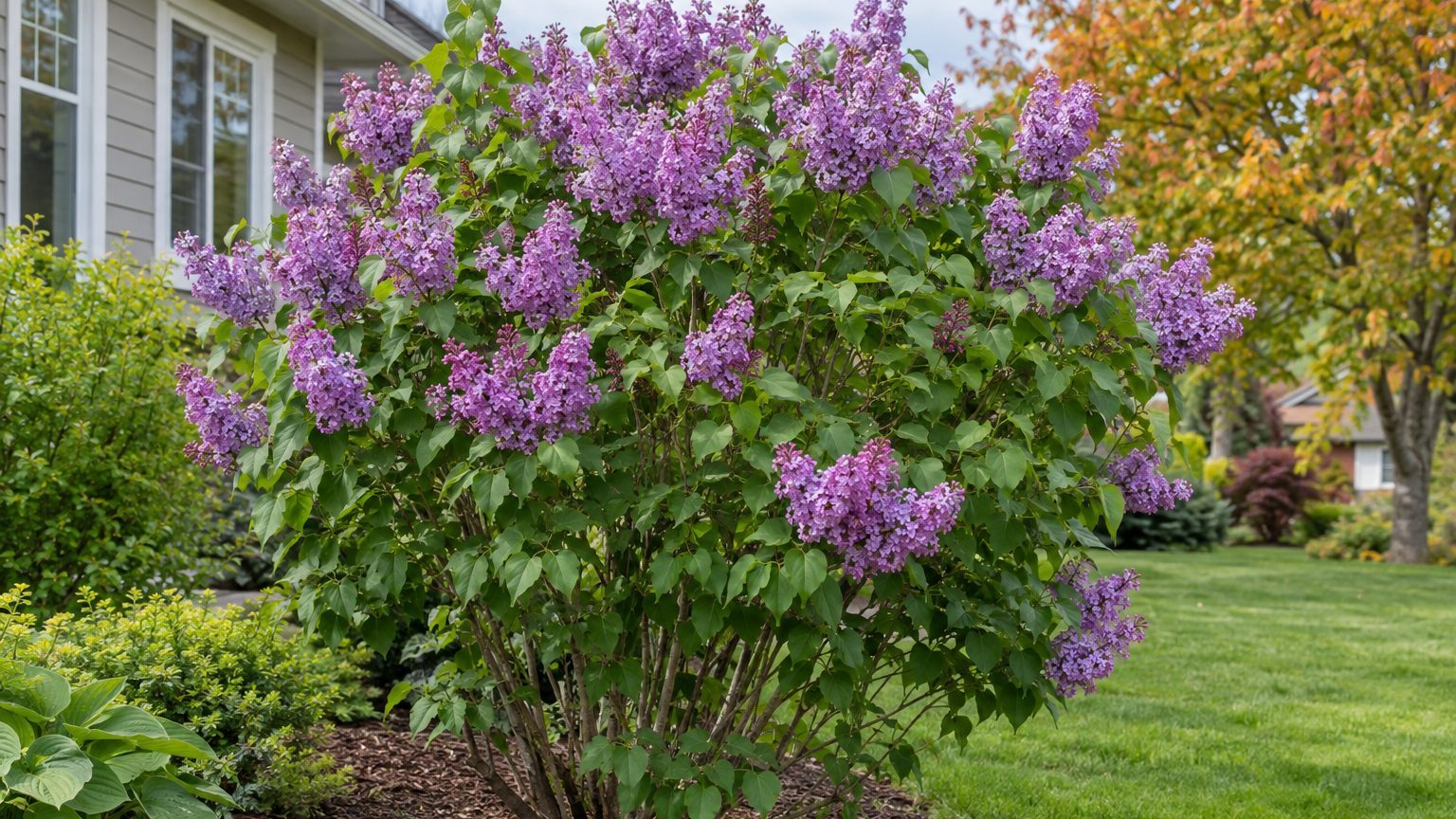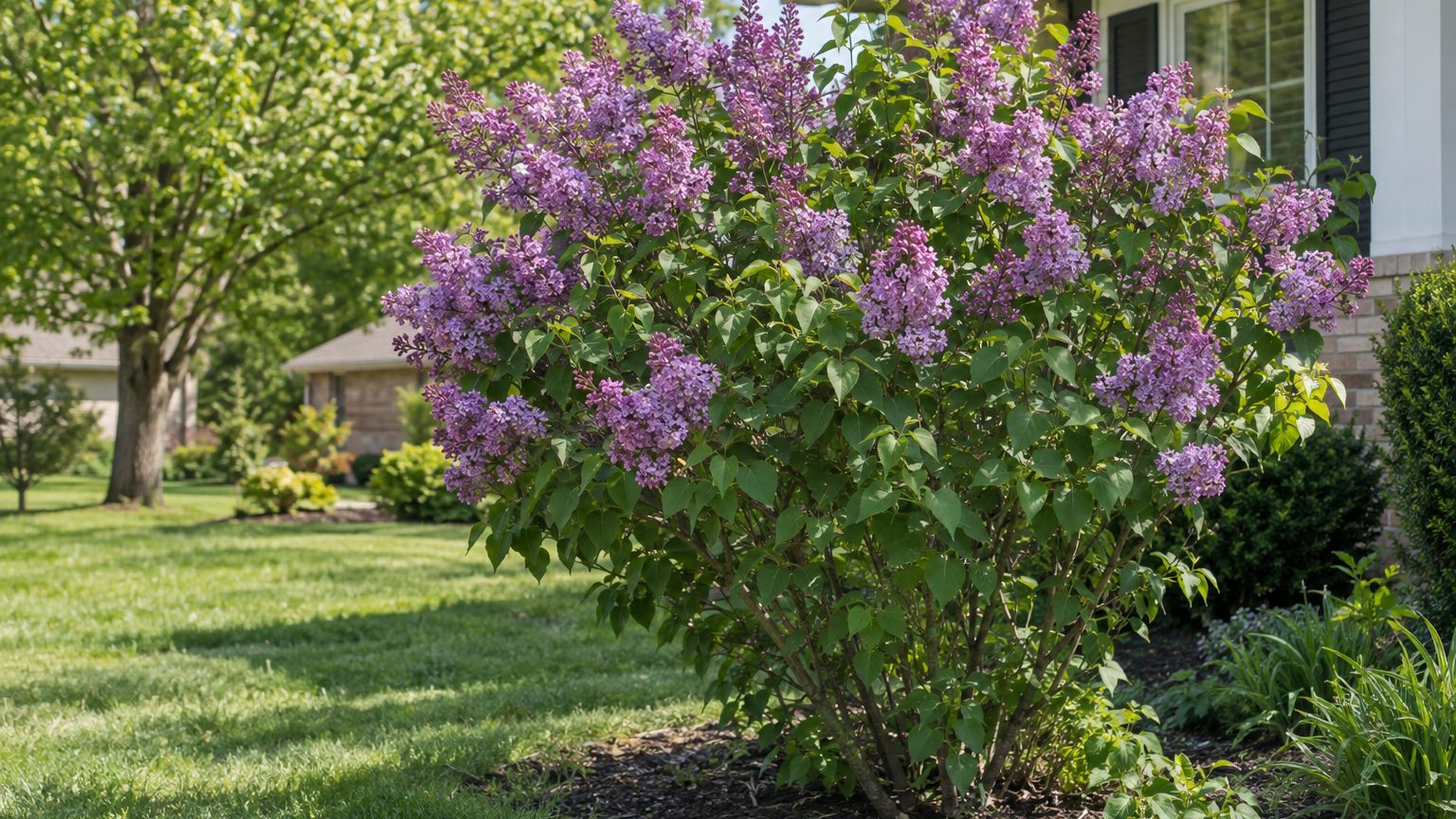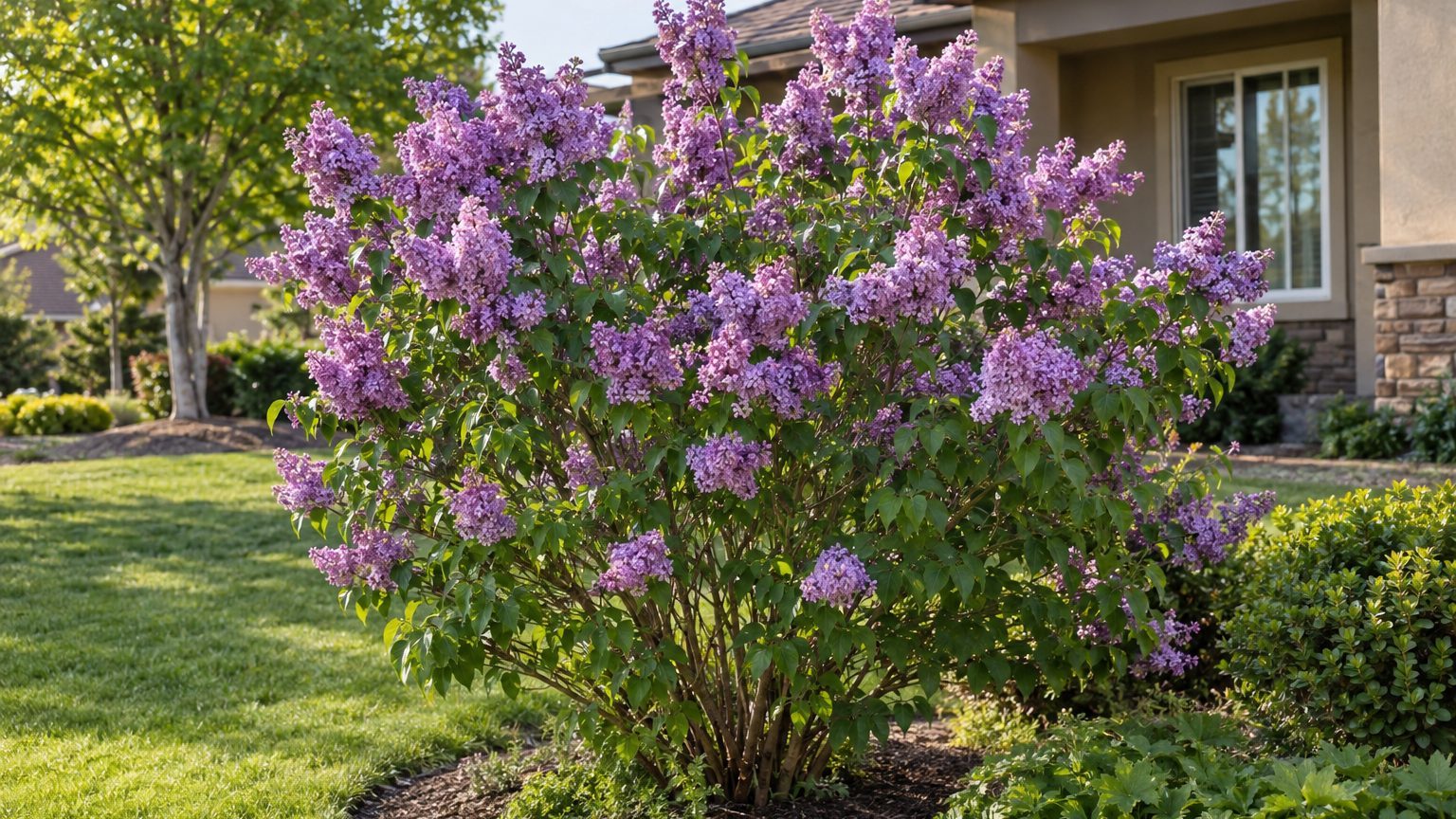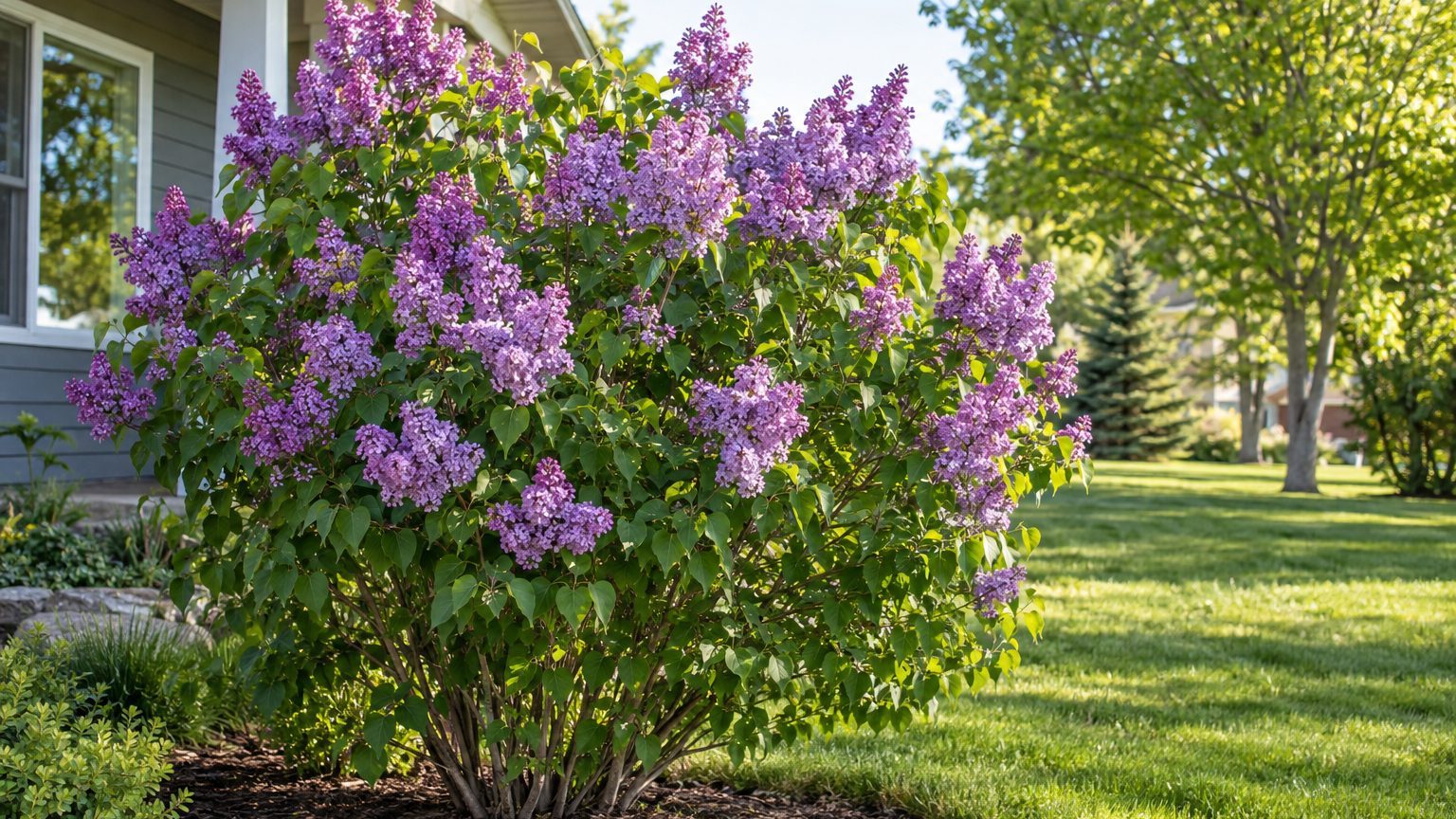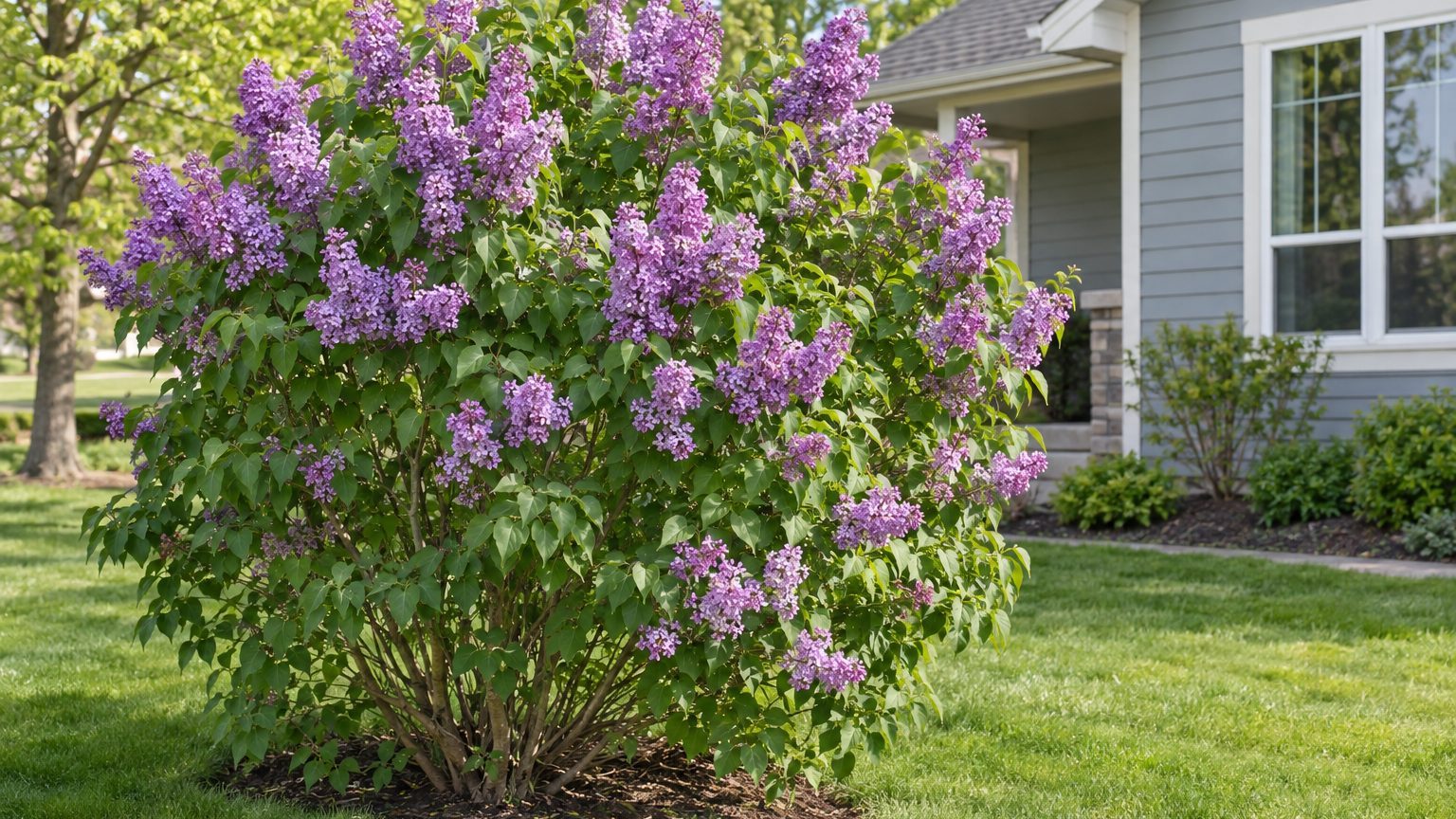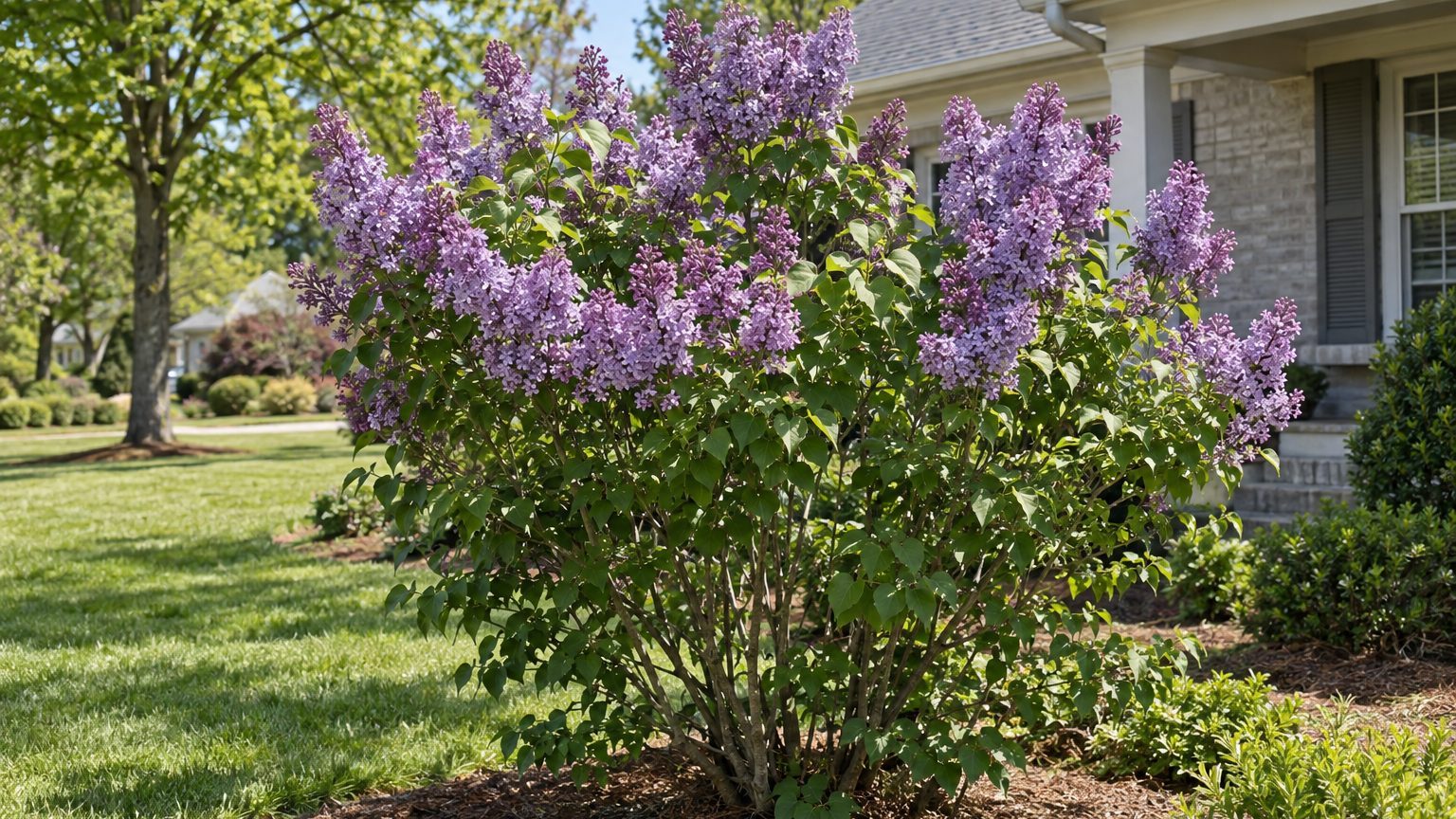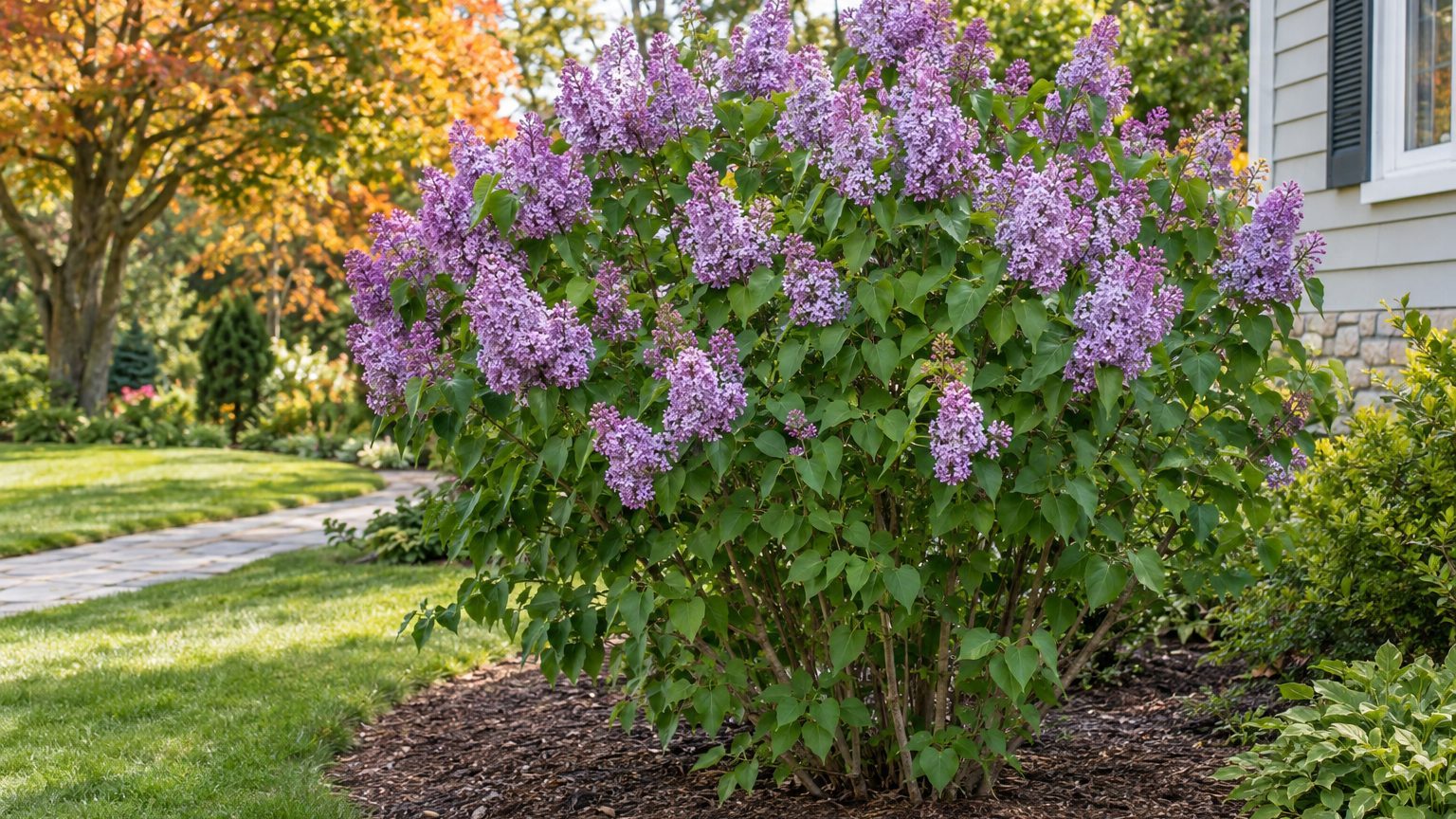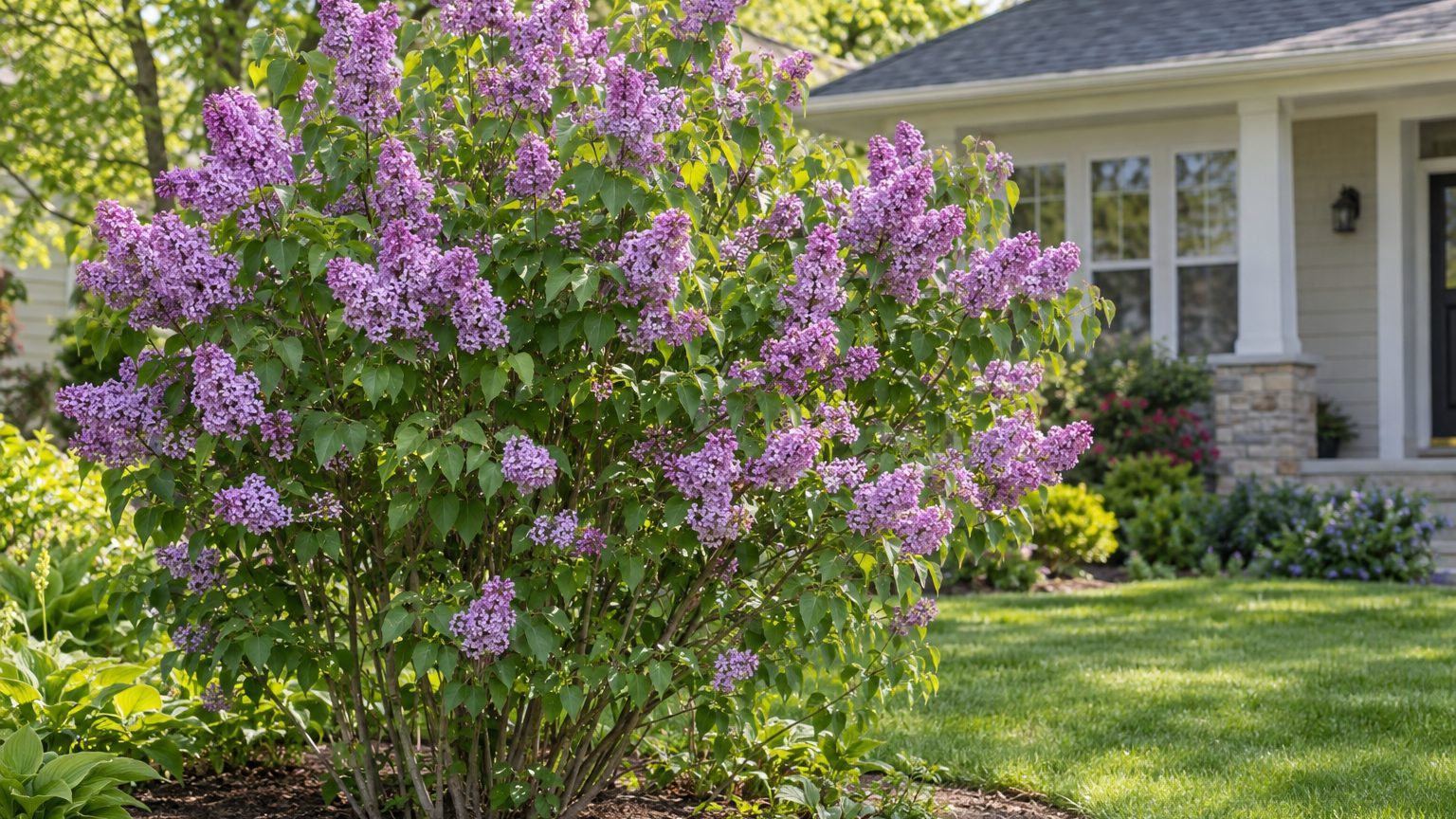
A lilac in bloom is a clear sign of spring, with cone-shaped clusters opening on bare-looking branches. In California, though, the timing depends on where you garden, because the state runs from frost-free coastal yards to freezing Sierra slopes. Lilacs in California flower with the local spring, and how well they flower depends on winter cold.
When Do Lilacs Bloom in California?

Lilacs flower in the local spring, so the show comes earlier in mild, low places and later where winter lingers. A lilac’s year in California runs in a steady order, and each step sets up the next.
- In spring, the clusters open on last year’s wood, and the bloom follows the local spring rather than a fixed date.
- Right after the last flowers fade, prune, because the shrub starts forming next year’s buds soon afterward.
- Through summer, those new flower buds develop quietly on the branches, so heat and dry spells matter more than you might expect.
- In fall, the shrub slows down and the leaves drop in colder areas, with no pruning needed.
- In winter, the plant needs a cold rest to mature its buds, and mild winters are the main reason lilacs flower poorly here.
Frost varies enormously. Coastal and southern California is frost-free, so there is no spring or fall frost date to plan around. Northern California, the Central Valley and the Sierra do freeze. The USDA hardiness zone system, which rates only the coldest winter temperatures, spans 5a to 11a across the state.
Which Lilacs Grow Best in California?
Lilacs can grow in California, but they are not equally easy everywhere. They do best where winters bring a pronounced chill and struggle in hot, humid summers. In mild-winter yards, the choice of type decides whether you get flowers.
| Lilac type | How it does in California | Why |
|---|---|---|
| Common lilac (Syringa vulgaris) | Best where winters are cold, weak in hot summers | Needs a cold rest, and heat and humidity invite powdery mildew |
| Descanso hybrids | Worth trying in mild areas | Developed in Southern California |
| Low-chill cultivars | Will bloom with little winter chilling | Bred for mild winters, though they still prefer a cold rest |
Among the Descanso hybrids, ‘Angel White’ is white, ‘Blue Boy’ is blue and ‘California Rose’ is pink. In the colder parts of the state, a common lilac is a reasonable bet. In frost-free yards, start with the Descanso hybrids or a low-chill type, and expect a lighter show than a cold-climate lilac gives.
When to Plant, Prune and Feed Lilacs in California
California has no single lilac calendar, so ask your county extension office when to plant or feed in your local climate. The pruning sign is the one to remember, because cutting at the wrong time removes the flowers you are waiting for.
| Task | Best timing in California | Why then |
|---|---|---|
| Prune | Right after the flowers fade | Next year’s buds form soon after bloom, so later cuts remove them |
| Let the shrub rest | Through the cold part of winter, with no cutting | The buds need cold to mature |
| Choose the plant | Before you buy, matched to your winter | A low-chill type or Descanso hybrid suits mild areas better than a common lilac |
Pruning in late summer, fall or winter cuts off the following spring’s bloom. For cutting depth, old-wood removal and renewal, see the page on when to prune lilacs in California.
How Lilac Bloom Time Changes Across California
Elevation, distance from the ocean and winter cold all change bloom time across California. A few well-known parts of California show the pattern.
- Southern California coast and Los Angeles basin: Frost never arrives in a typical year, so the winter chill that lilacs want is minimal. Flowering is light or skipped unless you plant a low-chill type or a Descanso hybrid.
- Central Valley: Winters freeze, which helps the buds, but long hot summers stress the shrubs. Expect the bloom earlier than in the mountains and watch for mildew in humid spells.
- Sierra foothills and high country: Colder winters give lilacs the rest they need, and the bloom comes later in spring as you climb in elevation.
- Northern California: Winter freezes occur, and cooler summers suit the common lilac better than the hot interior or the south does.
Within a single county, a hillside yard can bloom noticeably later than a valley floor.
Where to Get Lilac Advice in California
Because California’s climates differ so much, local advice is worth a call before you buy a shrub. University of California Agriculture and Natural Resources runs the state’s extension network through its county offices.
- Your county extension office can help diagnose a lilac that leafs out but never flowers, so bring a clipping or photo of the buds in winter or spring.
- County master gardener volunteers can tell you which lilac types do well in your local microclimate before you plant.
- A soil test through the county office is worth doing before planting, since it shows what the yard actually needs.
Common Questions
What Is the White Dusty Coating on Lilac Leaves?
White powder that rubs off on your fingers, especially on leaves in a humid or crowded spot, points to powdery mildew. Lilacs are prone to it in hot, humid stretches. Give the shrub airflow by thinning crowded stems right after bloom.
Why Does a Lilac Grow Leaves but Never Flower in California?
A healthy, leafy plant with few or no flower clusters at bloom time usually had too little winter chill or was cut after its buds formed. Check whether your yard stays frost-free, and think back to when the shrub was last trimmed.
Can You Grow Lilacs Where Water Is Restricted?
In the frost-free south, the real limits are heat, drought and water restrictions. Pick a type developed for Southern California, such as a Descanso hybrid, and ask your county extension office what local rules allow before you plant.