Skip to content

When Do Lilacs Bloom in West Virginia? Dates and Care

When Do Lilacs Bloom in West Virginia? Dates and Care

Lilac scent drifts across West Virginia yards in spring. For most homeowners the flowers open in April and May, and the shrub then spends the rest of the year setting next spring’s buds.

When Do Lilacs Bloom in West Virginia?

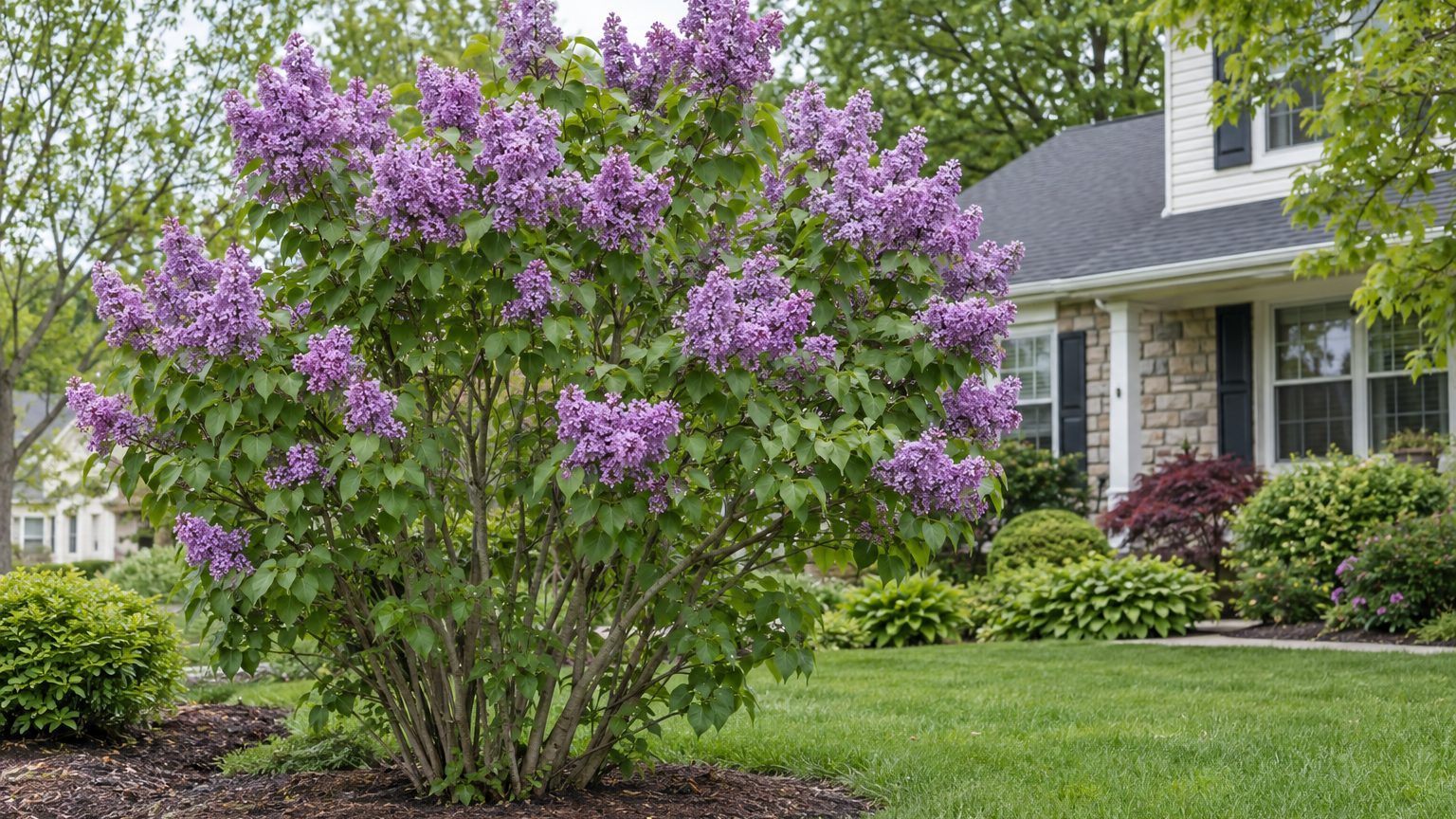
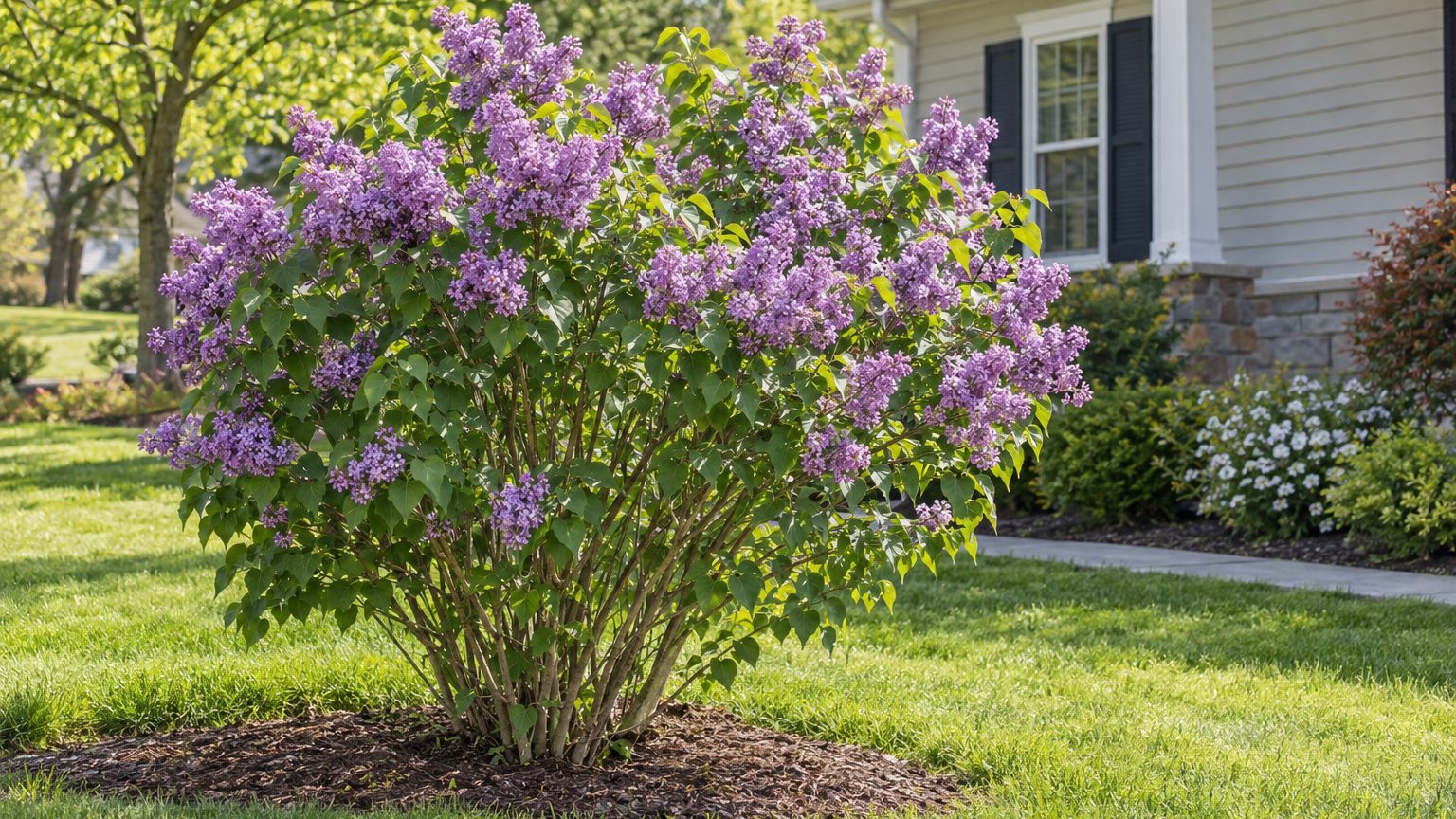
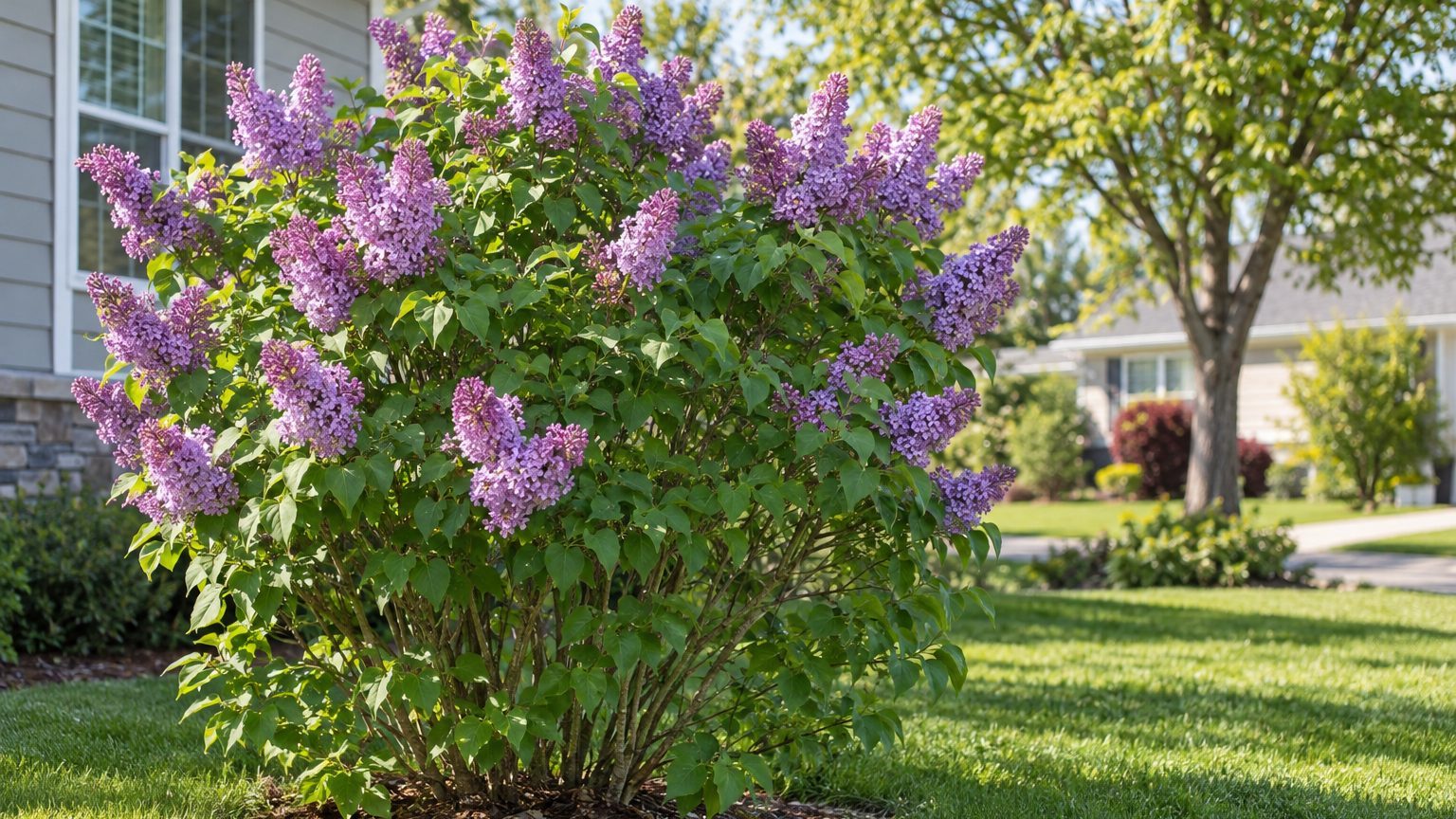
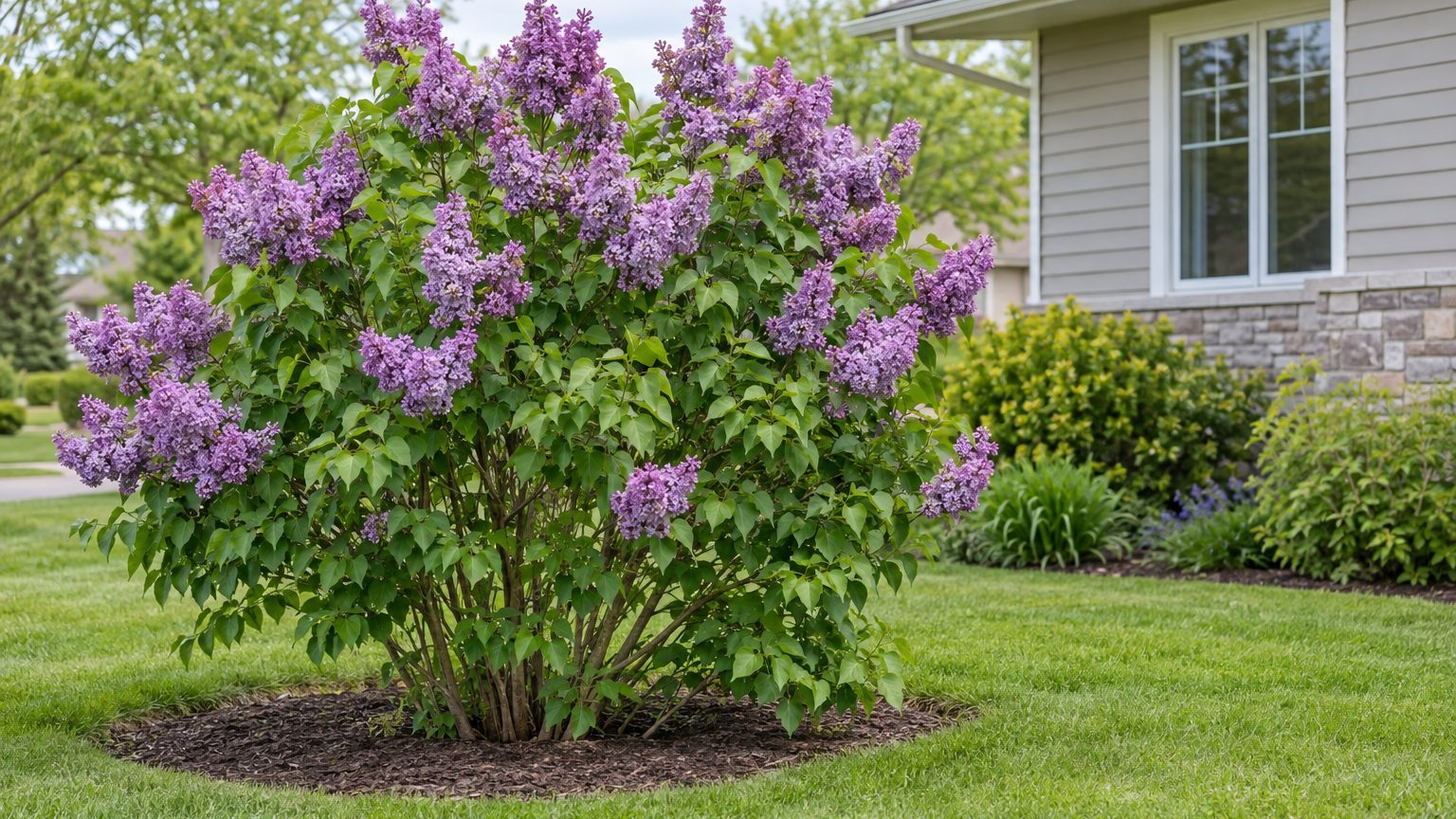
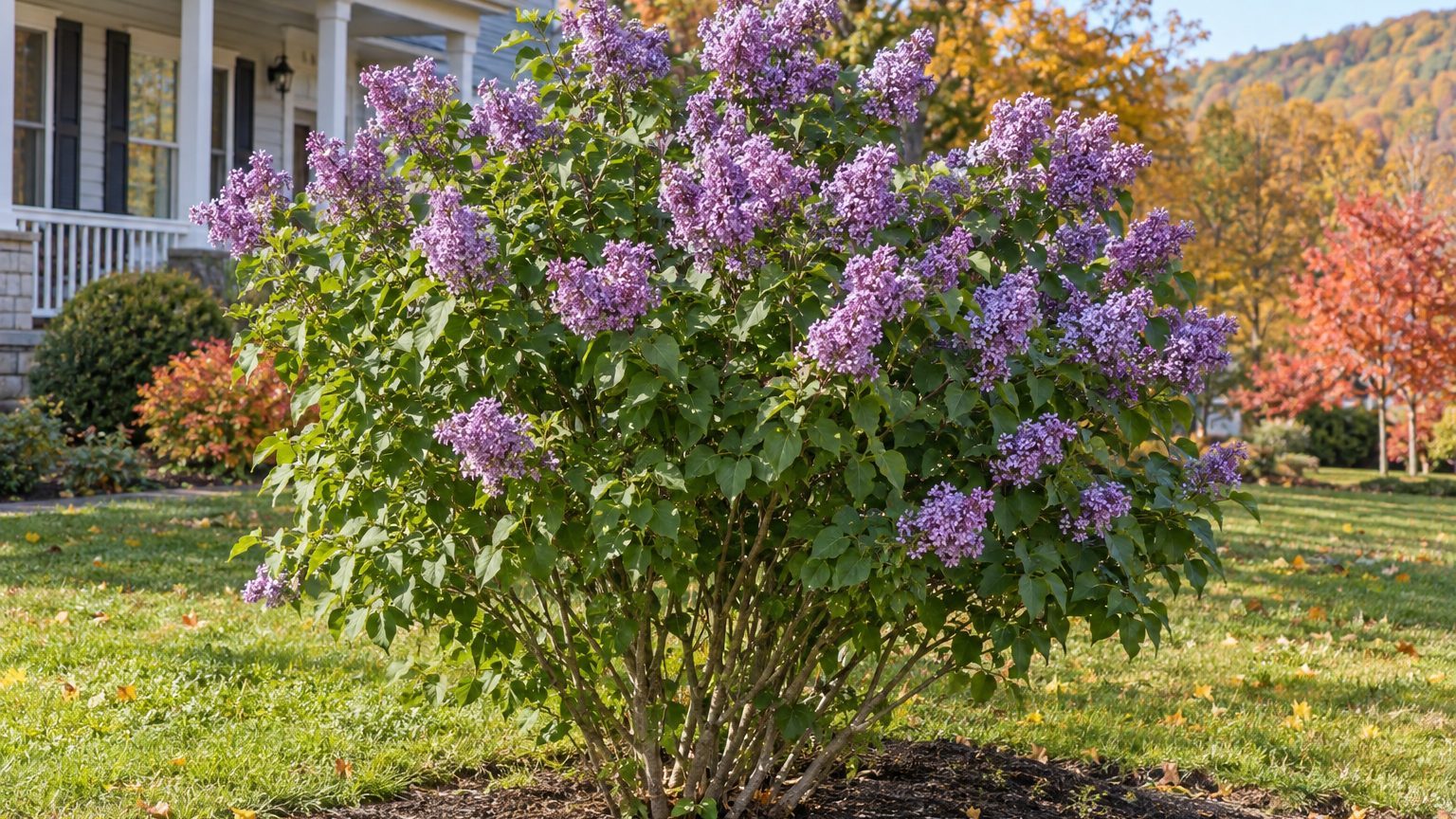
A lilac bush in bloom in a home garden

Lilacs in West Virginia bloom in April and May, and some species carry on into June, so a mix of types can stretch the show across the whole spring.

  • In April and May, the flower clusters open, and the earliest types start first while later ones follow into June.
  • In May and June, right after the last flowers fade, is the time to prune, because the shrub is already forming the buds for next year.
  • Through summer, the plant sets those buds on this season’s new growth, which is why any heavy cutting after midsummer costs you flowers.
  • In fall and winter, the shrub rests, and the cold of those months is what ripens the buds for spring.
  • In March and April, an overgrown shrub can be cut back hard while it is still dormant, though it will skip flowering for a few years afterward.

At the Charleston reference point, the last spring frost falls between April 9 and April 23, and the first fall frost arrives between October 18 and November 1. Charleston sits in a river valley, so higher ground freezes noticeably earlier in fall. The USDA hardiness zone system runs from 5a to 7a across the state, which means your own zone depends on where you live.

Which Lilacs Grow Best in West Virginia?

Lilacs can grow here, and the cold-winter parts of the state suit them well. They need a real winter rest to mature their flower buds, and they struggle in hot, humid summers, so the warmer, lower spots need more care in choosing and siting.

Common lilac (Syringa vulgaris) needs a period of winter chill to develop and bloom fully.

Lilac type How it does in West Virginia Why
Common lilac (Syringa vulgaris) Blooms fully where winters are cold Flower buds need winter chill to develop
Early-flowering species Open first, in April Each species has its own flowering time
Late-flowering species Carry bloom into June Staggered timing extends the season

Planting lilac species with different flowering times can extend bloom from April through June. In warmer, more humid parts of the state, flowering may be less reliable because lilacs prefer cold winters and struggle in hot, humid summers.

When to Plant, Prune and Feed Lilacs in West Virginia

Lilacs bloom on last year’s wood and set next year’s flower buds in summer, soon after they flower. That makes pruning timing especially important. Pruning in late summer, fall or winter removes the coming spring’s flowers.

Task Best timing in West Virginia Why then
Enjoying the bloom April and May, with some species into June Species flower at different times
Routine pruning May and June, right after the flowers fade Next year’s buds form soon after bloom
Hard renovation cut March and April, while dormant Opens up an overgrown shrub, at the price of the next flowers

For planting and feeding, ask the local extension service about timing for your site. The details of pruning cuts are on the page about when to prune lilacs in West Virginia.

How Lilac Bloom Time Changes Across West Virginia

Elevation can change local conditions across a state of river valleys and high ridges.

  • The Allegheny Highlands: Higher ground can freeze earlier in fall, so watch the shrub instead of borrowing Charleston’s timing.
  • The Eastern Panhandle: Note when the flowers on your own shrub open rather than extrapolating from Charleston.

If your yard sits on higher ground, remember that Charleston’s frost dates do not describe the whole state.

Where to Get Lilac Advice in West Virginia

For a diagnosis of a lilac that will not bloom, or for a soil test, local help is close at hand through West Virginia University Extension and your county office.

  • Ask the county office for advice tailored to your lilac and site.
  • Describe your site’s elevation when you ask for local advice.
  • Once the flowers fade in May or June, that is the moment to prune, so make the call or the cut then.

Common Questions

Why Is My Lilac Leafy but Not Blooming?

Start by checking when the shrub was last pruned. A cut made in late summer, fall or winter removes the buds for spring. If the timing fits, prune only right after bloom.

Can You Cut an Old Lilac Back to the Ground?

Yes, a hard cut-back works on an overgrown shrub, and March and April are the months for it while the plant is dormant. Expect no flowers the first year after, and often a few years of waiting before bloom returns.

Do Lilacs Like Hot, Humid Summers?

No. Lilacs do best where winters are cold and struggle in hot, humid summers.
When Do Lilacs Bloom in Washington? Dates and Care

When Do Lilacs Bloom in Washington? Dates and Care

Fat purple clusters open on lilac bushes across Washington yards every spring, and their scent carries across the fence. May is the heart of that season, with the very first flowers sometimes showing in April and late bloomers running into June. Timing, care and local differences all shape how good the show looks.

When Do Lilacs Bloom in Washington?

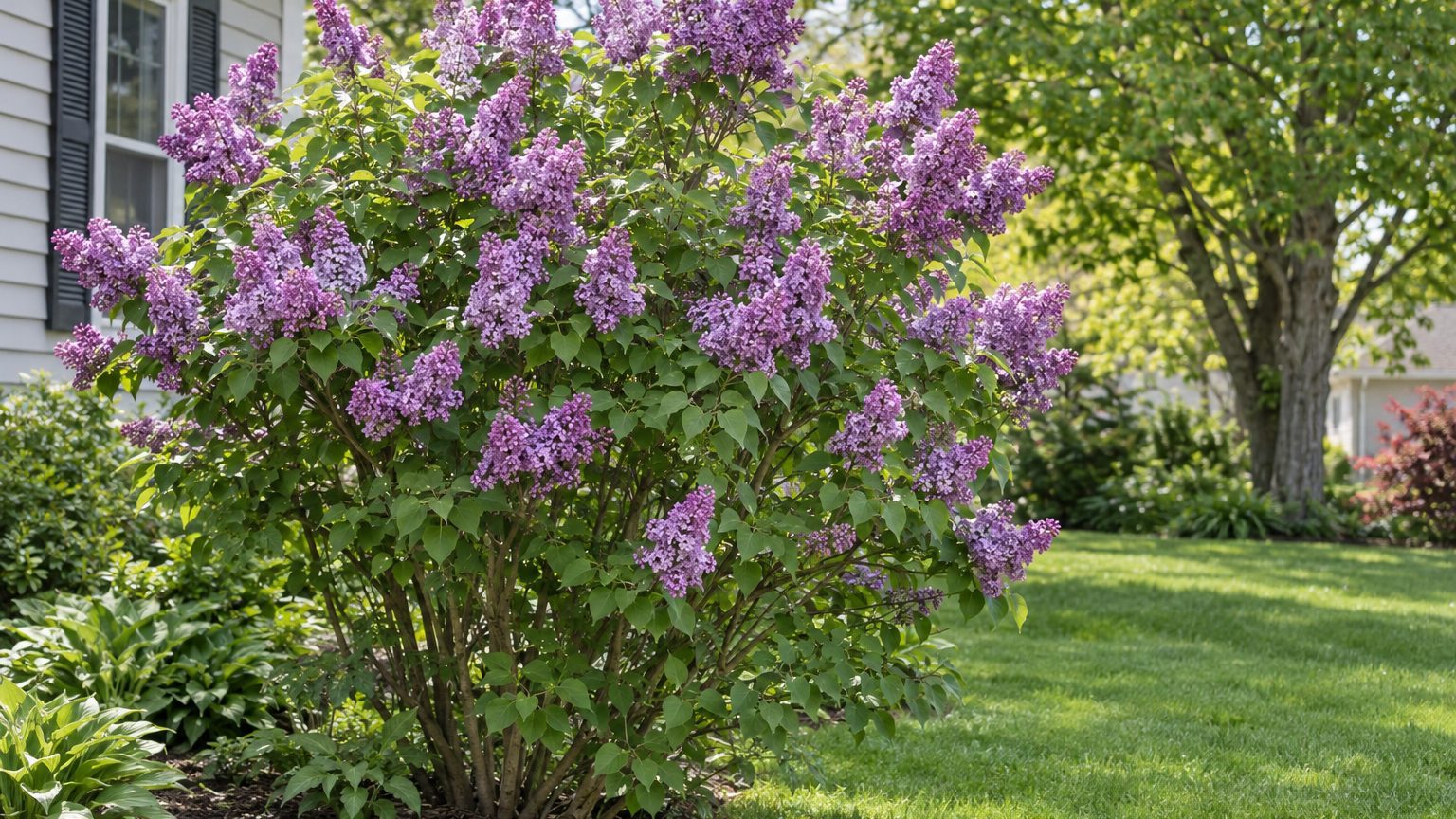
A lilac bush in bloom in a home garden

Lilacs in Washington bloom mainly in May, opening in April in the mildest spots and as late as June in cooler ones, all within late spring. The rest of the year builds toward that moment.

  • The last spring frost falls between February 27 and March 18 in the Seattle area, so buds that swell early can still meet a cold snap.
  • In May, the flower clusters open and peak. A cool spell stretches the show, and a warm stretch shortens it.
  • In June, right after the flowers fade, is the time to prune and shape. Cutting soon after bloom leaves the shrub the rest of the season to grow the wood that will carry next year’s flowers.
  • In summer, the buds for next spring form on the new growth, which is why a July haircut removes the following year’s flowers.
  • In autumn, the first frost arrives between November 13 and November 30 in the Seattle area, the leaves drop, and the shrub settles into dormancy.
  • In winter, the cold rest matures the flower buds, so pruning now cuts off the spring show before it starts.

Those frost dates describe the mild, maritime west side, and the east side beyond the Cascades is high desert with a shorter season. The state spans USDA zones 4a-9a, so check the zone for your own address.

Which Lilacs Grow Best in Washington?

Lilacs do well in Washington wherever winters give them a real cold rest, because that chill is what matures the flower buds. Cold-winter yards suit them best. Hot, humid summers make lilacs struggle, and Washington’s summer conditions vary sharply across the state.

The wide zone range matters here. Yards at the cold end of the range give lilacs the rest they want, while the mildest yards give them a gentler winter, so expect bloom to vary with the site.

Lilac type How it does in Washington Why
Common lilac (Syringa vulgaris) Grows well across much of the state Needs a cold winter rest to set flower buds
Lilacs in cold-winter yards Flower reliably Winter chill matures the buds fully
Lilacs in the mildest yards Bloom varies from year to year A gentler winter gives less rest to the buds

Placement counts as much as the lilac itself. A sunny, open spot with air moving through the branches can help the shrub bloom.

When to Plant, Prune and Feed Lilacs in Washington

Lilac care follows the bloom, not the frost dates. A mild frost date does not mean early planting is safe, since cold, wet soil on the west side holds plants back well past the last freeze.

Pruning matters most because it decides whether next year’s flowers exist. The detail lives on the state’s page about when to prune lilacs, so this is the short version.

Task Best timing in Washington Why then
Enjoy the bloom May, with April or June in early or late seasons Flowers open in late spring
Prune and shape June, right after the flowers fade, or in May if the flowers fade early Next year’s buds have not formed yet
Ask whether feeding is needed Before applying fertilizer Local soil conditions determine what the shrub needs
Hold the shears Winter and July Pruning then removes the coming flower buds

Planting has no fixed month here. Choose a day when the soil is workable and not sodden, and set the shrub where it will get sun.

How Lilac Bloom Time Changes Across Washington

Washington’s geography splits the state into very different lilac climates, and bloom shifts earlier or later with them.

  • Puget Sound: Marine air keeps late winter and spring mild, so lilacs here open on the early side, sometimes in April, though the gentler winter gives them less chill.
  • Cascade foothills: Higher ground stays cooler for longer, so bloom comes later, often reaching into June.
  • Yakima Valley and the east side: Winters are colder and springs warm up quickly, so lilacs get a solid cold rest and flower in May.

Within any one yard, a south-facing wall opens flowers sooner than a shaded north side.

Where to Get Lilac Advice in Washington

Washington State University Extension is the state’s source for tested, local plant advice, and it keeps an office in each county.

  • The extension website carries plant guides on lilacs and other shrubs. Read them before pruning season, when you are deciding what to do.
  • Your county extension office can help diagnose a sick or flowerless lilac. Ask the office what photos or samples it needs before you visit.
  • The same office can explain whether a soil test is useful before you feed. Once the flowers fade, that is the moment to prune.

Common Questions

Why Isn’t Your Lilac Flowering?

Look at pruning history and light separately. If the shrub was pruned in late summer, fall or winter, the flower buds may have been cut off. If the shrub sits in heavy shade and the growth is leafy with few buds, it needs more sun.

Do Lilacs Need Full Sun in Washington?

A sunny spot generally supports flowering. Shaded lilacs often grow leaves and little else, and poor air movement leaves the shrub more prone to problems.

Can You Cut Lilacs for a Vase Without Hurting Next Year’s Blooms?

Cutting a few stems while the flowers are open works as a light early pruning. Take them from stems that carry flowers and keep the shrub’s shape, then finish any shaping soon after the bloom fades.

When Do Lilacs Bloom in Virginia? Dates and Care

When Do Lilacs Bloom in Virginia? Dates and Care

A lilac in a Virginia yard opens its first clusters of purple, lavender or white while the dogwoods are still waking up, and the scent carries across the lawn on a warm afternoon. Common lilac is a cold-country shrub that stretches to fit Virginia’s mild winters, and how well it blooms depends on where you live and when you cut it.

When Do Lilacs Bloom in Virginia?

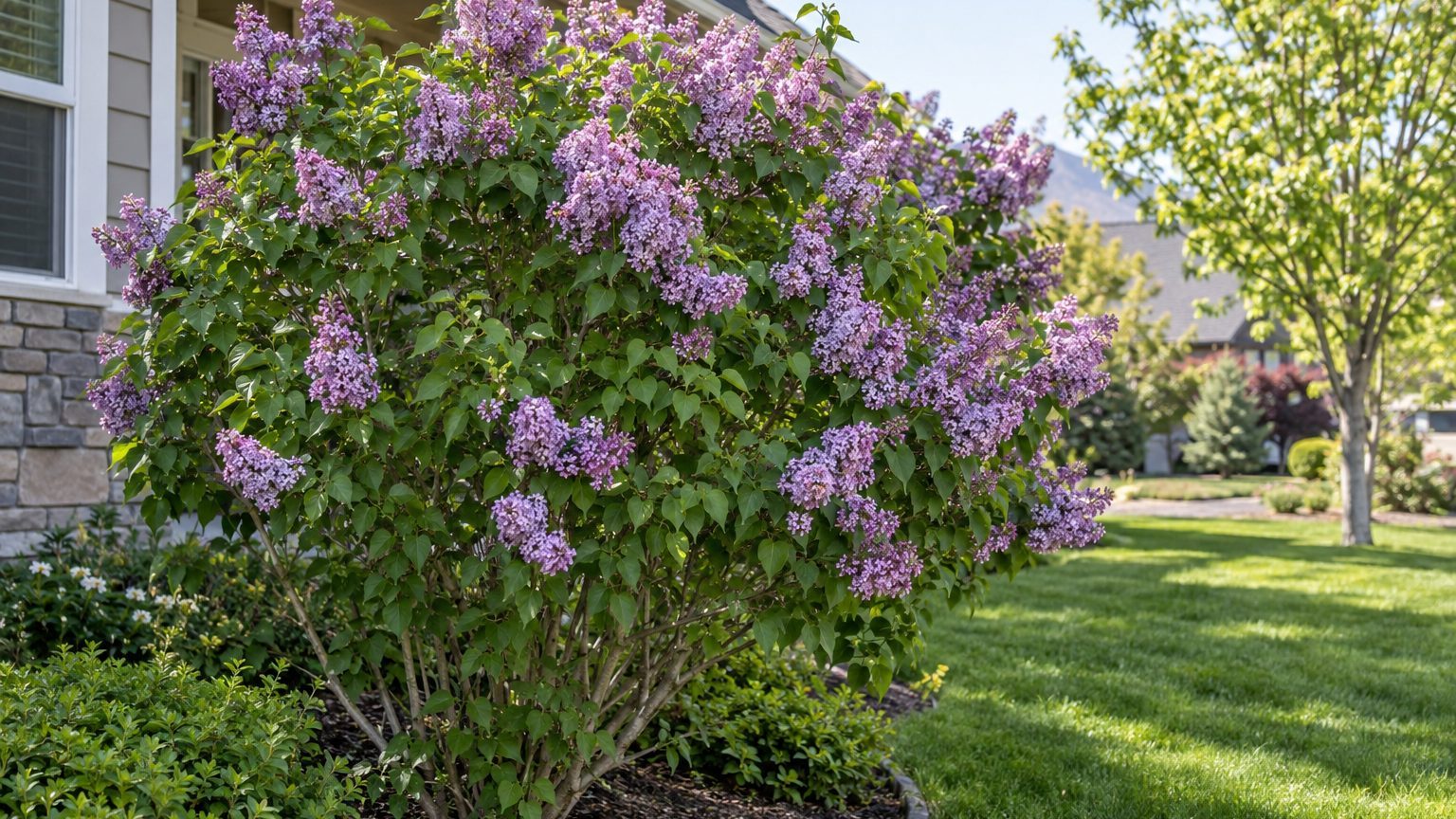
A lilac bush in bloom in a home garden

Lilacs in Virginia bloom in April and May, and some species carry flowers into June, so mixing lilacs with different flowering times can stretch the season. Here is how a lilac’s year unfolds in the state.

  • In April and May, the flower clusters open on wood that grew last year, and this is the stretch to enjoy and to cut a few stems for a vase.
  • In May and June, right after the flowers fade, is the time for any regular pruning, because the shrub starts setting next year’s buds soon after it blooms.
  • Through summer, the new flower buds form on the fresh growth, which is why late cuts cost you the following spring’s show.
  • In fall, the leaves drop and the shrub settles down, with nothing to do but leave the stems alone.
  • Through winter, the buds need a cold rest to mature, and if the shrub is badly overgrown, March and April are the months for a hard cut-back at the price of the next flowers.

At the Virginia Beach reference point, the last spring freeze usually falls between March 20 and April 3, and the first fall freeze between November 10 and November 24, in a state that spans USDA hardiness zones 5a to 8b. The Blue Ridge and southwest Virginia run weeks later in spring and earlier in fall.

Which Lilacs Grow Best in Virginia?

Lilacs do grow in Virginia, but they are happiest where winters are properly cold. Common lilac, Syringa vulgaris, needs a stretch of winter chill to develop its flower buds and bloom fully in spring.

Hot, humid summers are the weak point, so a lilac in the warmer parts of the state will often bloom less than one in the mountains. Different lilacs flower from April through June.

Lilac type How it does in Virginia Why
Common lilac (Syringa vulgaris) Blooms well where winters are cold, thinner in warm areas Flower buds need winter chill to mature
Lilacs that flower in April Open the season Each species has its own flowering time
Lilacs that flower in May The main show for most yards Peak bloom falls in the middle of the lilac season
Late species that run into June Extend the display Some species flower after the others finish

Planting several species with different flowering times gives a much longer lilac season than any single shrub. After bloom, lilacs fade into the background, so tuck them where summer foliage can hide them.

When to Plant, Prune and Feed Lilacs in Virginia

Pruning is the task with the tightest window. Lilacs set next year’s flower buds in summer, soon after they flower, so pruning in late summer, fall or winter cuts off the next spring’s flowers.

The right moment is the sign, not the date: the flowers have faded and the shrub is still in spring growth. The full pruning method has its own page for Virginia.

Task Best timing in Virginia Why then
Enjoy bloom and cut stems for the house April and May, and into June for late species The flowers open on last year’s wood
Regular pruning May and June, right after the flowers fade Next year’s buds have not yet set
Hard renovation of an overgrown shrub March and April, while the plant is dormant The cut removes the next flowers, and the shrub will not flower for a few years afterward
Planting and feeding Ask your county extension office about planting and feeding for your site Local soil and site conditions determine what the shrub needs

After bloom, thinning an old lilac by removing its oldest, thickest stems can open crowded growth. That same idea works in a Virginia yard, since thick old stems tend to flower poorly anyway.

How Lilac Bloom Time Changes Across Virginia

Bloom time shifts from one part of the state to another, with cooler ground opening later and warmer ground earlier.

  • Virginia Beach and the coast: Mild winters mean the earliest start to spring, but less winter chill, so flowering can be lighter.
  • The Blue Ridge: Cooler spring weather holds the buds back, so lilacs open later than they do in the east.
  • Southwest Virginia: Spring arrives later here, and colder winters give the buds the chill they like.

If your yard sits between these places, expect bloom to fall somewhere in between.

Where to Get Lilac Advice in Virginia

Virginia Cooperative Extension is the place to turn when a lilac refuses to bloom or the leaves look wrong. Your county office can help with a diagnosis or a soil test.

  • The extension publications cover lilac varieties and flowering times, handy before you buy a shrub.
  • Your county extension office can explain how to submit soil or leaf samples.

Common Questions

Why Is My Lilac Not Blooming in Virginia?

Look at when the shrub was last cut, and how much sun it gets. A lilac pruned in late summer, fall or winter loses its buds, and a shrub in heavy shade will bloom thinly. In warmer parts of the state, too little winter chill can also hold flowers back.

Can You Grow Lilacs in Southeast Virginia?

You can, but expect less from them. Lilacs struggle in hot, humid summers, and the coast has mild winters that give the buds less chill. Choose a sunny, well-drained spot and keep expectations modest.

Can You Cut an Overgrown Lilac Back to the Ground?

Yes, in March or April while the plant is dormant. The shrub will grow back, but the next flowers are lost and it will not flower for a few years afterward.

When Do Lilacs Bloom in Vermont? Dates and Care

When Do Lilacs Bloom in Vermont? Dates and Care

A lilac in full bloom is hard to miss in a Vermont dooryard, and the purple clusters that scent a whole street arrive in spring, usually as the maples finish leafing out. Lilacs in a Vermont yard bloom on a fairly predictable schedule, and the right kinds for the climate, along with a yearly rhythm of care, keep them flowering.

When Do Lilacs Bloom in Vermont?

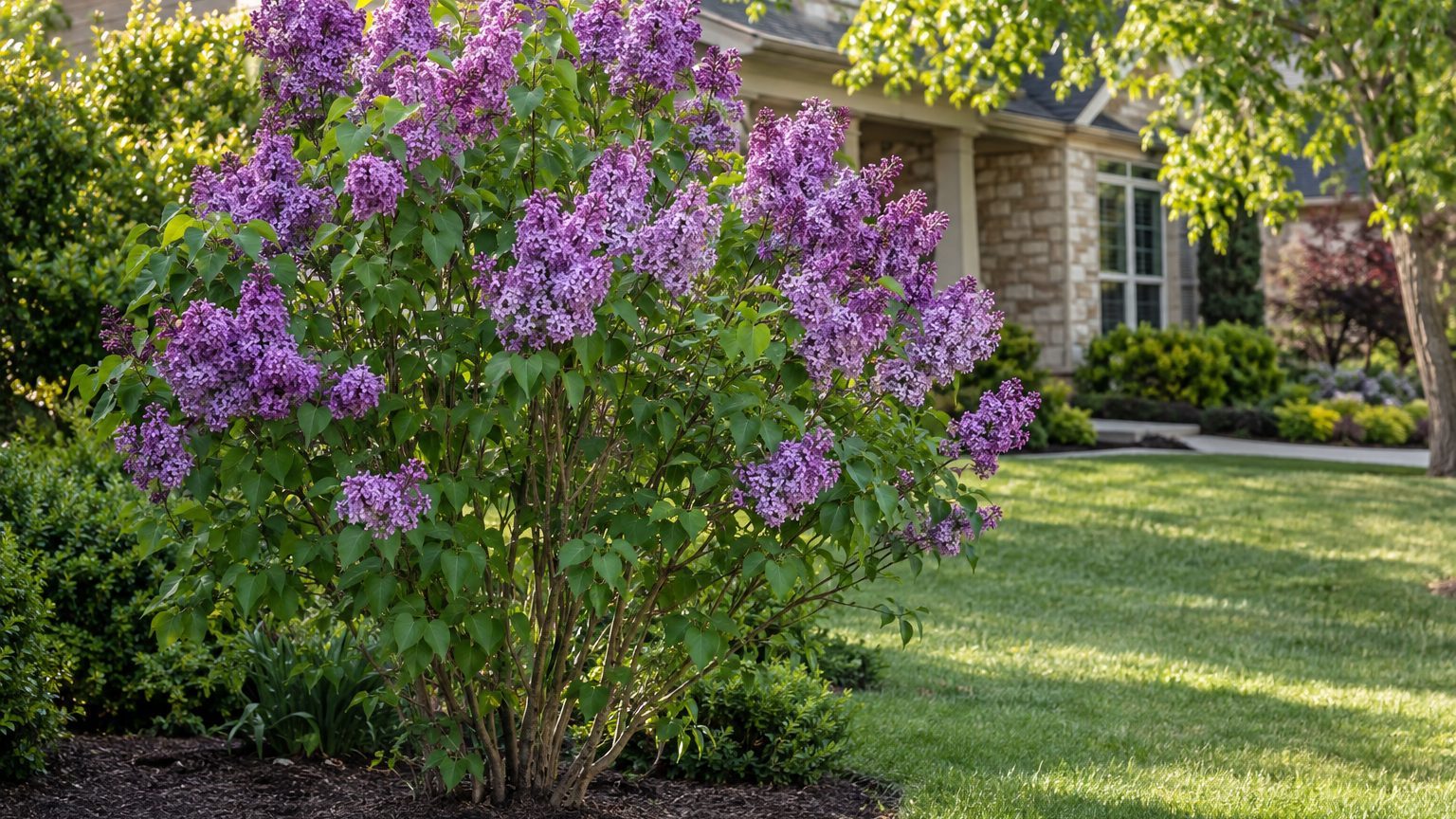
A lilac bush in bloom in a home garden

Lilacs in Vermont bloom in April and May, and later species stretch the show into June. Here is how the year runs for a lilac in your yard.

  • In April and May, the common lilacs open, with their flowers and scent filling the yard.
  • Right after the flowers fade, usually in May and into June, is the time to prune, because the shrub is already forming next year’s buds.
  • Through summer, the plant sets its flower buds for the following spring, so routine pruning can remove next year’s flowers.
  • In fall, the shrub winds down and the wood hardens before winter.
  • In winter, the cold rest matures those buds, and an overgrown shrub can be cut hard in March or April if you accept losing the next flowers.

For Burlington, on Lake Champlain, the last spring frost falls between April 30 and May 10, and the first fall frost comes between October 3 and October 13. Burlington warms earlier than the Green Mountains and the Northeast Kingdom, so those areas see a shorter season. Vermont spans USDA hardiness zones 3b to 5b, and lilacs sit comfortably in that range.

Which Lilacs Grow Best in Vermont?

Lilacs suit Vermont well. They belong to the olive family and are made for cold climates, and the chill of winter is what matures their flower buds. Hot, humid summers are what trouble them, and Vermont rarely offers those.

Lilacs are adapted to zones 3, 4 and 5, which covers nearly all of the state. They want a sunny site with good air circulation.

Lilac type How it does in Vermont Why
Common lilac (Syringa vulgaris) Thrives, blooming in April and May Cold winters mature its flower buds
Later-blooming species Does well, with flowers into June Extends the season past the common lilac
Lilacs in sun with open air Flower freely and stay healthy Good air circulation suits the plant
Lilacs in shade or cramped corners Flower poorly They need sun to set buds

Vermont’s winters are an asset here. A lilac that struggles in warm, humid places usually finds its footing in the Green Mountain State, so choosing among types matters less than choosing a sunny, airy spot.

When to Plant, Prune and Feed Lilacs in Vermont

Pruning is the gesture where timing counts most. A lilac blooms on last year’s wood and sets next year’s buds in summer, soon after it flowers. Cut right after the flowers fade, and you keep the next show.

Pruning in late summer, fall or winter cuts off the next spring’s flowers. For the full pruning method, see the page on when to prune lilacs in Vermont.

Task Best timing in Vermont Why then
Enjoy and cut bouquets April and May, into June for later species The shrub is in bloom
Routine pruning May and June, right after the flowers fade New buds have not formed yet
Hard renovation cut of an overgrown shrub March and April, in late winter The plant is dormant, though the next flowers are lost

A hard cut-back resets a leggy, overgrown lilac, but it will not flower for a few years afterward. Ask for local advice before choosing when to plant or feed; the timing above applies only to pruning.

How Lilac Bloom Time Changes Across Vermont

Bloom follows the local spring, and Vermont’s spring arrives at different speeds depending on elevation and distance from the lake.

  • Lake Champlain shore and Burlington: Lilacs open earlier here, since the lake softens the cold and spring arrives sooner than in the hills.
  • Green Mountains: Higher ground warms later, so bloom comes later and can run toward the end of the window.
  • Northeast Kingdom: Cold lingers longer, which pushes flowering later than in the Champlain Valley.

A lilac in a sheltered, south-facing spot opens before one on an exposed hillside in the same town.

Where to Get Lilac Advice in Vermont

For a diagnosis of poor flowering or a soil test, local help beats guessing. University of Vermont Extension offers plant advice for home gardeners across the state.

  • This is a useful place to ask why a shrub leafs out but does not flower.
  • Ask your county extension office about soil testing before you plant or amend.

When the flowers fade, prune right away and leave the shrub alone after that.

Common Questions

Why Is My Lilac Not Blooming?

Look at how much sun the shrub gets together with when it was last cut. A lilac in shade, or one pruned in late summer, fall or winter, often leafs out well but skips flowers because its buds were removed or never formed.

Can You Cut Lilacs for Bouquets?

Yes, and cutting stems while the shrub is in bloom doubles as light pruning. Cut just as the flowers open, then do any shaping right after the bloom ends so you do not remove next year’s buds.

Do Lilacs Need Winter Cold to Flower?

They do. The winter chill matures the flower buds, which is why lilacs are at home in Vermont and struggle in hot, humid summers elsewhere.

When Do Lilacs Bloom in Utah? Dates and Care

When Do Lilacs Bloom in Utah? Dates and Care

Lilac fragrance drifting over a Utah fence in late spring is a welcome sign that winter is finally behind you. Lilacs in Utah bloom on a schedule shaped by elevation and spring weather, and the kinds that suit the state’s winters, along with the handful of dates that decide whether a shrub flowers well next year, make the difference between a showy yard and a bare one.

When Do Lilacs Bloom in Utah?

A lilac bush in bloom in a home garden

Lilacs in Utah bloom from May into June, with late spring carrying the show into early summer. The rest of the year follows a steady rhythm:

  • In late winter, an overgrown lilac can be cut back hard in March or April, though that cut costs the next flowers.
  • From May into June, the clusters open, as long as late frosts leave the buds alone.
  • Right after the flowers fade, usually in June, is the time to prune, and it can still be done in July if the weather got away from you.
  • Through the summer months, the buds for next year form quietly on the new growth, so the shrub should be left alone.
  • In winter, the bare shrub rests in the cold, and that rest is what ripens the flower buds for spring.

For Salt Lake City, the last spring frost usually falls between April 12 and April 29, and the first fall frost between October 18 and October 29. Utah’s hardiness zones, in the USDA system, run from 4a to 9a, so the valley floor is milder than most of the state, and southern Utah is warmer still.

Which Lilacs Grow Best in Utah?

Lilacs do well where winters are properly cold, and most of Utah delivers that. They need the winter rest to mature their flower buds, and they struggle in hot, humid summers, which is why the warmest corners of the state are harder going than the cold benches and mountain valleys.

Pick a sunny spot with good air circulation, since stagnant air favors trouble on the leaves.

Lilac type How it does in Utah Why
Common lilac Reliable in the colder zones of the state Gets the cold winter rest its buds need
Hyacinthiflora hybrids Good where late frosts are less frequent Very hardy shrubs that bloom earlier than French hybrids
French hybrids Fine in cold-winter areas, later to open Bloom after the Hyacinthifloras, so spring frost matters less
Any lilac in hot, humid summer spots Struggles Heat and humidity work against the plant

Because Hyacinthifloras open early, they deserve a spot where a late freeze is less likely to catch the buds. Lilacs are adapted to the colder zones of the USDA map, and the milder southern parts of Utah sit at the edge of what they enjoy.

When to Plant, Prune and Feed Lilacs in Utah

Lilacs bloom on last year’s wood and set next year’s buds soon after they flower. That single habit decides the calendar: prune right after the flowers fade, because pruning in late summer, fall or winter cuts off the next spring’s flowers.

Task Best timing in Utah Why then
Enjoy the bloom May into June Late spring into June is when the clusters open
Routine pruning June, right after the flowers fade Buds for next year form in June and July, so the cut must come first
Late pruning July, if June slipped by Still soon enough to leave most of next year’s buds
Hard renovation cut March or April, in late winter The shrub is dormant, though the cut costs the next flowers

An overgrown lilac can be cut back hard in late winter, but it will not flower for a few years afterward. For planting and feeding, get timing for your site from the local extension office. For the full pruning method, the page on when to prune lilacs in Utah goes deeper.

How Lilac Bloom Time Changes Across Utah

Elevation helps set the pace across Utah, and the calendar slides with it.

  • Salt Lake Valley: Mild by Utah standards, so lilacs here open earlier than in the higher towns and the spring frost risk ends sooner.
  • Park City and the high mountain valleys: Cold nights linger, so bloom comes later, often well into June, and the cold winters suit lilacs nicely.
  • St. George and southern Utah: Warmer winters and hot summers make lilacs work harder, with less winter rest for the buds and more stress in summer.

Watch the shrub itself, since swelling buds tell you more than the Salt Lake City calendar does.

Where to Get Lilac Advice in Utah

A shrub that refuses to flower or looks sick is easier to sort out with local eyes on it. Utah State University Extension and the county office near you can help with diagnosis and soil questions.

  • The extension website has plant guides written for Utah conditions, worth reading before you buy a shrub.
  • Ask your county extension office for advice about your soil or a damaged leaf or branch.

Common Questions

Why Is My Lilac Not Blooming in Utah?

Look at when it was last pruned and how much sun it gets. A cut made after summer removes the buds, and a shaded shrub sets few. If a hard cut was made in March or April, flowers may stay away for a few years.

Can Lilacs Handle Utah Winters?

Yes, and they need them. The cold rest matures the flower buds, which is why lilacs suit the colder zones of the state well.

Do Lilacs Grow in Southern Utah?

They can, but hot summers make them struggle. Choose a spot with sun and good air circulation, and expect a tougher time than in the cold benches and mountain valleys.

When Do Lilacs Bloom in Texas? Dates and Care

When Do Lilacs Bloom in Texas? Dates and Care

A lilac in a Texas yard is a gamble that pays off best in the cooler corners of the state. Where winters stay mild, the shrub often leafs out well and flowers thinly, if at all.

When Do Lilacs Bloom in Texas?

When Do Lilacs Bloom in Texas? Dates and Care

Lilacs in Texas bloom when the local spring arrives, so the show comes earlier along the Gulf than on the High Plains. A lilac’s year here follows a clear sequence of stages.

  • In late winter, buds on a shrub that got enough cold begin to swell as the days lengthen.
  • In spring, the flower clusters open on last year’s wood, and Southern types tend to bloom early with less fragrance than the lilacs of cold climates.
  • Right after the last flowers fade, the shrub is ready for any pruning, because next year’s buds start forming soon afterward.
  • Through summer, the plant sets those new flower buds while heat and humidity push mildew onto the leaves.
  • In fall and winter, the shrub rests, and cold nights finish maturing the buds that will open in spring.

At the Houston reference location, the last spring freeze window runs from February 4 to March 1, but frost can still occur outside it. At the Houston reference location, the first fall freeze window runs from December 1 to December 19, reflecting the Gulf Coast’s short winter rest.

The USDA hardiness zone system places Texas somewhere between 6a and 10a, and Houston sits at the mild end. The Panhandle, North Texas and the Hill Country each follow their own calendar.

Which Lilacs Grow Best in Texas?

Common lilacs struggle across much of Texas, and the reason is the climate. They need a cold winter rest to mature their flower buds, and they do poorly in hot, humid summers.

Types bred for warmer places give you better odds. Even those perform best after a long, cold rest, so expect modest results south of the Panhandle.

Lilac type How it does in Texas Why
Common lilac (Syringa vulgaris) Often struggles High heat and humidity invite powdery mildew
Cultivars sold as heat tolerant Frequently disappoint They still do not thrive as well as in cooler climates
Southern lilacs, also labeled lilacs for the South Usually grow and bloom They flower early, though with less fragrance
Descanso hybrids Worth trying They were developed for warm climates
Low chill cultivars Bloom with little chilling They still do best with an extended, cold winter rest

Among the Descanso hybrids, ‘Angel White’ and ‘Blue Boy’ are names to look for at a nursery. Ask for a Southern lilac by that label, and keep expectations realistic if your yard sits near the Gulf.

When to Plant, Prune and Feed Lilacs in Texas

Lilacs bloom on last year’s wood, so the pruning moment matters more than any other date. Cutting at the wrong time removes the flower buds the shrub has already made. Pruning has its own page, When to Prune Lilacs in Texas, so the table keeps to the signs.

Task Best timing in Texas Why then
Prune Right after the flowers fade Next year’s flower buds form soon afterward
Hold the shears Late summer, fall and winter Cutting then removes the coming spring’s flowers
Leave the shrub alone Through the cold weeks of winter The cold rest matures the flower buds

Because Texas climates differ sharply, ask your county extension office for planting advice suited to your area. Before adding fertilizer, have the soil tested so you feed what the soil lacks. A lilac already in leaf and bud should be fertilized only if the soil test shows a need.

How Lilac Bloom Time Changes Across Texas

Texas stretches across several climates, so a lilac bloom shifts with how cold the winter gets and how soon spring warms the soil.

  • The Panhandle: Winters are colder here and spring arrives later, so lilacs get more winter rest than in southern Texas and bloom later.
  • North Texas and the Hill Country: Spring comes earlier than on the High Plains, but summers are hotter, so mildew and weak bloom become more common.
  • Houston and the Gulf Coast: Winters are mild and summers are humid, so bloom comes early when it comes at all, and Southern types are the realistic choice.

Pick the entry closest to your yard and treat the others as neighbors with a different clock.

Where to Get Lilac Advice in Texas

Texas A&M AgriLife Extension serves every county, and the local office can help diagnose a failing shrub or explain how to get your soil tested. The advice there fits your own climate rather than a national average.

  • Your county extension office can explain how to collect a soil sample and use the results before you plant or feed.
  • Contact the county office before bringing a sample, and ask what photos or plant material will help with diagnosis.
  • Ask which Southern lilac or low chill cultivar suits your area before you buy.

Common Questions

How Can You Tell Powdery Mildew from Dust on Lilac Leaves?

Powdery mildew can leave a white coating in warm, humid weather, but wiping the leaf is not a reliable way to distinguish it from dust. Dust can settle on leaves after dry, windy days; if the coating is unclear, ask your county extension office to identify it.

Are Southern Lilacs as Fragrant as Northern Ones?

Southern lilacs usually grow and bloom well, but their scent is lighter than the lilacs gardeners know from colder climates. Plant one near a path or window if you want to enjoy what fragrance it has.

Do Southern Lilacs Bloom Earlier than Common Lilacs?

Yes. Varieties sold as Southern lilacs are early-blooming, so their flowers open ahead of a common lilac in the same yard. That also means a late freeze can catch the buds, so watch the forecast once they swell.

When Do Lilacs Bloom in Tennessee? Dates and Care

When Do Lilacs Bloom in Tennessee? Dates and Care

Lilac scent drifting across a Tennessee yard in spring is one of the season’s small rewards, and the shrubs do grow here. Lilacs in Tennessee bloom in spring, some kinds cope better with the state’s summers, and well-timed yard care helps the flowers return.

When Do Lilacs Bloom in Tennessee?

A lilac bush in bloom in a home garden

Lilacs in Tennessee bloom in April and May, and some species carry flowers into June, so the display unfolds across spring.

  • In April and May, the common lilacs open, and some species keep going into June if you plant a mix.
  • Right after the flowers fade, in May or June, is the time to prune, because the shrub starts building next year’s buds soon after it blooms.
  • Through summer, the new flower buds form on the fresh growth, so leave the shears alone once the pruning window closes.
  • In fall and winter, the shrub rests and the buds mature in the cold, which is why pruning then would cut off spring flowers.
  • In March or April, an overgrown lilac can be cut back hard while it is still dormant, at the price of the next flowers.

Frost shapes the edges of the season. The last spring freeze at the Nashville reference point falls between March 31 and April 12, and the first fall freeze arrives between October 28 and November 8. The USDA hardiness zone range for the state is 5b to 8a, so a yard in the cooler east may differ from one in Middle Tennessee.

Which Lilacs Grow Best in Tennessee?

Lilacs can work in Tennessee, but they lean toward colder climates. They need a cold winter rest to mature their flower buds, and they struggle in hot, humid summers, which Tennessee has plenty of.

Cooler parts of the state generally offer more winter chill, but poor flowering can also have other causes.

Lilac type How it does in Tennessee Why
Common lilac (Syringa vulgaris) Blooms best where winters are cold enough Its flower buds need a period of winter chill to develop and bloom fully
A mix of species with different bloom times Stretches the show from April into June Each species has its own flowering time
Any lilac in a hot, humid spot Struggles Summer heat and humidity work against flower bud development

Warmer winters make the common lilac a less certain bet over time, so plant it where it gets sun and air movement, and expect better flowering the colder your winters run.

When to Plant, Prune and Feed Lilacs in Tennessee

Pruning is the job where timing matters most. A lilac blooms on last year’s wood and sets next year’s flower buds in summer, soon after it flowers, so shears belong in the shrub only right after the blooms fade.

Task Best timing in Tennessee Why then
Enjoy the bloom April and May, with some species into June Different species open at different times
Routine pruning May and June, right after the flowers fade Buds for next spring form soon after flowering
Hard renovation cut March and April, while the shrub is dormant Old, overgrown stems can be renewed, but flowering stops for a few years

Pruning in late summer, fall or winter removes the coming spring’s flowers. Planting and feeding have no month in this calendar, so choose a sunny spot with good drainage and let a local soil test guide any fertilizer. The full pruning routine has its own page for Tennessee.

How Lilac Bloom Time Changes Across Tennessee

Tennessee stretches a long way from the Mississippi River to the Appalachians, and spring arrives on a different schedule along the way.

  • East Tennessee: Cooler here, so spring runs later than in Nashville and lilacs tend to open a little behind Middle Tennessee yards.
  • Cumberland Plateau: The higher ground is also cooler and later in spring, and the colder winters suit lilacs well.
  • Nashville and Middle Tennessee: Spring comes earlier, so blooms arrive sooner, though the warmer winters give lilac buds less chill.

Watching your own shrub from spring to spring tells you more than any general date, and the cooler the spot, the later the flowers open.

Where to Get Lilac Advice in Tennessee

When a lilac refuses to flower or the leaves look wrong, local help can sort out the cause. University of Tennessee Extension offers plant advice through its county offices.

  • Your county extension office can look at a leaf or branch sample and help with a diagnosis, so bring a cutting with healthy and affected tissue side by side.
  • A soil test through the county office is worth doing before you plant or feed, ideally in a season when the ground is workable.

Common Questions

Why Is My Lilac Not Blooming in Tennessee?

Look at when it was last pruned and how warm the winter was. Pruning in late summer, fall, or winter removes the buds, and mild winters give them too little chill. Check the amount of sun as well, since lilacs flower best in full sun.

Can You Grow Lilacs in Hot, Humid Parts of Tennessee?

They can survive, but they struggle with hot, humid summers and flower less reliably than in cold-winter climates. A sunny spot with open airflow can help.

Should You Cut Back an Overgrown Lilac in Tennessee?

You can, in March or April while it is dormant. Expect no flowers for a few years afterward. If you want to keep some blooms, thin the oldest stems gradually and prune right after flowering instead.

When Do Lilacs Bloom in South Dakota? Dates and Care

When Do Lilacs Bloom in South Dakota? Dates and Care

A lilac in full bloom announces itself from the sidewalk, with a scent that carries well past the property line. In South Dakota that show belongs to late spring, and the plants are built for the state’s hard winters. What follows is when the flowers open, which lilacs suit the state, and when each yard task fits.

When Do Lilacs Bloom in South Dakota?

A lilac bush in bloom in a home garden

Lilacs bloom in South Dakota from May into June, with the common lilac opening first and the late and tree lilacs closing out the season in June. A lilac’s year runs like this:

  • In May, the common lilac opens its fragrant clusters, and the show carries on as other types come into flower.
  • In June, the late lilacs and tree lilacs take over, and this is also the month to prune, right after the flowers fade.
  • In early summer, the shrub sets next year’s flower buds on the new growth, so cutting it later in the season removes spring’s flowers.
  • Through late summer and fall, the plant simply grows and hardens off, needing no special attention beyond ordinary watering in dry spells.
  • In winter, the shrub rests in the cold, and that rest is what matures the buds for the next spring.

Frost dates matter for the opening flowers. At the reference city, the last spring frost falls between April 29 and May 9, and the first fall frost arrives between September 24 and October 4. Suburban and rural yards usually freeze later in spring and earlier in fall, often by one to two weeks, and more so at elevation, so check your own county. The state spans USDA hardiness zones 3b to 5b, which suits lilacs well.

Which Lilacs Grow Best in South Dakota?

Lilacs do well in South Dakota. They need a cold winter rest to mature their flower buds, and the state’s winters provide it. They struggle in hot, humid summers.
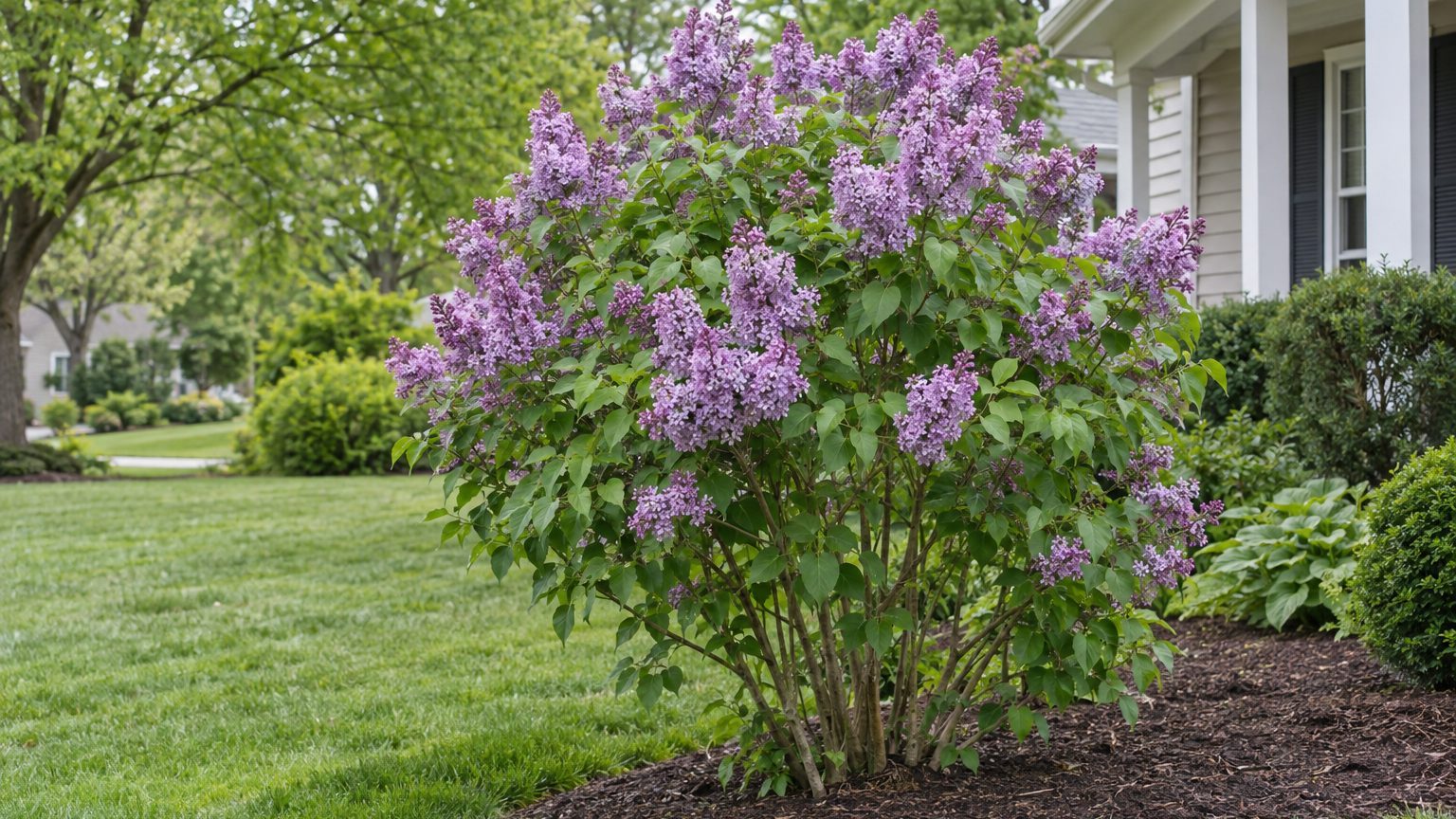
Lilacs are adapted to zones 3, 4 and 5, and they thrive in sunny spots with good air circulation. Several types fit the state.

Lilac type How it does in South Dakota Why
Common lilac Reliable, opens first in May Hardy in zones 3 to 5, needs winter cold
Late lilacs Bloom in June, after the common lilac Extend the season past the first flush
Tree lilacs Bloom in June Close the lilac season with a late show
Hyacinthiflora hybrids Hardy, but need a frost-aware spot Bloom earlier than French hybrids

Because hyacinthifloras flower early, plant them where late frosts are less frequent. Extension advice puts it just that way, and the same logic applies to a cold snap after budbreak anywhere in South Dakota. Hybrids of Syringa oblata and Syringa vulgaris are also well suited to cold climates.

When to Plant, Prune and Feed Lilacs in South Dakota

A lilac blooms on last year’s wood, so the pruning moment decides next spring’s flowers. Prune right after the flowers fade, because cutting in late summer, fall or winter removes the buds already formed.

Task Best timing in South Dakota Why then
Enjoying the bloom May into June Common lilac first, late and tree lilacs in June
Routine pruning June, right after the flowers fade Prompt pruning avoids removing next year’s buds
Pruning while dormant March or April Easy to see the shape, but this spring’s flowers are lost
Hard renovation of an overgrown shrub March or April The plant is dormant and regrows from the base

An overgrown lilac can be cut back hard in late winter, but it will not flower for a few years afterward. Choose that route only when the shrub is too tall or woody to fix gradually. Planting and feeding months are not set here. For pruning in detail, see the page on when to prune lilacs in South Dakota.

How Lilac Bloom Time Changes Across South Dakota

Bloom time shifts with local weather, and the state’s regions do not move in lockstep.

  • Black Hills: Higher ground stays cooler and holds frost later, so lilacs here open later than on the plains and face more risk from a late freeze.
  • Sioux Falls and the southeast: Sioux Falls is the reference point for the frost dates above, so check your county before treating them as local dates.
  • Rapid City and the western plains: Local bloom timing can differ from the statewide window, so watch the flowers in your own yard.

Within any town, a south-facing wall or a spot sheltered from wind may open earlier than an exposed corner.

Where to Get Lilac Advice in South Dakota

For a diagnosis, a soil test or a local question, South Dakota State University Extension is the place to start, and its county offices know the conditions where you live.

  • Your county extension office can look at a leaf or a stem that worries you, so bring a sample when the problem appears.
  • A soil test through the office helps before planting a new lilac, so schedule it when the ground is workable.
  • The extension website carries guides on shrubs and pruning that you can read before the next bloom.

Common Questions

Why Is My Lilac Not Blooming?

Certain signs point to the likely cause. If the shrub is leafy and healthy but sits in shade, it needs more sun to set buds. If it was cut back in late summer, fall, or winter, the flower buds were probably removed along with the branches.

Can You Move a Lilac in South Dakota?

Yes, a lilac can be moved while it is dormant, in late winter or early spring, when the soil is workable. Dig a wide root ball, replant in full sun, and water regularly as it settles. Expect fewer flowers after the move.

Do Lilacs Need Winter Protection in South Dakota?

Established lilacs are hardy across the state’s zones and need no wrapping. The cold actually helps by maturing the flower buds. Young plants benefit from a layer of mulch, and a sheltered site keeps early-opening types from frost damage in spring.

When Do Lilacs Bloom in South Carolina? Dates and Care

When Do Lilacs Bloom in South Carolina? Dates and Care

A lilac in a South Carolina yard often leafs out nicely and then skips the flowers, because the plant came from a place with real winters. Bloom time here follows the local spring, and the honest answer depends on how much cold your winter delivers and which kind of lilac you planted.

When Do Lilacs Bloom in South Carolina?

A lilac bush in bloom in a home garden

Lilacs bloom with the local spring, as the weather turns mild and leaves are fully out, and the rest of their year is built around that display.

  • In spring, flower clusters open on last year’s wood, and a lilac with enough winter chill gives the full show while one without it flowers thinly or not at all.
  • Right after the flowers fade, the shrub is ready for any trimming it needs, before it starts setting the next round of buds.
  • Through summer, the plant forms next spring’s flower buds, and in hot, humid stretches it works hard just to keep its leaves healthy.
  • In winter, the shrub rests, and that cold rest matures the buds, so a mild winter can leave the next display sparse.
  • For the Charleston reference location, the last spring frost range is February 28 to March 17.
  • For the Charleston reference location, the first fall frost range is November 20 to December 5.

USDA hardiness zones run from 7a to 9a across the state, and the Upstate has a later last spring frost and an earlier first fall frost than Charleston, so cold-hungry plants fare better there.

Which Lilacs Grow Best in South Carolina?

Lilacs can grow here, but the common lilac is a stretch. It struggles in hot, humid summers and wants a cold winter rest that most of the state rarely delivers.

Lilacs bred or labeled for the South give you a fair chance, and they are the ones worth shopping for.

Lilac type How it does in South Carolina Why
Common lilac (Syringa vulgaris) Struggles, with sparse flowers It needs a cold winter rest and dislikes hot, humid summers
Common cultivars sold as heat tolerant Often do not thrive The label does not change how much summer heat and humidity the plant can take
Southern lilacs (also sold as lilacs for the South) Usually grow and bloom They are early-blooming types suited to milder winters
Descanso hybrids such as Angel White and Blue Boy Worth trying They were bred for mild-winter regions
Low chill cultivars Flower more reliably than standard types They need less winter cold, though they still do best with an extended rest

Expect less fragrance from the Southern types than from the old-fashioned lilacs you may remember from colder places. Trading some perfume for flowers that actually open is usually a fair deal.

When to Plant, Prune and Feed Lilacs in South Carolina

Lilacs here reward careful pruning timing and good judgment before you buy. The signs below do the work of a calendar.

Pruning in detail has its own page, When to Prune Lilacs in South Carolina.

Task Best timing in South Carolina Why then
Choosing a plant Before you buy, at the garden center A Southern or low chill type copes with mild winters better than a standard lilac
Pruning Right after the last flowers fade A lilac sets next year’s flower buds in summer, soon after it blooms
Cutting back hard Not in late summer, fall or winter Those cuts remove the buds that would open the next spring
Leaving the shrub alone Through the cool months The winter rest is what matures the flower buds

Lilacs bloom on last year’s wood, so a tidy-up at the wrong time costs you the flowers. For feeding, a soil test through your county office tells you what the plant needs, which beats guessing.

How Lilac Bloom Time Changes Across South Carolina

Bloom shifts with how much winter cold a spot gets, and the state has a wide spread from the mountains to the sea.

  • Upstate: Winters are colder here, so lilacs get more of the chilling they need and are likelier to flower. Spring also arrives later than on the coast, with a later last spring frost and an earlier first fall frost.
  • Charleston and the coast: The peninsula is milder than the airport station inland, which can leave lilacs short of winter chill. A Southern or low chill type is the sensible pick, and flowering can come early and thinly.

The Midlands fall between the Upstate and the coast, so your own street, sun exposure and shelter can matter as much as the region.

Where to Get Lilac Advice in South Carolina

When a shrub looks off or fails to bloom, local people can look at the plant and the soil, which is more reliable than guessing from a distance.

  • Clemson University Extension runs the state’s research and gardening information, so start there for pest and disease questions or advice on choosing plants.
  • Your county extension office can test your soil and look at leaves or stems you bring in, so go as soon as something looks wrong.
  • Once the flowers fade, snip the spent clusters and bring a sample of any troubled foliage with you.

Common Questions

Why Does a Lilac Have Healthy Leaves but No Flowers?

Start with the winter weather and the type of lilac. If winters have been mild and the shrub is a standard type, it probably did not get enough chilling to form buds. If the branches were cut in late summer, fall or winter, the buds were removed with the wood.

What Does Powdery Mildew Look Like on a Lilac?

Leaves carry a dusty white coating that wipes off with a finger, and it shows up in hot, humid stretches. Heat and humidity are hard on the common lilac here, which adds to the case for choosing a Southern type.

Do Southern Lilacs Smell as Strong as Old-Fashioned Ones?

No. They usually grow and bloom well here, but they are less fragrant than the lilacs many gardeners remember from colder climates.

When Do Lilacs Bloom in Saskatchewan? Dates and Care

When Do Lilacs Bloom in Saskatchewan? Dates and Care

Lilac buds swell on bare stems in spring, and by the time the soil has warmed the first clusters are opening in yards across Saskatchewan. Lilac season here runs through May and into June, and the pruning, the bud-setting that follows and the winter rest all hang on those flowers.

When Do Lilacs Bloom in Saskatchewan?

A lilac bush in bloom in a home garden

Lilacs in Saskatchewan bloom in May and carry on into June, with the common lilac opening first and the late and tree lilacs closing the season.

  • In May, the common lilac opens its first clusters, once the garden has turned green and the worst of the cold has passed.
  • Through June, the late lilacs and the Japanese tree lilac take over, and the tree lilac’s flowers bring the season to a close.
  • In June, right after the flowers fade, the shrub is ready for pruning, because it starts forming next year’s flower buds soon after it blooms.
  • Through the rest of summer, those buds develop on the new growth, so any cutting at that stage removes next spring’s flowers.
  • From fall through winter, the lilac rests with its buds already set, and the shrub asks for very little beyond being left alone.

Frost frames the season. Around Saskatoon, the last spring frost falls on average May 18 and later in about half of years, so treat it as the middle of a window. The first fall frost arrives on average September 18, another midpoint rather than a safe date. Saskatoon sits in Canadian hardiness zone 3a, a system that does not convert to USDA zones.

Which Lilacs Grow Best in Saskatchewan?

Lilacs suit Saskatchewan well. They are built for cold-winter climates, and the winters here give the buds the rest they need. What they ask for in return is a sunny site with good air circulation.

Most of the choice comes down to timing: which kind opens when, and how exposed its flowers are to a late frost.

Lilac type How it does in Saskatchewan Why
Common lilac Reliable, opens first in May Adapted to cold climates, thrives in sun with good air movement
Late lilacs Good, bloom in June They open after the common lilac and stretch the season
Japanese tree lilac Good, flowers in June Its June blooms bring the lilac season to a close
Hyacinthiflora hybrids Very hardy, but a frost risk They bloom earlier than the French hybrids they resemble, so a May frost can catch the buds

The hyacinthiflora hybrids are worth planting only where late spring frosts are less frequent. In a frost-prone yard, the common lilac and the June bloomers are the safer picks.

When to Plant, Prune and Feed Lilacs in Saskatchewan

Pruning depends closely on timing, because the cut decides whether next spring’s flowers survive. For planting and feeding, follow local advice and the conditions in your yard.

A lilac blooms on last year’s wood and sets its next flower buds in summer, soon after it flowers. So pruning belongs right after the flowers fade, and cuts in late summer, fall or winter take off the following spring’s flowers.

Task Best timing in Saskatchewan Why then
Routine pruning June, right after the flowers fade The new buds have not formed yet, so the cuts cost no flowers
Pruning while dormant March or April Easy to see the branch structure, but it costs that spring’s flowers
Hard renovation of an overgrown lilac March or April The shrub is dormant and regrows from the base, though flowers return only after a few years

Planting is simpler. Choose a sunny spot where air moves through, and set the shrub in once the soil can be worked in spring. A lilac that settles into the right place needs little feeding to flower well.

How Lilac Bloom Time Changes Across Saskatchewan

Saskatchewan’s climate varies, and bloom shifts with the ground and the latitude.

  • Saskatoon and the central prairie: bloom follows the pattern above, with the common lilac in May and the late kinds in June.
  • Regina and the southern prairie: spring usually arrives a little sooner in the south, so flowers open earlier than farther north.
  • Prince Albert and the northern edge of the farmland: the season starts later, and the late kinds may open well into June.
  • Cypress Hills: higher ground stays cooler, so lilacs there bloom later than on the plains below.

The dates follow the nearest comparable climate. Confirm local timing with a local garden centre, a garden society or the provincial gardening groups.

Where to Get Lilac Advice in Saskatchewan

Saskatchewan has no local extension page on lilac timing, so advice comes from provincial resources and people who garden nearby. For a sick shrub or a lilac that will not flower, start with these.

  • The Government of Saskatchewan agriculture pages point you to provincial staff and resources for plant and soil questions.
  • A local garden society or master gardener group knows which lilacs have done well in your town and can say what is blooming now.
  • A garden centre can look at a branch or a photo, so bring a cutting when the leaves are fully out and any problem shows.

Common Questions

Can a Spring Frost Ruin Lilac Flowers?

It can. Around Saskatoon, a hard frost after the buds have opened can brown the flowers, and the common lilac opens in May, close to the average last frost date. The flowers may be lost even when the shrub survives to bloom again the next year.

Why Is a Lilac Leafy but Not Blooming?

Look for shade and for recent cutting. A lilac in a spot with little sun, or one that was pruned hard in late winter or cut back in late summer or fall, will often grow green and flower sparsely. More sun or recovery after a hard cut can improve flowering.

Do Lilacs Need a Cold Winter to Bloom?

They do. Lilacs need a cold winter rest to mature their flower buds, which is why they do best in cold-winter climates and struggle where summers are hot and humid. Saskatchewan’s winters suit them well.

The almanac, state by state. Every date on this site comes from a state’s own frost facts and its extension service’s calendar — and says where it comes from.