Skip to content

When Do Lilacs Bloom in Missouri? Dates and Care

When Do Lilacs Bloom in Missouri? Dates and Care

A lilac in full bloom announces itself from the sidewalk, long before you see the purple. In Missouri, that scent arrives in spring, and the timing of seasonal care protects next spring’s flowers. What follows is when the flowers open and when to prune, feed, plant and renovate.

When Do Lilacs Bloom in Missouri?

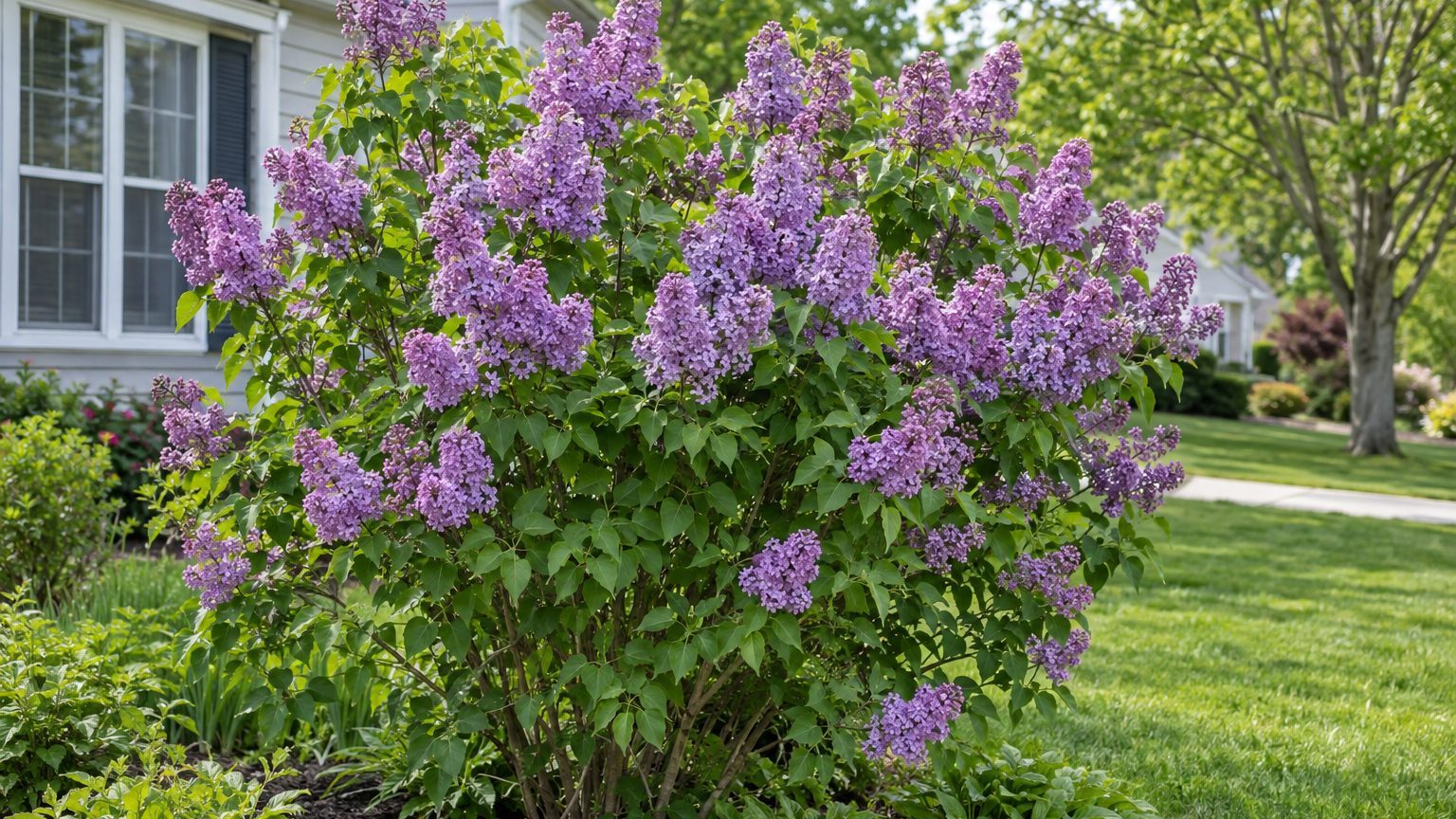
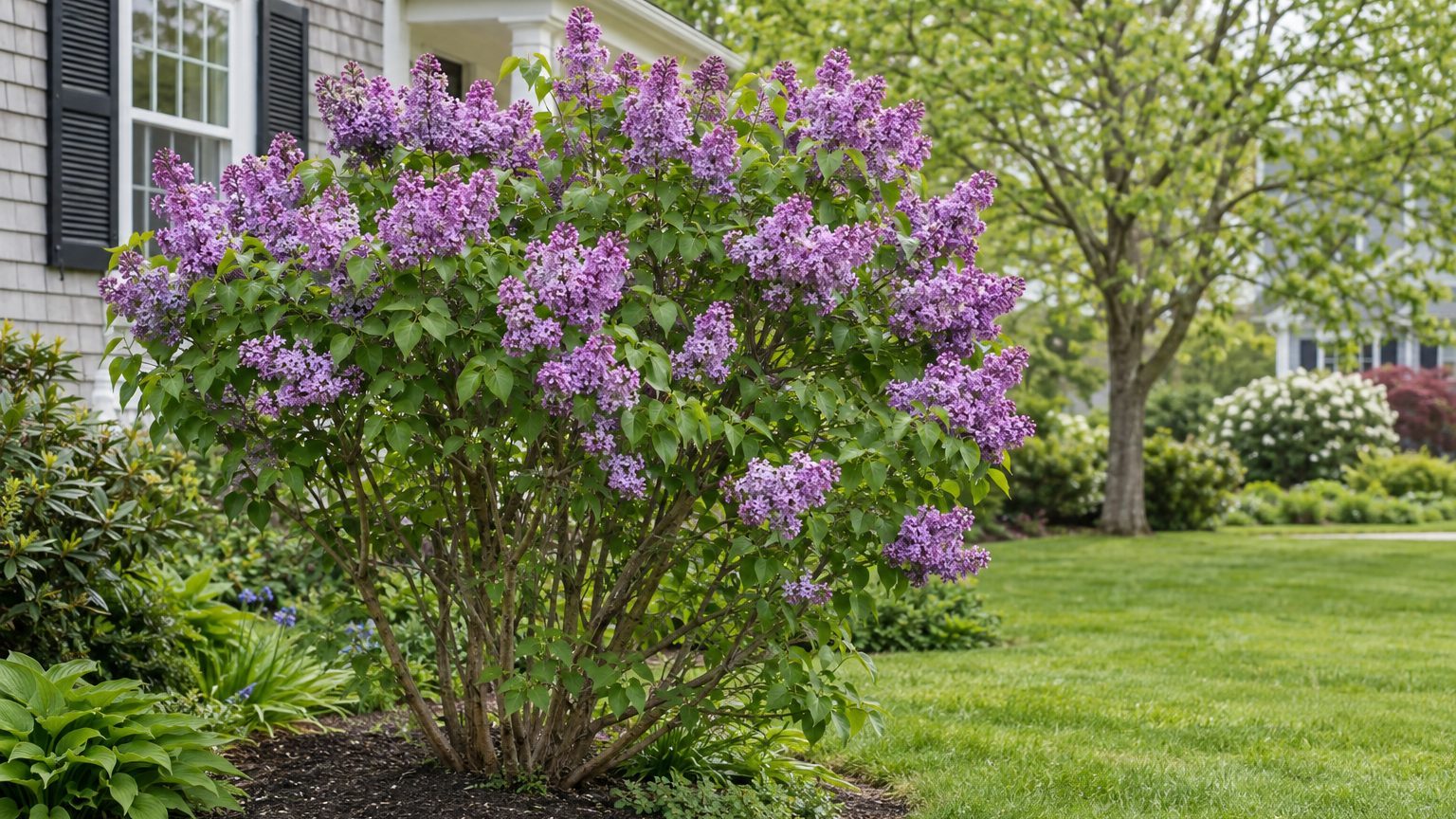
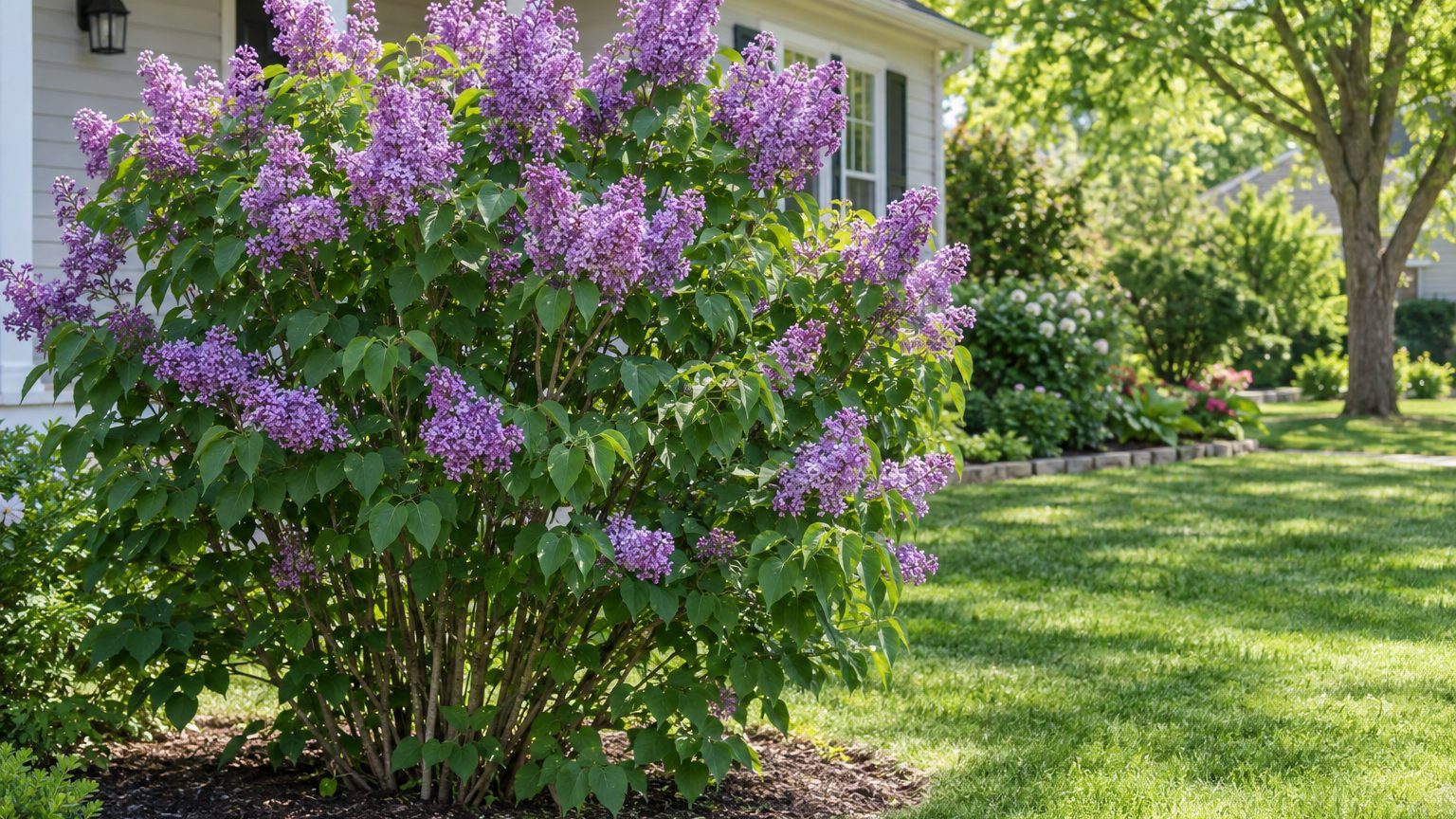
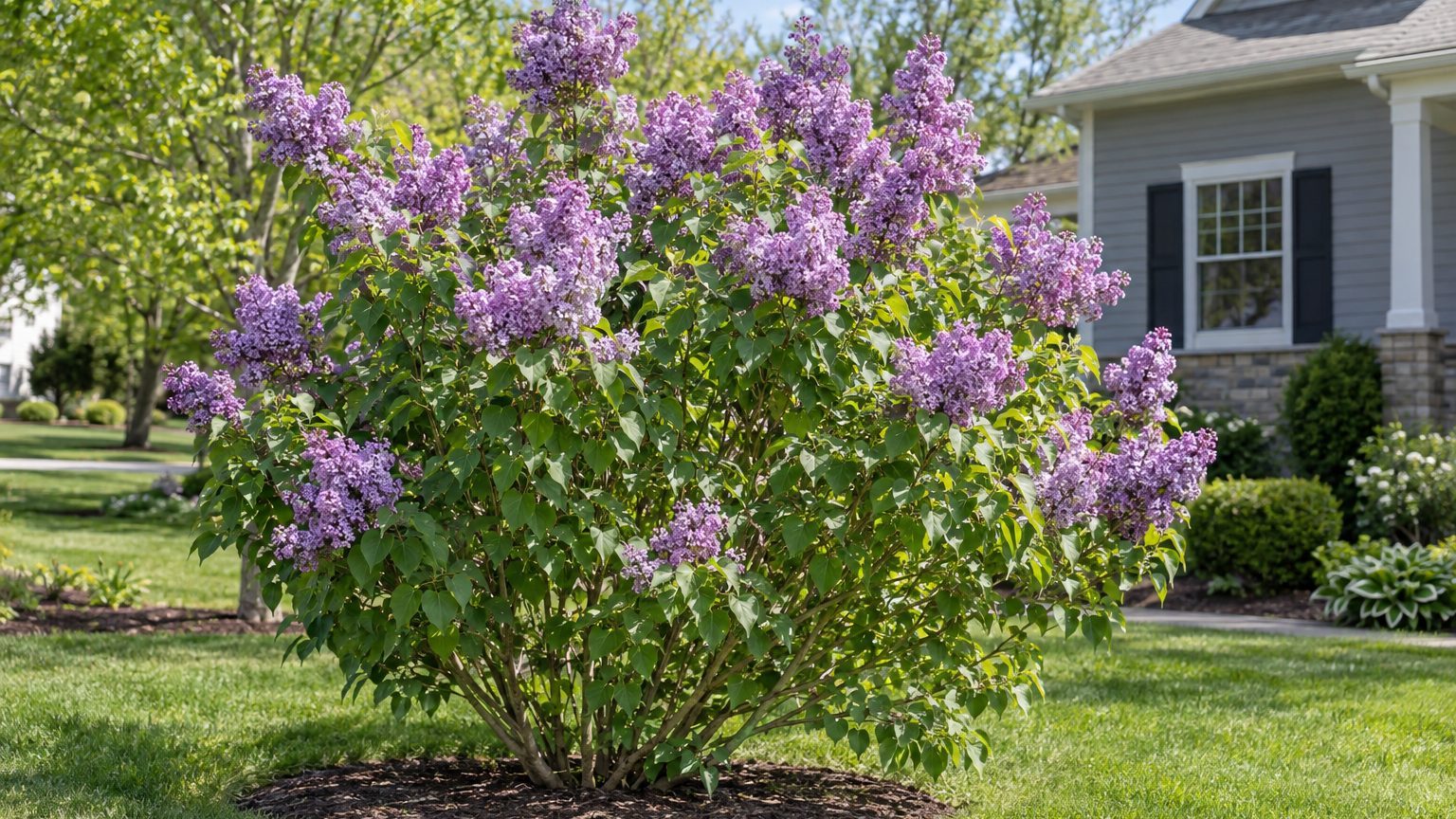
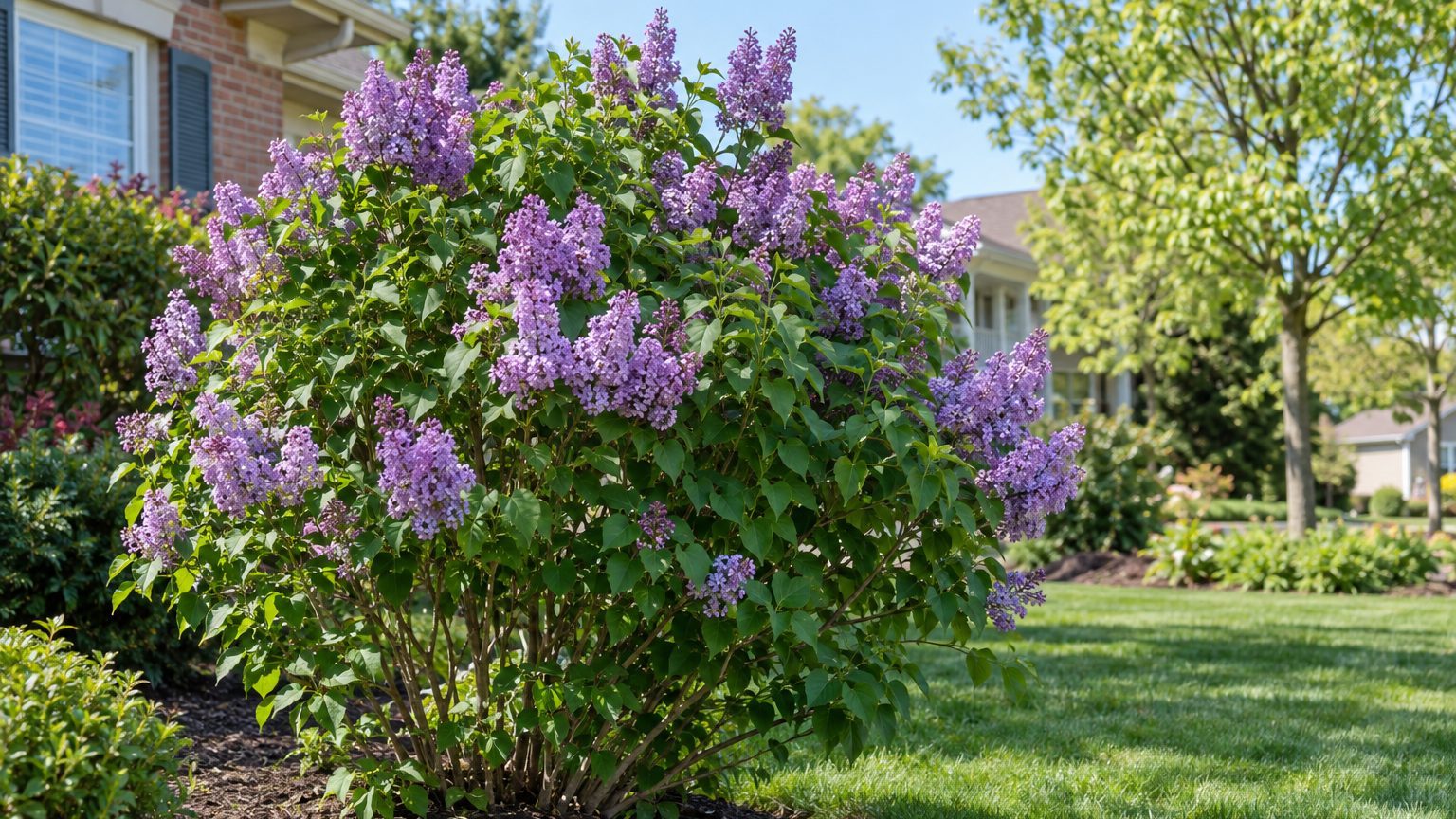
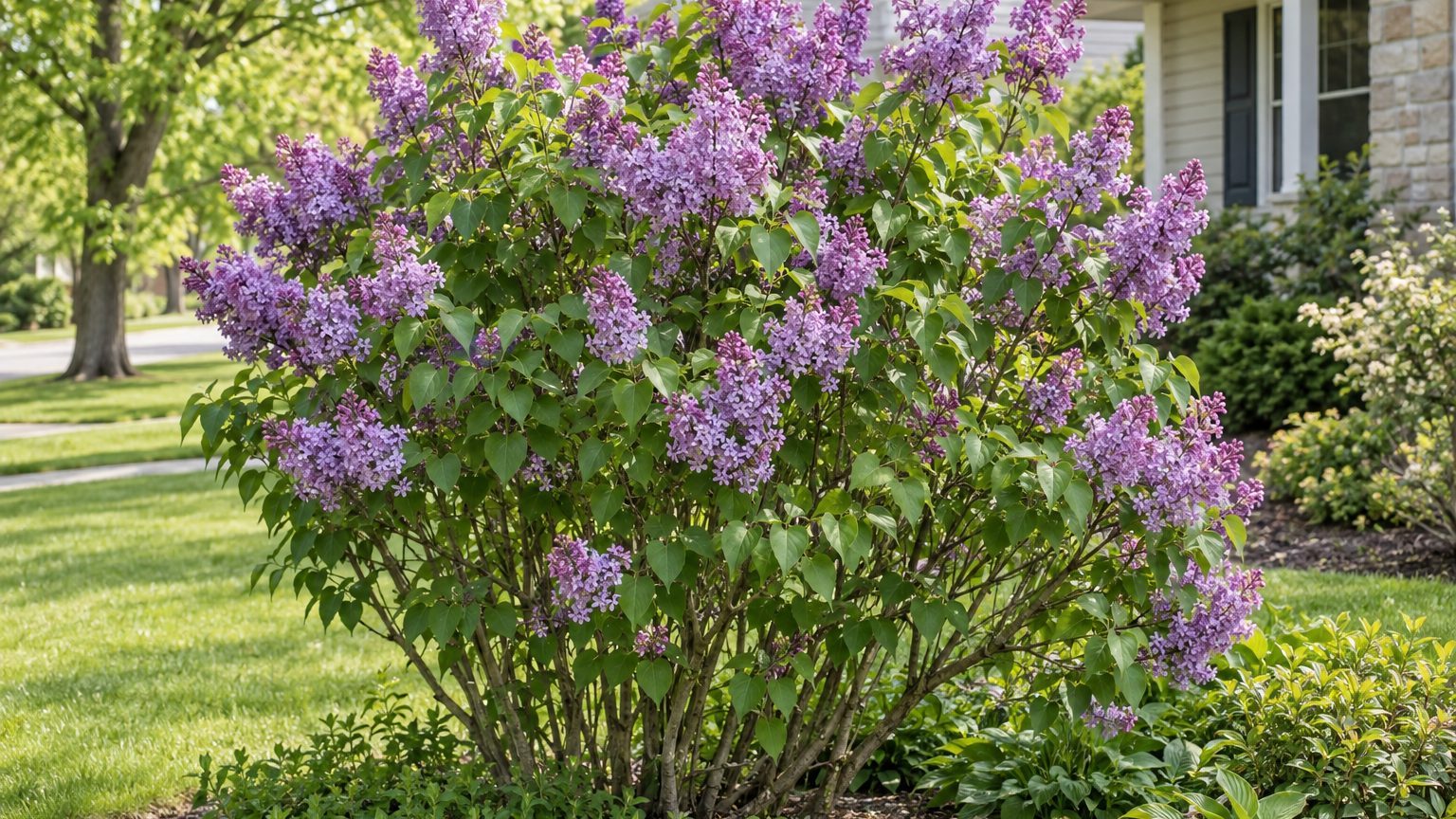
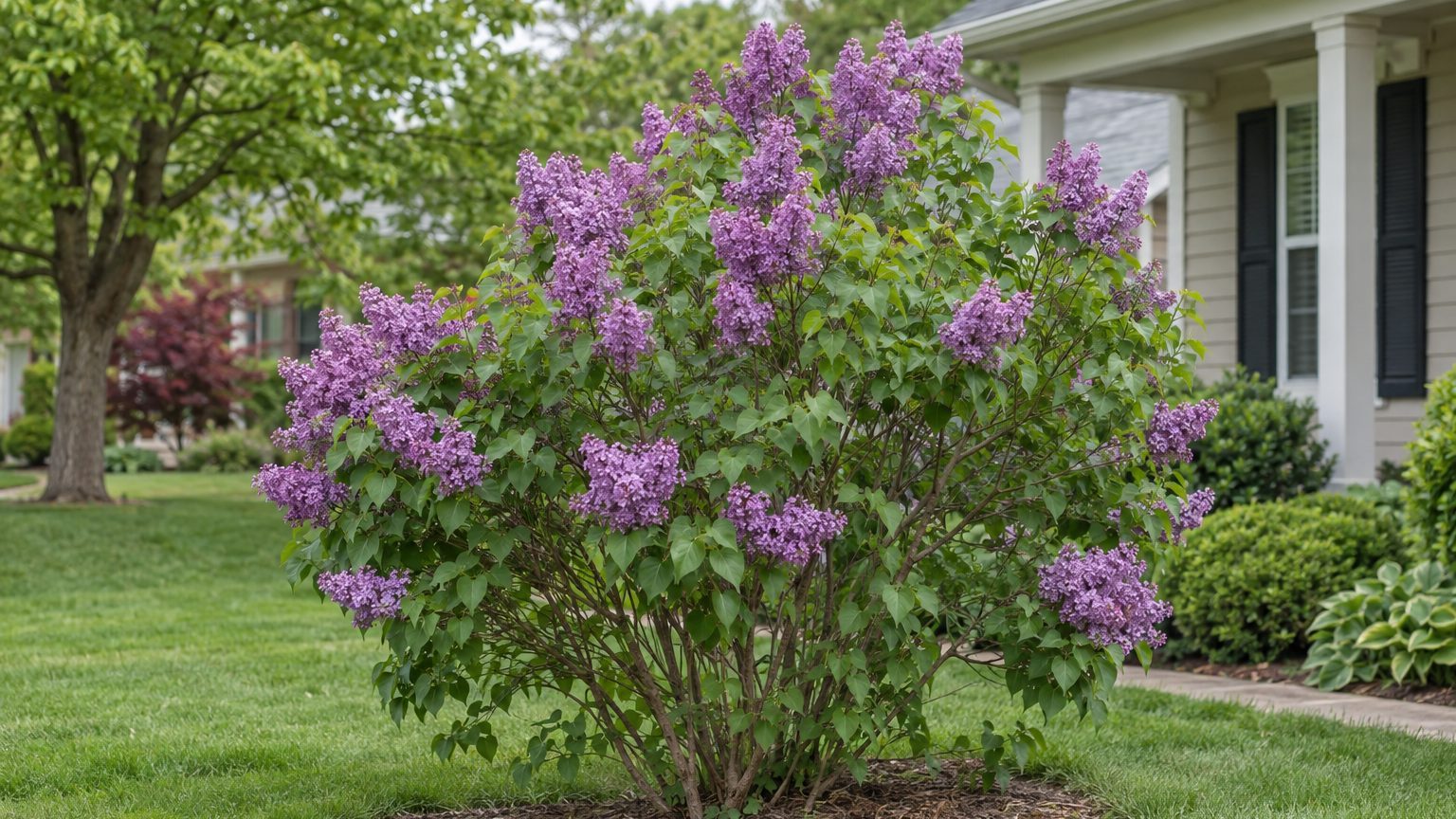
A lilac bush in bloom in a home garden

Lilacs bloom in Missouri in April and May, and some species carry on into June. Around Kansas City, the year of a lilac runs like this.

  • In April and May, the flower clusters open and the scent fills the yard, with later species stretching the show into June.
  • In May and June, right after the flowers fade, is the time to prune, because the plant starts forming next year’s buds soon after it blooms.
  • Through summer, the shrub sits quietly in leaf while those buds for next spring develop on the new growth.
  • In fall, the leaves tire and the plant heads toward dormancy with its buds already set.
  • In winter, the cold rest matures the buds, and a hard renovation cut on an overgrown plant belongs in March or April, before growth restarts.

Frost still matters in spring and fall. Around Kansas City, the last spring frost usually falls between April 6 and April 20, and the first fall frost between October 18 and October 29. Missouri spans USDA hardiness zones 5b to 7b, so other parts of the state differ.

Which Lilacs Grow Best in Missouri?

Lilacs do grow in Missouri, with a caveat. Their flower buds need a cold winter rest to mature, and hot, humid summers wear them down, so they perform best in the cooler, colder parts of the state.

Common lilac, Syringa vulgaris, is the standard choice, and it depends on that winter chill to bloom fully in spring.

Lilac type How it does in Missouri Why
Common lilac (Syringa vulgaris) Blooms well where winters are cold enough Flower buds need winter chill to develop fully
Early-flowering lilacs Open in April Each species has its own flowering time
Later-flowering lilacs Open in May and some into June Planting a mix stretches the bloom period

Planting early- and late-flowering types together stretches the season from April through June. In the warmer south of the state, expect more struggle with summer heat and humidity, and fewer flowers after mild winters.

When to Plant, Prune and Feed Lilacs in Missouri

Pruning is the job where timing matters most. A lilac blooms on last year’s wood and sets next year’s flower buds in summer, soon after it flowers, so a cut in late summer, fall or winter removes the coming spring’s flowers.

Task Best timing in Missouri Why then
Routine pruning May and June, right after the flowers fade Buds for next year have not formed yet
Hard renovation of an overgrown shrub March or April, while the plant is dormant The cut removes old stems before growth restarts
Enjoying the bloom April and May, with some species into June Flowering time varies by species

A hard cut-back costs flowers: an overgrown lilac cut low will not bloom for a few years afterward. Spread the work out if you want some flowers in the meantime. Get local advice on planting and feeding, since this calendar does not set a statewide schedule for those jobs. The page on when to prune lilacs in Missouri goes deeper on cutting.

How Lilac Bloom Time Changes Across Missouri

Missouri stretches a long way from north to south, and lilacs follow the local spring, opening earlier where it arrives sooner.

  • Kansas City: Lilacs bloom in April and May, with some species continuing into June; use the flowers rather than a statewide frost date to judge the season. Spring can arrive earlier downtown than farther north in the Kansas City area.
  • Southern Missouri: Spring is milder, so flowers open earlier than in the north. The warmer winters and humid summers give lilacs less of the chill they need.

Plan your pruning and your garden visits around your own yard’s spring, not a single statewide date.

Where to Get Lilac Advice in Missouri

For a plant that blooms poorly or looks sick, local help gives a faster answer than guessing. University of Missouri Extension covers lilacs and the conditions your county presents.

  • The extension website has Missouri guidance on shrubs, which is worth checking before you plan a big cut.
  • Your county extension office can test soil and help diagnose a lilac that leafs out but never flowers, so visit in spring when symptoms show.

Common Questions

Why Is My Lilac Not Blooming in Missouri?

A lilac that grows leaves but gives no flowers often had a cut at the wrong time or a mild winter. Late-summer, fall or winter pruning removes the buds, and too little cold keeps them from maturing. Check when the shrub was last cut and how it was shaded.

Can You Grow Lilacs in Southern Missouri?

You can, but expect a tougher time than in the north. Hot, humid summers stress lilacs, and mild winters may leave buds short of the chill they need. Give the plant a spot with good airflow and watch how it flowers over the years.

Can You Cut Back an Overgrown Lilac in Missouri?

Yes, in March or April while the plant is dormant. The tradeoff is a few years without flowers afterward. Removing only the oldest, thickest stems keeps more of the bloom while opening up the shrub.
When Do Lilacs Bloom in Mississippi? Dates and Care

When Do Lilacs Bloom in Mississippi? Dates and Care

A lilac in a Mississippi yard has to get through hot, humid summers and winters that rarely turn truly cold, and that shapes everything about growing it here. Lilacs in Mississippi bloom with the local spring, and the shrub you choose matters as much as the calendar.

When Do Lilacs Bloom in Mississippi?

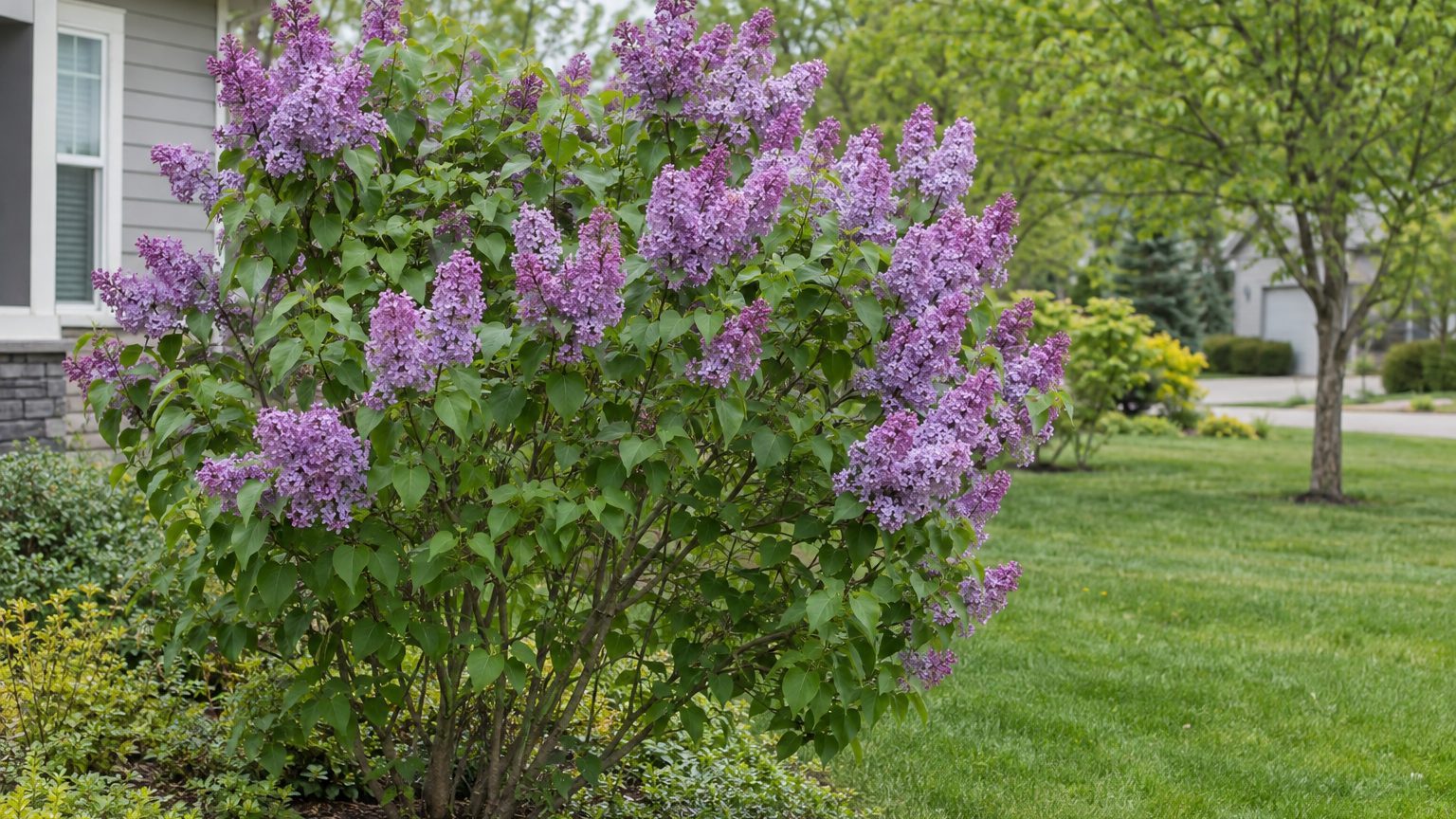
A lilac bush in bloom in a home garden

Lilacs here flower when your own spring arrives, and no fixed month applies across the state, because the show depends on how much winter chill the buds received. A lilac’s year runs in a steady loop, and each stage sets up the next.

  • In spring, the flowers open as the weather settles, and in a mild-winter year the display can come thin or sparse.
  • Right after the last flowers fade, prune the shrub, because the buds for next year begin forming soon afterward.
  • Through summer, the plant sets its flower buds on the new growth, and long hot, humid stretches are when leaf problems such as powdery mildew show up.
  • In fall, leave the pruners in the shed, since cutting now removes the buds that are already formed.
  • In winter, the shrub rests, and the cold it receives during this rest is what ripens those buds for spring.

Frost dates tell you about risk to tender growth, not when the lilac wakes up. At the state’s reference station, the last spring freeze falls between March 6 and March 22. The first fall freeze there arrives between November 7 and November 22. Suburban and rural yards usually freeze later in spring and earlier in fall than that station, so check your own county. Mississippi sits in USDA hardiness zones 7b to 9a, which tells you only how cold the winter minimums get, not how well a lilac copes with the summer.

Which Lilacs Grow Best in Mississippi?

Lilacs can grow in Mississippi, but they are working against the climate. They do best where winters are cold and struggle in hot, humid summers, which is exactly what the state delivers. Plan on the lower-chill and Southern types rather than the classic fragrant shrub.

Common lilac (Syringa vulgaris) often struggles in high heat and humidity, even when a selection is sold as heat tolerant.

Lilac type How it does in Mississippi Why
Common lilac (Syringa vulgaris) Struggles, even in heat-tolerant selections Heat and humidity invite powdery mildew
Southern lilacs, sold as early-blooming types Usually grow and bloom Labeled for the South, though less fragrant
Descanso hybrids Worth trying Developed in a mild-winter region
Low-chill cultivars Bloom with little chilling Still do best with a long, cold winter rest

Look for lilacs that bring white, blue and pink flowers to Mississippi gardens, such as the white Angel White and the blue Blue Boy. Labels reading Southern lilacs or lilacs for the South point you toward the early-blooming group. Expect a lighter scent than the old-fashioned lilacs you may remember from cooler places.

When to Plant, Prune and Feed Lilacs in Mississippi

Pruning has a firm rule tied to the flowers, not the date. A lilac flowers on last year’s wood and sets next year’s buds in summer, so the window for cutting is short.

Task Best timing in Mississippi Why then
Prune Right after the flowers fade The shrub has not yet set next spring’s buds
Avoid pruning Late summer, fall and winter Cuts then remove the coming spring’s flowers

For planting and feeding, your local conditions matter more than a set date, so a county Extension office can give advice that fits your soil and your yard. The page When to Prune Lilacs in Mississippi goes further into cuts, tools and renewal pruning.

How Lilac Bloom Time Changes Across Mississippi

Mississippi is long from north to south, so spring does not arrive everywhere at once. The differences follow a predictable direction.

  • Gulf Coast: Spring warms up early near the water, so lilacs there tend to flower sooner than inland, though the mild winter gives the buds less chilling.
  • Mississippi Delta: Flat, open farmland heats quickly in spring and stays humid through summer, which is hard on common lilacs and favors the Southern types.
  • North Mississippi hills: Winters run colder in the northern counties, so buds get more chilling and bloom tends to come a little later than farther south.

Whichever part of the state you garden in, the local spring sets the schedule, so watch your own shrub rather than a neighbor’s.

Where to Get Lilac Advice in Mississippi

Mississippi State University Extension can help with yard and garden questions. Staff there know local soils and the pests that move through your area.

  • The Mississippi State University Extension site has plant guides and fact sheets, which are useful before you buy a shrub.
  • Your county Extension office can take a soil sample for testing and can help diagnose a sick plant, so bring a cut stem with leaves.
  • After the flowers fade, ask what your shrub needs before you prune.

Common Questions

Do Southern Lilacs Smell as Strong as Old-Fashioned Lilacs?

Not usually. The early-blooming Southern types grow and flower in warmer places, but they are less fragrant than the classic shrubs you may remember.

How Do You Tell Powdery Mildew on a Lilac?

Look for a whitish, dusty film on the leaves, especially during a warm, humid stretch in summer. That combination points to mildew, which common lilacs are prone to in humid heat.

Why Does a Lilac Look Healthy but Skip Its Flowers?

A green, leafy shrub with few or no blooms in spring often points to timing. Check when it was last pruned, and whether the past winter was mild enough that the buds never ripened.

When Do Lilacs Bloom in Minnesota? Dates and Care

When Do Lilacs Bloom in Minnesota? Dates and Care

A lilac in full bloom tells you the season has turned, and in Minnesota that moment arrives once the soil has thawed and the cold has finally let go. Lilacs suit this state well, because the winters give them the long rest their flower buds need.

When Do Lilacs Bloom in Minnesota?

A lilac bush in bloom in a home garden

Lilacs in Minnesota bloom in May and into June, with the common lilac first and the late and tree lilacs closing the season in June. The rest of the year follows from that bloom.

  • In May, the common lilac opens its flowers, and the show carries into June as later types take over.
  • In June, the late lilacs and tree lilacs bloom, and right after the flowers fade is the moment to prune.
  • Through summer, the plant sets next year’s flower buds on the new growth, so any cutting after June risks removing them.
  • From fall into winter, the shrub rests in the cold, which is the rest that matures those buds.
  • In March and April, while the plant is still dormant, a hard cut of an overgrown lilac can be done, at the price of the next flowers.

These dates speak for the Twin Cities, the milder south of the state, where the last spring frost falls between April 17 and April 30. The first fall frost arrives between October 11 and October 23. Northern Minnesota warms later, so lilacs there open later. Hardiness zones in the state span 3a to 5a on the USDA system, and lilacs are comfortable across that range.

Which Lilacs Grow Best in Minnesota?

Lilacs do well here. They need a cold winter rest to mature their flower buds, and Minnesota supplies it without trouble. Cold winters suit lilacs here, though hot, humid spells can still stress them.

Lilacs are adapted to zones 3, 4 and 5, and they thrive in sunny sites with good air circulation. Pick a spot with open sun and moving air, and the shrub does the rest.

Lilac type How it does in Minnesota Why
Common lilac Reliable, blooms first in May Hardy in zones 3 to 5 and happy with a cold winter rest
Late lilacs Good, bloom in June Extend the season after the common lilac fades
Tree lilacs Good, bloom in June Bring the lilac season to a close
Hyacinthiflora hybrids Hardy, but flower early Bloom earlier than French hybrids, so a late frost can catch the buds

Hyacinthiflora lilacs are very vigorous and the shrubs themselves are very hardy. Because they open early, plant them where late spring frosts are less frequent, such as a sheltered spot near the house rather than an open low corner.

When to Plant, Prune and Feed Lilacs in Minnesota

Pruning at the right time preserves the next bloom. A lilac blooms on last year’s wood and sets next year’s flower buds in summer, soon after it flowers. Prune right after the flowers fade, because cutting in late summer, fall or winter removes the next spring’s flowers.

Task Best timing in Minnesota Why then
Enjoy the bloom May into June Common lilacs open first, late and tree lilacs follow
Routine pruning June, right after the flowers fade The next buds have not formed yet, so nothing is lost
Light pruning in dormancy March or April Possible while the plant sleeps, but it removes that spring’s flowers
Hard renovation of an overgrown shrub March to April Late winter cut while dormant, at the price of the next flowers

An overgrown lilac can be cut back hard in late winter, but it will not flower for a few years afterward. The full pruning method lives on the page about when to prune lilacs in Minnesota. Set a new lilac in the ground when the soil is workable and the weather is mild, and ask the local extension office whether it needs feeding.

How Lilac Bloom Time Changes Across Minnesota

Bloom follows the local spring, so it shifts across the state from the warmer south to the cooler north.

  • Twin Cities and the south: spring warms sooner here, so lilacs open earlier than in the northern part of the state.
  • Northern Minnesota: spring arrives later and frost lingers, so lilacs open later and the bloom slides further into June.
  • Near Lake Superior: the big lake keeps the shoreline cool in spring, which holds buds back a little compared with inland yards at the same latitude.

A cool, shaded corner of any yard opens its flowers after a warm, sunny wall does, so your own spot nudges the date too.

Where to Get Lilac Advice in Minnesota

University of Minnesota Extension publishes advice written for local conditions, and your county office can help when a shrub looks wrong or you want to know what your soil needs.

  • The extension website covers lilac care and common problems, so check it when leaves or flowers behave oddly.
  • Your county extension office can run a soil test or help diagnose a struggling shrub, so go before the bloom.

Common Questions

Why Is My Lilac Not Blooming?

Look at when the shrub was last cut and how much sun it gets, and consider them together. A lilac pruned in late summer, fall or winter loses its buds, and a shrub in heavy shade makes few flowers even when left alone. If that describes your shrub, change the pruning timing and open up the light.

Can You Move an Established Lilac?

Yes, a lilac can be moved, but the plant will need time to settle. Pick a sunny spot with good air circulation, dig a wide root ball, and keep the soil evenly moist afterward. Expect fewer flowers for a while as the roots recover.

Do Late Frosts Hurt Lilacs in Minnesota?

Late frosts mostly threaten the early bloomers, such as Hyacinthiflora hybrids, because their buds open sooner. Common lilacs, which open in May, are usually safer. If a hard freeze is forecast during bloom, cover a small shrub with a sheet and remove it when the freeze has passed.

When Do Lilacs Bloom in Michigan? Dates and Care

When Do Lilacs Bloom in Michigan? Dates and Care

A lilac in full bloom announces itself from the sidewalk: the scent drifts across the yard before you see a single cluster. In Michigan, that moment comes in spring and carries into early summer, and the weeks around it set the rhythm for everything else you do with the shrub.

When Do Lilacs Bloom in Michigan?

A lilac bush in bloom in a home garden

Lilacs in Michigan bloom in April and May, and later species and cultivars carry the show into June. The rest of the year follows from that flowering.

  • In April and May, the clusters open and the yard fills with scent, with the show running from late April through May for most plants.
  • In May and June, right after the flowers fade, is the time to prune, before the shrub starts setting next year’s buds.
  • Through summer, the plant forms the flower buds that will open the following spring, so any cut made now trims away next year’s bloom.
  • In fall, the buds sit tight on last year’s growth, and the first frost ends the growing season.
  • In winter, the shrub rests in the cold, and that chill is what matures the buds for spring.
  • In March and April, an overgrown lilac can take a hard cut-back while it is still dormant, though it costs the next flowers.

In Detroit, the last spring frost falls around April 30. Michigan spans USDA hardiness zones 4a to 6b. The fall frost range above applies only to zone 6a.

Which Lilacs Grow Best in Michigan?

Lilacs suit Michigan well. They want a cold winter rest to mature their flower buds, and they struggle in hot, humid summers, so the state’s cold winters work in their favor.

Give them a sunny spot with good air circulation, since stagnant, damp air is where lilacs tend to sulk.

Lilac type How it does in Michigan Why
Common lilac (S. vulgaris) Does well, blooming from late April through May Needs cold winters to set buds
Hybrids of S. oblata and S. vulgaris Do well, opening in mid to late April Suited to cold climates
Later species and cultivars Extend bloom into June Open after the common types finish

Choosing a mix of early hybrids and later types stretches the season and keeps fragrance in the garden longer.

When to Plant, Prune and Feed Lilacs in Michigan

A lilac blooms on last year’s wood and sets next year’s flower buds in summer, soon after it flowers. Prune right after the flowers fade, because pruning in late summer, fall or winter cuts off the next spring’s flowers.

Task Best timing in Michigan Why then
Enjoy the bloom April and May, with June for later types Clusters open as spring warms
Regular pruning May and June, right after the flowers fade Next year’s buds have not formed yet
Hard renovation cut March and April, while the plant is dormant Opens up an overgrown shrub

An overgrown lilac can be cut back hard in late winter, but it will not flower for a few years afterward. For planting and feeding, seek local advice suited to the shrub and site. The page on when to prune lilacs in Michigan goes deeper on the cuts themselves.

How Lilac Bloom Time Changes Across Michigan

Michigan stretches far enough, and is wrapped in enough water, that the same lilac can open on quite different days depending on where it stands.

  • Detroit area: Spring warms up here sooner than farther north, so lilacs open ahead of the rest of the Lower Peninsula.
  • Along the Lake Michigan shore: The big lake cools the air in spring, which holds buds back a little and can shield them from an early warm spell followed by frost.
  • Upper Peninsula: Colder winters and a later spring push bloom later than in the south, often toward the end of the usual season.

Within one yard, a sheltered south-facing wall will bloom ahead of an open, shaded corner.

Where to Get Lilac Advice in Michigan

When a shrub refuses to bloom or the leaves look off, local help sorts it out faster than guessing. MSU Extension serves every county in the state.

  • Your county extension office can help diagnose a struggling shrub, so bring a cutting with leaves and any spotted or wilted parts.
  • The same office can walk you through a soil test, best taken before planting or when blooms disappoint.
  • Visit after the flowers fade, when the pruning window is open and the shrub is ready for its cut.

Common Questions

Why Is My Lilac Not Blooming?

A lilac that leafs out but never flowers is often too shaded, or it was pruned at the wrong time and lost its buds. Check how many hours of sun it gets, and think back to when the last cut was made. Heavy feeding can also push leaves at the expense of blooms.

Can You Cut Lilacs for a Vase?

Yes. Cutting stems while the clusters are open gives you a bouquet and doubles as light pruning. Make the cut soon after the flowers open, and keep it modest so the shrub keeps its shape and next year’s buds.

Will a Lilac Survive a Michigan Winter?

Lilacs are made for cold winters, and the chill is what readies the buds for spring.

When Do Lilacs Bloom in Massachusetts? Dates and Care

When Do Lilacs Bloom in Massachusetts? Dates and Care

A lilac in full bloom announces itself from the sidewalk, a heavy sweetness that drifts across the yard on a warm spring afternoon. In Massachusetts, that scent belongs to spring, with the show building through April and May.

When Do Lilacs Bloom in Massachusetts?

A lilac bush in bloom in a home garden

Lilacs in Massachusetts bloom in April and May, and later species can carry flowers into June. The rest of the year follows from that bloom, because every job depends on where the flowers are in their cycle.

  • In April and May, the flowers open, and this is the stretch when the shrub earns its place in the front yard.
  • Right after the flowers fade, often in May and into June, you prune. The shrub starts setting next spring’s buds soon afterward, so a cut made now keeps them.
  • Through summer, the lilac builds those flower buds on this year’s new growth, which is why late cuts cost you blooms.
  • In fall, the shrub goes quiet and needs no pruning, since cutting now removes buds already formed.
  • In winter, the cold rest helps mature the buds. In March and April, an overgrown lilac can take a hard cut-back, at the price of the next flowers.

At the Boston reference city, the last spring frost falls between April 1 and April 8, and the first fall frost between November 3 and November 14. Inland suburbs and the Berkshires frost later in spring and earlier in fall than Boston does. The state spans USDA hardiness zones 5a to 7b.

Which Lilacs Grow Best in Massachusetts?

Lilacs suit Massachusetts well. They are cold-climate shrubs, and the chill of winter is essential to their bud development and maturation, so the state’s winters work in their favor.

Heat and humidity are what trouble them. A hot, humid summer is hard on lilacs, which is a reason to give them a sunny spot with good air circulation.

Lilac type How it does in Massachusetts Why
Common lilac in a sunny, open spot Does well through the cold-winter parts of the state Winter chill matures its flower buds
Lilac in a crowded, shaded corner Flowers poorly and stays vulnerable in humid summers It needs sun and good air circulation
Later-blooming species Extend the show into June They open after the earlier types finish

Zones 5a to 7b cover a wide spread, so the colder western and inland yards give lilacs the firmer winter rest. Closer to the warm end of the range, planting where air moves freely matters more.

When to Plant, Prune and Feed Lilacs in Massachusetts

Pruning timing deserves the most care, because a lilac blooms on last year’s wood. Cutting in late summer, fall or winter removes next spring’s flowers.

Overgrown shrubs are the exception, since a hard cut-back can renew them. Expect no flowers for a few years afterward.

Task Best timing in Massachusetts Why then
Enjoy the bloom April and May, with later species into June Different types open at different times
Regular pruning May and June, right after the flowers fade Next year’s buds begin forming soon after bloom
Hard renovation cut March and April, while the shrub is dormant It renews an overgrown plant but costs the next flowers

Planting and feeding are not tied to a month here. Plant when the soil is workable and the shrub can settle before hard cold, and feed lightly after flowering rather than pushing growth late in the season. Pruning is covered in more depth on the page about when to prune lilacs in Massachusetts.

How Lilac Bloom Time Changes Across Massachusetts

Bloom follows the local spring, so it opens sooner where spring arrives sooner and later where it lingers.

  • Boston and the coast: Spring warms early here, and the waterfront city is warmer than inland and northern parts of the state, so lilacs tend to open sooner.
  • Inland suburbs: Frost comes later in spring and earlier in fall than in Boston, so bloom usually follows a little later.
  • The Berkshires: Higher ground stays cooler, which pushes the bloom later still and often into the later part of the season.

A lilac in a sheltered, sunny corner will often open ahead of one in an exposed, cold-air pocket just down the road.

Where to Get Lilac Advice in Massachusetts

When a shrub refuses to flower or looks unwell, local help can sort out the cause. UMass Extension offers plant and soil guidance for Massachusetts yards.

  • The extension service answers questions about pests, disease and flowering problems, so bring a clear description or photos.
  • Your county office can guide a soil test, which is worth doing before you feed a lilac that is not blooming.
  • Ask for help while the symptoms are visible, and bring clear photos.

Common Questions

Why Is My Lilac Not Blooming?

Heavy shade or crowding points to a light problem, while a shrub that was cut in late summer, fall or winter has lost its buds to the pruning. Check the sun and the cutting history before changing anything else.

Can You Move a Lilac in Massachusetts?

Yes, though expect some setback. Move it while it is dormant, set it in a sunny spot with good air circulation, and water it regularly as the roots settle.

Do Lilacs Need Fertilizer?

Usually little. A soil test shows whether anything is missing, and a light feeding after flowering is gentler than heavy feeding, which can push leaves at the expense of blooms.

When Do Lilacs Bloom in Maryland? Dates and Care

When Do Lilacs Bloom in Maryland? Dates and Care

A lilac in full bloom announces itself from the street, a haze of purple, lavender or white and a scent that carries across the yard. In Maryland that show belongs to spring, and the plant spends the rest of the year quietly setting up the next one. What you do in the weeks right after the flowers fade decides how well it repeats.

When Do Lilacs Bloom in Maryland?

A lilac bush in bloom in a home garden

Lilacs bloom in April and May in Maryland, and some species carry on into June. Here is how one year looks for a lilac in your yard.

  • In April and May, the flower clusters open, and different kinds open at different times, so a mix of lilacs stretches the show.
  • Right after the flowers fade, in May and June, is when pruning belongs, before the shrub starts forming next year’s buds.
  • Through summer, the plant sets its flower buds for next spring on the new growth, and it fades into the background as plain green foliage.
  • In fall, the leaves drop and the buds sit ready, so any cutting now removes flowers you would otherwise get.
  • In winter, the shrub rests in the cold, and that chill is what lets the buds mature and open fully.

In this state, the last spring frost usually falls between April 3 and April 16, and the first fall frost between October 26 and November 5. Hardiness zones run from 5b to 8a (USDA system) across the state, so Western Maryland and the Eastern Shore differ from those dates.

Which Lilacs Grow Best in Maryland?

Lilacs do grow in Maryland, but the state sits near the warm edge of what they like. They need a cold winter rest to mature their flower buds, and they struggle in hot, humid summers. Warmer winters are a concern for common lilac in particular.

Choosing a spot with good air and sun helps, and so does spreading the bloom season across several kinds.

Lilac type How it does in Maryland Why
Common lilac (Syringa vulgaris) Grows, but flowers best after a cold winter Flower buds need a period of winter chill to develop and open fully
Mixed lilac species Works well for a long show Each has its own flowering time, from April through June

Beyond these, the cold-winter rule is what to weigh when you shop. A lilac that gets less winter chill will produce fewer flowers, even when the shrub itself looks healthy.

When to Plant, Prune and Feed Lilacs in Maryland

Lilacs flower on last year’s wood and set next year’s buds in summer, soon after blooming. Prune right after the flowers fade, because cutting in late summer, fall or winter removes the next spring’s flowers.

Task Best timing in Maryland Why then
Enjoy the bloom April and May, with some species into June Each kind has its own flowering time
Routine pruning May and June, right after the flowers fade Buds for next year form soon after, and late cuts remove them
Thinning old stems After bloom in spring Opening up crowded stems lets light and air in
Hard cut of an overgrown shrub March and April, while the plant is dormant It resprouts, but costs the next flowers

A hard cut-back is a reset, and the shrub will not flower for a few years afterward. For old, thick stems, gradual removal preserves some bloom during renovation. Planting and feeding are not tied to a month here; choose workable soil and mild weather for planting, and use a soil test to guide feeding.

How Lilac Bloom Time Changes Across Maryland

Maryland stretches from the Atlantic to the Appalachians, and bloom shifts with where you live.

  • Western Maryland (Garrett and Allegany): Mountain elevation means a colder, later spring, so lilacs open later than in the rest of the state, and the cold winters suit them well.
  • Central Maryland around Baltimore: Bloom follows the usual April and May pattern, and winter chill is decent but less reliable than in the mountains.
  • The Eastern Shore: Milder conditions bring bloom a little earlier, though the gentler winters give lilacs less of the cold rest they want.

Local microclimates matter too. A shrub against a sunny south wall opens ahead of one in a shaded corner of the same yard.

Where to Get Lilac Advice in Maryland

When a lilac refuses to flower or the leaves look wrong, local help can pin down the cause.

  • University of Maryland Extension publishes guidance on lilac problems and on rejuvenating old shrubs, handy before you reach for the pruners.
  • Your county extension office can look at a leaf or stem sample and arrange a soil test, ideally before you plant or feed.

Common Questions

Why Is My Lilac Not Blooming in Maryland?

Heavy shade is a common cause, so check how many hours of sun the shrub gets. Pruning at the wrong time also removes buds, so think back to when the last cut was made. Mild winters can leave buds underdeveloped too.

Can You Grow Lilacs Next to a House in Maryland?

Yes, if the spot gets sun and air moves freely around the stems. Give the shrub room to reach its mature size, because crowding invites trouble in humid summers.

Do Lilacs Look Good After the Flowers Fade?

The shrub turns into plain green foliage for the rest of the season. Plant it where the brief flowering period can be enjoyed, with other plants nearby to carry interest through summer.

When Do Lilacs Bloom in Manitoba? Dates and Care

When Do Lilacs Bloom in Manitoba? Dates and Care

A lilac that looks like a bundle of bare twigs in April can be heavy with scent not long after. In Manitoba the show comes late in spring and runs into June, and nearly every gesture in the shrub’s year hangs on those flowers. Planting, pruning and winter rest all follow from when they open.

When Do Lilacs Bloom in Manitoba?

A lilac bush in bloom in a home garden

Lilacs in Manitoba bloom from May into June, with the common lilac opening first and the late and tree lilacs following in June.

  • In late winter, in March or April, an old overgrown lilac can be cut back hard while it is still dormant, though the shrub will skip its flowers for a few years afterward.
  • In May, the common lilac opens. In Winnipeg, the last spring frost falls on average around May 23, a midpoint rather than a safe date, so a frost after it is common and can nip open flowers.
  • In June, the late lilacs and tree lilacs take over, and the common lilac finishes. Right after its flowers fade is the time to prune.
  • Through summer, the shrub sets next year’s flower buds on the new growth, which is why a late cut removes them.
  • In Winnipeg, the first autumn frost arrives on average around September 22, and the shrub settles into the cold rest that matures its buds.

Winnipeg sits in zone 3b on the Canadian hardiness system, which does not convert to a USDA zone. Manitoba has no local extension page for lilac timing, so these months follow the nearest comparable climate; confirm them with a local garden centre, a garden society or a provincial gardening group.

Which Lilacs Grow Best in Manitoba?

Lilacs suit Manitoba well. They need a cold winter rest to mature their flower buds, and a prairie winter delivers it. They struggle in hot, humid summers, which is a problem for warmer climates and rarely one here.

Pick a sunny site with good air circulation, then choose by how early the type blooms, since that decides how exposed the flowers are to a late frost.

Lilac type How it does in Manitoba Why
Common lilac (Syringa vulgaris) Reliable, blooms first, in May Suits cold winters and opens as spring settles in
Late lilacs Bloom in June, after the common lilac Later flowers miss most spring frost
Japanese tree lilac Blooms in June and closes the season A tree-form lilac that opens last
Hybrids of S. oblata and S. vulgaris Good choice, bloom early Well suited to cold climates
Hyacinthiflora hybrids Hardy and vigorous, but risky in frost pockets They bloom earlier than French hybrids

French hybrids, the familiar large-flowered lilacs, bloom later than the hyacinthifloras, so they are the safer pick for an exposed corner. Plant the early bloomers where May frosts are less frequent, such as against a house wall with some shelter.

When to Plant, Prune and Feed Lilacs in Manitoba

Lilacs bloom on last year’s wood, so the timing of the pruners matters more than any other gesture. Right after the flowers fade is the moment, because the next buds form soon after.

Pruning in late summer, fall or winter cuts off the next spring’s flowers.

Task Best timing in Manitoba Why then
Enjoy the bloom May into June Common lilac first, late and tree lilacs after
Routine pruning June, right after the flowers fade Next year’s buds have not yet formed
Pruning while dormant March or April Easy to see the shape, but it costs that spring’s flowers
Hard renovation of an overgrown lilac March or April The shrub regrows from the base while dormant and skips flowers for a few years

For planting, choose a sunny site and set the shrub in when the ground is workable and the plant is dormant or just leafing out. Lilacs ask for little feeding. Heavy nitrogen pushes leaves at the expense of flowers, so avoid overfeeding.

How Lilac Bloom Time Changes Across Manitoba

Bloom follows how quickly spring warms a district, so the same lilac opens at different times across the province.

  • Red River Valley: Winnipeg and the flat farmland around it warm early in spring, so lilacs here tend to bloom ahead of other parts of the province. Frost risk in May is still real.
  • Westman: around Brandon the ground is higher and more exposed to the wind, so spring arrives a little later and the bloom follows.
  • Interlake: close to Lake Manitoba and Lake Winnipeg, cool water holds spring back, and lilacs near the shore open later than those inland.
  • Northern Manitoba: around Thompson and The Pas, spring is well behind the south and lilacs bloom later, nearer to June, with hardy types doing best.

A garden in a sheltered city lot will often bloom earlier than the same shrub on an open farm site.

Where to Get Lilac Advice in Manitoba

Advice comes from the provincial ministry and local growers. Manitoba Agriculture is the provincial starting point for plant health questions.

  • A local garden centre or garden society can tell you which lilacs bloom first in your district, and a visit in May shows them in flower.
  • A master gardener group can help diagnose a lilac that will not flower, and it is worth asking before the shrub is cut.

Common Questions

Do Lilacs Need Full Sun in Manitoba?

Lilacs flower best in a sunny site with good air circulation. A spot that is shaded or closed in by walls and dense shrubs tends to give more leaves than flowers.

Why Is a Lilac Leafy but Not Flowering?

Look at where it stands and what it has been fed. A shrub in shade with lush green growth after a heavy nitrogen feeding is making leaves at the expense of flowers. Moving the feeding back and giving it more sun usually changes that.

Does a Lilac Need Winter Protection in Manitoba?

A lilac that is established generally does not need wrapping, since the winter cold is part of how it matures its buds. A newly planted shrub, or a hybrid that blooms early, does best in a sheltered spot.

When Do Lilacs Bloom in Louisiana? Dates and Care

When Do Lilacs Bloom in Louisiana? Dates and Care

A lilac in a Louisiana yard often leafs out early and then sits there, healthy-looking and flowerless. Common lilacs are built for hard northern winters, and the Gulf South gives them neither the cold nor the cool summers they expect.

When Do Lilacs Bloom in Louisiana?

A lilac bush in bloom in a home garden

No month can be pinned down for lilac bloom in Louisiana, because the flowers follow the local spring, and in much of the state that spring is too mild to give the plant what it needs. Where a lilac does flower, the year runs like this.

  • In spring, a lilac that has had enough winter chill opens its flowers as the local weather warms, and a plant that missed its chill may bloom thinly or skip the show.
  • Right after the last flowers fade, prune, because the shrub starts setting next year’s flower buds soon afterward.
  • Through summer, the new flower buds form on the fresh growth, and long hot, humid stretches here invite powdery mildew on the leaves.
  • In fall, leave the shrub alone, since pruning now cuts off the buds that would open the following spring.
  • In winter, the plant needs a cold rest to mature those buds, and Louisiana gives it a short one.

In New Orleans, the last spring freeze usually falls between January 18 and February 8, and the first fall freeze between December 17 and January 8. Winters are mild enough that some years pass with no freeze at all, which is exactly why bloom is unreliable. USDA hardiness zones across Louisiana run from 8a to 10a, and that system only measures the coldest night, not the chilling hours a lilac wants.

Which Lilacs Grow Best in Louisiana?

Common lilacs struggle here. They need a pronounced cold winter rest, and Louisiana summers bring the heat and humidity that encourage powdery mildew. Cultivars advertised as heat tolerant can still struggle in high heat and humidity, which also encourage powdery mildew.

The better bets are lilacs bred for mild winters. Look for early-blooming types sold as Southern lilacs, and consider Descanso hybrids as a trial.

Lilac type How it does in Louisiana Why
Common lilac (Syringa vulgaris) Struggles, often flowers poorly Needs a long cold rest and cool summers
Heat-tolerance claimed cultivars Often still disappoint High heat and humidity bring mildew
Southern lilacs (early-blooming) Usually grow and bloom Need less winter chill, though less fragrant
Descanso hybrids Worth a trial Bred for mild winters
Low-chill cultivars Better odds of flowers Still prefer a cold winter rest

Among the Descanso hybrids, the white ‘Angel White’, the blue ‘Blue Boy’ and the pink ‘California Rose‘ are the named ones to look for. Expect lighter fragrance from Southern types than from the old-fashioned lilacs of northern gardens.

When to Plant, Prune and Feed Lilacs in Louisiana

In Louisiana, the plant’s own signals set the timing. Pruning has a firm rule because the shrub blooms on last year’s wood and sets its next buds in summer.

Task Best timing in Louisiana Why then
Prune Right after the last flowers fade Buds for next spring form soon after bloom
Skip pruning Late summer, fall and winter Cuts off next spring’s flowers
Plant Before the summer heat arrives Roots settle before summer heat arrives
Feed After flowering, lightly Supports the growth that carries next year’s buds

Plant where the shrub gets sun and air moving through the branches, which helps leaves dry and eases mildew pressure in humid weather. Detailed pruning steps live on the Louisiana page about when to prune lilacs.

How Lilac Bloom Time Changes Across Louisiana

Louisiana is mostly low and warm, so the differences between regions come down to winter chill and summer heat rather than elevation.

  • North Louisiana: Freezes arrive far more reliably here, so a lilac gets a better winter rest and a stronger chance of flowering.
  • Baton Rouge and the Florida Parishes: Winters are milder, so chill is thinner and bloom is less dependable, with Southern types a safer choice.
  • New Orleans: Some winters bring no freeze at all, so a lilac may flower poorly.

Wherever you garden, the pattern is the same: more winter cold means a better chance of flowers.

Where to Get Lilac Advice in Louisiana

For a plant that sulks, the state’s land-grant extension service is the place to start. LSU AgCenter runs offices in each parish that can look at a struggling shrub and test your soil.

  • The parish extension office can diagnose mildew or poor flowering when you bring a leaf or branch sample.
  • A soil test through the office shows pH and nutrients before you plant a new shrub.
  • Ask about lilac types suited to your parish before you buy, then prune right after the next flowers fade.

Common Questions

Can You Grow Lilacs in New Orleans?

It is a long shot. In New Orleans, some winters bring no freeze, so a lilac may not get the cold rest its buds need. Southern or low-chill types are worth trying, though even they may bloom lightly.

Why Is a Lilac Leafy but Not Flowering in Louisiana?

Check these together. If the shrub is healthy and leafy but the winter was mild, it probably lacked chill. If it was pruned in summer, fall or winter, the buds were likely cut off.

Does Powdery Mildew Kill a Lilac?

Mildew shows as a white, dusty coating on leaves, usually in humid, still air. It looks bad but rarely kills a shrub. Open the canopy and plant in sun with good airflow to reduce it.

When Do Lilacs Bloom in Kentucky? Dates and Care

When Do Lilacs Bloom in Kentucky? Dates and Care

A lilac in a Kentucky yard puts on a fragrant spring show. Across the state, bloom time shifts with local conditions, and well-timed care helps the shrub flower year after year.

When Do Lilacs Bloom in Kentucky?

A lilac bush in bloom in a home garden

Lilacs in Kentucky bloom in April and May, and some species carry on into June. The year of a lilac here runs in a steady loop, and each stage sets up the next.

  • In April and May, the flower clusters open on wood that grew last year.
  • In May and June, right after the flowers fade, is when pruning belongs, before the shrub starts building next year’s display.
  • Through summer, the plant sets its flower buds for the following spring, which is why late cuts remove future blooms.
  • In fall, the leaves drop and the shrub slows down, with the buds already formed at the tips of the stems.
  • In winter, the cold rest matures those buds, so a properly chilly stretch is what you want from the season.

Frost risk helps frame the year. At the Louisville reference point, the last spring frost falls between March 24 and April 4, which is why early buds sometimes get nipped. The first fall frost arrives between November 2 and November 12. Kentucky spans USDA hardiness zones 6a to 7a, and Louisville runs a little warmer than the surrounding countryside, so rural yards should expect a tighter frost-free window.

Which Lilacs Grow Best in Kentucky?

Lilacs can grow in Kentucky, though they are happiest where winters are cold and summers stay gentle. Flower buds need a stretch of winter chill to mature, and hot, humid summers wear the shrub down. Common lilac needs winter chill to bloom fully, while a mix of species can stretch the display into June.

Lilac type How it does in Kentucky Why
Common lilac (Syringa vulgaris) Blooms well in a sunny spot with good drainage Buds need winter chill to open fully in spring
Species with varied flowering times Spreads the show across April, May and into June Each species flowers on its own schedule
Planting a mix of lilac species Gives a long blooming season Staggered flowering extends the display

Warmer winters work against any lilac, since less chill means fewer and weaker flowers. If a shrub leafs out well but blooms poorly, check the amount of sun and the timing of past pruning before blaming the variety.

When to Plant, Prune and Feed Lilacs in Kentucky

Pruning has a clear window because a lilac sets next year’s buds in summer, soon after it flowers. Cut right after the flowers fade and you keep the following spring’s display. Cut in late summer, fall or winter and you remove it.

Task Best timing in Kentucky Why then
Enjoy the bloom April and May, with some species into June Flowers open on last year’s wood
Routine pruning May and June, right after the flowers fade Pruning now avoids cutting off next year’s flower buds
Hard renovation cut of an overgrown shrub March and April, while the plant is dormant Old wood is removed before growth starts, at the cost of the next flowers

A hard renovation gives an overgrown lilac a fresh start, but it will not flower for a few years afterward, so reserve it for shrubs that have truly gotten out of hand. For a closer look at cuts and technique, the Kentucky page on when to prune lilacs goes deeper. A sunny site supports flowering, while fertilizer cannot replace the winter chill lilacs need.

How Lilac Bloom Time Changes Across Kentucky

Bloom time shifts a little from one part of the state to another, following how quickly spring warms up.

  • Louisville: the city runs warmer than the countryside around it, so lilacs here tend to open a bit earlier than in surrounding farmland.
  • Eastern Kentucky hills: higher ground stays cooler, which usually pushes flowering later and favors the species that bloom toward June.
  • Western Kentucky: warmer, humid summers are harder on lilacs, though spring flowering still arrives in April and May.

Within a yard, a south-facing wall brings flowers sooner than a shaded corner on the north side.

Where to Get Lilac Advice in Kentucky

For problems that photos cannot settle, such as poor flowering or leaf trouble, local experts are close by. University of Kentucky Extension runs an office in every county, staffed by people who know local soil and weather.

  • Your county extension office can look at a leaf or stem sample and help diagnose what is going on, so bring a cutting while the shrub is in leaf.
  • A soil test through the same office tells you whether the soil needs adjusting.

Common Questions

Why Is My Lilac Not Blooming in Kentucky?

Look at these together: the weather and the shrub itself. A shrub in shade that grows lush leaves but few flowers is probably short on sun. A shrub that was cut in late summer, fall or winter likely lost its buds. A mild winter can add to the problem, since the buds need cold to mature.

Can You Cut Back an Overgrown Lilac in Kentucky?

Yes. March and April, while the plant is still dormant, suit a hard cut. Expect no flowers for a few years afterward as the shrub rebuilds.

Do Lilacs Smell Strongest in May?

Lilacs are fragrant while their clusters are fully open in April and May. Planting a mix of species stretches the scent into June.

When Do Lilacs Bloom in Kansas? Dates and Care

When Do Lilacs Bloom in Kansas? Dates and Care

A lilac in full bloom is hard to miss, and in Kansas it happens in spring, with the scent drifting over fences and across front yards. Knowing when lilacs flower in a Kansas yard, which kinds cope with Kansas summers, and which yearly jobs keep the flowers coming back is what lets these shrubs thrive here.

When Do Lilacs Bloom in Kansas?

A lilac bush in bloom in a home garden

Lilacs in Kansas bloom in April and May, and later types can carry flowers into June. The shrub’s year follows a steady rhythm.

  • In April and May, the flowers open, with the main show usually fading before June, though later species and cultivars keep going.
  • In May and June, right after the flowers fade, is the time to prune, because the shrub starts setting next spring’s buds soon after it blooms.
  • Through summer, the new buds form on fresh growth, so shears stay in the shed until the following spring bloom is over.
  • In fall and winter, the buds rest through the cold, which is what lets them mature and open on schedule.
  • In March and April, an overgrown lilac can be cut back hard while it is still dormant, though that cut costs the coming flowers.

Frost dates shape the edges of this year. At the Wichita airport, the last spring freeze usually falls between April 4 and April 18, and gardens in the suburbs and countryside often see it a week or two later. The first fall freeze arrives between October 23 and November 2, again often earlier at your address. Kansas spans USDA hardiness zones 5b to 7a, so check your own county.

Which Lilacs Grow Best in Kansas?

Lilacs do grow in Kansas, but they sit near the warm edge of what they like. They need a cold winter rest to set flower buds, and they struggle through hot, humid summers.

Sunny spots with good air circulation help the shrub cope with that summer weather.

Lilac type How it does in Kansas Why
Common lilac (Syringa vulgaris) Grows and blooms in April and May Needs a cold winter rest to mature flower buds
Hybrids of S. oblata and S. vulgaris Flower in April and May Well suited to cold climates
Later species and cultivars Extend the show into June Open after the main wave has faded

In warm, humid parts of the state, lilacs may look tired by late summer. Planting in full sun with room between shrubs gives them the best shot at staying healthy.

When to Plant, Prune and Feed Lilacs in Kansas

Pruning timing matters. A lilac blooms on last year’s wood and sets next year’s flower buds in summer, soon after it flowers. Prune right after the flowers fade, because cutting in late summer, fall or winter removes the next spring’s flowers.

Task Best timing in Kansas Why then
Enjoy the bloom April and May, with later types into June Varieties open at different times
Routine pruning May and June, right after the flowers fade Buds for next year form soon afterward
Hard renovation cut March and April, while dormant The shrub regrows from the base, though the next flowers are lost

An overgrown lilac cut back hard will not flower for a few years afterward, so reserve that cut for shrubs that have truly gotten out of hand. For planting, choose a sunny spot with good air circulation; before feeding, check what the soil needs. The full pruning method has its own page, When to Prune Lilacs in Kansas.

How Lilac Bloom Time Changes Across Kansas

Bloom time shifts a little from one part of the state to another, following the local spring.

  • Southeast Kansas: Spring warms sooner here, so lilacs tend to open earlier than farther north, and summer heat is harder on them.
  • Northwest Kansas: Colder winters and a later spring push bloom a little later, and the winter chill suits lilacs well.
  • Kansas City area: Flowering falls in the middle of the state’s April to May window, shifting with how quickly the weather warms.

A cool spell can hold buds closed for a while, and a warm stretch can open them early, so treat any date as a guide.

Where to Get Lilac Advice in Kansas

K-State Research and Extension, part of Kansas State University, offers help to home gardeners through its county offices. A local office can answer lilac questions that depend on your soil and your block.

  • The county extension office can look at a leaf or a branch and help you work out why a lilac is not flowering.
  • A soil test, usually available through the same office, tells you what your yard needs before you plant a new shrub.
  • Visit in spring while the shrub is in bloom or leaf, so the problem is still visible.

Common Questions

Why Is My Lilac Not Blooming?

Look for fat, swelling buds and the first hint of color on the branch tips together. A shrub in shade that grows lush leaves but few buds needs more sun, and a lilac pruned in late summer, fall or winter likely lost its buds with the cut. Mark the spot, and give it full sun and a pruning window right after flowering.

Can You Grow Lilacs in Kansas Heat?

Yes, in sunny spots with good air circulation. Lilacs cope best when air moves through the branches, which helps in humid weather. Plant them with room between shrubs rather than packed against a wall.

How Long Does a Lilac Take to Bloom After a Hard Cut?

An overgrown lilac cut back hard in March or April will not flower for a few years afterward. The shrub spends that time rebuilding the wood it blooms on, so patience is part of the deal.

The almanac, state by state. Every date on this site comes from a state’s own frost facts and its extension service’s calendar — and says where it comes from.