Skip to content

Gray Leaf Spot in Lawns: Signs, Treatment and Prevention

Gray Leaf Spot in Lawns: Signs, Treatment and Prevention

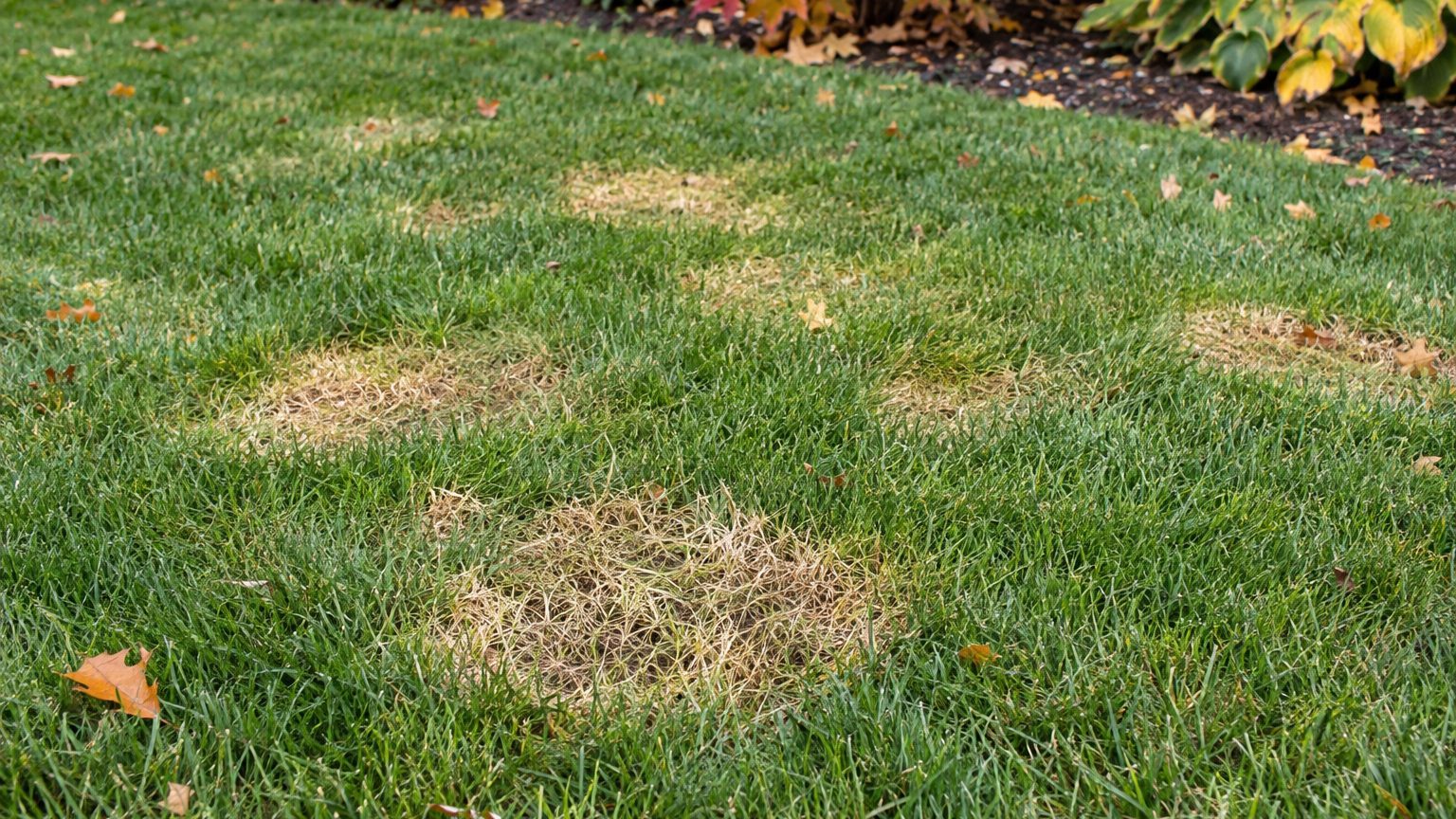
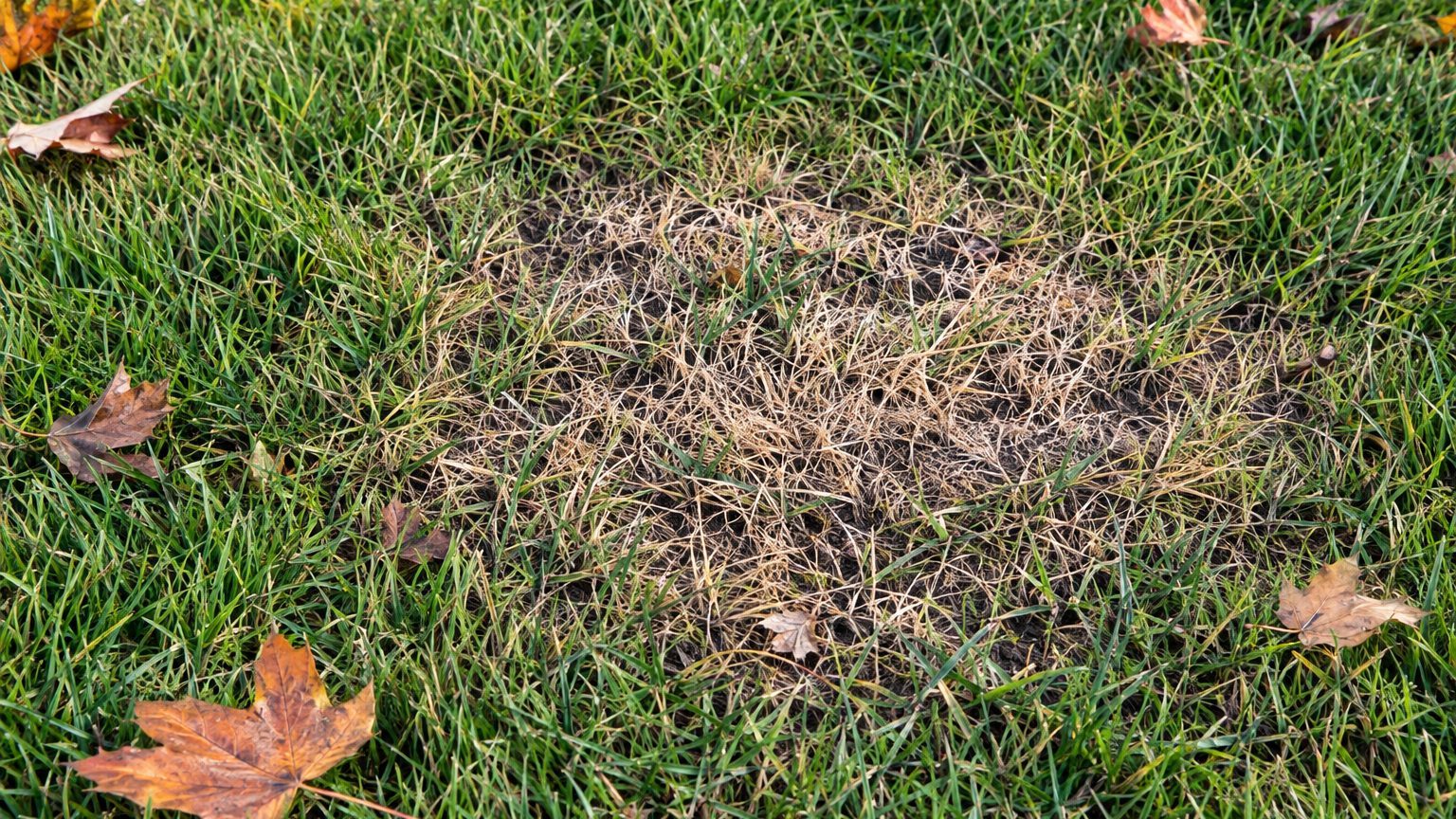
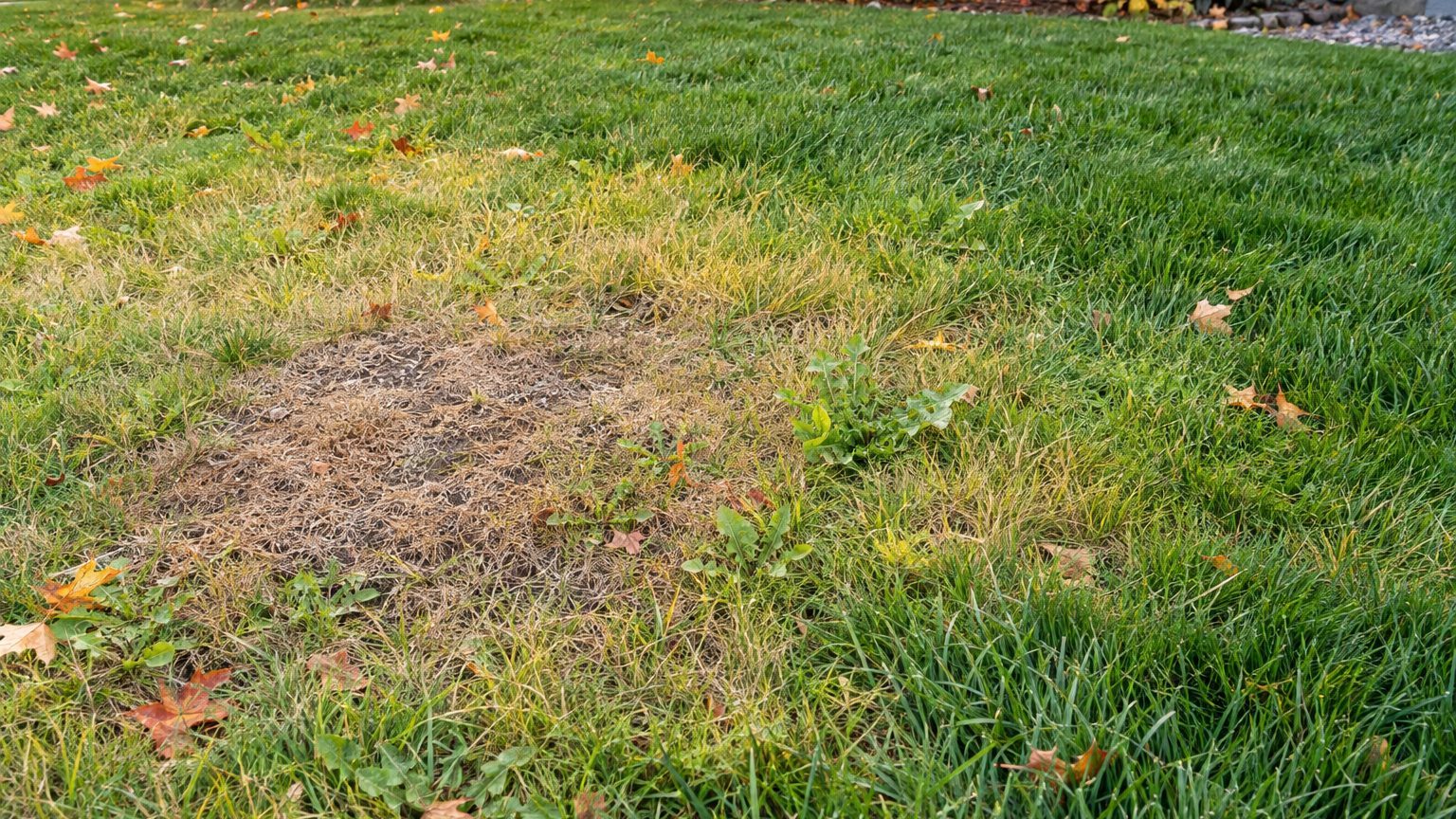
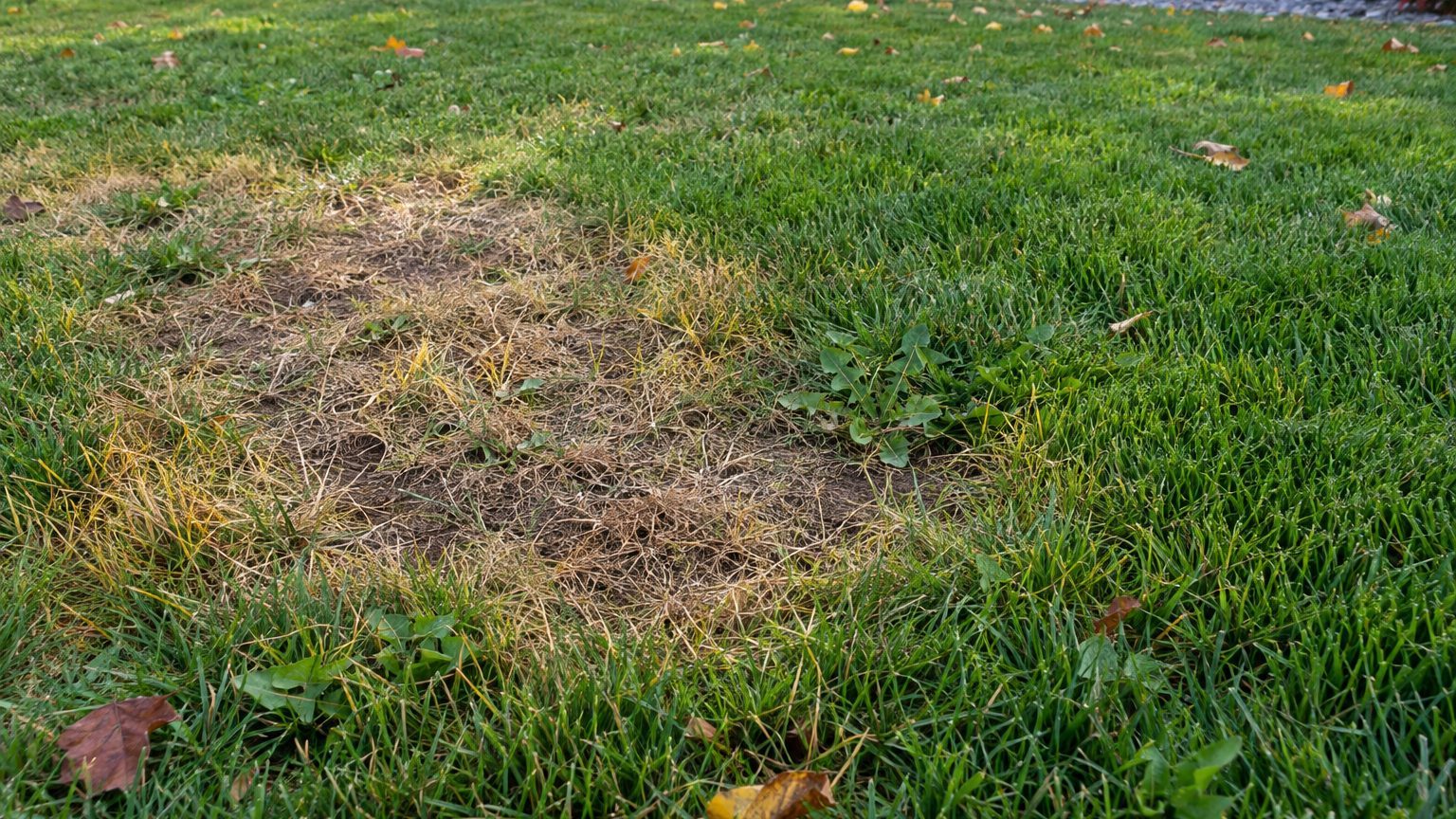
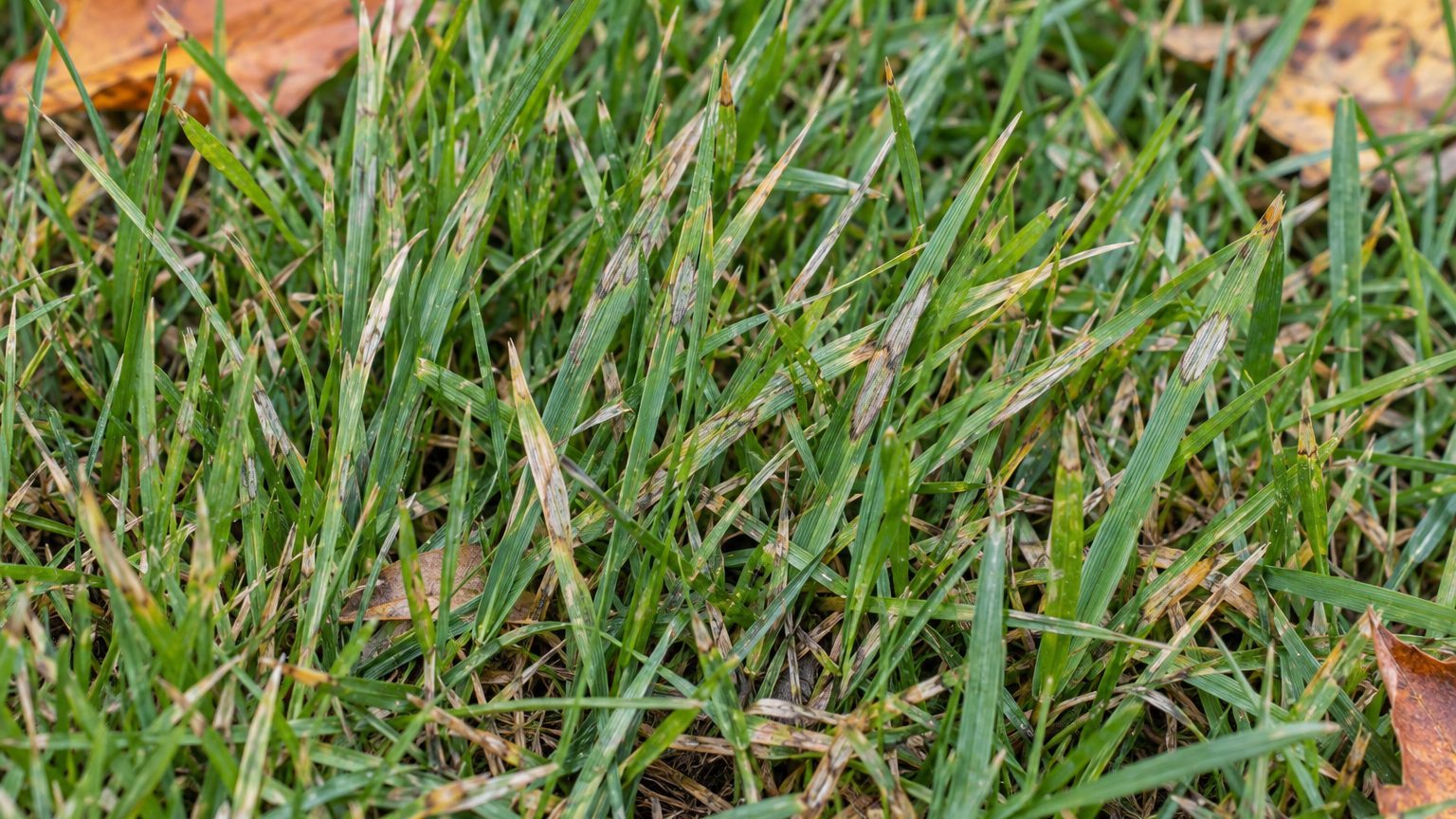
When a lawn that looked fine starts showing tan, oval spots on the blades during warm, humid weather, gray leaf spot is a likely cause. It is a fungal disease of warm-season turf and some cool-season grasses. Knowing what it looks like and what feeds it lets you step in before the thinning starts.

Gray Leaf Spot Symptoms

Gray Leaf Spot in Lawns: Signs, Treatment and Prevention

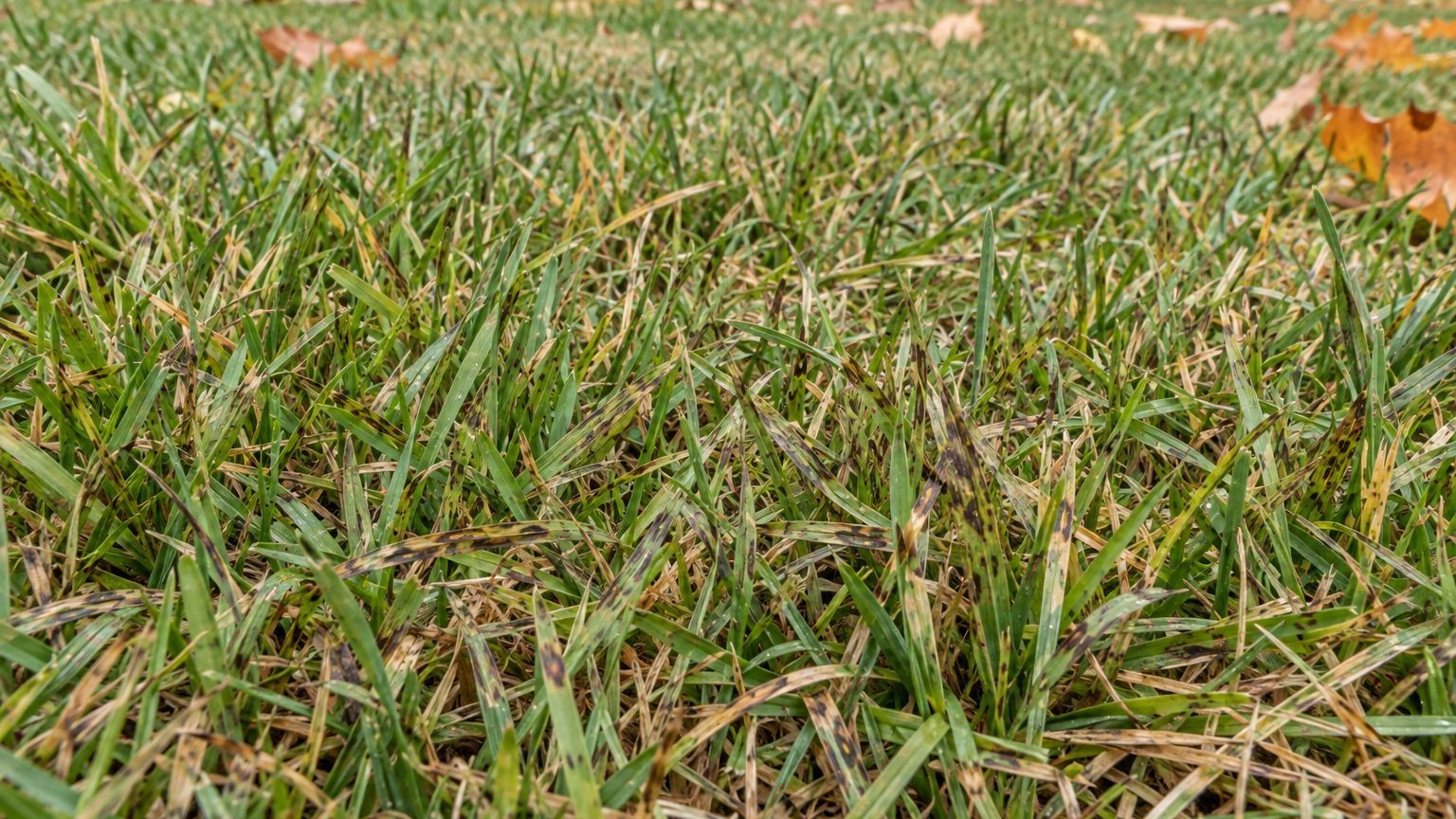
Look at individual blades first, because the spots tell the story better than the overall color of the lawn.

  • On St. Augustinegrass, the spots grow into large, oval or elongate patches in tan to gray, edged with purple or brown.
  • Young spots start small and brown before they stretch and fade to gray.
  • A yellow halo may ring some spots, or whole leaves may turn yellow.
  • In warm, humid weather, a grayish fuzz of mycelium and spores forms on dying foliage, which gives the spots their gray look.
  • On St. Augustinegrass, the disease is most active from June through August.
  • In tall fescue and perennial ryegrass, most cases appear from late July through September.

In warm, humid weather, check the blades for gray fuzz.

Lawn Problems Mistaken for Gray Leaf Spot

Pythium blight and brown patch are often blamed for the same damage. Both can leave a lawn looking ragged in warm weather, so a closer look at single blades settles it.

Matching the pattern in the lawn with a clue on the leaf blade keeps you from guessing.

Looks like How to tell them apart
Pythium blight: matted, greasy-looking leaves in tall fescue or perennial ryegrass Gray leaf spot also mats the leaves, but the blades carry oval spots with purple or brown borders and a gray fuzz in humid weather.
Brown patch: infected patches that expand rapidly across the turf Gray leaf spot patches can also expand rapidly, but up close the blades show individual tan to gray spots with borders and sometimes a yellow halo.

Leaf spots caused by Bipolaris fungi can also look similar. Their lesions vary in shape, so lesion shape alone is not enough to go on. Match the lesion with the season, the grass type and the gray spore fuzz before you decide.

What Causes Gray Leaf Spot

A fungus causes the disease. It thrives when warm air meets wet leaves, and the spores spread from the dying foliage it colonizes.

Temperature and leaf wetness work together. According to Penn State Extension, the disease is most severe with optimal temperatures from 82 to 90°F. According to University of Georgia Extension, gray leaf spot is favored by daytime highs from 80ºF to 90ºF and nights above 65ºF, which explains why muggy Southeast summers hit hard. According to NC State Extension, infection requires at least 14 hours of continuous leaf wetness.

Grass choice matters too. The disease occurs most commonly on St. Augustinegrass, common in lawns along the Gulf Coast and across the Southeast. It also attacks fescues, kikuyugrass and ryegrasses, and occasionally turns up on bermudagrass and centipedegrass in home lawns. A lawn of tall fescue or perennial ryegrass in the Midwest or Mid-Atlantic is therefore not safe just because it is a cool-season mix.

How to Treat Gray Leaf Spot

Treatment starts with confirming the disease, then slowing it down and getting local advice on fungicide, since labels and approvals differ from state to state.

  1. Confirm the diagnosis by looking for bordered oval spots on the blades together with gray fuzz in humid weather, so you do not treat for the wrong disease.
  2. Mow when the grass is dry and bag the clippings from affected areas, because wet blades and loose clippings carry spores to healthy turf.
  3. Rinse the mower deck and blade after cutting infected areas, so the spores do not travel to the rest of the yard.
  4. Ask your state’s extension office whether a fungicide is approved for home lawns where you live and how it should be applied.
  5. Time any fungicide before the disease returns rather than after the damage shows. In central Ohio, applications begin around August 1, before the onset of disease.
  6. Keep foot traffic off the wet, infected turf, so the spores are not tracked around the lawn.

Recovery depends on how much living turf remains and on the grass type.

How to Prevent Gray Leaf Spot

Prevention is mostly a matter of keeping leaves dry and growth steady, with each habit placed in its own part of the season.

  • In early spring, sharpen the mower blade and clean off old clippings and debris, so cuts stay clean and fewer spores carry over.
  • In late spring, stop nitrogen on susceptible grasses, because the soft, fast growth it brings is easy prey for the fungus.
  • Through summer, water before sunrise and never in the late afternoon or evening, as North Carolina advice puts it.
  • In Florida, irrigation between 2:00a.m. and 8:00a.m. generally dries quickly on sunny days and limits the wet conditions the pathogen needs.
  • In midsummer, walk the lawn regularly on humid mornings to catch early brown spots before they spread.
  • Through summer, do not apply nitrogen to susceptible turf.

Common Questions

Will Gray Leaf Spot Come Back Every Year?

It can. The fungus produces spores on dying foliage, so the disease may return whenever warm, humid weather and wet leaves line up again. Keeping leaves dry makes conditions less favorable for infection.

Can a Dry Week Stop Gray Leaf Spot?

Dry leaves slow it down, because infection depends on long stretches of wetness. A dry week will not repair spots already on the blades, but it can keep new ones from forming.

Will Thinned Areas Grow Back on Their Own?

Often they do once the weather cools and the grass resumes growing, as long as the crowns survived. Badly thinned patches may need repair suited to the grass type.
Fusarium Blight in Lawns: Signs, Treatment and Prevention

Fusarium Blight in Lawns: Signs, Treatment and Prevention

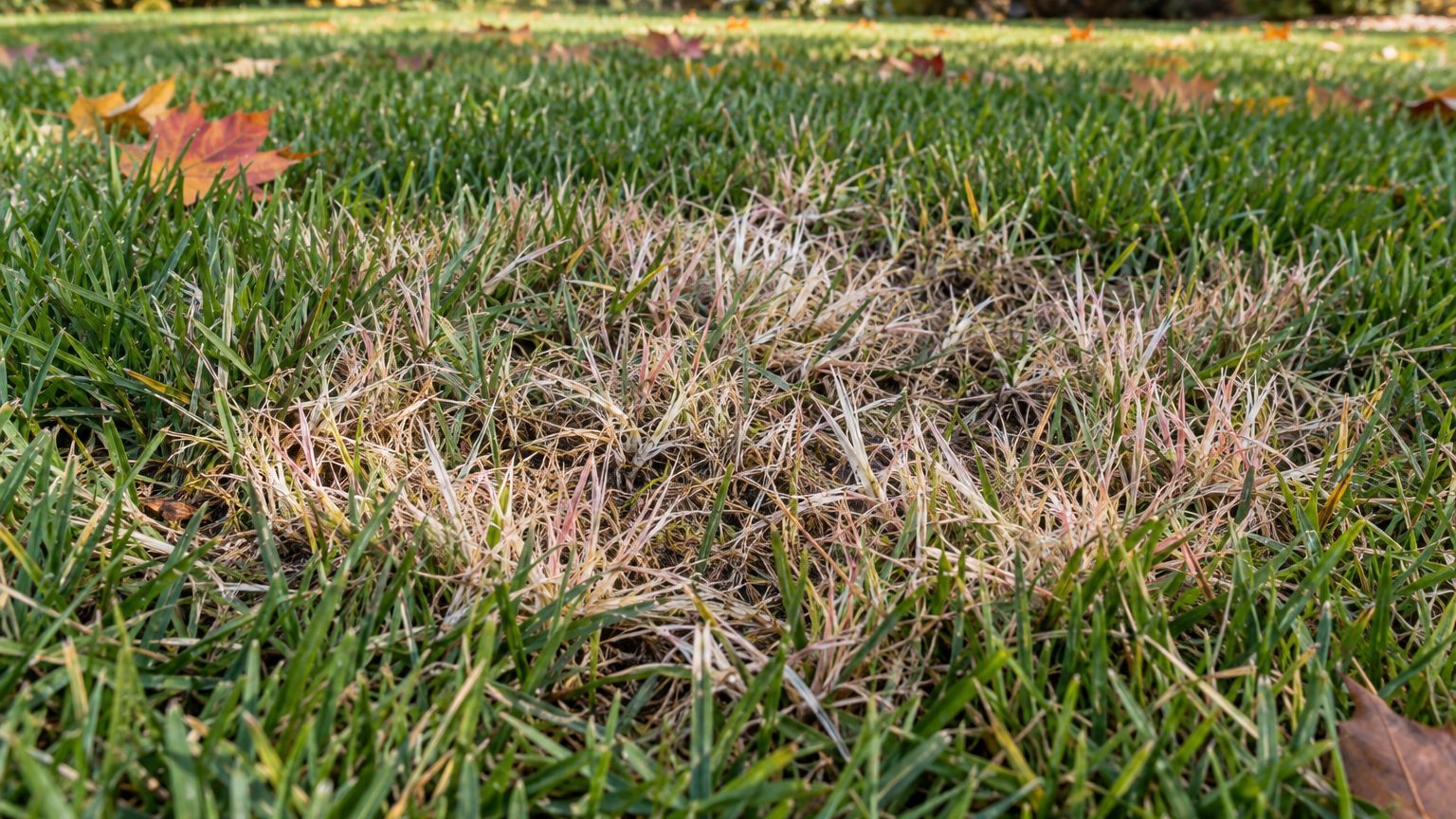
Small, straw-colored circles often appear on a Kentucky bluegrass lawn in the heat of summer, just as the grass seems to be coping fine. They are the usual calling card of Fusarium blight, a fungal disease of stressed turf. Knowing what the patches look like, what sets them off, and what to change in the yard keeps a few circles from becoming a bigger problem.

Fusarium Blight Symptoms

Fusarium Blight on a lawn

The shape of the damage offers useful clues that sit right in the patch itself.

  • Some plants in the center of a circle may survive, which leaves a frog eye or donut look with green grass inside a ring of dead grass.
  • Lawns with the disease show small, circular grayish to straw-colored areas of dead grass.
  • Circular or crescent-shaped patches a few inches to 2 or 3 feet across appear in Kentucky from late July through August.
  • Pull up a dead stem and look at the base, where the crown is affected with a reddish rot that feels hard and tough.
  • In California, drought-stressed areas in full sun favor the disease.

A circle with a green center points toward Fusarium blight, while reddish crown rot adds support to the diagnosis.

Lawn Problems Mistaken for Fusarium Blight

Necrotic ring spot and summer patch produce similar symptoms in Kentucky bluegrass. Before they were told apart, they were lumped together in an unexplained disease complex called Fusarium blight, so the confusion has a long history.

Timing helps separate them because necrotic ring spot and summer patch produce similar symptoms in the same grass.

Looks like How to tell them apart
Necrotic ring spot: rings or patches of dead grass in Kentucky bluegrass Symptoms often appear in early summer, earlier than Fusarium blight shows up
Summer patch: circles or crescents of dead grass in Kentucky bluegrass Develops in middle to late summer, and it is the more common of the two in Kentucky landscapes

Plain drought stress can also leave tan, crispy turf in sunny spots. It usually lacks the ring shape and the reddish crown rot, and the grass greens up again after a deep soaking.

What Causes Fusarium Blight

A fungus living in the soil, thatch and old grass residues causes it. It stays quiet until the weather and the lawn line up in its favor, then it attacks roots and crowns.

According to UC IPM, University of California, the disease is favored by daytime temperatures of 85° to 95°F and night temperatures of 70°F or above. Drought-stressed areas in full sun are the usual trouble spots. According to University of Illinois Extension, the first root infections occur in spring when soil temperatures stabilize at 65 to 70 F at the 2-inch depth, long before any patch shows.

Lawn type matters too. Kentucky bluegrass is a susceptible grass, and annual bluegrass, a common weed in turf, is a host as well.

How to Treat Fusarium Blight

Treatment is mostly about easing the stress on the grass, since the fungus is already in the lawn and the goal is to help turf outgrow it.

  1. Confirm the symptoms and timing before choosing a treatment, because necrotic ring spot and summer patch can look similar.
  2. In California, water for the appropriate length of time to ease drought stress.
  3. According to UC IPM, University of California, do not apply more than 1 pound nitrogen/1,000 square foot/application.
  4. According to UC IPM, University of California, do not apply more than 6 pounds annually.
  5. Repair bare spots with grasses suited to your area when local conditions favor establishment.

If the patches keep spreading, your state extension office can tell you which fungicides are registered where you live and whether they are worth using on a home lawn.

How to Prevent Fusarium Blight

Prevention follows the calendar, and useful work starts before summer heat arrives.

  • In early spring, test the soil and aim for a pH of 5.5 to 6.0, the range Illinois guidance recommends for keeping turf healthy.
  • Before the hot months, check the thatch layer and dethatch if it is more than 1/2 inch thick, as California guidance advises, since the fungus survives in that material.
  • Through early summer, mow at the taller end of the range for your grass so the shaded soil stays cooler and roots go deeper.
  • During heat waves, water deeply enough to reach the roots and keep sunny, exposed areas from drying out.
  • When local conditions favor seeding, repair thin areas with grasses suited to your area.

Watch south-facing slopes and strips beside driveways, which can dry out quickly.

Common Questions

Should You Bag Clippings from Affected Patches?

Focus on appropriate watering, nitrogen limits and thatch management instead of treating clipping removal as the main control.

Can Fusarium Blight Come Back Next Summer?

It can. The fungus stays in the soil and thatch, so the same hot, dry conditions that brought it on can trigger new circles, often in the same sunny spots. Steady watering and a thinner thatch layer reduce the odds.

Can You Reseed Dead Patches Right Away?

Wait until the weather cools and the patches stop spreading. Seed sown into hot, dry soil struggles to root, and a young seedling is more vulnerable than established turf. Loosen the surface, rake out the dead grass, and sow a blend suited to your area.

Dollar Spot in Lawns: Signs, Treatment and Prevention

Dollar Spot in Lawns: Signs, Treatment and Prevention

Small, straw-colored circles scattered across a closely mowed lawn are a common sign of dollar spot. The disease is a fungus that thrives in warm, damp, humid stretches, and it is manageable with the right mowing, feeding and watering habits.

Dollar Spot Symptoms

Dollar Spot on a lawn

The fungus leaves a clear trail on the blades and across the turf, and the distinguishing sign appears on the blade itself.

  • Look for an hourglass-shaped lesion on a single blade, which separates dollar spot from brown patch and Pythium blight.
  • Check the leaves for a reddish band across the blade, often after the tissue looks watersoaked and then turns brown.
  • Measure the spots on closely mowed turf, where straw-colored circles run about 2 to 6 inches across.
  • Watch for small, circular spots from 1–5 inches in diameter that can merge into large, irregular areas.
  • Notice white to straw-colored, circular, sunken patches that range from less than ½-inch to more than 4 inches in diameter.

Spots on taller grass such as Kentucky bluegrass and perennial ryegrass are easier to see on the leaf blades than on the turf surface.

Lawn Problems Mistaken for Dollar Spot

Several lawn troubles leave brown, round patches, and a quick glance can send you after the wrong fix. Look at the blade itself and at the pattern across the yard before you decide.

The hourglass lesion on an individual blade distinguishes dollar spot from brown patch and Pythium blight.

Looks like How to tell them apart
Brown patch Larger, uneven brown areas in the turf, and the blades lack the hourglass-shaped lesion that dollar spot leaves.
Pythium blight Patches that develop in wet, hot weather, and the blades lack the hourglass-shaped lesion that dollar spot leaves.

Pull a few blades from the edge of a patch and look at them closely in good light. If the lesions are hourglass-shaped and the patches are coin-sized, you are most likely dealing with dollar spot.

What Causes Dollar Spot

A fungus causes the disease, and it lives in the turf and thatch until the weather suits it. Conditions that keep the leaves wet for long stretches give it the opening it needs.

According to University of Maryland Extension, the pathogen is most active when temperatures run between 60°F and 85°F and relative humidity is above 90%. According to Purdue Extension, infection follows dew periods longer than 8 hours across temperatures of 55-80 degrees F, and the pathogen wakes up as spring temperatures rise. According to University of Georgia Extension, infections develop rapidly at temperatures between 60 and 75 degrees Fahrenheit.

Timing differs by place. Under favorable conditions the disease may appear 12 months out of the year in Maryland, while in Georgia it is most prevalent during spring and fall.

No grass is safe. Dollar spot affects all warm and cool season grasses, and it is particularly severe on bermudagrass and seashore paspalum.

How to Treat Dollar Spot

Treatment starts with changing what the lawn is doing, and the steps below go in the order you would do them.

  1. Confirm the diagnosis by checking blades for the hourglass lesion, so you do not treat the wrong problem.
  2. Mow regularly to a height of 2-3 inches, which hastens turf recovery.
  3. Fertilize adequately, since a lawn short on nitrogen is more open to the disease.
  4. Apply supplemental fertilizer at 0.2 pound of nitrogen per 1,000 square feet in midsummer, which suppresses the disease.
  5. In California, water for an appropriate length of time to a depth of 4–6 inches without extending the interval too long.

Fungicides are a decision for your state extension office, which knows which products are approved where you live. Start with the cultural practices above.

How to Prevent Dollar Spot

Prevention follows the season, because the fungus wakes up as the weather warms and keeps going while the leaves stay damp.

  • In California, reduce built-up thatch as part of dollar spot prevention.
  • Through the growing season, keep mowing regularly at 2-3 inches so the turf stays dense and recovers quickly.
  • In California, water for an appropriate length of time to a depth of 4–6 inches without extending the interval too long.
  • In midsummer, apply 0.2 pound of nitrogen per 1,000 square feet to keep the lawn fed when the disease can take hold.
  • In spring and fall, watch closely in Georgia, where those are the seasons the disease is most prevalent.

Early morning watering is a simple habit that shortens how long the blades stay wet.

Common Questions

Does Dollar Spot Kill the Grass?

Usually the turf is damaged, not killed, and it recovers with regular mowing and feeding. Spots that merge into large areas take longer to fill in.

Can Dollar Spot Appear in Winter?

In Maryland, under favorable conditions, the disease may appear 12 months out of the year. In Indiana, the pathogen becomes active as spring temperatures rise.

Which Grasses Get Dollar Spot?

All warm and cool season grasses can. Bermudagrass and seashore paspalum are hit particularly hard, and symptoms are easier to spot on taller Kentucky bluegrass and perennial ryegrass.

Brown Patch in Lawns: Signs, Treatment and Prevention

Brown Patch in Lawns: Signs, Treatment and Prevention

Brown patch shows up as rings of dying grass, usually when summer turns sticky and the nights stay warm. It is a fungal disease, and it spreads fast through lush, wet turf. Knowing what it looks like, what feeds it and when to act keeps a bad spell from becoming a bare lawn.

Brown Patch Symptoms

Brown Patch on a lawn

Start by looking at the shape of the damage, since the outline is a useful clue.

  • Roughly circular patches appear in the lawn, and in grass mowed higher than 1 inch they run from 6 inches to several feet across.
  • In close-cut turf mowed at 1 inch or less, the circles are brown or orange and can start as small as a few inches.
  • On a tall lawn the patches look brown, tan or yellow, so the color alone tells you little.
  • Up close on cool-season grass, individual blades carry small, irregular, tan spots with dark-brown borders.
  • In the Upstate of South Carolina, symptoms often become obvious around the first week of May.

The spots on the blades are a useful sign because many other problems also leave a brown circle.

Lawn Problems Mistaken for Brown Patch

Several other lawn diseases leave a similar patch, so a brown circle by itself is never enough to settle the matter. Pair what you see on the blade with where on the plant it starts.

Check the leaf and the surface of the grass before you decide anything, since each lookalike gives itself away in one place.

Looks like How to tell them apart
Gray leaf spot Lesions resemble brown patch, but the growth on the grass is gray mold, unlike the cottony mycelium brown patch and dollar spot produce.
Large patch on warm-season grass The fungus attacks the leaf sheaths, leaving water-soaked, reddish-brown or black lesions, rather than spotting the blade.

Pythium blight is the other common mix-up, and it also shows up in hot, wet weather. Because the two are so easy to confuse, a sample taken to your county extension office is worth the trip before you spend money on treatment.

What Causes Brown Patch

The cause is a fungus living in the soil and thatch that wakes up when the weather turns warm and wet. Grass gets infected when blades stay damp for long stretches and the nights never really cool off.

In Maryland, the disease is favored by daytime temperatures of 70 to 90°F, overnight temperatures above 68°F, and relative humidity of 95% or higher or leaf wetness lasting more than 10 hours. In Pennsylvania, it is described as a midsummer disease, with nights above 68°F and daytime temperatures averaging 80°F or above. Ohio’s guidance points to hot wet days above 80 to mid 90s, warm nights in the mid 60s and above, and wet soils.

In California, the fungus is active at 80°–95°F with high humidity, and soft, lush growth from excessive nitrogen gives it an easy target. In the Southeast, brown patch is the most common and important disease of tall fescue. In South Carolina, cool-season grasses can also be hit during warmer periods of the winter months.

How to Treat Brown Patch

Treatment is mostly about changing the conditions around the grass, because favorable weather allows the disease to develop.

  1. Confirm the diagnosis by checking the blades for tan spots with dark-brown borders, so you do not treat a different disease.
  2. Water early in the morning when possible, so the grass dries through the day and the leaves are not wet through the night.
  3. In North Carolina, avoid heavy nitrogen feeding while conditions favor the disease.
  4. Mow when the grass is dry and keep the blades sharp, which avoids spreading infected clippings and leaving ragged cuts that stay wet.
  5. Bag or rake clippings from the affected area if the patches are spreading, so you are not carrying the fungus across the lawn.
  6. Ask your state’s extension office about a fungicide only if the damage keeps spreading, because they know what is approved where you live.

Lawns can recover once the weather cools because the disease may damage the blades while leaving the crowns alive. Expect the grass to fill back in from the roots rather than needing a full reseed.

How to Prevent Brown Patch

Prevention follows the season, with useful steps beginning before warm, humid weather arrives.

  • In early spring, dethatch or core aerate if the thatch is thick, so water and air move through the soil and the fungus has less of a home.
  • In late spring, keep any nitrogen to 0.5 lb per 1,000 square feet or less, which in North Carolina testing did not increase severity.
  • When conditions favor the disease in summer, North Carolina advice is to apply no more than 0.5 lb nitrogen per 1,000 square feet, so skip heavy feeding in a muggy spell.
  • Through summer, water deeply and early in the morning, and mow on a dry lawn so the grass is not damp all night.
  • In fall, when cool-season grasses grow best, feed with no more than 1 lb nitrogen per 1,000 square feet at any one time to build strength without lush, soft growth.

Good airflow also helps, so trim back shrubs and low branches that trap humid air over the lawn.

Common Questions

Does Brown Patch Kill the Grass?

Usually not. The fungus mostly attacks the leaf blades, so the plants often regrow once cooler, drier weather returns. Severe or repeated outbreaks on stressed turf can thin the lawn enough to need overseeding.

Can Brown Patch Happen on Any Type of Lawn?

It affects many turfgrasses, and in the Southeast it is the most common and important disease of tall fescue. Warm-season lawns can get a related problem called large patch, which looks different up close.

Should You Rake Up the Patches?

Raking out dead grass and thatch helps air reach the soil and gives the lawn a cleaner start. Bag the debris from the infected spots rather than spreading it over healthy turf.

Anthracnose in Lawns: Signs, Treatment and Prevention

Anthracnose in Lawns: Signs, Treatment and Prevention

Irregular tan to bronze patches that spread across a lawn in the heat of summer, with grass blades that yellow from the tips down, often point to anthracnose. It is a fungal disease that targets grass already stressed by heat, drought or poor fertility. Knowing the signs, the look-alikes and the habits that keep it away makes the difference between a passing blemish and a thinning lawn.

Anthracnose Symptoms

Anthracnose in Lawns: Signs, Treatment and Prevention

The disease leaves signs you can check on the grass itself, beginning with changes in the blades and stems.

  • Leaf blades turn yellow, then reddish brown or bronze, starting at the tips and working down toward the crown.
  • Look closely at the lower stems and leaf sheaths, where the base of the plant turns dark brown or black and rots.
  • Tiny black specks, like pepper, dot the dead tissue, and a hand lens reveals their tiny spiny structures.
  • Patches are irregular in shape and range from small spots to large stretches of thin, yellowing turf.
  • In South Carolina, the disease shows up at the peak of hot weather on cool-season grasses that are barely growing, and in Kansas it is tied to midsummer heat injury but can also appear in spring and fall.

Give the grass a gentle tug. Infected stems at the base often break away easily, which tells you the damage is at the crown and not just on the leaf.

Lawn Problems Mistaken for Anthracnose

Yellow or tan turf in summer has many causes, and the fungus is only one of them. The pattern in the lawn and the condition of the plant base help separate the usual suspects.

Dry weather and insect feeding can look similar, so rule them out before you treat for disease.

Looks like How to tell them apart
Drought stress Grass turns bluish gray and stays curled or footprinted, and it greens up again soon after a deep watering, while anthracnose stems are rotted at the base.
Grub damage Turf feels spongy and lifts like a loose carpet, and white C-shaped grubs sit in the root zone, while anthracnose leaves roots attached.
Dog urine spots Round dead patches ringed with darker green grass, found where pets go regularly, while anthracnose patches have no green ring and show black specks on stems.

If the grass has dark, rotted stem bases and those black specks, the cause is the fungus. A local extension office can confirm a diagnosis from a small turf sample.

What Causes Anthracnose

A fungus living in thatch and old plant debris causes the disease, and it waits for grass to weaken. Spores germinate within 2-6 hours once conditions allow, according to Pennsylvania guidance, so a short wet spell on stressed turf is enough to start an infection.

Weather sets the stage. In Illinois, the leaf blight phase generally occurs during periods of 80 to95 F heat stress combined with prolonged leaf wetness. In Iowa, warm and humid weather favors both leaf blight and basal rot on almost all turfgrass species. Cool, damp spells in early spring can also trigger it, as Pennsylvania notes.

Stress and feeding habits tip the balance. Low potassium in the soil leaves grass more vulnerable, and in Iowa the advice is to avoid high nitrogen rates during dry periods or high temperatures. Compacted soil, close mowing and shallow, frequent watering add to the problem. Cool-season lawns such as Kentucky bluegrass, perennial ryegrass and annual bluegrass in hot summers are common victims, while centipedegrass in South Carolina can be hit during very rainy spells in spring and summer.

How to Treat Anthracnose

Once symptoms appear, the goal is to ease stress on the grass and give it a chance to recover while the weather turns.

  1. Confirm the diagnosis by checking stem bases and black specks, so you do not treat drought or grubs as a disease.
  2. Raise the mower height and mow only when the grass needs it, because taller blades shade the crown and shed less heat stress.
  3. Water deeply but not too frequently, as Iowa guidance puts it, so leaves dry between waterings and roots reach deeper.
  4. In Iowa, avoid high nitrogen rates during dry periods or high temperatures.
  5. Test the soil and correct potassium if it is low. Pennsylvania guidance sets the target above 50 ppm in soil and above 2% in clipping tissue.
  6. Bag or remove clippings from infected areas, so spores do not spread across the yard on the mower.

Fungicides exist for severe or repeated outbreaks, but which products are registered varies by state. Your state extension office can name what is legal and suitable for your grass, and the lawn may recover as the weather changes and care improves.

How to Prevent Anthracnose

Prevention follows the growing year, with each season adding a habit that keeps the grass strong before heat arrives.

  • In early spring, test the soil and fix potassium if it is short, so the lawn enters summer with the nutrients it needs.
  • In late spring, set the mower to a taller height and keep blades sharp, which reduces wounds that let the fungus in.
  • Water thoroughly but not too frequently, giving the leaves time to dry between waterings.
  • In Iowa, avoid high nitrogen rates during dry periods or high temperatures.
  • In fall, rake or dethatch heavy buildup and aerate compacted areas, which cuts down the debris where the fungus overwinters.

Choose resilient grass types when overseeding, since a dense, well-adapted lawn handles heat and wet spells far better than a thin one.

Common Questions

Will Anthracnose Kill My Whole Lawn?

Rarely. Healthy turf usually recovers when conditions improve, though badly rotted patches may need overseeding once the weather settles.

Can Anthracnose Come Back Every Year?

Yes, because the fungus lives in thatch and debris. Strong turf and good watering habits keep outbreaks mild.

Does Anthracnose Spread to Other Plants in the Yard?

Lawn anthracnose affects grass. Many trees and shrubs have their own forms of the disease, but they do not usually pass it to turf.

Best Grass Seed for Yukon

Best Grass Seed for Yukon

A good Yukon lawn starts with seed that was bred for cold winters and a short, bright summer. Kentucky bluegrass and fine fescues are the seeds that settle in around Whitehorse, Dawson City and Watson Lake, with perennial ryegrass as a minor partner. Sow them in June, once the ground has thawed.

Which Grass Grows Best in Yukon?

Cool-season grass is the only kind that makes sense here. Whitehorse sits in Canadian hardiness zone 1b (a Canadian rating, not a USDA zone), and warm-season grasses cannot survive winters that cold. Three cool-season species carry Yukon lawns, each with a different role.

Kentucky Bluegrass

Kentucky bluegrass is the backbone of cold-climate lawns across the northern continent, and Yukon is no exception. It tolerates hard winters and spreads by underground stems, so it slowly fills small bare spots without help.

The trade-off is patience. It germinates slowly, so a June seeding needs steady moisture to get through the long wait before green appears. It rewards that care with a dense, even turf in full sun.

Fine Fescues

Fine fescues (creeping red, chewings and hard) are the practical choice for yards that are not perfect. They put up with shade from spruce and birch, poor soil and low fertility better than bluegrass does.

They also stay fine-textured with less feeding and less water. If your lawn sits under trees or you would rather mow less, they deserve a large share of the seed mix. They blend well with bluegrass.

Perennial Ryegrass

Perennial Ryegrass — Best Grass Seed for Yukon

Perennial ryegrass sprouts fast, which makes it handy as a quick cover on a bare patch. The catch is that it is short-lived in the coldest winters, and a Yukon winter qualifies.

Treat it as a helper rather than the foundation. A small share in a mix gives early green while the slower grasses catch up. Expect it to thin out over time, then let the bluegrass and fescue take over.

How to Choose Grass Seed for a Yukon Yard

Your own yard decides the mix more than the territory does. Look at how much sun it gets, how many feet cross it, and how much time you want to spend with a hose and a mower.

Most Yukon lawns do well with a blend of bluegrass and fine fescue, tilted toward whichever suits the harder part of the yard. The table gives the lean for each situation.

Your yard Grass Why it fits
Open, sunny lawn Kentucky bluegrass Dense turf that recovers well from winter damage
Shade under spruce or birch Fine fescues Handles low light better than bluegrass
Little watering available Fine fescues Gets by with less water and feeding
Less mowing wanted Fine fescues Stays fine and slow-growing
Kids and dogs running across it Kentucky bluegrass Spreads to repair worn spots

For a bare patch that needs green fast, a little perennial ryegrass mixed in helps, with the understanding that it will not last through the hardest winters.

Which Grasses Grow Where in Yukon

The same three grasses work across the territory, but the length of the growing season and the winter lows shift the odds from place to place.

  • Whitehorse and the Southern Lakes: Bluegrass and fine fescue mixes suit lawns here. Bluegrass and fine fescue mixes grow well, and perennial ryegrass has a fair chance as a minor part of the blend.
  • Dawson City and the Klondike: Winters are colder and the season shorter, so lean on bluegrass and fine fescue and leave ryegrass out. Seed in June, once the ground has thawed.
  • Haines Junction and higher ground: Cooler soil warms later, so wait for a proper thaw before sowing. Hardy fescues are a safer bet than ryegrass.

Districts north and uphill of Whitehorse run weeks behind it, so give them extra time before you sow.

Grass Seed Mistakes to Avoid in Yukon

Buying the Wrong Mix

A bargain bag built for milder regions can include grasses that never survive a Yukon winter. Read the label and look for Kentucky bluegrass, fine fescues, and at most a modest share of perennial ryegrass.

If the bag relies on species other than Kentucky bluegrass, fine fescues, or perennial ryegrass, put it back. A local garden centre can point you to seed suited to the cold.

Seeding at the Wrong Time

Spring is the season for seed here, because the summer is too short for a fall seeding to root before freeze-up. June is the target, once the ground has thawed. If June slips away, July still works.

Whitehorse averages its last spring frost around June 5, and in one year out of two the frost comes later than that. Treat the date as the middle of a window, not a safe date. First frost arrives around August 25 on average, which is why a late sowing leaves little time to establish.

Burying or Skimping the Seed

Grass seed is tiny and needs light and contact with soil. Cover it with no more than 6 mm (0.25 inch) of soil, or just rake it in lightly. Deeper than that, and many seedlings never reach the surface.

Spreading too thinly leaves room for weeds, while piling it on makes seedlings crowd and weaken one another. Follow the rate printed on the bag and spread it evenly.

Where to Get Lawn Advice in Yukon

Canada has no county extension offices, so advice comes from the federal and territorial agriculture departments, local growers, and garden centres. Each can tell you what has worked in your own corner of the territory.

  • Agriculture and Agri-Food Canada publishes general guidance for cold-climate growing, and Yukon’s own agriculture branch can answer questions about local conditions before you buy seed in spring.
  • A local garden club or master gardener group knows which yards in your neighbourhood have held up, so ask them at the start of the season.
  • A garden centre in Whitehorse can show you seed mixes suited to the territory, so stop in before the June sowing window opens.

Common Questions

When Should You Fertilize a Yukon Lawn?

June is when the first feeding goes down, once the grass is actively growing. August also works for a second feeding. Skip fertilizer on frozen or barely thawed ground, since the grass cannot use it yet.

When Can You Start Mowing a New Lawn?

Mowing runs from June through September in Yukon. Wait until the new grass has clearly taken hold before mowing it, and keep the mower blade sharp so seedlings are cut rather than torn out.

How Long Should You Water Newly Seeded Grass?

Water from June through August, and keep the top layer of soil moist while the seed sprouts. Short, regular watering suits the shallow roots better than an occasional soaking. Ease off as the lawn thickens.

Lawn Problems and Solutions in Yukon

Lawn Problems and Solutions in Yukon

A lawn in the Yukon wakes up slowly, and the usual sight after the snow melts is matted, pale grass or a bare patch where something went wrong over winter. Most lawn trouble in the territory comes from the cold, the short season and the way the grass is cared for, not from insects.

Lawn Pests and Diseases in Yukon

Snow Mold After Melt

Snow Mold After Melt — Lawn Problems and Solutions in Yukon

Snow mold shows up as flattened, grayish or pinkish circles of matted grass right after the snow leaves. It forms under a long snow cover on turf that went into winter long and wet. The grass underneath is often still alive.

Rake the mats gently so air reaches the crowns and the surface dries. Most patches grow back on their own once the weather warms.

Winterkill Patches

Winterkill leaves tan or brown ground where the grass never greens up, and the dead blades pull away with no resistance. It is common in exposed, windy spots, and Whitehorse’s Canadian hardiness zone of 1b shows how hard local winters can be.

Scratch the bare spots, loosen the surface and reseed in June once the soil has thawed. July still works. The season is too short for fall seeding.

Dandelions in Thin Turf

Dandelions arrive as flat rosettes of toothed leaves with a thick taproot, and they settle wherever the grass is thin. A thick lawn leaves them little light to sprout.

Pull them when the soil is damp so the whole root comes out. Fill the gap with seed so the spot does not reopen.

Moss in Damp Shade

Moss forms a soft green carpet where the grass has faded, usually under spruce or on the north side of a house, where the soil stays wet and cool. Scraping it off only helps briefly.

Let in more light by thinning low branches, loosen compacted ground and sow a shade-tolerant seed mix in the cleared patch.

Thatch Buildup

Thatch is the spongy brown layer of stems and roots between the green blades and the soil. Cool ground slows decay, so the layer can build up. Push a finger or a knife into the turf and measure it.

A layer up to 1.3 cm (1/2 inch) is healthy. Above that, dethatch or core aerate, ideally in June or July when the grass is growing strongly enough to recover.

How to Tell Which Lawn Problem You Have

A symptom rarely tells the whole story, so pair what you see with where and when it appears. A pale patch in spring means something different from the same patch in August.

Tug a handful of the damaged grass. Whether it pulls out easily or holds fast tells you a lot about the roots.

What you see When and where Points to
Gray or pink matted circles Just after snowmelt, where snow piled up Snow mold
Tan ground, grass pulls out easily Spring, in exposed or windy spots Winterkill
Flat rosettes with a deep root Summer, in thin or sparse turf Dandelions
Green carpet, soft underfoot Any time, in shade and wet soil Moss
Spongy turf, water runs off Summer, across the whole lawn Thatch buildup

Dog urine can also leave small dead spots ringed with dark green grass. Those sit along favorite paths and edges, and they do not match any of the patterns above.

Where Lawn Problems Are Worst in Yukon

The territory is large and its climate shifts a lot from one community to the next. Whitehorse sits at hardiness zone 1b in the Canadian system, and that is the reference point for what follows.

  • Whitehorse and the Southern Lakes: Dry air and wind favor winterkill on exposed lawns. Lakeside yards around Carcross and Marsh Lake stay a little milder.
  • Dawson City and the Klondike: Winters run colder and summers are short and warm, so recovery after winterkill is slower and reseeding must happen early.
  • Watson Lake and the southeast: Wetter ground and deeper snow make snow mold and moss more likely in shaded yards.

Higher or north-facing yards in any of these places warm up later, so give them extra time before you judge a patch dead.

Lawn Care Mistakes That Invite Problems in Yukon

Mowing Too Short

Scalped grass has little leaf to feed its roots, and the bare soil lets dandelions and moss in. Mow regularly from June through September and keep the blade high.

Leave the clippings in place, since they return nutrients to the soil.

Watering Lightly and Often

Shallow sprinkling keeps roots near the surface and the top damp, which suits moss. Water deeply and then let the surface dry between sessions, mainly from June through August.

In Whitehorse the last spring frost falls around June 5 on average, so half of all years bring frost later. Keep newly seeded soil evenly moist while it germinates, even when frost remains possible.

Feeding at the Wrong Time

Fertilizer applied before the grass is growing can run off or sit unused. Wait until June, when the grass is growing, for the first feeding. A second feeding in August also works.

Skip anything later. In Whitehorse the first fall frost arrives around August 25 on average, and soft new growth is easily damaged by it.

Where to Get Lawn Advice in Yukon

Canada has no county extension offices. Instead, turn to the territory’s agriculture staff, local gardening groups and nearby garden centers.

  • Agriculture and Agri-Food Canada, at its national site, offers general plant and soil information, making it a useful place to start in spring.
  • A local gardening group or master gardener club can look at your yard and its conditions, which is useful once the snow is gone.
  • A Whitehorse garden center can help choose a seed mix suited to your light, best done before you sow in June.

Common Questions

Why Does My Lawn Have Yellow Spots with Dark Green Rings?

Dog urine is the usual cause when the spots sit along paths and edges. Flush the area with water soon after and reseed any bare patches.

Should You Bag Clippings in Yukon?

Usually no. Short clippings break down on the lawn and return nutrients. Bag them only when the grass is very long or wet and would form clumps.

Does the Long Summer Daylight Change How You Mow?

Yes. Grass grows fast under long days, so mow regularly and avoid cutting too much at once.

Yukon Lawn Care Schedule, Month by Month

Yukon Lawn Care Schedule, Month by Month

When the snow pulls back from a Yukon yard, it leaves flattened, straw-colored grass that looks beyond saving. It usually isn’t. The lawn year here is short and tightly packed into the warm months, so matching each task to the right month matters.

What to Do Each Month in a Yukon Lawn

Lawn in Yukon

Most of the work lands between June and September, while the cold months mainly call for leaving dormant turf undisturbed. Seeding, feeding, mowing and watering each have a narrow window, so the months below are worth keeping close.

Month In the lawn
January Rest. The grass is dormant under snow and frozen ground.
February Rest. Nothing is growing, so keep heavy traffic and piled snow off the turf.
March Rest. Snow still covers most lawns, and the grass has not stirred.
April Melt begins. Stay off soggy ground and watch for matted patches where snow lingered.
May The ground thaws and the grass slowly wakes. Hold off on seed and fertilizer, because the roots are not yet working.
June The busiest month. Seed bare spots now, give the first feeding once the grass is clearly growing, start mowing, and water as the soil dries.
July Mow and water through the long days. If you missed June, seeding still works in July.
August Keep mowing and watering. A late feeding also works this month, before growth slows.
September Mow as long as the grass keeps growing. Watering can ease off as the days cool.
October Rest. The grass is going dormant, so put the mower away.
November Rest. The lawn is dormant and frozen.
December Rest. Snow cover protects the crowns of the grass.

Seeding belongs to spring and early summer here. The season is too short for fall seeding, because seedlings need warm weeks to root before the ground freezes.

When Does the Lawn Season Start and End in Yukon?

Grass starts growing when the soil warms, not when the calendar says so. Most lawn seed wakes up when the soil reaches 10 to 18 °C (50 to 65 °F), and in Yukon that happens late. A sunny April afternoon feels like spring, but the ground underneath is still cold and often still frozen.

Frost dates tell you about risk to young seedlings, nothing more. In Whitehorse, the average date of the last spring frost is June 5, so in half of all years frost arrives later than that. Treat that date as the middle of a window, not a safe date, and expect colder or higher districts to run later still.

In Whitehorse, the average date of the first fall frost is August 25. That is early, and it explains why the growing season feels so compressed. Established grass shrugs off a light frost, but a seedling sown in July has less time to toughen up than you might hope. Mowing keeps going into September because frost-tolerant lawn grasses keep growing in cool weather.

How the Lawn Calendar Shifts Across Yukon

Yukon is a big territory with real differences in elevation and cold, so your own yard may run ahead of or behind the usual pattern.

  • Whitehorse: The Yukon River valley here is the reference for most timing advice, with a thaw that comes earlier than in the northern and upland communities.
  • Southern Lakes (Carcross and Marsh Lake): Large bodies of water slow the spring warm-up and soften the first autumn cold, so the lawn wakes a little later but may stay green a little longer.
  • Haines Junction: Closer to the St. Elias Mountains, with higher ground and cooler air, so seeding and the first feeding usually wait toward the end of the June window.
  • Dawson City: Farther north, with a deep winter and a late thaw, so everything shifts later and the season is shorter still.

If your yard sits on a slope facing south, it will thaw sooner than a shaded hollow just down the road, so trust what your own ground is doing.

Lawn Care Timing Mistakes to Avoid in Yukon

Seeding in the Fall

Fall seeding is routine in much of the contiguous United States, but it fails here. Seedlings that sprout in late summer have no time to root before the ground freezes, and the thin stand is lost over winter. Sow in June, with July as the fallback.

Feeding Before the Grass Grows

A spring feeding on thawed but cold soil mostly runs off or sits unused, because the grass is not drawing nutrients yet. It wastes fertilizer and money. Wait until June, when the lawn is clearly growing, and consider a late feeding in August.

Trusting the Frost Date

In Whitehorse, sowing seed on June 5 because it is the average last frost date is a gamble, since half of all years bring a frost after it. A frost after germination can set young grass back. Seed once the soil has truly warmed, and keep an eye on the forecast after germination.

Where to Get Lawn Advice in Yukon

Yukon has no county extension offices. Local growers and the federal agriculture department can fill that gap, and the best questions are about your own soil and slope.

  • Agriculture and Agri-Food Canada publishes general guidance on turf, soil and cold-climate growing, and is the place to start before spring.
  • Territorial agriculture staff can tell you what grows near your community, so ask them in late spring before you sow.
  • Local garden centres and master gardener groups know which seed mixes have worked nearby, so visit them before you buy seed for June.

Common Questions

Is Yukon in a USDA Hardiness Zone?

No. Canada uses its own system, and Whitehorse sits in Canadian zone 1b. That system uses seven climate variables, so it does not convert to a USDA zone.

What Should You Do About Matted Patches After the Snow Melts?

Look at the patch and test how the grass responds. Grayish, crusty patches that sit where snow lay longest are often snow mold, and flattened grass that springs back is simply pressed down. Rake gently once the ground is dry, and leave soggy areas alone until they firm up.

Can You Grow a Lawn in the North of the Territory?

Yes, though the season is shorter and the thaw later. Plan around the June window, protect young grass from late frost, and check with a local garden centre about what has done well in your community.

Best Grass Seed for Wyoming

Best Grass Seed for Wyoming

Frost-nipped tips on the lawn in a late spring cold snap are a familiar Wyoming sight, and they hint at which grasses belong here. Cool-season types do well in Wyoming’s short, cold-winter climate, and Kentucky bluegrass, fine fescues, tall fescue and perennial ryegrass are the four that suit the state. The right pick depends on shade, traffic and how much you want to water.

Which Grass Grows Best in Wyoming?

Cool-season grasses grow best in Wyoming. They grow hardest in spring and fall, stay alive through long, hard winters, and go dormant instead of dying when the ground freezes. Warm-season grasses need long, hot summers that most of the state never gets. With roughly 130 frost-free days at 6,000 feet, and frost possible in any month at higher elevations, a grass has to be built for cold.

Kentucky Bluegrass

Kentucky bluegrass is a dependable lawn grass for Wyoming yards. It handles hard winters, spreads by underground stems to fill thin spots, and gives the dense, deep green look many homeowners want.

It is slow to germinate and wants regular water through summer, so plan on patience during establishment and a sprinkler schedule after that.

Fine Fescues

Creeping red, chewings and hard fescue are the fine fescues, and they suit the lighter, lower-effort lawn. They cope with shade and poorer soil better than bluegrass, and they need less water and fertilizer once settled in.

They suit a relaxed mowing routine. Foot traffic wears them down faster than bluegrass, so they fit the quieter parts of a yard.

Tall Fescue

Tall fescue forms a coarser, tougher lawn with deep roots that help it ride out dry spells. It takes kids, dogs and summer heat well, and it stays green on less watering than bluegrass.

It grows in clumps instead of spreading, so thin patches need reseeding. In the coldest parts of the state, winter damage is a real possibility, so a hardier blend may be safer.

Perennial Ryegrass

Perennial ryegrass sprouts fast, which makes it useful for quick cover on bare ground. Long cold spells can thin perennial ryegrass over a Wyoming winter.

Treat it as a partner in a seed blend, not the whole lawn. Its quick start shelters slower grasses while they get established.

How to Choose Grass Seed for a Wyoming Yard

Start with what your yard actually does. Notice where the sun lands, where the kids and dogs run, and whether a sprinkler line reaches the whole lawn. Those answers narrow the choice faster than any bag label.

A blend can balance the weak spots of its grasses. Match the blend to the dominant condition, then read the label for the species it lists.

Grass Season Yard it suits How it does here
Kentucky bluegrass Cool Sunny, watered, heavy use Hardy through winter and repairs itself, but wants regular water
Fine fescues Cool Shade, dry spots, low mowing Thrives on less water and fertilizer, wears down under heavy traffic
Tall fescue Cool Sun, play areas, limited watering Deep roots handle dry spells, grows in clumps
Perennial ryegrass Cool Quick cover, mixed with others Sprouts fast, less reliable through the coldest winters

If you would rather mow less, lean toward fine fescues, which grow slowly and look fine a little shaggy. If you want a tight, carpet-like lawn and don’t mind mowing and watering, bluegrass is the pick.

Which Grasses Grow Where in Wyoming

Wyoming spans high plains, mountain basins and valleys, so the same bag of seed does not behave the same everywhere.

  • Cheyenne and the southeast plains: Wind and dry air make water use the big question, so tall fescue and bluegrass blends with a fescue partner hold up well.
  • Laramie and the high country: Cold arrives early and stays late, which favors bluegrass and fine fescues over ryegrass, and shortens the growing season for any new seed.
  • Casper and the central basins: Dry conditions and wide temperature swings reward deep-rooted tall fescue and fine fescues that sip water.
  • Jackson Hole and the northwest valleys: Cold winters and cool summers suit bluegrass and fine fescues, and shade from tall timber makes fine fescues especially useful.

When local conditions are mixed, ask the county extension office which blend fits your site.

Grass Seed Mistakes to Avoid in Wyoming

Buying a Warm-Season Seed

Seed made for southern lawns can sprout in summer and then fail when the first hard cold arrives. Check the label for Kentucky bluegrass, fine fescue, tall fescue or perennial ryegrass.

A bag built around a fast-sprouting grass is a gamble in cold country. Pick a blend that includes a hardy species.

Seeding at the Wrong Time

August and September give new grass warm soil and cooler air, so the seedlings root well before winter. If you miss that window, April and May still work. Spring seedlings must dodge a late freeze, though, and cold nights can set them back.

In Cheyenne, the last spring freeze usually falls between May 7 and May 18. The first fall freeze usually arrives between September 24 and October 5. Seed in late fall and it may not have time to root.

Too Deep, Too Thick, or Too Thin

Cover seed with no more than 0.25 inch of soil and press it down so it touches the ground firmly. Seed buried deeper has trouble reaching the surface.

Follow the rate on the bag. Overspreading crowds seedlings and invites disease, and a thin scatter leaves room for weeds.

Where to Get Lawn Advice in Wyoming

Wyoming’s elevation and climate vary so much that local help is worth having. Soil, water and wind change from one county to the next, and people who work with them daily can tell you what holds up in your area.

  • University of Wyoming Extension offers lawn guidance for the state’s conditions, useful before you buy seed.
  • Your county extension office can answer questions about local soil and water, and it is a good call before any seeding.

Common Questions

Can You Overseed an Existing Lawn in Wyoming?

Yes. Core aeration in September opens the soil so new seed can reach it, and overseeding afterward fills thin spots. April and May also work if fall slips by.

When Is Mowing Season in Wyoming?

Mowing runs from April through November. Cool-season grasses keep growing in the cooler months, so mowing continues well into fall.

When Should You Fertilize a Wyoming Lawn?

September and November are the best times, since cool-season grass stores energy for winter and spring. May is a fallback if you miss fall.

Lawn Problems and Solutions in Wyoming

Lawn Problems and Solutions in Wyoming

Brown rings left after the snow melts, yellow rosettes in May, and spongy turf that tugs up like carpet in August all point to a short list of causes in Wyoming. The high, dry, windy climate sets which pests and diseases show up, and when. Knowing the usual suspects in order saves a lot of guessing.

Lawn Pests and Diseases in Wyoming

Snow Mold

Snow Mold — Lawn Problems and Solutions in Wyoming

Snow mold appears as matted, grayish or pinkish circles once a long snow cover melts. It often develops where drifts linger on shaded north sides and along fences. Rake the flattened patches gently so air reaches the crowns. Lawns often recover on their own as growth picks up.

Dandelions

Dandelions arrive with the first warm spells, rooting through thin turf with a long taproot. A dense lawn crowds them out, so overseed bare spots when the weather allows. In April and May, seeding is still an option. Pull young plants when the soil is moist, getting as much taproot as you can.

Crabgrass

Crabgrass shows up in midsummer as coarse, pale green clumps spreading flat across thin, sunny edges. It dies with the first hard frost but leaves seeds behind. A pre-emergence preventer goes down in April, and May still works. After that, hand-pull young plants before they set seed.

White Grubs

Grubs are fat, C-shaped, cream-colored larvae that chew grass roots in late summer. Turf goes dull, then lifts like a loose rug because nothing anchors it. Peel back a small flap of sod and look. Healthy, deeply watered turf tolerates a few grubs, while a heavy infestation needs treatment.

Thick Thatch

Thatch is the tan, springy layer between green blades and soil. Up to 1/2 inch is healthy, but above that it blocks water and holds disease. Dethatch in August or September, or in April if you miss that window. Core aeration is the gentler alternative.

How to Tell Which Lawn Problem You Have

Appearance alone rarely settles it. Pair what the patch looks like with where and when it appears, then do a simple tug test. Grass that lifts easily has lost its roots, while grass that stays put points to something on the surface or to dry soil.

What you see Where and when Points to
Matted gray or pink circles Shaded drifts, right after snowmelt Snow mold
Rosettes with deep taproots Thin turf, spring through summer Dandelions
Coarse, pale clumps spreading flat Hot, sunny edges, midsummer Crabgrass
Turf peels back like carpet Irregular patches, late summer White grubs
Spongy feel, water runs off Whole lawn, any season Thick thatch

Straw-colored grass that stays rooted and crunches underfoot, especially along pavement or on a windy slope, usually means thirst rather than disease. Water deeply and watch whether it greens up.

Where Lawn Problems Are Worst in Wyoming

Wyoming spans high plains, mountain basins and valleys, so the same lawn trouble looks different from one town to the next.

  • Cheyenne and the southeast plains: Wind and dry air stress turf in summer, and thin lawns invite dandelions and crabgrass. Deep watering helps the turf withstand these conditions.
  • Laramie and the high basin: Cold, late springs and lingering snow make snow mold more likely, and growth starts late.
  • Big Horn Basin around Cody and Powell: Lower and warmer, so summer drought and crabgrass pressure run higher than in the mountains.
  • Jackson Hole: Deep, long-lasting snowpack favors snow mold, and frost can return after the grass has greened.

Wherever you live, shaded, drift-prone spots and compacted edges are especially vulnerable.

Lawn Care Mistakes That Invite Problems in Wyoming

Scalping the Lawn

Cutting low weakens roots and opens bare soil to dandelions and crabgrass. Mowing runs from April through November, so keep the blades set high and cut regularly. Tall grass shades the soil, holds moisture in dry wind and crowds out weeds.

Shallow Daily Sprinkling

Light, frequent watering keeps roots near the surface and leaves turf vulnerable to dry conditions. Water deeply and less often instead, mainly in June, July and August when the plains bake. Soak the soil so roots chase moisture downward, then let the top dry between sessions.

Feeding at the Wrong Time

A heavy dose of fertilizer in the heat pushes soft, thirsty growth and adds stress during dry weather. Feed in September and November, when roots are building, and use May as a fallback. Fall feeding fuels recovery without a flush of leaf growth.

Where to Get Lawn Advice in Wyoming

Local help fits Wyoming better than general advice, since elevation changes the answer. University of Wyoming Extension publishes research-based turf guidance, and your county office applies it to nearby conditions.

  • Call the county extension office when a patch will not fit any description, ideally while it is still active.
  • Bring a small cut-out of affected sod in a bag so staff can examine roots and blades.
  • Ask about local timing for seeding and aeration before you start.

Common Questions

When Should You Seed Bare Spots in a Wyoming Lawn?

August and September give seed warm soil and cooler air to root before winter. April and May also work if you miss that window. Keep the seedbed evenly moist until the new grass is established.

Does Frost in May Hurt New Grass?

The last spring frost around Cheyenne falls between May 7 and May 18, and higher elevations can see frost later. Established turf shrugs off a light frost. Tender new seedlings can suffer, so avoid seeding right before a cold snap.

When Should You Aerate a Wyoming Lawn?

September is ideal because roots recover quickly in cooling soil. April and May also work. Aerating relieves compaction and thins thatch, which helps water reach the roots in dry summers.

The almanac, state by state. Every date on this site comes from a state’s own frost facts and its extension service’s calendar — and says where it comes from.