Skip to content

Zoysiagrass: Zones, Mowing Height and Care

Zoysiagrass: Zones, Mowing Height and Care

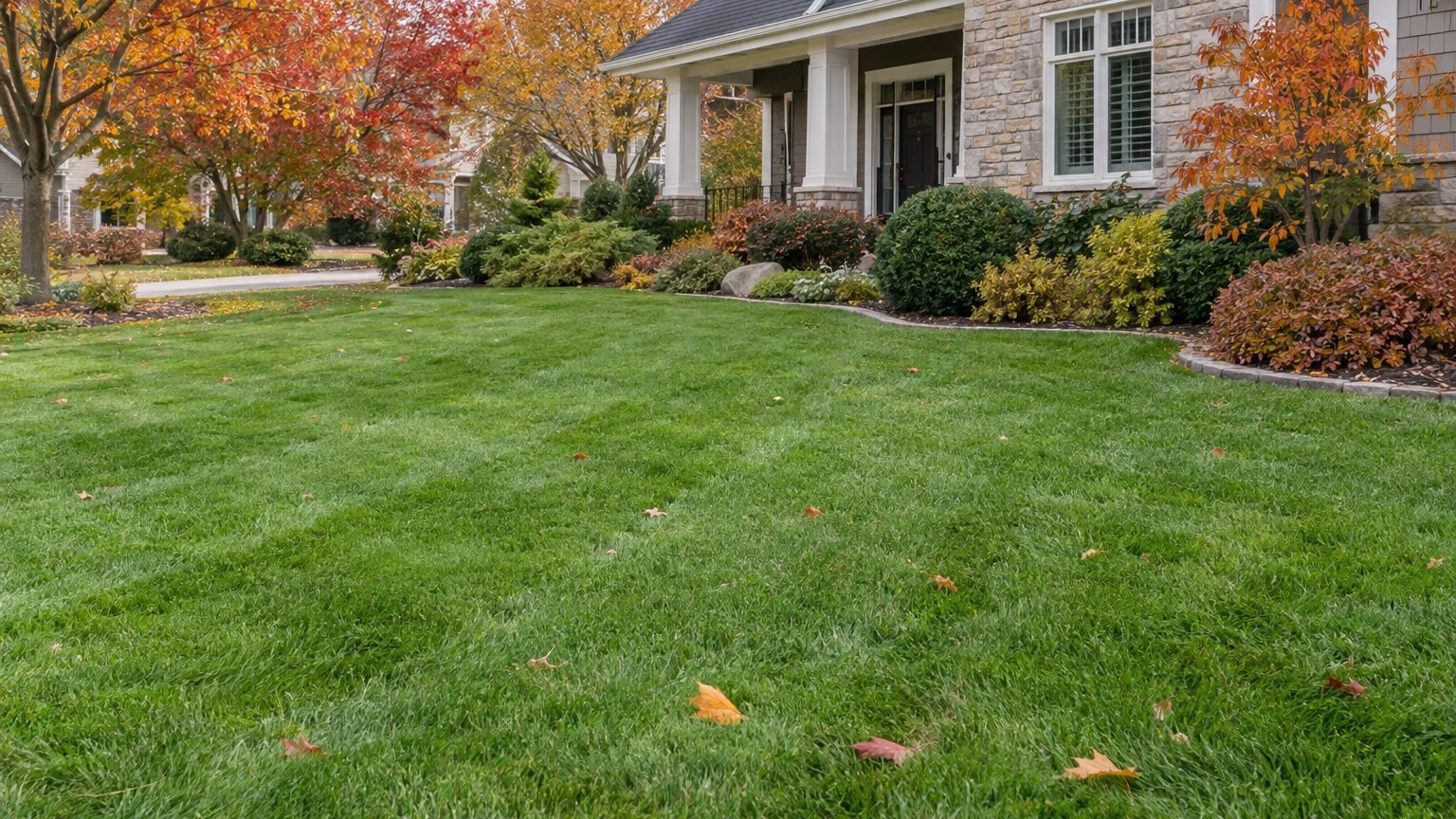
A zoysiagrass lawn fades to straw tan after hard frosts and greens up again once the soil warms in spring. Knowing that cycle helps you plan its care and decide whether this warm-season grass suits your yard.

What Is Zoysiagrass?

Zoysiagrass is a warm-season grass. It grows hard in summer heat, stalls when the soil cools, and sits dormant and tan through winter. It forms a dense, low turf that feels springy underfoot and can crowd out weeds once established.

Its calling card is shade. It is rated excellent for shade, which puts it ahead of most warm-season lawn grasses under tree canopy, and its cold hardiness is very good, so it reaches farther north than its relatives.

Wear tolerance is very good as well, so it stands up to kids and pets. The trade-off is a high maintenance level, which shows up in the mowing and thatch work described below.

Where Does Zoysiagrass Grow Best?

Zoysiagrass is grown throughout the warm-season regions, and it thins out as winters turn colder and summers shorter. The figures below come from a reference city in each state and show how that plays out across the country.

  • Gulf Coast and Deep South: Louisiana, Mississippi, Alabama and Florida are first-choice territory. Summers here are long, with Mississippi logging 71 days at 90F or more, and winter lows stay mild enough that dormancy is brief.
  • Desert Southwest: Arizona and Nevada also suit it, though the heat is a different kind. Arizona sees 169 days at 90F or more, so the grass grows hard for a long season and wants irrigation to match.
  • Transition belt: Oklahoma, Kansas, Tennessee and Kentucky sit where no grass excels, and zoysiagrass is a compromise here. Kansas has a coldest month averaging a low of 22F, which tests the grass in a hard winter, though it often pulls through.
  • Upper Midwest and Corn Belt: Nebraska, Iowa, Ohio and Indiana will not hold it reliably. Iowa’s coldest month averages a low of 14F, and summers are too short for the turf to recover from winter damage. Plant tall fescue or Kentucky bluegrass instead.

A state is not a zone, so the far ends of a large state can fall in the neighboring category. The state selector just below this section leads to the page for your state, where the local picture is spelled out.

How to Care for Zoysiagrass Through the Year

Spring Green-Up

Zoysiagrass wakes with soil warmth, not with the last frost, so it greens later than cool-season grass nearby. Be patient. Raking out dead blades and thatch after growth begins lets sunlight reach the crowns, and mowing can wait until the lawn is clearly growing.

Mowing Height

Extension advice spans 0.75 to 3 inches, which is wide because varieties and mowers differ. Most home lawns do well between 1 and 2 inches. Mow at the taller end in shade, where leaves need more surface to catch light, and keep blades sharp, since zoysiagrass leaves are tough and a dull blade shreds the tips and leaves a gray cast.

Summer Heat

Summer Heat — Zoysiagrass: Zones, Mowing Height and Care

This is the season the grass is built for. Drought tolerance is good, but water deeply when the turf begins to show drought stress. Watch for thatch, since dense turf piles up dead stems and then sheds water instead of absorbing it.

Fall Slowdown

As days shorten and nights cool, growth slows. Ease off feeding, keep mowing while the grass grows, and rake leaves off the turf so shade does not smother it before dormancy.

Winter Dormancy

Straw-colored turf is not dead. Cold hardiness is very good, so the crowns usually come through. Dormant grass recovers slowly from damage, so limit heavy traffic and keep the mower off frozen ground.

Zoysiagrass Diseases, Pests and Weak Points

Clear ratings exist for how zoysiagrass handles shade, drought, traffic and cold. They show a grass that tolerates a lot, with its weak point on the work side rather than the weather side.

That shape explains why it suits some yards and frustrates others, since the toughness comes with a demand for regular attention.

Threat How Zoysiagrass handles it
Shade Excellent, ahead of other warm-season lawn grasses
Drought Good, with deep watering in long dry spells
Foot traffic Very good, but slow to recover when dormant
Cold Very good, reaching into transition areas
Upkeep High, with sharp blades and thatch control

If you see patches of thinning turf, check your local extension office with a sample.

Is Zoysiagrass Right for Your Yard?

Zoysiagrass fits yards with a mix of sun and shade, steady foot traffic, and an owner who does not mind regular mowing. It is a poor match for cold northern winters or anyone wanting a no-fuss lawn.

  • In the South and Southwest, expect a dense, shade-friendly lawn that usually warrants a closer look at the care calendar for your state.
  • In the transition belt, treat it as a trade-off, and weigh its winter tan against the cool-season alternatives.
  • Pick your state in the selector to reach its lawn page, and read it before you buy sod or seed.

Common Questions

How Do You Start a Zoysiagrass Lawn?

You can use sod, sprigs, plugs or seed. Sod creates a continuous surface when installed, while plugs and sprigs spread across the soil as they grow. For seed, a new lawn takes 1 to 2 lb per 1000 square feet.

Does Zoysiagrass Handle Drought?

Its drought tolerance is rated good, so it rides out dry spells better than many lawn grasses. Deep watering when it starts to look dull keeps the turf from thinning.

Will Zoysiagrass Work in Coastal California?

California has just 2 days at 90F or more in its reference city, and a coldest month averaging a low of 49F. Mild winters keep dormancy short, though cool summers along the coast slow growth compared with the Southeast.
Tall Fescue: Zones, Mowing Height and Care

Tall Fescue: Zones, Mowing Height and Care

Wide, deep-green blades still standing in a summer stretch that has browned the bluegrass next door usually mean tall fescue. It is a dependable cool-season choice across the North and the transition zone. Where it thrives, where it struggles and how to look after it through the seasons all depend on the climate in your corner of your state.

What Is Tall Fescue?

Tall fescue is a cool-season grass, so it grows hardest in spring and fall and slows in midsummer. Its blades are wider and coarser than Kentucky bluegrass blades, making the grasses easy to tell apart by eye and touch.

What sets it apart is endurance. It holds through summer better than other cool-season grasses, which is why it earns the title of all-rounder in the North and the transition zone. Cold hardiness and shade tolerance are both good.

You can start it from seed or lay it as sod. Its drought and wear tolerance are only fair, so it asks for some attention in dry spells and on busy paths.

Where Does Tall Fescue Grow Best?

Tall fescue does best where summers are moderate and winters are cold but not brutal. It gets harder to keep as you move south toward the long, hot summers of the Gulf and the desert. Figures here come from each state’s reference city, so the far corners of a large state can sit in the neighboring zone.

  • Upper Midwest and Great Lakes: Iowa, Illinois, Ohio, Michigan and Minnesota are first-choice territory. Nebraska sees 28 days at 90F or more, and tall fescue still comes through the heat in good shape.
  • Northeast and Appalachia: New York, New Hampshire and West Virginia suit it well. Summers are shorter and cooler, and winter lows around 26F to 28F in New York and West Virginia are well within its cold hardiness.
  • The transition belt: Oklahoma, Kansas, Kentucky, Tennessee and Colorado make it a compromise where no grass excels. Oklahoma reaches 71 days at 90F or more, so expect summer stress. In the South, it belongs in the piedmont and mountain areas rather than on the hot lowlands.
  • Gulf Coast and Desert Southwest: Texas, Louisiana, Mississippi, Florida, Arizona and Nevada will not hold it. Arizona reaches 169 days at 90F or more. Plant bermudagrass or zoysiagrass there instead.

The state selector just below this section takes you to the page for your own state.

How to Care for Tall Fescue Through the Year

Spring Wake-Up

As soil warms, tall fescue greens up and grows quickly. This is a good time to repair thin spots, since the grass is putting energy into new growth. Hold off on heavy feeding, which can push soft growth that suffers when summer heat arrives.

Mowing Height

Mow between 2 and 4 inches, and lean toward the taller end. Extension services in different states settle on slightly different figures within that span. According to NC State Extension, 3.5 inches is the target and never shorter than 2.5.

Taller blades shade the soil, hold moisture and crowd out weeds. Keep the mower blade sharp, because tall fescue’s tough leaves tear rather than cut under a dull edge.

Summer Heat

Summer Heat — Tall Fescue: Zones, Mowing Height and Care

Raise the mower rather than fight the heat with extra fertilizer. A tall canopy protects the crowns when temperatures climb. Water deeply when the grass turns a dull blue-gray and footprints stay pressed in, since drought tolerance is only fair.

Brown patches in midsummer that spread in the sunniest, driest spots usually point to heat and drought stress. Patches with a darker edge that appear after muggy nights call for a closer look at disease before you change anything.

Autumn

Fall is the season to build the lawn. Seed a new lawn at 6 to 8 lb per 1000 square feet, because the soil is warm and the air is cooling. When overseeding thin areas, make sure the seed touches bare soil rather than sitting on thatch.

Keep new seed evenly moist until it sprouts, and leave the mower height up while the young grass settles in.

Winter

Cold hardiness is good, so most tall fescue lawns come through winter without protection. Growth slows and color fades, but the crowns survive. Keep heavy traffic off frozen or frosty turf, because brittle blades break and leave brown tracks that last into spring.

Tall Fescue Diseases, Pests and Weak Points

The documented strengths and limits of tall fescue come down to climate and use. It copes well with shade and cold, handles summer better than other cool-season grasses, and is merely fair under drought and foot traffic.

For a diagnosis, compare clues such as the look of the patch and where and when it appears.

Threat How Tall Fescue handles it
Summer heat Holds through summer better than other cool-season grasses
Drought Fair tolerance, needs deep watering in long dry spells
Heavy foot traffic Fair wear tolerance, thins on busy paths
Shade Good tolerance under trees and beside buildings
Winter cold Good cold hardiness

Your local extension office can identify a problem from a sample or a photo.

Is Tall Fescue Right for Your Yard?

It suits yards that mix sun and shade, in the cool-season North or the transition zone, where you want a lawn that survives summer. It is a weaker fit for hot southern lowlands, deserts and yards with constant heavy play.

  • Choose it if you have partial shade, cold winters and a mower you can set high, and you are willing to water deeply in dry spells.
  • Skip it in Gulf Coast or desert yards, where bermudagrass or zoysiagrass is the better match.
  • Open your own state’s page from the selector to see the months that suit seeding where you live.

Common Questions

Can You Mix Tall Fescue with Kentucky Bluegrass?

Yes, and many cool-season lawns do. Tall fescue and Kentucky bluegrass differ in blade width and texture, so a blend can look patchy when different parts of the yard favor different grasses. A pure tall fescue stand looks more uniform.

Does Tall Fescue Need Watering in Summer?

It needs deep, infrequent watering when rain falls short. Drought tolerance is fair, so a long dry stretch will thin the lawn if you ignore it. Water enough to soak the root zone rather than wetting the surface lightly.

Can You Overseed an Existing Tall Fescue Lawn?

Yes, and it is the usual way to thicken a thinning lawn. Use less seed than for a new lawn, make sure it reaches bare soil and keep it moist until it sprouts. Fall conditions suit it well.

St. Augustinegrass: Zones, Mowing Height and Care

St. Augustinegrass: Zones, Mowing Height and Care

Wide, flat blades the color of a deep green lake, and runners crawling across the soil toward the driveway: that is St. Augustinegrass in a Gulf Coast summer. It is a warm-season lawn grass for coastal and southern yards, mowed at 2 to 4 inches, and it grows in places where other lawns sulk.

What Is St. Augustinegrass?

St. Augustinegrass is a warm-season grass, so it grows hard in summer heat and slows down or goes tan when the weather cools. It spreads by creeping stems above the soil, which is why a healthy lawn knits together into a thick mat with broad, coarse blades.

Its best trait is shade. Its shade tolerance is excellent, and it is the most shade-tolerant of the warm-season grasses. Drought tolerance is good, wear tolerance is only fair, and cold hardiness is poor.

The budget changes here. This grass cannot be started from seed. You establish it with sod, sprigs or plugs, and that makes a new lawn cost more up front than a bag of seed would.

Where Does St. Augustinegrass Grow Best?

It belongs where winters are mild and summers are long, and it struggles as soon as hard freezes become routine; the figures below come from a reference city in each state.

  • Gulf Coast: Florida, Louisiana, Mississippi and Alabama are home ground. Louisiana’s coldest month averages a low of 46F, so the grass rarely meets the cold it cannot take.
  • Texas and the Southwest: Texas, Arizona and Nevada count as first-choice warm-season territory. Arizona piles up 169 days at 90F or more, which suits a heat-loving grass as long as you water it.
  • Coastal California and Hawaii: California has only 2 days at 90F or more and Hawaii’s coldest month averages a low of 67F, so cold is not the worry in either place.
  • Oklahoma, Kansas and Tennessee: these sit in the transition zone, where St. Augustinegrass is a compromise and no grass excels. Kansas drops to a low of 22F in its coldest month, which is hard on a grass with poor cold hardiness.
  • Nebraska, Iowa, Ohio and Indiana: winters are too cold for it to hold. Iowa’s coldest month averages a low of 14F, so plant tall fescue or Kentucky bluegrass instead.

A state is not a zone, so the far ends of a large state can fall into the neighboring group. The state selector right below this section takes you to the page for your own state.

How to Care for St. Augustinegrass Through the Year

Spring Green-Up

St. Augustinegrass wakes with soil warmth, not with the last frost date. Early warmth will not do it, so wait until the lawn is visibly greening across the whole yard before you start feeding it.

Spring is also the usual time to lay sod, sprigs or plugs, because the runners need a long warm season to fill in. Keep new pieces moist and off limits to foot traffic while they root.

Mowing Height

Mow at 2 to 4 inches, and lean toward the taller end for most yards. In Georgia, 2 to 3 inches is suggested, with up to 4 inches acceptable.

Dwarf varieties are the exception, and they want to stay near 2.5 inches. Cutting a standard type too low exposes the runners and invites weeds, so raise the deck before you think about lowering it.

Summer Heat

Summer Heat — St. Augustinegrass: Zones, Mowing Height and Care

Good drought tolerance does not mean you can ignore a dry spell. When blades fold and the lawn takes on a grayish cast, water deeply and let the soil dry a little before the next soaking.

Mow high in the hottest stretch. The extra leaf shades the soil and the runners, and it helps the grass through dry weather.

Fall

Growth slows as nights cool, and the lawn needs time to harden off before winter. Skip heavy nitrogen late in the season, since soft new growth is what a freeze damages first.

Keep mowing at a steady height while the grass is still growing, and rake leaves off the lawn so they do not smother the runners.

Winter

Where winters are mild, expect the lawn to fade to tan and rest. That is dormancy and not death, so a tan lawn with firm, intact runners will come back.

Poor cold hardiness is the real winter risk. In the cooler edge of its range, keep traffic off frosted blades and expect thin patches in spring after a hard freeze.

St. Augustinegrass Diseases, Pests and Weak Points

The lawn’s strengths and weak spots come down to climate and site more than to pests. Cold is the hard limit, while heavy foot traffic also causes trouble.

If a patch turns yellow or thin, pair what you see with where it is, for example a spreading ring in damp shade, before choosing any treatment.

Threat How St. Augustinegrass handles it
Cold winters Poor cold hardiness, so it fails where freezes are hard
Dry spells Good drought tolerance
Shade Excellent tolerance, ahead of other warm-season grasses
Foot traffic Fair wear tolerance

A lawn that gets daily play from kids or dogs will show the wear sooner than the rest of the table suggests, so plan a worn path or a stepping-stone route for the busiest strip.

Is St. Augustinegrass Right for Your Yard?

It suits a coastal or southern yard with mild winters, especially one with big trees that shade out other lawns. It suits less well a cold-winter yard, a play area, or any plan that depends on a cheap bag of seed.

  • In the Gulf Coast, Texas and the Southwest, your state page will help you plan green-up and mowing for your own climate.
  • In transition states such as Oklahoma, Kansas and Tennessee, read your state page before buying sod, to see how it compares with other grasses there.
  • In cool-season states such as Ohio, Iowa and Nebraska, skip this grass and open your state page to find a lawn that will survive the winter.

Common Questions

Does St. Augustinegrass Stay Green in Winter?

Usually not. It is a warm-season grass, so a tan lawn after cold nights is normal, especially if the color fades evenly across the whole yard. A lawn that stays brown after warm weather returns, with brittle runners, may be dead and needs a closer look before patching.

Is St. Augustinegrass Good for Kids and Pets?

Its wear tolerance is only fair. It will handle casual play, but daily running in the same spot thins it out faster than it recovers, so give heavy-use areas a path or a patch of mulch.

Should You Use Sod, Sprigs or Plugs?

All three work. Sod creates a continuous surface when installed, while sprigs and plugs spread across the soil as they grow. Whichever you pick, keep the new pieces moist while they root.

Seashore Paspalum: Zones, Mowing Height and Care

Seashore Paspalum: Zones, Mowing Height and Care

Salt spray can scorch lawn grasses, but it barely bothers seashore paspalum, a warm-season grass that has found its niche along the coast. The real questions for a homeowner are whether the climate behind the beach suits it, how short to mow it, and what it needs through the year.

What Is Seashore Paspalum?

Seashore paspalum is a warm-season grass. It grows when the weather is hot, slows as nights cool, and turns dormant in winter. Its cold hardiness is rated very poor, which is the main limit on where it can live.

What sets it apart is salt. Extension ratings for tolerance to salty soil and salty water come out excellent, so it is grown mostly in specialised coastal settings where other turf fades.

Away from the shore, it is a lawn grass that handles wear well, handles drought fairly to well, and puts up only a poor to fair fight in shade.

Where Does Seashore Paspalum Grow Best?

It does best where summers are long and winters are mild, and it gives out quickly where the ground freezes hard.

  • Gulf Coast: Florida, Louisiana and Mississippi are first-choice territory for a warm-season grass. The region’s mild winters suit a grass that dislikes cold.
  • Desert Southwest: Arizona and Nevada also rank as first choice, since heat is not the problem. The long hot season gives this warm-season grass ample time to grow.
  • Southern Plains and the Tennessee Valley: Oklahoma, Tennessee and Kentucky are transition country, where seashore paspalum is a compromise and no grass excels. Oklahoma remains a compromise because winter cold can damage a grass with very poor cold hardiness.
  • Corn Belt: Iowa, Nebraska, Ohio and Indiana will not hold it. Iowa’s cold winters rule it out, so plant a cool-season grass such as tall fescue or Kentucky bluegrass instead.

A state is not a single zone, and the far ends of a big state can fall into the neighboring one. The state selector just below this section leads to the page for your state, where the local picture is spelled out.

How to Care for Seashore Paspalum Through the Year

Spring Green-Up

Seashore paspalum wakes up late, because it follows soil warmth and not the last frost. Let the ground warm before you judge a patch as dead.

It cannot be started from seed. New lawns go in as sod, sprigs or plugs, so budget for that instead of a bag of seed, and plant once the soil is warm.

Mowing Height

Mow between 1 and 2 inches. A home rotary mower does well at the upper end of that range.

Keep the blade sharp and the height steady, since scalping a warm-season lawn stalls its growth.

Summer Heat

Summer Heat — Seashore Paspalum: Zones, Mowing Height and Care

Midsummer is where the grass earns its place. Drought tolerance runs fair to good, so it can ride out a dry spell, though prolonged drought still calls for a deep soak.

Wear tolerance is good, so summer foot traffic is not a reason to baby it.

Fall Slowdown

As nights cool, growth tapers off and the color begins to fade. Mow at the same height while the grass is still growing, and stop pushing it with extra feeding or water that it can no longer use.

Winter Cold

Winter is the season that decides whether the grass stays. Dormant turf looks tan and thin, and a hard freeze can kill it outright, since cold hardiness is very poor.

In a mild coastal winter it simply rests, but in a colder yard, plan on replacing sod as the cost of keeping it.

Seashore Paspalum Diseases, Pests and Weak Points

What they do rate are its tolerances, and those show where the grass struggles.

Cold is the clear weak point, and shade tolerance is also poor to fair.

Stress How Seashore Paspalum handles it
Cold Very poor hardiness
Shade Poor to fair
Drought Fair to good
Salty soil Excellent

If you see thin grass under trees, treat it as a light problem before you suspect a disease. Check whether the spot gets enough sun for healthy growth, and read the pattern before choosing a fix.

Is Seashore Paspalum Right for Your Yard?

It suits a sunny yard in a mild-winter state, especially one near salty air or water. It is a poor match for a shaded lot, a cold winter, or anyone who wants to seed and walk away.

  • Choose it if your yard is open and sunny and your winters rarely turn hard.
  • Skip it if big trees shade the lawn for much of the day or the ground freezes every winter.
  • Pick your state in the selector to open its page, and read it before you order sod.

Common Questions

Does Seashore Paspalum Only Grow Near the Coast?

No. Its specialized coastal use reflects its salt tolerance, but climate matters more than distance from the water. A yard inland in a hot, mild-winter state can suit it.

Can Seashore Paspalum Take Heavy Foot Traffic?

Yes, its wear tolerance is rated good. That makes it workable for a yard where kids and dogs run, as long as it gets enough sun and the winter does not kill it.

Will Seashore Paspalum Grow in California?

In mild parts of California it can, since the state sees only 2 days at 90F or more at its reference city, and the coldest month averages a low of 49F. Inland and mountain areas differ, so check your own area.

Rough Bluegrass: Zones, Mowing Height and Care

Rough Bluegrass: Zones, Mowing Height and Care

Pale green grass thriving in the damp, shaded corner where Kentucky bluegrass keeps thinning out is often rough bluegrass. It is a cool-season turfgrass that earns its place on north-side yards and under tree canopies. Where it grows, how to mow it and how to keep it alive through summer all depend on its need for moisture.

What Is Rough Bluegrass?

Rough bluegrass (Poa trivialis) is a cool-season grass, so it grows hardest in spring and fall and slows when summer turns hot. Extension turf guides describe it as a bluegrass for fully shaded, moist sites, the kind of ground that is difficult to cover with anything else.

Shade tolerance is its strongest card, rated very good to good. Cold hardiness is just as strong, rated excellent to very good, which suits northern winters.

The weak side is water. Drought tolerance is poor, and wear tolerance sits at good to fair. You start it from seed, so a thin patch is repaired by overseeding rather than by laying sod.

Where Does Rough Bluegrass Grow Best?

Rough bluegrass belongs to cooler country, and it fades fast as summer heat and dry spells pile up. The state selector just under this section leads to the page for your state, where you can see how your own climate fits.

  • Upper Midwest and Plains: In Minnesota, Iowa and Nebraska, summers are short on extreme heat and winters are hard, so rough bluegrass is a first choice for shade. Short stretches of extreme heat are manageable when the soil stays moist.
  • Great Lakes and Northeast: Ohio, Michigan and New York offer the cool, damp conditions it likes. Shaded lawns under maples and oaks here are where it fills in best.
  • Transition belt: In Kansas, Oklahoma, Kentucky and Tennessee, rough bluegrass is a compromise and no grass excels. Oklahoma’s long hot season leaves this grass suited only to a shaded, irrigated spot.
  • Desert Southwest and Gulf Coast: In Arizona, Nevada, Texas, Florida and Louisiana, heat and drought will beat it. Plant bermudagrass in sun, and zoysiagrass or St. Augustinegrass in shade, depending on your part of the region.

A state is not a zone. The far ends of a large state, such as the high country of Colorado or the Panhandle of Texas, can behave like their neighbors.

How to Care for Rough Bluegrass Through the Year

Spring Wake-Up

As soil warms, rough bluegrass greens early and grows fast. Rake out leaf litter and fallen twigs from shaded beds so light and air reach the crowns. Fill thin spots with seed while the soil is still cool and moist.

Mowing Height

Mow between 1 and 3 inches. Stay toward the upper end in deep shade, where the grass needs more leaf to catch weak light. Raise the deck in summer, too, because taller blades shade the soil and hold moisture longer.

Keep the blade sharp. Torn tips turn gray and give the lawn a ragged look in shade, where grass dries slowly after rain.

Summer Heat

Summer Heat — Rough Bluegrass: Zones, Mowing Height and Care

Heat is the hard season. Rough bluegrass does not tolerate hot spells well, and its drought tolerance is poor, so thinning shows first in the sunniest, driest strips. Water deeply and regularly through dry weather, and keep foot traffic light on stressed turf.

Where summers run hot, expect the lawn to look tired even with good care. It often recovers once the weather cools.

Autumn

Autumn is the season to repair. Cooler air and warm soil let seed take hold, and there is less competition from weeds. Clear leaves promptly, since a wet mat smothers grass in shade, then overseed the bare patches.

Winter

Winter asks little of you. Cold hardiness is excellent to very good, so the turf comes through hard freezes in northern yards. Avoid walking on frozen, frosted grass, and clear heavy piles of leaves.

Rough Bluegrass Diseases, Pests and Weak Points

Rough bluegrass struggles with heat, dry soil and heavy foot traffic, but handles cold and shade well. If you are choosing for a trouble spot, those match-ups matter more than any single pest.

Water balance is central to this grass’s care. Too little in summer thins the stand, while shaded ground that stays wet is what it was made for.

Threat How Rough Bluegrass handles it
Drought Poor tolerance, thins quickly without regular water
Summer heat Does not tolerate it very well
Foot traffic Good to fair wear tolerance
Cold Excellent to very good hardiness

If a patch turns brown or sparse, check soil moisture and light before blaming a pest, and ask your county extension office if the cause is unclear.

Is Rough Bluegrass Right for Your Yard?

It suits shaded, moist yards in cooler states where you are willing to water in dry weather. It does not suit hot, sunny, dry lawns or yards with constant heavy play, and it is a poor fit if you want a lawn that needs little irrigation.

  • If your yard is mostly shade under trees or on a north side, use the state selector above and read your state page before seeding.
  • If you live in the transition belt or the Deep South, check the state page first to see what grows best in your sun and shade.

Common Questions

How Much Seed Do You Need for a New Rough Bluegrass Lawn?

Plan on 2 to 3 lb per 1000 square feet for a new lawn. Spread it evenly over loosened soil and keep the surface moist until the seedlings are up.

Is Rough Bluegrass a Good Choice for a Soggy Low Corner?

Yes, with limits. It is grown on fully shaded, moist sites, so a damp corner under trees suits it. If water stands for long stretches, fix the drainage first, because the grass still needs air at the roots.

Why Is Rough Bluegrass Thinning in Summer?

Look at the surrounding conditions. Thinning in the sunniest patches alongside dry soil near the surface points to heat and drought stress. Thinning in deep shade with soggy ground and matted leaves points to too much moisture and poor airflow, so clear the debris and let the soil drain.

Perennial Ryegrass: Zones, Mowing Height and Care

Perennial Ryegrass: Zones, Mowing Height and Care

A ryegrass lawn shows its worth early, when a bare patch turns green again while the soil is still cool. Perennial ryegrass is a cool-season grass that is started from seed and covers ground quickly. Where it grows well, how tall to mow it and what it needs through the year all follow from that.

What Is Perennial Ryegrass?

Perennial ryegrass is a cool-season grass, so it does its growing in spring and autumn and slows when summer turns hot. You establish it from seed, and it is up in seven to ten days, which makes it one of the fastest grasses to sprout.

That speed explains why homeowners use it in different ways. Homeowners use it for quick cover on new or repaired ground, and southern lawns borrow it for winter overseeding, when a warm-season grass goes brown and dormant.

It does best on sunny, well-drained sites in the cool-season zone. Cold hardiness is excellent to very good, shade tolerance is very good to good, and wear tolerance is very good to good. Drought tolerance is the weak spot, rated fair to poor.

Where Does Perennial Ryegrass Grow Best?

It is at home wherever winters are cold and summer heat is brief, and it struggles where hot weather stretches on. Large states cross zone lines, so these regions describe the general pattern.

  • Upper Midwest and Great Plains: Nebraska, Iowa and Minnesota suit it well. Shorter stretches of extreme heat give a cool-season lawn time to recover.
  • Great Lakes and Northeast: Ohio, Michigan and New York are a first choice for it. The comparatively short hot season gives the grass time to recover.
  • Transition belt: Oklahoma, Kansas, Tennessee and Kentucky make it a compromise where no grass excels. Oklahoma’s long summer heat makes ryegrass a compromise that often thins by late summer.
  • Gulf Coast and Desert Southwest: Texas, Louisiana, Florida, Arizona and Nevada will not hold it through summer. The long hot season there rules it out as a permanent lawn. Bermudagrass or zoysia is the sturdier choice for a permanent lawn, with ryegrass added only as a winter overseed.

The state selector just below this section leads to the page for your own state, where the local picture is spelled out.

How to Care for Perennial Ryegrass Through the Year

Spring Wake-Up

Ryegrass greens up early because it grows in cool soil. Rake out matted leaves and look for thin spots, since seed sown into bare soil sprouts fast and fills gaps before weeds claim them.

Mowing and Height

Mow between 1 and 3 inches. Extension sources differ on the exact figure, with northern programs favoring the taller end and southern overseeded lawns often cut lower.

For a permanent lawn, aim toward the middle or upper part of that range. Taller leaf shades the soil and helps a grass that tolerates drought poorly.

Summer Heat

Summer Heat — Perennial Ryegrass: Zones, Mowing Height and Care

Heat is where ryegrass loses ground. Water deeply and regularly in dry spells, and raise the mower a notch so the grass keeps more leaf. A lawn that turns straw-colored in the hottest weeks may be dormant rather than dead, so wait for cooler weather before replacing it.

Autumn Seeding

Autumn is the season for repair and renewal. For a new lawn, spread 4 to 10 lb of seed per 1000 square feet, with the low end used for straight ryegrass and the high end for mixes with fescue. Keep the seedbed moist until the grass is established.

Winter

In cold states, ryegrass sits through winter with no fuss thanks to its strong cold hardiness. In the South, an overseeded ryegrass lawn stays green while the warm-season grass sleeps, then fades as spring warms and the permanent grass returns.

Perennial Ryegrass Diseases, Pests and Weak Points

Disease and insect resistance for perennial ryegrass has no reliable rating to quote. What is clear is how it copes with weather and traffic.

Its strengths are cold, foot traffic and shade. Its main weakness is dry heat, which is why it fails across the Gulf Coast and Desert Southwest.

Threat How Perennial Ryegrass handles it
Winter cold Excellent to very good
Foot traffic Very good to good
Shade Very good to good
Drought Fair to poor

If a ryegrass lawn browns in summer, check whether the patches sit in full sun and whether the soil is dry near the surface. Dry soil in sun points to drought stress rather than a pest, and watering should come before any treatment.

Is Perennial Ryegrass Right for Your Yard?

It suits a sunny or partly shaded yard with well-drained soil, plenty of foot traffic and a cool-season climate. It is a poor match where summers are long and hot, or where you cannot water through dry spells.

  • Choose it for kids’ play areas, quick repairs and winter color in the South, where its fast start pays off.
  • Skip it as a permanent lawn in the hottest states, and plant a warm-season grass instead.
  • Pick your state in the selector to see the months that fit your yard, then plan your seeding around them.

Common Questions

Can You Mix Perennial Ryegrass with Kentucky Bluegrass?

Yes, perennial ryegrass and Kentucky bluegrass are often seeded together in cool-season lawns. Ryegrass sprouts fast and covers the soil while the bluegrass fills in behind it.

Does an Overseeded Ryegrass Lawn Come Back the Next Year in the South?

Usually not as a lasting lawn. Summer heat thins it out, so southern homeowners typically reseed each autumn.

How Do You Fix Thin Spots in a Ryegrass Lawn?

Loosen the surface, spread seed on the bare soil and keep it damp. Because the seed sprouts quickly, you can see whether it took before the season turns.

Kentucky Bluegrass: Zones, Mowing Height and Care

Kentucky Bluegrass: Zones, Mowing Height and Care

Kentucky bluegrass is the deep green, dense turf that fills in around a worn spot on its own after a hard winter or a summer of foot traffic. It is a cool-season grass that suits sunny yards across the northern half of the country, and it needs more attention in the transition belt.

What Is Kentucky Bluegrass?

Kentucky bluegrass is a cool-season grass, so it grows hardest in spring and fall and slows when summer heat settles in. It spreads by rhizomes, underground stems that knit the turf into a tight mat.

Those rhizomes are why it recovers well from damage, filling thin patches without reseeding. It wants full sun, though its shade tolerance is rated good. Cold hardiness is excellent to very good, and wear tolerance is good.

You can start it from seed or sod. For a new lawn from seed, the range runs from 1 to 3 lb per 1000 square feet, depending on whether it is planted alone or in a mix.

Where Does Kentucky Bluegrass Grow Best?

Kentucky bluegrass does best on sunny, well-drained sites in the cool-season zone, and it struggles as summer heat days pile up. The state selector just under this section leads to the page for your state.

  • Upper Midwest and Great Plains: Nebraska, Iowa, Minnesota and the Dakotas are first-choice territory. That excellent to very good cold hardiness is a strong fit for this region.
  • Great Lakes and Northeast: Ohio, Michigan, New York and New Hampshire suit it well. Summers in these states generally suit this cool-season grass.
  • Transition belt: Kentucky, Tennessee, Kansas, Oklahoma and Colorado make it a compromise where no grass excels. Oklahoma’s summer heat makes summer stress the main worry.
  • Deep South and Southwest: Texas, Florida, Louisiana, Mississippi, Arizona and Nevada will not hold it. Choose a locally adapted warm-season grass such as bermudagrass instead.

A state is not a zone, so the far ends of a large state can fall in the neighboring one. Western Kansas or high-elevation Colorado can behave differently from the reference figures above.

How to Care for Kentucky Bluegrass Through the Year

Spring Wake-Up

Bluegrass greens up early, as soil warms, and its rhizomes start filling gaps left by winter. Rake out matted debris so new shoots reach light, and overseed bare spots while the weather is still cool.

Mowing Height

Extension sources vary, and together they span 1.5 to 3.5 inches. Most land between 2 and 3 inches, with the taller end suiting hot or shaded yards.

Keep blades sharp and cut often enough that you never remove much of the leaf at once.

Summer Heat

Summer Heat — Kentucky Bluegrass: Zones, Mowing Height and Care

Drought tolerance is good to fair, so bluegrass can go dormant and brown in a dry spell, then recover. Mow at the high end of the range, and water deeply when you do water, rather than sprinkling lightly.

Fall Growth

Fall is when a cool-season lawn rebuilds. Cooler air and warm soil favor root growth, making it the natural time to seed thin areas, using the lower overseeding rate if the lawn is already established.

Winter Rest

Bluegrass goes dormant and tolerates deep cold. Keep heavy traffic off frozen, frosted turf, since the blades snap easily, and avoid piling snow or debris on the same patch all season.

Kentucky Bluegrass Diseases, Pests and Weak Points

The strengths of this grass are about climate and recovery rather than a list of diseases. Extension sources used here rate its cold, shade and wear tolerance well, and describe its spreading habit as a strength.

Heat and dry spells are where it gives ground. Specific disease and insect resistance is not documented, so there is nothing reliable to claim either way.

Threat How Kentucky Bluegrass handles it
Cold Excellent to very good hardiness
Drought Good to fair, may go dormant
Foot traffic Good wear tolerance, recovers by rhizomes
Shade Good tolerance, though it prefers full sun

Check with your local extension office if you see patches that worry you.

Is Kentucky Bluegrass Right for Your Yard?

It suits sunny yards with well-drained soil in the cool-season zone, where kids and pets wear the grass down. It is a poor match for the Deep South, or for owners who want a lawn that stays green through long, hot, dry stretches.

  • In a sunny yard in the northern states, expect a dense lawn that repairs itself, and plan seeding for the cool months of fall.
  • In the transition belt, accept some summer browning, or consider whether a different grass fits your site better.
  • In the South and Southwest, skip it and choose a warm-season grass, then open the state selector to find your state’s page.

Common Questions

Can Kentucky Bluegrass Grow in Partial Shade?

Yes, its shade tolerance is rated good, but it still wants full sun to look its best. Thin turf under trees often needs a taller cut.

Does Kentucky Bluegrass Need Seed or Sod?

Either works.

Will Kentucky Bluegrass Survive a Hot Summer in Kentucky?

Often it does, though Kentucky is a transition territory where it is a compromise. Expect some browning in dry heat, and deep watering helps it recover.

Fine Fescues: Zones, Mowing Height and Care

Fine Fescues: Zones, Mowing Height and Care

Fine fescue is the grass that keeps its color in the corner under the maple, where bluegrass thins out a little more each summer. It grows best in the cool-season belt of the northern half of the country, in shade and on yards that get little attention. Mowing high and watering deeply when needed help keep it dense.

What Is Fine Fescues?

Fine fescues are cool-season grasses, so they grow hardest in spring and fall and slow down in summer heat. The leaf blades are very narrow and the turf looks soft and fine-textured. They are established from seed rather than sod or sprigs.

Their strengths show in the places other grasses struggle. Shade tolerance runs from excellent to very good, and cold hardiness is just as high. Drought tolerance is good, which is why they suit low-maintenance yards.

Wear is the weak side. Tolerance runs from good to fair, so a path where kids and dogs cut across daily will thin out.

Where Does Fine Fescues Grow Best?

Fine fescues are a first choice across the cool-season states and a compromise in the transition belt. They will not hold in the Deep South or the desert Southwest. The state selector right below this section takes you to the page for your own state.

  • Upper Midwest and Northern Plains: Minnesota, Iowa and the Dakotas have cold winters and summers that suit cool-season grasses. Fine fescues handle both, and they are a natural fit under mature trees.
  • Great Lakes and Ohio Valley: Michigan, Ohio, Indiana and Illinois have summers that suit fine fescues without much help. Shady lots do especially well.
  • Northeast and Mid-Atlantic: New York, New Hampshire, Delaware and West Virginia sit comfortably in the cool-season zone. Fine fescues are a good pick for shaded lawns and for low-input yards.
  • Transition belt: Oklahoma, Kansas, Tennessee and Kentucky bring enough summer heat to make fine fescues a compromise. Fine fescues work here as a compromise, and no grass excels. Choose them mainly for shade.
  • Mountain West: Colorado, Utah and Idaho can be challenging in low, warm valleys, while results vary with elevation. Expect a compromise in the low, warm valleys.

In Arizona, Nevada, Texas, Florida, Mississippi and Louisiana, fine fescues will not hold through the long heat. Choose a locally adapted warm-season grass instead; bermudagrass, zoysia and St. Augustine fit different sites within this broad region. A state is not a zone, so the far ends of a large state can fall in the neighboring one.

How to Care for Fine Fescues Through the Year

Spring Wake-Up

Fine fescues green up early because they are a cool-season grass, well before warm-season lawns stir. Thin spots from winter or shade can be overseeded then. A new lawn takes 4 to 6 pounds of seed per 1000 square feet, and shaded areas fall at the lower end of that range.

Mowing Height

The right mowing height depends on the fine fescue and local conditions, within the 1.5-to-4-inch range. For a typical home lawn, favor the taller part of that range.

Mow at the taller end under trees, where the leaf needs every bit of surface to catch light. Keep the blade sharp so the narrow leaves cut cleanly.

Summer Heat

Summer Heat — Fine Fescues: Zones, Mowing Height and Care

Good drought tolerance means fine fescues can slip into a tan, dormant state in a dry spell and recover when rain returns. Water deeply when you do water, rather than a little each day. Skip heavy traffic on a stressed lawn, since wear tolerance is only good to fair.

Fall Renewal

Fall is the best time to seed fine fescues, as soil is warm and the cool air suits germination. Overseed bare patches under trees, and rake out the fallen leaves so seedlings are not smothered. Fine fescues are suited to low-input lawns.

Winter Rest

Cold hardiness is excellent to very good, so severe winter cold is usually less of a concern than summer heat. Keep foot traffic off frozen turf. Keep the final fall mow within the normal height range and avoid scalping.

Fine Fescues Diseases, Pests and Weak Points

The documented weak point is traffic. Fine fescues give little back when walked on hard, so the lawn thins along paths and play areas. Heat is the other limit, which is why they fail in the South.

Threat How Fine Fescues handles it
Heavy foot traffic Does not tolerate it, wear tolerance is good to fair
Dry shade Handles it well, shade tolerance is excellent to very good
Drought Good tolerance
Severe cold Excellent to very good hardiness
Long hot summers Will not hold in warm-season territories

Disease and pest problems are not covered by the sources, so ask your county extension office what shows up locally.

Is Fine Fescues Right for Your Yard?

Fine fescues suit shaded yards, dry spots under trees, and homeowners who would rather mow less and water less. They do not suit a lawn that doubles as a ball field or a dog run, nor any yard in the hot South.

  • Your state page gives the months for seeding and care where you live, so check it before you buy seed.
  • If your yard is mostly sun and heavy foot traffic, compare it with tall fescue or bluegrass on the same state page.
  • In shade, seed in fall at the recommended rate and keep the mower high.

Common Questions

Can Fine Fescues Replace Bluegrass in Shade?

Yes. Fine fescues are the better choice in dry shade under trees, where bluegrass thins year after year. In full sun with heavy traffic, bluegrass or tall fescue is a better fit.

Do Fine Fescues Grow from Sod or Seed?

They are established from seed. Use 4 to 6 pounds per 1000 square feet for a new lawn.

Do Fine Fescues Survive Hot Summers?

They tolerate a dry spell fairly well, but they struggle in places with long heat. In the transition belt they are a compromise, and in the warm-season South they will not hold.

Centipedegrass: Zones, Mowing Height and Care

Centipedegrass: Zones, Mowing Height and Care

Centipedegrass spreads by low runners and stays pale green through the summer, which is why it looks a little sparse next to a thick bermudagrass lawn. It belongs to the warm-season South, mostly on acidic soil, and it needs little fertilizer once established and infrequent mowing. Zones, mowing height and yearly care all follow from that easygoing nature.

What Is Centipedegrass?

Centipedegrass is a warm-season grass, so it grows hard in summer heat and fades to tan after the first hard frosts. It creeps along the ground on stolons, which is how it fills in and why a lawn can be started from sprigs or plugs as well as seed or sod.

What sets it apart is how little it asks of you. Once established, it needs little fertilizer and infrequent mowing, and it grows on acidic soils where other grasses sulk.

The trade-offs are real. Shade tolerance and drought tolerance are both fair, cold hardiness is fair, and wear tolerance is poor, so it suits a front yard better than a ball field.

Where Does Centipedegrass Grow Best?

Centipedegrass is grown mostly in the piedmont and coastal plains of the Southeast, and it thrives where summers are long and winters stay mild.

  • Gulf Coast and the Deep South: Louisiana, Mississippi and Alabama have the long, hot summers and mild winters that suit this grass. This is home territory for the grass.
  • South Carolina piedmont and coastal plain: The grass is at ease in South Carolina’s piedmont and coastal plain. Florida’s mild winters suit it as well.
  • Transition belt of Oklahoma, Tennessee and Kentucky: It is a compromise here, since no grass excels. Colder winters in this belt test its fair cold hardiness.
  • Cool-season Midwest, including Ohio, Indiana and Iowa: It will not hold. Plant tall fescue or Kentucky bluegrass instead, grasses built for those winters.

A state is not a zone, so the far ends of a large state can fall in the neighboring zone. The state selector just below this section leads to the page for your state.

How to Care for Centipedegrass Through the Year

Spring Wake-Up

Centipedegrass greens up slowly, after the soil warms, and frost risk alone does not tell you when it starts. Hold off on heavy feeding. A lawn that gets little fertilizer once established is doing what it should, and extra nitrogen tends to thicken thatch and weaken it.

Mowing Height

Keep the mower between 1 and 2 inches. Follow local advice when choosing where to mow within that range.

Mowing is infrequent, so cut when the grass has grown noticeably above your target rather than on a fixed rhythm.

Summer Heat

Summer Heat — Centipedegrass: Zones, Mowing Height and Care

Fair drought tolerance means a dry spell will show as dull, curling blades before the lawn dies. Water deeply when that happens instead of sprinkling often. Poor wear tolerance also matters in summer, so route kids, pets and foot traffic along paths or stepping stones.

Fall

As nights cool, the grass slows and prepares for dormancy. Stop pushing growth with fertilizer. Save seeding a new lawn for warm growing weather so seedlings have time to establish.

Winter

Expect straw-colored turf after frost. That is normal dormancy and not death. Cold hardiness is only fair, so a hard winter at the northern edge of its range can thin the lawn, and traffic on frozen dormant grass does more damage than it would in summer.

Centipedegrass Diseases, Pests and Weak Points

The documented weak points of this grass are its tolerance traits. Specific disease and insect resistance ratings are not documented, so nothing is claimed about them.

What can be said is how it handles the stresses that decide most lawns.

Threat How Centipedegrass handles it
Foot traffic Poor wear tolerance, so worn paths recover slowly
Cold Fair hardiness, best in mild winters
Drought Fair tolerance, needs deep watering in dry spells
Shade Fair tolerance, thins under dense trees

Disease and pest problems are not documented, so ask your county extension office what shows up locally before treating anything. Stress from traffic, shade or cold can thin a lawn, so check those first.

Is Centipedegrass Right for Your Yard?

It suits sunny to lightly shaded yards in the warm South where you want a quiet lawn with little mowing and feeding. It is a poor match for play areas, dense shade or the cold north.

  • Choose it if your yard sits on acidic soil in the piedmont or coastal plains and sees light foot traffic.
  • Choose another grass if winters are hard or children and dogs run across the turf every day.
  • Use the State by State Garden page for your state, reached through the state selector, to see which grasses fit your local conditions and when to plant.

Common Questions

Can You Grow Centipedegrass from Seed?

Yes. Seed, sod, sprigs and plugs all work. For a new lawn, use 0.25 to 1 lb of seed per 1000 square feet, following local advice within that range.

Why Does Centipedegrass Turn Brown in Winter?

As a warm-season grass, it goes dormant when the weather cools. If the turf is still thin in spring and sits in a cold pocket, winter injury may be the cause.

Does Centipedegrass Need Much Fertilizer?

No. Once established it needs little fertilizer, and that low appetite is a main reason people choose it.

Carpetgrass: Zones, Mowing Height and Care

Carpetgrass: Zones, Mowing Height and Care

Some lawn grasses sulk in a soggy, shaded corner, and carpetgrass is the one that settles in. It is a low, warm-season grass for wet, acid ground in the Southeast and along the Gulf Coast. It asks for mild winters and steady moisture, and it rewards you with a lawn that needs very little mowing.

What Is Carpetgrass?

Carpetgrass is a warm-season grass, so it grows when the soil is warm and goes dormant when cold arrives. It spreads low across the ground and forms a dense, coarse mat rather than an upright turf.

What sets it apart is where it grows. It performs well in wet, shaded, acid soils where other lawn grasses may not grow, and its shade tolerance is rated fair. That makes it a practical choice for low, damp yards.

The trade-offs are real. It does not tolerate cold, drought, salt or traffic, and its drought tolerance is rated very poor. You can start it from seed or from sprigs.

Where Does Carpetgrass Grow Best?

Carpetgrass belongs in warm, humid country with mild winters, and it loses ground quickly as the cold deepens. A state is not a single zone, so the far ends of a large state can fall into the neighboring group.

  • Gulf Coast: Louisiana, Mississippi, Alabama and Florida are first-choice territory. The Gulf Coast provides the long, warm summers carpetgrass needs, but local winter conditions still matter because its cold hardiness is poor.
  • The Southeast and the lower Mississippi Valley: South Carolina and Arkansas can suit it too, though colder inland areas carry more risk of winter injury. Wet, acid, shady ground is where it earns its place.
  • Oklahoma, Tennessee and Kentucky: Carpetgrass is a compromise here and no grass excels. Cold winters can injure carpetgrass in this transition area.
  • Upper Midwest and Corn Belt: In Iowa, Nebraska, Ohio and Indiana it will not hold through winter. Plant a cool-season grass such as tall fescue or Kentucky bluegrass instead.

The state selector just below this section takes you to the page for your own state, where the local timing is laid out.

How to Care for Carpetgrass Through the Year

Spring Green-Up

Carpetgrass wakes slowly, because it follows soil warmth rather than the last frost. Wait until the ground has clearly warmed and the grass is growing before you do anything beyond raking off leaves and debris.

Spring is also the time to seed bare patches or a new lawn. Sow at 1 lb per 1000 square feet, or lay sprigs, and keep the soil moist while the young grass roots in.

Mowing Height

Keep the mower between 1 and 2 inches. Carpetgrass makes seedheads on tall, wiry stems that rise above the leaf blades, and a regular trim keeps the lawn looking tidy.

According to NC State Extension, Carolina Lawns, the usual advice is a 2 inch cut with infrequent mowing, which suits a grass that grows slowly and low. Sharpen the blade first, since the tough stems tear rather than cut when it is dull.

Summer Heat

Summer Heat — Carpetgrass: Zones, Mowing Height and Care

Heat is not the problem, since it is a warm-season grass. Drought is. With a very poor rating for dry spells, the lawn browns and thins fast when rain stops, so water deeply and regularly through hot, dry stretches rather than waiting for it to wilt.

Low spots and shaded corners will hold moisture longest. Pay particular attention to sunny, well-drained edges.

Fall

Autumn is a time to ease off. As days shorten and soil cools, growth slows, and a lawn that has been kept moist all summer begins its slide toward dormancy.

Keep fallen leaves raked off the turf so they do not smother it in the shade. Avoid heavy foot traffic and parked equipment, because wear tolerance is poor and thin grass recovers slowly.

Winter

Expect the lawn to turn brown and rest. Poor cold hardiness means a hard freeze can kill the grass outright rather than merely dull it, which is why it belongs only where winters stay mild.

Stay off frozen or soggy turf as much as you can. In a borderline area, a thinner lawn in spring is your sign to patch with seed or sprigs once the soil warms.

Carpetgrass Diseases, Pests and Weak Points

Carpetgrass has no notable diseases or pests, so the focus here is on environmental stresses. It struggles when the weather turns dry, cold, salty or rough.

Most of its trouble comes from putting it in the wrong spot, so match the site to the grass before you plant.

Threat How Carpetgrass handles it
Drought Very poor tolerance, browns quickly without water
Cold Poor hardiness, fails in hard-freeze climates
Foot traffic Poor wear tolerance, thins on paths and play areas
Salt Not tolerated, so keep it away from salt spray
Shade Fair tolerance, holds up under trees better than many grasses

If a patch fails, check the site before you blame a disease or an insect. Look at whether it sits in a dry, sunny spot and whether it follows a cold snap or heavy foot use.

Is Carpetgrass Right for Your Yard?

It suits a wet, shaded, acidic yard in a mild-winter state, where you want a low-maintenance mat and mow rarely. It does not suit dry, sunny lawns, play areas, driveways near salt, or anywhere that sees hard freezes.

  • If you live on the Gulf Coast or in the mild Southeast, look at the State by State Garden page for your state to see the local planting and care months.
  • If winters bring hard freezes where you live, check the same state page for a cool-season grass that will last.
  • If your yard sits in the in-between belt, read your state page before you buy seed, then walk the lawn after a wet spell to see which spots stay damp.

Common Questions

How Do You Start a New Carpetgrass Lawn?

You can use seed or sprigs. Seeding goes in at 1 lb per 1000 square feet, and sprigs are planted into bare, prepared soil. Either way, keep the ground evenly moist until the new grass has knit together.

Does Carpetgrass Need Acid Soil?

It grows well in acid soils, so test the soil before deciding whether any amendment is needed. A soil test through your local extension office tells you your pH before you commit to planting.

Can Carpetgrass Grow in California or Hawaii?

In mild, low-lying parts of both states, winter cold may not be the main limit, though colder districts exist. The grass still needs the wet, acid conditions it prefers, so a dry, alkaline yard will do better with another warm-season grass.

The almanac, state by state. Every date on this site comes from a state’s own frost facts and its extension service’s calendar — and says where it comes from.