Skip to content

Arizona

  1. Jan
  2. Feb
  3. Mar
  4. Apr
  5. May
  6. Jun
  7. Jul
  8. Aug
  9. Sep
  10. Oct
  11. Nov
  12. Dec
State
Arizona
USDA zones
4b-10b
Frost
none in an average year
Annual rain
7 in
Lawn zone
warm-season
Source
NOAA NCEI 1991-2020 Climate Normals + NOAA RCC ACIS daily records, station USW00023183 — https://www.ncei.noaa.gov/access/services/data/v1?dataset=normals-annualseasonal&stations=USW00023183 · Phoenix

The year in Arizona, from the calendar

  1. JanSpring bulbs bloom · Plant hydrangeas · Plant roses · Prune roses · Prune fruit trees
  2. FebSpring bulbs bloom · Plant hydrangeas · Feed roses · Plant roses · Prune roses
  3. MarSpring bulbs bloom · Feed hydrangeas · Feed roses · Plant fruit trees · Mow
  4. AprSpring bulbs bloom · Seed the lawn · Feed roses · Mow · Water
  5. MaySpring bulbs bloom · Feed hydrangeas · Seed the lawn · Feed roses · Dethatch
  6. JunPrune bigleaf hydrangeas · Feed roses · Dethatch · Fertilize the lawn · Mow
  7. JulFeed hydrangeas · Prune bigleaf hydrangeas · Mow · Water
  8. AugMow · Water
  9. SepPlant spring bulbs · Feed roses · Fertilize the lawn · Mow · Water
  10. OctPlant spring bulbs · Plant hydrangeas · Feed roses · Plant trees · Fertilize the lawn
  11. NovPlant hydrangeas · Plant trees · Mow
  12. DecPlant trees

From the state frost facts and extension calendars: University of Arizona Cooperative Extension · University of Arizona Cooperative Extension ; eXtension Ask an Expert · Clemson HGIC factsheet — Hydrangea · UC Statewide IPM Program — UC Guide to Healthy Lawns (seeding times; fertilization by zone).

When to Prune Fruit Trees in Arizona

When to Prune Fruit Trees in Arizona

Bare branches in a fruit tree‘s quiet months are the cue to reach for the loppers. In Arizona, that means the stretch of winter when the tree is at rest and the buds have not yet opened. The timing leaves the tree’s cuts to heal as growth restarts, and the details shift a little from apples to peaches.

When to Prune Fruit Trees in Arizona

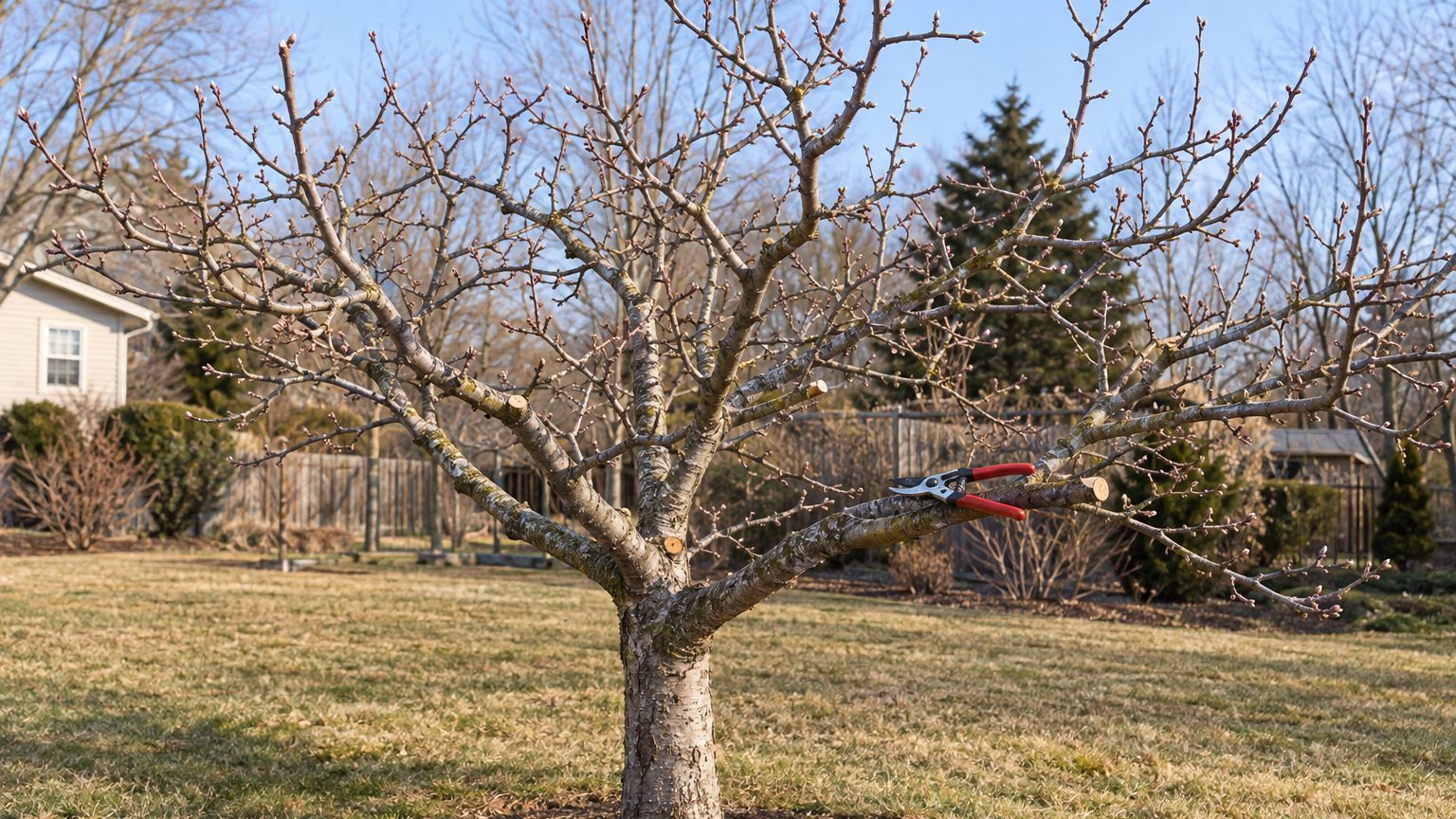
Pruning a dormant fruit tree before the buds open

Dormant pruning of fruit trees in Arizona fits late January and February, before growth starts. The tree is resting, the cuts are easy to read against bare wood, and spring growth fills in right after. Fall and early winter pruning is avoided, because new growth may not harden before the cold.

Fruit tree When to prune in Arizona Why
Apples and pears Late January to February, among the first trees pruned Dormant wood is easy to shape, and these trees tolerate an earlier start
Peaches and nectarines February, last of the fruit trees and closest to bloom Flower buds are easily hurt by cold, so pruning waits
Cherries and plums Late January to February, while dormant Cuts made before the buds swell heal as growth begins
Young trees Late January to February, after planting in February to March Bare-root trees go in while dormant, and early shaping sets the framework

Nectarines follow the peach schedule. Low-chill stone fruits such as apricots, plums and peaches can bloom during a warm spell once they have met their chill hours, which is one more reason to finish pruning on time and not let it drift toward bloom.

How to Tell Your Fruit Trees Are Ready to Prune

The tree itself gives better timing cues than a calendar page, and a few signs together tell you the window is open.

  • The leaves are all down, which tells you the tree is dormant and the structure of the branches is easy to see.
  • Once winter has eased, cuts are less likely to be followed by a hard freeze that dries out the fresh wood.
  • The buds are still tight and closed, which means the tree has not yet put its energy into new growth.
  • Buds along the twigs have just started to look plump, a signal that peaches and other stone fruits should be pruned now and not postponed.
  • Bark and wood look dry and firm, not soft or sappy, so cuts will seal cleanly.

Low-desert winters rarely bring hard freezes, though a rare cold snap can touch 32F between late December and mid January. Waiting until that stretch has passed keeps tender cuts from taking a hit.

When to Prune Peach and Apple Trees in Arizona

Apples go first. They sit deep in dormancy in late January and February, and the wood is sturdy enough to handle early cuts. Pruning them before the peaches also spreads out the work so no tree is rushed.

Peaches go last, close to bloom, because their flower buds are easily hurt by cold. Cutting late lets you see which buds came through the winter and which did not, so you can prune with the real crop in view. Stone fruits are far more frost-prone than apples, and that is why the peach waits.

Pruning in summer is not part of the regular routine for these trees, and the extension guidance covers dormant pruning as the main job. If a branch breaks or a limb is clearly dead in warm weather, take it off at the break and leave the shaping for winter.

Where to Get Fruit Tree Advice in Arizona

Arizona spans everything from low desert to high country, and fruit tree needs change with the elevation. Local help can confirm which varieties suit your chill hours and your yard. The University of Arizona Cooperative Extension is the place to start, and your county office adds neighborhood detail.

  • Visit University of Arizona Cooperative Extension before winter for publications on deciduous fruit and chilling requirements, so you choose and prune varieties that fit your area.
  • Call your county extension office in January to ask what the local trees are doing and whether your yard sits in a cold pocket.

Common Questions

Can You Prune Fruit Trees in Summer in Arizona?

Summer is hard on trees, since heat and dry soil stress them. Keep summer work to removing broken or dead wood, and save shaping cuts for the dormant season.

What Happens If You Prune Fruit Trees Too Early?

Pruning in fall or early winter can push new growth that does not harden before the cold. That tender growth is the part most likely to be damaged, so hold off until the late winter window.

Should Young Fruit Trees Be Pruned When You Plant Them?

Bare-root fruit trees are planted in February to March while dormant, before the buds open. Planting and early shaping happen in the same dormant stretch, so the tree settles in before growth begins.
Best Time to Plant Trees in Arizona

Best Time to Plant Trees in Arizona

Fall and early winter, when the desert air finally cools and the ground is still warm, is when shade trees go in around Arizona yards. Fruit trees follow in late winter, once bare-root stock reaches the nurseries. The timing here follows summer heat, not frost, and the high country plays by different rules.

When Is the Best Time to Plant Trees in Arizona?

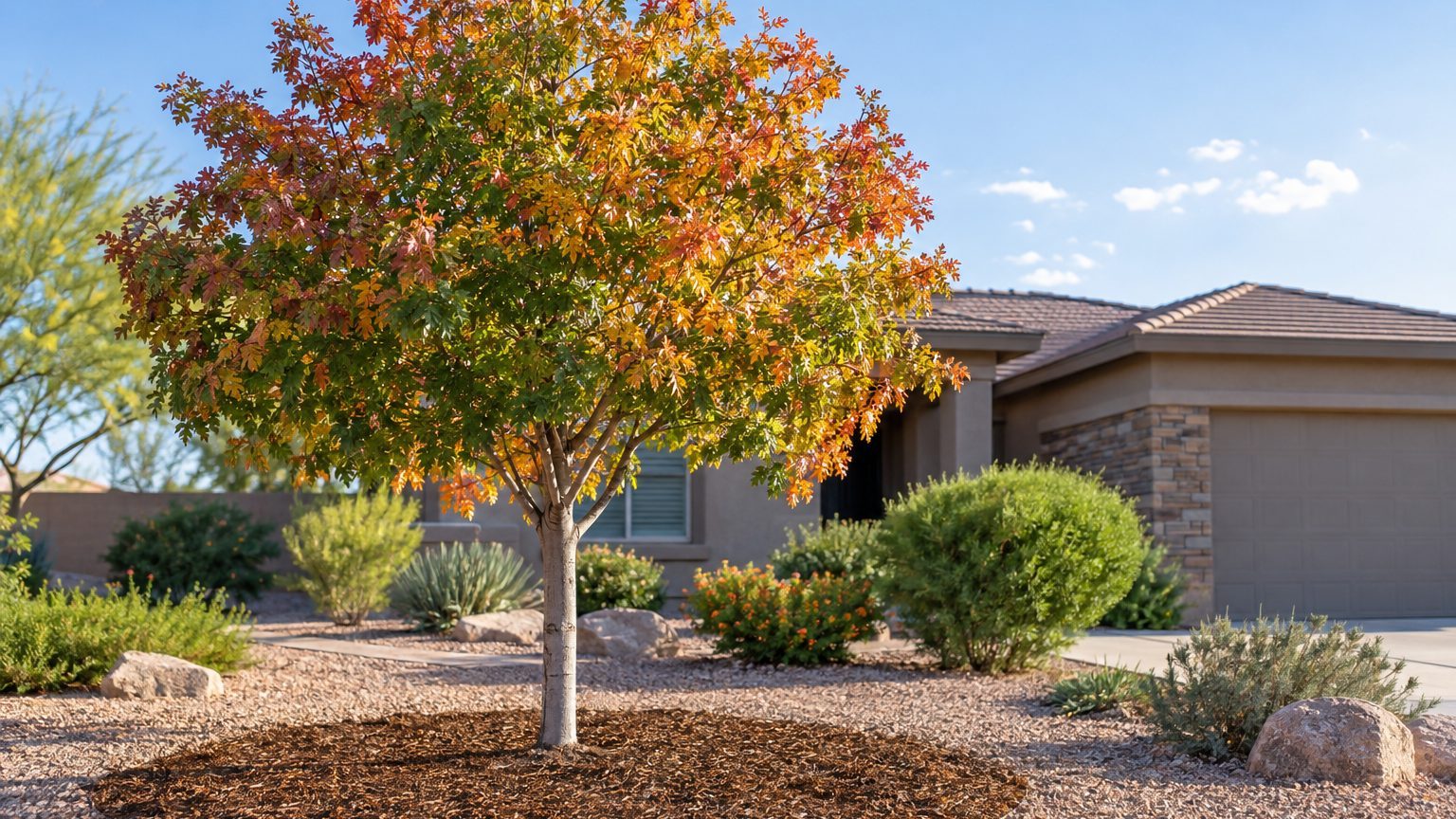
A young shade tree newly planted in a home yard

Shade and ornamental trees settle in best from October through December, and the year looks like this for a tree in a container or wrapped in burlap.

  • In October, the worst of the summer heat has passed, so new roots can grow in soil that is still warm.
  • Through November, a tree planted now spends the cool months building roots before it faces summer heat.
  • In December, planting is still on the calendar, and the tree stays dormant above ground while the roots keep working below.
  • Outside the main planting window, a container tree can still go in if you water it regularly.
  • In summer, planting is hardest on the tree, because heat and dry soil stress young roots.

In Phoenix, a freeze is rare, and a cold snap that touches 32F can come between late December and mid January. The high country around Flagstaff is a different climate and freezes hard. Hardiness zones in the USDA system run from 4b to 10b across the state, so a planting spot in the high country needs a different tree than one in the Phoenix area.

When to Plant Fruit Trees in Arizona

Fruit trees go in during February and March, late winter and early spring, which is when bare-root trees show up for sale. Buy them and plant them soon, while they are still dormant and before the buds open.

Container-grown fruit trees follow the same window, so you can shop for either kind at the same time.

Kind of fruit tree When to plant in Arizona Why then
Bare-root February to March Sold only in late winter and early spring, and planted while dormant
Container February to March Settles best in the dormant season, though it can go in most of the year with watering

Chill hours shape which fruit does well here. Stone fruits are much more frost-prone, and their recommended chill hours matter more. Eva’s Pride, a peach with a very low chilling requirement of 100-200 hours, ripens early to late May, and the variety suits mild desert winters. Fruit tree varieties get a fuller look on the page about the best fruit trees to grow in Arizona.

Best Trees to Plant in Arizona

For deciduous shade, desert-adapted trees with moderate to low water needs are the favorites: mesquite, palo verde and sweet acacia. For windbreaks or year-round shade, evergreens such as Afghan pine, Arizona cypress and live oak come in various sizes and shapes.

Tree How it does in Arizona Why
Mesquite A favorite deciduous shade tree Desert adapted, with moderate to low water needs
Palo verde A favorite deciduous shade tree Desert adapted, with moderate to low water needs
Sweet acacia A favorite deciduous shade tree Desert adapted, with moderate to low water needs
Afghan pine A good evergreen for windbreaks or year-round shade Comes in various sizes and shapes
Arizona cypress A good evergreen for windbreaks or year-round shade Comes in various sizes and shapes

Live oak also fills the evergreen role. Match any of these to the space you have, the sun it will get and your hardiness zone, since the high country and the low desert differ so much.

When to Plant, Water and Prune Trees in Arizona

Planting, early watering and fruit tree pruning each have their own moment in the year. Watering follows planting, so the schedule starts the day the tree goes in.

Task Best timing in Arizona Why then
Plant shade and ornamental trees October to December Roots grow in warm soil before the heat returns
Plant fruit trees February to March Bare-root trees are for sale and still dormant
Water a young tree Regularly after planting, especially in hot, dry weather Heat and dry soil stress new roots
Prune fruit trees January to February Dormant, before growth starts

Prune fruit trees while they are dormant and before the buds swell. Peaches come last, closest to bloom, because their flower buds are easily hurt by cold, and apples come first. Pruning in fall or early winter is avoided, since new growth may not harden before the cold. The page on when to prune fruit trees in Arizona goes deeper.

Where to Get Tree Advice in Arizona

For a tree choice that fits your yard or a soil test, start with University of Arizona Cooperative Extension and your county office.

  • The extension website carries guides on desert trees and low-desert fruit, worth reading before you shop in fall or late winter.
  • Your county office can advise on which tree suits your spot and explain how to send in a soil sample before planting.

Common Questions

Can You Plant a Tree in Summer in Arizona?

A container tree can go in with steady watering, but summer is the hardest season for it. Heat and dry soil stress new roots, so waiting for fall gives the tree an easier start.

Do You Need to Worry About Frost When Planting Trees in the Arizona Desert?

Rarely. A freeze is uncommon in the low desert, so summer heat is the bigger concern. Flagstaff and the high country freeze hard, so trees there need to suit the cold.

How Soon Should You Plant a Bare-Root Tree After Buying It?

Plant it soon after purchase, while it is dormant and before the buds open. Bare-root trees are sold only in late winter and early spring, so the window is short.

Best Peonies for Arizona

Best Peonies for Arizona

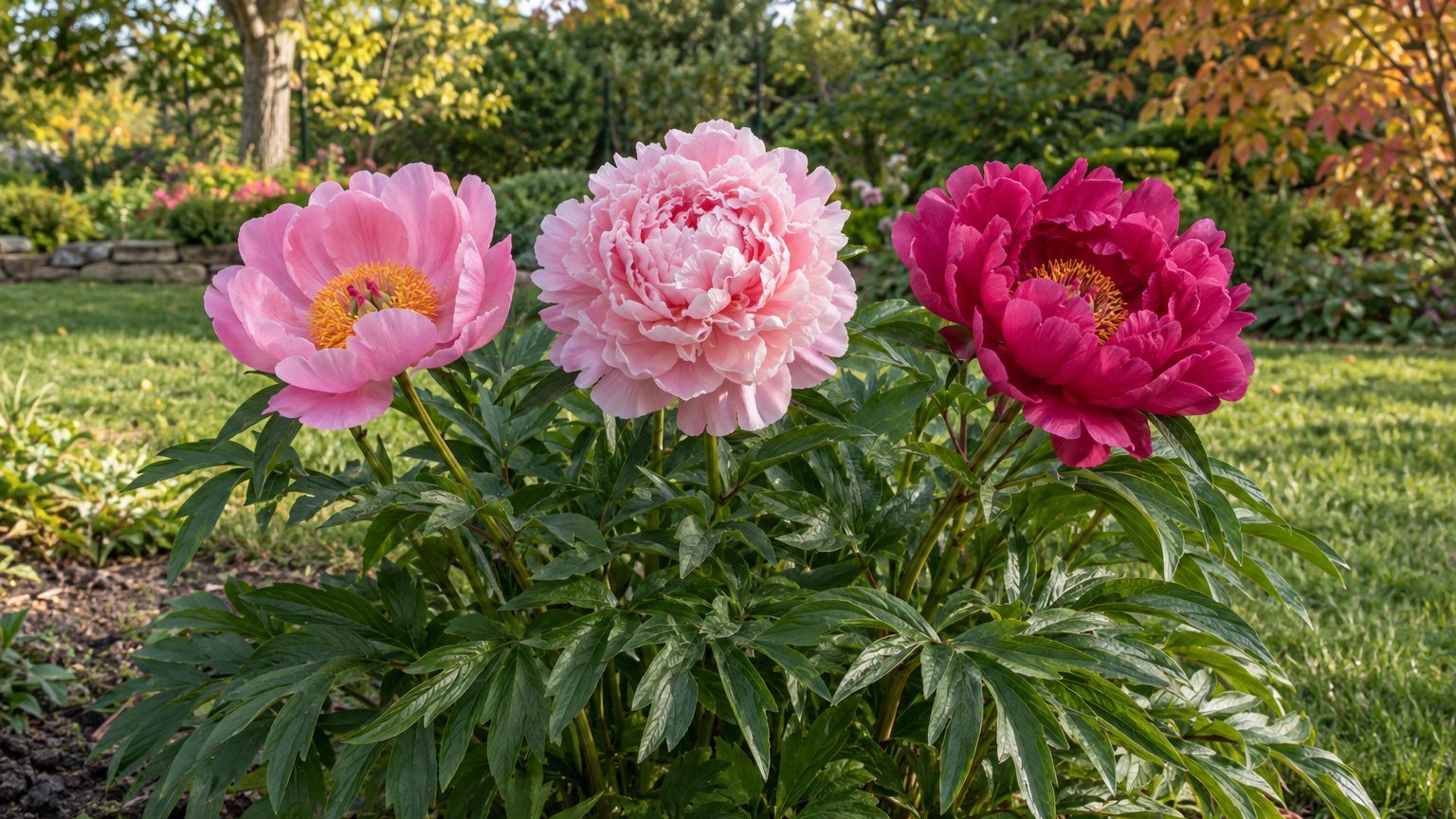
Peonies are a cool-country plant, and most of Arizona is not cool country. Where winters stay mild, flowering is thin or missing, while the high country gives them the cold rest they want. Early-blooming herbaceous cultivars are the ones to try if you garden at a lower elevation.

Best Peonies to Grow in Arizona

Best Peonies for Arizona

Herbaceous peonies that bloom early in spring hold up best here, and they do their best work in the cold high country. In the low desert the winter is too mild for them to flower reliably. A peony needs a cold winter rest to flower. Phoenix reached freezing in only 6 of 30 springs, while the high country has a very different winter.

Early-Blooming Cultivars

Early-Blooming Cultivars — Best Peonies for Arizona

Early bloomers open before hot weather settles in, which matters in a state where summer heat arrives fast. They are also less prone to botrytis blight. If you want to test a peony at a lower elevation, start here.

Sarah Bernhardt

Sarah Bernhardt — Best Peonies for Arizona

This soft pink double is a popular cut-flower cultivar. It is also a standard landscape choice. Its popularity means plants are easy to find, but it still wants real winter cold to flower.

Karl Rosenfeld

This deep red cultivar appears on the cut-flower and landscape lists. It suits a cold-winter garden at elevation. A newly planted division may skip its first spring bloom, so give it time to settle.

Festiva Maxima

This white peony is another long-standing landscape cultivar. It is a good pick for a high-country bed where winters give the plant its full rest. Plant it with the eyes near the soil surface, since deep planting can leave it blooming poorly or not coming up at all.

Red Charm

Red Charm belongs with the popular cut-flower cultivars. Like the others, it does best where winters are cold. Peonies handle cold much more readily than heat, so the high country is the safer home for it.

How to Choose a Peony for an Arizona Garden

Your elevation matters more than any cultivar name. A garden that freezes hard each winter gives peonies what they need, while a garden in the low desert asks them to bloom without the rest they depend on.

Match the plant to the season you can offer it, then pick a cultivar from the popular lists above.

Your situation What suits it in Arizona Why
Very cold winter, high country An early-blooming herbaceous cultivar Peonies tolerate cold much more readily than heat and need winter cold to flower
Hot summer Early-blooming cultivars They bloom before hot weather sets in
Warm, damp spells Early-blooming cultivars They are less prone to botrytis blight
Concern about disease Herbaceous peonies in well-drained soil They are generally thought to have very few disease problems and prefer well-drained, loamy soil
Mild winter, low desert An early-blooming cultivar, with modest expectations Without a cold winter rest, flowering may be poor

Small-space gardeners have no special peony in this lineup. Choose by winter cold first, and let the space you have decide how many plants you set.

Which Peonies Suit Different Parts of Arizona

Arizona includes mild-winter desert areas and cold high country, and peony success follows that split.

  • Flagstaff and the high country: Winters here freeze hard, which gives peonies the cold rest they need. This is where herbaceous peonies behave most like they do in a cold-climate garden.
  • Phoenix and the low desert: Freezing temperatures are rare and the winter chill is thin. Flowering may be sparse, so choose an early bloomer and treat any flowers as a bonus.

At middle elevations, success depends on whether winter provides enough cold.

Peony Buying Mistakes to Avoid in Arizona

Choosing for a Mild Winter

Buying a peony without checking your winter cold is a mistake. A plant that never gets its chill grows leaves but flowers poorly, and the money spent on a root goes to foliage. If you garden in the low desert, pick an early bloomer and keep expectations low, or put your effort into the high country if you have a garden there.

Planting Too Deep

A peony set too deep may bloom poorly or fail to come up. Keep the eyes, the small pink buds on the root, near the soil surface when you plant. Well-drained, loamy soil helps, though ordinary garden soil still gives good flowers.

Expecting Flowers the First Spring

A newly planted or transplanted peony may not bloom its first spring. Many gardeners decide the plant has failed and dig it out. Leave it in place rather than judging it by its first spring.

Where to Get Peony Advice in Arizona

Local growers know which cultivars cope with your elevation, and the state’s extension network is the place to reach them.

  • University of Arizona Extension publishes gardening guidance for the state’s different climates, and it is worth checking before you order roots.
  • Your county extension office can speak to conditions at your elevation, so call or visit before you buy.

Common Questions

Should You Cut Back a Peony in Arizona?

A herbaceous peony dies back each year and is cut back after frost. A tree peony keeps its woody stems and is never cut back.

Do Peonies Get Many Diseases?

Peonies are generally thought of as having very few disease problems. Early-blooming cultivars lower the risk of botrytis blight further.

What Soil Do Peonies Like?

They prefer well-drained, loamy garden soil. They prefer well-drained, loamy soil, so make drainage the priority when preparing the bed.

When Do Peonies Bloom in Arizona?

When Do Peonies Bloom in Arizona?

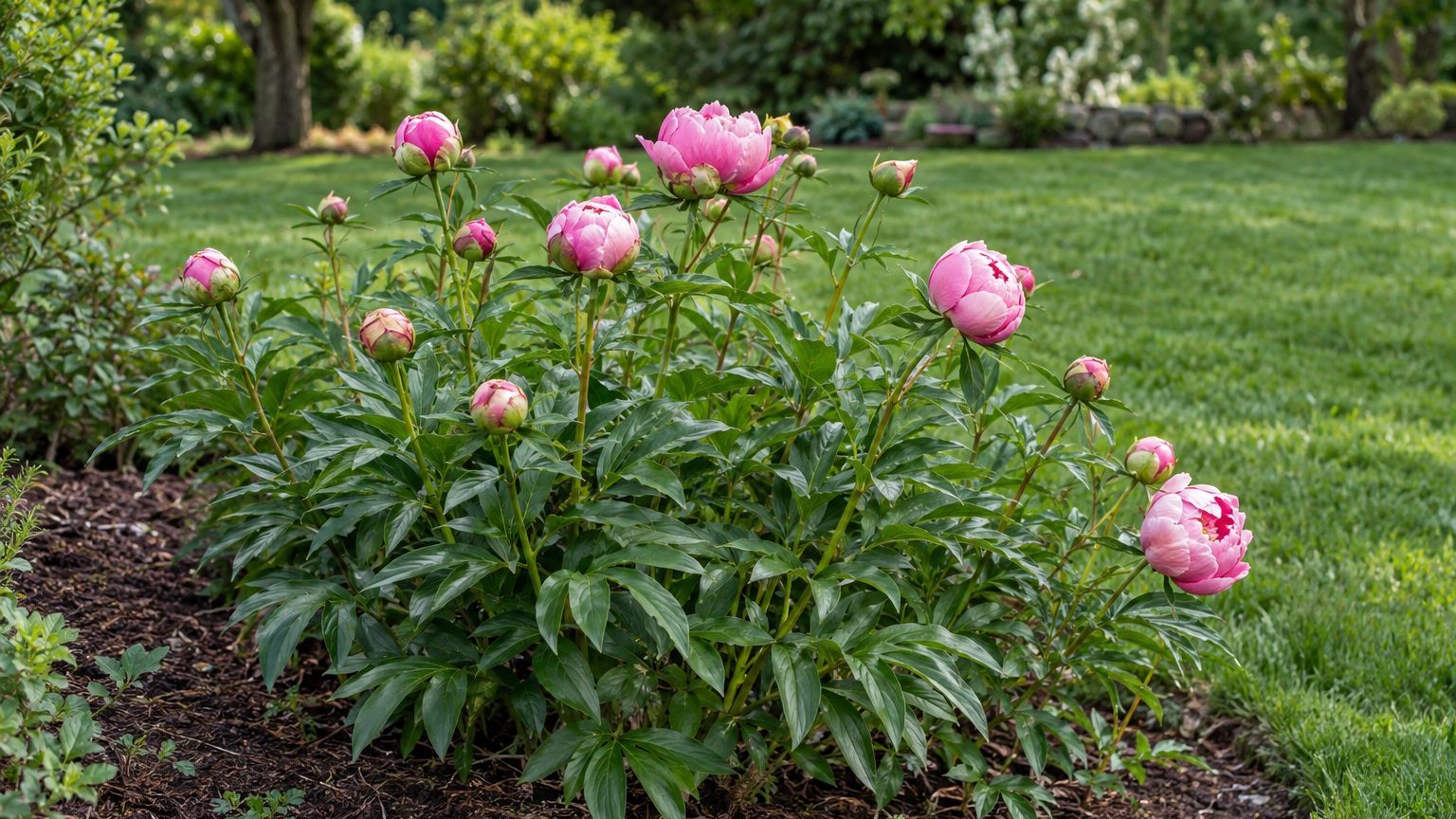
Peony buds swell like small green marbles at the tips of the stems, then crack open into ruffled flowers. In Arizona, whether that happens at all depends on winter. Peonies need a cold rest to flower, so bloom is more likely in the cool high country and uncertain in the low desert.

When Do Peonies Bloom in Arizona?

When Do Peonies Bloom in Arizona?

Peonies bloom in spring wherever winter gives them enough cold, and that is the whole story here. Most of the low desert is too mild for them, so flowering may be poor or absent. Higher, colder ground gives a more normal spring show.

Phoenix reached 32F in only 6 of 30 springs, while the cold high country has a very different winter. Hardiness zones across Arizona run from 4b to 10b on the USDA system, so the right answer depends on where your yard sits.

Type of peony When it blooms in Arizona What to know
Early-blooming herbaceous Spring, ahead of the summer heat, if winter chill was enough Has time to flower before hot weather arrives and is less prone to botrytis blight, so it is worth trying in a mild-winter yard
Other herbaceous types Spring in the cold high country, unreliable in the low desert Needs winter cold to flower and may bloom poorly where winters stay mild

Do not assume that tree peonies or Itoh hybrids will escape the problems caused by a mild winter. A tree peony keeps its woody stems, so it is managed differently from the herbaceous kind. A newly planted or transplanted peony may not bloom the first spring, so a spring without flowers is not a verdict.

How to Tell When Your Peonies Are About to Bloom

Because the calendar shifts so much with elevation and winter chill, the plant itself is a better clock than any date.

  • Red, pointed shoots show that the plant is growing, but they do not guarantee flowers.
  • Shoot growth alone cannot show whether the plant received enough winter cold.
  • Round buds at the stem tips show that flowers are forming.
  • Swelling buds show that bloom is approaching.
  • Shriveled or brown buds do not reveal the cause by themselves.
  • A leafy plant without buds may be planted too deep, or its winter may have been too mild.

Watching these signs each spring will teach you more about your own yard than any general schedule.

When to Cut Back Peonies in Arizona

Cut herbaceous peonies back after frost, once the foliage has died. In the high country that frost arrives on its own. In the low desert, where freezes are rare, wait until the leaves have yellowed and browned and the plant has clearly gone dormant, rather than cutting green growth.

Cut the stems down close to the ground, leaving the eyes at the crown undisturbed and near the soil surface.

A tree peony is the exception. It keeps its woody stems, so it is never cut to the ground. Remove only dead or damaged wood and let the framework stand.

How Peony Bloom Time Shifts Across Arizona

Elevation shapes the result because the high country has much colder winters than the desert.

  • Phoenix and the low desert: Winters are mild and a freeze is rare, so peonies often get too little chill to flower well. Early-blooming types give the best chance, because they open before summer heat sets in.
  • Flagstaff and the high country: Winters freeze hard here, which gives peonies the cold rest they want. Its cold winters make flowering more likely than in the low desert.

At middle elevations, watch whether local winters provide enough cold for peonies to flower.

Where to Get Peony Advice in Arizona

Local growers know which cultivars cope with your elevation and winter chill. University of Arizona Extension and your county office are the places to ask about peonies in your part of the state.

  • The extension website has gardening guidance written for Arizona conditions, and it is worth reading before you buy plants.
  • Your county extension office is another place to ask about nearby conditions.
  • When you call or visit, have your town and elevation ready.

Common Questions

Why Won’t a Newly Planted Peony Bloom?

A newly planted or transplanted peony may not bloom the first spring while it settles in. If a plant stays leafy without blooming, check the depth, because a peony set too deep may bloom poorly or not come up.

What Hardiness Zones Does Arizona Cover?

Arizona spans hardiness zones 4b to 10b. That range is why peony advice differs so much between the cold high country and the desert floor, so check your own zone before choosing a plant.

How Much Winter Cold Does a Peony Need?

As a guide, peonies need a long stretch of cold winter weather to flower. Yards that rarely reach that level, as in much of the low desert, may see weak or missing blooms.

When to Plant Peonies in Arizona: Dates and Care

When to Plant Peonies in Arizona: Dates and Care

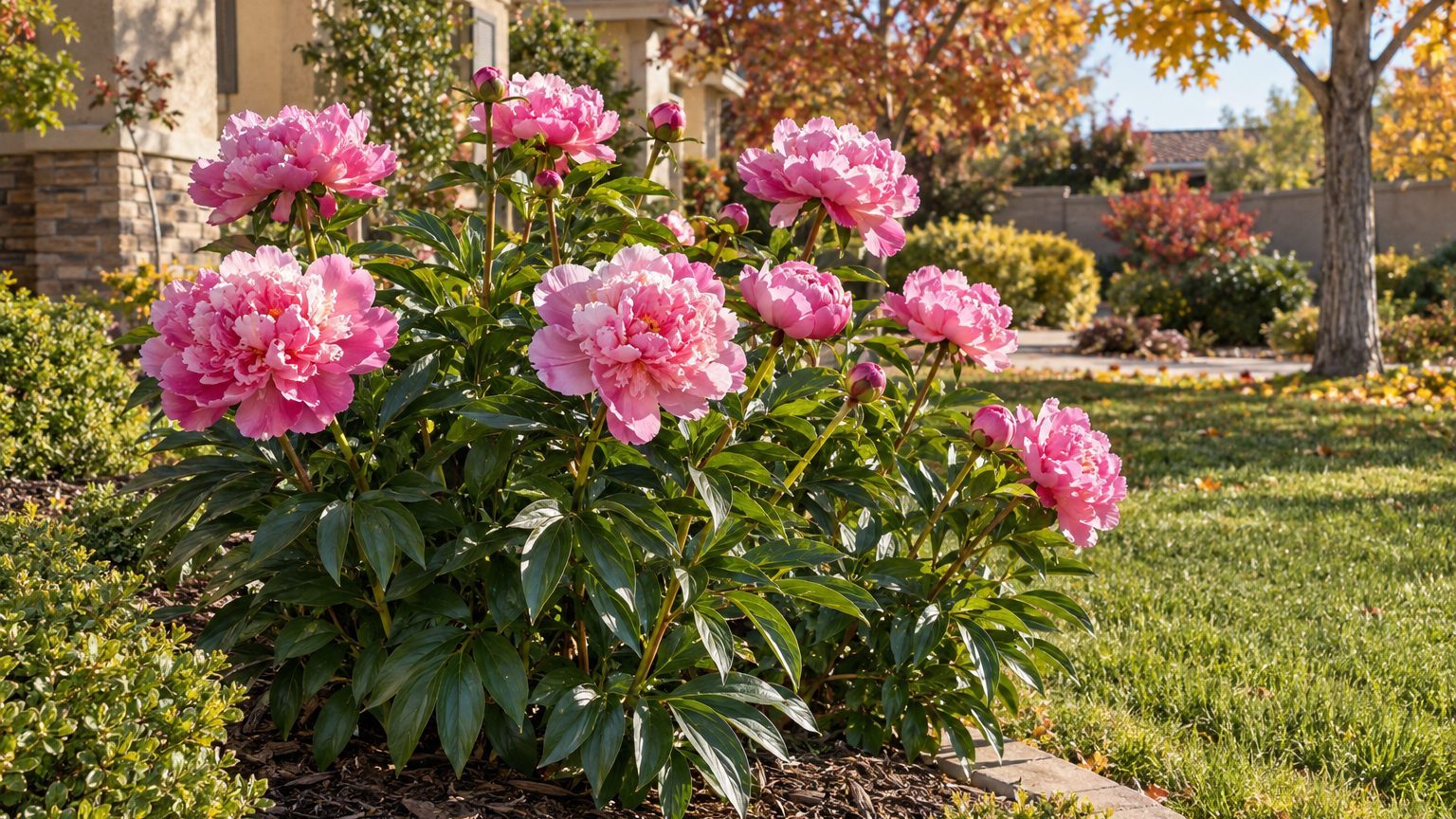
A peony in full bloom, with its heavy ruffled flowers in late spring, is a sight many Arizona gardeners hope to recreate. The desert makes that hard. Peonies need a cold winter rest to flower, and most of Arizona is too mild to give it. Flagstaff and the high country are the exception.

When to Plant Peonies in Arizona

When to Plant Peonies in Arizona: Dates and Care

Plant peonies only where winters are truly cold, and keep the eyes near the soil surface. That points to the high country, since the low desert gives no dependable freeze to count on. Watch the plant and local conditions instead of relying on a statewide calendar.

  • At planting, keep the eyes near the soil surface, because a peony planted too deep may bloom poorly or not come up.
  • Through winter, the plant sleeps, and this cold rest is what prepares the buds to flower later.
  • Do not use shoot emergence alone to decide whether winter provided enough cold.
  • A newly planted or transplanted peony may not bloom the first spring.
  • In the low desert, mild winters may leave peonies flowering poorly.
  • After frost, a herbaceous peony dies back and is cut down.

Frost dates barely help here. At the Phoenix reference city, a rare cold snap can bring 32F between late December and mid January, and the fall freeze cannot be counted on at all. The USDA hardiness zone spans 4b to 10b across the state, so a Flagstaff yard and a Phoenix yard live in different worlds.

Which Peonies Grow Best in Arizona?

Peonies struggle across the low desert. They need winter chilling to bloom, and Arizona growers are told to count on a cold period below the chilling threshold. Mild Arizona winters rarely deliver that. In the high country, where hard freezes are normal, peonies have a real chance.

Where a gardener in a milder area wants to try anyway, early-blooming kinds are the safer bet. Early-blooming cultivars flower before hot weather arrives and are less prone to botrytis blight.

Peony type How it does in Arizona Why
Herbaceous, early blooming Best bet in Flagstaff and the high country, a gamble in the low desert Needs real winter cold and flowers before summer heat
Herbaceous, later blooming Weaker in warm areas Buds meet hot weather and are more prone to botrytis blight

Peonies need a cold winter rest to flower and may perform poorly where winters stay mild. In Phoenix, Tucson and similar low desert yards, peonies may flower poorly or not at all, so consider other perennials for those beds.

When to Plant, Cut Back and Feed Peonies in Arizona

Peony chores follow the plant’s rhythm more than the calendar, and Arizona’s climate spread makes signs more dependable than months. These cues apply to high country yards where peonies can succeed.

Task Best timing in Arizona Why then
Planting Only where winters provide a cold rest Peonies need a cold winter rest to flower
Cutting back herbaceous peonies After the first hard frost The foliage has died and stopped feeding the crown
Cutting back tree peonies Never The woody stems carry next year’s growth
Feeding Ask for advice suited to your elevation Local conditions should guide this decision

Keep the eyes near the soil surface at planting.

How Peony Planting Dates Change Across Arizona

Elevation strongly shapes Arizona winters, so the same plant meets very different conditions across the state.

  • Flagstaff: Winters freeze hard here, so peonies get the cold rest they need. Choose a site where winter provides the cold rest peonies need.
  • Phoenix: Frost is rare and summer heat is long, so herbaceous peonies tend to flower poorly. Planting dates matter less than whether the plant ever gets enough winter chill.
  • Tucson and the southern deserts: Use local winter observations rather than applying the Phoenix reference to the whole region.

At middle elevations, success depends on whether local winters provide enough cold.

Where to Get Peony Advice in Arizona

Local advice matters more than usual here, because a yard in Prescott and a yard in Yuma need very different answers. The state’s land-grant extension service and your county office can help sort out what suits your elevation.

  • The University of Arizona Cooperative Extension offers plant guidance written for Arizona conditions, so check it before buying bare roots.
  • Ask your county extension office where to find local soil-testing and plant-diagnosis help.

Common Questions

Can You Grow Peonies in Phoenix?

You can plant them, but they may flower poorly. Mild winters rarely give the cold rest peonies depend on, so many gardeners choose other perennials for low desert beds.

Do Peonies Need to Be Cut Back in Arizona?

Herbaceous peonies are cut down after the first hard frost, once the foliage has died. Tree peonies keep their woody stems and are left alone.

Why Won’t a New Peony Bloom?

A young plant often skips its first spring, which is normal. If it stays leafy, check the planting depth and consider whether the winter was cold enough.

Best Lilacs for Arizona

Best Lilacs for Arizona

Where Arizona winters stay mild, lilacs bloom poorly or not at all because their buds need a cold winter rest. In the low desert around Phoenix, the common lilac struggles, so gardeners reach for Southern lilacs and low-chill hybrids. Up in the high country, where winters bite, a wider range of lilacs can grow.

Best Lilacs to Grow in Arizona

Best Lilacs for Arizona

Southern lilacs and the Descanso hybrids are options to try where winters are mild, while the common lilac belongs only in the cold high country. Phoenix winters are generally too mild for the flower buds of a common lilac to mature. Even the low-chill kinds bloom best after a cold winter rest.

Southern Lilacs

Southern Lilacs — Best Lilacs for Arizona

Plants labeled Southern lilacs, or lilacs for the South, bloom early and usually grow and flower where common lilacs fail. They are not as fragrant as the lilacs you may remember from colder places. Look for that wording on the plant tag.

Descanso Hybrids

Descanso Hybrids — Best Lilacs for Arizona

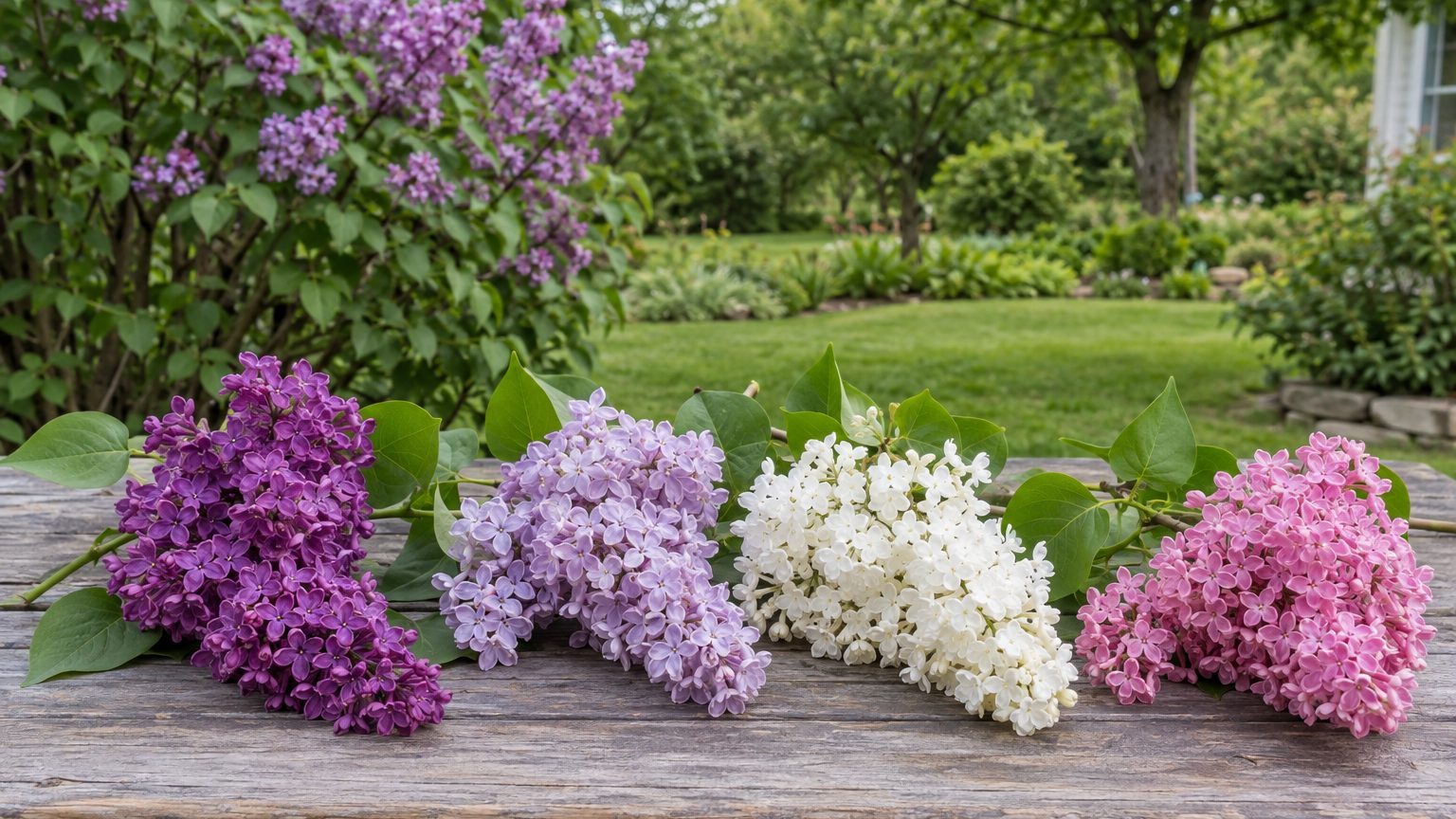
These were bred for mild-winter gardens and are worth trying in the low desert. Names to look for include the white ‘Angel White’, the blue ‘Blue Boy’ and the pink ‘California Rose’. Some varieties will bloom with only a little chilling, though more cold still means more flowers.

Low-Chill Cultivars

Breeders have developed low-chill cultivars that need less winter cold than a classic lilac. Treat them as an improvement, not a cure. Even these perform best after a long, cold winter rest, so expect lighter bloom in the lower, hotter parts of the state than in the cooler north.

Superba

The cultivar ‘Superba’ is heat tolerant and mildew resistant, with dark pink, single flowers. Heat and humidity invite powdery mildew on common lilacs, so a mildew-resistant plant gives you a fair chance through a long summer.

Meyer Lilac

Syringa meyeri is slow growing, with dense foliage and a broadly rounded shape. It stays a compact, spreading shrub, which suits a small yard. Plant it in the cooler high country, where winters give its buds the rest they need.

Common Lilac

The common lilac is not suited to the heat of the low desert. Its recommended growing range favors cold-winter climates rather than the low desert. Use it only where winters really freeze.

How to Choose a Lilac for an Arizona Garden

Start with how cold your winter gets, since that decides everything else. Arizona spans USDA zones 4b to 10b, so a lilac that thrives in one town can fail in a nearby community.

Next, think about summer. Heat and humidity bring mildew, and a plant that tolerates both saves you trouble.

Your situation What suits it in Arizona Why
Very cold winter in the high country Common lilac It is suited to the colder zones and wants a pronounced winter chill
Hot summer with humid spells ‘Superba’ It is heat tolerant and mildew resistant
Mild low-desert winter Southern lilacs or Descanso hybrids They bloom with little chilling
Small space Meyer lilac It stays compact and grows slowly
Little time for pruning Meyer lilac It is slow growing with dense foliage
Not much winter cold Low-chill cultivars They need less cold, though cold still helps

Littleleaf lilac, Syringa microphylla, is another species worth asking a nursery about.

Which Lilacs Suit Different Parts of Arizona

Elevation shapes the choice more than anything else here, because winter cold changes sharply as you climb.

  • Phoenix and the low desert: Winters are mild and summers stop common lilacs cold. Stick to Southern lilacs, Descanso hybrids and low-chill cultivars, and expect modest flowering.
  • Flagstaff and the high country: Winters freeze hard here, a different climate from the desert floor. Common lilacs and Meyer lilacs have the cold rest they want, but early bloomers such as the Hyacinthifloras do best where late frosts are less frequent.

Between those two places, the cooler your winters, the more of the standard lilac list opens up to you.

Lilac Buying Mistakes to Avoid in Arizona

Planting a Common Lilac in the Desert

Many nursery lilacs are common lilacs, and they languish in hot climates. The cost is a shrub that leafs out, mildews and rarely flowers. In the low desert, choose a Southern lilac or Descanso hybrid instead.

Ignoring How Much Cold a Variety Wants

A variety that needs a long cold rest will sulk where winters stay mild, because its flower buds never mature. Cultivars described as heat tolerant or low chill are the safer pick. Even so, set realistic expectations for bloom in warm places.

Buying Without Knowing Adult Size

A small pot can hide a shrub that eventually crowds its site, while a Meyer lilac stays compact. Read the tag for mature height before choosing a spot. Prune right after the flowers fade, since lilacs set next year’s buds soon after blooming and cutting later removes them.

Where to Get Lilac Advice in Arizona

Local growers know which lilacs have survived in your town. Reliable local guidance is worth a call or a visit.

  • The University of Arizona Cooperative Extension offers plant guidance for each part of the state, so check it before you buy.
  • Your county extension office can tell you what lilacs have done in your elevation, and a visit in spring shows what is blooming nearby.

Common Questions

Are Southern Lilacs as Fragrant as Common Lilacs?

They are not. Southern lilacs usually grow and bloom well but have less perfume than the lilacs of colder places. Many gardeners accept that trade for flowers that actually open.

Is a Lilac on Its Own Roots Better than a Grafted One?

For cold hardiness, yes. Lilacs on their own roots are far hardier than grafted lilacs, which matters most in the high country where winters freeze hard.

Can You Stretch the Bloom Season?

Planting several species gives you flowers across a longer stretch of spring, since each has its own flowering time.

When to Prune Lilacs in Arizona

When to Prune Lilacs in Arizona

A lilac that has dropped its last purple or white clusters is telling you the pruning window has opened. In Arizona the common lilac is a stretch, since it wants a cold winter rest the low desert rarely gives. The rule still holds wherever one grows: cut right after the bloom fades.

When to Prune Lilacs in Arizona

Lilac stems after flowering

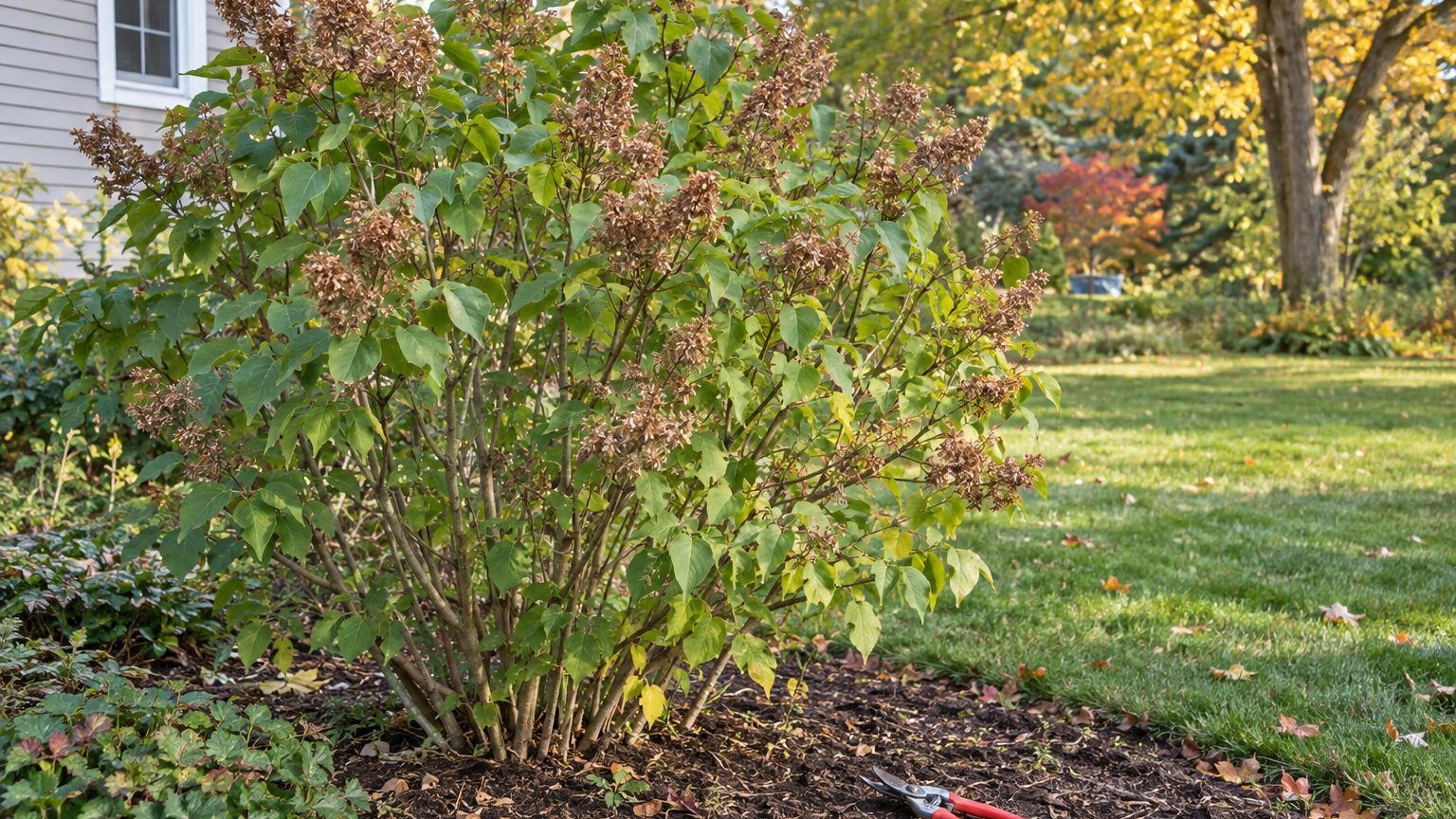
Prune lilacs in Arizona right after the last flowers fade, whatever month the local spring brings them. Lilacs set next year’s flower buds in summer, soon after blooming, so a cut made late costs you the next show. Phoenix reaches 32F in only 6 of 30 springs, so frost does not set the schedule.

Type of pruning When in Arizona Why
Routine maintenance (spent blooms, crossing or weak stems) Right after the flowers fade Next year’s buds form in summer on this season’s growth, so an early cut keeps them
Thinning an old, crowded shrub Right after bloom, a little at a time Removing old stems lets light in, but heavy cuts remove flowering wood
Reblooming lilacs In spring Reblooming lilacs follow a different pruning rule

Cuts made in late summer, fall or winter remove the buds already set for spring. Lilacs also need a cold winter rest to mature those buds, and in a hot desert yard they may flower poorly no matter how well you prune. Low-chill types, such as the Descanso hybrids, are worth trying in Arizona because some varieties bloom with little chilling.

How to Tell When Your Lilacs Are Ready to Prune

Watch the shrub rather than the calendar, because the bloom follows the local spring and shifts from yard to yard.

  • The flower clusters turn from fresh color to brown and dry, which means the bloom is over and the cutting can start.
  • Petals drop and the cluster looks ragged, which tells you the plant is already moving its energy toward next year’s growth.
  • New leafy shoots push from below the old flower heads, helping you see where fresh growth begins.
  • Dead stems stand out against the new leaves and can come out first; thin or crossing stems may still carry flowers.

If the shrub never bloomed at all, consider the winter cold as well as the timing of past pruning.

Should You Prune Lilacs in Fall or Winter in Arizona?

No. Cutting in fall or winter takes off the flower buds that formed over summer, so the shrub leaves out spring with few or no blooms. Dormant-season cuts are fine for a plant you grow only for its leaves, but they defeat the point of a flowering lilac.

Rejuvenating an overgrown shrub in late winter is a common recommendation elsewhere, and it works for renewing the plant. The trade is a season without flowers, because those cuts remove the wood that carries the buds. Treat heavy renewal as a deliberate trade for flowers, and make the cuts gradually rather than all at once.

How Lilac Pruning Time Shifts Across Arizona

Arizona spans USDA zones 4b to 10b, so lilac prospects and timing differ sharply by region. The sign (fading flowers) stays the same, but whether the shrub blooms at all changes.

  • Flagstaff: The high country freezes hard, gives lilacs the cold winter rest they want, and is the place in the state where they behave most like they do in colder climates. Prune soon after the flowers fade.
  • Phoenix: The low desert rarely freezes, and summer heat is the limit. Common lilacs may flower poorly, so low-chill selections are a better bet, pruned right after what bloom they give.

Between those areas, yards at middling elevations fall somewhere in the middle, and the amount of winter chill your yard gets is the best guide to how well a lilac will do.

Where to Get Lilac Advice in Arizona

Local conditions vary so much across the state that nearby advice beats general advice. University of Arizona Extension publishes guidance for desert and high-country yards alike.

  • Your county extension office can tell you which shrubs hold up at your elevation, so ask before you buy a lilac.
  • Local master gardener volunteers often answer questions about bloom failure, and when your lilac should be flowering is a good time to ask.

Common Questions

Will a Lilac Bloom in the Arizona Low Desert?

It may bloom poorly or not at all. Lilacs need a cold winter rest to mature their flower buds, and they struggle in hot summers. Selections sold as southern or low-chill lilacs give you better odds.

Which Lilacs Are Worth Trying in a Warm Climate?

Early-blooming types labeled southern lilacs and Descanso hybrids such as Angel White and Blue Boy are worth trying in warm climates. Southern lilacs usually grow and bloom, though they are less fragrant than the lilacs of colder places.

Does Heavy Pruning Kill a Lilac?

Rarely, but it can cost you flowers. An old shrub cut hard loses much of the wood that carries buds, so renewal is best done gradually, removing a few of the oldest stems after each bloom.

When Do Lilacs Bloom in Arizona? Dates and Care

When Do Lilacs Bloom in Arizona? Dates and Care

A lilac in full bloom is a spring sight, and in Arizona it depends heavily on where the yard sits. Gardens in the high country can bring one into flower. Low-desert yards, with mild winters and long hot summers, ask more of the plant than it can give.

When Do Lilacs Bloom in Arizona?

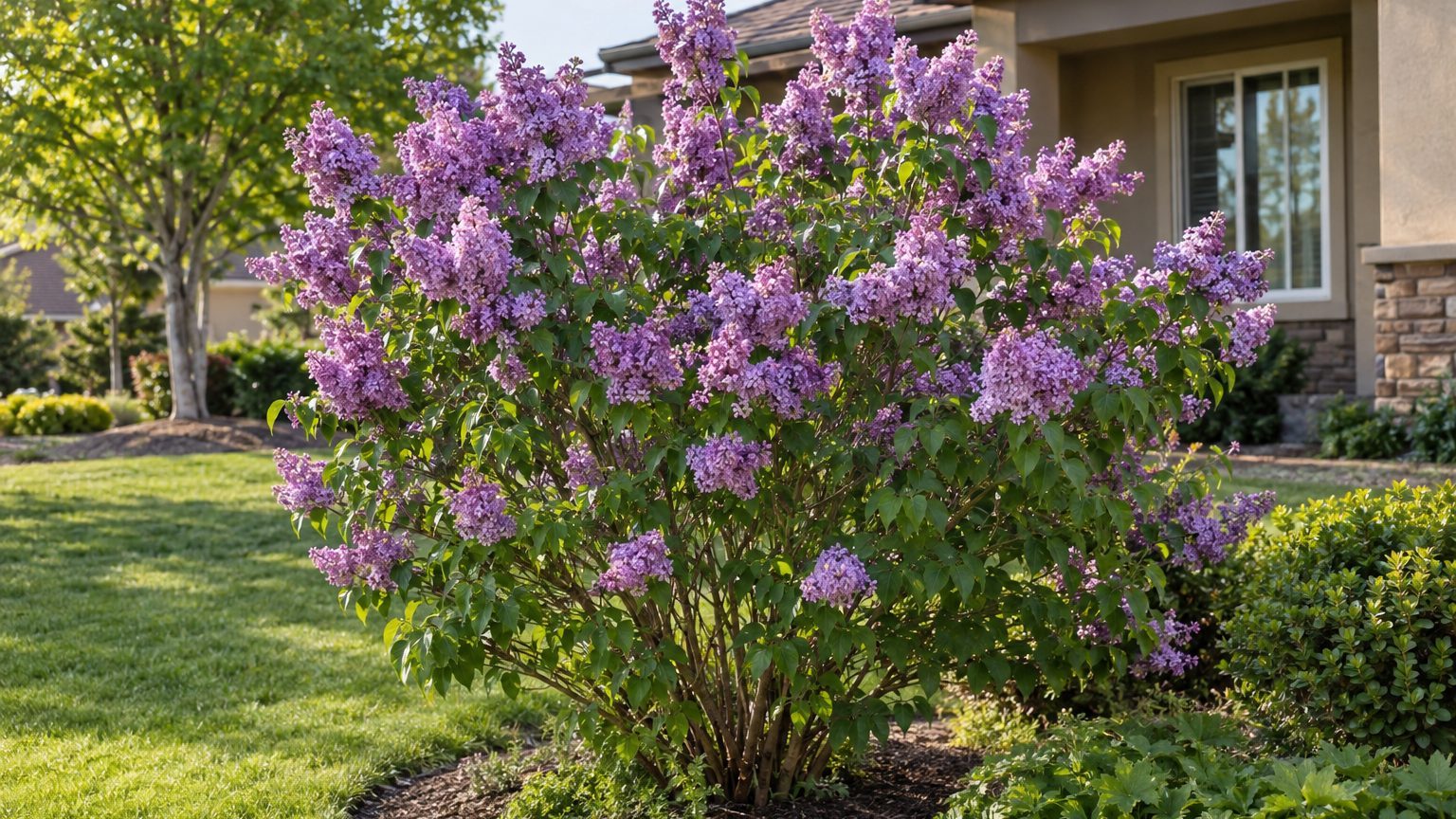
A lilac bush in bloom in a home garden

Lilacs flower with the local spring, so the bloom comes when your own yard turns the corner from winter, and in the low desert it may be sparse or skipped. The year of a lilac here runs in a clear order.

  • In spring, the clusters open as the local season warms, and cooler high-country yards see them later than warm valley yards.
  • Right after the last flowers fade, prune, because that is the moment before next year’s buds begin to form.
  • Through summer, the shrub sets the buds for the following spring on the new growth, so leave the branches alone.
  • In fall, the plant slows down and holds those buds, still untouched by pruners.
  • In winter, the shrub needs a cold rest to mature its flower buds, and a mild winter is the usual reason for a poor show.

In the Phoenix area, a rare cold snap can bring 32F between late December and mid January, and a freeze does not happen in most years. A reliable fall freeze does not arrive at all. The USDA Plant Hardiness Zone system spans 4b to 10b across Arizona, so a Flagstaff yard and a Phoenix yard sit in entirely different worlds.

Which Lilacs Grow Best in Arizona?

In the high country, where winters are cold, lilacs can do well. In the low desert, common lilacs struggle because the winters are too mild to rest the buds and the summers are too hot.

Gardeners in warm regions have a few kinds to try. None gives the full cold-climate display, but some bloom with little winter chill.

Lilac type How it does in Arizona Why
Common lilac Does best in the cold high country, struggles in the low desert Needs a cold winter rest, dislikes hot summers
Southern lilacs (sold as lilacs for the South) Usually grow and bloom in warm yards Early blooming, but less fragrant than the classic kind
Descanso hybrids Worth trying in warm yards Bred in a warm region, in white, blue and pink forms
Low chill cultivars Bloom with less winter cold Still do better with a long cold rest

Among the Descanso hybrids, the white Angel White and the blue Blue Boy are the names to look for, along with a pink variety. Plants sold as heat tolerant often do not thrive in hot, humid weather, and hot humid stretches also invite powdery mildew.

When to Plant, Prune and Feed Lilacs in Arizona

The calendar of a lilac is set by its flower buds more than by the weather. Pruning is the task with a firm timing rule. The full detail lives on the page about when to prune lilacs in Arizona.

Task Best timing in Arizona Why then
Prune Right after the flowers fade Lilacs bloom on last year’s wood and set next year’s buds soon after flowering
Hold off pruning Late summer, fall and winter Cutting then removes the next spring’s flowers

Planting and feeding follow your yard’s local spring rather than a fixed date, and the low desert needs extra care because summer heat is the limiting factor. A planting made at the start of a cool spell gives roots a chance to settle before the heat. Pick a variety suited to a mild winter if the yard is in a warm valley.

How Lilac Bloom Time Changes Across Arizona

Elevation does most of the sorting in Arizona, because a lilac wants cold and the state offers cold in some places and almost none in others.

  • Flagstaff and the high country: Winters freeze hard, which is what lilacs want. Bloom arrives later in spring than in the valleys, and common lilacs have the best odds here.
  • Phoenix and the low desert: Winters are mild and the summers are hot. Flowering comes with the early local spring, if it comes at all, and Southern lilacs or low chill kinds are the better bet.

A yard between those settings, on a slope or a higher valley floor, will fall somewhere in the middle.

Where to Get Lilac Advice in Arizona

For a diagnosis or a soil test, local help beats guessing. Arizona has a state extension service and county offices that know the local conditions.

  • University of Arizona Cooperative Extension, reached through University of Arizona Extension, offers plant guidance and lists local contacts.
  • Your county extension office can take a soil sample or look at a struggling shrub, and the visit is worth making before you replace a lilac.

Common Questions

Are Southern Lilacs as Fragrant as Common Lilacs?

Usually not. They tend to grow and bloom in warm yards, but the scent is milder than the classic kind.

Should You Buy a Lilac Sold as Heat Tolerant?

Treat the label with caution. Plants sold with that claim often do not thrive as well as they do in cooler climates, so a Southern lilac, a Descanso hybrid or a low chill cultivar is a safer choice.

Can a Lilac Survive Winter in Flagstaff?

Yes. The high country freezes hard, giving common lilacs the cold winter rest they need.

Best Roses for Arizona

Best Roses for Arizona

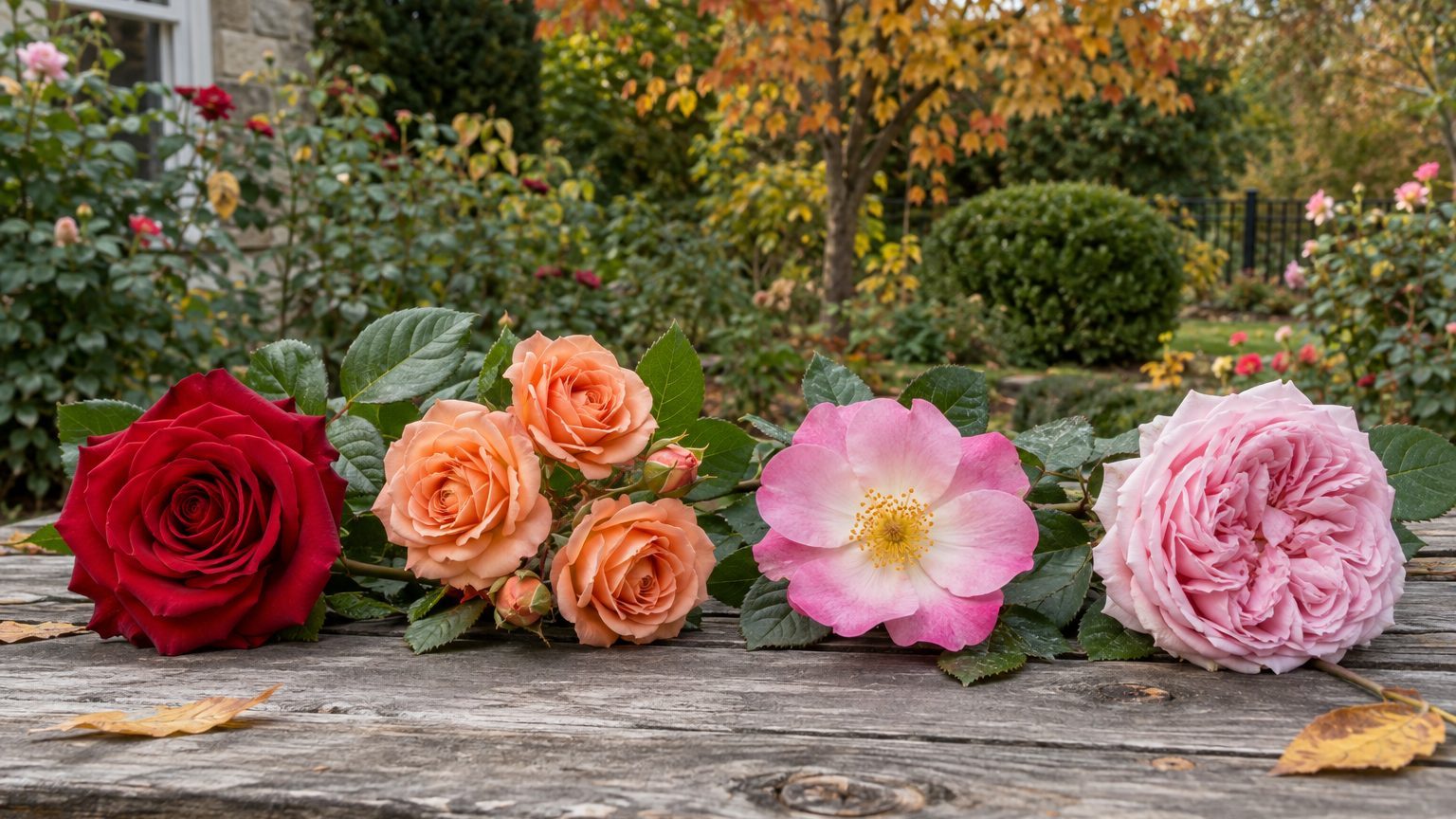
Rose beds in Arizona do their best work in spring and again as the weather cools, and the roses that earn a spot are the ones that shrug off summer heat without fuss. Hybrid teas, polyanthas and old garden roses lead the list, with the right pick depending on whether you garden in the low desert or up in the high country.

Best Roses to Grow in Arizona

Best Roses for Arizona

Arizona spans USDA hardiness zones 4b to 10b, so the winter you plan for depends on where you live. In the low desert, a rare cold snap in Phoenix can reach 32F between late December and mid January, and most years never freeze at all. Flagstaff and the high country freeze hard. Disease pressure in the low desert is also lighter than in damper climates, which is why roses are easier to grow there than many gardeners expect.

Hybrid Teas

Hybrid Teas — Best Roses for Arizona

These are the classic long-stemmed roses, and they keep producing flowers across the season because they are continuous bloomers. Many are also resistant to powdery mildew, which can reduce the need for spraying.

When you shop, read the tag for mildew resistance and choose accordingly.

European Old Garden Roses

Old garden roses of European origin are cold hardy, and they bloom once a year. That makes them the natural choice where winters bite, as long as you accept one generous flush of flowers rather than repeated rounds.

They also tend to need less upkeep than modern roses, especially through the hot summer months.

Asian Old Garden Roses

Old garden roses that trace back to Asia are repeat bloomers, so they give you flowers again after the first flush. Rosarians who grow both old and modern roses often find the old ones easier to keep going in summer heat.

They suit gardeners who want repeat color without a heavy maintenance routine.

Polyanthas

Polyanthas stay compact, which makes them good for borders and small hedges. They also do well in containers, so a patio or a narrow bed can hold them comfortably.

Many of them are hardy and resist powdery mildew, and that adds to their appeal for a low-effort planting.

How to Choose a Rose for an Arizona Garden

Start with where you garden, then with how much time you want to spend. A rose that suits a Phoenix bed is not automatically the one for a yard in Flagstaff.

Think about summer too. Heat is the season that tests roses here, so low maintenance during those months counts for a lot.

Your situation What suits it in Arizona Why
Cold winters in the high country European old garden roses They are cold hardy, though they bloom once a year
Hot, dry low desert Hybrid teas They are continuous bloomers
Little time to spare Old garden roses They need less maintenance than modern roses in summer heat
Small space or containers Polyanthas They suit borders, small hedges and pots
Powdery mildew worries Mildew-resistant hybrid teas Many hybrid teas resist it, and resistant varieties are the best control

If thrips have bothered your roses before, note that they are said to prefer light-colored blossoms, such as yellow and white. Darker colors may bring fewer problems.

Which Roses Suit Different Parts of Arizona

Arizona’s rose climates vary sharply, and the choice of rose follows the local conditions.

  • Phoenix and the low desert: Freezes are rare, so tenderness in winter is rarely a worry. Hybrid teas and repeat-blooming old garden roses fit here, and pruning is done in January or February.
  • Prescott: Altitude brings colder winters, and pruning shifts to March. Bare-root roses go in during February, and cold-hardy types make sense.
  • Flagstaff and the high country: Winters freeze hard, which favors cold-hardy European old garden roses over more tender kinds.

Whichever part of the state you garden in, local pruning months follow the calendar for your area rather than the date of the last cold night.

Rose Buying Mistakes to Avoid in Arizona

Choosing for the Wrong Winter

A rose that does well in a Phoenix yard can meet a hard freeze in Flagstaff or Prescott. The result may be a plant that struggles or dies after a hard winter.

In the high country, pick cold-hardy European old garden roses, and expect one flush of bloom a year.

Ignoring Mildew Resistance

Powdery mildew can show up on roses here. A susceptible variety may need preventive spraying where mildew has been a problem.

Look for resistant varieties instead, since many hybrid teas qualify, and use a preventive fungicide spray where mildew has been a problem before.

Pruning a Once-Bloomer Like the Rest

Once-blooming roses, including old garden roses, ramblers and many climbers, flower on last year’s wood. Cutting them back in winter along with your hybrid teas removes the year’s flowers.

Prune them right after they bloom, never in early spring.

Where to Get Rose Advice in Arizona

The state’s land-grant extension service publishes guides written for desert and high-country rose growers, and local offices can speak to your own soil and elevation.

  • University of Arizona Cooperative Extension has rose care guides for the low desert and for the Yavapai region, handy to read before you shop in winter.
  • Your county extension office can point you to rose varieties that suit your elevation, so call before planting season starts.

Check the guide for your area before you buy, then write down the varieties it names and take that list to the nursery.

Common Questions

When Should You Plant Bare-Root Roses in Arizona?

January and February are the months for bare-root roses, and March can also work. Container roses can go in later than bare-root plants, which makes them handy if you miss that window.

When Should You Feed Roses in Arizona?

Feed from February through June, then skip midsummer. Start again in September and finish around mid-October. Old garden roses that are pruned after blooming can start feeding in February to promote flowers.

How Long Do Roses Live in the Low Desert?

Once established, roses given moderate care will live and bloom for many years in the low desert. Regular attention matters more than fussing with them constantly.

When to Prune Roses in Arizona

When to Prune Roses in Arizona

A rose cut at the wrong moment sulks. In Arizona the right moment comes in winter, not spring, and it depends on whether your yard sits in the low desert or up at Prescott altitude. Once-blooming roses follow a different rule from repeat bloomers.

When to Prune Roses in Arizona

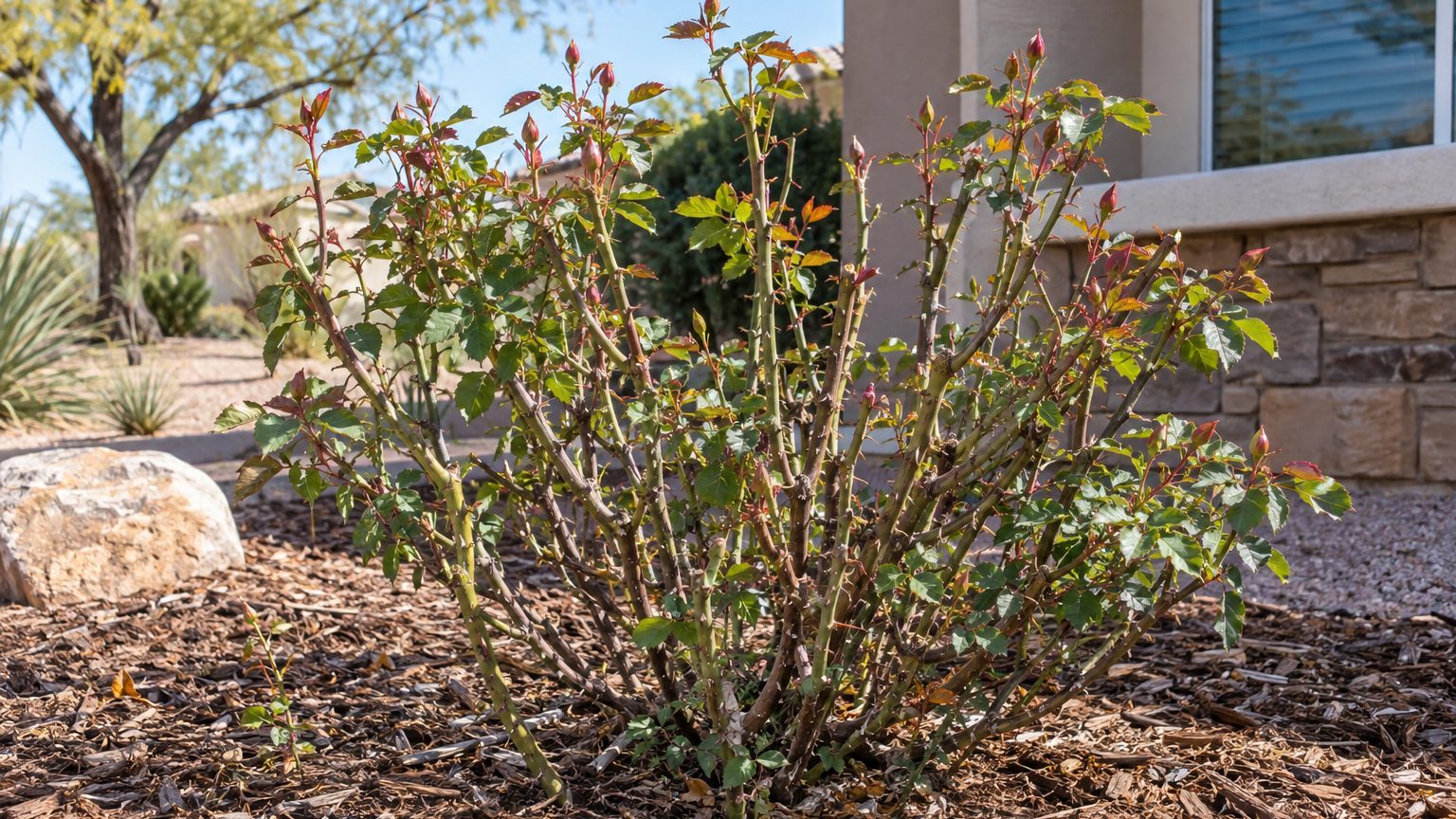
Rose canes at pruning time

Prune repeat-blooming roses in January or February. In the low desert January and February are the target. Around Prescott, where winters are colder, March is the month to cut.

Hybrid teas, floribundas and modern shrub roses all flower on the new canes they send up after pruning. Cutting them back in midwinter sets up that fresh growth. Roses that flower only once a year need different pruning timing, so prune them at a different point in the season than repeat bloomers.

Type of rose When to prune in Arizona Why
Repeat-blooming roses (hybrid teas, floribundas, modern shrub roses) January or February in the low desert, March at Prescott altitude. They bloom on new growth, so a winter cut shapes the canes that will carry the next flowers.
Once-blooming roses (old garden roses, once-blooming climbers) Right after they finish flowering, never in early spring. They flower once a year on last year’s wood, so a spring cut removes the buds.

Climbers vary, so check how yours behaves. A climber that blooms once follows the old garden rose rule and waits until the flowers fade. Cutting it in winter along with the hybrid teas would trade a season of bloom for a tidier cane.

How to Tell When Your Roses Are Ready to Prune

The calendar gives the month, and the plant confirms it. A few signs on the canes and in the weather tell you the shears can come out.

  • Buds along the canes begin to swell and show a reddish tint, which means the rose is waking up and you can see which canes are alive.
  • The month matches your area, so January or February in the low desert and March around Prescott, Prescott Valley and Chino Valley.
  • In the Prescott area, the hard freezes have passed, because new growth triggered by pruning is tender and a late cold night can burn it.
  • A scratch on the bark shows green underneath, and a cane that is brown and dry inside is dead wood to cut back until the center looks pale and healthy.
  • The rose is a repeat bloomer, because a once-blooming rose that shows swelling buds should still wait until its flowers are finished.

Swelling buds in the low desert are an invitation, not a signal to wait for more warmth, since the winter months are already the window.

Should You Prune Roses in Fall or Winter in Arizona?

Winter, yes. For repeat bloomers, fall, no. In the low desert, January and February are the pruning months, so winter pruning is the main job. On repeat bloomers, leave long, whippy stems alone until the winter pruning window. Leave the rest of the shape alone.

A hard cut in autumn pushes new growth just as the plant should be settling. That growth also costs the rose energy it would otherwise carry into winter. Wait for the winter window, then prune to shape and remove dead wood.

September and October are feeding months. Slow-release fertilizer goes on again in September, with the last application around mid-October. That feeding supports the plant through the cooler months and has nothing to do with cutting.

How Rose Pruning Dates Shift Across Arizona

Arizona covers desert basins and high plateaus, and the pruning month moves with elevation and winter cold. Roses at lower elevations get the earlier window, and colder places get a later one.

  • Phoenix and the low desert: Prune repeat bloomers in January or February.
  • Prescott, Prescott Valley and Chino Valley: Wait until March. At this altitude winters are colder, and an earlier cut risks tender new shoots meeting a hard freeze.
  • Flagstaff and the high country: This is a different climate that freezes hard, so the low desert months do not carry over. Ask the local county office for the timing that suits your elevation.

Within these areas, a warm south-facing wall or a cold hollow can nudge the timing a little earlier or later, so watch the buds on your own plants.

Where to Get Rose Advice in Arizona

Rose care varies from one Arizona valley to the next, and the local extension network knows the differences. University of Arizona Cooperative Extension publishes guidance for the low desert and for the Prescott area, and every county has an office.

  • The extension website carries rose care guides for the low desert and the Yavapai region, so look there before you buy shears or fertilizer.
  • Your county extension office can answer questions about your elevation and your specific roses, so call or visit before the pruning month arrives.

Common Questions

When Should You Plant Bare-Root Roses in Arizona?

January or February is the preferred window, and March also works. Container roses can go in from January, while bare-root roses fit best in February. Potted roses can be planted later than bare-root ones.

When Should You Fertilize Roses After Pruning in Arizona?

Start after pruning and feed regularly through spring, about every six weeks until June. Skip midsummer, then resume in September and finish around mid-October. Feeding months run February through June and again in September and October.

Should You Feed Old Garden Roses Before You Prune Them?

Yes. Old garden roses are pruned only after they bloom, but in Arizona they still benefit from fertilizer starting in January or February. That early feeding supports the flowers they are about to produce, even though the shears stay put until the blooms fade.

The almanac, state by state. Every date on this site comes from a state’s own frost facts and its extension service’s calendar — and says where it comes from.