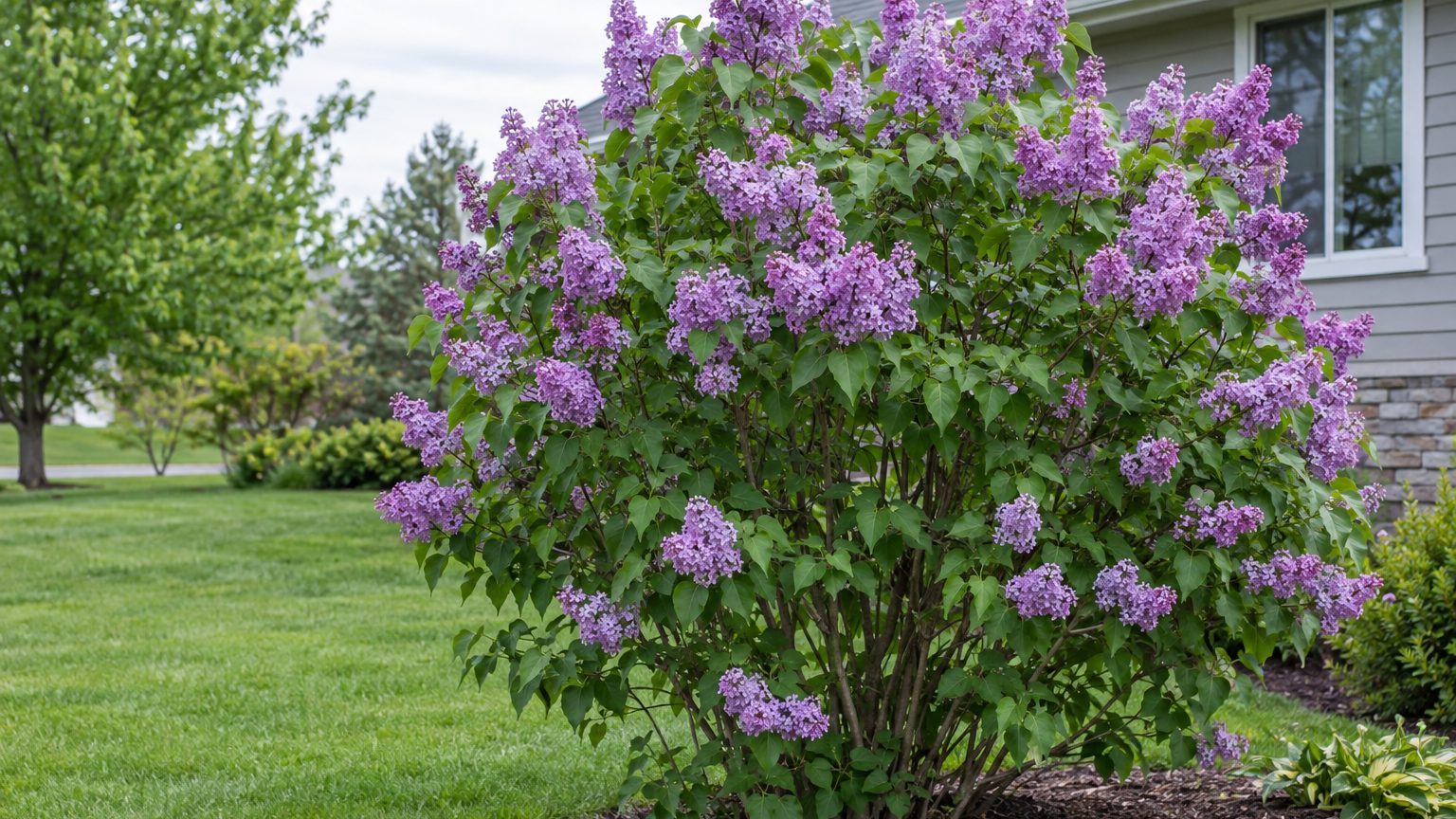
Lilac buds that sat through a long northern winter swell and open into fragrant clusters once spring finally settles in. In the Northwest Territories, bloom lands in June, though clusters can begin opening in late May when spring runs mild. The timing of that brief show guides the year’s pruning and care.
When Do Lilacs Bloom in Northwest Territories?

Lilacs in the Northwest Territories bloom in June, and the first clusters can open in late May when spring runs early. The territory has no local extension page for lilac timing, so these dates follow the nearest comparable climate. Confirm local timing with a garden centre, a garden society or a territorial gardening group.
- Each year, the first clusters open from late May if the weather is warm, and June is when most shrubs are in full flower. Late-blooming types wait until the second or third week of June.
- Right after the flowers fade, in June and July, is the time for any pruning. The shrub is already preparing next year’s display, so the window is short.
- Through summer, the flower buds for next spring form on the new growth. Whatever you remove now takes next year’s flowers with it.
- In autumn, the leaves yellow and drop as the shrub hardens off. Leave the branches alone, since every twig now carries buds.
- Through the long winter, the dormant shrub gets the deep cold rest it needs to ripen those buds, and snow cover helps protect the lower stems.
In Yellowknife, the last spring frost falls around May 25 on average, and in half of all years it comes later. The first fall frost arrives around September 18 on average. The Canadian hardiness zone there is 1b, which is not a USDA zone.
Northwest Territories — the year and the numbers
- State
- Northwest Territories
- Hardiness zones
- 1b
- Last spring frost
- May 25
- First fall frost
- September 18
- Annual rain
- 11 in
- Lawn zone
- cool-season
- Source
- Environment and Climate Change Canada — Canadian Climate Normals 1981-2010, station YELLOWKNIFE A · Yellowknife
Which Lilacs Grow Best in Northwest Territories?
Lilacs belong in the Northwest Territories. They need a cold winter rest to mature their flower buds, and they struggle in hot, humid summers, which is not a worry in the north. The real question is which type has enough hardiness for the coldest gardens.
Look at the hardiness rating on the plant tag and at the bloom time. A very hardy, late-flowering lilac is a better match than a standard common lilac.
| Lilac type | How it does in Northwest Territories | Why |
|---|---|---|
| Common lilac cultivars such as Sensation | Marginal in the colder gardens | Its winter hardiness may leave too little margin in a cold northern garden |
| Late-blooming, very hardy lilacs | A good fit for cold gardens | Strong winter hardiness, and flowers come in the second or third week of June, after common lilac |
Late bloomers have another advantage in this territory. Check the tag for a hardiness rating before you buy, and ask the nursery whether the plant has been grown in a northern climate.
When to Plant, Prune and Feed Lilacs in Northwest Territories
The timing available here covers bloom and pruning; ask a local garden centre or garden society when to plant and feed in your area. Watch for them to open, and let their fading set the pace for routine pruning.
| Task | Best timing in Northwest Territories | Why then |
|---|---|---|
| Watching for bloom | June, with the first clusters sometimes opening in late May | Late cultivars flower later in June, so a mixed planting stretches the show |
| Routine pruning | June to July, right after the flowers fade | Lilacs flower on last year’s wood, and next year’s buds form soon after bloom |
| Hard cut-back of an overgrown shrub | Late winter | The shrub can be renewed, but it will not flower for a few years afterward |
Pruning in late summer, fall or winter cuts off the next spring’s flowers, so the fading of the clusters is your signal. For a full walk-through of cuts and tools, the pruning page for the territory goes deeper.
How Lilac Bloom Time Changes Across Northwest Territories
The territory is huge, and bloom runs from earlier in the south to later in the far north. Local shelter and water matter as well.
- Yellowknife and the North Slave: a lilac on the waterfront opens later than one in a sheltered yard farther inland. A sheltered, south-facing spot may warm sooner in spring.
- Fort Smith and Hay River in the South Slave: lilacs lean toward the late May end of the bloom window.
- Inuvik and the Mackenzie Delta: expect flowers later in June, and choose the hardiest late bloomers you can find.
Yellowknife’s frost dates do not carry over to the territory’s northern districts, so use your own yard’s first open flower as your calendar.
Where to Get Lilac Advice in Northwest Territories
Local help comes from the agriculture staff at Industry, Tourism and Investment and from the gardeners who already grow lilacs nearby.
- The territorial agriculture services can point you to soil testing and plant problem diagnosis, so contact them before you amend the soil or replace a shrub.
- A local garden society knows which lilacs have come through your town’s winters, and spring plant sales are a good moment to ask.
- A garden centre can confirm hardiness ratings and bloom times before you buy, so go in spring when stock is fresh.
Common Questions
Can You Use a US Hardiness Zone to Pick a Lilac in the Northwest Territories?
Only as a loose guide. Canada’s system is built on several climate variables, and there are no simple conversions between it and the USDA map. Choose lilacs known to do well in cold northern gardens, and ask local growers what has survived.
Does a Late Spring Frost Hurt Lilac Flowers?
Late-blooming lilacs open later in June, so they face less frost risk than lilacs that start in late May.
How Can You Tell When a Lilac Has Finished Flowering?
Look for clusters that have turned brown and dry, with the petals dropping. When most of the plant looks that way, the shrub has finished flowering, and that is the moment to prune if it needs it.