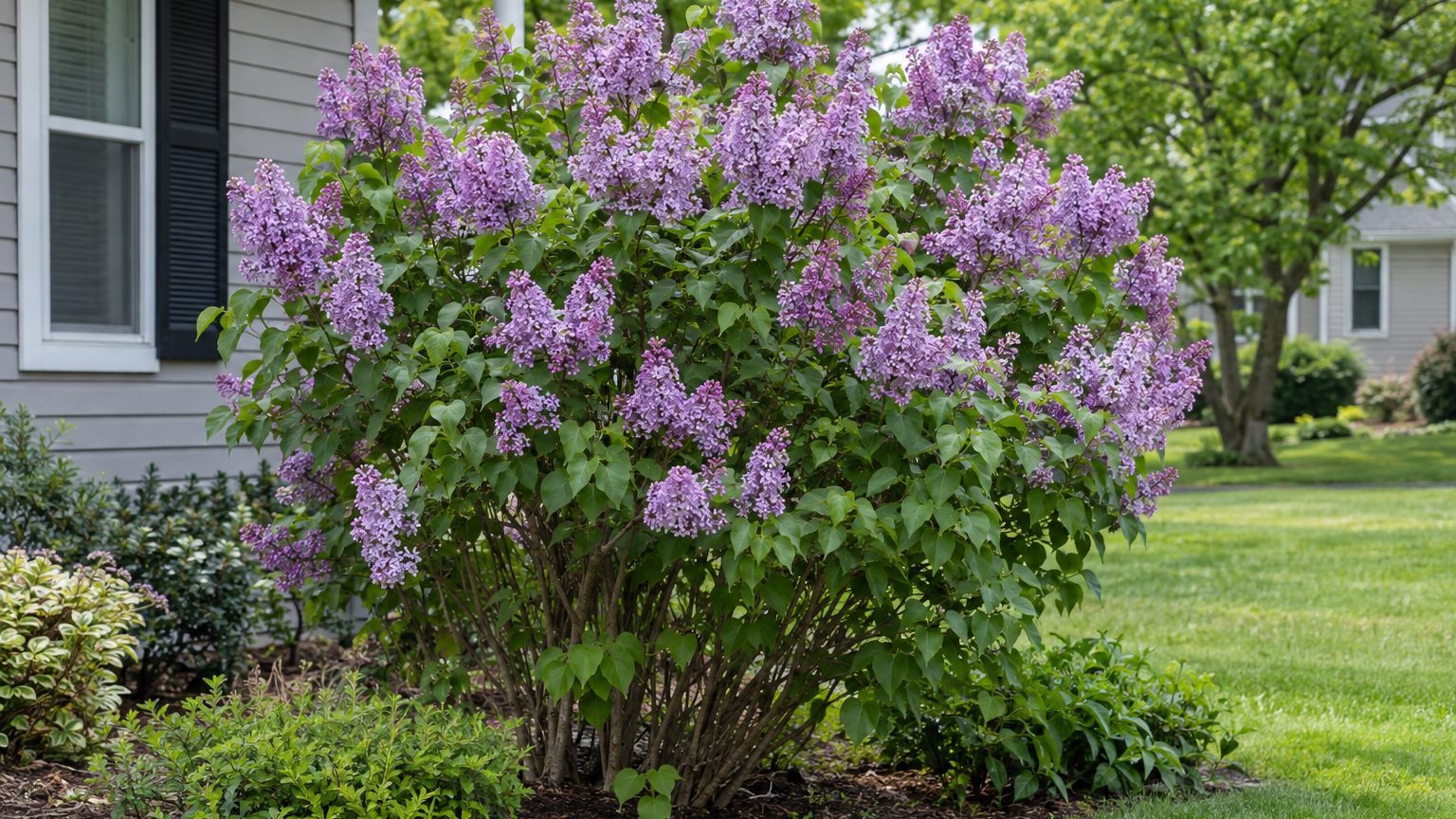
Lilac clusters opening along a fence line and the scent drifting across the walkway mark the turn into late spring in a New York yard. The show runs from April into May, with later species stretching it into June. Knowing how the shrub spends the rest of the year tells you when to prune, when to leave it alone and what to expect from the next flowers.
When Do Lilacs Bloom in New York?

Lilacs in New York bloom in April and May, and later species carry the flowers into June. Around that bloom, the shrub follows a steady yearly rhythm that explains most of the care it needs.
- In early spring, the buds that formed last summer swell and break open, and the first leaves unfurl as the ground thaws.
- In April and May, the flower clusters open and the fragrance peaks, with later species still blooming into June.
- Right after the flowers fade, in May or June, the shrub is ready for any pruning it needs, because it starts setting next year’s buds almost at once.
- Through summer, the plant quietly builds the flower buds for the following spring, so the wood you see now holds next year’s show.
- In winter, the shrub rests in the cold, and that chill is what matures the buds so they open fully when spring returns.
In New York City, the last spring freeze falls between March 23 and April 3. The first fall freeze arrives between November 14 and November 27, which gives the shrub a long stretch to ripen its wood. Upstate and in the Adirondacks, frost comes sooner in fall and lingers later in spring. The USDA hardiness zones across the state run from 3b to 7b, so local conditions matter.
New York — the year and the numbers
- State
- New York
- USDA zones
- 3b-7b
- Last spring frost
- March 23 to April 3
- First fall frost
- November 14 to November 27
- Annual rain
- 50 in
- Lawn zone
- cool-season
- Source
- NOAA NCEI U.S. Climate Normals 1991-2020, 32F freeze probabilities · New York City
Which Lilacs Grow Best in New York?
Lilacs are a natural fit here. They are cold-climate shrubs, and the winter chill is what matures their flower buds. New York’s cold winters suit them well, while hot, humid summers are where they struggle.
Sun and moving air matter as much as the cold. A lilac in an open, sunny spot with good air circulation flowers more freely than one crowded against a wall.
| Lilac type | How it does in New York | Why |
|---|---|---|
| Common lilacs in upstate and colder areas | Thrive and flower reliably | Long winter cold matures the buds |
| Later-blooming species | Do well and extend the season into June | They open after the main flush has finished |
| Lilacs in hot, humid, crowded spots | Struggle, with weaker flowering | Heavy summer humidity and poor airflow stress the plant |
Lilacs are members of the olive family, and the same cold hardiness that suits them to the Adirondacks makes them dependable across most of the state. In the warmest, most built-up corners near the city, site choice decides the outcome: open sun and airflow keep them healthy.
When to Plant, Prune and Feed Lilacs in New York
A lilac blooms on last year’s wood and sets its next flower buds in summer, soon after it flowers. That habit shapes the timing of every cut you make.
| Task | When to do it in New York | Why then |
|---|---|---|
| Routine pruning | May or June, right after the flowers fade | The cuts come before the new buds form, so no flowers are lost |
| Hard cut-back of an overgrown shrub | March or April, while the plant is dormant in late winter | The shrub is at rest and regrows from the base, but loses the next flowers |
Pruning in late summer, fall or winter removes next spring’s flowers, so routine trimming waits for the fading blooms. An overgrown lilac can be cut back hard in late winter, but it will not flower for a few years afterward. The full pruning routine is covered on the page for when to prune lilacs in New York.
Planting and feeding follow the soil rather than a date. Set a new shrub in the ground once the soil is workable and no longer frozen, in a sunny spot. Test the soil before feeding, since lilacs flower better when they are not pushed into leafy growth.
How Lilac Bloom Time Changes Across New York
Bloom shifts across New York with elevation, the lakes and the coast, so neighboring regions flower at different times.
- New York City and Long Island: Warmer air and the nearby water bring flowers on earlier than elsewhere in the state, so lilacs open at the front of the season here.
- Hudson Valley: Spring arrives a little later than on the coast, so bloom sits in the middle of the season for most gardens.
- Buffalo and the Lake Erie shore: The cold lake holds spring back, so buds often open later than inland neighbors at the same latitude.
- Adirondacks: Cold winters and higher ground push bloom later, often well into the later part of the season, and later species can still be flowering when the rest of the state is finished.
Treat any date you hear as a guide rather than a promise, and judge by the buds on your own shrub and what is blooming around you.
Where to Get Lilac Advice in New York
When a lilac sulks, local help is easy to find and often free. A diagnosis or soil test usually starts with the state extension network, which answers questions about shrubs, soil and pests in each county.
- Cornell Cooperative Extension offers plant guides and gardening answers, and is a good first stop when a shrub looks off in spring or summer.
- The county extension office can take a soil sample or look at a damaged branch, so call ahead and bring a clipping for an accurate diagnosis.
- Before the next spring growth starts, collect a soil sample from around your lilac and send it for testing so you feed only what the soil lacks.
Common Questions
Why Is My Lilac Not Blooming?
Consider these factors together. If the shrub is putting out plenty of healthy green leaves but no flower buds, and it sits in shade for much of the day, the lack of sun is the likely cause. A lilac that gets full sun, but was trimmed in late summer, fall or winter, may simply have lost its buds.
Why Do Lilac Leaves Turn White in Summer?
A whitish powder on the leaves that appears in humid weather, especially on a crowded shrub with little air moving through it, points to powdery mildew. It looks worse than it is, and it mostly spoils appearance rather than harming the plant. Opening up the surrounding space so air can move improves it over time.
Will a Lilac Bloom Again After the Spring Flush?
Common lilacs flower in spring. Gardeners who want blooms to continue can plant later-blooming species, which carry flowers into June after the main flush has finished.