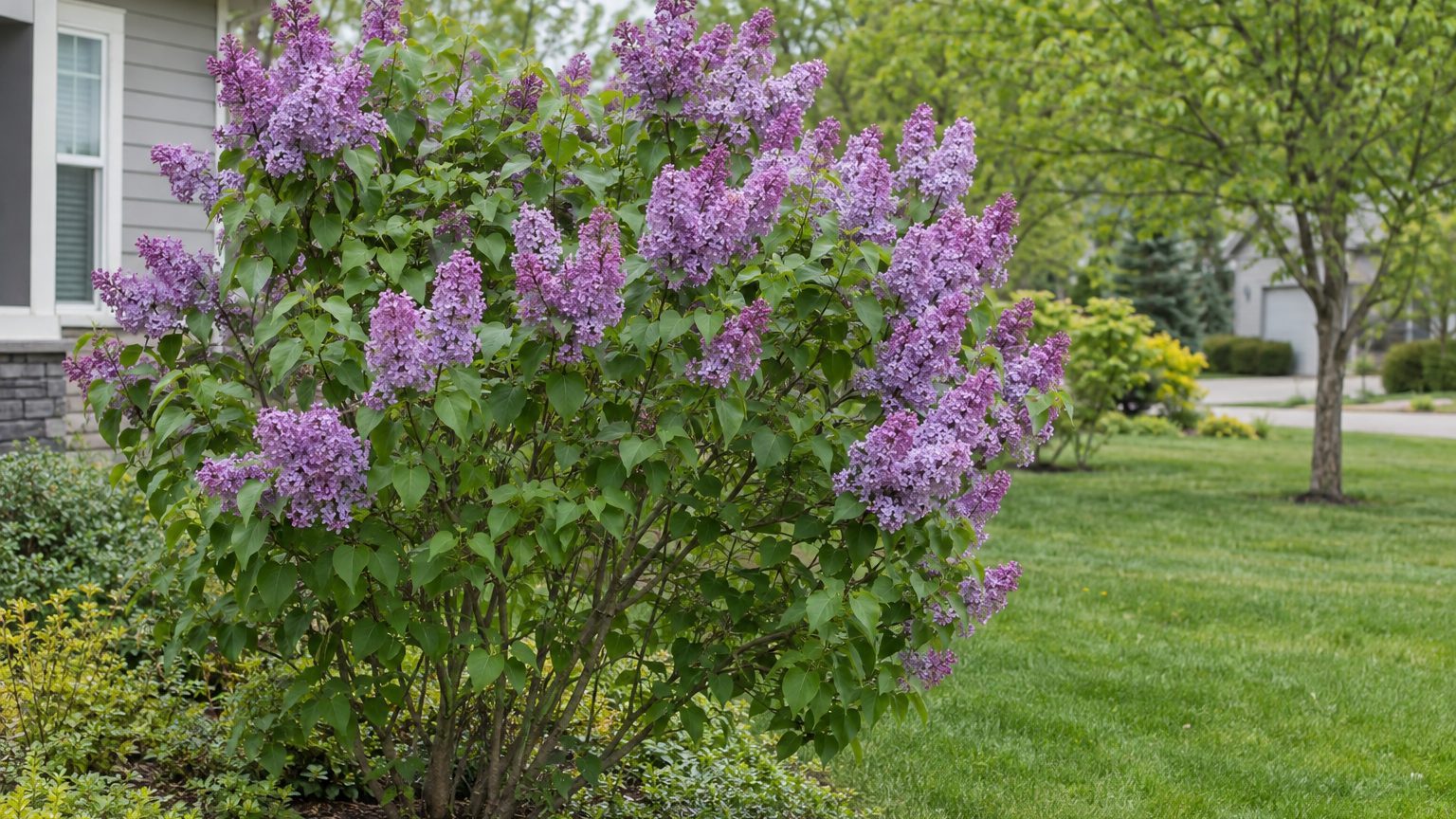
A lilac in full bloom tells you the season has turned, and in Minnesota that moment arrives once the soil has thawed and the cold has finally let go. Lilacs suit this state well, because the winters give them the long rest their flower buds need.
When Do Lilacs Bloom in Minnesota?

Lilacs in Minnesota bloom in May and into June, with the common lilac first and the late and tree lilacs closing the season in June. The rest of the year follows from that bloom.
- In May, the common lilac opens its flowers, and the show carries into June as later types take over.
- In June, the late lilacs and tree lilacs bloom, and right after the flowers fade is the moment to prune.
- Through summer, the plant sets next year’s flower buds on the new growth, so any cutting after June risks removing them.
- From fall into winter, the shrub rests in the cold, which is the rest that matures those buds.
- In March and April, while the plant is still dormant, a hard cut of an overgrown lilac can be done, at the price of the next flowers.
These dates speak for the Twin Cities, the milder south of the state, where the last spring frost falls between April 17 and April 30. The first fall frost arrives between October 11 and October 23. Northern Minnesota warms later, so lilacs there open later. Hardiness zones in the state span 3a to 5a on the USDA system, and lilacs are comfortable across that range.
Minnesota — the year and the numbers
- State
- Minnesota
- USDA zones
- 3a-5a
- Last spring frost
- April 17 to April 30
- First fall frost
- October 11 to October 23
- Annual rain
- 32 in
- Lawn zone
- cool-season
- Source
- NOAA NCEI 1991-2020 Climate Normals, 32F freeze probabilities · Minneapolis
Which Lilacs Grow Best in Minnesota?
Lilacs do well here. They need a cold winter rest to mature their flower buds, and Minnesota supplies it without trouble. Cold winters suit lilacs here, though hot, humid spells can still stress them.
Lilacs are adapted to zones 3, 4 and 5, and they thrive in sunny sites with good air circulation. Pick a spot with open sun and moving air, and the shrub does the rest.
| Lilac type | How it does in Minnesota | Why |
|---|---|---|
| Common lilac | Reliable, blooms first in May | Hardy in zones 3 to 5 and happy with a cold winter rest |
| Late lilacs | Good, bloom in June | Extend the season after the common lilac fades |
| Tree lilacs | Good, bloom in June | Bring the lilac season to a close |
| Hyacinthiflora hybrids | Hardy, but flower early | Bloom earlier than French hybrids, so a late frost can catch the buds |
Hyacinthiflora lilacs are very vigorous and the shrubs themselves are very hardy. Because they open early, plant them where late spring frosts are less frequent, such as a sheltered spot near the house rather than an open low corner.
When to Plant, Prune and Feed Lilacs in Minnesota
Pruning at the right time preserves the next bloom. A lilac blooms on last year’s wood and sets next year’s flower buds in summer, soon after it flowers. Prune right after the flowers fade, because cutting in late summer, fall or winter removes the next spring’s flowers.
| Task | Best timing in Minnesota | Why then |
|---|---|---|
| Enjoy the bloom | May into June | Common lilacs open first, late and tree lilacs follow |
| Routine pruning | June, right after the flowers fade | The next buds have not formed yet, so nothing is lost |
| Light pruning in dormancy | March or April | Possible while the plant sleeps, but it removes that spring’s flowers |
| Hard renovation of an overgrown shrub | March to April | Late winter cut while dormant, at the price of the next flowers |
An overgrown lilac can be cut back hard in late winter, but it will not flower for a few years afterward. The full pruning method lives on the page about when to prune lilacs in Minnesota. Set a new lilac in the ground when the soil is workable and the weather is mild, and ask the local extension office whether it needs feeding.
How Lilac Bloom Time Changes Across Minnesota
Bloom follows the local spring, so it shifts across the state from the warmer south to the cooler north.
- Twin Cities and the south: spring warms sooner here, so lilacs open earlier than in the northern part of the state.
- Northern Minnesota: spring arrives later and frost lingers, so lilacs open later and the bloom slides further into June.
- Near Lake Superior: the big lake keeps the shoreline cool in spring, which holds buds back a little compared with inland yards at the same latitude.
A cool, shaded corner of any yard opens its flowers after a warm, sunny wall does, so your own spot nudges the date too.
Where to Get Lilac Advice in Minnesota
University of Minnesota Extension publishes advice written for local conditions, and your county office can help when a shrub looks wrong or you want to know what your soil needs.
- The extension website covers lilac care and common problems, so check it when leaves or flowers behave oddly.
- Your county extension office can run a soil test or help diagnose a struggling shrub, so go before the bloom.
Common Questions
Why Is My Lilac Not Blooming?
Look at when the shrub was last cut and how much sun it gets, and consider them together. A lilac pruned in late summer, fall or winter loses its buds, and a shrub in heavy shade makes few flowers even when left alone. If that describes your shrub, change the pruning timing and open up the light.
Can You Move an Established Lilac?
Yes, a lilac can be moved, but the plant will need time to settle. Pick a sunny spot with good air circulation, dig a wide root ball, and keep the soil evenly moist afterward. Expect fewer flowers for a while as the roots recover.
Do Late Frosts Hurt Lilacs in Minnesota?
Late frosts mostly threaten the early bloomers, such as Hyacinthiflora hybrids, because their buds open sooner. Common lilacs, which open in May, are usually safer. If a hard freeze is forecast during bloom, cover a small shrub with a sheet and remove it when the freeze has passed.