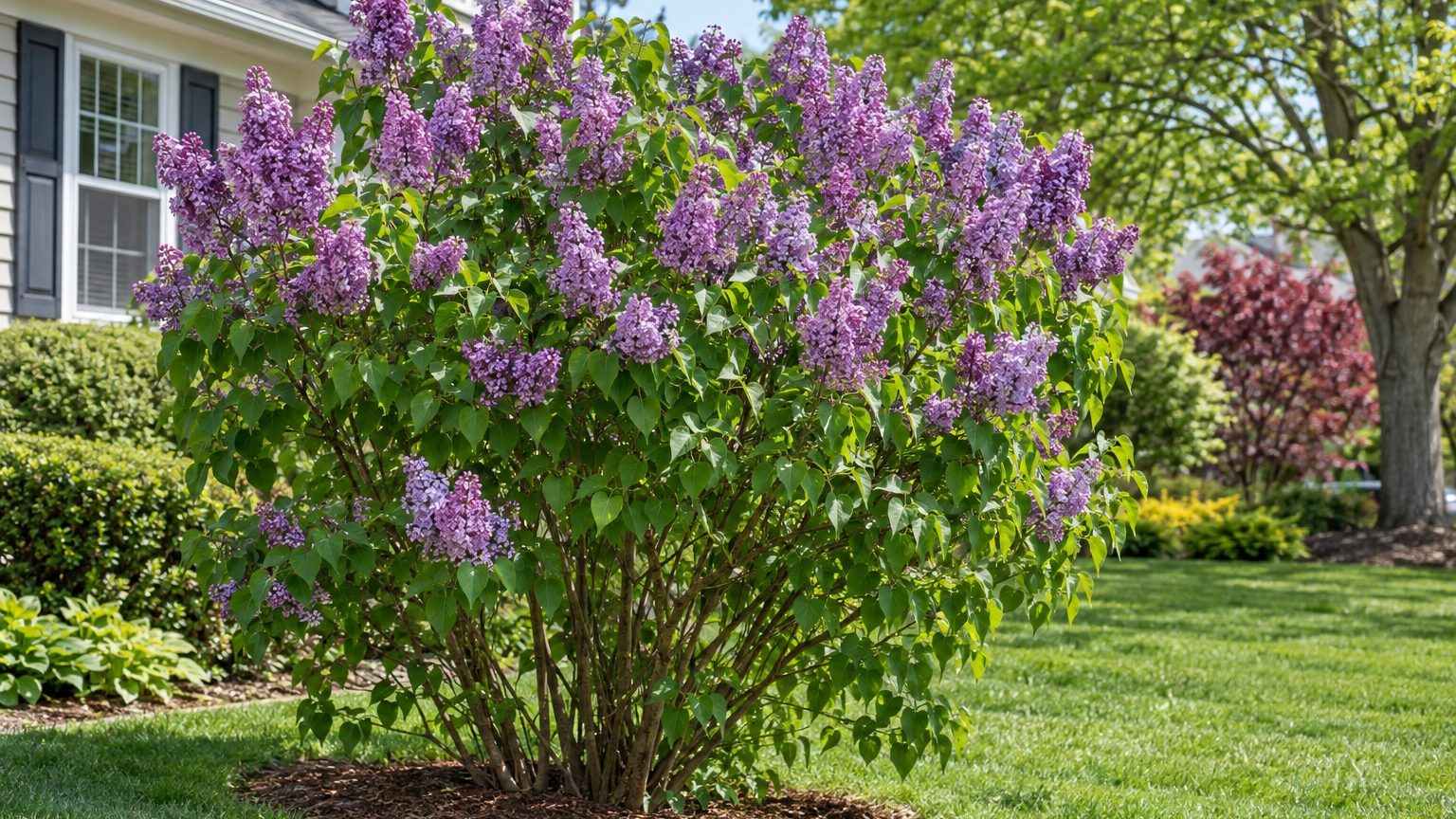
A lilac in bloom is easy to spot in spring, with fragrant flower clusters brightening the yard. In Georgia the shrub is a harder bet than in colder states. The bloom follows the local spring, while mild winters and hot, humid summers can leave a lilac flowering poorly.
When Do Lilacs Bloom in Georgia?

Lilacs in Georgia flower with the local spring, and because they want a cold winter rest, they may bloom poorly here. The year of a lilac looks like this.
- In spring, once the weather turns reliably warm, the flower clusters open on last year’s wood. Southern-bred types open early and are less fragrant than common lilacs from colder climates.
- Right after the last flowers fade, prune if the shrub needs shaping. Prune right after the flowers fade, because cutting later removes next year’s blooms.
- Through summer, the shrub sets next spring’s flower buds on fresh growth. Heat and humidity often bring powdery mildew on the leaves during these months.
- In fall, the shrub slows down and drops its leaves. Leave it uncut, since the buds are already formed.
- In winter, the lilac rests, and that cold rest is what matures the buds for the next bloom.
In Atlanta, the last spring freeze falls between March 11 and March 29, so a late cold snap can still nip open buds. The first fall freeze there falls between November 13 and December 1. USDA hardiness zones across Georgia span 6a-9b, a range based on the average annual extreme minimum temperature.
Georgia — the year and the numbers
- State
- Georgia
- USDA zones
- 6a-9b
- Last spring frost
- March 11 to March 29
- First fall frost
- November 13 to December 1
- Annual rain
- 50 in
- Lawn zone
- transition-season
- Source
- NOAA NCEI 1991-2020 Climate Normals, 32F freeze probabilities · Atlanta
Which Lilacs Grow Best in Georgia?
Common lilacs struggle here. They need a pronounced winter chill and do best in cold-winter climates, while Georgia summers bring the heat and humidity that invite powdery mildew. Lilacs can still grow in Georgia if you pick the right kind.
Your best bet is a lilac bred for warm regions, usually sold as a Southern lilac or a lilac for the South.
| Lilac type | How it does in Georgia | Why |
|---|---|---|
| Common lilac (Syringa vulgaris) | Struggles, with mildew and weak bloom | Needs a cold rest and dislikes high heat and humidity |
| Southern lilacs | Usually grow and bloom | Early-blooming types suited to the South, though less fragrant |
| Low-chill cultivars | Better than common lilac, still best with winter cold | Bred to bloom with less chilling, yet they prefer a long cold rest |
Descanso hybrids are also worth a trial in a warm climate. Among them are the white ‘Angel White’ and the blue ‘Blue Boy’.
When to Plant, Prune and Feed Lilacs in Georgia
Pruning has a clear timing sign here, and it follows the flowers rather than the calendar. Cut at the wrong moment and you remove next spring’s bloom before it opens.
| Task | Best timing in Georgia | Why then |
|---|---|---|
| Prune | Right after the last flowers fade | Next year’s buds form in summer, soon after flowering |
| Hold the pruners | Late summer, fall and winter | Cutting then removes the flower buds already set on the wood |
| Check leaves for mildew | During spells of high heat and humidity | Warm, damp weather is when the white coating takes hold |
For planting and feeding, use local advice suited to your soil and Georgia’s varied climate. Cuts in detail, including how much to remove, are covered on the page When to Prune Lilacs in Georgia.
How Lilac Bloom Time Changes Across Georgia
Georgia stretches from mountains to coast, and the amount of winter cold changes how a lilac behaves along the way.
- North Georgia mountains: Winters are colder and freezes arrive earlier in fall. Lilacs here need a cold winter rest and may flower poorly.
- Atlanta: The city is a heat island, so winters run milder than in the surrounding countryside. The bud chill is thinner than in the hills.
- Coastal plain: Winters are milder still, so lilacs get little cold rest and often flower poorly. Southern lilacs are the sensible choice there.
The farther south you garden, the more a lilac depends on a low-chill type.
Where to Get Lilac Advice in Georgia
A lilac that sulks is easier to sort out with local eyes on it. University of Georgia Extension is a starting point for local lilac advice.
- Ask for local help if mildew or another leaf problem appears.
- Ask whether a soil test would help before you plant or feed.
- Go once the flowers have faded, and ask which Southern lilacs do well in your county before you buy one.
Common Questions
Why Do Lilac Leaves Turn White in Georgia?
Powdery mildew can become a problem during high heat and humidity.
Will Lilacs in Georgia Smell as Sweet as Northern Ones?
Usually not. Southern lilacs grow and bloom well enough, but they are not as fragrant as the common lilacs people remember from colder places. Planting one near a patio or window brings what scent there is closer to you.
Can You Rely on a Lilac Sold as Heat Tolerant?
Treat the claim with caution. Many cultivars are sold as heat tolerant, yet they often do not thrive in warm, humid climates the way they do farther north. A lilac bred as a Southern or low-chill type is a safer buy.