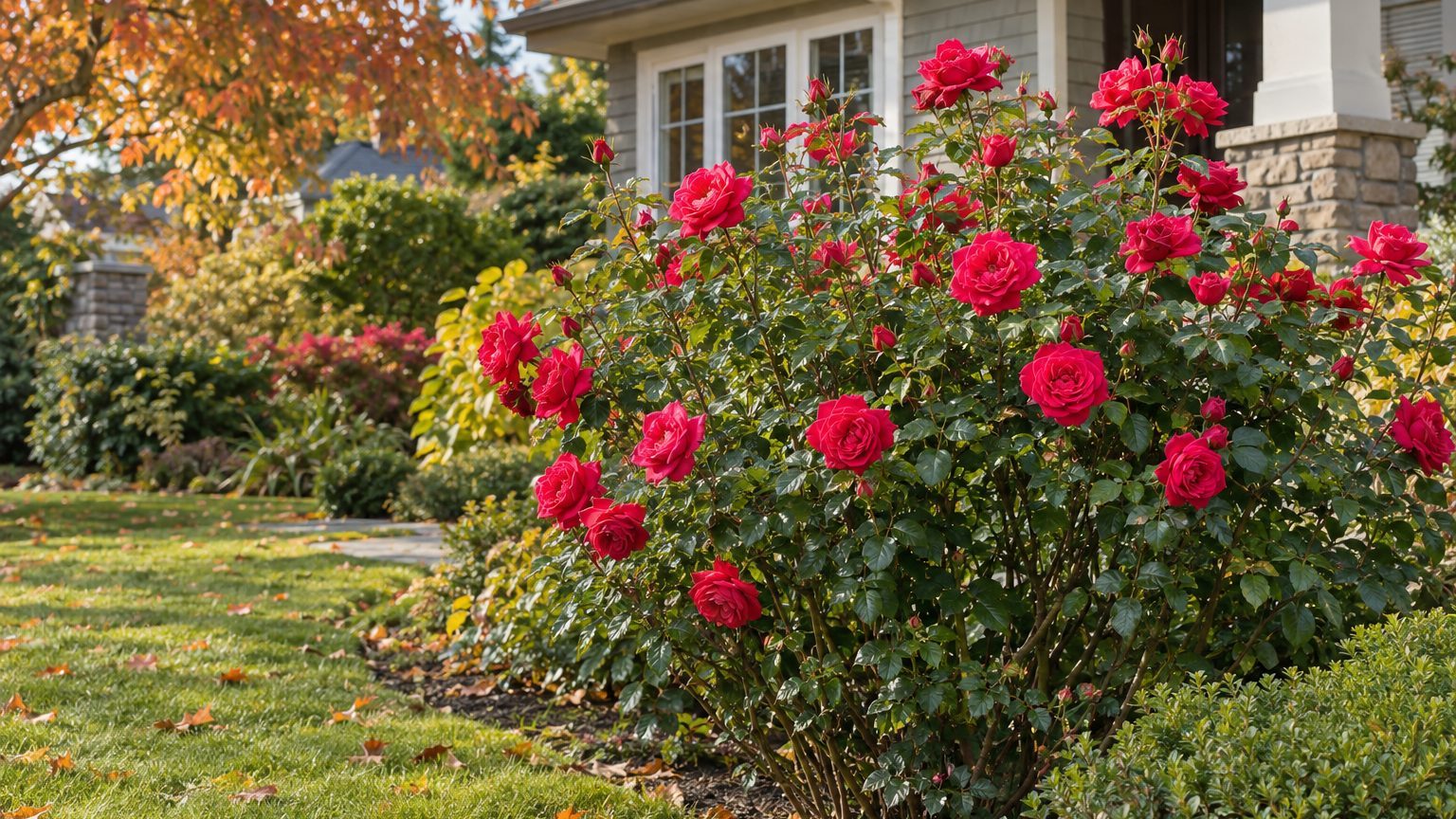
Bare, thorny canes arrive in late winter, and the hole you dig for them is usually in damp, cool soil. In British Columbia, roses can be planted as dormant bare-root plants, with potted roses following through spring and into early summer. The right window depends on whether the plant is dormant, and on how far your garden sits from the mild coast.
When to Plant Roses in British Columbia

Bare-root roses go in first, in February and March, while the plant is still asleep. Potted roses are more flexible and can wait until early summer. At Vancouver, the last spring frost falls around March 18 on average, so in half of all years it comes later. Young growth fears that frost, which is why bare-root plants go in dormant and why timing matters. Vancouver sits in Canadian hardiness zone 9a (a Canadian system, not a USDA zone). The first fall frost arrives around November 10 on average, and again half the years it comes later.
- In February and March, plant bare-root roses while they are dormant, so the roots settle in before top growth starts. March suits them well, and April through June still works if the plants arrive late.
- From late winter into early spring, prune repeat-blooming roses such as hybrid teas, floribundas and modern shrub roses. February and March are the main months, and April works too, around the time forsythia blooms.
- In March, as buds begin to break, give the first feeding. Feeding then continues through spring and into July.
- In spring and up to early summer, plant potted roses. They can go in even after new growth has started, and early summer gives them time to root before the heat of midsummer.
- In late summer, stop feeding so the canes can slow down and harden off. August is the last month for it.
- In November and December, once the plant is dormant, mound mulch around the base where winters are cold.
A frost date marks the risk of a cold snap. It does not tell you when roses wake up, so watch the buds as well as the calendar.
British Columbia — the year and the numbers
- State
- British Columbia
- Hardiness zones
- 9a
- Last spring frost
- March 18
- First fall frost
- November 10
- Annual rain
- 47 in
- Lawn zone
- transition-season
- Source
- Environment and Climate Change Canada — Canadian Climate Normals 1981-2010, station VANCOUVER INT'L A · Vancouver
Which Roses Grow Best in British Columbia?
Roses that are hardy and disease resistant do well here. Choose a variety suited to the hardiness zone of your own garden, and look for disease resistance on the label, since damp spells invite leaf problems.
Shrub and rugosa roses ask for the least fuss. Species roses and many old garden roses are tough too. Hybrid teas and floribundas give repeat bloom but expect more attention.
| Rose type | How it does in British Columbia | Why |
|---|---|---|
| Shrub and rugosa roses | Reliable and often wild-looking | Called hardy shrub roses, they need less care than other roses |
| Species and old garden roses | Hardy and dependable through cold winters | They live unharmed through hard winters and suit low-maintenance beds |
| Hybrid teas and floribundas | Repeat-blooming, with a late-winter pruning window | They flower on new wood, so a February to March cut sets up the season |
Climbers and ramblers deserve a closer look at the tag, because many bloom only once a year. Whatever you pick, a disease-resistant variety can reduce the need for spraying later.
When to Prune, Feed and Protect Roses in British Columbia
Each task in the rose year has its own window. A separate page on pruning roses in British Columbia covers the cuts themselves, so the dates here are the key ones.
A separate rule limits the pruning dates. Once-blooming roses, such as old garden roses, ramblers and many climbers, flower on last year’s wood. Prune them right after they bloom, never in early spring.
| Task | When to do it in British Columbia | Why then |
|---|---|---|
| Pruning repeat-blooming roses | February, March (April also works) | Cutting as growth is about to start avoids dieback, and later cuts delay the first flush of bloom |
| Planting bare-root roses | February, March (April to June if needed) | Dormant plants build roots before spring growth begins |
| Feeding | March to July (August as a last round) | Start at bud break, then repeat regularly and stop in late summer as roses slow down |
| Winter protection | November, December | Mound mulch after the plant is dormant, in cold areas only |
Potted roses can be planted later than bare-root ones, up to early summer. Cutting too early, before cold weather has passed, risks frost damage to fresh shoots.
How Rose Care Dates Change Across British Columbia
The season shifts as you move across British Columbia.
- Vancouver and the Lower Mainland: Use the Vancouver frost dates as a midpoint rather than a safe date, and watch the buds for local timing.
- Northern British Columbia: Spring frost runs later than at Vancouver, so watch the buds before pruning and use winter protection where winters are cold.
- Upland areas of the Interior: Higher ground runs behind Vancouver, so watch local conditions before planting potted roses or starting to feed, and protect tender roses where winters are cold.
The months follow the nearest comparable climate, so confirm local timing with a local garden centre, a rose society or provincial gardening groups.
Where to Get Rose Advice in British Columbia
Rose advice here comes from the province, from local groups and from nurseries that know your microclimate.
- The British Columbia Ministry of Agriculture and Food publishes provincial growing information, worth checking before you choose a variety.
- A local master gardener group or rose society can help diagnose leaf spots or poor bloom, and meetings are good places to ask about local timing.
- A garden centre can take a look at a cane or leaf, so bring a cutting with you and ask about soil testing options.
Common Questions
Can Pruning Roses Too Early Cause Damage?
Yes. Pruning before the last hard frost or before cold weather has passed can cause dieback, and the cut then has to be redone. New growth set off too early can also be nipped by frost.
What Can You Use to Mound Roses for Winter?
Loose mulch works, such as shredded leaves, compost, pine needles or sawdust. Pile it over the base of the plant once it is dormant and before a hard frost is expected.
How Often Should You Feed Roses?
Make the first application at bud break, then feed every four to six weeks during the growing season. Stop in late summer, when the roses begin to go dormant.