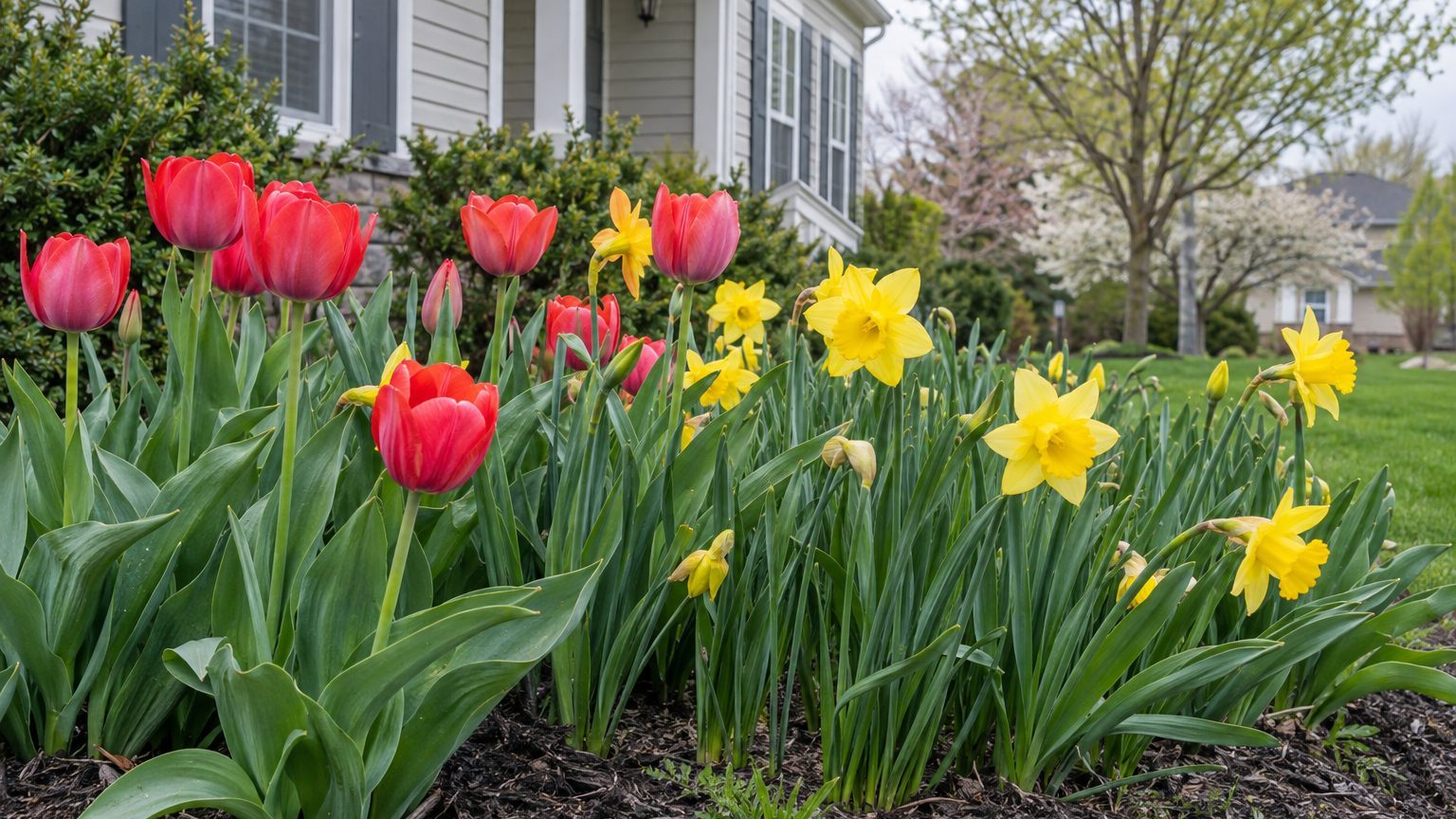
Daffodils pushing through cold soil are a dependable sight in a Michigan yard, and they keep coming back long after other bulbs have faded. Michigan winters give spring bulbs the cold they need, so the real choice is which bulbs hold up, and which ones the rabbits and squirrels leave alone.
Best Spring Bulbs to Grow in Michigan

Daffodils are the dependable pick here, with tulips, crocus, alliums and hyacinths filling in around them. Michigan sits in USDA hardiness zones 4a to 6b, so winters are cold enough to meet the chill most bulbs need. Nothing about the climate is too mild or too hot for them.
Daffodils
Daffodils are more vigorous than tulips and most other spring bulbs, and they last longer in the garden. That makes them the more reliable perennial bulb for a Michigan bed.
Squirrels, voles, rabbits and deer leave them alone, and in Nebraska, extension growers describe them as deer-resistant and reliable bloomers. Look for cultivars that have earned the Wister Award from the American Daffodil Society, given for long-lasting flowers, disease resistance and good vigor.
Tulips
Tulips give the biggest color, but they are often short-lived, so many gardeners treat them as annuals. In Kansas, the larger tulips are lifted in late spring to make room for other plants, and that approach works in a Michigan bed too.
Giant Darwin hybrids are popular for strong stems and bright color, flowering April through May. Plant them where a fence or a mesh cover can keep rabbits and deer away.
Crocus
Crocus is a small bulb that adds early color, but it is a favorite of voles, squirrels and rabbits. Plant it close to the house or beneath wire mesh, and expect to replant a few corms over time.
Alliums
Alliums, the ornamental onions, close out the spring bulb season. They do not need a chill period to bloom, though Michigan winters supply plenty of cold anyway, and they are a good partner for tulips as the tulips fade.
Hyacinths
Hyacinths do well wherever winters are cold, and Michigan’s give them the 12 to 16 weeks of cold that most spring bulbs need to flower. Plant them in groups for fragrance near a door or a walk.
Michigan — the year and the numbers
- State
- Michigan
- USDA zones
- 4a-6b
- Last spring frost
- April 30 in the Detroit area; early to mid May across most of the Lower Peninsula
- First fall frost
- October 6 to October 21
- Annual rain
- 34 in
- Lawn zone
- cool-season
- Source
- MSU Extension — Frost-Free Dates · Detroit
How to Choose Spring Bulbs for Your Michigan Garden
Match the bulb to the way you garden. A bed you rarely tend needs bulbs that come back on their own, while a showy container can hold tulips you plan to replace.
Michigan’s cold is on your side, so the question is mostly about animals and effort.
| Your situation | What suits it in Michigan | Why |
|---|---|---|
| Very cold winter | Daffodils, hyacinths, alliums | The winter cold meets the 12 to 16 weeks that most spring bulbs need to flower |
| Little time for upkeep | Daffodils | They are more vigorous than tulips and last longer in the garden |
| Deer, rabbits and voles around | Daffodils | Animals eat tulips and crocus but leave daffodils alone |
| Short on bed space | Tulips treated as annuals | The bulbs can be lifted in late spring to make room for other plants |
Tulips are often short-lived in the garden, so plant daffodils where you want a reliable perennial bulb. Daffodils remain the safest place to start.
Which Spring Bulbs Suit Different Parts of Michigan
Michigan stretches from the Detroit area to the northern Lower Peninsula, and winter cold changes along the way. The bulb list stays the same, but the choice leans differently in each area.
- Detroit area: The last spring frost falls around April 30, so early bulbs get a gentler start. Tulips and hyacinths are a fair bet here, with fencing against animals.
- Northern Lower Peninsula: Zone 4a is at the cold end of the state’s range, and the last frost comes in early to mid May. Daffodils, alliums and other hardy bulbs are the safer anchor, with tulips as a bonus.
- Along the Great Lakes shoreline: The lakes soften the cold in many coastal spots, which can nudge a yard toward a warmer zone. Check your own zone before planting borderline bulbs.
Zone and frost date together tell you how much to lean on daffodils versus showier tulips.
Spring Bulb Buying Mistakes to Avoid in Michigan
Planting Tulips Where Animals Roam
Voles, squirrels, rabbits and deer eat tulips and crocus, and a bed can disappear in a season. Plant daffodils around the edges or in their place, or protect the beds with mesh or fencing.
Expecting Tulips to Last Forever
Tulips are often short-lived in the garden, so a bed that thins out after a few springs is normal. Plan to replant them every so often, or lean on daffodils for the long haul.
Storing Bulbs Instead of Planting
A bulb still in the bag is better planted late than stored over the winter. Plant as long as the ground can be dug, and the bulb will do far better than one held back. Fall planting runs September and October, and November and even December work if the ground is still unfrozen. Wait until the soil has cooled below about 60°F so roots form before the freeze without top growth showing in fall.
Where to Get Spring Bulb Advice in Michigan
MSU Extension offers local help with bulb choices and planting for your part of the state. Your county office is the closest source for questions about your own soil and animal pressure.
- Extension staff can help you match bulbs to your zone, and fall planting questions are best asked in September or October.
- Your county office can talk through local animal problems, and a visit before you buy saves replanting later.
Common Questions
When Do Spring Bulbs Bloom in Michigan?
Tulips and daffodils flower in April and May. Bulbs come up in March or early April, and the earliest daffodils can open in late February.
Should You Cut the Leaves After Bulbs Bloom?
Remove only the faded flowers and leave the leaves until they turn brown. The leaves feed the bulb for next year’s bloom.
Do You Need to Chill Bulbs Before Planting in Michigan?
Michigan winters supply the cold, so chilling in the refrigerator is not needed. That step is for places where winters are too mild for tulips and hyacinths.