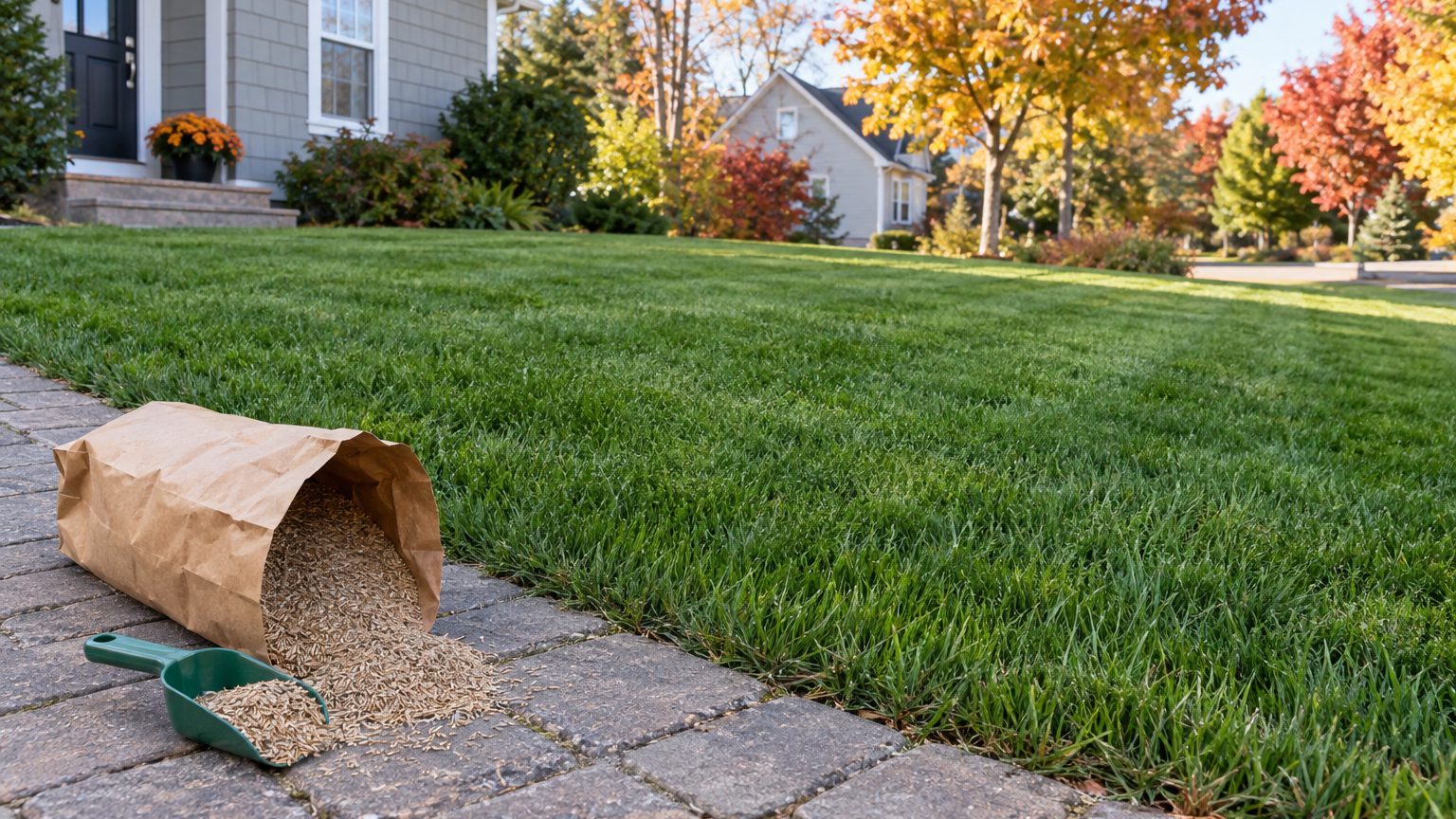
A thin lawn in Nova Scotia often shows its weakness beside a shady house or where the ground stays soggy after spring thaw. Cool-season grasses can handle the shade, but soggy ground needs better drainage before reseeding. The choice comes down to which species fits your light, your traffic and how much you want to mow.
Which Grass Grows Best in Nova Scotia?
Cool-season grasses are the answer here, because summers stay mild enough that they rarely stall and winters are cold enough that warm-season turf would struggle. Halifax sits in Canadian hardiness zone 6b, a Canadian rating that does not translate to a USDA zone. Four species are commonly sold as lawn seed for this region.
Fine Fescues
Creeping red, chewings and hard fescue bring useful traits to Nova Scotia lawns. They tolerate shade, thin soil and the acidic ground common in Nova Scotia, and they need less fertilizer and mowing than other lawn grasses.
The trade-off is traffic. Fine fescues look best on yards that are walked on lightly, not used as a ball field.
Kentucky Bluegrass
Bluegrass handles Nova Scotia winters well and gives the dense, dark carpet many people picture. It spreads by underground stems, so small worn spots fill in on their own once the weather warms.
It wants sun and regular watering through the summer dry spells. In deep shade it fades, so pair it with fine fescue if your yard has both conditions.
Perennial Ryegrass
Ryegrass sprouts fast, which makes it useful for covering bare soil quickly and for holding a slope. It takes foot traffic well once established.
Its weak point is the cold. In an open yard with little snow cover, a hard winter can thin it, so it works best mixed with bluegrass or fine fescue rather than sown alone.
Tall Fescue
Tall fescue roots deeply and shrugs off summer dryness, which is appealing if you do not like watering. The blades are coarser and the plant grows in clumps rather than spreading.
That clumping makes damaged patches slow to recover in a province with long, cold winters. Treat it as a choice for sunny, sheltered yards, not a default.
Nova Scotia — the year and the numbers
- State
- Nova Scotia
- Hardiness zones
- 6b
- Last spring frost
- May 7
- First fall frost
- October 18
- Annual rain
- 55 in
- Lawn type
- cool-season
- Source
- Environment and Climate Change Canada — Canadian Climate Normals 1981-2010, station HALIFAX STANFIELD INT'L A · Halifax
How to Choose Grass Seed for a Nova Scotia Yard
Start with the light, since it quickly narrows the field. A yard that gets full sun most of the day can take bluegrass or a bluegrass blend, while one under spruce, maple or the shadow of a house points toward fine fescue.
After light, think about how the lawn is used, whether you can water in summer, and how often you want the mower out.
| Your yard | Grass to pick | Why it fits |
|---|---|---|
| Full sun, regular watering | Kentucky bluegrass | Dense, hardy and fills in worn spots by spreading |
| Shade or acidic soil | Fine fescues | Tolerate low light and poor soil |
| Busy play area | Perennial ryegrass with bluegrass | Ryegrass sprouts fast and bluegrass repairs wear |
| Little watering, sunny and sheltered | Tall fescue | Deep roots carry it through dry spells |
| Less mowing and feeding | Fine fescues | Grow slowly and ask for little |
Yards often mix sun, shade and different uses, so blended seed is usually the practical choice. Watering matters most in June, July and August, when new or shallow-rooted turf dries first. If you rarely water, lean toward fine fescue or tall fescue.
Which Grasses Grow Where in Nova Scotia
A province this long and this close to the water does not have one lawn climate, and the differences change which grass holds up.
- Annapolis Valley: Sheltered and warmer than the coasts, so bluegrass blends do well here in sunny yards with regular summer watering.
- Halifax and the South Shore: Fog, cooler summers and salt-laden wind favor fine fescues, which tolerate the acidic soil and handle coastal exposure better than ryegrass.
- Eastern Shore: Cool, damp conditions and thin, rocky soil suit fine fescue mixes, with bluegrass added only where there is real sun.
- Cape Breton Highlands: Spring comes later and winter lingers, so choose a cold-tolerant mix and expect a shorter growing season than in Halifax.
Wherever you are, a garden centre in your own area knows which blends sell and survive locally.
Grass Seed Mistakes to Avoid in Nova Scotia
Choosing Grass for the Wrong Light
Sun-loving seed sown under trees grows thin and mossy over time. Match the species to the light you actually have, and use fine fescue wherever shade falls for most of the day.
Seeding at the Wrong Time
August and September give new grass warm soil and mild air to root before winter, and May is a fallback for spring seeding. Halifax averages its last spring frost on May 7, which means half of years see frost later than that, so a May sowing can still meet a cold snap.
If you miss September, seed on cold soil in November and let it sprout in spring.
Burying or Smothering the Seed
Grass seed needs moisture and good contact with the soil surface. Cover it with no more than 6 mm (0.25 inch) of soil, or simply rake it in lightly, because deeper burial can keep seedlings from reaching the surface.
Spreading too much seed causes a different problem: crowded seedlings compete and are more prone to disease in damp, foggy weather. Follow the rate printed on the bag.
Where to Get Lawn Advice in Nova Scotia
Canada has no county extension offices, so local advice comes from the province and from people who grow lawns nearby. Reach out before you buy seed, especially if your soil is rocky, boggy or salty.
- The Nova Scotia Department of Agriculture is the place to ask about soil testing and regional conditions, ideally in late summer before seeding.
- A local master gardener group can often tell you what has worked on your street, and spring is a good time to ask.
- A garden centre near you sells blends suited to local conditions, so stop by before the seeding window opens in August.
Common Questions
When Should You Aerate Before Seeding in Nova Scotia?
September is the best month for core aeration, which opens the soil so seed meets it directly. May also works if you are seeding in spring. Dethatching suits August or September.
When Should You Fertilize a New Lawn in Nova Scotia?
September is the best month, with May and October as fallbacks. Fall feeding helps roots build up before winter, while spring feeding supports growth once the lawn wakes up.
Can You Put Down Crabgrass Preventer When Seeding?
Some crabgrass preventers can also stop grass seed from sprouting, so check the label before applying one when you seed. May is the month for crabgrass preventer, so follow the product label if you also plan to seed in spring.