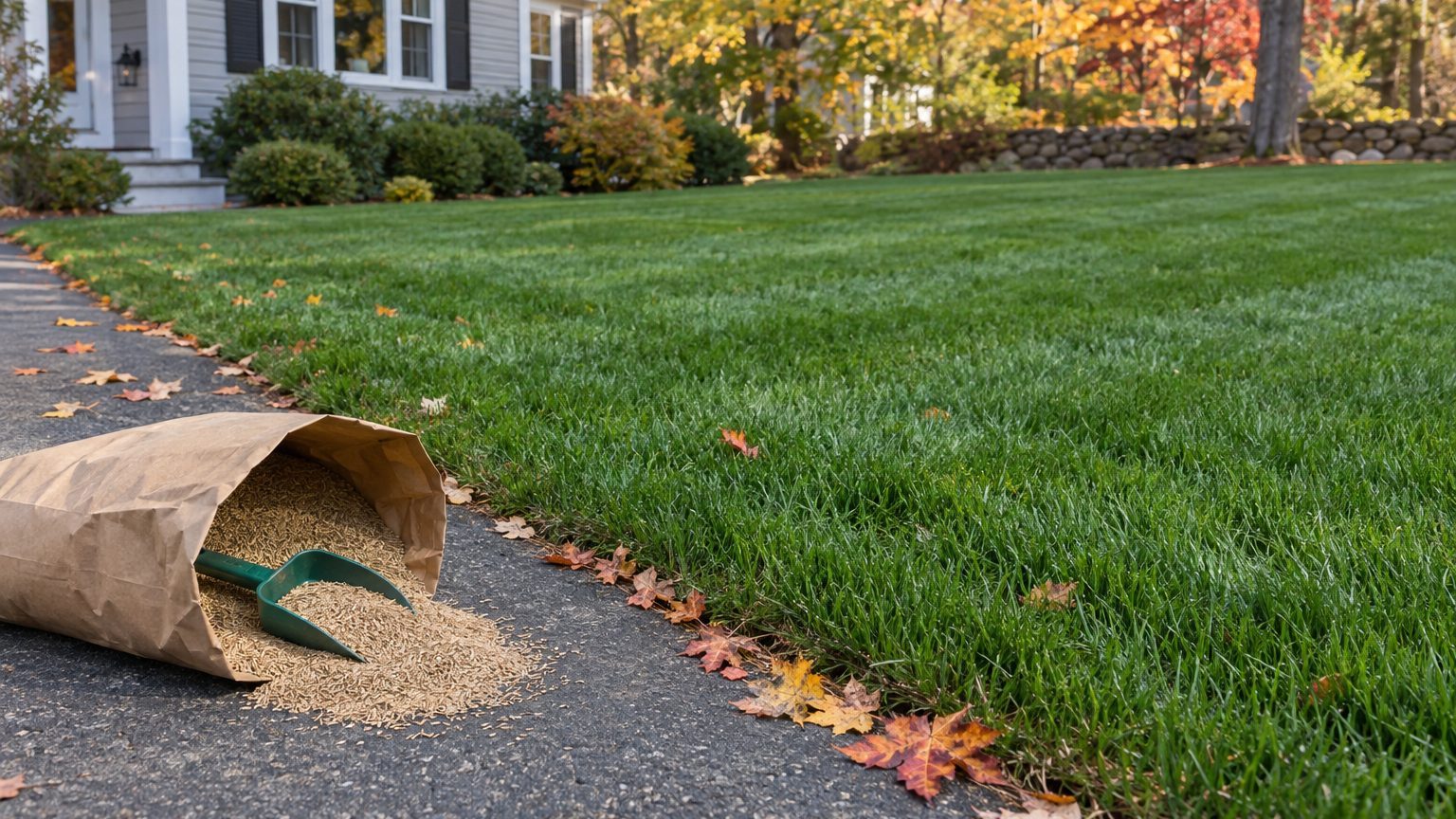
Walk a Maine lawn in late summer and healthy cool-season grass stands out in thick, dark green stretches. Maine sits in USDA zones 3b to 6a, so Kentucky bluegrass, fine fescues, perennial ryegrass and tall fescue are the seeds that belong here, usually as a blend suited to your light.
Which Grass Grows Best in Maine?
Cool-season grasses are the answer because they grow hardest in spring and early fall and suit Maine winters. Warm-season grasses need long, hot summers and go dormant at the first cold spell, so they have no place in a Maine yard. The options below differ in cold tolerance and the care they need.
Fine Fescues
Creeping red, chewings and hard fescue are dependable choices for much of Maine. They handle shade, thin soil and cold, and they need less fertilizer and mowing than bluegrass. The blades are slender, so the lawn looks soft and fine. Pick them for shady or low-care yards.
Kentucky Bluegrass
Bluegrass is the classic Maine lawn grass. It survives deep cold and spreads by underground stems, which lets it fill thin spots on its own. It wants full sun and regular feeding, and it germinates slowly, so be patient after seeding. Mixed with fine fescue, it covers both sunny and partly shaded ground.
Perennial Ryegrass

Ryegrass sprouts fast, which makes it handy for quick cover and for patching worn areas. It is less hardy than bluegrass, so it can thin out after a rough winter in colder inland yards. Use it as a share of a blend rather than as the whole lawn.
Tall Fescue
Tall fescue is deep rooted and stands up to dry spells and foot traffic. It grows in clumps instead of spreading, so bare spots stay bare until you reseed. In colder northern Maine, tall fescue can suffer winter injury, so treat it as a southern and coastal option.
Maine — the year and the numbers
- State
- Maine
- USDA zones
- 3b-6a
- Last spring frost
- April 22 to May 1
- First fall frost
- October 9 to October 21
- Annual rain
- 48 in
- Lawn type
- cool-season
- Source
- NOAA NCEI 1991-2020 Climate Normals, 32F freeze probabilities · Portland
How to Choose Grass Seed for a Maine Yard
Start with the light, because sun or shade quickly narrows the choice. Then think about traffic, whether you can water, and how often you want to mow. A blend lets each grass cover for the others where conditions change across the lot.
| Your yard | Grass to lean on | Why |
|---|---|---|
| Full sun, regular mowing | Kentucky bluegrass | Dense and self-repairing, with the classic look |
| Shade or under trees | Fine fescues | Tolerate low light and root competition |
| Kids and pets, heavy traffic | Bluegrass with ryegrass | Ryegrass fills in quickly while bluegrass knits |
| No irrigation | Fine fescues or tall fescue | Handle dry stretches better than bluegrass |
| Low mowing and feeding | Fine fescues | Grow slowly and ask for little fertilizer |
Watering matters mostly in June, July and August, when a lawn without it may turn tan. Bluegrass usually greens up again after rain, but a fescue blend rides out the dry spell with less fuss. If your yard mixes sun and shade, buy a blend that includes both bluegrass and fine fescue.
Which Grasses Grow Where in Maine
Maine is long and varied, and the same seed behaves differently from the shore to the north woods. Frost comes late in spring and early in fall once you leave the coast, which shortens the growing season for new seed.
- Portland and the southern coast: Conditions are milder here than in inland and northern Maine, giving seedlings a longer season. Bluegrass, ryegrass and tall fescue all have a fair chance here.
- Bangor and the central interior: Winters bite harder and the season is shorter. Lean on bluegrass and fine fescue blends, and keep ryegrass to a small share.
- Aroostook County: Conditions are colder here, and the season is short. Fine fescues and hardy bluegrass fit these conditions, while tall fescue is a gamble.
- Western mountains and Rangeley area: Elevation brings cold and often thin, shaded soil. Fine fescues suit these conditions.
Whichever region you live in, seed early enough in the recommended window so roots form before hard frost.
Grass Seed Mistakes to Avoid in Maine
Picking a Warm-Season Grass
Seed or sod sold for southern lawns will not make it through a Maine winter. Check the label for bluegrass, fine fescue, ryegrass or tall fescue. If a bag lists none of these, leave it on the shelf.
Seeding at the Wrong Time
August and September are the best months to seed in Maine, because warm soil and cooling air give seedlings time to root before winter. If you miss that window, May also works. Spring seedlings face summer heat and weeds sooner, so water them closely.
Burying or Skimping the Seed
Seed needs contact with soil, not a thick blanket on top of it. Cover it with no more than 0.25 inch of soil and press it in so it stays moist. Follow the rate on the bag for new lawns. Too little seed leaves gaps for weeds, and too much crowds the seedlings so they fail.
Where to Get Lawn Advice in Maine
Soil, shade and local weather vary a great deal from one town to the next, so local advice is worth having before you buy seed.
- University of Maine Cooperative Extension offers turf and soil guidance, so check there before choosing a blend.
- Your county extension office can help with soil testing before you seed in late summer.
Common Questions
Can You Mix Grass Seed Types in Maine?
Yes, and most lawns benefit from it. A blend of Kentucky bluegrass and fine fescue handles sun and shade in the same yard.
Is Spring a Good Time to Seed in Maine?
May works as a fallback, though August and September are better. Spring seedlings must survive summer heat before they are well rooted.
Should You Aerate Before Overseeding?
Aeration helps seed reach the soil on compacted lawns. September is the best month for it, and May also works.