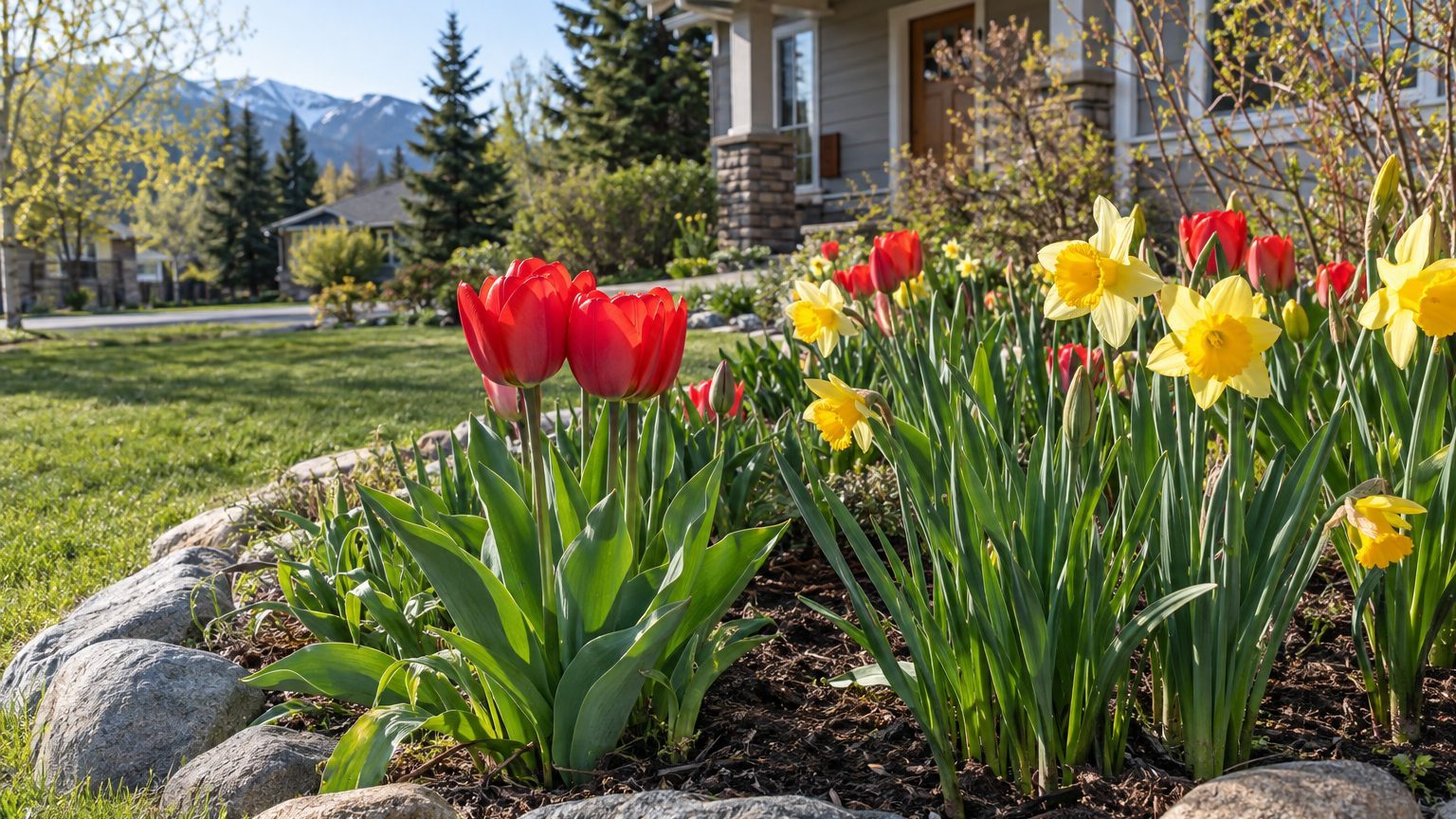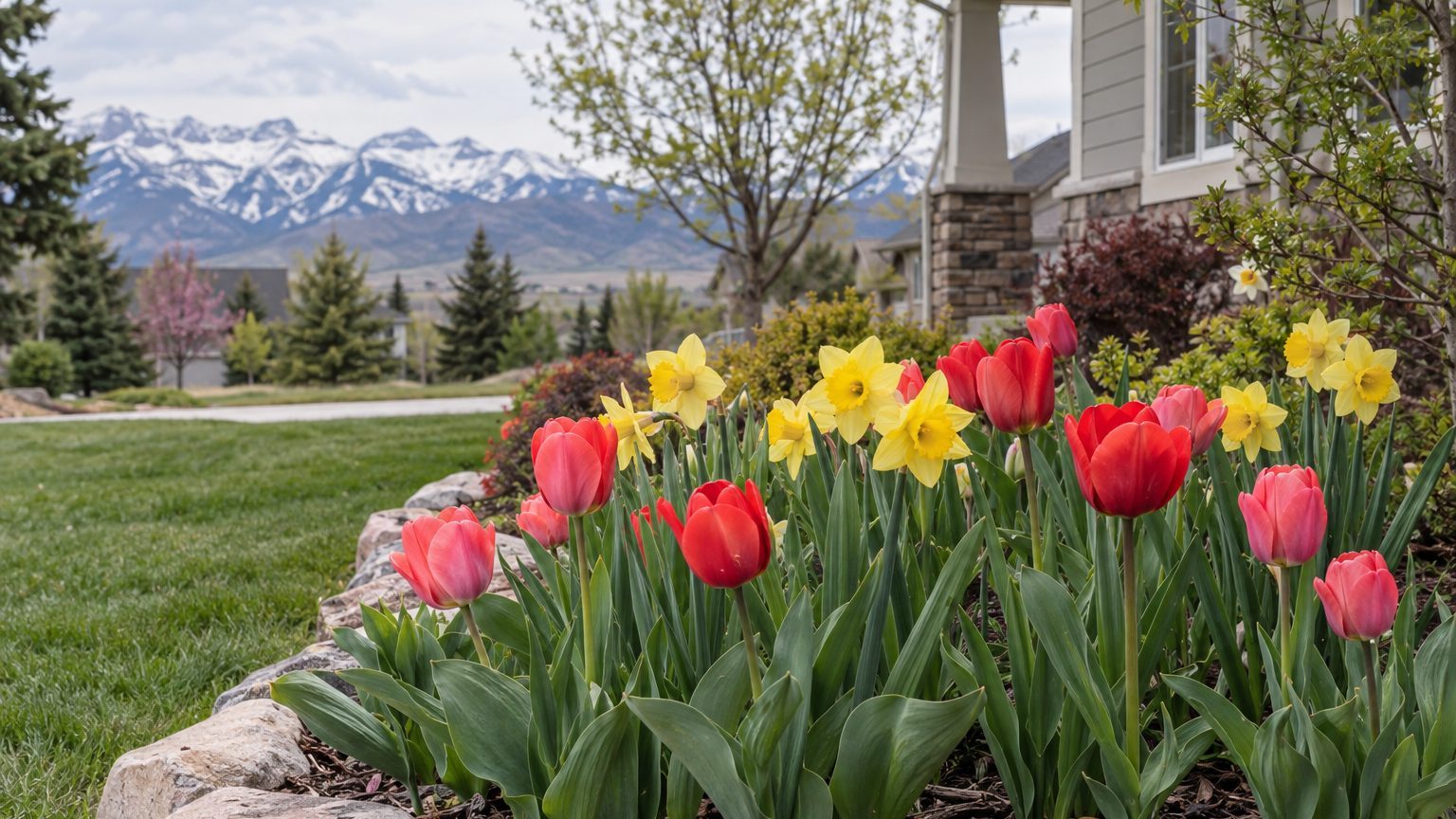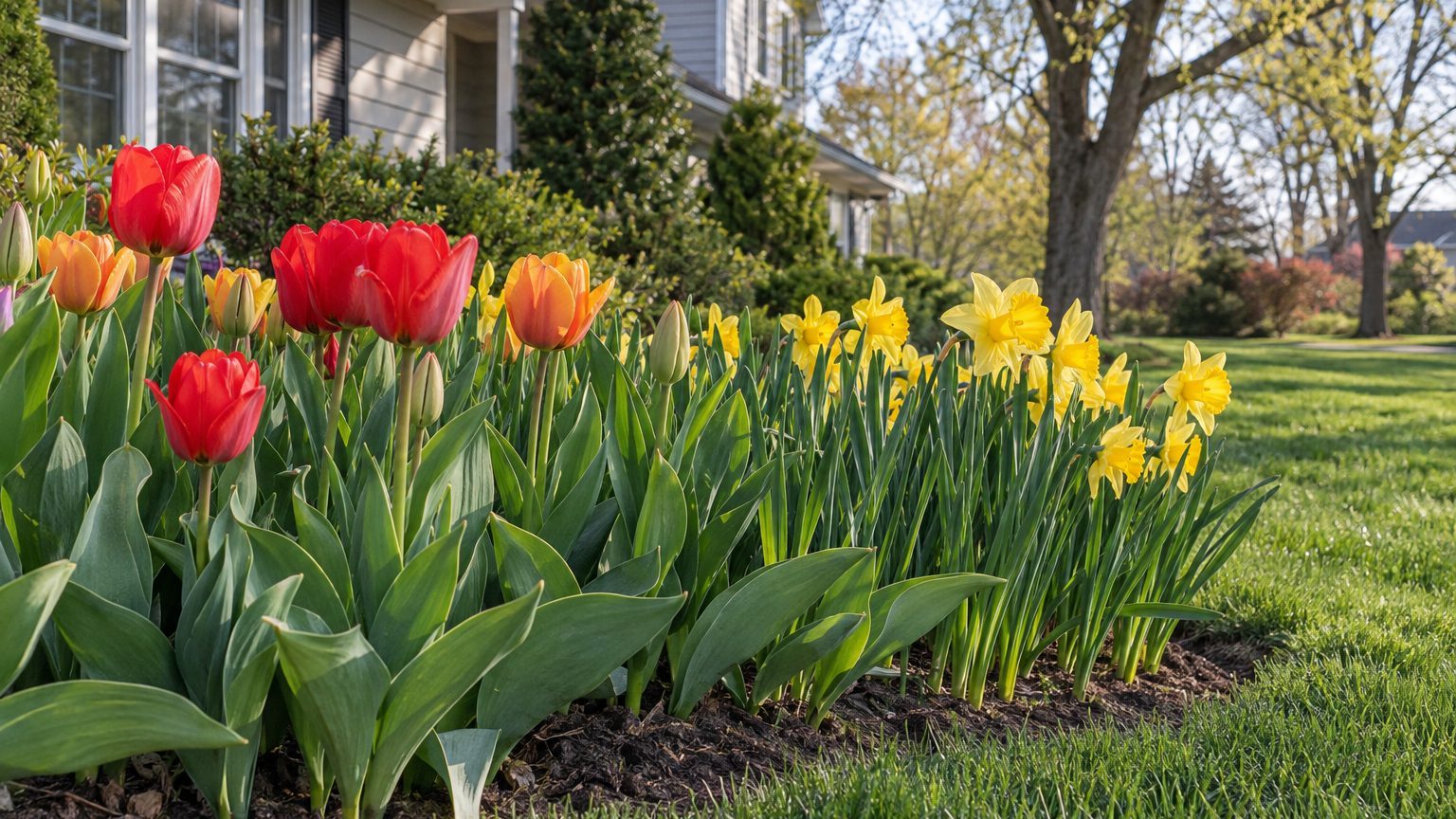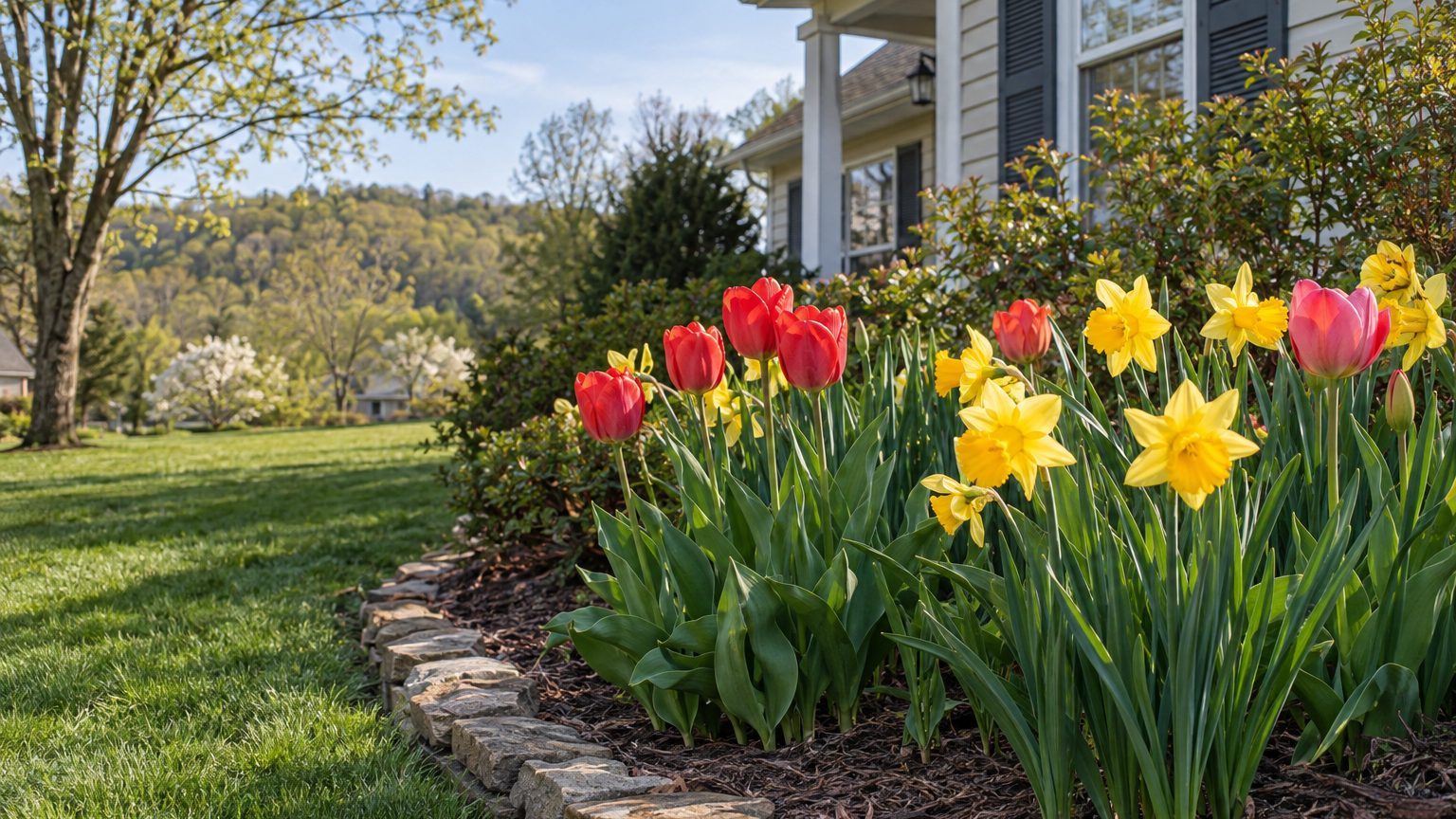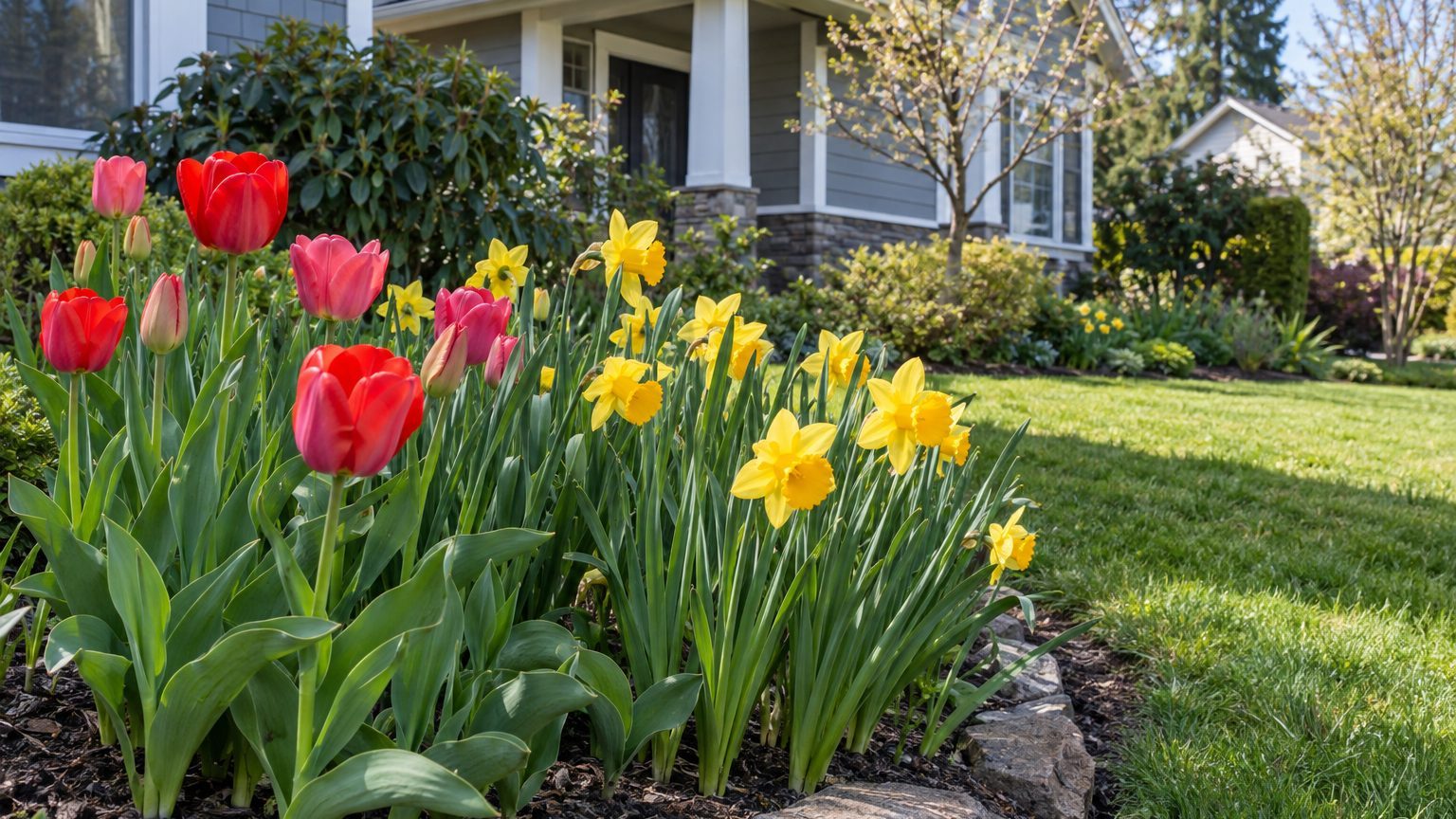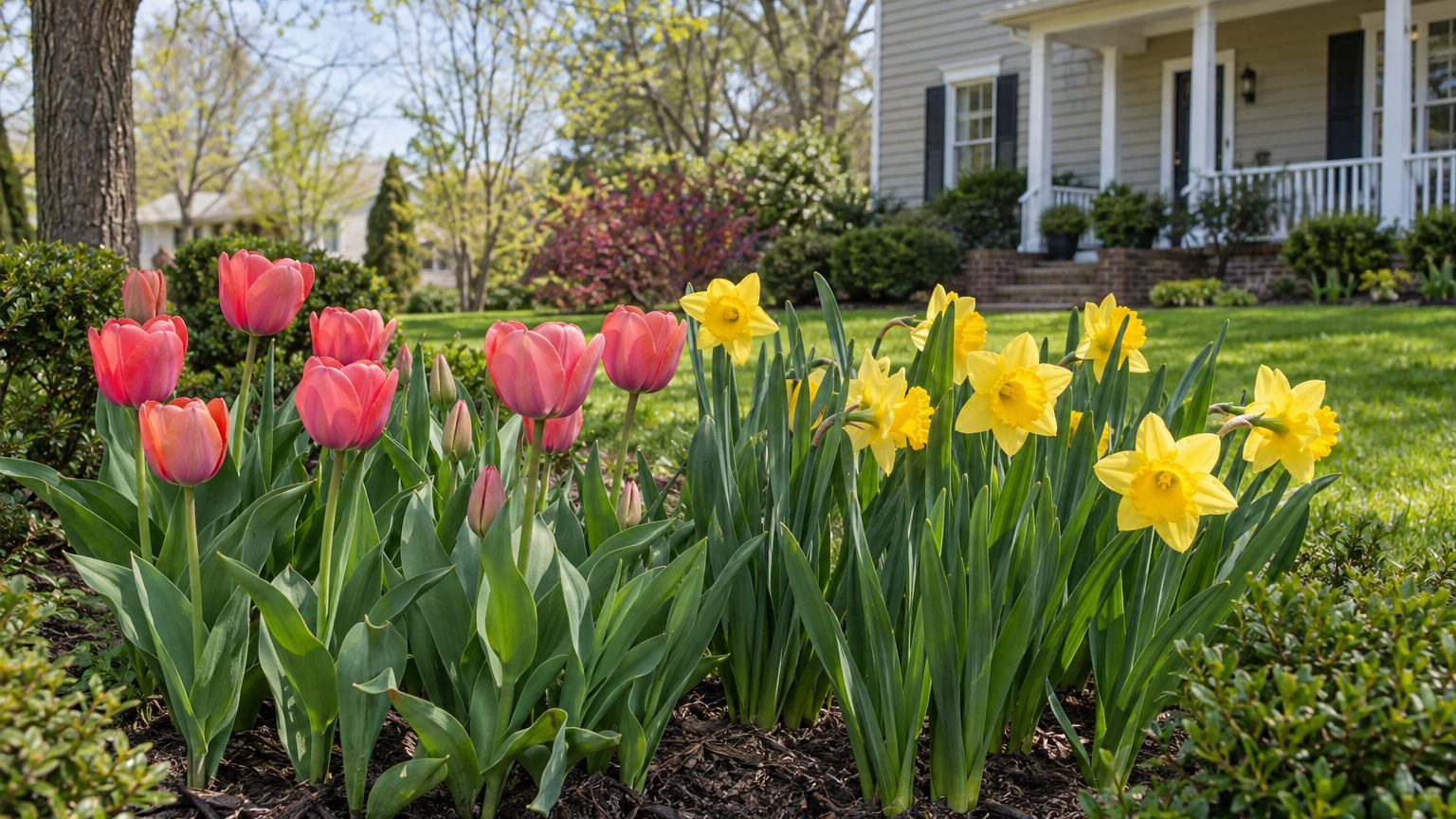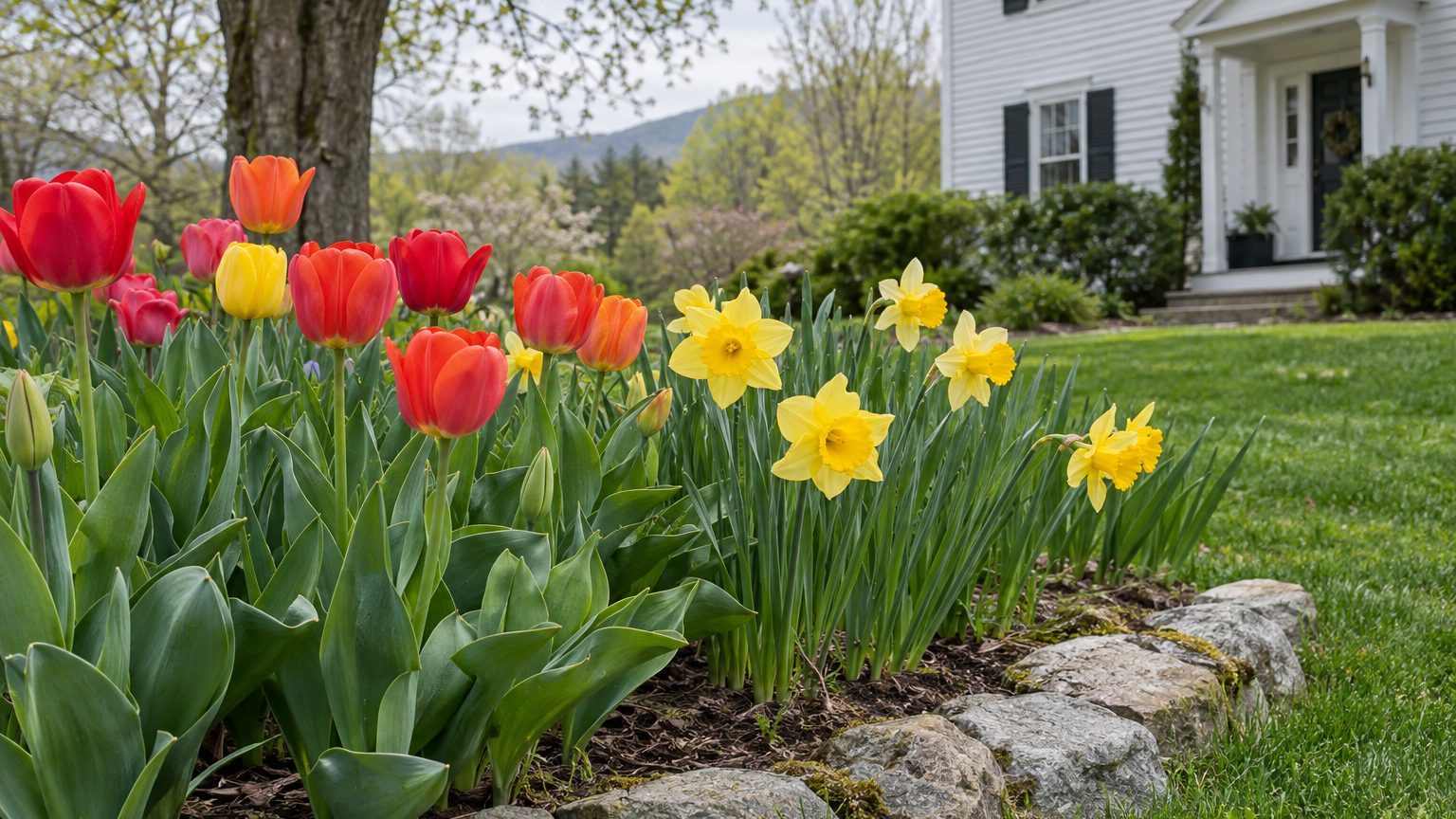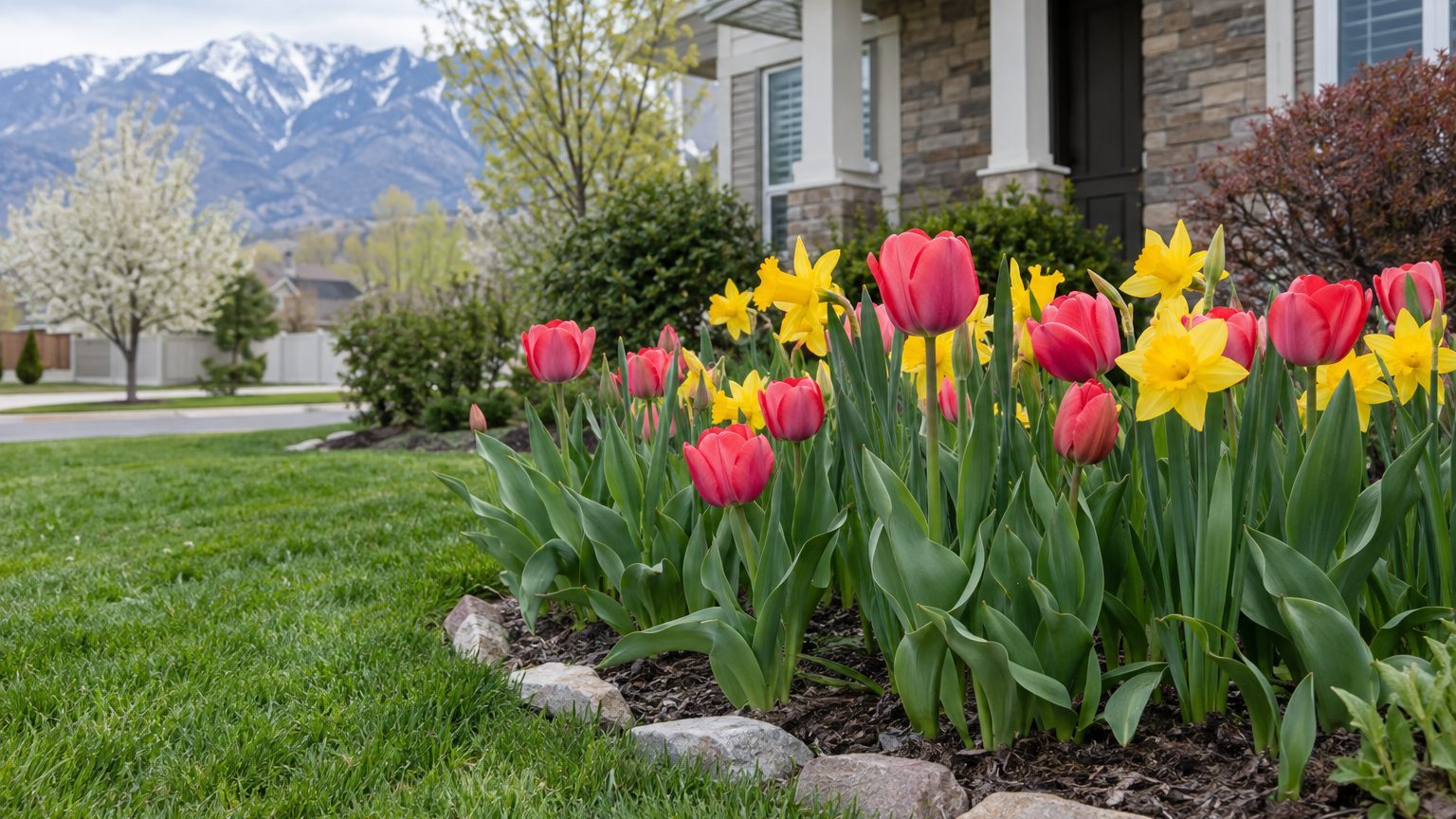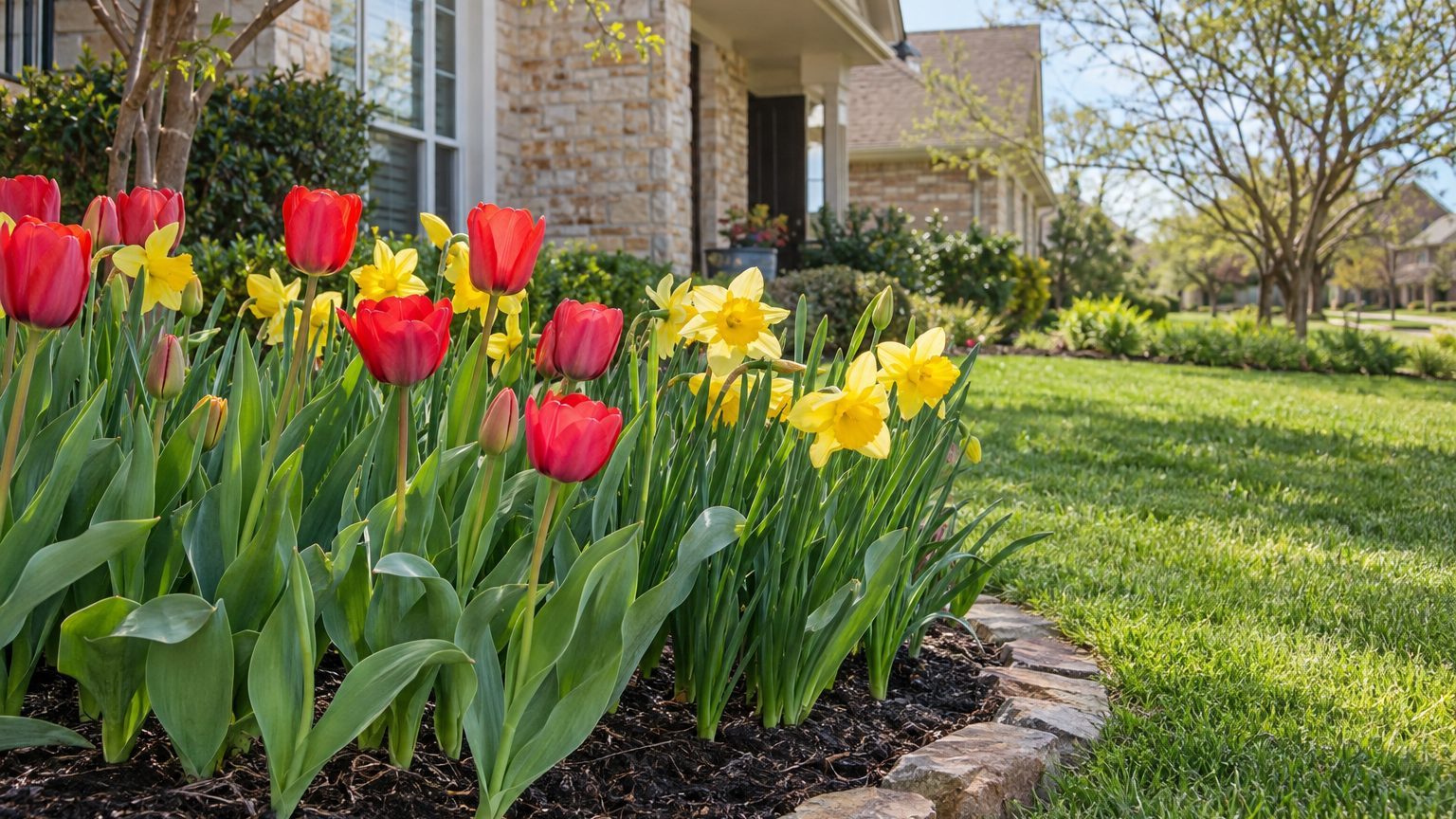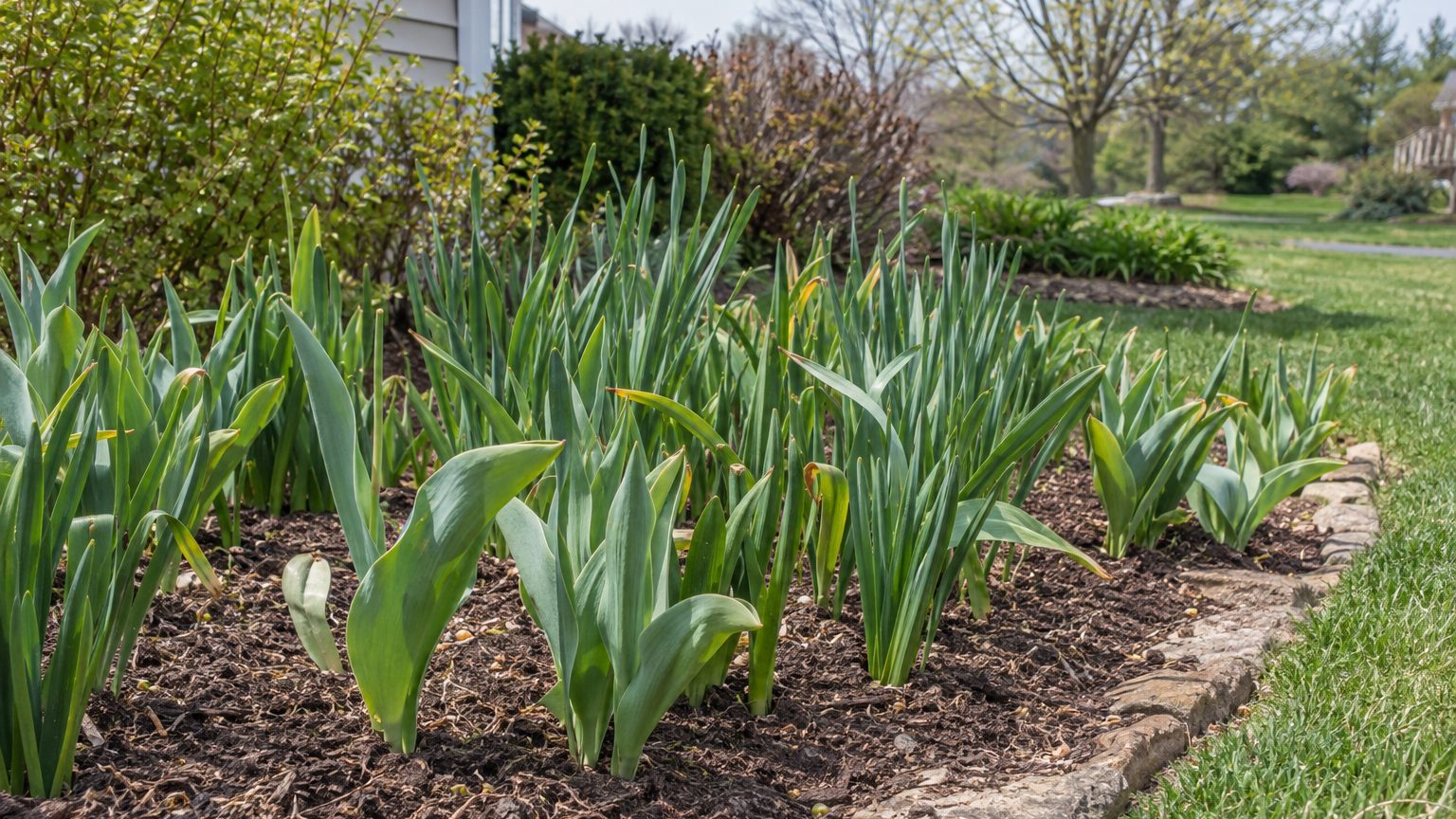
Once the petals drop, tulip and daffodil beds look their scruffiest, and the urge to tidy up is strong. Resist it. The leaves that remain are doing the work that decides next spring’s show, so the job after the flowers fade is mostly about what you leave alone.
What Should You Do After Tulips Bloom?
Snip off the spent flowers, leave every green leaf standing, and keep the bed lightly watered until the foliage yellows and flops over on its own. That rule holds for tulips and daffodils across the country. What shifts it is the bulb type and how long your spring stays mild.
Daffodils usually hold their leaves longer than tulips, and cooler climates stretch the whole process out. Hot, dry stretches speed it up. The state selector just below this section takes you to the page for your state, where the timing is spelled out for your climate.
How to Care for Bulbs After Bloom

The order of the jobs matters, because each one protects the energy the bulb is storing. In the weeks after bloom, the plant is setting the flowers for next year, and the leaves are its only source of food.
- Remove the faded flower heads and the top of the stem, so that the plant puts its effort into the bulb instead of into forming seed.
- Leave the foliage standing and untied, so that every leaf can keep collecting sunlight and feeding the bulb below.
- Keep watering and feeding while the leaves are green, because in Florida the plants are advised to stay watered and fertilized after flowering. In Colorado, nitrogen at 1/4 pound per 100 square feet goes on before the foliage withers.
- Ease off the water once the plant stops growing, since in New York over-watering at that stage is something to avoid.
- Cut the leaves away only after they have turned yellow or brown and fallen over, so that nothing is taken from the bulb before it has finished.
- Mulch the bed if you like. In Colorado, a 3-inch layer goes on after the ground freezes to stop the freeze and thaw cycles that break roots and damage bulbs.
Braiding or knotting the leaves looks neat, but it cuts the surface that catches light. Let them sprawl, and hide the mess by planting perennials nearby that will grow up and cover the fading foliage.
Foliage Care by Bulb Type
Tulips and daffodils follow the same basic rule, but the waiting period is described differently for each. Knowing the difference keeps you from cutting early or waiting longer than you need to.
In Washington, tulips call for a wait of at least 6 weeks after the flowers fade before the leaves come off. In Missouri, daffodil foliage stays for about eight weeks, and in Arkansas it may persist for 10 to 12 weeks.
| Bulb Type | What changes | Why it matters |
|---|---|---|
| Tulips | In Washington, leaves stay at least 6 weeks after the flowers fade | Cutting sooner starves the bulb before it recharges |
| Daffodils | Leaves may last 10 to 12 weeks in Arkansas and about eight weeks in Missouri | A longer wait is normal, so yellow leaves are the signal, not the calendar |
For you, that means watching the leaves instead of counting days. Daffodil leaves can stay green well into early summer, while tulip leaves tend to give up sooner. Other spring bulbs follow the same logic: the leaves go only when they have yellowed and fallen.
After-Bloom Care Mistakes to Avoid
Cutting Green Leaves

Cutting the foliage too soon stops bulb growth, and in Iowa it may mean fewer flowers the next year. Wait until the leaves are brown and down, then remove them. If the fading leaves bother you, plant something beside them to cover the view.
Leaving Seed Heads

Left in place, spent flowers can go to seed, and the plant spends energy on that instead of on the bulb. In North Carolina, the top of each flower stem is taken off to prevent seed formation. Snip only the flower part and leave the leaves untouched.
Overwatering Dormant Bulbs
Once growth stops, soggy soil does more harm than good. In New York, the advice is to avoid over-watering at that point. Water while the leaves are green, then let the bed dry out as the foliage dies back.
What to Do After Bulbs Bloom in Your State
The sign to act on is the foliage itself: once it has yellowed and fallen over, it can be cleared, and not before. The months for that point differ from state to state, so each state’s page gives the timing for its own climate.
- Go to your state’s page in spring, while the flowers are fading, to see when the leaves are likely to turn.
- Return to it in early summer to check when the foliage can come off and when the bed can go quiet.
Common Questions
Can You Move Tulips After They Bloom?
Yes. In Washington, tulips can go back in the ground right away, or be lifted, kept dry and planted in the fall. Keep the lifted bulbs somewhere dry until planting time.
Should You Dig Up Daffodils After They Bloom?
Not as routine care. They can stay in the ground, and the foliage keeps feeding them until it turns yellow. Digging is only for moving or dividing a clump, and that is done once the leaves have died back.
What If Tulip Leaves Get a Blight?
Pair what you see with where you see it: gray fuzzy mold on the leaves and spotted, collapsing growth in the same patch point to tulip fire. In Illinois, entire tops are cut off an inch or so below the soil surface, removed and burned. Do not compost them.