Skip to content

When to Plant Tulips and Daffodils in Tennessee

When to Plant Tulips and Daffodils in Tennessee

Tulip and daffodil bulbs go into Tennessee soil in the fall, and the ground tells you when it is ready: it has cooled but not frozen. Most of the state can plant through autumn, with one month standing out, and a few habits keep tulips from vanishing after a year or two.

When to Plant Tulips and Daffodils in Tennessee

When to Plant Tulips and Daffodils in Tennessee

October is the month to plant tulips and daffodils in Tennessee, and September and November also work when the soil is cooling slowly or you ran late. Here is how a bulb’s year unfolds, with Nashville as the reference point for dates.

  • In September, bulbs show up in garden centers and catalogs, so buy early while the choice is wide and the bulbs are still firm.
  • Through the fall, no refrigerator chilling is needed for most bulbs, because Tennessee winters give plenty of cold, and according to Iowa State University Extension, alliums need the cold of winter to bloom.
  • In October, plant tulips and daffodils once the soil has cooled noticeably from its summer warmth, which gives roots time to form before the ground freezes without tempting the bulbs to sprout in autumn.
  • In November, spread a layer of mulch after planting, timed near the first fall frost, which in Nashville usually arrives between October 28 and November 8.
  • From late winter into spring, green shoots push up, and blooms run from February into May depending on the bulb.

Zones across Tennessee run from 5b to 8a in the USDA system, so the mountains and the western part of the state do not feel the same winter. A bulb still in its bag in late fall is better planted late than stored, so keep digging as long as the ground allows.

Which Spring Bulbs Do Best in Tennessee?

Tennessee winters supply enough cold for tulips, daffodils, crocus, hyacinths and alliums to flower. Soil is rarely the limit. Hungry wildlife is the bigger issue, since voles, squirrels, rabbits and deer eat tulips and crocus but leave daffodils alone.

That makes daffodils the dependable choice for a yard with deer, and tulips a treat you may need to protect or replant.

Bulb type How it does in Tennessee Why
Daffodils Return year after year Hardy perennial bulb that wildlife avoids
Tulips Often short-lived Animals eat them, and they fade faster than daffodils
Crocus Flower well but get eaten Voles, squirrels and rabbits go after them
Hyacinths Good where deer and squirrels roam Animals tend to leave them alone
Alliums Reliable bloomers Needs cold to bloom, and animals skip them

Daffodils also suit naturalizing, which means scattering clumps through a lawn edge or bed, since they never have to be dug. If you want tulips anyway, plant a fresh batch every so often and treat them as a seasonal show.

When to Plant, Chill and Care for Spring Bulbs in Tennessee

The yearly rhythm is simple: plant in fall, let winter do the chilling, and leave the leaves alone after bloom. Most spring bulbs want about 12 to 16 weeks of cold to flower, and Tennessee winters usually deliver it.

Refrigerator chilling is for places with mild winters, so it is not a routine step here.

Task Best timing in Tennessee Why then
Plant tulips, daffodils, crocus, hyacinths, alliums October, with September and November as fallbacks Soil that has cooled noticeably lets roots form without fall sprouting
Chill Winter in the ground, no fridge needed Winter cold supplies the weeks of chill bulbs need
Enjoy bloom March, April and May, with February for early bulbs Bloom times run from February to May
Leave the foliage Until the leaves turn brown Green leaves feed the bulb for next year

After bloom, remove only the faded flowers and let the leaves yellow and brown on their own. Never cut or tie green foliage.

How Bulb Planting Time Changes Across Tennessee

The calendar stays the same statewide, but the weather that sets your planting day varies by region, so watch the soil more than the date.

  • East Tennessee: Cooler air here runs later in spring than in Nashville, and the soil cools sooner in fall, so planting can lean toward the start of the fall window.
  • Cumberland Plateau: The higher ground cools earlier and warms later, so plant on the early side and expect blooms a little behind those in town.
  • Nashville and Middle Tennessee: Soil cools on a steadier schedule, which makes October a comfortable middle for planting.

Wherever you garden, a soil thermometer settles the question better than any date on the calendar.

Where to Get Bulb Advice in Tennessee

The state’s land-grant extension service, University of Tennessee Extension, backs up the fall planting rule with research-based guidance, and your county office is the local branch.

  • The county office can look at a struggling bed and run a soil test, so go before you plant in fall.
  • Staff there can tell you which bulbs hold up in your zone and against local wildlife, which helps when choosing between tulips and daffodils.
  • Bring a sample or a photo if bulbs failed to come up, ideally once the shoots should have appeared in spring.

Common Questions

Can You Plant Bulbs After the Ground Starts to Freeze?

Yes, as long as you can still dig. A bulb in the ground late beats one left in a bag, so plant it as soon as the soil allows.

Do Alliums Need Chilling Like Tulips?

Yes. Alliums need a chill period to bloom.

Why Did My Tulips Disappear After a Year or Two?

Look for chewed or missing bulbs and for gaps where plants stood the year before. Voles, squirrels, rabbits and deer eat tulips, and tulips are often short-lived anyway. Daffodils are the safer replacement.
When to Plant Tulips and Daffodils in South Dakota

When to Plant Tulips and Daffodils in South Dakota

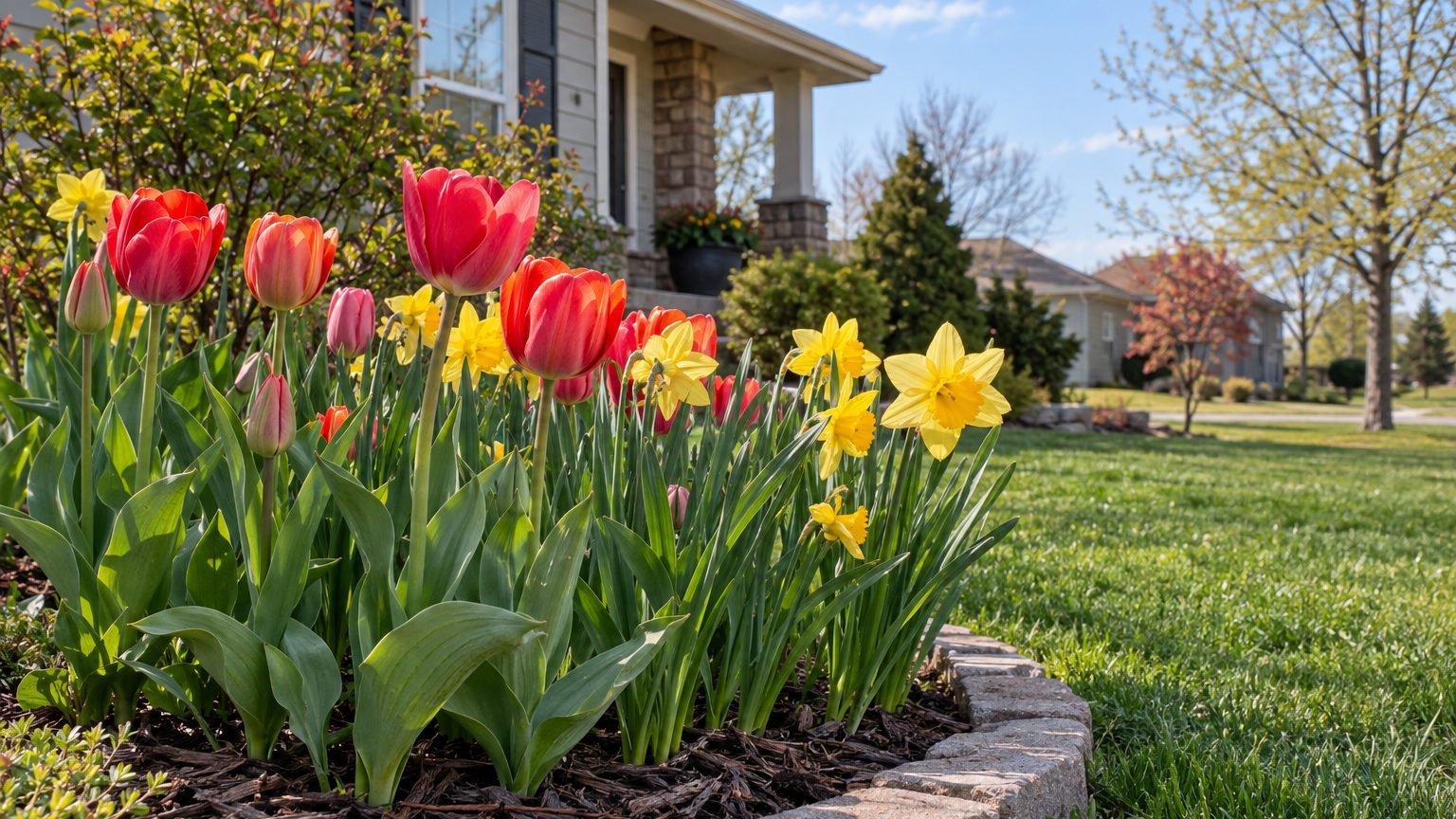
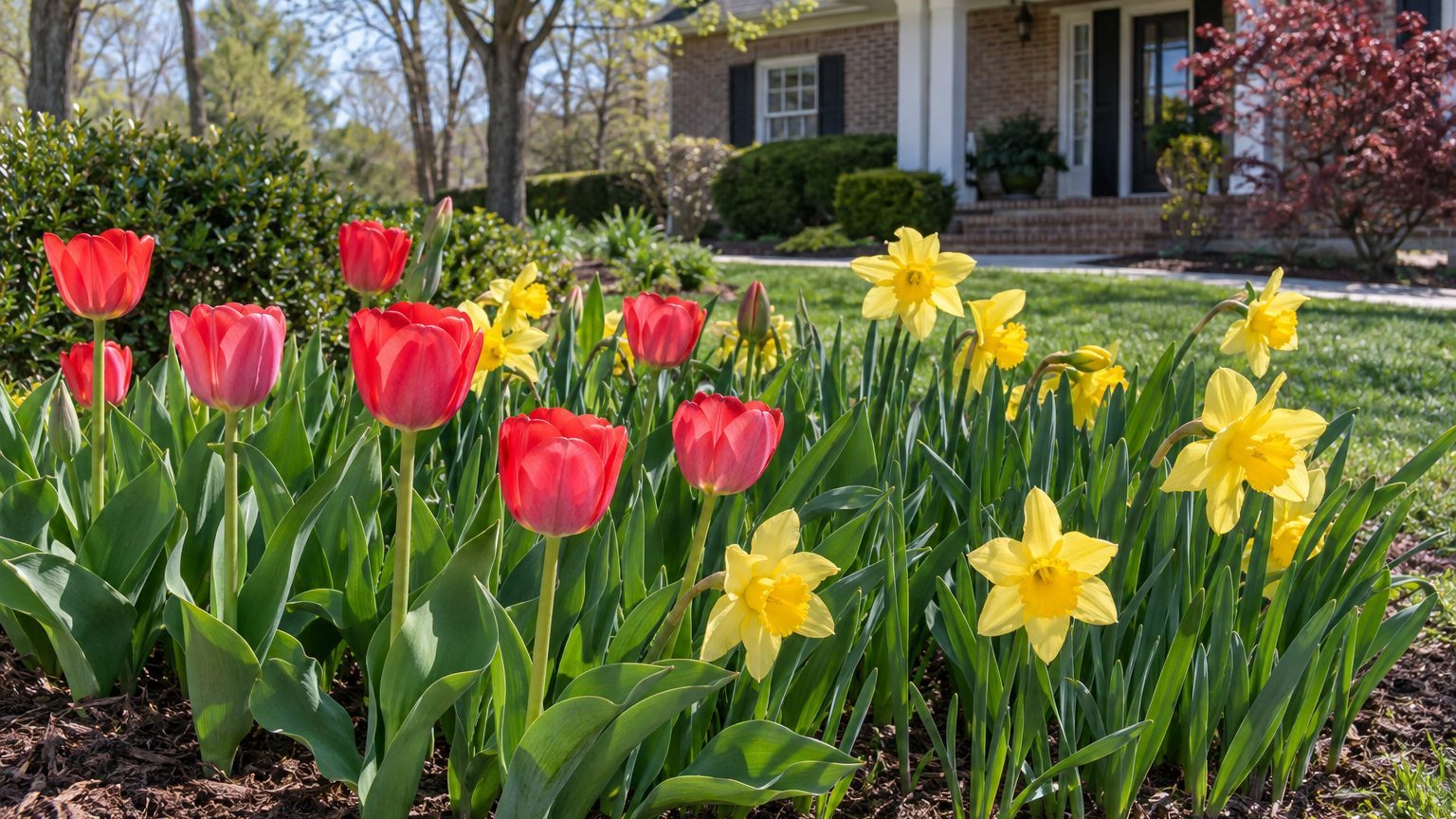
Tulip and daffodil shoots pushing through cold South Dakota ground are a sign that planting went right the autumn before. Those bulbs go in during fall, and the timing matters more than the technique. Here is when to plant tulips and daffodils across South Dakota, and which spring bulbs are worth the space.

When to Plant Tulips and Daffodils in South Dakota

When to Plant Tulips and Daffodils in South Dakota

Plant tulips, daffodils, crocus, hyacinths and alliums from mid-September through mid-October. That window lets roots form before the ground locks up, and a bulb’s year in South Dakota runs like this.

  • In late summer, bulbs show up in garden centers, and this is the time to pick firm, heavy ones and keep them somewhere cool and dry until planting day.
  • In September, planting begins in earnest once the soil has cooled below about 60°F, which keeps the bulbs from sprouting too early and getting caught by cold.
  • Through October, planting continues, and the goal is to have every bulb in the ground four to six weeks before the ground freezes so roots can settle.
  • After the ground freezes, a loose layer of mulch over the bed evens out winter thaws and keeps the bulbs from heaving.
  • In early spring, green shoots push up through the mulch, so pull it back as they appear, and flowers follow in April and May.

Frost shapes how you read that window. At the reference city, the first fall frost tends to arrive between September 24 and October 4, and suburban or rural yards often see it sooner, more so at elevation. Check your own county’s pattern before you settle on a planting weekend. The USDA system rates South Dakota as zone 3b to 5b, so winters are cold enough to give tulips and daffodils all the chilling they need without any help from you.

Which Spring Bulbs Do Best in South Dakota?

Daffodils and alliums are the dependable choices here. Tulips grow and bloom well in the first spring, but they often fade after a few years, so plan on enjoying them without counting on them. Crocus and hyacinths follow the same fall planting schedule as tulips and daffodils.

Bulb type How it does in South Dakota Why
Daffodils Long-lived and reliable year after year They tend to last longer than tulips, and animals leave them alone
Alliums Easy and forgiving They are not picky, can go in a few weeks before a hard frost, and need winter chill to bloom
Hybrid tulips Often short-lived Years of hybridizing have weakened their ability to return, and wet, heavy clay makes it worse
Species tulips May come back more reliably than hybrids These shorter types with smaller flowers cope better, or you can treat hybrids as annuals

Soil matters as much as variety. Most hardy spring bulbs evolved in dry, Mediterranean-type climates, so a bed that stays soggy shortens their life. Planting annuals that need a lot of water right on top of a tulip bed adds to the problem, so give bulbs a spot with good drainage.

When to Plant, Chill and Care for Spring Bulbs in South Dakota

The yearly rhythm is simple: plant in fall, wait through winter, then let the foliage do its work after the flowers fade. Winter handles the chilling, so no refrigerator step is needed here.

Task Best timing in South Dakota Why then
Plant tulips, daffodils, crocus and hyacinths September through October Roots establish before the freeze, and cooled soil prevents fall sprouting
Plant alliums A few weeks before a hard frost They tolerate later planting better than other bulbs
Plant bulbs left over As long as the ground can be dug A bulb in the ground, even late, beats one stored through winter
Remove faded flowers Right after bloom in April and May It tidies the bed without touching the leaves
Leave the leaves Until they turn brown They feed the bulb for next year’s flowers

Resist the urge to braid or cut the foliage while it is still green. Hide it by planting perennials with leaves that grow up and cover the fading bulb leaves, and wait for the yellowing to finish on its own.

How Bulb Planting Time Changes Across South Dakota

The window runs mid-September through mid-October statewide, but where you sit inside it depends on how soon cold arrives in your corner of the state.

  • Black Hills: Elevation brings frost sooner, so plant toward the start of the window and give roots every chance to settle.
  • Northeastern South Dakota around Aberdeen and Watertown: Colder winters and an earlier freeze make early to mid-September through early October the safer stretch.
  • Southeastern South Dakota around Sioux Falls: The ground stays workable a little longer, so planting can run later into October.

Whatever the region, soil temperature is the guide: once it drops below about 60°F and stays there, it is time to plant.

Where to Get Bulb Advice in South Dakota

Local help is worth using when bulbs fail or the soil is a question. South Dakota State University Extension publishes fall bulb guidance and answers gardening questions.

  • The SDSU Extension website has fall planting articles on bulbs and tulips, handy to read before you shop.
  • Your county extension office can test soil and help diagnose bulbs that stopped blooming, so contact them before replanting a failing bed.
  • A soil test taken in late summer tells you whether clay or poor drainage is the problem before the bulbs go in.

Common Questions

Do You Need to Chill Tulip Bulbs in the Refrigerator in South Dakota?

No. Most spring bulbs need roughly 12 to 16 weeks of cold to flower, and South Dakota winters supply that in the ground. Refrigerator chilling is for places with winters too mild to deliver it.

Will Deer and Squirrels Eat Spring Bulbs in South Dakota?

Voles, squirrels, rabbits and deer will go after tulips and crocus. Daffodils are left alone, which is one more reason they hold up well in yards with wildlife.

Can You Stretch Spring Bulb Season with Different Types?

Yes. Spring bulbs bloom in a long succession, from snowdrops and winter aconites at the start of the season to ornamental onions, the alliums, at the end. Mixing early and late types in the same fall planting keeps color going through spring.

When to Plant Tulips and Daffodils in South Carolina

When to Plant Tulips and Daffodils in South Carolina

Daffodil leaves poking through the pine straw in late winter are a South Carolina sight, and they trace back to a few minutes of work in the cool months of the year before. Spring bulbs here go in during the cool months, and the exact timing shifts with the coast, the Midlands and the Upstate.

When to Plant Tulips and Daffodils in South Carolina

When to Plant Tulips and Daffodils in South Carolina

Plant tulips and daffodils in November and December, with January and October as fallbacks when the season gets away from you. A bulb’s year here moves through a series of distinct moments.

  • In early fall, buy bulbs while the choice is wide and keep them somewhere cool and dry, out of a hot garage, until the ground is ready.
  • Through autumn, tulips and hyacinths spend time in the refrigerator, because South Carolina winters are mild and cannot supply all the cold they need.
  • In November and December, plant once the soil has cooled below about 60°F, so roots form but the bulbs do not sprout early. Refrigerated bulbs can go in even into early January.
  • Right after planting, spread a loose layer of mulch such as shredded leaves or pine straw to even out soil temperature through the winter.
  • In late winter, the first green shoots break the surface, and the mulch can stay where it is.

In Charleston, the first fall frost usually arrives between November 20 and December 5. South Carolina spans zones 7a to 9a on the USDA hardiness system, so bulbs in the mountains and on the coast meet quite different winters.

Which Spring Bulbs Do Best in South Carolina?

Daffodils do best here by a wide margin. Winters are mild, so tulips give less, and according to Iowa State University Extension, alliums need the cold of winter to bloom.

Clemson Cooperative Extension calls daffodils the most successful of the popular spring bulbs for naturalizing in the South, and their reliability reaches across South Carolina.

Bulb type How it does in South Carolina Why
Daffodils (jonquil hybrids, tazetta hybrids, poeticus, species daffodils) Grow reliably throughout the state and return year after year Daffodils last longer than tulips and are the more reliable perennial bulb
Standard tulips Usually one season of color, then treated like annuals Winters are too mild for them to settle in, so they are often dug and discarded after bloom
Single Late tulips One of the best tulip groups for warm climates Long, strong stems and deep, cup-shaped blooms in many colors
Species tulips A few naturalize in the South Some come from warm climates and flower without a cold period
Alliums Needs winter cold to bloom They need the cold of winter to bloom

Hyacinths follow the tulip routine, with a refrigerator stay before planting. Crocus can bloom here too, but voles, squirrels, rabbits and deer eat both crocus and tulips, so plant them where you can watch for damage. Daffodils are left alone by those animals.

When to Plant, Chill and Care for Spring Bulbs in South Carolina

Three jobs shape the bulb year, and each has a clear moment. Planting is the one with months attached. Chilling and leaf care follow signs you can read in the garden and the kitchen.

Most spring bulbs need about 12 to 16 weeks of cold to flower, and a South Carolina winter often falls short of that for tulips and hyacinths.

Task Best timing in South Carolina Why then
Plant tulips, daffodils, crocus, alliums and hyacinths November to December, with January and October as fallbacks Cooler soil gives roots time to grow without pushing top growth too soon
Chill tulips and hyacinths In the refrigerator before planting, so they go in the ground in November, December or early January The mild winter cannot supply the cold these bulbs need to flower
Plant coastal bulbs Late December or early January near the coast Coastal soil stays warm longer, so waiting avoids early sprouting
Leave the leaves after bloom As long as they stay green, until they turn brown The leaves feed the bulb for next spring

After bloom, remove only the faded flowers and leave the foliage standing. Never tie it up or cut it back while it is still green, however untidy it looks.

How Bulb Planting Time Changes Across South Carolina

The state stretches from mountain foothills to barrier islands, and the soil cools on a different schedule in each.

  • Upstate: Winters run colder and the season is tighter at both ends, so the soil cools sooner. Aim for the early part of the November to December window and keep refrigerated tulips on a normal schedule.
  • Charleston and the coast: Peninsular Charleston is milder than the airport readings suggest. In South Carolina’s coastal areas, most bulbs do better planted in late December or early January, once the ground has finally cooled.

If you live between the two, in the Midlands, plant in the middle of the window and let soil temperature make the final call.

Where to Get Bulb Advice in South Carolina

Local soil, drainage and wildlife vary from one county to the next. For questions about your own yard, two kinds of help are close by.

  • Clemson Cooperative Extension publishes bulb guidance written for South Carolina, and it is the first stop before you buy.
  • Your county extension office can run a soil test, which is worth doing in late summer or early fall before planting day.
  • Staff there can also help diagnose a failed planting, if you bring a bulb or a photo of the bed.

Common Questions

Can You Plant Bulbs That Are Still in the Bag in January?

Yes. A bulb still in the bag is better planted late than stored over the winter, so plant as long as the ground can be dug.

Which Spring Bulbs Do Deer and Rabbits Leave Alone?

Daffodils. Tulips and crocus are the ones voles, squirrels, rabbits and deer go after.

Are Tulips Worth Planting If They Rarely Come Back?

They are, as a one-season show. Plant them in a bed you can refresh each year, or choose Single Late tulips or species tulips if you want them to return.

When to Plant Tulips and Daffodils in Saskatchewan

When to Plant Tulips and Daffodils in Saskatchewan

Tulip and daffodil shoots poke through cold prairie soil as the snow finally pulls back, and every one of them was planted months earlier. In Saskatchewan, spring bulbs go into the ground in fall, once the soil has cooled and before it locks up.

When to Plant Tulips and Daffodils in Saskatchewan

When to Plant Tulips and Daffodils in Saskatchewan

Plant tulips and daffodils from mid-September through mid-October, so the roots settle in before the ground freezes. The bulb’s year follows the seasons.

  • In late summer, buy bulbs while garden centres still have a full selection, and keep them somewhere cool and dry until planting day.
  • Winters here supply all the cold that tulips and daffodils need, so no refrigerator chilling is required before planting.
  • From mid-September through mid-October, plant the bulbs, ideally four to six weeks before the ground freezes, so roots can form without top growth starting.
  • Once the surface of the soil begins to freeze, spread a layer of mulch to keep the ground from heaving and thawing through winter.
  • In April, the first green tips appear, and tulips and daffodils flower through April and May.

At Saskatoon, the first fall frost arrives on average September 18, a midpoint, so frost often holds off longer in a given year, while farther north it comes sooner. The Canadian hardiness zone there is 3a (a separate system from USDA zones). The dates here follow the nearest comparable climate, so confirm local timing with a garden centre, a garden society or a provincial gardening group.

Which Spring Bulbs Do Best in Saskatchewan?

Daffodils and alliums are the safest picks. Winter cold is no obstacle for any of the common spring bulbs, so the question is how long they last and what eats them. Tulips bloom well in the first spring but often fade in later years.

Voles, squirrels, rabbits and deer go after tulips and crocus, while daffodils are left alone. That pressure matters as much as the soil when you choose where to plant.

Bulb type How it does in Saskatchewan Why
Daffodils Reliable year after year They live longer than tulips and animals leave them alone
Hybrid tulips Showy at first, often short-lived Years of hybridizing weakened their ability to return, and animals eat them
Species tulips May last better than hybrids They are the shorter types with smaller flowers
Alliums Easygoing and dependable They are not picky and need the cold of winter to bloom
Crocus Pretty but vulnerable Voles, squirrels, rabbits and deer eat them

Hyacinths are planted the same way as tulips and daffodils, though they have no particular advantage on the prairies. If you want tulips, treat hybrids as a short-term display and replant when they thin out, or lean toward species tulips for a longer run.

When to Plant, Chill and Care for Spring Bulbs in Saskatchewan

Three jobs shape the bulb year here, and each has its own timing. Planting rides on soil temperature as much as on the calendar. Bulbs set too early may sprout before winter, while bulbs set too late have no time to root.

Chilling is not a task on the prairies. Most spring bulbs need about 12 to 16 weeks of cold to flower, and a Saskatchewan winter easily delivers it.

Task Best timing in Saskatchewan Why then
Plant tulips, daffodils, crocus, alliums and hyacinths Mid-September through mid-October, once the soil has cooled below about 16°C (60°F) Roots form before the ground freezes, and the bulbs stay below ground over the autumn
Chill bulbs in the refrigerator Not needed Winters supply the cold the bulbs require
Remove faded flowers Soon after bloom in April and May It keeps the plant from spending energy on seed
Leave the leaves Until they turn brown The leaves feed the bulb for next spring

Take off only the spent flowers and leave the foliage standing, even when it looks untidy. Tuck other perennials around the bulbs so their leaves fade out of sight.

How Bulb Planting Time Changes Across Saskatchewan

Saskatchewan covers a lot of ground, and the bulb window slides depending on how soon the soil cools and freezes. The rule of thumb is to plant sooner where winter arrives sooner.

  • Saskatoon and the central prairie: Plant across the middle of the window, in late September and early October, as the soil cools below 16°C (60°F).
  • Prince Albert and the north: Winter arrives sooner, so plant early in the window, in mid-September, and give the roots time before freeze-up.
  • Regina and the southern prairie: The ground often stays workable longer, so plantings can slide toward the later part of the window, into October.
  • Cypress Hills: Upland ground cools sooner than the surrounding plains, so plant on the early side.

Whatever the district, watch the soil and the forecast more than the date on the calendar.

Where to Get Bulb Advice in Saskatchewan

Canada has no county extension offices, so local bulb advice comes from a few other places. The Government of Saskatchewan agriculture pages are the provincial starting point for gardening and soil questions.

  • Local garden centres sell bulbs matched to your area and can tell you how a given district has behaved in recent seasons, so visit in late summer.
  • Garden societies and master gardener groups can help diagnose problems and share what has survived in nearby yards, with meetings and plant sales through the growing season.
  • Before planting day, push a thermometer a few inches into the bed and plant once the soil has cooled.

Common Questions

Do Tulips and Daffodils Need to Be Chilled Before Planting in Saskatchewan?

No. Winters on the prairies are cold enough on their own. Refrigerator chilling is for gardens where winters are too mild to give bulbs the cold they need.

What If Bulbs Are Still in the Bag After the Ground Starts to Freeze?

Plant them anyway, for as long as the ground can be dug. A bulb planted late has a better chance of flowering than one stored over the winter.

Can You Plant Bulbs Too Early in Saskatchewan?

Yes. Bulbs set while the soil is still warm may send up top growth in fall, and that tender growth is then exposed to winter. Waiting for cool soil keeps the bulbs dormant until spring.

When to Plant Tulips and Daffodils in Rhode Island

When to Plant Tulips and Daffodils in Rhode Island

A bag of tulip and daffodil bulbs goes into Rhode Island soil in autumn, and the flowers arrive the following spring. Planting happens in October, with a fallback into November and December while the ground can still be dug. Timing matters because roots need to form before winter locks the soil, and the bulbs must not sprout too soon.

When to Plant Tulips and Daffodils in Rhode Island

When to Plant Tulips and Daffodils in Rhode Island

Plant in October. Rhode Island sits in USDA zones 6a to 7b, so the winter cold needed to set flower buds arrives on its own. The year for one bulb runs like this.

  • In early fall, buy firm, heavy bulbs and keep them somewhere cool and dry until the soil is ready.
  • Through fall and winter, the cold ground does the chilling, so tulips and hyacinths go straight into the garden with no refrigerator step.
  • In October, once the soil has cooled below about 60°F, set the bulbs in the ground so roots form before it freezes but the tops stay asleep.
  • In November and December, plant any bulbs left over as long as the ground is not frozen, since a late bulb does better in the soil than waiting in the bag.
  • After planting, once the soil starts to chill, spread a layer of mulch to steady the temperature around the bulbs.
  • From March through May, shoots push up and flowers open, with the earliest hardy bulbs first and the later ones in April and May.

Frost arrives for the first time between October 24 and November 3 at the reference station, and gardens inland or on higher ground usually get it sooner, so check with your own county.

Which Spring Bulbs Do Best in Rhode Island?

Daffodils are the dependable choice here. They shrug off the cold, last for years, and animals leave them alone. Tulips grow well in the winters but are often short-lived and attract hungry animals. Alliums need no special treatment, and crocus are lovely but get eaten.

Bulb type How it does in Rhode Island Why
Daffodils Reliable perennial that returns for years Hardy to zone 3, and left alone by voles, squirrels, rabbits and deer
Tulips Flower well but often fade after a few seasons Voles, squirrels, rabbits and deer eat them
Crocus Good color but vulnerable Rodents and deer go after the bulbs
Alliums Easy and dependable They need the cold of winter to bloom

Hyacinths follow the same fall planting rule as tulips and need the same winter cold. Because deer and rodents are common visitors to Rhode Island yards, planting daffodils among the tulips and crocus gives the more tempting bulbs some cover.

When to Plant, Chill and Care for Spring Bulbs in Rhode Island

Most spring bulbs need about 12 to 16 weeks of cold to flower. A Rhode Island winter supplies that, so the work comes down to planting on time and leaving the foliage alone afterward.

Task Best timing in Rhode Island Why then
Plant tulips, daffodils, crocus, alliums and hyacinths October, or November and December if the ground is not frozen Roots form before the ground freezes
Plant bulbs still in the bag Whenever the soil can be dug A late bulb beats one stored over the winter
Chill tulips and hyacinths Not needed, winter does it outdoors The cold in the ground is long enough to set buds
Leave the leaves after bloom After April and May flowers, until the foliage turns yellow and then brown The leaves feed the bulb for next year

Take off only the faded flowers. Never cut, braid or tie green leaves, even when they flop over the lawn edge.

How Bulb Planting Time Changes Across Rhode Island

The state is small, but water and elevation still shift the calendar a little, and the difference shows up in how early the soil cools.

  • Block Island and Newport: The ocean keeps the soil warmer into late fall, so planting can stretch comfortably through the fallback months of November and December.
  • South County and the Narragansett Bay shore: Salt water moderates the cold here, which gives you a relaxed run through October.
  • Northwest hills around Burrillville, Foster and Glocester: Higher, more open ground cools sooner and frost comes earlier, so plant at the start of October and do not count on much of a fallback.

Wherever you live, let the soil temperature guide the last bulbs into the ground.

Where to Get Bulb Advice in Rhode Island

The University of Rhode Island Cooperative Extension is the state’s land-grant resource for home gardeners, and it can help with planting questions, diagnosis and soil testing.

  • Browse the extension’s gardening resources for bulb fact sheets, and go in early fall before the bulbs are bought.
  • Ask the extension about a soil test if bulbs have rotted or failed in the same spot, and send the sample before planting.
  • Check that the bed drains well, then plant in October.

Common Questions

How Do You Protect Tulips from Deer and Voles?

Tulips and crocus are the bulbs these animals eat, while daffodils are left alone. Daffodils are used as deer training plants to protect tender plants that deer love, and the same trick works as a planting plan in a Rhode Island bed.

Which Tulips Come Back Best?

Tulips fade quickly in many gardens. In Rhode Island, Fosteriana tulips perennialize well, which makes them a better pick when you want flowers to return.

Where Do Daffodils Grow Best in a Yard?

Daffodils naturalize well, especially in partly shady areas. Naturalizing is where they spread most easily, so lawn edges and spots under deciduous trees suit them in Rhode Island.

When to Plant Tulips and Daffodils in Quebec

When to Plant Tulips and Daffodils in Quebec

Tulips and daffodils in Quebec go in the ground in autumn, and the roots do their work long before the first snow. Timing the planting around the cold, not the calendar page, is what makes the spring show.

When to Plant Tulips and Daffodils in Quebec

When to Plant Tulips and Daffodils in Quebec

Plant tulips and daffodils in October, and if the ground has not frozen yet, November and even December still work. The dates here follow the nearest comparable climate, so confirm local timing with a garden centre, a garden society or the provincial gardening groups. A bulb’s year in Quebec runs like this:

  • In early autumn, buy bulbs while the bins are full, and choose firm ones with no soft spots or mold.
  • Through autumn, skip the refrigerator, because Quebec winters deliver all the cold that tulips and hyacinths need.
  • In October, plant once the soil has cooled below about 60°F (roughly 16°C), early enough for roots to form before the ground freezes and late enough that the bulbs do not sprout before winter.
  • In November and December, plant any bulbs left in the bag as long as a trowel still goes into the soil, because a late bulb beats a stored one.
  • Once the ground starts to freeze, spread a layer of mulch to keep the soil cold and steady through the thaws.
  • As the snow melts in spring, green tips push up, and flowers follow in April and May.

Around Montreal, the first fall frost arrives on average around October 5, which is only the midpoint, since in one year out of two it comes later. The city sits in Canadian hardiness zone 5b, a Canadian rating that does not convert to a USDA zone, and colder districts run behind it.

Which Spring Bulbs Do Best in Quebec?

Quebec winters give spring bulbs the long cold they need, so tulips, daffodils, crocus, hyacinths and alliums can all succeed. The real trouble is not frost but hungry animals. Voles, squirrels, rabbits and deer go after tulips and crocus, while daffodils are left alone.

Bulb type How it does in Quebec Why
Daffodils Reliable year after year Hardy in cold winters and ignored by animals
Tulips Good flowers, often short-lived Rodents and deer eat them
Crocus Pretty but often nibbled Voles and squirrels like them
Alliums Dependable late bloomers Ornamental onions finish the bulb season

Hyacinths follow the same autumn schedule as tulips and also need the winter cold to flower. Daffodils naturalize well, especially in partly shady spots, which makes them the safest choice for a lawn edge or a bed under trees.

When to Plant, Chill and Care for Spring Bulbs in Quebec

The year for a bulb has only a few jobs, and each has a clear moment. Most spring bulbs need about 12 to 16 weeks of cold to flower, and a Quebec winter supplies that without any help from you.

Task Best timing in Quebec Why then
Plant October, or November and December while the ground can be dug Roots settle before the ground freezes
Chill in the refrigerator Not needed Outdoor winter cold does the job
Bloom April and May, from March for the hardiest early bulbs Warming soil triggers the buds
Leave the leaves As long as they are green, until they turn brown They feed the bulb for next year

After bloom, remove only the faded flowers and let the foliage fade on its own. Never braid or cut green leaves.

How Bulb Planting Time Changes Across Quebec

Quebec stretches far enough that one planting date does not suit every garden, and the shift always runs the same way: colder places plant earlier.

  • Montreal and the Montérégie: October suits these gardens, and the late-planting fallback into November and December is most likely to be useful here.
  • Quebec City: winters set in a little sooner than around Montreal, so aim for the early part of the October window.
  • The Laurentians: higher ground cools faster, so plant at the very start of the planting window, before the soil hardens.
  • Saguenay and Abitibi: cold arrives earlier in these northern districts than in the south, so get bulbs in as soon as the soil has cooled and expect spring to come later.

Wherever you live, a soil thermometer is a better guide than the date on the wall.

Where to Get Bulb Advice in Quebec

Canada has no county extension offices, so advice comes from the province and from local growers. Take a bag of bulbs, a photo or a soil sample with you and ask directly.

  • The provincial agriculture ministry, MAPAQ, publishes gardening and plant health information for the province.
  • A local garden centre or garden society can tell you how your own neighborhood’s soil and frost behave, and is worth a visit before bulbs go in.
  • Master gardener groups and provincial gardening clubs answer questions about pests, drainage and soil testing, so contact them when something looks wrong.

Common Questions

Do Tulips Come Back Every Year in Quebec?

Often they fade after a few seasons, while daffodils last longer and are the more reliable perennial bulb. Fosteriana tulips perennialize well, so choose that group if you want tulips that stay.

Can You Plant Daffodils Under Trees?

Yes. Daffodils naturalize well in partly shady areas, so the dappled light under deciduous trees suits them, and they spread slowly into a clump over the years.

Do Alliums Need to Be Chilled Before Planting?

No. According to Iowa State University Extension, alliums need the cold of winter to bloom, so they go straight into the ground with the other bulbs in autumn and never need the refrigerator.

When to Plant Tulips and Daffodils in Prince Edward Island

When to Plant Tulips and Daffodils in Prince Edward Island

Rows of daffodil shoots pushing through cold soil in the Island’s red-clay garden beds are a sure sign that spring is on its way. The work that earns them happens months earlier. Spring bulbs in Prince Edward Island go into the ground in autumn, and the timing decides whether roots settle before winter.

When to Plant Tulips and Daffodils in Prince Edward Island

When to Plant Tulips and Daffodils in Prince Edward Island

October is the month to plant tulips and daffodils in Prince Edward Island, and November or December still works if the ground has not frozen. Charlottetown sits in Canadian hardiness zone 5b, a Canadian rating that does not match any USDA zone, and its first fall frost arrives on average around October 17, with frost falling later in about half of all years. A bulb’s year here runs like this:

  • In early autumn, buy bulbs while the selection is full, and choose firm ones with no soft spots or mold.
  • Through October, plant tulips, daffodils, crocus, hyacinths and alliums, once the soil has cooled below about 16°C (60°F), so roots form before the ground freezes but the bulbs do not sprout in fall.
  • In late autumn, once the surface begins to stiffen, spread a loose layer of mulch such as shredded leaves or straw to even out the thaws and freezes.
  • Through winter, the bulbs need nothing from you. The cold is doing its work, and no refrigerator chilling is needed on the Island.
  • From March into April, green tips break the surface, and flowers open in April and May.

Prince Edward Island has no local extension page on bulb timing, so these months follow the nearest comparable climate. Confirm local timing with a garden centre, a garden society or one of the provincial gardening groups.

Which Spring Bulbs Do Best in Prince Edward Island?

Winters here give bulbs the cold they need, so tulips, daffodils, crocus, hyacinths and alliums are all candidates. Soil rarely limits them. The real filter is wildlife, because voles, squirrels, rabbits and deer treat some bulbs as a buffet and leave others alone.

Daffodils are the dependable choice. Most are hardy to zone 3 in the Canadian system, which leaves a wide margin below what zone 5b delivers.

Bulb type How it does in Prince Edward Island Why
Daffodils Reliable, and they last for years Animals leave them alone, and they are the more dependable perennial bulb
Tulips Lovely, but often short-lived Voles, squirrels, rabbits and deer eat them
Fosteriana tulips A better bet for a lasting display They perennialize well
Crocus Pretty, but needs protection Rabbits, chipmunks, voles and mice go after them
Alliums Good for late-season color Ornamental onions open at the end of the bulb season

Hyacinths are worth a try in a sheltered bed. Where deer and rabbits visit often, lean on daffodils and alliums and treat tulips and crocus as a bonus that may need a fence or cage.

When to Plant, Chill and Care for Spring Bulbs in Prince Edward Island

The year for a spring bulb has three gestures: planting, letting winter do the chilling, and leaving the leaves alone after the flowers fade. Each has its own moment on the Island.

Task Best timing in Prince Edward Island Why then
Plant October, or November and December while the ground can still be dug Roots form before the freeze, and bulbs stay asleep in cool soil
Chill Not needed, because winter provides it Most spring bulbs want 12 to 16 weeks of cold, and Island winters supply it
Let the leaves die back While they are green, until they turn brown The foliage feeds the bulb for next year
Enjoy the bloom April and May, sometimes March Cold soil keeps growth slow until spring warmth arrives

After bloom, snip off only the faded flowers and leave the leaves in place. Never cut or tie them while they are green. Hide them behind perennials that leaf out as the bulbs fade.

How Bulb Planting Time Changes Across Prince Edward Island

The Island is small and mostly flat, but the sea and the shape of the land still nudge timing within the October window.

  • Charlottetown and the south shore: The timing described here fits this part of the Island best, with the sheltered harbour side setting the pace for most beds.
  • North Shore: Open to the Gulf and its wind, so soil cools sooner and spring arrives later. Plant toward the early part of the October window and expect blooms to open a little later than around Charlottetown.
  • West Prince and the Summerside area: Flat farmland with little windbreak, where beds near hedges or buildings hold warmth better and bulbs there benefit from a mulch layer in late autumn.

Within any one yard, a bed against a south-facing wall will warm and wake earlier than one in an open corner.

Where to Get Bulb Advice in Prince Edward Island

Canada has no county extension offices, so the provincial agriculture department, local garden societies and garden centres are the places to turn for diagnoses, soil questions and local timing.

  • Prince Edward Island Agriculture is the provincial starting point for soil testing and plant health questions, and it is worth a visit before ordering bulbs.
  • Local garden centres can tell you what has been performing in neighbourhood beds, and they stock bulbs through the October planting window.
  • Garden societies and master gardener groups on the Island hold bulb swaps and talks in autumn, a good time to ask about deer and vole problems in your own district.

Common Questions

What Should You Do with Bulbs Still in the Bag in December?

Plant them as soon as the ground can be dug. A bulb planted late still has a better chance than one stored over the winter, so push aside the mulch, dig a hole and get it in.

Can Daffodils Protect Tulips from Deer?

Daffodils can work as deer training plants, since deer leave them alone, so planting them around more tempting plants can discourage browsing. They also naturalize well, especially in partly shady spots under trees.

Do Alliums Need a Chill Period Before Planting?

No. According to Iowa State University Extension, alliums, like other spring bulbs, need the cold of winter to bloom, so they go straight into the ground in October, with no refrigerator step.

When to Plant Tulips and Daffodils in Pennsylvania

When to Plant Tulips and Daffodils in Pennsylvania

Green spears pushing through cold, damp soil in late winter are the payoff for work done months earlier, in autumn. Spring bulbs go into Pennsylvania ground when the weather turns cool and the leaves start to drop, long before anything shows. A few details decide whether that work pays off: the month, the soil, and which bulbs you choose.

When to Plant Tulips and Daffodils in Pennsylvania

When to Plant Tulips and Daffodils in Pennsylvania

Plant tulips and daffodils in October, with September and November also working when the weather or your schedule calls for it. A bulb’s year in Pennsylvania runs roughly like this.

  • In September, shop for bulbs while the selection is full, and pick firm ones with no soft spots or mold. Keep them somewhere cool and dry until the ground is ready.
  • Once the soil has cooled down enough that it is no longer warm to the touch, usually in October, dig them in. That timing gives roots a chance to form before the ground freezes, but it is cool enough that the bulbs will not sprout in the fall.
  • In November, the same planting can still happen, and the first fall frost typically arrives in Philadelphia between November 5 and November 16. Bulbs that go in this late still have time to root if the ground is workable.
  • After the soil has cooled, a layer of mulch over the bed evens out the temperature swings of winter. Pennsylvania winters supply the cold these bulbs need, so no refrigerator chilling is required.
  • From March through May, the shoots rise, bloom, and fade. Some early flowers can open as soon as February.

Hardiness zones across the state run from 5a to 7b in the USDA system, so the calendar shifts a little from the southeast corner to the high country, as the regional notes further down explain.

Which Spring Bulbs Do Best in Pennsylvania?

Winters here are cold enough for nearly every popular spring bulb, so tulips, daffodils, crocus, hyacinths and alliums can all flower. Soil and wildlife are what sort the winners from the losers. Drainage matters, and so do the voles, squirrels, rabbits and deer that eat some bulbs and ignore others.

That second factor shapes the choice more than the climate does. A bed that animals visit will reward daffodils and alliums, and a tulip planting may need protection.

Bulb type How it does in Pennsylvania Why
Daffodils Return year after year with little fuss Hardy in USDA zones 3 through 8, and rabbits and deer leave them alone
Tulips Lovely but often short-lived Voles, squirrels, rabbits and deer eat them
Crocus Grows well where animals stay away Voles, squirrels, rabbits and deer eat them
Alliums Reliable late-season color Needs winter chill to bloom

Hyacinths belong in the same conversation. Like alliums, they tend to be passed over by deer and squirrels, which makes them a safer pick than tulips for open front-yard beds. Daffodils also suit naturalizing, meaning scattered clumps across a slope or the edge of a lawn, because they never have to be dug up.

When to Plant, Chill and Care for Spring Bulbs in Pennsylvania

The year’s work with spring bulbs comes down to a few moments, and the first matters most. Most spring-flowering bulbs need about 12 to 16 weeks of cold to flower, which a Pennsylvania winter provides without help, so there is no need to chill bulbs in the refrigerator first.

The spring job is mostly patience. Once the bloom is over, the plant is busy refilling the bulb for next year.

Task Best timing in Pennsylvania Why then
Plant tulips and daffodils October, or September and November if needed Roots establish while the soil is cool and workable
Plant bulbs still in the bag As soon as the ground can be dug A late bulb in the ground does better than one stored over the winter
Remove faded flowers When the petals drop, March through May The plant stops spending energy on seed
Leave the leaves alone As long as they are green The leaves feed the bulb for next year

Trim off only the spent flower. The foliage stays until it turns brown, even when it looks untidy. Tying or cutting green leaves shortens the life of the bulb below.

How Bulb Planting Time Changes Across Pennsylvania

Pennsylvania stretches from a mild southeastern corner to cold, high plateaus, and the planting window moves with it.

  • Philadelphia and the southeast: This area is warmer than the northern parts of the state, so the soil cools later. Planting leans toward the middle and later part of October, and November planting is a comfortable fallback.
  • The Northern Tier: Spring arrives later here, and autumn cools off sooner. Plant in the earlier part of the fall window so roots settle before the ground hardens.
  • The Allegheny Mountains: Higher elevations run cold, with spring coming later and soil cooling earlier. Start in the early part of the window and check soil temperature rather than the calendar. Bloom also comes later than in the lowlands.

In every region, the soil thermometer is a better guide than the date on the wall.

Where to Get Bulb Advice in Pennsylvania

Penn State Extension publishes bulb guidance for the state’s soils and weather, and its county offices and Master Gardener programs can answer local questions about drainage, pests and varieties.

  • Penn State Extension’s online articles cover daffodils and other bulbs, and they are worth a look before you buy in late summer or early fall.
  • Your county extension office can point you to local Master Gardeners who know which animals visit your neighborhood and which beds drain well.
  • A soil test through the county office, done before planting, tells you whether the bed needs anything before the bulbs go in.

Common Questions

Is It Too Late to Plant Bulbs After the First Frost?

No. A frost date marks the risk of frost, not the end of planting. A bulb that is still in the bag goes into the ground as soon as the soil can be dug, since a late planting beats a bulb stored over the winter.

Are Daffodils Hardy Enough for Every Part of Pennsylvania?

Yes. Daffodils overwinter in USDA zones 3 through 8, and the state sits inside that range, from the Allegheny highlands to the southeast.

Do Daffodils Ever Need to Be Dug Up?

Not for the sake of the plant. Daffodils are good for naturalizing, so you can scatter clumps across a lawn edge or hillside and leave them in place.

When to Plant Tulips and Daffodils in Oregon

When to Plant Tulips and Daffodils in Oregon

Bulbs bought in a paper sack in early autumn look like nothing, yet by spring they turn a bare bed into a row of daffodils and tulips. In Oregon, the planting calendar follows the soil more than the date, and it shifts between the wet valleys west of the Cascades and the drier interior.

When to Plant Tulips and Daffodils in Oregon

When to Plant Tulips and Daffodils in Oregon

Plant tulips and daffodils in October and November, with late September and December as workable fallbacks. The dates below speak for Portland and the western valleys, where the first fall frost usually arrives November 11 to November 27. USDA hardiness zones across Oregon run from 4a to 9b, so other parts of the state differ.

  • In early autumn, buy bulbs while the selection is full, and choose firm ones with no soft spots or mold. Keep them in a cool, dry, airy spot until planting day.
  • In late September, gardeners in the colder interior start planting, since the ground there freezes sooner and roots need time to settle first.
  • Through October and November, plant in Western Oregon once the soil has cooled below about 60°F, early enough for roots to form and late enough that the bulbs do not sprout in the fall.
  • After planting, spread a layer of mulch over the bed to even out soil temperature and slow weeds. Bulbs still waiting can go in through mid-December as long as the soil is workable.
  • In late winter, the first green tips push through the mulch, and bloom follows in March, April and May.

Roots do their work underground through autumn and winter, long before anything shows on top. That hidden head start is why planting on time matters more than any trick later.

Which Spring Bulbs Do Best in Oregon?

Tulips, daffodils, crocus, hyacinths and alliums all have a place in Oregon beds. Daffodils are the dependable perennial, since they come back for years and critters leave them alone. Tulips give the biggest color but tend to fade after a few seasons, and deer and voles go after them.

Bulb type How it does in Oregon Why
Daffodils and narcissus Reliable year after year Long-lived perennial bulb, left alone by deer, voles, squirrels and rabbits
Hybrid tulips Showy but often short-lived Open from late March to early May, and deer, voles, squirrels and rabbits eat them
Darwin hybrid and Emperor tulips Better at returning Bred to return for several years
Species tulips Hardy and likely to come back Smaller than hybrids, and good for naturalizing in the garden
Crocus Easy early color Bloom early, though slugs bother them and voles and squirrels eat them
Alliums Good in any bed Needs winter cold to bloom, and they close out the season

Hyacinths also do well when planted in fall with the rest. Mixing early and late varieties of daffodils stretches the show into early summer, and pairing them with species tulips gives a bed that looks better each year instead of thinning out.

When to Plant, Chill and Care for Spring Bulbs in Oregon

The year for a bulb has only a few real jobs, and each one has its own window. Planting comes in autumn, and the care that matters most comes after the flowers fade, when the leaves are quietly refilling the bulb.

Task Best timing in Oregon Why then
Plant in Western Oregon October and November, or into mid-December while the soil is workable Roots need time to establish before spring flowers can form
Plant in Central and Eastern Oregon Late September through October The ground freezes sooner, so roots need an earlier start
Plant bulbs still in the bag As soon as the ground can be dug A late bulb does better in soil than stored over winter
Leave the foliage After bloom, as long as the leaves are green The leaves feed the bulb for next year’s flowers

After bloom, snip off only the faded flower heads and let the leaves yellow and turn brown before removing them. Tucking bulbs among perennials that leaf out later hides the fading foliage without cutting it back too soon.

How Bulb Planting Time Changes Across Oregon

Oregon is really two climates split by the Cascades, and planting time moves with them.

  • Willamette Valley: Planting runs October and November, and mild soil often stays workable into mid-December. Portland and the valley towns fit this pattern.
  • Central Oregon: Bend and the high desert plant earlier, from late September through October, because the ground freezes sooner than in the valley.
  • Eastern Oregon: The same earlier timing holds across the dry eastern side, where winters turn cold fast and roots need to settle before the soil locks up.

Higher ground and drier air pull the whole schedule forward, while the wet west gives you the longest planting season.

Where to Get Bulb Advice in Oregon

Questions about a stubborn bed, a pest, or a bulb that never showed up are best sent to people who know local soil and weather.

  • The Oregon State University Extension site carries articles on planting spring bulbs, including tips for pots, and it suits a question about what to buy.
  • Your county extension office can help diagnose a failing bulb, and it is the place to ask about a soil test before you dig a new bed.

Common Questions

Which End of a Bulb Goes Up?

The pointed end faces up and the flat, root end goes down. If you cannot tell, set the bulb on its side and the shoot will find its way, though it will take a little more effort.

Can You Plant Spring Bulbs in Pots?

Yes. Use a container with drainage holes and a loose potting mix, because bulbs rot in soil that stays soggy. Keep the pots outdoors through winter so they get the cold they need.

Should You Water Bulbs After Planting?

Give new bulbs one good soak to settle the soil around them. In the western valleys, regular fall rain often does the rest, while the drier interior may need a little extra water if autumn stays dry.

When to Plant Tulips and Daffodils in Ontario

When to Plant Tulips and Daffodils in Ontario

Tulip shoots and daffodil spears pushing through cold ground in early spring were planted months earlier, when the soil was cooling and the leaves were coming down. In Ontario, that planting window sits in the fall.

When to Plant Tulips and Daffodils in Ontario

When to Plant Tulips and Daffodils in Ontario

Plant tulips and daffodils in September and October, and if a few bulbs are left over, November or even December still works while the ground can be dug. A bulb’s year in Ontario runs like this.

  • In September, buy bulbs while garden centres have full stock, choosing firm, plump ones, and keep them somewhere cool and dry until the soil is ready.
  • From late September through October, plant once the soil has cooled down noticeably from summer warmth, which gives roots time to form before the ground freezes but keeps the bulbs from sprouting in the fall.
  • In late fall, after the soil turns cold, spread a layer of mulch over the bed to even out swings between thaw and freeze.
  • Through winter, you have nothing to do, because Ontario’s cold does the chilling and no refrigerator step is needed.
  • In March or early April, green shoots break the surface, and tulips open from April through May.

Frost typically reaches Toronto around mid-October, in Canadian hardiness zone 7a (a Canadian rating that does not match USDA zones). That date is a midpoint, and in about half of years the first frost comes later. It marks the risk of frost, not the day to start planting.

Which Spring Bulbs Do Best in Ontario?

Ontario winters give spring bulbs the cold they need, so tulips, daffodils, crocus, hyacinths and alliums can all flower. The real question is what survives afterward. Squirrels, voles, rabbits and deer go after some bulbs and leave others alone.

Daffodils are the dependable pick, while tulips give a showy display that often fades after a few seasons.

Bulb type How it does in Ontario Why
Daffodils Reliable, and they come back year after year More vigorous than tulips, and animals leave them alone
Tulips Lovely at first, often short-lived Voles, squirrels, rabbits and deer eat them
Crocus Good, if protected from foragers Animals target them as they do tulips
Alliums Easy to grow They need the cold of winter to bloom

Hyacinths also suit Ontario’s cold winters, though animals tend to bother them less than tulips. Among tulips, Giant Darwin hybrids are a popular group that flowers April through May on strong stems. Where squirrels are a problem, put the daffodils in the most exposed beds and tuck tulips closer to the house.

When to Plant, Chill and Care for Spring Bulbs in Ontario

The year’s work with spring bulbs comes down to a few jobs, and only one of them needs a real date. Ontario’s winters supply the cold on their own, so fridge chilling is unnecessary for bulbs planted outdoors.

Foliage is the job most often done too soon. Leaves left standing are feeding next year’s flower inside the bulb.

Task Best timing in Ontario Why then
Plant tulips, daffodils, crocus, hyacinths and alliums September to October Roots settle before the ground freezes
Plant leftover bulbs November, or December if the ground is unfrozen A bulb in the soil does better than one kept over winter
Leave the leaves after bloom While they are green, until they turn brown The foliage feeds the bulb for next year
Remove faded flowers Soon after the petals drop Only the spent flowers come off, never the leaves

Tulips sometimes decline after a few seasons, and in that case you can replace them with fresh bulbs in the same fall window rather than waiting for a weak display.

How Bulb Planting Time Changes Across Ontario

Ontario is a large province, and the planting window slides with the local climate. The months above fit the Toronto area, and the places below shift the timing a little.

  • Niagara Peninsula: The lakes keep fall air milder, so frost arrives later and planting can run toward the later part of the window.
  • Ottawa Valley: Winters are colder and the ground freezes sooner, so aim for the early part of the window and finish before the soil hardens.
  • Northern Ontario, around Sudbury and Thunder Bay: Frost comes well ahead of Toronto, so start planting in September and do not leave bulbs for November.

Wherever you garden, the soil temperature is a better guide than the calendar.

Where to Get Bulb Advice in Ontario

Ontario has no local extension page on bulb timing, so these dates follow the nearest comparable climate. Canada also has no county extension office, so confirm local timing with people who garden nearby.

  • The Government of Ontario’s agriculture and food pages cover provincial gardening and growing resources, and they are worth a visit in late summer before you order bulbs.
  • A local garden centre or garden society can tell you which bulbs hold up in your neighbourhood, and the fall buying season is the time to ask.
  • A master gardener group or provincial gardening association can help with a soil test or a failed planting, so take a soil sample along before the ground freezes.

Common Questions

Can You Plant Forced Daffodils Outdoors?

Yes. Daffodils are tough enough that bulbs forced indoors can usually be saved and planted in the garden afterward, once the ground can be dug. Forced tulips rarely do as well.

Should You Wait for the First Frost Before Planting Bulbs?

No. Frost is not the signal, because bulbs go in once the soil has cooled, which often happens before the first frost. Waiting for a hard freeze only shortens the time roots have to settle.

Do Tulips Need to Be Chilled in the Refrigerator in Ontario?

Not for bulbs planted in the garden. Most spring bulbs need about 12 to 16 weeks of cold to flower, and an Ontario winter supplies it. The refrigerator step is for places where winters are too mild.

The almanac, state by state. Every date on this site comes from a state’s own frost facts and its extension service’s calendar — and says where it comes from.