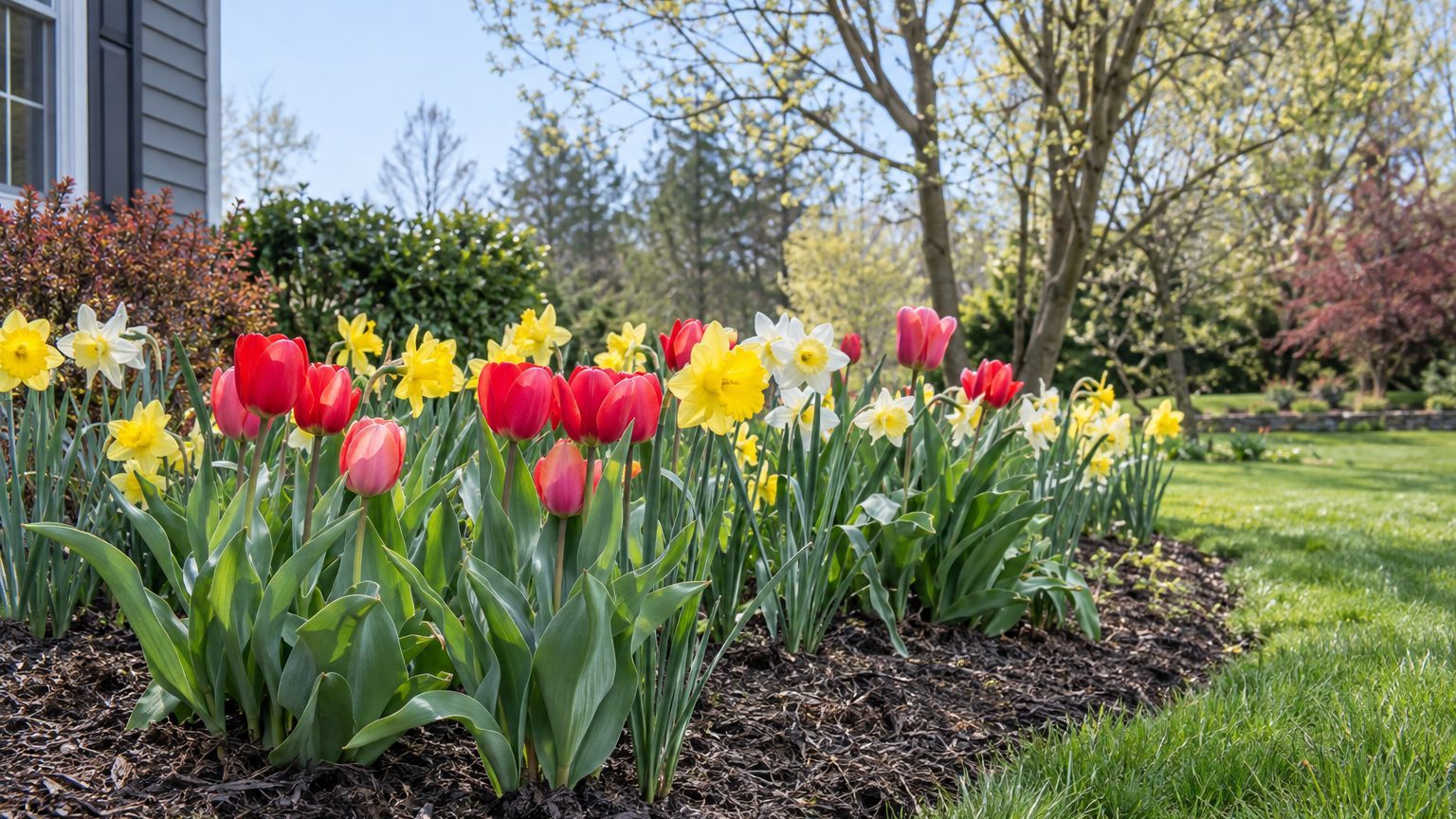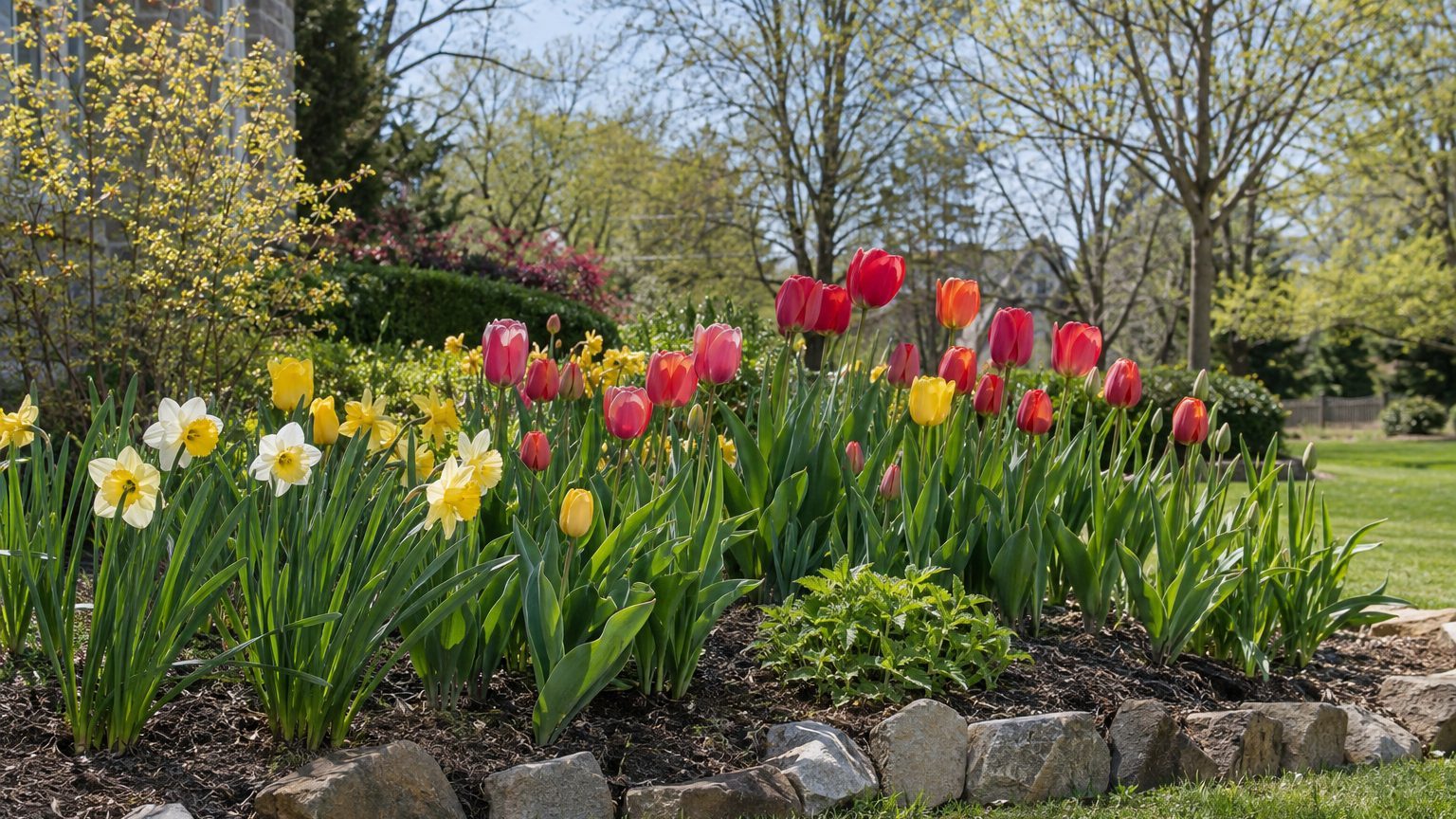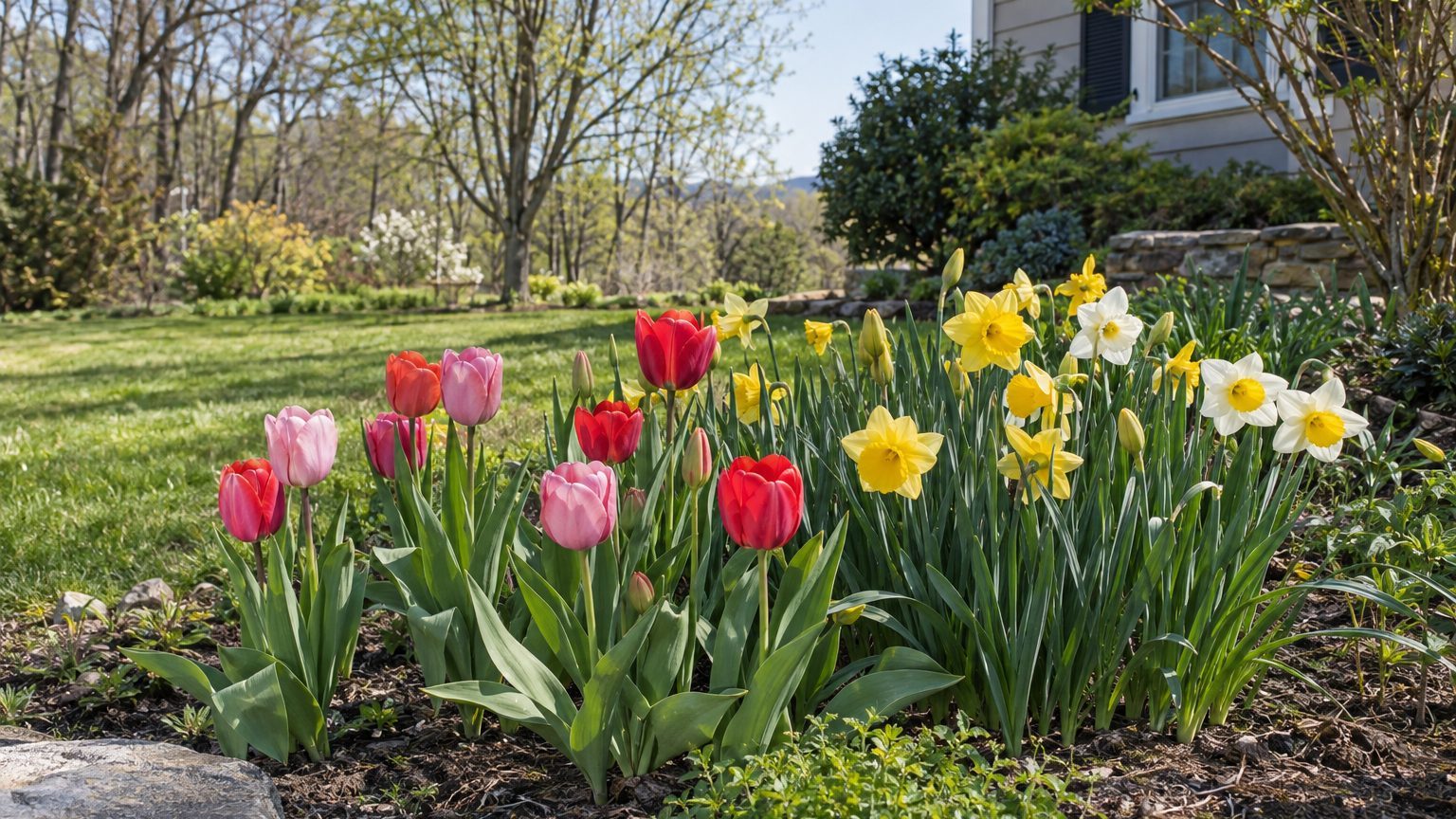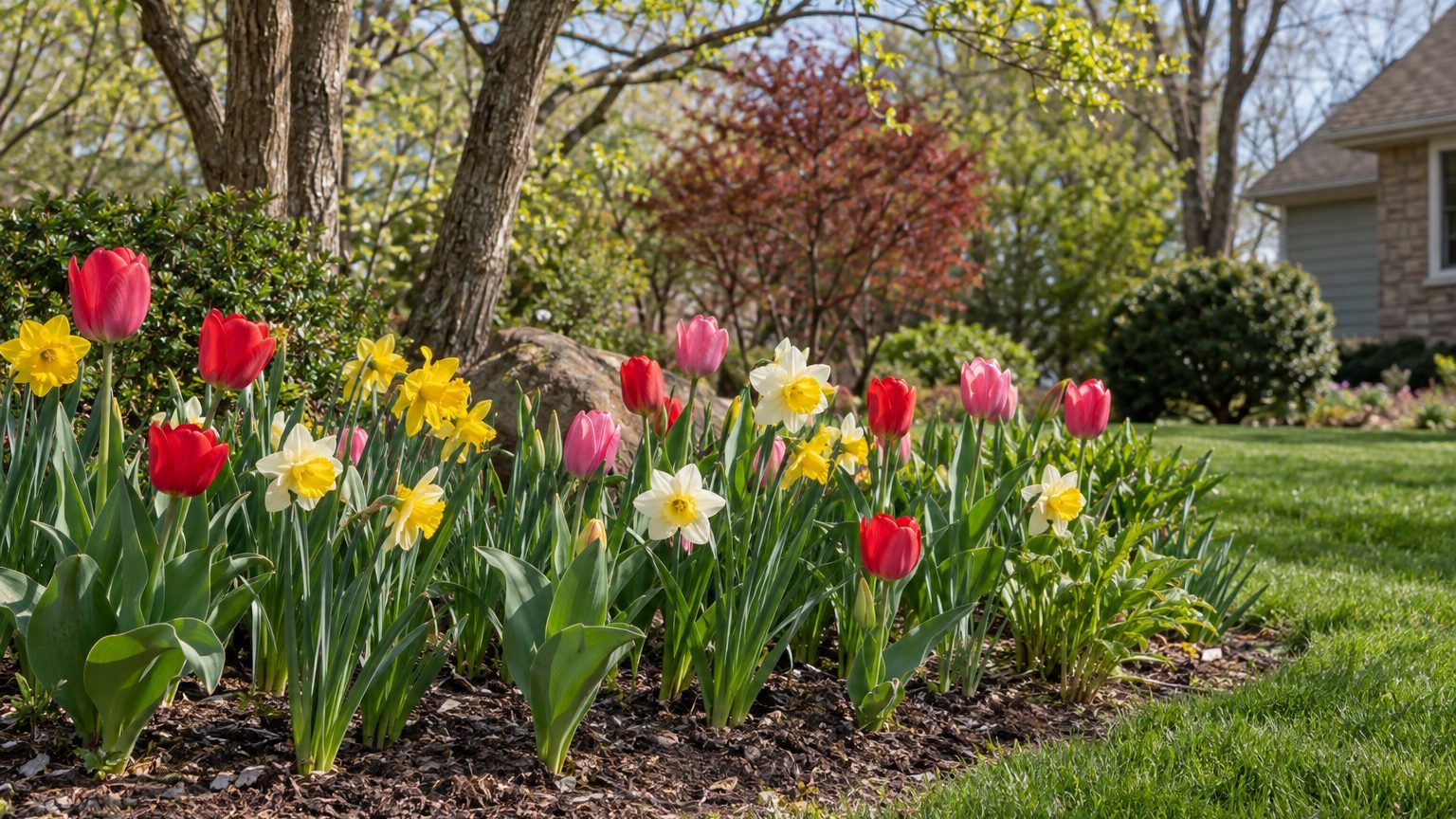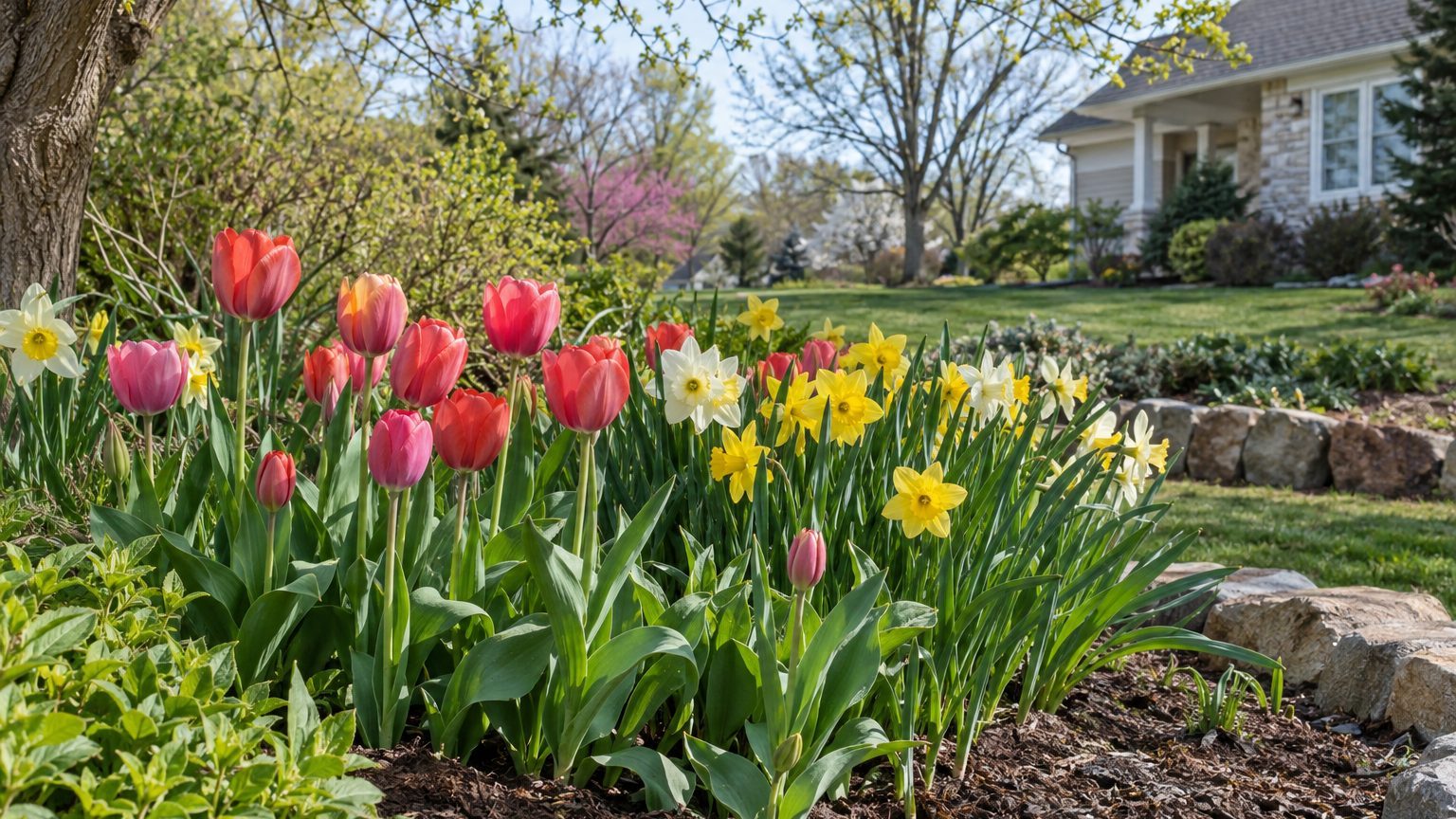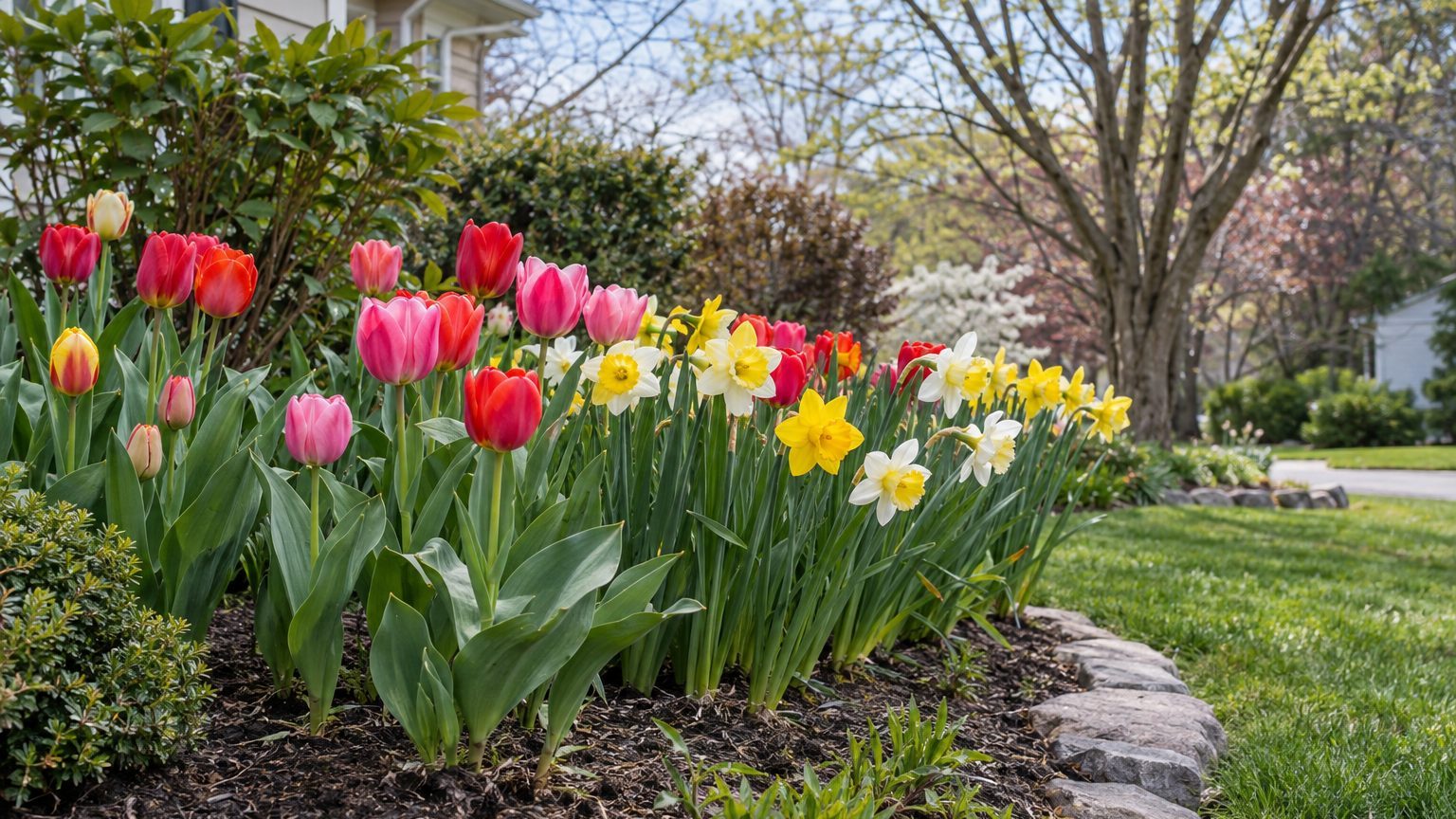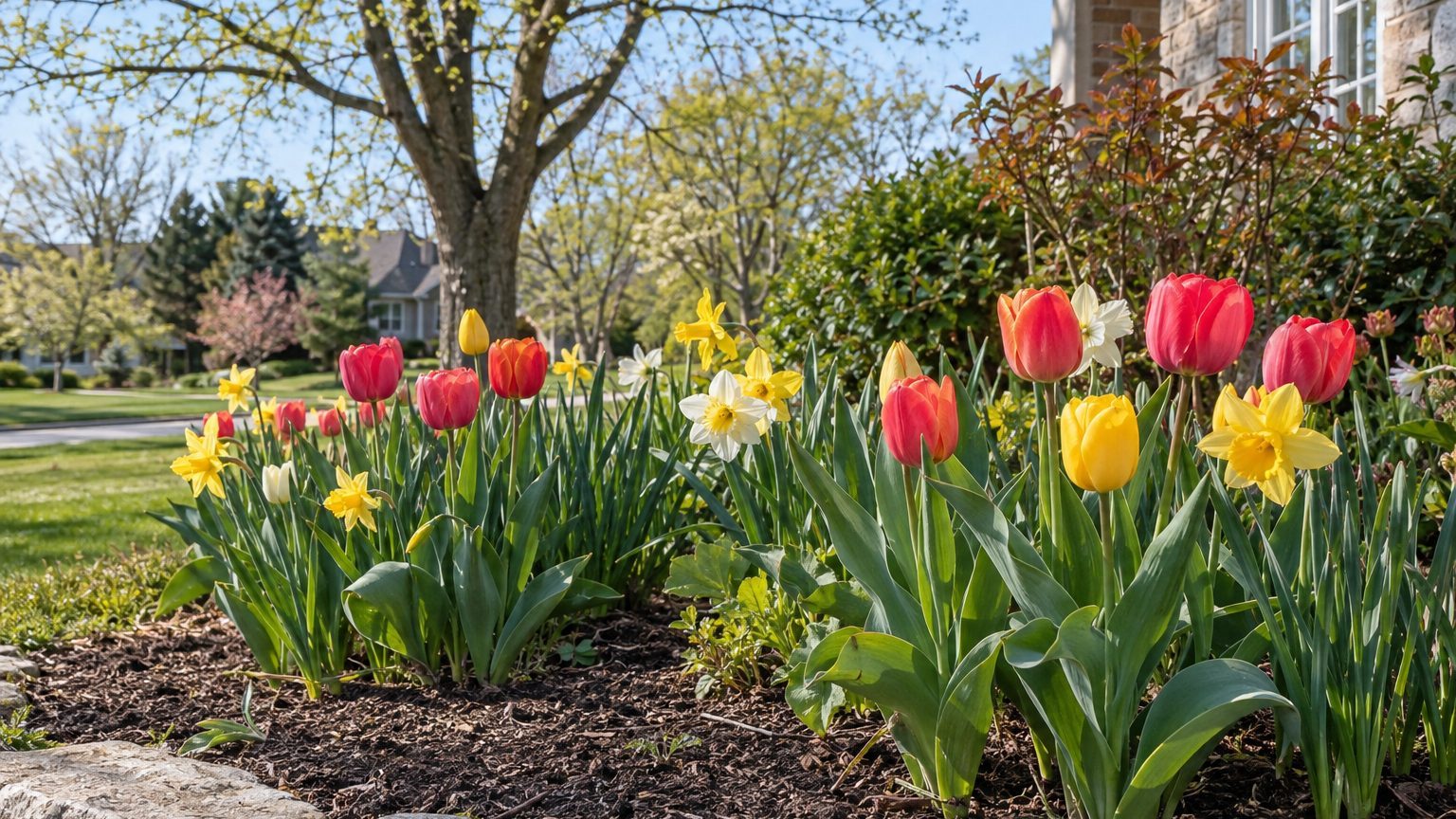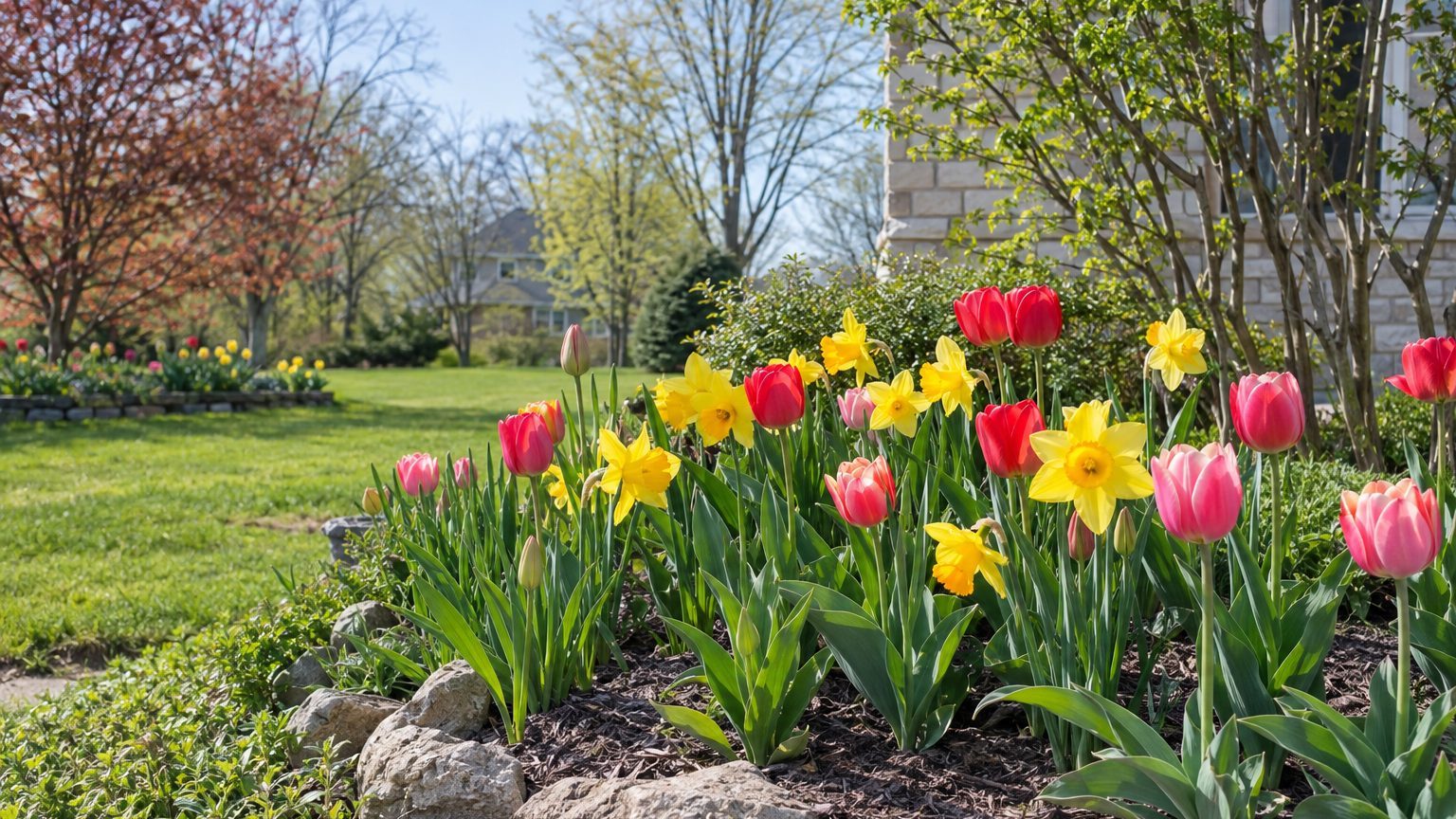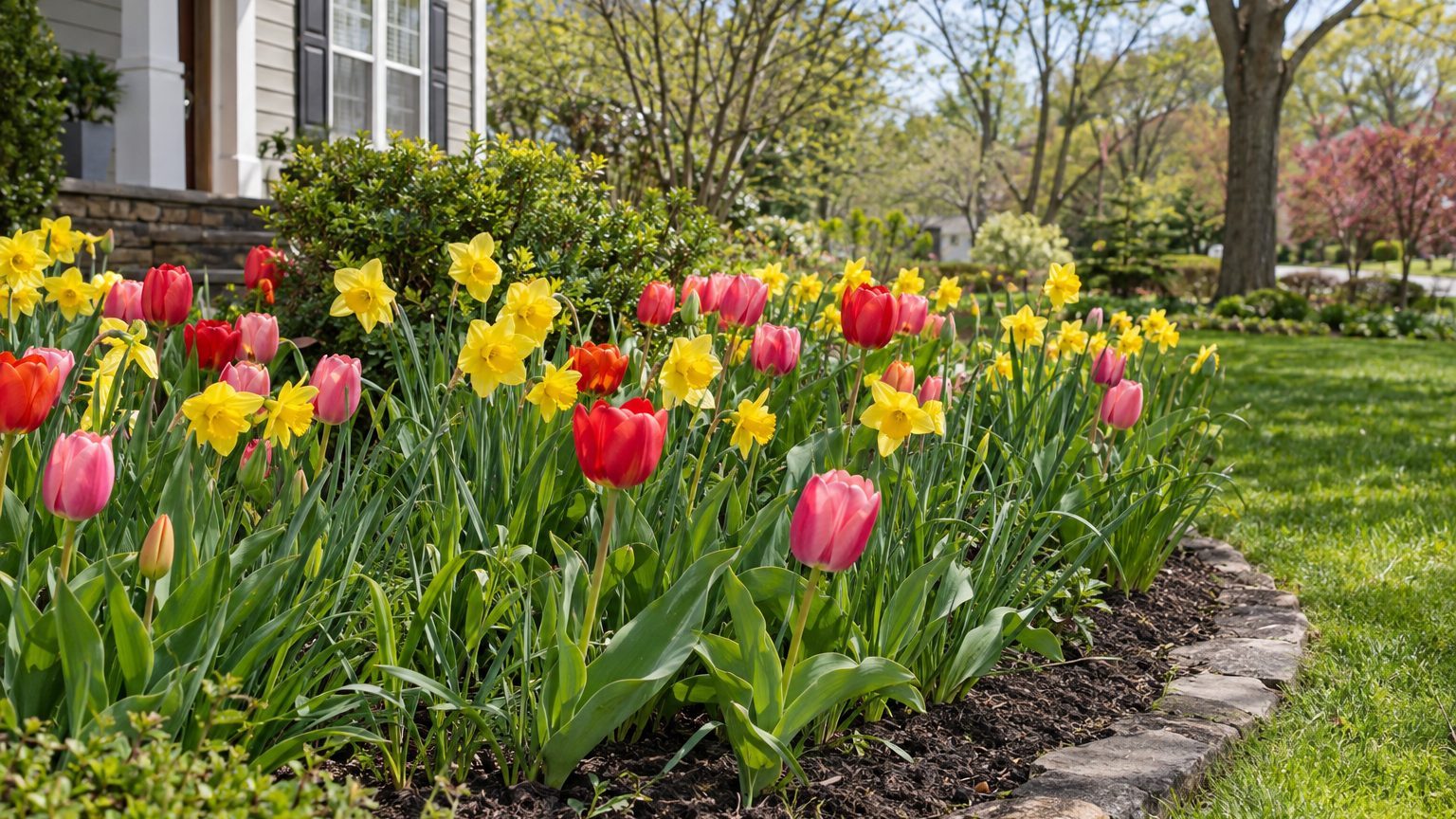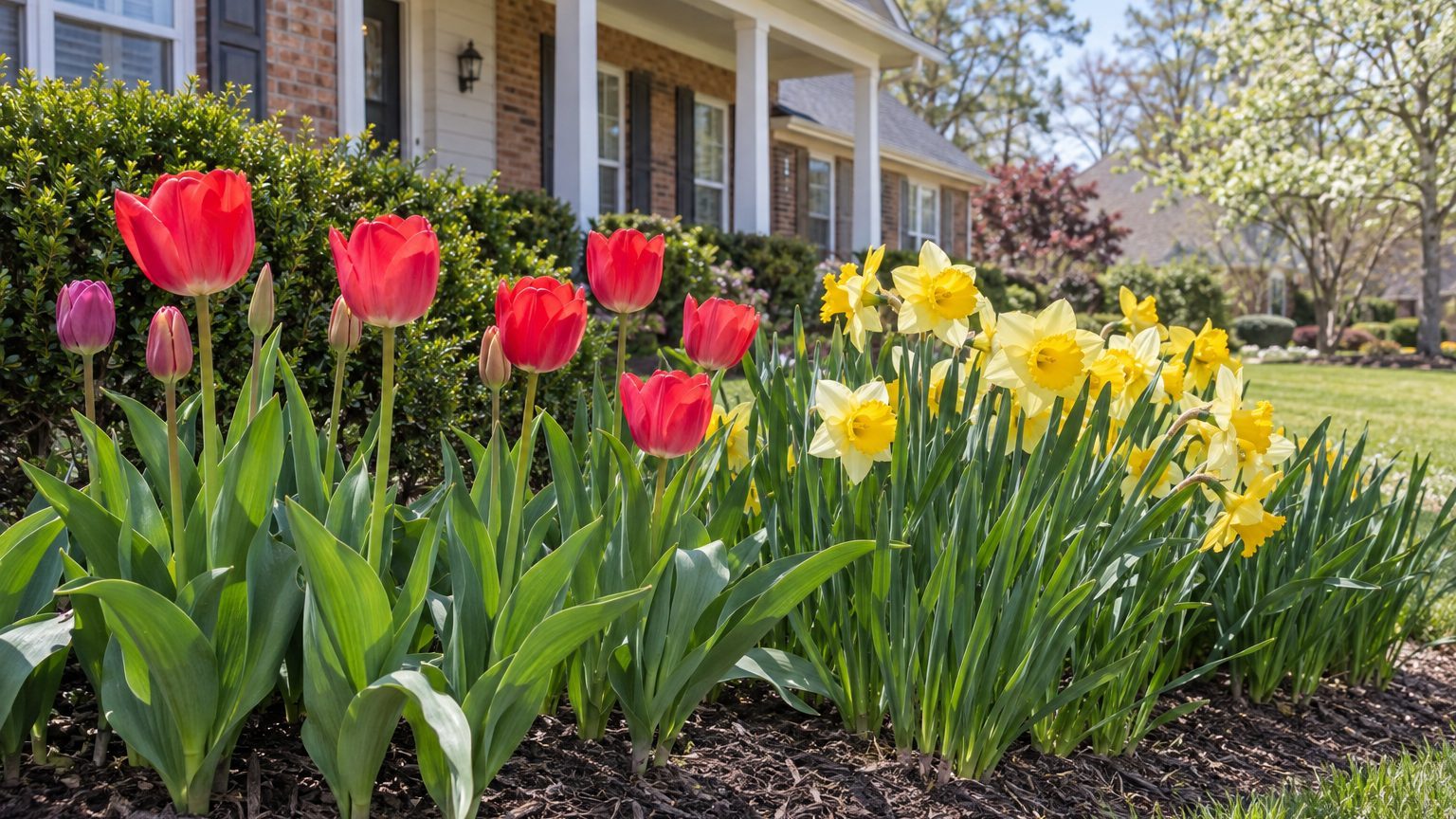
Daffodils pushing up through cold, damp ground in late winter are one of the surest signs of spring in an Alabama yard. Tulips are a different story, because the state’s mild winters give them less cold than they want.
Best Spring Bulbs to Grow in Alabama

Daffodils, single late tulips, species tulips and alliums are the bulbs that hold up in Alabama, where USDA hardiness zones run from 7a to 9a. Winters here often fall short of the cold that classic tulips and hyacinths need, so the reliable choices are bulbs that either ignore that gap or shrug it off.
Daffodils
Daffodils are the most dependable of the popular spring bulbs for naturalizing across the South. Jonquil hybrids, tazetta hybrids, poeticus and species daffodils all grow reliably through the region, and they return and spread for years where tulips fade.
Leave the foliage alone after bloom until it turns brown, and take off only the faded flowers. The leaves are feeding the bulb for next year.
Single Late Tulips
Single late tulips are among the best groups for warm climates. They carry long, strong stems topped with deep, cup-shaped blooms in a wide range of colors.
Plant them for a strong first spring, and treat any repeat bloom as a bonus rather than a promise.
Species Tulips
A few species tulips come from warm climates and do not need a cold period to flower. That makes them a natural fit for Alabama’s mild winters, and the ones suited to the South will naturalize in the garden.
They are smaller and more modest than the showy hybrids, but they are the tulips most likely to come back.
Alliums
According to Iowa State University Extension, alliums, the ornamental onions, need the cold of winter to bloom. They arrive at the end of the spring bulb season and carry the show on after the earlier flowers have faded.
They suit beds where you want height and a late finish.
Chilled Tulips and Hyacinths
Most spring-flowering bulbs need about 12 to 16 weeks of cold to flower. Where winters cannot supply that, tulips and hyacinths are chilled in the refrigerator before planting.
The effort pays off in a good first bloom, though tulips in particular tend to be short-lived in the garden afterward.
How to Choose Spring Bulbs for Your Alabama Garden
Planting runs from November into December, and it can also be done in October or January. Bulbs chilled in the refrigerator can go in even into early January. Your own yard decides the rest, from how much winter you get to how much attention you want to give.
| Your situation | What suits it in Alabama | Why |
|---|---|---|
| Hot, humid summers | Jonquil and tazetta daffodils | They grow reliably across the South and settle in for years |
| Mild winters, but you want tulips | Single late tulips or species tulips | Single late tulips handle warm climates, and some species tulips need no cold period |
| Little time to fuss | Daffodils | They last longer than tulips and are the more reliable perennial bulb |
| A need for cold you cannot supply | Tulips and hyacinths chilled in the refrigerator first | Most spring bulbs want about 12 to 16 weeks of cold, and the fridge makes up the gap |
| Deer, squirrels or voles in the yard | Daffodils | Animals leave them alone, while tulips and crocus get eaten |
Daffodils cover the widest range of situations, which is why they anchor most Alabama bulb plantings. Add tulips where you can accept a single season of color, and give them a chill if winters run mild in your area.
Which Spring Bulbs Suit Different Parts of Alabama
The state stretches from the Tennessee Valley down to the Gulf, and winter cold changes a good deal along the way, which shifts both the choice and the planting date.
- North Alabama, including the Huntsville area: Winters are colder here, so tulips and hyacinths get more of the chill they want. Daffodils are still the dependable base, with tulips as a worthwhile addition.
- Gulf Coast, around Mobile and Baldwin County: Winters are mildest here, so lean on daffodils, species tulips and alliums. Plant in November or December, or in January, and chill tulips and hyacinths in the refrigerator first.
Central Alabama sits between the two, so a mix of daffodils with some chilled or single late tulips works well. Your own county’s microclimate matters too, since low spots and shaded north slopes stay colder than open south-facing beds.
Spring Bulb Buying Mistakes to Avoid in Alabama
Counting on Tulips to Return
Tulips can usually be counted on for a single season of color in the South, and many decline after the first year. If you plant them expecting a permanent display, you will be replanting every fall.
Treat them like annual flowers, or choose single late and species tulips, which hold on longer. Put your lasting investment into daffodils.
Skipping the Chill
Tulips and hyacinths planted straight from the bag into Alabama’s mild winters may bloom poorly because they never got their cold. That wastes the cost of the bulbs and a season of space in the bed.
Chill them in the refrigerator before planting, or pick bulbs that skip the requirement, such as species tulips, but alliums need the cold of winter to bloom.
Planting Tulips and Crocus Where Animals Roam
Voles, squirrels, rabbits and deer eat tulips and crocus, and a bed can be stripped before it ever blooms. Daffodils are left alone.
If animals visit your yard, plant daffodils in the exposed beds, and keep tulips closer to the house or in places you can protect.
Where to Get Spring Bulb Advice in Alabama
Local conditions vary from the Tennessee Valley to the coast, so a quick check with local experts helps you match bulbs to your own soil and winter.
- The Alabama Cooperative Extension System publishes home gardening guidance, which is worth reading before fall planting season opens.
- Your county extension office can tell you what grows in your local soil and climate, so call or stop by before you buy bulbs in autumn.
Common Questions
When Can You Cut Back Daffodil and Tulip Leaves After Bloom?
Wait until the leaves turn brown, and remove only the faded flowers in the meantime. The foliage keeps feeding the bulb for next year’s bloom, so cutting or tying it while green costs you flowers.
What If You Still Have Bulbs in the Bag After Planting Season?
Plant them as long as the ground can be dug. A bulb planted late does better than one stored over the winter.
How Do You Know When the Soil Is Ready for Planting?
Wait until the soil has cooled below about 60°F. That leaves time for roots to form before the ground freezes, yet keeps the bulbs from sprouting in the fall.