Skip to content

Best Spring Bulbs for Florida

Best Spring Bulbs for Florida

Bulb catalogs fill with tulips every fall, and the photos rarely come true in a Florida bed. Winters here are too mild for the cold rest most spring bulbs expect. A short list of bulbs takes the warmth in stride, and choosing from that list is what separates a bed that flowers from one that sulks.

Best Spring Bulbs to Grow in Florida

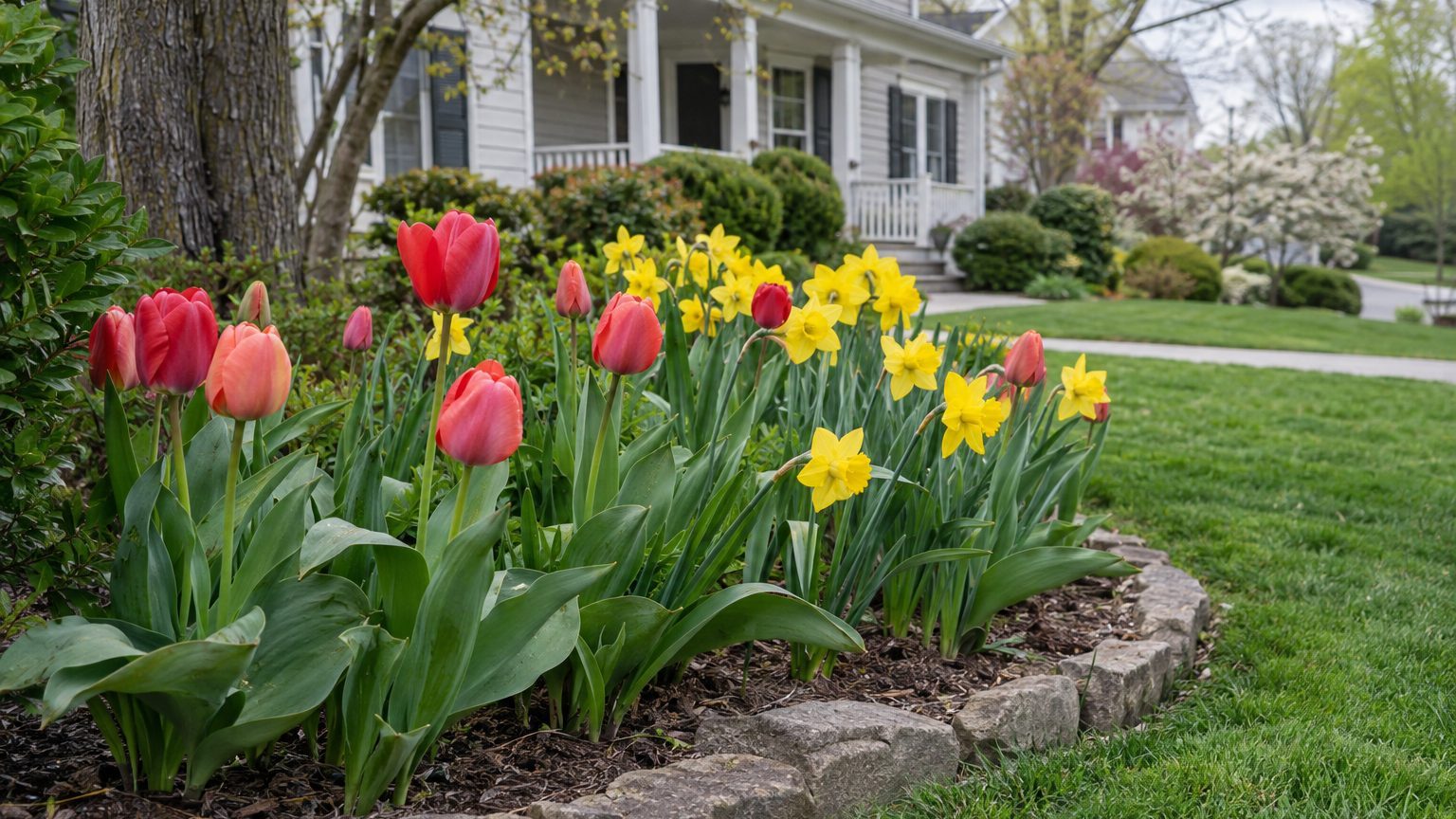
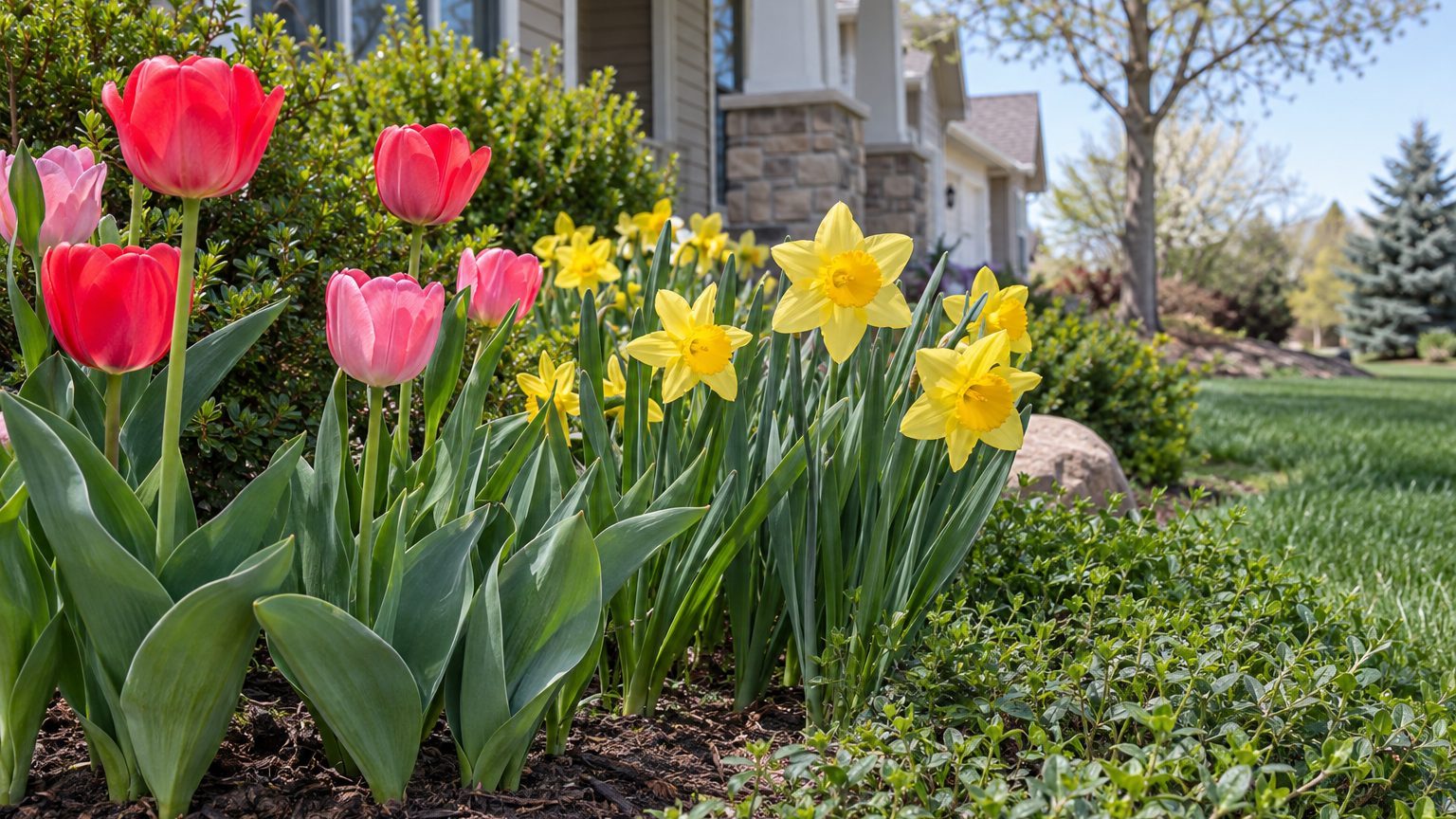
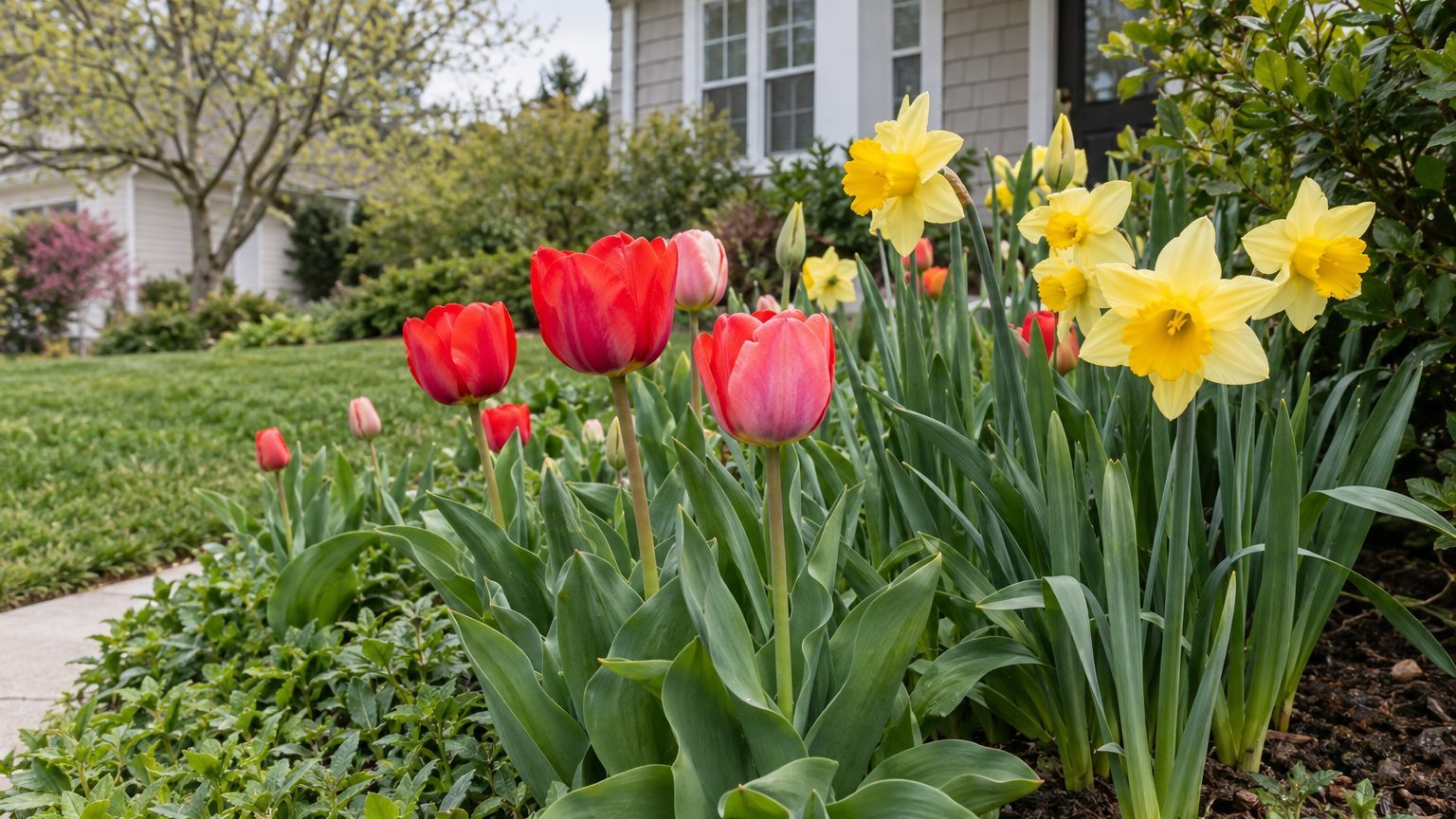
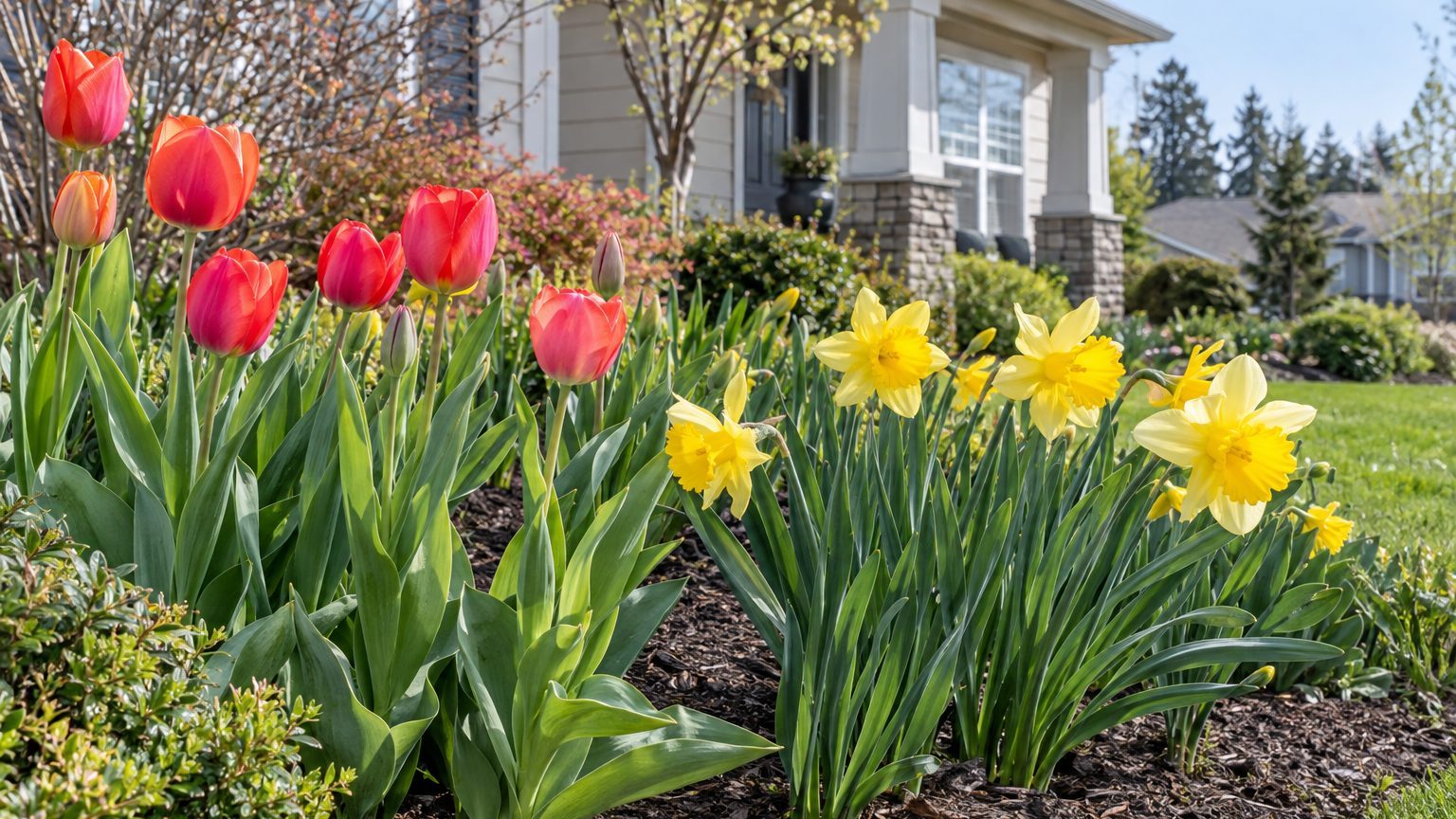
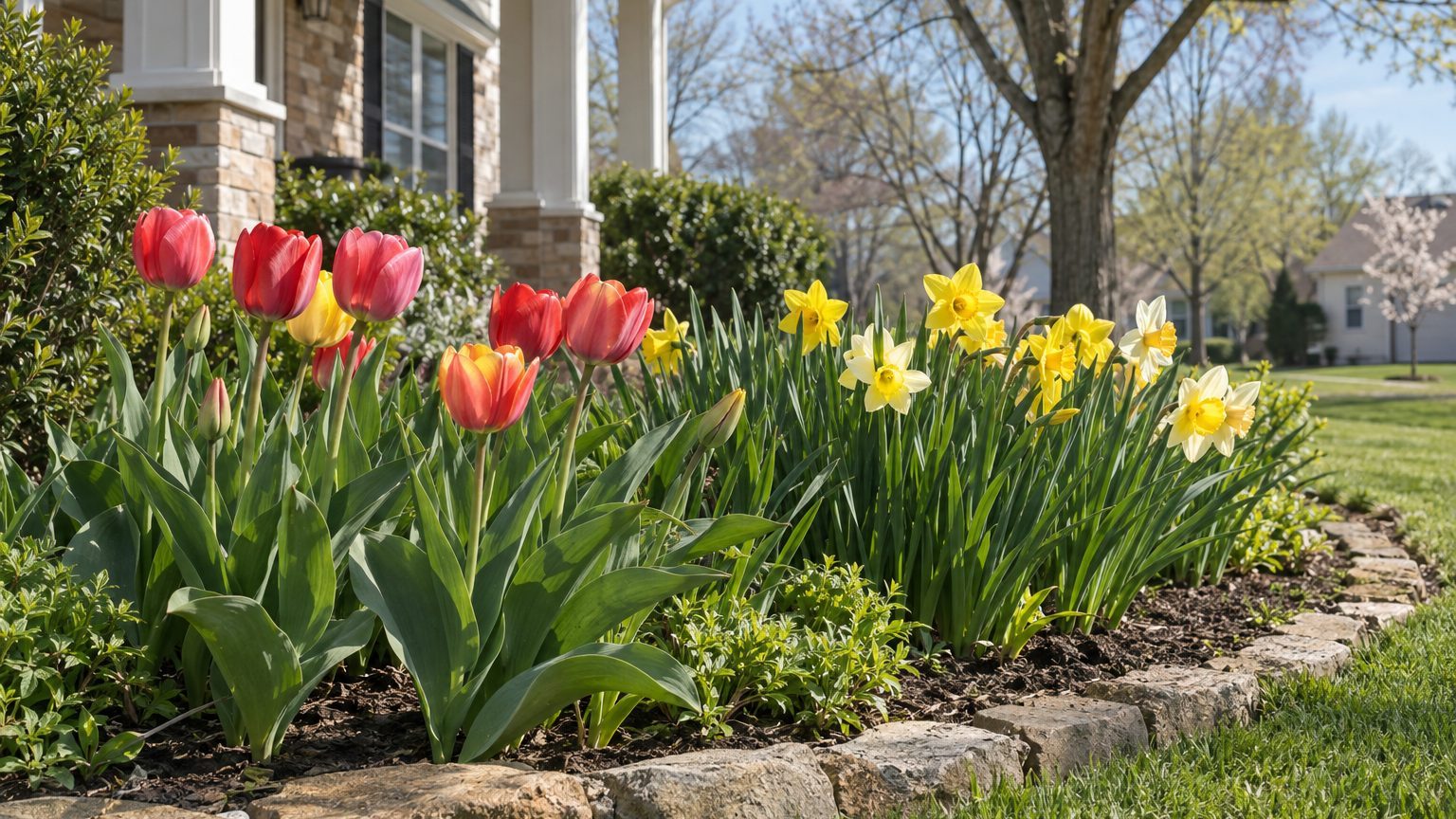
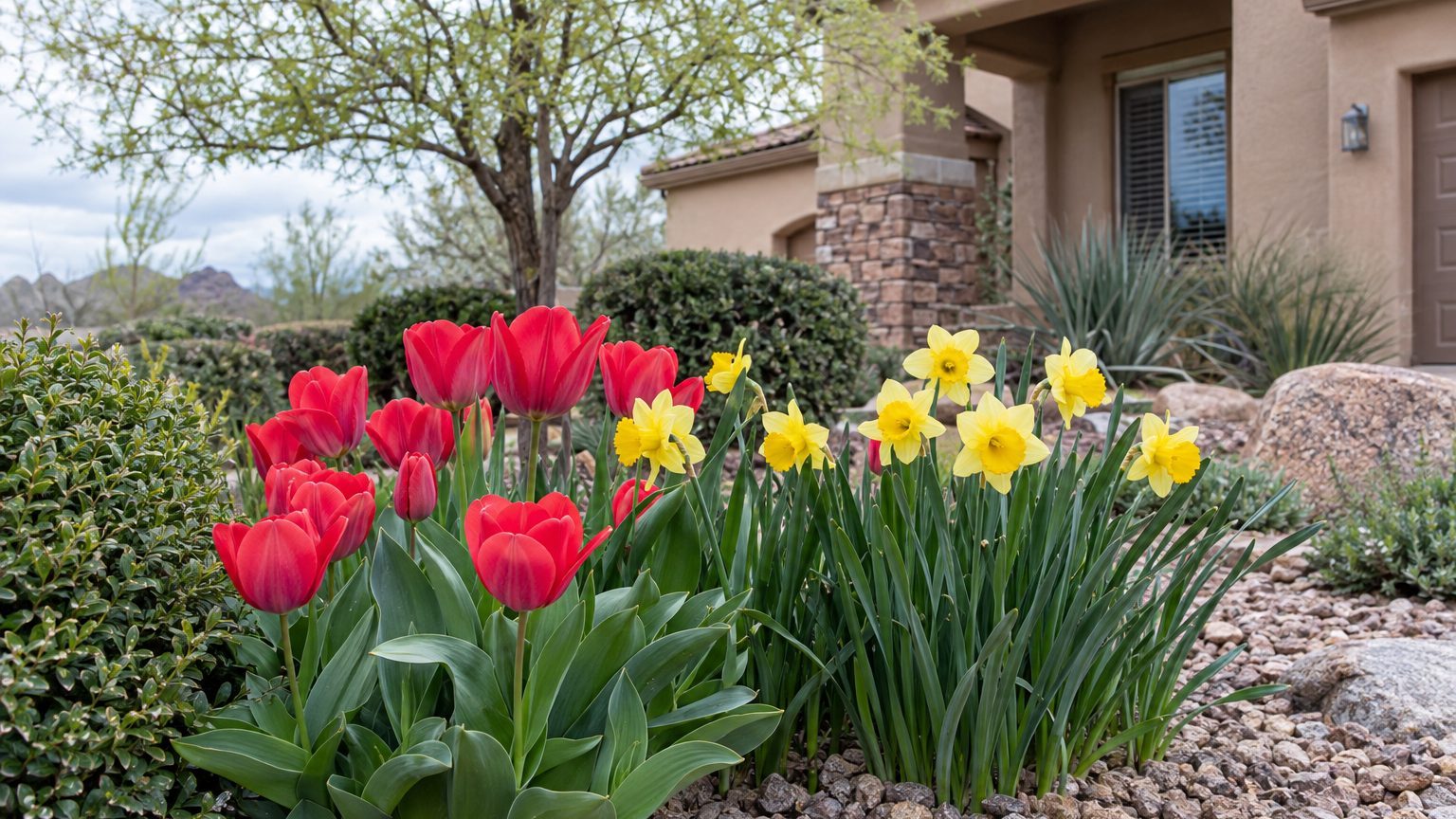
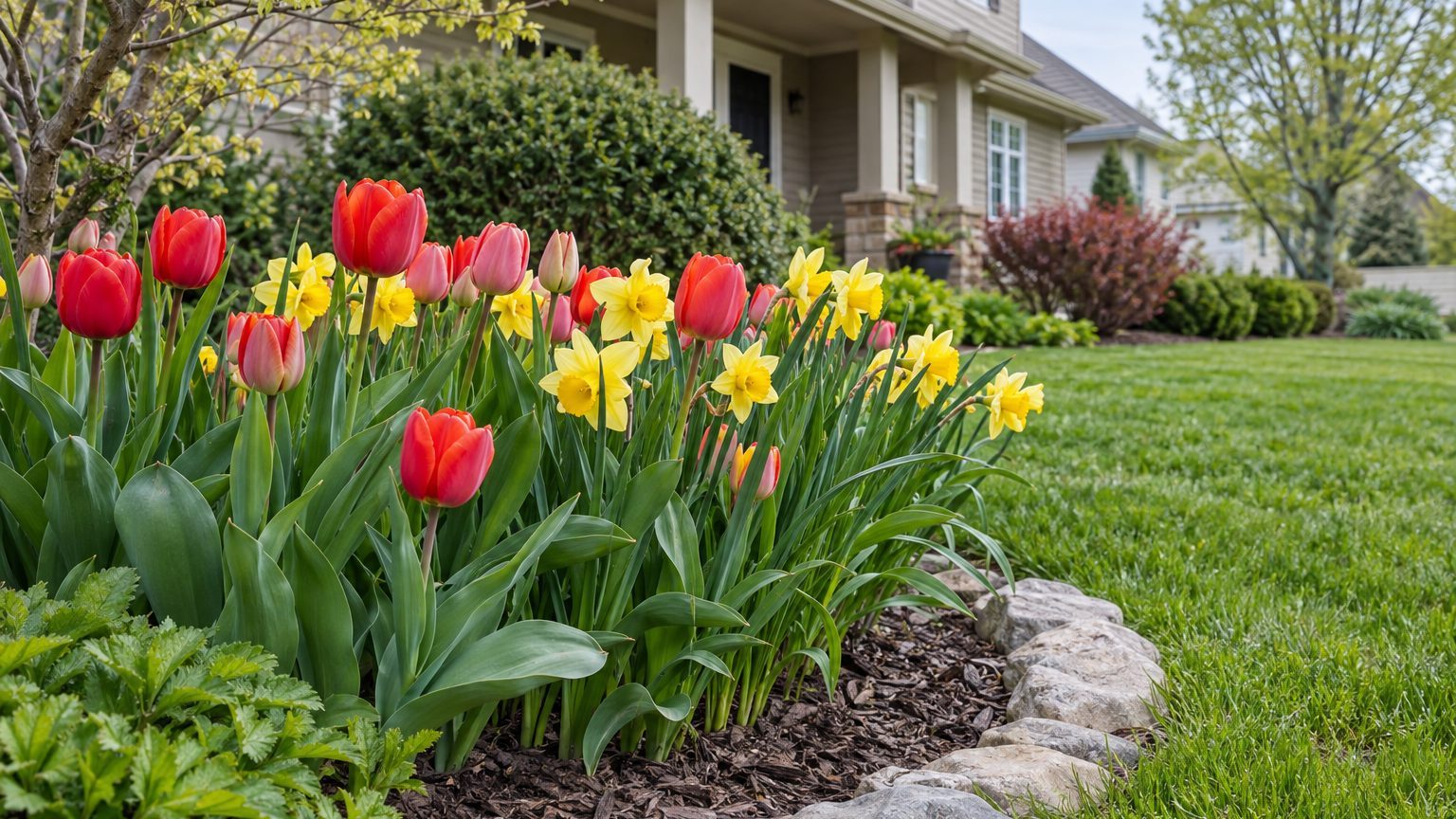
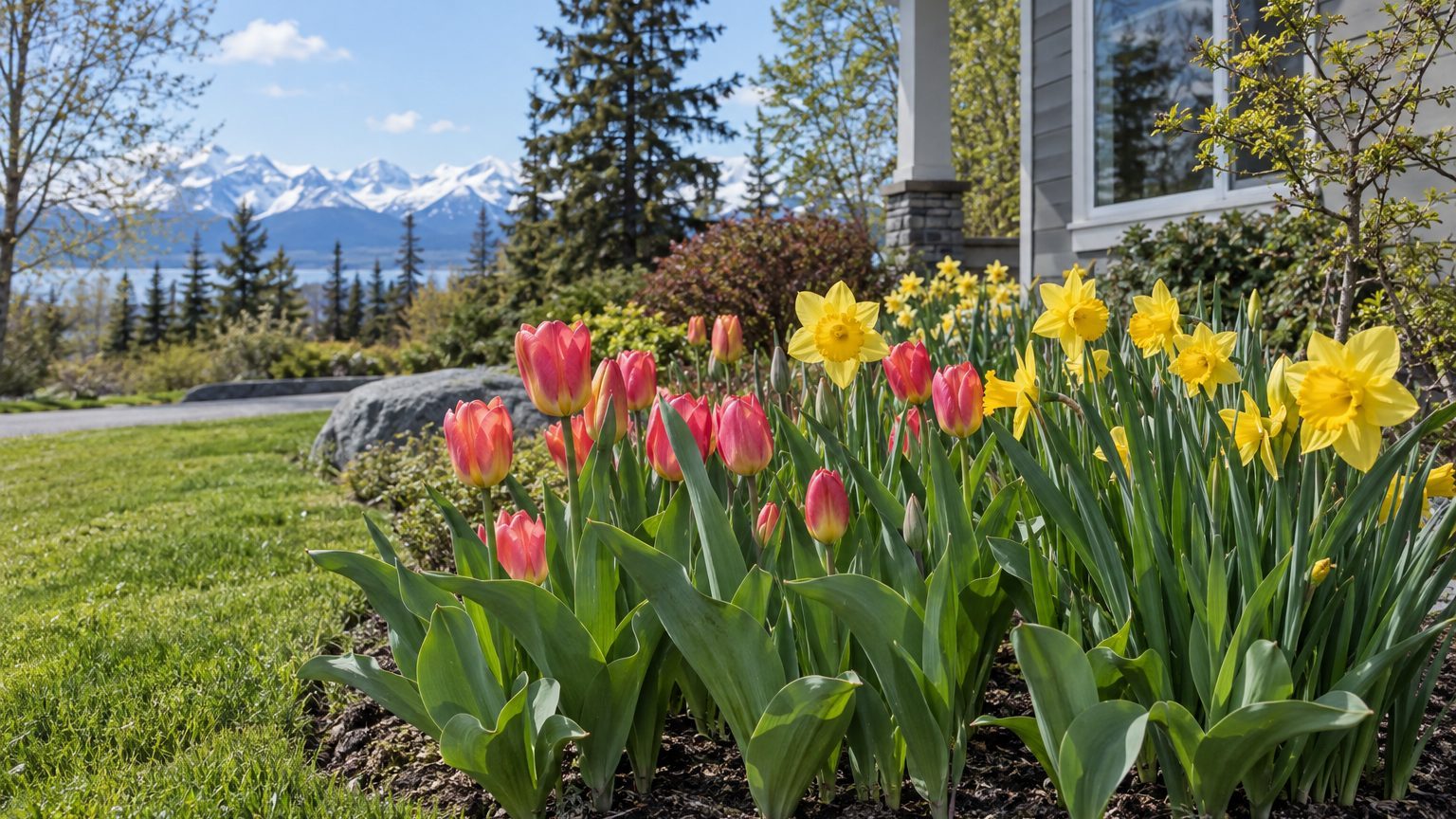
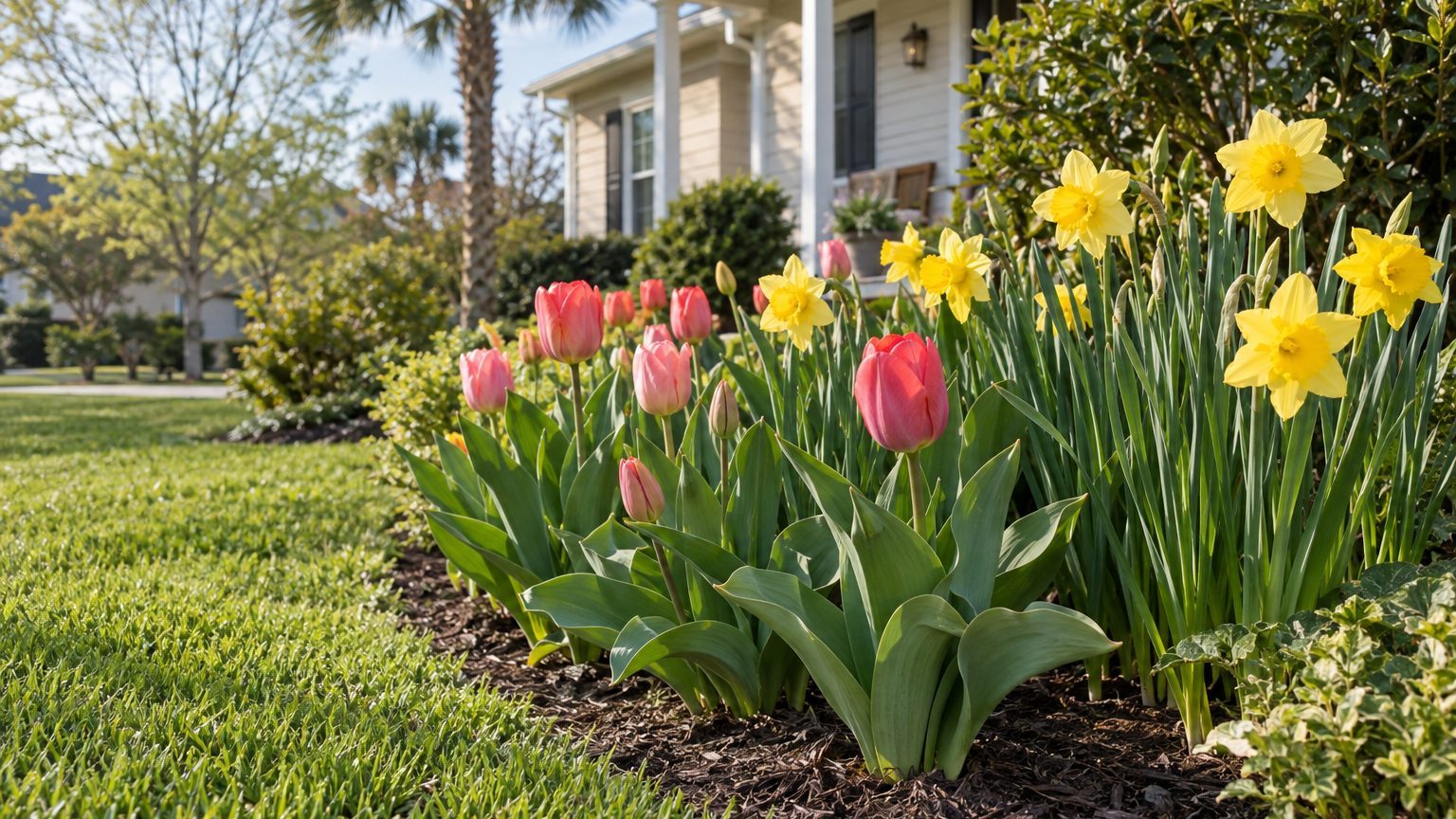
Healthy spring bulbs in bloom

Polyanthus narcissi (the paperwhite group), Chinese sacred lily, Pearl White lily, Grand Soleil d’Or and alliums are the bulbs that do well here, because none of them depends on a long winter chill. Tulips and the true daffodil are the ones to approach with low expectations. Plant when the soil has cooled below about 60°F.

Paperwhites

Paperwhites belong to the polyanthus narcissi, a group that does well in Florida. They are a sensible place to start with a new bulb bed. Plant them in fall once the soil has cooled and let the leaves die back on their own.

Chinese Sacred Lily

Chinese sacred lily is another polyanthus narcissus that does well in Florida gardens. It copes with mild winters because it was never built around a deep freeze. Give it the same fall planting and the same patience with the foliage afterward.

Grand Soleil d’Or

Grand Soleil d’Or is a cultivar of polyanthus narcissus, and it sits on the short list of bulbs that succeed here. Pearl White does too. These cultivars suit gardeners who want narcissus flowers without fighting the climate and do not need a refrigerator stop before planting.

Alliums

Alliums, the ornamental onions, need the cold of winter to bloom, like other spring bulbs. That makes them a sensible pick for central and south Florida beds where winter cold never arrives in any meaningful dose.

Tulips

Tulips need a cool dormancy, and Florida’s winters are too warm to give them the resting period they need. Where a gardener still wants them, chilling the bulbs in the refrigerator before planting is the workaround. Treat them as a short-lived display, not a permanent planting.

True Daffodils

Little success can be expected with the true daffodil in Florida, even though daffodils are the more reliable perennial bulb in colder states. The polyanthus narcissi above give you the same family of flowers with a far better record in this heat. Choose those instead.

How to Choose Spring Bulbs for Your Florida Garden

Start from the problem your yard actually has. In Florida that is rarely a lack of hardiness. It is warmth, humidity and the absence of cold, so the question is whether a bulb needs winter chill or can skip it.

Match the bulb to your growing situation, and the list of workable choices gets short quickly.

Your situation What suits it in Florida Why
Mild winters with little or no real cold Paperwhites, Chinese sacred lily, Grand Soleil d’Or These polyanthus narcissi do well here without needing a long winter chill
Little time or patience for prep Alliums They bloom without any chill period, so nothing has to go in the refrigerator first
You want tulips or hyacinths anyway Chilled tulips and hyacinths Most spring bulbs need about 12 to 16 weeks of cold, and winters this mild cannot supply it
Hot, humid summers Polyanthus narcissi The group that thrives in Florida is the group that tolerates warmth

Daffodils are not on the table because the true daffodil struggles here. Most spring bulbs bloom well only after a real cold spell, so consider chilling needs before color.

Which Spring Bulbs Suit Different Parts of Florida

Florida runs from USDA hardiness zone 8b in the north to 11b in the far south, and that spread changes how much cold a bulb ever sees.

  • North Florida, around Jacksonville: Frost does arrive here in many winters, although some falls pass without a freeze at all. The warm-climate bulbs still fit here, while tulips still depend on refrigerator chilling.
  • Central Florida, around Orlando: Frost is effectively absent, so the growing calendar turns upside down. The main season runs through winter, and summer is the hard part for any bulb.
  • South Florida, around Miami: The same inverted calendar applies and is more pronounced. Polyanthus narcissi are the realistic choices, while alliums need the cold of winter to bloom, and anything needing real cold depends on the refrigerator.

Because the calendar flips below north Florida, never copy planting dates written for colder states into a Miami or Orlando bed.

Spring Bulb Buying Mistakes to Avoid in Florida

Planting Tulips Straight from the Bag

Unchilled tulip bulbs planted in a Florida bed rarely flower well, because the ground never cools enough to do the job. Bulbs require chilling of about 60 days at 40°F for a fair bloom. Put tulips and hyacinths in the refrigerator first, then plant.

Expecting True Daffodils to Thrive

True daffodils are sold everywhere in fall, but little success can be expected with them in Florida. The money spent on a bag of them goes further if it buys polyanthus narcissi instead. Those do well here and can remain in the bed.

Cutting Leaves While Green

Tidying a bed too early costs next year’s flowers, since the leaves are still feeding the bulb. Remove only the faded flowers and leave the foliage until it turns brown. A bulb you have not planted yet is better in the ground soon than stored through the winter.

Where to Get Spring Bulb Advice in Florida

Local bulb guidance can help you confirm a variety before you buy. UF/IFAS Extension also runs an office in every county.

  • The county extension office can tell you which bulbs have worked locally, so call before fall planting.
  • Master gardener volunteers can answer questions about chilling and soil before you place a bulb order.

Common Questions

Which Spring Bulbs Do Squirrels and Rabbits Leave Alone?

Voles, squirrels, rabbits and deer eat tulips and crocus, while daffodils are left alone. Alliums are a reasonable next choice for a yard with visiting wildlife, though your county office can confirm how they fare locally.

What If Bulbs Are Still in the Bag?

Plant them as soon as you can, because a bulb planted late does better than one stored through winter. If the ground can be dug, there is no reason to keep the bulbs in the bag.

Do Tulips Come Back Every Year in Florida?

Tulips are often short-lived even in colder gardens, and Florida’s mild winters make that worse. Treat them as a short-lived display. Polyanthus narcissi, being suited to the climate, are the better pick for a bed meant to last.
Best Spring Bulbs for Delaware

Best Spring Bulbs for Delaware

Daffodils pushing up through cold, bare soil are one of the surest signs of spring in a Delaware yard, and they are the bulb that keeps coming back year after year. Planted in the fall, they need no fuss and no protection from the animals that raid other beds.

Best Spring Bulbs to Grow in Delaware

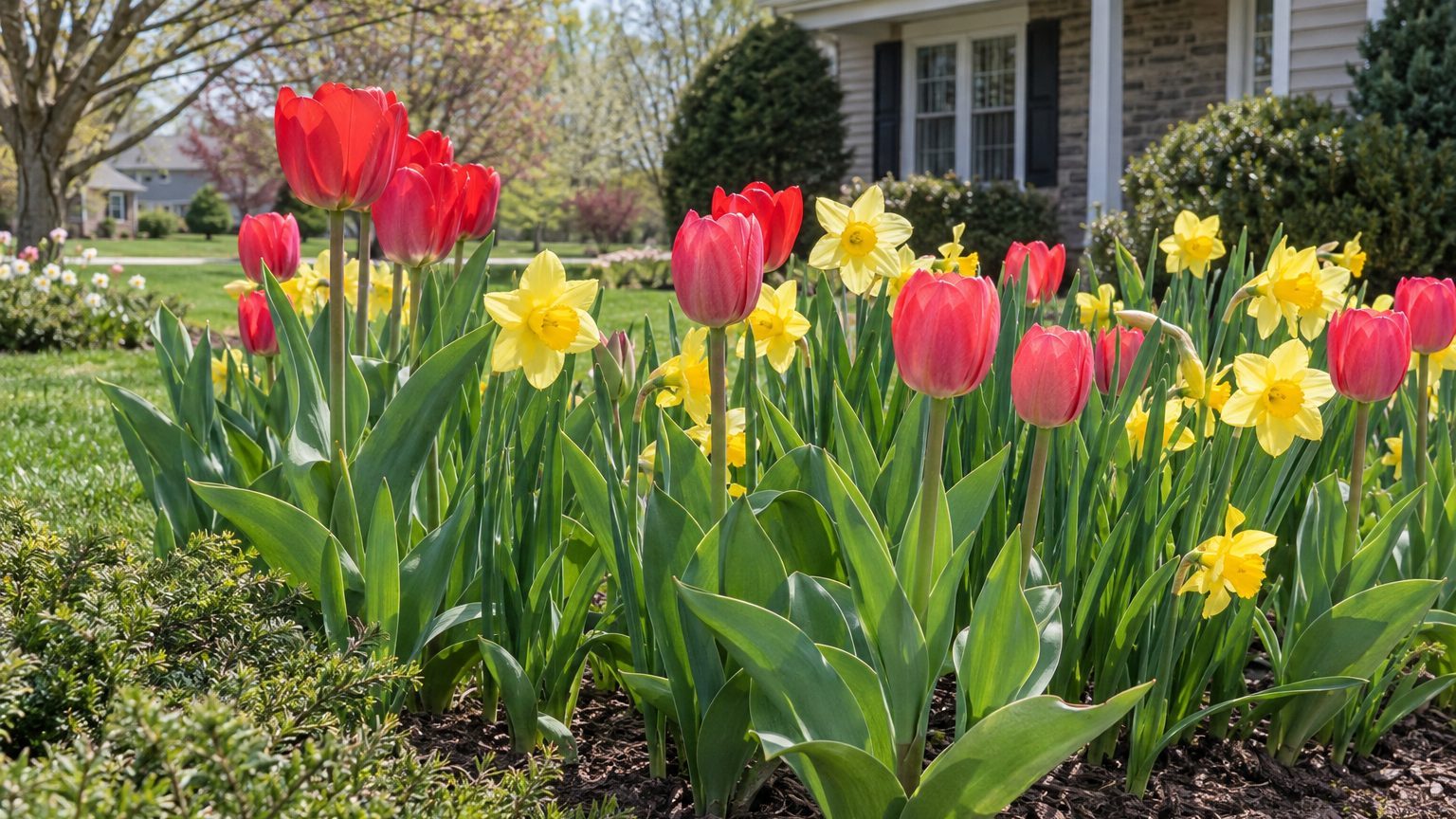
Healthy spring bulbs in bloom

Daffodils

Daffodils are the dependable choice here. They are hardy perennial bulbs that overwinter in USDA zones 3 through 8, and Delaware sits in zones 7a to 8a, well inside that range, so they return year after year.

Plant them in October, once the soil has cooled below about 60°F. Roots then form before the ground freezes, and the bulbs stay below ground until spring.

Daffodils for Naturalizing

Scatter daffodils in clumps through a lawn edge, under trees or along a fence line, and they spread into a natural drift. They never have to be dug to keep blooming.

After bloom, remove only the faded flowers. The leaves stay until they turn brown, because they feed the bulb for next spring.

Hyacinths

Hyacinths are among the bulbs that deer and squirrels leave alone, which makes them a safe pick for beds that wildlife visits. They bloom in the long run of spring flowers that stretches from February to May.

Most spring bulbs need about 12 to 16 weeks of cold to flower.

Alliums

Alliums, the ornamental onions, are another bulb that deer and squirrels pass over. They do not need a chill period to bloom, so they are forgiving if your planting date slips.

They sit at the far end of the bulb season, after the early flowers have faded, and keep a bed interesting later in spring.

Fritillaria and Scilla

Fritillaria and scilla round out the list of bulbs that deer and squirrels dislike. They suit gardeners who have lost bulbs to animals before and want something that survives without netting or repellent.

Plant them alongside daffodils in the same fall window and leave the foliage alone after bloom.

Tulips

Tulips are the showiest bulb here and also the one most often eaten. Voles, squirrels, rabbits and deer all go after them, and tulips tend to be short-lived in the garden compared with daffodils.

Grow them where you can protect them, such as near the house or in a fenced bed, and treat them as a seasonal treat rather than a permanent fixture.

How to Choose Spring Bulbs for Your Delaware Garden

The right bulb depends on what your yard throws at it. Wildlife pressure, the time you have and the room available matter more than any catalog photo.

Most of the choosing comes down to who else in the neighborhood wants to eat them.

Your situation What suits it in Delaware Why
Deer and squirrels visit the yard Daffodils, hyacinths, alliums, fritillaria, scilla Animals tend to leave these bulbs alone
Voles, rabbits or squirrels dig in the beds Daffodils Tulips and crocus get eaten, daffodils are left alone
Little time for upkeep Daffodils They never have to be dug and return year after year
Mild spell or doubt about the chill Alliums They need a chill period to bloom
Cold winters with a long wait for spring Daffodils and hyacinths The cold they need arrives on its own, about 12 to 16 weeks of it

Crocus and tulips are worth planting only where animals are not a problem. If you want them anyway, put them close to the house, where there is more activity and fewer visitors.

Which Spring Bulbs Suit Different Parts of Delaware

Delaware is a small state, but gardens differ a little from top to bottom, and the choice shifts with them.

  • Wilmington and New Castle County: bulbs settle in well here. Suburban yards often see frost later in spring than city readings suggest, so check with your county office.
  • Dover and Kent County: Midstate yards sit between the two extremes and handle the same bulbs. Wildlife pressure from deer is the main factor in what you plant.
  • Sussex County and the Delaware beaches: Milder winters still deliver enough cold for daffodils. Plant at the later end of the fall window.

Wherever you garden, the fall planting window runs from September through November, with October the strongest choice.

Spring Bulb Buying Mistakes to Avoid in Delaware

Planting Too Early

Bulbs set out while the soil is still warm can sprout before winter, and that top growth gets caught by the cold. Wait until the soil falls below about 60°F, which in Delaware usually means October.

Buying Tulips for Wildlife Country

A bed of tulips in a yard with deer, squirrels or voles often ends up as a snack bar. The loss is the whole bulb, not just the flower. Swap in daffodils, hyacinths or alliums where animals roam, and keep tulips for protected spots.

Leaving Bulbs in the Bag

Bulbs left unplanted dry out and lose strength over winter. If a bag turns up in November or later, plant it anyway, as long as the ground can be dug. A late bulb is better than a stored one.

Where to Get Spring Bulb Advice in Delaware

The University of Delaware Cooperative Extension answers local questions about bulbs, soil and wildlife, and your county office can speak to conditions in your own neighborhood.

  • The state extension site covers planting, care and local problems, and it is a good first stop before buying.
  • Your county extension office can tell you how frost behaves in your part of Delaware, so contact it before you plant.

Common Questions

Can You Plant Spring Bulbs in Delaware After November?

Yes, when the ground can still be dug. Bulbs in the ground, even late, do better than bulbs held over the winter.

When Do Spring Bulbs Bloom in Delaware?

Tulips and daffodils flower from March through May, and an early start in February is possible for the first bulbs.

Should You Cut Back Bulb Leaves After Blooming?

No. Remove only the faded flowers and let the leaves stay until they turn brown, since they feed the bulb for next year.

Best Spring Bulbs for Connecticut

Best Spring Bulbs for Connecticut

Daffodils nodding along a driveway edge in April are a familiar Connecticut sight, and the bulbs behind them went into the ground the autumn before. Winter cold is what these plants are waiting for. Daffodils, sturdy tulips and crocus do well across the state, and each comes with its own habits and a few cautions.

Best Spring Bulbs to Grow in Connecticut

Healthy spring bulbs in bloom

Daffodils and Fosteriana tulips are the bulbs that hold up best here. Connecticut falls in zones 6a to 7b of the USDA system, and most spring bulbs are comfortable well below those winter lows. Crocus and garden tulips grow fine too, but they ask for a little more care.

Daffodils

Most daffodils are hardy to zone 3, so a Connecticut winter is no test for them. They also last longer than tulips, which makes them the more reliable perennial bulb for a front bed.

Daffodils naturalize well, especially in partly shady spots under trees or along a fence. Voles, squirrels, rabbits and deer leave them alone, so they can guard tender plants that animals like better.

Fosteriana Tulips

Fosteriana tulips perennialize well, which sets them apart from many tulips that fade after a season or two. If you want tulip color that keeps coming back, this group is where to start.

Plant them in a sunny bed, and leave the foliage in place after the flowers fade so the bulb can recharge.

Garden Tulips

Tulips are often short-lived in the garden, so treat them as a seasonal splurge rather than a permanent fixture. They bloom beautifully the first spring and may thin out afterward.

Voles, squirrels, rabbits and deer all eat them. Tuck them into a spot close to the house, or plant them among daffodils.

Crocus

Crocus is one of the small bulbs that carries the color into the garden early, and it tolerates Connecticut cold without trouble. It is also a favorite food of voles, squirrels and rabbits.

Plant it where you can watch it, and expect to replace a few corms if animals find the bed.

How to Choose Spring Bulbs for Your Connecticut Garden

Start with what your yard throws at the bulbs. Cold is rarely the limit in Connecticut, so the real questions are who visits the bed, how much shade it gets and how much replanting you want to do.

The match below follows those situations.

Your situation What suits it in Connecticut Why
Very cold winter in the hills Daffodils Most are hardy to zone 3
Little time for replanting Daffodils and Fosteriana tulips Both come back reliably year after year
Deer, rabbits, voles or squirrels visit Daffodils Animals leave them alone
Partly shady corner Daffodils They naturalize well in part shade
Wish for tulip color Fosteriana tulips They perennialize well, unlike many tulips

Timing matters as much as the pick. October is the month to plant, so the roots form before the ground freezes, and November or December still works if the soil is not frozen. Flowers then arrive from March for the hardiest bulbs through April and May for the later ones.

Which Spring Bulbs Suit Different Parts of Connecticut

Connecticut is a small state, but the shoreline and the hills do not behave alike, and that shifts what you can count on.

  • Bridgeport and the Long Island Sound shore: Spring freezes end earlier here than in the northern part of the state, with the last one arriving around April 2 to April 12. Crocus and tulips are easier to enjoy here, though animal pressure still decides how long they last.
  • The Litchfield Hills and the rest of inland and northwest Connecticut: Freezes come noticeably earlier in fall and linger later in spring. Plant on the early side of the planting window and lean on daffodils, which shrug off the hard winters.

Wherever you garden, a sheltered, sunny spot near the house gives early bloomers the best start.

Spring Bulb Buying Mistakes to Avoid in Connecticut

Counting on Tulips to Return

Garden tulips are often short-lived, so a bed that looks full in the first spring can look thin later. Buy a few Fosteriana tulips for staying power, and plan on daffodils for the permanent show.

Planting Crocus Without a Plan

Voles, squirrels and rabbits go after crocus and tulips, and a bed can disappear overnight. Mix in daffodils nearby, since animals avoid them, and keep the vulnerable bulbs where you can watch them.

Planting Too Early

Bulbs set in warm soil can sprout in fall, and that growth is wasted when the cold arrives. Wait until the soil has cooled below about 60°F, which in Connecticut usually points to October.

Where to Get Spring Bulb Advice in Connecticut

UConn Extension answers Connecticut garden questions, from which bulbs suit a shady yard to how to handle animals in the bed. Your local county office can look at the specifics of your site.

  • The extension website has fall planting guidance, so check it before you buy bulbs in late summer or early fall.
  • Your county extension office can help with questions about soil or animal damage when the beds start to look ragged in spring.

Common Questions

Do Spring Bulbs Need to Be Chilled Before Planting in Connecticut?

Most spring-flowering bulbs need about 12 to 16 weeks of cold to flower, and Connecticut winters supply it on their own. Chilling tulips and hyacinths in the refrigerator is for places with mild winters. Alliums, like other spring bulbs, need the cold of winter to bloom.

When Can You Remove Daffodil Leaves After Bloom?

Remove only the faded flowers. The leaves feed the bulb for next year, so leave them on the plant until they turn brown.

Can You Still Plant Bulbs That Are Still in the Bag?

Yes. A bulb still in the bag is better planted late than stored over the winter, so keep planting as long as the ground can be dug.

Best Spring Bulbs for Colorado

Best Spring Bulbs for Colorado

Daffodils pushing through cold soil and species tulips opening in a dry bed are common sights in Colorado yards each spring, and they are the right place to start. Bulbs that handle dry ground, cold winters and hungry wildlife do the best work here.

Best Spring Bulbs to Grow in Colorado

Healthy spring bulbs in bloom

Species tulips, snow iris, crocus, Darwin hybrid and Emperor tulips, daffodils and alliums all suit Colorado. Winters here deliver the cold that spring bulbs need, so they can be planted without chilling them in advance. Dry conditions favor the small, tough types. Plant them in September and October so roots form before the ground freezes.

Species Tulips

Species tulips are among the bulbs best adapted to droughty conditions, which describes much of Colorado. They are smaller and wilder looking than the big hybrids sold in spring displays. Tuck them into a sunny, well-drained bed where summer watering stays light.

Snow Iris

Snow iris handles dry ground as well. It is a small bulb, so plant it in drifts near a walk or a front step where the early blooms are easy to see. Leave it undisturbed once it settles in.

Crocus

Crocus is another bulb that copes with dry conditions, and it fits where larger bulbs would look out of place, such as lawn edges and rock gardens. Plant it in groups rather than single bulbs so the display reads from the street.

Darwin Hybrid and Emperor Tulips

Tulips have a reputation for fading after a season or two, but Darwin hybrids and Emperor tulips are bred to return for several years. If you want the large, classic tulip look in a formal bed, choose these two groups over mixed bags of unnamed tulips.

Daffodils

Daffodils, also sold as narcissus, come in a wide range of heights, colors, flower types and blooming periods. They also last longer than tulips, which makes them the more reliable perennial bulb. A mixed planting of several kinds stretches color across the season.

Alliums

According to Iowa State University Extension, alliums, the ornamental onions, need the cold of winter to bloom. Their round purple or white heads stand tall above other plantings. Set them behind lower bulbs so the leaves of earlier bloomers do not crowd them.

How to Choose Spring Bulbs for Your Colorado Garden

Colorado spans a wide range of winters. The USDA hardiness system, which rates a place by its average coldest night of the year, runs from zone 3b to zone 7b across the state. Pick bulbs by what your own yard throws at them.

Start with the problem you actually have, whether dry soil, hungry animals or limited time, then match the bulb.

Your situation What suits it in Colorado Why
Very cold winter Daffodils, crocus, snow iris Spring bulbs need winter cold to flower, and these do well in a cold, dry climate
Dry, droughty soil Species tulips, snow iris, crocus Well adapted to dry conditions
Little time to fuss Daffodils More reliable as a perennial bulb than tulips
Want tulips back year after year Darwin hybrids and Emperor tulips Bred to return for several years
Deer, voles, squirrels or rabbits visit Daffodils Animals leave them alone, while tulips and crocus get eaten

Alliums fit nearly any of these situations, and they add height at the back of a bed, and they need the cold of winter to bloom.

Which Spring Bulbs Suit Different Parts of Colorado

Elevation changes the season more than anything else in the state, so the right bulb mix shifts from the plains to the high country.

  • Denver and the Front Range: Denver sits at 5,280 feet on the plains, where most of the bulbs above do well, including the larger tulips and a mixed daffodil planting.
  • Mountain towns: Seasons here run far shorter, and frost can arrive in July, so plant in September while the ground is easy to dig.
  • The Western Slope: Conditions differ again from both the plains and the mountains, so ask a local garden center or the county office which bulbs hold up in your valley.

Wherever you garden, the same fall planting months apply, and the leaves should be left to die back naturally.

Spring Bulb Buying Mistakes to Avoid in Colorado

Expecting Every Tulip to Last

Tulips are often short-lived in the garden, and a bed of unnamed mixed tulips may thin out after a season. That costs you a repeat of the bloom you paid for. Choose Darwin hybrids or Emperor tulips for return performance, and add daffodils for dependable perennial color.

Planting While the Soil Is Warm

Bulbs set into warm ground sprout too soon and lose their cold-weather start. Wait until the soil has cooled below about 60°F, which leaves roots enough time to form before the ground freezes yet keeps the bulbs from sprouting in the fall.

Ignoring Hungry Visitors

Voles, squirrels, rabbits and deer eat tulips and crocus, and a bed can vanish before it ever blooms. Daffodils are left alone, so plant them wherever wildlife passes through, and keep tulips and crocus closer to the house or in protected spots.

Where to Get Spring Bulb Advice in Colorado

Colorado State University Extension publishes fall-planted bulb guidance written for the state, and your county office knows how elevation affects planting in your own valley or town.

  • The state extension site has fact sheets on fall-planted bulbs and corms, so read them before ordering in late summer.
  • Your county extension office can answer questions about local soil and wildlife, and it is worth a call in early fall before planting begins.

Common Questions

When Can You Cut Back the Leaves on Spring Bulbs in Colorado?

Wait until the leaves turn brown, because they feed the bulb for next year. Remove only the faded flowers. Cutting or tying green leaves shortens the bulb’s life and weakens next spring’s bloom.

Do Tulips Need to Be Chilled Before Planting in Colorado?

Most spring bulbs need about 12 to 16 weeks of cold to flower, and Colorado winters supply it in the ground. Refrigerator chilling is a workaround for places with mild winters. Alliums need the cold of winter to bloom.

Can You Still Plant Bulbs That Stayed in the Bag?

Yes. A bulb still in the bag is better planted late than stored over the winter, so plant as long as the ground can be dug. Water the bed after planting so the roots can start.

Best Spring Bulbs for California

Best Spring Bulbs for California

Bulbs wait in a bag by the door while the soil cools in fall, and California’s climate decides which of them will actually flower. Along the coast and in the south, winters are too mild for tulips to rest properly, so alliums and paperwhite-type narcissi tend to give the most reliable spring show. Colder inland gardens can grow nearly everything.

Best Spring Bulbs to Grow in California

Healthy spring bulbs in bloom

Coastal and southern California is frost-free, and no freeze occurs there in an average year. That sounds like a gift, but tulips and other northern bulbs need a cold resting period, and mild winters simply do not provide it. Bulbs that skip the chill, or that tolerate warm winters, are the ones to build around.

Alliums

According to Iowa State University Extension, ornamental onions need the cold of winter to bloom, so they are not a natural fit for gardens where winter never turns cold. They also finish the bulb season rather than start it, so they carry color late into spring.

Paperwhite Narcissi

The polyanthus narcissi, paperwhite among them, do well where winters are warm. They are the right narcissus for frost-free yards. Plant them once the soil has cooled and leave them in place after bloom.

Grand Soleil d’Or

This golden polyanthus narcissus belongs with the paperwhites for mild-winter gardens. It handles the same warm conditions and flowers without the long cold spell that true daffodils depend on. Group it in clumps for the most visible color.

Chinese Sacred Lily

Another polyanthus narcissus, sold under this common name, and a reliable performer where winters stay mild. It is a useful alternative for gardeners who want a fragrant narcissus without relying on cold weather that never arrives.

Tulips

Most spring bulbs need about 12 to 16 weeks of cold to flower, and where winters are too mild to give it, tulips and hyacinths are chilled in the refrigerator before planting. In California, chilling the bulbs 4 to 6 weeks before planting ensures a better bloom.

Daffodils

Daffodils last longer than tulips and are the more dependable perennial bulb. They suit the colder parts of the state, where winter gives them their rest. In warm-winter gardens, true daffodils disappoint, and the polyanthus types above are the better choice.

How to Choose Spring Bulbs for Your California Garden

Your winter decides the list. USDA hardiness zones in California run from 5a to 11a, which means a gardener in the mountains and one on the southern coast are shopping for different plants entirely.

Match the bulb to the cold you actually get, then to how much effort you want to spend.

Your situation What suits it in California Why
Very cold winter inland or in the mountains Tulips, daffodils Winter supplies the cold resting period tulips need, and daffodils last longer as perennials
Frost-free coast or south Alliums, paperwhite and other polyanthus narcissi Winters are too warm for tulips to rest, and alliums also need the cold of winter to bloom
Little time or effort Alliums, daffodils Alliums need the cold of winter to bloom, and daffodils return more reliably than tulips
Want tulips in a mild winter Tulips and hyacinths, chilled in the refrigerator first The fridge stands in for the cold the garden cannot give

Hot, humid summers and very small spaces change the picture in ways that depend on your own yard, so a nearby garden center or county office can fill in those details.

Which Spring Bulbs Suit Different Parts of California

California covers coast, valley and mountain, and the winter cold that tulips and daffodils depend on varies a great deal between them.

  • Los Angeles and the southern coast: No freeze occurs here in an average year, so polyanthus narcissi are dependable choices, but alliums need the cold of winter to bloom, and tulips need refrigerator chilling.
  • Central Valley: Winters here do freeze, so tulips and daffodils get far more of the cold they need than they do on the coast.
  • Northern California: Freezing winters make daffodils and tulips more realistic, while alliums need the cold of winter to bloom.
  • Sierra Nevada: Winters are the hardest in the state, and cold-loving bulbs find what they need without any help from a refrigerator.

Never assume the whole state behaves like Los Angeles, because gardeners elsewhere in California deal with real freezes.

Spring Bulb Buying Mistakes to Avoid in California

Tulips Without a Chill

Tulips planted straight from the bag in a frost-free garden rarely get the rest they need, and the result is a weak bloom or none at all. Alliums need the cold of winter to bloom, so chill the bulbs in the refrigerator before planting, or choose polyanthus narcissi instead.

True Daffodils in Mild Winters

Little success can be expected with the true daffodil where winters are warm. The bulbs sprout, flower poorly and fade. In frost-free gardens, switch to paperwhite or another polyanthus narcissus, and save true daffodils for colder ground.

Planting Before the Soil Cools

Spring bulbs go in once the soil has cooled below about 60°F. Plant sooner and the bulbs may sprout in fall, wasting their energy before winter. Plant when the ground has cooled and roots have time to form.

Where to Get Spring Bulb Advice in California

Climate differs enough across California that local advice matters. The University of California Cooperative Extension and your county office can tell you how cold your own winters run.

  • University of California Cooperative Extension publishes home garden guidance, which is useful to read before you buy bulbs.
  • Your county office can tell you whether your garden gets enough winter cold, so ask before fall planting begins.

Common Questions

What Should You Do with Bulb Leaves After the Flowers Fade?

Remove only the faded flowers and leave the leaves on the plant until they turn brown. The leaves feed the bulb for next year’s bloom.

Do Animals Eat Spring Bulbs?

Voles, squirrels, rabbits and deer eat tulips and crocus. Daffodils are left alone, which makes them a safer pick in yards with wildlife.

Can You Still Plant Bulbs That Stayed in the Bag?

Yes. A bulb that is still in the bag is better planted late than stored over the winter, so plant as long as the ground can be dug.

Best Spring Bulbs for British Columbia

Best Spring Bulbs for British Columbia

Daffodils nodding along a driveway in March are a familiar sight in British Columbia’s gardens. The spring bulbs that settle in here are daffodils, crocus, hardy species tulips and a few long-lived hybrid tulips. All of them go into the ground in fall, and the right choice depends on how cold your corner of the province gets and what visits your beds.

Best Spring Bulbs to Grow in British Columbia

Healthy spring bulbs in bloom

Daffodils, crocus, species tulips and the Darwin hybrid and Emperor tulips do well in British Columbia gardens. Each either returns year after year or shrugs off the animals that raid other bulbs. Plant them in October and November, once the soil has cooled.

Darwin Hybrid Tulips

Many big tulips fade after a season or two, but Darwin hybrids are bred to return for several years. That makes them the sensible choice when you want the classic tulip cup without replanting every autumn.

Hybrid tulips come in early, mid and late spring types, so a mix stretches the show. Plant them deep and give them October or November.

Emperor Tulips

Emperor tulips share that same trait of being bred to return for several years. They suit a front bed where you want bold color without the yearly cost of fresh bulbs.

Voles, squirrels, rabbits and deer all eat tulips, so tuck these where you can watch for damage, or mix them with daffodils nearby.

Species Tulips

Species tulips are less showy than the big hybrids, but they are very hardy and make good naturalizers. They are smaller and more likely to return each year.

Scatter them in a lawn edge, a rock garden or under a shrub, and leave them alone to spread.

Crocus

Crocuses are deer-resistant, though slugs will still nibble them. They are small enough to tuck into gaps at the front of a bed or along a path.

A little slug control in damp weather protects the blooms. Plant them in fall with the rest of your spring bulbs.

Daffodils

Daffodils are the more reliable perennial bulb. Their sap holds needle-sharp crystals of calcium oxalate that burn the mouth, so deer, voles, squirrels and rabbits leave them alone.

Choose early and late varieties to stretch color into early summer. After bloom, remove only the faded flowers and leave the leaves until they turn brown, because they refill the bulb for next year.

How to Choose Spring Bulbs for Your British Columbia Garden

Vancouver sits in Canadian hardiness zone 9a. That is a Canadian rating, built on several climate variables, and it does not convert to a USDA zone. It describes that city rather than the whole province, so your own winter matters more than any single number.

Your situation What suits it in British Columbia Why
Very cold winter in the interior Species tulips and daffodils, planted from late September Species tulips are very hardy, and early planting gives roots time to form before the ground freezes.
Little time to spend Daffodils They last longer than tulips, which are often short-lived, so you plant once and wait.
Small space Species tulips They are smaller than the big hybrids and more likely to return each year.
Winter too mild to give enough cold Tulips and hyacinths chilled in the refrigerator before planting Most spring bulbs need about 12 to 16 weeks of cold to flower.
Deer, voles, squirrels or rabbits Daffodils Animals leave them alone, while tulips and crocus get eaten.

Planting dates for the province follow the nearest comparable climate, since no local source gives bulb timing here. Confirm the right weeks for your yard with a local garden centre, a garden society or one of the provincial gardening groups.

Which Spring Bulbs Suit Different Parts of British Columbia

Planting time and bulb toughness shift across the province, mostly with how soon the ground freezes.

  • Vancouver and the South Coast: October and November are the planting months, and any of these bulbs will do. Pick for the animals in your yard, with daffodils the safest where deer or rodents roam.
  • The Okanagan and the colder Interior: plant from late September so roots form before the ground freezes. Lean on daffodils and hardy species tulips.
  • Prince George and other northern or upland districts: seasons run weeks behind the coast, so plant earlier in fall and stay with the hardiest bulbs.

Whichever region you garden in, a bulb still in the bag should go in as soon as the ground can be dug.

Spring Bulb Buying Mistakes to Avoid in British Columbia

Treating Tulips as Permanent

Tulips are often short-lived, and a bed of ordinary hybrids can thin out after a season or two. The fix is to buy Darwin hybrids or Emperor tulips, bred to return for several years. Add species tulips and daffodils for the plants that keep coming back.

Planting Before the Soil Cools

Bulbs set in warm ground may sprout in fall and then suffer in winter. Wait until the soil drops below about 16°C (60°F). If bulbs are still in the bag after that, plant them late rather than storing them, because a bulb in the ground beats one stored over winter.

Cutting the Leaves Too Soon

Once the flowers fade, the leaves keep feeding the bulb for next year. Cutting or tying them while green weakens next spring’s bloom. Remove only the spent flowers and let the leaves turn brown before you clear them away.

Where to Get Spring Bulb Advice in British Columbia

British Columbia has no local extension page on bulb timing, so local advice comes from the provincial ministry and from people who garden nearby. The British Columbia agriculture and seafood pages cover provincial growing information.

  • A local garden centre can tell you which bulbs are in stock and which suit your neighbourhood, so ask there before the shelves empty.
  • A garden society or master gardener group knows local soil and timing, and its members often swap bulbs and advice through the fall.

Common Questions

When Do Tulips and Daffodils Bloom in British Columbia?

They bloom from March through May. Hybrid tulips open from late March to early May, so choosing early, mid and late types keeps flowers coming.

Do Alliums Need a Cold Period to Bloom?

According to Iowa State University Extension, alliums need the cold of winter to bloom, like other spring-flowering bulbs. They come at the end of the spring bulb season.

Can You Plant Spring Bulbs in December?

Yes, into mid-December while the soil is still workable. Planting in September works too, especially in the colder interior, but October and November are the usual months.

Best Spring Bulbs for Arkansas

Best Spring Bulbs for Arkansas

Daffodils shouldering up through cold ground are among the first signs of spring in an Arkansas yard, and they come back with little fuss. Tulips and hyacinths take more planning, since the state’s winters often fall short of the chill they want.

Best Spring Bulbs to Grow in Arkansas

Healthy spring bulbs in bloom

Daffodils and alliums are the dependable choices here, while tulips and hyacinths can work with some help. Arkansas spans USDA hardiness zones 6b to 8a, and in the milder parts the soil often stays too warm for tulips to return year after year. Daffodils handle that gap without any pre-treatment. Plant in November, once the soil has cooled below about 60°F. That gives roots time to form before the ground freezes, yet keeps the bulbs from sprouting in fall. October and December also work.

Daffodils

Daffodils (Narcissus) are the most reliable, low-maintenance bulb for Arkansas yards. They multiply over time and need no chilling or pre-treatment. Deer and rodents leave them alone, which matters in any yard where wildlife browses.

They also last longer than tulips, so a planting you make this year keeps paying back for years.

St. Keverne Daffodil

For a classic large yellow daffodil that returns and multiplies, ‘St. Keverne’ is one of the all-around performers for southern landscapes. Arkansas sits in that southern group.

Plant it in groups rather than single rows so the clumps look full as they spread.

Alliums

According to Iowa State University Extension, alliums need the cold of winter to bloom. Their ornamental onion heads close out the long succession of spring bulbs, after the earlier flowers have faded.

They suit gardeners who want something that works in warmer pockets of the state without pre-chilling.

Tulips

Tulips are tricky in Arkansas. Most spring bulbs need about 12 to 16 weeks of cold to flower, and local soil often cannot supply it. Tulips are also short-lived in the garden even where winters are cold enough.

Treat them as annuals, buying fresh bulbs each year, or accept a shorter run of bloom.

Hyacinths

Hyacinths follow the same cold rule as tulips. Where winters are too mild to supply it, chill the bulbs in the refrigerator before planting.

Once they have had their cold, plant them in the same fall window as daffodils.

How to Choose Spring Bulbs for Your Arkansas Garden

Match the bulb to what your yard puts up with: how much cold your winters give, how much time you have, and who else visits the beds. Daffodils work in most situations, and tulips and hyacinths ask for a plan.

Tulips and daffodils flower from February through April, so a mix of early, mid and late-season varieties stretches the show across that stretch of spring.

Your situation What suits it in Arkansas Why
Cold winter in the northern hills Tulips and hyacinths They need about 12 to 16 weeks of cold to flower, which colder winters can supply
Mild winter in the south Daffodils Alliums need the cold of winter to bloom.
Hot, humid summer Daffodils They multiply over time, while tulips tend to be short-lived
Little time for upkeep Daffodils No chilling or pre-treatment, and they return on their own
Need for extra cold Pre-chilled tulips and hyacinths Chilling in the refrigerator replaces the missing winter
Deer and rodents in the yard Daffodils Voles, squirrels, rabbits and deer leave them alone

A small bed works with any of these, since each bulb only needs a few inches of soil. If your yard sits between the cold and mild ends of the state, plant daffodils for the long haul and tulips for a single season of color.

Which Spring Bulbs Suit Different Parts of Arkansas

Winter cold varies across the state, and that changes how much help tulips and hyacinths need. Daffodils and alliums work everywhere.

  • The Ozarks: Winters are colder in the hills of the northwest, so tulips and hyacinths get more of the chill they need and have the best chance of returning.
  • The Delta: In the flat east, winters are milder, and tulips are better planted fresh each year or pre-chilled before planting.
  • South Arkansas: Mild winters here favor daffodils, but according to Iowa State University Extension, alliums need the cold of winter to bloom.

Little Rock sits between these ends, so treat tulips there as a chilled-bulb project rather than a permanent planting.

Spring Bulb Buying Mistakes to Avoid in Arkansas

Treating Tulips as Permanent

A tulip planted in warm Arkansas soil often blooms well once and then fades, because the winter was too short to rebuild the flower. That costs you a bed that looks bare the next spring.

Plan for fresh bulbs each year, or put daffodils in the spots you want to stay full without replanting.

Skipping the Chill

Tulips and hyacinths bought off the shelf and planted straight in will often disappoint where winters are mild. They need cold the soil does not give.

Buy pre-chilled bulbs, or chill them yourself in the refrigerator, away from fruit, until they are ready to plant. Then plant them in December.

Planting Crocus and Tulips Where Animals Feed

Voles, squirrels, rabbits and deer eat tulips and crocus. A bed dug up overnight is a loss of both money and a season of color.

Put daffodils in the beds animals visit most, and keep tulips in a spot close to the house where you can watch over them.

Where to Get Spring Bulb Advice in Arkansas

The University of Arkansas System Division of Agriculture Cooperative Extension Service publishes planting guidance, and each county has an office where local horticulture staff can answer questions about your soil and winters.

  • The extension website carries fall planting advice, so check it when you plan your bulb order.
  • Your county extension office can tell you how cold your part of the state runs, which helps you decide about tulips.
  • A call before planting season saves you from buying bulbs your yard cannot support.

Common Questions

When Can You Cut Back Daffodil Leaves in Arkansas?

Leave the leaves on the plant after bloom until they turn brown. They feed the bulb for next year’s flowers. Remove only the faded flowers.

Can You Plant Spring Bulbs That Are Still in the Bag?

A bulb that is still in the bag is better planted late than stored over the winter. Plant as long as the ground can be dug.

Do Tulips and Daffodils Bloom at the Same Time in Arkansas?

They flower from February through April. Early, mid and late-season varieties bloom in succession across those months, so mixing them stretches the display.

Best Spring Bulbs for Arizona

Best Spring Bulbs for Arizona

A tidy handful of bulbs pushed into the ground in autumn can turn a bare bed into color by midwinter in Arizona. Desert winters rarely freeze, though, and that changes which bulbs are worth planting and how you prepare them. Daffodils and alliums are the dependable choices, while tulips and hyacinths need a little help from the refrigerator.

Best Spring Bulbs to Grow in Arizona

Healthy spring bulbs in bloom

Daffodils, alliums, tulips, hyacinths and crocus all grow in Arizona, but they ask different things of a desert winter. In Phoenix, a freeze is a rare event, so many bulbs never get the cold they expect, and alliums and daffodils are the easiest to please. Plant them in September and October.

Daffodils

Daffodils are the more reliable perennial bulb and they last longer in the garden than tulips. They are also left alone by voles, squirrels, rabbits and deer, which matters in a yard where wildlife wanders through.

Plant them in a spot with full sun and expect flowers to come between January and May.

Alliums

According to Iowa State University Extension, alliums need the cold of winter to bloom. Ornamental onions finish the spring bulb season, so they carry color late into the bloom window.

Tulips

Tulips are fairly adaptable, but they want a long stretch of cold to flower. Most spring bulbs need about 12 to 16 weeks of it, and a mild desert winter does not supply that.

The fix is to chill tulip bulbs in the refrigerator before planting them. Tulips are often short-lived, so treat them as a seasonal treat.

Hyacinths

Hyacinths follow the same rule as tulips. Where winters are too mild to give them cold, chill the bulbs in the refrigerator first, then plant them in September or October.

Crocus

Crocus are planted in the same autumn window as the other hardy bulbs. Voles, squirrels and rabbits eat them, so plant them where you can watch for damage, or lean on daffodils if critters visit often.

How to Choose Spring Bulbs for Your Arizona Garden

Start with the winter your yard actually gets. A low-desert bed and a mountain yard want different bulbs, and a few simple questions about time, wildlife and chilling narrow the list quickly.

Soil temperature matters as much as the calendar, so match the bulb to the yard first and the shopping list second.

Your situation What suits it in Arizona Why
Mild low-desert winter Alliums They need the cold of winter to bloom
Want tulips or hyacinths anyway Chill the bulbs in the refrigerator, then plant Winters are too mild to give them the cold they need
Want bulbs that come back Daffodils They last longer than tulips and are the more reliable perennial
Voles, squirrels, rabbits or deer visit Daffodils Animals leave them alone, but they do eat tulips and crocus
Hard winter freezes in the high country Hardy bulbs planted in September and October Roots form before the ground freezes

Crocus fit best in yards where you can protect them from nibbling animals, and hyacinths are a good partner to tulips when you are already chilling bulbs.

Which Spring Bulbs Suit Different Parts of Arizona

Arizona runs from USDA hardiness zone 4b to 10b, so the right bulb changes as much with where the yard sits as with what you like.

  • Phoenix and the low desert: Freezes are rare, so alliums need the cold of winter to bloom, and chill tulips and hyacinths in the refrigerator before planting.
  • Flagstaff and the high country: Winters freeze hard here, so hardy bulbs get the cold they need without any help from the refrigerator.

Low-desert yards work around the missing cold, while high-country yards plant much as a cold-winter garden would.

Spring Bulb Buying Mistakes to Avoid in Arizona

Planting into Warm Soil

Autumn days can stay warm in the desert, and bulbs set into hot ground may sprout too early. Plant once the soil has cooled below about 60°F. That gives roots time to form without pushing top growth too soon.

Skipping the Chill

Tulips and hyacinths planted straight from the bag in a low-desert bed often disappoint, because the winter never gives them the cold they want. Chill them in the refrigerator first, or choose alliums and daffodils instead and skip the extra step.

Cutting Leaves Early

After bloom, the leaves feed the bulb for next year. Remove only the faded flowers and leave the foliage until it turns brown. Cutting or tying green leaves shortens the life of the bulb and weakens next season’s show.

Where to Get Spring Bulb Advice in Arizona

University of Arizona Cooperative Extension publishes bulb guidance written for Arizona gardens, and the University of Arizona Cooperative Extension network reaches into each county.

  • The extension website has a bulbs publication you can read before you buy, so check it in late summer.
  • Your county extension office can speak to local conditions, from low-desert beds to mountain yards.

Common Questions

When Do Spring Bulbs Bloom in Arizona?

Hardy spring bulbs bloom between January and May, depending on the type and how much cold the yard gets.

Can You Plant Bulbs That Are Still in the Bag?

Yes. A bulb still unplanted goes into the ground as soon as the soil can be dug, since late planting beats leaving it in the bag.

How Should You Prepare the Planting Spot for Tulips and Daffodils?

Choose a spot with full sun that does not stay wet, and mix compost into the planting hole to loosen the soil and help drainage. A low-lying area that holds water in spring is a poor home for bulbs.

Best Spring Bulbs for Alberta

Best Spring Bulbs for Alberta

Daffodils glowing beside a leftover snowbank are a familiar Alberta sight, and the bulbs behind them went into the ground the autumn before. Daffodils, alliums and species tulips do well across the province. Showy hybrid tulips tend to fade after a few seasons. The reasons come down to cold, clay and hungry animals.

Best Spring Bulbs to Grow in Alberta

Healthy spring bulbs in bloom

Daffodils, alliums and species tulips are the bulbs that settle in here, while hybrid tulips are better treated as a one-season splurge. Cold is not the obstacle. Calgary sits in hardiness zone 4a of the Canadian system (a rating that does not convert to a USDA zone), and spring bulbs need a real winter to flower. The trouble is wet, heavy clay and animals that raid the garden.

Daffodils

Daffodils live longer than tulips in heavy soil, which makes them the more reliable perennial bulb. Voles, squirrels, rabbits and deer leave them alone. They are the sensible backbone of an Alberta spring planting, and clumps thicken over the years.

Alliums

Ornamental onions finish the spring succession, blooming after the early bulbs have faded. They have a slight skunky odor that repels rodents and deer, so they rarely get dug up or nibbled.

Species Tulips

Species tulips are the shorter types with smaller flowers. Most hardy bulbs evolved in desert or Mediterranean climates, so they dislike wet, heavy clay. The species types cope with it better than the large hybrids, which makes them the tulip to choose when you want one to last.

Hybrid Tulips

Breeding has weakened the ability of hybrid tulips to return year after year. In wet clay they may come back for only a few seasons, especially if thirsty annuals are planted on top of or beside them. Buy them for a season of big color and expect to replant.

How to Choose Spring Bulbs for Your Alberta Garden

Match the bulb to the problem in your yard. A site with clay, animals or little free time points to a different bulb than a sheltered bed with room to spare.

Your situation What suits it in Alberta Why
Very cold winter Daffodils, alliums, species tulips Spring bulbs need winter cold to flower, and a zone 4a winter supplies it.
Wet, heavy clay soil Daffodils and species tulips Hybrid tulips are poorly adapted to wet clay and may return only a few years.
Little time Alliums They are not picky and can go in a few weeks before a hard frost.
Small space Species tulips They are short with smaller flowers, so they fit tight beds.
Deer and rodents about Daffodils and alliums Daffodils are left alone, and alliums smell skunky enough to repel animals.

Planting runs from September through October, roughly mid-September to mid-October, once the soil has cooled below about 16°C (60°F). That lets roots form before the ground freezes without sending up shoots in fall. A bulb still in the bag goes in as long as the ground can be dug.

Which Spring Bulbs Suit Different Parts of Alberta

Alberta is not one climate, and the main difference for bulbs is how late spring arrives, not which types survive.

  • Calgary: The average last spring frost falls on May 21, and in one year out of two it comes later. Daffodils, alliums and species tulips all suit the city, but treat that date as the middle of a risk window.
  • Edmonton and the north: Northern districts run weeks behind Calgary in spring. Choose the hardy, long-lived types here, and expect blooms to open later than in the south.
  • Foothills and mountain towns such as Canmore and Banff: Upland sites warm up later still. Daffodils and alliums, which animals tend to leave alone, are a sound choice where deer wander through yards.

Because the types that suit Alberta are tough, the usual adjustment is expecting bloom to arrive later as you go north or uphill.

Spring Bulb Buying Mistakes to Avoid in Alberta

Counting on Hybrid Tulips to Return

Big hybrid tulips are the ones most gardeners reach for, and they are the ones that fade in wet clay. Planted as permanent, they leave bare gaps after a few years. Plant daffodils for staying power, add species tulips for the tulip look, or accept the hybrids as annuals.

Feeding the Wildlife

Voles, squirrels, rabbits and deer eat tulips and crocus. Dig up a bed of tulips and you may find the bulbs gone before spring. If animals visit your yard, put daffodils and alliums in the exposed beds and keep the tulips close to the house, or accept some losses.

Cutting the Leaves Too Early

After bloom, remove only the faded flowers. The leaves feed the bulb for next year, so leave them on the plant until they turn brown. Tying them in knots or cutting them while green leaves the bulb hungry, and the following spring brings fewer flowers.

Where to Get Spring Bulb Advice in Alberta

Canada has no county extension office, so local help comes from the province and from nearby gardeners. Bulb dates here follow the nearest comparable climate, so confirm local timing with a garden centre, a garden society or a provincial gardening group.

  • The Alberta Agriculture and Irrigation site is the place for provincial gardening and growing information, and it is worth a look before planting season.
  • A local garden centre can tell you which bulbs are in stock and what grows well in your town.
  • A garden society or master gardener group in your area can show you what has lasted in local yards, so ask before you buy.

Common Questions

Do You Need to Chill Bulbs in the Fridge in Alberta?

No. Most spring-flowering bulbs need about 12 to 16 weeks of cold to flower, and Alberta winters supply that in the ground. Fridge chilling for tulips and hyacinths is only for places where winters are too mild.

Can You Plant Alliums Later than Other Bulbs?

Yes. According to Iowa State University Extension, alliums, like other spring-flowering bulbs, need the cold of winter to bloom. That makes them a forgiving choice if the season got away from you.

When Do Tulips and Daffodils Bloom in Alberta?

Tulips and daffodils bloom in April and May, with peak tulip bloom from late April to mid-May. Spring weather shifts the timing from year to year, and northern and upland gardens come later.

Best Spring Bulbs for Alaska

Best Spring Bulbs for Alaska

Green shoots pushing through the last crust of snow in an Alaska bed started as bulbs tucked into cold soil the fall before. Not every bulb sold at a garden counter handles an Alaska winter, though. Scilla, snowdrops, alliums, and a few tough tulips and grape hyacinths are the ones worth planting here.

Best Spring Bulbs to Grow in Alaska

Healthy spring bulbs in bloom

Hardiness zones in Alaska run from 1a to 8a on the USDA system, so a bulb that thrives in a mild coastal bed can fail inland. The small, tough bulbs hold up most reliably, and a few larger ones are worth a try. Alaska extension growers name the following.

Scilla

Scilla tends to winter over well in Fairbanks, which is a hard test for any bulb. Small bulbs like this settle in quickly and ask little of the gardener. Plant them in a spot where they can spread into a carpet of blue.

Snowdrops

Snowdrops are hardy, and they are the bulb to reach for if your winters are severe. They start the season, so they are welcome after a long white stretch. Tuck them under shrubs or along a walk where you will notice them.

Grape Hyacinths

Grape hyacinth sometimes winters over in Fairbanks, which means it is worth trying but not a sure thing. Plant a small drift and see how it comes through before you invest in more. Pair it with scilla or snowdrops so the bed still has color if it fails.

Purple Sensation Allium

The showy allium called ‘Purple Sensation’ is a recommended fall-planted bulb for Alaska. According to Iowa State University Extension, alliums, like other spring bulbs, need the cold of winter to bloom, and they close out the bulb season as ornamental onions, with round purple heads above the foliage of other plants.

Greigii Tulips

A Greigii tulip came up the first spring after a mild winter, so the odds improve if your garden sits in a gentler spot. Tulips are often short-lived, so treat them as a bonus rather than a foundation, and plant them where a gap next year will not hurt.

How to Choose Spring Bulbs for Your Alaska Garden

Match the bulb to your situation. Plant in August to September, from late August to early September or once the soil has cooled to the low to mid 50s °F. That gives roots time to form before the ground freezes, while the bulbs stay asleep above ground.

Most spring bulbs need about 12 to 16 weeks of cold to flower. Alaska winters generally supply it, so the refrigerator chilling used for tulips and hyacinths in mild climates is not part of the routine here.

Your situation What suits it in Alaska Why
Very cold winter Scilla and snowdrops Scilla winters over well in Fairbanks, and snowdrops are hardy
Want a bulb that returns for years Daffodils They last longer than tulips and are the more reliable perennial bulb
A tulip is a must Greigii tulips One came up the first spring after a mild winter, though tulips are often short-lived
Little time or attention Alliums such as Purple Sensation They need the cold of winter to bloom
Want to experiment Grape hyacinths They sometimes winter over in Fairbanks, so start with a small planting

Hot, humid summers rarely trouble Alaska gardeners, so they do not need to steer the choice. Space matters less than hardiness here, and the small bulbs fit almost anywhere.

Which Spring Bulbs Suit Different Parts of Alaska

Alaska is large enough that the same bulb can behave very differently from one town to the next, and the season length shifts with it. Anchorage is one of the mildest inhabited parts of the state, with about 143 frost-free days.

  • Anchorage: Milder winters give tulips their best chance, so Greigii types are worth trying alongside daffodils and alliums.
  • Fairbanks and the Interior: Winters and summers are harsher and the season is far shorter, so lean on scilla, snowdrops and, with caution, grape hyacinths.
  • The far north: The season is shorter still, so stay with snowdrops and scilla, and expect to experiment rather than follow a set recipe.

Long summer daylight partly offsets a short season, which is why even the hardy small bulbs manage to bloom before the cold returns.

Spring Bulb Buying Mistakes to Avoid in Alaska

Choosing Bulbs by Looks

A bulb that looks pretty on a grocery store shelf may not be hardy here. A Greigii tulip planted this way came up only after a mild winter, and a hard one could have ended it. Check the type first, then buy scilla, snowdrops or alliums if you want a safer start.

Expecting Tulips to Last

Tulips are often short-lived, and an Alaska winter shortens the odds further. Plan on replacing them from time to time. Daffodils are the more reliable choice for a bed that should return each spring, so build the planting around them and add tulips as accents.

Storing Bulbs Over the Winter

A bulb that never got planted is better in the ground late than held over the winter in its bag. Plant for as long as the soil can still be dug. A late bulb may settle in more slowly, but a stored one tends to dry out and lose its chance.

Where to Get Spring Bulb Advice in Alaska

Local growers know which bulbs have come through winter in your own town. The University of Alaska Fairbanks Cooperative Extension is the state’s extension service, and its office near you can answer questions about hardiness and timing.

  • The extension website carries growing guides on bulbs, and it is worth reading before you order or buy in late summer.
  • Your local extension office can tell you which bulbs have lasted in your neighborhood, so call it before planting season in August.
  • Ask what has overwintered in nearby gardens, then plant a small test patch of the hardiest bulbs this fall.

Common Questions

When Should You Remove the Leaves from Spring Bulbs?

Leave them on the plant after bloom until they turn brown. Remove only the faded flowers, because the leaves feed the bulb for next year.

Which Spring Bulbs Do Voles and Deer Leave Alone?

Daffodils are left alone. Voles, squirrels, rabbits and deer eat tulips and crocus, so plant those where you can protect them, or choose daffodils instead.

Do All Spring Bulbs Bloom at the Same Time?

No. Spring bulbs bloom in a long succession, from snowdrops and winter aconites at the start of the season to ornamental onions (alliums) at the end. A mix of types keeps the bed in color for much longer than one variety would.

The almanac, state by state. Every date on this site comes from a state’s own frost facts and its extension service’s calendar — and says where it comes from.