Skip to content

Best Spring Bulbs for Maine

Best Spring Bulbs for Maine

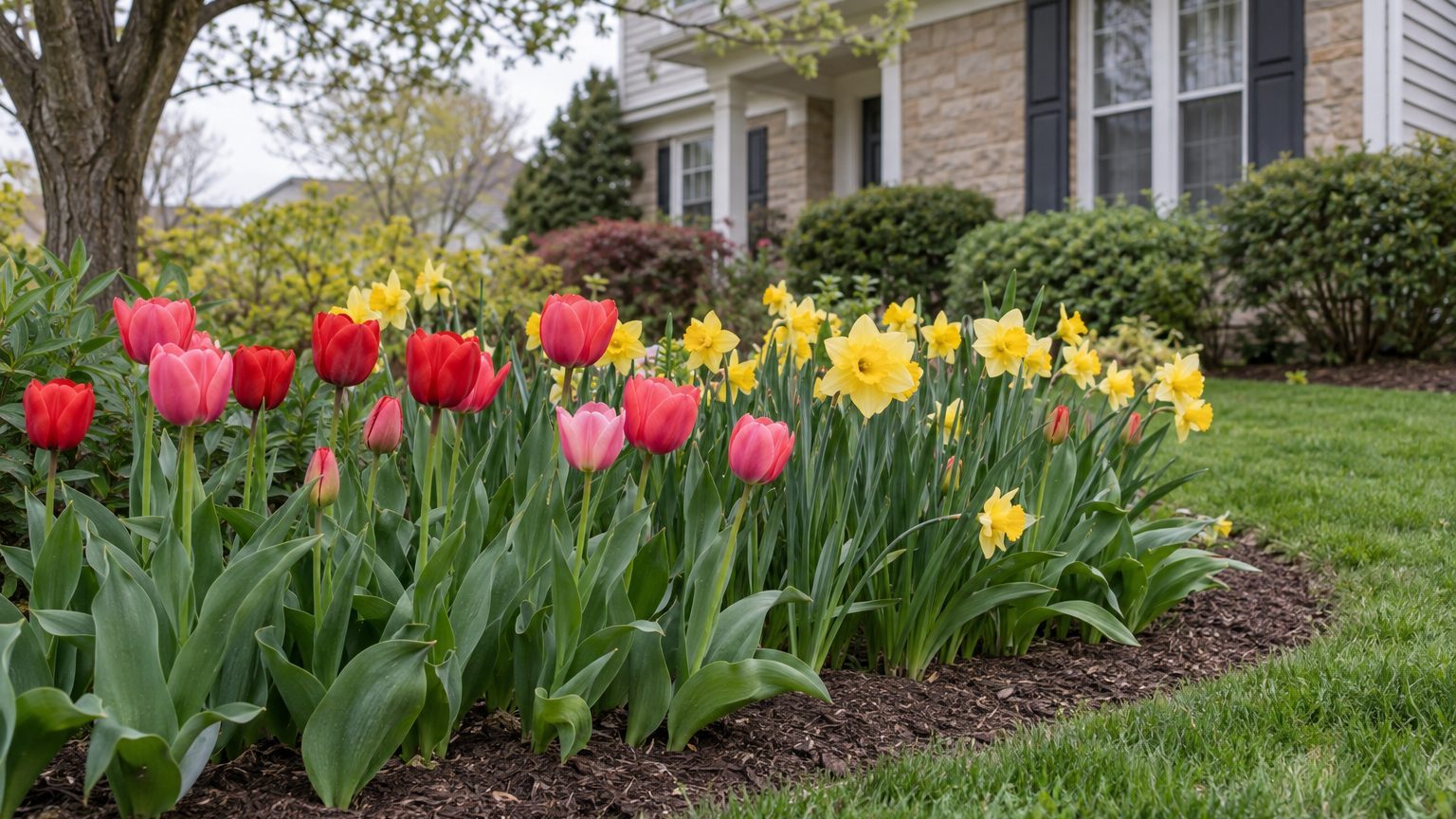
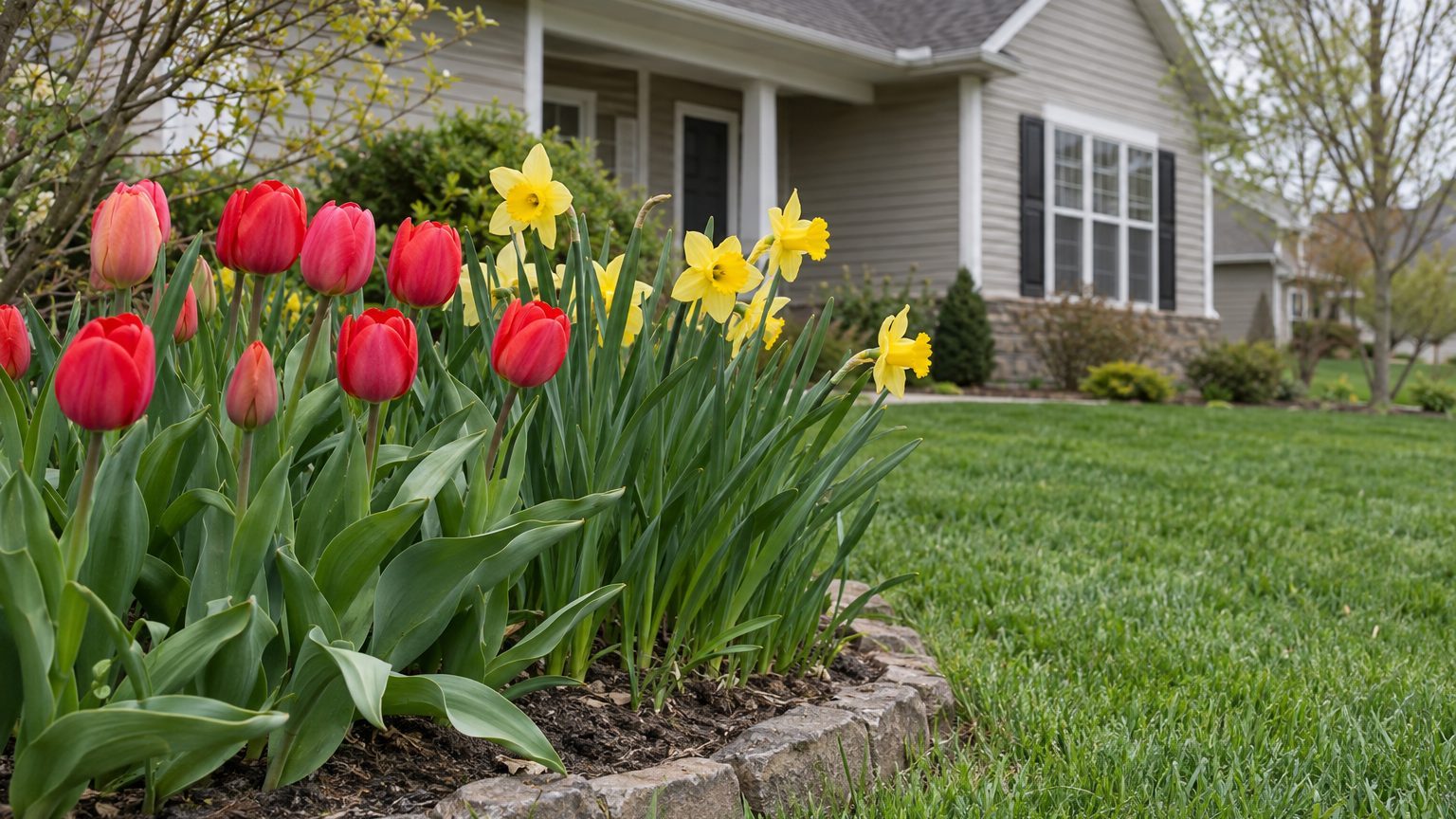
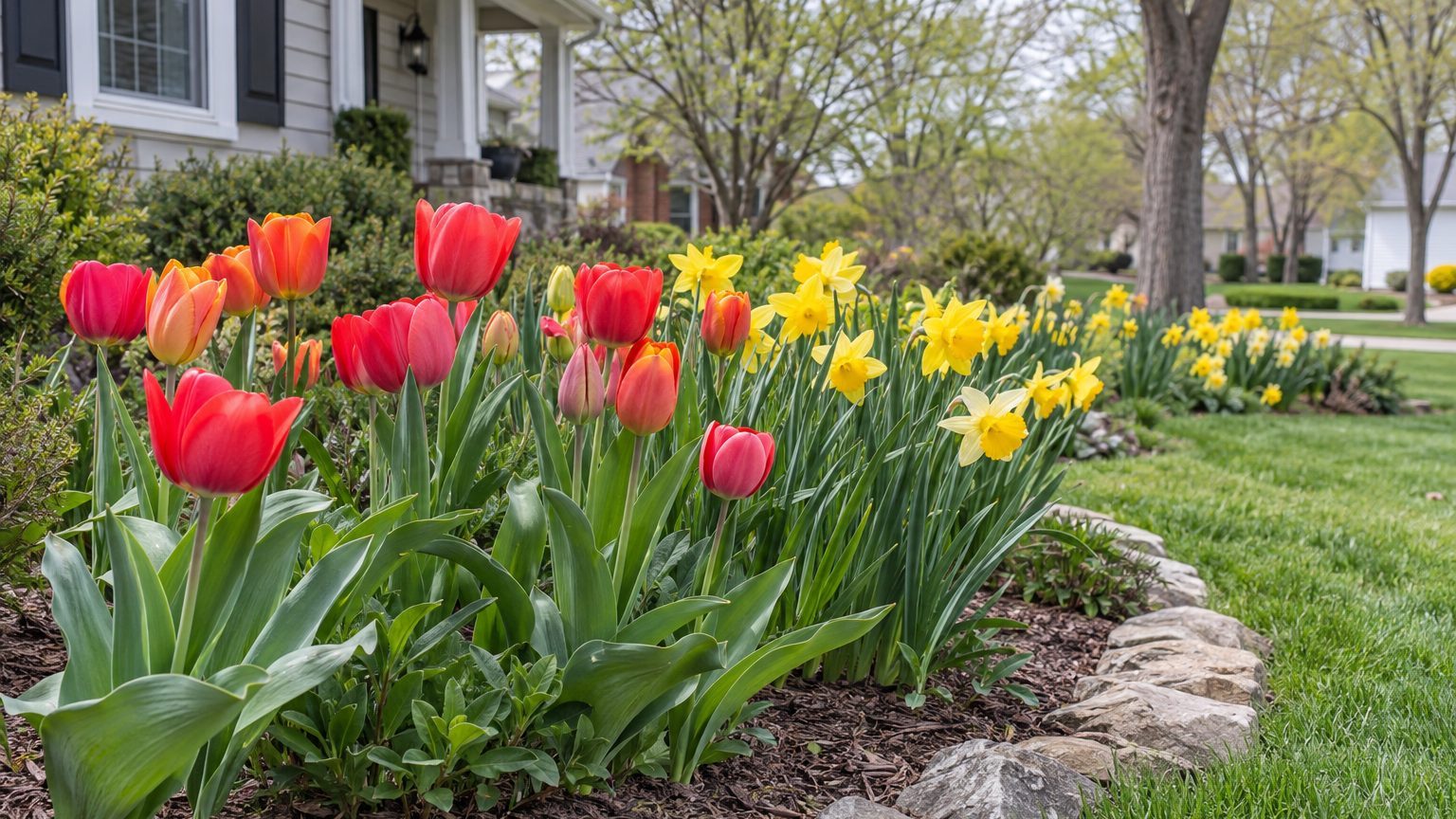
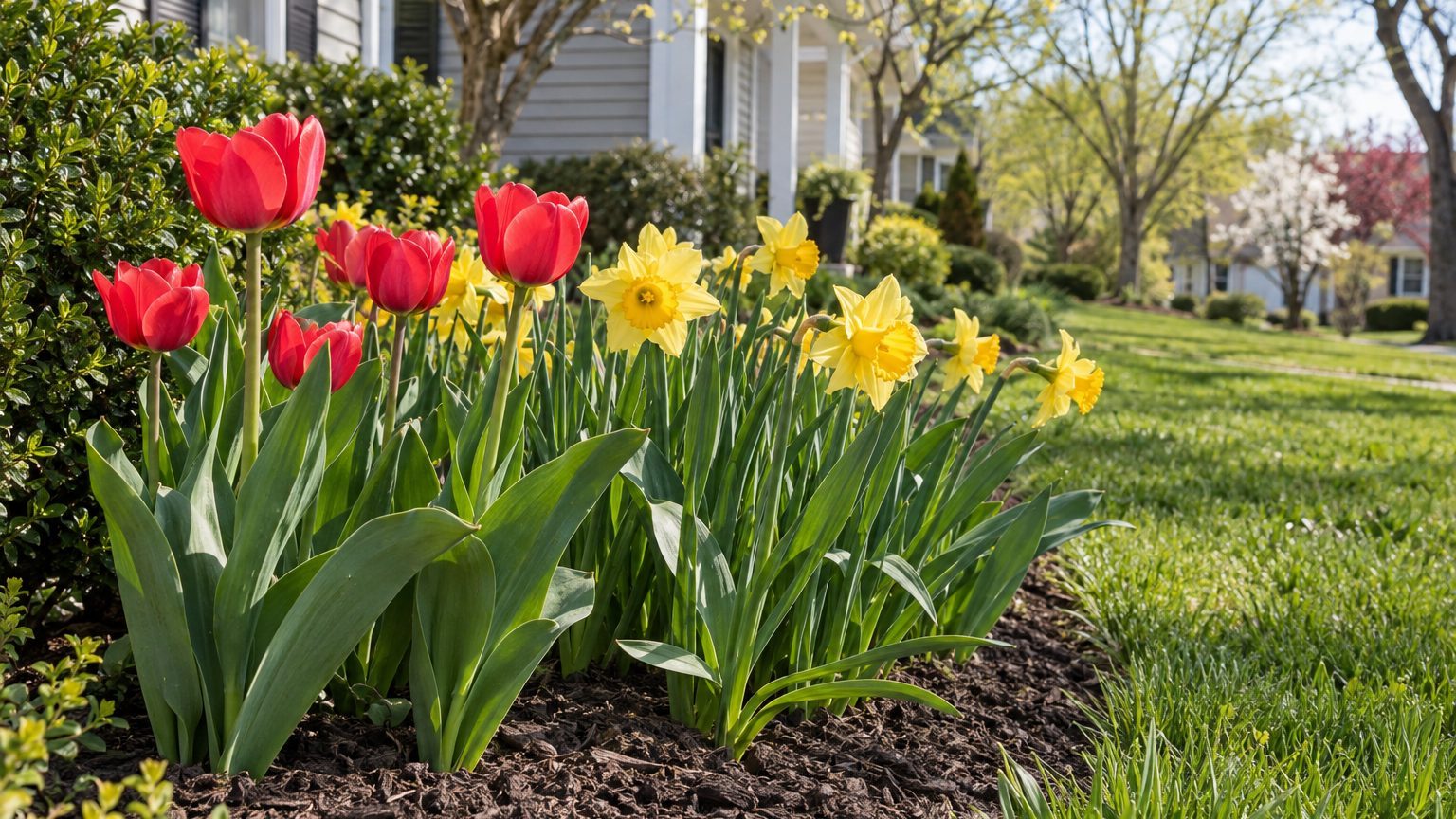
Daffodils pushing through cold soil and a few crocus in a bed by the porch are among the first signs that a Maine winter is loosening its grip. Those bulbs went in during the fall and spent the winter doing their work underground.

Best Spring Bulbs to Grow in Maine

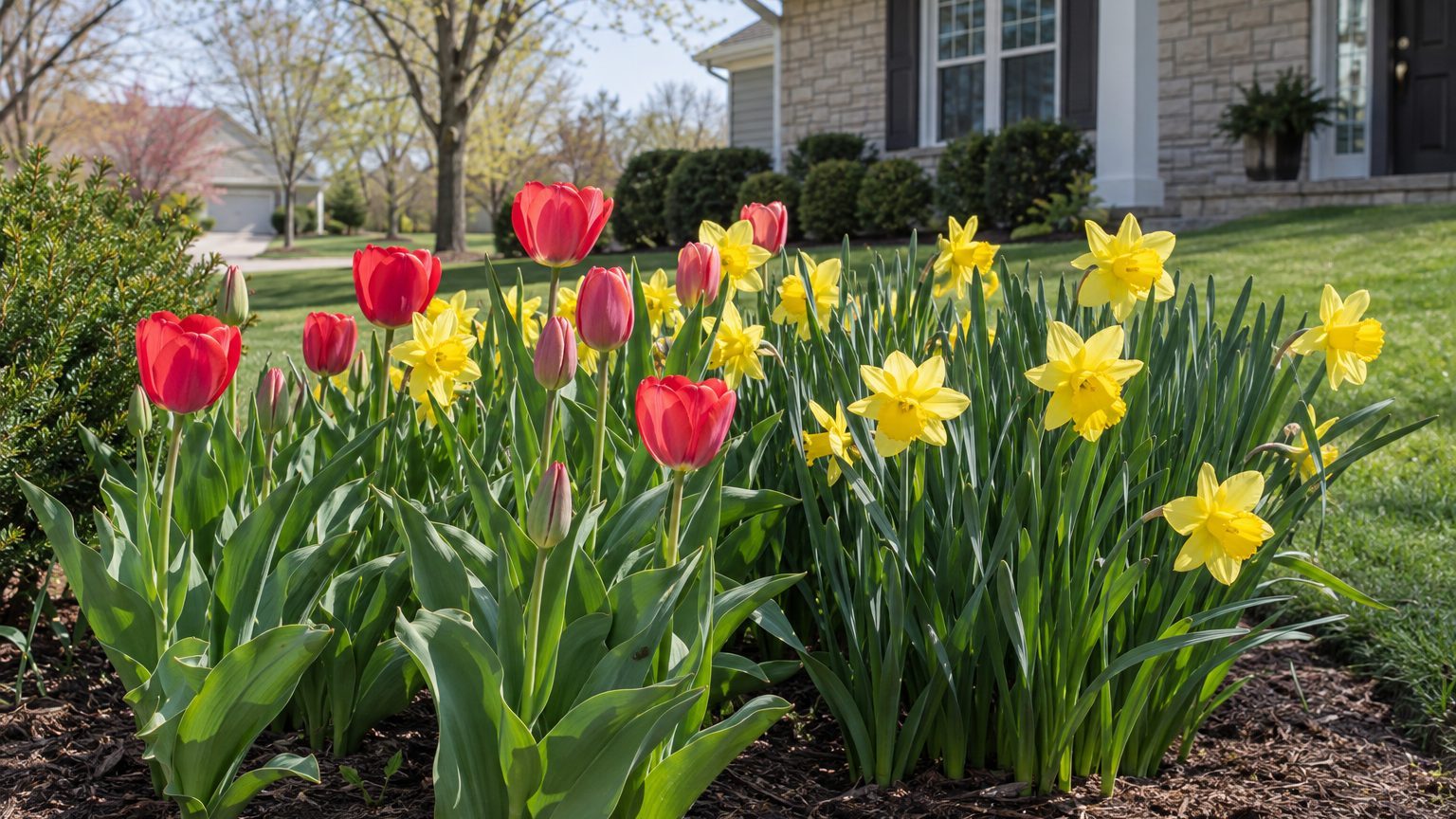
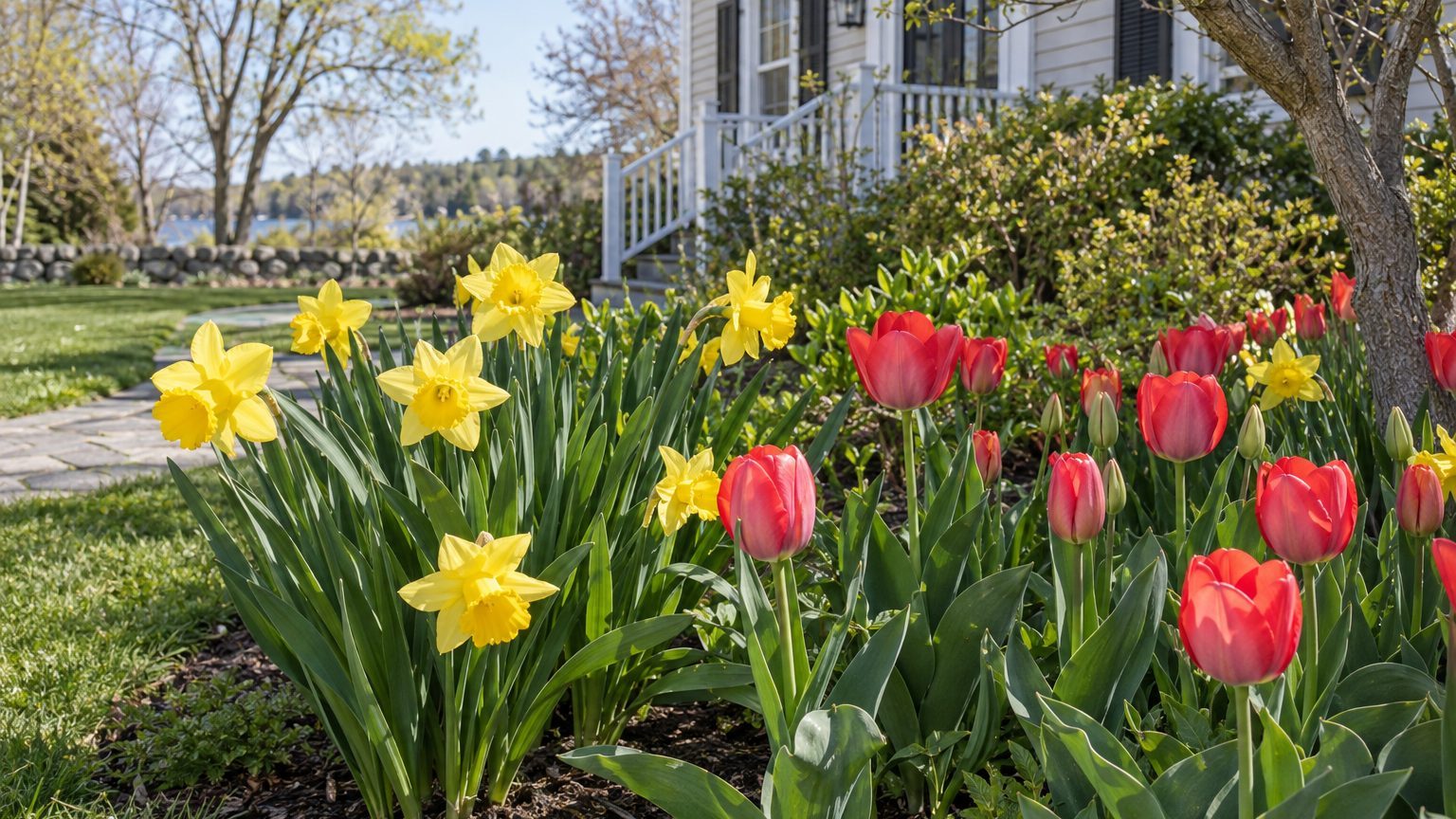
Healthy spring bulbs in bloom

Daffodils are the dependable choice in Maine, with Fosteriana tulips, crocus and alliums filling in around them. Maine spans USDA hardiness zones 3b to 6a, and most of these bulbs are hardy to zone 3, so they should do well across the whole state, including its colder northern areas.

Daffodils

Most daffodils do well anywhere in Maine, and the large majority are hardy to zone 3. They also naturalize, spreading into bigger clumps over the years, especially in partly shady spots such as the edge of a woodland bed.

Deer and rodents leave them alone. Some gardeners plant daffodils around tender plants that deer love, as a kind of training ground that teaches browsing animals to look elsewhere.

Fosteriana Tulips

Tulips are often short-lived in the garden, but Fosteriana tulips perennialize well and are the type to reach for if you want returns after the first spring. Plant them where voles, squirrels, rabbits and deer will have a harder time reaching them.

Crocus

Crocus are cheap, small and cold-hardy, and they bloom as the season gets going. Rabbits, chipmunks, voles and mice find them just as appealing as tulips, so plant them close to the house or in a spot you can watch.

Alliums

According to Iowa State University Extension, ornamental onions need the cold of winter to bloom. They sit at the end of the bulb season, carrying color after other flowers have faded. Animals pass over them, which makes them an easy addition to a mixed bed.

How to Choose Spring Bulbs for Your Maine Garden

Start with the problem your yard actually has, whether that is hungry wildlife, shade or a lack of time. Fall planting suits all of these bulbs, and October is the month to aim for, once the soil has cooled below about 60°F.

Your situation What suits it in Maine Why
Very cold winter Daffodils Most are hardy to zone 3, so they handle the coldest parts of the state.
Deer, voles or squirrels Daffodils and alliums in place of tulips and crocus Animals eat tulips and crocus but leave daffodils alone.
Little time Daffodils They last longer than tulips and are the more reliable perennial bulb.
Partly shady bed Daffodils They naturalize well where light is partial.
Want tulips that return Fosteriana tulips They perennialize better than most tulips, which tend to fade.
Worry about winter cold Any hardy bulb, alliums included Most bulbs need about 12 to 16 weeks of cold, and Maine winters supply it; alliums also need cold to bloom

If a bag of bulbs is still unplanted in November or December, plant it as long as the ground can be dug. A bulb in the soil beats one stored over the winter.

Which Spring Bulbs Suit Different Parts of Maine

Maine runs from a mild coast to a cold interior, and the difference mostly changes how hardy your pick needs to be and how late the show begins.

  • Portland and the southern coast: this is the mild end of the state, where nearly any hardy bulb is a fair bet and tulips have a good chance of returning in later springs.
  • Western mountains and inland Maine: spring arrives later and fall comes sooner, so plant in October without delay and lean on daffodils for dependable color.
  • Aroostook County and northern Maine: winters are the coldest in the state, which makes zone 3 hardiness the deciding trait, and daffodils fit that description well.

Wherever you garden in Maine, the same fall planting month applies, but the blooms in the north will open later in spring than those on the coast.

Spring Bulb Buying Mistakes to Avoid in Maine

Betting on Tulips Alone

Tulips are often short-lived in the garden, and in a yard with deer, voles, squirrels or rabbits they can vanish after one season. A bed planted only with tulips can come back thin or empty.

Mix in daffodils, which last longer and are left alone by animals, and give tulips a protected spot.

Cutting Leaves Too Soon

After bloom, the leaves are feeding the bulb for next year. Remove only the faded flowers and leave the foliage standing until it turns brown. Tying it up or cutting it while green starves the bulb and costs you flowers the next spring.

Holding Bulbs Over Winter

A bag left on the garage shelf dries out and loses vigor. If bulbs missed October, plant them anyway in November or December, as long as the ground can be dug.

Planting too early causes its own trouble, since bulbs set in warm soil can sprout before winter. Wait until the soil cools below about 60°F.

Where to Get Spring Bulb Advice in Maine

Local help is within reach, and a quick question about a stubborn bed can save a season. University of Maine Cooperative Extension offers fact sheets and gardening guidance written for Maine conditions.

  • The extension website has planting guidance you can read before bulbs go in, so check it when you plan your beds.
  • Your county extension office can answer questions about local soil and wildlife, so call when you plan your beds.
  • Master gardener volunteers connected with county offices can help you diagnose a bed that failed, ideally before the next October planting.

Common Questions

When Do Tulips and Daffodils Bloom in Maine?

Bloom runs through April and May, and the earliest hardy bulbs can open as soon as March. Later varieties carry the display into late April and May.

Can You Plant Spring Bulbs in December in Maine?

Yes, as long as the ground is not frozen and can still be dug. October is the better month, because roots then have time to form before the ground locks up, but a late planting beats a bag left on the shelf.

Do Daffodils Really Keep Deer Away from Other Plants?

Deer leave daffodils alone, and daffodils can serve as training plants that protect tender, deer-loved plants from browsing. Set them along the edge of the bed where deer approach.
Best Spring Bulbs for Louisiana

Best Spring Bulbs for Louisiana

Daffodils and warm-climate tulips handle Louisiana’s long, humid summers and mild winters, while ordinary tulips and hyacinths usually need a little help. Spring bulbs go in the ground in fall and bloom the following spring. In most of this state, summer heat decides which ones come back, far more than winter cold does.

Best Spring Bulbs to Grow in Louisiana

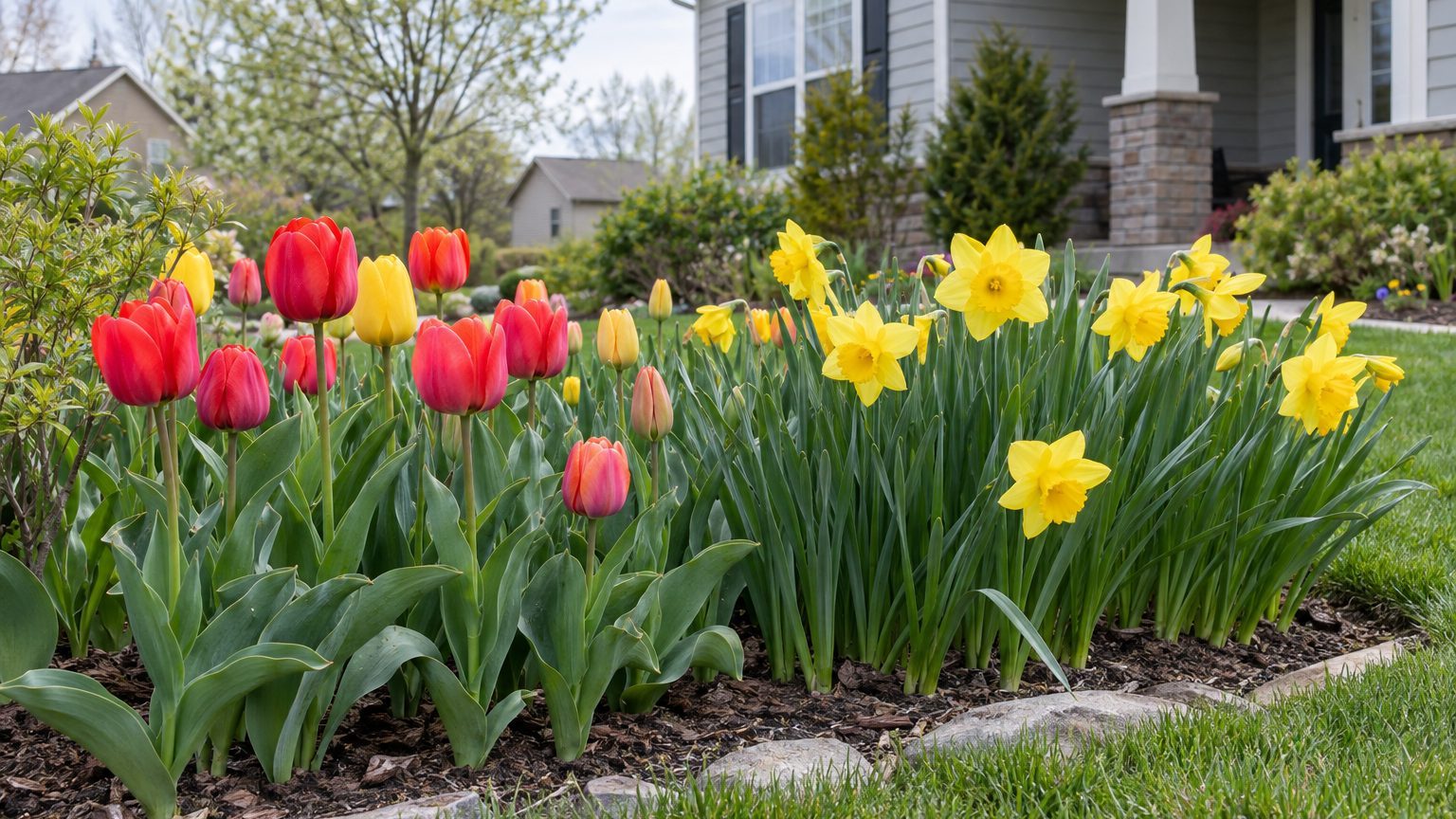
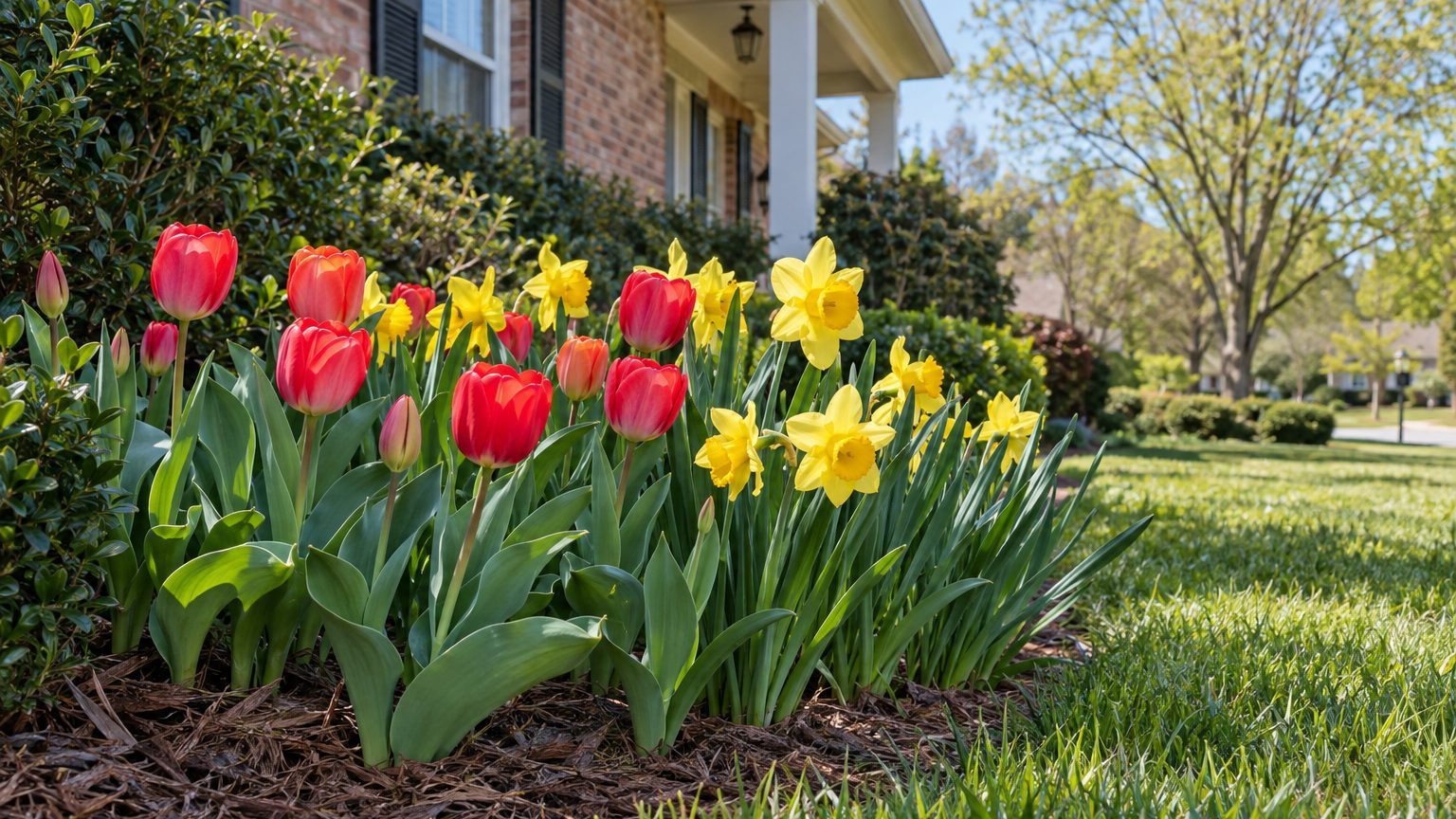
Healthy spring bulbs in bloom

Louisiana winters, especially near the Gulf, are too mild to give many popular bulbs the cold they expect. Daffodils and a few tulip groups that come from warm climates are the ones to lean on. According to Iowa State University Extension, alliums need the cold of winter to bloom.

Daffodils

Daffodils are the more reliable perennial bulb across the South, and they last far longer in the garden than tulips. Jonquil hybrids, tazetta hybrids, poeticus and species daffodils all grow reliably in southern gardens, so they are the safest place to start.

They also naturalize, which means the clumps thicken and keep blooming without replanting.

Single Late Tulips

This group is one of the better choices for warm climates. The stems are long and strong, and the blooms are deep and cup-shaped in a wide range of colors.

Plant them where they will be easy to enjoy for a season, and treat them as a bonus if they return.

Species Tulips

A few species tulips come from warm climates and do not need a cold period to flower. That makes them a good tulip option for a Louisiana winter, and they can naturalize in the South.

Ask a garden center which species are sold locally, since the selection varies.

Alliums

Ornamental onions need the cold of winter to bloom. They also come at the end of the spring bulb season, so they carry color after the daffodils fade.

Standard Tulips and Hyacinths

Many tulips decline after the first year in southern gardens, and they are often treated like annuals, dug and discarded after they bloom. Hyacinths and tulips can still be grown if they are chilled in the refrigerator before planting, as the next section explains.

How to Choose Spring Bulbs for Your Louisiana Garden

Plant in November and December. Bulbs that were chilled in the refrigerator can go in even into early January. The right pick depends on how much winter cold your yard actually gets and how much work you want to do each year.

Louisiana’s USDA hardiness zones run from 8a to 10a, so a bulb that thrives in a cold-winter state may sulk here.

Your situation What suits it in Louisiana Why
Hot, humid summers Daffodils They are the reliable perennial bulb in the South and keep returning.
Mild winter with little cold Species tulips, single late tulips Species tulips need no cold period to flower, and alliums need the cold of winter to bloom.
You want standard tulips or hyacinths Chill them in the refrigerator first Most spring bulbs need about 12 to 16 weeks of cold, which a mild winter cannot supply.
Little time for yearly replanting Daffodils They last longer in the garden, while tulips are often short-lived.
Wanting tulips for one season of color Single late tulips They suit warm climates, with strong stems and deep cups.

If you have small beds, daffodils and alliums are the simplest to keep tidy, since neither needs to be dug and replaced each year the way a short-lived tulip planting does.

Which Spring Bulbs Suit Different Parts of Louisiana

South Louisiana barely freezes, while the north has colder, more reliable winters, and that shifts which bulbs you can expect to flower.

  • Gulf Coast: Winters here often give too little cold for tulips and hyacinths, so daffodils and species tulips are the dependable choices, while alliums need the cold of winter to bloom. Chilled tulips and hyacinths are possible, but plan on replacing them.
  • North Louisiana: Freezes arrive more reliably, so bulbs get more natural cold before they bloom. Single late tulips have a better chance here, though they are still best treated as a one-season planting.

Whichever end of the state you garden in, daffodils remain the sure thing.

Spring Bulb Buying Mistakes to Avoid in Louisiana

Expecting Tulips to Come Back

Many tulips decline after the first year in the South, and a bed planted for repeat color often thins out quickly. Buy them as a single season of bloom, or choose single late tulips and species tulips, which suit warm climates better.

Buying Bulbs That Need More Cold

Hyacinths and ordinary tulips want about 12 to 16 weeks of winter cold, and Louisiana rarely supplies it. Bulbs planted straight from the bag may bloom poorly or not at all. Chill them in the refrigerator before planting, or pick bulbs that skip the chill altogether.

Leaving Bulbs in the Bag

A bulb that stays in the bag is better planted late than stored over the winter. As long as the ground can be dug, plant it. Waiting for a perfect day costs more in dried-out bulbs than late planting does in bloom.

Where to Get Spring Bulb Advice in Louisiana

The LSU AgCenter is the state’s extension service, and your parish office can answer questions about local soil and bulbs. Planting dates here follow the nearest comparable climate, so confirm local timing with a garden center or a local garden society.

  • The LSU AgCenter website carries home garden guidance you can read before you shop in early fall.
  • Your parish extension office can help with soil and bulb questions once you have your bulbs in hand.
  • A local garden center or garden society knows which varieties sell and bloom well nearby, so visit before planting season.

Common Questions

What Should You Do with Bulb Leaves After Bloom?

Remove only the faded flowers and leave the leaves on the plant until they turn brown. The leaves feed the bulb for next year’s flowers, so cutting or tying them while green weakens the bulb.

Which Bulbs Do Squirrels and Rabbits Leave Alone?

Voles, squirrels, rabbits and deer eat tulips and crocus, but daffodils are left alone. If animals dig up your beds, daffodils are the safest planting.

Can You Plant Bulbs in October or January?

Both can work. Planting in October is possible, but wait until the soil has cooled below about 60°F so the bulbs form roots without sprouting in the fall. January also works, and it is a good time for bulbs that were chilled in the refrigerator.

Best Spring Bulbs for Kentucky

Best Spring Bulbs for Kentucky

Daffodil leaves yellowing in May, and tulips thinning out after a few springs, tell Kentucky gardeners which bulbs are worth the digging. The bulbs that settle in best are daffodils, with alliums, hyacinths and a few smaller types close behind. Tulips are worth planting too, as long as you accept that they come and go.

Best Spring Bulbs to Grow in Kentucky

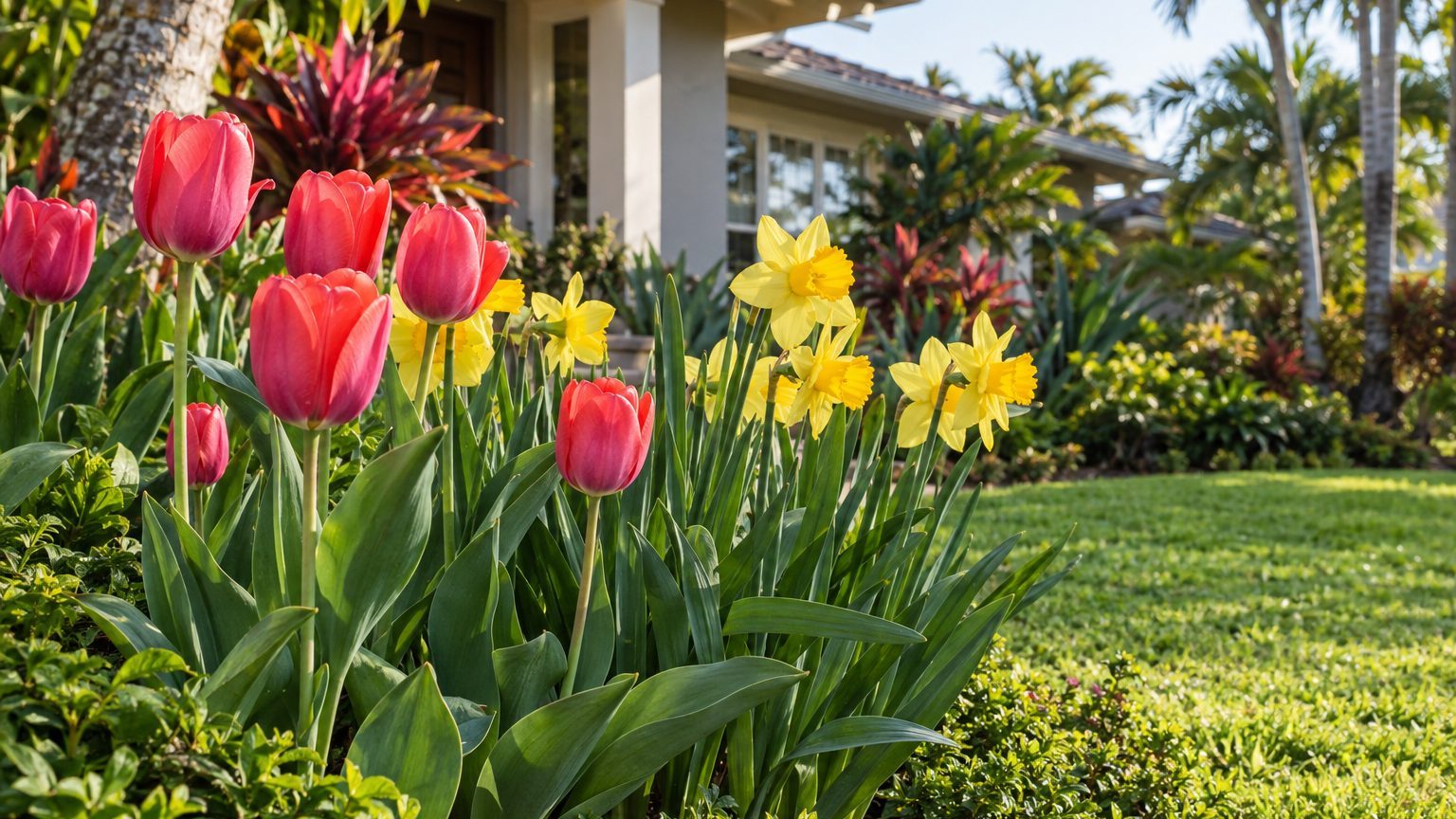
Healthy spring bulbs in bloom

Daffodils, hyacinths, alliums, fritillaria and scilla suit Kentucky yards best, and tulips and crocus earn a place where animals leave them alone. Kentucky falls in USDA hardiness zones 6a to 7a, with Louisville as the reference city, and other parts of the state differ a little. Winter cold is what these bulbs want, so Kentucky’s winters are an asset rather than a hurdle.

Daffodils

Daffodils are hardy perennial bulbs that return year after year, and they never have to be dug. In Pennsylvania, they overwinter in USDA zones 3 through 8, a span that comfortably holds Kentucky’s winters.

They are also left alone by deer and rabbits, which makes them the reliable choice for naturalizing in scattered clumps across a lawn edge or slope.

Hyacinths

Hyacinths are one of the bulbs deer and squirrels tend to pass over, so they work close to the house, along walks and in beds that critters visit regularly.

Plant them in fall with the rest of the bulbs and let them settle in through winter, when the cold does its work on the buds.

Alliums

According to Iowa State University Extension, alliums, the ornamental onions, need the cold of winter to bloom, and animals leave them alone. They close out the bulb season, long after the early flowers have faded.

Tuck them between perennials, where the round flower heads rise above the foliage as spring turns toward summer.

Fritillaria and Scilla

Fritillaria and scilla belong to the group of bulbs that deer and squirrels dislike. They suit gardeners who want something less common than a tulip without more risk of losses to browsing.

Scatter them in drifts under shrubs or along a border, where they can stay put for years.

Tulips

Tulips are often short-lived in the garden, and voles, squirrels, rabbits and deer eat them. A tulip bed in Kentucky is a spring treat to replant, not a permanent fixture.

Plant them where you will see them from a window, and accept a refresh now and then.

Crocus

Crocus are edible to animals too, so expect some losses where voles and squirrels are active. They are small enough to tuck into a lawn edge or bed front, and a few survivors still make a cheerful show.

How to Choose Spring Bulbs for Your Kentucky Garden

The right bulb depends less on the catalog photo than on what visits your yard and how much upkeep you want. Match the bulb to that, and the planting takes care of itself.

Your situation What suits it in Kentucky Why
Deer, rabbits or squirrels visit Daffodils, hyacinths, alliums, fritillaria, scilla Animals tend to leave these alone, while tulips and crocus get eaten
Little time for upkeep Daffodils They return year after year and never have to be dug
You want bulbs that last Daffodils over tulips Tulips are often short-lived, while daffodils are the more reliable perennial
Cold winters worry you Daffodils They are hardy perennial bulbs that overwinter reliably in cold ground
You worry about enough winter chill Alliums They need the cold of winter to bloom, and many bulbs need 12 to 16 weeks of cold
You want a long season of color A mix of early bulbs, daffodils, tulips and alliums Bulbs bloom in succession, from snowdrops and winter aconites at the start to alliums at the end

Fritillaria and scilla fit nearly any of these rows when you want something less common. Whatever you plant, leave the foliage standing after bloom until it turns brown and remove only the faded flowers, because the leaves feed the bulb for next spring.

Which Spring Bulbs Suit Different Parts of Kentucky

Kentucky’s hardiness zones run from 6a to 7a, so the choice of bulb shifts a little from region to region, though the dependable ones work everywhere.

  • Louisville and Jefferson County: city gardens run milder than the rural land around them, so tulips and hyacinths have an easier time in town. Out in the county, lean on daffodils and alliums.
  • Eastern Kentucky mountains: higher ground and cold hollows lean toward the colder end of the range, which favors tough daffodils and alliums over tulip beds.
  • Western Kentucky: winters here sit nearer the milder end of the range, so more tulips and hyacinths are worth trying, with a refresh planting now and then.

In every region, deer pressure matters more than the zone number when you pick between bulbs.

Spring Bulb Buying Mistakes to Avoid in Kentucky

Choosing Tulips for a Deer Yard

Voles, squirrels, rabbits and deer eat tulips and crocus, so a bed packed with them can disappear overnight. Tulips are also often short-lived even when untouched.

Buy daffodils, hyacinths or alliums for exposed spots, and keep tulips for beds close to the house.

Planting Before the Soil Cools

Bulbs go in once the soil has cooled below about 60°F. That timing lets roots form before the ground freezes, yet keeps bulbs from sprouting in the fall.

Buying early in the season is fine. Hold the bag in a cool, dry spot until the soil is ready, then plant.

Leaving Bulbs in the Bag

A bulb still in its bag is better planted late than stored over the winter. Plant as long as the ground can be dug, even if the garden already looks bare.

A bulb that is still in the bag is better planted late than stored over the winter: plant as long as the ground can be dug.

Where to Get Spring Bulb Advice in Kentucky

The University of Kentucky Cooperative Extension publishes bulb guidance written for Kentucky gardens, and your county office knows how local soils and critters behave.

  • The state extension site has fact sheets on spring flowering bulbs, worth reading before you shop in late summer.
  • Your county Extension office can answer questions about drainage and animal damage, so call in early fall before the bulbs go in.

Common Questions

When Should You Plant Spring Bulbs in Kentucky?

October is the best month, and the window runs from mid-September to late November depending on how fast the soil cools. September and November also work.

When Do Tulips and Daffodils Bloom in Kentucky?

Bloom runs from March through May, with a few flowers appearing as early as February.

Do Spring Bulbs Need to Be Chilled Before Planting?

Where winters are too mild, tulips and hyacinths are chilled in the refrigerator first. Bulbs planted in a Kentucky garden get their cold from the ground over winter, and alliums need that cold to bloom.

Best Spring Bulbs for Kansas

Best Spring Bulbs for Kansas

Daffodils pushing up through cold Kansas soil in late winter are a sign the bulbs you tucked in the previous fall made it through. Daffodils, tulips, and a few other bulbs do well across the state, and each one asks for something different, from soil that has cooled to a plan for hungry animals.

Best Spring Bulbs to Grow in Kansas

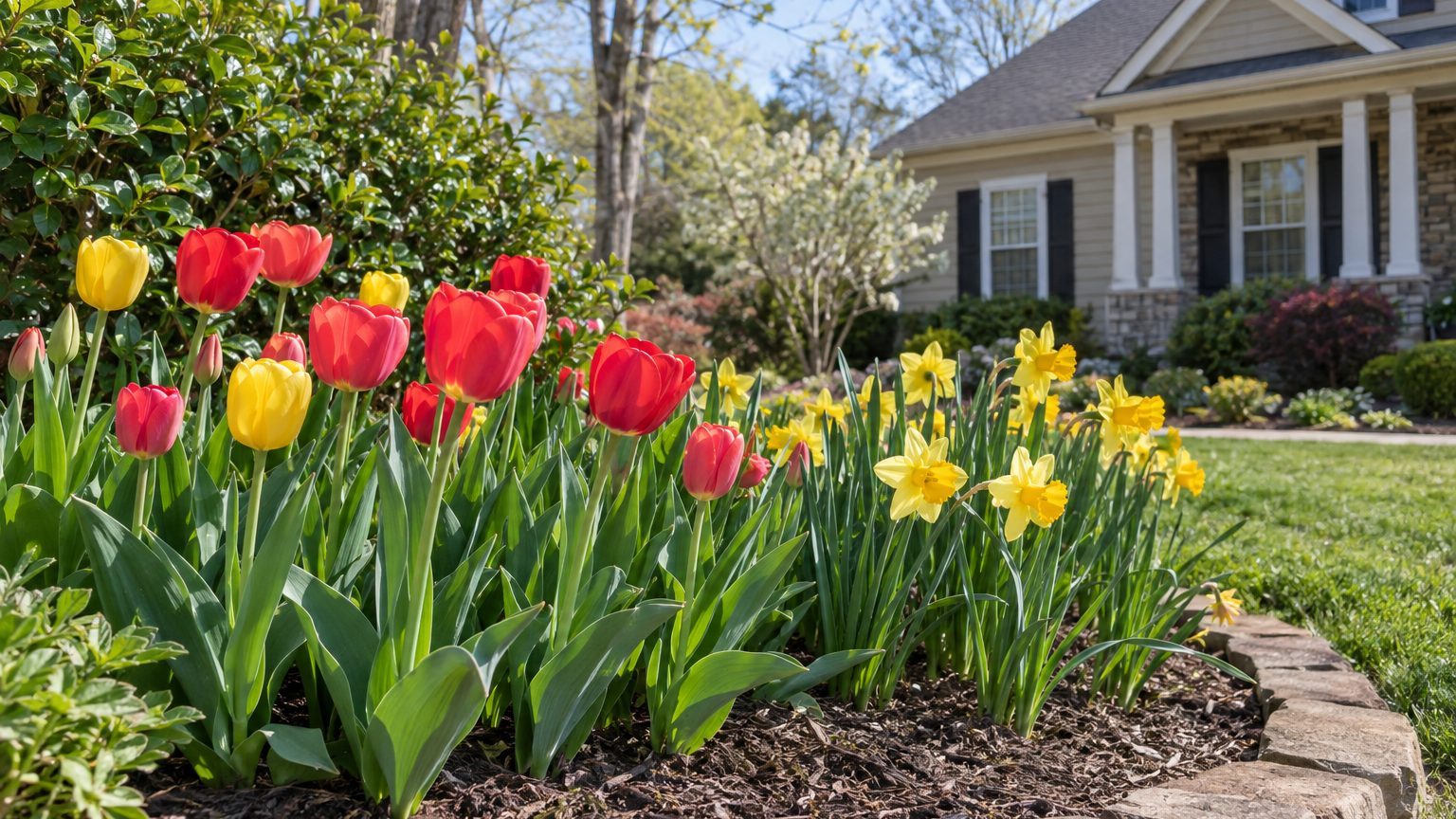
Healthy spring bulbs in bloom

Daffodils

Daffodils are the dependable pick here. They are more vigorous than tulips and most other spring-flowering bulbs, and rabbits, deer, voles, and squirrels leave them alone. Plant them in the fall and let them settle in. They last longer in the garden than tulips do.

Giant Darwin Hybrid Tulips

In Kansas, Giant Darwin hybrids are a good tulip choice, blooming April through May with vibrant colors on strong stems. Tulips are often short-lived, and some of the larger bulbs may be treated as annuals and lifted in late spring to make room for other plants.

Crocus

Crocus bring early color, but rabbits, deer, chipmunks, voles, and mice go after them, as they do tulips. Plant them where animal pressure is low, or accept that some may be lost. In Iowa, gardeners see the same damage on crocus and tulips.

Alliums

According to Iowa State University Extension, alliums need the cold of winter to bloom. Ornamental onions finish the long succession of spring bulb bloom, so they carry color after other bulbs fade.

Hyacinths

Hyacinths belong in the same fall planting window as tulips and daffodils. Most spring bulbs need about 12 to 16 weeks of cold to flower, and where winters are too mild to give it, tulips and hyacinths are chilled in the refrigerator before planting.

How to Choose Spring Bulbs for Your Kansas Garden

Match the bulb to what your yard faces: animals, time, space, and the cold that Kansas winters deliver. Hardiness zones in the state run from 5b to 7a on the USDA system, so a bulb that does well in one county may need more thought in another.

Most spring-flowering bulbs need winter cold to bloom, and Kansas supplies plenty. That leaves your choice to depend on pests, upkeep, and how long you want the bulbs to last.

Your situation What suits it in Kansas Why
Very cold winter Daffodils, tulips, hyacinths Most spring bulbs need about 12 to 16 weeks of cold, which the winter supplies.
Little time for upkeep Daffodils They are more vigorous than tulips and last longer in the garden.
Deer, rabbits, or voles around Daffodils Animals eat tulips and crocus but leave daffodils alone.
Small space or bed to reuse Tulips lifted after bloom Larger bulbs can be treated as annuals and lifted in late spring to free up room.

Hyacinths fit most beds and sit well beside daffodils, since both go in during the same fall window.

Which Spring Bulbs Suit Different Parts of Kansas

The state spans a range of winter cold, so the choice shifts a little from one part of Kansas to another.

  • Northern Kansas: Winters run colder here, so lean on daffodils and hardy tulips that get their full chill.
  • Southern Kansas: Winters are milder, so plant tulips and hyacinths early in the fall window.
  • Western Kansas: Colder winter nights and exposure make daffodils the steadier choice for a low-fuss bed.

Check conditions in your own county, since gardens outside town often see frost later than the figures for the airport reference city, Wichita.

Spring Bulb Buying Mistakes to Avoid in Kansas

Planting Tulips Where Animals Roam

Voles, squirrels, rabbits, and deer eat tulips and crocus. A bed full of them can vanish before bloom. Swap in daffodils where animals are active, since they are left alone.

Planting Too Early or Too Late

Bulbs belong in the ground in September or October, once the soil has cooled below about 60°F. Planted earlier, they may sprout in the fall. If bulbs are still in the bag, plant them as late as November or December if the ground is unfrozen, rather than storing them.

Cutting the Leaves Too Soon

Leaves feed the bulb for next year, so leave them until they turn brown and remove only the faded flowers. Cutting green leaves weakens next spring’s bloom, and tulips already tend to fade quickly.

Where to Get Spring Bulb Advice in Kansas

K-State Research and Extension publishes guidance for Kansas gardeners, and your county office can speak to local soil and weather.

  • The state extension site has fall bulb guidance, worth reading before you buy in late summer.
  • Your county extension office can advise on local conditions, so call before planting season.

Common Questions

Can You Plant Spring Bulbs in December in Kansas?

Yes, as long as the ground can still be dug. Bulbs planted late still have time to establish.

Do Tulips Come Back Every Year in Kansas?

Sometimes, though tulips are often short-lived. Daffodils are the steadier perennial bulb.

When Do Kansas Spring Bulbs Bloom?

Tulips and daffodils flower in April through May. The earliest daffodils can open in late February, and bulbs come up in March or early April.

Best Spring Bulbs for Iowa

Best Spring Bulbs for Iowa

Green tips pushing through cold ground in March or early April are the first sign that fall planting paid off. In Iowa, daffodils, alliums, tulips and crocus all get the winter cold they need. Daffodils and alliums return more dependably than tulips or crocus. Which ones earn a spot depends on how much you want to replant and which animals visit your yard.

Best Spring Bulbs to Grow in Iowa

Healthy spring bulbs in bloom

Daffodils and alliums are the dependable choices for Iowa, because winters here supply the chill that most spring bulbs need, about 12 to 16 weeks of it. Tulips and crocus grow fine too, but they cost more effort and more replanting. USDA zones 4b to 6a cover the state, and every bulb below handles that cold.

Daffodils

Daffodils are the more reliable perennial bulb, lasting longer than tulips and growing with more vigor than most other spring-flowering bulbs. Voles, squirrels, rabbits and deer leave them alone, which matters in a front yard that wildlife crosses.

For named varieties, look for cultivars that have won the American Daffodil Society’s Wister Award, given for long-lasting flowers, disease resistance and good garden performance.

Tulips

Tulips give the boldest color, but they are often short-lived in the garden, so expect to replant some over the years. Voles, squirrels, rabbits and deer all eat them.

Plant them where the show is worth that risk, close to a door or walkway where you will enjoy every bloom, and let daffodils carry the rest of the bed.

Crocus

Crocus are small, and they draw the same hungry crowd as tulips, including voles, mice, chipmunks and rabbits. Some losses are likely.

Plant them in generous handfuls so a few missing bulbs do not leave gaps in the display.

Alliums

According to Iowa State University Extension, alliums, the ornamental onions, need the cold of winter to bloom, so they are easy to fit into any fall planting. They come at the end of the long spring succession that begins with snowdrops and winter aconites.

How to Choose Spring Bulbs for Your Iowa Garden

Most of the decision comes down to how much work you want in return and what else lives in or visits your yard. A bulb that survives the winter is only half the question. The other half is whether it will still be there in a few seasons.

Your situation What suits it in Iowa Why
Very cold winter Any of the common spring bulbs Most need 12 to 16 weeks of cold to flower, and Iowa winters supply it
Little time to spare Daffodils They last longer than tulips and are the more reliable perennial bulb
Deer, rabbits and voles in the yard Daffodils Animals leave them alone, while tulips and crocus get eaten
Want color across the season A mix from snowdrops and winter aconites to alliums Spring bulbs bloom in a long succession
Bulbs still in the bag Plant them anyway Late planting beats storing over the winter

Small beds suit the same logic. A compact planting of daffodils gives years of flowers, while tulips are best treated as a seasonal accent. Whichever you pick, leave the leaves standing after the bloom fades.

Which Spring Bulbs Suit Different Parts of Iowa

Iowa spans USDA hardiness zones 4b to 6a, so the colder and milder ends of the state lean toward slightly different choices.

  • Northern Iowa: Near the Minnesota line, where winters are colder, lean on daffodils and alliums, which hold up reliably, and treat tulips as a bonus.
  • Central Iowa: Around Des Moines and Ames, the full range of daffodils, tulips, crocus and alliums is open to you, with animal pressure being the main deciding factor.
  • Southern Iowa: Along the Missouri line, where the ground tends to stay open longer, a late planting of tulips has better odds of getting into the soil.

Wherever you garden, hardiness zones are a guide, and a sheltered, sunny yard can behave a notch milder than its neighbors.

Spring Bulb Buying Mistakes to Avoid in Iowa

Planting Tulips and Crocus Without a Plan

Voles, squirrels, rabbits and deer treat tulips and crocus as a buffet. The cost is a bed that blooms thinly or not at all after the first winter. Mix in daffodils, which animals ignore, and put your tulips where you will notice quickly if they disappear.

Expecting Tulips to Last Forever

Tulips are often short-lived in the garden. Buying them as if they were permanent leads to a bed that fades while you wait for it to recover. Daffodils are the better bet for long-term color. Budget for fresh tulip bulbs now and then.

Storing Bulbs Over the Winter

A bag of bulbs left in the garage looks like a plan for next fall, but bulbs are better planted late than stored. Plant as long as the ground can be dug, even into November or December while the soil is unfrozen. A late bulb still has a chance, while a stored one only dries out.

Where to Get Spring Bulb Advice in Iowa

Iowa State University Extension publishes planting guidance written for Iowa gardens, and your county office can help with local questions about soil and pests.

  • The extension website has articles on selecting and planting spring bulbs, which are worth reading before you order in late summer.
  • Your county extension office can answer questions about voles, rabbits and deer in your area, and is useful to call in early fall before bulbs go in.

Common Questions

When Do Spring Bulbs Bloom in Iowa?

Bulbs come up in March or early April, and tulips flower April through May. The earliest daffodils can open in late February.

How Do You Know When to Plant Spring Bulbs in Iowa?

Plant in September through October, once the soil has cooled below about 60°F. That gives roots time to form before the ground freezes, and it is late enough that the bulbs do not sprout in the fall.

What Should You Do with the Leaves After Bloom?

Remove only the faded flowers. Leave the leaves on the plant until they turn brown, because they feed the bulb for next year’s bloom.

Best Spring Bulbs for Indiana

Best Spring Bulbs for Indiana

The earliest daffodils open in late February, and the tulips follow into May. Every one of those flowers was planted months earlier, in the cool soil of fall. Choosing which bulbs to buy, and which will still be blooming a few springs from now, is what separates a bed that repeats from one that fades.

Best Spring Bulbs to Grow in Indiana

Healthy spring bulbs in bloom

Daffodils are the dependable core of an Indiana bulb bed, with tulips and alliums filling in around them. USDA hardiness zones here run from 5b to 7a, which puts the state firmly in bulb country. Planting happens in September and October, and each type has its own reason to earn a spot.

Daffodils

Daffodils are more vigorous than tulips and most other spring bulbs. They also last longer in the garden, which makes them the more reliable perennial bulb. If you want flowers that return without fuss, start here.

Voles, squirrels, rabbits and deer leave daffodils alone, so they hold up in yards where other bulbs vanish overnight.

Award-Winning Daffodil Cultivars

Cultivars honored with the Wister Award are chosen for long-lasting flowers, disease resistance and strong plant vigor. That makes the award a handy shortlist when a bulb display offers dozens of daffodils that all look alike in the bag.

Forced Daffodils

A pot of daffodils brought into bloom indoors does not have to be thrown out. Many forced daffodil cultivars do well once planted outdoors, because daffodils are an exception to the rule that forced bulbs rarely come back.

Tulips

Tulips give the widest range of color, and some hybrids are popular for strong stems that flower April through May. They are often short-lived, though. Many gardeners treat the larger bulbs as annuals and lift them in late spring to make room for summer plants.

Alliums

Alliums, the ornamental onions, close out the bulb season, after a long succession that begins with snowdrops and winter aconites. They add tall, round blooms when the earlier bulbs are fading, and they fit easily among perennials that are just leafing out.

How to Choose Spring Bulbs for Your Indiana Garden

The right bulb depends less on the catalog photo than on what your yard throws at it. Deer, limited time and a small bed each point to a different choice.

Cold is rarely the problem in Indiana. Most spring bulbs flower only after a long winter chill, and a zone range of 5b to 7a delivers it.

Your situation What suits it in Indiana Why
Little time for upkeep Daffodils They last longer than tulips and return reliably
Deer, rabbits or voles visit Daffodils Animals leave them alone
Small bed or containers Tulips treated as annuals Lift the larger bulbs in late spring to make room for other plants
Cold-hungry bulbs such as tulips and hyacinths Plant in fall and let winter do the work They need about 12 to 16 weeks of cold, and Indiana winters supply it without refrigerator chilling
Color late in the bulb season Alliums Ornamental onions finish the succession of spring bloom
Bulbs still in the bag Plant now, whatever the type Planting late beats storing them as long as the ground can be dug

Hyacinths do not get a row of their own because their needs match tulips, with the same appetite for winter cold. Plant them in the same fall window and they follow the same rhythm.

Which Spring Bulbs Suit Different Parts of Indiana

Indiana stretches far enough north to south that spring arrives on different schedules, and that shifts when you plant and what you can trust.

  • Northern Indiana: Winter lingers longer here and spring warms up later than farther south. Aim for the early part of the planting window so roots settle before the ground freezes, and lean on daffodils, which handle the colder end well.
  • Central Indiana: In Indianapolis, the last 32F freeze usually falls April 9 to April 21. Roughly a 10% chance of a freeze remains after that range, so keep a sheet handy when flowers are opening on a clear, cold night.
  • Southern Indiana: Spring starts earlier here, and autumn lasts longer than in the north. That gives you more room to plant in October, and the fallback months of November and December work if the ground has not frozen.

Whichever part of the state you garden in, the same bulbs apply. Only the timing stretches or tightens.

Spring Bulb Buying Mistakes to Avoid in Indiana

Planting Tulips and Crocus Unprotected

Voles, squirrels, rabbits and deer eat tulips and crocus, and a bed can be gone before it ever flowers. The cost is a season of bare soil and a wasted purchase. Where animals visit, plant daffodils instead, since they are left alone.

Planting Too Early

Bulbs set in warm ground sprout in the fall and lose the growth that should wait for spring. Wait until the soil has cooled below about 60°F. That gives roots time to form before the ground freezes without pushing leaves above the surface.

Cutting the Leaves Too Soon

After bloom, remove only the faded flowers. The leaves feed the bulb for next year, so leave them standing until they turn brown. Cutting or tying green foliage starves the bulb and costs you next spring’s flowers.

Storing Bulbs Instead of Planting

A bag left on the garage shelf over winter does a bulb no good. Plant it as long as the ground can be dug, which in Indiana can mean November or even December when the soil is still unfrozen.

Where to Get Spring Bulb Advice in Indiana

Local growers know which bulbs have held up in your soil and neighborhood. Purdue Extension and your county extension office are the places to ask.

  • Purdue Extension publishes fall planting guidance for spring-flowering bulbs, and it is worth reading before you shop.
  • Your county extension office can answer questions about local soil and about animals that dig up bulbs, so call before planting begins.

Common Questions

When Do Tulips and Daffodils Bloom in Indiana?

Both flower April through May. Shoots come up in March or early April, and the earliest daffodils can open in late February.

Do Alliums Need a Cold Winter to Flower?

Yes. According to Iowa State University Extension, alliums need a chill period to bloom, like other spring-flowering bulbs.

Can You Plant a Potted Daffodil Outdoors After It Blooms?

Yes. Forced daffodils can be saved and planted in the garden, and many cultivars perform well there. Tulips forced indoors are a poorer bet, since tulips are often short-lived even in open ground.

Best Spring Bulbs for Illinois

Best Spring Bulbs for Illinois

Spring bulbs go in the ground in autumn, when the garden is winding down, and they pay it back with color once the snow melts. Daffodils, tulips, crocus and alliums all suit Illinois, though they differ a good deal in staying power.

Best Spring Bulbs to Grow in Illinois

Healthy spring bulbs in bloom

Illinois is not too mild for any of the common spring bulbs. USDA hardiness zones run from 5a to 7b across the state, and winters everywhere are cold enough to set flower buds. Daffodils are the dependable choice, tulips give the boldest color for a shorter run, and alliums and crocus fill in around them.

Daffodils

Daffodils are more vigorous than tulips and most other spring bulbs, and they are known as reliable bloomers that deer leave alone. That makes them the bulb to count on for a front bed that should come back without fuss. Cultivars that have won the Wister Award are a safe starting point, since the award rewards long-lasting flowers, disease resistance and strong garden performance.

Tulips

Tulips flower April through May and carry the brightest colors, but they are often short-lived in the garden. Many gardeners treat the larger ones as annuals, lifting them in late spring to make room for summer plants. Voles, squirrels, rabbits and deer eat tulips, so a bed near woods or an open field may lose some.

Crocus

Crocus are small, cheerful and quick to settle into a lawn edge or a bed corner. The catch is that they share the tulip’s weakness: voles, squirrels and rabbits go after them. Plant them where you can watch the bed, and expect to replace a few corms if animals visit.

Alliums

Alliums, the ornamental onions, bloom at the end of the spring bulb season, so they carry color after the daffodils have faded. They do not need a chill period to bloom, which makes them forgiving if a fall planting goes in late. Tuck them among perennials that will hide the fading foliage.

How to Choose Spring Bulbs for Your Illinois Garden

Start with what bothers you most: animals, replanting, or a bag of bulbs still sitting in the garage. Each problem points to a different bulb, and most Illinois yards end up with a mix.

Planting happens in September and October, with November and even December still workable when the ground is unfrozen.

Your situation What suits it in Illinois Why
Deer, voles, squirrels or rabbits visit the yard Daffodils Animals leave daffodils alone, while tulips and crocus get eaten.
You want bulbs that return year after year Daffodils They last longer than tulips and are the more reliable perennial bulb.
You want bold tulip color and will replant Tulips, lifted in late spring Large tulips are short-lived, so treating them as annuals leaves room for other plants.
Bulbs are still in the bag after October Plant them anyway, as long as you can dig A bulb in the ground late does better than one stored over winter.
You want flowers late in the spring season Alliums They bloom at the end of the season and need the cold of winter to bloom.

Hyacinths are worth adding if you like fragrance, and they follow the same fall planting routine as tulips.

Which Spring Bulbs Suit Different Parts of Illinois

The same bulbs grow statewide, but the milder south and the colder north shift the planting rhythm a little.

  • Chicago area and northern Illinois: Winters are coldest here, so the fall planting window of September and October is the one to use. Daffodils, crocus and alliums are dependable, and tulips do well when replaced as needed.
  • Central Illinois: The standard window fits well, and the full range of daffodils, tulips and alliums can be grown. Mix in a few tulips for color and rely on daffodils for the returning show.
  • Southern Illinois: Winters are milder, so the ground often stays workable longer and November or December planting is easier to pull off. Daffodils remain the steadiest choice.

Suburban and rural yards often run colder than city plantings, so check with your county office for local conditions.

Spring Bulb Buying Mistakes to Avoid in Illinois

Planting Too Early

Bulbs set out while the soil is still warm may sprout in the fall, and that growth is lost to the first hard freeze. Wait until the soil has cooled below about 60°F. That timing gives roots a chance to form before the ground freezes, without pushing leaves early.

Storing Bulbs Over Winter

A bag of leftover bulbs tends to dry out or soften in storage, and the flowers never come. Plant them as long as the ground can be dug, even in December. A late planting often still flowers, while a stored bulb has lost its season.

Cutting the Leaves Too Soon

Tulips and daffodils flower on energy stored by their leaves, and the leaves keep feeding the bulb after the bloom ends. Remove only the faded flowers and leave the foliage until it turns brown. Hide the untidy look with perennials planted beside the bulbs.

Where to Get Spring Bulb Advice in Illinois

Illinois Extension offers research-based gardening guidance, and your county office can speak to the conditions in your own neighborhood.

  • The Illinois Extension website has bulb and garden pages worth reading before the September planting window opens.
  • Your county extension office can tell you how local soil and winters affect planting dates, so call or stop by in late summer.
  • Bring a question about animals or a bulb variety, then buy your bulbs once you have an answer.

Common Questions

When Do Spring Bulbs Bloom in Illinois?

Bulbs usually push up in March or early April, and tulips flower April through May. Some daffodils open as early as late February. Planting in September and October sets up that spring display.

Do Tulips and Hyacinths Need to Be Chilled Before Planting in Illinois?

Most spring bulbs need about 12 to 16 weeks of cold to flower, and Illinois winters supply it once bulbs are in the ground. Refrigerator chilling is for places with mild winters, so a fall planting here normally needs no extra step.

Can Forced Daffodils Be Planted Outdoors Afterward?

Yes. Daffodils are an exception among forced bulbs, and many forced cultivars perform well when planted outdoors. Tulips and most other bulbs forced indoors are rarely worth saving.

Best Spring Bulbs for Idaho

Best Spring Bulbs for Idaho

Come April and May, a bed of daffodils and tulips is one of the first things to color a yard after a long Idaho winter. The bulbs behind that show went into the ground the previous fall, and picking ones that suit Idaho’s cold, dry conditions decides whether they come back year after year.

Best Spring Bulbs to Grow in Idaho

Healthy spring bulbs in bloom

Daffodils, species tulips, snow iris, crocus and alliums are the bulbs that fit Idaho best. Idaho winters give most spring bulbs the cold they need to flower, which is the main reason they do well here. Plant them in September and October so the roots settle before the ground freezes.

Daffodils

Daffodils last longer than tulips and are the more reliable perennial bulb. Deer and other critters leave them alone, which matters in a yard that borders open land. Daffodils and narcissus also come in a range of heights, colors, flower types and bloom periods.

Species Tulips

Species tulips are counted among the bulbs best adapted to droughty conditions, and Idaho’s dry summers are much the same. Tuck them into a sunny, well-drained spot and let the leaves yellow naturally after bloom.

Darwin Hybrid and Emperor Tulips

Tulips are often short-lived in the garden. A few, such as Darwin hybrids and Emperor tulips, are bred to return for several years, so they are the ones to choose if you want a classic tulip look without replanting.

Snow Iris and Crocus

Snow iris and crocus are also among the bulbs adapted to dry conditions, and they ask for little care. Crocus is a favorite snack of voles, squirrels, rabbits and deer, so plant it where animals are less of a problem or protect it.

Alliums

According to Iowa State University Extension, alliums, like other spring bulbs, need the cold of winter to bloom. Ornamental onions bloom at the end of the bulb season, extending color after the tulips and daffodils fade.

How to Choose Spring Bulbs for Your Idaho Garden

Your yard and your habits narrow the choice quickly. Hardiness zones in Idaho run from 3b to 7b in the USDA system, so a bulb that thrives in one town may struggle in another.

Most spring bulbs need about 12 to 16 weeks of cold to flower, and Idaho winters usually supply it. Match the bulb to the problem you are solving.

Your situation What suits it in Idaho Why
Very cold winter Daffodils, crocus, snow iris Cold supplies the chilling that spring-blooming bulbs need before they flower
Dry summer Species tulips, snow iris, crocus These are among the bulbs best adapted to droughty conditions
Little time Daffodils They last longer than tulips and are the more reliable perennial bulb
Deer or rabbits around Daffodils Deer and other animals leave them alone
Want tulips that return Darwin hybrids, Emperor tulips They are bred to return for several years
Small space or pots Alliums, crocus Alliums need winter cold to bloom

If you want tulips in a spot that never gets cold enough, chill the bulbs in the refrigerator before planting. For most Idaho yards that step is unnecessary.

Which Spring Bulbs Suit Different Parts of Idaho

Idaho spans a wide range of elevations, and the right bulb shifts a little with it.

  • Boise and the Treasure Valley: Winters are milder here, so tulips and hyacinths have the best chance of finishing their chill and returning.
  • Mountain towns such as Ketchum and McCall: Winters are much colder, so lean on daffodils, crocus and snow iris, which handle hard cold well.
  • Eastern Idaho, including Idaho Falls and the Snake River Plain: Cold and dry conditions favor species tulips and daffodils over more fragile types.

Wherever you live, the same fall planting window applies.

Spring Bulb Buying Mistakes to Avoid in Idaho

Choosing Bulbs Too Fragile for Winter

Short-lived tulips often fade after a year or two, which wastes money. Choose daffodils for dependable returns, and use Darwin hybrids or Emperor tulips when you want tulips that come back.

Ignoring the Chill Requirement

Tulips, daffodils and many other spring bulbs will not flower without their cold period. Check that the bulb suits your winter, and chill tulips and hyacinths in the refrigerator first if your site stays mild.

Leaving Bulbs in the Bag

A bulb still unplanted is better planted late than stored over the winter. Plant as long as the ground can be dug, and wait until the soil has cooled below about 60°F so bulbs do not sprout in the fall.

Where to Get Spring Bulb Advice in Idaho

Local advice fits your elevation and soil better than general rules.

  • University of Idaho Extension offers garden guidance for the state, and it is useful to read before fall planting.
  • Your county extension office can answer questions about local soil and the bulbs that return in your area, so call before buying in September.

Common Questions

What Should You Do with Bulb Leaves After Bloom?

Leave the leaves on the plant until they turn brown, and remove only the faded flowers. The leaves feed the bulb for next year’s bloom.

Do Alliums Need Winter Cold Like Tulips?

Alliums, like other spring bulbs, need the cold of winter to bloom. That makes them an easy choice where winter cold is uncertain.

Which Spring Bulbs Do Deer Leave Alone?

Daffodils are left alone by deer, while voles, squirrels, rabbits and deer eat tulips and crocus. Plant daffodils where animals visit.

Best Spring Bulbs for Hawaii

Best Spring Bulbs for Hawaii

A bag of tulip bulbs on a garden-center shelf promises spring color, but lowland Hawaii never gets the winter cold those bulbs are built around. The bulbs that do well in island yards are the ones that bloom without a chill, plus a few that can be given their cold in a refrigerator.

Best Spring Bulbs to Grow in Hawaii

Healthy spring bulbs in bloom

Bulbs that need no winter chill are the ones that hold up here, because no freeze occurs where people garden. Polyanthus narcissi, Chinese sacred lily, Pearl White lily, Grand soleil d’or and alliums fit the climate. Tulips and the true daffodil ask for a cold rest the lowlands cannot give.

Paper White Narcissi

Paper white belongs to the polyanthus narcissi, a group that copes with winters too mild for tulips. It is a sound first choice for a frost-free yard, since it flowers without a long cold rest.

Pick firm bulbs and plant them as soon as you have them, in soil that drains freely.

Chinese Sacred Lily

Chinese sacred lily is another polyanthus narcissus, and it does well where tulips would sulk. Warm winters suit it, so it needs no refrigerator stop before planting.

Group several bulbs together so the display reads as a clump rather than scattered singles.

Pearl White Lily

Pearl White lily is named among the bulbs that thrive in warm-winter gardens. Like the other polyanthus types, it blooms without being chilled first.

Give it a spot where water does not stand after heavy rain.

Grand Soleil d’Or

Grand soleil d’or brings yellow to the same group of reliable warm-climate narcissi. It earns its place by flowering without the cold period that most spring bulbs demand.

Plant it beside paper whites for a mix of white and gold.

Alliums

According to Iowa State University Extension, alliums, the ornamental onions, need the cold of winter to bloom. That makes them one of the easiest bulbs to grow here when you want height in a bed.

Plant them in a sunny, well-drained spot and leave the foliage alone after the flowers fade.

Tulips and Hyacinths

Most spring-flowering bulbs need about 12 to 16 weeks of cold to flower. Where winters are too mild, tulips and hyacinths are chilled in the refrigerator before planting.

Even then, tulips tend to be short-lived in the garden, so treat them as a seasonal splurge. The true daffodil is a poor match, because little success can be expected with it in warm winters.

How to Choose Spring Bulbs for Your Hawaii Garden

Start from what your yard cannot do. Without a freeze, the choice comes down to whether a bulb needs cold at all, and how much effort you will spend supplying it.

Rainfall, elevation and whether your slope faces the wind decide more than any frost date, since there is no frost season at the elevations where people garden.

Your situation What suits it in Hawaii Why
Frost-free lowland yard Paper white, Chinese sacred lily, Pearl White lily, Grand soleil d’or These polyanthus narcissi and lilies do well without winter cold
Little time for prep Alliums Needs winter cold to bloom
Set on tulips or hyacinths Pre-chilled bulbs Winters are too mild to give the cold rest they need
Want a long-lived bulb Narcissus types suited to warm winters Tulips are often short-lived, while daffodil-type bulbs are the more reliable perennials
Bulbs still in the bag Plant now A bulb planted late beats one stored through the winter

Gardeners with a very cold winter to plan around will not find that situation in the lowlands, so no row is needed for it. Squirrels, rabbits, voles and deer go after tulips and crocus, which is one more reason to lean on the narcissus family.

Which Spring Bulbs Suit Different Parts of Hawaii

Exposure and elevation change the picture more than latitude does, and each part of the state pulls the choice in a slightly different direction.

  • Mauna Kea, Mauna Loa and Haleakala summits: frost occurs only here, so cold-hungry bulbs get a natural rest. Few people garden at these heights, so this rarely matters for a home yard.
  • Hilo and other windward coasts: frequent rain makes drainage the deciding factor. Choose bulbs for raised beds or sloping ground that sheds water.
  • Kona and other leeward coasts: drier conditions suit alliums and the warm-winter narcissi. Water them regularly while they are growing.

Across the islands, the USDA hardiness zone system, which rests on the average annual extreme minimum temperature, runs from 9a to 13a, so match the bulb to your own spot rather than to the whole state.

Spring Bulb Buying Mistakes to Avoid in Hawaii

Planting Unchilled Tulips

Tulips need a cool dormancy, and a frost-free winter does not provide one. Bulbs dropped straight into warm soil tend to produce weak growth or none at all, so the money is wasted.

If you want tulips anyway, chill them in the refrigerator first, and expect them to last only a season or so.

Counting on True Daffodils

A catalog photo of classic yellow daffodils is tempting, but the true daffodil rarely succeeds in warm winters. The bulbs may bloom poorly or fade within a year.

Choose paper white, Chinese sacred lily, Pearl White lily or Grand soleil d’or for the same spring-bulb look with a better chance of flowers.

Storing Bulbs Over the Winter

A bulb left in its bag loses ground to one that is in the soil and rooting. Holding bulbs back for a perfect moment costs them stored energy.

Plant any bulb you still have as long as the ground can be dug, and water it in.

Where to Get Spring Bulb Advice in Hawaii

Island conditions vary a lot from one valley to the next. Local help can tell you what has worked in your own neighborhood.

Common Questions

When Should You Plant Spring Bulbs in Hawaii?

There is no frost calendar to follow in the lowlands. Plant narcissi and alliums once the soil has cooled in fall, and put chilled tulips and hyacinths in right after their refrigerator time.

What Should You Do with the Leaves After the Flowers Fade?

Remove only the spent flowers and leave the leaves on the plant until they turn brown. They feed the bulb for next year.

Will Animals Eat Spring Bulbs in Hawaii?

Voles, squirrels, rabbits and deer eat tulips and crocus, while daffodils are left alone. Where such animals visit your yard, narcissi are the safer pick.

Best Spring Bulbs for Georgia

Best Spring Bulbs for Georgia

A clump of daffodils that comes back thicker every spring is what a bulb planting is meant to deliver. In Georgia’s mild winters, some bulbs do that year after year, while others give a single season of color. Knowing which is which saves money and a good deal of digging.

Best Spring Bulbs to Grow in Georgia

Healthy spring bulbs in bloom

Daffodils are the dependable perennial bulb here, and Single Late tulips, species tulips and alliums also earn a place. Georgia spans zones 6a to 9b on the USDA hardiness system, and across that range winters are often too mild for most tulips to persist. Many decline after the first year, so choose the bulbs below.

Daffodils

Daffodils last longer than tulips and are the more reliable perennial bulb in the South. Jonquil, tazetta, poeticus and species daffodils are the groups that grow reliably through the South and settle in to naturalize.

Voles, squirrels, rabbits and deer leave them alone, which makes them a safe pick for a front bed or a wooded edge.

Single Late Tulips

Single Late tulips are one of the better groups for warm climates. They carry long, strong stems topped with deep, cup-shaped blooms in a wide range of colors.

Plan on one good show. Tulips are often short-lived in a Georgia garden, so treat these as a seasonal splurge and be pleasantly surprised if some return.

Species Tulips

A few species tulips come from warm climates and flower without a cold period. That gives them an edge in a state where winters can fall short of what a hybrid tulip wants.

The ones that suit the South will naturalize, so they can stay in the ground and slowly spread instead of being replaced each fall.

Alliums

According to Iowa State University Extension, alliums, the ornamental onions, need the cold of winter to bloom. That makes them a sound choice in the milder southern part of Georgia, where winter cold is thin.

They bloom at the end of the bulb season, after most other spring bulbs have finished, and they fill that gap with round purple heads on tall stalks.

Hyacinths

Most spring-flowering bulbs need about 12 to 16 weeks of cold to flower. Where winters are too mild to supply it, hyacinths are chilled in the refrigerator before planting.

Buy them early, give them their time in the fridge, and plant them with the rest of the fall bulbs.

How to Choose Spring Bulbs for Your Georgia Garden

Start with what your winter and summer actually deliver, then with how much time you want to spend. A bulb that suits one yard may be a one-season gamble in another.

Planting runs from November through December across Georgia, and October and January also work. Refrigerated bulbs can go in even into early January. Wait until the soil has cooled below about 60°F so roots can form without the bulbs sprouting in fall.

Your situation What suits it in Georgia Why
Mild winter with little cold Alliums, species tulips Neither needs a cold period to flower
Hot, humid summer Daffodils, Single Late tulips Daffodils persist, and Single Late tulips handle warm climates
Little time to garden Daffodils They last longer than tulips and need no replanting
Deer, squirrels or voles around Daffodils Animals eat tulips and crocus but leave daffodils alone
Need for winter cold Tulips and hyacinths, chilled in the refrigerator first Most bulbs want about 12 to 16 weeks of cold that mild winters may not give

Crocus and hybrid tulips are better as a bonus than a plan here, since animals go after them and the tulips tend to fade after one spring.

Which Spring Bulbs Suit Different Parts of Georgia

Georgia’s winters change from the mountains to the coast, and that shifts both what you plant and how late you can wait.

  • North Georgia and the mountains: Freezes arrive earlier in fall than elsewhere in the state, so roots need to get established sooner. Colder winters also give tulips and hyacinths more of the chill they want.
  • Atlanta: The city runs warmer than the country around it because of the urban heat island, so bulbs here can see a milder winter than a yard just outside town. Daffodils are a safe base, and hyacinths and tulips may do better with a refrigerator chill.
  • The coastal plain: Winters run milder here, so planting at the later end of the window suits the soil, and chilled tulips and hyacinths matter most. Alliums, species tulips and daffodils carry the bed with less fuss.

Whichever region you garden in, daffodils remain the safest bet.

Spring Bulb Buying Mistakes to Avoid in Georgia

Expecting Tulips to Return

Many tulips are not persistent in the South and usually decline after the first year. A bed planted with hybrid tulips and counted on as a perennial will look thin by the second spring.

Plant them for one season of color, or choose Single Late and species tulips, which handle warm climates better.

Skipping the Chill

Most spring bulbs need about 12 to 16 weeks of cold, and a mild Georgia winter may fall short. Tulips and hyacinths that never get their cold tend to flower poorly.

Chill them in the refrigerator before planting, and plant them in the later part of the window so they settle into the cool of the coldest weeks.

Planting What the Animals Eat

Voles, squirrels, rabbits and deer eat tulips and crocus. A bed full of either can be dug up or nibbled to nothing before it ever flowers.

Put daffodils where animals roam, and keep tulips and crocus to spots you can watch or protect.

Where to Get Spring Bulb Advice in Georgia

University of Georgia Extension publishes guidance for Georgia gardeners, and your county office adds local knowledge about soil and winter cold.

  • The extension website carries articles on flowering bulbs, and it is a good first stop before ordering in late summer.
  • Your county extension office can answer questions about your soil and which bulbs have done well nearby, and it is worth a call before planting season.

Common Questions

What Should You Do with Spring Bulbs That Are Still in the Bag?

Plant them as soon as the ground can be dug. A bulb planted late does better than one stored over the winter.

When Can You Cut Back Bulb Foliage After Bloom?

Remove only the faded flowers. Leave the leaves on the plant until they turn brown, because they feed the bulb for next year.

Can You Plant Bulbs for a Long Season of Flowers?

Yes. Spring bulbs bloom in a long succession, from snowdrops and winter aconites at the start of the season to ornamental onions at the end, so mixing types stretches the show.

The almanac, state by state. Every date on this site comes from a state’s own frost facts and its extension service’s calendar — and says where it comes from.