Skip to content

When to Plant Roses in Maryland: Dates and Varieties

When to Plant Roses in Maryland: Dates and Varieties

Bare-root roses arrive in late winter and early spring, looking like bundles of sticks wrapped in damp sawdust, and that is exactly when Maryland soil wants them. The right planting window depends on whether the rose is bare-root or potted, while variety choice and seasonal care help it handle Maryland’s humid summers and cold snaps.

When to Plant Roses in Maryland

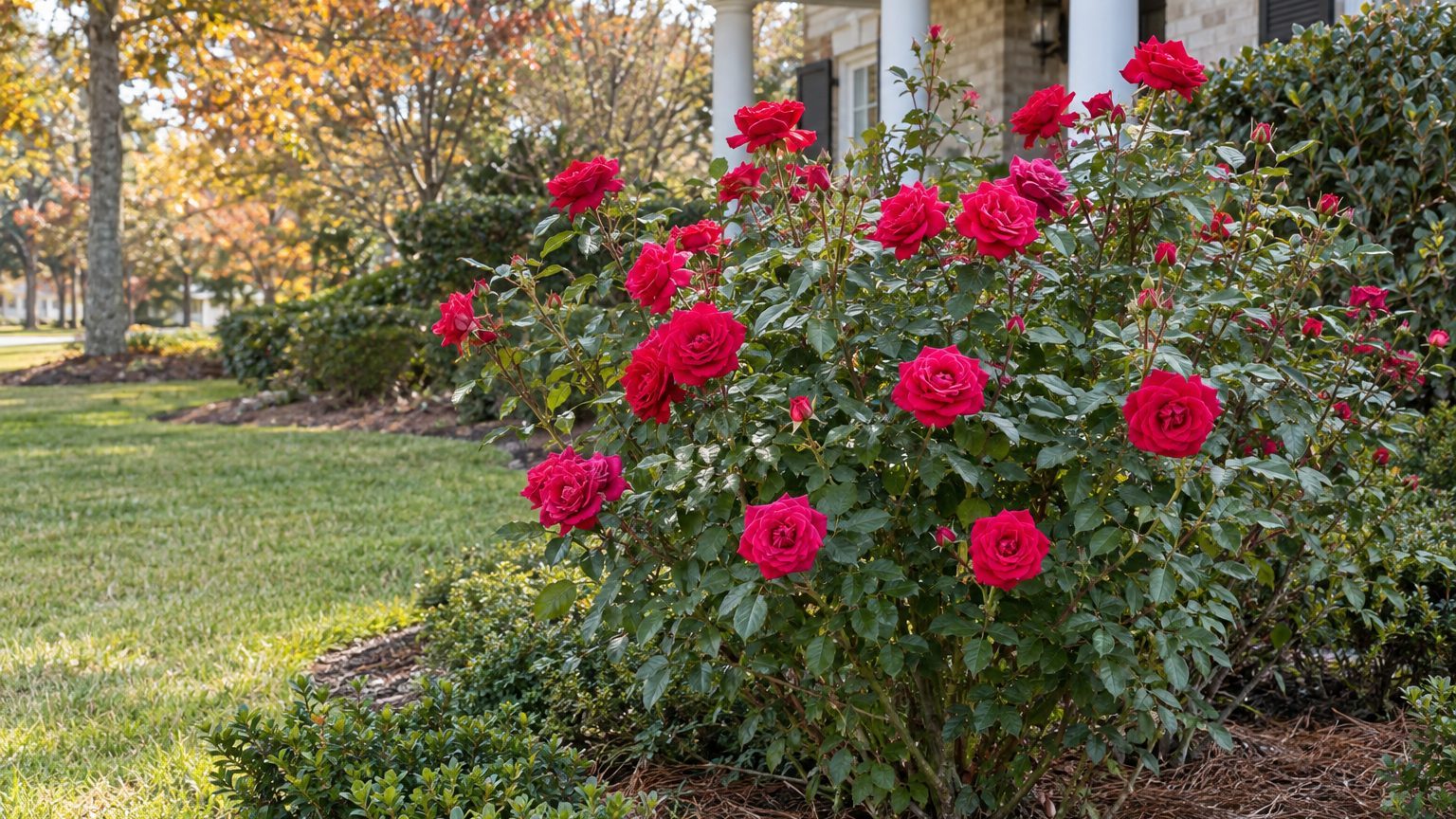
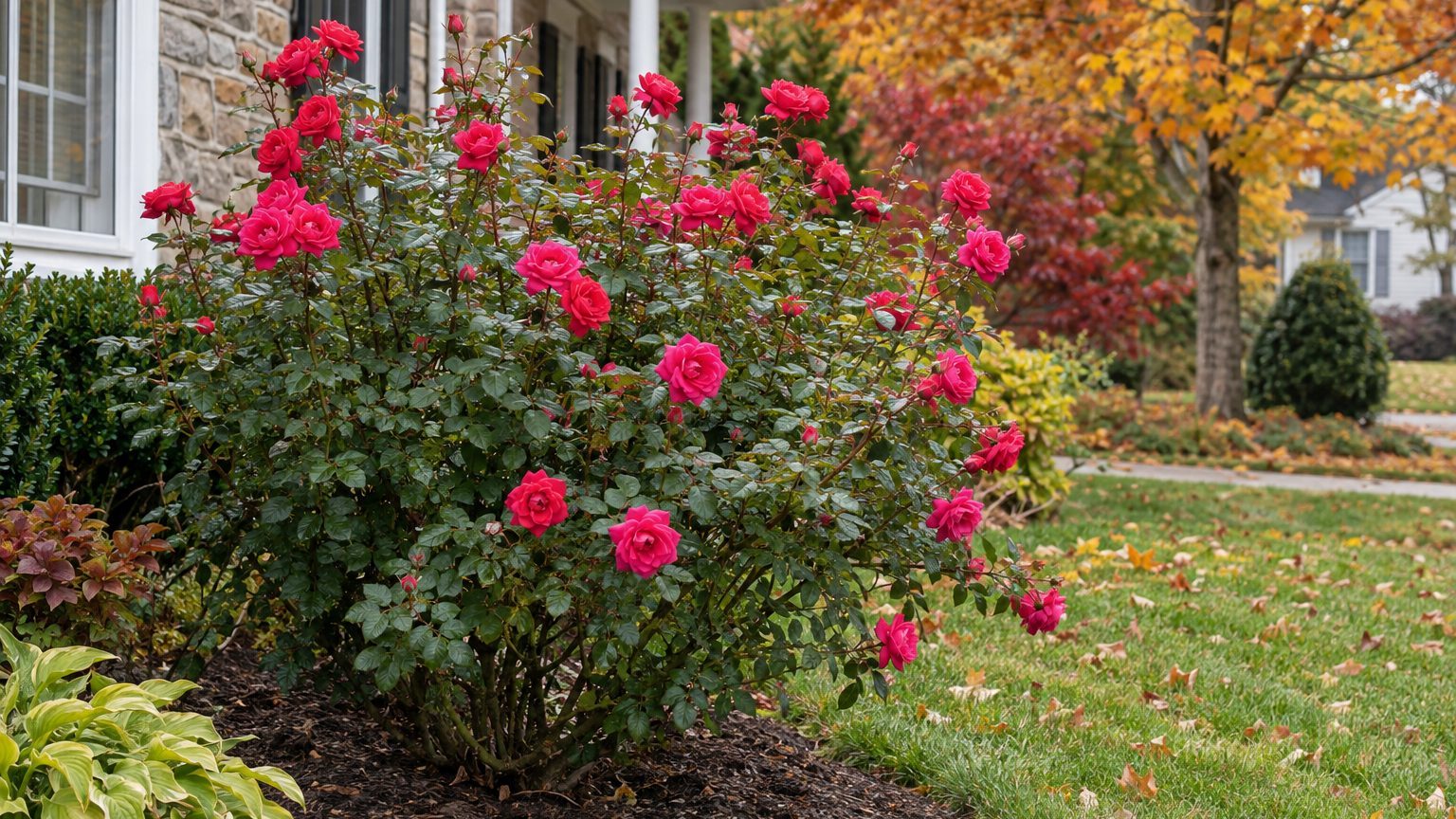
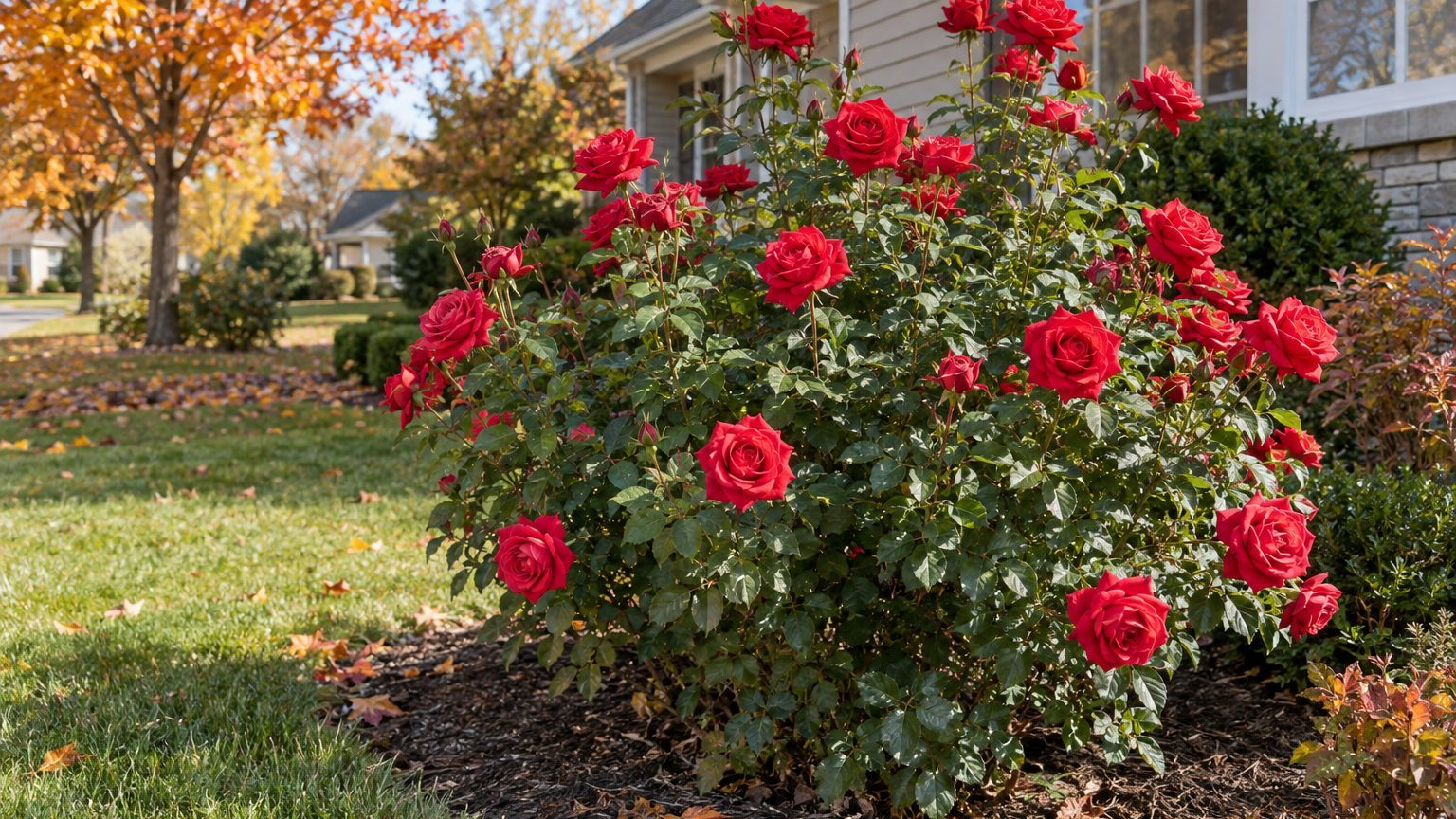
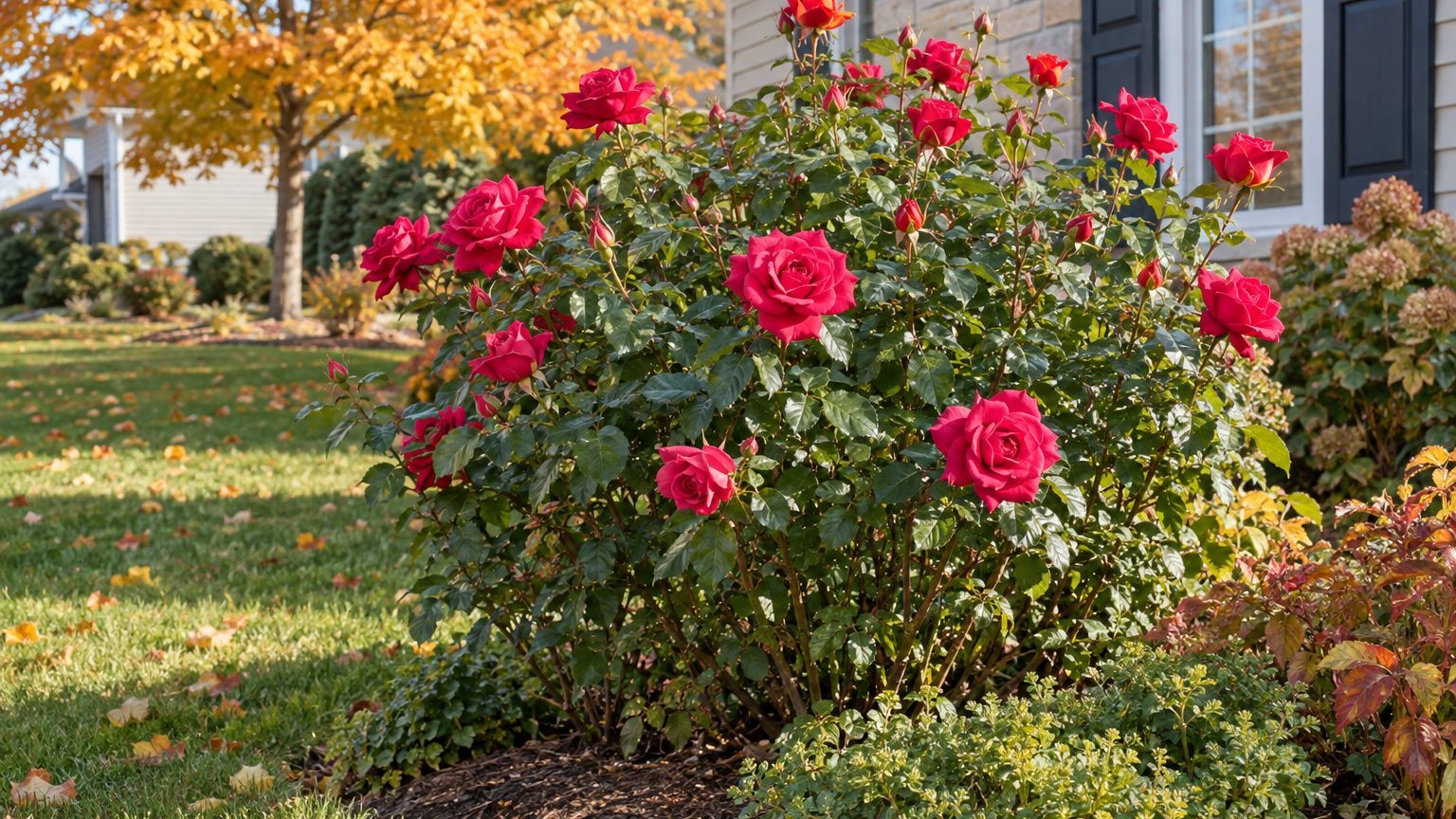
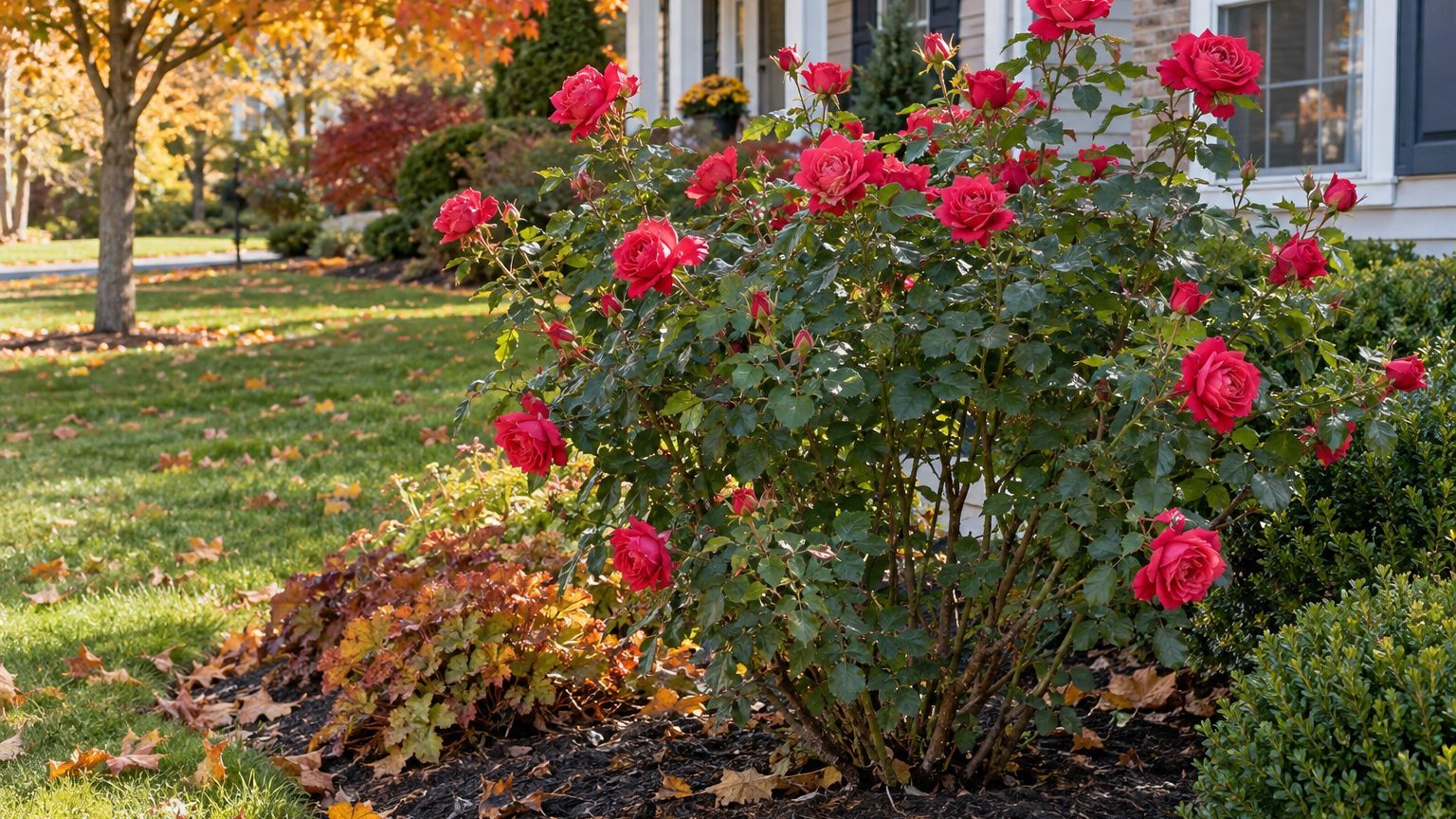
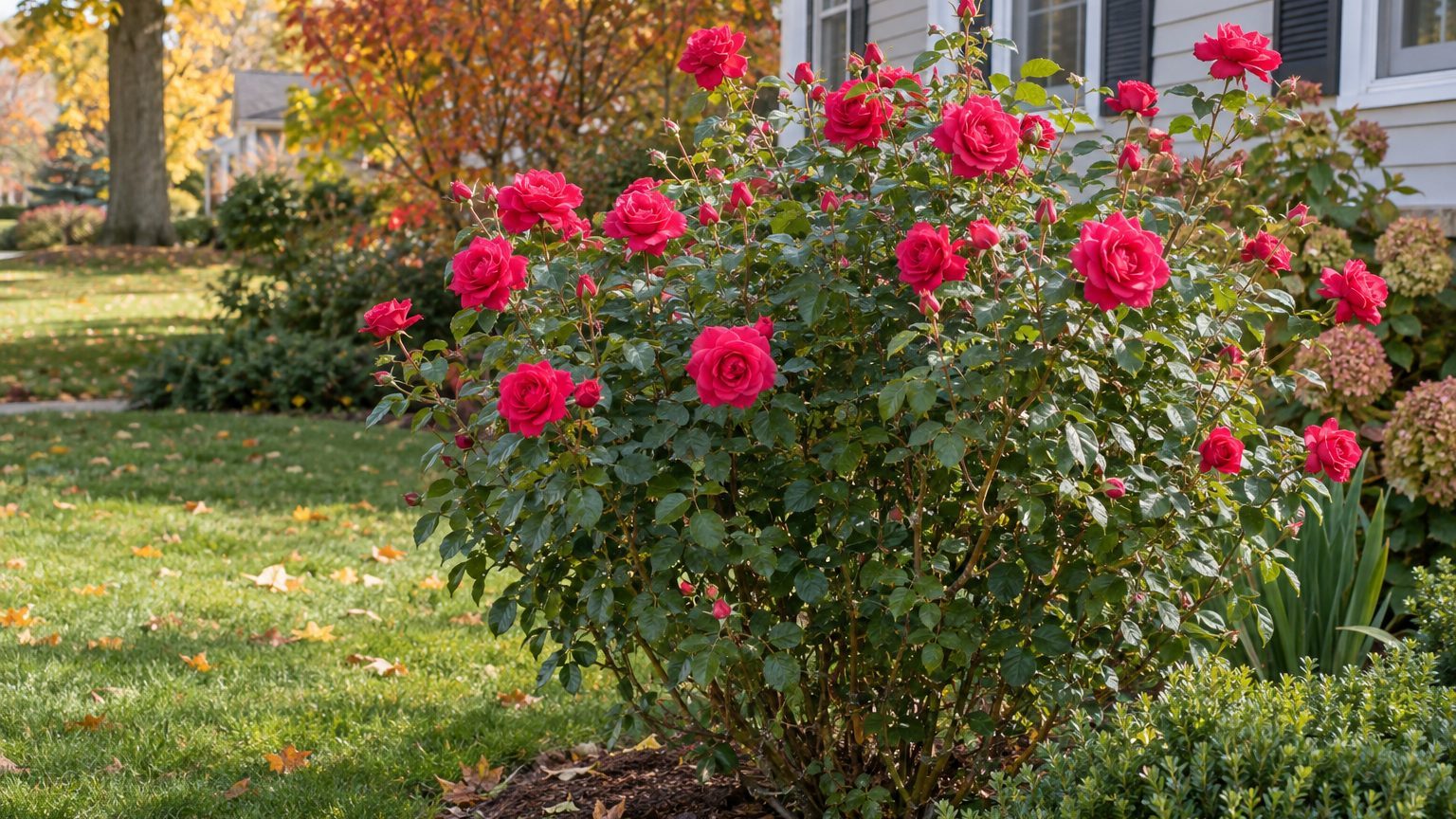
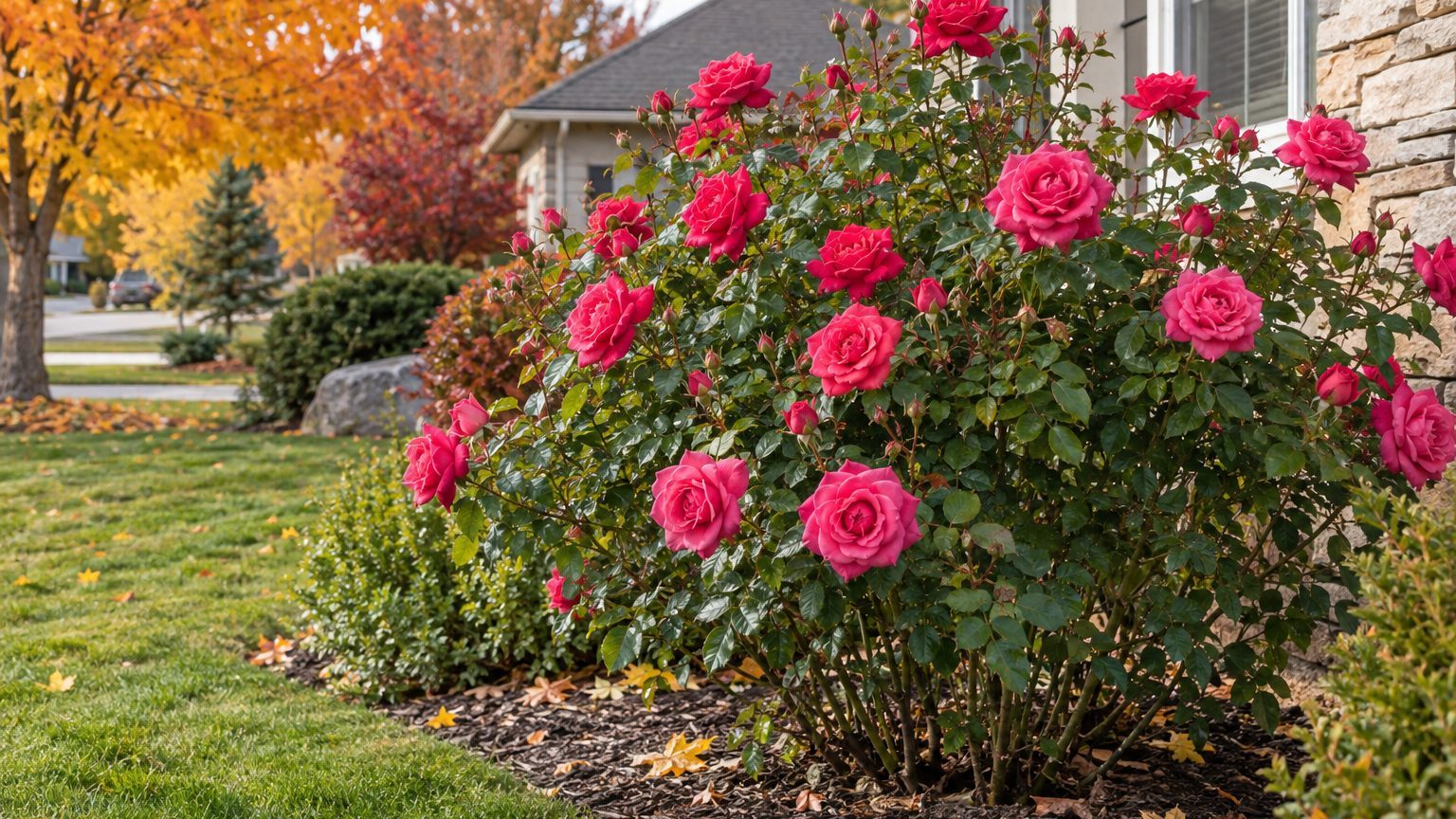
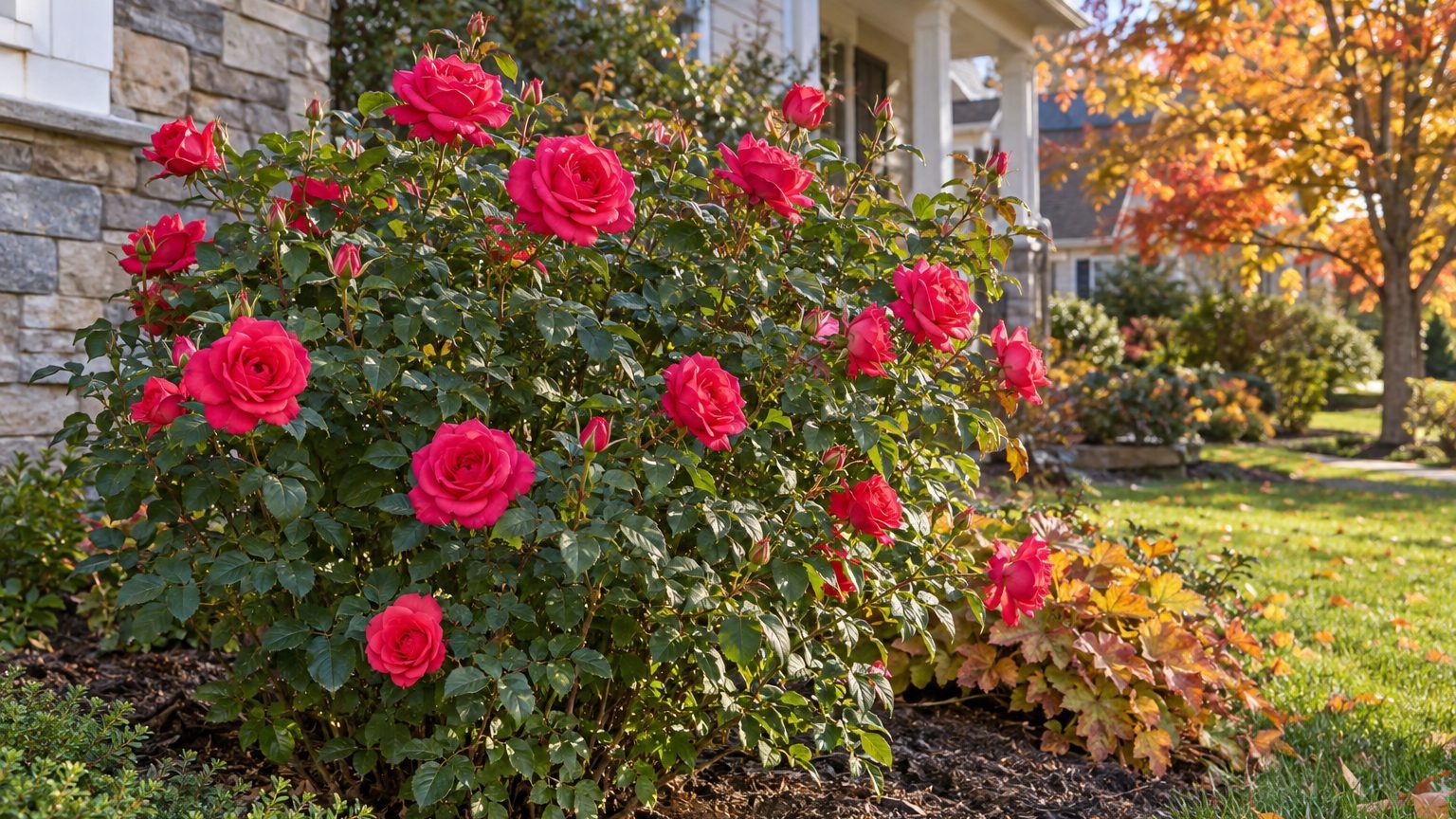
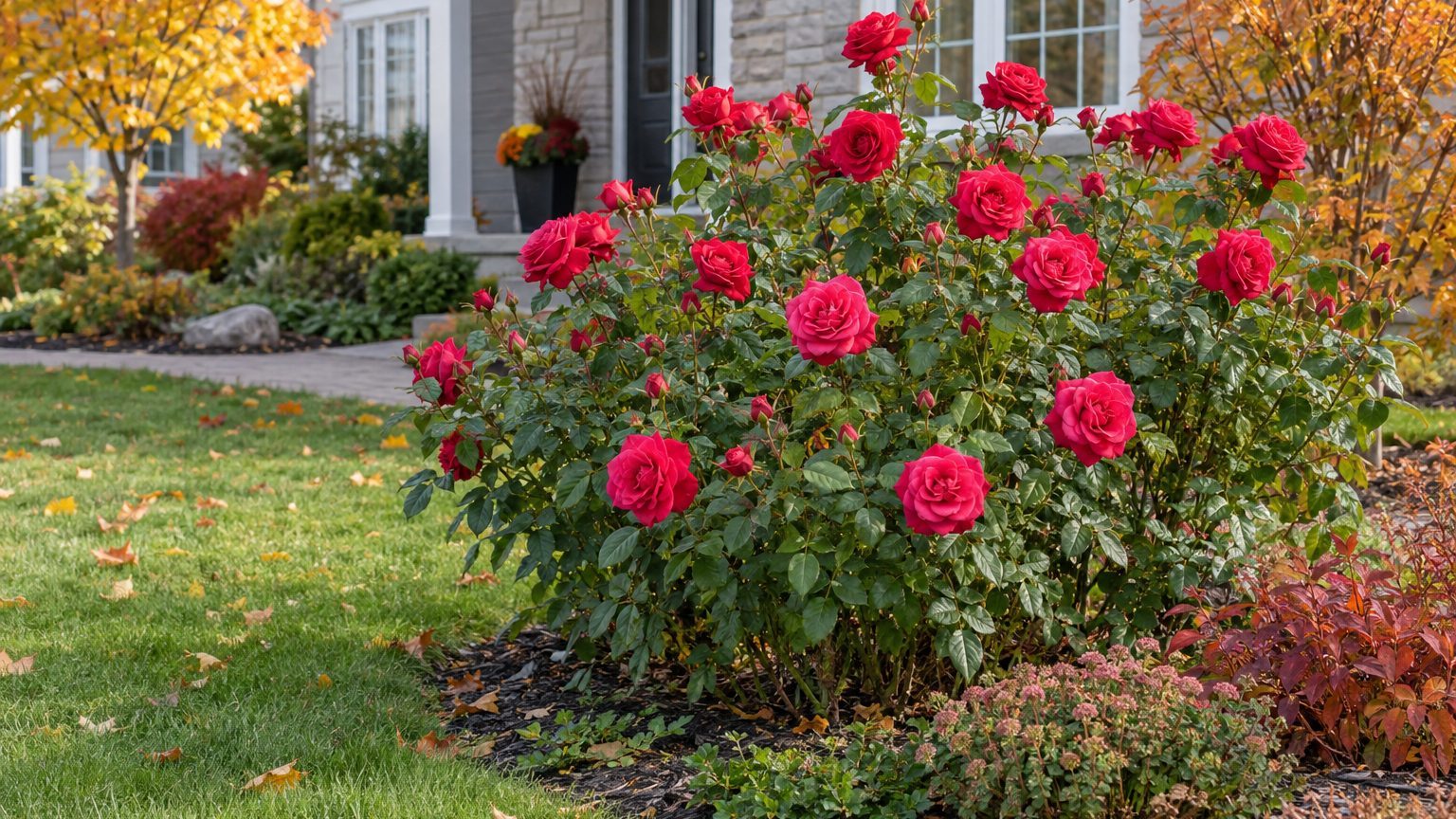
A rose bush in bloom in a home garden

Bare-root roses go in first, while they are still dormant, and potted roses follow once the ground has warmed. Dates below speak of the Baltimore area, with a hardiness zone range of 5b-8a across the state in the USDA system.

  • In late winter, bare-root roses can go in as early as February, whenever the soil is workable and not frozen solid.
  • In March and April, bare-root planting is at its best, because the canes are still dormant and the roots settle in before leaves demand water.
  • After April, potted roses can go in later, since they carry their own root ball and are already growing.
  • In Baltimore, the last freeze in spring usually falls between April 3 and April 16, so a young rose that has leafed out needs a cover on a clear, cold night.
  • In Baltimore, the first freeze in late fall usually arrives between October 26 and November 5, well after feeding should have stopped.

Those frost dates only mark risk. A dormant bare-root rose shrugs off cold that would blacken the soft new shoots of a potted one, which is why the dormant plants can go in first.

Which Roses Grow Best in Maryland?

Roses that tolerate cold winters and shrug off humidity do well here. Zones run from 5b in the mountains to 8a near the water, so hardiness matters in the west, while warm, damp summers favor tougher, healthier types.

A rose bred for much colder zones needs little added protection in a milder garden, which gives you plenty of room to choose.

Rose type How it does in Maryland Why
Old garden roses Very tolerant of cold Many are extremely cold tolerant
Hybrid teas Can suffer winter damage They can suffer considerable damage in cold
Cold-hardy bred roses Need little to no added protection Roses bred for colder climates may need little added protection in a milder garden

Old garden roses also dislike hard pruning, which spoils their graceful shape and cuts flowering. A local nursery can help you choose among shrub roses, climbers and ground covers for your garden.

When to Prune, Feed and Protect Roses in Maryland

Pruning, planting and feeding each have their own months. Repeat-blooming roses, such as hybrid teas, floribundas and modern shrub roses, get their main pruning in spring, when buds swell. Watching forsythia bloom is a handy signal.

Once-blooming roses (old garden roses, ramblers, many climbers) flower on last year’s wood, so prune them right after they bloom, never in early spring.

Task Best months in Maryland Why then
Pruning repeat-blooming roses March, and it can also be done in February or April Buds are swelling and the plant is leaving dormancy
Planting bare-root roses March and April, and it can also be done in February Canes are dormant and roots can settle in
Feeding roses April through August, and it can also be done in March Fertilizing starts with the first leaves and stops about six weeks before the earliest frost

Stopping feeding in late summer keeps soft new growth from forming that cannot harden before winter. Detailed pruning steps live on the page for when to prune roses in Maryland.

How Rose Care Dates Change Across Maryland

Maryland stretches from mountains to saltwater, so the same task lands at different times depending on where the garden sits.

  • Garrett and Allegany counties: Western Maryland is mountainous and runs weeks later, so planting and pruning move toward the end of each month’s window and roses need more winter attention.
  • The Eastern Shore: The shore runs milder, so spring work can start sooner and the zone is warmer.
  • Baltimore and central Maryland: Dates here follow the frost ranges and months given above.

Let swelling buds, not the calendar alone, tell you when your own yard is ready.

Where to Get Rose Advice in Maryland

University of Maryland Extension offers local, tested advice for roses, including diagnosis of leaf problems and soil testing.

  • The extension website has a guide to pruning roses, useful before the buds start to swell.
  • Your county extension office can help diagnose a sick rose, best with a fresh sample in hand.
  • A soil test is worth doing before planting, so the bed is ready when bare-root roses arrive.

Common Questions

Can You Plant a Rose in Summer?

A potted rose can go in after spring, since it carries its own roots, but it will need regular watering. Bare-root roses wait for their dormant window.

Do Roses in Maryland Need Winter Protection?

It depends on the rose and the zone. Hybrid teas can take considerable damage in cold, while old garden roses and cold-hardy bred roses need little. In the mountains of Western Maryland, expect to do more.

When Should You Stop Feeding Roses?

Stop about six weeks before the earliest frost. Feed roses from April through August, and start in March once the first leaves appear.
When to Plant Roses in Manitoba: Dates and Varieties

When to Plant Roses in Manitoba: Dates and Varieties

Bare-root roses arrive in spring as dormant bundles of canes, and in Manitoba they go into cold soil well before the lilacs leaf out. Potted roses wait longer, until severe frost has passed. Hybrid teas need winter protection in cold winters, while hardy shrub roses such as the Explorer series perform well without extra protection.

When to Plant Roses in Manitoba

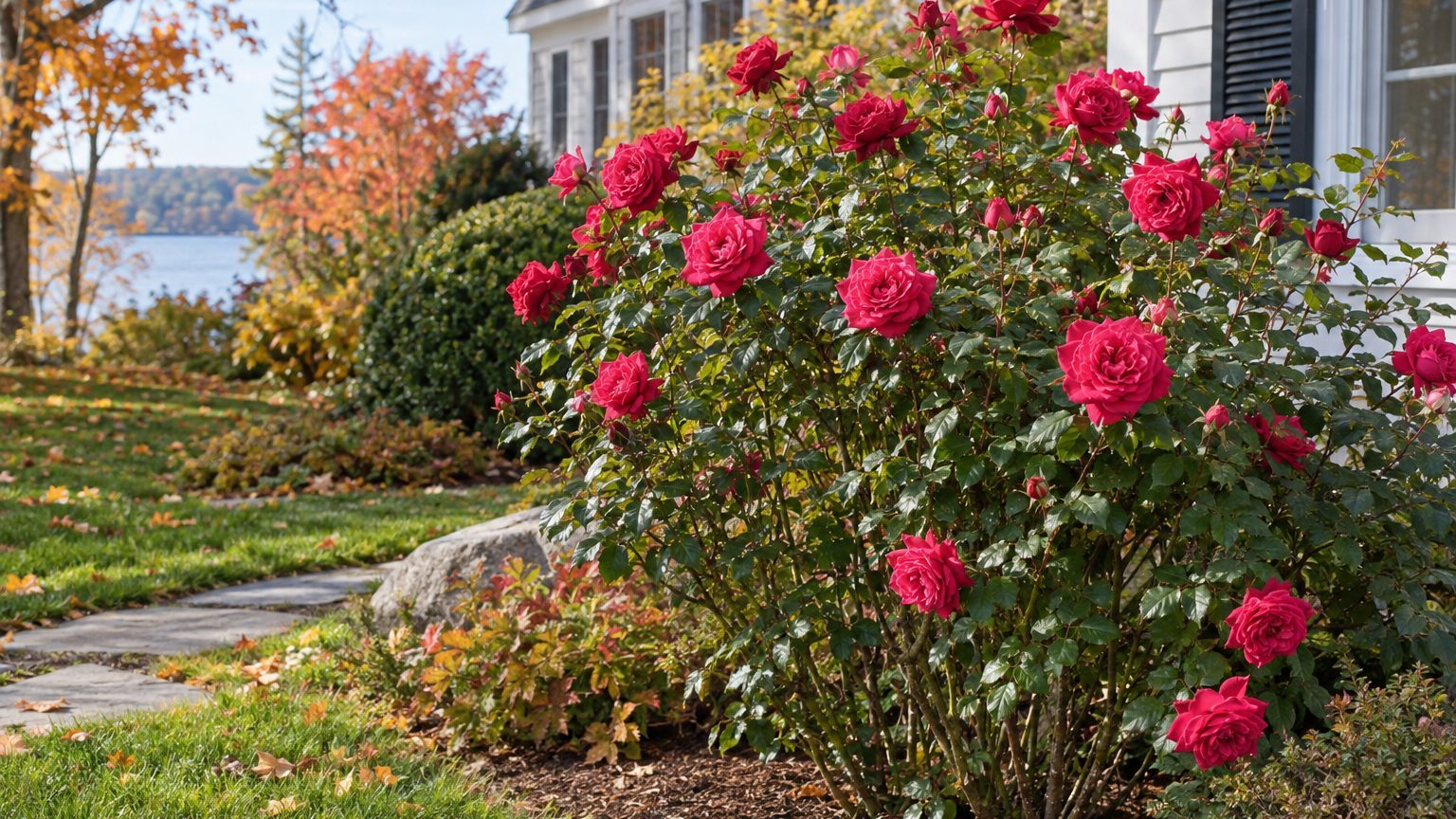
A rose bush in bloom in a home garden

Bare-root roses go in first, in April and May, and potted roses follow once severe frost is behind you, which can stretch into June. In Winnipeg, the last spring frost falls on average around May 23, and the Canadian hardiness zone is 3b (a Canadian system, not a USDA zone). A young rose fears frost, while a dormant bare-root plant shrugs off the cold.

  • In early April, bare-root roses can be planted while still dormant, and the aim is to have them in the ground by early May.
  • From mid-April, the winter mound comes off in stages, and it can also wait into May if the weather stays raw.
  • In late May or early June, potted roses go in once severe frost is past, since their soft green growth is easily burned.
  • From April through July, feeding supports growth, with the last feeding in July so the canes can harden before winter.
  • By late September in Winnipeg, the first fall frost arrives on average around September 22, and the rose starts slowing down for the season.
  • In November, once several hard freezes have sent the rose fully dormant, winter protection goes on.

These dates follow the nearest comparable climate because Manitoba has no local extension page on rose timing. Confirm your own timing with a local garden centre, a rose society or a provincial gardening group.

Which Roses Grow Best in Manitoba?

Hardy shrub roses and winter-hardy bred series are well suited to Manitoba’s long, cold winters. Most hybrid tea, floribunda and grandiflora roses were bred for warmer climates and cannot survive northern winters without protection.

Disease resistance matters too, since a rose that stays healthy in summer enters winter with more strength in its canes.

Rose type How it does in Manitoba Why
Hybrid teas Needs winter protection in cold winters Bred for warmer climates, not fully hardy in northern areas
Floribundas and grandifloras Needs winter protection Not fully hardy in northern areas
Hardy shrub roses Performs well without extra protection Built for cold winters, which saves you the mounding work
Explorer series Performs well without extra protection A hardy shrub group that performs well without extra protection
Canadian Artist Series Winter hardy and disease resistant Bred for winter hardiness and disease resistance

Knock Out is another hardy shrub rose that does well without added protection. Climbers, ramblers and old garden roses vary a great deal in cold tolerance, so ask a garden centre which ones have a good record locally before you buy.

When to Prune, Feed and Protect Roses in Manitoba

The rose year here follows the seasons. Pruning, feeding and uncovering cluster in spring, and protection waits for November. Detailed pruning cuts are covered on the page for when to prune roses in Manitoba.

Repeat-blooming roses (hybrid teas, floribundas and modern shrub roses) bloom on new wood, which is why spring pruning suits them.

Task When to do it in Manitoba Why then
Prune repeat-blooming roses April and May The winter mound is off and the chance of a hard freeze has passed
Feed roses April through July Feeding supports spring growth and peak bloom
Put on winter protection November The rose must be fully dormant after several hard freezes
Take protection off April, or into May The mound comes off in stages from mid-April

Do the uncovering before the pruning, because dead wood is dark and discolored and easier to judge once the canes are exposed. Stopping feeding after July lets new growth mature before the cold arrives.

How Rose Care Dates Change Across Manitoba

The frost and hardiness figures are for Winnipeg, while rose-care months follow the nearest comparable climate.

  • Winnipeg and the Red River Valley: The frost and zone figures here come from Winnipeg, so use local conditions to time planting and uncovering in the valley.
  • Riding Mountain and the Parkland uplands: Higher ground runs behind the valley in spring and cools off sooner in fall, so plant and uncover a little later.

Wherever you garden, let the swelling buds and the passing of hard freezes guide the work.

Where to Get Rose Advice in Manitoba

For local advice, turn to provincial resources and local growers. For a sick rose or a soil question, start with these.

  • Manitoba Agriculture offers provincial gardening information, and it is worth a look before spring planting.
  • A local master gardener group or rose society can help diagnose problems and suggest roses that have wintered well in your area.
  • A local garden centre can tell you which varieties it has seen survive, so ask before you buy bare-root stock in spring.

Common Questions

When Should You Prune a Climbing or Old Garden Rose in Manitoba?

Once-blooming roses, such as old garden roses, ramblers and many climbers, flower once a year on last year’s wood. Prune them right after they bloom, never in early spring, or you cut off the flowers.

Is Canadian Zone 3b the Same as a USDA Zone?

No. The Canadian system draws on seven climate variables, while the USDA system uses one, and there is no simple conversion between them. Zone 3b is Winnipeg’s rating, so treat it as a rough guide and match it with the roses’ own hardiness claims.

Can You Rely on the Average Last Frost Date to Plant Roses?

Not on its own. In Winnipeg, May 23 is an average, so frost can still arrive after it in many years. Potted roses are safest in late May or early June, once severe frost has passed.

When to Plant Roses in Maine: Dates and Varieties

When to Plant Roses in Maine: Dates and Varieties

A bare-root rose goes into Maine soil in spring, once the ground can be worked and before the buds break. Potted roses follow later, after the cold nights ease.

When to Plant Roses in Maine

A rose bush in bloom in a home garden

Bare-root roses go in first, in April and May, while they are still dormant. Potted roses can go in later, since their roots are already growing and they handle a warmer spring day better. Dates here follow Portland, the mild end of the state, and inland or northern Maine runs later in spring and earlier in fall.

  • In April, bare-root roses can go into workable soil, and they do well when planted while still dormant.
  • Through May, bare-root planting continues, and the last spring frost in Portland falls between April 22 and May 1, so a young rose with new leaves can still be nipped by a cold night.
  • Once the soil warms and frost risk fades, potted roses can be planted, and they fit the gaps that a late spring leaves.
  • From April through July, feeding supports growth, and it can continue into August if needed.
  • By late fall, the first fall frost in Portland arrives between October 9 and October 21, and in November, after hard frosts have killed the leaves, winter protection goes on.

Maine spans USDA hardiness zones 3b to 6a, so a rose that thrives near the coast may struggle in the far north. Choose a type matched to your own zone before you pick a planting date.

Which Roses Grow Best in Maine?

Winter decides which roses last here. Cold-hardy types are easier to manage, while tender hybrid teas and grandifloras need protection in cold winters. Generally, polyanthas, floribundas, hybrid perpetuals, shrub roses, and many old-fashioned roses prove more winter hardy than hybrid teas and grandifloras.

Choose only types hardy enough for the coldest average winter temperatures in your growing zone.

Rose type How it does in Maine Why
Hybrid teas and grandifloras Need winter protection Less winter hardy than other types
Shrub roses Reliable, often fine without extra cover Hardy shrub roses such as Knock Out do well unprotected
Explorer series Good choice for cold sites Includes shrub and climbing roses with good cold hardiness
Meidiland series Good in the milder parts Performance varies by variety, with better prospects in milder areas
Old garden roses Winter hardiness and flowering habit vary Once-blooming types flower on last year’s wood

Polyanthas, floribundas and hybrid perpetuals also rank as hardier than hybrid teas. Once-blooming roses, including old garden roses, ramblers and many climbers, flower on last year’s wood, so prune them right after they bloom, never in early spring.

When to Prune, Feed and Protect Roses in Maine

Rose care here follows the thaw. Pruning waits for buds to swell, feeding begins as growth starts, and winter cover goes on only after the leaves are dead.

Repeat-blooming roses, which flower on new wood, are pruned in spring. Wait until active growth has begun.

Task When to do it in Maine Why then
Pruning repeat-blooming roses April to May, or March if growth has started They bloom on new wood, and pruning too soon invites damage
Feeding April to July, or into August Feeding supports growth, and stopping in August lets new shoots harden before winter
Putting on winter protection November Wait until hard frosts have killed the leaves
Taking winter protection off May, or April Remove it before new growth begins

Roses that bloom once follow a different rule, and the dedicated page on when to prune roses in Maine goes deeper.

How Rose Care Dates Change Across Maine

Maine stretches from a mild coast to a cold interior, so the same task lands on different days depending on where you live.

  • Portland and the southern coast: The sea keeps spring and fall frosts milder here, so planting can start at the early end of April and May, and winter protection can wait until later in November.
  • Inland Maine: Frost comes later in spring and earlier in fall, so lean toward May for planting and unwrapping, and choose hardier rose types.
  • Aroostook County and the north: The colder zones call for roses rated for the site, along with planting and uncovering at the late end of the range.

Watch the buds and the soil in your own yard, since they show when the season has truly turned.

Where to Get Rose Advice in Maine

University of Maine Cooperative Extension offers growing advice written for Maine conditions, and your county office can help with diagnosis and soil testing.

  • It explains rose hardiness and care for your part of the state, and it is useful before you buy plants in spring.
  • Your county office can test your soil and help identify problems if you bring a sample of the affected cane or leaf.

Common Questions

Can You Plant a Rose in Summer in Maine?

A potted rose can go in during summer if you water it regularly while its roots settle. Bare-root roses are a spring job, since they must be planted while dormant.

Do Roses Need Winter Protection in Maine?

Hybrid teas, floribundas and grandifloras do, in cold winters. Hardy shrub roses such as the Explorer series perform well without extra protection.

When Should You Stop Feeding Roses in Maine?

Stop feeding by August. Late feeding pushes new growth that may not harden off before winter, and the same reasoning applies to Maine roses.

When to Plant Roses in Louisiana: Dates and Varieties

When to Plant Roses in Louisiana: Dates and Varieties

Roses in south Louisiana can go into the ground while colder parts of the country are still under snow, and the canes often keep their leaves well into winter. Planting bare-root roses in late winter and keeping them fed through the long warm season sets them up for spring flowers. Dates matter here, but summer heat sets the pace more than frost does.

When to Plant Roses in Louisiana

A rose bush in bloom in a home garden

Bare-root roses go in while they are dormant, mostly in February and March, and potted roses are more forgiving about timing.

  • In late fall, in November or December, bare-root roses can go in if you cannot wait for late winter, since the plants are dormant and the soil is still workable.
  • In January, bare-root planting is still an option in mild spells, though February is the better start.
  • In February and March, plant bare-root roses and prune the repeat-blooming roses already in the yard, because this is the recommended planting and pruning window.
  • In April, a late bare-root rose can still be planted, and potted roses go in later than bare-root ones, once the soil has warmed.
  • From March through September, feeding continues on a monthly rhythm, which covers the whole stretch of active growth.

In New Orleans, the last spring freeze arrives between January 18 and February 8, so a February planting can still meet a cold night. In New Orleans, the first fall freeze falls between December 17 and January 8, and roughly one year in seven has no freeze at all. Hardiness zones run from 8a to 10a in the USDA system, and north Louisiana freezes more reliably than the south.

Which Roses Grow Best in Louisiana?

Disease-resistant roses are easier to manage because Louisiana’s long, warm growing season gives black spot plenty of time to spread. Shrub roses can need fewer chemical controls, while old garden roses keep their shape without heavy pruning. Hybrid teas can still thrive here, but they come with a spraying routine.

In south Louisiana, winter cold is usually less pressing than summer heat, while north Louisiana freezes more reliably. Summer heat and the upkeep a variety demands decide which rose earns its space.

Rose type How it does in Louisiana Why
Shrub roses Bloom well with few chemical controls Shrub types need little spraying
Hybrid teas Grow well with a spray program in place Hybrid teas need a rigorous spray program to keep black spot at bay.
Old garden roses Keep their graceful shape without heavy cutting Hard pruning can reduce their flowering

Climbers, ramblers and other once-blooming roses also have a place in a Louisiana yard. They flower on last year’s wood, so they follow a different pruning schedule from the repeat bloomers.

When to Prune, Feed and Protect Roses in Louisiana

Planting while the plants sleep, pruning as the buds swell, and feeding through the warm months set the rhythm of the rose year here. Winter protection matters less in the mild south, while north Louisiana freezes more reliably.

Task When to do it in Louisiana Why then
Prune repeat-blooming roses (hybrid teas, floribundas, modern shrub roses) February, March Cut as the buds swell, around mid-February in the south and later toward the north
Plant bare-root roses February, March (also January, April, November, December) Dormant plants settle in before heat arrives, and potted roses can go in later
Feed roses March through September Monthly feeding supports steady growth and repeat bloom

Once-blooming roses, such as old garden roses, ramblers and many climbers, flower once a year on last year’s wood. Prune them right after they bloom, never in early spring, or you cut away that year’s flowers.

How Rose Care Dates Change Across Louisiana

Roses follow the buds more than the calendar, and the buds wake at different times across the state.

  • South Louisiana and the Gulf Coast: Winters are mild enough that pruning can start earlier, and planting stays comfortable through the cool months. Summer heat becomes the stress to plan around.
  • North Louisiana: Freezes arrive more reliably, so buds swell later and pruning shifts toward the end of the recommended window. Young plants stay more exposed to a cold snap in late winter.

When in doubt, watch the buds on your own canes and cut once they swell.

Where to Get Rose Advice in Louisiana

The LSU AgCenter is the state’s extension service, and its parish offices answer rose questions for yards in your area. Contact them when leaves spot, canes die back, or you want a soil test.

  • The parish extension office can identify a leaf problem from a sample and tell you whether it is a disease or a cultural issue.
  • A soil test through that office shows what your bed needs before the first feeding of the season.
  • Late winter is a sensible time to call, before planting and pruning begin.

Common Questions

How Far Apart Should You Plant Roses?

Space roses far enough apart for air to move freely around the leaves. Good airflow helps the leaves dry and makes the bed less inviting to disease.

Can You Plant a Potted Rose in Summer?

A potted rose can go in later than a bare-root one, but summer heat makes late planting harder in Louisiana than in cooler states. A plant set out in hot weather needs regular watering, so a cooler stretch of the year is easier on it.

What Fertilizer Should You Use on Roses?

A soil test can guide your fertilizer choice.

When to Plant Roses in Kentucky: Dates and Varieties

When to Plant Roses in Kentucky: Dates and Varieties

A bare-root rose that goes into Kentucky soil while it is still dormant has the whole spring to root before the heat arrives. Planting windows here run from late winter into spring, with potted roses stretching a little later.

When to Plant Roses in Kentucky

A rose bush in bloom in a home garden

Bare-root roses go in first, in March and April, with February as a fallback when the ground is workable. Potted roses can follow later, since they arrive already leafed out and carry their own root ball. Louisville, the reference city here, sees its last spring frost between March 24 and April 4, so a young rose with tender new growth can still be nipped after planting. The first fall frost arrives between November 2 and November 12, and Kentucky sits in USDA zones 6a to 7a, so other parts of the state differ a little from the city.

  • In late winter, bare-root roses can go in during February if the soil is not frozen or soggy, though March and April are the stronger months.
  • In March and April, plant bare-root roses while they are still dormant, so the roots settle in before the canes leaf out.
  • Once spring is underway, potted roses can follow the bare-root plantings, with no need to wait for a particular week.
  • In March, repeat-blooming roses are pruned as the buds begin to swell, which is also when forsythia comes into bloom.
  • From April through August, roses are fed while they are actively growing, and the feeding stops well ahead of fall frost.

Rural yards in Jefferson County tend to run cooler than Louisville, so spring may arrive later and fall frost sooner.

Which Roses Grow Best in Kentucky?

Kentucky has cold enough winters to punish tender roses and summers humid enough to invite leaf disease, so tough, hardy types are a sensible choice here. A rose bred for cold winters has a useful margin in Kentucky.

Rose type How it does in Kentucky Why
Old garden roses Reliable through cold snaps Many are extremely tolerant of cold temperatures, and they do not need hard pruning
Hybrid teas Worth growing, but more demanding They can suffer considerable damage in hard cold and need a heavy spring pruning
Floribundas Repeat bloomers that suit March pruning They flower on new growth, so a spring cut as buds swell sets up the season
Cold-hardy bred roses May need less winter protection Breeding for cold hardiness gives these roses a useful margin

Modern shrub roses and climbers also grow here, and their pruning depends on whether they repeat bloom or flower once on last year’s wood. Once-blooming roses, including old garden roses, ramblers and many climbers, are pruned right after they bloom, never in early spring.

When to Prune, Feed and Protect Roses in Kentucky

The year’s main jobs fall into a few clear months. Pruning comes with the first swelling of buds, feeding follows steady leaf growth, and planting takes place while roses are dormant. The pruning page for Kentucky goes deeper on technique, so this covers the key dates.

Task Best months in Kentucky Why then
Prune repeat-blooming roses March (February or April also work) Buds are swelling and forsythia is in bloom, so you can see where live wood begins
Plant bare-root roses March and April (February also works) The roses are dormant and the roots can establish before growth begins
Feed roses April through August (March also works) Feeding begins with the first leaves and stops early enough for new growth to harden off before winter

Winter protection is not covered by a fixed Kentucky month here, so watch the weather instead. In Kentucky, extension advice is to stop feeding late in summer so late growth does not stay tender into winter, and that reasoning applies to any rose you feed through summer.

How Rose Care Dates Change Across Kentucky

Kentucky stretches across several zones, and local conditions shift the rose season slightly from one corner to another.

  • Louisville: the city runs warmer than the countryside around it, so spring comes a little sooner and fall frost arrives a little later than in rural Jefferson County.
  • Rural Jefferson County: gardens outside the city should expect a tighter window, with later spring warmth and earlier fall frost.
  • Higher and cooler parts of the state: zone 6a areas run colder than zone 7a ones, so planting and pruning settle toward the later end of each month range.

Let the buds guide pruning wherever you garden, since swelling buds and blooming forsythia show when your own yard is ready.

Where to Get Rose Advice in Kentucky

The University of Kentucky Cooperative Extension Service is the place to start for local rose questions. Your county extension office can look at a troubled plant or help with a soil test.

  • County extension offices can examine a sample of a sick rose and help you work out what is wrong with it.
  • A soil test through the county office is worth doing before planting, ideally in late winter before bare-root roses go in.

Common Questions

Can You Plant a Potted Rose in Summer?

A potted rose can be planted later than a bare-root one, since it arrives with roots intact. Kentucky summers are hot and humid, though, so plan on regular watering for a newly planted rose.

Should You Prune Climbing Roses in March?

It depends on the rose. Repeat-blooming climbers can take a spring pruning, while once-blooming ones are left until after flowering.

Do Old Garden Roses Need Hard Pruning?

No. Hard pruning can ruin their graceful shape and sharply reduce flowering, so a gentle approach suits them.

When to Plant Roses in Kansas: Dates and Varieties

When to Plant Roses in Kansas: Dates and Varieties

A bare-root rose goes into Kansas soil while it is still asleep, before its leaves open, and that early start is what carries it through the first summer. Container roses have a longer window that stretches into midsummer.

When to Plant Roses in Kansas

A rose bush in bloom in a home garden

Bare-root roses go in first, in March and April, and container roses follow from April through midsummer. At the reference city, Wichita, the last spring frost falls between April 4 and April 18, and Kansas sits in USDA hardiness zones 5b to 7a. Suburban and rural yards usually see frost later in spring and sooner in fall, so check your own county before you dig.

  • In March and April, plant bare-root roses while they are dormant, before growth starts. A dormant rose is less vulnerable to a late cold snap than a leafed-out young plant.
  • In April, once the soil is workable, container roses can go in, and they can also be planted in May, June and July. Young leaves are tender, so a rose planted this way should be covered if a frost is forecast.
  • In May and June, feed new plants after pruning and again at first bloom, and water them regularly as the heat builds.
  • In July, a last feeding goes on, and a container rose planted in July needs steady water while its roots settle in.
  • In November, after several killing freezes, the winter protection goes on, since the first fall frost at the reference city arrives between October 23 and November 2.

Planting while the plant is dormant, or while the soil is warm and the frost danger has passed, is the whole logic of these dates. Bare-root roses that wait past spring have already started to push growth and suffer for it.

Which Roses Grow Best in Kansas?

Roses that shrug off cold winters are a dependable choice because Kansas winters can injure canes that are not fully hardy. Hardy shrub roses perform well without extra protection, while hybrid teas, floribundas and grandifloras need it.

Old garden roses are often very tolerant of cold, and most shrub and species roses need little preparation for winter. Climbers vary, and many are not reliably hardy.

Rose type How it does in Kansas Why
Hybrid teas Need winter protection Not reliably winter hardy
Floribundas and grandifloras Need winter protection Not reliably winter hardy
Shrub roses (Knock Out, Explorer series) Perform well without extra protection Reliably winter hardy
Old garden roses Often tolerant of cold Many are hardy and need little winter preparation

Climbing roses fall in between, since some are hardy and many are not, so check the label before you buy. Once-blooming roses, such as old garden roses, ramblers and many climbers, flower on last year’s wood. Prune them right after they bloom, never in early spring.

When to Prune, Feed and Protect Roses in Kansas

The rose year turns on a few dates. Repeat-blooming roses are pruned in March and April, feeding runs from April through July, and winter protection goes on in November. For pruning detail, see the Kansas page on when to prune roses.

Forsythia in bloom is a handy signal that pruning season has arrived, and the winter protection is off by then.

Task Best months in Kansas Why then
Pruning repeat-blooming roses March, April (February can also work) Buds are about to swell and winter cover is off
Feeding April, May, June, July After pruning, at first bloom, and in mid-July
Putting on winter protection November (December can also work) After several killing freezes, once the plant is dormant
Taking winter protection off March, April Once the ground thaws, between mid-March and mid-April

Stop feeding after mid-August. Fertilizer late in the season pushes soft growth that the first hard freezes can damage. In Kansas, extension advice is to remove winter protection in mid-April and then prune out weak, dead, damaged or crossing canes.

How Rose Care Dates Change Across Kansas

Kansas runs long from east to west and from north to south, so the same rose wakes up on different days depending on where you garden.

  • Wichita and the south: Spring arrives sooner here, so the earlier part of each window suits you, and the reference frost dates above come from Wichita.
  • Northern Kansas: Cold lingers longer in spring and returns sooner in fall, so lean toward the later part of the planting and pruning months and put winter cover on a little earlier.
  • Western Kansas: Higher ground and colder winters call for the later dates in spring and extra care that hybrid teas stay protected.

Suburban and rural gardens in any of these areas tend to see frost later in spring and sooner in fall than the city figures.

Where to Get Rose Advice in Kansas

K-State Research and Extension serves every county, and the local county office can help with a sick plant or a soil test.

  • The county office can look at a leaf or cane that worries you and suggest a cause, so bring a sample if black spots or dieback appear.
  • A soil test from the county office tells you what to add before planting, so ask for one before bare-root roses go in during March.

Common Questions

Can You Plant a Rose in July in Kansas?

Yes, a container rose can go in as late as July, though it needs steady watering while its roots settle. Bare-root roses are better left for March and April.

Do Hybrid Tea Roses Survive Kansas Winters?

They can, with protection. Hybrid teas are not reliably winter hardy, so cover them after several killing freezes in November.

Should You Cut Back Roses in Fall?

Heavy pruning waits for spring. In fall, clean up debris around the plant and put on winter protection once the plant is dormant.

When to Plant Roses in Iowa: Dates and Varieties

When to Plant Roses in Iowa: Dates and Varieties

A bare-root rose goes into Iowa soil while it is still asleep, with its canes bare and the ground just thawed. Container roses follow once spring settles in.

When to Plant Roses in Iowa

A rose bush in bloom in a home garden

Bare-root roses go in first, in March and April, before growth starts, and container roses can follow from April through midsummer. In Des Moines, the last spring frost usually falls between April 12 and April 24, and a young rose with new leaves does not tolerate a freeze, so plant with a watchful eye on the forecast. Counties often run later than that Des Moines range, so treat it as the optimistic end. In Des Moines, the first fall frost arrives between October 14 and October 25, which marks when growth winds down. Iowa sits in USDA zones 4b to 6a, so the north is colder than the south. Here is how a rose’s year unfolds.

  • Bare-root roses are planted dormant in March and April, as soon as they arrive from the nursery, and those months are also the time to prune repeat-blooming roses.
  • From April through July, feeding follows the pruning, then comes again at first bloom and in mid-July.
  • From April through midsummer, container roses can go into the ground, and bare-root planting can stretch into May, June or July if you must.
  • After July, stop feeding so that soft new growth does not get caught by the first freezes.
  • In November, once several killing freezes have put the plants to sleep, winter protection goes on, and it can wait until December if needed.

Plant bare-root roses early, while they are dormant and before growth starts.

Which Roses Grow Best in Iowa?

Winter decides everything here. Hardy shrub, landscape, species and old garden roses come through with little fuss, while hybrid teas, grandifloras and floribundas are not reliably winter hardy and need protection.

Hardy shrub roses such as Knock Out or the Explorer series do well without extra cover, which makes them a sensible start for a first rose bed.

Rose type How it does in Iowa Why
Most shrub and landscape roses Reliably winter hardy Need little winter preparation
Old garden roses Reliably winter hardy Many tolerate cold extremely well
Most species roses Reliably winter hardy No extensive winter preparation
Hybrid teas Need protection Not reliably winter hardy
Floribundas and grandifloras Need protection Not reliably winter hardy
Climbing roses Most are not reliably hardy Canes suffer in hard winters

Some miniature and polyantha roses are hardy and some are not, so check the plant tag. Old garden roses, ramblers and many climbers bloom once a year on last year’s wood, so prune them right after they flower, never in early spring.

When to Prune, Feed and Protect Roses in Iowa

Prune repeat-blooming roses in March or April, when buds begin to swell. Feeding comes right after pruning, and winter cover goes on late in the year. The page on when to prune roses in Iowa goes deeper on the cuts themselves.

Task When to do it in Iowa Why then
Pruning repeat-blooming roses March, April (February can also work) Winter cover is off and the forsythia is blooming
Feeding April, May, June, July After pruning, at first bloom, and in mid-July
Putting on winter protection November (December can also work) Several killing freezes have passed
Taking winter protection off March, April The ground has thawed

Do not fertilize after July 31, since late feeding pushes soft growth that winter can easily damage. Pull the cover off gradually once the ground thaws, and prune soon after.

How Rose Care Dates Change Across Iowa

Across Iowa, the season shifts a little from the cold north to the warmer south, so use the months above as a guide and watch your own plants.

  • Northern Iowa: Northern Iowa often thaws later, so lean toward the later part of each window for planting and uncovering roses.
  • Southern Iowa: Southern Iowa often warms earlier, so the early part of the March and April windows can suit bare-root planting and uncovering.
  • Central Iowa, around Des Moines: Use the statewide windows, and put winter protection on after several killing freezes.

The forsythia is a handy local signal. When it blooms in your yard, the time for pruning repeat bloomers has arrived.

Where to Get Rose Advice in Iowa

Iowa State University Extension publishes rose guidance written for Iowa conditions, and your county extension office can help with a sick plant or a soil test.

  • Extension articles cover planting, pruning and overwintering, and they are worth reading before bare-root roses arrive in spring.
  • County offices can look at a troubled leaf or cane and suggest a soil test before you plant.

Common Questions

Can You Plant a Rose in July?

Yes, a container rose can go in through midsummer. Bare-root roses can also be planted in July if needed, though they are better planted dormant in March and April.

Do Roses Need Winter Protection in Iowa?

Hybrid teas, floribundas and grandifloras do. Hardy shrub roses such as Knock Out or the Explorer series perform well without extra cover.

When Should You Stop Feeding Roses?

Stop after July 31. Feeding later pushes tender growth that freezes can injure.

When to Plant Roses in Indiana: Dates and Varieties

When to Plant Roses in Indiana: Dates and Varieties

Bare-root roses go into Indiana soil while they are still asleep, and a potted rose settles in through the warm months that follow. The right timing helps dormant roots settle in and keeps tender canes protected through winter.

When to Plant Roses in Indiana

A rose bush in bloom in a home garden

Bare-root roses go in first, in March and April, before growth starts. Container roses can go in from April, and the planting window for them runs on into May, June and July. Indiana sits in USDA hardiness zones 5b to 7a, and around Indianapolis the last spring frost falls between April 9 and April 21, which is why a young, tender rose set out early still needs covering on cold nights. Around Indianapolis, the first fall frost arrives between October 21 and October 30, so keep a summer-planted rose watered while it settles in. Southern Indiana warms earlier and cools later than the north.

  • In late winter, repeat-blooming roses can be pruned in February if the forsythia is blooming and winter protection is off, and a bare-root order can be planned and the planting bed prepared.
  • In March and April, bare-root roses go into the ground while dormant, before growth starts, and winter protection comes off once the ground thaws.
  • From April through July, container roses can be planted, and feeding follows pruning, at first bloom and again in mid-July.
  • In May, June and July, bare-root planting is still possible if the roses arrive late, though they need steady watering to catch up.
  • In November, winter protection goes on after several killing freezes, and December works if the freezes come late.

A rose that arrives in a box in March should be planted as soon as the soil can be worked, since a dormant plant waiting in a garage loses time it does not have.

Which Roses Grow Best in Indiana?

Indiana roses have to handle cold winters, so hardiness decides most choices. Most shrub, landscape, species and old garden roses are reliably winter hardy and need little preparation. Hybrid teas, grandifloras and floribundas are not reliably hardy and need protection each winter.

Rose type How it does in Indiana Why
Hybrid teas Need winter protection Not reliably winter hardy in cold winters
Floribundas and grandifloras Need winter protection Same tenderness as hybrid teas
Shrub and landscape roses Most need little winter preparation Most are reliably winter hardy
Old garden roses Tolerate cold well Many are extremely cold tolerant

Hardy shrub roses such as Knock Out or the Explorer series do well without extra protection. Climbers vary: most are not reliably hardy in colder parts of the state, so check the variety before planting one in a cold corner of Indiana. Once-blooming old garden roses, ramblers and climbers flower on last year’s wood, so prune them right after flowering and never in early spring.

When to Prune, Feed and Protect Roses in Indiana

The rose year here follows a seasonal rhythm. Repeat-blooming roses are pruned in early spring, feeding follows pruning, and winter protection goes on and comes off with the freezes and the thaw.

Task Best months in Indiana Why then
Pruning repeat-blooming roses March, April (February also works) Early spring, when the forsythia blooms and winter protection is off
Planting bare-root roses March, April (May to July also works) Dormant roots settle in before growth starts
Feeding April, May, June, July After pruning, at first bloom, and in mid-July
Putting on winter protection November (December also works) After several killing freezes, mid-November on
Taking protection off March, April Between mid-March and mid-April, once the ground thaws

Feeding ends in July, because late fertilizer pushes soft growth that winter damages. The details of cutting, including which canes to remove, belong on the page about when to prune roses in Indiana.

How Rose Care Dates Change Across Indiana

Indiana stretches far enough north to south that rose jobs shift with the latitude, and the Indianapolis dates above sit in the middle.

  • Northern Indiana: Spring arrives later and autumn freezes come sooner, so planting and taking off winter protection lean toward the later end of the month ranges.
  • Central Indiana around Indianapolis: This is where the frost dates above apply, and the month ranges fit as written.
  • Southern Indiana: Spring comes earlier and fall lingers longer, by a fortnight or more compared with the north, so pruning, planting and uncovering can start toward the early end of the ranges.

Whatever the region, the forsythia is a handy signal for pruning, and the thawed ground is the signal for uncovering.

Where to Get Rose Advice in Indiana

Purdue Extension is the state’s land-grant service, and its county offices answer rose questions for local conditions.

  • A county extension office can help diagnose a sick plant or arrange a soil test, and a visit before planting season gives the results time to guide the bed.
  • The state extension service’s yard and garden pages cover winter protection for roses, which is worth reading before protection goes on in November.

Common Questions

Can You Plant a Rose in July in Indiana?

Yes, a container rose can go in through midsummer, and bare-root roses can still be planted in July if they arrive late. Water it regularly while it roots.

Do Knock Out Roses Need Winter Protection in Indiana?

Hardy shrub roses such as Knock Out perform well without extra protection, unlike hybrid teas.

When Should You Stop Feeding Roses in Indiana?

Stop after July. Feeding earlier in the season, from April through July, gives the plant what it needs without forcing tender growth before winter.

When to Plant Roses in Illinois: Dates and Varieties

When to Plant Roses in Illinois: Dates and Varieties

A bare-root rose goes into Illinois soil while it is still asleep, in the cool weeks of early spring, and a potted rose follows once the ground has warmed. Hybrid teas and their relatives want a cover of mulch for winter, while tougher shrub roses mostly shrug the cold off.

When to Plant Roses in Illinois

A rose bush in bloom in a home garden

Bare-root roses go in first, then container roses, and the frost dates explain why. At the Chicago reference city, the last spring frost falls between April 11 and April 22, and a young rose with new leaves is tender to that kind of cold. Suburban and rural gardens often see frost later than that, so check your own county.

  • In March and April, plant bare-root roses while they are still dormant, before any growth starts. May, June and July also work for bare-root plants if you missed the early window.
  • From April through midsummer, container roses can go in, since they arrive with leaves and a root ball already established.
  • In April, May, June and July, feed established roses after pruning, at first bloom and in mid-July.
  • Through summer and early fall, let the plants harden off naturally, because the first fall frost at the reference city arrives between October 24 and November 3 and soft late growth is easily damaged.
  • In November, once several killing freezes have passed, put on winter protection. December also works if the freezes come late.

Illinois spans USDA hardiness zones 5a to 7b, so a rose that sails through a southern winter may need a coat of mulch in the north. Dormant planting is the reason March and April lead the list: the roots settle in before the plant has leaves to support.

Which Roses Grow Best in Illinois?

Winter cold is the main test here. Many old garden roses are very tolerant of cold temperatures, while hybrid teas can suffer considerable damage without protection. Shrub roses such as Knock Out and the Explorer series perform well without extra cover.

Heat and humidity are real in an Illinois summer, so choose healthy, vigorous plants and give them room for air to move through the canes.

Rose type How it does in Illinois Why
Hybrid teas Need winter protection Not reliably winter hardy and can take considerable damage in cold winters
Floribundas and grandifloras Need winter protection Not reliably winter hardy, much like hybrid teas
Shrub roses Perform well without extra cover Reliably winter hardy, as with Knock Out and the Explorer series
Old garden roses Many tolerate cold well Hardy, but most bloom once a year on last year’s wood

Climbers vary. Some are not reliably hardy, so they may need protection too. Once-blooming roses, including old garden roses, ramblers and many climbers, flower on last year’s wood, so prune them right after they bloom, never in early spring. Miniatures and polyanthas are mixed: some are hardy and some are not.

When to Prune, Feed and Protect Roses in Illinois

Repeat-blooming roses are pruned in early spring, when the forsythia blooms and the winter protection is off. Feeding follows pruning and carries through midsummer. Detailed pruning cuts live on the Illinois pruning page.

Winter protection is a matter of patience. Wait for several killing freezes so the plants are truly dormant before you cover them.

Task Best months in Illinois Why then
Pruning repeat-blooming roses March, April (February also works) Forsythia in bloom signals the start, and the winter protection is off
Feeding roses April, May, June, July After pruning, at first bloom, and again in mid-July
Putting on winter protection November (December also works) Several killing freezes have passed, mid-November on
Taking winter protection off March, April Between mid-March and mid-April, once the ground thaws

Stop feeding in mid-August. Fertilizer after that point pushes soft, succulent growth that winter can easily damage. Hybrid teas, floribundas and grandifloras get the full winter treatment, while hardy shrub roses mostly need none.

How Rose Care Dates Change Across Illinois

Illinois runs a long way from north to south, and the season moves with it. Use the dates above as a starting point and nudge them to your location.

  • Chicago and the northern counties: Spring arrives later and winter protection matters more, so lean toward the later end of the March and April planting window.
  • Central Illinois: Expect dates close to the middle of each range, and watch the forsythia as your pruning signal.
  • Southern Illinois: Spring warms sooner and winter bites less, so the early end of each window suits you, and fewer roses need heavy cover.

Lake Michigan can cool the shoreline in spring, which holds back growth near the water. Your own yard may differ from the reference city by a week or two, so watch the buds and the soil as well as the calendar.

Where to Get Rose Advice in Illinois

University of Illinois Extension publishes rose care and pruning guidance for the state, and its local offices can help with local questions.

  • Your county extension office can look at a leaf or cane sample and help work out what is wrong, so bring a fresh one when you go.
  • The same office can explain how to take a soil test, which is worth doing in early spring before you plant bare-root roses.

Common Questions

Can You Plant a Rose in July?

Yes, if it is a container rose, since those can go in from April through midsummer. Bare-root roses can also be planted in July, though March and April suit them better. Water a midsummer planting regularly while it settles.

Do Roses in Illinois Need Winter Protection?

Hybrid teas, floribundas and grandifloras do, and some climbers do as well. Hardy shrub roses, including the Knock Out and Explorer types, usually do not. Cover tender roses in November after several killing freezes, and remove the cover in March or April.

When Should You Stop Feeding Roses?

Stop by mid-August. Later feeding encourages soft new growth that cold can damage before it hardens. Feeding runs from April through July, so the last application is mid-July.

When to Plant Roses in Idaho: Dates and Varieties

When to Plant Roses in Idaho: Dates and Varieties

Bare-root roses show up in garden centers looking like bundles of thorny sticks, and Idaho gardeners plant them as soon as the ground thaws enough to dig. Roses in Idaho benefit when planting, pruning and winter cover follow spring’s slow warm-up and the first hard nights of late fall. Hardy shrub roses forgive mistakes, while tender types need more care.

When to Plant Roses in Idaho

A rose bush in bloom in a home garden

Bare-root roses go in first, in April and May, while they are still dormant, and potted roses follow later in spring. In Boise’s low valley, the last spring frost falls between April 23 and May 7, which matters because young rose growth is tender.

  • In early spring, usually April, plant bare-root roses as soon as the soil can be worked and the canes are still dormant.
  • Through May, bare-root planting can continue, and potted roses can go in later once the soft new growth no longer faces frost.
  • From May through July, roses are in active growth and take regular feeding, which is also when the first flush of bloom opens.
  • By mid-August, feeding stops so the plant does not push tender growth right before fall, and in Boise the first fall frost arrives between October 7 and October 21.
  • In November, once nights turn hard, tender roses get their winter protection.

Idaho’s USDA hardiness zones run from 3b to 7b, so these dates fit the low valley around Boise and gardens at higher elevations will differ.

Which Roses Grow Best in Idaho?

Winter decides what lives here. Idaho’s cold varies a lot from place to place, so hardy shrub roses need less help through a hard freeze, while tender roses need a plan for winter.

Hardy shrub roses perform well without extra winter protection. Hybrid teas, floribundas and grandifloras need winter protection in cold winters.

Rose type How it does in Idaho Why
Hardy shrub roses (Knock Out, Explorer series) Perform well without extra winter protection Bred for cold hardiness, so they come through freezes on their own
Hybrid teas and grandifloras Need winter protection in cold winters Their crowns are tender, so soil mounded over them carries them through
Old garden roses, ramblers, many climbers Flower once a year Blooms come on last year’s wood, so timing of pruning matters

Alpine and Nootka roses do better in warmer, protected planting sites.

When to Prune, Feed and Protect Roses in Idaho

Each rose job has its own stretch of the calendar, and most of them cluster in April and May. Pruning follows the buds and the spring weather, not a fixed day.

The exception is the once-blooming group, which includes old garden roses, ramblers and many climbers. Prune them right after they flower, never in early spring, or the year’s blooms go with the cut canes.

Task Best months in Idaho Why then
Prune repeat-blooming roses (hybrid teas, floribundas, modern shrub roses) April (May also works) Cutting too early exposes new growth to killing frost
Plant bare-root roses April, May The plants are dormant and the ground can be worked
Feed roses May, June, July (April and August also work) Regular feeding fits the growing season, and nothing goes on after mid-August
Put on winter protection November (October or December also work) Soil goes over the crown once hard nights settle in, around Thanksgiving
Take winter protection off April (May also works) Remove it gradually once the danger of hard frost has passed

Full pruning methods, cut heights and tool care live on the page about when to prune roses in Idaho.

How Rose Care Dates Change Across Idaho

Idaho climbs from low river valleys to mountain basins, and a rose’s season shifts with elevation and cold air more than with the calendar.

  • Treasure Valley: Boise sits in a low valley, so spring planting and pruning come here before they do in most of the state, and winter protection waits until late fall.
  • Wood River Valley: Higher and colder, so the ground thaws later, spring frost lingers, and planting and pruning slide toward the later end of the monthly ranges. Winter cover goes on sooner.
  • Eastern Idaho: Cold air settles on the high plains, so seasons run shorter. Gardeners here lean on hardy shrub roses and watch the buds rather than the calendar.

Wherever the garden sits, a slow spring and an early fall mean shorter seasons than the Boise-based dates suggest.

Where to Get Rose Advice in Idaho

Local conditions vary so much that a nearby source is worth a call. The state’s land-grant university and your county office can both help with the questions that dates cannot answer.

  • University of Idaho Extension publishes gardening guidance for the state, so check it before choosing varieties for a cold site.
  • Your county extension office can look at a sick cane or leaf and talk through a diagnosis, so bring a fresh sample when symptoms appear.
  • The same office can explain how to take a soil test, and doing it before planting bare-root roses in spring lets you correct the bed while the ground is still bare.

Common Questions

Can You Plant a Potted Rose After Bare-Root Season?

Yes. Potted roses can go in later than bare-root ones, once the soft new growth no longer faces frost. Water the planting hole well and keep the soil evenly moist as the roots settle.

Why Mound Soil Over a Rose Crown?

The crown is the part of the plant that regrows in spring. Soil piled over it shields it from the coldest nights, which is why tender roses get this treatment and hardy shrub roses mostly do not.

What Should You Use to Feed Roses?

An all-purpose fertilizer applied regularly through the growing season is the usual choice. Follow the label on the package and water it in so the roots take it up evenly.

The almanac, state by state. Every date on this site comes from a state’s own frost facts and its extension service’s calendar — and says where it comes from.