Skip to content

When to Plant Roses in Newfoundland and Labrador: Dates and Varieties

When to Plant Roses in Newfoundland and Labrador: Dates and Varieties

Bare-root roses arrive in the mail while the garden is still cold and brown, and an early job of the season is to get them into the ground before buds push. In Newfoundland and Labrador, that window opens in spring and stays fairly narrow, so timing matters as much as the rose you choose.

When to Plant Roses in Newfoundland and Labrador

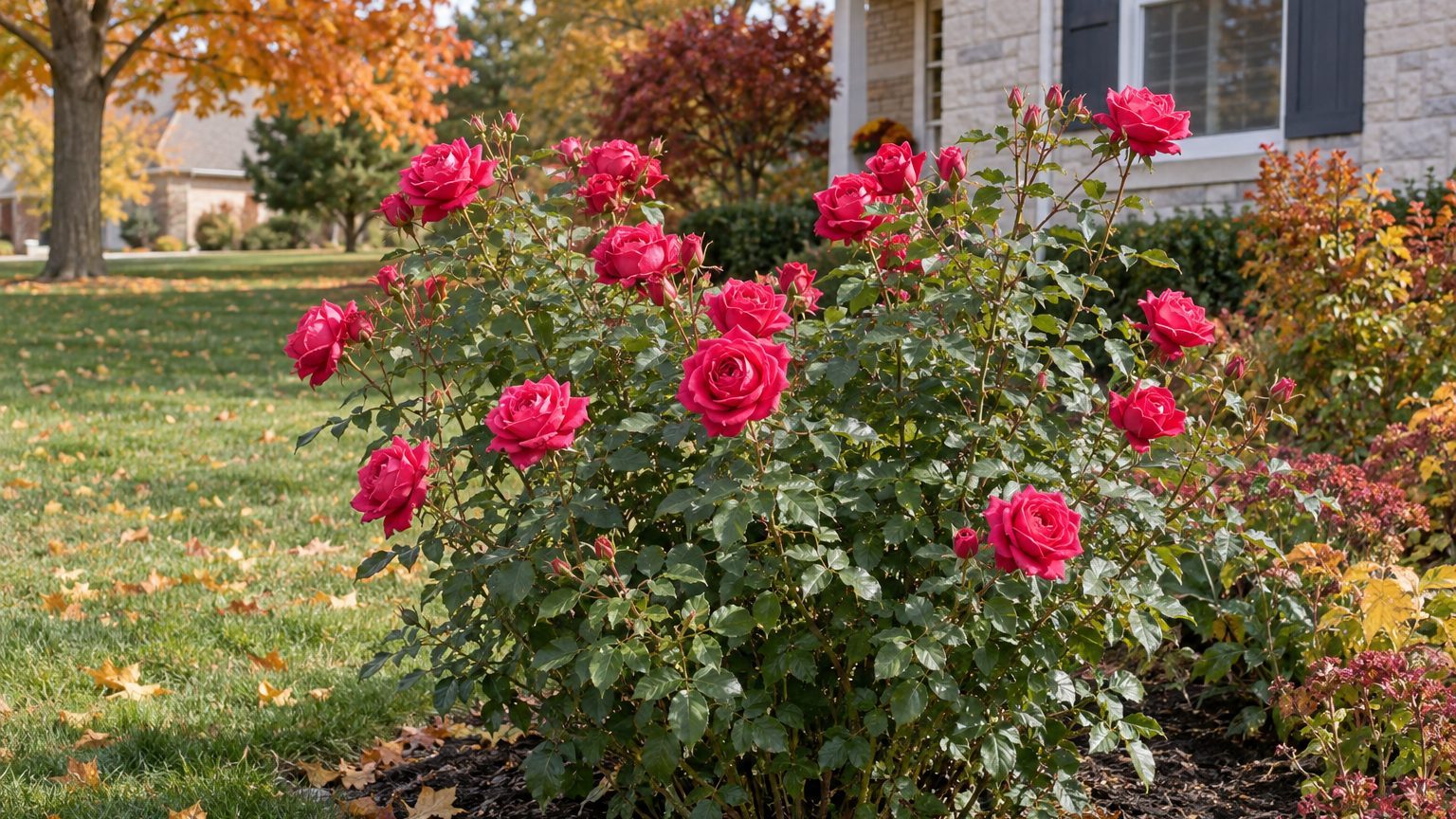
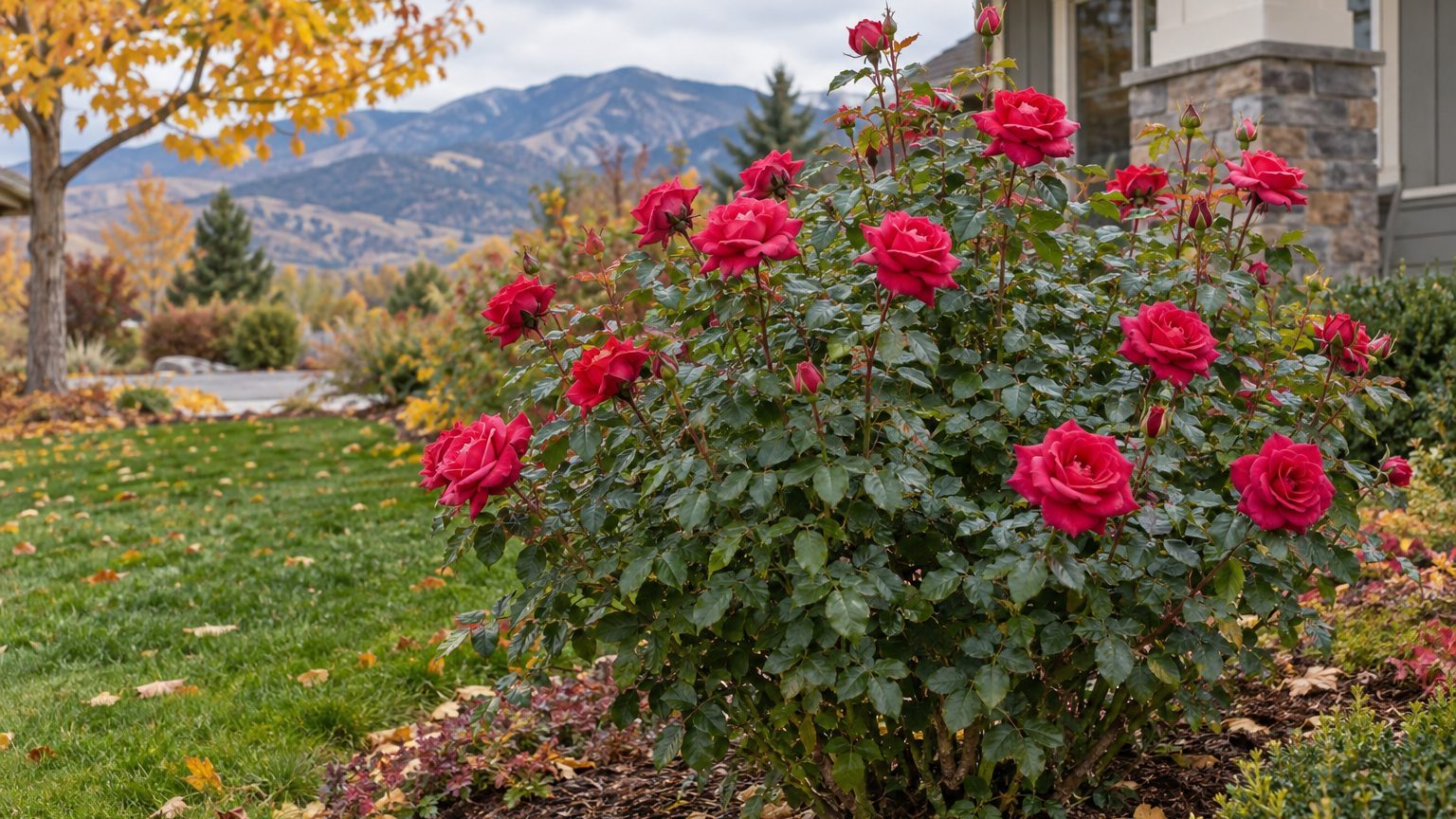
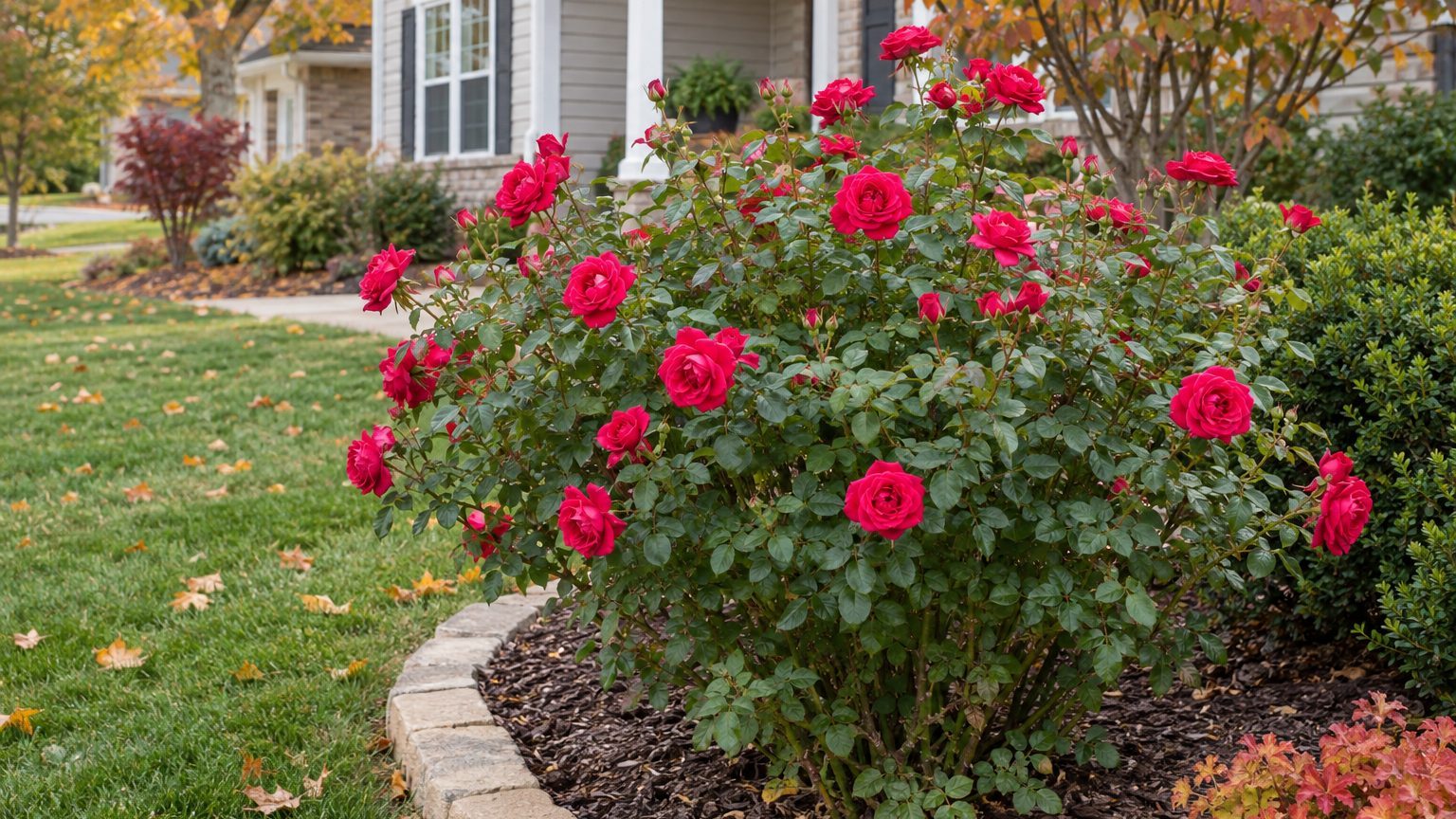
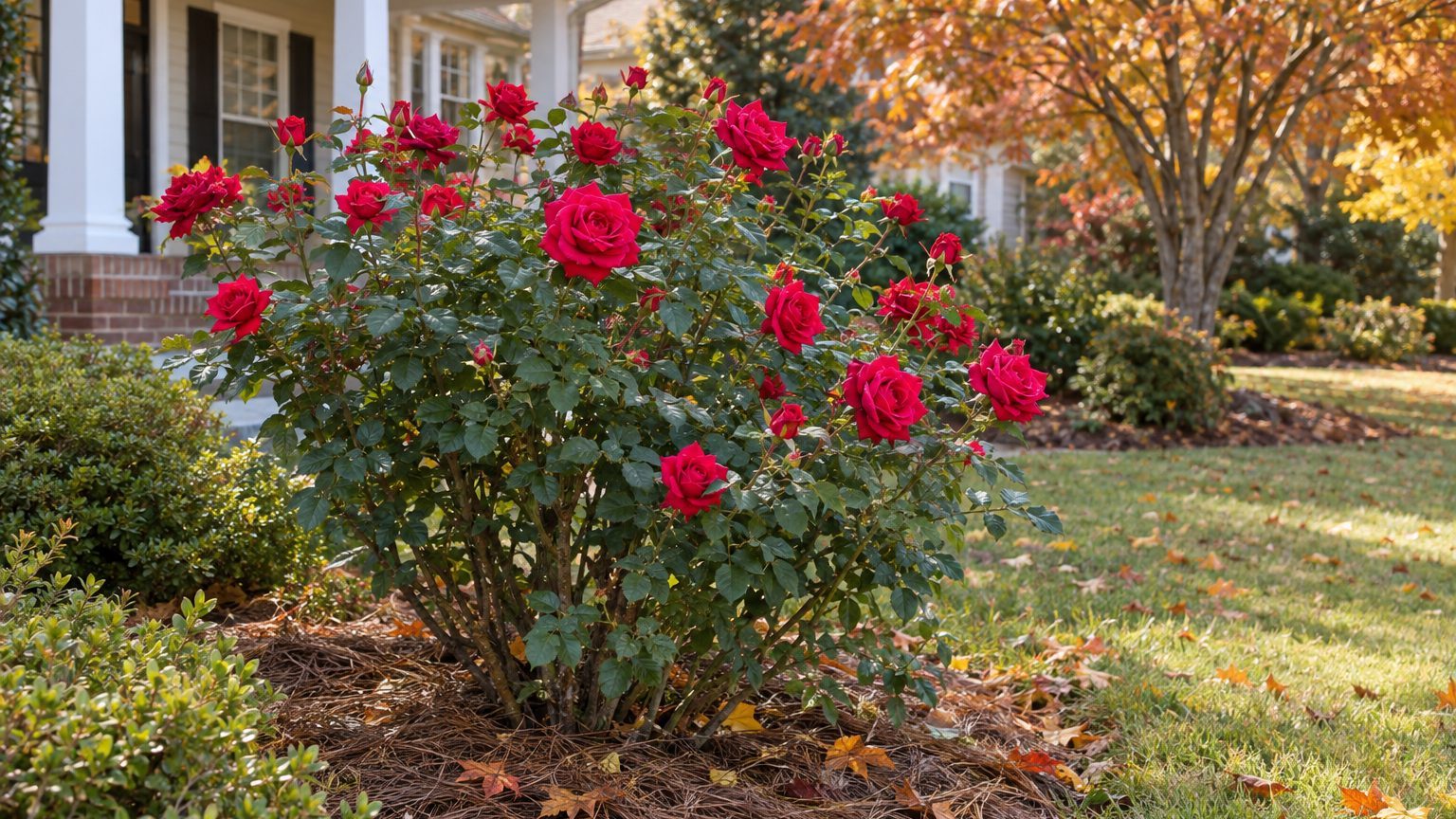
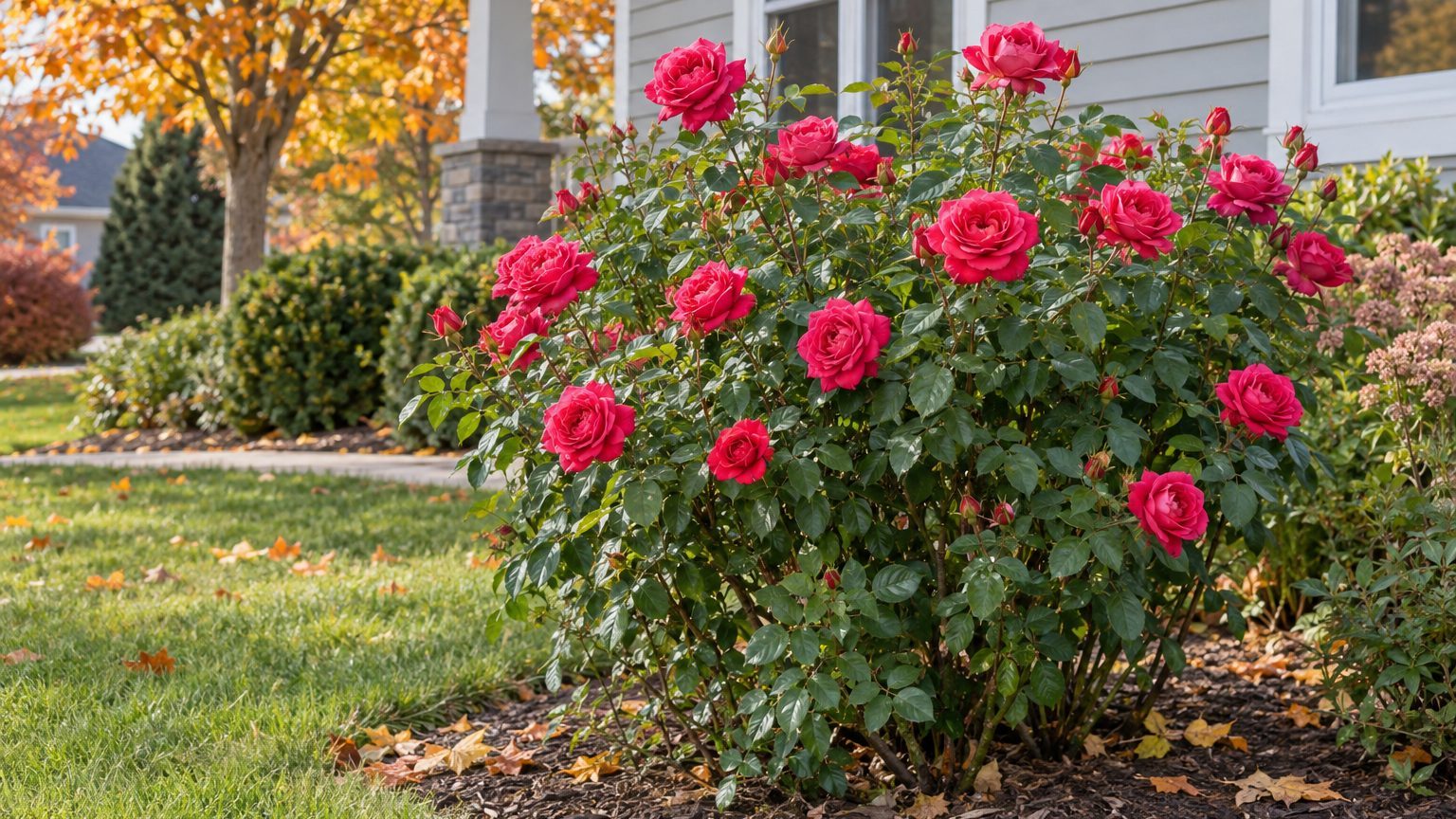
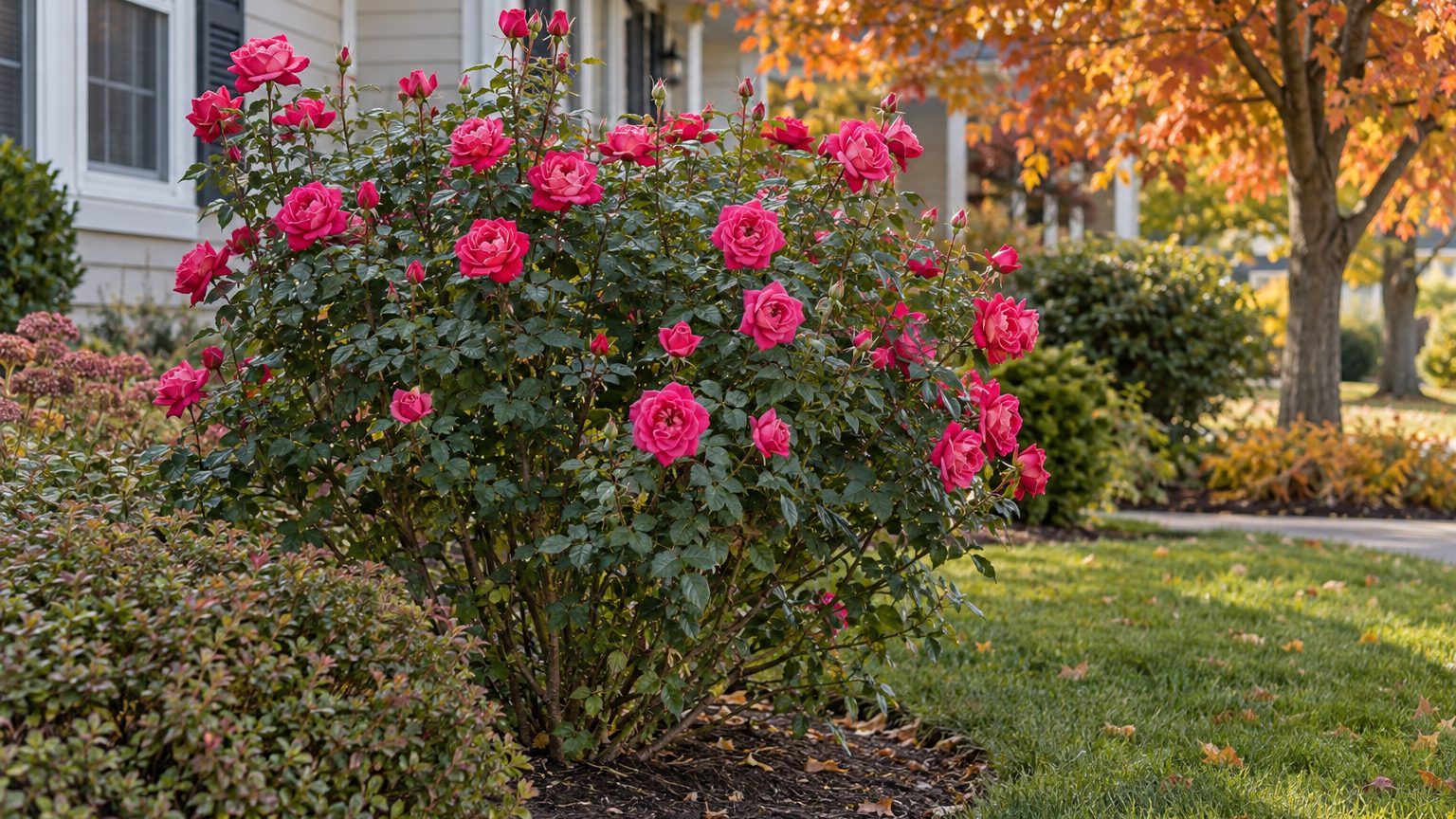
A rose bush in bloom in a home garden

Bare-root roses go in first, in April and May, while they are still dormant, and potted roses can follow once the weather settles. In St. John’s, the last spring frost falls on average around May 30, which means frost can still arrive after that date in roughly half of all years.

  • In April and May, plant bare-root roses while the canes are dormant, before the buds open.
  • After the middle of spring, set out potted roses once the danger of frost has eased, since they already carry leaves.
  • From April through July, feed monthly to carry the plant through its early growth, and keep a cloth or bucket handy for a surprise frost near the end of May.
  • In late summer, ease off the fertilizer so new shoots can harden before cold arrives. In St. John’s, the first fall frost averages October 17, and soft growth does poorly against it.
  • In November, after hard frosts have killed the leaves, mound protection around the base of tender roses.

St. John’s sits in Canadian hardiness zone 6a, a Canadian rating that does not convert to a USDA zone. In the St. John’s area, the May 30 and October 17 figures are midpoints, not safe dates. Dates for northern or upland districts run weeks behind the reference city.

Which Roses Grow Best in Newfoundland and Labrador?

Choose hardy, tough types for this climate. Shrub roses, floribundas, polyanthas, hybrid perpetuals and many old-fashioned roses stand up to winter better than hybrid teas and grandifloras, which want protection in cold winters. That is the pattern described for a comparable cold climate.

The Canadian Explorer series, named for explorers such as Champlain, Cabot and Kelsey, includes shrub and climbing roses bred for cold winters.

Rose type How it does in Newfoundland and Labrador Why
Explorer series shrubs and climbers Reliable, and they need no extra protection Bred for cold winters
Shrub roses such as Knock Out Perform well without extra protection Tough canes that handle cold winters
Floribundas and polyanthas Hold up better than hybrid teas More winter hardy
Old garden roses Good hardiness, one flush a year More winter hardy, bloom on last year’s wood
Hybrid teas and grandifloras Need winter protection Less hardy in cold winters

Once-blooming roses, which include old garden roses, ramblers and many climbers, flower on last year’s wood, so prune them right after they bloom and never in early spring.

When to Prune, Feed and Protect Roses in Newfoundland and Labrador

The year’s main rose-care jobs follow the growing season. These dates follow the nearest comparable climate, northern New England, because no local rose-timing guide exists for this province. Confirm local timing with a garden centre, a rose society or a provincial gardening group.

Task Best months in Newfoundland and Labrador Why then
Prune repeat-blooming roses April and May, or March Wait until active growth, when shoots are several inches long
Plant bare-root roses April and May Planted dormant, before buds open
Feed roses April through July, or August Monthly feeding starting in spring and stopping in August
Put on winter protection November Late November, after hard frosts have killed the leaves
Take off winter protection May, or April Early May, before new growth begins

Stopping feed in August matters because late growth may not harden off before winter. Hybrid teas, floribundas and grandifloras need the November mound, while hardy shrub roses and Explorer types usually manage without it.

How Rose Care Dates Change Across Newfoundland and Labrador

The province is large, and the ocean shapes the season more than the calendar does. The frost figures are anchored to St. John’s, so use local conditions elsewhere in the province.

  • St. John’s and the Avalon Peninsula: The frost figures in this article come from St. John’s, so use local conditions elsewhere on the peninsula.
  • Western and central Newfoundland: Inland districts can swing warmer in summer and colder in winter, so wait a little longer in spring before the bare-root planting.
  • Labrador: The season runs behind St. John’s, so use local soil and bud conditions within the planting and protection-removal windows, and choose roses hardy enough for local winters.

Whatever the district, watch the buds and the weather rather than the date alone.

Where to Get Rose Advice in Newfoundland and Labrador

For local help, turn to provincial resources and nearby gardeners. The provincial Department of Fisheries, Forestry and Agriculture is a starting point, along with garden centres and rose societies.

  • The provincial department can point you to resources on soil and plant problems, so contact them in early spring before planting.
  • Local garden centres know which hardy roses they stock and can offer planting advice.
  • A rose society or gardening group can confirm local timing, which helps if you garden well away from St. John’s.

Common Questions

Can You Plant Potted Roses Later than Bare-Root Roses?

Yes. Potted roses can go in after the bare-root window, once frost danger has eased, because they already carry leaves and roots in soil.

Do Roses Need Winter Protection in Newfoundland and Labrador?

Tender types such as hybrid teas do, applied in November. Hardy shrub roses, including Knock Out and the Explorer series, generally do not.

Should You Prune Climbing Roses in Spring?

Only if they repeat bloom. Once-blooming climbers flower on last year’s wood, so prune them right after flowering.
When to Plant Roses in New Brunswick: Dates and Varieties

When to Plant Roses in New Brunswick: Dates and Varieties

Bare-root roses arrive in spring as bundles of dormant canes, and the weeks when they can go into the ground are short. In New Brunswick, that window opens in April and runs through May. Potted roses give you more room, though they too prefer to settle in before summer heat and well before the first hard frosts.

When to Plant Roses in New Brunswick

A rose bush in bloom in a home garden

Bare-root roses go in first, in April and May, and potted roses follow once the soil has warmed. In Moncton, in Canadian hardiness zone 5a, frost lingers into late spring on average around May 23, which is the midpoint of a window, so half of all years bring a frost later than that. Young shoots dislike frost, while a dormant bare-root rose does not care, so planting dormant stock early is the safer habit. Here is how a rose’s year runs:

  • In April, bare-root roses are planted while still dormant, and repeat-blooming roses are pruned once shoots begin to grow.
  • In May, potted roses can go in as the soil warms, and any winter mounding left over comes off before new growth starts.
  • From April through July, roses are fed monthly, which is the stretch when they are pushing the most growth.
  • In August, feeding stops so the last soft shoots have time to toughen up before winter. In Moncton, the first fall frost arrives on average around October 2.
  • In November, after hard frosts have killed the leaves, tender roses get their winter protection.

New Brunswick has no provincial rose-timing guide of its own, so these months follow the nearest comparable climate. Confirm local timing with a garden centre, a rose society or a provincial gardening group before you order.

Which Roses Grow Best in New Brunswick?

Winter decides what lasts here. Roses bred for tough climates, such as shrub roses, floribundas, polyanthas, hybrid perpetuals and many old-fashioned types, come through cold better than hybrid teas and grandifloras.

Choose roses rated for your zone’s coldest average winter. In Moncton, that means a plant labeled for Canadian zone 5a or colder, not a rating from another zone system.

Rose type How it does in New Brunswick Why
Hybrid teas and grandifloras Need winter protection in cold winters Less winter hardy than most other types
Floribundas and polyanthas Generally hardier than hybrid teas Tougher canes that cope with winter better
Shrub roses such as Knock Out Perform well without extra protection Bred for hardiness
Meidiland series Hardiness varies by variety, so check each rose against local winter conditions Hardiness varies by variety
Explorer series (Champlain, Cabot, Kelsey) Shrub or climbing roses that mostly come through winter without extra protection Bred in Canada for cold winters
Old-fashioned and hybrid perpetual roses Hardier than hybrid teas Long-established, tough types

Hybrid teas are still worth growing if you love the flowers, as long as you plan on protecting them each November. If you would rather skip that chore, start with the Explorer series or a shrub rose.

When to Prune, Feed and Protect Roses in New Brunswick

Rose chores follow the buds and the shoots, so the months below are a guide, not a fixed date. Pruning waits until growth is active and winter damage is easy to see. The page on when to prune roses in New Brunswick goes deeper on technique.

Task Best months in New Brunswick Why then
Pruning repeat-blooming roses April and May; March also works Wait for active growth so you can see which canes survived
Planting bare-root roses April and May Dormant roots settle in before top growth starts
Feeding April through July; August also works Monthly from April, stopping in August so late growth can harden before winter
Putting on winter protection November, late in the month Wait until hard frosts have killed the leaves
Taking protection off May; early April also works Remove the mounding in early May, before new growth begins

Protection applied too early can trap warmth and keep the plant active when it should be shutting down. Hybrid teas, floribundas and grandifloras gain the most from it.

How Rose Care Dates Change Across New Brunswick

The dates above come from the Moncton area, and a province is never one climate. Some districts run later than that, and only a few corners of New Brunswick have a clear local pattern.

  • Moncton and the southeast: this is where the dates in this article apply most directly, with planting and unmounding in April and May.
  • In the north, spring arrives later, so planting, unwrapping and the first pruning slide toward the later part of their calendar windows.
  • Upland districts inland: cold lingers longer here as well, so treat the later end of each window as your starting point.

Watch your own yard for clues, such as buds swelling on neighboring shrubs, before you commit to a date.

Where to Get Rose Advice in New Brunswick

For rose questions, start with federal agriculture guidance and local gardening groups.

  • Agriculture and Agri-Food Canada publishes federal gardening and plant health information you can browse any time of year.
  • A local garden centre or rose society knows your district’s frost pattern, so ask them before you buy bare-root stock in April.

Common Questions

Is Canadian Zone 5a the Same as USDA Zone 5a?

No. The Canadian system draws on seven climate variables, while the USDA system uses one, so there is no simple conversion between them. When a rose tag lists a zone, check which system it uses.

Can You Plant a Potted Rose After Bare-Root Season?

Yes. Potted roses can go in later than bare-root roses, once the soil has warmed and spring frost has passed. Water them regularly while they settle in.

When Should You Prune Roses That Bloom Only Once a Year?

Old garden roses, ramblers and many climbers flower on last year’s wood. Prune them right after they bloom, never in early spring, or you cut off the buds.

When to Plant Roses in Nevada: Dates and Varieties

When to Plant Roses in Nevada: Dates and Varieties

A bare-root rose in Nevada may meet workable soil in the southern desert while higher ground is still frozen. Nevada is a big, varied state, so the planting dates, the suitable rose types and the yearly care schedule all shift from the Las Vegas valley to the Sierra side.

When to Plant Roses in Nevada

A rose bush in bloom in a home garden

Nevada runs from zone 4a to zone 10a on the USDA hardiness system, so no single frost date speaks for the whole state. In Las Vegas, the warm desert extreme, the last spring freeze falls between January 7 and February 1, which is why dormant roses can go in so early there.

  • In January, bare-root roses can go into the ground while they are fully dormant, and container roses can be planted from this time too.
  • In February, bare-root planting is in full swing, and repeat-blooming roses such as hybrid teas, floribundas and modern shrub roses get their annual pruning.
  • In March, a bare-root rose can still be planted if winter got away from you, and pruning can be finished.
  • From February through June, feed roses after pruning, then keep feeding regularly until June and stop for midsummer.
  • From September to mid-October, resume feeding so the plant builds strength before the cooler months.

The first fall freeze in Las Vegas arrives between December 8 and December 23, while Reno, Carson City and any higher ground freeze much earlier in fall and much later in spring. Nevada has no local extension page on rose timing; these dates follow the nearest comparable climate and need confirmation from a local garden center, rose society or gardening group.

Which Roses Grow Best in Nevada?

Hybrid teas and floribundas are among the roses commonly grown in the region, and both repeat-bloom. Climbers and old garden roses also earn a place, but they follow a different pruning rhythm.

Rose type How it does in Nevada Why
Hybrid teas A repeat-blooming rose They repeat-bloom, so they are pruned in January or February
Floribundas A repeat-blooming rose They repeat-bloom and follow the same winter pruning
Modern shrub roses Pruned on the same winter schedule as hybrid teas They bloom again on new growth
Old garden roses Fed in February even though pruning waits They bloom once on last year’s wood, so prune right after flowering
Climbers Pruning depends on whether the plant blooms once or repeats Many bloom once a year, so they are pruned after they flower, never in early spring

Pick a type for the look you want, then match its pruning to how it blooms.

When to Prune, Feed and Protect Roses in Nevada

Most of the rose year happens in the cool months. Pruning and planting cluster in winter, while feeding stretches from late winter through early summer and then picks up again in early fall.

Task Timing in Nevada Why then
Planting bare-root roses January and February; March can work too The plant is dormant and can settle in before growth starts
Pruning repeat-blooming roses January and February, or March if needed Flowers form on new growth, so winter pruning sets up the season
Feeding in spring February through June Feed after pruning, then regularly until June
Feeding in fall September to mid-October A last round before growth slows, with none in midsummer

The deeper details on cuts and timing belong on the Nevada page about when to prune roses. No winter protection or removal dates are set for Nevada here, so ask your county extension office what your elevation calls for.

How Rose Care Dates Change Across Nevada

Elevation does most of the work in shifting the rose calendar, with the southern desert running early and the northern and mountain areas running later.

  • Las Vegas Valley: Winter warmth lets planting and pruning happen at the early end of the months above, and growth starts sooner.
  • Reno and Carson City: Spring freezes linger and fall freezes come sooner, so planting and pruning move later in the window and wait until the hardest freezes have passed.
  • Lake Tahoe basin and other high-elevation towns: The season is shortest and latest, so bare-root planting and pruning wait for the ground to thaw and the buds to begin swelling.

When in doubt, let the buds guide you. Swelling buds show that the rose is beginning active growth, but local frost patterns still matter.

Where to Get Rose Advice in Nevada

University of Nevada, Reno Extension and your county extension office can answer rose questions grounded in your local soil and climate.

  • The extension service offers growing guidance written for Nevada conditions, and it is worth reading before winter planting begins.
  • Your county office can help diagnose a struggling plant and explain how to test your soil, so visit with a sample or a photo before you feed.
  • A local garden center or rose society can confirm timing for your elevation before you buy.

Common Questions

Can You Plant a Potted Rose After the Bare-Root Window Closes?

Yes. Container roses can go in later than bare-root roses, since they arrive with their roots intact. Ask a local garden center what timing suits your elevation, and water the new rose regularly while it settles.

Should You Feed Old Garden Roses Before Pruning Them?

Feed old garden roses in February even though they are pruned after blooming. The feeding supports the flowers that are already on their way.

Can You Plant Bare-Root Roses in Fall in Nevada?

The calendar gives no fall months for bare-root planting. Fall is the season for feeding, from September to mid-October. Hold bare-root purchases until winter dormancy; container roses can go in later than bare-root roses.

When to Plant Roses in Nebraska: Dates and Varieties

When to Plant Roses in Nebraska: Dates and Varieties

A bare-root rose goes into Nebraska soil while it is still asleep, with the canes bare and the buds not yet swelling. Container roses follow once the ground has warmed and the hard frosts are behind them.

When to Plant Roses in Nebraska

A rose bush in bloom in a home garden

Bare-root roses go in first, in March and April, and container roses can follow from April through midsummer. The frost dates below are for Omaha. Gardens in the suburbs and the country often see the last spring frost later and the first fall frost earlier, so check with your county office.

  • In March and April, plant bare-root roses while they are dormant and before growth starts, since a bud that has already leafed out suffers when it meets a freeze. If the weather runs late, May, June and July still work for bare-root plants.
  • In spring, young potted roses can go in once the danger of hard frost has eased; Omaha’s reference frost window is April 12 to April 23, and nearby gardens can differ.
  • From April through midsummer, plant container roses, which carry leaves and roots together and tolerate a later start than bare-root plants.
  • From April through July, feed established roses after pruning, at first bloom and again in mid-July, and then stop.
  • In Omaha, the first fall frost arrives between October 15 and October 26, well after feeding should stop; winter protection waits for several killing freezes.
  • In November, mound up or cover tender roses after several killing freezes, with December as a fallback.

Nebraska spans USDA hardiness zones 4a to 5b, so the winter low is a real test for any rose. A rose bred for hardiness suffers far less than a tender hybrid tea in the same bed.

Which Roses Grow Best in Nebraska?

Cold is the main hurdle here. Shrub, landscape, species and old garden roses are generally hardy enough to get through winter without extensive preparation, while hybrid teas, grandifloras and floribundas need protection.

Hardy shrub roses such as Knock Out or the Explorer series perform well without extra protection. Most climbers are less reliable in cold winters, so plan to protect them too.

Rose type How it does in Nebraska Why
Shrub and landscape roses Most are reliably hardy, with little winter fuss Many are bred for cold and come through winter with minimal preparation
Old garden roses Many are very tolerant of cold Many are extremely hardy, and they bloom once a year on last year’s wood
Hybrid teas, grandifloras, floribundas Need winter protection Not reliably winter hardy, and they can suffer considerable damage in cold winters
Climbing roses Often not reliably hardy Canes above ground are exposed to winter cold, so many need protecting

Miniature and polyantha roses vary, with some hardy and others needing the same protection as hybrid teas. Check the plant tag for hardiness before you buy.

When to Prune, Feed and Protect Roses in Nebraska

The rose year hangs on a handful of dates. Spring brings pruning and uncovering, summer brings feeding, and late fall brings protection.

Pruning in detail has its own page. Repeat-blooming roses are cut in early spring, while once-blooming roses are pruned right after they flower, never in early spring.

Task Best months in Nebraska Why then
Pruning repeat-blooming roses March and April, or February if needed Early spring, when the forsythia blooms and the winter protection is off
Planting bare-root roses March and April, or May through July Plants go in before growth starts
Feeding roses April through July After pruning, at first bloom and in mid-July, with none after mid-August
Putting on winter protection November, or December Wait until several killing freezes have put the plant into dormancy
Taking protection off March and April Once the ground thaws in spring

Feeding stops in summer so the plant is not pushing soft new growth when freezing weather arrives. Covering too early traps warmth and invites rot, which is why protection waits for several hard freezes.

How Rose Care Dates Change Across Nebraska

The dates lean toward the eastern edge of the state, and the season shifts as you move west and away from the cities.

  • Omaha: Let thawed ground and swelling buds decide when to uncover and prune.
  • The Panhandle: Higher ground and colder winters can push the season later, so wait until the ground has thawed before uncovering and use the forsythia bloom or swelling buds as pruning cues.
  • Rural gardens: Open country is often colder than the airport, so the last spring frost comes later and the first fall frost earlier than the city figures.

Watch the forsythia and the swelling buds in your own yard, since they follow your local weather rather than the state average.

Where to Get Rose Advice in Nebraska

Nebraska Extension publishes rose guidance written for Nebraska gardeners, and its county offices can help with a failing plant or a soil question.

  • Your county extension office can look at a sample of a sick rose, so take a cutting showing both healthy and damaged tissue.
  • A soil test through the county office tells you what the bed needs before planting, which suits the March and April bare-root window.
  • Extension rose pages on pruning shrub roses and winter protection are worth reading before the first hard freezes.

Common Questions

Can You Plant a Rose in July in Nebraska?

Yes, a container rose can go in through midsummer, and bare-root plants can still be set out in July if needed. Water regularly while the roots settle.

Do Knock Out Roses Need Winter Protection in Nebraska?

Hardy shrub roses such as Knock Out perform well without extra protection. Hybrid teas and similar types are the ones that need covering.

When Should You Take Winter Protection Off Roses in Nebraska?

Remove it in March and April, once the ground thaws. Uncover gradually and prune repeat-blooming roses as the buds begin to swell.

When to Plant Roses in Montana: Dates and Varieties

When to Plant Roses in Montana: Dates and Varieties

The rose year in Montana starts in spring, when the soil mound comes off the crowns and the first red shoots appear. Bare-root roses go into the ground then, and the kinds you choose decide how much winter work follows.

When to Plant Roses in Montana

A rose bush in bloom in a home garden

Bare-root roses go in first, during April and May, and potted roses follow once the weather settles. In Billings, the last spring frost falls between April 29 and May 10, which is why a freshly planted rose still needs a cover on hand for cold nights.

  • In early spring, as soon as the ground can be worked, plant bare-root roses while they are still dormant, which means April through May.
  • In April, prune repeat-blooming roses such as hybrid teas, floribundas and modern shrub roses, and gradually take off winter protection. May works too if spring runs late.
  • Once the danger of hard frost has passed, potted roses can go in later than bare-root ones, because green growth is far more tender than a dormant cane.
  • From May through July, feed roses regularly with an all-purpose fertilizer while they grow.
  • By mid-August, stop feeding so new shoots have time to toughen before cold arrives.
  • In November, mound soil over the crowns for winter. October and December also work if the weather pushes the job earlier or later.

In Billings, the first fall frost arrives October 1 to October 14, and mountain valleys elsewhere in Montana can frost in any month.

Which Roses Grow Best in Montana?

Hardy shrub roses suit Montana’s severe winters best, because they are vigorous and ask for little care. Tender types such as hybrid teas and grandifloras can grow here, but they need extra winter protection.

USDA hardiness zones across Montana run from 3a to 6a, so a rose that thrives in a milder valley may struggle in colder places.

Rose type How it does in Montana Why
Hardy shrub roses Vigorous, low-fuss, some tolerate winter lows of -45°F Bred and selected for severe winters
Explorer series and Knock Out Perform well without extra protection Hardy shrub roses that carry themselves through cold
Alpine and Nootka roses Do better in warmer areas, survive on protected sites Less cold-tolerant than other shrub roses
Hybrid teas Need extra winter protection Tender canes and crowns in hard winters
Grandifloras Need extra winter protection Same tenderness as hybrid teas

Old garden roses, ramblers and many climbers bloom once a year, so they fit a garden where you want one big flush rather than repeat flowers. Their care differs from the repeat bloomers, as the pruning notes below explain.

When to Prune, Feed and Protect Roses in Montana

Each rose task has a month that matches what the plant is doing. Prune too early and new growth meets killing frost. Feed too late and soft shoots reach winter unprepared.

Once-blooming roses flower on last year’s wood, so prune them right after they bloom, never in early spring. Details on cutting live on the page for when to prune roses in Montana.

Task Timing in Montana Why then
Pruning repeat-blooming roses April (May also works) Cuts made too early leave new growth open to a killing frost
Feeding May, June, July (April and August also work) Feeds the plant while it is actively growing
Putting on winter protection November (October or December also work) Soil goes over the crown once nights turn properly cold
Taking winter protection off April (May also works) Soil comes off gradually once the danger of hard frost has passed

Hybrid teas, floribundas and grandifloras gain the most from the November mound, while hardy shrub roses usually go without.

How Rose Care Dates Change Across Montana

Frost timing shifts with the landscape, and the months above are a guide to adjust by what your own yard does in spring and fall.

  • Mountain valleys elsewhere in the state: Frost can come in any month, so cover young roses on cold nights and plant toward the later end of the spring window.
  • Milder valleys: Spring work can start closer to the early end of the April and May windows, and protected sites are where the less cold-tolerant shrub roses, such as Alpine and Nootka, have survived.

Watch your own beds, because a sheltered south wall can run milder than an open lawn nearby.

Where to Get Rose Advice in Montana

For questions about local conditions, Montana State University Extension and the county extension office are the places to ask. They can look at a sick plant or test your soil.

  • County extension offices can identify a problem from a cane or leaf sample, and spring is a good time to take a sample to the office.
  • A soil test before planting shows what the bed needs, so book it ahead of the April and May planting window.
  • Take a soil sample from the rose bed this spring before the bare-root plants go in.

Common Questions

Can You Plant Roses in Montana in the Fall?

The planting months for bare-root roses are April and May, while the plants are still dormant. Spring is the window to use, since that is when the ground can be worked and roots have a full season to settle.

Can You Plant a Potted Rose After May?

Potted roses can go in later than bare-root ones, once the danger of hard frost has passed. Young plants still fear frost, so keep a cover handy for cold nights.

How Much Soil Should You Mound Over a Rose for Winter?

Mound about eight inches of soil over the bush to protect it against late frost. Take the mound off gradually once the danger of frost has passed.

When to Plant Roses in Missouri: Dates and Varieties

When to Plant Roses in Missouri: Dates and Varieties

Bare-root roses go into Missouri soil while they are still asleep, and potted roses follow once the worst of the cold has passed. That makes March and April the main planting window, and February can also work. What the weather does around those months decides how soon a young rose settles in.

When to Plant Roses in Missouri

A rose bush in bloom in a home garden

Bare-root roses are planted dormant in March and April, and they can also go in during February if the ground is workable. Potted roses can wait until later in spring. Missouri spans USDA hardiness zones 5b to 7b, so the dates below follow Kansas City, and other parts of the state differ.

At Kansas City, the last spring freeze usually lands between April 6 and April 20, which is why a leafed-out young rose should not be set out until that risk fades. The first fall freeze arrives between October 18 and October 29, and a rose planted in spring has the whole summer to root before then. Here is how the year runs for a rose.

  • In February, bare-root roses can go in on a day when the soil is not frozen or soggy, though March is the usual start.
  • In March and April, plant bare-root roses while they are dormant, and prune repeat-blooming roses in March as the buds begin to swell.
  • Once the soil has warmed and frost danger has passed, potted roses can be planted, since their leaves are tender and a hard freeze can burn them.
  • From April through August, feed roses as they leaf out and bloom, and it can also start in March.
  • In the weeks leading up to the first fall freeze, new growth slows and the canes harden, so feeding is over by then.

Which Roses Grow Best in Missouri?

Cold-hardy roses are reliable choices here because Missouri spans USDA hardiness zones 5b to 7b and a hard winter can damage tender types. Summer heat and humid air also favor tougher, disease-resistant roses over fussy ones.

A rose bred for colder winters generally needs less added protection in a milder garden. The same holds in the cooler parts of Missouri.

Rose type How it does in Missouri Why
Old garden roses Many are cold-tolerant and keep a graceful shape Many are extremely tolerant of cold, and they do not need hard pruning
Hybrid teas Can suffer considerable winter damage They are less cold tolerant and need more care in a hard winter
Cold-hardy bred roses Often need less added protection Breeding for colder winters can reduce the protection a rose needs in milder gardens

Once-blooming roses such as old garden roses, ramblers and many climbers flower on last year’s wood, so they are pruned right after they bloom, never in early spring. Repeat-blooming modern shrub roses and floribundas take their pruning in March.

When to Prune, Feed and Protect Roses in Missouri

Planting, pruning and feeding set the rhythm of a Missouri rose year. Each has its own window, and pruning follows the buds rather than a fixed day on the calendar.

Repeat-blooming roses such as hybrid teas, floribundas and modern shrub roses are pruned when the buds swell, a signal that matches the forsythia coming into bloom.

Task When to do it in Missouri Why then
Plant bare-root roses March, April (February also works) Dormant roots settle in before top growth begins
Prune repeat-blooming roses March (February or April also work) Buds swell and new wood is about to start
Feed roses April through August (March also works) From first leaves until growth should slow before winter

Stop feeding late in the growing season so new growth can harden before winter. For pruning in detail, see the dedicated Missouri page on when to prune roses.

How Rose Care Dates Change Across Missouri

Missouri is long enough from north to south that the same rose wakes up at different times in different places, so treat the dates above as a starting point.

  • Kansas City: the dates speak for the area around the airport, which sits well north of the city center. The downtown area runs a little earlier in spring.
  • Southern Missouri: spring is milder here, so bare-root planting and pruning can start toward the early end of the month ranges.
  • Northern Missouri: cold lingers longer and zones run toward 5b, so plant and prune toward the later end and watch for late freezes on tender new growth.

Whichever part of the state you garden in, let the swelling buds, not the calendar, give the final word on pruning.

Where to Get Rose Advice in Missouri

Statewide help is available, and each county has its own office with local knowledge of soil and conditions.

  • The University of Missouri Extension website offers guides on planting, disease and winter care, worth a look before ordering bare-root stock.
  • Your county extension office can test your soil and help identify a problem if you bring a sample of the affected leaves or canes.
  • Before the planting window opens, a soil test shows what the bed needs, so the work is done before the roses arrive.

Common Questions

Can You Plant a Potted Rose in Summer in Missouri?

Potted roses can be planted later than bare-root ones, but spring gives roots the longest stretch to settle before the first fall freeze. Summer planting needs close attention to watering.

Do Roses Need Winter Protection in Missouri?

It depends on the type. Many old garden roses and cold-bred roses need little winter protection, while hybrid teas can take considerable damage in a hard winter and may need more protection.

Should You Prune a Climbing Rose in March?

Only if it repeat-blooms. A once-blooming climber flowers on last year’s wood, so it is pruned right after it blooms.

When to Plant Roses in Mississippi: Dates and Varieties

When to Plant Roses in Mississippi: Dates and Varieties

A bare-root rose arrives in winter as a bundle of dormant canes and roots, and in Mississippi that is exactly when it goes into the ground. Planting dates are broader here than in colder states, but they still follow a pattern.

When to Plant Roses in Mississippi

A rose bush in bloom in a home garden

Mississippi spans USDA zones 7b to 9a, and February and March are the prime months for planting dormant roses.

  • In late fall, bare-root roses can go in during November and December while the plants are dormant and the soil is still workable.
  • In January, a bare-root rose can still be planted on a mild day, though it can wait for late winter.
  • In February and March, bare-root planting is at its best, and this is also when repeat-blooming roses get their main pruning as the buds swell.
  • In April, bare-root roses can still be set out if they are available late, and potted roses can be planted later than bare-root ones.
  • From March through September, roses get fed monthly to keep new growth and bloom coming.

At the Jackson reference station, the last spring frost falls between March 6 and March 22, and young rose growth is tender enough to be hurt by a late freeze. The first fall frost arrives between November 7 and November 22, which is why a dormant bare-root rose planted in winter handles cold better than a leafy plant. Check your own county for the dates that apply to your yard.

Which Roses Grow Best in Mississippi?

Roses that resist leaf disease do the most for you here. With zone 7b to 9a winters, cold is a smaller worry than black spot, so choose types that need little spraying.

Disease-resistant shrub roses can need fewer chemical controls, while old garden roses need a lighter hand with pruning. Hybrid teas are worth growing if you will keep up a spray program.

Rose type How it does in Mississippi Why
Shrub roses Bloom well with few chemical controls Better disease resistance than hybrid teas
Hybrid teas Perform with a spray program in place before the growing season Susceptible to black spot, which needs regular control
Old garden roses Keep their graceful shape when they are not pruned hard They do not need the hard pruning modern roses get

Floribundas behave much like hybrid teas in how they are pruned and fed. Climbers and ramblers deserve a place if you want height, but many bloom only once a year, which changes when you cut them back.

When to Prune, Feed and Protect Roses in Mississippi

Rose care here runs on a few dates tied to when the plant wakes up. Pruning follows the buds, not a fixed day, and feeding runs through the growing months.

Task Best months in Mississippi Why then
Pruning repeat-blooming roses (hybrid teas, floribundas, modern shrub roses) February to March Buds begin to swell, so you can see where to cut
Feeding roses March through September, monthly Steady nutrition supports growth and repeat bloom

Once-blooming roses are the exception. Old garden roses, ramblers and many climbers flower once a year on last year’s wood, so prune them right after they bloom, never in early spring. Ask your county extension office whether a tender rose needs winter protection in your yard.

How Rose Care Dates Change Across Mississippi

Mississippi stretches a long way from the Gulf to the Tennessee line, and the rose season moves with it.

  • Gulf Coast: Warm winters wake roses earlier, so buds swell toward mid-February and pruning can start at that point.
  • North Mississippi: Around Tupelo and Oxford, buds swell later, so pruning waits until about mid-March and a late freeze stays a risk for longer.

Between the two, let the buds on your own bushes set the day.

Where to Get Rose Advice in Mississippi

Mississippi State University Extension answers rose questions for the whole state, and each county has an office that can help with local problems.

  • The county office can test your soil, which tells you what a rose bed needs before you start feeding.
  • Staff can look at a sample of a spotted leaf or a failing cane and help you diagnose it, so bring one in when symptoms appear.
  • Before planting, ask the office about soil preparation for your site.

Common Questions

What If Your County Is Colder than the Frost Dates Above?

Suburban and rural gardens usually see the last spring frost later and the first fall frost earlier than an airport station, often by one to two weeks. Add that margin before putting out tender new growth or a potted rose.

Is a Potted Rose Safer to Plant After the Last Frost?

Potted roses can go in later than bare-root ones, which makes it easy to wait until frost risk has passed. A rose that has already leafed out is more exposed to a freeze than a dormant bare-root plant.

Should You Test the Soil Before Feeding Roses?

Yes, a soil test is the sound starting point. Your county extension office can run one, and the results tell you whether the monthly feeding from March through September needs adjusting.

When to Plant Roses in Minnesota: Dates and Varieties

When to Plant Roses in Minnesota: Dates and Varieties

Bare-root roses go into Minnesota soil while they are still asleep, and the first leaves of spring tell you the window is closing. Potted roses wait until the cold nights are behind you.

When to Plant Roses in Minnesota

When to Plant Roses in Minnesota: Dates and Varieties

Bare-root roses go in first, in April and May, and potted roses follow in May or June. These dates are for the Twin Cities, the milder south of the state, and the rest of Minnesota shifts with the climate (hardiness zones run from 3a to 5a on the USDA system).

At the Twin Cities, the last spring frost falls between April 17 and April 30, which is why a young rose with tender new growth should not be rushed out of its pot early. The first fall frost arrives between October 11 and October 23, so a rose planted in June has a full summer to root before winter. Bare-root plants are sold dormant and need to be in the ground before they leaf out.

  • In spring, plant bare-root roses while they are still dormant and before nearby trees and shrubs leaf out; April and May are the main window.
  • In May or June, once severe frost is past, set out potted roses that have been growing in a greenhouse.
  • Through summer, keep new plantings watered and feed them from April through July, with the last feeding before August so the canes can harden.
  • In autumn, let the rose slow down on its own and stop feeding well before the first hard freezes.
  • In November, once the plant is fully dormant after several hard freezes, mound the base and protect tender types.

June planting of bare-root roses is possible, but the plant has less time to settle, so April and May remain the better choice.

Which Roses Grow Best in Minnesota?

Hardy shrub roses suit Minnesota’s cold winters and come through without extra protection. The classic hybrid teas, floribundas and grandifloras were bred for warmer climates and need a winter mound to survive.

Once-blooming roses, such as old garden roses and ramblers, flower on last year’s wood, so they are pruned right after they bloom and never in early spring.

Rose type How it does in Minnesota Why
Hardy shrub roses Reliable without winter protection Bred to take cold winters; Knock Out and the Explorer series perform well
Canadian Artist Series Good choice for cold climates Bred to be winter hardy and disease resistant
Hybrid teas Can be grown with protection Bred for warmer climates, not fully hardy in northern areas
Floribundas and grandifloras Need a winter mound Not fully hardy in northern areas

If a winter mound sounds like too much work, hardy shrub roses avoid that job. The tender types are worth the effort if you love their flowers.

When to Prune, Feed and Protect Roses in Minnesota

The rose year here follows the mound. It goes on in November and comes off in stages in April, and pruning and feeding fit around it. Spring pruning waits until the winter mound is off and the chance of a hard freeze has passed.

Repeat-blooming roses, including hybrid teas, floribundas and modern shrub roses, flower on new wood, so spring pruning suits them. For the detail of cuts, see the page on when to prune roses in Minnesota.

Task Best months in Minnesota Why then
Pruning repeat-blooming roses April, May The winter mound is off and the chance of a hard freeze has passed
Feeding April through July Feed in April and again at peak bloom, with none after July
Putting on winter protection November The rose is fully dormant after several hard freezes
Taking protection off April, or May Take the mound off in stages in April

Removing the mound all at once exposes soft new growth to a late cold snap, which is why stages work better.

How Rose Care Dates Change Across Minnesota

The frost dates above are for the Twin Cities, and the season shifts elsewhere in Minnesota.

  • Northern Minnesota: Spring comes later and fall arrives earlier, so use the later end of the spring planting and uncovering windows and protect roses in November after they are fully dormant.
  • Twin Cities and the south: Spring warms earlier and the growing season runs longer, so the early end of each window is realistic.

Uncover in stages in April, then prune once the mound is off and the chance of a hard freeze has passed.

Where to Get Rose Advice in Minnesota

University of Minnesota Extension offers research-based guidance for northern gardeners, and your county office can help with local questions.

  • The extension website has rose care guidance, best read in late winter before ordering plants.
  • Your county extension office can help identify problems on a leaf or cane, so bring a sample when symptoms first appear.
  • A soil test taken in early spring, before the first feeding, shows what the bed needs.

Common Questions

Can You Plant a Rose in Minnesota in Summer?

You can plant potted roses in June, and bare-root roses can go in that month too, though they settle in less well. Water new plants regularly so the roots establish.

Do Knock Out Roses Need Winter Protection in Minnesota?

Hardy shrub roses such as Knock Out and the Explorer series perform well without extra protection, which makes them easy for beginners.

When Should You Stop Feeding Roses in Minnesota?

Stop after July. Late feeding pushes soft growth that has little time to mature before the first hard freezes.

When to Plant Roses in Michigan: Dates and Varieties

When to Plant Roses in Michigan: Dates and Varieties

Bare-root roses go into Michigan soil while they are still asleep, and potted roses follow once the weather settles. Planting in March and April gives the roots a head start on the first summer. The frost dates, the hardiness zone and the varieties you choose decide how the rest of the year goes.

When to Plant Roses in Michigan

A rose bush in bloom in a home garden

Bare-root roses go in first, in March and April, while the canes are dormant and before growth starts. Container roses can follow from April through midsummer, and bare-root planting also stretches into May, June and July if spring slips by.

Frost shapes those windows. In the Detroit area the last spring frost falls around April 30, and across most of the Lower Peninsula it arrives in early to mid May, so a freshly leafed rose set out early can still meet a cold night. The first fall frost lands between October 6 and October 21 in zone 6a (USDA system), and other parts of the state sit anywhere from zone 4a to 6b. Here is how a rose’s year runs:

  • In early spring, between March and April, bare-root roses are planted while dormant, and repeat-blooming roses are pruned once the winter protection is off.
  • Once the soil warms, from April on, container roses can go in and the first feeding follows right after pruning.
  • In May and June, roses are fed again as the first flush of bloom opens, and late bare-root plantings can still be set out.
  • In midsummer, July brings the last feeding, and container roses can still be planted if you water them well.
  • In November, after several killing freezes, the canes are protected for winter, and December also works if the weather held off.

Plant dormant bare-root roses before growth starts; wait for settled weather before planting a leafed-out container rose.

Which Roses Grow Best in Michigan?

Hardy roses are a reliable choice here because winters are cold enough to injure tender canes. Shrub, landscape, species and old garden roses are reliably winter hardy and need little preparation for winter, and this holds true for Michigan’s cold zones.

Hybrid teas, grandifloras and floribundas are not reliably winter hardy and need protection. Climbing rose hardiness varies, and tender cultivars need protection.

Rose type How it does in Michigan Why
Shrub and landscape roses Reliable with little extra care Hardy canes come through winter without much preparation
Old garden roses Tolerate cold well Many are extremely cold tolerant, though they bloom once a year
Hybrid teas Need winter protection Not reliably hardy, and cold can cause considerable damage
Floribundas and grandifloras Need winter protection Not reliably winter hardy in cold winters
Climbers Often tender Many are not reliably hardy and need protection

Hardy shrub roses such as Knock Out or the Explorer series perform well without extra protection. Old garden roses, ramblers and many climbers flower once a year on last year’s wood, so prune them right after they bloom, never in early spring.

When to Prune, Feed and Protect Roses in Michigan

Rose work in Michigan follows a simple arc, with pruning and feeding in spring, more feeding through July, and protection in November. The details of pruning cuts live on the dedicated pruning page, so here are the key dates.

Task Best months in Michigan Why then
Pruning repeat-blooming roses March to April (February also works) Early spring, when the forsythia blooms and the winter protection is off
Feeding April to July After pruning, at first bloom and in mid-July, with none after mid-August
Putting on winter protection November (December also works) After several killing freezes, from mid-November on
Taking protection off March to April Between mid-March and mid-April, once the ground thaws

Stopping feeding by mid-August matters because late fertilizer pushes soft growth that winter can damage. Waiting for several killing freezes before mounding or wrapping ensures the roses are truly dormant.

How Rose Care Dates Change Across Michigan

Michigan’s broad hardiness range means the calendar shifts depending on where your garden sits.

  • Detroit area: Spring comes earlier here, but wait for workable soil before planting and for thawed ground before removing winter protection.
  • Lower Peninsula interior: Spring often runs later here, so wait for settled weather before planting tender container roses and for thawed ground before removing winter protection.
  • Northern Michigan: Colder zones, down to 4a, bring a later spring and an earlier fall, so hardy shrub roses are the safer choice and protection goes on promptly in November.

The Great Lakes also soften or sharpen conditions near the shore, so watch your own buds and the forsythia as much as the dates.

Where to Get Rose Advice in Michigan

MSU Extension offers local rose guidance, and your county office can help with diagnosis and soil testing.

  • Ask your county extension office about soil testing before spring planting.
  • Extension staff can look at a leaf or cane with problems if you bring a fresh sample during the growing season.
  • Master gardener volunteers answer common rose questions and can point you to hardy varieties for your zone.

Common Questions

Can You Plant a Rose in July in Michigan?

Yes, a container rose can go in through midsummer, and bare-root planting can also be done in July if needed. Water it regularly while it settles in.

Should You Remove Winter Protection All at Once?

Take it off between mid-March and mid-April, once the ground thaws. Pull back the mound gently so new buds are not damaged.

Do Hardy Shrub Roses Need Winter Protection in Michigan?

Most do not, since reliably hardy shrub, landscape and old garden roses need little preparation. Hybrid teas, floribundas and grandifloras need winter protection in cold winters.

When to Plant Roses in Massachusetts: Dates and Varieties

When to Plant Roses in Massachusetts: Dates and Varieties

Bare-root roses go into Massachusetts soil while they are still asleep, with the bare canes showing no leaves, and that moment arrives in early spring. Container roses give you a longer stretch, from April into midsummer. Planting date, variety and winter protection all follow from a climate that runs from coastal Boston to the Berkshires.

When to Plant Roses in Massachusetts

A rose bush in bloom in a home garden

Bare-root roses go in first, before growth starts, and container roses follow once the soil is workable. The year then runs like this.

  • In March and April, plant bare-root roses while they are dormant, and prune repeat-blooming roses as the forsythia opens.
  • Also in March and April, take winter protection off once the ground thaws, with mid-March to mid-April as the usual stretch.
  • From April through midsummer, set container roses in the ground. Bare-root roses can still go in during May, June or July if spring got away from you, though they start behind.
  • From April through July, feed after pruning, again at first bloom, and once more in mid-July. Stop by mid-August, so late growth has time to harden before winter.
  • In November, once several killing freezes have passed, mound and cover the canes of tender roses. December works if November slips by.

For Boston, the last spring frost falls between April 1 and April 8, and the first fall frost between November 3 and November 14. Inland suburbs and the Berkshires frost later in spring and earlier in fall, so a young rose there needs more watching. USDA hardiness zones across the state run from 5a to 7b, which is why the same rose may need cover in one town and none in another.

Which Roses Grow Best in Massachusetts?

Hardy shrub, landscape, species and old garden roses handle Massachusetts winters with little preparation. Hybrid teas, floribundas and grandifloras are less reliable through cold and need protection, which is extra work but manageable.

Extension guidance makes the same split, and it applies here as well. Cold is a real limit here, so choosing roses by hardiness can save you a good deal of trouble.

Rose type How it does in Massachusetts Why
Hardy shrub roses (Knock Out, Explorer series) Perform well without extra protection Bred for cold hardiness
Old garden roses Reliable through winter Many tolerate cold extremely well
Hybrid teas Need winter protection Can suffer considerable cold damage
Floribundas and grandifloras Need winter protection Not reliably winter hardy in cold winters
Climbing roses Many need protection Not all are reliably hardy, so check the variety

Once-blooming roses, including old garden roses, ramblers and many climbers, flower on last year’s wood. Prune them right after they bloom, never in early spring, or you cut off the year’s flowers.

When to Prune, Feed and Protect Roses in Massachusetts

The year’s main jobs cluster in early spring and late fall. Winter protection depends on weather more than the calendar, since it waits for several killing freezes.

Pruning here covers repeat-blooming roses. Once-blooming types wait until after their flowers fade, and the dedicated pruning page goes deeper on cuts.

Task Best months in Massachusetts Why then
Pruning repeat-blooming roses March, April (February can work) Forsythia in bloom, protection already off
Feeding April through July After pruning, at first bloom, mid-July, none after mid-August
Winter protection on November (December if needed) After several killing freezes, once roses are dormant
Winter protection off March, April Once the ground thaws

Covering too early traps warmth and keeps roses from going fully dormant. Waiting for the freezes is the safer habit.

How Rose Care Dates Change Across Massachusetts

Where you garden shifts the season, so treat the months above as a guide and let the plant and the soil set the day.

  • Boston and the coast: Spring arrives soonest here and frost comes last in fall, so planting and uncovering can sit at the early end of the month ranges.
  • Inland suburbs: Frost comes later in spring and earlier in fall than at the harbor, so lean toward the later end of spring tasks and cover canes a little sooner.
  • The Berkshires: Winters are colder and the season is shorter, so plant later in spring, uncover later and favor the hardy shrub roses.

Watching the forsythia and the thaw works anywhere in the state.

Where to Get Rose Advice in Massachusetts

Questions about a struggling rose or the soil it sits in are best taken to UMass Amherst Extension, which serves the whole state through its programs and local contacts.

  • The extension site offers plant guidance and soil testing information, useful before spring planting.
  • Your county extension contact can help with a diagnosis if you bring a cutting or clear photos of the leaves and canes.

Common Questions

Can You Plant a Rose in July?

Yes, with a container rose, which can go in from April through midsummer. Water it regularly while it settles, since summer heat stresses a young root system.

Do Knock Out Roses Need Winter Protection in Massachusetts?

Hardy shrub roses such as Knock Out perform well without extra protection. Hybrid teas, floribundas and grandifloras need winter protection in cold winters.

When Should You Stop Feeding Roses?

Stop by mid-August. Later feeding pushes soft new growth that can be damaged by cold before it hardens.

The almanac, state by state. Every date on this site comes from a state’s own frost facts and its extension service’s calendar — and says where it comes from.