Skip to content

When to Plant Roses in Hawaii: Dates and Varieties

When to Plant Roses in Hawaii: Dates and Varieties

Roses in Hawaii can go into the ground in any month, and at sea level they keep growing and flowering throughout the year. Established repeat-blooming bushes get a hard cutback in January.

When to Plant Roses in Hawaii

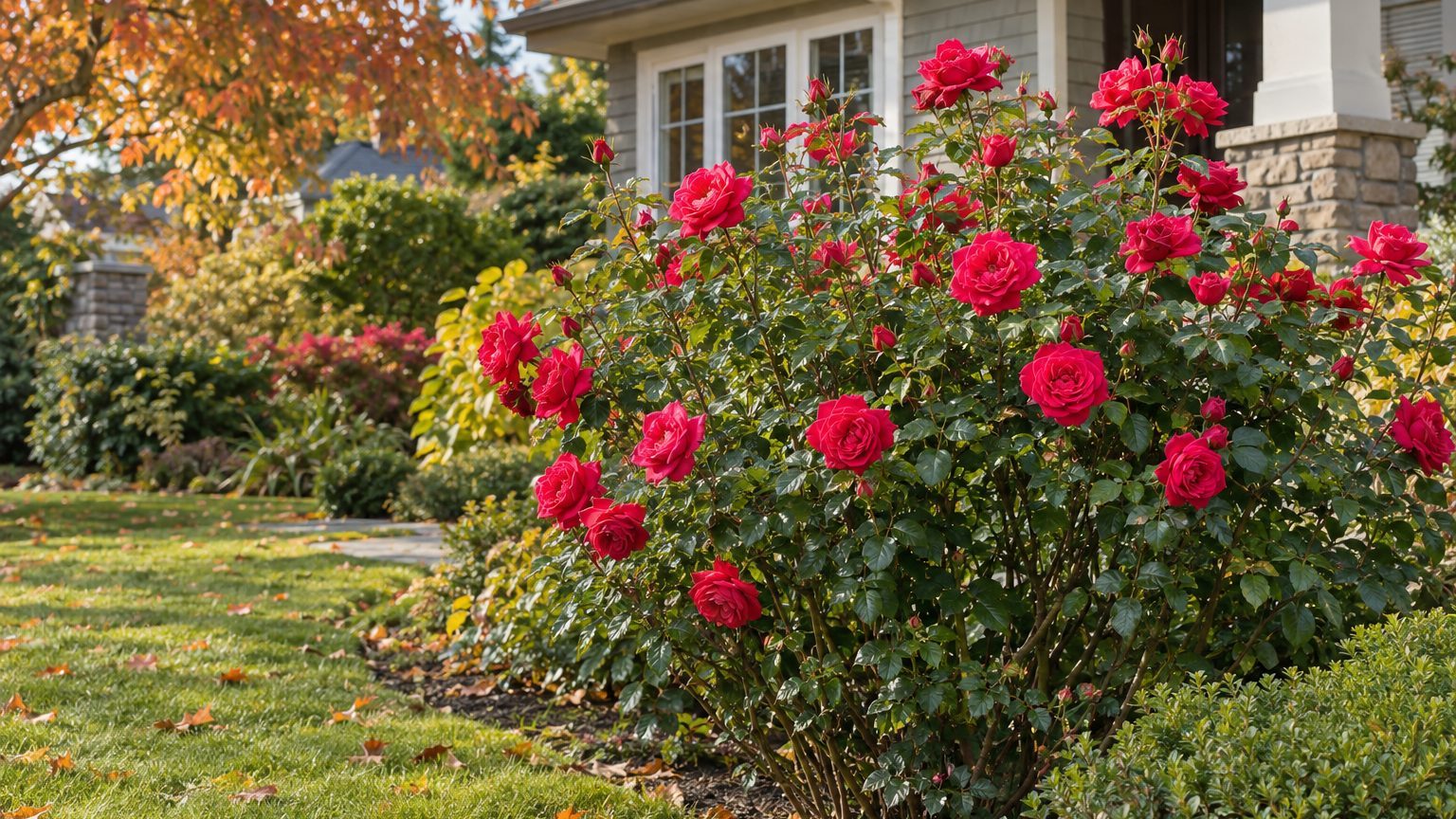
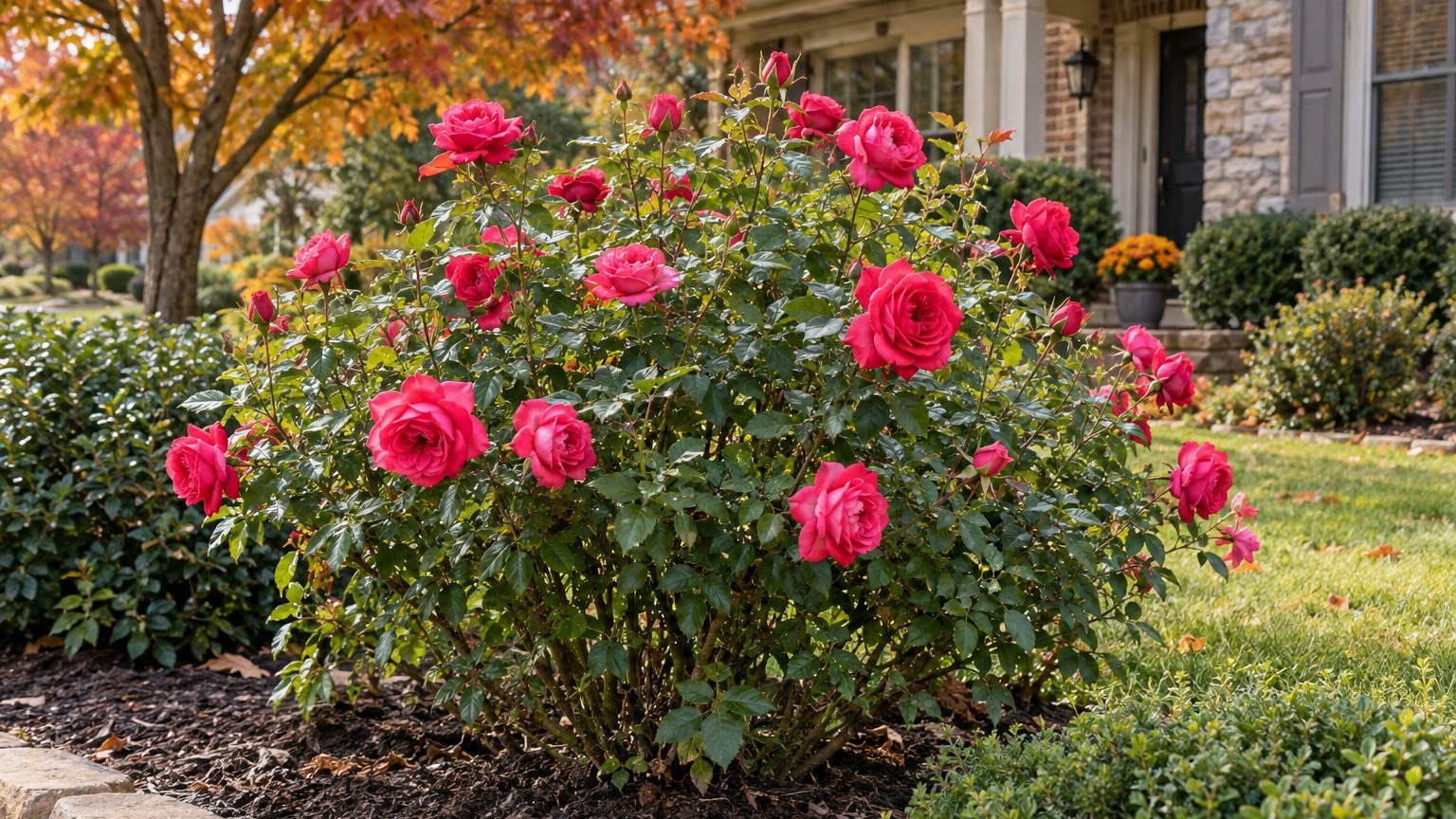
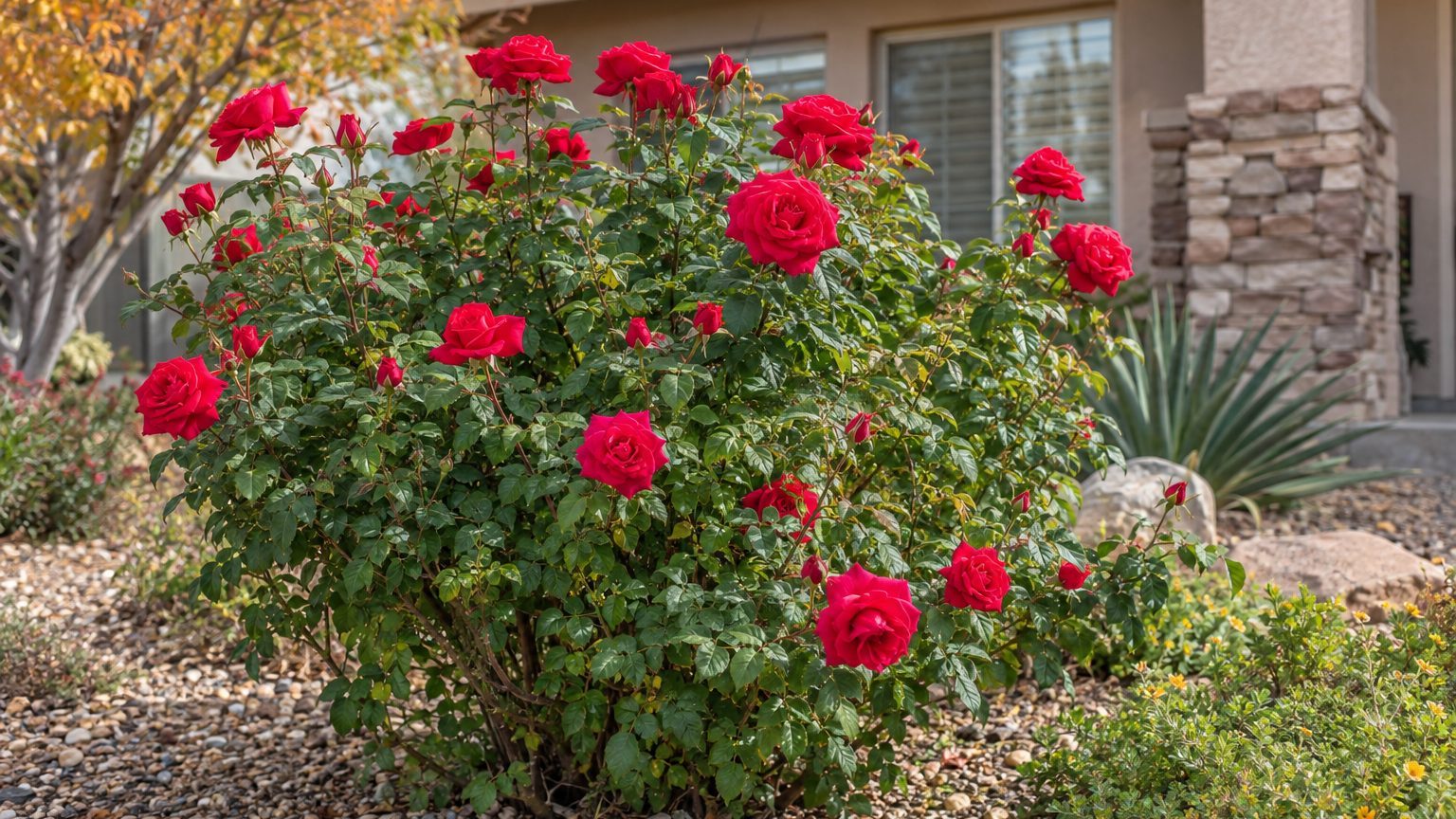
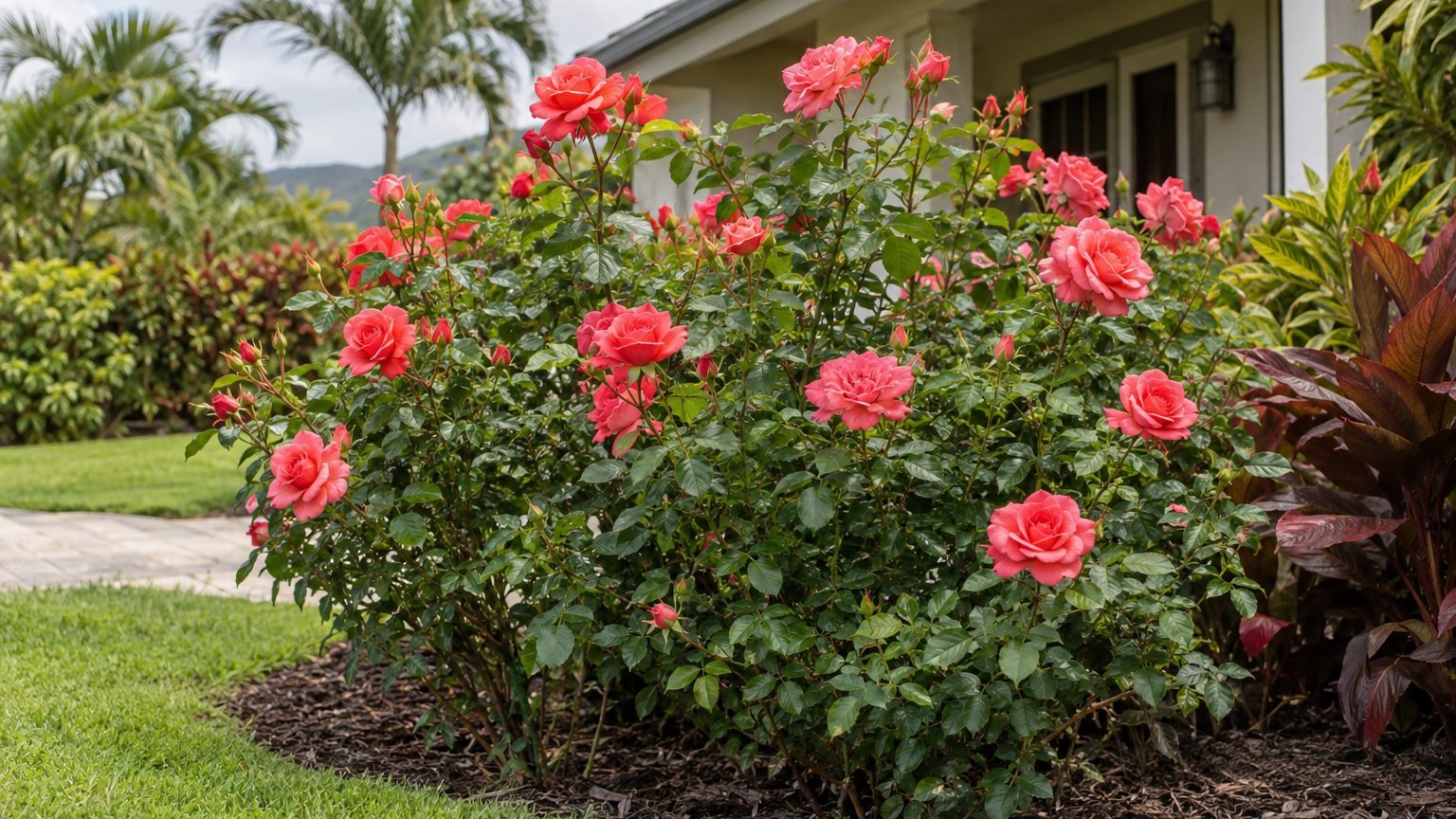
A rose bush in bloom in a home garden

Hawaii has no frost season where people garden, so planting follows your own schedule rather than the thermometer. Bare-root roses come first, and potted roses fit in around them.

  • In winter, bare-root roses can go into the ground while dormant.
  • In spring, dormant bare-root plants are usually available at nurseries, though January through December all work for planting them.
  • Through summer and fall, bare-root roses can still be planted, and potted roses can go in later than bare-root ones, in any month.
  • All year, the young plant never faces a freeze in inhabited areas, since frost reaches only the summits of Mauna Kea, Mauna Loa and Haleakala.
  • In January, established repeat-blooming bushes get their yearly cutback, which sets up the next flush of flowers.

USDA hardiness zones across the islands span 9a-13a, which is a wide range, so the zone on your own plant tag depends on where you garden and how high up.

Which Roses Grow Best in Hawaii?

Roses do well across a wide variety of Hawaii’s climates. At sea level, the warm climate lets roses keep growing and flowering throughout the year.

The real difference between types is how they bloom, because that decides when each one gets pruned.

Rose type How it does in Hawaii Why
Hybrid teas, floribundas and modern shrub roses Grow and flower throughout the year at sea level They repeat-bloom, so a January cutback brings a fresh burst of color
Old garden roses, ramblers and many climbers Flower once a year They bloom on last year’s wood

Ask a local rose grower how groundcover roses and rugosas perform in your neighborhood before choosing a plant.

When to Prune, Feed and Protect Roses in Hawaii

Roses here get a short list of jobs. Pruning happens in January, and feeding runs all year. Winter protection never comes up, because no freeze reaches inhabited areas.

The detailed pruning method has its own page for Hawaii, so these are the key dates.

Task When in Hawaii Why then
Prune repeat-blooming roses (hybrid teas, floribundas, modern shrub roses) January Many gardeners cut bushes back to within 24 inches of the ground, which gives up bloom for a while and then brings a burst of color
Plant bare-root roses January through December Dormant bare-root plants can go in at any time, and potted roses can go in later
Feed roses January through December Regular feeding keeps an adequate supply of nutrients available to plants that never stop growing

Once-blooming roses are the exception to the January cutback. They flower once a year on last year’s wood, so they are pruned right after they bloom, never in early spring.

How Rose Care Dates Change Across Hawaii

The calendar above holds across the islands, but elevation and exposure to rain change how a bush behaves from one place to the next.

  • Hilo and the windward coasts: Rain falls often here, so roses stay wet longer. Plant where air moves freely around the leaves.
  • Kona and other leeward areas: Drier ground means a rose depends more on the watering you give it. Sea-level plantings keep growing and flowering through the year.
  • Upcountry Maui on the slopes of Haleakala: Higher ground is cooler, so growth tends to slow compared with the coast. Frost is still confined to the summits, not the gardens.

Pick your planting spot by rainfall and elevation first, since the monthly dates stay the same.

Where to Get Rose Advice in Hawaii

A leaf spot, a bush that sulks or an odd soil is easier to sort out with someone who knows your island. Local help can cover most questions.

  • The University of Hawaii CTAHR Extension offers rose growing publications and the contact details for county offices, useful any time a plant looks off.
  • Your county extension office can help with a problem diagnosis or soil test before you plant or feed.

Common Questions

Do Roses Grow in Every Part of Hawaii?

Roses thrive in a wide variety of climates in Hawaii, from the coast to higher ground. Rainfall, elevation and windward or leeward exposure set the conditions, so watch how a rose does in your own spot before adding more.

Why Do Roses Lose Their Blooms After a January Cutback?

The hard cutback temporarily removes all bloom, but the new growth produces a spectacular burst of color 3 months later. Repeat-blooming bushes are the ones treated this way.

How Much Fertilizer Do Roses Need in Hawaii?

Organic fertilizers are applied at 3/4 pound per 100 square feet every 4 to 6 weeks. Follow the label if you use a different kind of feed.
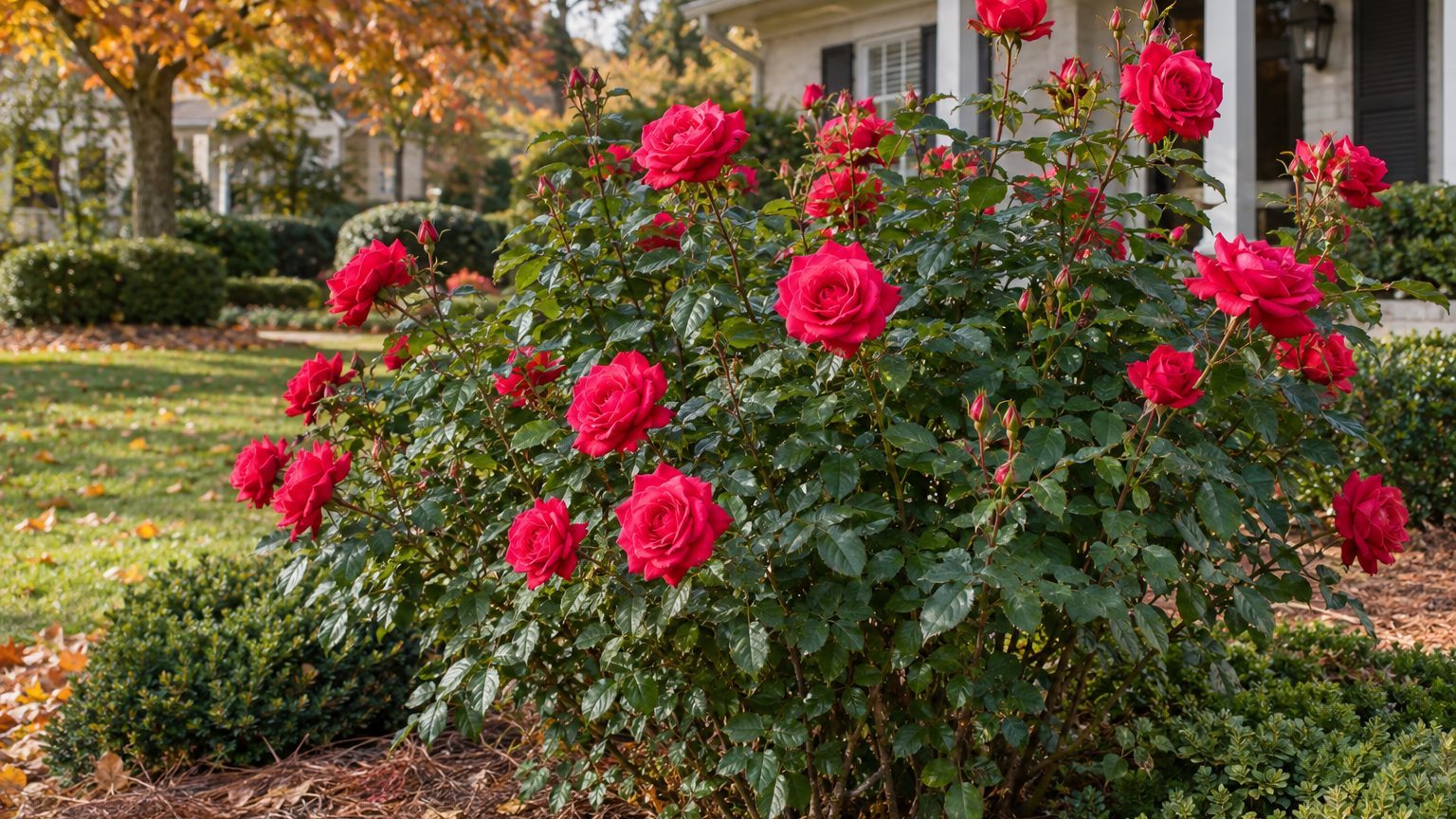
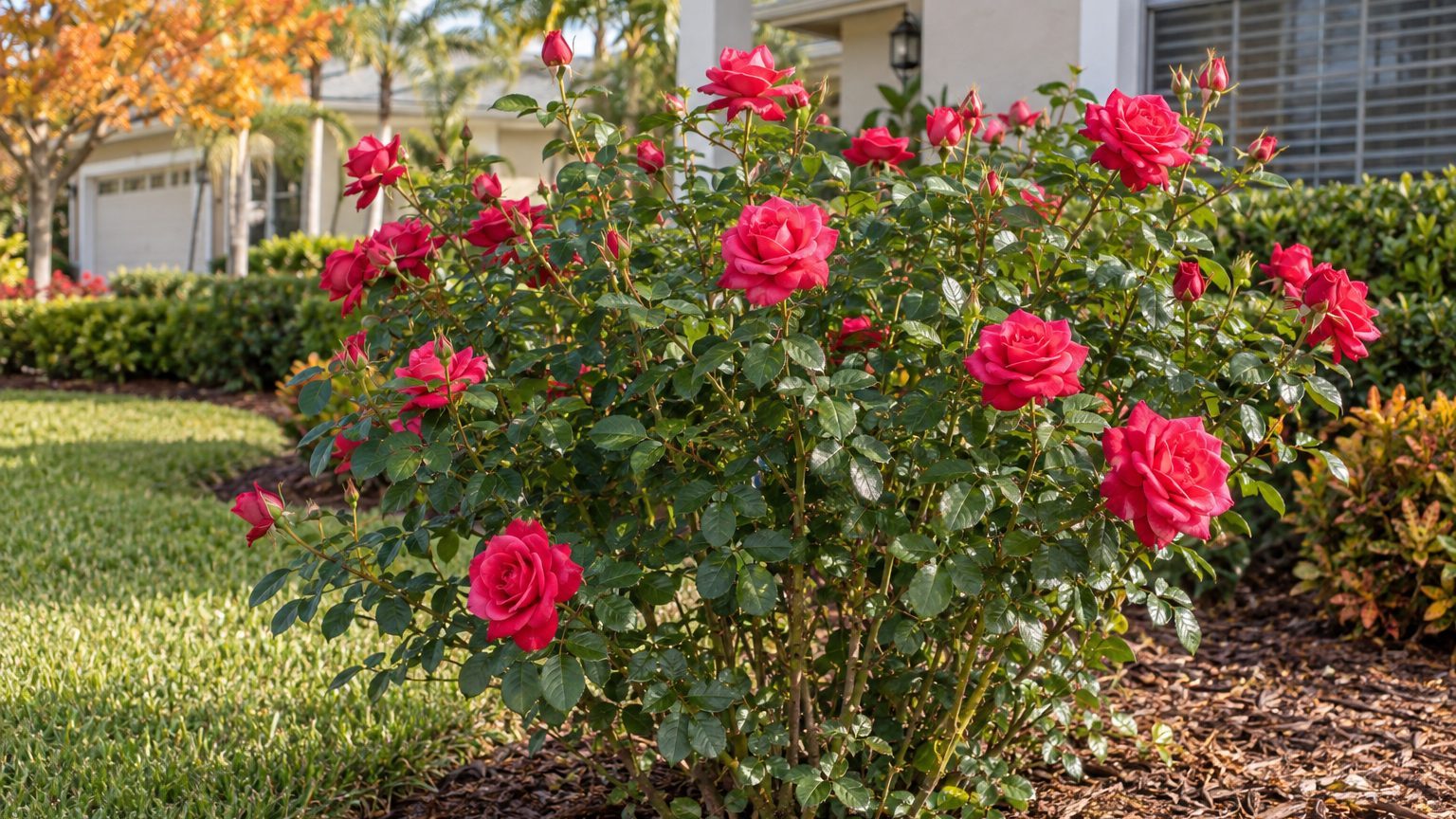
When to Plant Roses in Georgia: Dates and Varieties

When to Plant Roses in Georgia: Dates and Varieties

Bare, thorny canes show up at garden centers in late winter, and that is the cue to get roses into Georgia soil. A rose planted while dormant has months to root before summer heat arrives.

When to Plant Roses in Georgia

When to Plant Roses in Georgia: Dates and Varieties

Bare-root roses go in first, in February and March, while the plant is asleep and the frost risk is still real. Potted roses can follow later, since they arrive with roots already growing. Here is how a rose’s year runs in Georgia.

  • In late winter, plant bare-root roses in February, spacing them 5 to 6 feet apart so air moves through the leaves later.
  • Through March, keep planting bare-root roses and begin feeding, because new growth is waking up even though cold snaps can still come. In Atlanta, the last spring freeze usually falls between March 11 and March 29.
  • In April, a bare-root rose can still go in if March slipped by, though the plant is already leafing out and needs closer watering.
  • From spring through summer, potted roses can be planted once the danger of a late freeze has passed, and established roses keep blooming on a monthly feeding.
  • In late fall, November and December work as a fallback for bare-root planting. In Atlanta, the first fall freeze usually arrives between November 13 and December 1.

A young rose is tender to hard freezes, which is why spring planting is timed with the frost risk in mind. Georgia covers USDA hardiness zones 6a to 9b, so mountain yards and coastal yards each run on their own schedule.

Which Roses Grow Best in Georgia?

Disease-resistant roses are a practical choice in Georgia’s warm, damp growing season. Black spot and other leaf diseases hit some types harder than others, so the type you choose decides how much spraying you will do.

Shrub roses are the low-fuss option, and old garden roses suit gardeners who want an informal look. Hybrid teas can be grown here, but only with a plan for protecting the leaves.

Rose type How it does in Georgia Why
Shrub roses Bloom well with few chemical controls Better disease resistance than hybrid teas
Hybrid teas Grow well but need a spray program Susceptible to black spot, so protection starts before the season
Old garden roses Keep a graceful, relaxed shape Hard pruning ruins their form and cuts flowering

Floribundas are close cousins of hybrid teas and are pruned on the same schedule. Climbers and ramblers fit fences and arbors, though many of them bloom only once on last year’s wood and need a different pruning schedule.

When to Prune, Feed and Protect Roses in Georgia

Rose work in Georgia is front-loaded. Pruning happens in late winter, and monthly feeding runs from March through September. Winter protection is rarely the main worry here, so most of the effort goes into the jobs already mentioned.

Task Best months in Georgia Why then
Prune repeat-blooming roses (hybrid teas, floribundas, modern shrub roses) February to March Cut as the buds swell, mid-February in the south of the state and mid-March in the north
Feed roses March through September Monthly feeding supports steady new growth and repeat bloom

Watch the buds more than the calendar. Once they begin to swell, go ahead and prune. Once-blooming roses, including old garden roses, ramblers and many climbers, flower on last year’s wood, so prune them right after they bloom and never in early spring. The full pruning method lives on the page about when to prune roses in Georgia.

How Rose Care Dates Change Across Georgia

Georgia’s roses do not all wake up on the same day, and the difference between the mountains and the coast is large enough to shift your whole routine.

  • North Georgia and the mountains: Buds swell later here, so pruning waits until toward the end of the pruning window. Fall freezes also arrive several weeks earlier than in Atlanta, which shortens the season at the far end.
  • Atlanta: The city sits on an urban heat island, so its frost dates read a little mild for yards in the surrounding countryside. Use them as a guide, then check your own buds.
  • South Georgia and the coastal plain: Winters are milder and buds swell earlier, so pruning starts toward the front of the window and planting can go in early.

Wherever you garden, the rose itself is the best clock: swelling buds mean pruning time, and a hard freeze in the forecast means holding off on tender new growth.

Where to Get Rose Advice in Georgia

Local help is worth using when a rose looks wrong or a bed refuses to perform. The state’s land-grant university and your county office offer diagnosis and soil testing.

  • University of Georgia Extension publishes rose guides for the state and routes questions to the right specialist.
  • Your county extension office can test your soil and look at a diseased leaf or cane, so bring a sample in a sealed bag before spring feeding begins.
  • With the buds on your canes starting to swell, a soil test now tells you what the first feeding should contain.

Common Questions

Is January Too Early to Plant Bare-Root Roses in Georgia?

January works as a fallback when the ground is workable. February and March remain the preferred months, so wait for those if the soil is soggy or frozen.

How Much Fertilizer Does a Rose Need in Georgia?

Without a soil test, the usual Georgia recommendation is three tablespoons per plant each month from March through September. The product is typically a 16-4-8 or 12-4-8 fertilizer.

Should Old Garden Roses Get the Same Hard Pruning as Hybrid Teas?

No. Old garden roses need far less cutting, and a heavy pruning can ruin their graceful shape and severely reduce their flowering. Prune them after they bloom, avoiding the heavy spring cut used for repeat bloomers.

When to Plant Roses in Florida: Dates and Varieties

When to Plant Roses in Florida: Dates and Varieties

Bare-root roses go into Florida soil while they sleep in winter, while potted roses can be planted year-round except in North Florida. Roses came from Asia and struggle with Florida’s heat and humidity, so timing and variety matter here.

When to Plant Roses in Florida

A rose bush in bloom in a home garden

In Jacksonville, the last spring freeze falls between February 16 and March 7, and the first fall freeze between November 26 and December 13. Those bounds shape the rose year, because a young plant fears frost while a bare-root rose goes in dormant. Central and South Florida are effectively frost-free, so their calendar runs differently.

  • In December and January, plant dormant bare-root roses, which settle in while the weather is mild and the plant is asleep.
  • In February and March, bare-root planting can still be done, though the plants wake up soon and roots have less time to establish.
  • Through the year, potted roses can go in almost any month, except in north Florida, where early spring is the better choice.
  • In North and Central Florida, start feeding in mid-February as new growth gets under way; in South Florida, feed year-round.
  • Through summer, protect roses from the extreme heat and humidity they are not used to.

North Florida gardeners should hold potted roses until early spring so a late freeze cannot catch tender new growth.

Which Roses Grow Best in Florida?

Roses that shrug off heat, humidity and fungal disease do well here. Modern roses, and hybrid teas especially, are more prone to disease and count as high-maintenance in Florida, needing more attention to disease control, feeding and watering.

The old garden and landscape roses named below fit the climate better. Any grafted rose should sit on Fortuniana rootstock.

Rose type How it does in Florida Why
Hybrid teas Demanding, high maintenance More prone to disease, with greater need for feeding and irrigation
Old garden roses Examples include ‘Louis Philippe’, ‘Mutabilis’ and ‘Mrs. B.R. Cant’ Better suited to local heat and humidity
Landscape shrub roses Examples include Knock-Out and Drift roses Newer selections that cope with Florida conditions

Once-blooming roses, such as many old garden roses and ramblers, flower on last year’s wood, so prune them right after they bloom, never in early spring.

When to Prune, Feed and Protect Roses in Florida

Pruning, feeding and planting each have their own months here. Prune repeat-blooming roses in the cool season, feed regularly through the growing months with a rose fertilizer that includes micronutrients, and protect the plants from extreme summer heat and humidity.

The dedicated pruning page for Florida goes deeper on technique, so only the key dates appear here.

Task When to do it in Florida Why then
Prune hybrid teas, floribundas and modern shrub roses February in North and Central Florida (January or March can also work); December in South Florida Major pruning belongs in the cool season, before new growth takes off; South Florida may need pruning again later in the year
Plant bare-root roses December and January (it can also be done in February or March) The plants are dormant and settle in before growth starts
Feed roses February through November in North and Central Florida; year-round in South Florida Monthly feeding from mid-February to mid-November supports steady growth and bloom

South Florida follows its own pattern: hybrid teas, grandifloras and floribundas are pruned in December and sometimes a second time in the year, and feeding continues year-round. North and Central Florida prune in February; March can also work.

How Rose Care Dates Change Across Florida

Florida stretches across a wide climate gradient, and the rose calendar moves with it.

  • North Florida (Jacksonville and the Panhandle side): Freezes still happen here, so potted roses are better planted in early spring and pruning belongs in February, though March can also work.
  • Central Florida (the Orlando area): Frost is rare, so the main growing season runs through winter, and summer heat becomes the hard part for the plant.
  • South Florida (the Miami area): Pruning moves earlier, to December, and monthly feeding continues all year.

The farther south you garden, the more the rose year turns upside down, with winter as the productive season and summer as the stress.

Where to Get Rose Advice in Florida

Local help matters here because conditions shift so much from the Panhandle to the Keys.

  • The UF/IFAS Extension network offers growing guides for roses, and the winter planting season is a good time to read them.
  • Your county extension office can help identify problems such as black spot, and it is worth a visit when leaves yellow and drop in humid weather.
  • If you plan a soil test, arrange it before planting, ahead of the December and January bare-root window.

Common Questions

Can You Plant Roses in Florida in Summer?

Potted roses can be planted year-round except in north Florida, but summer heat and humidity stress them, so shade and regular watering matter while they establish.

Why Do Hybrid Teas Struggle in Florida?

Hybrid teas are more susceptible to disease and need more attention to disease control, fertilization and irrigation than tougher shrub roses or old garden roses.

Do Roses Need Winter Protection in Florida?

In north Florida, freezes can still hit young growth, so early spring planting for potted roses helps. Central and South Florida are effectively frost-free, so heat protection in summer matters more.

When to Plant Roses in Delaware: Dates and Varieties

When to Plant Roses in Delaware: Dates and Varieties

Bare-root roses go into Delaware soil while they are still dormant, with the buds bare and the weather cool. That early planting is what lets the roots settle before summer heat arrives.

When to Plant Roses in Delaware

A rose bush in bloom in a home garden

Bare-root roses go in first, in March and April, with February as a fallback in a mild winter. Potted roses can go in later in spring. Delaware sits in USDA hardiness zone 7a-8a. At the reference station near Wilmington, the last spring frost falls between April 3 and April 14, which matters for young, leafed-out plants.

  • In late winter, bare-root roses can go in if the ground is workable, because a dormant rose has no tender growth for a late freeze to damage.
  • In March, bare-root planting hits its stride, and repeat-blooming roses are pruned as the buds begin to swell.
  • In April, the last bare-root roses go in, and the first feeding follows once new leaves open.
  • From May through August, roses are fed regularly while they push new growth and flower.
  • Later in spring, potted roses can be planted, since they already carry leaves and roots and no longer depend on dormancy.

Fall brings the first frost, which at the same reference station arrives between October 26 and November 7. Suburban and rural yards usually freeze later in spring and earlier in fall than that airport figure, so check your own county before you set a planting date.

Which Roses Grow Best in Delaware?

Delaware spans USDA hardiness zones 7a to 8a, so winters are mild enough for a wide range of roses. The real divide is between roses bred for toughness and those that need a little more attention through the cold months.

Extension guidance describes old garden roses as extremely tolerant of cold, while hybrid teas can take considerable damage in a hard winter.

Rose type How it does in Delaware Why
Hybrid teas Perform well with care, but are the type most likely to be hurt by cold They suffer considerable damage in cold winters and need a heavy annual pruning in spring
Old garden roses Reliable and forgiving They are extremely tolerant of cold and do not need hard pruning, which can ruin their shape and cut flowering
Cold-hardy cultivars Need little to no added winter protection A cultivar bred for colder conditions may need little added protection in a milder garden

Floribundas and modern shrub roses behave like hybrid teas, repeating bloom on new growth and taking their main pruning in spring. Climbers and ramblers fall mostly with the once-blooming group, so they are handled differently from the repeat bloomers.

When to Prune, Feed and Protect Roses in Delaware

Seasonal care sets the rhythm of the rose year, with a clear window for each task. Pruning and planting cluster in late winter and spring, while feeding runs through the growing season.

Task Best months in Delaware Why then
Pruning repeat-blooming roses March, and February or April can work too Prune when the forsythia blooms and the buds swell, so cuts are made as growth restarts
Planting bare-root roses March and April, with February as a fallback The roses are dormant and the soil is cool and workable
Feeding roses April through August, and March can work too Feed from the first leaves, then stop with August so late growth can harden before winter

Once-blooming roses flower once a year on last year’s wood, so they are pruned right after they bloom and never in early spring. Cutting them in March removes the very canes that carry the flowers. The page on when to prune roses in Delaware goes deeper on technique.

How Rose Care Dates Change Across Delaware

Delaware is a small state, so the shifts are modest, but they follow the landscape. Roses wake earlier where the air stays mild and later where nights run cold.

  • Wilmington and northern New Castle County: Spring arrives a bit later and fall frost comes sooner than along the coast, so leaning toward the later part of each planting and pruning window makes sense.
  • Dover and inland Kent and Sussex counties: Open farmland lets cold air settle on clear nights, so frost lingers later in spring and returns earlier in fall than airport readings suggest.
  • The Atlantic coast around Lewes and Rehoboth Beach: The ocean and bay soften the cold, so roses tend to leaf out earlier here, and the early end of each window is the safer bet.

Watching the buds beats following the calendar, since they respond to the weather in your own yard.

Where to Get Rose Advice in Delaware

The state extension service answers rose questions for home gardeners across Delaware, and each county has its own office. It is the place to turn when a plant looks wrong or the soil is a mystery.

  • The University of Delaware Cooperative Extension offers fact sheets and plant diagnosis for roses grown in Delaware yards.
  • The New Castle, Kent and Sussex county offices can help with a soil test, and the winter before planting is a good time to ask.
  • Before ordering bare-root roses for spring, send in a soil sample so any adjustments are ready when the planting window opens.

Common Questions

Can You Plant Potted Roses at the Same Time as Bare-Root Roses?

Potted roses can go in later than bare-root ones, because they already have leaves and an established root ball. Planting in the weeks after the last frost risk has passed protects the new growth.

Do Old Garden Roses Need Hard Pruning?

No. Extension guidance says old garden roses do not need the hard pruning that many modern roses get. Heavy cutting can ruin their graceful shape and sharply reduce flowering, so a light trim is plenty.

How Long Do Roses Keep Blooming Through the Year?

Repeat-blooming roses such as hybrid teas, grandiflora and floribunda flower almost continuously from early summer until frost. Once-blooming types give one flush a year, which is why varieties are worth matching to the show you want.

When to Plant Roses in Connecticut: Dates and Varieties

When to Plant Roses in Connecticut: Dates and Varieties

Bare-root roses go into Connecticut soil in March and April, while the ground is workable and the canes are still asleep. Container roses follow once the weather settles, and they can keep going into midsummer.

When to Plant Roses in Connecticut

A rose bush in bloom in a home garden

Connecticut sits in USDA zones 6a to 7b, and in Bridgeport, the last spring freeze comes around April 2 to April 12, earlier than in the northern part of the state. Inland and northwest Connecticut freeze later in spring, so those gardeners lean toward the end of each window. Here is the rose year in order.

  • In March and April, plant bare-root roses while they are still dormant and before growth starts, since a leafed-out bare-root plant struggles to settle in.
  • From April through midsummer, set out container roses, which carry their own root ball and tolerate a later start than bare-root plants.
  • In late spring and early summer, from May into July, bare-root planting is still possible as a fallback, though the plants need more watering to catch up.
  • From April through July, feed on schedule and let the young plant spend its energy on roots and first blooms rather than on stress.
  • In November, once several hard freezes have passed, cover tender roses, because in Bridgeport the first fall freeze arrives around October 28 to November 10, and it comes sooner inland.

A young rose fears a hard freeze after it has leafed out, which is why a planting date follows the soil and the buds rather than a single day on the calendar.

Which Roses Grow Best in Connecticut?

Hardy shrub roses handle Connecticut winters with little fuss. Hybrid teas, floribundas and grandifloras give beautiful flowers but are not reliably winter hardy, so they need protection in cold winters. Old garden roses are generally tougher than hybrid teas.

Humid summers favor roses that shrug off wet foliage, and a hardy cultivar bred for colder zones needs little extra care even in the milder parts of the state.

Rose type How it does in Connecticut Why
Hardy shrub roses (Knock Out, Explorer series) Perform well without extra protection They perform well without extra winter protection
Hybrid teas Need winter cover Not reliably winter hardy
Floribundas and grandifloras Need winter cover Not reliably winter hardy
Old garden roses Generally cold tolerant Many are extremely tolerant of low temperatures

Climbers vary by variety, and some are tender enough to need the same cover as a hybrid tea. Once-blooming roses, including old garden roses, ramblers and many climbers, flower on last year’s wood, so prune them right after they bloom, never in early spring.

When to Prune, Feed and Protect Roses in Connecticut

The rose year turns on a few gestures with clear months. Prune when the forsythia blooms and winter cover is off, feed after pruning, and tuck tender roses in only after the ground has seen several killing freezes.

Pruning here refers to repeat-blooming roses such as hybrid teas, floribundas and modern shrub roses.

Task Best months in Connecticut Why then
Pruning repeat-blooming roses March, April (February works too) Buds are swelling and the forsythia is in bloom
Feeding April through July After pruning, at first bloom and again in mid-July, with none after July
Winter protection on November (December works too) Plants are dormant after several killing freezes
Winter protection off March, April Between mid-March and mid-April, once the ground thaws

Do not fertilize after mid-August, because late feeding can produce soft growth that winter would damage. Pruning in detail has its own page for Connecticut.

How Rose Care Dates Change Across Connecticut

The state is small, but Long Island Sound and the hills shift the season enough that timing moves from one town to the next.

  • Bridgeport and the Sound shore: The water keeps this coast mild, so spring planting starts at the early end of March and April and winter cover can wait longer in fall.
  • The Northwest Hills: Freezes come sooner in fall and linger later in spring, so planting and uncovering lean toward April and cover goes on earlier in November.
  • The Connecticut River Valley and inland towns: These sit between the two, with freezes arriving noticeably earlier in fall than on the shore, so watch your own buds and soil.

When in doubt, let the forsythia and the swelling buds in your own yard set the pace.

Where to Get Rose Advice in Connecticut

When a rose fails or the soil is a question mark, local help is close. University of Connecticut Extension and its county offices handle diagnoses and soil testing for home gardeners.

  • The extension office can identify a problem from a photo or a cane sample, so take one in whenever leaves spot or canes darken.
  • A soil test is worth doing before planting in March or April, since it shows what the bed needs before you feed.
  • Local master gardener volunteers can offer advice on varieties that suit your part of the state.

Common Questions

Can You Plant a Rose in July in Connecticut?

Yes, a container rose can go in through midsummer, and bare-root plants can still be set out in July as a fallback. Water the new plant regularly so its roots establish before fall.

Do Roses Need Winter Protection in Connecticut?

Hybrid teas, floribundas and grandifloras do, and most hardy shrub roses do not. Cover goes on in November after several hard freezes and comes off between mid-March and mid-April.

Which Roses Grow Well in Connecticut?

Hardy shrub roses such as Knock Out and the Explorer series perform well without extra protection, which makes them a low-effort choice for most Connecticut yards.

When to Plant Roses in Colorado: Dates and Varieties

When to Plant Roses in Colorado: Dates and Varieties

A bundle of bare-root roses is ready for the ground as soon as the soil can be worked in spring. Roses in Colorado follow a short list of dependable dates: planting and pruning in April, feeding through summer, and a soil mound over the crown in November. Those dates, and the types that cope with Front Range winters, make up the rest of the year.

When to Plant Roses in Colorado

A rose bush in bloom in a home garden

Bare-root roses go in first, in April and May while they are still dormant, and potted roses follow later in spring. Around Denver the last spring frost falls between May 1 and May 11, which is why a young rose that has already leafed out needs a cover on a cold night.

  • In April, bare-root roses are planted dormant as soon as the ground can be worked, repeat-blooming roses are pruned, and winter protection starts coming off gradually.
  • In May, bare-root planting can carry on, and potted roses can go in later in the season.
  • From May through July, established roses are fed, which keeps growth steady through the main flowering stretch.
  • By mid-August, feeding stops, so new soft growth has time to firm up before cold arrives.
  • In November, soil is mounded over the crown, usually around Thanksgiving, to carry the canes through the hard freezes.

The first fall frost around Denver arrives between September 30 and October 12, and soft growth from late feeding is vulnerable when cold arrives. Across the state, USDA hardiness zones run from 3b to 7b, so a yard in the mountains or on the Western Slope will not match these dates exactly.

Which Roses Grow Best in Colorado?

The roses that last here are the ones that shrug off winter. Cold winters decide which types need extra work, and hybrid teas, floribundas and grandifloras need added winter protection.

Hardy shrub roses sit at the other end, because they carry fewer demands into the cold months.

Rose type How it does in Colorado Why
Hybrid teas, floribundas and grandifloras Need extra protection in cold winters Extra winter protection is often recommended for them in Colorado
Hardy shrub roses such as Knock Out or the Explorer series Perform well without extra protection They are hardy enough to skip the winter mound
Old garden roses, ramblers and many climbers Bloom once a year They flower on last year’s wood

That last row changes the pruning. Once-blooming roses are cut right after they bloom, never in early spring, because spring pruning removes the wood that carries the flowers. Floribundas and modern shrub roses repeat bloom and follow the April schedule instead.

When to Prune, Feed and Protect Roses in Colorado

Rose care follows a clear seasonal rhythm. Pruning waits for spring, feeding runs through the growing months, and the winter mound goes on late and comes off gradually.

Wait until spring for the real shaping, when swelling buds help show which canes survived winter. Here the focus is on the key dates.

Task Best months in Colorado Why then
Pruning repeat-blooming roses (hybrid teas, floribundas, modern shrub roses) April, or May if it slips Pruning just ahead of the last hard frost avoids new growth caught by a killing frost
Feeding roses May, June and July, with April and August also fine Regular feeding fuels the growing season, and it stops by mid-August to avoid tender late growth
Putting on winter protection November, or October and December if needed Mound the soil once nights drop to 20°F for several days
Taking winter protection off April, or May if cold lingers Remove it gradually, once the danger of hard frost has passed

Planting bare-root roses fits in April and May, as covered above. The soil mound helps protect tender roses through winter.

How Rose Care Dates Change Across Colorado

Altitude and the mountains shape the rose season more than anything else in the state, and the dates above are anchored to Denver.

  • Denver and the Front Range plains: These dates fit the plains best, where spring pruning lands in April and the winter mound goes on in November.
  • The mountain towns: Seasons run far shorter and frost can show up in July, so planting waits later in spring and the winter mound goes on sooner.
  • The Western Slope: The season differs again from Denver, so local dates are worth checking before the first planting or pruning.

Higher ground pushes every task later in spring and earlier in fall, and hardy shrub roses make more sense there than tender hybrid teas.

Where to Get Rose Advice in Colorado

Local help is available for diagnosing problems and testing soil before planting. Colorado State University Extension publishes rose guidance for the state, and each county has its own office.

  • The extension website has seasonal rose care guides, useful before pruning in spring or mounding in fall.
  • The county extension office can test your soil, which is worth doing before planting bare-root roses in April.
  • A photo or sample of a troubled rose can go to the county office, and the earlier in the season it arrives, the more can be done about it.

Common Questions

What Fertilizer Works for Roses in Colorado?

Colorado guidance calls for an all-purpose fertilizer such as 8-10-8, applied every four to six weeks during the growing season.

How Deep Should the Soil Mound Be Over a Rose?

In Colorado, the recommendation is to mound soil over the crown eight to ten inches deep once nights fall to 20°F for several days.

Should You Cut Back Tall Roses Before Winter?

If roses have grown very tall over summer, they are more likely to suffer snow and wind damage. In Colorado, the guidance is to prune tall plants by one-third of their height in November, and otherwise to wait for mid-April.

When to Plant Roses in California: Dates and Varieties

When to Plant Roses in California: Dates and Varieties

Bare-root roses arrive in winter, brown and leafless, and go into California soil while they are still asleep. Container roses follow once the weather settles and can be planted well into summer.

When to Plant Roses in California

When to Plant Roses in California: Dates and Varieties

Bare-root roses go in first, and container roses follow through summer. Frost decides how careful you need to be, and that depends on where you garden. Coastal and southern California is frost-free, so the limits there are heat, drought and water restrictions. Northern California, the Central Valley and the Sierra do freeze. USDA hardiness zones run from 5a to 11a across the state, so a Sierra garden and a coastal garden follow different rules.

  • In winter, bare-root roses are pruned back if they are repeat bloomers, and the garden bed is prepared before the plants arrive from the nursery.
  • In February and March, plant bare-root roses while they are dormant, because spring planting gives them the best start at establishing roots.
  • In March and April, feed the roses with nitrogen as the first flush of growth begins.
  • From April through August, container roses can go in, and bare-root planting is still possible through those months if a nursery has stock.
  • In September and October, give the second feeding of the year, with prunings and fallen leaves cleaned up around the base.

Bare-root plants establish best in spring, which is why February and March are the main planting window.

Which Roses Grow Best in California?

Roses that bloom heavily and resist disease do the most for a California yard. Dry interior valleys see fewer diseases than humid regions, so mildew and black spot press less there. Along the coast, cool damp air favors mildew, and the right variety matters more.

Resistance varies a great deal between varieties, so ask the nursery about mildew resistance before buying.

Rose type How it does in California Why
Floribundas and polyanthas Suited to landscape use Profuse bloom and disease resistance
Landscape (shrub) roses Among the most mildew-resistant Powdery mildew resistance is high in these varieties
Hybrid teas and grandifloras Less suited to landscape use than floribundas Lower disease resistance and bloom density

Old garden roses, ramblers and many climbers bloom once a year on last year’s wood, so they need different pruning timing than repeat bloomers. The pruning section below covers that.

When to Prune, Feed and Protect Roses in California

Pruning, planting and feeding set the rhythm of the rose year in California. Pruning comes in winter, planting in late winter, and feeding in spring and again in fall. In California, the suggested nitrogen rate is 1 pound per 1,000 square feet, scaled down for smaller beds, twice a year.

Task Best months in California Why then
Pruning repeat-blooming roses (hybrid teas, floribundas, modern shrub roses) January, February Winter, before the buds swell
Planting bare-root roses February, March Dormant plants establish best in spring
Feeding roses March, April, September, October Nitrogen goes on in spring and again in fall

Pruning can also happen in March or December. In places where late spring frosts are common, it can be delayed. Once-blooming roses are the exception, because they are pruned right after they flower and never in early spring.

How Rose Care Dates Change Across California

The state is large enough that the same task lands on different weeks depending on where the garden sits. Altitude, distance from the ocean and the risk of frost all shift the timing.

  • Sierra foothills and high country: Frost returns here, so pruning and planting wait later and buds stay protected longer.
  • Central Valley: Winters bring freezes, but interior dryness keeps disease pressure lower than on the coast.
  • Southern California coast: Frost does not occur in an average year, so the season stays open and heat and water limits matter more.

Where frost is possible, wait for the coldest weather to pass before pruning hard, and where it never comes, follow the months in the calendar.

Where to Get Rose Advice in California

When a rose looks sick or the soil seems off, local help narrows the guesswork. The state’s land-grant system supports gardeners through University of California Agriculture and Natural Resources and its county offices.

  • The county extension office can help diagnose a leaf problem if you bring a sample, and the sooner you go once symptoms appear, the better.
  • Master gardener volunteers answer local questions and know which varieties suit your area, so they are worth contacting before a winter order.
  • A soil test before planting in February or March shows what the bed needs before the first feeding.

Common Questions

Can You Plant a Rose in Summer in California?

Yes, with a container rose. Bare-root plants go in from February through August, and potted roses can go in through the summer months if they are watered regularly while they settle.

Do Roses Need Frost Protection in California?

That depends on the region. Coastal and southern gardens do not freeze in an average year, while northern areas, the Central Valley and the Sierra can, so young plants there need care in cold snaps.

Which Roses Are Easiest in a Dry Interior Valley?

Floribundas, polyanthas and landscape shrub roses suit these gardens well. Disease is less common in the dry interior valleys, and these types add heavy bloom and mildew resistance.

When to Plant Roses in British Columbia: Dates and Varieties

When to Plant Roses in British Columbia: Dates and Varieties

Bare, thorny canes arrive in late winter, and the hole you dig for them is usually in damp, cool soil. In British Columbia, roses can be planted as dormant bare-root plants, with potted roses following through spring and into early summer. The right window depends on whether the plant is dormant, and on how far your garden sits from the mild coast.

When to Plant Roses in British Columbia

A rose bush in bloom in a home garden

Bare-root roses go in first, in February and March, while the plant is still asleep. Potted roses are more flexible and can wait until early summer. At Vancouver, the last spring frost falls around March 18 on average, so in half of all years it comes later. Young growth fears that frost, which is why bare-root plants go in dormant and why timing matters. Vancouver sits in Canadian hardiness zone 9a (a Canadian system, not a USDA zone). The first fall frost arrives around November 10 on average, and again half the years it comes later.

  • In February and March, plant bare-root roses while they are dormant, so the roots settle in before top growth starts. March suits them well, and April through June still works if the plants arrive late.
  • From late winter into early spring, prune repeat-blooming roses such as hybrid teas, floribundas and modern shrub roses. February and March are the main months, and April works too, around the time forsythia blooms.
  • In March, as buds begin to break, give the first feeding. Feeding then continues through spring and into July.
  • In spring and up to early summer, plant potted roses. They can go in even after new growth has started, and early summer gives them time to root before the heat of midsummer.
  • In late summer, stop feeding so the canes can slow down and harden off. August is the last month for it.
  • In November and December, once the plant is dormant, mound mulch around the base where winters are cold.

A frost date marks the risk of a cold snap. It does not tell you when roses wake up, so watch the buds as well as the calendar.

Which Roses Grow Best in British Columbia?

Roses that are hardy and disease resistant do well here. Choose a variety suited to the hardiness zone of your own garden, and look for disease resistance on the label, since damp spells invite leaf problems.

Shrub and rugosa roses ask for the least fuss. Species roses and many old garden roses are tough too. Hybrid teas and floribundas give repeat bloom but expect more attention.

Rose type How it does in British Columbia Why
Shrub and rugosa roses Reliable and often wild-looking Called hardy shrub roses, they need less care than other roses
Species and old garden roses Hardy and dependable through cold winters They live unharmed through hard winters and suit low-maintenance beds
Hybrid teas and floribundas Repeat-blooming, with a late-winter pruning window They flower on new wood, so a February to March cut sets up the season

Climbers and ramblers deserve a closer look at the tag, because many bloom only once a year. Whatever you pick, a disease-resistant variety can reduce the need for spraying later.

When to Prune, Feed and Protect Roses in British Columbia

Each task in the rose year has its own window. A separate page on pruning roses in British Columbia covers the cuts themselves, so the dates here are the key ones.

A separate rule limits the pruning dates. Once-blooming roses, such as old garden roses, ramblers and many climbers, flower on last year’s wood. Prune them right after they bloom, never in early spring.

Task When to do it in British Columbia Why then
Pruning repeat-blooming roses February, March (April also works) Cutting as growth is about to start avoids dieback, and later cuts delay the first flush of bloom
Planting bare-root roses February, March (April to June if needed) Dormant plants build roots before spring growth begins
Feeding March to July (August as a last round) Start at bud break, then repeat regularly and stop in late summer as roses slow down
Winter protection November, December Mound mulch after the plant is dormant, in cold areas only

Potted roses can be planted later than bare-root ones, up to early summer. Cutting too early, before cold weather has passed, risks frost damage to fresh shoots.

How Rose Care Dates Change Across British Columbia

The season shifts as you move across British Columbia.

  • Vancouver and the Lower Mainland: Use the Vancouver frost dates as a midpoint rather than a safe date, and watch the buds for local timing.
  • Northern British Columbia: Spring frost runs later than at Vancouver, so watch the buds before pruning and use winter protection where winters are cold.
  • Upland areas of the Interior: Higher ground runs behind Vancouver, so watch local conditions before planting potted roses or starting to feed, and protect tender roses where winters are cold.

The months follow the nearest comparable climate, so confirm local timing with a local garden centre, a rose society or provincial gardening groups.

Where to Get Rose Advice in British Columbia

Rose advice here comes from the province, from local groups and from nurseries that know your microclimate.

  • The British Columbia Ministry of Agriculture and Food publishes provincial growing information, worth checking before you choose a variety.
  • A local master gardener group or rose society can help diagnose leaf spots or poor bloom, and meetings are good places to ask about local timing.
  • A garden centre can take a look at a cane or leaf, so bring a cutting with you and ask about soil testing options.

Common Questions

Can Pruning Roses Too Early Cause Damage?

Yes. Pruning before the last hard frost or before cold weather has passed can cause dieback, and the cut then has to be redone. New growth set off too early can also be nipped by frost.

What Can You Use to Mound Roses for Winter?

Loose mulch works, such as shredded leaves, compost, pine needles or sawdust. Pile it over the base of the plant once it is dormant and before a hard frost is expected.

How Often Should You Feed Roses?

Make the first application at bud break, then feed every four to six weeks during the growing season. Stop in late summer, when the roses begin to go dormant.

When to Plant Roses in Arkansas: Dates and Varieties

When to Plant Roses in Arkansas: Dates and Varieties

Bare-root roses go into Arkansas ground while they are still asleep, and potted roses follow once the weather settles. The state is rose country, with plants that often keep some leaves through winter.

When to Plant Roses in Arkansas

A rose bush in bloom in a home garden

Bare-root roses go in first, during late winter and early spring, with potted roses following once frost danger fades. In Little Rock, the last spring freeze lands between March 12 and March 28, which is why a young potted rose waits a little longer than a dormant bare-root one.

  • In late winter, February and March, bare-root roses go into the ground while the canes are still dormant, which gives the roots a head start before leaves open.
  • In early spring, the same months bring pruning of repeat-blooming roses as dormancy breaks, so planting and pruning often share a weekend.
  • Once frost danger has passed in spring, potted roses can go in, since green growth is far more tender than a sleeping cane. In Little Rock, light frost can still arrive as late as April 3.
  • From spring through summer, March to August, regular feeding keeps the bush producing new bloom flushes.
  • In late fall, November and December, bare-root planting is possible again, and in Little Rock the first fall freeze usually arrives between November 7 and November 20.

January and April also work for bare-root roses when the schedule slips, though February and March remain the target. Planting in a mild spell, with the soil workable and not soggy, matters more than hitting an exact day.

Which Roses Grow Best in Arkansas?

Roses are quite hardy in all parts of Arkansas, and many stay semi-evergreen through most winters. The real trouble is humid summer weather, which invites black spot. That makes disease resistance a useful priority when choosing a rose.

Hybrid teas can still grow here, but they demand a rigorous spray program to keep black spot away. Other types offer strong disease resistance with far less effort.

Rose type How it does in Arkansas Why
Hybrid tea Grows, but needs a rigorous spray program Black spot pressure in humid weather
Modern shrub rose Check the specific rose’s resistance to black spot Pruning needs vary by rose
Floribunda Blooms repeatedly and is pruned in February and March Repeat bloomers flower on new growth
Old garden rose Flowers once a year Blooms on last year’s wood

Climbers and ramblers are often once-blooming too, so they follow the old garden rose rule: prune them right after they flower, never in early spring.

When to Prune, Feed and Protect Roses in Arkansas

Pruning, planting and feeding fill the rose year. Pruning of repeat-blooming roses begins in February, before new growth is well under way. Weather can shift it, and a snowy late February has pushed the job to late March in Arkansas.

Feeding begins when the first leaves open and repeats after each bloom flush, stopping several weeks before the first frost in Little Rock.

Task Best months in Arkansas Why then
Pruning repeat-blooming roses February, March Dormancy is breaking and new growth is not yet well under way
Planting bare-root roses February, March (also January, April, November, December) Canes are dormant, roots settle before heat
Feeding roses March through August (September is a fallback) Follows first leaves and each bloom flush

Winter protection is rarely a big job here, since roses are hardy across the state. For pruning details on each rose type, the dedicated Arkansas pruning page goes further.

How Rose Care Dates Change Across Arkansas

Arkansas stretches across several climates, so the same month can mean different things from one yard to another. Treat the dates here as a guide and let the buds and the weather set the final day.

  • Little Rock and central Arkansas: Little Rock is the reference point for frost dates.
  • Northern Arkansas and the Ozarks: cold lingers longer, so pruning and planting often slide toward the later end of the February and March window.
  • Southern Arkansas: warmth arrives earlier than in the north, so pruning can come at the front of the window and growth starts sooner.

A cold snap with snow and ice can delay pruning. Wait for the weather to ease.

Where to Get Rose Advice in Arkansas

The University of Arkansas Extension publishes rose guidance written for Arkansas conditions, and every county has an office that can help with local questions.

  • Your county extension office can run a soil test, which tells you what to feed before spring growth begins.
  • Bring a cutting to the same office when leaves show spots, so the problem can be diagnosed in person.
  • Before the February and March window opens, ask about rose varieties that resist black spot locally.

Common Questions

Can You Plant a Rose in Summer in Arkansas?

The planting months for bare-root roses are January through April, plus November and December. Summer is outside that window, so a potted rose planted then needs close attention to watering.

Do You Need to Spray Roses in Arkansas?

Hybrid teas call for a rigorous spray program to keep black spot at bay. Disease-resistant shrub roses ask for much less.

Do Roses Survive Arkansas Winters?

Yes. Roses are quite hardy in all parts of Arkansas, and many stay semi-evergreen through most winters.

When to Plant Roses in Arizona: Dates and Varieties

When to Plant Roses in Arizona: Dates and Varieties

A rose in the low desert of Arizona wakes up in winter, while the same rose in the high country is still asleep under frost. That split decides everything here, from the month you set a bare-root plant in the ground to the week you stop feeding.

When to Plant Roses in Arizona

A rose bush in bloom in a home garden

Bare-root roses go in first, in January and February, with March as a fallback if the winter slips by. Container roses can be set out from January as well, which gives them a longer stretch of mild weather to settle in.

Frost barely enters the low desert picture. Around Phoenix, a freeze is rare, and a cold snap that touches 32F, when it happens, falls between late December and mid January. Summer heat, not cold, is the limit there, so planting is timed to give roots cool weather before the heat arrives. Flagstaff and the high country freeze hard and belong to a different climate. Across the state, USDA hardiness zones run from 4b to 10b, so a dated plan has to start from your own town.

A bare-root rose is sold dormant and should be planted while it still is. A young potted rose has leaves and tender growth, which is the part a rare cold night can damage. The year then runs like this:

  • In January and February, bare-root roses are planted in the low desert, and repeat-blooming roses are pruned at the same time.
  • In February, container and bare-root roses can go in around Prescott, Prescott Valley and Chino Valley, where winter lasts longer.
  • In March, the fallback month for planting, pruning at Prescott altitude happens, and feeding is already under way.
  • From April through June, feeding continues after pruning, while the bushes put out their spring flush.
  • In midsummer, feeding stops, then picks up again in September and ends around mid-October.

Planting in the cool months is the whole idea. A rose that goes in during January or February has time to build roots before the heat arrives.

Which Roses Grow Best in Arizona?

Repeat-blooming roses suit the low desert, where winter is mild. Hybrid teas and floribundas are repeat bloomers, and the Arizona pruning and feeding calendar covers them.

Heat is the stress to plan around, since a long hot summer pauses blooming. Cold matters mainly in the high country, where winters are harsher than in the desert valleys.

Rose type How it does in Arizona Why
Hybrid teas Pruned in January or February in the low desert They repeat bloom on new wood
Floribundas Follow the same winter pruning schedule They repeat bloom on new wood
Modern shrub roses Pruned January or February, fed in spring and fall They repeat bloom, so they follow the same schedule
Old garden roses Pruned only after they bloom, fed from January or February They flower once, on last year’s wood

Climbers and miniatures are options too. Many climbers bloom once on last year’s wood, so they are pruned right after flowering, never in early spring.

When to Prune, Feed and Protect Roses in Arizona

Winter work comes early here. Pruning and bare-root planting share the same cool-weather window. Feeding then runs across a long season and pauses during midsummer.

Old garden roses are the exception. They are pruned after blooming, though feeding them in January or February still helps their flowers.

Task Best months in Arizona Why then
Pruning repeat-blooming roses January, February (March at Prescott altitude) Cool weather in the low desert, later winter at altitude
Planting bare-root roses January, February (March as a fallback) Plants are dormant, roots settle before heat
Feeding, spring round February through June Starts after pruning, repeated regularly until June
Feeding, fall round September to mid-October Feeding restarts after a midsummer break

Skip feeding in midsummer. Roses slow down in the heat, and a pause then keeps growth from being pushed when the plant is stressed. A slow-release fertilizer suits the September restart, with the last round around mid-October.

How Rose Care Dates Change Across Arizona

Elevation moves the calendar more than distance does. The low desert gets going in midwinter, and higher towns follow later.

  • Phoenix and the low desert: Pruning falls in January or February, and bare-root roses are planted in the same months. Container roses can go in from January.
  • Prescott, Prescott Valley and Chino Valley: Winter lasts longer at this altitude, so pruning waits until March. Planting container and bare-root roses is a February job.
  • Flagstaff and the high country: Winters freeze hard, so the desert dates above do not carry over; ask the local county office for timing at your elevation.

Whichever town you garden in, let the buds guide you within the month: pruning follows swelling buds, not a fixed day on the calendar.

Where to Get Rose Advice in Arizona

Local conditions vary enough that a nearby expert is worth a call. University of Arizona Cooperative Extension publishes rose care guides for the low desert and for the Yavapai region, and each county has its own office.

  • The state extension site has rose care guides, so read the one for your region before you buy bare-root plants in winter.
  • Your county extension office can diagnose a sick plant from a sample and arrange a soil test, which is worth doing before planting.
  • Master gardener volunteers through the county office answer questions about local timing, so ask before January arrives.

Common Questions

Can You Plant a Rose in Summer in Arizona?

Summer heat is the main obstacle in the low desert, and the planting months in the calendar are the cool ones. A rose bought in a container can be planted from January, so waiting for winter gives the roots a cool-weather start.

Do Roses Need Winter Protection in Arizona?

In the low desert, frost is rare, so protection is seldom needed. In the high country, winters freeze hard, and young plants there need more care than they would in Phoenix.

Should You Feed Roses in the Middle of Summer in Arizona?

No. Feeding pauses in midsummer, then starts again in September with the last application around mid-October.

The almanac, state by state. Every date on this site comes from a state’s own frost facts and its extension service’s calendar — and says where it comes from.