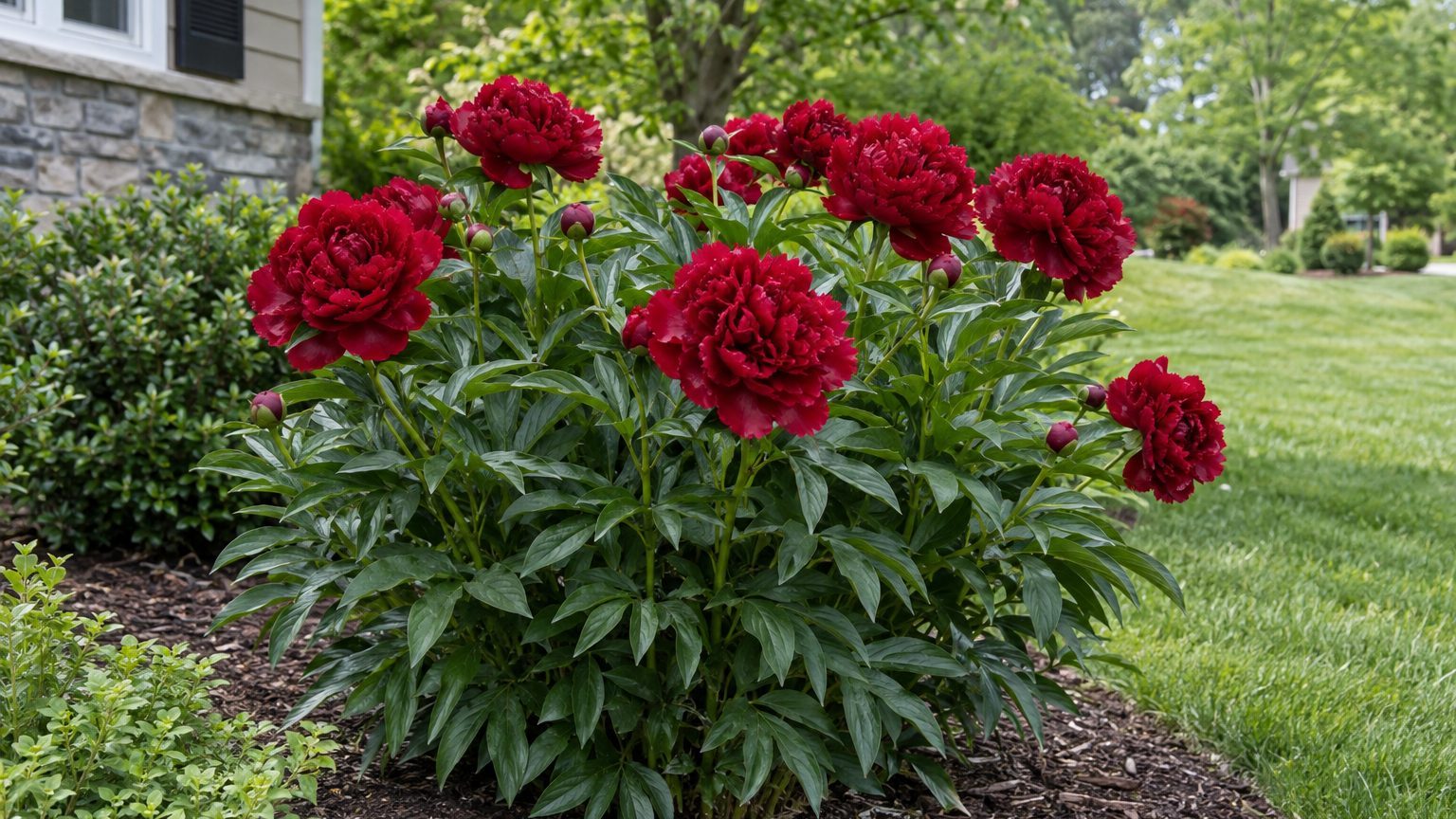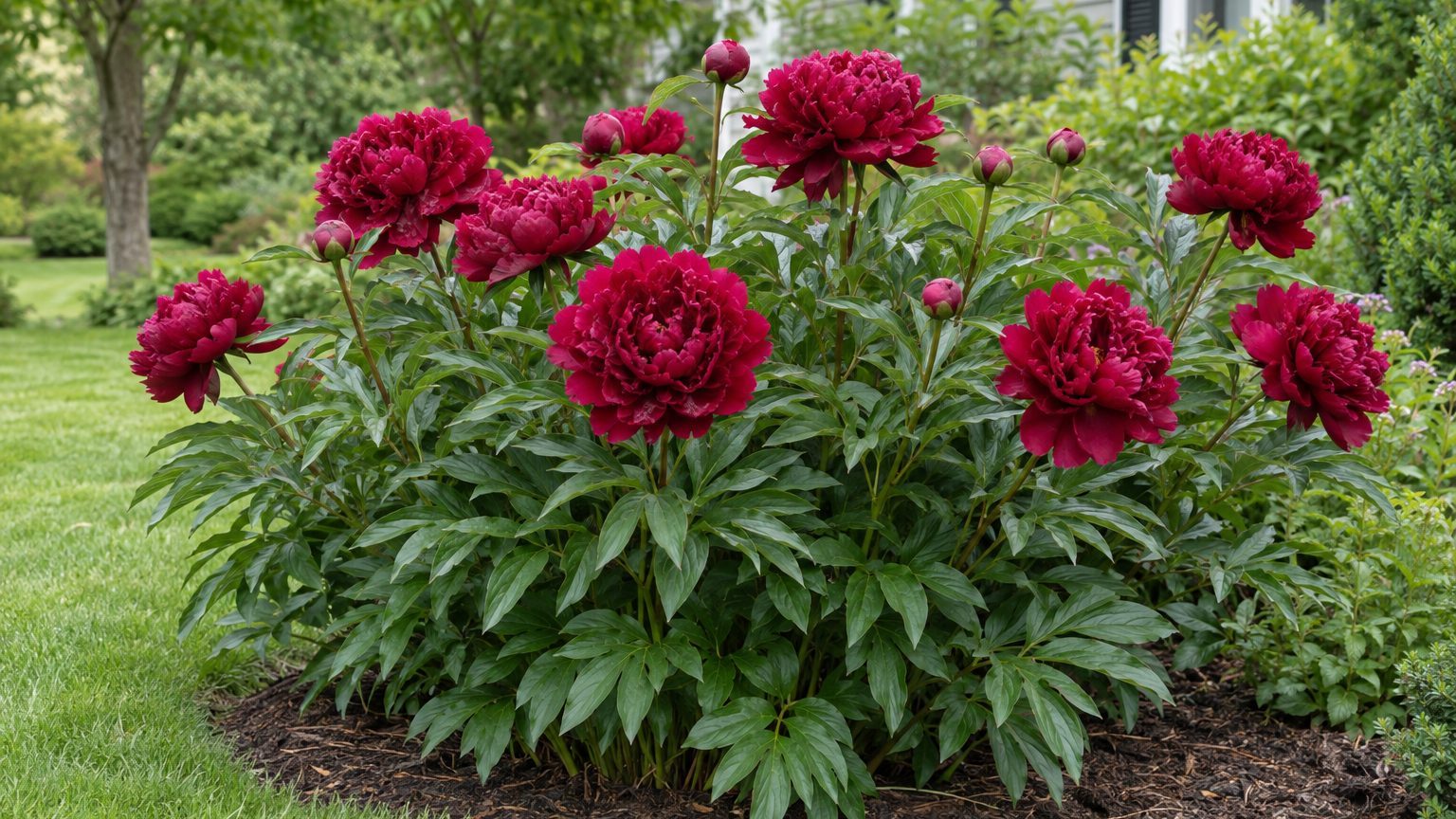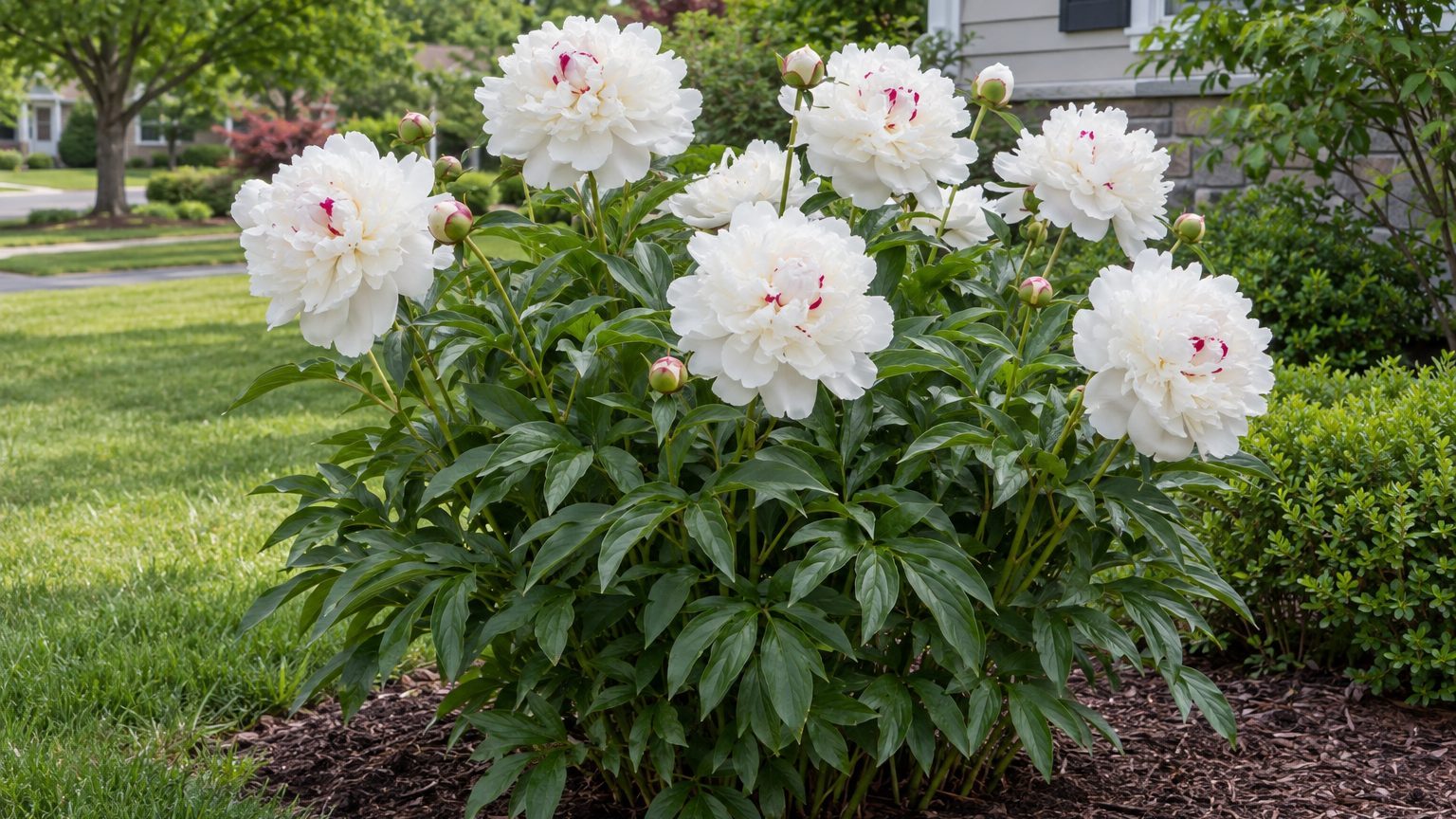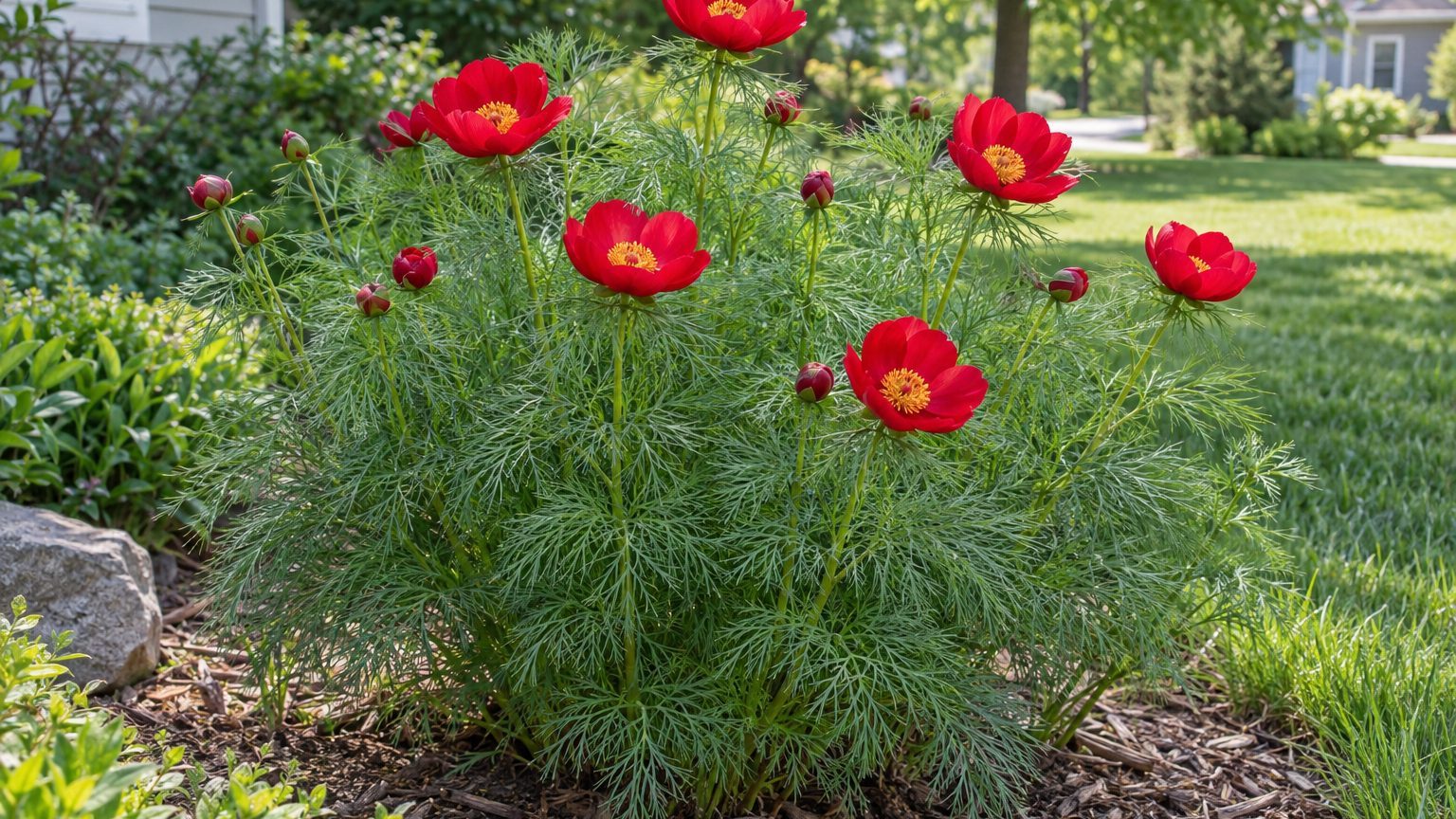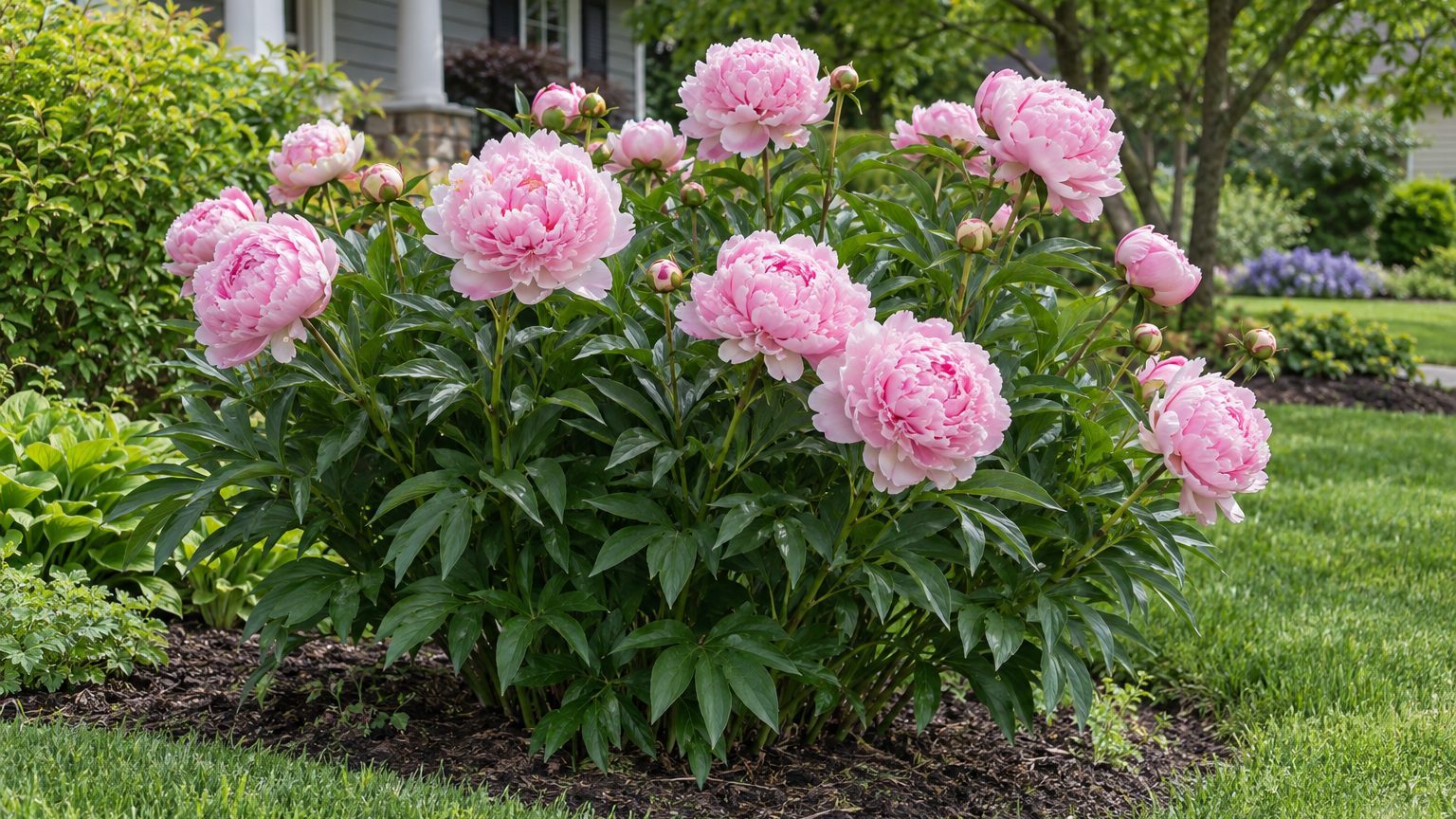
Sarah Bernhardt opens in late spring as a big, ruffled pink double, long after the early peonies have dropped their petals. Gardeners in cold-winter country plant it for exactly that late show.
What Is the Sarah Bernhardt Peony?
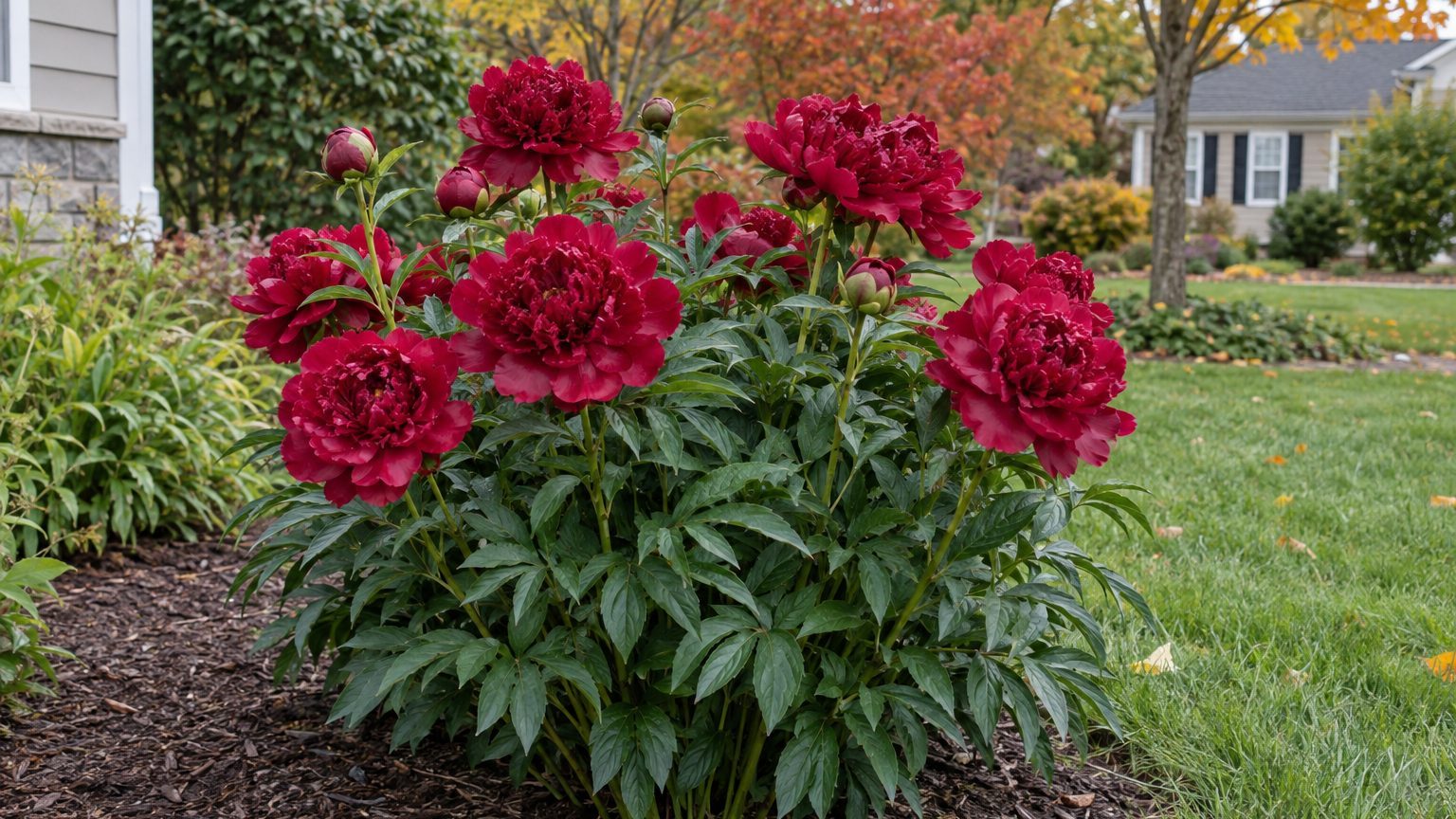
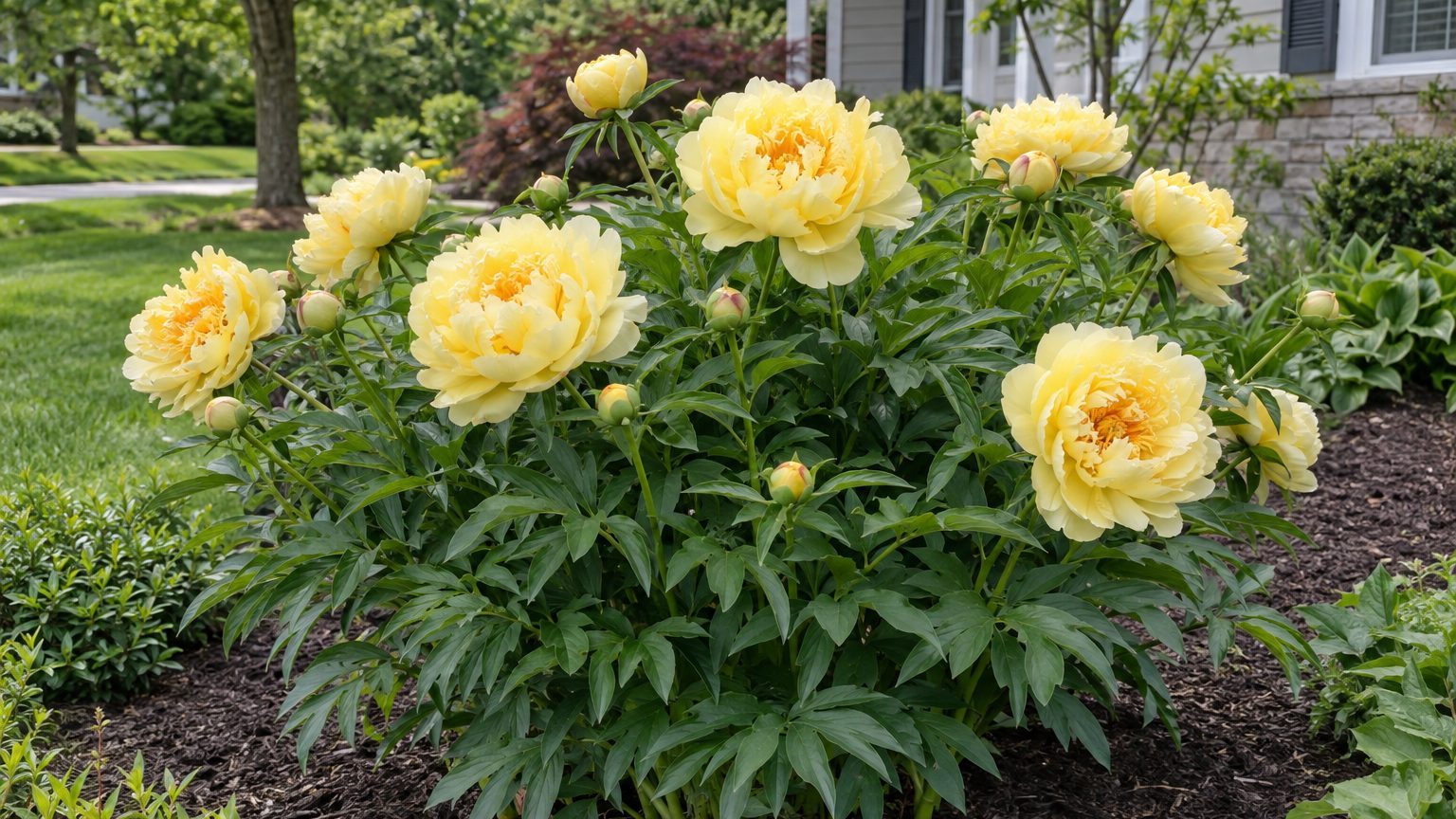
Sarah Bernhardt is a herbaceous peony, so it dies to the ground each fall and returns from its roots in spring. The flower is a pink double, a full rosette of petals rather than a single ring around a yellow center.
It belongs to the late group, and the soft, light pink opens after many other varieties have finished. In Kansas trials, the blooms came in May, which gives you color when the early-season garden is fading.
Check the plant tag for mature height and spread, since size varies with the nursery’s stock and your soil.
Where Does the Sarah Bernhardt Peony Grow Best?
Herbaceous peonies want a real winter, because cold sets the buds for the following spring. Hot, mild-winter places leave them short of that rest, so the plant sulks and flowers poorly.
- Upper Midwest and Great Plains: Winters in Minnesota, Iowa and Kansas give the roots the chill they need, and this late pink has been grown for cut flowers in Kansas trials.
- Interior Alaska: In Fairbanks trials, Sarah Bernhardt grew and flowered through hard winters, and it was among the productive cultivars in 2003.
- Gulf Coast and the Deep South: Warm winters in Louisiana, Mississippi and southern Georgia rarely deliver enough cold, and summer heat adds stress.
The state selector rendered just under this section takes you to the page for your own state, where the planting and bloom months are laid out.
How to Care for the Sarah Bernhardt Peony Through the Year
Spring Growth

Red shoots push up as the soil warms. Keep the crown shallow, with the buds just below the surface, since a deeply buried crown gives leaves and few flowers.
Set the support ring or stakes over the clump now, while the shoots are short. Heavy double flowers bend stems over, and it is far easier to place a ring before the foliage fills in.
Bloom
Flowers come late, in May in Kansas trials. That timing can overlap with spring rain, and wet double blooms get heavy and flop, so the early support pays off here.
If you cut stems for the house, take them when the buds are soft and just opening. In one Alaska trial, a big flowering year was followed by fewer buds the next season, so a lighter harvest may be wise.
Summer
Water deeply in dry spells and keep the leaves dry by watering at the base. Wet foliage is where fungal trouble starts, so leave air space between the clump and its neighbors.
Guard rows of this variety were planted along the edges of an Alaska trial as a buffer. In your yard, the same idea works: a tall, dense clump shelters smaller plants nearby.
Fall Cutback
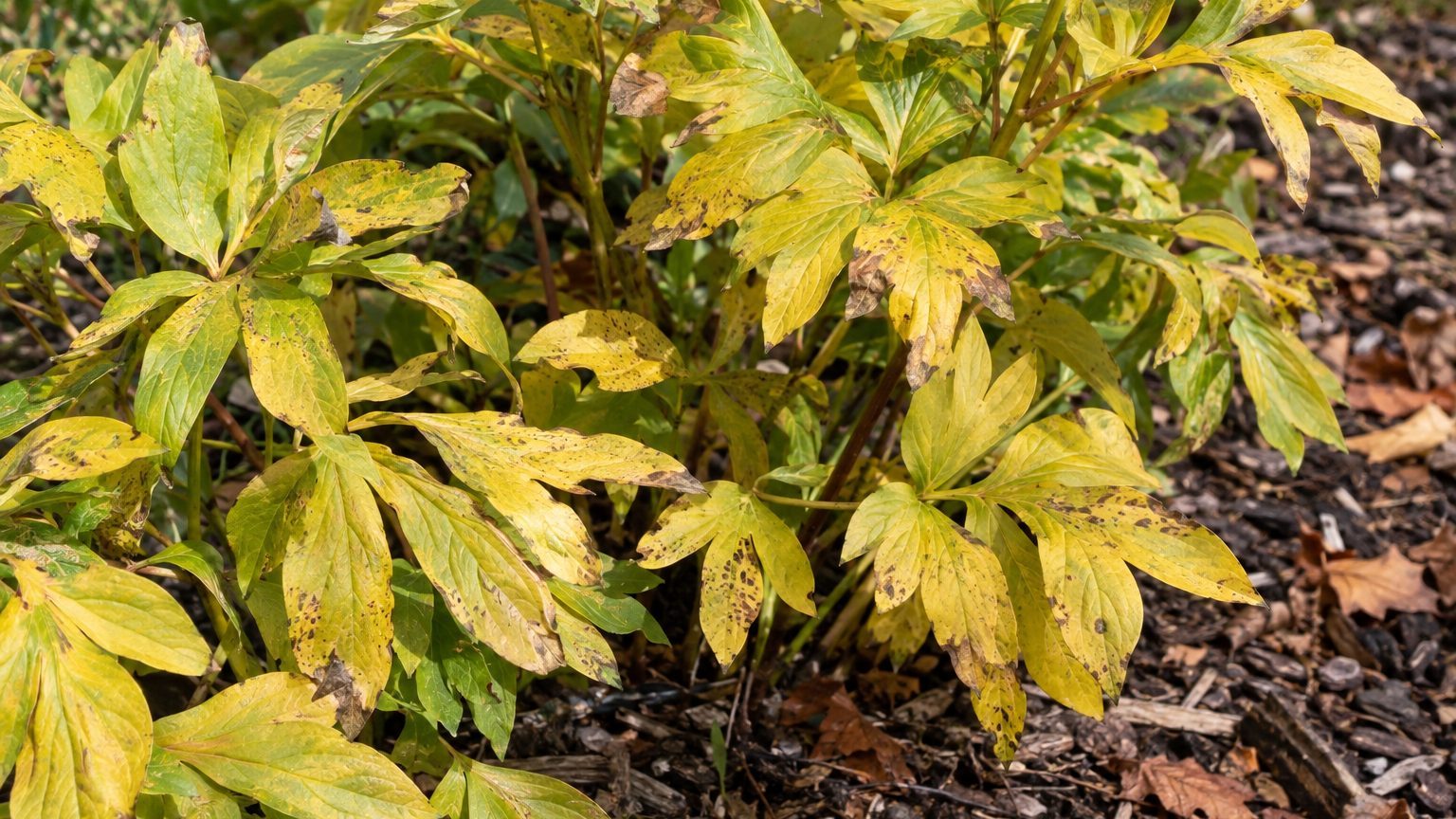
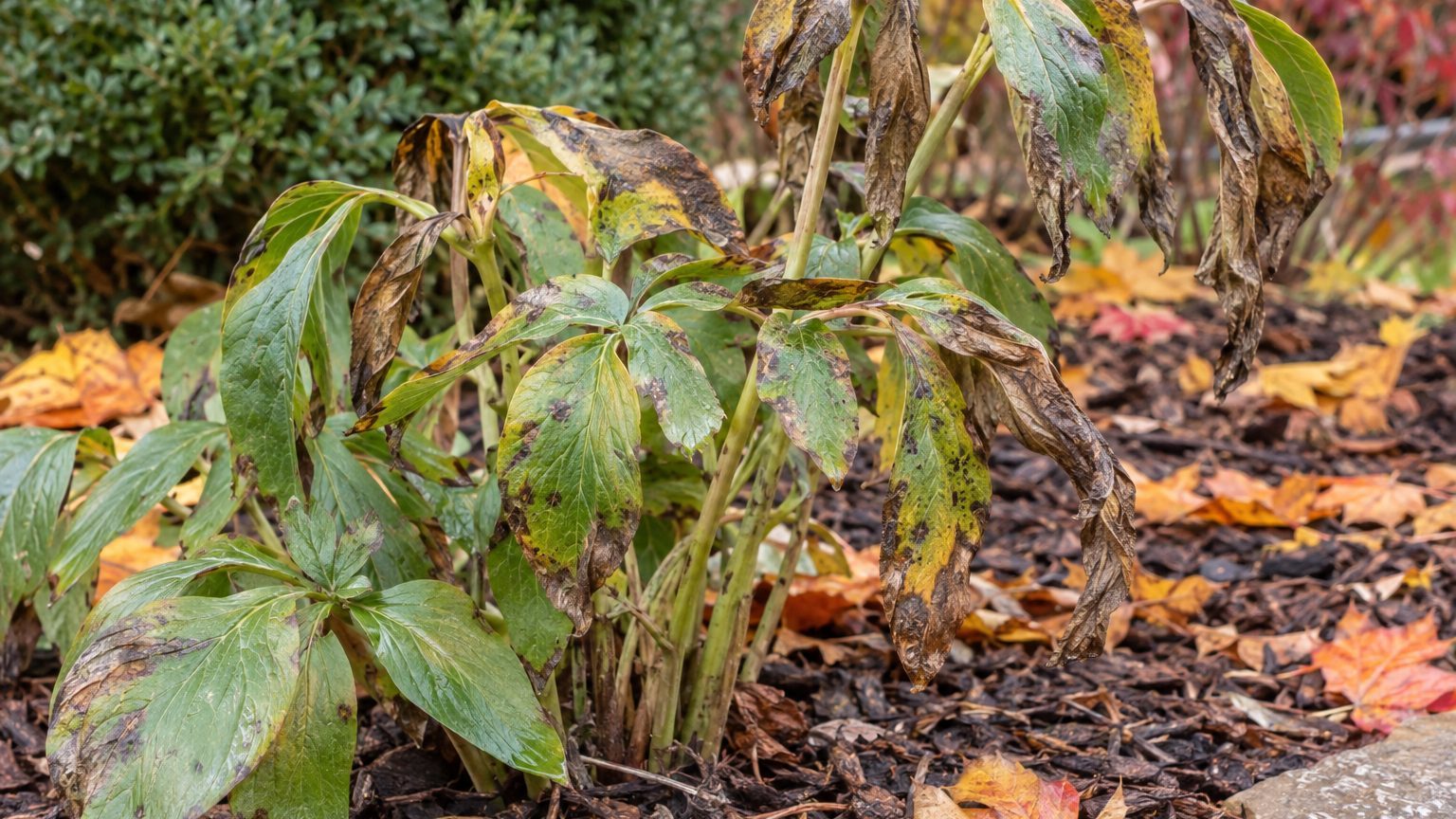
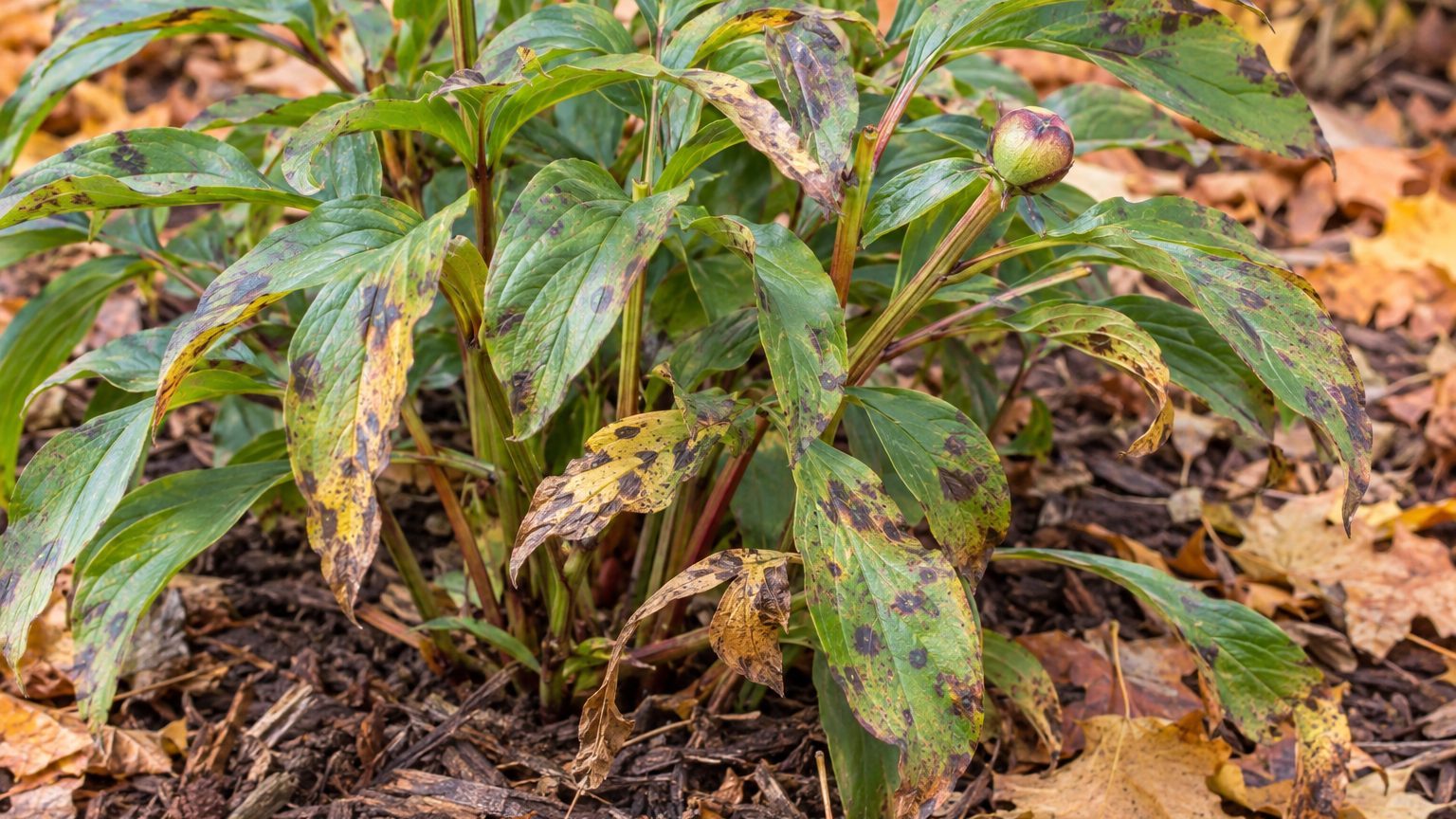
Once frost has blackened the foliage, cut the stems to the ground and remove the debris. Old leaves carry fungal spores, and removing them cuts the chance of repeat trouble next spring.
Winter
Leave the bare crown alone. This peony wants cold, so heavy winter mulch is unnecessary. In very harsh places, a light cover over a young plant is enough, and you should pull it back as growth begins.
Sarah Bernhardt Peony Diseases and Weak Points
Fungal leaf spots and blights are the usual worry with double peonies. Sarah Bernhardt shows lesions on leaves, sepals and guard petals, and the lesions respond to a fungicide.
The other weak point is flower production, which can swing from one year to the next.
| Threat | How Sarah Bernhardt handles it |
|---|---|
| Lesions on leaves, sepals and guard petals | Smaller lesions with fungicide treatment at 8 and 12 weeks |
| Fungal disease overall | One of just two cultivars in the trial that showed disease suppression with fungicide |
| Flower bud production | Fell in 2004, among the greatest drops of any cultivar tested |
| Cut-flower grade | Met the standards for U.S. No. 2 in one trial |
A fungicide helps, but sanitation and airflow do much of the work. Cutting the plant to the ground in fall and spacing clumps apart keep disease pressure low.
Is the Sarah Bernhardt Peony Right for Your Yard?
It suits a sunny bed with room to spread, where a late pink double fits the color plan and a support ring is no bother. It is a poor fit for warm-winter yards or for gardeners who want zero upkeep.
- Gardeners in cold-winter states will find a late bloomer that reliably extends peony season into the end of spring.
- Those in hot, mild-winter states should look at the state page first to see whether the chill is there before buying.
Open the state selector above to reach your own state page, then plant according to its months.
Common Questions
Is Sarah Bernhardt a Herbaceous Peony?
Yes. It dies back to the ground each winter and regrows from the crown in spring, so cut it down after frost.
Can You Grow Sarah Bernhardt in Alaska?
Trials in Fairbanks grew it successfully, and it was among the productive cultivars in 2003. Guard rows were planted on the east and west sides in those trials.
Why Does a Sarah Bernhardt Peony Make Fewer Flowers Some Years?
Bud counts can swing. In an Alaska trial, this variety dropped sharply in 2004 after a strong 2003. Cut fewer stems after a heavy year and keep the plant watered through summer.