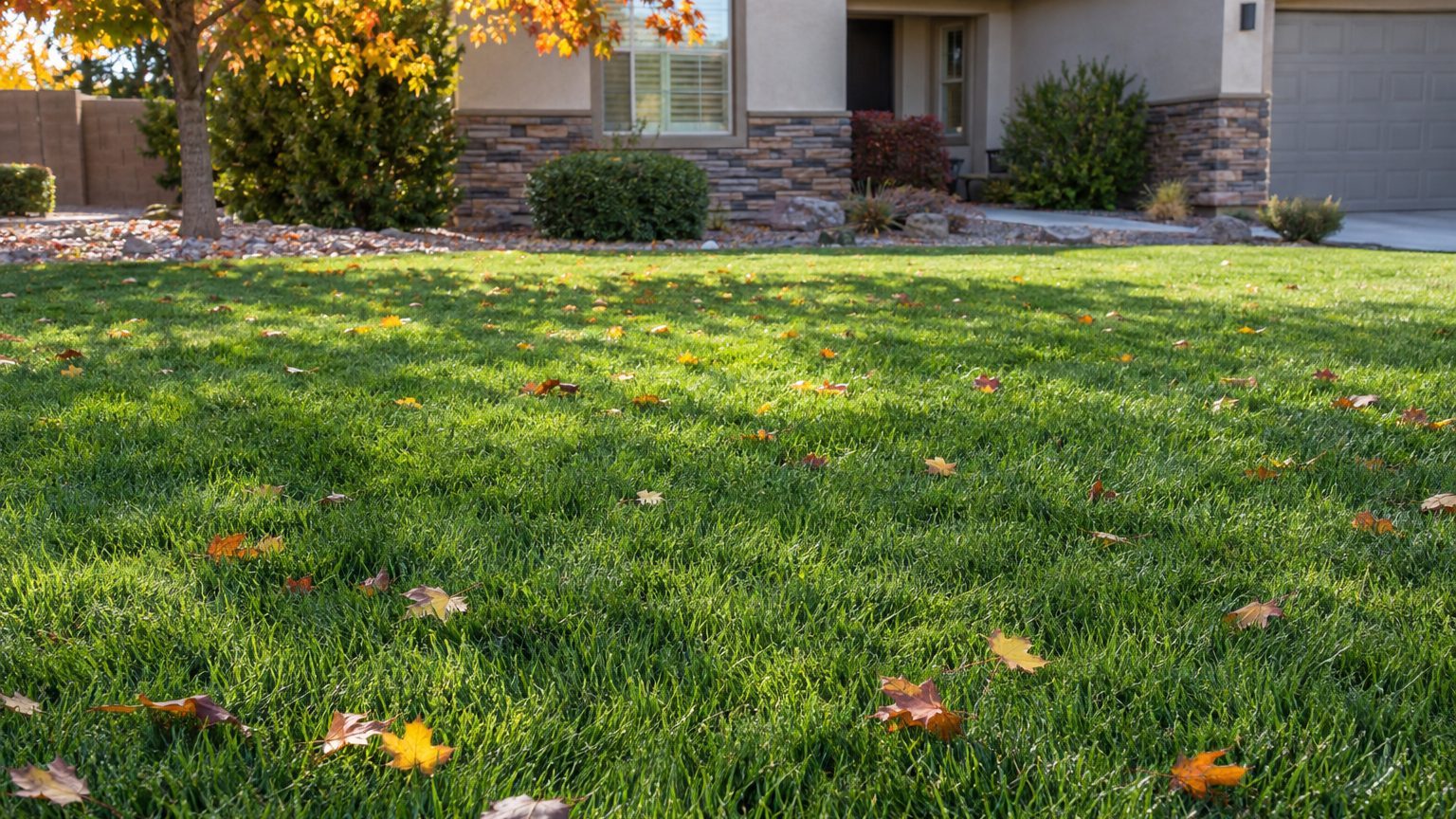
Spring in a Nevada yard starts with a lawn that greens slowly, then races once the soil warms. The work follows that rhythm: crabgrass prevention and mowing in spring, steady water through summer, then seeding, aeration and feeding as the heat breaks.
What to Do Each Month in a Nevada Lawn
Nevada lawn work clusters in spring and early fall, with summer given over to mowing and watering. Winter asks very little of you.
| Month | In the lawn |
|---|---|
| January | Rest. No mowing, feeding or seeding is scheduled, but local conditions and grass type still determine whether the lawn is dormant. |
| February | Rest. No lawn job is scheduled, though avoiding heavy traffic protects vulnerable turf. |
| March | Still quiet. Watch the grass and local conditions, and get the mower serviced before regular mowing begins. |
| April | Apply crabgrass preventer now, before the weed seeds sprout, and start mowing. Core aeration, dethatching and seeding also work this month if you prefer a spring job. |
| May | Mow regularly as growth picks up. If April slipped by, preventer still works, and so do aeration, seeding and a spring feeding. |
| June | Mow and begin deep watering, because summer heat is now pulling moisture from the soil faster than the roots can replace it. |
| July | Mow and water. The lawn is under heavy heat stress, so leave feeding and seeding for later. |
| August | Keep mowing and watering. Dethatching and seeding start now, while the soil is still warm enough for seed to sprout quickly. |
| September | Core aerate, dethatch, seed and feed, since young grass roots well in warm soil and cooling air. |
| October | Mow as long as the grass is growing. If you missed the September jobs, this is a month for mowing and watching, not new seed. |
| November | Give the lawn its late feeding and make the final mowings of the year. |
| December | Rest. Regular mowing is over, and the mower can stay in the shed. |
Jobs that share a month work well together. Aeration, dethatching, seeding and feeding all fall in September; finish disruptive work before seeding so young grass is not disturbed.
Nevada — the year and the numbers
- State
- Nevada
- USDA zones
- 4a-10a
- Last spring frost
- January 7 to February 1
- First fall frost
- December 8 to December 23
- Annual rain
- 4 in
- Lawn type
- cool-season
- Source
- NOAA NCEI U.S. Climate Normals 1991-2020, 32F freeze probabilities · Las Vegas
When Does the Lawn Season Start and End in Nevada?
Grass does not wait for a frost date. Growth begins when the soil reaches 65 to 70 °F and keeps rising, and it slows as the soil cools again. Cool-season grasses push hard in spring and fall and sulk in midsummer, while warm-season types peak in the heat and go straw-colored in winter.
Frost dates matter mostly for young seedlings, and they vary enormously across Nevada. In Las Vegas, a desert city that holds heat like a brick, the last spring freeze falls between January 7 and February 1. Reno, Carson City and any yard at elevation get frost months later in spring.
The first fall freeze in Las Vegas arrives between December 8 and December 23. Higher and cooler towns see it months earlier, which is why seed sown there needs to be down and rooted well before autumn turns cold. Treat the Las Vegas dates as the mild end of the state, not a planting guide, and ask your county extension office for dates that fit your town.
How the Lawn Calendar Shifts Across Nevada
Elevation strongly shapes Nevada’s lawn seasons, so the same month can bring very different conditions depending on where the yard sits.
- Las Vegas Valley: Warmth arrives early and lingers late, so the lawn wakes sooner and keeps growing longer. Summer heat is severe, and watering is especially important here.
- Reno and Carson City: Spring comes later and cold returns sooner. Seeding and feeding sit toward the early side of their windows so roots have time to settle before winter.
- Lake Tahoe: At this altitude the growing season is short and spring is slow. Work shifts later in spring and ends sooner in fall.
- Elko and the northeast: Cold high-desert winters keep the lawn dormant longer. Plan on the later end of spring tasks and the earlier end of fall ones.
If your yard sits between these places, lean toward whichever one it resembles in elevation and winter cold.
Lawn Care Timing Mistakes to Avoid in Nevada
Seeding Too Late in Fall
Seed sown after September meets cooling soil, and seedlings that sprout slowly head into winter with shallow roots. They often thin out or fail by spring.
Seed in August or September while the soil is still warm. If spring is your only chance, April and May work too, though summer heat will test the new grass.
Crabgrass Preventer After Sprouting

Preventer works by stopping seeds from sprouting, so a late application does nothing against weeds that are already up. Waiting until the lawn looks weedy means you have missed it.
Apply it in April, before the weed seeds germinate. May still works if April got away from you.
Feeding in Summer Heat
A heavy feeding in June, July or August pushes tender growth when the lawn is already stressed by heat and short on moisture. The result is more thirst and more burn risk, not more green.
Hold fertilizer for September and November, with May as a fallback. Summer is for mowing and watering instead.
Where to Get Lawn Advice in Nevada
Nevada’s elevation swings are wide enough that the state’s elevation swings make local advice especially important. The state extension service is the statewide source, and your county office knows the conditions in your town.
- Start with the extension website for lawn guidance written for Nevada soils, water and climate, and check it before any spring or fall job.
- Contact your county extension office before seeding to confirm which months fit your elevation and town.
- Bring a soil sample or a photo of any trouble spot to the county office when something looks wrong and you are unsure why.
Common Questions
Does the USDA Hardiness Zone Tell You When to Work on a Lawn?
Not really. The USDA system is based on the average annual extreme minimum temperature, and Nevada spans zones 4a to 10a. That tells you what survives winter, not when to seed or feed, so use soil warmth and your local elevation for timing.
Can You Follow a Las Vegas Schedule in Reno?
No. Reno’s later spring and earlier fall chill shift seasonal work, and the Las Vegas calendar would send you out too early in spring and too late in fall. Use your own town’s conditions and your county extension office as the guide.
How Do You Know When to Start Mowing in Spring?
Start when the grass is visibly growing and has greened up, which in the calendar usually means April. Mowing dormant grass does no good, and there is nothing to cut until growth begins.