Skip to content

Louisiana Lawn Care: What to Do and When

Louisiana Lawn Care: What to Do and When

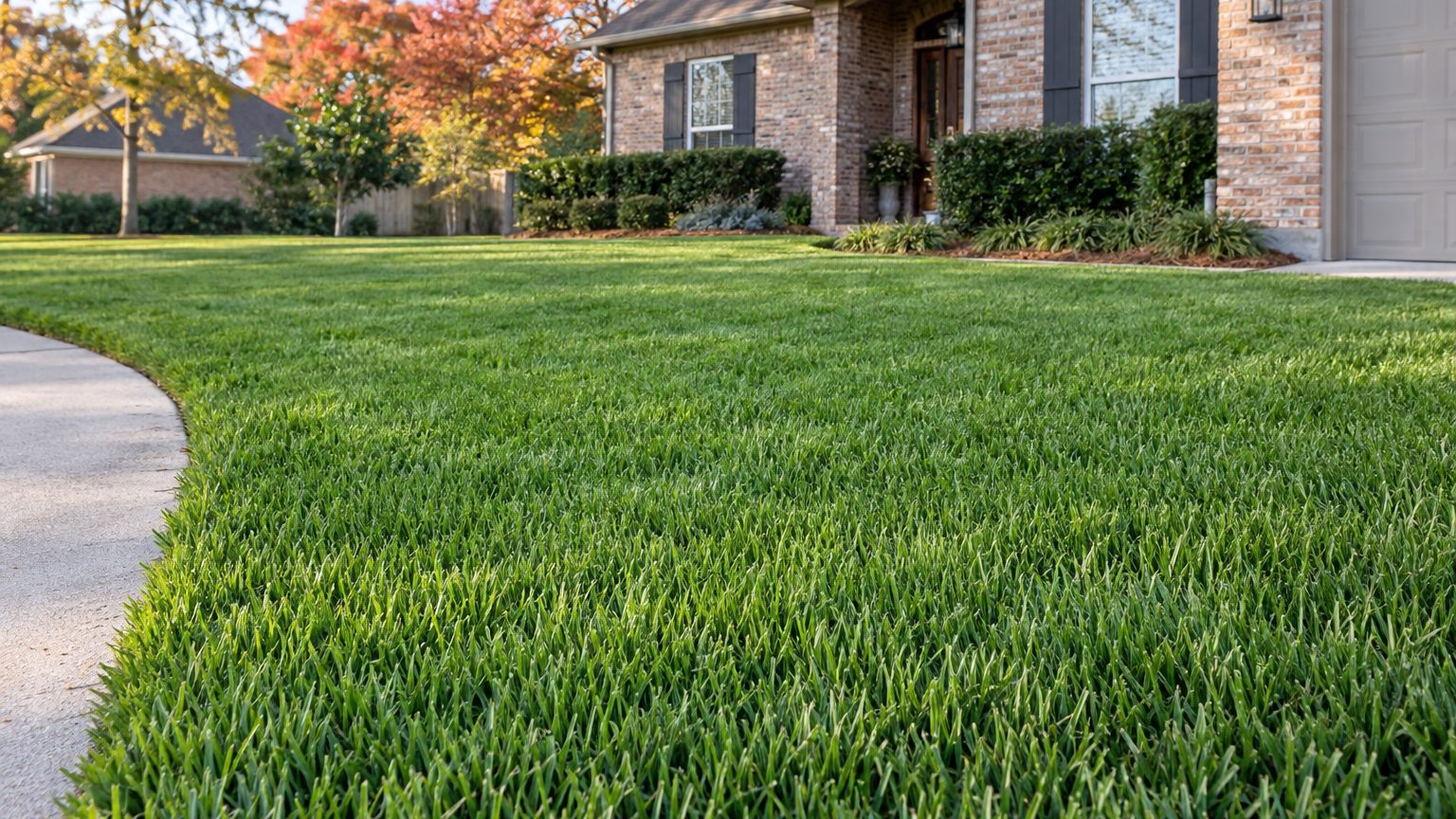
Summer in Louisiana does more to a lawn than winter ever will. Heat, humidity and heavy rain set the pace for Louisiana yards, and the right grasses and the timing of the main lawn jobs follow from that.

Frost Dates and Growing Season in Louisiana

The dates below are for New Orleans, while the USDA hardiness system places Louisiana across zones 8a to 10a; summer heat matters more to the lawn than frost.

  • In New Orleans, a freeze can still arrive between December 17 and January 8, but roughly one year in seven passes with no freeze at all, so warm-season grass mostly rests rather than suffers.
  • By late winter in New Orleans, the last spring freeze falls between January 18 and February 8, which means a young seedling rarely faces frost there, though north Louisiana freezes far more reliably.
  • In early spring, mowing starts in March as the grass greens up, because growth follows soil warmth and not the calendar of the last frost.
  • Fertilizing and watering span much of the warm season, while dethatching and core aeration belong in narrower windows around the start of active growth.
  • In autumn, mowing continues through November while growth slows, and there is no frost deadline that closes a seeding season, since seeding belongs to late spring here.

Summer heat, not frost, is the limit you plan around, and that flips the usual planting calendar upside down.

Cool-Season or Warm-Season Grass in Louisiana?

Warm-season grass is the answer. Mild winters make cold hardiness a minor concern, while long, humid summers and heat stress rule out cool-season types like tall fescue, which struggle to survive a Louisiana July.

Warm-season grasses go dormant and turn tan in a hard freeze, then wake up as the soil warms. That short brown spell is normal and does not mean the lawn has died.

Grass How it does in Louisiana Why
St. Augustinegrass A common choice for home lawns Sold as sod or plugs only, with no seed available
Centipedegrass Suits low-maintenance lawns Can be started from seed, sod or plugs
Bermudagrass Handles heat and sun well Can be started from seed
Zoysiagrass Forms a dense turf Mostly planted as sod or plugs
Bahiagrass Tough on poor ground Can be started from seed

Each of these five is a warm-season grass, so the choice comes down to sun, upkeep and whether you want to start from seed or sod.

When to Seed, Fertilize and Aerate a Lawn in Louisiana

Nearly every big lawn job here lands in late spring and summer, when warm-season grass is growing fast enough to recover. Work done in that stretch heals quickly.

Only seeded grasses (bermuda, centipede, bahia) can be started from seed. St. Augustine has no seed, so it goes in as sod or plugs.

Task When to do it in Louisiana Why then
Seeding May, and June if May slips by Warm soil gets seed up and rooted quickly
Laying sod May, and it also works in April, June and July Active growth helps sod knit into the soil
Core aeration May, and June also works The grass fills in the holes fast
Dethatching May and June, and April also works Growing turf recovers from the disturbance
Fertilizing May through August Feeding matches active turf growth
Watering May through September Heat and dry spells call for extra moisture

Mowing runs the longest of all, from March through November, so the mower is the tool you reach for most often.

Lawn Problems to Watch for in Louisiana

Winter Browning

Tan, crispy-looking grass after a cold snap is usually dormancy, not death. Warm-season turf pauses when temperatures drop, and it returns as the soil warms. Hold off on fertilizer until growth resumes in spring.

Heat and Drought Stress

Grass that turns dull blue-gray and stays flat after you walk across it is asking for water. Louisiana summers can dry a lawn quickly even in a humid climate. Water as needed from May through September, soaking deeply rather than sprinkling lightly.

Thin Turf in Wet, Shady Spots

Thin Turf in Wet, Shady Spots — Louisiana Lawn Care: What to Do and When

Humidity and heavy rain keep shaded areas damp, and thin, patchy grass there often points to too little sun combined with soggy soil. Improve drainage where water sits, and consider a shade-tolerant choice or a bed of mulch where turf will not hold.

How Lawn Care Dates Change Across Louisiana

Louisiana is mostly flat, so latitude and distance from the Gulf drive the differences more than elevation does.

  • The Gulf Coast: Mild winters can bring an early green-up and a short dormant season.
  • New Orleans and Baton Rouge: Freezes are occasional, and spring growth starts early enough that mowing can begin in March.
  • North Louisiana around Shreveport and Monroe: Freezes come more reliably, so dormancy lasts longer and spring green-up arrives a little later.

If you live in the northern parishes, lean toward the later side of any spring window, and near the coast, the earlier side.

Where to Get Lawn Advice in Louisiana

The LSU AgCenter is the state’s extension service, and it has an office tied to every parish, which makes it the natural place for questions about your own soil and grass.

  • Contact your parish extension office to arrange a soil test, which tells you what the lawn needs before you buy fertilizer.
  • Bring a sample of a struggling patch to the office for a diagnosis when the cause is not obvious.
  • Go in late winter or early spring, so you have results in hand before the May window for seeding and feeding opens.

Common Questions

Can You Plant Cool-Season Grass in Louisiana?

You can, but it rarely lasts. Cool-season types struggle through the heat of a Louisiana summer, so most homeowners stay with warm-season grasses that are built for it.

Why Is My St. Augustine Lawn Not Growing from Seed?

St. Augustinegrass is never sold as seed. It has to be planted as sod or plugs, and May is the best month, with April, June and July also working.

Is Brown Grass in Winter a Sign the Lawn Is Dying?

Not by itself. Look for tan grass across the whole yard after cold weather, followed by green growth as spring warms the soil. That pairing points to normal dormancy.
Kentucky Lawn Care: What to Do and When

Kentucky Lawn Care: What to Do and When

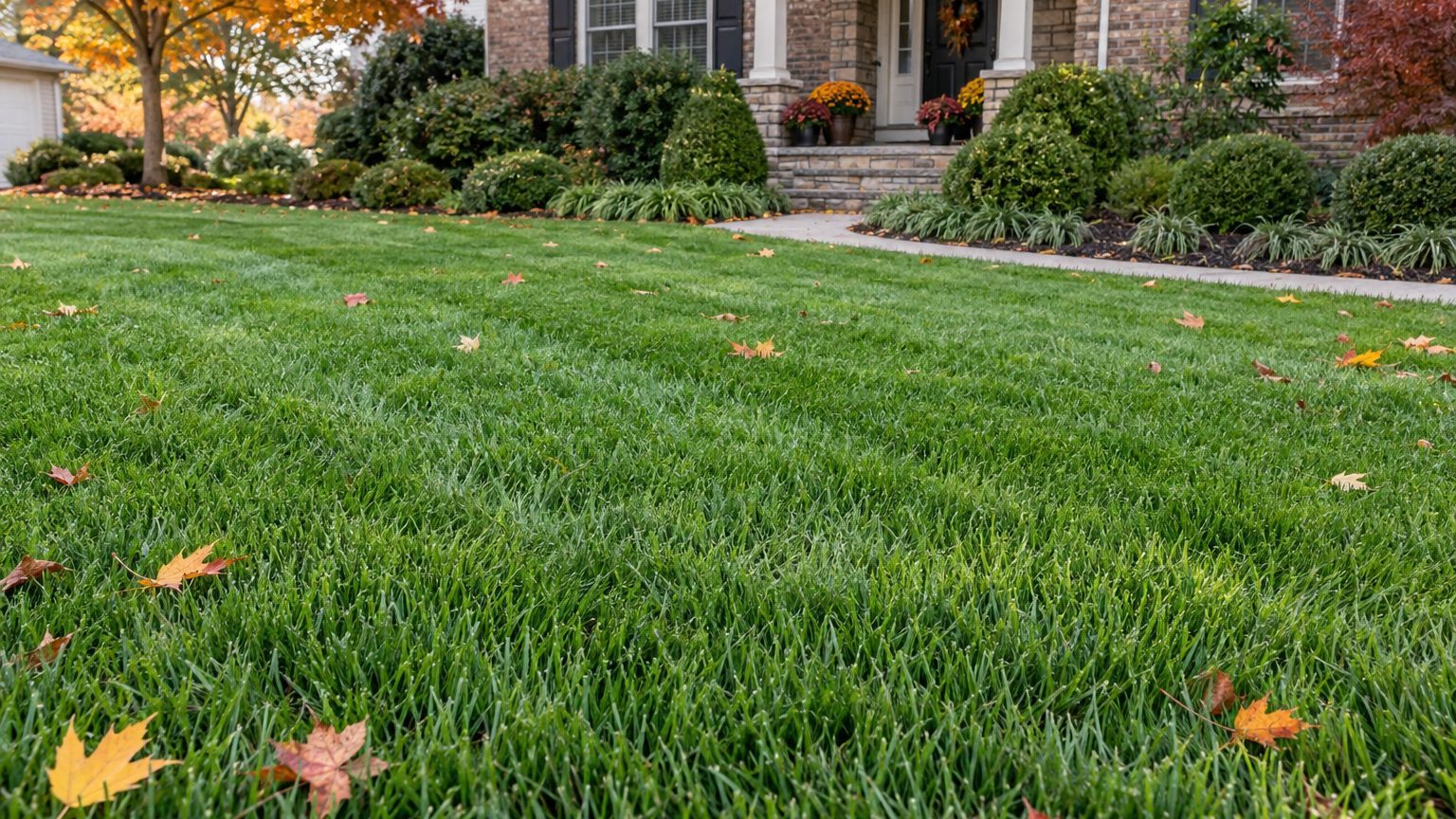
Kentucky sits in the transition zone, where a fescue lawn can look lush in May and scorched by August, and where a bermudagrass lawn turns tan after the first hard frost. Lawns in Kentucky do best when you match the grass to the season and put the big jobs in the right months.

Frost Dates and Growing Season in Kentucky

Kentucky falls in USDA hardiness zones 6a to 7a, and the dates here speak for Louisville, where the last spring freeze usually lands between March 24 and April 4. Rural yards nearby tend to freeze later in spring and sooner in fall than the city does. Grass grows with soil warmth, so here is the lawn year in order.

  • In late winter and early spring, a hard freeze can still nip a seedling, so new seed waits. March is the month for crabgrass preventer, and the first fertilizer of the year for tall fescue goes down in March too.
  • Once the soil warms in May and June, bermudagrass and zoysiagrass wake up and are ready for seed, sod or plugs. Warm-season lawns also take their feeding from May through July.
  • Through summer, mowing continues and watering matters most in June, July and August. Tall fescue should not be fertilized in summer.
  • In August, the soil is still warm and the first fall frost is far off, so it is the time to aerate and overseed tall fescue, with September as a fallback.
  • In Louisville, the first fall freeze usually arrives between November 2 and November 12, and tall fescue seeding should already be finished by then. Fescue gets its fall feeding in September and October, and mowing carries on through November.

A young seedling is vulnerable to a hard freeze, which is why late-summer seeding, with time for roots to grow before cold, works so well here.

Cool-Season or Warm-Season Grass in Kentucky?

Both types can live here, because Kentucky is cold enough in winter to stress warm-season grass and hot enough in summer to stress cool-season grass. Tall fescue is the common answer for most lawns. Warm-season grasses suit sunny, hot sites where you accept a tan lawn in winter.

Grass Season How it does in Kentucky
Tall fescue Cool Widely grown, stays green through much of the year, needs fall feeding and no summer fertilizer
Kentucky bluegrass Cool Suits cooler, higher ground in the state
Bermudagrass Warm Grown from seed or sod, grows through summer, turns tan in winter
Zoysiagrass Warm Mostly started from sod or plugs, thrives in summer heat, turns tan in winter

Cool-season lawns get seeded in late summer, while warm-season lawns are planted in late spring. Mixing the two in one yard tends to look patchy, since they green up and go dormant on different schedules.

When to Seed, Fertilize and Aerate a Lawn in Kentucky

Most of the big jobs for a fescue lawn cluster in late summer and fall, while warm-season lawns do theirs in late spring and summer. Pick the column that matches your grass.

Task Best months in Kentucky Why then
Seeding tall fescue August (September also works) Warm soil and cooler air help seed root before winter
Core aeration August (September also works) Opens the soil just before overseeding
Fertilizing cool-season lawns March, September, October Feeds roots when fescue is growing actively
Crabgrass preventer March (February, April or May also work) Goes down before crabgrass seed sprouts
Seeding bermudagrass or zoysiagrass May (June also works) Warm soil gets these grasses growing fast
Fertilizing warm-season lawns May, June, July Matches their peak growth
Dethatching August and September for fescue, May and June for warm-season Lawns recover fast while actively growing

Sod for bermudagrass or zoysiagrass goes down in May, and June or July still works if spring slips by. Water new sod and seed regularly, since summer demand peaks from June through August.

Lawn Problems to Watch for in Kentucky

Brown Fescue in Midsummer

Tall fescue slows down in the heat of July and August, and a lawn that thins and browns is often just stressed by hot, dry weather. Water deeply during June, July and August, and skip summer fertilizer, which pushes weak growth. Fall seeding and feeding bring it back.

Crabgrass in Thin Spots

Crabgrass in Thin Spots — Kentucky Lawn Care: What to Do and When

Bare or thin patches in a sunny lawn fill with crabgrass as the soil warms. A preventer applied in March, before the seed sprouts, helps control crabgrass, and a thick fescue lawn that was overseeded the previous fall shades out much of what is left.

Tan Lawn After Frost

Bermudagrass and zoysiagrass turn tan after the first fall freeze, which is normal dormancy and not a sign of death. They green again as the soil warms. Patches that stay brown well into the following summer, especially in low or shady spots, may be winter damage and are worth reseeding or replanting in May.

How Lawn Care Dates Change Across Kentucky

Kentucky stretches a long way, and the dates for each job shift a little from one corner to another. In general, cooler and higher ground runs later in spring and sooner in fall.

  • Louisville and the Ohio River: The urban heat here warms the ground earlier, so spring tasks can start a little sooner than in outlying rural areas.
  • Eastern Kentucky mountains: Elevation brings cooler air, so frost lingers longer in spring and arrives sooner in fall. Kentucky bluegrass and tall fescue fit this ground better than warm-season grasses.
  • Western Kentucky and the Purchase: Summers run warmer, which favors bermudagrass and zoysiagrass, and the warm-season planting window opens earlier.

When your yard sits between these regions, follow how the soil and grass behave, and let the dates act as a guide.

Where to Get Lawn Advice in Kentucky

University of Kentucky Extension offers research-based lawn guidance, and each county has its own office with local agents who know the soil and the grasses of your area.

  • Your county extension office can run a soil test, which tells you what the lawn actually needs before you buy fertilizer.
  • Bring a sample of a troubled patch to the office for a diagnosis when the cause is not obvious.
  • Pull a soil sample before the August seeding window so the results are back in time.

Common Questions

Can You Seed a Lawn in Kentucky in Spring?

Warm-season grasses like bermudagrass go in during May, with June as a fallback. For tall fescue, spring seeding is riskier because young grass has to face summer heat, so August is the better choice.

Should You Fertilize Tall Fescue in Summer?

No. Tall fescue is fed in early spring and again in fall, and summer feeding only stresses it.

Is It Normal for a Kentucky Lawn to Turn Tan in Winter?

For bermudagrass and zoysiagrass, yes, since they go dormant after frost. A tall fescue lawn that turns brown in winter may be under stress, so check the site conditions before deciding how to respond.

Kansas Lawn Care: What to Do and When

Kansas Lawn Care: What to Do and When

Kansas lawns green up in spring, push through a hot, dry summer, and get their second wind when fall cools the soil again. Most yards here are tall fescue or bluegrass, with bermudagrass and zoysiagrass in sunnier, hotter spots. What you do in each season depends on the grass you have and the frost risk around your own address.

Frost Dates and Growing Season in Kansas

Kansas spans hardiness zones 5b to 7a on the USDA system, so a lawn in the northwest faces a different winter than one in the southeast. In Wichita, the last spring freeze falls between April 4 and April 18. There, the first fall freeze falls between October 23 and November 2. Suburban and rural yards usually freeze later in spring and earlier in fall, so check your own county.

  • In late winter and early spring, cool-season lawns wake slowly, and March is the time for the first feeding and for crabgrass preventer before weeds germinate.
  • Once the soil warms in May and June, bermudagrass and zoysiagrass take off, which makes that the window to seed, sod or feed them.
  • Through summer, from June to August, the job is watering deeply and mowing steadily while the grass copes with heat.
  • In late summer, August and September, cool-season lawns are aerated and overseeded, because warm soil and cooler nights help seed root before winter.
  • In fall, September and October bring a second feeding, and mowing continues into November as long as the grass grows.

A frost date marks the risk of cold damage, not the day grass starts or stops growing. A freeze after a spring seeding can kill tender seedlings, and seed sown too close to the first fall freeze may not establish before cold weather.

Cool-Season or Warm-Season Grass in Kansas?

Both can work, because Kansas sits where cold winters meet hot summers. Cool-season grasses stay green longer and are the usual choice for most yards. Warm-season grasses handle heat and drought well but turn tan after the first hard freeze.

Grass How it does in Kansas Why
Tall fescue Common, stays green much of the year Tolerates heat and dry spells better than bluegrass
Kentucky bluegrass Suited to cooler, higher ground Prefers milder summers and more moisture
Bermudagrass Thrives in full sun, from seed or sod Loves summer heat, goes dormant in cold
Zoysiagrass Dense turf, mostly from sod or plugs Handles heat and wear, slow to fill in

Fescue and bluegrass are cool-season lawns that you seed in late summer. Bermudagrass and zoysiagrass are warm-season lawns that go in during late spring, once the soil has warmed.

When to Seed, Fertilize and Aerate a Lawn in Kansas

Cool-season and warm-season lawns follow different calendars, so match the task to your grass. Tall fescue should never be fed in summer, while bermudagrass and zoysiagrass want their feeding then.

Task When to do it in Kansas Why then
Seeding tall fescue or bluegrass August, with September as a fallback Warm soil and cooler nights help seed root
Core aeration (cool-season) August, or September Opens the soil just before overseeding
Fertilizing cool-season lawns March, September, October Feeds roots when the grass is growing actively
Seeding bermuda or zoysia May, or June Soil is warm enough for germination
Laying sod, warm-season May, or June and July Roots knit in during strong growth
Fertilizing warm-season lawns May, June, July Matches their peak growth
Crabgrass preventer March; it can also go down in February, April or May Goes down before weed seeds sprout

Dethatching follows the same split. Cool-season lawns can be dethatched in August and September, while bermuda and zoysia are done in May and June, or April if you start early.

Lawn Problems to Watch for in Kansas

Brown Patches in Summer Heat

Brown Patches in Summer Heat — Kansas Lawn Care: What to Do and When

Bluegrass and fescue can fade to straw color in July and August when heat and dry weather pile up. Check by pushing a screwdriver into the soil, since dry ground that resists it points to drought stress. Water deeply during June, July and August rather than lightly and often.

Thin Grass After Winter

Bare, thinning turf in spring, especially where cold winds sweep open ground, often means winter stress or last year’s weak seeding. Look at whether the thin area is exposed and whether it was seeded late. Overseed in August and September to thicken it.

Weeds in Thin Turf

Crabgrass fills gaps where grass is sparse, usually along sunny edges of drives and walks. A pre-emergence applied before germination helps limit crabgrass, while a dense lawn leaves fewer gaps for weeds.

How Lawn Care Dates Change Across Kansas

The state is wide, and the season shifts as you move across it.

  • Northwest Kansas: Colder winters and a shorter season push spring work later and fall seeding earlier. Bluegrass does better here on cooler, higher ground.
  • Kansas City area: Milder than the west, with room for both fescue and bluegrass. Late-summer seeding usually has time to root before cold.
  • Wichita and south-central Kansas: Hotter summers favor bermudagrass and zoysiagrass, and warm-season work can start a little sooner.
  • Southeast Kansas: Milder winters give southeast Kansas a longer growing season, though summer heat stresses cool-season lawns more.

Treat these dates as guides, and check local conditions before timing work in your yard.

Where to Get Lawn Advice in Kansas

Local experts can tell you what your soil and grass need before you spend money on seed or fertilizer.

  • K-State Research and Extension offers lawn guides and grass recommendations for each part of the state.
  • Your county extension office can run a soil test, so go before you fertilize in March or September.
  • Bring a sample of a troubled patch to the county office for a diagnosis before you treat it.

Common Questions

Can You Plant Grass Seed in Kansas in Spring?

Yes, warm-season grasses like bermudagrass are seeded in May, with June as a fallback. Cool-season grasses do better when seeded in late summer.

Should You Mow in Winter in Kansas?

Mowing runs from March through November for cool-season lawns. Warm-season lawns are mowed from April through October, then rest.

Does Bermudagrass Stay Green in Kansas Winters?

No. Bermudagrass and zoysiagrass go dormant and turn tan in cold weather, then green up again once the soil warms in spring.

Indiana Lawn Care: What to Do and When

Indiana Lawn Care: What to Do and When

Indiana lawns green up in April, thicken through the cool, damp weeks of May and June, and then spend July and August trying to hold on. The grasses that do best here are the cool-season types, and most of the work happens in early spring and early fall.

Frost Dates and Growing Season in Indiana

Around Indianapolis, the last spring freeze usually falls between April 9 and April 21, and the first fall freeze between October 21 and October 30. Southern Indiana runs earlier in spring and later in fall by a fortnight or more, so adjust if you live down toward the Ohio River. Frost marks risk for young seedlings, not the day grass starts or stops growing, because growth follows soil warmth. Indiana sits in USDA zones 5b to 7a, so winters are cold enough to favor cool-season grasses.

  • In early spring, the soil is still cold and the grass is slow to wake, so this is the time to rake off winter debris and hold off on heavy feeding.
  • In April, crabgrass preventer goes down, and mowing begins as the lawn starts growing again. Core aeration and seeding also work well during the appropriate planting window, though a late freeze can nip tender new seedlings.
  • From May through June, growth is at its peak, and mowing is the main chore. A freeze after the spring window is still possible, with roughly a 10% chance, so cover anything fragile you planted early.
  • In July and August, heat slows the grass and watering matters most. Seeding and dethatching begin in August, once the worst heat eases.
  • From September through November, the lawn recovers. Seed has warm soil to germinate in and time to root before the first freeze, and fertilizing in September and November feeds the roots going into winter.

Mowing continues through November, so the season for the mower runs well past the first frost.

Cool-Season or Warm-Season Grass in Indiana?

Cool-season grass is the right call here. Indiana winters are cold enough to injure warm-season turf, while cool-season grasses stay green through spring and fall and tolerate the freezing months well.

Summer heat and dry spells are the weak point, and they are why watering and a fall renovation matter so much. The lawn grasses Purdue Extension lists for Indiana are all cool-season types.

Grass How it does in Indiana Why
Kentucky bluegrass Dense, self-repairing lawn that greens up well in spring Cold-hardy and spreads to fill thin spots, though it browns in dry summers
Tall fescue Holds up through heat and dry stretches Deep roots help it cope with summer stress
Perennial ryegrass Sprouts fast and is often mixed with other grasses Quick cover for new seedings and worn areas
Fine fescues Suited to lighter, shadier spots Creeping red, chewings and hard fescue tolerate lower fertility

Indiana seed is often sold as a blend of these species, so a bag may combine several of them. The best choices for your yard get a closer look on the state’s grass seed page.

When to Seed, Fertilize and Aerate a Lawn in Indiana

September is the busiest month for lawn work, since seeding, aeration and fertilizing all land there. Warm soil and cooler air give new grass a good start, and weeds compete less than in spring.

If you miss the fall window, April and May still work for seeding and aeration, though young grass then has to face summer heat before it is established.

Task Best months in Indiana Why then
Seeding August, September (April and May also work) Warm soil and cooler air help seed root before winter
Core aeration September (April and May also work) Grass is growing and recovers quickly from the holes
Fertilizing September, November (May also works) Feeds roots as the lawn heads into dormancy
Crabgrass preventer April (May also works) Goes down before crabgrass seed sprouts
Dethatching August, September (April also works) Grass is actively growing and fills in the gaps
Watering June, July, August Summer heat and dry spells stress the lawn most

Mowing runs from April through November, so keep the blade sharp for the whole stretch. Fertilizing in fall counts for more than in spring, because it builds roots instead of pushing leaf growth ahead of summer heat.

Lawn Problems to Watch for in Indiana

Brown Grass in Midsummer

Brown Grass in Midsummer — Indiana Lawn Care: What to Do and When

Indiana’s July and August heat sends cool-season grass into a tan, crunchy dormancy. Check whether the blades pull up easily with roots that are dead or chewed, which points to something other than heat. If the crowns are still firm, water deeply during the summer watering season; the lawn should recover as conditions improve.

Thin Grass Under Trees

Shade and tree roots leave turf sparse, with bare soil showing and moss creeping in where the ground stays damp. Fine fescues handle shade better than bluegrass, and overseeding in August or September gives them the best shot. Where shade is dense, a mulched bed often works better than fighting for grass.

Weedy Gaps After Winter

Cold winters and heavy spring rain leave thin areas, and crabgrass moves into them as soil warms. Seeing bare patches in spring and clumps of coarse, light-green blades in summer points to crabgrass. A preventer in April helps keep crabgrass from emerging the following summer, and thicker fall seeding crowds it out.

How Lawn Care Dates Change Across Indiana

Indiana stretches a long way from Lake Michigan to the Ohio River, and the season shifts with it.

  • Northwest Indiana (near Lake Michigan): Cool lake air keeps spring slower to warm, so seeding and preventer can wait a bit later than in the middle of the state.
  • Indianapolis and central Indiana: This is the middle ground, and the dates in this article fit it best.
  • Southern Indiana (toward Evansville and the Ohio River): Spring arrives earlier and fall frost comes later, so tasks start sooner and the fall window stays open longer.

When in doubt, go by how the soil and the grass are behaving instead of a fixed date.

Where to Get Lawn Advice in Indiana

The state’s land-grant university and your county office can answer questions specific to your soil, your grass and your yard.

  • Purdue Extension publishes lawn guides covering seeding, renovation and fertilizing for Indiana conditions.
  • Your county extension office can advise you on soil testing or help identify a problem from a sample, which is worth doing before you fertilize in September.

Common Questions

Can You Seed a Lawn in Spring in Indiana?

Yes, April and May work for seeding, though fall gives better results. Spring seedlings must get through summer heat before roots are deep, so plan to water them regularly.

Should You Rake or Dethatch an Indiana Lawn?

Raking in early spring clears debris, while dethatching is a bigger job for August or September when thatch has built up thick. April also works if you missed fall.

How Low Should You Mow in Indiana?

Keep the mower on a higher setting through summer, since taller grass shades the soil and handles heat better. Mowing continues from April through November, so keep the blade sharp.

Illinois Lawn Care: What to Do and When

Illinois Lawn Care: What to Do and When

Illinois lawns green up fast in April, slow down in July’s heat, and push back hard in September, when the grass finally gets the cool nights it likes. Most of the state grows cool-season turf, so the yard’s year runs on that rhythm of spring recovery, summer survival and autumn rebuilding.

Frost Dates and Growing Season in Illinois

In Chicago, the last spring freeze usually falls between April 11 and April 22, and the first fall freeze between October 24 and November 3. Suburban and rural yards tend to freeze later in spring and earlier in fall, often by one to two weeks, so check your own county. Illinois spans USDA hardiness zones 5a to 7b, so the far south runs milder than the north.

  • In early spring, grass wakes as the soil warms, not on a frost date, and April is the month to put down crabgrass preventer and to core aerate if you missed the fall window.
  • In late spring, May brings steady mowing and fast growth, and it also works for a light feeding or for seeding bare spots if April slipped by.
  • In summer, June through August is when watering matters most, and a young seedling caught in that heat struggles to survive.
  • In late summer, August and September are the seeding months, with dethatching in the same stretch, so new grass roots before winter.
  • In fall, September and November suit fertilizing, and mowing continues through November as long as the grass keeps growing.

A frost only marks the risk to tender new seedlings, so spring seed sown too early can be knocked back, while seed sown too late in fall may not root before the ground freezes.

Cool-Season or Warm-Season Grass in Illinois?

Cool-season grass is the standard choice here. It handles the cold winters across all of Illinois and grows hardest in spring and fall, then slows in midsummer heat and dry spells.

Warm-season turf struggles with the winters, and it is not what extension guidance lists for the state’s lawns.

Grass How it does in Illinois Why
Kentucky bluegrass Dense, self-repairing lawn Cold-hardy cool-season grass that spreads to fill thin areas
Tall fescue Holds up through summer stress Deep roots help it ride out heat and dry weather
Perennial ryegrass Quick to sprout Cool-season grass that establishes fast, often mixed with others
Fine fescues Good for lighter, shadier spots Creeping red, chewings and hard fescue suit lower-input lawns

Many Illinois lawns blend these grasses, so a patch that struggles under certain conditions can be supported by a different type.

When to Seed, Fertilize and Aerate a Lawn in Illinois

Late summer into early fall is the busiest stretch of the lawn year here. Seed, aeration and feeding all land in August and September, when warm soil and cooler air favor new roots.

Spring offers a fallback window for several of the same jobs.

Task Best months in Illinois Why then
Seeding August, September (April and May also work) Seedlings root before winter with less weed pressure
Core aeration September (April or May if needed) Grass recovers quickly in active growth
Fertilizing September, November (May also works) Feeds roots as the grass stores energy for winter
Dethatching August, September (April also works) Grass can rebound before cold weather
Crabgrass preventer April (May also works) Goes down before crabgrass seed sprouts
Watering June, July, August Summer heat dries the soil fastest

If you miss September for aeration, April or May still gets the job done. Mowing runs from April through November.

Lawn Problems to Watch for in Illinois

Thin, Bare Patches After Winter

Cold winters, ice and salt along driveways leave thin or brown spots in spring. Rake the dead grass out and reseed in April or May, or wait for August and September for the strongest start.

Brown Grass in Midsummer

Brown Grass in Midsummer — Illinois Lawn Care: What to Do and When

Heat and dry spells turn cool-season turf tan, especially on slopes and compacted soil. A dormant lawn often recovers when cooler weather returns, though regular watering through June, July and August keeps it greener. Brown that stays when the soil is moist points to a different problem.

Weedy, Compacted Areas

Heavy clay soil packs down under foot traffic, and thin turf lets weeds in. Core aeration in September opens the soil, and overseeding after it fills gaps so weeds have less room.

How Lawn Care Dates Change Across Illinois

Illinois stretches a long way north to south, and the season shifts with it.

  • Chicago and the northern counties: Springs arrive later and falls turn cold sooner, and Lake Michigan keeps shoreline spring cooler, so seeding and feeding sit toward the later end of spring windows and the earlier end in fall.
  • Central Illinois around Springfield and Peoria: Dates fall between north and south, so the general windows apply fairly closely.
  • Southern Illinois near Carbondale: Soil warms earlier in spring and stays warm longer in fall, so spring jobs can start sooner and fall seeding can run a bit later, though summer stress hits harder.

Open, exposed yards run colder than sheltered ones, so a county office can help you fine-tune timing.

Where to Get Lawn Advice in Illinois

Local experts can tell you which grass and which dates suit your own soil and neighborhood.

  • University of Illinois Extension offers lawn guidance written for the state, which helps when you plan seeding or fertilizing.
  • Your county extension office can run a soil test or help diagnose a patch, so visit before you buy fertilizer or lime.

Common Questions

Can You Plant Warm-Season Grass in Illinois?

It is a poor fit for most of the state, because winters are cold enough to thin it. Kentucky bluegrass, tall fescue, perennial ryegrass and fine fescues are the usual choices.

Is Spring a Good Time to Seed in Illinois?

April and May work as a fallback, but young grass then faces summer heat before it has deep roots. If you can wait, August and September give better results.

Why Does a Lawn Turn Brown in Summer but Stay Alive?

Cool-season grass goes dormant in heat and drought to protect itself. Check that the crowns look firm and tan rather than mushy, and look for green regrowth once the weather cools.

Georgia Lawn Care: What to Do and When

Georgia Lawn Care: What to Do and When

Georgia lawns spend the hot months growing hard and the cold months asleep, and most of your work lands in the stretch between late spring and the end of summer. The grasses that thrive here are mostly warm-season types that wake up once the soil warms.

Frost Dates and Growing Season in Georgia

Lawn in a Georgia home landscape

Georgia runs from USDA zone 6a in the mountains to 9b on the coast. In Atlanta, the last spring freeze falls between March 11 and March 29, and the first fall freeze arrives between November 13 and December 1. The lawn year breaks into these key moments:

  • In late winter, warm-season lawns are dormant and brown, so you can hold off on feeding and let the grass rest while freezes are still possible.
  • Once the soil warms in spring, grass greens up on its own schedule, and in Atlanta a frost after the March 11 to March 29 window can still nip tender new growth or a young seeding.
  • From May through August, growth peaks, which is when fertilizing, watering and the heavier jobs like aeration and dethatching belong.
  • In September and October, growth slows but mowing continues, and watering stays useful through September.
  • By November, mowing winds down and the lawn heads back into dormancy.

Keep in mind that Atlanta sits in an urban heat island. North Georgia and the mountains freeze several weeks earlier in fall, while the coastal plain stays milder, so adjust the edges of each moment for your own yard.

Cool-Season or Warm-Season Grass in Georgia?

Warm-season grass is the reliable choice across most of Georgia. Summer heat, humidity and dry spells would punish cool-season grasses, while warm-season types grow best in exactly those conditions and simply go brown and dormant in winter.

Five warm-season grasses cover most Georgia lawns, and they differ in how you plant them.

Grass How it does in Georgia Why
St. Augustinegrass Common lawn grass, planted from sod or plugs only No seed is sold
Centipedegrass Grows from seed, sod or plugs A seeded warm-season option
Bermudagrass Grows from seed or sod A seeded warm-season option
Zoysiagrass Usually installed as sod or plugs Mostly planted from sod or plugs
Bahiagrass Grows from seed A seeded warm-season option

If you want to plant by seed, your choices narrow to bermudagrass, centipedegrass and bahiagrass. St. Augustinegrass and most zoysiagrass need sod or plugs. Which one suits your yard depends on sun, soil and how much mowing you want to do.

When to Seed, Fertilize and Aerate a Lawn in Georgia

Most of the big lawn jobs in Georgia cluster in late spring and summer, when warm-season grass is growing fast enough to recover and fill in. Doing them in cool weather gives the grass little chance to respond.

Seeding applies only to seeded grasses such as bermuda, centipede and bahia, since St. Augustine has no seed. If you miss May for seeding or aeration, June still works.

Task Best months in Georgia Why then
Seeding May Warm soil and active growth help seedlings root
Laying sod May Roots establish quickly in warm weather
Core aeration May The lawn recovers fast while growing
Dethatching May, June Grass fills back in quickly
Fertilizing May, June, July, August Feeding matches active growth
Watering May, June, July, August, September Heat and growth raise water needs

Sod also works in April, June and July. Dethatching can slip to April if spring comes early. Mowing runs from March through November, following the growing season.

Lawn Problems to Watch for in Georgia

Winter Brown Grass

Warm-season lawns turn tan after the first freezes, and that is normal dormancy rather than death. Georgia winters, especially in the north, make this look alarming. Wait for spring warmth before judging, and avoid feeding or reseeding while the grass sleeps.

Summer Drought Stress

Grass that looks gray-blue and footprints that stay pressed into the blades point to thirst, especially in sandy or compacted soil. Georgia’s summers can turn dry between storms. Water deeply through the warm months, May through September, rather than sprinkling lightly.

Thin Grass Under Trees

Thinning turf in shady spots with damp, matted ground is a sign of low light and humid air that holds moisture. Most warm-season grasses want plenty of sun. Trim lower branches to let in light, or consider a groundcover where grass keeps failing.

How Lawn Care Dates Change Across Georgia

Georgia stretches from mountains to coast, so the same job can fall weeks apart depending on where you live.

  • North Georgia and the mountains: Freezes arrive earlier in fall and spring warmth comes later, so green-up and seeding start later than in Atlanta.
  • Atlanta: The dates above use the city as their reference point, though its heat island can run slightly warmer than nearby suburbs.
  • The coastal plain: Milder winters mean an earlier start in spring and a longer growing season before dormancy.

Watch your own soil and the grass itself, and shift the dates earlier or later to match.

Where to Get Lawn Advice in Georgia

Local help fits Georgia’s range of conditions better than general advice. University of Georgia Extension and your county office can sort out soil and diagnosis questions.

  • University of Georgia Extension publishes guidance on warm-season grasses and care that you can read before the growing season starts.
  • Your county extension office can take a soil sample, which tells you what to apply before the May to August feeding window.
  • Bring a sample of the affected grass to the county office when patches or thinning show up, so the problem can be identified.

Common Questions

Can You Plant St. Augustinegrass from Seed in Georgia?

No. St. Augustinegrass is sold only as sod or plugs, so seed is not an option. If you want to seed, look at bermudagrass, centipedegrass or bahiagrass.

Is a Brown Lawn in Winter Dead?

Not if it is a warm-season grass. Tan color across the whole lawn, with green-up once the soil warms, signals dormancy. Patchy brown spots that stay brown into the growing season are a different matter and are worth a closer look.

Does Mowing Stop in Winter in Georgia?

Mowing runs from March through November. After the first freezes, the lawn slows and goes dormant, so there is little to cut until spring growth returns.

Connecticut Lawn Care: What to Do and When

Connecticut Lawn Care: What to Do and When

Walk a Connecticut lawn in late March and you will see tan, matted grass still waiting on warmer soil, while the first green shows up on south-facing slopes. The yard here runs on cool-season grasses, with the big jobs of seeding, feeding and aerating clustered in spring and, above all, late summer into early fall.

Frost Dates and Growing Season in Connecticut

For Bridgeport, the last spring freeze usually lands between April 2 and April 12. The first fall freeze usually lands between October 28 and November 10. Inland towns freeze later in spring and sooner in fall. Statewide, the USDA hardiness zone runs from 6a to 7b, so winters are cold enough to matter.

  • In early spring, freezing nights can still arrive after the first warm days, so a young seeding is at risk and heavy feeding can wait. Grass growth follows soil warmth, not the calendar.
  • In April, crabgrass preventer goes down before the weed germinates, and mowing begins as the lawn greens up. If April is not practical, March or May can also work.
  • From May into early summer, feeding in May suits an actively growing lawn, and mowing continues regularly through the season.
  • In June, July and August, watering matters most, because cool-season grass slows down in heat and dries out fast.
  • In August and September, seeding, sod, core aeration and the main feeding all fit, and the new grass roots before the first fall freeze closes the season for seeding.
  • In October and November, mowing carries on until growth stops, and a late feeding in November is still possible if September passed.

Because the fall freeze is the real deadline for new seed, aiming for the earlier part of that late-summer window gives seedlings the most time to toughen up.

Cool-Season or Warm-Season Grass in Connecticut?

Cool-season grass is the answer here. Connecticut winters are cold enough to damage warm-season turf, and cool-season species grow best in spring and fall, when most of the lawn work happens.

Summer heat and dry spells are the stress point, so the choice is less about whether the grass survives winter and more about how it handles August.

Grass How it does in Connecticut Why
Kentucky bluegrass Dense, self-repairing lawn in sun Cool-season grass suited to the cold winters
Tall fescue Holds up well through summer stress Cool-season type that copes with heat and dry spells
Perennial ryegrass Quick to sprout, often mixed with other grasses Cool-season grass that establishes fast in cool weather
Fine fescues Fit lighter, shadier or lower-input lawns Cool-season group including creeping red, chewings and hard fescue

Warm-season grasses such as zoysia and bermudagrass sit at the edge of what the winters allow, so they are not the usual choice for lawns in Connecticut.

When to Seed, Fertilize and Aerate a Lawn in Connecticut

Late summer carries most of the load. Seed, sod, aeration and dethatching all peak in August and September, when warm soil and cooler air favor root growth.

Connecticut law bars fertilizer, compost or soil amendment containing phosphate on lawns from December 1 to March 15, and none may go within 20 feet of a stream, pond or other water.

Task When to do it in Connecticut Why then
Seeding August, September (April, May also work) Warm soil and cooler air help seedlings root
Laying sod August, September (April, May, October also work) Roots knit in before winter or summer heat
Core aeration August, September (April, May also work) Grass recovers quickly while it is growing hard
Fertilizing May, September (April, November also work) Feeds grass during active growth
Crabgrass preventer April (March, May also work) Applied before weed seed sprouts
Dethatching August, September (April, May also work) Recovery is fastest in growing weather

Dethatch only when the thatch layer is thicker than about an inch. Thinner thatch does no harm and the lawn is better left alone.

Lawn Problems to Watch for in Connecticut

Brown Patches in Midsummer

Brown Patches in Midsummer — Connecticut Lawn Care: What to Do and When

Cool-season grass slows down in July and August heat. Pale, crisp areas that spring back after a soaking are usually thirsty, not dead. Water deeply and regularly in June through August, and keep mowing at a taller setting.

Thin Grass Under Trees

Connecticut yards are full of mature trees, and grass beneath them gets less light and competes for water. Thin turf plus bare soil near the trunk points to shade stress. Choose shade-tolerant fine fescues and overseed in August or September.

Weak Spring Green-Up

After a hard winter, patches that stay tan while the rest greens up may need seed. Rake lightly, check for thatch, and overseed in April or May if you cannot wait for the late-summer window.

How Lawn Care Dates Change Across Connecticut

Dates here lean toward the mild shoreline and slip later as you move inland and uphill.

  • Fairfield County shore and the Long Island Sound coast: Spring warms sooner and fall freeze comes later, so mowing and seeding windows stretch a little longer.
  • Litchfield Hills and the northwest corner: Freezes arrive earlier in fall and linger later in spring, so seed and sod are safer in the earlier part of the late-summer window.
  • Connecticut River Valley: Conditions sit between the shore and the hills, and sheltered yards green up a bit sooner than exposed ones.

Treat these dates as a guide and shift them a little toward your own microclimate.

Where to Get Lawn Advice in Connecticut

When something looks off or you want to know what your soil needs, local help is close at hand.

  • UConn Extension offers soil testing guidance and lawn care information, a good first stop before you spend on lime or fertilizer.
  • Your county extension office can help diagnose patchy or thinning turf from a sample or photos, which is best done while the problem is visible.

Common Questions

When Should You Aerate a Lawn in Connecticut?

August and September are the best months, while the grass is growing strongly. April and May also work if you missed late summer.

Is November Too Late to Fertilize a Lawn in Connecticut?

No, November still works as a fallback if you skipped September. The grass can store the nutrients for spring, though it will not grow much.

Can You Lay Sod in Connecticut in October?

Yes, October is still workable, though August and September give sod more time to root before winter.

Colorado Lawn Care: What to Do and When

Colorado Lawn Care: What to Do and When

Colorado lawns go dormant and straw-colored for months, then green up fast when the soil warms in spring. Most of the work happens from late summer into fall, with a lighter push in spring, and the grass that suits the state is the cool-season kind.

Frost Dates and Growing Season in Colorado

On the Front Range plains around Denver (USDA zones in Colorado run from 3b to 7b across the whole state), the last spring freeze usually lands between May 1 and May 11. Young seedlings can be killed by a freeze, so a late seeding needs that margin. The first fall freeze arrives between September 30 and October 12, which ends the useful seeding season because new grass needs time to root first. Grass growth itself follows soil warmth, not the calendar date of a frost.

  • In early spring, the lawn is still dormant or just waking, so this is the time to rake off winter debris and plan crabgrass control before the soil warms.
  • Once the soil warms in April and May, mowing begins and the grass thickens, and a spring fertilizer or a light overseed can go down if the lawn needs it.
  • From June through August, heat and dry air set the pace, and watering matters most in these months.
  • In late summer, August and September suit seeding and dethatching, while September is the time for core aeration.
  • In October and November, mowing continues while the grass slows down, and a final feeding in November helps the roots store energy for winter.

Mountain towns have far shorter seasons and can see frost even in July, so treat these dates as a guide for the Denver area only.

Cool-Season or Warm-Season Grass in Colorado?

Cool-season grasses are the sensible choice for most Colorado yards. They handle cold winters and bounce back after dormancy, and they grow hardest in spring and fall when the weather is mild.

Summer heat and dry air are the real tests, so water use and drought tolerance matter as much as winter hardiness.

Grass How it does in Colorado Why
Kentucky bluegrass Dense, classic lawn that needs regular water in summer Spreads by rhizomes and repairs itself after dormancy
Tall fescue Holds up better in heat and dry spells Deep roots reach moisture lower in the soil
Perennial ryegrass Sprouts quickly, often mixed with other grasses Fast germination fills in bare spots
Fine fescues Suited to lighter, lower-input lawns and some shade Fine blades manage on less feeding and water

Creeping red, chewings and hard fescue are the fine fescues you will see in seed mixes. Which one fits your yard depends on sun, shade and how much you want to water.

When to Seed, Fertilize and Aerate a Lawn in Colorado

Late summer into fall carries most of the big jobs, because warm soil and cooler air help seed and roots settle in. Spring works for lighter tasks, and a missed window usually has a fallback.

If you miss the fall window for seeding, April and May still work, though young grass will face summer heat sooner.

Task Best months in Colorado Why then
Seeding August, September Warm soil speeds germination and roots form before winter
Core aeration September Grass is actively growing and recovers quickly
Dethatching August, September The lawn can fill in the thinned areas right away
Fertilizing September, November Feeds roots before and after top growth slows
Crabgrass preventer April Goes down before weed seeds sprout in warming soil
Watering June, July, August Summer heat and dry air demand the most moisture

Aeration also works in April and May, dethatching in April, fertilizing in May, and crabgrass preventer in May. Mowing runs from April through November.

Lawn Problems to Watch for in Colorado

Winter Dryness and Straw-Colored Patches

Colorado winters are dry and often sunny, so grass can lose moisture while the ground stays frozen or the air stays windy. In spring you may see tan, crispy areas, usually along south-facing slopes or near pavement where the soil dries fastest.

Water the lawn during dry winter spells when the ground is not frozen. Wait for spring growth before deciding whether a patch is dead or only dormant.

Brown Grass in Summer Heat

Brown Grass in Summer Heat — Colorado Lawn Care: What to Do and When

When summer sun and dry air push hard, grass turns dull and stiff underfoot, and footprints stay visible after you walk across. Water deeply and regularly during June through August instead of sprinkling lightly, so roots grow down rather than staying shallow.

Compacted, Thin Turf

Much Colorado soil is heavy or packed, and water runs off instead of soaking in. Thin turf plus puddling after irrigation points to compaction. Core aeration in September opens the soil, and seeding right afterward helps the lawn thicken.

How Lawn Care Dates Change Across Colorado

Elevation does most of the shifting here, with Denver as the reference point for the frost dates above.

  • Denver: The frost dates above apply to the reference location; elsewhere on the Front Range, follow local conditions.
  • Mountain towns such as Breckenridge and Leadville: Seasons run far shorter, spring tasks start later, and seeding needs to happen earlier in late summer so roots set before frost.
  • Grand Junction and the Western Slope: The climate differs again from the Front Range, with warmer, drier conditions that call for close attention to watering.

The higher you live, the more you should lean toward the earliest part of each fall window.

Where to Get Lawn Advice in Colorado

Colorado State University Extension offers research-based lawn guidance for the state’s soils and climate, and your county office can help with local questions.

  • Check the extension website for guidance on grass choice, watering and soil before you buy seed or fertilizer.
  • Contact your county extension office for a soil test or to get help diagnosing a patchy area.

Common Questions

Is Colorado Soil Good for Growing Grass?

It can be, but many yards have heavy or compacted soil that sheds water. A soil test through your county extension office shows what yours needs, and aeration helps with compaction.

Should You Rake or Leave Grass Clippings on a Colorado Lawn?

Leaving short clippings in place returns nutrients to the soil. Rake or bag them if they clump and smother the grass underneath.

Can a Brown Lawn in Colorado Come Back?

Often yes. If the crowns are still alive, a dormant lawn greens up when conditions improve. Tug a handful of grass, and if it pulls out easily with no roots holding, that patch is likely dead and needs reseeding.

British Columbia Lawn Care: What to Do and When

British Columbia Lawn Care: What to Do and When

A British Columbia lawn greens up early, often while neighbors elsewhere in Canada still have snow on the grass. British Columbia’s varied climates shape when to mow, seed, feed and water a lawn.

Frost Dates and Growing Season in British Columbia

In Vancouver, which sits in Canadian hardiness zone 9a (a Canadian system, not a USDA zone), the last spring frost falls on average around March 18 and the first fall frost around November 10. Those are midpoints, so frost can still come later in spring or earlier in fall. Upland and northern districts run weeks behind.

  • In early spring, frost can still nip a young seedling, so treat the March date as the middle of a window and not a safe date.
  • In May, the soil is warm enough for mowing at full pace, crabgrass preventer, and a light feeding or aeration if you missed fall.
  • From June through August, the lawn needs regular watering, because summers here turn dry.
  • In August and September, seed has warm soil and time to root before the first fall frost.
  • In October, a last feeding can still fit as mowing winds down; November is the fallback for dormant seeding.

Growth follows soil warmth, not the calendar of frost, so mild winter weather can wake the grass and a cold May can hold it back.

Cool-Season or Warm-Season Grass in British Columbia?

Cool-season grass is the answer here. Winters are cold enough that warm-season species would struggle, and the growing season favors grasses that thrive in mild, moist weather and rest through the dry heat of midsummer.

These four types each have a different strength.

Grass How it does in British Columbia Why
Kentucky bluegrass Dense, hardy turf in sunny yards Cool-season grass that spreads and fills gaps
Fine fescues (creeping red, chewings, hard) Good for lower-maintenance lawns and some shade Fine blades suit cool, moist weather
Perennial ryegrass Quick to sprout, often mixed into blends Cool-season grass that establishes fast
Tall fescue Sturdy lawn that copes with dry spells Cool-season grass with a deeper root system

Many lawns blend these grasses, so shade, traffic and watering habits can steer the mix. St. Augustinegrass is never sold as seed, and it is not a fit for this climate.

When to Seed, Fertilize and Aerate a Lawn in British Columbia

September is the busiest month for lawn work here. Soil is still warm, cooler air eases stress on young grass, and fall rain helps new seed settle in.

Spring offers a smaller window for the same jobs if fall slips by.

Task Recommended timing in British Columbia Why then
Seeding August, September (May also works) Warm soil and cooler air help seed root
Fertilizing September (May and October also work) Feeds roots as growth slows
Core aeration September (May also works) Opens compacted soil while grass recovers quickly
Dethatching August, September Grass is growing strongly and fills in the gaps
Crabgrass preventer May Goes down before weed seed sprouts
Watering June, July, August Summer dryness is when the lawn needs it most

Mowing runs from May through October, and April and November work in mild years. If you miss fall seeding altogether, November is open for dormant seeding, where seed sits on cold soil and sprouts in spring.

Lawn Problems to Watch for in British Columbia

Brown Grass in Late Summer

Brown Grass in Late Summer — British Columbia Lawn Care: What to Do and When

Dry summers can turn a lawn tan, especially on sunny slopes and thin soil. Cool-season grass often goes dormant rather than dying, so a brown lawn that stays firm at the crown may green up again. Water deeply and regularly through June, July and August to keep it growing.

Moss in Shady, Wet Spots

Wet coastal winters and spring rain favor moss, particularly where the lawn is shaded and the soil is compacted. Thin grass paired with a spongy green carpet points to poor drainage or low light. Core aerating in September helps, and a shade-tolerant fine fescue mix suits overseeding there.

Thatch Buildup

A lawn that feels springy and sheds water instead of absorbing it may have too much thatch. Dethatch in August or September, when the grass can fill in quickly.

How Lawn Care Dates Change Across British Columbia

The dates above come from the Vancouver area, and the province is far larger than one climate. Elevation and distance from the ocean both shift the season.

  • Vancouver and the Lower Mainland: Mild winters let the lawn start early and mow late, so the earliest dates fit here.
  • Victoria and the Gulf Islands: Maritime air keeps frost light, and the season starts early, though summer dryness can be sharper.
  • The Okanagan: Hotter, drier summers and colder winters mean more watering and a shorter shoulder season at each end.
  • Northern and upland districts: Frost arrives sooner and leaves later, so seeding should happen earlier in late summer to root before the cold.

When in doubt, watch your own soil and let it set the pace.

Where to Get Lawn Advice in British Columbia

For local lawn advice in British Columbia, turn to the province, local groups and garden centers. Start with the British Columbia Ministry of Agriculture and Food for provincial guidance.

  • A local master gardener group can help diagnose a patchy lawn and suggest grasses suited to your neighborhood.
  • A garden center can arrange a soil test, so ask before fertilizing in May or September.
  • Bring a small plug of the problem turf and a photo of the area when you visit.

Common Questions

Can You Seed a Lawn in Spring in British Columbia?

Yes, May works as a fallback if fall passes. Seedlings face summer heat before roots are deep, so plan on regular watering.

Do You Need to Fertilize a Lawn Every Season?

No. September is the main feeding, with May or October as other options. Spreading fertilizer in midsummer drought only stresses the grass.

What Height Should You Mow a Lawn in British Columbia?

Keep the mower blade on a higher setting through summer, since taller grass shades the soil and holds moisture better in dry weather.

Alaska Lawn Care: What to Do and When

Alaska Lawn Care: What to Do and When

Anchorage lawns spend most of the year under snow, then green up fast once the ground thaws and the long daylight arrives. Lawns in Alaska run on a short, bright season, and the work that matters (seeding, a first feeding, steady mowing) is packed into the summer months.

Frost Dates and Growing Season in Alaska

Around Anchorage, the last spring frost usually lands between May 3 and May 12, and the first fall frost arrives between September 22 and October 1. That leaves about 143 frost-free days, which is generous for Alaska but short for a lawn, and the Interior and the north have far less.

  • In early spring, snow melts and the ground stays cold and soggy, so grass sits dormant and the best move is to keep off it while it is saturated.
  • Through May, a frost can still nip tender new growth, which is why seed waits until the ground has thawed and risk has eased.
  • From June through August, the lawn grows hardest, helped by long summer daylight that partly makes up for the short season.
  • In September, mowing continues while growth slows, and frost puts young grass at greater risk.
  • As colder weather pushes the grass toward dormancy, poorly rooted seedlings are less likely to survive the winter.

Frost dates mark risk, not the day grass starts or stops growing. Growth follows soil warmth, and in Anchorage the soil warms late, so the lawn wakes up well after the snow is gone.

Cool-Season or Warm-Season Grass in Alaska?

Cool-season grass is the only kind that makes sense here. Winters are severe, summers are mild, and warm-season grasses cannot survive the cold, so lawns rely on grasses that tolerate hard winters and stay green in cool weather.

Summer watering can still matter in Anchorage, even when dry weather is not the main constraint. Winter kill, a short season and cold soil are, so toughness matters more than heat tolerance. Hardiness zones in the state span 1a to 8a under the USDA system, so the colder the area, the more the choice narrows.

Grass How it does in Alaska Why
Kentucky bluegrass Dependable lawn base Cool-season grass that handles cold winters
Creeping red fescue Does well Fine fescue suited to cool, lean conditions
Chewings fescue Does well Fine fescue that blends with bluegrass
Hard fescue Does well Fine fescue with good cold tolerance
Perennial ryegrass Short-lived in the coldest winters Cool-season grass that struggles with deep cold

Warm-season grasses such as St. Augustinegrass do not belong in Alaska, and St. Augustinegrass is never sold as seed in any case.

When to Seed, Fertilize and Aerate a Lawn in Alaska

Alaska flips the usual advice. The season is too short for fall seeding, so seed goes down in spring once the ground has thawed, giving seedlings the whole summer to root before the cold.

The first feeding comes once the grass is actively growing, which is late spring this far north. Dates here speak for Anchorage and shift in other parts of the state.

Task Best months in Alaska Why then
Seeding June (July also works) Ground has thawed and seedlings have a full summer to root
Fertilizing June (August also works) June is when the grass is growing and ready for its first feeding
Mowing June through September Growth is steady while the soil is warm
Watering June through August Summer is when the lawn needs steady moisture

Aeration is not tied to a window here, so treat it as optional and do it only while the grass is growing and the soil is not frozen or waterlogged.

Lawn Problems to Watch for in Alaska

Winter-Killed Patches

Winter-Killed Patches — Alaska Lawn Care: What to Do and When

Straw-colored or bare patches that appear as the snow melts, often in low spots where meltwater pooled, point to winter damage. Perennial ryegrass is especially vulnerable in the coldest winters. Rake the dead grass lightly and reseed in June.

Thin Grass in Cold, Wet Soil

A lawn that looks thin and yellowish in spring, in a spot that stays soggy long after the neighbors have dried out, is reacting to cold, saturated ground. Staying off it while it is wet protects the crowns, and feeding once growth is underway helps it fill in.

Compacted Paths and Edges

Worn, hard strips where people walk or park often hold water and grow little. Keeping traffic off the lawn when the ground is soft helps, and loosening the soil while the grass is actively growing lets roots recover.

How Lawn Care Dates Change Across Alaska

The state is huge, and the season shifts with latitude, elevation and distance from the water.

  • Anchorage: this is the reference for the dates above, among the milder inhabited parts of the state, with a spring that starts in May.
  • Fairbanks and the Interior: winters are colder and the frost-free stretch is far shorter, so seeding happens later and fall frost arrives sooner.
  • Southeast, around Juneau: the coastal climate is milder and wetter, so the ground thaws earlier and lawns face more moisture than cold.
  • The far north: the season is so brief that a lawn is a real gamble, and local advice matters most.

Where you live decides how closely these dates apply, so treat them as a starting point and adjust to when your own ground thaws.

Where to Get Lawn Advice in Alaska

Alaska’s conditions vary so much that local help pays off, especially for soil and diagnosis questions.

  • The University of Alaska Fairbanks Cooperative Extension Service offers lawn and soil guidance written for Alaska conditions, and it is worth a visit before spring seeding.
  • Your local extension office can help with a soil test or a diagnosis of a patchy lawn, ideally once the ground has thawed and the grass is growing.

Common Questions

Can You Grow a Lawn in Alaska?

Yes, in the milder areas. Cool-season grasses such as Kentucky bluegrass and fine fescues establish well when seeded in spring and given the summer to root.

What Grass Seed Works in Alaska?

Kentucky bluegrass and fine fescues such as creeping red, chewings and hard fescue are the usual choices. Perennial ryegrass is short-lived in the coldest winters.

Why Does a Lawn in Alaska Turn Brown After Winter?

Brown, matted grass in low spots right after snowmelt usually means winter damage or standing meltwater. If the grass greens up as the soil warms, it was only dormant. If it stays brown, reseed in June.

The almanac, state by state. Every date on this site comes from a state’s own frost facts and its extension service’s calendar — and says where it comes from.