Skip to content

Alabama Lawn Care: What to Do and When

Alabama Lawn Care: What to Do and When

Warm-season turf in Alabama turns tan after the first hard frost, sleeps through winter, then greens up again once spring settles in. Lawns in Alabama run on soil warmth, not the calendar, so the work clusters in late spring and summer.

Frost Dates and Growing Season in Alabama

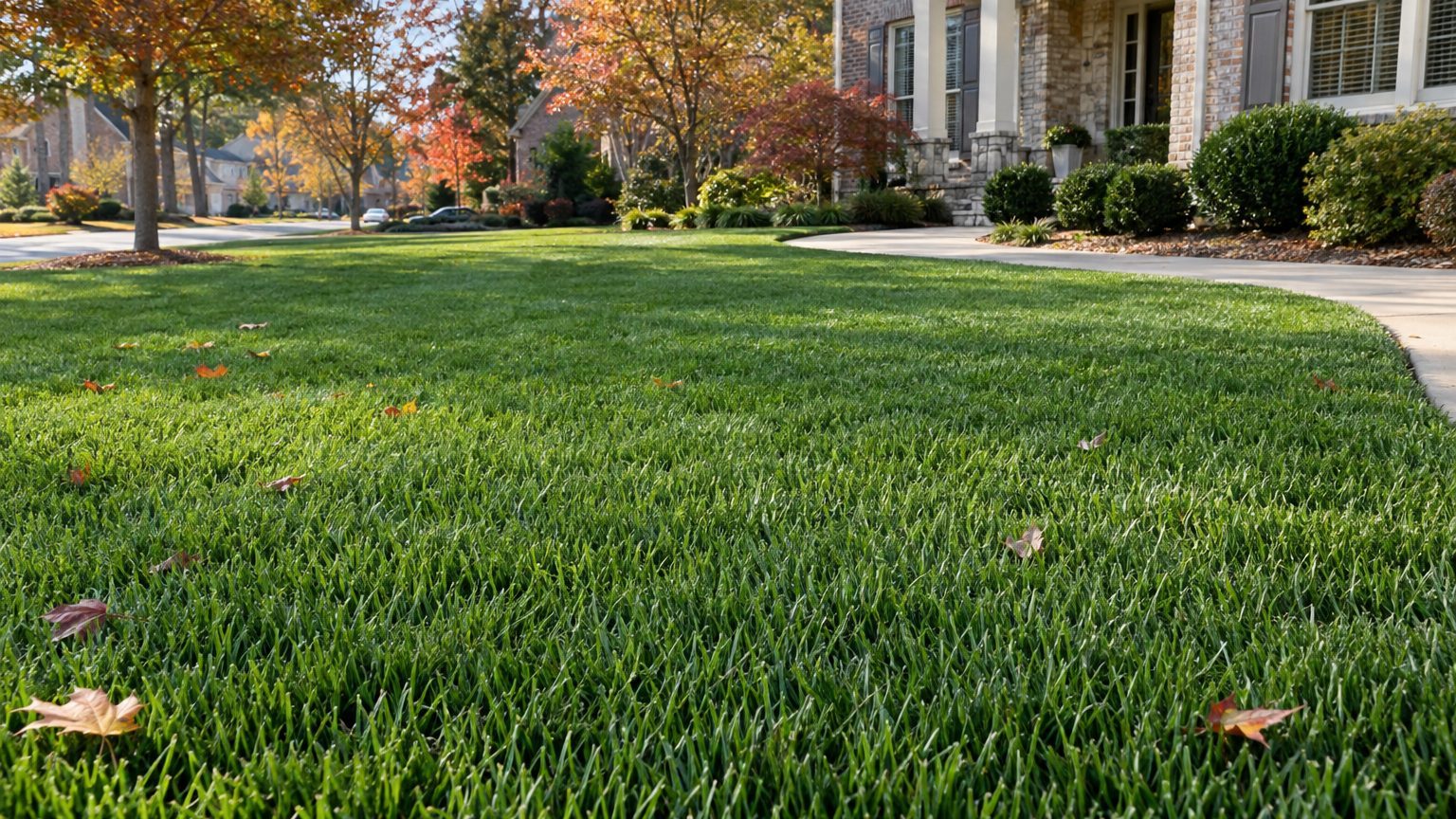
Lawn in a Alabama home landscape

Around Huntsville, the last spring freeze usually lands between March 19 and April 3, and the first fall freeze between November 2 and November 16. Your own yard will differ, so check with your county, because suburban and rural lots often freeze later in spring and earlier in fall, and higher ground more so. Hardiness zones run from 7a to 9a (USDA system), and the lawn year runs roughly like this.

  • In late winter and early spring, dormant grass is still brown, and a late freeze can nip any new green that jumps the gun. Mowing begins in March or April, once the first growth appears.
  • Once the soil warms in April, lawns fill in and sod can go down, though May is the stronger month for it. By May, the planting window is more favorable, but local conditions still matter.
  • From May into June, the lawn is in its busiest stretch. This is the window for aeration, dethatching, seeding where the grass allows it, and the start of regular feeding.
  • Through July and August, the lawn stays active, and feeding and watering carry it through the heat. Mowing continues without a break.
  • In September and October, growth slows, watering tapers off after September, and mowing keeps going through November as the grass fades toward dormancy.

Because a warm-season lawn grows with the soil and not with the last frost date, a seed put down too early simply sits there. Fall frost matters mainly because it ends the seeding season for good.

Cool-Season or Warm-Season Grass in Alabama?

Warm-season grass is the right call across Alabama. Summers are long, hot and humid, and winters are mild enough that these grasses go dormant rather than die. Cool-season types often struggle through the heat.

The common choices are all warm-season, but the planting method varies by grass.

Grass Season How it does here
St. Augustinegrass Warm Planted as sod or plugs only, never seed
Centipedegrass Warm Can be seeded, plugged or sodded
Bermudagrass Warm Can be seeded or laid as sod
Zoysiagrass Warm Usually installed as sod or plugs
Bahiagrass Warm Can be seeded

If you want to start from seed, your options narrow to bermudagrass, centipedegrass and bahiagrass. Zoysiagrass is mostly a sod or plug job, and St. Augustinegrass is strictly vegetative.

When to Seed, Fertilize and Aerate a Lawn in Alabama

Nearly every big lawn job here belongs to late spring and summer, when the grass is actively growing and can recover from the work. Doing them in fall or winter, while the lawn is dormant, gains you nothing.

Seeding applies only to the seeded grasses, since St. Augustinegrass has no seed. If you miss May, June still works for seeding and aeration.

Task Best months in Alabama Why then
Seeding May (June also works) Warm soil gets seed up and rooted quickly
Laying sod May (April, June and July also work) Roots knit into warm ground
Core aeration May (June also works) Grass recovers fast while growing
Dethatching May to June (April also works) Turf fills the gaps quickly
Fertilizing May to August Feeds active growth through summer
Watering May to September Heat and dry spells stress the lawn
Mowing March to November Covers the whole growing season

Mowing has the longest run of any task, so keep the blade sharp from the first spring growth to the last mow in fall.

Lawn Problems to Watch for in Alabama

Thin Grass in Summer Heat

Thinning turf with dry, curling blades points to heat and drought stress, especially if the soil beneath them is dry. Water deeply when the lawn needs it, since May through September is the watering season here. Once the grass is no longer drought-stressed, feeding during the recommended summer window can support recovery.

Thatch Buildup

A spongy lawn that feels bouncy underfoot, with water running off instead of soaking in, usually carries too much thatch. Warm, humid growing seasons build it quickly in grasses such as bermuda and zoysia. Dethatch in May or June, when the grass can regrow fast.

Winter Browning

Brown grass after the first freeze is normal dormancy, not death, as long as the stolons are still firm and green at the base. Leave it alone. Pulling or overseeding a dormant lawn wastes money, and green returns once spring warms the soil.

How Lawn Care Dates Change Across Alabama

Alabama stretches from the Tennessee Valley to the Gulf, and the season shifts accordingly. Use the dates above as a guide and adjust for where you live.

  • Huntsville and the Tennessee Valley: Spring arrives later and fall frost comes sooner, so green-up and planting start later than in the south.
  • Birmingham and the central hills: Higher ground runs a little cooler, so frost lingers longer in spring on ridges and in low pockets.
  • Mobile and the Gulf Coast: Mild winters bring earlier green-up and a longer growing season, and the lawn stays active later into fall.

Wherever you live, let soil warmth tell you when to start, and treat your own county’s frost timing as the better guide.

Where to Get Lawn Advice in Alabama

The state’s land-grant extension system offers grass recommendations that fit local soils and climate. Alabama Cooperative Extension System is the place to start, and your county office handles the hands-on questions.

  • Your county extension office can run a soil test, which tells you what the lawn needs before you buy fertilizer.
  • Bring a sample of a struggling patch to the office for diagnosis, ideally while the problem is still visible.

If May is near, a soil test now means you can feed and plant with real numbers in hand.

Common Questions

Can You Plant Grass Seed in Alabama in Winter?

Warm-season seed will not sprout in cold soil, so winter planting mostly wastes seed. Wait for late spring, when the ground has warmed.

Why Is My Alabama Lawn Brown After a Freeze?

Brown blades paired with firm, green growth at the base mean the grass is dormant, not dead. Wait for spring warmth before judging it.

How Often Should You Mow Lawns in Alabama?

Mow regularly from March through November, more often in the peak growth of summer. Keep the blade sharp and avoid cutting too much at once.
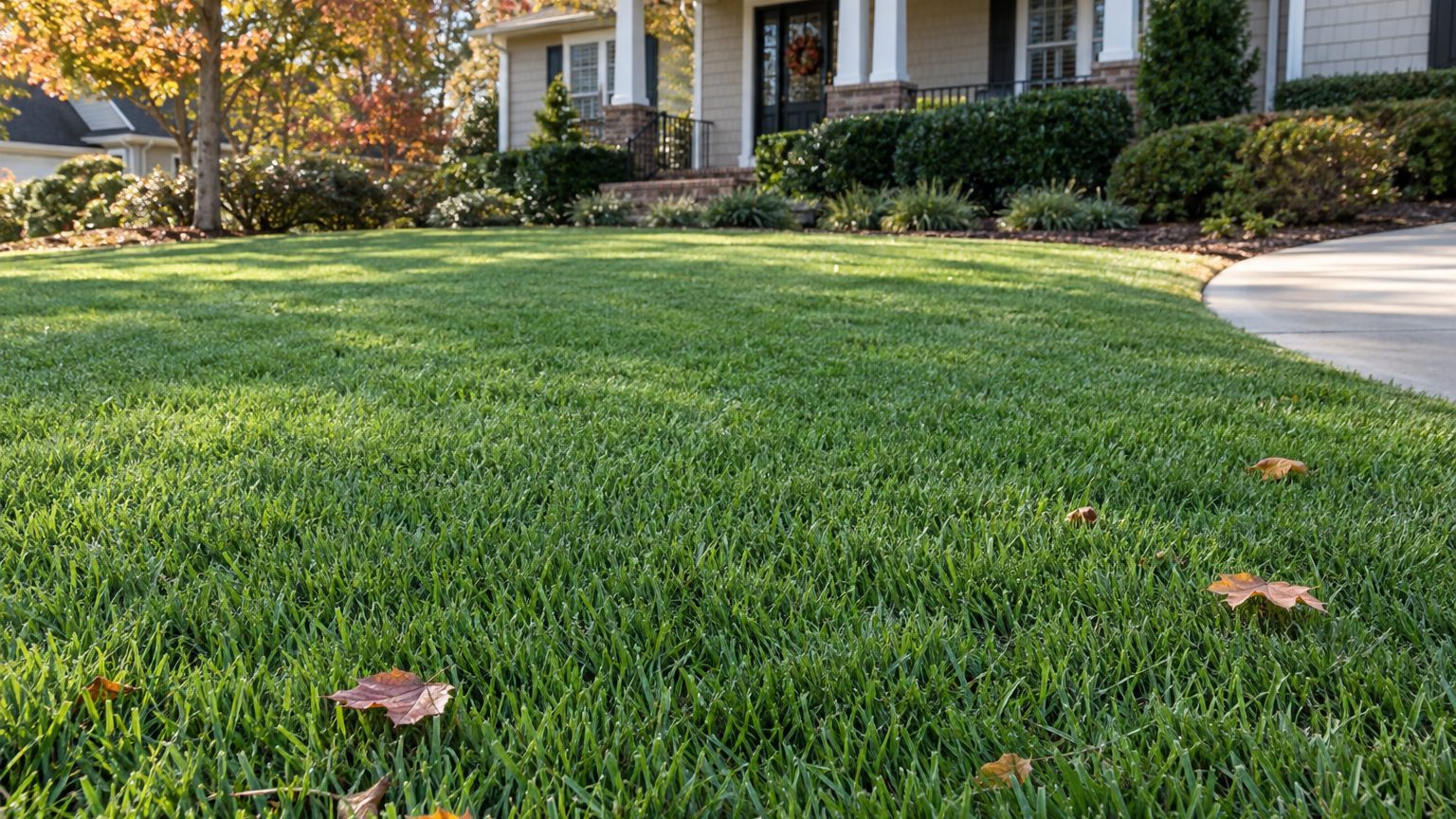
South Carolina Lawn Care: What to Do and When

South Carolina Lawn Care: What to Do and When

Warm-season grass in South Carolina goes straw-colored after the first hard frost, sits dormant through winter, and greens back up once the soil warms in spring. Lawns in South Carolina follow that rhythm, so the best work lands in late spring and summer rather than in fall, the way it would in the Midwest.

Frost Dates and Growing Season in South Carolina

In Charleston, the last spring frost usually falls between February 28 and March 17, and the first fall frost between November 20 and December 5. South Carolina spans USDA hardiness zones 7a to 9a, a range based on average annual extreme minimum temperatures rather than spring green-up dates. Grass grows with soil warmth, not with the frost calendar, so here is how the year tends to run.

  • In late winter, the lawn is dormant and tan, and a late frost does little harm to it, so this is the time to plan and to get a soil test.
  • In spring, as the soil warms and the grass greens up, mowing begins in March and April.
  • In May, the lawn is growing fast and the main work of the year opens, including aeration, dethatching, seeding and sod.
  • Through summer, from June to August, fertilizing and regular watering carry the lawn through the heat.
  • In fall, growth slows, mowing continues into November, and the grass heads toward dormancy as frost arrives.

Upstate South Carolina runs several weeks tighter at both ends of these dates, while peninsular Charleston is milder than the numbers above suggest.

Cool-Season or Warm-Season Grass in South Carolina?

Warm-season grass is the usual choice across much of South Carolina. Long, hot, humid summers suit it, it tolerates dry spells better than cool-season types, and its winter dormancy is a normal pause, not a failure.

Cool-season grasses struggle through South Carolina summers, so most lawns rely on the species below.

Grass How it does in South Carolina Why
St. Augustinegrass Common in warm, humid areas Planted as sod or plugs only, never seed
Centipedegrass Suits low-maintenance lawns Can be grown from seed
Bermudagrass Handles heat and sun well Can be grown from seed
Zoysiagrass Forms a dense turf Mostly installed as sod or plugs
Bahiagrass Fits tougher, less-tended spots Can be grown from seed

Each species has its own habits, so the choice depends on sun, soil and how much mowing you want to do. Seed-by-seed comparisons live on the state’s grass seed page.

When to Seed, Fertilize and Aerate a Lawn in South Carolina

Warm-season lawns do their heavy lifting when the soil is warm and the grass is actively growing. That puts most big jobs in late spring and summer.

If you miss a window, the fallback months in the last column still work.

Task Best months in South Carolina Why then
Core aeration May (June also works) Grass recovers quickly while growing
Dethatching May to June (April also works) Turf fills back in fast
Fertilizing May to August Feeds grass during active growth
Seeding May (June also works) Warm soil helps seed establish
Laying sod May (April, June and July also work) Roots take hold in warm weather
Watering May to September Supports growth through the heat
Mowing March to November Follows the full growing season

Seeding applies only to seeded grasses such as bermudagrass, centipedegrass and bahiagrass. St. Augustinegrass has no seed, so it goes in as sod or plugs.

Lawn Problems to Watch for in South Carolina

Straw-Colored Grass in Winter

Straw-Colored Grass in Winter — South Carolina Lawn Care: What to Do and When

Warm-season grass turns tan once frost arrives, and that is normal dormancy. Check by tugging a few blades near the base. If the crown is firm and pale, the lawn is asleep, not dead. Hold off on fertilizer and wait for spring warmth.

Dry, Stressed Turf in Summer

Heat and dry spells can leave grass dull, curled or footprinted, with the marks lingering after you walk across it. Water deeply when the grass shows these signs, and mow at the height suited to your grass so roots stay deeper.

Thatch Buildup

A spongy feel underfoot, plus water that runs off instead of soaking in, points to thatch. Humid summers and fast growth encourage it. Dethatching in late spring, when the grass can recover quickly, clears it out.

How Lawn Care Dates Change Across South Carolina

The dates above describe Charleston, and the rest of the state shifts around them depending on where you live.

  • Upstate: Spring comes later and fall frost arrives earlier, so green-up starts later and dormancy begins sooner.
  • Charleston peninsula: The harbor keeps things milder, so grass wakes earlier and stays active longer.
  • Coastal Lowcountry: Mild winters stretch the growing season, though the warm, humid air also favors thatch and turf stress.

Treat the months in this article as a guide, and let your own soil warmth and local conditions fine-tune the timing.

Where to Get Lawn Advice in South Carolina

Clemson Cooperative Extension offers research-based lawn guidance written for South Carolina grasses and soils.

  • Its lawn fact sheets cover maintenance calendars for each grass type, useful before the main growing season opens.
  • Your county extension office can take a soil sample and help diagnose a stubborn patch, ideally before spring work begins.

Common Questions

Can You Plant St. Augustinegrass from Seed in South Carolina?

No. St. Augustinegrass is sold only as sod or plugs, so seeding is for bermudagrass, centipedegrass and bahiagrass.

Is a Tan Lawn in Winter a Sign of Trouble?

Usually not. Warm-season grasses go dormant after frost, and they green up again when the soil warms in spring.

When Does Mowing Season Run in South Carolina?

Mowing runs from March through November, following the stretch when grass is actively growing.

Oregon Lawn Care: What to Do and When

Oregon Lawn Care: What to Do and When

A Willamette Valley lawn can stay green, soft underfoot and often wet through the mild season. Oregon grass rarely goes fully dormant on the west side, which shapes everything about the yard here: the work happens in mild, damp seasons, and summer is when the lawn needs help.

Frost Dates and Growing Season in Oregon

In Portland, a reference point west of the Cascades, the last spring freeze usually falls between March 6 and March 21, and the first fall freeze between November 11 and November 27. Those dates mark frost risk, not the day grass starts or stops. Growth follows soil warmth, and Oregon spans USDA zones 4a to 9b, so other parts of the state differ a lot.

  • In late winter in Portland, the last freezes are still possible into March 21, so hold off on seeding bare patches until the cold nights pass and tender seedlings will not be nipped.
  • In April and May, the soil warms and growth picks up. Crabgrass preventer goes down in April (May still works), and core aeration also works in either month if you missed fall.
  • From June through August, the lawn slows with the heat and dry weather. This is the stretch when watering matters most, and dethatching fits in August.
  • In September, the soil is still warm and the nights cool down. Seeding, aerating, dethatching and fertilizing all land here, with roots getting a long runway before the first fall freeze.
  • In October and November, mowing continues as long as the grass grows. A November feeding fits before the first freeze arrives, between November 11 and November 27 in Portland.

Because mowing is on the calendar from April through November, the west side lawn asks for attention well beyond summer.

Cool-Season or Warm-Season Grass in Oregon?

Cool-season grass is the answer. Oregon winters are too cold and wet for warm-season turf to hold its color, while cool-season species stay green through mild months and recover when fall rain returns.

The real stress is summer dryness. Species differ in how well they ride it out, which is why watering from June through August carries so much weight.

Grass How it does in Oregon Why
Kentucky bluegrass Dense, good-looking turf Spreads to fill gaps, but wants regular summer water
Perennial ryegrass Quick to sprout Fills in fast after fall seeding
Tall fescue Holds up through dry spells Deep roots reach moisture lower in the soil
Creeping red fescue Fine-textured, low-fuss Copes with less feeding and lighter soils

Chewings and hard fescue, the other fine fescues, behave much like creeping red fescue and often show up in blends. Many seed mixes combine several of these so one grass covers for another.

When to Seed, Fertilize and Aerate a Lawn in Oregon

Early fall is a busy stretch for lawn work, because warm soil and returning rain help seed and roots settle in. Spring offers another workable window for most jobs.

Task Best months in Oregon Why then
Seeding August, September Warm soil sprouts seed fast, and roots form before cold
Core aeration September Grass recovers and fills the holes while still growing
Fertilizing September, November Feeds roots as top growth slows
Dethatching August, September Seed and recovery follow right behind
Crabgrass preventer April Goes down before the weed seeds sprout
Watering June, July, August Summer dryness puts the lawn under stress

If you miss the fall window, seeding and aeration also work in April and May, and fertilizing works in May. Crabgrass preventer still works in May if April slips by, and dethatching also works in April.

Lawn Problems to Watch for in Oregon

Brown Patches in Summer

Brown Patches in Summer — Oregon Lawn Care: What to Do and When

Straw-colored areas that appear in July and August, especially on slopes and along sunny edges, usually signal dry soil rather than disease. Water deeply during June, July and August so moisture reaches the roots, and let tall fescue lawns lean on their deep roots.

Moss in Shady Spots

Green carpet creeping across thin turf in the shade, with soggy ground underneath, tells you the grass is losing to the wet climate. Moss thrives where light is poor and soil stays damp for long stretches. Improve drainage with core aeration in September, and reseed with a shade-tolerant fine fescue blend.

Thinning Turf After Winter

Grass that looks sparse and uneven by spring, with bare spots and compacted soil, often needs a refresh. Aerate and overseed in the windows above, then feed in fall so the lawn goes into the wet months with strong roots.

How Lawn Care Dates Change Across Oregon

Oregon is really several climates, and the Cascades divide them. The dates above fit the west side, and they shift as you move.

  • Willamette Valley: Mild winters give the Willamette Valley a long growing season, and fall seeding gets ample time to root before cold.
  • Oregon Coast: Cool, damp air keeps the season gentle but slows summer warming, so moss and constant moisture are more common than drought stress.
  • Bend and Central Oregon: High desert elevation brings a much shorter season and colder nights, so spring work starts later and fall work wraps up sooner.
  • Eastern Oregon: Cold winters and dry summers push the calendar later in spring and earlier in fall, and irrigation matters more.

Treat the Portland dates as a starting point, then nudge them later in spring and earlier in fall the higher and farther east you go.

Where to Get Lawn Advice in Oregon

Local conditions vary enough that a nearby expert saves guesswork. Oregon State University Extension publishes lawn guidance written for the state’s climates, and every county has an office behind it.

  • Check the extension website for seeding, moss and watering guidance before you buy seed or products.
  • Contact your county extension office for a soil test or to help identify a lawn problem, ideally before the September seeding window.

Common Questions

Can You Seed a Lawn in Oregon in Spring?

Yes. April and May both work for seeding, though fall gives seedlings a gentler run before summer heat.

Do Oregon Lawns Need Watering in Summer?

Usually yes. June through August is when watering matters, since rain is scarce and cool-season grass slows or browns without it.

Is a Green Lawn in Winter Normal in Western Oregon?

It is. Cool-season grass stays green through mild west side winters, which is why mowing runs from April through November.

South Dakota Lawn Care: What to Do and When

South Dakota Lawn Care: What to Do and When

Spring in South Dakota arrives with a lot of brown, and by the time mowing begins, you can tell which grass wintered well and which did not. Lawns in South Dakota run on cold-hardy, cool-season grasses, and the best work happens in late summer and in May, not in the heat between.

Frost Dates and Growing Season in South Dakota

Around Sioux Falls, the last spring frost usually falls between April 29 and May 9, and gardens outside town often frost later than that. Hardiness zones run from 3b to 5b on the USDA system, so check your own county’s dates before you plan.

  • In early spring, the grass greens up slowly while frost can still strike, so wait until May to seed bare patches.
  • In May, mowing, watering and spring feeding begin, and this is the month to put down crabgrass preventer before the weed seeds sprout.
  • From June through July, mow regularly and water deeply rather than often; cool-season grass may slow in the heat.
  • In August and September, the first fall frost arrives between September 24 and October 4 in the same reference city, which leaves seed sown in these months time to root before it comes.
  • In November, once the ground is cold, dormant seeding is possible, since the seed lies still all winter and sprouts when spring warms the soil.

Frost dates mark the risk of a freeze, not the day the grass starts or stops growing, because growth follows soil warmth.

Cool-Season or Warm-Season Grass in South Dakota?

Long, bitterly cold winters favor cold-hardy, cool-season lawn grasses.

These grasses grow hardest in spring and fall, then slow down or go dormant in a dry summer. A short stretch of brown in July is normal and usually not a sign of death.

Grass How it does in South Dakota Why
Kentucky bluegrass Standard lawn grass, reliably winter hardy Spreads by underground stems, so it fills in and recovers from damage
Creeping red fescue Good in lower-input lawns One of the fine fescues, which suit lean soil and lighter care
Chewings fescue Works well mixed with bluegrass A fine fescue that adds toughness to a blend
Hard fescue Holds up with little fuss Another fine fescue, built for low-maintenance turf
Perennial ryegrass Short-lived in the coldest winters Sprouts fast but can thin out after a harsh season

Kentucky bluegrass and fine fescues are reliable choices, while perennial ryegrass can be short-lived in the coldest winters. Ryegrass is best used as a small part of a blend, not on its own, in the colder northern counties.

When to Seed, Fertilize and Aerate a Lawn in South Dakota

Most of the big jobs cluster in late summer, when warm soil and cooler nights favor new grass. May comes next, while November is reserved for dormant seeding.

If you miss the main seeding window, May still works, and October remains open for dormant seeding. Mowing runs from May through October.

Task Best months in South Dakota Why then
Seeding August, September (May also works) Warm soil and mild air help seed root before winter
Core aeration August, September Grass is growing and fills the holes quickly
Dethatching August, September The lawn recovers while growth is strong
Fertilizing May, September Feeds spring growth and fall recovery
Crabgrass preventer May Goes down before weed seed sprouts
Dormant seeding November (October also works) Seed sits through winter and sprouts in spring
Watering May through September Covers the growing season

Seeding and aeration share a window, so aerate before spreading seed into the open holes.

Lawn Problems to Watch for in South Dakota

Winter-Killed Patches

Winter-Killed Patches — South Dakota Lawn Care: What to Do and When

Straw-colored areas that stay brown after the rest of the lawn greens up usually come from a hard winter, especially on exposed ground. Rake them lightly, wait for warm soil, then reseed. Perennial ryegrass can be short-lived in the coldest winters.

Summer Dormancy

A lawn that turns tan in a hot, dry stretch is often asleep, not dead. Pull a few blades: if the crowns are firm and pale at the base, the grass is likely alive. Water deeply through the season, from May through September, and the lawn will usually green back up.

Thin Grass in Compacted Soil

Worn, thin turf along walks or where kids play often sits on packed soil. Core aerate in August or September, then overseed, so the new grass gets air and water at the roots.

How Lawn Care Dates Change Across South Dakota

The state is large, and the season shifts as you move around it, so treat the dates above as a starting point.

  • Sioux Falls and the southeast: The reference-city frost dates apply to Sioux Falls, while gardens outside town may frost later in spring and earlier in fall.
  • The Black Hills: Elevation brings a later spring and an earlier fall frost, so push spring jobs back and finish seeding sooner.
  • Aberdeen and the northeast: Colder winters make hardiness a bigger concern, and the season starts later and ends sooner than in the south.

Rapid City and the western plains: Dry air makes careful watering especially important.

Where to Get Lawn Advice in South Dakota

South Dakota State University Extension publishes lawn guidance for the state, and your county office can help with soil testing and diagnosis.

  • The extension website covers grass choice, fertilizing and seeding for South Dakota conditions.
  • Your county extension office can take a soil sample or look at a damaged patch, and early spring is a good time to go.

Common Questions

Can You Seed a Lawn in Spring in South Dakota?

Yes, May works as a fallback if you miss late summer. Seedlings face summer heat and weeds sooner, so water carefully.

What Is Dormant Seeding?

It means spreading seed in November, once the soil is cold, so it stays put through winter and sprouts when spring warms the ground. October also works.

Is Kentucky Bluegrass a Good Choice in South Dakota?

It is a standard lawn grass for the state and handles the cold well, and fine fescues make a good partner in a blend.

Prince Edward Island Lawn Care: What to Do and When

Prince Edward Island Lawn Care: What to Do and When

Raking last fall’s leaves off a cold lawn and watching the first green push through is a spring ritual on the Island, and it comes later than many mainland neighbors expect. Lawns in Prince Edward Island run on a short, cool season, so the right grass and the right timing matter more than any extra product.

Frost Dates and Growing Season in Prince Edward Island

Around Charlottetown, the last spring frost falls on average around May 16, which means half of all years still see frost after that day. Treat it as the middle of a window, not a safe date. Northern and upland districts run weeks behind. Around Charlottetown, the first fall frost averages October 17; treat that as the middle of a window, not a safe date. Charlottetown is in Canadian hardiness zone 5b, a system that does not convert to USDA zones. Grass grows when the soil warms, not on a frost date, so frost mainly tells you when a young seedling is at risk and when seeding season closes.

  • In early spring, the ground thaws and dries slowly, so stay off soggy turf and rake only lightly to lift matted grass.
  • In May, the soil warms enough for steady growth, and this is the month for crabgrass preventer, mowing and, if needed, a light fertilizing or core aeration.
  • From June through August, mowing carries on and watering matters most, because summer dry spells stress shallow-rooted turf.
  • In late summer, August and September, seed, dethatch and aerate while the soil is still warm and nights are cooling.
  • In October and November, mowing winds down, a last feeding is still possible in October, and bare spots can be dormant seeded in November.

Seed sown in late summer gets weeks to root before the first hard frost, which is why that window beats spring for most repairs.

Cool-Season or Warm-Season Grass in Prince Edward Island?

Cool-season grass is the only sensible choice here. Winters are cold, summers are mild, and warm-season grasses would sit brown for most of the year. A dry stretch in midsummer can send cool-season turf dormant.

Mixes of several species usually do better than a single grass, since each covers a weakness of the others.

Grass How it does in Prince Edward Island Why
Kentucky bluegrass Dense, hardy lawn Handles cold winters and spreads to fill thin spots
Fine fescues Reliable in lean or shadier ground Creeping red, chewings and hard types need less feeding
Perennial ryegrass Quick to sprout Gives fast cover while slower grasses establish
Tall fescue Sturdy and deep rooted Copes better with dry spells than bluegrass

Warm-season grasses such as zoysia or Bermudagrass do not belong on Island lawns, and St. Augustinegrass is never sold as seed anyway.

When to Seed, Fertilize and Aerate a Lawn in Prince Edward Island

September brings several important lawn jobs together. Warm soil, cooler air and fewer weeds help new grass establish, and a feeding that month helps it build roots before winter.

If you miss a window, the timing column notes any fallback.

Task When to do it in Prince Edward Island Why then
Seeding August, September (May also works) Warm soil and time to root before frost
Fertilizing September (May or October also work) Feeds root growth ahead of winter
Core aeration September (May also works) Opens compacted soil while grass recovers fast
Dethatching August, September Grass is growing strongly and heals quickly
Crabgrass preventer May Goes down before weed seed germinates
Dormant seeding November Seed lies on cold soil and sprouts in spring
Watering June, July, August Summer dry spells are when turf needs help

Mowing runs from May through October, and it also works in April and November when the weather allows.

Lawn Problems to Watch for in Prince Edward Island

Winter Damage in Spring

Patches of matted, grayish or straw-colored grass after the snow melts point to winter injury, especially where snow piled up or water pooled. Rake gently to lift the blades, wait for warmth, and see what greens up on its own. Seed any patch that stays bare once May arrives.

Brown Turf in Dry Summers

A lawn that turns tan across sunny, open areas in July or August, and springs back after rain, is usually dormant rather than dead. Water deeply and regularly in June through August to keep it green, and mow high so the soil stays shaded.

Thin Grass on Compacted Soil

Thin Grass on Compacted Soil — Prince Edward Island Lawn Care: What to Do and When

Thin turf along walkways and play areas, where a screwdriver hardly pushes in, signals compaction. Core aeration in September opens the soil, and overseeding right after fills the gaps.

How Lawn Care Dates Change Across Prince Edward Island

The Island is small, but the sea still nudges the calendar a little from one end to the other.

  • Charlottetown and the south shore: Springs warm a bit sooner here, so mowing and seeding may begin earlier than in cooler parts of the Island.
  • North Shore and Tignish: Exposed to the Gulf of St. Lawrence, these districts warm later in spring and cool earlier in fall, so shift spring jobs later.
  • Souris and the eastern end: Cool sea air keeps soil chilly longer, which favors waiting a little before spring feeding or seeding.

Watch your own soil and grass rather than the calendar alone, and adjust the timing to local conditions.

Where to Get Lawn Advice in Prince Edward Island

Canada has no county extension offices, so help comes from the province and from local growers. The Prince Edward Island Department of Agriculture is the starting point for questions about soil and turf.

  • The provincial agriculture department can point you to soil testing before you fertilize or lime.
  • A local garden centre can help match a seed mix to sun, shade and soil, ideally before the August seeding window.
  • A local master gardener group can help diagnose patches when you bring a clear photo and a sample of turf.

Common Questions

Should You Rake a Lawn in Spring in Prince Edward Island?

Yes, but only lightly and only once the ground has firmed up. Raking wet soil pulls out crowns and leaves ruts.

Can You Lime a Lawn on the Island?

Test the soil first. Many Island soils run acidic, and a test tells you whether lime would help and how much to use.

Is Dormant Seeding Worth Trying?

It suits bare patches you could not repair in late summer. Seed goes down in November on cold soil and stays put until spring warmth wakes it.

Northwest Territories Lawn Care: What to Do and When

Northwest Territories Lawn Care: What to Do and When

A lawn in the Northwest Territories is a short, bright summer job: thaw, a flush of growth under long daylight, then frost again before most people have settled into a routine. Lawns here are small projects in Yellowknife and a few other communities, and the plan is built around a brief season and a hard winter.

Frost Dates and Growing Season in Northwest Territories

In Yellowknife, the last spring frost falls on average around May 25 and the first fall frost around September 18, and because those are midpoints, frost arrives later than that in one year out of two. Treat them as the middle of a window, never a safe date. Communities farther north run weeks behind. Yellowknife sits in Canadian hardiness zone 1b (a Canadian rating that does not convert to a USDA zone). Grass grows with soil warmth, not the calendar, so a young seedling needs the ground thawed and the nights past the worst frost risk. The year runs like this:

  • In winter, the lawn sits under snow and frozen ground, and nothing you do helps it, so keep traffic and heavy piles of shoveled snow off it where you can.
  • In spring, as the ground thaws, you rake off debris and wait for the soil to drain before walking on it, since soggy turf tears easily.
  • In June, seeding is at its best, and the first feeding goes down once the grass is actually growing.
  • From June through August, the lawn gets regular water and mowing, with the watering window running through the same three months.
  • In September, mowing continues until growth stops, while returning frost signals the close of the season and leaves no room for fall seeding.

That short runway is why spring seeding wins here: seed sown in June has the whole summer to root before frost returns.

Cool-Season or Warm-Season Grass in Northwest Territories?

Cool-season grass is the only kind that makes sense here. Warm-season species need long, hot summers and would never survive the winters, so the question is really which cool-season grasses handle extreme cold.

Cold hardiness matters far more than heat or drought tolerance, since summers are short and the real test is surviving months of frozen ground.

Grass How it does in Northwest Territories Why
Kentucky bluegrass Dependable base for a lawn Tough in cold winters and spreads to fill gaps
Creeping red fescue Good, especially in lighter soil Fine fescues cope with cold and lean ground
Chewings fescue Good in mixes Fine texture that blends well with bluegrass
Hard fescue Good for low-care lawns Needs little feeding and handles poor soil
Perennial ryegrass Short-lived Often fails in the coldest winters

Most seed blends mix Kentucky bluegrass with fine fescues, so you get cold hardiness and some flexibility in soil. Perennial ryegrass can help a blend establish quickly, but expect it to thin out after hard winters.

When to Seed, Fertilize and Aerate a Lawn in Northwest Territories

Spring seeding once the ground has thawed is the rule, because the season is too short for fall seeding. If June slips by, July still works as a fallback.

Feeding waits until the grass is growing, which in this climate means late spring, and aeration has no window in the regional guidance, so skip it unless the soil is badly compacted.

Task Best months in Northwest Territories Why then
Seeding June (July also works) Thawed ground and a full summer to root
Fertilizing June, or August The first feeding comes once the grass is growing
Mowing June to September Growth runs from early summer until frost
Watering June to August Warm, active growth calls for regular water

A late summer feeding in August helps the lawn store energy before winter, as long as it happens well ahead of the first frost.

Lawn Problems to Watch for in Northwest Territories

Winter-Killed Patches

Winter-Killed Patches — Northwest Territories Lawn Care: What to Do and When

Straw-colored or bare areas that appear as the snow melts can reflect winter damage, especially where wind strips snow cover or ice lingers. Rake the patches lightly once the soil dries, then reseed in June.

Thin Grass in Poor Soil

Pale, sparse turf over sandy or rocky ground can point to soil that holds little moisture or nutrients. Here, a first feeding in June and regular watering through summer help, and choosing fine fescues makes the lawn more forgiving.

Soggy Spring Turf

Soft, muddy lawn after thaw, especially in low spots, can mean water is temporarily trapped above frozen ground. Stay off it until it firms up, since walking on saturated turf compacts it and leaves ruts behind.

How Lawn Care Dates Change Across Northwest Territories

The territory is huge, and the same task lands at different times depending on how far north and how close to big water you are.

  • Yellowknife: Dates here follow the Great Slave Lake shoreline climate, where the lake slows spring warming a little but softens early fall chill.
  • Inuvik and the Mackenzie Delta: Thaw comes later and frost returns sooner, so the lawn season is shorter and seeding sits at the tail end of the June window.
  • Fort Smith and the south: Spring arrives earlier, giving a bit more room before the first frost.

Watch your own soil rather than the calendar, and start when the ground has thawed and drained.

Where to Get Lawn Advice in Northwest Territories

The territory has no county extension offices, so advice comes from the government’s agriculture staff and from local growers who know your soil.

Common Questions

Can You Grow a Lawn in the Northwest Territories at All?

Yes, in communities with enough soil and a frost-free stretch of summer. Cold-hardy blends of Kentucky bluegrass and fine fescues are the ones that survive.

Is Fall Too Late to Seed a Lawn There?

Yes. The season is too short for fall seeding, so wait for spring once the ground has thawed.

Should You Use Warm-Season Grass for a Sunny Yard?

No. Warm-season grasses cannot handle the winters, and sun alone does not change that. Stick with cool-season species and plan on watering during the dry stretches of June through August.

New Brunswick Lawn Care: What to Do and When

New Brunswick Lawn Care: What to Do and When

A New Brunswick lawn spends its year waking up slowly in spring, peaking in the cool, damp stretch of late summer, and going dormant under snow. Cool-season grasses suit the province, and the best work happens in late summer and early fall, when seed, fertilizer and aeration all pay off before winter.

Frost Dates and Growing Season in New Brunswick

In Moncton, the last spring frost arrives on average around May 23 and the first fall frost around October 2, and the city sits in Canadian hardiness zone 5a (a Canadian system, which does not convert to a USDA zone). Those dates are midpoints, so frost can come later in spring or earlier in fall in any given year, and northern or upland districts run weeks behind.

  • In April, the snow melts and the lawn is soft and wet, so keep off it and let it drain, though a first light mowing is possible once the grass actually grows.
  • In May, soil warms and growth picks up, which is the month for crabgrass preventer, and a young seedling that sprouts before the last frost can be nipped by a cold night.
  • From June to August, the lawn needs regular watering, and mowing continues steadily through the warm months.
  • In August and September, seed, aeration, dethatching and fertilizer all fit, because warm soil and cooler nights give new grass time to root before the first fall frost.
  • In October, mowing winds down as growth stops and a late feeding can close the season; in November, dormant seed can go onto cold soil.

Frost dates mark the risk of cold damage, not the day grass starts or stops growing, because growth follows soil warmth.

Cool-Season or Warm-Season Grass in New Brunswick?

Cool-season grass is the one that lasts here. Warm-season types such as bermudagrass and zoysia need long, hot summers and go dormant at the first cold, and New Brunswick’s cold, snowy winters are too much for them.

The turf grasses suited to the region are Kentucky bluegrass, the fine fescues, perennial ryegrass and tall fescue. They grow actively in spring and fall, slow down in midsummer heat, and recover when cool weather returns.

Grass How it does in New Brunswick Why
Kentucky bluegrass Hardy and dense, fills in over time Cool-season grass that handles cold winters
Fine fescues (creeping red, chewings, hard) Reliable in cool, lean conditions Cool-season grasses that suit a short, cold growing season
Perennial ryegrass Sprouts quickly, often used in mixes Cool-season grass that establishes fast in spring and fall
Tall fescue Sturdy, deep-rooted turf Cool-season grass that tolerates summer stress

Mixes that combine several of these are common, since each covers a different weakness. Warm-season grasses are not sold as a sensible choice for this part of Canada.

When to Seed, Fertilize and Aerate a Lawn in New Brunswick

September is the busiest month of the lawn year here, with seeding, aeration and fertilizing all landing in it. Seed sown then meets warm soil and cooler air, and it has weeks to root before frost.

If September slips by, several jobs still have a fallback, though others do not.

Task Recommended timing in New Brunswick Why then
Seeding August, September (May also works) Warm soil and cooler nights help seed sprout and root
Fertilizing September (May or October also work) Feeds roots as the grass recovers from summer
Core aeration September (May also works) Grass is growing and fills the holes quickly
Dethatching August, September Grass recovers fast in active growth
Crabgrass preventer May Goes down before crabgrass seed sprouts
Dormant seeding November Seed sits on cold soil and sprouts in spring
Watering June, July, August Summer heat dries the soil fastest

Mowing runs from May through October, with April and November as shoulder months in a mild year. The month-by-month detail lives on the calendar page for the province.

Lawn Problems to Watch for in New Brunswick

Thin or Matted Grass After Snowmelt

Long snow cover can leave pale, flattened patches in spring, and the damage often shows where snow piled up or water pooled. Rake lightly once the ground firms up, so air reaches the crowns, and overseed bare spots in late summer rather than rushing in spring.

Brown Grass in Midsummer

Brown Grass in Midsummer — New Brunswick Lawn Care: What to Do and When

Cool-season grass slows in the hottest weeks, and lawns turn straw-colored, especially on thin soil or along sunny edges. If the grass springs back to green after a deep watering, it was thirsty, so water regularly from June through August and leave the clippings.

Compacted, Waterlogged Soil

Puddles that linger after rain, together with thin grass on heavy ground, point to compaction. Core aeration in September opens the soil, and sowing seed afterward helps fill the lawn in.

How Lawn Care Dates Change Across New Brunswick

The province is not one climate, and the figures above speak for Moncton, so timing shifts as you move across the map.

  • Moncton and the southeast: This is the reference for the dates here, with a mild enough spring to start work in May and a fall that gives seed time to root.
  • Saint John and the Fundy coast: The Bay of Fundy keeps spring cooler and fog common, so lawns green up a little later but stay gentler in summer heat.
  • Fredericton and the Saint John River Valley: Inland, summers run warmer and the soil warms sooner, which can bring spring work earlier.
  • Edmundston and the northwest: Colder, upland ground means a later spring and an earlier fall, so seed a little sooner in late summer.

Let the soil and the grass guide you as much as the calendar, and adjust a little earlier or later for your own corner of the province.

Where to Get Lawn Advice in New Brunswick

Instead of county extension offices, New Brunswick gardeners can turn to the provincial agriculture ministry, local master gardener groups and garden centers. The federal Agriculture and Agri-Food Canada site is a starting point.

  • The provincial agriculture department can point you to soil testing labs, so book one before fertilizing in September.
  • A local master gardener group can help diagnose patchy grass if you bring a photo and a note about where it grows.
  • A garden centre can match a seed mix to your sun and soil before you buy in August.

Common Questions

Can You Fertilize a New Brunswick Lawn in Spring?

Yes, May works as a fallback if you missed fall. A light spring feeding is gentler than heavy early growth, and September remains the stronger time.

Is November Too Late to Seed?

No, dormant seeding in November works. The seed lies on cold soil and sprouts when spring warms it, though thin spots may need a touch-up.

Should You Use a Warm-Season Grass for a Sunny Yard?

Stay with cool-season types. Tall fescue handles summer stress better than bluegrass, so it suits a sunny, drier lawn.

Idaho Lawn Care: What to Do and When

Idaho Lawn Care: What to Do and When

Idaho lawns wake up late and go to sleep early, and the weeks between decide most of what you do. Cool-season grasses carry the state, with seeding and feeding concentrated in late summer and early fall. Spring is for light jobs, and the hot months are mostly about water.

Frost Dates and Growing Season in Idaho

In Boise, a low and mild spot by Idaho standards, the last spring freeze usually lands between April 23 and May 7. Most of the state sits higher and colder, so expect a shorter season there. Here is how the lawn year unfolds.

  • In early spring, the soil is still cold and grass growth is slow, so the job is raking off debris and waiting. In Boise, a freeze arriving between April 23 and May 7 can still nip a seedling, which is why spring seeding carries more risk than late-summer seeding.
  • Once the soil warms, usually in April and May, mowing begins and the grass fills in on its own. This is also when a crabgrass preventer goes down, before the weed seed sprouts.
  • In June, July and August, growth is strong when water is available, and watering becomes the main task. Cool-season grass slows in the heat, so deep, regular watering matters more than extra fertilizer.
  • In late summer, from August into September, the soil is warm and the nights are cooling, which is the ideal setup for seed to sprout and root. In Boise, new grass has time to establish before the first fall freeze, which tends to arrive between October 7 and October 21.
  • In October and November, mowing continues as long as the grass grows; save the late feeding for November, when it helps roots store energy for winter.

Frost dates mark the risk of a freeze, not the day grass starts or stops growing. That follows soil warmth. USDA hardiness zones across Idaho run from 3b to 7b, so a cold mountain town and the Boise valley live in different worlds.

Cool-Season or Warm-Season Grass in Idaho?

Cool-season grass is the answer here. Idaho winters are cold enough to stress warm-season species, and cool-season types stay green through the mild stretches of spring and fall.

Summer heat and dry air are the main tests, so water and mowing height matter as much as the species you pick. These are the lawn grasses used in the state.

Grass How it does in Idaho Why
Kentucky bluegrass Dense, hardy lawn that spreads to fill gaps Handles cold winters well and recovers when watered
Tall fescue Tough lawn that copes with summer stress Deep roots help it hold up when the weather turns hot and dry
Perennial ryegrass Quick to sprout, often blended with other grasses Fills in fast while slower grasses establish
Fine fescues Fine-textured lawn for lighter use Suits low-maintenance yards and tolerates less fertilizer

The fine fescues come in three forms: creeping red, chewings and hard. Seed mixes often blend these grasses so the lawn has backup when one struggles.

When to Seed, Fertilize and Aerate a Lawn in Idaho

Late summer and early fall carry most of the big jobs, because grass roots grow fastest when the soil is warm and the air is cool. Spring works as a fallback for several tasks.

If you miss the main window, seed or aerate in April or May; for feeding, wait until May. Mowing runs from April through November, whenever the grass is growing.

Task When to do it in Idaho Why then
Seeding August, September (April and May also work) Warm soil and cooler air let seedlings root before winter
Core aeration September (April and May also work) Grass is actively growing and recovers from the holes quickly
Fertilizing September, November (May also works) Feeds roots when the lawn is storing energy for the cold
Crabgrass preventer April (May also works) Goes down before weed seed germinates
Dethatching August, September (April also works) Grass recovers fast, so thatch removal does little harm
Watering June, July, August Heat and dry air draw down soil moisture

Seeding and aeration pair well in September, since seed settles into the holes and meets soil directly.

Lawn Problems to Watch for in Idaho

Brown Patches in Midsummer

Brown Patches in Midsummer — Idaho Lawn Care: What to Do and When

Cool-season grass slows in dry heat, and a lawn that goes straw-colored in July and August is often asking for water, not rescue. A screwdriver pushed into the soil that meets hard resistance points to dry ground.

Water deeply and regularly through the warm months and mow on a higher setting to shade the soil. Most dormant grass greens up again when conditions ease.

Winter Damage in Spring

Cold winters can leave matted, pale or thin areas once the snow melts. Look for damage in low spots where snow lingered, and in places where the grass was stressed going into winter.

Rake lightly to lift the matted blades, then wait for steady growth. Bare spots can be reseeded in April or May, though late summer is the more dependable time.

Weeds in Thin Turf

Crabgrass and other weeds move into thin or bare areas, especially after a stressful summer. A crabgrass preventer in April stops much of it, and a thicker lawn from fall seeding leaves less room for weeds.

How Lawn Care Dates Change Across Idaho

Elevation and latitude shift the season across the state, so treat the dates above as a starting point and adjust by place.

  • Boise and the Treasure Valley: This low valley warms early, so spring jobs can start sooner than in higher, colder parts of the state and fall seeding has a longer runway.
  • Idaho Falls and the Upper Snake River Plain: Higher ground and colder winters push the season later in spring and end it sooner in fall, so seed earlier in the late-summer window.
  • Coeur d’Alene and the northern Panhandle: Cooler air and a shorter growing season mean a later start in spring, with fall seeding best kept toward the early part of the window.
  • Sun Valley and the mountain towns: These mountain locations are cold and have short seasons, and a freeze can come well after the valley has turned green.

When in doubt, let soil warmth in your own yard guide the start of spring work.

Where to Get Lawn Advice in Idaho

Local conditions vary from one valley to the next, so local help pays off. Soil and elevation differ even within a county.

  • University of Idaho Extension offers lawn guidance written for the state, and it is a good first stop before seeding or feeding.
  • Your county extension office can advise on a soil test or help diagnose a patch you cannot explain, so visit before spending on fertilizer.

Common Questions

Can You Seed a Lawn in Spring in Idaho?

Yes, April and May work, though seedlings face a later freeze and summer heat before they are established. August and September give new grass an easier start.

What Height Should You Mow a Lawn in Idaho?

Mow on a higher setting in the hot months, since taller blades shade the soil and hold moisture. Cut only a little at a time so the grass does not go into shock.

Should You Fertilize in November in Idaho?

Yes, November is among the best months for feeding. A late application helps roots store energy through winter, and the lawn greens up faster in spring.

Mississippi Lawn Care: What to Do and When

Mississippi Lawn Care: What to Do and When

Bermudagrass greening up in a warm spell, a St. Augustine lawn stretching across a sunny yard, bahiagrass holding on through a dry July: lawns in Mississippi run on heat, not cold. Winter is mild, summer is long and humid, and nearly every task on the calendar lands between spring and early fall.

Frost Dates and Growing Season in Mississippi

For Jackson, the last spring freeze usually falls between March 6 and March 22, and the first fall freeze between November 7 and November 22. Your own yard will likely differ, since suburban and rural lots tend to freeze later in spring and earlier in fall, so check your county. Mississippi sits in USDA zones 7b to 9a, but grass growth follows soil warmth, not the frost date.

  • In late winter and early spring, warm-season grasses are still dormant and straw-colored, so a late freeze does little harm to established turf but can nip any new sod you laid too early.
  • Once the soil warms in April and May, the lawn greens up, and this is the stretch for dethatching and, if you are putting in sod, for laying it.
  • In May and June, seeding and core aeration have their window, while the heat helps new roots establish quickly.
  • Through the summer, from June to August, feeding and regular watering keep the grass thick enough to crowd out weeds.
  • In September and October, mowing continues as growth slows, and watering stays useful through September.
  • By November, the first freezes begin sending the grass into dormancy, so seeding is long over and mowing tapers off as growth stops.

Because the growing season is so long, you can mow from March through November, and late-spring work has plenty of warm weather left to pay off.

Cool-Season or Warm-Season Grass in Mississippi?

Warm-season grass is the right call here. Mississippi summers are hot and wet enough to stress cool-season grasses like tall fescue, while warm-season species thrive in the heat and handle dry spells well.

The tradeoff is winter color. These grasses go dormant and turn tan after the first freezes, then recover in spring.

Grass How it does in Mississippi Why
Bermudagrass Tough, fast-growing, good in full sun Loves heat and recovers quickly from wear
Centipedegrass Low-maintenance lawn grass Grows slowly and needs little feeding
St. Augustinegrass Thick, lush turf, planted as sod or plugs Suits warm, humid yards and is never sold as seed
Zoysiagrass Dense, carpet-like lawn, mostly sod or plugs Handles heat and forms a tight turf
Bahiagrass Hardy, grown from seed Holds up through dry weather with little care

Matching the grass to your sun, traffic and patience for upkeep matters more than any ranking. A bahiagrass lawn asks for far less than a zoysia one.

When to Seed, Fertilize and Aerate a Lawn in Mississippi

Most big jobs cluster in late spring, when the soil is warm and the grass is growing hard. Seeding applies only to seeded grasses such as bermuda, centipede and bahia, because St. Augustine has no seed.

If May slips by, a few tasks have a backup month, noted below.

Task Best months in Mississippi Why then
Seeding May Warm soil gets seed sprouting fast, and June still works
Laying sod May Roots take hold in warm ground, and it also works in April, June and July
Core aeration May Grass is growing and fills the holes quickly, with June as a fallback
Dethatching May to June Active growth repairs the lawn, and it also works in April
Fertilizing May to August Feeding matches the months of active growth
Watering May to September Heat and growth raise the lawn’s thirst

Mowing runs from March through November, so keep the blade sharp and cut often enough that you never remove too much at once.

Lawn Problems to Watch for in Mississippi

Straw-Colored Winter Grass

Straw-Colored Winter Grass — Mississippi Lawn Care: What to Do and When

Tan turf after the first freezes is normal dormancy, not death. Check the crown or the base of a runner: if the tissue is firm and pale green, the grass is alive. Skip fertilizer until spring growth is steady, and resist overseeding with a cool-season grass unless you accept the extra upkeep.

Thin Grass in Summer Heat

Long, humid summers can expose drainage and disease problems, especially in spots that stay wet. Water deeply and regularly through September rather than a little each day, and keep feeding on schedule from May to August so the turf stays dense.

Shade and Wet Soil Decline

Grass fading under trees or where water lingers is common across the state. Sun-loving types like bermudagrass struggle in shade, and soggy ground invites weak, thin growth. Trim back low branches for more light, improve drainage where water pools, and consider a more shade-tolerant grass for those spots.

How Lawn Care Dates Change Across Mississippi

The state is long from north to south, so green-up and the last freeze arrive at different times depending on where you live.

  • Northern Mississippi, near Tupelo and Corinth: Spring comes later and fall freezes arrive sooner, so shift planting and feeding a little later and expect a shorter active season.
  • Jackson and the central part of the state: Timing runs close to the Jackson reference schedule above, but homeowners should still check local conditions.
  • The Gulf Coast, including Gulfport and Biloxi: Warm water keeps winters milder, so grass wakes earlier in spring and stays green longer into fall.

Rural lots and higher ground can run colder than nearby towns, so watch your own soil and grass before starting a job.

Where to Get Lawn Advice in Mississippi

Local help fits Mississippi’s mix of soils and microclimates, and it is available through Mississippi State University Extension and your county office.

  • County extension offices can guide you through a soil test, which tells you what your lawn actually needs before you buy fertilizer.
  • Staff can help diagnose a problem if you bring a sample of the affected turf and describe where and when it appeared.
  • Pulling a soil sample before the May feeding window gives you results in time to act.

Common Questions

Can You Plant St. Augustinegrass from Seed in Mississippi?

No. It is sold only as sod or plugs, so plan to lay it in spring or early summer when the ground is warm.

Why Is My Mississippi Lawn Brown in Winter?

Warm-season grasses go dormant after freezes. Check that the crown or runners are firm and pale green, and that browning is even across the yard rather than in sudden patches.

Is It Too Late to Lay Sod in July?

Not necessarily. Sod also works in July, though May is the better time, and new sod needs close attention to watering in the heat.

Pennsylvania Lawn Care: What to Do and When

Pennsylvania Lawn Care: What to Do and When

A Pennsylvania lawn greens up in spring, slows in the heat of midsummer, and perks up again as the nights cool in early fall. That rhythm shapes every task, and the grasses that hold up here are the cool-season types.

Frost Dates and Growing Season in Pennsylvania

In Philadelphia, the mildest corner of the state, the last spring frost falls between March 29 and April 6, and the first fall frost arrives between November 5 and November 16. Those dates mark frost risk for young seedlings. Grass itself grows with soil warmth, so the lawn year runs like this.

  • In early spring, the soil is still waking up, and a late frost can nip tender new seedlings, so wait on seeding unless you are using the April fallback. April is also when crabgrass preventer goes down.
  • In May, mowing picks up with steady growth, and the first main feeding of the year fits here.
  • Through June, July and August, growth slows in the heat, and watering becomes the main job for keeping the lawn green.
  • In late summer, August and September, the soil is still warm and the nights start to cool, which is when seed, sod, aeration and dethatching work best.
  • In October and November, mowing continues while the grass is growing, and a November feeding is a fallback if September slipped by.

Because these are Philadelphia dates, they describe the southeast rather than the whole state. Seed sown in late summer needs time to root before the first fall frost, which is why that window closes sooner than many people expect.

Cool-Season or Warm-Season Grass in Pennsylvania?

Cool-season grass is the answer here. Winters are cold enough to stress warm-season types, and cool-season grasses grow strongly in spring and fall, then rest through summer heat and dry spells.

Four cool-season grass groups suit home lawns in the state, and each handles the seasons a little differently.

Grass How it does in Pennsylvania Why
Kentucky bluegrass Dense, good-looking turf in sun Cool-season grass that thrives in cold winters and spreads to fill gaps
Tall fescue Handles summer heat and dry spells well Cool-season grass with a deep root system
Perennial ryegrass Sprouts quickly, often mixed with other grasses Cool-season grass that establishes fast in spring or late summer
Fine fescues (creeping red, chewings, hard) Fits shadier, lower-maintenance spots Cool-season grasses suited to cooler, lighter conditions

Blending these grasses can help a lawn cope with changing light across the yard. Warm-season grasses are not the usual choice at this latitude.

When to Seed, Fertilize and Aerate a Lawn in Pennsylvania

Late summer carries most of the big jobs, since warm soil and cooler air let new grass root with little competition from weeds. Spring works as a backup for several tasks.

One legal rule applies to feeding. In Pennsylvania, Act 83 of 2022 bars lawn fertilizer from December 15 to March 1, and on ground that is frozen 2 inches deep or covered in snow.

Task Best months in Pennsylvania Why then
Seeding August, September (April, May also work) Warm soil and cool air help seed root before winter
Laying sod August, September (April, May, October also work) Roots knit into warm soil without summer stress
Core aeration August, September (April, May also work) Grass is growing and fills the holes quickly
Fertilizing May, September (April, November also work) Feeds the grass when it is actively growing
Crabgrass preventer April (March, May also work) Goes down before crabgrass seed sprouts
Dethatching August, September (April, May also work) Recovery is fast, but only needed when thatch is thicker than about an inch

Mowing runs from April through November, and watering matters most in June, July and August. If you miss September for seeding, October is still open for laying sod, and spring can catch up on seed.

Lawn Problems to Watch for in Pennsylvania

Brown Patches in Midsummer

Brown Patches in Midsummer — Pennsylvania Lawn Care: What to Do and When

Cool-season grass slows down when summer heat and dry weather arrive. Lawns turn tan or straw colored, often first along driveways and on south-facing slopes. Water deeply through June, July and August, and let the grass go dormant rather than overfeeding it in the heat.

Thin Grass Under Trees

Shade and root competition leave grass sparse and weak beneath mature trees, and moss may creep in where the soil stays damp. Fine fescues cope better with shade than bluegrass does. Seeding in August or September gives them the best start, and a lighter touch with the mower helps too.

Bare Spots After Winter

Cold winters and snow cover can leave bare or matted areas, especially where salt or plow piles sat. Rake the spots in spring, then seed in April or May, or wait for late summer when conditions are easier. Keep feeding within the state rules above.

How Lawn Care Dates Change Across Pennsylvania

Elevation and latitude shift the season across the state, so your own dates can fall earlier or later than the Philadelphia ones.

  • Philadelphia and the southeast: Spring comes earliest here, and fall frost arrives latest, which gives seeding the longest runway.
  • The Alleghenies: Higher ground stays cold longer in spring and cools sooner in fall, so spring tasks start later and late-summer seeding should start early.
  • The northern tier: Spring runs two to four weeks later than in Philadelphia, so wait for the soil to warm before seeding or applying preventer.

If you live between these places, watch your own yard. Use the calendar as a starting point and adjust spring tasks for how quickly your soil warms.

Where to Get Lawn Advice in Pennsylvania

Penn State Extension publishes lawn guidance written for the state’s soils and weather, and county offices can help with local questions.

  • The extension service has articles on seeding, thatch and fertilizer rules, useful before you buy supplies.
  • Your county extension office can point you to a soil test before a spring or late-summer feeding.
  • Bring a sample of a troubled patch to the county office when the problem first shows.

Common Questions

Can You Seed a Lawn in Pennsylvania in Spring?

Yes, April and May both work, though summer heat can stress young grass before it roots deeply. Keep the seedbed moist, and expect to water more often as temperatures rise.

Do You Need to Rake Leaves Off a Pennsylvania Lawn in Fall?

A thick layer of whole leaves can smother grass that is still growing in October and November. Mow them into small pieces or rake them off so light and air reach the blades.

Is Thatch a Problem on Pennsylvania Lawns?

Only when it builds up thicker than about an inch. Below that, a thin layer is harmless, so check by cutting a small plug before you rent a dethatcher.

The almanac, state by state. Every date on this site comes from a state’s own frost facts and its extension service’s calendar — and says where it comes from.