Skip to content

Alaska Lawn Care Schedule, Month by Month

Alaska Lawn Care Schedule, Month by Month

Spring in an Alaska yard begins with meltwater and matted, tan grass, and the lawn year is short enough that every task has to land in a narrow stretch of summer. Most of the work falls between June and September. The rest of the year the grass sleeps under snow or waits for the soil to warm.

What to Do Each Month in a Alaska Lawn

Lawn in Alaska

Alaska’s lawn work is packed into summer, so the months that matter are few and the others are for watching. The schedule below uses Anchorage as a reference, and seasons elsewhere may start later or end sooner.

Month In the lawn
January Rest. The grass is dormant under snow, and there is nothing to do.
February Rest. The grass is dormant, so keep heavy traffic and plowed snow piles off the turf where you can.
March Rest. The lawn is still asleep, and you only watch how the snow melts and where water pools.
April Rest. Thawing ground is soft, so stay off it and let the roots stay undisturbed.
May Watch. The grass starts to wake, but the soil is cold and frost can still return, so wait before feeding or seeding.
June Seed bare spots now that the ground has thawed. This is also when the first feeding goes on, once the grass is growing, while mowing and regular watering begin.
July Mow and water through the warmest weeks. If you missed June, seeding still works in July.
August Keep mowing and watering. Feeding also works in August, while the grass has time to use it.
September Keep mowing while the grass still grows. Watering has done its job, and the lawn begins to slow down.
October Rest. The grass is going dormant, and the season is too short for fall seeding.
November Rest. Snow cover arrives and the lawn is dormant.
December Rest. The grass is dormant, and the yard needs nothing from you.

Seeding belongs to spring in Alaska. The season is too short for fall seeding, so a seed sown in autumn has no time to root before the ground freezes.

When Does the Lawn Season Start and End in Alaska?

Grass starts growing when the soil warms, not on a date. Cool-season lawn grasses wake and germinate with soil at 50 to 65 °F, and that warmth arrives late in Alaska. The snow can be gone for weeks before the ground is ready.

Frost tells you something different: how risky it is for young seedlings. In Anchorage, the last spring freeze usually lands between May 3 and May 12, so seed sown after that has fewer cold nights to survive.

In Anchorage, the first fall freeze usually arrives between September 22 and October 1. That ends the growing season for most lawns, and it is why mowing wraps up in September.

The frost-free stretch in Anchorage is short. Long summer daylight makes up some of what the season lacks in length, which is why a June seeding can still fill in well.

How the Lawn Calendar Shifts Across Alaska

Anchorage is among the mildest inhabited parts of the state, so the dates above shift once you leave Cook Inlet.

  • Fairbanks and the Interior: The growing season is far shorter, and spring comes later. Seeding and feeding sit even more tightly in early summer, and the first hard frost comes sooner.
  • Juneau and Southeast: The coast is milder and wetter, so the ground thaws earlier and the lawn stays active longer. Rain often covers part of the watering.
  • Kenai Peninsula and the Matanuska Valley: These sit close to Anchorage, though cold pockets and higher ground wake later than the valley floors.
  • Utqiagvik and the North Slope: Summers are very short and cool, and a lawn here is a challenge to establish at all.

When in doubt, let the soil in your own yard set the start, and treat the Anchorage months as a relatively mild reference rather than a statewide schedule.

Lawn Care Timing Mistakes to Avoid in Alaska

Seeding in Fall

A seed sown in September or October has little warmth left to germinate and almost no time to root. Winter then heaves or kills the seedlings. Seed in June instead, and use July if you miss it.

Feeding on Cold Soil

Fertilizer put down in May sits on soil too cold for the grass to use it, and rain or meltwater can wash it away. Wait until the lawn is visibly growing in June, then feed. Feeding also works in August.

Watering Late in the Season

Regular watering belongs to June through August, when heat and growth draw water. In September the cooling soil keeps moisture longer, and extra water leaves the grass soft heading into freeze-up. Let the rain handle it.

Where to Get Lawn Advice in Alaska

Local conditions vary a great deal, so it pays to ask someone who knows your corner of the state. Local help is worth a call or a visit.

  • The University of Alaska Fairbanks Cooperative Extension Service has lawn and soil guidance written for northern conditions, and it is worth checking before the June work begins.
  • Your local extension office can tell you how your district differs from Anchorage, so call it in spring before you buy seed or fertilizer.

Common Questions

Does Alaska’s Long Summer Daylight Help a Lawn Grow?

It does. The long days partly make up for the short season, so grass can grow quickly once the soil is warm. The cold at each end of summer still sets the limits.

Is a Brown Lawn in Autumn Dead?

Not usually. If the whole lawn fades evenly after cold nights, it is going dormant. If brown patches stay put in June after the soil warms, and the blades pull away from the soil easily, the grass is likely damaged.

What If You Miss the Seeding Window?

Wait for the following spring. Seed sown after July has too little time to establish, and the short season will not give it a second chance.
Best Grass Seed for Alabama

Best Grass Seed for Alabama

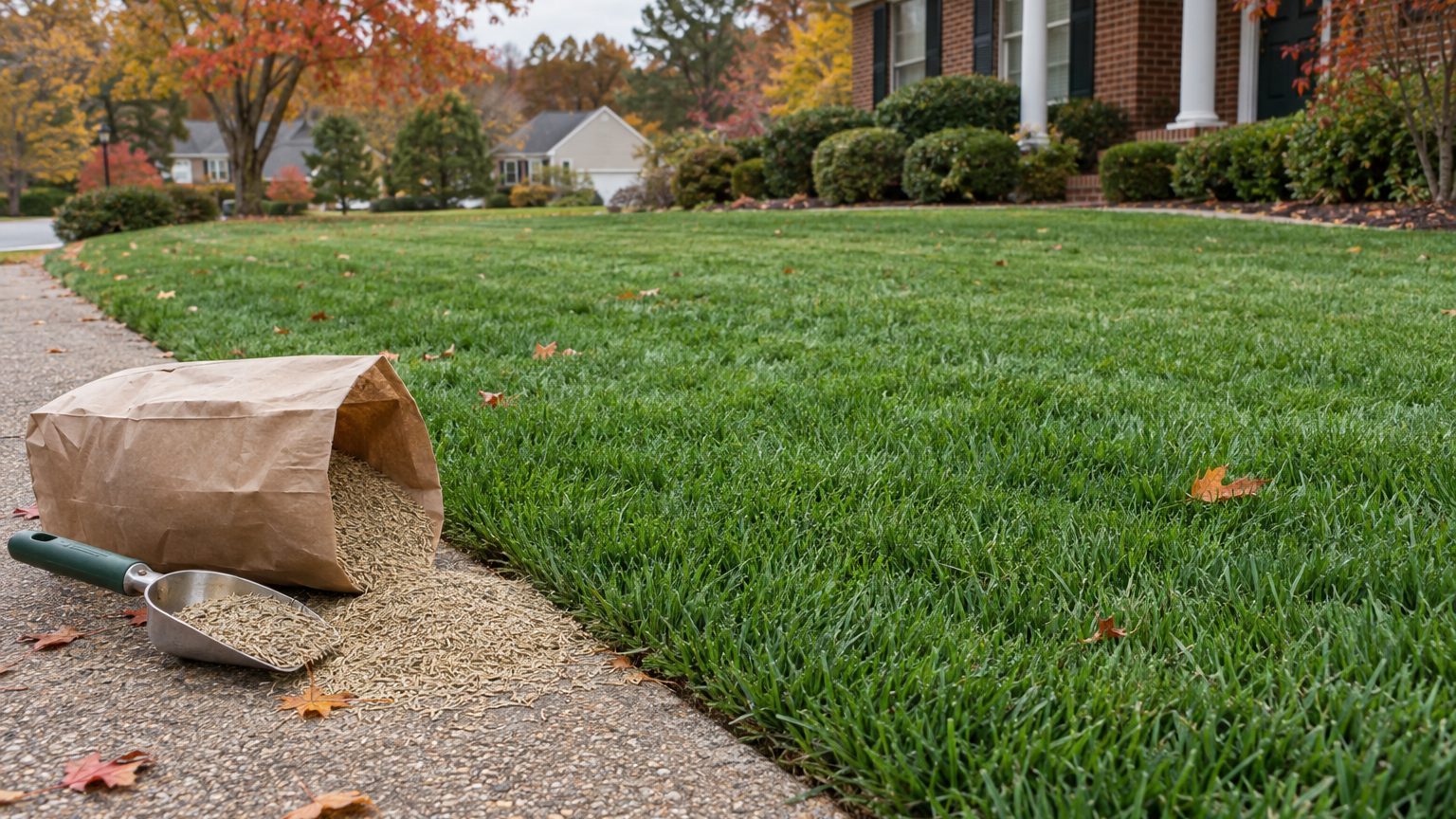
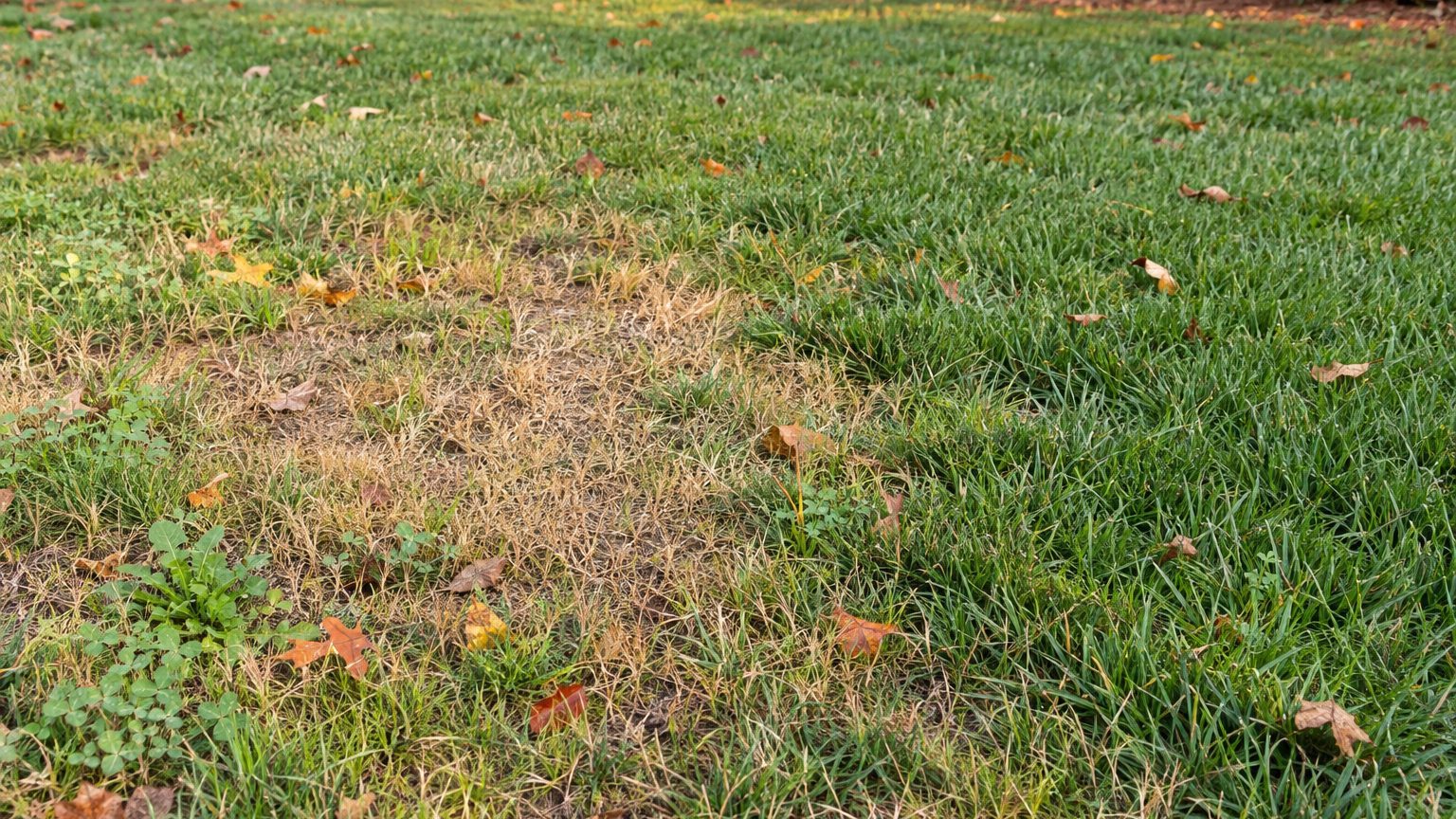
Walk across an Alabama lawn in July and you can often tell whether the grass was picked well: thick, green and shrugging off the heat, or thin and sulking. Warm-season grasses carry the state, and the seed question comes down to which of them can actually be grown from seed. Spring into early summer is when that choice pays off.

Which Grass Grows Best in Alabama?

Alabama spans USDA zones 7a to 9a, and warm-season grasses generally suit its long, hot summers better than cool-season lawns. Among the lawn grasses used in the state, bermudagrass, centipedegrass and bahiagrass are the standard seeded choices.

Bermudagrass

Bermudagrass is the dependable seeded choice for full sun. It handles heat, traffic and dry spells, and it spreads on its own to fill thin spots. Give it open sun all day, because it fades quickly in shade.

Centipedegrass

Centipedegrass grows from seed and suits homeowners who want a lawn that asks for little. It grows slowly, needs less mowing and less fertilizer, and does well in the acidic soils common across the state. It does not stand up to heavy foot traffic.

Bahiagrass

Bahiagrass is a tough seeded grass for sandy, poor or sloping ground where other lawns struggle. It has a coarse look and sends up tall seed stalks, so it fits utility areas and large, casual yards better than a showpiece front lawn.

Zoysiagrass

Zoysiagrass makes a dense, soft lawn with some shade tolerance, but it is mostly installed as sod or plugs rather than seed. Seed is slow and patchy, so plan on sod or plugs if zoysia is what you want.

St. Augustinegrass

St. Augustinegrass is a favorite for shady, warm yards, yet it is never sold as seed. If it is your goal, you will be laying sod or setting plugs. A seed bag labeled with it should be treated with suspicion.

How to Choose Grass Seed for a Alabama Yard

Start with the light, because sun or shade quickly narrows the choice. Then think about how much the lawn is walked on, whether you can water through dry spells, and how often you are willing to mow.

Seed is also a May job here, with June as a fallback, so the choice is worth settling before spring warms the soil.

Grass Sun or shade Traffic and care
Bermudagrass Full sun Stands up to heavy use, mows often
Centipedegrass Sun to light shade Light traffic, low upkeep
Bahiagrass Full sun Tough on poor soil, little watering

Zoysiagrass and St. Augustinegrass belong in yards where you are happy to buy sod or plugs: zoysia for a dense, traffic-tolerant lawn, St. Augustine for warm, shadier spots. If you want to mow less, centipede is the easy pick. If kids and dogs use the yard daily, bermuda is a strong fit.

Which Grasses Grow Where in Alabama

Alabama runs from the Tennessee Valley to the Gulf, and the grass that suits one end can struggle at the other.

  • Tennessee Valley and the Appalachian foothills: Winters are colder here and frost lingers later in spring, so bermudagrass and zoysiagrass are the safer picks, while centipede can be nipped in a hard winter.
  • Birmingham and central Alabama: Most of the seeded warm-season grasses do well, and the choice turns on sun, soil and how much you want to mow.
  • Mobile and the Gulf Coast: Mild winters and sandy soils favor centipedegrass, bahiagrass and St. Augustinegrass, and shaded coastal yards lean toward sod of the latter.

In the reference city of Huntsville, the last spring frost falls between March 19 and April 3, but your own yard may lag by a week or two, so check with your county before sowing.

Grass Seed Mistakes to Avoid in Alabama

Buying Cool-Season Seed

Cool-season grasses such as fescue and ryegrass can struggle in Alabama’s summer heat, especially outside the cooler parts of the state. Match the seed to a warm-season grass from the start, and read the label for the species rather than the picture on the front.

Seeding at the Wrong Time

Warm-season seed needs warm soil to sprout, so sowing in fall or winter wastes the bag. May is the month to seed, and if you miss it, June still works. Warm soil supports germination, but the seedbed still needs consistent moisture while seedlings establish.

Burying or Spreading Seed Badly

Seed buried deep rarely comes up, and seed left sitting on bare dirt dries out or washes away. Cover it with no more than 0.25 inch of soil and press it down so it touches the ground firmly. Follow the rate printed on the bag rather than adding extra.

Where to Get Lawn Advice in Alabama

Local advice beats general guides, because soil and frost timing change from one county to the next.

  • The Alabama Cooperative Extension System publishes lawn guides for each grass, worth reading before you buy seed.
  • Your county extension office can test your soil and answer questions about your own yard, so visit it before spring seeding.

Common Questions

Can You Grow St. Augustinegrass from Seed in Alabama?

No. St. Augustinegrass is sold only as sod or plugs, so any seed claiming to be it is not what it says.

Is June Too Late to Seed a Lawn in Alabama?

June still works as a fallback, though seeding in May gives seedlings more warm weather to root.

Which Seeded Grass Needs the Least Mowing in Alabama?

Centipedegrass grows slowly, so it needs less mowing than bermudagrass, and it suits a low-upkeep yard.

Lawn Problems and Solutions in Alabama

Lawn Problems and Solutions in Alabama

Thin spots, tan patches and weeds that outrun the grass show up in Alabama lawns every year. Warm, wet weather feeds fungus, insects and weeds as readily as it feeds grass. Telling the problems apart and recognizing which ones come from lawn-care habits helps keep the fix small.

Lawn Pests and Diseases in Alabama

Spring Weeds in Thin Turf

Spring Weeds in Thin Turf — Lawn Problems and Solutions in Alabama

Clover, henbit and wild onion appear where the lawn is thin or still waking up. They move into bare soil, so the lasting fix is a denser lawn. Mowing regularly from March through November keeps grass thick enough to crowd them out, and hand-pulling works well on small patches.

Large Patch in Cool Wet Weather

Large patch is a fungus of warm-season grasses such as zoysia, centipede and St. Augustine. Look for rounded, tan to orange patches that grow wider, with leaf sheaves that pull loose at the base. It strikes in spring and fall dampness. Water in the morning, skip heavy nitrogen when the grass is slowing down, and let the turf dry between waterings.

Crabgrass in Summer

Crabgrass is a coarse, light green grass that sprawls out from a center in a star shape and sets seed late in the season. It takes hold in thin, scalped or drought-stressed turf. A taller mowing height shades the soil, and pulling young plants before they seed prevents next year’s crop.

Chinch Bugs in Hot Dry Spots

Chinch bugs favor St. Augustine in full sun. Yellowing patches near driveways or sidewalks that keep browning even after watering are a strong clue. Part the grass at the edge of a patch and look at the soil surface for tiny dark insects. Heavy thatch and drought stress make the damage worse.

White Grubs in Late Summer

Grubs are fat, C-shaped beetle larvae that chew roots. Damaged turf feels spongy and lifts like a loose carpet, and skunks or armadillos digging in the lawn often give them away. Healthy, deeply rooted grass can tolerate limited grub activity. Confirm them by lifting a small section of sod and checking the root zone.

Armyworms After Storms

Armyworms are caterpillars that can strip a lawn quickly, often after warm, wet spells in late summer. Brown, ragged patches with birds feeding on them point to an outbreak. Check at dawn or dusk, when the caterpillars climb up to feed, and act while the damage is still small.

How to Tell Which Lawn Problem You Have

A clue is rarely conclusive on its own. Pair what you see with where it happens and when, then confirm with a simple test, such as tugging the grass or digging up a small square of sod.

Patch shape can help narrow the possibilities. Rings and circles can suggest fungus, irregular patches near pavement can point to insects, and even thinning under trees often points to shade.

What you see Where and when Points to
Tan or orange rounded patches, sheaths pull loose Spring and fall dampness Large patch
Yellow then brown patches that ignore watering Sunny edges by pavement, summer Chinch bugs
Spongy turf that rolls back like carpet Late summer, animals digging White grubs
Ragged brown patches, birds feeding Late summer after warm rain Armyworms
Coarse, star-shaped sprawl Summer, thin or scalped turf Crabgrass
Even thinning, moss at the soil Under trees, shade year-round Too little light

If grass pulls out with no roots attached, suspect grubs or fungus. If it stays firmly rooted but looks brown, think drought, heat or a nutrient issue before reaching for any treatment.

Where Lawn Problems Are Worst in Alabama

The state stretches from the Tennessee line to the Gulf, and soil, winters and humidity change along the way.

  • Tennessee Valley: Cooler winters mean more winter injury to warmer-climate grasses, and tall fescue lawns struggle in summer heat. Fungus follows long humid spells.
  • Black Belt: Heavy clay holds water, so lawns suffer from poor drainage, compaction and root rot after wet periods.
  • Mobile and the Gulf Coast: Sandy soil dries fast, humidity feeds disease, and mild winters let insects such as chinch bugs stay active longer. Salt spray adds stress near the beach.

Check your county conditions, since a lawn on a north-facing slope can behave differently from one on a nearby sunny ridge.

Lawn Care Mistakes That Invite Problems in Alabama

Scalping the Lawn

Cutting too low stresses grass, exposes soil to weed seed and weakens roots just when summer heat arrives. Mow regularly from March through November, raise the blade for shaded areas, and avoid removing so much leaf that the lawn looks scalped.

Watering Little and Often

Short, frequent sprinkling keeps roots shallow and leaves blades wet, which invites fungus. During the main watering months, May through September, soak the lawn thoroughly and let the surface begin to dry before watering again. Water in the early morning.

Feeding Too Early

Fertilizer applied in early spring pushes top growth before the roots are ready, and warm-season lawns are more prone to large patch. Wait for steady growth and feed from May through August, following a soil test and label rates.

Where to Get Lawn Advice in Alabama

Local help matches your soil and grass. Alabama Extension publishes lawn guidance for the whole state and has an office in every county.

  • Statewide guides cover grass types, weeds and diseases, so check them before buying anything for an unexplained patch.
  • Your county office can take a soil sample and help identify insects or diseases, which is useful when a patch keeps spreading.
  • Bring a plug of affected turf in a bag, with a photo of the whole yard, on your next visit.

Common Questions

When Should You Dethatch a Lawn in Alabama?

Dethatch only if the layer is thicker than 1/2 inch, since up to 1/2 inch is healthy. Dethatch in May or June; April also works. Core aeration is an alternative for thick thatch.

Can You Plant St. Augustine Grass from Seed in Alabama?

No, St. Augustine has no seed and must be established from sod or plugs. Lay St. Augustine in May; April, June and July also work. Bermuda, centipede and bahia can be seeded in May, or in June.

When Should You Aerate a Lawn in Alabama?

Aerate in May; June also works. Core aeration can help compacted clay in the Black Belt because it improves drainage and gives roots more room.

Alabama Lawn Care Schedule, Month by Month

Alabama Lawn Care Schedule, Month by Month

Warm-season grass in Alabama wakes slowly in spring, greens up as the soil warms, and keeps growing through the long, hot summer. That rhythm sets the whole year of lawn care here, from the first mowing in March to the last one in November.

What to Do Each Month in a Alabama Lawn

Lawn in Alabama

Alabama lawns are mostly warm-season grasses such as bermuda, centipede, zoysia and St. Augustine, so the busy months run from spring through early fall. Winter is mostly rest.

Month In the lawn
January Rest. The grass is dormant, so keep traffic light and pull winter weeds by hand when you see them.
February Rest. Dormant turf is not ready for feeding or seed, so use the time to sharpen the mower blade.
March Mowing begins as the first green returns. Resume mowing at the proper height for your grass as green growth returns.
April Mow regularly as growth picks up. Dethatching also works now, and sod can go down if you are ready to lay it.
May The main month for the big jobs: core aeration, dethatching, seeding bermuda, centipede or bahia, and laying sod. Fertilizing and watering start too.
June Fertilize, water deeply when rain falls short, and dethatch if you skipped May. Aeration and seeding still work, and sod can be laid.
July Feed the lawn, water through dry spells, and keep mowing. Sod laid now needs steady moisture to root in the heat.
August Fertilize if the lawn needs it and keep watering. Heat stress often shows on thin or shaded turf, so watch for dry, curling blades.
September Keep mowing and watering as growth slows with shorter days. No feeding or planting is needed now.
October Mow as needed while the grass winds down. Rake fallen leaves so they do not smother the turf.
November Make the last mowings of the year as the grass fades toward dormancy. Then put the mower away.
December Rest. The lawn is dormant, so just keep leaves off it and stay off frozen or soggy ground.

St. Augustine has no seed, so sod or plugs are the way to plant it. Check the grass type before you buy anything.

When Does the Lawn Season Start and End in Alabama?

Growth follows soil warmth and grass type, not the calendar. Warm-season grasses start moving when the soil sits at 65 to 70 °F and rising, which is why seeding waits for May rather than the first mild days of spring.

Frost dates only tell you the risk to young plantings. In Huntsville, the last spring frost falls between March 19 and April 3, and a fresh seeding or new sod caught by a late freeze can be set back.

In fall, the first frost arrives between November 2 and November 16 in Huntsville. Your own yard will likely differ. Suburban and rural lots usually freeze later in spring and earlier in fall, and more so at elevation, so check with your county before you plan around any date.

How the Lawn Calendar Shifts Across Alabama

Spring arrives earlier on the Gulf Coast than in the Tennessee Valley, and Alabama spans USDA hardiness zones 7a to 9a.

  • Huntsville and the Tennessee Valley: Spring warms later and fall cools sooner, so green-up and the first jobs sit toward the later side of each window.
  • Birmingham and central Alabama: This is the middle of the pattern, and the calendar above fits it well.
  • Mobile and the Gulf Coast: Soil warms earlier and stays warm longer, so mowing starts sooner and the growing season runs later into fall.

Higher ground in the northeast corner behaves like the Tennessee Valley, only cooler still.

Lawn Care Timing Mistakes to Avoid in Alabama

Seeding Too Early

Warm-season seed sown on cool spring soil sits and rots, or sprouts into a frost. Wait for May, when the soil has warmed, and if you miss it, June still works.

Fertilizing Too Late

Feeding in September or October can leave tender growth vulnerable just as the grass is slowing. Keep fertilizer to May through August, when the grass can use it.

Aerating or Dethatching in Dormancy

Tearing into a dormant lawn in winter opens bare soil to weeds and the grass cannot fill it in. Aerate in May, with June as a backup, and dethatch in May or June, with April also fine.

Where to Get Lawn Advice in Alabama

Lawn problems vary by soil, grass and county, so local advice beats general rules.

  • Alabama Cooperative Extension System publishes lawn guides by grass type, and it is a good first stop before you plan spring work.
  • Your county extension office can answer questions about your own yard and tell you how local frost and soil conditions shift the timing.

Common Questions

Which Grass Types Grow Best in Alabama?

Bermuda, centipede, zoysia and St. Augustine are the common warm-season choices. Bermuda wants full sun, centipede suits low-maintenance yards, and St. Augustine handles some shade but comes only as sod or plugs.

Can You Plant Sod Outside the Main Window?

Yes. Sod goes down best in May, and it also works in April, June and July. Water it steadily so the roots take hold before the heat peaks.

Should You Mow Dormant Grass in Winter?

No. Mowing starts in March once the grass greens up and stops in November when growth fades, so winter is a rest from the mower.

Lawn Weeds by Season: How to Identify and Stop Them

Lawn Weeds by Season: How to Identify and Stop Them

Crabgrass, dandelions and chickweed all exploit thin spots, but they do not follow the same seasonal pattern. Lawn weeds follow the calendar because each one has its own life cycle. Knowing the weed’s life cycle helps you choose when to act and which kind of control fits.

Which Lawn Weeds Appear in Each Season?

Weed timing changes with local growing conditions, so use the state selector below to match the weed to your lawn. Common dandelion is a perennial that can persist and produce seed. Grass type and region shift the timing.

In Pennsylvania, annual weeds such as crabgrass and common chickweed complete their cycle in one growing season. In Pennsylvania, a common dandelion can live for three or more years and produce new plants from seed.

The state selector just below this section leads to the page for your state, with the months that fit your lawn.

How to Control Lawn Weeds

Lawn: Lawn Weeds by Season: How to Identify and Stop Them

Weed control works best when you do the jobs in the order the year hands them to you, starting with prevention and ending with spot treatment.

  1. Mowing too low stresses turfgrass, so raise the mower to the correct height for your lawn type.
  2. Maintaining a thick, healthy lawn minimizes the sunlight that reaches the soil surface.
  3. In South Carolina, some weeds may require a pre-emergent applied before emergence to prevent seed germination.
  4. Watch the soil warm in spring, since in Maryland crabgrass germination begins when soil temperatures stay above 55°F for several days.
  5. Contact herbicides are most effective against young annual weeds and are a poor choice for perennial weeds.
  6. Pull or treat perennials like dandelion separately, so the root does not simply send up new growth.

In Maryland, pre-emergents are commonly used in spring against annual weeds such as crabgrass. In South Carolina, some weeds may require a pre-emergent applied before emergence to prevent seed germination. Ready-to-use spot products avoid the need to mix a dilution or use a sprayer.

Lawn Weeds by Grass Type

Grass type decides which weeds find an opening. Cool-season and warm-season lawns each have a stretch when they grow strongly and a stretch when they rest, and weeds move into the resting stretch.

A thick lawn is the common thread. Weeds exploit weak turf caused by poor soil fertility or pH, compaction, excess thatch, too much or too little water, and mowing too low.

Weed type Life cycle What helps
Crabgrass Annual, one growing season In Maryland, pre-emergent in spring; in South Carolina, dense turf
Common chickweed Annual, one growing season In South Carolina, thick turf; in Maryland, contact treatment while young
Dandelion In Pennsylvania, perennial; can live for three or more years Check local guidance for control that suits the lawn
Black medic Broadleaf In Maryland, a selective herbicide is often used for broadleaf weeds in lawns

Telling broadleaf from grass weeds saves you from the wrong product. Broadleaf species such as black medic bear colorful flowers of various shapes and sizes, while grass weeds lack flowers and have similar leaf shapes. Selective herbicides are often used against broadleaf weeds without injuring lawn grass, while nonselective herbicides affect every plant they contact.

Weed Control Mistakes to Avoid

Mowing Too Low

Scalping stresses turfgrass and creates an opening for weeds. Raise the mower to the correct height for your lawn type.

Spraying Perennials with Contact Products

Contact herbicides are a poor choice for perennial weeds. Contact herbicides are most effective against young annual weeds.

Applying Pre-Emergent Too Late

A pre-emergent is intended to act before crabgrass germinates. In Maryland, crabgrass germination begins when soil temperatures are above 55°F for several days; contact herbicides are most effective against young annual weeds.

Lawn Weeds in Your State

Let the lawn give the signal. Watch for new growth, soil that has stayed warm, and your grass entering its active season, then act on the weed that fits that moment.

  • Your state page gives the months for pre-emergent timing, so check it before the soil warms in spring.
  • It also shows when cool-season weeds start up, so you can thicken the turf ahead of them.

Common Questions

Are Dandelions Annual or Perennial Weeds?

They are perennials. In Pennsylvania, a common dandelion can live for three or more years and produce new plants from seed.

How Can You Tell a Grass Weed from a Broadleaf Weed?

Look at the leaves and the flowers together. Broadleaf species such as black medic bear colorful flowers, while grass weeds lack flowers and have similar leaf shapes.

Does a Thick Lawn Really Reduce Weeds?

Yes. In South Carolina, dense turf limits sunlight at the soil surface; in Pennsylvania, fertilization and proper mowing help build that density. In Pennsylvania, dense turf helps control summer annual grasses.

How Much to Water a Lawn, and How Often

How Much to Water a Lawn, and How Often

A thirsty lawn often shows stress before it browns: its color shifts, and footprints linger in the blades after you walk across. Watering lawns well comes down to giving the soil a deep drink and then letting it dry a little, rather than relying on routine light sprinkling.

How Much Water Does a Lawn Need?

For an established lawn, the goal is a deep soaking that wets the root zone, followed by a pause that lets the top of the soil dry. How much that takes shifts with the grass type, the season and your region. According to Iowa State University Extension, most lawns need approximately 1 to 1 1/2 inches of water per week.

Hot, dry stretches push that need up, and cool or rainy weather pulls it down. Warm-season and cool-season grasses also drink differently, which the grass-type section covers. The state-by-state table just below gives the watering window for each state, with its months and zone.

How to Water a Lawn

Lawn: How Much to Water a Lawn, and How Often

Good watering follows a rhythm: measure what your sprinkler delivers, soak the soil at the right hour, and adjust to the dirt under your feet. Work in this order.

  1. Set out rain gauges or shallow cans in the spray pattern, so you learn what your sprinkler really delivers. According to Iowa State University Extension, the suggestion is 2 or 3 rain gauges within the spray pattern. According to Clemson Cooperative Extension, the guidance calls for around five to seven containers, such as tuna cans or jars, spread around the zone.
  2. In South Carolina, wait for a slight blue-gray cast before watering; in Illinois, lingering footprints also indicate stress. Those signs mean the blades are running low, and watering on a schedule rather than on need wastes water and keeps roots shallow.
  3. Iowa, South Carolina, and Illinois all favor early-morning watering. In Iowa, 5 a.m. to 9 a.m. is recommended, and in Illinois the advice is to water early, when lawns are normally wet from dew, so the grass dries off during the day and less water is lost to the heat.
  4. Match the amount to your soil. According to Clemson Cooperative Extension, very sandy soils get 1/3 of an inch of water three times a week, while sandy to loamy soils get around ½ inch twice a week, because sand lets water slip past the roots quickly.
  5. Split the water on clay or slopes if it starts to run off. In Illinois, heavy clay and sloped ground may need two applications so the water soaks in, though in South Carolina 1 inch is best delivered all in one event on heavy clay.
  6. In South Carolina, keep a rain gauge handy and watch the forecast, so you supplement rainfall instead of doubling up on it.

A new lawn plays by different rules. According to Iowa State University Extension, a newly sodded lawn is watered once or twice a day for the first 7 to 10 days, then once the turf has been mowed 2 or 3 times, a thorough watering once a week should be adequate. After seeding, keep the upper 1 inch of soil moist with frequent, light applications.

Watering Needs by Grass Type

Roots set the schedule. Grasses with extensive, deep roots can reach water far below the surface and cope with long gaps between drinks, while shallower-rooted grasses need water more often.

That split between cool-season and warm-season grasses is the first thing to know about your own turf before you pick a rhythm.

Grass Season How it waters
Warm-season grasses Warm Extensive roots reach deep, so they want deep, infrequent watering. In California, usually 1 or 2 times a week without runoff.
Cool-season grasses Cool Roots are not as extensive, so they need water more often. In California, the weekly minutes are divided into about 3 equal irrigations.

Warm-season grasses are pretty drought-tolerant, and so is tall fescue, as South Carolina advice puts it. Tall fescue’s drought tolerance still does not replace checking the lawn for signs of stress. Darker color is another thirst signal: in Illinois, grasses tend to turn darker as they go under drought stress, so a deepening tone is a cue to water before the lawn browns.

Lawn Watering Mistakes to Avoid

Watering on a Fixed Schedule

Running the sprinklers on a fixed schedule whether or not the lawn needs it keeps roots shallow and wastes water. Watch instead for the slight blue-gray cast or lingering footprints, then give a full soaking.

Watering Late in the Day

Evening watering leaves the blades damp through the night, and much of the early-day advantage is lost. In Iowa, South Carolina, and Illinois, move the cycle to early morning, when dew already sits on the grass and the sun dries it off.

Letting Water Run Off

On heavy clay or a slope, a long single run can send water into the street instead of the soil. In Illinois, splitting the application in two lets it soak in. Check the edges of the lawn during a cycle, and pause the sprinkler when you see a puddle forming.

How Often to Water a Lawn in Your State

Let the lawn set the pace. Slowing growth, footprints that linger, a blue-gray cast and the turf’s season (cool or warm) tell you when a drink is due, and the weather and soil temperature shape how fast that comes around.

  • Open your state’s page to find the months when watering matters most where you live.
  • Go there before hot weather arrives, then keep a rain gauge on the lawn and water when the grass asks.

Common Questions

Is It Better to Water a Lawn Deeply or Lightly?

Deep watering suits an established lawn, because it pushes roots down into the soil. In Iowa, light, frequent watering is for new seed, where the upper 1 inch of soil needs to stay moist.

Can You Water a Lawn Too Much?

Yes. Water that runs off or pools is wasted, and constant wetness keeps roots shallow. Cut back when the lawn stays green and the soil still feels damp.

How Can You Tell If Your Sprinkler Puts Down Enough Water?

In Iowa, set out rain gauges; in South Carolina, use straight-sided containers across the spray pattern, then check how much water has collected. Adjust your run time until it matches what your soil and grass need.

When to Lay Sod

When to Lay Sod

A fresh roll of sod looks like a finished lawn the moment it unrolls, but whether it stays green depends on the weather it meets soon after installation. Timing comes down to your grass type and the season, with the ground thawed and the turf in active growth. Getting that match right means the roots knit into the soil before heat or cold can stress them.

When Is the Best Time to Lay Sod?

Sod timing depends on grass type, soil conditions, and region. Cool-season lawn windows vary by region. Warm-season timing also varies by region.

Local guidance shows how the season shifts. In Indiana, fall is the optimum time for cool-season sod, while Nebraska names early spring or early fall because watering demands are lighter than in summer. Warm-season sod in Indiana goes down well in early summer.

Region changes the details, so the table just below gives the window for each state, with its zone.

How to Lay Sod

Lawn: When to Lay Sod

Sod rewards preparation and speed, so have the bed ready before the pallets arrive.

  1. Work compost into the topsoil, 25 to 50 percent by volume in Mississippi guidance, so the new roots find loose ground with some body to it.
  2. Schedule delivery for the day you plan to lay, because in Nebraska sod is laid within 24 hours after harvesting to keep it fresh.
  3. In Nebraska, start along a straight edge and set the pieces in a brick-like pattern with staggered ends, so seams never line up in a long, weak line.
  4. In Nebraska, push each piece snug against its neighbor, since tightly fitted edges keep the exposed ends from drying out.
  5. In Nebraska, roll lightly and then water thoroughly, which presses the roots against the soil and gives them a drink right away.
  6. Water in the morning each day until the sod roots, usually about 10 days after installation in Indiana, so the roots never sit in dry soil.

Check rooting by gripping the blades and lifting. In Nebraska, sod that resists is usually ready for fewer but deeper waterings, and mowing at 3.0 to 3.5 inches can begin once top growth appears. Keep foot traffic light until then.

Sod Timing by Grass Type

Cool-season grasses grow strongest in the mild shoulder seasons, so those are the months that suit their sod. Warm-season grasses want the opposite, a stretch of heat that pushes growth and speeds rooting.

Treat the locally preferred window as the easier option; installation outside it may require more attention.

Grass Season Timing
Tall fescue, Kentucky bluegrass Cool Fall is optimum in Indiana; Pennsylvania also lists spring among the optimum times
Bermudagrass, zoysia Warm Almost any time in Indiana, early summer preferred

Centipede and St. Augustine behave like the other warm-season grasses. In Mississippi they sit dormant in winter, yet they can still be installed with adequate planning. Expect the lawn to remain brown until growth resumes.

Sod Installation Mistakes to Avoid

Letting Sod Sit on the Pallet

Rolled sod is alive and stacked tightly, so it heats up and breaks down. In Pennsylvania, it deteriorates rapidly within 24 to 48 hours in warm weather. The cost is yellowed, thin pieces that root poorly.

Prepare the soil first, schedule delivery for the day you will lay, and do not take more than your crew can finish.

Leaving Gaps at the Edges

Loose seams and curled edges dry out first, leaving brown lines across a lawn that otherwise looks fine. You end up patching or replacing strips.

Butt each piece firmly against the next, stagger the ends, and trim edge pieces to fit rather than leaving a sliver. Rolling afterward settles the seams into the soil.

Aerating Too Soon

Pulling cores from a new lawn can lift or tear sod that has not yet anchored. In Nebraska, newly laid sod is left alone until it is firmly rooted, which takes 1-2 months.

Test by tugging a corner. If it lifts, wait. Until the sod is firmly rooted, keep traffic light and postpone aeration.

When to Lay Sod in Your State

Let the grass and the soil give the signal. Use local guidance for cool-season and warm-season grass, especially where warm-season sod can be installed during dormancy.

  • The page for your state lists the months that fit its climate and zone, so check it before you order sod.
  • Read it alongside your grass type, since a cool-season and a warm-season lawn in the same state use different windows.

Common Questions

Can You Lay Sod in Winter?

It depends on the ground and the grass. In Nebraska and Pennsylvania, cool-season sod can go down almost any time the soil is not frozen. In Mississippi, warm-season grasses are dormant in winter but can still be installed with adequate planning. Expect a brown lawn until growth resumes.

Is Sod Better than Seed?

Sod gives you an instant lawn, the ability to use it quickly, and no soil tracking or erosion. It also lets you establish turf at times that are less than optimal for seeding. The tradeoff, for cool-season grasses, is cost, since sodding is usually the most expensive way to start a lawn.

Is Summer Too Hot to Lay Sod?

Summer sod can work, but it asks for more water. Nebraska guidance prefers early spring or early fall for cool-season grass because irrigation needs are lower than in summer. Warm-season sod handles the heat better, and in Indiana early summer suits it well.

Grass for Shade: Which Species Actually Grow There

Grass for Shade: Which Species Actually Grow There

Thin, mossy grass under a maple or along the north side of the house is a common sight by midsummer. Some grasses cope with dim light while others quickly fade out. Knowing which species hold on in shade, and how much shade is simply too much, decides whether you seed or plant something else.

What Grass Grows Best in Shade?

Some lawn grasses tolerate shade better than others. How well any of them does depends on the grass type, how dense the shade is, how wet the soil stays, and where you live.

In Pennsylvania, fine fescues (red, Chewings, sheep and hard) and rough bluegrass are listed as the most shade-tolerant grasses. Tall fescue suits moderate shade there, which is a step up in light from the fine fescues.

Seasons and regions shift the picture, because a cool, damp Northeast yard treats shade very differently from a hot Southern one. The state selector right below this section takes you to the page for your own state.

How to Grow Grass in Shade

Lawn: Grass for Shade: Which Species Actually Grow There

Success comes from matching the grass to the light and then easing the pressure from trees, mower and watering can. These steps run in the order you would do them.

  1. Watch the spot as the sun moves across it and note when direct light reaches the grass, so you know whether turf has a realistic chance before you spend on seed.
  2. Choose a fine fescue blend for heavy shade or tall fescue for moderate shade, since each species has a limit and a mismatch leaves bare soil as the grass thins.
  3. Leave a turf-free ring around each trunk, at least 2 to 4 feet in diameter in North Carolina guidance, so tree and grass roots stop fighting over water and nutrients.
  4. Feed with a fertilizer in a 2-1-1 or 1-1-1 ratio, which Pennsylvania recommends with 30% or more of the nitrogen as slow-release, so shaded grass gets a steady supply without a surge of weak growth.
  5. Mow high, and in Nebraska the advice is 3 to 3.5 inches all summer, because taller blades gather more of the weak light and anchor deeper roots.
  6. Water deeply and let the soil dry between sessions, since in Nebraska the aim is to moisten the root zone, typically 6 inches, and then wait until the top 2-3 inches look dry.

Shaded soil dries slowly, so check it with a finger or a trowel before each watering instead of following a habit. Lawns under trees often fail from soggy conditions and root competition as much as from lack of light.

Shade Tolerance by Grass Type

Shade tolerance varies by species, and the same label can hide wide differences. A fine fescue and a Kentucky bluegrass may both be called cool-season grasses, yet they sit at opposite ends of the shade scale.

The list below comes from Pennsylvania guidance, which sorts grasses by how much shade they take. Use it as a starting point in Pennsylvania; elsewhere, check the recommendations for your state.

Grass Shade level Note
Fine fescues (red, Chewings, sheep, hard) Heavy shade Most shade-tolerant group
Creeping fine fescue Heavy shade Listed for deep shade
Rough bluegrass Heavy shade Suited to wet conditions
Tall fescue Moderate shade Handles more light than fine fescue needs
Kentucky bluegrass (Glade, Bensun) Light shade Only specific varieties tolerate it

The practical lesson is to read the variety, not just the species. Ordinary Kentucky bluegrass sold for sunny lawns will struggle where Glade or Bensun might hold. Warm-season lawns in the South follow different rules, so check your state page for what suits your region.

Shady Lawn Mistakes to Avoid

Seeding Where Light Is Too Low

An area with less than 50 percent open sunlight or less than four hours of sunlight per day is much too shady for turfgrass, according to North Carolina guidance. Seeding there wastes money because the grass will not grow well.

Switch to a groundcover and keep the grass for the brighter edges of the yard.

Mowing Too Short

Cutting shaded grass like sun-lit lawn leaves little blade to catch light, and weeds fill the gaps. Raise the mower to the tall setting and keep it there through summer.

In Pennsylvania and Nebraska, never remove more than one-third of the leaf surface at a mowing. If the grass has gotten ahead of you, cut it in stages rather than all at once.

Ignoring Tree Roots

According to NC State Extension, most of a shade tree’s feeder roots in clay soil sit in the upper 8 inches, the same layer where turf roots grow. Grass beneath a tree is therefore competing for every drop of water, however much you seed.

Check the soil before watering, and keep the trunk’s turf-free ring so tree and grass roots compete less.

Shade Grass for Your State

Seed and fertilize shaded lawns when the grass is actively growing, which follows soil warmth and the grass type rather than a frost date. Cool-season grasses push in mild weather, and the right months differ widely from state to state.

  • The page for your state gives the months that suit your region’s grasses, so go there before buying seed.
  • Recheck it as trees leaf out or drop their leaves, because the amount of shade changes through the season.

Common Questions

How Much Sun Does Grass Need to Stay Healthy?

According to University of Nebraska-Lincoln Extension, turfgrasses need a minimum of 6 hours of full sun a day to be healthy and vigorous. Shade grasses get by on less, but they still thin out as the light drops.

What Can You Plant Where Grass Will Not Grow?

Pennsylvania guidance names periwinkle, pachysandra, purple wintercreeper and English ivy as suitable groundcovers. They make sense where changing the site is difficult or too costly, and where grass cannot give adequate cover.

How Far Apart Should Shade Trees Be Planted?

According to Penn State Extension, shade trees are planted 40 to 100 feet apart, depending on the mature size and density of the species. Wider spacing leaves more open sky for the lawn between them.

When to Plant Grass Seed, State by State

When to Plant Grass Seed, State by State

Bare patches show up after a hot summer, and thin turf shows up after a hard winter. Both send you out with a bag of seed. Seeding works when the seed sits in warm soil with a long stretch of mild weather ahead, and that moment depends on your grass and where you live.

When Is the Best Time to Plant Grass Seed?

The right window for cool-season grasses, such as tall fescue, Kentucky bluegrass and fine fescue, depends on local conditions. The right window for warm-season grasses, such as bermudagrass and zoysia, also varies by location. Seed placed in the wrong season either stalls or gets killed by the next weather swing.

The window depends on the type of grass, the season, and your region. Warm soil with cooling air favors cool-season seed, and steady heat favors warm-season seed.

The state-by-state table just below gives each state’s months and zone.

How to Plant Grass Seed

Lawn: When to Plant Grass Seed, State by State

Good seed-to-soil contact matters more than the brand on the bag, so the work is mostly in the preparation. Take these steps in order:

  1. Mow the old grass short and rake out the clippings, so the seed reaches the soil instead of hanging in thatch.
  2. In North Carolina, loosen the surface and, in heavy clay or very sandy ground, mix compost into the top 6 to 8 inches, because the new roots need soil that holds both air and moisture. In North Carolina, 1 to 2 cubic yards per 1,000 square feet is the suggested amount.
  3. Spread a starter fertilizer, since seedlings need nutrients near the surface from the start. In Pennsylvania, apply 0.5 to 1 lb nitrogen/1000 sq ft; amounts in excess of 1.5 lb nitrogen/1000 sq ft can burn young turf.
  4. In Iowa, sow the seed evenly, then rake it in lightly so it ends up 1/8 to 1/4 inch deep. Seed left on top dries out and feeds the birds, while seed buried deeper may never reach daylight.
  5. Keep the top 1.5 inches of soil moist, which in North Carolina can mean light watering two or three times a day for 7 to 21 days. A seed that dries out after it has started to sprout is lost.
  6. In North Carolina, mow when the new grass is about 50 percent taller than its final height, such as cutting tall fescue back to 3 inches once it reaches 4.5 inches. Mowing at that point encourages the plants to thicken instead of stretching.

In New Jersey, once the seedlings have a real root system, water less often but more deeply, down to 3 to 5 inches. Deep, spaced-out watering pulls the roots downward and prepares the lawn for seasonal weather stress.

Seeding Time and Rate by Grass Type

Seeding rates vary by species. Tall fescue seed is large and goes down heavily, while zoysia and bermudagrass seed is tiny and needs very little.

Maryland seeding rates are given here, and the timing notes below show where each one applies.

Grass Season Seed per 1,000 sq ft
Tall fescue Cool 6 to 8 pounds
Kentucky bluegrass Cool 2 to 3 pounds
Fine fescue Cool 4 to 6 pounds
Zoysia Warm 1 pound
Bermudagrass Warm 1 pound

For timing, cool-season lawns in Southern New Jersey are seeded from August 20 to October 10, while Kansas City lawns often do well with seed down as late as October 15. Warm-season grasses in North Carolina can be seeded between March 1 and July 1, and in Maryland they go in from mid-May into June. Bluegrass is slow, taking 7 to 14 days longer to germinate than other cool-season grasses in North Carolina, so do not give up on it early. In North Carolina, use 1.5 pounds per 1,000 square feet when fine fescue is mixed with tall fescue or Kentucky bluegrass.

Grass Seeding Mistakes to Avoid

Seeding into Cold Soil

In Maryland, the optimum soil temperatures for grass seed germination are 50 to 70°F, measured around a 1-inch depth. Seed sown into colder ground sits idle and can be washed or eaten away. Check the soil with a thermometer instead of trusting the date.

Dormant seeding is the exception. In Iowa, it works when soil stays at 40°F or lower, so nothing sprouts before winter.

Overdoing the Starter Fertilizer

More fertilizer feels like a head start, but too much burns the tender seedlings. In Pennsylvania, amounts in excess of 1.5 lb nitrogen/1000 sq ft can damage young turf. With no soil test, Iowa suggests 5 pounds of a 20-5-10 type fertilizer per 1,000 square feet, tilled in. Measure the area first and weigh the product.

Mowing Too Short Too Soon

Scalping a young lawn strips the blades the seedlings use to feed themselves. In Iowa, new grass is mowed once it reaches 3 inches, at a height of 2 to 2.5 inches. Keep the blade sharp and the height steady until the lawn fills in.

When to Plant Grass Seed in Your State

Let the soil and the grass type set the day. Cool-season lawns want warm soil and cooling air, and warm-season lawns want steady heat. A soil thermometer tells you more than the calendar.

  • Open your state’s page for its seeding months and zone, then check the soil before you buy seed.
  • If you are unsure which grass you have, look at the lawn through the growing season and match it to a cool or warm type before choosing a window.

Common Questions

Can You Plant Grass Seed Over an Existing Lawn?

Yes, if you mow low and rake first so the seed can touch bare soil. Thick thatch or tall grass keeps seed suspended above the ground, where it dries out before it roots.

How Long Does Grass Seed Take to Sprout?

In Maryland, grass seed takes about 2 weeks to germinate. Slower species such as bluegrass can take longer, so keep the soil moist while you wait.

Can You Plant Sprigs or Plugs Instead of Seed?

For warm-season grasses, yes. In North Carolina, sprigs or plugs can go in from March 1 through July 1, which lets you cover bare areas without waiting on seed.

Fixing Bare Spots in a Lawn, Step by Step

Fixing Bare Spots in a Lawn, Step by Step

A bare patch usually shows itself after winter thaw or after a dry summer stretch, a tan or brown circle of soil sitting in otherwise green turf. Whether grass fills the spot on its own depends on the species and the cause of the damage. Repairing it means loosening the soil, seeding, and keeping the seedbed damp until roots take hold.

How Do You Fix Bare Spots in a Lawn?

You loosen the bare soil, work in the seed so it touches dirt, and keep the spot moist until new grass roots. The basic approach is similar, but the timing and materials depend on the grass and the region. What changes is the timing, because cool-season and warm-season grasses want different seasons.

Region moves the dates further, since soil warms and cools on a different schedule in Georgia than in Minnesota. The state selector just below this section leads to the page for your state, where the months for your lawn are laid out.

How to Repair Bare Spots in a Lawn

Lawn: Fixing Bare Spots in a Lawn, Step by Step

Before any seed goes down, work out why the grass died, then repair the spot in this order.

  1. In Kentucky, break up the soil with a garden rake or a similar tool, because seed needs loose ground to root into rather than a crusted surface.
  2. In Wisconsin, rake out a large dead patch and add ¼ to ½ inch of good quality soil so the seed has a fresh bed to start in.
  3. Sprinkle seed evenly, and for tall fescue in New Jersey the rate is 4 to 6 pounds per 1000 square feet, which keeps the new stand thick enough to crowd out weeds.
  4. Rake the seed lightly back in and run a roller over it, so each seed sits in firm contact with the soil and can pull in moisture.
  5. Cover with a light mulch, and in New Jersey that means about 25% of the soil still shows through, so seedlings get shade and moisture without being smothered.
  6. In New Jersey, keep the top 2 inches moist, since seed that dries out after it has started to sprout usually dies.

With favorable growing conditions, straw mulch and timely rain or irrigation can give an established lawn in 4 weeks in New Jersey. In New Jersey, once seedlings have a real root system, water less often but more deeply, down to 3 to 5 inches, to push roots downward.

Bare Spot Repair by Grass Type

Cool-season grasses such as the fescues are repaired in fall, when mild air and warm soil help new seedlings establish. They grow best in the cooler parts of the year, so fall seeding lines up with their natural growth.

In New Jersey, tall and fine fescue use the same seeding rate.

Grass Season Seed rate (New Jersey) Repair timing
Tall fescue Cool 4 to 6 pounds per 1000 square feet Fall
Fine fescue Cool 4 to 6 pounds per 1000 square feet Fall

Warm-season lawns such as Bermudagrass or zoysia follow the opposite rhythm. They grow when the soil is warm, so their repairs belong to the warm months rather than fall. Seed rates differ by species and by seed or sod, so check the bag or ask your state extension office. If you are not sure which grass you have, that answer decides your calendar before anything else does.

Lawn Repair Mistakes to Avoid

Seeding Without Fixing the Cause

New seed in a spot where pet urine or spilled mower gasoline killed the grass will often fail the same way. Rocks close to the surface and heavy foot traffic can do the same. Look for the cause first, using clues such as where the patch sits and what the dead grass looks like. Then remove it, flush the area, or reroute the traffic before reseeding.

Letting the Seedbed Dry Out

A seedbed that dries out between waterings loses sprouting seed, and the work is wasted. In Iowa, water at least once a day after seeding. Where a daily trip with the hose is hard, a small sprinkler on a timer keeps the surface damp and saves the repair.

Leaving Heavy Mulch On

Mulch laid on thick blocks light, and seedlings pale and stall underneath it. In New Jersey, partially remove mulch once germination occurs and roots reach 2–3 inches. Rake it thinner by hand rather than pulling it all away, so the young grass keeps some shade while it hardens off.

When to Repair a Lawn in Your State

The signal is the grass itself. Cool-season lawns are ready for repair as fall growth returns, and warm-season lawns when the soil has warmed and the turf is growing actively. Iowa suggests mid-August through mid-September for thin lawns, as one local example.

  • Open your state page to find the months that match your region and your grass type.
  • Check it again when spring thaw reveals new bare spots, so you can decide what to patch now and what to leave for fall.

Common Questions

Can Spring Bare Spots Wait Until Fall?

Often they can. In Wisconsin, bare patches, vole trails, moss and thin stands are described as spring issues that need a quick fix before summer. On a cool-season lawn, a small patch can be covered lightly in spring and fully repaired in fall.

How Do You Tell Dead Grass from Dormant Grass?

Tug a handful of blades. Dormant grass stays anchored and often greens again with water or cooler weather, while dead grass lifts out easily with dry, brittle roots. Check whether the whole area has turned the same color or whether the damage forms a clean-edged patch, since that points toward a local cause.

Will Grass Seed Grow Where a Dog Keeps Going?

It may sprout, but repeated urine can burn the new seedlings before they root. Rinse the spot with water, repair it, then give the dog another place to go while the grass establishes. A temporary fence around the patch keeps both paws and urine off.

The almanac, state by state. Every date on this site comes from a state’s own frost facts and its extension service’s calendar — and says where it comes from.