Skip to content

Lawn Problems and Solutions in Texas

Lawn Problems and Solutions in Texas

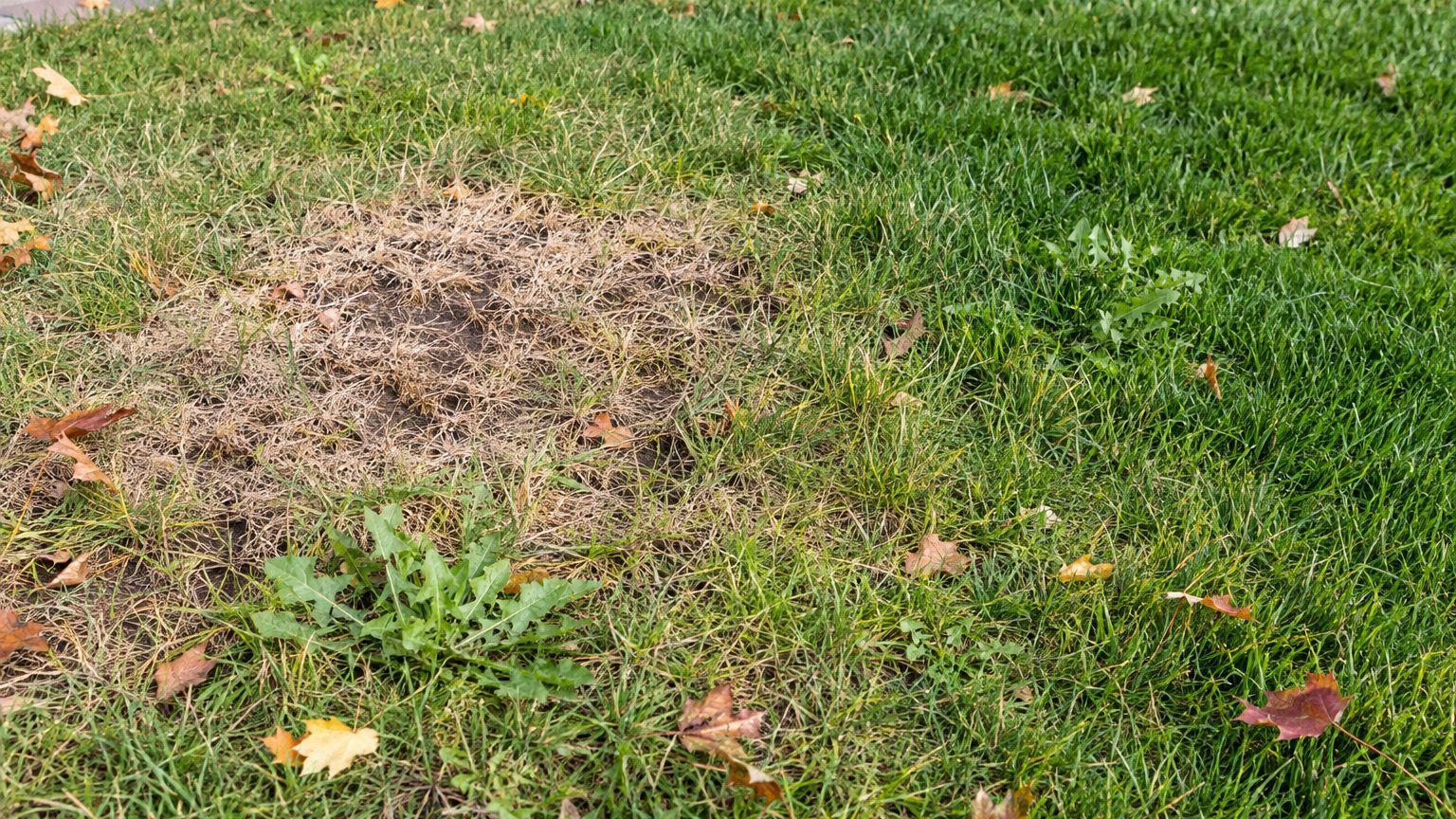
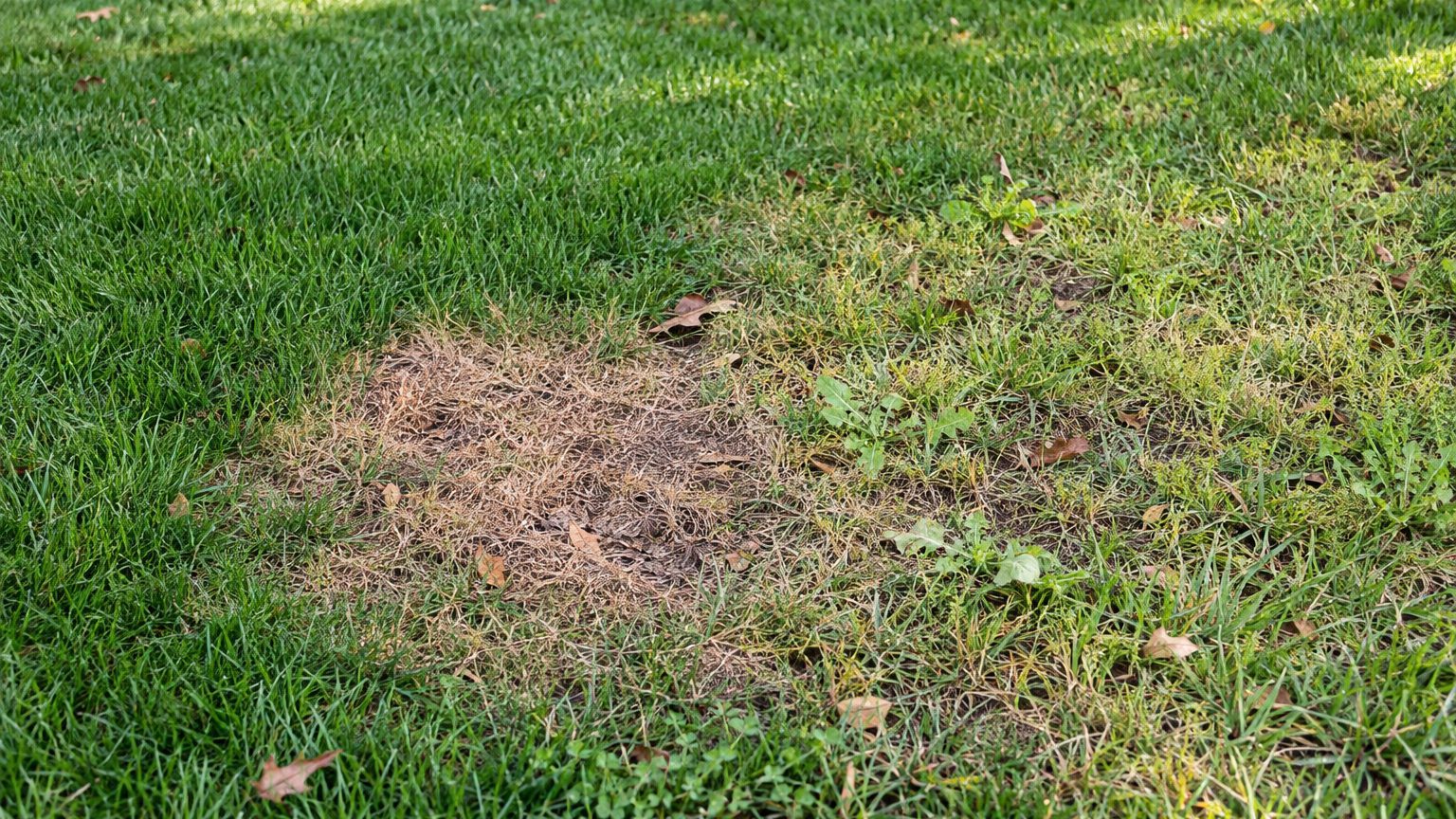
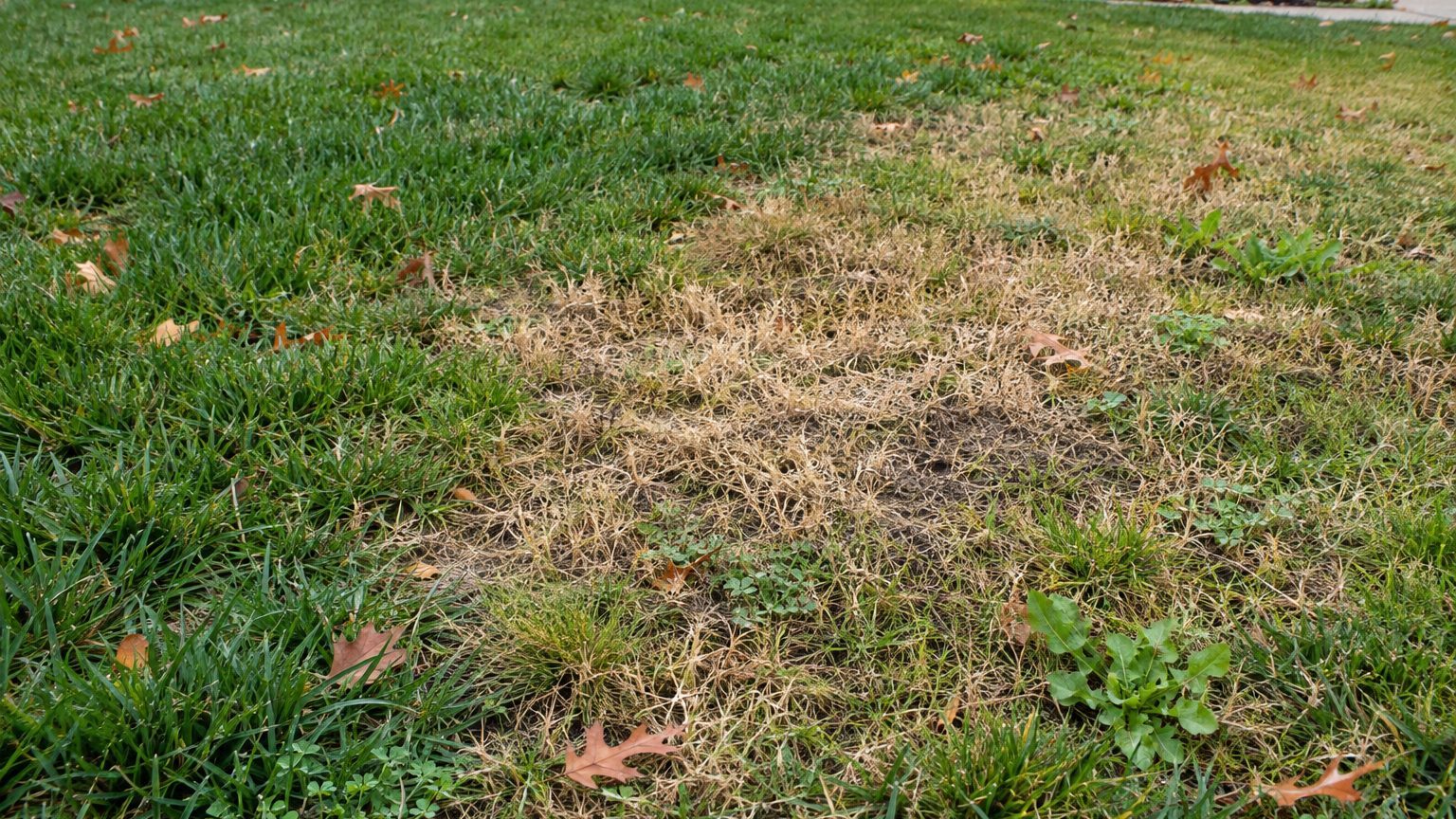
A Texas lawn usually tells you something is wrong with a patch that turns tan, thins out, or fills with coarse weeds. Common causes include crabgrass, thatch, chinch bugs, grubs, and fungi that thrive in cool, wet weather.

Lawn Pests and Diseases in Texas

Crabgrass

Crabgrass — Lawn Problems and Solutions in Texas

Crabgrass is a pale green, sprawling weed that forms flat rosettes with stems radiating outward. It sprouts as the soil warms, and it thrives where the turf is thin or scalped.

A pre-emergence preventer works only before the seedlings appear, so apply it in February or March. Once crabgrass is up, keep mowing steadily and improve turf density to reduce the open ground it can use.

Thatch Buildup

Thatch is the tan, spongy layer of stems and roots between the green blades and the soil. Bermudagrass and St. Augustine both build it, and a lawn that feels bouncy underfoot probably has too much.

A layer up to 1/2 inch thick is healthy. Above that, dethatch or core aerate, and May or June is the time to do it, while the grass is growing fast enough to recover.

Chinch Bugs

Chinch bugs are tiny insects that suck the sap from St. Augustine grass. They leave yellow, then straw-colored patches, usually along sunny edges of the lawn, next to driveways and sidewalks, where the heat is greatest.

Part the grass at the border of a damaged patch and look at the soil surface for small dark insects. Stressed, drought-weakened turf in full sun is especially vulnerable, so keep it watered through summer.

White Grubs

Grubs are fat, C-shaped, creamy larvae that chew grass roots in late summer. The turf above them goes limp and tan, and it lifts like a loose carpet because nothing anchors it.

Tug on a damaged patch. If it peels back easily, check for grubs near the soil surface before choosing a treatment. Skunks and armadillos digging up the lawn at night often point to grubs underneath.

Large Patch in Fall

Large patch is a fungus that attacks warm-season grasses, especially St. Augustine, when weather turns cool and damp. It makes rounded or irregular tan to orange patches with a brown edge.

It spreads where water sits and where lawns are overwatered or heavily fertilized late in the season. Water in the morning, ease up as the weather cools, and keep nitrogen off in late fall.

How to Tell Which Lawn Problem You Have

Do not diagnose a lawn problem from appearance alone. Pair what the patch looks like with where it sits, when it appeared, and what happens when you tug on it or dig a small plug.

A quick pull test, a look at the soil surface, and a note about sun or shade will narrow the list quickly.

What you see When and where Likely cause
Coarse, pale clumps spreading flat Summer, thin or sunny spots Crabgrass
Spongy turf, thick brown layer in a plug Growing season, anywhere Thatch
Yellow to straw patches, grass stays on Summer, hot sunny edges Chinch bugs
Tan turf that peels up like carpet Late summer, any exposure White grubs
Round tan to orange patches, brown rim Cool, wet spells, soggy spots Large patch

Thin grass beneath trees is a separate matter. Shade, tree roots, and heavy leaf litter starve turf of light and water, so the fix is usually more light or a shade-tolerant grass, not a treatment.

Where Lawn Problems Are Worst in Texas

Texas spans USDA hardiness zones 6a to 10a, so the same grass faces very different trouble from one region to the next.

  • Panhandle: Hard winters and dry air favor winter injury and drought stress in warm-season turf, while fungus is less of a worry.
  • North Texas: Hot summers and cool, wet spells bring both chinch bugs in sunny St. Augustine and large patch in fall and spring.
  • Hill Country: Thin soil over limestone dries quickly, so drought stress can leave the turf weak and thin.
  • Gulf Coast: Humidity keeps fungus active longer, and mild winters give thatch, weeds, and insects a longer season.

Local conditions matter as much as the region, since a shaded, poorly drained yard anywhere in Texas will see more disease.

Lawn Care Mistakes That Invite Problems in Texas

Scalping the Lawn

Cutting too low strips off the leaf surface the grass needs to feed itself, opens bare soil to crabgrass seed, and stresses turf heading into summer heat.

Raise the mower deck, cut often during the growing season, and remove only a little blade at a time. Mowing runs from April through October.

Shallow, Frequent Watering

Sprinkling a little each day keeps roots short and the surface wet, which favors fungus and leaves grass weak when real heat arrives.

Water deeply and less often, in the morning, with the heaviest demand in June, July, and August. Straight-sided containers set across the lawn can show whether the sprinkler is covering it evenly.

Feeding at the Wrong Time

Nitrogen in late fall or in hot, dry late summer pushes soft growth the grass cannot support, and it feeds large patch.

Fertilize in May or June, once the lawn has fully greened up. April and September also work, but skip the heat of late summer and the cool end of the year.

Where to Get Lawn Advice in Texas

Local help matches the diagnosis to your soil, your grass, and your part of the state, which a general guide cannot do.

  • Texas A&M AgriLife Extension publishes lawn management guidance for Texas grasses, and it is a good first stop when a patch first appears.
  • Your county extension office can identify insects or disease from a sample, so bring a cut section of turf from the edge of a damaged patch.
  • Call before you spend money on treatments, since the wrong one on the wrong problem costs more than a short wait.

Common Questions

Can You Seed a Lawn in Texas in Summer?

Seeding works best in May, and June is a fallback. After that, the heat and dry spells make it hard for seedlings to establish.

When Should You Lay Sod in Texas?

May is the strongest month for sod, and it also works in April or June. Water it carefully while the roots knit into the soil.

Do You Need to Mow During Winter?

Warm-season grass goes dormant in cold weather and barely grows, so there is little to cut. Mowing picks up again in April and continues through October.
Texas Lawn Care Schedule, Month by Month

Texas Lawn Care Schedule, Month by Month

Warm-season grass in Texas wakes slowly in spring, grows hard through the heat, and slips into a tan dormancy after the first real freezes. The lawn year follows that rhythm: pre-emergent in late winter, feeding and sod work in late spring, steady mowing through fall, and rest when the grass stops growing.

What to Do Each Month in a Texas Lawn

Lawn in Texas

For warm-season grasses such as bermudagrass, the big jobs cluster in late spring when the soil is warm and the grass is growing fast. Here is how the year runs.

Month In the lawn
January Rest. The grass is dormant, so keep foot traffic light and pull winter weeds by hand.
February Apply crabgrass preventer before the soil warms, because it only works ahead of germination.
March Preventer still works this month if February slipped by. The grass is just starting to green, so hold off on feeding.
April Start mowing as growth picks up. Feeding is fine once the lawn is fully green, and sod laid now will root well.
May The busiest month. Seed, lay sod, dethatch and fertilize while warm soil gets roots moving fast.
June Dethatching and fertilizing still work, and seed or sod laid now will establish. Start watering deeply as heat builds.
July Mow regularly and water deeply. Skip fertilizer, since hot, dry weather stresses fed grass.
August Keep mowing and watering through the heat. Watch for brown patches that may come from drought, grubs, or another problem.
September Mowing continues. A light feeding works early in the month while the grass is still growing well.
October Mow as growth slows, then stop when the blades quit growing. Skip fertilizer, which would push tender growth before frost.
November Rest. The grass is heading into dormancy, so rake leaves off and leave the lawn alone.
December Rest. The lawn is dormant and tan, and needs nothing but a leaf rake.

Fertilizer timing is easy to get wrong. Feed only after the lawn has fully greened up, never in hot, dry late summer and never in late fall.

When Does the Lawn Season Start and End in Texas?

Growth starts when the soil warms, not when the last frost passes. Warm-season grasses take off once soil sits at 65 to 70 °F and keeps rising, which is why seed and sod go down in May rather than at the first mild week of spring.

Frost dates only tell you how risky a young planting is. Around Houston, the last spring freeze usually falls between February 4 and March 1, and the first fall freeze between December 1 and December 19. That is the mild Gulf end of the state, so do not borrow it for other regions.

The season ends when cooling soil slows the grass, usually well before a hard freeze. Mowing runs from April through October, then the lawn rests until spring warmth wakes it again.

How the Lawn Calendar Shifts Across Texas

Texas stretches across USDA hardiness zones 6a to 10a, so the same job lands on different weeks depending on where you live.

  • The Panhandle: Winters are colder and freezes come earlier in fall and linger later in spring. Wait longer in spring before seeding or laying sod, and expect a shorter growing season.
  • North Texas: Cold snaps can still hit after green-up begins, so be patient with feeding and new plantings until the lawn is clearly growing.
  • The Hill Country: Thin soils and hot, dry summers make deep, infrequent watering matter more, and the schedule runs a bit behind the coast in spring.
  • The Gulf Coast: Warmth arrives earliest and lingers latest, so green-up comes sooner and dormancy is shorter and milder.

Treat the monthly guide as a starting point and nudge each task earlier on the coast or later toward the north.

Lawn Care Timing Mistakes to Avoid in Texas

Fertilizing Too Early

A warm spell in March tempts many people to feed, but the grass is only waking up and its roots cannot use much yet. The nutrients wash away, and weeds benefit instead. Wait until the lawn is fully green, then feed in April through June.

Seeding at the Wrong Time

Seed scattered in fall or winter sits in cool soil and either rots or sprouts weakly. Warm-season grass needs heat to germinate. Plant in May, and June still works if spring gets away from you.

Skipping the Preventer Window

Crabgrass preventer applied after the weed has sprouted does almost nothing. It must be down before the soil warms. Put it out in February or March, and if you miss both, switch to pulling weeds by hand.

Where to Get Lawn Advice in Texas

Local conditions vary so much here that useful advice comes from people who know your soil and grass type. For local help, start here.

  • Texas A&M AgriLife Extension offers lawn calendars and grass guides, and is a good first stop before spring work begins.
  • Your county extension office can test your soil and identify problem weeds or pests, so call or visit when something looks off.

Common Questions

Can You Plant a Texas Lawn in Fall?

Warm-season grasses are best started in May, with June as a fallback. Fall soil is cooling, so seed and sod have little time to root before dormancy.

Why Is My Lawn Still Brown in Spring?

Brown grass in early spring is usually dormant, not dead. Pull gently on the grass, and if the blades resist and the roots look firm, the lawn will green up as the soil warms.

Is Dethatching Worth Doing Every Year?

Not always. Dethatch only when the spongy layer of old stems and roots has built up thick, and do it in May or June when the grass can recover quickly.

Best Grass Seed for Tennessee

Best Grass Seed for Tennessee

In Tennessee, tall fescue usually stays green through winter, while bermudagrass and zoysiagrass usually turn golden after the first frost. Both can work here, because the state sits where cool-season and warm-season grasses overlap. Which one suits your yard depends on sun, traffic and how much you want to water and mow.

Which Grass Grows Best in Tennessee?

Tennessee sits in the transition zone, so both cool-season and warm-season grasses can grow here, and each has a different weak spot. Cool-season grasses struggle in the hottest stretch of summer, while warm-season grasses turn tan once cold weather arrives. The grasses below have different strengths and care needs.

Tall Fescue

Tall fescue is a practical choice for Tennessee yards. It is a cool-season grass with deep roots, so it handles summer heat and some shade better than bluegrass does. It stays green through winter, and it is seeded in late summer, with August the best month and September a fallback.

Bermudagrass

Bermudagrass loves full sun and takes foot traffic, but it goes dormant and brown in cold weather. It can be grown from seed or sod. Seeding works best in May, and June still works if spring gets away from you.

Zoysiagrass

Zoysiagrass forms a dense, soft turf that crowds out weeds, and it tolerates some shade. It is mostly planted as sod or plugs rather than seed. Expect it to be slow to fill in and to turn straw-colored in winter.

Kentucky Bluegrass

Kentucky bluegrass is a specialized choice for the cooler, higher parts of Tennessee. It does best on cooler, higher ground, where summers are milder. In the warmer low country it tends to thin and brown in summer heat, so it is better as a small part of a mix than as the whole lawn.

How to Choose Grass Seed for a Tennessee Yard

Start with the sun your yard actually gets and how the lawn is used. Then decide how much watering and mowing you are willing to do. The USDA hardiness range across Tennessee runs from zone 5b to 8a, but the range alone does not show which grass will suit a particular yard. Summer heat and shade usually decide it.

Your yard Grass Why
Part shade, trees nearby Tall fescue Tolerates shade and stays green in cool weather
Full sun, heavy foot traffic Bermudagrass Tough, spreads quickly, handles heat
Full sun, dense look wanted Zoysiagrass Thick turf, but planted as sod or plugs
Cooler, higher ground Kentucky bluegrass Cooler summers suit it
Little watering possible Bermudagrass Recovers from drought by going dormant

If you want a green lawn in winter and are fine with watering in summer, tall fescue is the practical pick. If you would rather accept a brown winter in exchange for a lawn that loves heat, go with a warm-season grass. Mowing needs vary with the grass and how quickly it grows.

Which Grasses Grow Where in Tennessee

Tennessee stretches from the Mississippi River to the Appalachians, and the lawn picture shifts along the way.

  • Nashville and Middle Tennessee: Tall fescue is the common lawn, with bermudagrass and zoysiagrass in sunny, high-traffic spots. Spring comes earlier here than in the east.
  • East Tennessee and the Great Smoky Mountains foothills: Cooler weather and later spring warmth favor tall fescue and make Kentucky bluegrass more realistic.
  • The Cumberland Plateau: Higher and cooler, so bluegrass and fescue hold up better, while warm-season grasses green up late.
  • Memphis and West Tennessee: Summers are hotter, which gives bermudagrass and zoysiagrass an edge and makes fescue work harder to survive.

Spring frost can linger into April in the cooler parts of the state, so hold off on warm-season seeding there until the soil has truly warmed.

Grass Seed Mistakes to Avoid in Tennessee

Picking the Wrong Grass

Buying seed for a cool-season grass in a hot, sunny yard sets you up for summer thinning. Match the grass to your sun and traffic first. Zoysiagrass is rarely sold as seed that performs well, so plan on sod or plugs for it.

Seeding at the Wrong Time

Tall fescue seeded in spring struggles once summer heat arrives. Seed it in late summer instead, with August best and September as a fallback, ideally paired with core aeration. Warm-season seed goes down in May, when the soil is warm.

Burying or Skimping on Seed

Seed buried too deep may never come up, and seed left on top of hard ground dries out. Cover it with no more than 0.25 inch of soil, and press it firmly so it touches the ground. Follow the rate on the bag, since thin seeding invites weeds and heavy seeding crowds seedlings.

Where to Get Lawn Advice in Tennessee

Local help can confirm which grass and which month fit your part of the state, since conditions vary from Memphis to the mountains.

  • University of Tennessee Extension offers lawn calendars and grass guides, worth reading before you buy seed.
  • Your county extension office can talk through your soil and shade, and it is a good stop before late-summer seeding.
  • Ask about a soil test early, so the results are in hand before you fertilize or seed.

Common Questions

Can You Plant Tall Fescue and Bermudagrass Together?

It is not a good idea. They grow in different seasons and look different, so the lawn ends up patchy, with brown bermudagrass beside green fescue in winter.

When Should You Fertilize a Tall Fescue Lawn in Tennessee?

Early spring and fall are the right times, with March, September and October the best months. Skip summer, when fescue is under heat stress.

When Should You Fertilize Bermudagrass or Zoysiagrass?

Feed warm-season lawns in May, June and July, when they are actively growing. Do not fertilize warm-season grass in cool weather, when it is not actively growing.

Lawn Problems and Solutions in Tennessee

Lawn Problems and Solutions in Tennessee

Brown rings on tall fescue in July, thin spots in the shade, and crabgrass crowding the driveway edge are problems Tennessee lawns show year after year. Heat, humidity and the mix of cool-season and warm-season grasses all contribute. Knowing which problem you have, and when it starts, decides whether the fix works.

Lawn Pests and Diseases in Tennessee

Lawn Problems and Solutions in Tennessee

Large Patch in Spring and Fall

Large Patch in Spring and Fall — Lawn Problems and Solutions in Tennessee

Large Patch hits warm-season lawns such as zoysia and bermuda. It shows up as roughly circular tan or orange patches that can spread into broad areas, usually when the grass is waking up in spring or slowing down in fall.

Wet, mild weather feeds it, and so do heavy thatch and soggy soil. Water in the morning only when the lawn needs it, and ease off on nitrogen until the grass is growing strongly. Fertilizing warm-season turf in May through July keeps it out of the vulnerable shoulder seasons.

Crabgrass

Crabgrass — Lawn Problems and Solutions in Tennessee

Crabgrass is a coarse, light green grass that spreads flat and wide, leaving fingered clumps where a fine lawn used to be. It sprouts from seed in thin turf as the soil warms, then dies at first frost and leaves bare patches behind.

Stopping it means acting before it sprouts. A pre-emergence preventer goes down best in March, though February, April and May can work too. Once crabgrass is up, pull it by hand while it is small, and thicken the lawn so less seed finds light.

Brown Patch in Midsummer

Brown patch is the classic tall fescue disease. Look for irregular brown circles with a smoky, darker edge in the early morning, often after humid nights in July and August.

It thrives where the grass stays wet and overfed. Water deeply but only when needed, in the early morning so blades dry fast. Skip heavy nitrogen in summer and keep the mower blade sharp, since ragged cuts give the fungus an easy way in.

White Grubs in Late Summer

White grubs are fat, C-shaped larvae that chew grass roots. The giveaway is turf that feels loose and peels back like carpet, often with skunks, raccoons or birds digging at the damage.

Damage is easiest to spot from late summer into fall, when the grass wilts even though the soil is moist. Lift a small piece of sod and look at the roots. A few grubs are normal, and a lawn with healthy roots tolerates them far better than a stressed one.

How to Tell Which Lawn Problem You Have

Start with the shape of the damage, then pull on the grass. Turf that lifts easily has lost roots, so inspect the root zone for insects and other damage. Turf that holds firm but looks dead may have a disease or watering problem.

Then check the season, and whether the spot is in sun or shade. Together, those clues can narrow the likely causes.

What you see When Points to
Tan or orange rings in zoysia or bermuda Spring green-up and fall Large Patch
Coarse, spreading clumps with fingered seed heads Late spring through summer Crabgrass
Brown circles with a dark edge in tall fescue Humid July and August nights Brown patch
Grass that rolls back like a rug Late summer into fall White grubs
Thin, weak grass under trees Any growing season Too much shade
Spongy turf that sheds water Any time Thatch buildup

Spongy turf deserves a closer look. A thatch layer up to 1/2 inch thick is healthy, but thicker than that, dethatch or core aerate. Tall fescue takes core aeration best in August, and dethatching in August or September. Warm-season lawns do better with dethatching in May or June.

Where Lawn Problems Are Worst in Tennessee

Tennessee stretches from the Mississippi River to the Appalachians, so the same lawn problem shows up on a different schedule depending on where you live.

  • Memphis and West Tennessee: Long, hot, humid summers push fungal disease harder here, and tall fescue struggles more through July and August. Warm-season grasses are the more comfortable fit.
  • Nashville and Middle Tennessee: This is the transition zone, where tall fescue and warm-season grasses both grow but neither is fully at ease. Brown patch and summer stress are common on fescue lawns.
  • East Tennessee and the Cumberland Plateau: Spring comes later and summers run cooler, so cool-season grass holds up better. Warm-season lawns green up late and can be slow to recover from winter damage.

Shade from mature oaks and maples adds its own pressure everywhere, because thin grass in low light invites weeds and moss in every part of the state.

Lawn Care Mistakes That Invite Problems in Tennessee

Cutting the Grass Too Short

Scalping a lawn exposes soil to sunlight, which wakes crabgrass seed and stresses the roots. Short, ragged cuts also make easy entry points for disease.

Raise the mower deck and keep the blade sharp. Cool-season lawns get mowed March through November, while warm-season lawns grow actively from April through October, so match your schedule to the grass you have.

Watering a Little Every Day

Light daily sprinkling keeps the surface wet, which is exactly what brown patch and Large Patch want. It also keeps roots shallow, so the lawn browns fast in a dry spell.

Water deeply and less often, in the early morning, mainly in June, July and August. A quick test is to push a screwdriver into the soil. If the soil is still moist below the surface, hold off.

Feeding Fescue in Summer

Nitrogen in the heat pushes soft, lush growth on tall fescue just when disease pressure peaks. For fescue, feed in early spring and fall, never in summer.

Warm-season lawns are the reverse. Zoysia and bermuda want their feeding in May, June and July, when they are growing hard and can use it.

Where to Get Lawn Advice in Tennessee

When a patch does not match anything you have read, local experts can name it. University of Tennessee Extension publishes lawn guidance for the state, and each county has its own office.

  • Visit the extension website for lawn calendars and grass-type guidance suited to Tennessee conditions, ideally before a problem peaks in summer.
  • Call or stop by your county extension office with a photo or a plug of affected turf, soon after you notice damage.
  • Ask the office about a soil test in spring or fall, and take a sample from the problem area.

Common Questions

When Should You Seed a Lawn in Tennessee?

For tall fescue, August is the best month, September also works, and aerating first helps seed reach the soil. Warm-season lawns such as bermuda and zoysia are seeded in May, or in June if you miss that window.

Can You Lay Sod in Summer in Tennessee?

Warm-season sod goes down best in May, and June or July also work. Keep it watered regularly while the roots knit into the soil below.

How Long Is the Mowing Season in Tennessee?

Cool-season lawns are mowed March through November. Warm-season grasses start later and stop sooner, running April through October, because they slow down as the soil cools.

Tennessee Lawn Care Schedule, Month by Month

Tennessee Lawn Care Schedule, Month by Month

Tall fescue greens up in cool spring weather and recovers in fall, while bermuda and zoysia wait for real warmth and then run hard all summer. Tennessee sits where both kinds thrive, so the lawn calendar depends on which grass you mow. These pages follow both, with the fescue months and the warm-season months kept apart.

What to Do Each Month in a Tennessee Lawn

Task timing varies, and some jobs have a little flexibility around the main window. Fescue lawns do their big work in late summer and fall, and bermuda and zoysia lawns do theirs in late spring and early summer.

Month In the lawn
January Rest. Keep foot traffic off frozen turf and leave the lawn undisturbed.
February Still quiet. If a mild spell arrives, you can put down crabgrass preventer early, before the weed seeds wake.
March Apply crabgrass preventer now and feed tall fescue as it greens up. Start mowing fescue as growth picks up.
April Warm-season lawns begin to mow as they leave dormancy. Preventer and a fescue feeding still work this month, and bermuda or zoysia can be dethatched if you start early.
May Seed or lay sod for bermuda and zoysia now, while the days are warming. Start feeding and dethatching warm-season turf. Preventer still works if you missed spring.
June Keep feeding and dethatching warm-season lawns, and begin regular watering. If you missed May, seeding or sodding bermuda and zoysia still works.
July Feed bermuda and zoysia and water deeply through the heat. Leave tall fescue unfed in summer, since pushing it in hot weather weakens it. Sod still works for warm-season lawns.
August Core aerate and seed tall fescue, and dethatch cool-season turf. Keep watering regularly while the seed settles in.
September Feed fescue to build roots for winter. If August slipped by, aerating, seeding and dethatching still work now.
October Feed fescue again and keep mowing. Warm-season grass slows down and mows for the last time as it heads toward dormancy.
November Fescue still gets mowed while it grows. Bermuda and zoysia turn straw-brown, so just watch for leaves smothering the turf.
December Rest. Clear fallen leaves and otherwise leave the lawn undisturbed.

Fescue and warm-season grasses want opposite things in summer, so check which one you grow before following any month.

When Does the Lawn Season Start and End in Tennessee?

Growth follows soil warmth and grass type, not the calendar and not the last frost. Cool-season seed germinates when the soil sits at 50 to 65 °F. Warm-season seed needs it at 65 to 70 °F, which is why bermuda and zoysia are planted well after fescue would be.

Frost dates only tell you when a young seedling is at risk. In Nashville, the last spring freeze usually lands between March 31 and April 12, so tender new warm-season seed should wait until after it passes.

Fall brings the other end. The first freeze in Nashville typically arrives between October 28 and November 8, and fescue seeded in late summer has had time to root well before then. Warm-season grass quits earlier, as cooling soil sends it into dormancy ahead of the first hard frost.

How the Lawn Calendar Shifts Across Tennessee

Elevation and latitude move the dates more than distance does, and the dates here lean on Middle Tennessee as the middle ground.

  • Memphis and West Tennessee: Spring warms sooner and fall lingers, so warm-season grasses wake earlier and fescue struggles more in the summer heat.
  • Nashville and the Middle Tennessee basin: This is the baseline, where fescue and bermuda both do well and the calendar above fits as written.
  • The Cumberland Plateau: Cooler air holds on, so spring tasks run later and frost risk lasts longer for new seed.
  • Knoxville and the Great Smoky Mountains foothills: Higher ground runs cooler and later in spring, which favors fescue and gives warm-season grass a shorter growing stretch.

When in doubt, shift spring tasks a little later as you climb toward the mountains and a little earlier as you head west.

Lawn Care Timing Mistakes to Avoid in Tennessee

Crabgrass Preventer Applied Late

Crabgrass Preventer Applied Late — Tennessee Lawn Care Schedule, Month by Month

Preventer works only before crabgrass seed sprouts. Spread it after the weed is up and you have paid for a barrier that does nothing. March is the target, and it still works in April or May if spring got away from you.

Fescue Seeded in Spring

Spring seedlings look lush, then meet a Tennessee summer with shallow roots and fade. Wait for late summer instead. August is ideal, and September still works, and you can aerate first so the seed meets bare soil.

Planting Bermuda Too Early

A warm week in March tempts people to seed or sod bermuda and zoysia, but the soil is still cold and the seed sits idle or rots. May is the right time to plant, and June or July still works for sod.

Where to Get Lawn Advice in Tennessee

University of Tennessee Extension publishes lawn guidance written for the state’s soils and grass types. Your county extension office adds local knowledge, from soil testing to what is failing in your neighborhood.

  • Visit the state extension site before spring and fall to check the maintenance calendar for your grass type.
  • Call your county office when patches appear or a task is unclear, since staff can look at your specific problem.
  • Ask about a soil test in late winter, so any feeding in March matches what the lawn needs.

Common Questions

How Can You Tell If Your Lawn Is Warm-Season or Cool-Season?

Watch the lawn’s winter color and summer growth. Bermuda and zoysia turn tan after the first hard frost and stay brown into spring, while tall fescue stays green through most of winter. A lawn that thrives in July heat and is last to green up is warm-season.

What If You Miss the August Seeding Window?

September still works for aerating and overseeding tall fescue. The seed has less warm time to root before winter, so keep the soil evenly moist and mow gently as the new grass comes in.

Why Does a Fescue Lawn Look Thin After a Hot Summer?

Thin, dry patches that show up in July or August, mostly in sunny spots, usually mean the cool-season grass was stressed by heat. Core aeration and overseeding in late summer restore the density.

Best Grass Seed for South Dakota

Best Grass Seed for South Dakota

A South Dakota lawn tells you its story in the early warm weeks of spring, when the green either comes up thick and even or shows bare, winter-battered patches. Winters here are hard enough to decide which seed lasts.

Which Grass Grows Best in South Dakota?

South Dakota spans USDA hardiness zones 3b-5b, so cold hardiness matters when choosing lawn seed. The lawn grasses that work here are Kentucky bluegrass, the fine fescues, and perennial ryegrass in a supporting role.

Kentucky Bluegrass

Kentucky bluegrass is the backbone of South Dakota lawns. It shrugs off the cold, spreads by underground stems, and fills in thin spots on its own once the weather warms.

It wants full sun and regular water through summer, and it can go dormant and tan in a dry spell, then green up again when rain returns.

Fine Fescues

Creeping red, chewings, and hard fescue make up this group, and they handle cold well. They cope with shade and thinner soil better than bluegrass does, so they suit spots under trees or along the north side of a house.

They also need less water and fertilizer, which suits a lawn you would rather not fuss over.

Perennial Ryegrass

Perennial ryegrass sprouts fast, which makes it handy for quick cover. The catch is that it is short-lived in the coldest winters, so in South Dakota it works best as a minor part of a mix rather than the main grass.

Expect to patch it from time to time if you use it, especially in the northern part of the state.

How to Choose Grass Seed for a South Dakota Yard

Start with light and traffic because they quickly narrow the choice. Then think about how much water you can give the lawn and how often you want to mow.

Most yards are a mix of conditions, so a blend of bluegrass and fine fescue often covers a sunny front lawn as well as a shadier side yard from the same mix.

Your yard Grass that fits Why
Full sun, regular watering Kentucky bluegrass Dense, tough turf that repairs itself
Shade or under trees Fine fescues Tolerates low light better than bluegrass
Kids and pets, heavy use Kentucky bluegrass with some ryegrass Bluegrass recovers, ryegrass fills in fast
Little watering, less mowing Fine fescues Lower water and fertilizer needs

If you want a lawn that stays green with no irrigation at all, expect bluegrass to go dormant in a dry stretch. Fine fescues hold up better there, though they will not match the thick, carpet look of a well-watered bluegrass lawn.

Which Grasses Grow Where in South Dakota

Kentucky bluegrass and fine fescues can work across the state, while ryegrass is less dependable in colder areas; winter length and moisture shift the odds from region to region.

  • Black Hills: Cold and elevation make winters longer, so the fine fescues earn their place here and ryegrass is a poor bet. Frost also arrives earlier and lingers later than in town-level reference figures.
  • Sioux Falls and the eastern prairie: Rainfall is more generous, which suits Kentucky bluegrass. The growing season is a bit longer, and ryegrass has a better chance of surviving.
  • West River: Drier conditions favor the fine fescues, or a bluegrass lawn you are willing to let rest in dry spells.

Check your own county before planning around frost dates, since gardens outside town usually see frost later in spring and earlier in fall.

Grass Seed Mistakes to Avoid in South Dakota

Buying a Warm-Season Seed

Seed meant for southern lawns will not make it through a South Dakota winter. Check the label for Kentucky bluegrass, fine fescue, or a blend of them, and skip anything sold for the South.

Seeding at the Wrong Time

August and September give new seed warm soil and cooling air, so it roots well before winter. May also works if you missed the fall window. Seed on cold soil in November also works, since it sleeps through winter and sprouts in spring. If you want to seed earlier, October also works.

Burying or Overspreading the Seed

Cover the seed with no more than 0.25 inch of soil, and press it down so it touches the ground firmly. Deep burial keeps small seed from reaching the surface. Spreading too much seed crowds seedlings, which then compete and weaken, so follow the rate printed on the bag.

Where to Get Lawn Advice in South Dakota

Local advice beats general rules in a state this varied. Local sources are worth a call or a visit before you buy seed.

  • South Dakota State University Extension publishes lawn guidance written for the state’s climate, and it is a good place to start in late summer before seeding.
  • Your county extension office can tell you what works in your soil and how early frost usually arrives where you live, so call before you plan a seeding.

Common Questions

Can You Mix Kentucky Bluegrass and Fine Fescue Seed?

Yes. A blend lets the bluegrass fill the sunny areas while the fescue holds the shadier ones, which suits yards with mixed light.

Is Ryegrass a Good Choice for a South Dakota Lawn?

It sprouts quickly, but it is short-lived in the coldest winters. Use it as a small part of a mix and not as the main grass.

When Should You Fertilize a New South Dakota Lawn?

May and September are the usual months for fertilizing a lawn here, and September pairs well with fall seeding.

Lawn Problems and Solutions in South Dakota

Lawn Problems and Solutions in South Dakota

Straw-colored circles when the snow melts, a yellow haze of dandelions in spring, patches that peel up like carpet in late summer: South Dakota lawns tend to show the same few troubles in a predictable order. Most trace back to weather swings, thin turf and a few habits in mowing, watering and feeding, and each one has a fix that fits a cold-winter, hot-summer state.

Lawn Pests and Diseases in South Dakota

Snow Mold After Melt

Snow Mold After Melt — Lawn Problems and Solutions in South Dakota

Matted, straw-colored or grayish circles that appear as snow retreats are the mark of snow mold. It shows up where snow sat on unfrozen ground, and long snow cover is common here. Rake the flattened blades gently to let air in. Most lawns recover on their own once growth resumes.

Dandelions and Broadleaf Weeds

Dandelions, plantain and clover move into thin spots as soon as the soil warms. A dense lawn crowds them out better than any treatment, so fill bare areas with seed in the right season. Pull dandelions after rain, when the soil is soft, and get the whole taproot.

Crabgrass in Thin Turf

Crabgrass is a coarse, light green grass that sprawls outward from a center and dies at first frost, leaving bare patches behind. It thrives along driveways and in thin sunny turf. A pre-emergence preventer goes down in May, before the seed sprouts. Taller mowing shades the soil and gives it less room.

Dollar Spot in Summer

Small, tan, sunken spots that merge into larger blotches point to dollar spot, which favors warm days, humid nights and lawns short on nitrogen. Water deeply in the morning so blades dry quickly. A balanced feeding in the right month often helps the grass outgrow the damage.

White Grubs in Late Summer

Grubs are plump, white, C-shaped larvae that chew roots. Grass above them turns dry and pulls up like a loose rug, and skunks or birds may tear the turf while hunting them. Lift a square of sod and look at the roots. Healthy, deeply rooted grass tolerates a surprising number of them.

How to Tell Which Lawn Problem You Have

Never identify a cause from appearance alone. Pair what the grass looks like with where it is and when it appears, then do a simple test, such as tugging the blades or lifting a flap of sod.

What You See Where and When Likely Problem
Matted, straw-colored circles Spring, right after snowmelt Snow mold
Small tan spots that merge Warm, humid summer stretches Dollar spot
Turf lifts easily, white grubs below Late summer, often in sun White grubs
Coarse, sprawling clumps Summer, along pavement and thin areas Crabgrass
Thin or bare grass Under trees, in shade Shade stress
Bluish-gray cast, footprints linger Hot, dry spells, whole lawn Drought stress

A spongy feel underfoot is a separate clue. Pull out a small plug, and if the brown layer between the green blades and the soil is thicker than 1/2 inch, dethatch or core aerate. Anything under that is healthy and needs no work.

Where Lawn Problems Are Worst in South Dakota

Problems shift across the state because moisture, heat and growing season change from the humid southeast to the dry plains and the cooler hills.

  • Sioux Falls and the southeast: Humidity and warm nights favor leaf spots and dollar spot, and spring frost usually ends between April 29 and May 9 in the city. Farther out in the country, it ends later.
  • West River plains: Wind and dry air make drought stress the common complaint, and lawns brown quickly when watering lapses.
  • Black Hills: Cooler air and higher elevation can delay spring growth, so watch local conditions within the recommended seeding and feeding months.

Check your own county, since gardens outside a city usually see frost later in spring and earlier in fall than a town airport does.

Lawn Care Mistakes That Invite Problems in South Dakota

Mowing Too Short

Scalped grass has shallow roots and leaves bare soil that weeds and crabgrass love. Mowing runs from May through October here, so keep the blade high all season and let clippings fall. Sharpen the blade, since a dull one shreds the tips and gives disease an opening.

Light, Frequent Watering

Short sprinkles keep the top layer damp, which feeds disease and keeps roots shallow when summer winds dry the soil. Water deeply and less often from May through September, early in the morning. Let a screwdriver or your footprints tell you whether the lawn really needs it.

Feeding at the Wrong Time

Heavy nitrogen in summer heat pushes soft growth that disease attacks. Feed in May and again in September, when cool-season grass is building roots. If a lawn turns pale and thin, feeding during a recommended month can help it recover and compete with weeds.

Where to Get Lawn Advice in South Dakota

Local help is easiest to find through the state’s land-grant university and the county office nearest your yard. Both know your soils, your weather and the pests moving through your area.

  • South Dakota State University Extension publishes lawn guides, and its pages are the place to start when a patch appears and you cannot name it.
  • Your county extension office can look at a turf sample, so bring a plug with roots and soil to it when a problem keeps spreading.

Common Questions

When Should You Seed a Lawn in South Dakota?

August and September are the usual window, because warm soil and cooler air help seedlings root before winter. May also works if you missed fall.

Can You Seed a Lawn in South Dakota in Late Fall?

Yes. Dormant seeding goes down in November on cold soil and sprouts in spring. If you want to seed earlier, October also works.

When Should You Aerate or Dethatch a Lawn in South Dakota?

August and September suit both jobs. The grass is actively growing then and fills in quickly, and overseeding right afterward lets the jobs share the same late-summer window.

South Dakota Lawn Care Schedule, Month by Month

South Dakota Lawn Care Schedule, Month by Month

Frost on the grass blades in early spring, then a long, bright stretch of green by June: that is the rhythm of a South Dakota lawn. Cool-season grasses such as Kentucky bluegrass and fescue do their best work in spring and early fall, and a South Dakota lawn’s yearly care follows that pattern from the Missouri River to the Black Hills.

What to Do Each Month in a South Dakota Lawn

Lawn in South Dakota

Most of the work lands in late spring and again from late summer into early fall. Winter is for staying off the grass and waiting.

Month In the lawn
January Rest. The grass is dormant, so keep foot traffic and heavy snow piles off it.
February Rest. The lawn is dormant, so leave it alone and watch for ice sheets that linger.
March Rest, mostly. The turf is still dormant while the soil thaws, so stay off soggy ground to avoid compaction.
April Rake out matted leaves and debris once the ground firms up. Growth is slow because the soil is still cold.
May Busy month. Apply crabgrass preventer, feed the lawn, start mowing and watering as growth picks up. Seeding bare patches also works now.
June Mow regularly and water deeply when rain falls short. Cool-season grass is at full pace.
July Keep mowing and watering. Heat slows the grass, so a deep soak beats frequent sprinkles.
August Core aerate, dethatch and seed as the heat eases. Keep mowing and watering.
September The best stretch of the year: aerate, dethatch, seed, feed and water. For fall feeding, use September rather than August.
October Keep mowing until growth stops. Dormant seeding also works now if you want an early start on the cold-soil method.
November Seed on cold soil so it waits through winter and sprouts in spring. Clear leaves before snow.
December Rest. The grass is dormant, and the lawn needs only a clear surface under the snow.

Treat each month as a window, not a deadline. A cool, wet spring or a hot, dry August can change conditions within these windows, so watch the grass as well as the calendar.

When Does the Lawn Season Start and End in South Dakota?

Growth starts when the soil warms, not when the last frost passes. Cool-season grasses wake up and germinate with soil at 50 to 65 °F, which usually arrives well after the first mild days of spring. Seed sown too early just sits there.

Frost matters mostly for young seedlings. In Sioux Falls, the last spring freeze tends to fall between April 29 and May 9, and the first fall freeze between September 24 and October 4. Those are airport figures for that city. Suburban and rural yards often freeze later in spring and earlier in fall, and higher ground more so, so check your own county.

The season ends gradually. Mowing continues into October while the grass still grows, and it stops when cold sets in and the lawn goes dormant for winter.

How the Lawn Calendar Shifts Across South Dakota

The state is long and its climate changes from east to west and from north to south, so timing slides a bit depending on where you live.

  • Sioux Falls and the southeast: Use the Sioux Falls dates above as a local reference, then adjust for conditions in your yard.
  • Aberdeen and the northeast: Colder winters and a shorter season push spring work later and make early fall seeding more important.
  • Rapid City and the Black Hills: Higher sites in the Black Hills can see later springs and earlier fall frost, so favor the early end of the fall seeding window there.

Hardiness zones across the state run from 3b to 5b on the USDA system; this range describes average annual extreme minimum temperatures, not lawn-care dates.

Lawn Care Timing Mistakes to Avoid in South Dakota

Seeding Too Early in Spring

A warm day in April tempts many people to scatter seed, but the soil is still cold and a late freeze can kill the sprouts. Wait until May, when the ground has warmed, or save the big seeding job for late summer.

Waiting Too Long in Fall

Seed in August or September, and keep fall feeding to September. If you miss that, switch to dormant seeding in October or November rather than seeding in a hurry.

Applying Preventer After Crabgrass Sprouts

Crabgrass preventer works only before the weed germinates. Put it down in May, ahead of the sprouting. Applied late, it does nothing to plants already up, and it will also block any grass seed you spread in the same spot.

Where to Get Lawn Advice in South Dakota

Local experts know your soil and your weather better than any general schedule can. These local resources are worth knowing.

  • South Dakota State University Extension has lawn guides written for the state’s climate, so check it before planning seeding or feeding.
  • Your county extension office can answer questions about local frost timing and problem spots, so call it before your first big spring job.

Common Questions

Can You Fertilize a South Dakota Lawn in Summer?

Feeding is best in May and September. Summer heat stresses cool-season grass, so extra fertilizer in July tends to do more harm than good.

Is It Too Late to Seed in October?

Regular seeding is best in August and September, but October still works for dormant seeding. The seed lies still through winter and sprouts when spring warms the soil.

When Should You Aerate a Lawn in South Dakota?

August and September suit aeration, when the grass is growing strongly and can fill in the holes quickly. Dethatching fits the same window.

Best Grass Seed for South Carolina

Best Grass Seed for South Carolina

Walk a South Carolina lawn in July and healthy warm-season grass can look green and thick while the heat bears down. South Carolina lawn choices include bermudagrass, centipedegrass, zoysiagrass, bahiagrass and St. Augustinegrass, and only some of them come in a seed bag.

Which Grass Grows Best in South Carolina?

Warm-season grasses are widely used here because they grow actively during South Carolina’s long, hot summers and normally go dormant in winter. Cool-season grasses like tall fescue struggle through the summer heat. South Carolina spans USDA hardiness zones 7a to 9a, but that range describes average annual extreme minimum temperatures and cannot by itself determine which grass will perform best. These are the grasses to know, and each comes with its own tradeoffs.

Bermudagrass

Bermudagrass is one of the few lawn grasses here that you can start from seed, and it loves full sun and heat. It fills in fast and recovers from foot traffic, but it turns tan in winter and needs regular mowing to look tidy.

Centipedegrass

Centipedegrass is a low-maintenance seeded option that suits acidic, sandy soil. It grows slowly, needs little fertilizer, and rewards a relaxed approach to lawn care. Heavy traffic is not its strength.

Bahiagrass

Bahiagrass grows from seed and handles drought and poor soil well, which makes it a practical pick for large, rough or sandy lots. The leaf blade is coarser than the other lawn grasses, so the look is more rustic than manicured.

Zoysiagrass

Zoysiagrass makes a dense, soft carpet that crowds out weeds. It is mostly planted as sod or plugs rather than seed, so a seed bag is rarely the way to get it. Expect slow establishment and a rich, thick lawn once it fills.

St. Augustinegrass

St. Augustinegrass is never sold as seed, so any bag claiming to be it deserves suspicion. It comes as sod or plugs only. It handles shade better than most of the others here, which is why it is popular in coastal yards with big trees.

How to Choose Grass Seed for a South Carolina Yard

Start with the light your yard gets and the wear it takes, then decide how much mowing and watering you want to sign up for. Those answers narrow the field quickly, and they matter more than any label on the bag.

Seeding itself is limited to the seeded grasses: bermudagrass, centipedegrass and bahiagrass. If your heart is set on St. Augustinegrass or zoysiagrass, plan on sod or plugs instead.

Your yard Grass to consider Why it fits
Full sun, kids and pets Bermudagrass Spreads fast and bounces back from wear
Low effort, acidic sandy soil Centipedegrass Slow growth, little fertilizer, less mowing
Large lot, dry or poor soil Bahiagrass Tolerates drought and thin soil
Dense, soft turf, willing to buy sod Zoysiagrass Thick carpet that crowds out weeds
Shade from large trees St. Augustinegrass Handles shade better, but sod or plugs only

If you water only when you must, lean toward bahiagrass or centipedegrass. If you like a sharp, frequently mowed lawn and have plenty of sun, bermudagrass pays you back for the effort.

Which Grasses Grow Where in South Carolina

Climate shifts across the state, and that nudges the best pick in each region without changing the warm-season rule.

  • Upstate: Winters run colder and frost windows are tighter at both ends, so choose the hardier warm-season types and expect a longer brown spell.
  • Midlands: Hot summers favor bermudagrass and zoysiagrass, and centipedegrass does well where soils are sandy and acidic.
  • Charleston and the Lowcountry: Mild winters keep grass greener longer, and St. Augustinegrass is common, though it comes as sod or plugs. Peninsular Charleston is milder than areas farther inland.

A neighbor’s lawn a few counties away is a rough guide, but local soil and shade count for more.

Grass Seed Mistakes to Avoid in South Carolina

Buying Cool-Season Seed

Tall fescue and ryegrass mixes can struggle in South Carolina’s summer heat. For a warm-season lawn, check the label for bermudagrass, centipedegrass or bahiagrass, and skip anything promising St. Augustine seed.

Seeding at the Wrong Time

Warm-season seed needs warm soil to sprout and root. May is the best month to seed, and June still works if you miss it. Seeding before the recommended window leaves warm-season seed in cold soil instead of helping it establish.

Burying or Piling on Seed

Seed that is buried deep struggles to come up, and seed left on top dries out or washes away. Cover it with no more than 0.25 inch of soil and press it down for firm contact. Follow the rate on the bag rather than guessing, since too much seed crowds seedlings and too little leaves gaps for weeds. Water regularly while the new grass establishes.

Where to Get Lawn Advice in South Carolina

Local soil and shade vary enough that a quick check with the people who study them is worth the time before you buy seed.

  • Clemson Cooperative Extension offers lawn guides for each grass type, so read the one for your species before seeding season.
  • Your county extension office can test your soil and advise on local conditions, so contact it before you buy seed.

Common Questions

Can You Plant St. Augustinegrass from Seed in South Carolina?

No. St. Augustinegrass is sold only as sod or plugs, so seed labeled as St. Augustine is not what it claims to be.

Is a Brown Lawn in Winter a Sign of Dead Grass?

Not usually. Warm-season grasses go dormant and turn tan after cold weather arrives, then green up again as the soil warms. If the grass is brown and the blades pull out easily in summer, something else is going on.

Can You Reseed Bare Patches in a Warm-Season Lawn?

Yes, if the lawn is a seeded type like bermudagrass, centipedegrass or bahiagrass. May is the best time, and June also works. For zoysiagrass or St. Augustinegrass, patch with plugs or sod instead.

Lawn Problems and Solutions in South Carolina

Lawn Problems and Solutions in South Carolina

Straw-colored patches in a St. Augustine lawn, crabgrass along the driveway, a mat of turf that feels spongy underfoot: South Carolina lawns show trouble in familiar ways. Heat, humidity and warm-season grasses shape these problems, which become easier to handle once you know what you are looking at.

Lawn Pests and Diseases in South Carolina

Large Patch in Spring and Fall

Large Patch in Spring and Fall — Lawn Problems and Solutions in South Carolina

Large patch is a fungus that shows up as roundish tan to orange rings when warm-season grass is greening up or slowing down. Wet, cool spells and heavy evening watering feed it.

Water early in the morning, cut back on nitrogen during those shoulder seasons, and let the turf dry between rains.

Crabgrass Taking Over Thin Turf

Crabgrass looks like coarse, light green grass fanning out flat from a center point, usually along pavement and in thin spots. It thrives in South Carolina’s warm soil.

A thick lawn is the lasting fix, because seedlings struggle without bare soil and sun. Pulling young plants before they set seed helps in small areas.

Chinch Bugs in Hot, Dry Sun

Chinch bugs are tiny insects that suck sap from St. Augustine grass, leaving yellowing patches that turn brown, usually in full sun beside hot driveways or sidewalks. Watering does not green them back up.

Part the grass at the edge of a patch and look at the soil surface for small dark bugs moving around. Confirm them before treating anything.

Grubs Under Loose Turf

White grubs are C-shaped, cream-colored larvae that chew grass roots in late summer. Affected turf feels loose and peels back like carpet, and skunks or birds may tear it up hunting for them.

Finding grubs does not automatically mean treatment is needed. Treat only after confirming that grubs are causing the damage.

Armyworms Chewing Overnight

Armyworm caterpillars can strip a lawn quickly in late summer, leaving ragged, scalped-looking patches. Birds feeding on the lawn at midday can be an early clue.

Look for caterpillars in the thatch at dusk. Bermudagrass and centipedegrass both get hit, and mature lawns usually recover once the caterpillars are gone.

Brown Patch Rings in Humid Heat

Brown patch rings in warm, muggy weather look like the large patch of cooler seasons, with thinning grass and sometimes a smoky edge at dawn. Warm, humid nights keep leaf blades wet and encourage disease.

Mow when the grass is dry, bag clippings from diseased spots, and skip late-day sprinklers.

How to Tell Which Lawn Problem You Have

Do not diagnose a lawn problem from appearance alone. Pair what the patch looks like with where it sits and when it appeared, then try a simple test such as tugging the grass or parting the blades at the edge.

The shape of a patch and the sun it gets can narrow the possibilities.

What you see Where and when Likely problem
Tan or orange rings, grass still rooted Cool, wet stretches of spring and fall Large patch
Yellow then brown patch, tiny dark bugs at the edge Full sun, hot edges, summer Chinch bugs
Turf lifts like carpet, roots chewed Late summer, birds or skunks digging White grubs
Ragged, scalped patches overnight Late summer, caterpillars at dusk Armyworms
Coarse light green clumps spreading flat Thin turf by pavement, warm months Crabgrass
Spongy feel, water beads on top Anywhere, especially overfed lawns Thatch buildup

A thatch layer up to 1/2 inch thick is healthy, while anything thicker calls for dethatching or core aeration. Cut a small wedge of turf and measure the brown layer between green blades and soil.

Where Lawn Problems Are Worst in South Carolina

Problems shift across the state with temperature, soil and how long the warm season lasts.

  • The Upstate around Greenville and Spartanburg: Cooler spring conditions can favor fungal rings, while shade under hardwoods can keep turf thin. Frost comes at both ends of the season sooner than on the coast.
  • The Midlands around Columbia: Long, hot summers stress turf in full sun, so chinch bugs and drought-stressed patches show up here in heat waves. Poorly drained clay soil can hold disease-friendly moisture.
  • The Lowcountry and coast around Charleston: Mild winters and humid air can extend pest and disease pressure, while sandy soil can dry out fast. Salt spray and irrigation with brackish water can add to the stress.

Wherever you live, local soil and shade help determine which lawn problems are likely.

Lawn Care Mistakes That Invite Problems in South Carolina

Mowing Too Short

Scalping warm-season grass exposes soil, which invites crabgrass and stresses roots in summer heat. Mowing runs from March through November here, so the habit repeats for most of the year.

Set the blade to the height recommended for your grass type and take off only a small portion of the leaf at a time. Keep blades sharp.

Watering Late and Often

Evening sprinkling leaves grass wet through the night, which suits large patch and brown patch. Shallow, frequent watering also keeps roots near the surface where heat dries them out.

Water deeply in the morning, mostly from May through September, and skip it after rain.

Feeding at the Wrong Time

Fertilizer pushed too early or too late feeds fungus and weeds more than grass. In South Carolina, feeding fits May through August, when warm-season turf is actively growing.

Wait until the lawn is fully green, then apply what a soil test recommends rather than extra.

Where to Get Lawn Advice in South Carolina

When a patch does not match any description here, local experts can identify it from a sample or photo. A soil test or diagnosis can help you avoid treating the wrong problem.

  • The Clemson Cooperative Extension site has lawn fact sheets for each warm-season grass, and spring through early summer is a good time to read up before problems start.
  • Your county extension office can take soil samples and look at turf or insect specimens, so go when you first see a patch spreading.

Common Questions

When Should You Lay Sod in South Carolina?

May is the target, and it also works in April, June or July. Sod laid early in that window has time to knit into the soil before the heat peaks.

Can You Seed St. Augustine Grass in South Carolina?

No, St. Augustine is established from sod or plugs because it has no seed. Seeding suits bermudagrass, centipedegrass and bahiagrass, best in May, and if you miss it, June still works.

When Should You Aerate or Dethatch a South Carolina Lawn?

Core aeration fits May, with June as a fallback. Dethatching works best in May or June, and April also works if the grass has started growing.

The almanac, state by state. Every date on this site comes from a state’s own frost facts and its extension service’s calendar — and says where it comes from.