Skip to content

Hydrangeas That Grow Well in Kentucky

Hydrangeas That Grow Well in Kentucky

Panicle and smooth hydrangeas grow well nearly anywhere in Kentucky, oakleaf and climbing hydrangea follow close behind, and bigleaf hydrangea only blooms reliably in the state’s milder pockets. Kentucky’s split hardiness zone and its frost windows around Louisville decide which of the common hydrangea types flower on schedule and which lose their buds most winters.

Hydrangeas that grow well in Kentucky: The Short Answer

The USDA Plant Hardiness Zone Map puts Kentucky at 6a to 7a, with Louisville sitting solidly inside that range, and that split zone explains why panicle and smooth hydrangeas thrive statewide while bigleaf hydrangea struggles some winters. Six species show up regularly in Kentucky nurseries, and the order below runs from the one that almost never disappoints to the one that needs the most help.

Panicle hydrangea

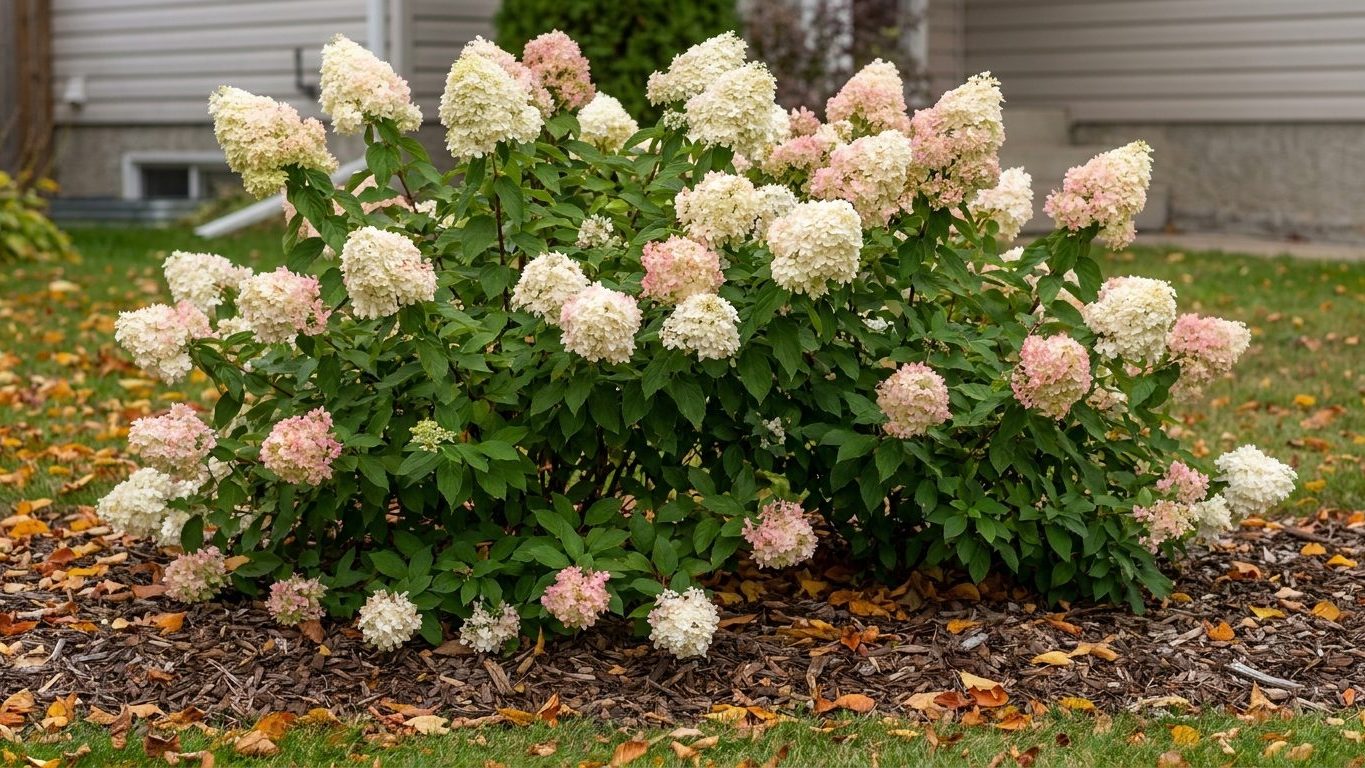
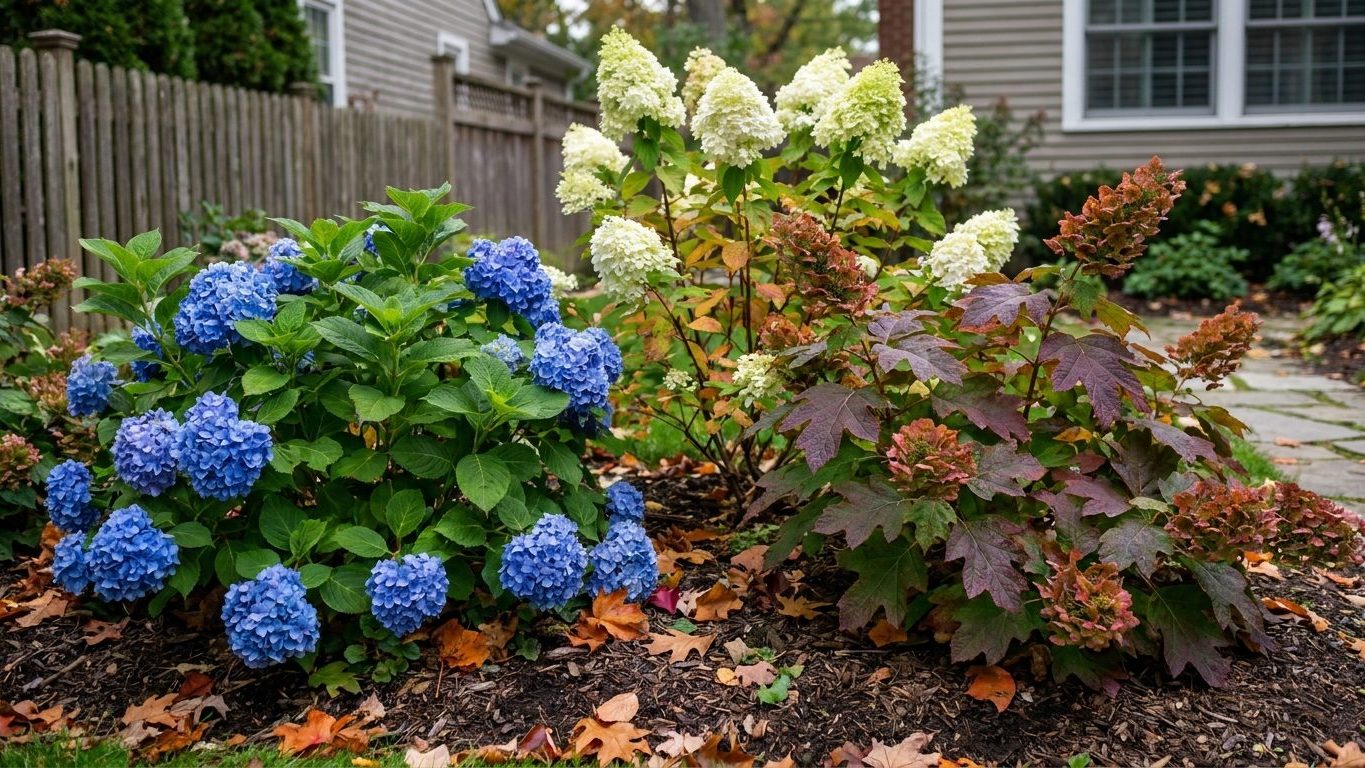
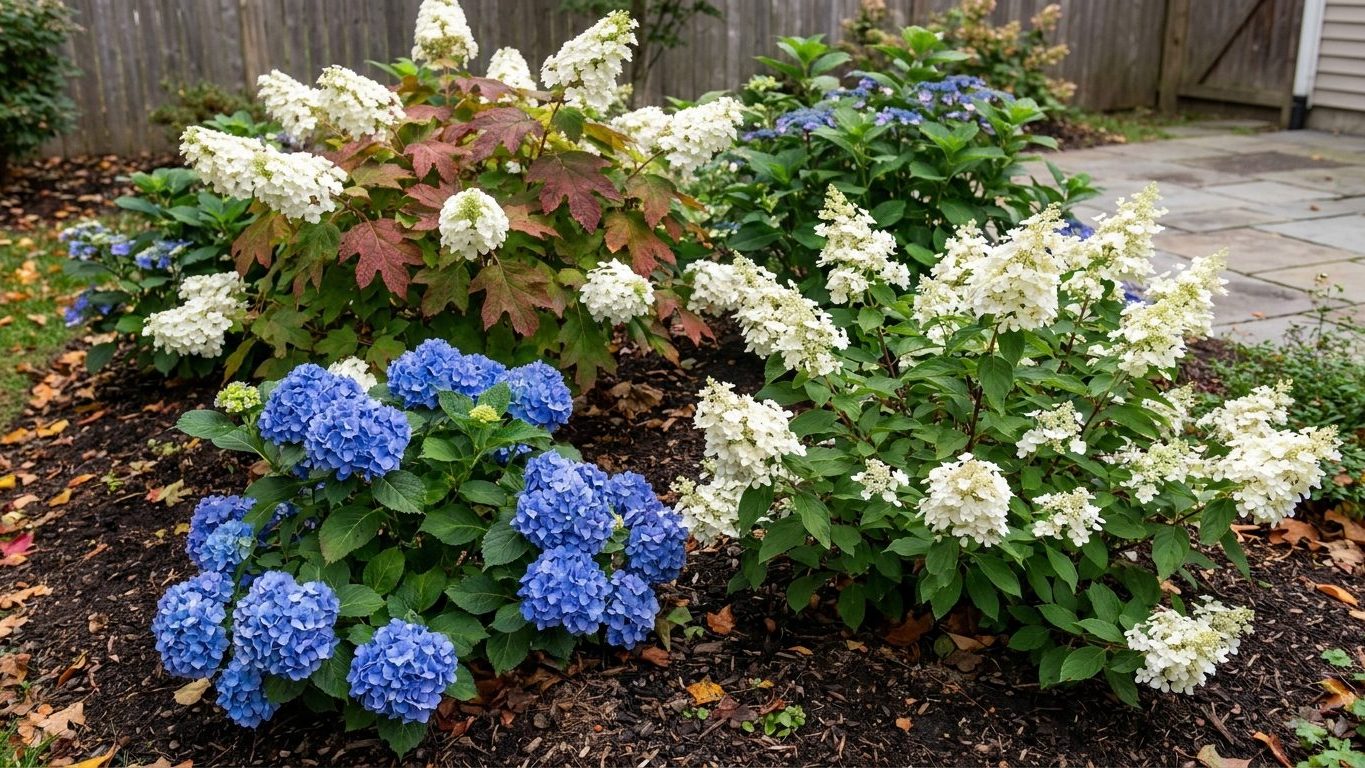
Panicle hydrangea — Hydrangeas That Grow Well in Kentucky

Hydrangea paniculata blooms on new wood every summer, so a late freeze near Louisville’s spring frost window never touches next season’s flowers. It shrugs off both a hard 6a winter and Kentucky’s humid August heat, which makes it the safest bet for a first hydrangea.

Smooth hydrangea

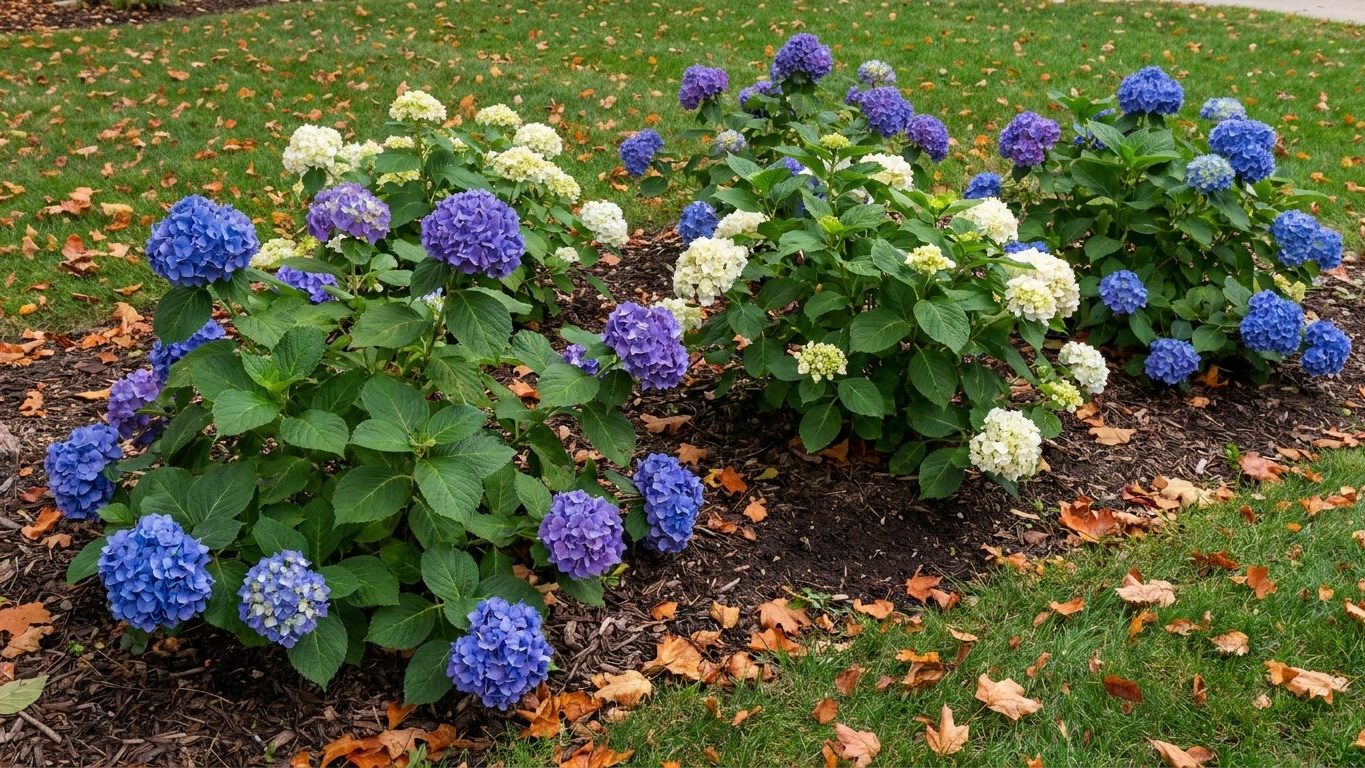
Smooth hydrangea — Hydrangeas That Grow Well in Kentucky

Hydrangea arborescens, the native species behind ‘Annabelle’, also flowers on new wood and comes back strong even after dying to the ground. It tolerates heavier clay soil better than most hydrangeas, which matters across Kentucky’s Bluegrass Region.

Oakleaf hydrangea

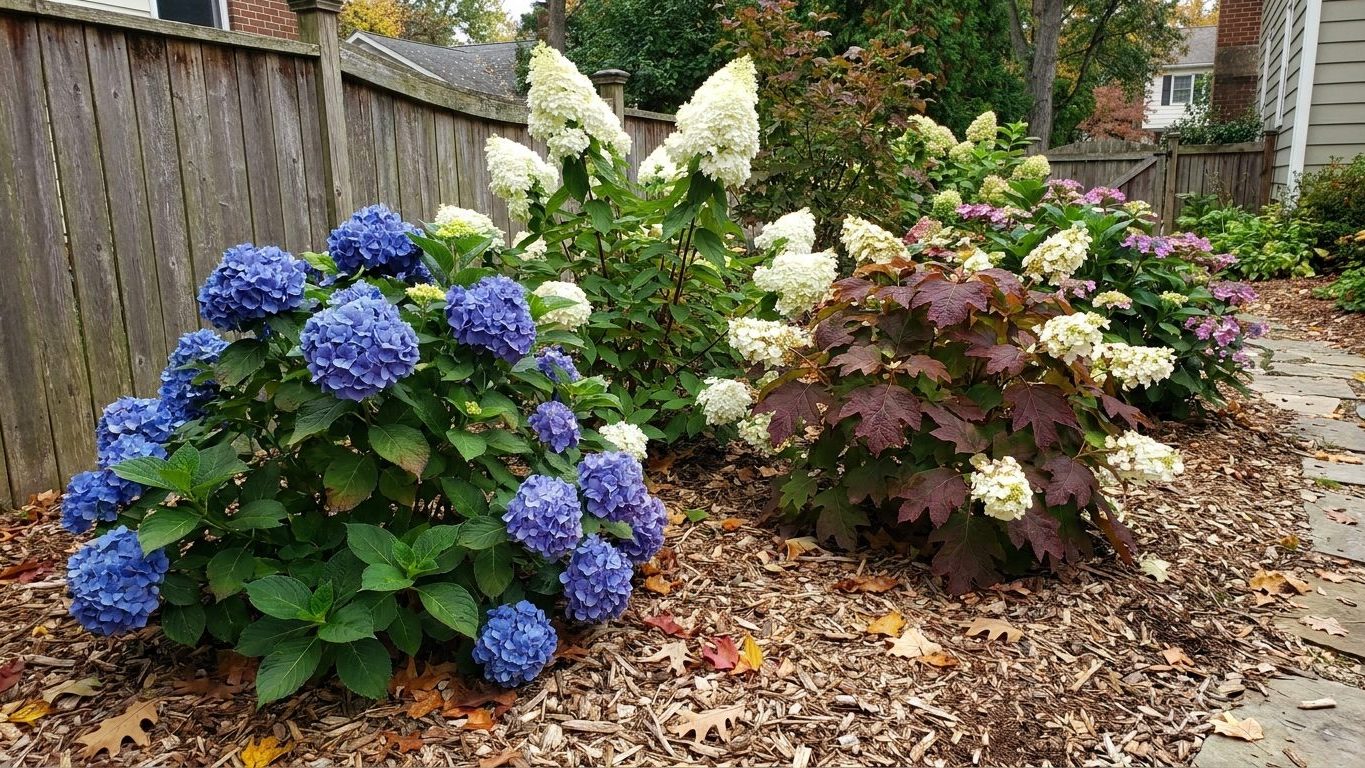
Oakleaf hydrangea — Hydrangeas That Grow Well in Kentucky

Hydrangea quercifolia is native to the broader Southeast and handles Kentucky summers well, but its flower buds form the previous fall and can brown if a hard freeze arrives after dormancy breaks. Planting it against a house wall buys a few extra degrees of shelter.

Climbing hydrangea

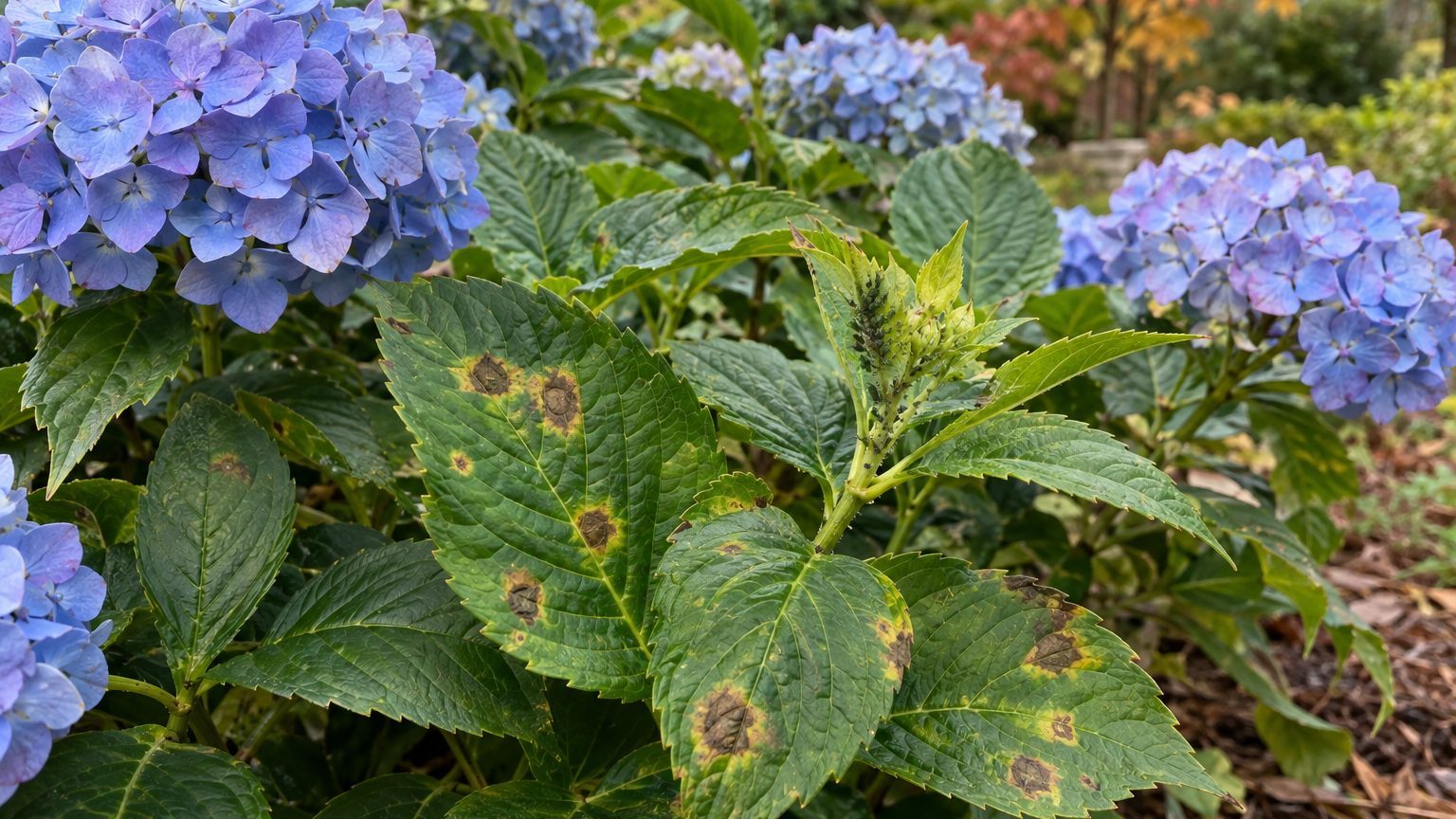
Climbing hydrangea — Hydrangeas That Grow Well in Kentucky

Hydrangea anomala subsp. petiolaris survives Kentucky winters without complaint, but it spends its first two or three seasons doing almost nothing above ground while roots establish. Patience matters more than cold hardiness with this one.

Mountain hydrangea

Mountain hydrangea — Hydrangeas That Grow Well in Kentucky

Hydrangea serrata sets flower buds on old wood like its bigleaf cousin, but those buds tolerate a few more degrees of cold before dying. In a winter that wipes out bigleaf blooms entirely, mountain hydrangea sometimes still manages a partial show.

Bigleaf hydrangea

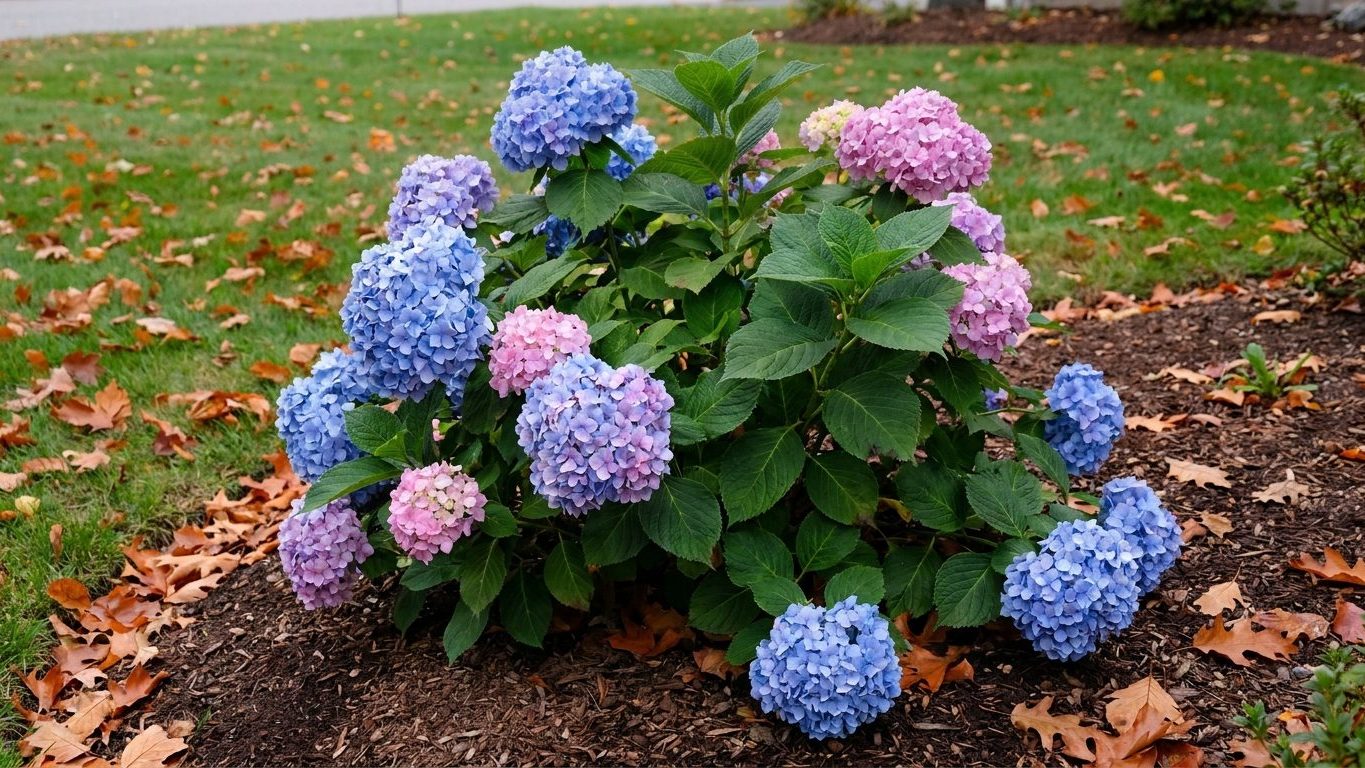
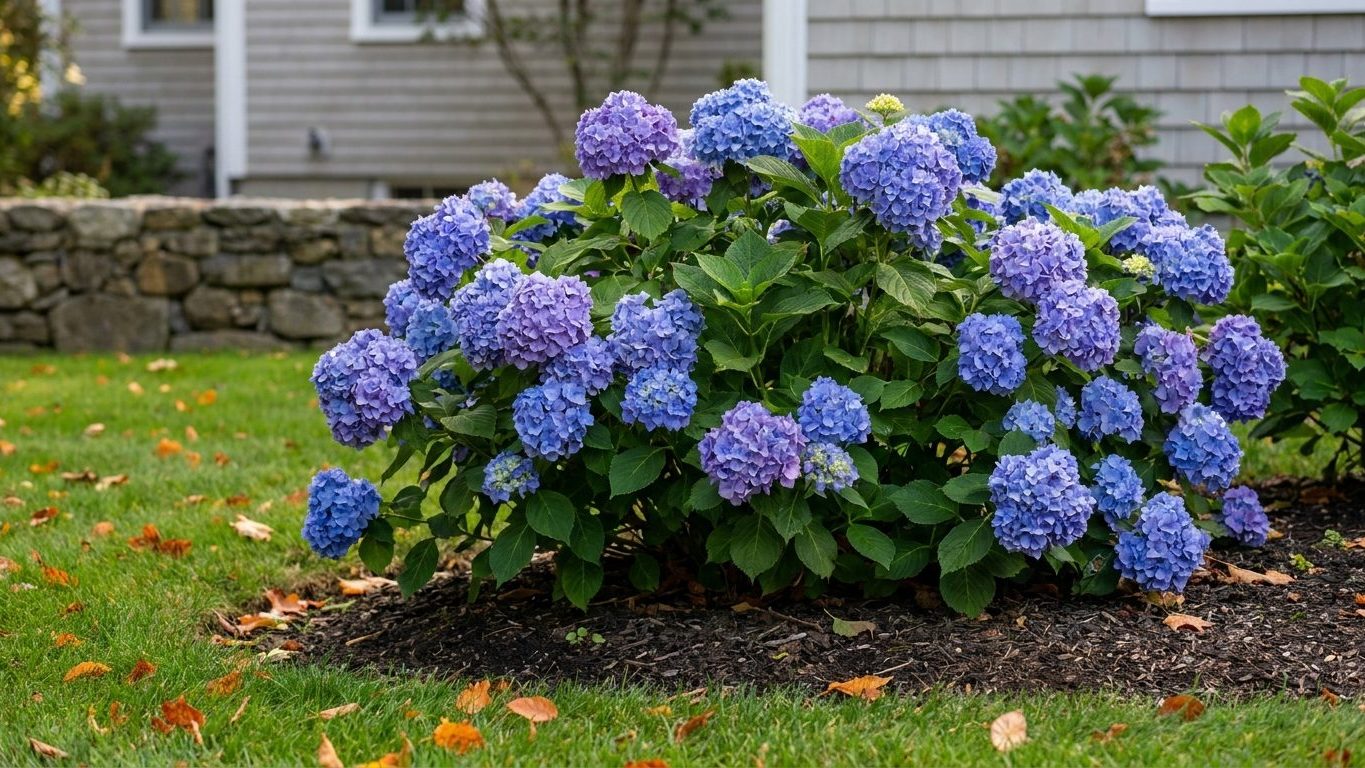
Bigleaf hydrangea — Hydrangeas That Grow Well in Kentucky

Hydrangea macrophylla blooms on old wood and sets those buds in late summer, so a hard enough Kentucky winter can erase the whole flower crop without harming the shrub itself. It survives here, it just does not reliably bloom, especially in the state’s colder pockets.

How to Work Out the Dates for Your Own Yard

Work backward from Louisville’s frost windows and you can set your own planting and pruning dates instead of borrowing someone else’s zip code.

  1. Start from the last spring frost: NOAA NCEI 1991-2020 Climate Normals puts Louisville’s window at March 24 to April 4, so anything planted before that closes risks a late freeze burning new growth.
  2. Push tender types back further: wait until mid to late April to set out bigleaf or mountain hydrangea, since their old-wood buds are already swelling and a freeze after that point does real damage.
  3. Plant hardy types on the early end: panicle and smooth hydrangea can go in as soon as the soil is workable in March, since they bloom on new wood and carry no buds through winter.
  4. Count forward to the first fall frost: Louisville’s fall window opens November 2 and closes November 12, so give a September or October planting at least six weeks to root beforehand.
  5. Watch your own microclimate: a low spot or a shaded valley can trail the reference dates by a week or more, so let your own soil guide the calendar.

Panicle hydrangea is the easy case here. It blooms on wood grown that same year, so it clears both the spring window and Kentucky’s humid summer without missing a season. Bigleaf hydrangea is the harder case, since it can survive the winter fine and still skip flowering if a freeze lands after its buds swell.

Kentucky North to South: How the Dates Shift

Kentucky spans a full hardiness zone, and elevation plus distance from the Ohio and Mississippi rivers push these dates in opposite directions.

  • Northern Kentucky (near Cincinnati and the Ohio River): frosts arrive earlier in fall and linger later in spring than in Louisville, so treat bigleaf and mountain hydrangea as more fragile here.
  • The Bluegrass Region (Lexington, Frankfort, and the Louisville corridor): dates track closest to the reference figures, making this the easiest zone for testing a new variety.
  • The Appalachian East (Pikeville, Hazard, and the higher elevations): cooler nights and higher ground stretch both frost windows out further, favoring panicle and smooth hydrangea over anything blooming on old wood.
  • The Western Purchase (Paducah and the Mississippi River lowlands): the mildest corner of the state, where bigleaf hydrangea has the best odds of a full bloom most years.

Check the Kentucky guide page for a county-level breakdown before committing a hydrangea to a ridge top or a river bottom.

Mistakes Kentucky Punishes

Pruning bigleaf hydrangea in fall

Bigleaf hydrangea sets its flower buds on old wood, so cutting it back after summer removes next year’s blooms before they even form. Prune only in June or July, right after the current flush fades, and leave the plant alone the rest of the year.

Planting tender types too early

Setting bigleaf or mountain hydrangea into the ground in early March, ahead of the frost window closing in early April, invites a late freeze to blacken new growth. Wait until the window passes, or hold containers in a sheltered spot until mid-April.

Fertilizing into late summer

A feeding in August pushes soft new growth that has no time to harden before the first fall frost lands in early to mid-November. Stick to the March, May, and July schedule and stop there for the season.

Kentucky Extension Offices and County Contacts

Louisville’s frost windows are a starting point, not a guarantee, and your county office adjusts for whatever your soil and elevation actually do. The University of Kentucky Cooperative Extension Service keeps the local numbers.

  • Your state page: the frost dates and the pruning window for wherever you live in Kentucky.
  • Which ones hold up here: the full rundown of hydrangea species tested against Kentucky’s 6a to 7a range.
  • What’s going wrong here: the pests and problems specific to Kentucky hydrangea beds, season by season.

Call your county’s extension office before you plant, and let them confirm the microclimate on your own lot.

Common questions

Do hydrangeas need shade in Kentucky summers?

Most types do better with morning sun and afternoon shade once Kentucky’s July and August heat sets in, especially bigleaf and mountain hydrangea, which wilt fast in full afternoon sun on clay soil.

Can I grow bigleaf hydrangea anywhere in Kentucky?

It survives statewide but blooms unevenly outside the milder western counties, since its old-wood buds are exposed to whatever winter delivers between the fall and spring frost windows.

When should I plant a new hydrangea in Kentucky?

March, April, September, and October give roots time to settle before summer heat or winter cold arrives, which matches the planting windows extension offices recommend statewide.
Hydrangeas That Grow Well in Iowa

Hydrangeas That Grow Well in Iowa

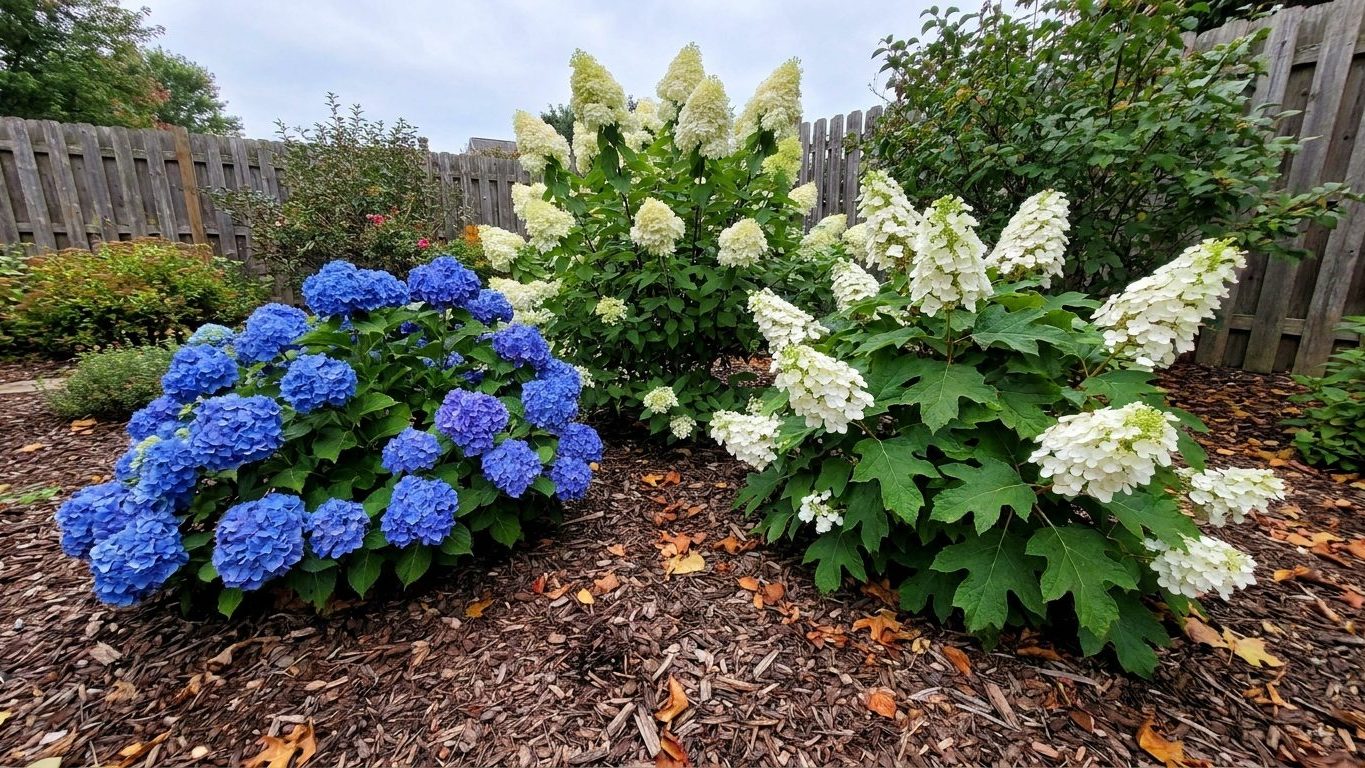
Panicle and smooth hydrangeas are the safest bets for Iowa yards, from Des Moines north to the Minnesota line. Both bloom on new wood, so they shrug off winters that kill flower buds on other types. Bigleaf and mountain hydrangeas can survive here but often skip blooming after a cold winter, and oakleaf needs a sheltered spot away from open, windswept ground.

Hydrangeas that grow well in Iowa: The Short Answer

The USDA Plant Hardiness Zone Map puts Iowa at 4b to 6a, with Des Moines sitting roughly in the middle of that range. That single fact decides which hydrangeas bloom here reliably and which ones survive the winter but stay bare most summers.

Panicle Hydrangea

Panicle Hydrangea — Hydrangeas That Grow Well in Iowa

Panicle hydrangea, Hydrangea paniculata, blooms on new wood, so a hard Iowa winter that kills the top growth still leaves a full show of white or pink cone-shaped flowers by August. It tolerates full sun and the freeze-thaw swings common statewide without protection.

Smooth Hydrangea

Smooth Hydrangea — Hydrangeas That Grow Well in Iowa

Smooth hydrangea, Hydrangea arborescens, is native to the eastern half of the country and treats an Iowa winter like a non-event. Cultivars such as Annabelle die back to the ground most years and still push out round white blooms every summer from new growth.

Climbing Hydrangea

Climbing Hydrangea — Hydrangeas That Grow Well in Iowa

Climbing hydrangea, Hydrangea anomala subsp. petiolaris, survives Iowa cold just fine once its woody vine is a few years old, but it can take three or four seasons before it flowers at all. Give it a sturdy wall or trellis and patience.

Oakleaf Hydrangea

Oakleaf Hydrangea — Hydrangeas That Grow Well in Iowa

Oakleaf hydrangea, Hydrangea quercifolia, handles the milder winters near the Missouri border better than the open country near the Minnesota line. Its flower buds form the summer before, so an exposed site in northern Iowa can lose next year’s blooms to a late cold snap.

Bigleaf Hydrangea

Bigleaf Hydrangea — Hydrangeas That Grow Well in Iowa

Bigleaf hydrangea, Hydrangea macrophylla, is the variety most homeowners picture, with its blue or pink mophead blooms, but Iowa winters routinely kill the flower buds that formed the prior fall. The shrub itself often survives, it just skips flowering after a cold season.

Mountain Hydrangea

Mountain Hydrangea — Hydrangeas That Grow Well in Iowa

Mountain hydrangea, Hydrangea serrata, is a close cousin of bigleaf with thinner stems and even less cold tolerance. It can defoliate to the ground in a typical Iowa winter and needs a sheltered courtyard or south-facing wall to bloom reliably most years.

How to Work Out the Dates for Your Own Yard

Picking a hydrangea for your own yard means running the same math the nursery runs, just with your microclimate instead of the county average.

  1. Find your zone card: Iowa runs 4b to 6a on the USDA map, so a lot depends on whether your lot sits in a low frost pocket or a sheltered south-facing yard.
  2. Check the bloom wood: new-wood bloomers like panicle and smooth shrug off Iowa’s coldest nights, old-wood bloomers like bigleaf and mountain hydrangea often lose next year’s flowers to that same cold.
  3. Count from the last spring frost: NOAA NCEI 1991-2020 Climate Normals put that date at Des Moines between April 12 and April 24, so anything planted before mid-April risks a late freeze on new growth.
  4. Count from the first fall frost: the same records put it at Des Moines between October 14 and October 25, giving roots about five months to establish before the ground freezes.
  5. Plant inside the state’s windows: April, May, August, or September, so roots get settled before summer heat or before that fall freeze arrives.
  6. Start with the safer name first: a smooth hydrangea such as Annabelle earns trust in year one, a classic bigleaf like Nikko Blue is the one to test only after that.

Annabelle survives an Iowa January because its flower buds form on the growth that follows, not on wood that has to overwinter. Nikko Blue keeps its buds through a mild winter but loses them the year the thermometer drops hard, which is most years here.

Iowa North to South: How the Dates Shift

The USDA Plant Hardiness Zone Map spreads Iowa across 4b to 6a, and that spread doesn’t apply evenly from Lyon County to Lee County, so hydrangea choice should shift with it.

  • Northern Iowa (near the Minnesota line): the state’s 4b end of the range holds here, so lean on panicle, smooth, and climbing hydrangea, and treat oakleaf as an experiment against a sheltered wall.
  • Central Iowa (Des Moines and the corridor around it): sits closer to the middle of that 4b to 6a spread, giving oakleaf and even a well-mulched bigleaf a fighting chance most winters.
  • Southern Iowa (near the Missouri border): the mildest corner of the state, closest to the 6a end, is where bigleaf and mountain hydrangea are most likely to actually flower on old wood some years.

Ask your county extension office which end of that range your yard falls on before betting on a mophead bigleaf.

Mistakes Iowa Punishes

Pruning bigleaf in fall

Cutting back bigleaf or mountain hydrangea in October removes the flower buds that already set for next summer, since both bloom on the previous year’s wood. Wait until new leaf buds swell in spring, and confine any pruning to the June or July window Iowa State Extension recommends for bigleaf.

Planting too early in spring

Setting a young hydrangea in the ground before the frost risk has passed exposes tender roots to a hard freeze they aren’t ready for yet. Hold new plantings for the April, May, August, or September windows, and give roots a full mulch layer through their first winter here.

Skipping winter mulch on bigleaf

Leaving bigleaf or mountain hydrangea bare through an Iowa winter lets deep cold reach crown buds that are already borderline hardy in this range. Pile a thick layer of leaves or straw over the base after the ground freezes solid, then pull it back once spring growth starts.

Iowa Extension Offices and County Contacts

Iowa’s 4b to 6a range is a starting point, not a forecast for your yard. Your county office tracks local frost patterns and can confirm which hydrangeas neighbors are actually growing successfully nearby.

  • Iowa hydrangea calendar: the month-by-month planting and pruning windows for the whole state.
  • What goes wrong here: the pests and cold-damage patterns Iowa hydrangea owners run into most.
  • Iowa State University Extension and Outreach: county-level advice tailored to your specific frost pocket.

Common questions

Can bigleaf hydrangeas survive winter in Iowa?

The shrub itself usually survives Iowa’s 4b to 6a range, but the flower buds set on old wood often die in a hard winter. Many bigleaf hydrangeas in Iowa come back green and leafy with no blooms most summers.

What is the best hydrangea for Iowa winters?

Panicle and smooth hydrangea are the safest picks because both bloom on new wood, so winter dieback doesn’t cost them next year’s flowers, unlike bigleaf or mountain hydrangea.

When should I plant hydrangeas in Iowa?

Stick to the state’s April, May, August, or September windows, giving roots time to settle before summer heat or before the first fall frost arrives between October 14 and October 25 at Des Moines.

Hydrangeas That Grow Well in Maryland

Hydrangeas That Grow Well in Maryland

Hydrangeas that grow well in Maryland are the ones bred to bloom on new wood, since old-wood bloomers gamble against a late spring freeze. Near Baltimore, where the USDA rates the state’s hardiness zone at 5b to 8a, panicle and smooth hydrangeas top that list for reliability, with oakleaf close behind, and bigleaf or mountain types best kept to sheltered spots statewide.

Hydrangeas that grow well in Maryland: The Short Answer

Panicle hydrangea

Panicle hydrangea — Hydrangeas That Grow Well in Maryland

Panicle hydrangea (Hydrangea paniculata) tops this list because it blooms on new wood, so a late freeze in Baltimore, rated 5b to 8a on the USDA Plant Hardiness Zone Map, never touches the flower buds. It also shrugs off summer heat on the Eastern Shore, making it the closest thing to a guaranteed bloomer statewide.

Smooth hydrangea

Smooth hydrangea — Hydrangeas That Grow Well in Maryland

Hydrangea arborescens, the native behind ‘Annabelle’, blooms on new wood too, so even a hard cutback in late winter still leaves a full show by July. It tolerates the clay soils common across central Maryland and takes shade better than paniculata.

Oakleaf hydrangea

Oakleaf hydrangea — Hydrangeas That Grow Well in Maryland

Hydrangea quercifolia is native to the Southeast and hardy through zone 5, so it holds its buds through a typical Maryland winter. It blooms on old wood, which means a very late freeze can still nip an early flush, but its fall color earns it a near-safe spot on this list.

Mountain hydrangea

Mountain hydrangea — Hydrangeas That Grow Well in Maryland

Hydrangea serrata sets slightly hardier flower buds than its bigleaf cousin and tolerates part shade well. In the state’s colder pockets those buds can still freeze back in a harsh winter, so treat it as a good bet close to Baltimore and a gamble further west.

Bigleaf hydrangea

Bigleaf hydrangea — Hydrangeas That Grow Well in Maryland

Hydrangea macrophylla is the classic mophead, but it sets most of its buds on old wood, and a late freeze after a warm spell can wipe out a season of color. A sheltered east-facing wall stays the safer placement statewide.

Climbing hydrangea

Climbing hydrangea — Hydrangeas That Grow Well in Maryland

Hydrangea anomala subsp. petiolaris survives Maryland winters without complaint, but it can take three years or more to establish and flower, and it needs a sturdy structure to climb. Patience is the real requirement, which makes it the riskiest choice only in terms of reward per year waited.

How to Work Out the Dates for Your Own Yard

Working out when to plant or prune in your own yard starts with the two dates that bracket your growing season, not with a generic calendar month.

  1. Find your frost window: NOAA NCEI 1991-2020 Climate Normals puts the last spring freeze near Baltimore at April 3 to April 16, and the first fall freeze at October 26 to November 5.
  2. Push planting into the state’s planting months: set new hydrangeas out in April, May, August, or September, once the spring freeze window has passed and before the fall one opens.
  3. Time bigleaf pruning to new growth: wait until you see leaves emerging in June or July before cutting bigleaf hydrangea back, since cutting earlier risks removing live wood that still held a flower bud.
  4. Match the variety to your microclimate: a panicle hydrangea planted against a shaded wall will still bloom because it flowers on new wood, while a bigleaf hydrangea in that same spot may lose its buds to a freeze that never touches the paniculata.
  5. Feed on the state’s fertilizing months: apply fertilizer in March, May, or July rather than guessing, since those months line up with root growth ahead of bud set.

Once you know your own frost window, the rest of the calendar is just counting weeks backward or forward from those two dates, plant by plant.

Maryland North to South: How the Dates Shift

The frost window and hardiness range above describe an average for the whole state, and Maryland’s geography stretches that average in both directions.

  • Western Maryland (Garrett, Allegany counties): mountain elevation pushes both the last spring freeze and the first fall freeze weeks later than the rest of the state, so panicle or smooth hydrangea are the steadier bet over bigleaf.
  • Central Maryland (Baltimore, Howard, Montgomery counties): this is the reference zone for the dates above, with a moderate frost window and the mildest of the state’s inland hardiness ratings.
  • Eastern Shore (Talbot, Dorchester, Worcester counties): Chesapeake Bay and Atlantic influence keep both frosts milder, letting bigleaf hydrangea hold its old-wood buds through more winters than it would inland.
  • Southern Maryland (Calvert, St. Mary’s, Charles counties): tidal water moderates temperature swings in a similar way, extending the safe planting season at both ends.

Check the state guide for the frost dates and hardiness zone closest to your own county before committing a bigleaf hydrangea to an exposed spot.

Mistakes Maryland Punishes

Pruning bigleaf hydrangea too early

Cutting back bigleaf hydrangea in March removes wood that already holds next summer’s flower buds, since this species blooms mostly on old wood. Wait until new leaves show in June or July, the state’s pruning window, and remove only dead stems before then.

Planting in full afternoon sun

A hydrangea set on a west-facing bed with no afternoon shade wilts by midsummer even with regular water, especially on the Eastern Shore’s sandy soils. Choose morning sun with afternoon shade, or plant a heat-tolerant panicle hydrangea instead.

Skipping the fall watering before frost

A hydrangea that goes into the October frost window dry loses more roots to winter desiccation than one planted well hydrated. Give a deep soak in early October, ahead of the first fall freeze near Baltimore, then let the ground do the rest.

Maryland Extension Offices and County Contacts

The zone range above is a starting point, and your county’s University of Maryland Extension office turns it into a local answer for soil, pests, and planting dates.

  • Your state page: the frost dates and the pruning window for wherever you live in Maryland.
  • Which ones hold up here: county-by-county notes on bigleaf versus panicle hydrangea survival.
  • University of Maryland Extension: extension.umd.edu connects you to your county’s master gardener program and soil testing.

Common questions

What hydrangea blooms most reliably in Maryland?

Panicle and smooth hydrangeas bloom most reliably across the state because they set their flower buds on new wood each spring, so a late freeze that would ruin a bigleaf hydrangea’s old-wood buds never touches them.

Can I grow bigleaf hydrangea in western Maryland?

Bigleaf hydrangea can survive in Garrett or Allegany county, but the colder pocket there raises the odds of losing a season’s flower buds to a late freeze, so a sheltered spot against a building matters more there than near Baltimore.

When should I fertilize hydrangeas in Maryland?

The state’s fertilizing months are March, May, and July, timed to support root growth and bud development ahead of each bloom cycle rather than pushing late-season growth that winter can catch off guard.

Hydrangea Pests and Diseases in Manitoba

Hydrangea Pests and Diseases in Manitoba

Winnipeg gardeners rarely lose a hydrangea to one named bug. What punishes bigleaf and mophead types here is winter cold working on stems that never fully hardened off, opening the door to fungal trouble once the short growing season turns humid. Canadian zone 3b keeps the real threat list short: dieback, late frost scorch, mildew, leaf spot, aphids, botrytis, and browsing animals.

Hydrangea pests and diseases Manitoba: The Short Answer

Winter bud kill

Winter bud kill — Hydrangea Pests and Diseases in Manitoba

Natural Resources Canada’s Plant Hardiness Site places Winnipeg in Canadian zone 3b, cold enough that unprotected bigleaf stems die back below the snow line most winters, taking next year’s flower buds with them. Scratch a stem in spring: green means live wood, brown and dry means cut back to white pith and mulch heavier next fall.

Late frost injury

Late frost injury — Hydrangea Pests and Diseases in Manitoba

The mean last spring frost falls May 23 for Winnipeg, but leaves pushed out during a warm April stretch can blacken overnight if a late cold snap follows. It looks like disease, curled and brown at the tips, but it stops spreading. New growth replaces it within two weeks.

Powdery mildew

White powdery mildew shows on upper leaf surfaces during the humid stretch that follows the July fertilize window, especially on shrubs crowded against a fence or house wall. It rarely kills a hydrangea but it stunts the next flush of buds. Space plants for airflow and water the soil, not the leaves, in the evening.

Leaf spot

Cercospora leaf spot appears as small purple-brown circles on the lower leaves by mid-summer, usually after a wet spell during the May-to-August planting window. Left alone it climbs the plant and drops leaves early. Pick off and bin the spotted leaves as soon as you see them, and avoid overhead watering.

Aphid clusters

Aphid clusters — Hydrangea Pests and Diseases in Manitoba

Aphids cluster on soft new growth through the summer, curling leaf tips and leaving a sticky residue that draws ants. They rarely do lasting harm on an established shrub. A hard spray from the hose knocks most of them off, and ladybugs usually finish the job within a week.

Botrytis blight

Botrytis blight turns flower petals and soft stems gray and mushy after a stretch of cool, wet weather, the kind that pools around dense plantings. It spreads fast on damaged tissue. Cut out affected blooms and stems right away and rake up fallen petals instead of leaving them to rot in place.

Deer and rabbit browsing

Deer and rabbits strip leaves and bark off exposed stems once snow covers their usual forage, and a hungry rabbit can girdle a young shrub in one night. The damage shows as clean-cut stems at a slant, not the ragged tears disease leaves behind. A cage of chicken wire around the base solves it.

How to Work Out the Dates for Your Own Yard

Matching a diagnosis to the calendar takes less guessing than most people think, since Winnipeg’s own frost and bloom windows already rule out half the possibilities before you look closely at a single leaf.

  1. Check bud wood before the June prune window: Environment and Climate Change Canada’s Canadian Climate Normals puts the average last spring frost at May 23 for Winnipeg, so a stem still bare and brittle by early June is winter dieback, not disease.
  2. Watch new growth for two weeks after May 23: tips that blacken and curl right after a warm spell, then stop spreading, are frost scorch, and they resolve before the June-July prune window arrives.
  3. Scan leaf undersides in July: a fine white coating that wipes off with a finger is mildew, timed to the humid stretch that follows the July fertilize date, while dark spots that do not wipe off are leaf spot.
  4. Look for sticky residue and ants in mid-summer: that combination points to aphids feeding on the same new growth the May-through-August planting window is meant to encourage.
  5. Check flower heads after a cool, wet week: gray, mushy petals mean botrytis, a fast mover that needs cutting out the same day you spot it.
  6. Inspect stems at snow melt for slanted cuts: clean, angled bites low on the stem are rabbit or deer browsing from the winter just past, not a disease at all.

None of these windows are exact dates, they are the midpoint of a range, and a stem that looks wrong two weeks either side of these markers is still worth a second look before reaching for a spray. The extension office listed below sorts out anything that still puzzles you after that.

Manitoba North to South: How the Dates Shift

Winnipeg’s numbers describe the Red River Valley, and the rest of the province leans colder or milder depending on latitude, elevation, and how close a yard sits to open water.

  • The Red River Valley and Winnipeg: the mildest and longest season in the province, and the numbers used throughout this guide.
  • Western Manitoba and the Parkland: higher ground and distance from open water push spring later and fall earlier, shortening the window for any hydrangea planted there.
  • The Interlake region: lake effect softens some spring mornings but adds humidity through summer, raising the odds of mildew and leaf spot on shrubs planted too close together.
  • Northern Manitoba: colder ground and a much shorter frost-free stretch make a hydrangea outside a sheltered microclimate a risky bet, whatever the calendar below says for Winnipeg.

Wherever you garden in the province, treat the Winnipeg dates as a baseline and shift your own calendar by feel from there.

Mistakes Manitoba Punishes

Pruning bigleaf in fall

Cutting a bigleaf hydrangea back in September or October removes the flower buds it already set for next year, since this variety blooms on old wood. The prune window falls in June and July for a reason. Wait until then, and only cut what is clearly dead.

Planting too late in the season

A hydrangea put in the ground in late August, right at the edge of the May-through-August planting window, rarely grows roots deep enough to survive its first Manitoba winter. Move planting earlier in that window, ideally May or June, and mulch heavily the first fall regardless of the date.

Skipping mulch before freeze-up

Leaving the base of a hydrangea bare going into winter invites deeper freezing around the crown, which is what turns ordinary dieback into a dead shrub by spring. A thick layer of leaves or straw mounded over the base before the ground freezes protects the buds the June prune window depends on.

Manitoba Extension Offices and County Contacts

Manitoba Agriculture is the province’s own reference for pest identification and current advisories, and it fills in the local detail that a single frost date or zone number can’t cover on its own.

  • Manitoba hydrangea guide: the province-wide frost dates, hardiness zone, and calendar windows for the season.
  • Which hydrangeas grow in Manitoba: the varieties that tolerate Canadian zone 3b winters without the dieback described above.
  • Manitoba Agriculture: gov.mb.ca/agriculture for local pest advisories and county-level contacts.

Common questions

Does every winter kill a hydrangea back to the ground here?

Not always. Canadian zone 3b is harsh enough that unprotected stems often die back, but a shrub mulched heavily before freeze-up and sited out of the north wind can keep live wood above the snow line most years.

Why do my hydrangea leaves get a white coating in July?

That coating is powdery mildew, tied to the humid stretch that follows the July fertilize window. It rarely kills the plant but stunts the next round of buds, so better spacing and evening soil watering do more than any spray.

Is it deer or disease eating my hydrangea?

Look at the cut. Disease leaves ragged, discolored tissue behind, while deer and rabbits leave clean, angled bites low on the stem, usually showing up right at snowmelt after a hungry winter.

When to Prune Hydrangeas in Minnesota

When to Prune Hydrangeas in Minnesota

In the Twin Cities, the safest planting window for hydrangeas runs from April through May, with a second stretch in August and September once summer heat breaks. Wait until the last spring frost passes before planting, and stop by early September so new shrubs can root before the first fall frost in mid-October.

When to prune hydrangeas in Minnesota: The Short Answer

NOAA NCEI’s 1991-2020 Climate Normals put the Twin Cities’ last spring frost between April 17 and April 30, and that window sets the pace for everything on this list.

  • January: The yard is dormant and there is nothing to plant or prune. Leave last season’s stems standing, they trap snow and buffer the crown against the cold.
  • February: Still dormant here. Use the quiet weeks to plan which spot gets morning sun and afternoon shade, a pairing that suits most hydrangeas in this state.
  • March: The first fertilizing window opens as buds start to swell. Skip pruning bigleaf types now, their flower buds already formed on last year’s wood.
  • April: Planting opens, but only in the back half of the month once the last spring frost risk has largely passed. Hold containers indoors if a late freeze is forecast.
  • May: This is the safest month to plant, and the second fertilizing round of the season lands here too. Root balls can go straight into prepared soil.
  • June: Pruning bigleaf hydrangeas starts once the first flush of blooms fades. Cut spent stems just above a healthy bud pair, never lower.
  • July: The pruning window for bigleaf types closes, and a third fertilizing round follows. Water deeply during hot stretches, since new plantings dry out fast.
  • August: A second planting window opens as nights cool. Shrubs set into the ground now have roughly two months to root before the ground hardens.
  • September: Planting continues, but the clock is running. New hydrangeas need about six weeks of root growth before the first fall frost, so aim for early in the month.
  • October: The first fall frost arrives sometime between October 11 and October 23. Stop planting, and add a thick mulch layer once the ground starts to cool.
  • November: The shrub is heading into dormancy. Mound mulch or leaves over the base of bigleaf varieties, since their buds sit above ground and take the brunt of winter.
  • December: Nothing to plant or prune. Snow cover is the best insulation this state offers, so resist the urge to clear it off the beds.

Those two stretches, spring and late summer, do the real work. Everything else on this list is upkeep that keeps the plant ready for the next one.

How to Work Out the Dates for Your Own Yard

The Twin Cities numbers, from NOAA NCEI’s 1991-2020 Climate Normals, are a starting point, not a rule for every yard in this state.

  1. Find your own frost dates: Check a local record instead of assuming the Twin Cities range applies, since northern Minnesota runs two to three weeks tighter at both ends.
  2. Count back from the last spring frost: Subtract two to three weeks from the April 17 to April 30 window if you garden farther north, which pushes safe planting into mid-May instead of late April.
  3. Count forward from the first bloom flush: Bigleaf hydrangeas bloom on old wood, so prune within days of the flowers fading rather than waiting for a fixed date, staying inside the June and July window.
  4. Read your microclimate: A spot against a south-facing wall or near pavement runs warmer than an open lawn, often enough to plant a week or two earlier than the general range.
  5. Work backward from the first fall frost: The October 11 to October 23 window means new plantings need roots down by early September at the latest, or they head into winter without enough anchorage.

None of this replaces a look at your own yard. A thermometer left outside for a week tells you more about your particular corner than any statewide range.

Minnesota North to South: How the Dates Shift

The USDA Plant Hardiness Zone Map puts Minnesota anywhere from zone 3a to zone 5a, and that spread moves both frost windows in the same direction.

  • The Arrowhead and the Iron Range (zone 3a): the coldest corner of the state pushes planting later into May and pulls the fall cutoff earlier into September.
  • Central Minnesota and the Twin Cities (zone 4b to 5a): this is the reference range used throughout this guide, with the widest planting windows in the state.
  • The southern border counties (zone 5a): closest to Iowa, this strip often clears its last frost earliest and holds off its first fall frost the longest.

For the frost dates tied to your own county, the state guide breaks the range down further.

Mistakes Minnesota Punishes

Pruning bigleaf on the wrong schedule

Bigleaf hydrangeas set next year’s flower buds on this year’s growth, so a fall or early spring cut removes blooms before they open. Keep pruning inside the June and July window, right after the flowers fade, and skip the fall cleanup instinct entirely.

Planting too close to the fall frost

A shrub planted in late September has barely a few weeks before the first fall frost lands between October 11 and October 23, not enough time to root in. Move fall planting earlier in September, or shift it to spring instead.

Skipping winter protection on exposed buds

In zone 3a and 4a, the coldest pockets on USDA’s Plant Hardiness Zone Map, bare bigleaf stems take the full brunt of winter and often die back to the ground, taking next year’s flowers with them. Mound mulch or leaves over the base before the ground freezes solid.

Minnesota Extension Offices and County Contacts

The frost and zone numbers here describe the Twin Cities and the state as a whole, not your block. A county extension office fills in the rest, from soil tests to variety trials to what’s blooming two streets over.

  • Your state page: the frost dates and the pruning window where you live.
  • Which ones hold up here: the varieties bred for zone 3a and 4a cold rather than borrowed from a warmer state.
  • University of Minnesota Extension: soil testing, plant clinics, and county-by-county advice at extension.umn.edu.

Common questions

Can I plant hydrangeas in Minnesota in the fall?

Yes, within the August and September window, but keep it early enough that roots have about six weeks before the first fall frost arrives between October 11 and October 23.

Do hydrangeas need winter protection in Minnesota?

Bigleaf varieties in zone 3a to 4a benefit from mulch mounded over the base before the ground freezes, since their flower buds sit above ground and don’t survive an exposed winter.

When should I fertilize hydrangeas in Minnesota?

Three times works well here, in March as buds swell, in May at planting time, and again in July before the pruning window closes.

Hydrangeas That Grow Well in Michigan

Hydrangeas That Grow Well in Michigan

Panicle and smooth hydrangeas are the safest bets across Michigan, hardy enough for the state’s coldest zone and reliable enough to bloom every year because they set their flower buds on new wood. Bigleaf and mountain types can work near Detroit, where winters ease into the state’s mildest zone, but they need a sheltered spot and modest expectations for bloom in most years.

Hydrangeas that grow well in Michigan: The Short Answer

The USDA Plant Hardiness Zone Map puts Michigan anywhere from zone 4a in the Upper Peninsula to zone 6b near Detroit, and that spread decides which hydrangeas actually flower instead of just surviving. A shrub that only needs new wood to bloom shrugs off a Michigan winter, while one that depends on last year’s buds is gambling every season the cold decides to stay hard.

Panicle Hydrangea

Panicle Hydrangea — Hydrangeas That Grow Well in Michigan

Hydrangea paniculata sets its flower buds on new wood each spring, so a hard Michigan winter never touches next summer’s bloom. It tolerates the coldest pockets of the state and asks for little beyond full sun and normal watering. This is the variety most Michigan yards can plant and forget.

Smooth Hydrangea

Smooth Hydrangea — Hydrangeas That Grow Well in Michigan

Hydrangea arborescens, the native behind cultivars like Annabelle, also blooms on new wood and can die back hard some winters without losing next year’s flowers. It handles Michigan clay better than most hydrangeas and takes more shade than panicle types. Winter damage here is cosmetic, not fatal to the bloom.

Climbing Hydrangea

Climbing Hydrangea — Hydrangeas That Grow Well in Michigan

Hydrangea anomala subsp. petiolaris is hardy through the coldest Michigan zones, but it needs two or three seasons just to establish before it climbs or flowers at all. Patience is the real requirement, not cold tolerance. Give it a sturdy wall or trellis and Michigan winters are rarely the problem.

Mountain Hydrangea

Mountain Hydrangea — Hydrangeas That Grow Well in Michigan

Hydrangea serrata is a step down in reliability from the first three because some of its flower buds form on old wood, so a severe winter can trim the bloom without killing the plant. It handles cold slightly better than bigleaf types. In the state’s colder pockets, expect a smaller show most years.

Oakleaf Hydrangea

Oakleaf Hydrangea — Hydrangeas That Grow Well in Michigan

Hydrangea quercifolia usually survives a Michigan winter at the root, but its stems and the old-wood buds on them often do not, especially away from Detroit’s milder pocket. The plant regrows and the foliage still turns color in fall. Flowers are the part that becomes unreliable north of the state’s warmest zone.

Bigleaf Hydrangea

Bigleaf Hydrangea — Hydrangeas That Grow Well in Michigan

Hydrangea macrophylla is the riskiest pick statewide because it blooms mostly on old wood, and Michigan’s winter lows routinely kill those buds before they open. Gardeners near Detroit’s mild pocket have the best odds, and even there a hard winter can mean a summer with leaves but no flowers.

How to Work Out the Dates for Your Own Yard

  1. Find your last spring frost: MSU Extension’s Frost-Free Dates page puts it around April 30 near Detroit and early to mid May across most of the Lower Peninsula, and that week or two of gap changes when it is safe to plant.
  2. Count back from your first fall frost: the season closes between October 6 and October 21 in zone 6a, so a shrub set out in August has roughly six to ten weeks to root before cold arrives.
  3. Match your planting to the state’s windows: April, May, August, and September are the months the calendar allows, and picking the one closest to your local frost date beats guessing.
  4. Prune bigleaf only in June or July: pruning outside that window risks cutting the old-wood buds that carry next year’s bloom, since a Michigan winter has already thinned them once.
  5. Fertilize on the March, May, and July schedule: feeding later pushes soft new growth that will not harden off before the fall frost window closes.
  6. Recheck after a rough winter: if bigleaf or mountain hydrangeas show dieback, wait until late May before pruning so live wood is easy to tell from dead.

A panicle hydrangea planted in May shrugs off both ends of that calendar because it flowers on wood it grows the same year. A bigleaf hydrangea planted on the same day is betting its buds survive a winter low the zone map already flags as the risk.

Michigan North to South: How the Dates Shift

Michigan’s own geography moves these dates around more than a single statewide number suggests, since the Great Lakes act like a thermal buffer wrapped around three sides of the state.

  • The Upper Peninsula and the far north (Marquette, Sault Ste. Marie, Gaylord): the coldest ground in the state, where the growing season starts later and closes first, favoring panicle and smooth hydrangeas almost exclusively.
  • Inland Lower Peninsula away from open water (Lansing, Mount Pleasant): fewer lake effects mean sharper swings between day and night, so frost can linger past the dates that hold near open water.
  • The Lake Michigan and Lake Huron shorelines (Traverse City, Grand Haven, Port Huron): the lakes delay both the spring warm-up and the fall cool-down, softening the extremes that damage bigleaf buds.
  • Southeast Michigan near Detroit (Detroit, Ann Arbor, Monroe): the state’s mildest pocket, and the closest match to the reference frost dates.

The state guide breaks these zones down further for anyone planting close to a county line.

Mistakes Michigan Punishes

Pruning bigleaf hydrangeas in fall

Cutting back bigleaf or mountain hydrangeas after summer removes the old-wood buds that already survived one winter and were about to carry next year’s flowers. The state’s own calendar reserves June and July for this cut. Wait until then, and only remove wood that stayed bare after new leaves appear elsewhere.

Skipping winter protection on exposed sites

A bigleaf or mountain hydrangea planted against a north or west wall takes the full force of wind that drops effective temperatures well below the zone map’s number. Mound mulch over the crown before the ground freezes and choose a spot with a building or fence between the shrub and prevailing wind.

Fertilizing past midsummer

Feeding a hydrangea in August or later, outside the March, May, and July windows, pushes tender new growth that has no time to harden before the first fall frost arrives in early to mid October. That soft growth dies back and takes some of next year’s buds with it. Stop feeding after July.

Michigan Extension Offices and County Contacts

The state’s 4a to 6b range is a starting point, not a verdict for your specific yard, and county-level detail fills in the rest. Michigan State University Extension keeps that detail current for growers across the state.

  • Your state page: the frost dates and the pruning window for wherever you live in Michigan.
  • The bloom calendar: the month-by-month schedule for planting, fertilizing, and pruning hydrangeas here.
  • What goes wrong here: the pests and problems that actually show up on Michigan hydrangeas, and what fixes them.

Find your county’s office through Michigan State University Extension before deciding which of these varieties goes in the ground next.

Common questions

Can bigleaf hydrangeas survive Michigan winters?

Root systems usually survive down to the state’s coldest zone, but the old-wood flower buds that give bigleaf hydrangeas their color often do not, especially away from the milder ground near Detroit. Expect a shrub that lives but skips blooming in some years.

What is the best hydrangea for a Michigan yard that gets full winter wind?

Panicle or smooth hydrangeas handle wind and cold together better than any other type sold in Michigan, because they rebuild their flower buds from new wood every spring regardless of what the winter did to the stems above ground.

Do hydrangeas need winter protection in Michigan?

Panicle and smooth types rarely need it. Bigleaf, mountain, and oakleaf hydrangeas benefit from mulch mounded over the crown before the ground freezes, particularly north of the Detroit area where the zone map already shows a colder low.

Hydrangea Pests and Diseases in Michigan

Hydrangea Pests and Diseases in Michigan

In Michigan, the hydrangea problems worth watching are cold-driven, not pest-driven, since winter dieback and frost-killed flower buds outrank any insect or fungus most years. Around Detroit, the USDA hardiness range of 4a to 6b and a last frost that can linger into early May set the season’s risk before a single aphid shows up.

Hydrangea pests and diseases Michigan: The Short Answer

Michigan hydrangeas run into trouble in a fairly predictable order across the growing season, from cold damage in early spring to fungal issues once summer humidity settles in. Here is what actually shows up, in the order it appears, and what has worked for the shrubs I have walked past for years.

Blackened stem tips in early spring

Michigan’s winters explain most dieback before any pest gets blamed. USDA Plant Hardiness Zone Map places the state’s growing range at 4a to 6b, cold enough to kill unprotected stem tips on bigleaf hydrangeas most years. Cut back to the first live, green bud once new leaves show, and check the which-ones-hold-up guide before fall.

No blooms on stems that leafed out fine

This is bud blight, not disease. A late cold snap after growth starts, common when frost lingers into late April in the Detroit area, kills flower buds while leaves survive. Skip pruning after midsummer, and lean on panicle or smooth types, which set buds on new wood.

Sticky curled new leaves

Aphids cluster on tender new growth in late spring and leave a sticky residue that draws ants and sooty mold. A strong water spray every few days knocks most colonies off before they curl the leaf tips permanently, and ladybugs usually finish the job outdoors.

White powdery coating on leaves

Michigan’s humid Great Lakes summers push powdery mildew onto crowded plants by midsummer, coating leaves in a gray-white film that rarely kills but stunts blooms. Space shrubs for airflow, water the soil instead of the leaves, and remove the worst leaves rather than spraying fungicide on a shrub that will drop them anyway in fall.

Brown spots ringed in purple

Brown spots ringed in purple — Hydrangea Pests and Diseases in Michigan

Cercospora leaf spot shows up as small brown circles with a purple edge on the lower, older leaves after a wet stretch. It rarely spreads to the blooms. Rake and discard fallen leaves each fall instead of composting them, since the fungus overwinters in that leaf litter.

Wilting despite soaked soil

Wilting despite soaked soil — Hydrangea Pests and Diseases in Michigan

Wilting leaves on a shrub that has had plenty of rain usually points to root rot, not thirst, especially in heavy clay that holds water after Michigan’s summer downpours. Pull mulch back from the base, check for soft brown roots, and move the shrub to higher ground if the problem repeats next season.

How to Work Out the Dates for Your Own Yard

Figuring out when to check for damage or treat a problem starts with your local frost window, not a fixed date on a seed packet.

  1. Start from your last frost: MSU Extension’s Frost-Free Dates puts the last spring frost around April 30 in the Detroit area, with early to mid May typical across most of the Lower Peninsula, so hold off judging winter dieback until new leaves are due.
  2. Watch the fertilize window: the state calendar runs fertilizing in March, May, and July, and a shrub that skips its spring feeding often shows weaker leaves that mildew finds first.
  3. Match planting to April, May, August, or September: hydrangeas planted outside those months struggle to root before either summer heat or the first fall frost, which lands October 6 to October 21 in zone 6a.
  4. Prune bigleaf types only in June or July: cutting outside that window removes the buds meant for next year’s blooms, the same buds a late frost can already threaten.
  5. Recheck after the first hot, humid week: powdery mildew and leaf spot both need humidity, so the calendar’s July fertilizing window doubles as a good reminder to walk the bed for early spots.

None of this replaces walking the bed yourself. The calendar sets the outside edges, but soil, shade, and how sheltered your yard sits inside those Michigan frost windows will move the real dates by a week or two in either direction.

Michigan North to South: How the Dates Shift

Michigan’s own hydrangea troubles shift with the lake and the latitude, not just the calendar.

  • The Upper Peninsula and the far north (colder pockets near Lake Superior): winter dieback and bud blight are the default problem, since the growing season barely gives buds time to harden before the first hard freeze.
  • West Michigan near Lake Michigan (the lakeshore fruit belt): the same lake effect that delays spring frost also holds humidity, so powdery mildew and leaf spot show up more than dieback.
  • Southeast Michigan around Detroit (the state’s mildest corner): frost damage eases first here, but aphids and root rot in heavy clay soil become the bigger nuisance once summer rain sets in.
  • Inland and central counties (away from either lake): temperature swings are sharper, so bud blight from a late spring snap stays the most common complaint of the four.

Check the state guide for the frost and pruning windows that apply where you actually garden before assuming your neighbor’s problem is yours.

Mistakes Michigan Punishes

Pruning in fall

Cutting bigleaf stems back after summer removes next year’s flower buds along with any dead wood, since the calendar’s prune window is June and July only. Wait for that window, and if in doubt, remove just the spent flower heads and leave the rest of the stem through winter.

Watering overhead in humid weather

Sprinklers that wet the leaves in July’s humid stretch feed both powdery mildew and leaf spot at once. Switch to soaker hoses or hand-watering at the base, and do it in the morning so any splashed leaf has hours to dry before evening.

Planting outside the window

Setting a hydrangea into the ground in June or October skips the planting windows entirely. MSU Extension’s Michigan Garden Calendar puts the first fall frost at October 6 to October 21 in zone 6a, too soon for roots planted that late to settle in. Stick to April, May, August, or September instead.

Michigan Extension Offices and County Contacts

USDA Plant Hardiness Zone Map’s 4a to 6b range is a starting point, not a diagnosis for what’s on your particular shrub. Michigan State University Extension’s county offices, reached through canr.msu.edu, look at your actual leaves and soil before naming a pest or disease.

  • Your state page: the frost dates and the pruning window for all of Michigan in one place.
  • Which ones hold up here: the varieties that shrug off a Michigan winter versus the ones that struggle.
  • MSU Extension: your county office for a hands-on look at what’s actually on your shrub.

Common questions

What is the most common hydrangea disease in Michigan?

Powdery mildew and Cercospora leaf spot show up most often once Michigan’s summer humidity settles in, especially on crowded bigleaf shrubs planted too close to a fence or another plant. Neither usually kills the shrub, but both weaken next year’s blooms if the fallen leaves aren’t raked up each fall.

Why didn’t my hydrangea bloom this year in Michigan?

The usual cause is bud blight, not disease. A late frost after the buds have swollen kills the flower before it opens even though the leaves look fine. Panicle and smooth hydrangeas, which set buds on new wood, dodge this problem better than bigleaf types.

Do I need to spray hydrangeas for pests in Michigan?

Rarely. Aphids and the fungal leaf issues common in the state usually respond to a strong water spray, better airflow, and watering at the soil rather than the leaves, so routine fungicide or insecticide spraying isn’t the first answer for most yards.

Hydrangeas That Grow Well in Massachusetts

Hydrangeas That Grow Well in Massachusetts

Six hydrangea types handle Massachusetts winters and summers well, though not equally. Panicle and smooth hydrangeas take the state’s cold in stride, oakleaf and mountain hydrangeas do fine in most yards, and bigleaf hydrangea is the one that disappoints homeowners most often, especially inland, where flower buds don’t survive a hard freeze the way the plant itself does.

Hydrangeas that grow well in Massachusetts: The Short Answer

Boston sits on the mild edge of the state’s zone 5a to 7b range on the USDA Plant Hardiness Zone Map, and that range decides which hydrangeas hold up here.

Its frost window runs April 1 to April 8 in spring and November 3 to November 14 in fall, long enough for panicle and smooth hydrangeas but tight for bigleaf’s early buds.

Panicle Hydrangea

Panicle Hydrangea — Hydrangeas That Grow Well in Massachusetts

This is the safest bet in the state. It blooms on new wood, so a hard freeze that reaches the colder inland pockets doesn’t touch next summer’s flowers, and it takes full sun better than any other type here.

Smooth Hydrangea

Smooth Hydrangea — Hydrangeas That Grow Well in Massachusetts

Also a new-wood bloomer, so it recovers from winter dieback without losing a season of flowers. It handles the clay-heavy soils common around Worcester and the Pioneer Valley better than most hydrangeas do.

Oakleaf Hydrangea

Oakleaf Hydrangea — Hydrangeas That Grow Well in Massachusetts

Reliable through most of the state, with fall color most hydrangeas skip entirely. It struggles only in the coldest inland valleys, where a hard winter can knock back the buds set the year before.

Mountain Hydrangea

Mountain Hydrangea — Hydrangeas That Grow Well in Massachusetts

A close relative of bigleaf hydrangea bred for tougher winters. Its buds survive more of the state’s cold snaps than bigleaf’s do, though it still flowers best where winters stay closer to the coast.

Reblooming Bigleaf Hydrangea

Reblooming Bigleaf Hydrangea — Hydrangeas That Grow Well in Massachusetts

These push a second round of buds on new wood after a rough winter, so a yard near Boston still gets some color even when the old-wood buds don’t make it. Inland, it can still skip a year.

Bigleaf Hydrangea

Bigleaf Hydrangea — Hydrangeas That Grow Well in Massachusetts

The riskiest name on this list. It blooms only on old wood, and the state’s frost swings kill those buds often enough that many yards get healthy green shrubs with few or no flowers most summers.

How to Work Out the Dates for Your Own Yard

Work out your own planting and pruning windows by starting from the frost dates for your yard, not the calendar month alone.

  1. Find your last spring frost: NOAA NCEI 1991-2020 Climate Normals put Boston’s window at April 1 to April 8, so anyone inland or in the Berkshires should push that range back by a week or two before trusting bare soil.
  2. Count forward to the plant window: the state’s plant window opens in April and runs into May, then picks up again in September and October, giving roots time to settle before summer heat or winter cold arrives.
  3. Mark the first fall frost: Boston’s window runs November 3 to November 14, and that date decides whether a fall-planted hydrangea gets enough weeks to root before the ground locks up.
  4. Time the first feeding: fertilize in March, again in May, and a third time in July, spacing feedings around the plant’s active growth rather than the calendar page.
  5. Hold pruning until June or July: that’s the only window for pruning bigleaf hydrangea here, since cutting earlier removes the buds already set from the fall before.

Panicle hydrangea shrugs off a late frost swing since it blooms on new wood, while a bigleaf hydrangea planted in that same spot can lose its flowers most years for the same reason. A gardener in Worcester or the Pioneer Valley should treat every one of these windows as running later in spring and earlier in fall than Boston sees.

Massachusetts North to South: How the Dates Shift

Elevation and distance from the coast move these dates more than latitude does within a state this size.

  • The Berkshires (Berkshire County, zone 5a): the highest, coldest corner of the state pushes both frost dates outward, so spring planting waits longer and fall cleanup starts sooner.
  • The Pioneer Valley and Central Massachusetts (Hampden, Hampshire, and Worcester counties): valley floors trap cold air on clear nights and often frost before the higher ground around them does.
  • Greater Boston and the North Shore (Suffolk, Essex, and Middlesex counties): urban heat and the harbor keep this corner on the milder end of the state’s range.
  • Cape Cod and the Islands (Barnstable, Dukes, and Nantucket counties): the ocean on three sides delays both the first frost and the last one, stretching the growing season longest here.

Check your own town against the state guide before trusting any single date as gospel for your particular yard.

Mistakes Massachusetts Punishes

Pruning bigleaf hydrangea in fall

Cutting back stems in October or November removes the very buds meant to open next summer, since bigleaf sets its flowers on old wood. Wait for the June to July window the state’s calendar allows, and only remove dead wood before that.

Planting too close to the fall frost

NOAA NCEI 1991-2020 Climate Normals put Boston’s first fall frost at November 3 to November 14, and a hydrangea planted in late October has only a few weeks to root before that window closes. Move fall planting earlier, into September or early October, instead.

Leaving bigleaf hydrangea unprotected inland

Yards away from the coast swing colder than Boston’s numbers suggest, and an exposed bigleaf hydrangea there loses its buds most winters. Mulch heavily at the base going into winter, or plant a mountain or panicle hydrangea instead.

Massachusetts Extension Offices and County Contacts

Boston’s frost window and the state’s zone range are a starting point, not the last word for your yard. The USDA NIFA Land-Grant University Extension directory lists the University of Massachusetts Extension as the state’s go-to source for local soil and pest differences.

  • UMass Extension: county-level soil test results, pest alerts, and planting advice, available at ag.umass.edu.
  • Your county extension office: local frost data and hands-on diagnosis for a shrub that isn’t blooming.
  • Your state guide: the full Massachusetts hydrangea calendar and pruning window for where you live.

Call before the June pruning window opens if a bigleaf hydrangea in your yard didn’t flower this year, since a county agent can tell you in one visit whether it’s the cold or something else.

Common questions

Will bigleaf hydrangea ever bloom reliably in Massachusetts?

Not every year, and not in every yard. Coastal spots near Boston see it bloom more years than not, but inland yards should expect a skipped season now and then, and reblooming types close that gap somewhat.

What is the safest hydrangea to plant near the coast?

Panicle hydrangea holds up best across the whole state, coast or inland, because it flowers on new wood and doesn’t depend on buds surviving a hard freeze.

Can I still plant hydrangeas in October?

Early October works in most of the state, but push planting into September if you’re inland or in the Berkshires, since the ground there locks up sooner than it does near Boston.

Hydrangea Pests and Diseases in Massachusetts

Hydrangea Pests and Diseases in Massachusetts

In Boston, the two problems homeowners call me about most are bud blast on bigleaf hydrangeas after a late frost and powdery mildew during humid July stretches. Everything else, from Japanese beetles to lime-induced yellowing, follows a fairly predictable order tied to the region’s frost windows and USDA zones 5a to 7b.

Hydrangea pests and diseases Massachusetts: The Short Answer

Bud blast and powdery mildew top the list for Boston-area yards, with aphids, Japanese beetles, cercospora leaf spot, and lime-induced chlorosis rounding out the season. NOAA NCEI 1991-2020 Climate Normals puts Boston’s last spring frost at April 1 to April 8, and that single window explains why so many bigleaf hydrangeas skip flowering some years while looking perfectly healthy otherwise.

No flowers on a healthy shrub

No flowers on a healthy shrub — Hydrangea Pests and Diseases in Massachusetts

Bud blast happens when a late cold snap after bud swell kills the flower buds inside the stems. The last frost window runs April 1 to April 8, so anything colder after that damages tissue. Mulch stems in fall and skip pruning past July, see the calendar page.

Aphids clustering on new growth

Small green or black insects cluster on tender shoot tips in May and June, curling new leaves and leaving a sticky residue behind. Ants often tend them for the honeydew. A strong water spray knocks most colonies off, and ladybugs usually finish the job within a week or two.

Leaves scorched on the sunny side

Scorch shows up as brown, papery patches on leaves facing full afternoon sun during July heat spikes. It is a water stress signal, not a disease, and it worsens in sandy or compacted soil. Deep water once weekly and mulch to hold moisture through the July feeding window.

Powdery mildew film on leaves

Powdery mildew film on leaves — Hydrangea Pests and Diseases in Massachusetts

A gray-white coating on top leaf surfaces spreads fastest during muggy stretches in June and July, right when bigleaf pruning is due. Crowded shrubs with poor airflow show it worst. Space plants, prune for airflow during that same window, and avoid overhead watering in the evening.

Japanese beetles skeletonizing leaves

Japanese beetles skeletonizing leaves — Hydrangea Pests and Diseases in Massachusetts

These metallic green beetles chew leaves down to the veins from early to mid July, leaving a lace-like skeleton behind. They cluster in groups and feed fastest in full sun. Hand-pick them into soapy water each morning, since sprays rarely keep pace with a fresh wave.

Cercospora leaf spot climbing the stem

Cercospora leaf spot climbing the stem — Hydrangea Pests and Diseases in Massachusetts

Small purple-brown spots start on lower leaves in August and climb upward as the season cools toward the November 3 to November 14 frost window. Wet foliage spreads the fungus fast. Remove and discard spotted leaves rather than composting them, and water at the soil line only.

Yellow leaves with green veins

This chlorosis pattern points to iron lockup in alkaline soil, common near foundations and driveways where lime leaches in over time. It is not a pest or a fungus, just a pH problem. A soil test through your county extension office settles it before you spend money on fertilizer.

How to Work Out the Dates for Your Own Yard

Boston’s frost windows are a starting point, not a fixed schedule, so I walk my own yard through this sequence every year before deciding what to spray, prune, or simply leave alone.

  1. Mark your last frost window: NOAA NCEI 1991-2020 Climate Normals puts Boston’s last spring frost at April 1 to April 8, so treat any date inside that range as still risky for swollen buds.
  2. Scout for blackened bud tips two weeks later: by mid to late April, damaged buds turn brown and mushy while healthy ones stay firm and green to the touch.
  3. Watch airflow once pruning starts: the bigleaf pruning window runs June and July, and shrubs spaced out during that stretch see less powdery mildew by late summer.
  4. Check leaves weekly through the July feeding window: aphids and beetle damage both show up fastest on the soft new growth that follows a July feeding.
  5. Reassess in September as growth slows: cercospora spots that were only on lower leaves in August often climb higher on the stem by this point, telling you it is fungal rather than sun scorch.
  6. Stop treating and mulch before the first fall frost: that window lands November 3 to November 14, and anything still active on the shrub after that becomes a next-spring problem, not a this-year one.

None of these steps move because a neighbor’s shrub looks different, since a warmer microclimate near brick or pavement can push every stage a week or two earlier than a yard in open ground.

Massachusetts North to South: How the Dates Shift

The USDA Plant Hardiness Zone Map puts the coldest pockets of the state near zone 5a and the mildest coastal edge closer to 7b, and that spread changes when each problem in this guide shows up.

  • Coastal Boston and Cape Cod (zones 7a to 7b): the ocean’s moderating effect keeps frost windows late and short, so mildew and beetle season simply runs longer than it does inland.
  • MetroWest and the Worcester Hills (zones 6a to 6b): frost arrives sooner in fall and lingers later in spring, tightening the bud blast risk window described above.
  • Pioneer Valley and the Connecticut River lowlands (zones 6a to 6b): cold air drains off the valley floor on clear nights, giving a brief reprieve even as the surrounding hills freeze first.
  • The Berkshires and western uplands (zones 5a to 5b): the shortest frost-free stretch in the state pushes every timeline in this guide roughly two to three weeks earlier in fall and later in spring.

None of that changes which problems show up, only when, so lean on the state hydrangea guide for the frost dates that anchor your own yard.

Mistakes Massachusetts Punishes

Pruning bigleaf in fall

Cutting stems back after summer removes the very buds already set for next year’s blooms, since bigleaf hydrangea flowers only on old wood laid down the previous season. The safe window runs June and July, nothing later. Wait until then, and check the calendar page for the exact months every year.

Feeding past July

A late feeding pushes soft new growth right as the first fall frost approaches, landing November 3 to November 14 in most years around Boston. That tender growth freezes first and invites stem dieback all winter. Stick to the March, May, and July feeding months and stop there completely.

Skipping mulch before winter

Bare soil around the crown lets root-zone temperatures swing hard through a Massachusetts winter, especially where the state’s hardiness range runs as cold as zone 5a inland. A three-inch mulch ring holds soil temperature steadier and protects the same buds that a late frost would otherwise catch.

Massachusetts Extension Offices and County Contacts

Boston’s frost dates are a regional starting point, and the real answers for your yard sit with your county extension office and UMass Extension, which track local pest pressure and soil results all season long.

  • Your state page: the frost dates and the hardiness zone range for every part of Massachusetts in one place.
  • Which ones hold up here: the bigleaf, panicle, and smooth hydrangea varieties that actually take a Massachusetts winter.
  • UMass Extension: soil testing, pest identification, and the county office list at ag.umass.edu.

Common questions

Do deer eat hydrangeas in Massachusetts?

Deer browse bigleaf and smooth hydrangea leaves and buds readily, especially in suburban yards near wooded edges. Panicle hydrangea gets bothered less often. A simple fence around young plants through the first few winters solves most of the damage.

When should I stop worrying about frost killing new buds?

Once you’re past the last frost window of April 1 to April 8 by a couple of weeks, new growth is generally out of danger for the season. Watch the forecast closely in that stretch rather than trusting the calendar date alone.

Can I treat powdery mildew organically?

Yes, a homemade spray of water with a small amount of horticultural oil or baking soda works on light cases if applied early. Spacing plants for airflow and watering at the soil line matter more than any spray, organic or not.

When to Prune Hydrangeas in Massachusetts

When to Prune Hydrangeas in Massachusetts

Massachusetts hydrangeas go into the ground twice a year: a short stretch in spring once frost risk clears, and a longer, gentler run in fall before the ground closes up. Boston anchors the state’s timing, though gardeners west of Worcester and up in the Berkshires work on a delayed clock. Get the window right and roots take hold before either summer heat or winter cold tests them.

When to prune hydrangeas in Massachusetts: The Short Answer

In Boston, NOAA NCEI 1991-2020 Climate Normals put the last spring frost between April 1 and April 8, and gardeners here plant hydrangeas once that window closes, typically the back half of April into May, then again in fall before the first frost between November 3 and November 14.

  • March: Fertilize with a slow-release feed once the ground thaws, well ahead of the last frost window. Keep the winter mulch in place a while longer.
  • April: Plant new hydrangeas once frost risk has passed, typically toward the back half of the month. This opens the first of the state’s two planting stretches.
  • May: Keep planting, and fertilize a second round now that new growth is pushing hard. Soil has warmed enough for roots to take hold quickly.
  • June: Prune bigleaf hydrangeas now, once the earliest bloom flush fades, since this opens the state’s two-month pruning window. Cut spent flower heads back to the first strong bud.
  • July: Finish any bigleaf pruning before the window closes, and give a third and final fertilizer application. Anything cut later risks the buds already set for next year.
  • August: Hold off on fertilizer and pruning both, and keep the soil evenly moist through the hottest stretch. New growth needs time to harden before fall.
  • September: The second planting window opens, and cooler nights make this the gentler of the state’s two stretches for putting hydrangeas in the ground.
  • October: Keep planting into the first half of the month, well ahead of the earliest fall frost date. Roots still have time to establish before soil cools further.
  • November: Mulch heavily once leaves drop, since first frost lands somewhere in the state’s fall window depending on where you sit. This is protection, not pruning.
  • December: Leave the shrub alone through dormancy, and resist any urge to prune bigleaf types now. Old wood is already carrying next year’s flower buds.
  • January: Check for snow load bending branches, and brush off heavy, wet snow by hand. No feeding, no cutting, no planting this month.
  • February: Plan next year’s spots and order stock, since the ground is still frozen for planting. This is a paperwork month, not a shovel month.

Every date here follows Boston’s frost record. Inland and up in elevation, both windows close and open later, so treat these months as a starting point rather than a fixed rule.

How to Work Out the Dates for Your Own Yard

Boston’s frost record is a reference point, and the real dates for your yard depend on how far you sit from that station.

  1. Start from the frost window: NOAA NCEI 1991-2020 Climate Normals set Boston’s last spring frost at April 1 to April 8, and the first fall frost at November 3 to November 14.
  2. Push planting a week past the thaw: aim for the tail end of the spring window or later, since a hydrangea set in still-cold soil sits and sulks instead of rooting.
  3. Match your spot to the state’s plant months: April, May, September, and October are the four months the calendar keeps open, so anything outside those falls outside the safer range.
  4. Watch for your microclimate: a low spot that collects cold air, or a yard west of Worcester, runs on a clock roughly one to two weeks behind Boston’s.
  5. Save bigleaf pruning for June and July: cut outside that stretch and you risk the wood that is already holding next year’s buds.

None of this replaces a local check. A frost app or a call to your county office confirms whether this particular week is safe, since Boston’s numbers are an average, not a guarantee for every yard in the state.

Massachusetts North to South: How the Dates Shift

Massachusetts covers more climate variation than its size suggests, and four rough regions each nudge the calendar in their own direction.

  • Greater Boston and the South Shore (Suffolk, Norfolk, Plymouth counties): the mildest ground in the state, closest to the frost dates above, and often the first spot where spring planting is safe.
  • Cape Cod and the Islands (Barnstable, Dukes, Nantucket counties): surrounded by ocean, so both frosts arrive later than the mainland average, stretching the safe planting stretch on both ends.
  • Central Massachusetts (Worcester County): sits inland and higher, so spring frost lingers past the state’s early dates and fall frost arrives sooner.
  • The Berkshires and the Connecticut River Valley (Berkshire, Franklin, Hampshire counties): the coldest, highest ground in the state, running toward the harder end of the USDA hardiness range and demanding the latest spring planting of anywhere in Massachusetts.

None of these shift the calendar by more than a couple of weeks, but that couple of weeks decides whether a new hydrangea roots before summer heat or gets caught by one more frost.

Mistakes Massachusetts Punishes

No flowers on a healthy shrub

No flowers on a healthy shrub — When to Plant and Prune Hydrangeas in Massachusetts

Cutting bigleaf hydrangeas outside June and July removes wood that has already set next year’s flower buds, since these varieties bloom on growth from the previous season. The fix is simple, prune only inside that two-month stretch, and if you missed it, wait until next year.

New growth burned by a late frost

New growth pushed by a warm early spring gets caught when frost slides as late as April 8 in Boston, and later still inland. Keep frost cloth or a bucket ready through early April, and don’t strip winter mulch until the window has closed.

Shrub planted and gone by winter

A hydrangea planted after October has too little time to root before Massachusetts winter sets in, and one planted in the dead of summer just bakes instead of establishing. Stick to April, May, September, and October, the four months the state’s calendar keeps open.

Massachusetts Extension Offices and County Contacts

Boston’s frost window is a starting point, not a rule. County offices and UMass Extension track local variation the state map cannot, from the Berkshires’ shorter season to Cape Cod’s later frost.

  • Your state page: the frost dates and the pruning window where you live.
  • Which hydrangeas hold up here: the varieties suited to Massachusetts winters.
  • Call before you plant: county extension offices and UMass Extension confirm this year’s frost timing before you dig.

Common questions

Can I plant hydrangeas in Massachusetts in the fall?

Yes. The state’s planting window includes September and October, both well ahead of the first fall frost, which lands between November 3 and November 14 depending on where you are.

What USDA zone is Massachusetts for hydrangeas?

The USDA Plant Hardiness Zone Map puts Massachusetts across zones 5a to 7b, warmer near Boston and colder up in the Berkshires and higher elevations.

When should I stop fertilizing hydrangeas in Massachusetts?

The calendar keeps three fertilizing months open: March, May, and July. Stop after July so new growth has time to harden before fall frost arrives.

The almanac, state by state. Every date on this site comes from a state’s own frost facts and its extension service’s calendar — and says where it comes from.