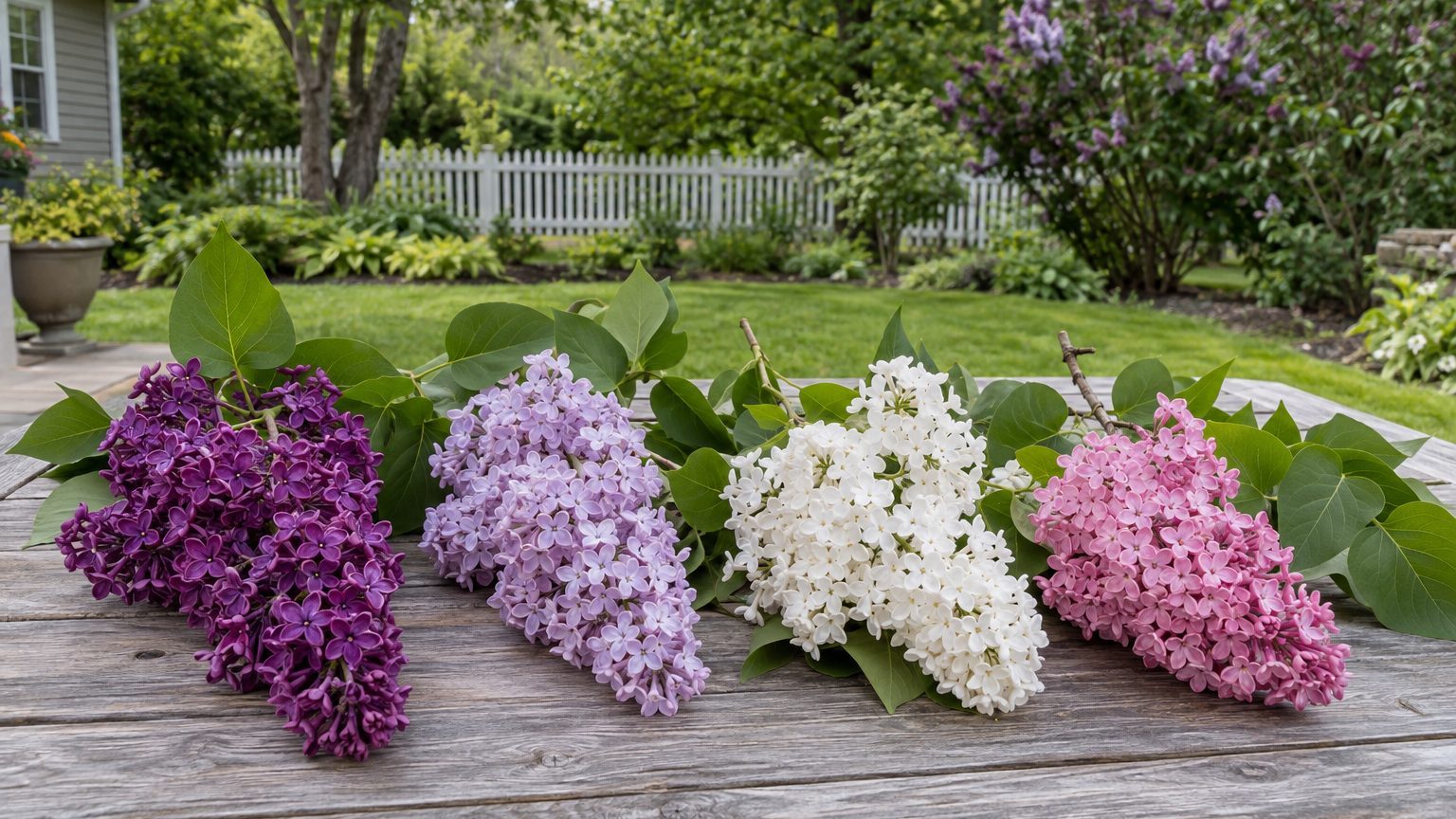
Lilacs flower in spring where winters are cold, and most of Florida never gives the buds the chill they need. Common lilac shrubs bloom poorly here, if they bloom at all. The cream-flowered cultivars ‘Ivory Silk’ and ‘Summer Snow’ are the lilacs worth trying in Florida, and crapemyrtle or chastetree are the better swaps when you want a dependable flowering shrub.
Best Lilacs to Grow in Florida

The common lilac is a poor match for Florida, because the buds need a cold winter rest to mature and the summers are hot and humid. Common lilac struggles in Florida, while ‘Ivory Silk’ and ‘Summer Snow’ offer alternatives for lilac fans and crapemyrtle or chastetree offer climate-friendly swaps.
Ivory Silk

‘Ivory Silk’ has a more consistent habit and carries more flowers than the species. The blooms are huge clusters of creamy white, and they open in early summer rather than spring.
Prune right after the flowers fade. The next year’s buds form in summer, so a cut made in late summer, fall or winter removes next season’s bloom.
Summer Snow

‘Summer Snow’ gets the same recommendation, and it is spectacular in flower. The seed pods hang on and keep the shrub interesting into fall, which is a bonus when most flowering shrubs have gone quiet.
It is known for pest resistance, though that does not mean it is pest-free. Check the leaves now and then rather than assuming it will look after itself.
Crapemyrtle
Lilacs are ill-suited to Florida’s summer heat and humidity, so crapemyrtle is a better fit. It takes the heat that wears a lilac down, and it gives you a flowering shrub or small tree through the season when lilacs struggle.
Chastetree
Chastetree is the other swap named for Florida yards. If you wanted a lilac for its upright, flower-heavy look, chastetree fills that gap without needing a cold rest that Florida winters do not deliver.
Florida — the year and the numbers
- State
- Florida
- USDA zones
- 8b-11b
- Last spring frost
- February 16 to March 7
- First fall frost
- November 26 to December 13
- Annual rain
- 53 in
- Lawn zone
- warm-season
- Source
- NOAA NCEI 1991-2020 Climate Normals, 32F freeze probabilities · Jacksonville
How to Choose a Lilac for a Florida Garden
Start with the summer, since that is what decides whether a lilac lives or just limps along. Common lilacs struggle in hot, humid weather and are prone to powdery mildew, which narrows the field fast.
After that it comes down to what you want from the shrub. The cream-flowered cultivars suit gardeners who accept an early-summer bloom, and the swaps suit everyone else.
| Your situation | What suits it in Florida | Why |
|---|---|---|
| Hot, humid summers | ‘Ivory Silk’, ‘Summer Snow’, or crapemyrtle and chastetree instead | Common lilacs struggle in heat and humidity and invite powdery mildew |
| Mild winters with little cold | Cream-flowered cultivars that bloom in early summer | Common lilacs need a cold winter rest and bloom poorly where winters stay mild |
| Little time for upkeep | ‘Summer Snow’ | Known for pest resistance, though not pest-free |
| A fuller, tidier shrub | ‘Ivory Silk’ or ‘Summer Snow’ | More consistent habit and more flowers than the species |
| Interest after the flowers | ‘Summer Snow’ | Persistent seed pods carry into fall |
If a heavy lilac scent is the whole point, be honest with yourself. The cream-flowered cultivars do not deliver it, and a swap such as crapemyrtle at least earns its place with flowers through the hot months.
Which Lilacs Suit Different Parts of Florida
Florida spans USDA hardiness zones 8b to 11b, and that spread changes how much a lilac has going for it from one end of the state to the other.
- North Florida: Around Jacksonville, winters can bring frost, so a cream-flowered cultivar has a better chance here than farther south. Summers are still hot and humid, so give it room for air to move.
- Central Florida: Around Orlando the winters are effectively frost-free, so the cold rest a lilac wants rarely arrives. Crapemyrtle or chastetree make a more dependable choice here.
- South Florida: Around Miami the same logic applies with more force. The growing calendar runs the other way, with the main season through winter and summer as the hard stretch, and lilacs fit that pattern badly.
Wherever you live in the state, the swaps are safer choices, and the cultivars remain an experiment.
Lilac Buying Mistakes to Avoid in Florida
Trusting a Heat Tolerance Label
Plenty of lilac cultivars on the market claim heat tolerance, but they often do not thrive in hot, humid regions the way they do in cooler climates. You pay for a shrub that gives few flowers and picks up mildew.
Choose ‘Ivory Silk’ or ‘Summer Snow’, or go straight to crapemyrtle or chastetree.
Expecting Classic Lilac Fragrance
The cream-flowered lilac lacks the fragrance of the spring-blooming types. Its scent is closer to privet, so it will not fill the yard the way a northern lilac does.
If fragrance is the goal, set that expectation before you buy. The flowers and the pods are what you are paying for.
Buying Without Knowing Adult Size
A shrub in a nursery pot tells you nothing about the size it reaches in the ground. A lilac planted too close to a walk or a wall ends up cut back hard, and cutting at the wrong time costs you the next year’s flowers.
Read the tag for mature height and spread before you dig, then mark that footprint on the ground and plant to it.
Where to Get Lilac Advice in Florida
Local advice matters more here than anywhere with a dependable lilac climate, since the answer changes between Jacksonville and Miami. University of Florida IFAS Extension offers local gardening guidance across the state.
- The county extension office can tell you which of the swaps and cultivars have done well in nearby yards, so call before you shop.
- Master gardener volunteers at the county office can help identify a leaf problem if you bring a sample, and a visit before planting season gets you the most useful answer.
Common Questions
What Is the White Powder on Lilac Leaves in Florida?
A white, dusty film on the leaves, showing up in hot, humid weather, points to powdery mildew. Common lilacs are prone to it in this kind of climate, which is one more reason the cream-flowered cultivars or the swaps make sense.
Why Is a Lilac Healthy but Not Flowering in Florida?
Green, vigorous growth with no buds, in a yard with frost-free winters, usually means the plant never got the cold rest it needs. Pruning at the wrong time can look the same, so think back to whether the shrub was cut in late summer, fall, or winter.
Can You Grow a Lilac in Orlando or Miami?
You can try, but the odds are poor in either city. Summer is the hard season there, and lilacs are ill-suited to the heat and humidity, so crapemyrtle or chastetree are the shrubs to plant instead.