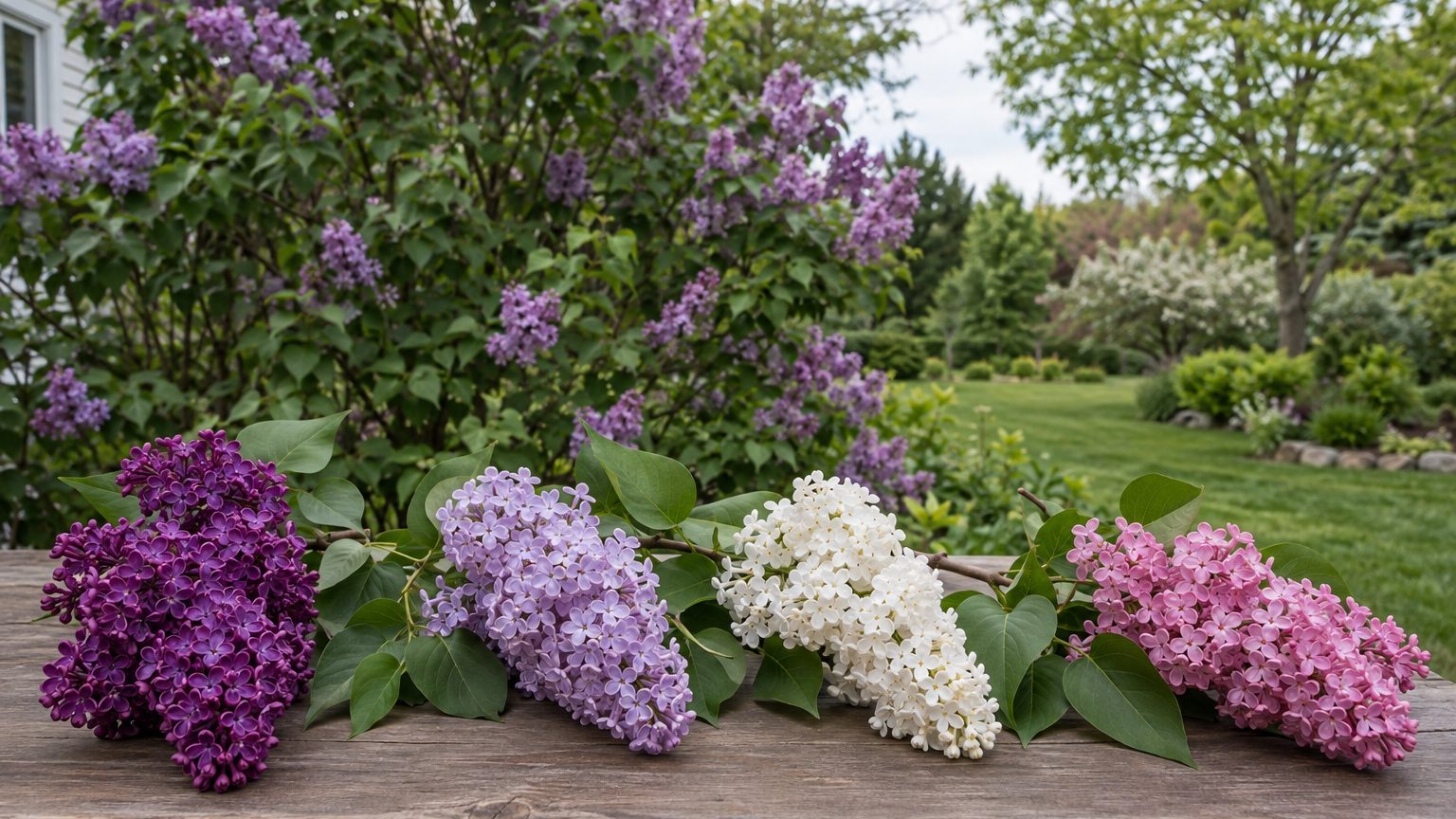
A lilac in full flower in April or May fills a whole yard with fragrance, and plenty of Tennessee homeowners want one by the front walk. The trouble is summer heat, which most lilacs were never bred for. A few types cope with it, and picking among them decides whether you get a fragrant shrub or one coated in mildew.
Best Lilacs to Grow in Tennessee

Lilacs need a cold winter rest to mature their flower buds, and they struggle in hot, humid summers, so Tennessee sits at the edge of what the plant likes. Across USDA hardiness zones 5b to 8a, the cooler mountain and plateau yards suit common lilac. Heat-tolerant types such as Miss Kim and the Korean early lilac suit the warmer parts of the state.
Common Lilac

The old-fashioned lilac (Syringa vulgaris) forms its flower buds only after a period of winter chill. In the heat of the warmer parts of the South it often picks up powdery mildew and borers. Some varieties do pretty well in the mountains, so keep common lilac for cooler East Tennessee yards.
Miss Kim Lilac

Miss Kim is a cultivar of Syringa patula, and it has been publicized as a lilac that can take hot Southern conditions. That makes it a sensible first pick if your summers are long and sticky. Plant it in sun with room around it so air moves through the leaves.
Korean Early Lilac
Syringa oblata var. dilatata, a variety of the Korean early lilac, is named as a candidate for the South. Treat it as worth trying rather than guaranteed. It makes a good companion to Miss Kim if you want to see which one settles in better on your lot.
Bloomerang Lilacs
The Bloomerang group is made up of cultivars noted for blooming in spring, then again in summer and fall. That second round gives you flowers after the main show is over. Like other lilacs, they still want sun and a site where heat does not pile up.
Hyacinthiflora Lilacs
These vigorous hybrids look like French hybrids but bloom earlier. Early flowering has a cost. At Nashville the last spring freeze falls between March 31 and April 12, so an early bloomer can open while a freeze is still possible. Plant them only where late frosts are less frequent.
Tennessee — the year and the numbers
- State
- Tennessee
- USDA zones
- 5b-8a
- Last spring frost
- March 31 to April 12
- First fall frost
- October 28 to November 8
- Annual rain
- 51 in
- Lawn zone
- transition-season
- Source
- NOAA NCEI 1991-2020 Climate Normals, 32F freeze probabilities · Nashville
How to Choose a Lilac for a Tennessee Garden
Start with where your yard sits and how your summers feel. A cool hillside and a baking, humid lowland call for different lilacs, and the plant that thrives in one will sulk in the other.
Then think about bloom time. Lilacs flower from April through June depending on the species, so you can stretch the season by mixing a few.
| Your situation | What suits it in Tennessee | Why |
|---|---|---|
| Cool mountain or plateau yard | Common lilac | Its flower buds need winter chill, and some varieties do pretty well in the mountains |
| Hot, humid summers | Miss Kim | Publicized as a lilac that can take hot Southern conditions |
| Hot summers, and you like to experiment | Korean early lilac | Named as a candidate for the South |
| Frost still common when buds open | Skip Hyacinthiflora types | They bloom earlier, so frost can catch the flowers |
| You want flowers beyond spring | Bloomerang group | Blooms in spring, then again in summer and fall |
| You want a long bloom season | A mix of species | Each has its own flowering time between April and June |
Plain common lilac in a hot lowland is the combination that tends to disappoint, since heat brings mildew and borers to it. If you only have room for one shrub, match it to the row that sounds most like your yard.
Which Lilacs Suit Different Parts of Tennessee
Tennessee runs from mountain ridges to river lowlands, and the lilac that suits one end may not suit the other. Spring also arrives on a different schedule depending on where you live.
- East Tennessee mountains: Cooler air makes this favorable ground for common lilac, which wants real winter chill. Spring runs later here than in Nashville, so early bloomers are still vulnerable to frost.
- Cumberland Plateau: Spring also runs later on the plateau, and the cooler setting favors common lilac over heat-tolerant types. Hold off on Hyacinthiflora lilacs where frost lingers.
- Nashville and Middle Tennessee: Summers turn hot and humid, so lean toward Miss Kim or the Korean early lilac. Common lilac can be tried, but expect mildew and borers to test it.
- Memphis and West Tennessee: This part of the state is warmer than the east, so lilacs here have more heat to endure. Heat-tolerant selections are the sensible choice here.
Wherever you live, a spot that catches morning sun and keeps air moving helps any lilac cope with humidity.
Lilac Buying Mistakes to Avoid in Tennessee
Buying a Lilac That Wants Too Much Chill
A common lilac planted in a hot lowland yard may survive but flower poorly, since its buds depend on a cold winter rest. The cost is years of care for a shrub that mostly sulks and gets mildew and borers. Choose Miss Kim or the Korean early lilac for warmer ground and keep common lilac for the mountains.
Planting Early Bloomers in Frost Pockets
Hyacinthiflora lilacs open ahead of French hybrids, which can put open flowers in front of a late freeze. The cost is a spring with brown, ruined blooms. If your low spot holds cold air, pick a later bloomer or put the shrub on higher, better-drained ground.
Ignoring Mature Size
A lilac in a nursery pot looks small and polite, but it grows into a large shrub with many stems. Read the tag for mature height and width, and plant it far enough from walks and windows that it never needs heavy cutting.
That matters because lilacs bloom on last year’s wood and set next year’s flower buds in summer, soon after they flower. For lilacs that bloom once, prune in May or June, right after the flowers fade. Pruning in late summer, fall or winter cuts off the next spring’s flowers. An overgrown lilac can be cut back hard in March or April, but it will not flower for a few years afterward.
Where to Get Lilac Advice in Tennessee
Statewide lilac and shrub guidance is available, and each county has an office that knows local conditions. Local guidance can help confirm which lilac fits your elevation and soil.
- Browse the University of Tennessee Extension site for shrub and landscape publications before you shop for a plant.
- Call your county extension office in late winter to ask which lilacs local gardeners are growing successfully.
- Bring photos of leaves with mildew or of stems with borer damage, and ask what is behind them before you replace the shrub.
Common Questions
When Do Lilacs Bloom in Tennessee?
Most lilacs flower in April and May, and some species carry on into June. Hyacinthiflora types open early, so if you want fragrance for as long as possible, mix early and later bloomers.
Can You Mix Different Lilacs for a Longer Bloom?
Yes. Each lilac has its own flowering time between April and June, so planting several species spreads the show over a longer stretch. Adding a Bloomerang gives you flowers again later in the year.
What Are the Botanical Names of the Heat-Tolerant Lilacs?
Miss Kim is a cultivar of Syringa patula. The Korean early lilac variety is Syringa oblata var. dilatata. Showing the botanical name to a nursery helps you avoid being handed a common lilac when you wanted one of these.