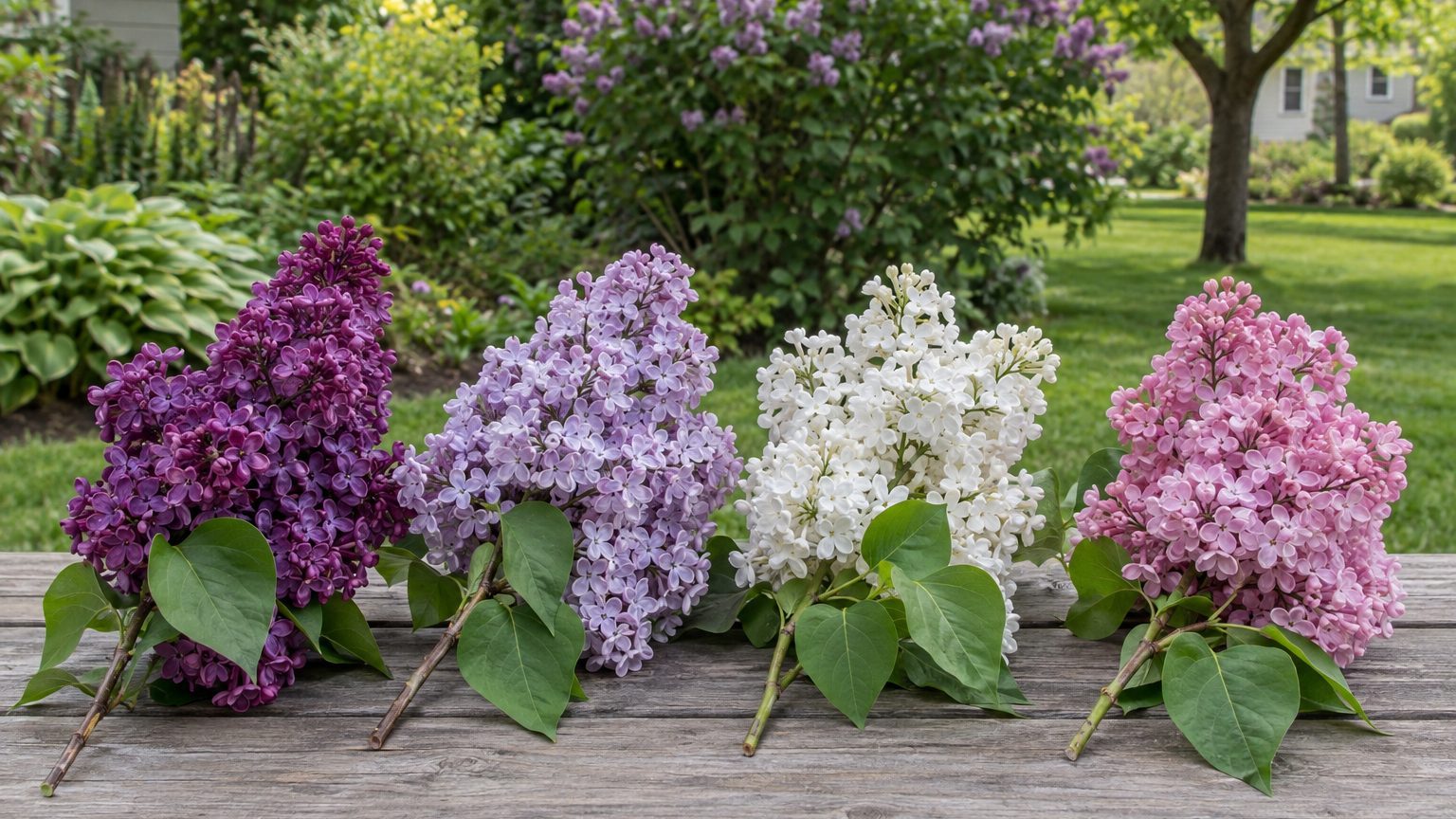
Lilacs that look healthy in a South Carolina yard often leaf out nicely and then skip the flowers, because the buds never got the cold winter rest they need. Heat and humidity add powdery mildew to the problem. Southern lilacs and a few heat-tolerant types are the ones that earn their space here.
Best Lilacs to Grow in South Carolina

Southern lilacs and heat-tolerant selections tend to do well here, while the classic common lilac usually struggles. Winters stay mild across most of the state, and summers are hot and humid. Lilacs set their flower buds through a cold rest, so the shrub may leaf out well and still bloom poorly. The choices below handle that better than a standard nursery lilac.
Southern Lilacs

Plants labeled Southern lilacs or lilacs for the South are early-blooming types that usually grow and flower where winters are mild. Expect less fragrance than the lilacs of cold regions. For most South Carolina yards, this label is the safest place to begin.
Descanso Hybrids

These hybrids were developed in Southern California, and they are worth trying in a warm-winter garden. The white Angel White, the blue Blue Boy and the pink California Rose are the ones named. They are worth trying in our climate.
Superba Lilac
The cultivar Superba is heat tolerant and mildew resistant, with dark pink, single flowers. Those traits matter in a South Carolina summer, when humid weather invites powdery mildew on ordinary lilacs. Give it open air around the branches.
Meyer Lilac
Syringa meyeri grows slowly, with dense foliage and a broadly rounded shape. That tidy habit suits a foundation bed or a front-yard corner where a large shrub would crowd the walk. Slow growth also means you wait longer for a full plant, so buy the biggest pot you can reasonably handle.
Littleleaf Lilac
Syringa microphylla, called the Littleleaf lilac, is a smaller-leaved relative of the common lilac. It is a reasonable plant to try where the common lilac has failed, though it will still appreciate good drainage and sun. Plant it where air moves freely.
South Carolina — the year and the numbers
- State
- South Carolina
- USDA zones
- 7a-9a
- Last spring frost
- February 28 to March 17
- First fall frost
- November 20 to December 5
- Annual rain
- 53 in
- Lawn zone
- warm-season
- Source
- NOAA NCEI 1991-2020 Climate Normals, 32F freeze probabilities · Charleston
How to Choose a Lilac for a South Carolina Garden
Match the plant to the problem you are most likely to have. In most of this state the trouble is heat, humidity and too little cold, not winter damage. Your lawn‘s sun, the room you have and how much care you want to give decide the rest.
Whichever lilac you pick, prune it right after the flowers fade. It sets next year’s flower buds in summer, so pruning in late summer, fall or winter cuts off the coming spring’s bloom.
| Your situation | What suits it in South Carolina | Why |
|---|---|---|
| Hot, humid summers | Superba | It is heat tolerant and mildew resistant, while common lilacs suffer from powdery mildew in humid heat. |
| Mild winters | Southern lilacs or Descanso hybrids | They bloom with little winter chilling and flower early. |
| Small space | Meyer lilac | It grows slowly, with dense foliage and a broadly rounded shape. |
| Need for cold | Low chill cultivars | Even these perform best after an extended cold winter rest, so give them the coolest spot you have. |
Gardeners short on time should lean on the mildew-resistant Superba, since it spares you the fight against leaf disease. The Littleleaf lilac is another plant worth trying if you want something different.
Which Lilacs Suit Different Parts of South Carolina
Winter cold is what lilacs want, and it varies across the state. The cooler your corner of South Carolina, the better your odds of a good bloom.
- Upstate: Winters run cooler here than in much of the state. That gives lilacs more of the cold rest they need, so low chill cultivars and Superba have their best chance in this part of the state.
- Charleston and the Lowcountry: Peninsular Charleston is milder still. Stay with Southern lilacs and Descanso hybrids, and treat any common lilac as a gamble.
The same logic applies in the range that falls between those extremes. The farther you are from the coast, the more you can try.
Lilac Buying Mistakes to Avoid in South Carolina
Buying a Common Lilac
Many cultivars claim heat tolerance, but they often do not thrive in the Deep South as they do in cooler climates. A common lilac struggles through periods of high heat and humidity, which brings powdery mildew. The fix is to choose a Southern lilac, a Descanso hybrid or Superba instead.
Expecting Flowers Without Cold
Zones here run from 7a to 9a on the USDA system, so cold damage is rarely the worry. The worry is the opposite. A variety that wants a long cold rest may sprout leaves for years and never flower. Pick a low chill selection and plant it where winter lingers longest.
Ignoring Adult Size
A pot at the garden center says nothing about what the shrub will become. The Early lilac and common lilac grow into large shrubs. Planted beside a walkway or window, either one will need constant cutting back, and cutting at the wrong time costs you the flowers. Check the mature size on the tag, or choose the slow-growing Meyer lilac.
Where to Get Lilac Advice in South Carolina
Local growers know which lilacs survive your particular soil and summers. Clemson Extension and your county office are the places to start.
- Its plant guidance can help before you buy a shrub.
- Your county office can look at a photo of a struggling lilac, so bring one when leaves show a white coating.
- Ask which lilacs local gardeners have kept alive, and buy one of those at your next nursery visit.
Common Questions
Are Southern Lilacs as Fragrant as Common Lilacs?
Southern lilacs usually grow and bloom well in warm places, but they are not as fragrant as the lilacs you may remember from colder climates. If scent matters most, expect a trade-off in exchange for reliability.
Why Do Lilac Leaves Turn White and Dusty?
A powdery white coating on the leaves, showing up in humid, hot stretches, points to powdery mildew. Common lilacs are especially prone to it here. Choosing a mildew-resistant selection such as Superba can reduce the risk.
Is Cold Winter Damage a Concern for Lilacs in South Carolina?
Cold damage is rarely the issue. Lilacs are hardy plants, and the state’s winters are mild enough that the real concern is getting enough cold for flower buds to mature, not surviving the freeze.