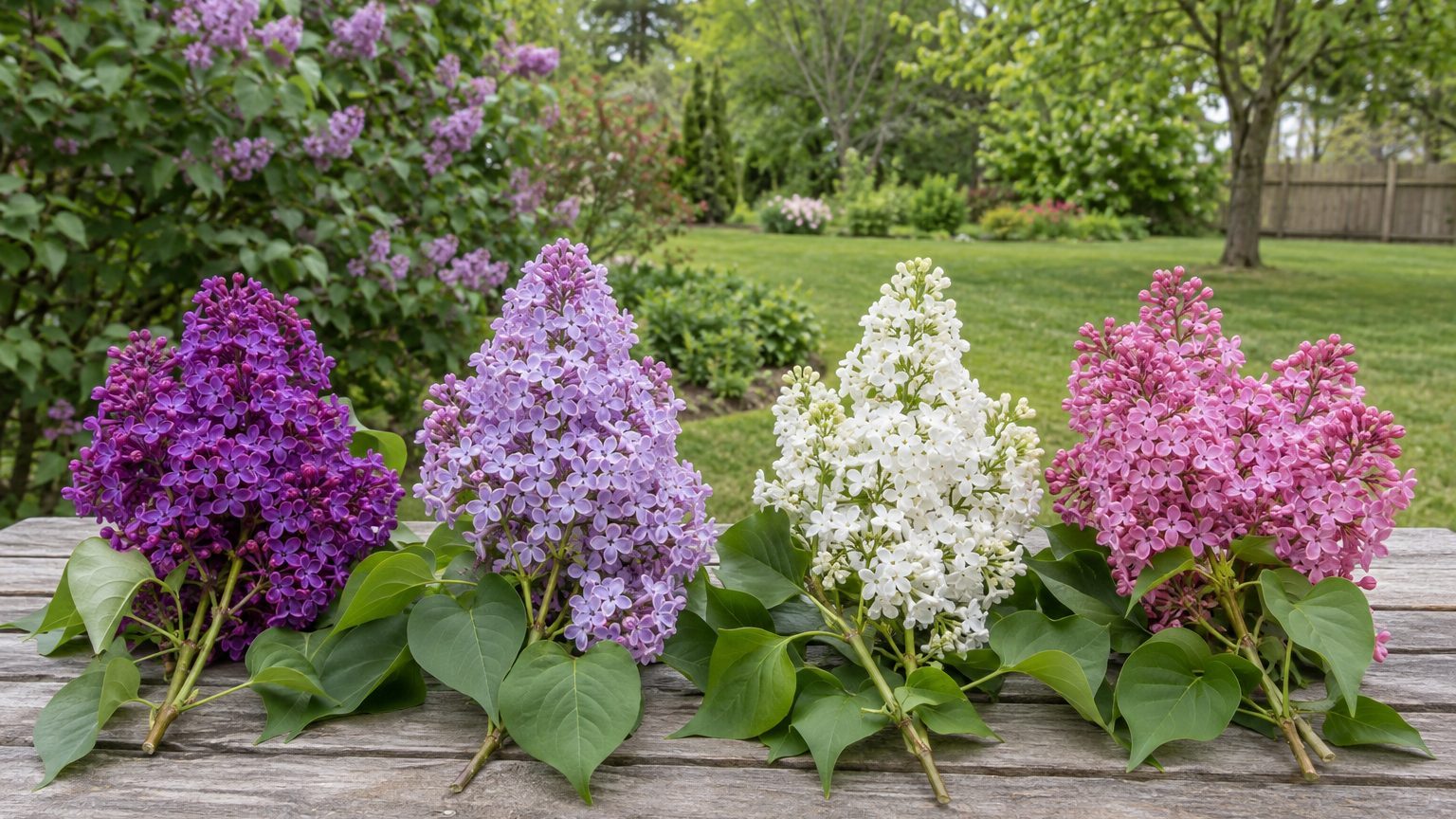
A lilac in full bloom in May is a much-loved sight in an Ohio yard, and the shrub that produces it is easy to grow here. Ohio sits in USDA hardiness zones 5b to 6b, and its cold winters give lilacs the rest they need.
Best Lilacs to Grow in Ohio

Common lilacs, early hybrids and reblooming types all do well in Ohio when they have a sunny site with good air circulation. Humid summer weather can still test a lilac, so site choice matters.
Common Lilac

Syringa vulgaris is the common lilac in stores, and it is now considered a naturalized species of North America. It is hardy to -60°F, so it has no trouble overwintering anywhere in the state.
It is not picky about soil, rarely needs fertilizer and has few pest or disease problems. Give it a sunny spot with room for air to move.
Early Hybrid Lilacs

Hybrids between S. oblata and S. vulgaris are well suited to cold climates and bloom in mid to late April. They suit a gardener who wants lilac scent a little ahead of the common types.
Plant them where cold air can drain away, since an early bloom meets more frost risk.
Large-Flowered Lilacs
Some lilacs are noted for the largest flowers and a mid-season May bloom. They fill the gap after the early hybrids and add a bold display to the lilac season.
Choose a spot near a patio or walkway where the size of the blooms and the fragrance can be enjoyed.
Reblooming Lilacs
There are many nice cultivars, especially reblooming ones. They are a good fit if the spring flush feels too short, and they handle Ohio winters like other lilacs.
Treat them like any other lilac for pruning: cut right after the spring flowers fade.
Late-Blooming Lilacs
Late-blooming lilacs open after the common lilacs and before the tree lilacs. Planting one extends the season, with bloom reaching into June.
Pair one with a common lilac and the same corner of the yard stays in flower much longer.
Ohio — the year and the numbers
- State
- Ohio
- USDA zones
- 5b-6b
- Last spring frost
- May 5 to May 15
- First fall frost
- October 5 to October 15
- Annual rain
- 42 in
- Lawn zone
- cool-season
- Source
- Ohio State University Extension — Ohio Gardening Calendar · Columbus
How to Choose a Lilac for an Ohio Garden
Ohio gives lilacs most of what they want, so the choice comes down to your yard and how much care you want to give. Bloom runs from April through May, and some later types carry on into June.
Powdery mildew is a very common problem on common lilac, so a resistant cultivar saves work in humid summers.
| Your situation | What suits it in Ohio | Why |
|---|---|---|
| Very cold winter | Common lilac | Hardy to -60°F, so winter is no trouble |
| Hot, humid summer | Mildew-resistant cultivar | Powdery mildew is a very common problem on this species |
| Little time for care | Common lilac | Not picky about soil, rarely needs fertilizer, few pest or disease problems |
| Wanting a long season | Early hybrid, common and late bloomer | Bloom starts in mid to late April and the late types follow after the common lilacs |
| Border or screen | Common lilac | Works well as a border shrub or privacy screen and attracts pollinators |
| Need for cold | Any lilac in a sunny, open spot | Buds need a cold winter rest, which Ohio provides |
Small yards need a more careful match. Check a plant’s mature size on the tag before you buy.
Which Lilacs Suit Different Parts of Ohio
Ohio spans USDA hardiness zones 5b to 6b, and lilacs are comfortable across that whole range. The differences are small and mostly concern timing.
- Central Ohio: Columbus-area gardeners can grow the full range, from early hybrids to late bloomers, and the last spring frost falls between May 5 and May 15 in USDA zone 6a.
- Northern Ohio: Colder winters only help, since lilacs need a cold rest, so choose early hybrids with a frost-safe spot in mind.
- Southern Ohio: Warmer summers mean humid weather, so mildew-resistant cultivars and good air circulation matter more.
Wherever you live, a sunny spot with moving air does more for a lilac than any variety choice.
Lilac Buying Mistakes to Avoid in Ohio
Pruning at the Wrong Time
A lilac blooms on last year’s wood and sets next year’s flower buds in summer, soon after it flowers. Pruning in late summer, fall or winter cuts off the next spring’s flowers.
Prune in May or June, right after the blooms fade.
Cutting an Overgrown Lilac Hard
An overgrown lilac can be cut back hard in late winter, in March or April, but it will not flower for a few years afterward. Do it only when the shrub is beyond ordinary pruning.
For a lilac that is only a little crowded, thin it gradually after bloom instead.
Ignoring Mildew Resistance
Powdery mildew is a very common problem on common lilac, and a susceptible cultivar may develop whitened leaves in humid summers. When selecting a cultivar, look for one that is resistant to this disease.
With so many cultivars available, you can usually find a resistant one in the color you want.
Where to Get Lilac Advice in Ohio
Ohio gardeners have a free, local source of lilac advice in Ohio State University Extension, which has offices that serve every county.
- The state extension site has lilac guides written for Ohio conditions, useful before you pick a variety in winter or early spring.
- Your county extension office can answer questions about a particular shrub, especially while the lilacs are in bloom.
Common Questions
When Should You Prune Lilacs in Ohio?
May and June suit pruning, right after the flowers fade, because the next buds form soon after.
When Do Lilacs Bloom in Ohio?
Bloom runs from April through May, and later cultivars can carry into June.
Are Lilacs Hard to Grow in Ohio?
No. Common lilacs are hardy to -60°F, tolerate most soils and have few pest or disease problems.